


OLED vs. Incell vs. Aftermarket: Repair Shop Deep Dive

OLED vs. Incell vs. Aftermarket: Repair Shop Deep Dive — The Ultimate 2025 Guide
Introduction
In today’s fast-moving smartphone world, not all screens are created equal. Whether you’ve dropped your iPhone or cracked your Samsung Galaxy display, you’ll likely encounter three key terms at a repair shop — OLED, Incell, and Aftermarket.
These display types are more than just buzzwords; they determine your phone’s visual quality, touch sensitivity, and even how long your repair lasts. For repair experts like David from Sydney CBD Repair Centre, understanding these technologies isn’t just a choice — it’s a commitment to quality.
In this article, we’ll dive deep into each display type, analyze their pros and cons, and help you decide which one suits your phone best in 2025.

Understanding OLED Technology
OLED (Organic Light Emitting Diode) technology revolutionized smartphone displays by offering self-illuminating pixels — meaning each pixel emits its own light.
Key Advantages
- Superior Contrast Ratio: True blacks and vivid colors.
- Thin and Flexible: Allows for slimmer phones with curved edges.
- Energy Efficient: Uses power only when displaying non-black content.
- Fast Response Times: Ideal for gaming and smooth video playback.
Downsides
- Cost: More expensive than LCD or Incell screens.
- Burn-In Risk: Prolonged display of static images may leave marks.
In high-end models like Samsung Galaxy S23 or iPhone 13 Pro, OLED remains the gold standard. For users seeking premium quality and long-term durability, OLED is worth the investment.
What is Incell Display Technology?
Incell displays integrate the touch sensor directly into the LCD layer, eliminating the need for a separate touch panel. This makes the display thinner, lighter, and more responsive.
Benefits
- Enhanced Touch Accuracy: Faster and more precise user interaction.
- Better Visibility: Improved brightness under sunlight.
- Reduced Thickness: Sleeker device design.
Limitations
- Slightly Lower Color Depth: Compared to OLED.
- Repair Difficulty: Integrated components make replacement more delicate.
Incell screens are ideal for users seeking a balance between performance and price, commonly seen in mid-range devices.
Aftermarket Screens Explained
Aftermarket screens are third-party replacements, not made by the original phone manufacturer. Their quality can vary widely depending on the supplier.
Pros
- Lower Cost: Affordable alternative for out-of-warranty repairs.
- High Availability: Easier to source for older models.
- Acceptable Performance: Good quality if sourced from reliable vendors.
Cons
- Inconsistent Quality: Some units may lack color accuracy.
- Lower Brightness: Not as vibrant as OEM or OLED screens.
- Reduced Lifespan: May wear out faster under heavy use.
Trusted shops like Sydney CBD Repair Centre only use high-grade aftermarket or genuine OEM parts, ensuring the best value and reliability.
OLED vs. Incell: Technical Comparison
| Feature | OLED | Incell |
|---|---|---|
| Brightness | Excellent | Good |
| Color Accuracy | Superior | Moderate |
| Thickness | Thinner | Thin |
| Touch Sensitivity | Excellent | High |
| Durability | Moderate | Good |
| Price | Higher | Moderate |
| Battery Efficiency | Better | Good |
While OLED provides better visual experience, Incell remains a solid alternative for those on a tighter budget.
Aftermarket vs. OEM: The Repair Shop Dilemma
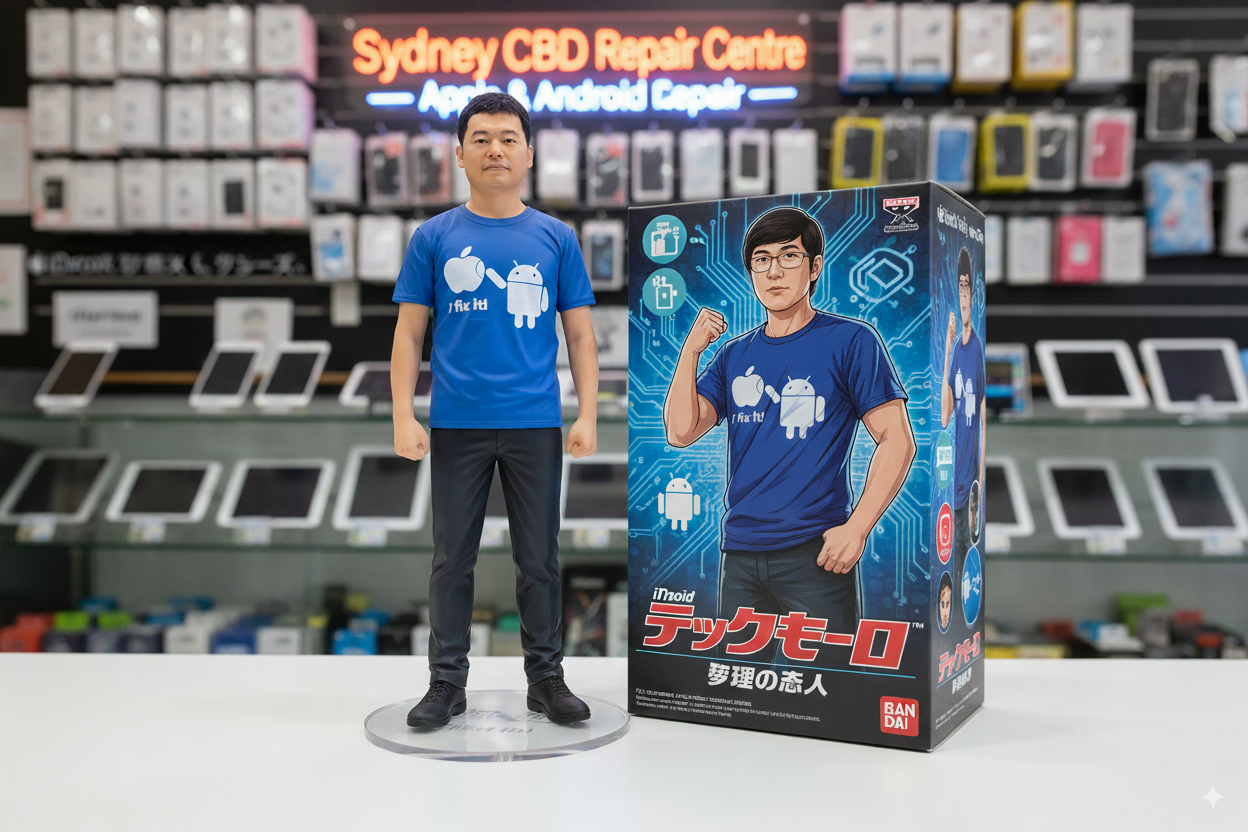
Repair technicians often face the decision: use OEM parts for perfection or high-quality aftermarket screens for affordability.
At Sydney CBD Repair Centre, technicians assess each device to recommend the best fit. For flagship phones, OEM OLED screens are preferred. For older or mid-tier models, Incell or premium aftermarket displays deliver excellent results without breaking the bank.
Durability and Lifespan Differences
- OLED: May suffer from burn-in over years of use.
- Incell: Resistant to minor damage and ideal for daily users.
- Aftermarket: Lifespan depends on supplier quality and installation precision.
Proper installation, humidity control, and genuine adhesives significantly impact longevity — something Sydney CBD Repair Centre guarantees on every repair.
Color Accuracy and Brightness Levels
OLED reigns supreme in color vibrancy, capable of deep blacks and true whites. Incell displays, though slightly muted, still provide rich visuals. Aftermarket screens vary — top-tier ones nearly match OEM performance, while low-grade ones may appear washed out.
Touch Sensitivity and Responsiveness
Incell and OLED screens outperform traditional LCDs with fast touch response. This is crucial for gaming, drawing, or multitasking. Sydney CBD Repair Centre ensures calibration for seamless user experience post-repair.
Battery Efficiency and Power Consumption
OLED displays consume less power when displaying dark themes. Incell screens, being LCD-based, use more consistent backlighting. Choosing OLED can improve battery life by up to 15% for users who prefer dark mode.
Cost Breakdown: Which Offers Best Value?
| Display Type | Average Cost (AUD) | Ideal For |
|---|---|---|
| OLED | $250 – $500 | Premium phone owners |
| Incell | $180 – $300 | Mid-range users |
| Aftermarket | $120 – $220 | Budget-conscious repairs |
While OLED screens are pricier, they provide unmatched quality. Incell offers a sweet spot between cost and performance, while aftermarket suits those prioritizing affordability.
Repair Compatibility and Availability
Incell and aftermarket displays are readily available across most models. OLED screens, however, may have limited stock or higher prices for newer devices. Reputable repair centers like Sydney CBD Repair Centre maintain direct supplier connections to ensure availability.
Expert Insights from Sydney CBD Repair Centre
David and his team at Sydney CBD Repair Centre emphasize transparency and quality. With over 2000 five-star reviews and six consecutive “Best Phone Repair” awards, their philosophy is simple — genuine parts, professional care, and honest service.
“We never compromise on quality. Whether it’s an OLED or Incell screen, we ensure every customer walks out satisfied — with a display that feels brand new.”
— David, Sydney CBD Repair Centre
Frequently Asked Questions (FAQs)
1. What’s the main difference between OLED and Incell screens?
OLED screens use self-lighting pixels, while Incell integrates the touch layer into the LCD structure, making it thinner but less vibrant.
2. Are aftermarket screens worth it?
Yes, if you choose a trusted repair shop. Reputable centers like Sydney CBD Repair Centre use high-quality aftermarket screens that rival OEM performance.
3. How long does an OLED replacement last?
Typically 2–4 years depending on usage and care. Avoid static images to prevent burn-in.
4. Which screen type offers better battery performance?
OLED generally consumes less power, especially in dark mode.
5. Are Incell screens good for gaming?
Yes. They offer precise touch sensitivity and good refresh rates suitable for gaming and multitasking.
6. Can I tell if my phone has an aftermarket screen?
Slight differences in brightness, color tone, or touch responsiveness may reveal an aftermarket display. Ask your repair technician for confirmation.
Conclusion

Choosing between OLED, Incell, and Aftermarket screens depends on your priorities — whether that’s display quality, budget, or durability.
At Sydney CBD Repair Centre, you’ll receive expert guidance and the assurance of genuine parts, same-day repairs, and a 90-day warranty. With over 2000 positive reviews, they remain Sydney’s most trusted name in mobile repairs.
Visit SydneyCBD.repair or call +61280114119 today — experience why Sydney CBD Repair Centre is where quality meets reliability.

