


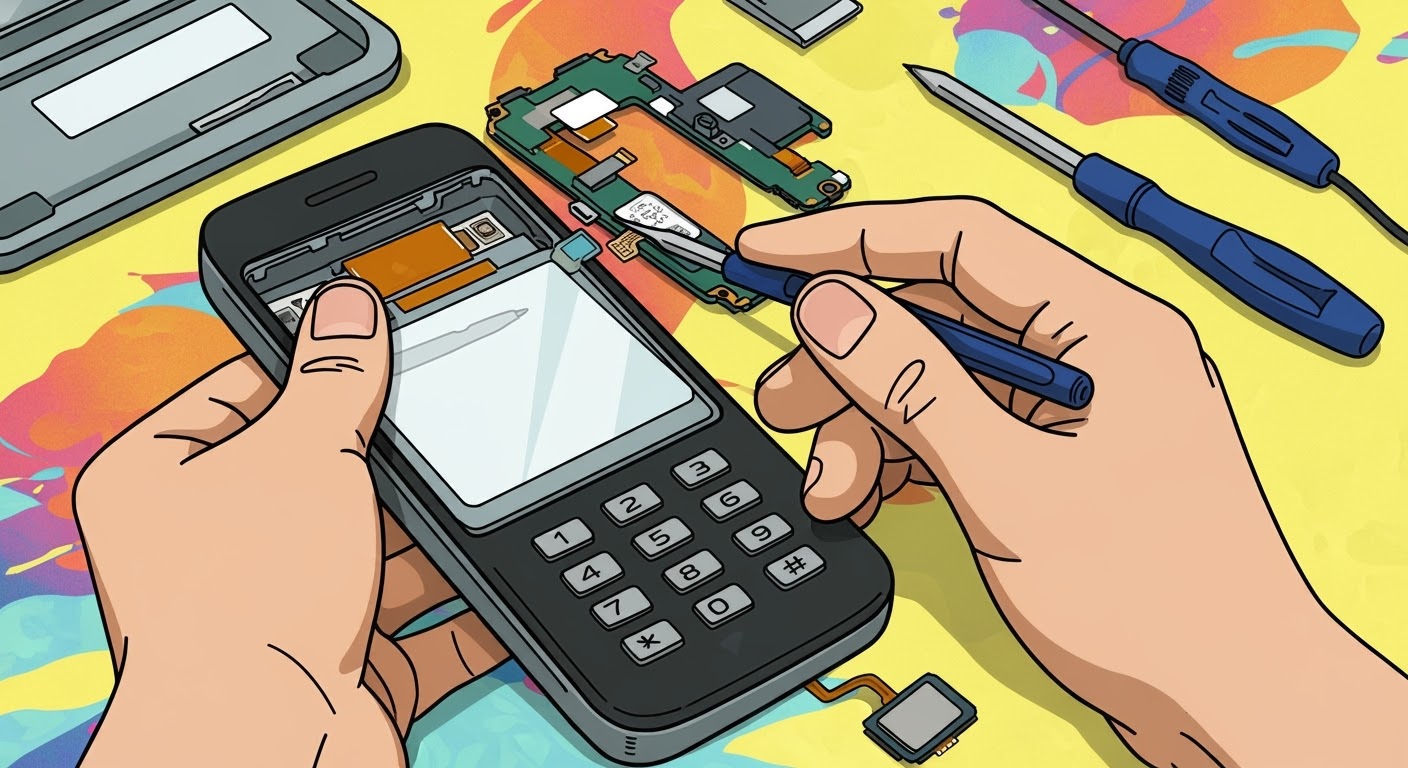
Replacing the screen of a rare vintage phone

Replacing the Screen of a Rare Vintage Phone – Expert Guide + 17 Key Tips
🧭 Why Vintage Phones Still Matter in 2025
In today’s high-tech world of foldables and AI-powered smartphones, vintage phones may seem outdated. But for collectors, tech enthusiasts, or people with a sentimental attachment, these devices carry immense value.
Whether it’s a Nokia 8800, Motorola Razr V3, or even an early iPhone 2G, rare vintage phones are more than just functional items—they’re pieces of history. Some are worth thousands due to limited production or iconic design.
Top Reasons People Repair Vintage Phones:
- Emotional attachment or nostalgia
- Collectible or resale value
- Robust hardware with long-lasting battery
- Simpler functionality without distractions
With that significance in mind, keeping your vintage phone in pristine condition—especially the screen—is essential.

🔍 Challenges in Repairing Rare Vintage Phone Screens
Repairing a rare vintage phone isn’t the same as fixing a modern smartphone. Several challenges make it complex:
- Scarce replacement parts
- Unique display types like LCD, monochrome, or OLED
- Unusual screws or casing designs
- Risk of damaging irreplaceable components
- No official repair support from manufacturers
Some vintage phones are out of circulation for more than a decade. That means you’re often dealing with aftermarket parts or salvaging from donor phones, which adds another layer of difficulty.
🆔 Identifying the Make and Model Accurately
Before you even open up the device, you must know exactly what you’re working with. Mismatching models can result in incompatible parts or irreversible damage.
Tips for Identifying Vintage Models:
- Look under the battery or back panel for model numbers.
- Use IMEI-based lookup tools.
- Compare external design with official product archives or collector forums.
- Search by chipset or screen specs if label is faded.
Take note: Model variants can differ even within the same release year.
🛠 Tools and Parts Required for Vintage Screen Replacement
Replacing a screen is only successful if you have the right tools on hand. Vintage phones often use proprietary fasteners or unique connectors.
Essential Tools:
| Tool | Purpose |
|---|---|
| Precision screwdriver set | For opening small screws |
| Plastic prying tools | To avoid scratching casings |
| Heat gun or hairdryer | For loosening adhesive (if applicable) |
| Antistatic gloves or mat | Prevents static damage |
| Magnifying glass | For intricate work on connectors |
Must-Have Parts:
- Compatible screen panel
- Adhesive strips or glue
- Protective screen film (optional)
🛒 Where to Source Original or Compatible Screens
Finding original screens can be tough, but not impossible. Here’s where to look:
- eBay, AliExpress, and Etsy – Be cautious of seller ratings.
- Online vintage parts retailers like MobileSentrix
- Donor phones from local recyclers or tech enthusiasts
- Specialist repair shops like Sydney CBD Repair Centre that stock rare parts
Make sure the part you purchase is:
- Verified to work for your exact model
- Tested (if refurbished)
- Returnable in case of incompatibility
🧐 Assessing the Damage: Can It Be Repaired or Not?
Before diving into the repair, assess the screen issue thoroughly. Not all cracks or display problems require a full replacement.
Types of Screen Damage:
- Surface scratches: Often cosmetic, can be polished.
- Cracked glass: Needs screen replacement if touch is affected.
- Display artifacts: Lines, flickering, or dead pixels = LCD issue.
- Unresponsive screen: Could be a digitizer or logic board issue.
If the internal display functions but the glass is cracked, some rare phones allow glass-only replacements—a more affordable and less risky option.
🔧 Step-by-Step Process for Replacing a Vintage Phone Screen
Let’s get into the core of this guide—how to replace a rare vintage phone screen safely and effectively.
Step 1: Safety First – Power Down and Disassembly
- Turn off the phone and remove the battery (if possible).
- Use the correct screwdriver to remove external screws.
- Keep screws organized—they’re often different sizes.
Step 2: Remove the Damaged Screen
- Use a prying tool to gently lift the screen away.
- If glued, apply controlled heat to soften adhesive.
- Be cautious with ribbon cables and connectors—they’re fragile.
Step 3: Install the New Screen
- Connect the new screen carefully.
- Secure it back in place with adhesive or clips.
- Reassemble the phone and power it on to test.
⚠️ Common Mistakes to Avoid During Screen Replacement
Even experienced DIYers can make mistakes. Here are a few to steer clear of:
- Applying too much force when prying the casing
- Overheating the display while softening adhesive
- Not grounding yourself, causing static damage
- Mixing up screws, which can damage internal components
- Using incompatible replacement screens
Remember: One wrong move can permanently ruin a rare piece of tech.
🧑🔧 When You Shouldn’t DIY – Let the Experts Handle It
If you’re unsure about any part of the process, it’s always better to consult professionals. A misstep with a rare device may leave you with no repair option.
Situations when expert help is better:
- If you can’t source the right part
- If the phone won’t power on
- If soldering is required
- If it’s an irreplaceable collector’s item
🛠 How Sydney CBD Repair Centre Handles Vintage Phone Repairs

At Sydney CBD Repair Centre, we specialise in restoring rare vintage phones to full functionality. With over 6 years of award-winning service and more than 2000 positive reviews, our repair process guarantees reliability and expertise.
Our Process:
- Diagnosis – We assess all components, not just the screen.
- Genuine Part Sourcing – We use our network to find OEM or best-fit replacements.
- Professional Repair – Conducted by skilled technicians.
- Post-Repair Testing – We ensure everything works perfectly before handing it back.
We also provide:
- 90-day warranty
- Same-day express service
- Genuine parts guarantee
Locate us here or call +61280114119.
❓ FAQs – Vintage Screen Replacement Questions Answered
Q1: Can you replace the screen on any vintage phone?
A: Not all, but most. It depends on part availability and internal condition.
Q2: Is it better to restore or preserve a vintage phone?
A: Restoration is great for functionality. Preservation is ideal for collectors.
Q3: How long does a vintage screen replacement take?
A: Typically 1–2 days depending on part sourcing.
Q4: Are replacement parts original?
A: We strive to use original parts, or the closest available OEM alternative.
Q5: Can you upgrade the screen to a newer display?
A: Not usually. Most vintage phones are not compatible with modern display tech.
Q6: How much does a vintage screen repair cost?
A: Prices vary widely depending on the model. Contact us for a quote.
🏁 Final Thoughts on Restoring Your Vintage Device
Replacing the screen on a rare vintage phone is more than a repair—it’s a restoration of history. While the process can be tricky, with the right tools, parts, and expertise, you can breathe new life into a beloved device.
If you’re in Sydney, trust the Sydney CBD Repair Centre for fast, reliable, and professional service. We treat every device—old or new—with the respect it deserves.

