


THE ART OF ADHESIVE: Ensuring IP68 Water Resistance After A Professional Screen Fix

THE ART OF ADHESIVE: Ensuring IP68 Water Resistance After A Professional Screen Fix + Ultimate Guide + 12 Expert Secrets
Introduction to IP68 Water Resistance
When it comes to modern smartphones, IP68 water resistance isn’t just a marketing buzzword—it’s a crucial feature that protects devices from dust, spills, and accidental immersion. However, once a device undergoes a professional screen fix, maintaining that original level of protection becomes a real challenge.
This is where the art of adhesive comes into play.
Adhesives are the unsung heroes in smartphone repair. They ensure that after a screen replacement, your phone remains sealed tightly enough to resist water ingress. Without proper adhesive application, even the most advanced device becomes vulnerable.
In this guide, we’ll explore how experts restore IP68 water resistance after repairs, the materials they use, and the secrets that separate average fixes from truly professional ones.
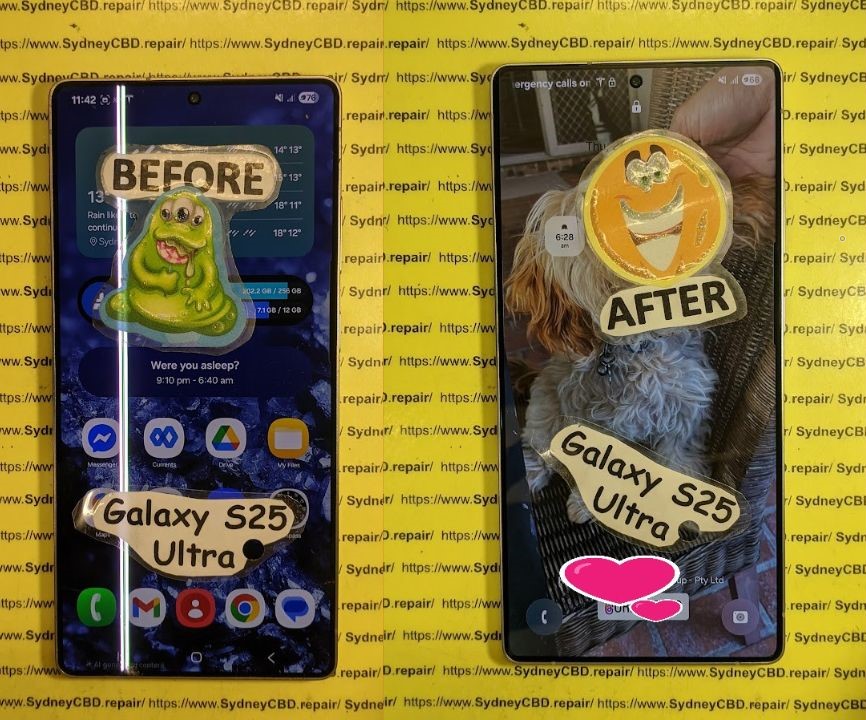
Why Adhesive Matters in Screen Repairs
Understanding IP Ratings
IP ratings (Ingress Protection ratings) define how well a device resists dust and water. The “68” rating means:
- 6: Complete dust protection
- 8: Protection against long-term water immersion
However, this rating is achieved under controlled factory conditions. Once a phone is opened—even for a simple screen repair—the original seal is broken.
The Role of Sealing in Modern Smartphones
Smartphones rely on:
- Precision-engineered frames
- Waterproof gaskets
- High-grade adhesives
After repair, adhesive becomes the primary barrier against water.
Without proper adhesive:
- Water can seep into internal components
- Corrosion may occur
- Device lifespan decreases
In short, adhesive isn’t optional—it’s essential.
Types of Adhesives Used in Professional Repairs
Pre-Cut Adhesive Seals
These are factory-designed adhesive strips tailored for specific models.
Advantages:
- Perfect fit
- Consistent thickness
- Easy application
Disadvantages:
- Limited availability
- Less flexibility
Liquid Adhesives
Liquid adhesives like B7000 or T7000 are widely used.
Advantages:
- Strong bonding
- Flexible application
Disadvantages:
- Requires skill
- Risk of overflow
UV-Curing Adhesives
These adhesives harden under UV light.
Advantages:
- Strong seal
- Professional finish
Disadvantages:
- Requires UV equipment
- More complex process
Step-by-Step Process of Restoring IP68 After Screen Replacement
Disassembly and Cleaning
Before applying any adhesive:
- Remove old adhesive completely
- Clean surfaces using isopropyl alcohol
- Ensure no dust or debris remains
Cleanliness is critical—any contamination weakens the seal.
Adhesive Application Techniques
Technicians apply adhesive:
- Evenly across the frame
- Without gaps or overlaps
- With precise alignment
Too much adhesive can cause:
- Screen lifting
- Internal damage
Too little adhesive leads to:
- Weak sealing
Reassembly and Pressure Sealing
After placing the new screen:
- Apply uniform pressure
- Use clamps or pressing tools
- Allow curing time (usually 30–60 minutes)
This ensures a tight, water-resistant seal.
Common Mistakes That Break Water Resistance
Improper Adhesive Placement
Mistakes include:
- Uneven distribution
- Missed corners
- Excess adhesive
These create entry points for water.
Dust and Contamination Issues
Even microscopic dust particles can:
- Prevent proper bonding
- Create air gaps
- Compromise sealing
Professional environments minimize this risk.
Tools Required for Proper Adhesive Application
Professionals use:
- Precision applicators
- Heat guns
- Clamping tools
- Anti-static workstations
These tools ensure:
- Accuracy
- Consistency
- Reliability
Testing Water Resistance After Repair
Pressure Testing Methods
Repair shops use:
- Air pressure testing machines
- Vacuum chambers
These simulate water resistance without actual liquid exposure.
Real-World Testing vs Lab Testing
While lab tests are precise:
- Real-world conditions vary
- Temperature and pressure differ
Professionals rely on both methods for best results.
For more information on IP ratings, visit:
https://www.iec.ch/ip-ratings
Cost vs Quality: Choosing the Right Repair Approach
Cheaper repairs often:
- Use low-quality adhesive
- Skip proper curing
- Ignore testing
High-quality repairs:
- Use OEM-grade materials
- Follow strict procedures
- Offer warranties
Remember: you get what you pay for.
DIY vs Professional Repairs
DIY repairs may seem tempting, but:
Risks include:
- Poor adhesive application
- No pressure testing
- Loss of water resistance
Professional repairs ensure:
- Expertise
- Proper tools
- Reliable results
Longevity of Adhesive Seals
Adhesive seals don’t last forever.
Factors affecting longevity:
- Usage patterns
- Environmental exposure
- Quality of repair
Typically, a well-done repair can maintain resistance for 1–2 years.
Environmental Factors Affecting Adhesive Performance
Environmental conditions matter:
- Heat weakens adhesive
- Cold makes it brittle
- Humidity affects curing
Users should avoid:
- Extreme temperatures
- Prolonged water exposure
Future Innovations in Smartphone Sealing
The industry is evolving with:
- Nano-coating technologies
- Improved gasket designs
- Advanced adhesive materials
These innovations aim to make repairs more reliable and durable.
FAQs
1. Can IP68 be fully restored after a screen repair?
Not 100%. However, professional adhesive techniques can restore near-original water resistance.
2. How long should adhesive cure after repair?
Typically 30–60 minutes, but full strength may take up to 24 hours.
3. Is liquid adhesive better than pre-cut seals?
It depends. Pre-cut seals offer precision, while liquid adhesives provide flexibility.
4. Can I test water resistance at home?
It’s not recommended. Improper testing can damage your device.
5. Why do some repairs lose water resistance quickly?
Poor adhesive quality and improper application are the main reasons.
6. Does every phone support IP68 after repair?
No. Some devices lose this capability permanently once opened.
Conclusion

The art of adhesive plays a vital role in ensuring IP68 water resistance after a professional screen fix. While factory-level sealing is hard to replicate, skilled technicians using the right tools and materials can achieve impressive results.
From choosing the correct adhesive type to applying precise techniques, every step matters. Ultimately, investing in a professional repair ensures your device stays protected, functional, and reliable.
David from Sydney CBD Repair Centre – The Best place to fix mobile phones as 7 Years In A Row! Top Mobile Phone Repair In Sydney. More than 2000 Positive Reviews on Google and Same Day Repairs.
We take pride in delivering exceptional repair services for all major phone brands including Apple, Samsung, Google, and more. Our expert technicians use only genuine parts and offer 90days warranty on repairs. Located in the heart of Sydney CBD, we’re your one-stop solution for all mobile device repairs.
Our commitment to excellence has earned us the trust of thousands of satisfied customers. Whether it’s a cracked screen, battery replacement, or water damage repair, we handle it all with professional care and expertise. Walk in today and experience why we’re Sydney’s #1 choice for mobile phone repairs.
Visit us for:
✓ Same Day Express Repairs
✓ Genuine Parts Guarantee
✓ Professional Technicians
✓ Competitive Pricing
✓ 2000+ 5-Star Google Reviews
✓ 7-Time Award Winner for Best Phone Repairs
Sydney CBD Repair Centre – Where Quality Meets Reliability.
Call : +61280114119
Website: https://SydneyCBD.repair/locate-us

