




ASSEMBLING A CUSTOMER’S PHONE FROM SCRATCH TO HATCH!

ASSEMBLING A CUSTOMER’S PHONE FROM SCRATCH! The Ultimate 10-Step Guide to Perfect Phone Restoration
Introduction: The Art and Precision of Phone Assembly
Assembling a customer’s phone from scratch is both an art and a science. It requires a deep understanding of microelectronics, patience, and surgical precision. Whether you’re a professional technician or a DIY enthusiast, mastering this process ensures longevity and reliability for every device you touch.
At Sydney CBD Repair Centre, our technicians have perfected this craft, rebuilding thousands of smartphones from the ground up — from iPhones to Samsung Galaxy and Google Pixel devices. We don’t just repair; we restore phones to their original performance using genuine parts and proven methods.

Step 1: Preparing the Workstation
Before touching a single screw, preparation is key.
A clean, static-free environment ensures components stay dust-free and safe from electrostatic discharge. Use an ESD mat, grounded wrist strap, and magnetic screw mat to keep things organized.
Checklist for preparation:
- Clean microfiber cloth
- Screw organizers
- Precision screwdriver set
- Tweezers and spudgers
- Heat gun or iOpener for adhesive removal
- ESD-safe gloves
Proper preparation not only prevents mistakes but also boosts efficiency during the reassembly process.
Step 2: Understanding the Phone’s Architecture
Every smartphone follows a similar architecture — but with brand-specific nuances. Knowing how each component interconnects helps avoid costly errors.
Core components include:
- Motherboard – the brain of the phone
- Battery – supplies power
- Display Assembly – touchscreen and digitizer
- Camera Modules – front and rear optics
- Housing/Frame – supports internal structure
- Buttons and Sensors – manage user input
Referencing official teardown guides or manufacturer schematics can be invaluable, especially when dealing with unfamiliar models.
Step 3: Gathering Genuine Parts and Tools
Using genuine parts is not just about performance — it’s about safety and durability. Third-party components may look similar but often fail faster or even cause short circuits.
At Sydney CBD Repair Centre, every component used in a rebuild is sourced from verified suppliers, ensuring:
- Compatibility with original software
- Stable power delivery
- Proper heat dissipation
Recommended tools:
- iFixit Pro Toolkit
- Digital multimeter
- Microscope or magnifying lamp
- Heat-resistant gloves
A reliable toolkit and authentic parts form the foundation of professional-grade assembly.
Step 4: Installing the Motherboard
The motherboard is the heart of any smartphone. Installing it requires attention to connector alignment and screw placement.
Steps:
- Position the motherboard gently within the housing.
- Ensure camera, display, and button flex cables are routed properly.
- Secure with manufacturer-specified screws.
- Double-check grounding points and shielding plates.
Pro Tip: Avoid over-tightening screws — it can crack the board or warp the frame.
Step 5: Connecting the Battery and Power Systems
Next, attach the battery — but only after confirming the motherboard is secure.
Key considerations:
- Use original battery adhesives.
- Never bend or puncture lithium cells.
- Verify power connection via multimeter before booting.
Once connected, perform a soft power test to confirm the motherboard and screen activate correctly.
Step 6: Mounting the Display Assembly
A phone’s display is its most delicate component. Aligning it requires patience and precision.
Installation steps:
- Clean all contact surfaces with isopropyl alcohol.
- Align the display flex cables.
- Press gently from the center outward to avoid air gaps.
- Reapply waterproof adhesive if applicable.
Using original displays ensures accurate touch response and brightness consistency.
Step 7: Attaching Cameras, Buttons, and Sensors
Each sensor and camera module has a specific alignment. Misplacement can affect autofocus or touch sensitivity.
Checklist:
- Inspect camera lens for dust.
- Ensure button click mechanisms feel natural.
- Verify Face ID or fingerprint sensors align correctly.
After connection, take a few test photos and confirm responsiveness before sealing the device.
Step 8: Securing Frame and Screws
A solid frame ensures long-term durability. Use torque-appropriate screwdrivers to secure all components.
Tips:
- Follow manufacturer torque guidelines.
- Avoid mixing screw sizes.
- Use a torque driver for consistency.
A structurally sound frame guarantees the phone won’t creak or flex under pressure.
Step 9: Software Installation and Testing
With hardware complete, it’s time to install software.
Process:
- Flash the original firmware using official tools (e.g., Odin, iTunes, or Android Flash Tool).
- Run diagnostics for battery, Wi-Fi, sensors, and cameras.
- Calibrate screen and battery cycles.
This step ensures the phone functions like new and remains fully compatible with future updates.
Step 10: Final Quality Check
Before returning the device, every system must be tested.
Checklist includes:
- Display brightness and color uniformity
- Microphone and speaker clarity
- Charging and USB functionality
- Camera focus and stabilization
- Network signal strength
Document all tests in a service report — a mark of true professionalism.
Common Mistakes to Avoid When Assembling a Phone
- Using non-genuine parts
- Forgetting grounding precautions
- Overheating components during adhesive removal
- Skipping waterproof seal reapplication
- Misplacing screws or using wrong sizes
Avoiding these errors not only prevents rework but also enhances customer satisfaction.
Frequently Asked Questions (FAQs)
1. How long does it take to assemble a phone from scratch?
On average, a professional can complete the process in 1–2 hours, depending on the model and complexity.
2. Can I use aftermarket parts to save money?
It’s not recommended. Genuine parts ensure proper fit, performance, and longevity — especially for flagship devices.
3. What tools are essential for beginners?
Start with a precision screwdriver set, tweezers, ESD mat, and magnetic tray.
4. Is software flashing mandatory after assembly?
Yes, to ensure compatibility and eliminate firmware issues that can arise from component replacements.
5. How can I tell if a part is genuine?
Check for OEM markings, QR codes, and purchase only from authorized suppliers.
6. Where can I get professional phone assembly and repair in Sydney?
Visit Sydney CBD Repair Centre — Sydney’s trusted destination for same-day, expert repairs using genuine parts.
Conclusion: Why Expert Assembly Matters

Rebuilding a smartphone from scratch isn’t just about technical skill — it’s about trust, precision, and quality. Each screw, connector, and adhesive layer plays a crucial role in ensuring the device performs flawlessly.
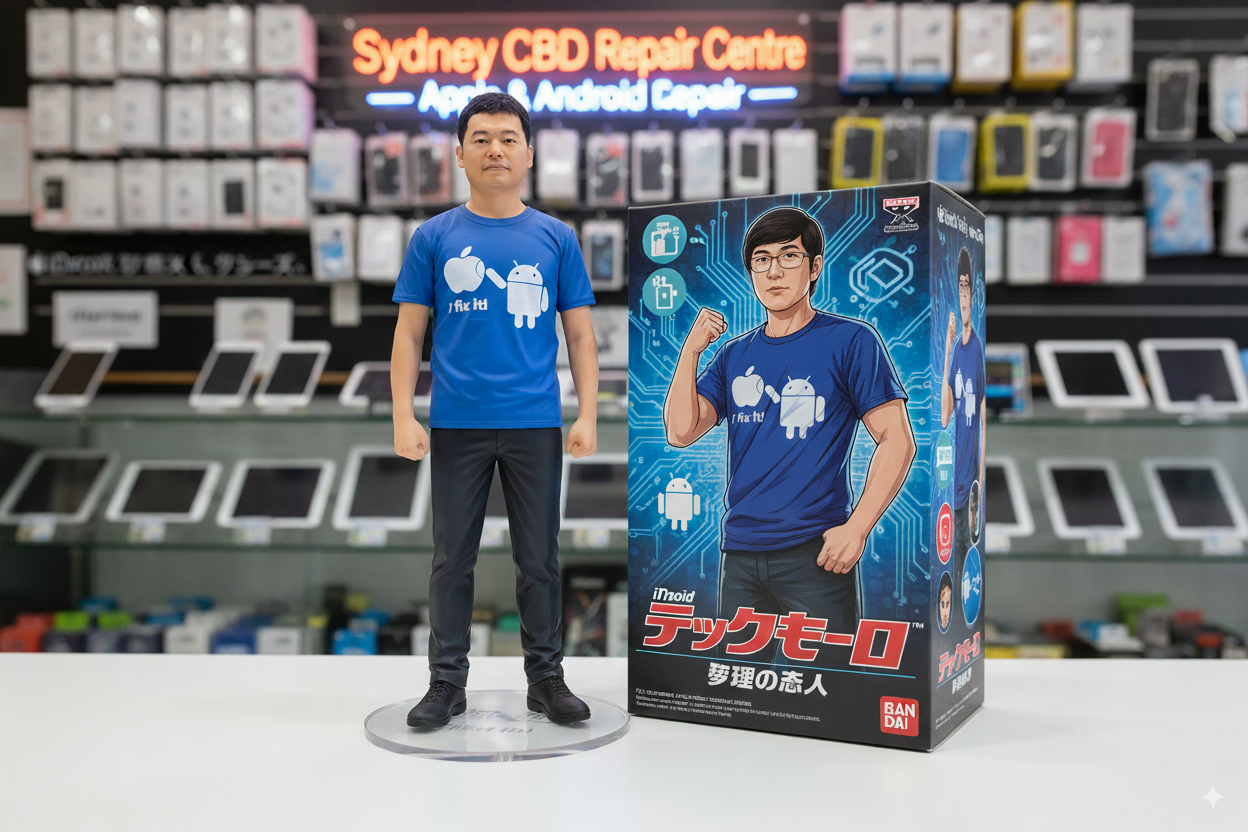
That’s why professionals like David and his team at Sydney CBD Repair Centre have become Sydney’s top choice for mobile phone restoration. With over 2000 positive Google reviews and 7 consecutive awards, they exemplify what genuine craftsmanship looks like in the modern tech repair world.
Whether it’s a simple battery swap or a full rebuild from scratch — choose reliability, authenticity, and expertise.
David from Sydney CBD Repair Centre – The Best place to fix mobile phones as 6 Years In A Row! Top Mobile Phone Repair In Sydney. More than 2000 Positive Reviews on Google and Same Day Repairs.
📍 Visit us today for:
✓ Same Day Express Repairs
✓ Genuine Parts Guarantee
✓ Professional Technicians
✓ Competitive Pricing
✓ 2000+ 5-Star Google Reviews
✓ 7-Time Award Winner for Best Phone Repairs
Sydney CBD Repair Centre – Where Quality Meets Reliability.
📞 Call : +61280114119
🌐 Website: https://SydneyCBD.repair/locate-us

