


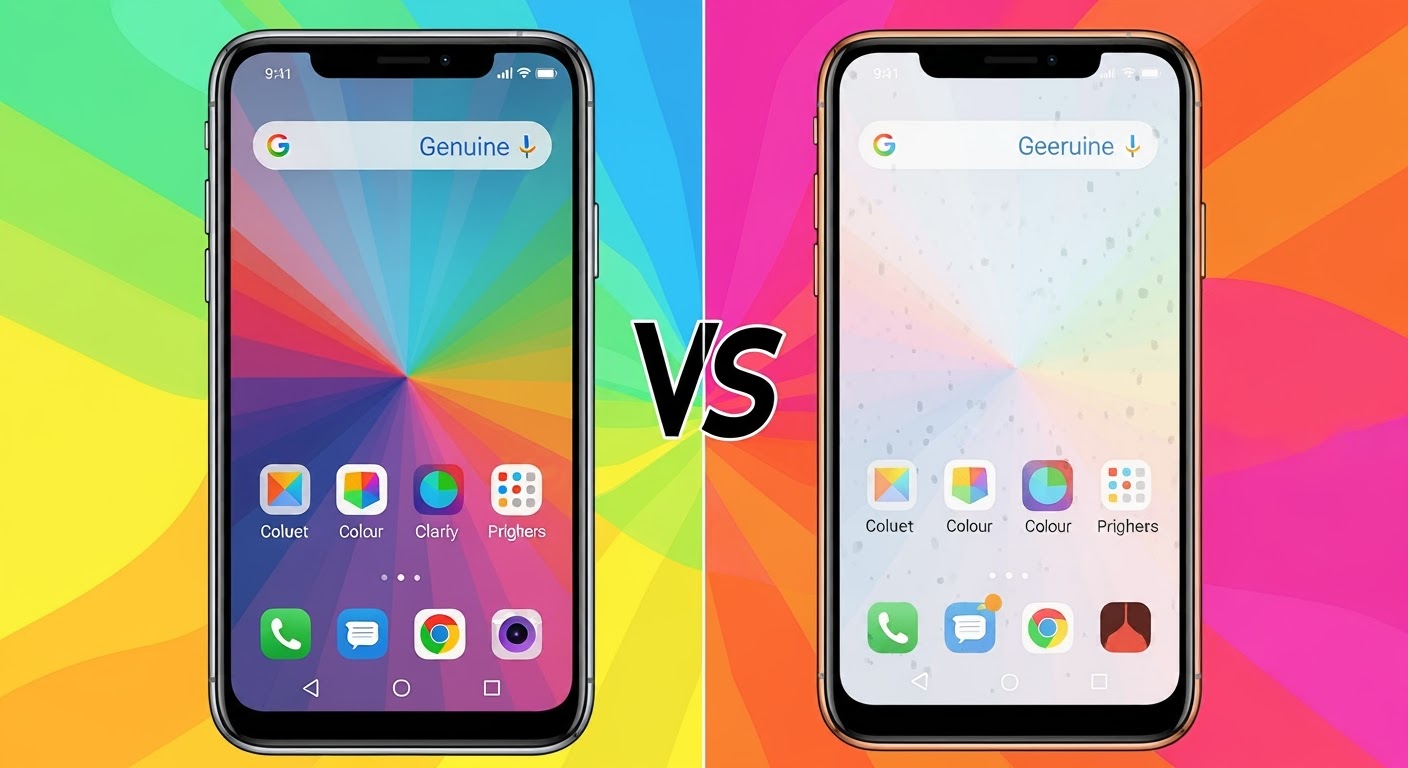
Genuine vs. Aftermarket Phone Screens: The Ultimate Comparison

Genuine vs. Aftermarket Phone Screens: The Ultimate Comparison
Introduction: Why Screen Quality Matters
Your phone’s screen isn’t just for display—it’s the window to your entire digital life. Whether you’re scrolling through photos, working remotely, or streaming videos, screen quality impacts everything.
When your screen breaks, you’ll face a key decision: Should you repair with a genuine screen or save money with an aftermarket option? This comparison explores the differences, benefits, and drawbacks of each so you can make an informed decision.

What Are Genuine Phone Screens?
Manufacturer standards and quality
Genuine screens are built by or for the phone’s manufacturer. They meet strict factory standards and match the phone’s original design.
Features of genuine displays
- Accurate colors
- Strong durability
- Optimized touch response
- Seamless compatibility with software updates
What Are Aftermarket Phone Screens?
Different grades of aftermarket screens
Aftermarket screens vary widely in quality:
- Grade A++: Closest to genuine in look and performance
- Grade B: Lower quality, less durable
- Cheap copies: Poor clarity and touch response
Why some users choose them
- Lower cost
- Immediate availability
- Acceptable for older, secondary phones
Key Differences Between Genuine and Aftermarket Screens
Display brightness and clarity
Genuine screens use premium OLED or LCD panels, while aftermarket versions may appear dimmer or washed out.
Touch sensitivity and response
Original displays offer smooth, precise touch response. Aftermarket parts sometimes lag or misread touches.
Durability and material quality
Genuine screens resist scratches and impacts better, lasting longer.
Compatibility with software updates
Manufacturers design updates for genuine hardware. Aftermarket parts may cause glitches or errors.
Pros and Cons of Genuine Phone Screens
Pros:
- Best performance and longevity
- Maintains warranty and resale value
- Superior color and brightness
Cons:
- Higher repair cost
- Sometimes limited availability for older models
Pros and Cons of Aftermarket Phone Screens
Pros:
- Lower upfront cost
- Widely available
- Adequate for temporary fixes
Cons:
- Reduced touch accuracy
- Poorer color reproduction
- Higher chance of breaking again
- Can void manufacturer warranty
Cost Comparison: Genuine vs. Aftermarket
Average repair costs for different models
| Model | Genuine Screen (AUD) | Aftermarket Screen (AUD) |
|---|---|---|
| iPhone 14 Pro Max | $500–$600 | $250–$350 |
| Samsung Galaxy S23 Ultra | $450–$550 | $200–$300 |
| Google Pixel 7 Pro | $350–$450 | $180–$250 |
Long-term value considerations
While aftermarket screens are cheaper, they often need replacing again sooner—making genuine screens more cost-effective over time.
Risks of Choosing Aftermarket Screens
Warranty issues
Using aftermarket screens may void your manufacturer’s warranty.
Safety concerns
Cheap copies can overheat, flicker, or fail unexpectedly.
Shortened device lifespan
Poor-quality displays can stress internal components, reducing your phone’s usable life.
When to Choose Genuine Over Aftermarket
Newer flagship phones
If you own a high-end phone less than 3 years old, genuine screens are the best choice.
Devices under warranty
Stick with genuine parts to avoid losing warranty coverage.
High-resale value phones
Genuine screens help maintain your phone’s second-hand market value.
FAQs on Genuine vs. Aftermarket Phone Screens
Q1: Can I tell if my screen is genuine?
Yes. Genuine screens have factory-level brightness and smooth touch. Aftermarket ones may look slightly different.
Q2: Are aftermarket screens really that bad?
Not always. High-grade aftermarket screens can work fine, but they won’t fully match genuine quality.
Q3: Do genuine screens last longer?
Yes. With proper care, they can last as long as the phone itself.
Q4: Will an aftermarket screen affect face recognition or fingerprint sensors?
Possibly. Genuine screens are calibrated for built-in sensors, while aftermarket ones may cause issues.
Q5: Is it worth paying extra for genuine screens?
Yes—especially for new, flagship, or resale-worthy devices.
Q6: Can I replace my own phone screen?
DIY is risky. Professional repair ensures proper installation and avoids further damage.
Conclusion: Making the Right Screen Choice

While aftermarket screens may look attractive due to their price, they often compromise performance, safety, and long-term value. Genuine screens, on the other hand, deliver the best durability, compatibility, and user experience.
At Sydney CBD Repair Centre, we recommend genuine screens for most devices—especially newer flagship phones. With 6 years as Sydney’s best repair shop, 2000+ 5-star Google reviews, same-day service, and a genuine parts guarantee, we ensure your device is restored to factory quality.
📍 Visit us today: Sydney CBD Repair Centre
✅ Sydney CBD Repair Centre – Where Quality Meets Reliability.
Call: +61280114119

