


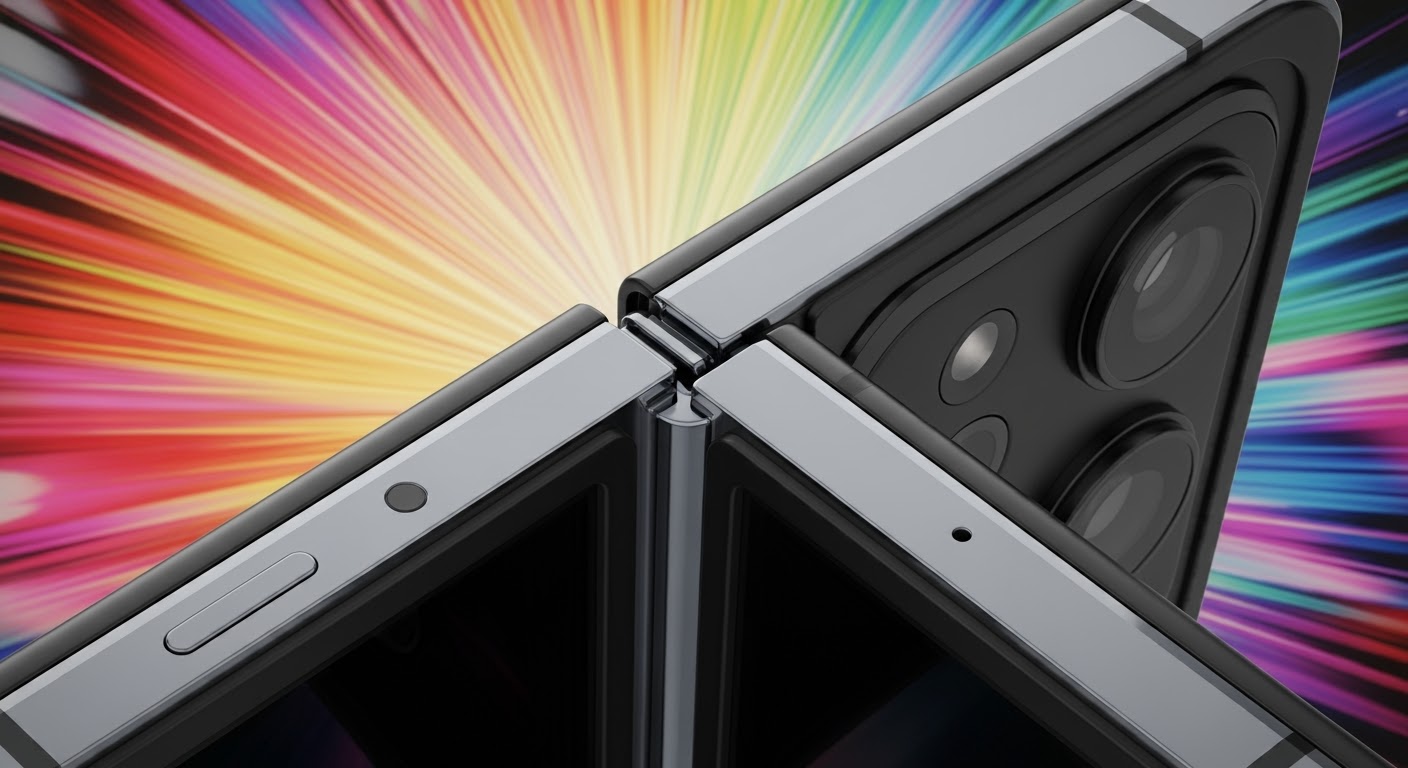
Inside the foldable phone hinge: durability deep

Inside the Foldable Phone Hinge: Durability Deep Dive + 10 Insights That Will Surprise You
Introduction: Why the Foldable Phone Hinge Matters
Foldable smartphones have gone from futuristic concepts to mainstream devices in just a few years. At the heart of these cutting-edge gadgets lies their most complex and vulnerable component: the hinge. This tiny yet powerful piece of engineering determines whether a foldable phone lasts a few months or many years. Without a reliable hinge, even the most advanced display becomes useless.
Consumers are increasingly asking the same question: “Are foldable phone hinges durable enough for daily use?” That’s where this deep dive comes in. By examining engineering breakthroughs, stress testing methods, and real-world performance, we’ll uncover 10 surprising insights into how hinges are built, tested, and maintained.
In this article, we’ll explore:
- The history and evolution of foldable hinges.
- How manufacturers like Samsung, Huawei, and Motorola approach durability.
- The most common hinge issues users face.
- Practical tips to extend the life of your foldable phone.
Let’s unfold the truth behind the technology.
The Evolution of Foldable Phone Hinges
Early Prototypes and Their Challenges
When the first foldable phone prototypes appeared, they captured attention but quickly revealed flaws. Hinges often cracked, misaligned, or failed under basic stress tests. Dust infiltration was another common culprit, as early designs didn’t include protective mechanisms to prevent debris from damaging moving parts.
Manufacturers initially overpromised on durability, claiming thousands of folds when, in reality, many devices couldn’t survive six months of normal usage. The infamous first release of the Samsung Galaxy Fold in 2019 highlighted these issues—review units failed due to hinge malfunctions, forcing the company to delay its launch and redesign critical components.
Modern Advancements in Engineering
Fast forward to today, and hinge technology has dramatically improved. Modern foldables use multi-layer hinge designs reinforced with aerospace-grade materials. Many models now include protective bristles, sealed enclosures, and self-lubricating coatings to keep dust and debris out.
Samsung, for example, introduced a “sweeper technology” in its Z Flip and Z Fold series, which uses microfibers to brush away dust with every fold. Huawei took a different route, designing hinges with fewer visible gaps to minimize particle entry. Motorola focused on a waterdrop-style hinge to reduce screen stress and crease depth.
These innovations show how manufacturers are learning from past mistakes, making foldable phones more practical for everyday users.
Anatomy of a Foldable Phone Hinge
Understanding the anatomy of a foldable phone hinge is like looking under the hood of a high-performance car. It’s a marvel of micro-engineering, where dozens of moving parts work together to create smooth, precise motion. The hinge is not just a simple joint — it’s a complex assembly that balances flexibility with rigidity.
Key Components and Materials
A modern foldable hinge typically consists of:
- Hinge plates – the main structural arms that support the folding mechanism.
- Rotational shafts – allow smooth, controlled folding and unfolding.
- Support brackets – distribute pressure evenly across the foldable display.
- Protective seals and brushes – prevent dust and debris from damaging internal parts.
- Lubricants or nano-coatings – reduce friction and extend hinge life.
Most manufacturers use aerospace-grade aluminum alloys, stainless steel, or titanium to ensure strength without adding excessive weight. Some even integrate carbon-fiber composites for added durability.
Stress Points and Weak Zones
Despite being built to last, foldable hinges have natural stress points:
- Central rotation axis – This is where torque is highest and most likely to wear down over time.
- Outer housing edges – Constant friction can cause micro-cracks or warping.
- Display connection points – The hinge must synchronize perfectly with the foldable screen to avoid creating creases or misalignments.
The key challenge is striking a balance: the hinge must be stiff enough to hold the phone open at various angles, but flexible enough to fold smoothly without damaging the display. This balancing act is why hinge engineering remains the most critical factor in foldable phone durability.
Testing Foldable Hinges for Durability
Foldable phone manufacturers know consumers won’t invest in fragile technology. That’s why hinges undergo some of the most rigorous durability testing in the smartphone industry.
Lab-Based Fold Cycles
Companies often advertise that their phones can withstand 200,000+ folds. But what does that really mean? In labs, robotic machines repeatedly fold and unfold devices under controlled conditions. A figure like 200,000 folds translates to around 5 years of daily use if you fold your phone 100 times per day.
Samsung, for instance, subjects its Galaxy Z series hinges to stress tests that simulate extreme folding conditions — including folding at different speeds and angles. Huawei and Motorola follow similar protocols, ensuring their devices survive beyond typical user habits.
Real-World Everyday Stress Tests
Lab tests are impressive, but the real world is much harsher. Factors such as:
- Dust in pockets and bags
- Accidental drops
- Temperature fluctuations (hot cars, cold weather)
- Moisture exposure from sweat or humidity
…all impact hinge longevity. That’s why many independent reviewers and durability testers put foldable phones through real-world torture tests — dropping them, exposing them to dust, and folding them thousands of times under different conditions.
The verdict? While modern foldables are significantly more durable than their early predecessors, no hinge is completely immune to wear and tear.
Top 10 Insights on Hinge Durability
Foldable hinges might look simple from the outside, but their long-term performance depends on dozens of engineering details. Here are 10 insights that reveal why hinge durability matters more than you think.
1. Why Material Choice Is Critical
The metals and alloys inside a hinge determine its lifespan. Manufacturers often use aerospace-grade aluminum or stainless steel because they resist bending and corrosion. Lower-quality metals can warp, causing misalignment that directly affects the screen.
2. Impact of Dust and Debris
No matter how carefully you handle your phone, dust finds its way in. Even a grain of sand can jam the hinge or scratch internal parts. That’s why modern foldables like Samsung’s Z Fold and Flip series use “sweeper technology” bristles to brush dust away every time you fold.
3. Temperature and Humidity Factors
Extreme heat can expand metal parts, while cold can make them brittle. Humidity introduces moisture, which leads to corrosion if seals fail. That’s why most foldable phones aren’t fully waterproof — their hinge design makes achieving high IP ratings challenging.
4. User Handling Habits
Hinge life is directly tied to how you treat your phone. Forcing the hinge shut, opening it too quickly, or twisting it at odd angles accelerates wear. Smooth, deliberate folding significantly extends hinge performance.
5. Wear and Tear Over Time
Even the best hinge won’t last forever. Over thousands of folds, lubricants dry out, friction increases, and alignment shifts. This often leads to creaking noises, stiffness, or looser hinge resistance — subtle signs of mechanical fatigue.
6. Manufacturer Durability Claims
When companies say “200,000 folds,” it sounds impressive, but keep in mind these are lab-controlled conditions. Real-life variables like dust, sweat, and accidental drops mean actual durability can be lower. Always take these figures as a guideline, not a guarantee.
7. The Role of Lubricants and Coatings
Special nano-coatings and lubricants reduce friction and prevent wear. Without them, metal-on-metal contact would quickly damage the hinge. However, lubricants can dry out or wear away over years of use, making servicing or replacement inevitable.
8. Repairability of Hinges
One of the biggest downsides of foldables is hinge repairability. Replacing a broken hinge usually requires professional technicians and often involves screen replacement as well. Unlike traditional phones, DIY hinge repair is almost impossible.
9. Cost of Hinge Replacement
Hinge repairs aren’t cheap. Depending on the brand, replacing a hinge (often bundled with a display) can cost anywhere from $500 to $900 AUD. This makes hinge reliability a key consideration before purchasing a foldable device.
10. The Future of Hinge Technology
The next generation of hinges will be thinner, stronger, and more flexible. Some companies are experimenting with liquid metal alloys, magnetic hinges, and even solid-state fold mechanisms with fewer moving parts. These innovations could eliminate today’s weaknesses and make foldables as durable as standard smartphones.
Conclusion:

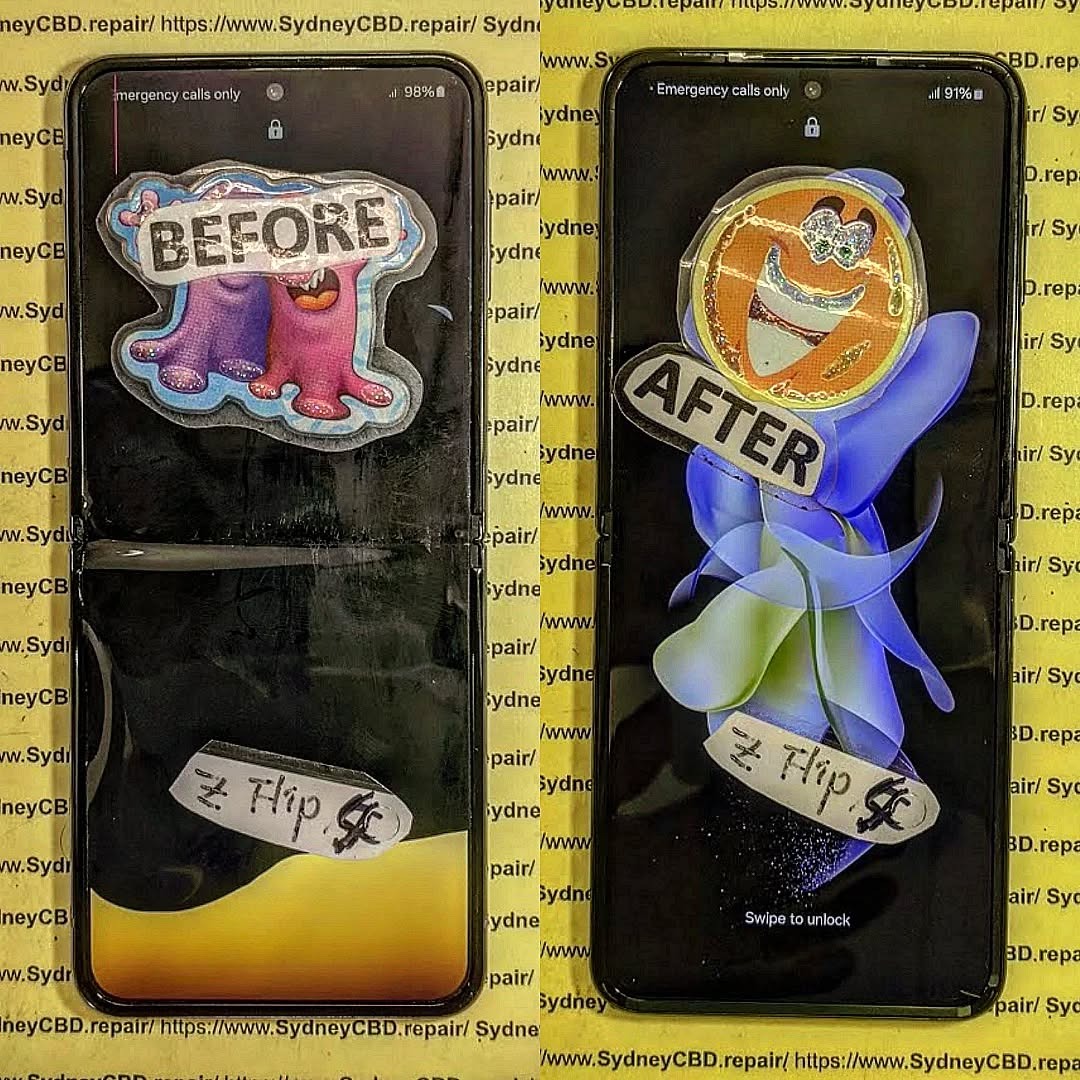
The foldable phones is a stunning piece of technology, but when it breaks, the costs can add up quickly. From screen replacements to hinge repairs, expenses vary based on part quality, technician expertise, and warranty coverage.
By choosing a trusted repair centre like Sydney CBD Repair Centre, you not only get transparent pricing but also genuine parts, expert workmanship, and peace of mind. For anyone facing foldable issues, investing in professional repair is the smartest decision.
📞 Call to Action – Sydney CBD Repair Centre Contact Information
David from Sydney CBD Repair Centre – The Best place to fix mobile phones as 6 Years In A Row!
🏆 Top Mobile Phone Repair In Sydney
🌟 More than 2000 Positive Reviews on Google
⚡ Same Day Repairs Available
📍 Address: Sydney CBD, NSW
📞 Call: +61280114119
🌐 Website: https://SydneyCBD.repair/locate-us

