




Reason Why the iPhone 17 Slim Design Makes Professional Screen Repairs More Difficult

Reason Why the iPhone 17 Slim Design Makes Professional Screen Repairs More Difficult – Shocking 7 Technical Challenges
Introduction to the iPhone 17 Slim Design
The phrase “Why the iPhone 17 Slim Design Makes Professional Screen Repairs More Difficult” isn’t just clickbait. It reflects a growing technical reality in the smartphone repair industry. As devices become thinner, sleeker, and more aesthetically refined, they also become increasingly complex to repair—especially when it comes to screen replacements.
The iPhone 17 continues the ultra-thin design trend pioneered by Apple Inc.. While consumers love lightweight devices, repair technicians face mounting challenges. In fact, screen repairs on slimmer models now require more advanced tools, greater technical skill, and more time.
So, what exactly makes professional screen repairs harder? Let’s break it down.
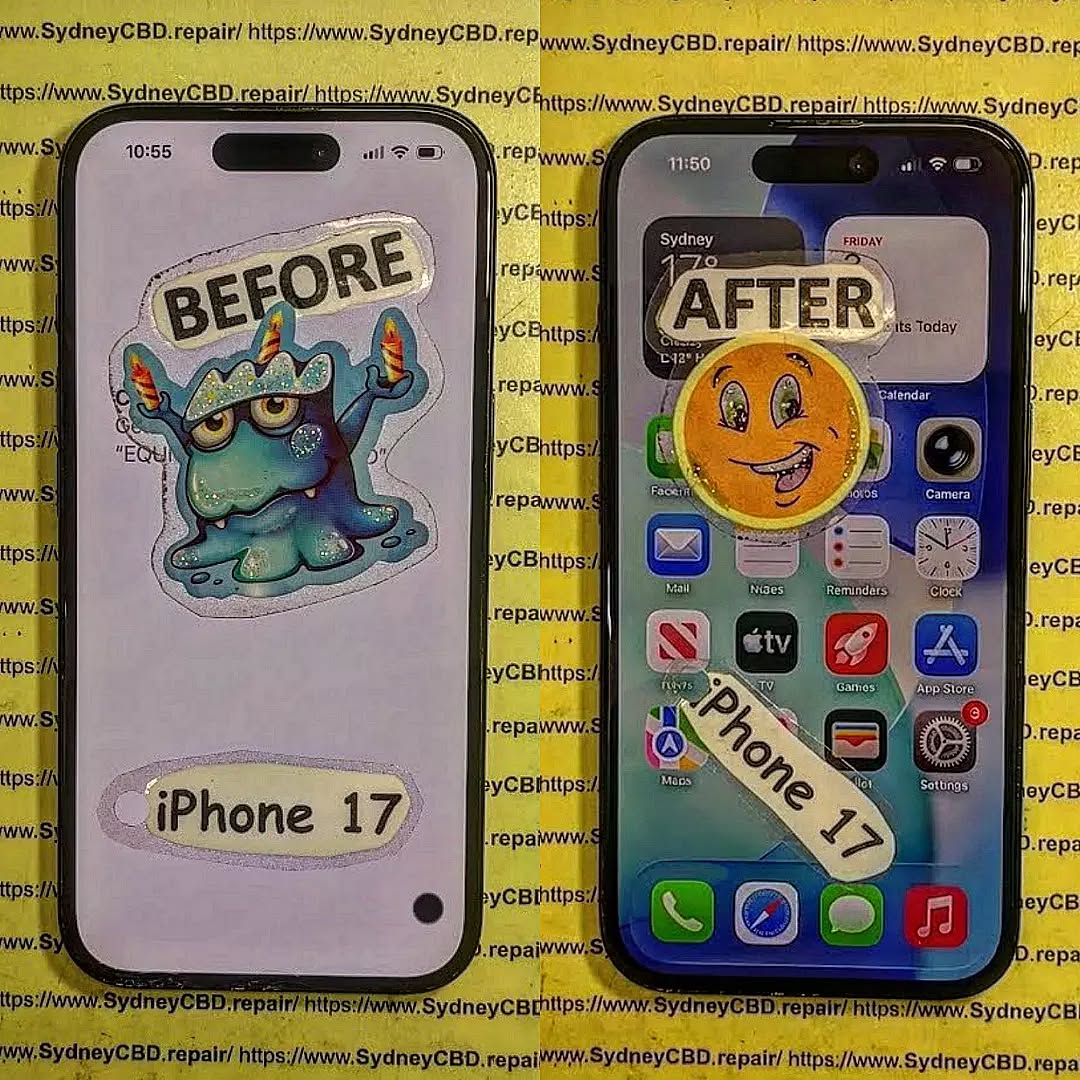
The Engineering Philosophy Behind Ultra-Thin Smartphones
Modern smartphone design revolves around minimalism. Thinner frames, edge-to-edge displays, and near-invisible bezels define flagship models.
But here’s the catch: when manufacturers remove internal space, they don’t remove internal components. Instead, they compress everything.
Apple’s Minimalist Hardware Strategy
Apple has long embraced tight internal stacking. Logic boards are layered. Batteries are reshaped. Display cables are shortened. Every millimeter counts.
This precision engineering improves portability. However, it also means technicians have little margin for error. A slight miscalculation during screen removal can damage delicate flex cables.
Structural Trade-Offs in Thin Devices
Thin doesn’t always mean strong. While materials like aerospace-grade aluminum and reinforced glass help, structural rigidity decreases as thickness drops.
This becomes critical during repairs. Applying pressure to separate the screen can warp the chassis. Once bent, alignment issues may follow.
7 Reasons the iPhone 17 Slim Design Makes Professional Screen Repairs More Difficult
The central issue—Why the iPhone 17 Slim Design Makes Professional Screen Repairs More Difficult—can be explained through seven technical challenges.
1. Reduced Internal Clearance
The thinner the phone, the tighter the internal layout.
Display connectors sit closer to the surface. Batteries press against the screen assembly. There’s almost no buffer zone.
Technicians must open devices with surgical precision. Even slight over-insertion of tools can puncture components.
2. Stronger Adhesive Bonding
Slim smartphones rely heavily on adhesive instead of mechanical fasteners.
Why? Because screws take space.
However, stronger adhesives require higher heat levels for safe removal. Excessive heat risks:
- Battery swelling
- OLED burn damage
- Frame discoloration
So yes, adhesive density is a major reason why the iPhone 17 Slim Design Makes Professional Screen Repairs More Difficult.
3. Integrated Display Assemblies
Displays are no longer just glass panels.
Modern screen assemblies include:
- Touch digitizer
- OLED layers
- Ambient light sensors
- Face ID modules
- Micro-speakers
These components are fused together. One mistake, and the entire module must be replaced—not just the glass.
4. Fragile Frame Construction
Slim frames flex more easily.
During screen separation, even micro-bending can affect:
- Waterproof seals
- Button alignment
- Camera positioning
Repair professionals must use calibrated clamps and pressure-controlled tools.
5. Advanced Display Technology
The iPhone 17 features next-generation OLED panels. These are thinner but more sensitive.
OLED displays contain organic compounds that degrade when exposed to excessive heat or pressure.
Repair technicians must:
- Monitor temperature precisely
- Avoid twisting motion
- Use specialized lifting tools
In short, advanced displays increase repair complexity.
6. Battery Placement Constraints
Ultra-thin devices compress battery placement.
Batteries now sit closer to the display panel. When removing a cracked screen, there’s a higher risk of:
- Accidental puncture
- Chemical leakage
- Fire hazard
That’s why certified technicians follow strict safety protocols.
7. Software Calibration Requirements
Modern iPhones require post-repair calibration.
After screen replacement, technicians must:
- Reprogram True Tone
- Calibrate touch sensitivity
- Verify Face ID alignment
Without proper tools, warning messages may appear.
This digital layer adds another dimension to why the iPhone 17 Slim Design Makes Professional Screen Repairs More Difficult.
Impact on Professional Repair Costs
Complex repairs translate to higher labor costs.
Why?
- Longer repair time
- Increased risk
- Specialized equipment
- Advanced certification requirements
Additionally, genuine components often carry premium pricing. According to industry data from Google support documentation and independent repair programs, official parts maintain device integrity but increase operational costs.
Tools and Skills Required for Modern Screen Repairs
Professional repair centers now rely on:
- Precision heat mats
- Laser adhesive removal machines
- Microscope inspection systems
- Anti-static environments
Technicians also undergo continuous training. Screen repairs aren’t what they used to be.
In fact, the skill gap between DIY attempts and certified repair professionals has widened significantly.
E-E-A-T in Smartphone Repair
Experience, Expertise, Authoritativeness, and Trustworthiness (E-E-A-T) matter greatly in repair services.
Professional repair centers demonstrate E-E-A-T by:
- Using genuine parts
- Offering warranty
- Maintaining transparent pricing
- Providing documented procedures
Customers should always verify certifications before authorizing repairs.
DIY vs Professional Repair: What’s at Stake?
DIY repair videos make screen replacement look easy.
Reality? It’s not.
Risks include:
- Permanent Face ID damage
- Battery explosion
- Display malfunction
- Loss of water resistance
While DIY kits may cost less upfront, improper installation can double overall expenses.
In ultra-thin devices, professional intervention is often the safest option.
Industry Perspective and Future Trends
Smartphones are expected to become even slimmer.
Foldable displays, embedded sensors, and under-screen cameras will further complicate repairs.
Industry analysts predict:
- Increased modular repair regulations
- Expanded right-to-repair laws
- Greater reliance on authorized service centers
The tension between design innovation and repairability continues.
Frequently Asked Questions
1. Why does a thinner phone make screen repairs harder?
Because thinner devices have less internal space, components are tightly packed, increasing the risk of accidental damage during disassembly.
2. Does the iPhone 17 use more adhesive than older models?
Yes. Slim designs rely heavily on strong adhesive bonding, which requires controlled heating for safe removal.
3. Is professional repair necessary for modern iPhones?
In most cases, yes. Advanced display assemblies and calibration requirements make professional repairs safer and more reliable.
4. Will repairing the screen affect waterproofing?
It can. Proper resealing techniques are necessary to restore water resistance after repair.
5. Why are screen repairs becoming more expensive?
Increased complexity, specialized tools, and genuine part costs contribute to higher repair pricing.
6. Can a damaged OLED screen be repaired without replacement?
Usually no. OLED panels are fused systems; once damaged, full replacement is typically required.
7. Is thinner always better for smartphones?
From a design perspective, yes. From a repair perspective, it introduces significant challenges.
Conclusion

Understanding Why the iPhone 17 Slim Design Makes Professional Screen Repairs More Difficult helps consumers make informed decisions.
While slim devices offer elegance and portability, they demand higher repair expertise. Tighter internal layouts, stronger adhesives, advanced displays, and software calibration all contribute to complexity.
As smartphone innovation continues, repair methodologies must evolve alongside it. Professional service remains the safest and most reliable solution for maintaining device longevity.
David from Sydney CBD Repair Centre – The Best place to fix mobile phones as 7 Years In A Row! Top Mobile Phone Repair In Sydney. More than 2000 Positive Reviews on Google and Same Day Repairs.
We take pride in delivering exceptional repair services for all major phone brands including Apple, Samsung, Google, and more. Our expert technicians use only genuine parts and offer 90days warranty on repairs. Located in the heart of Sydney CBD, we’re your one-stop solution for all mobile device repairs.
Our commitment to excellence has earned us the trust of thousands of satisfied customers. Whether it’s a cracked screen, battery replacement, or water damage repair, we handle it all with professional care and expertise. Walk in today and experience why we’re Sydney’s #1 choice for mobile phone repairs.
Visit us for:
✓ Same Day Express Repairs
✓ Genuine Parts Guarantee
✓ Professional Technicians
✓ Competitive Pricing
✓ 2000+ 5-Star Google Reviews
✓ 7-Time Award Winner for Best Phone Repairs
Sydney CBD Repair Centre – Where Quality Meets Reliability.
Call : +61280114119
Website: https://SydneyCBD.repair/locate-us

