




Screen Replacement: Original vs. Parallel Parts

Screen Replacement: Original vs. Parallel Parts – The Ultimate Guide with 10 Shocking Facts You Must Know
Introduction: The Growing Need for Screen Replacements
Cracked your phone screen? You’re not alone. Millions of smartphone users experience this issue every year, making screen replacement one of the most common repairs today. Whether it’s a casual drop, pressure in your bag, or accidental impact, screens are vulnerable.
As a result, you’re faced with a crucial decision: Should you choose an original screen or a parallel one? The choice can affect everything from your device’s performance to its resale value. Let’s dive deep and uncover which option is right for you.
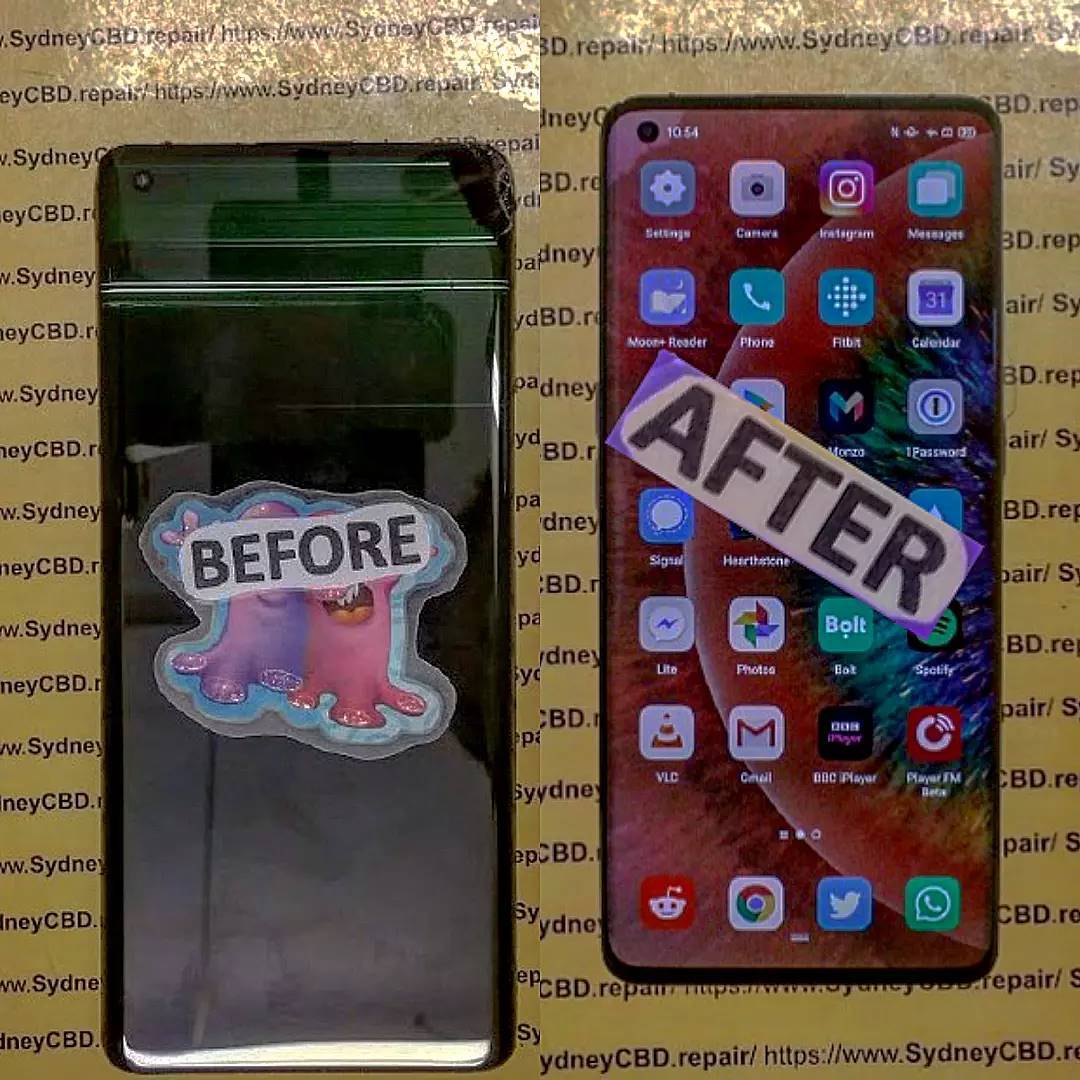
What Are Original Parts?
Original parts, also referred to as OEM (Original Equipment Manufacturer) parts, are manufactured by the same company that produced the components for your smartphone. For example, Apple-approved screens for iPhones, or Samsung-certified displays for Galaxy devices.
Characteristics of Original Screens:
- Exact match to your device’s specifications
- Factory-grade quality and performance
- Backed by manufacturer warranty
- Often more expensive
Original screens ensure that your device performs exactly as it did when you first unboxed it. That includes color accuracy, refresh rate, touch responsiveness, and brightness levels.
What Are Parallel Parts?
Parallel parts (also known as aftermarket or third-party parts) are manufactured by companies other than the original phone maker. These can range from high-quality replicas to low-grade knockoffs.
Characteristics of Parallel Screens:
- May not meet the exact specs of your original screen
- Variable quality (depending on supplier)
- Cheaper than OEM parts
- Might not be compatible with future software updates
Parallel parts are more accessible and cost-effective but may not always deliver the same level of performance.
Key Differences Between Original and Parallel Screens
| Feature | Original Screens | Parallel Screens |
|---|---|---|
| Manufacturer | OEM (Apple, Samsung, etc.) | Third-party vendors |
| Quality Control | High, consistent | Varies widely |
| Compatibility | Full | Partial or limited |
| Price | High | Low to moderate |
| Warranty | Manufacturer or repair center | Repair center (varies) |
| Brightness & Color Accuracy | Precise | May vary |
| Touch Sensitivity | Excellent | Inconsistent in cheaper versions |
These differences may not be obvious at first glance, but they become apparent in long-term use.
Pros and Cons of Using Original Screens
✅ Pros:
- Top-tier performance
- Longer lifespan
- Perfect fit and finish
- Maintains device value
- Manufacturer support
❌ Cons:
- Expensive
- Limited availability in certain regions
- Might not be necessary for older devices
Original parts are perfect for users who prioritize quality over cost—especially for high-end devices like the iPhone 14 Pro Max or Samsung Galaxy Z Fold 5.
Pros and Cons of Using Parallel Screens
✅ Pros:
- Budget-friendly
- Available almost everywhere
- Wide variety of options
- Ideal for older or secondary phones
❌ Cons:
- Inconsistent quality
- May affect software compatibility
- Shorter lifespan
- Often voids manufacturer warranty
Parallel screens are great if you’re looking to save money or need a temporary fix, but beware of ultra-cheap options that could lead to further damage.
Performance Comparison: Brightness, Touch Sensitivity, and Durability
When it comes to actual use, performance differences between original and parallel screens can be quite stark.
Brightness:
- Original screens offer peak brightness levels of up to 1200 nits on flagship phones.
- Parallel screens may max out at 700–800 nits, affecting outdoor visibility.
Touch Sensitivity:
- OEM screens have precise and fast response times, crucial for gaming and typing.
- Some aftermarket screens introduce lag or missed touches.
Durability:
- Original screens are often paired with Gorilla Glass or similar.
- Many aftermarket options use weaker glass, more prone to shattering.
Price Comparison: Are You Really Saving with Parallel Parts?
Sure, parallel parts seem like a steal—but let’s break it down.
| Repair Option | Average Cost | Re-Repair Risk | Long-Term Cost |
|---|---|---|---|
| Original Screen | $200 – $400 | Low | Lower overall |
| High-Quality Parallel | $100 – $150 | Medium | Medium |
| Low-Quality Parallel | $50 – $80 | High | High (due to repeat repairs) |
You might spend more upfront on an OEM screen, but you’re also reducing the likelihood of having to replace it again in 6 months.
Warranty & Support: What You’re Actually Covered For
- Original parts typically preserve your device warranty (if installed by authorized repair centers).
- Parallel parts might void your warranty, depending on the brand and repair provider.
Sydney CBD Repair Centre, for instance, provides a 90-day warranty on all repairs, even for high-quality aftermarket parts, giving you peace of mind.
How to Spot Fake or Low-Quality Parallel Screens
Here’s how to identify poor-quality screens:
- Dim backlight and weak colors
- Sluggish touch response
- No brand labeling or mismatched serial numbers
- Inconsistent bezel alignment
- No scratch resistance
Always request a demo or screen test before installation.
Real-World Case Studies: Customer Experience With Both Options
Case 1: Sarah’s iPhone 13 Pro
- Replaced with original screen
- Perfect touch response, no display issues
- Higher cost, but worth it
Case 2: John’s Galaxy A51
- Chose a parallel screen for budget reasons
- Display faded after 4 months
- Ended up paying twice
Moral of the story? Know your device’s value and long-term needs.
Expert Insights: What Technicians Recommend
Experienced repair technicians usually advise:
- Original for newer flagships
- High-quality parallel for mid-range phones
- Avoid ultra-budget screens for any phone
According to David from Sydney CBD Repair Centre, “We always assess the customer’s usage, budget, and expectations before recommending a screen type.”
Sydney CBD Repair Centre’s Approach to Screen Replacement

We provide:
- Genuine OEM parts
- High-grade parallel alternatives
- Same-day service
- 2000+ 5-star reviews
- Expert technicians
- Transparent pricing
Visit us today: Sydney CBD Repair Centre
Environmental Impact of Screen Replacement Choices
Did you know?
- Original screens are more energy-intensive to produce but last longer.
- Low-quality parallel screens contribute more to e-waste due to frequent replacements.
Opting for quality repairs over frequent cheap fixes is more eco-friendly in the long run.
FAQs: Original vs. Parallel Parts
1. Are parallel screens safe to use?
Yes, high-quality parallel screens from trusted sources are safe. Avoid ultra-cheap variants.
2. Will a parallel screen affect my phone’s resale value?
Yes, especially for high-end models. Original parts retain higher value.
3. Can I install a parallel screen myself?
Technically yes, but it’s risky. Professional installation is strongly recommended.
4. Do original screens come with a warranty?
Yes, if installed by an authorized or trusted repair center.
5. Why are original screens so expensive?
They’re built to exact specs, tested rigorously, and use premium materials.
6. Does Sydney CBD Repair Centre use original parts?
Yes, we offer both OEM and premium parallel parts—your choice.
Conclusion: Which Screen Type Is Best for You?
If you value performance, durability, and peace of mind, go with original parts. For older or secondary devices, a high-quality parallel screen can be a budget-friendly solution—just avoid the lowest tier.
At Sydney CBD Repair Centre, we help you make the right call based on your budget and expectations. Don’t compromise on quality—your phone deserves the best.

