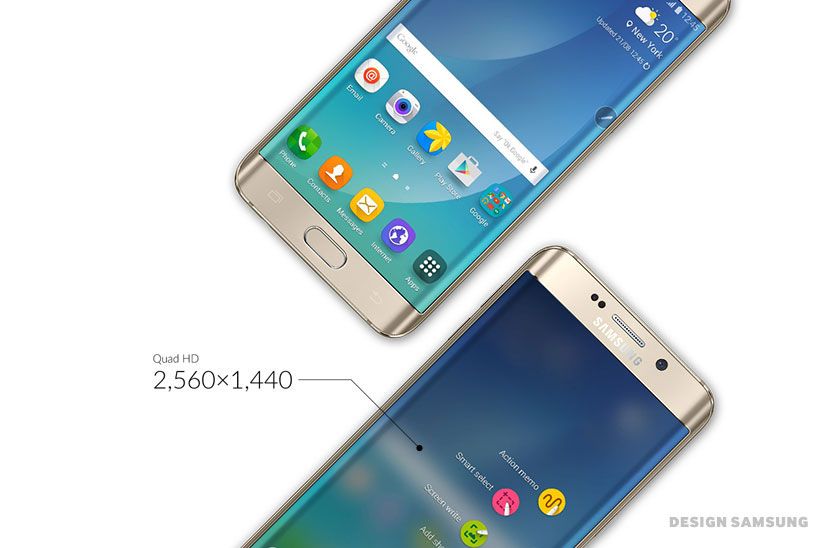
The Galaxy S6 and S6 edge were announced on March 1st but released shortly before mid-April, but a new rumor says that the Galaxy S7 could be released as early as February (early), following a January announcement.
A specific reason for such an early announcement and release date haven’t been given, but Samsung could presumably follow this early launch (as it did with the Galaxy Note5’s August announcement instead of the usual September one at IFA) to get out ahead of its competition with a new smartphone that’ll allow consumers to purchase right away instead of killing the hype with a long waiting period. Immediate access goes a long way toward boosting sales.
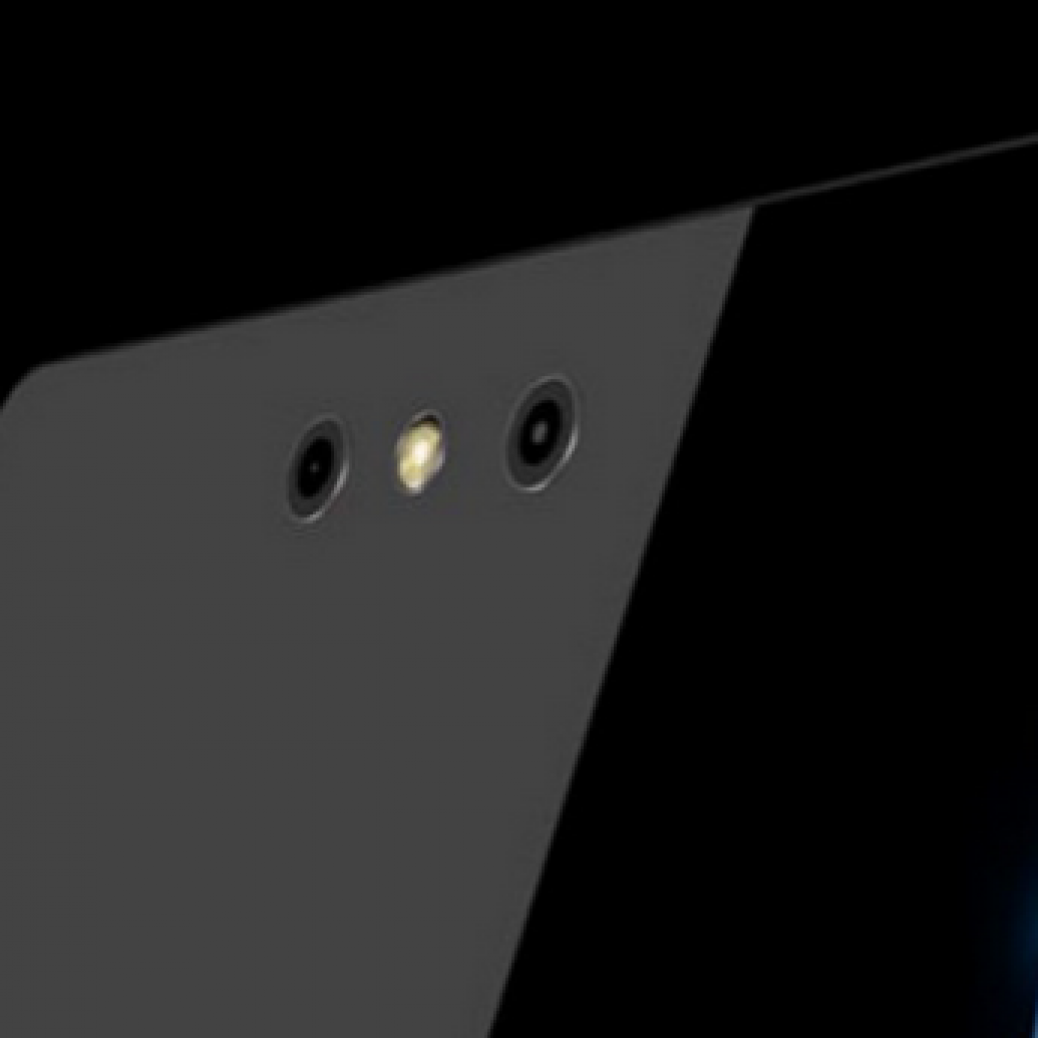
The Galaxy S7 is being developed under the codename Project Lucky, and is said to feature Qualcomm’s new quad-core Snapdragon 820 processor, with two models: one featuring the Qualcomm quad-core Snapdragon 820 processor, the other the octa-core Exynos. The Galaxy S7 could also have two different screen sizes and a dual-camera setup. One Galaxy S7 prototype featured 4GB of RAM while another featured 3GB of RAM, suggesting that Samsung will bring out at least two models, similar to the Galaxy S6 and S6 edge. Of course, we don’t know whether Samsung will stick with all four models of the Galaxy S line or condense them into two flagships next year. The Galaxy S6 edge is considered to be 2015’s Samsung Galaxy S flagship, with many seeing the plain Galaxy S6 as more of a nod to traditional buyers than anything else.
Whether or not this rumor is true for now, it shows that Samsung plans to make the best of the time it’s given. 2016 looks to be as fine a year as ever, and, as Samsung knows all too well, time waits for no one.
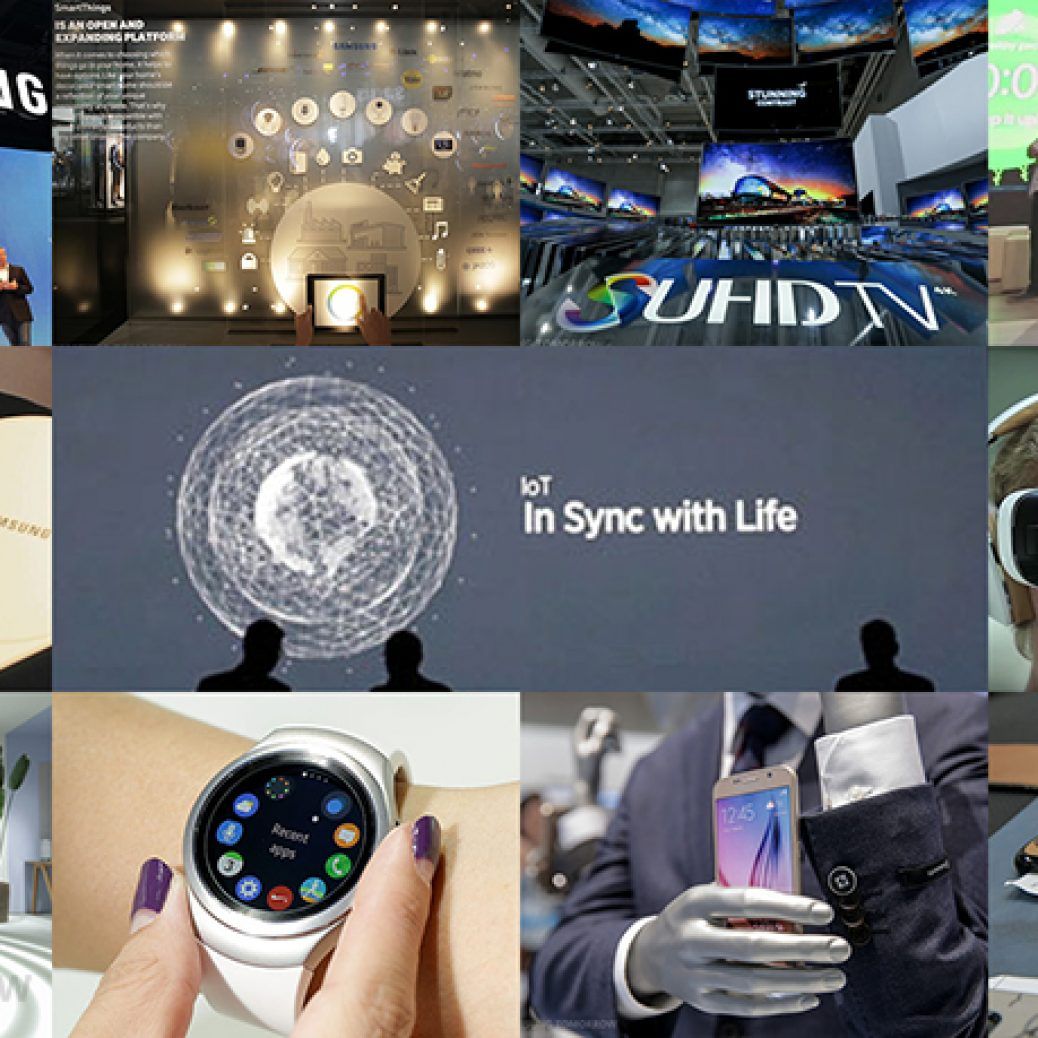
For Samsung Electronics, IFA 2015 in Berlin was all about the Internet of Things (IoT). And because the IoT is designed to encompass all aspects of our life, there’s an awful lot of great innovations and stylish devices that Samsung presented. Let’s take a look at 10 of the most notable and coolest things from this year’s IFA.
1. IoT Zone
To better explain the IoT, people don’t want to hear technology and numbers as much as they want to understand how the IoT will improve their lives, so Samsung put a creative IoT Zone at the heart of its IFA exhibit. With a series of 24 glass displays, created by architect and designer Ferruccio Laviani to resemble the pages of a popup book, the IoT Zone was a friendly and intuitive way to show people the infinite possibilities of the Internet of Things.
2. SleepSense
One new product that really woke up visitors was SleepSense, a sensor and sleep analysis system that tracks your sleep patterns and suggests changes to improve your sleep. Just a small, thin pad, SleepSense slips under your mattress, where it can track your breathing, pulse and other traits more accurately than anything else on the market. SleepSense can also work together with consumer electronics in your home to adjust your lights and alarm, to wake you up gradually, when your body is at the best point in its sleep cycle.
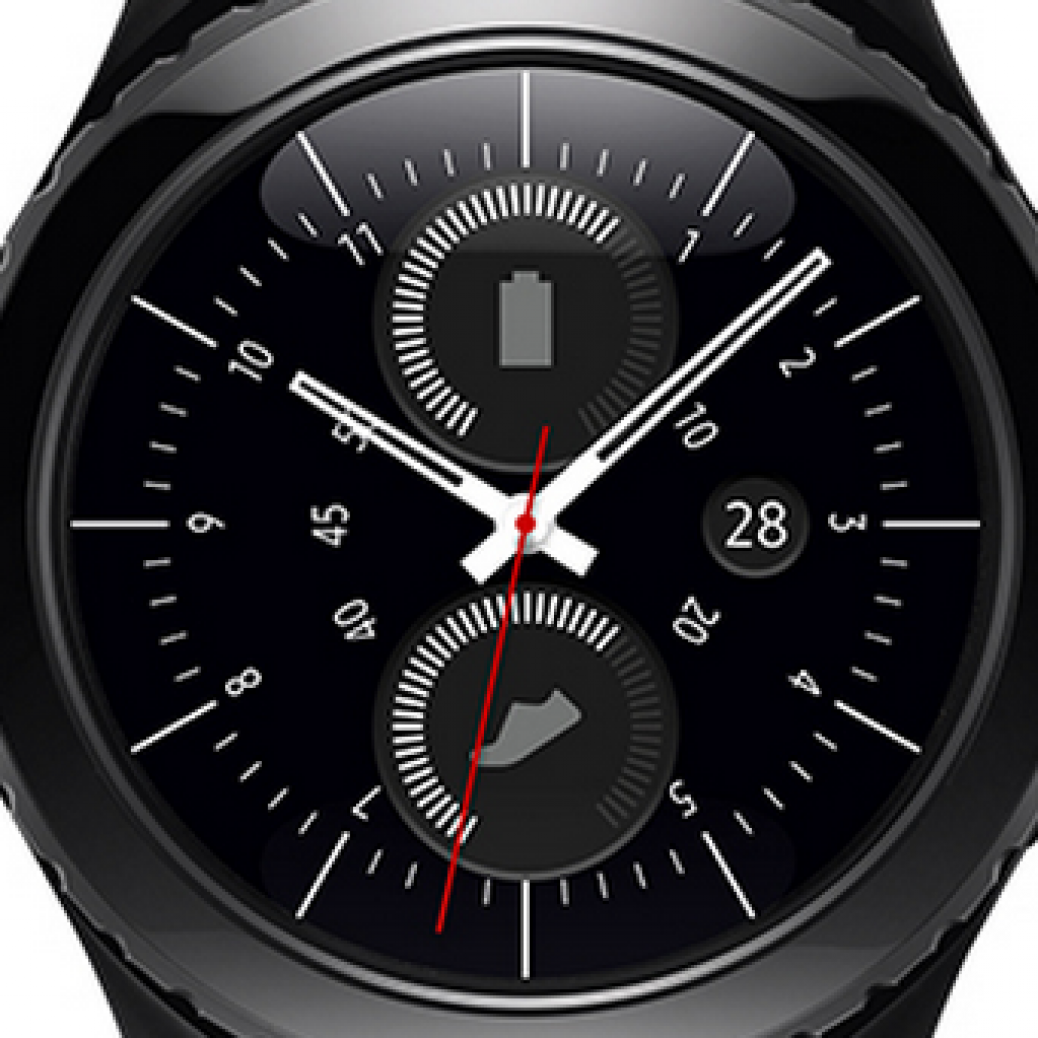
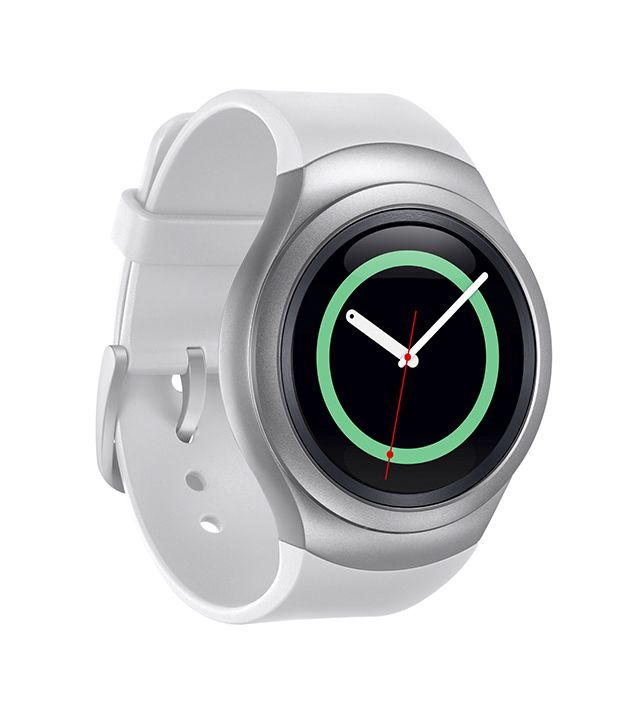
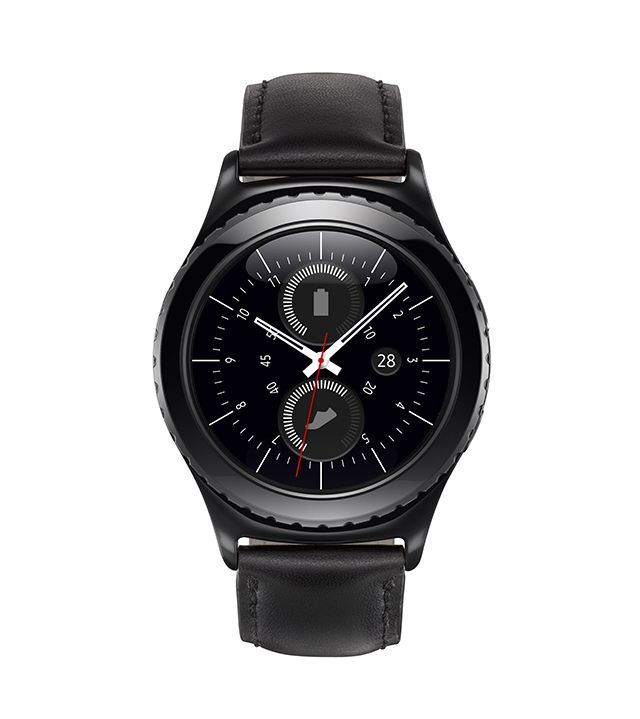
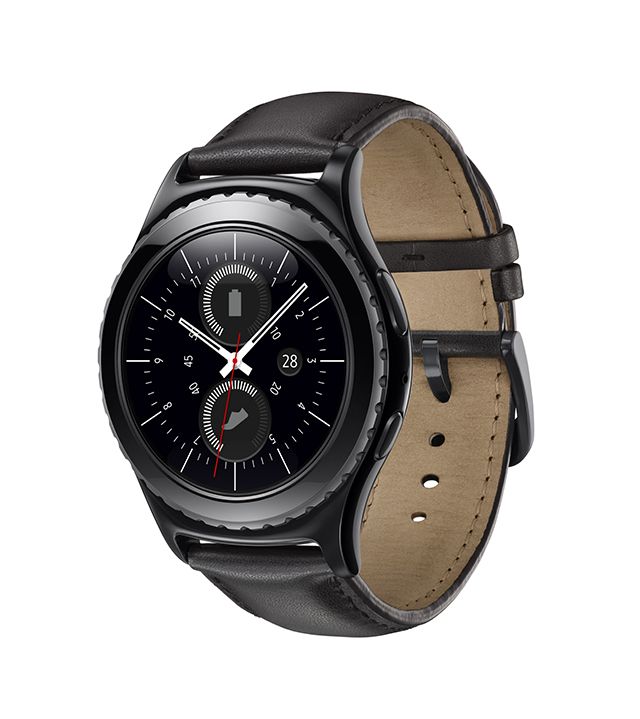
Anticipation was high for Samsung’s latest wearable device, the Gear S2, but according to the people who attended the high-energy launch showcase on September 3, the Gear S2 surpassed all expectations. The round design was stylish and fashionable, and the rotating bezel was an intuitive innovation just right for maximizing the usefulness of a wearable. Available in two versions—the Gear S2 and Gear S2 classic—the device is incredibly customizable, with various watch faces and a wide range of colorful straps that can be easily swapped. And with the Gear S2 being Android-compatible, its promises to be the most versatile and functional wearable yet.
4. SmartThings
At home, the SmartThings Hub can turn any home into a smart home, connecting all sorts of devices on an open platform. Now people can turn on the lights or change the temperature even when away from home, as well as get notifications about movement or potential problems (like smoke or leaks).
But the power of SmartThings goes beyond the home, too. In conjunction with cross-industry collaborators, SmartThings is connecting devices and people across industries, from retail to enterprise, and healthcare to transportation, thus growing an open IoT ecosystem across the world. For instance, BMW cars can now directly integrate you with your home while you are driving, giving you alerts right to your dashboard.
And thanks to the open platform SmartThings was built on, expect plenty more partnerships in the future. As Alex Hawkinson, the chief executive of SmartThings, said during the opening press conference on September 3, SmartThings is all about “peace of mind,” “flexibility” and “control.”
5. Connected Car
The IoT goes beyond our homes, and one of the most important part of our lives is the car. Now Samsung is bringing the IoT there, too. With the Car Mode for Galaxy app, you can use your smartphone or other wearable device to take calls, listen to music, get directions and even have your text messages read to you, all without taking your eyes off the road or your hands from the wheel. It makes the driving experience much safer and more convenient.
And with Car-Net e-Remote with Volkswagen, you can use your new Gear S2 wearable to integrate with your car. Using your Gear S2, you can see where your car is parked, turn on the air conditioning on a hot day, even stop and start the battery charger for electric vehicles.
6. Virtual Reality Experiences
With Samsung’s virtual reality headset, the Gear VR, people can dive into content like never before. And this year, for the first time, Samsung took advantage of the Gear VR to create a new type of exhibition experience. At four locations around Berlin, anyone could take part in Experience Zones to see for themselves what Samsung’s IFA exhibit was like. And at Club des Chefs, the partnership with four world-renounced chefs, visitors were able to truly immerse themselves in the food and cooking experience.
7. Curved – SUHD, UHD TVs
With 28 types of TVs, ranging from 32 inches to 105 inches, Samsung now has the right TV for every home, from the smallest apartment to the biggest home. The curved screens of the latest UHD and SUHD TVs are fashionable, too, fitting in with everyone’s home.
With UHD and SUHD TVs offering four times the resolution of traditional HD TVs, people are going to need content at that resolution, too, which is why Samsung is working with the UHD Alliance to create standards for the industry—and they say final certification is nearly ready. In the meantime, Samsung announced Gamefly, a streaming service that offers the latest and hottest games in UHD, as well as agreements with many partners to offer movies, TV shows and other content in the stunning, UHD format.
8. Customization
Behind all of Samsung’s innovations and creations is the dedication to making technology work for people and to fill their needs. With that in mind, this year’s IFA saw many collaborations with the fashion industry to customize people’s phones and wearable devices. In partnership with Montblanc, there was an artist tattooing leather cases by hand for Galaxy S6 edge+ phones. And Swarovski is offering glittering, crystal-covered cases for Samsung smartphones, too.
9. Smart Suit
Not only are Samsung’s devices growing more stylish and fashion-forward, but now fashion is increasingly growing more tech savvy. Samsung C&T brought four wearable outfits to IFA, including a suit that has an NFC tag in the wrist, allowing users to change their phone’s mode easily and discreetly, without ever taking it out of their pocket.
10. The Year of the Circle
The circle is nature’s perfect shape, without a beginning or an end. And at this year’s IFA, the circle turned up again and again in the designs and ideas of Samsung’s devices. The IoT Zone, at the heart of Samsung’s exhibit, was circular, with 24 displays arranged like the spokes of a wheel. The Wireless Audio 360 speakers are circular in shape, and their sound is likewise omnidirectional, coming from ring radiator technology.
But the biggest circle at this year’s IFA was undoubtedly the Gear S2 wearable. Not only is this Samsung’s first wearable in a stylish circular shape, but the round bezel actually rotates, serving as the key tool of the device’s interface.
Often we’re more interested with what goes on behind the stage than on the stage itself. Indeed, a well-prepared production is a feast for the senses, but more often than not, the backstory or the making of an event equally piques our interests.
Market leaders in the smart technology sector also have their own subplots, the unrevealed stories behind what they make. The form and functions of a device, the trial and error journey to the finished product, those stories strike our curiosity and cause us to fall in love with the product all the more.
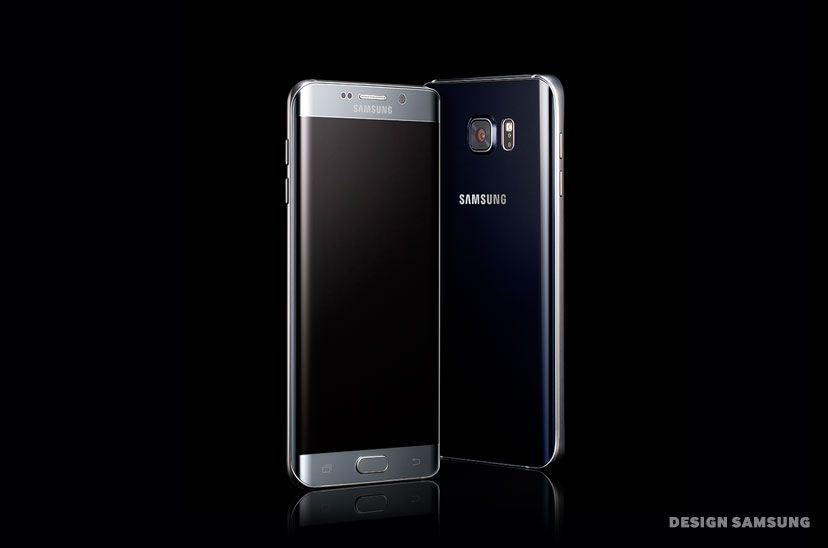
At last, the Galaxy Note5 and the Galaxy S6 edge+ are here. For now, many are still digesting the initial specifications and innovations of the much anticipated devices. But once this period of preliminary intrigue has subsided, more specific inquiries arise. The early adopters start to become accustomed to their devices but what experiences do they have? What stories can they tell? With new galaxies of possibilities now at our fingertips, we sat down with the designers of the Galaxy Note5 and the Galaxy S6 edge+ to hear their first-hand experiences.
Q: Thank you for meeting us. First, could you give us a brief overview of the new Galaxy Note5 and the Galaxy S6 edge+; how they were developed and how that progressed? The biggest change I see is the size. They have a 5.7-inch display screen with a bezel that is noticeably thinner.
A: Tablet-size devices (smart devices with 5-inch or larger screens) are a global trend. To appeal to this need, as well as adhere to the unique visual language of the entire Galaxy line was of utmost importance to us. Our visual theme for 2015 is a future-forward minimalist look and feel based on perfecting the relationship between design and technology, in short Minimal Futurism. Having said that, it was equally important to have each device stand out on its own, in line with this design approach. Both products retain a strong fluid contour from the curved glass to the body, and as you mentioned, we streamlined the device for a sleeker, more compact feel.
Q: Although the screen size is the same, both of these devices have their own unique feel. Could you tell us more about these two products?
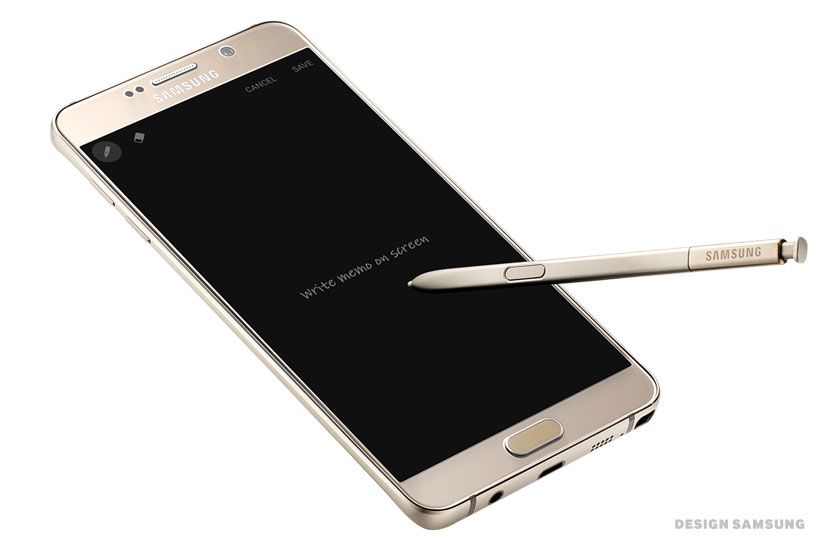
A: The approach for both devices was to maintain the overall visual language, but to build on that foundation. The wider curved glass of the Galaxy S6 edge+ allows a more immersive, digital interactive experience. For those who use their devices for entertainment or multi-media will quickly warm to this new feature. The Galaxy Note5 however, takes on a more formal look. The curvature of the display continues on to the reverse side for a better grip, while the S-Pen is now metal to complement the device itself. Also, as soon as you pop out the S-Pen, you’ll immediately see it’s been totally re-designed to assist you in all your creative activities.
Q: The bezel on both devices are noticeably thinner, almost as if the frame has disappeared.
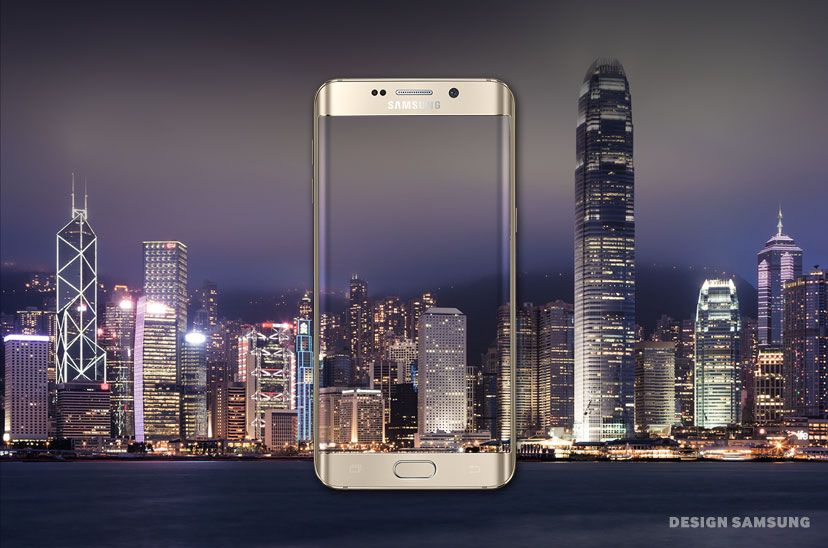
A: A thinner device is fast becoming the norm. The Galaxy S6 edge+ especially has curved glass that seemingly overlaps its surroundings. The original form is the same as the Galaxy S6, but now it has a slightly thinner top and bottom finish to make it look even slimmer than it already is.
Q: Black Sapphire, White Pearl, Gold Platinum, and now Silver Titanium have been added to the range of available colors. After actually seeing them, the colors are much deeper and richer than originally anticipated.
A: Yes, we’re excited about the range of colors with this lineup. Like the previous colors, this selection also has slight variations in hue and saturation according to how the light hits it. Giving it this richer look will appeal to urban city dwellers constantly interacting with their devices.
Q: The metal and glass combination was quite natural. It’s nice to see that look has been carried over to these new models as well.
A: When you handle the device, you feel the density of the lines and curves that join the glass and metal into a seamless whole. The device itself feels well-constructed and well-crafted. That’s the feeling we wanted to convey, a reliable device, exquisitely designed.
Q: Beyond the exterior, what other things should we know about the newest models?
A: There have been big and small changes to the user experience. Detailed changes have been made to elements of the screen. This is because the increased size meant that things needed to be organized and spaced differently. We’ve also adjusted the keyboards and loading bars, among other things. As minute as this may sound, we underwent many revisions on a millimeter scale moving elements around ever so slightly so that they are positioned perfectly for users. We’re confident that although you may not notice these changes at first, once you start getting accustomed to the new model, you’ll notice the difference.
Q: The biggest changes I can see are the icons. The icons seem to all have a shape that is between a circle and a square. Is there a reason for that?
A: Yes, we call them squarcles! Obviously a word combining circle and square, this unique shape for the container of each icon is unique to Samsung devices and maximizes the touch zone without increasing in size. It’s an intuitive yet innovative way to convey consistency in our user design.
Q: This was introduced at the launch of the new models, the S-Pen has a new innovation. You can use it to write down things even though the screen is off.
A: That’s the screen off memo feature, without turning on the screen you can use the S-Pen to write down quick ideas or thoughts. For this, we needed a smooth interactive function that would notify the user that the screen off memo feature was activated when detracting the pen from the holder. That’s because frankly, it’s not common to write or sketch on a blank dark screen without any indication of what you’re doing. A tiny ink “plop” will appear when you detach the pen signifying that the function has been activated, while other basic function icons will appear, only muted. Once you’ve finished and have saved the memo, the writing itself will shrink away leaving you with a blank screen.
Q: As cute as that seems, it’s an ingenious way of solving a difficult issue with visual interaction.
A: To get to this small interaction took us numerous other ideas and actions. This is a prime example of all the many visual interactions and well as iterations we went through to get to the device you hold in your hands.
Q: I’m curious to know how you maintained consistency among all those different kinds of visual interactions.
Like the screen off memo function, the overall concept was for the interactions to be fluid. Another example of this is the change in the Air Command interface; from a geometric, almost rigid feel to a rippling effect as the various icons plop out onto the screen.
With the Galaxy S6 edge+ visual interaction, you can share content and musings with close friends. The camera and emoticons in particular have a fluid responsiveness. Inertia, elasticity and flow are all natural movements we see that should look and feel natural when emulated on the screen. The actions themselves are calculated mathematically and applied to complex physics models, but for the users it’s a natural reaction that is accepted immediately.
Q: Anticipation is growing with each new launch of the Galaxy series. I guess you could say that excitement stems from the globally recognized quality of the devices and innovations. Now, with the Galaxy Note5 and the Galaxy S6 edge+ newly released, what could we expect next from the Galaxy series?
A: It was mentioned briefly when we were discussing visual interaction, but the design philosophy of Samsung Electronics is meaningful, human-centered design. The curved glass of the Galaxy S6 edge+ delivers a unique and limitless form of entertainment while the S-Pen of the Galaxy Note5 offers a highly specialized, yet creative workflow. All of our innovations start from the experience of our customers, satisfying the values and goals they deem most important. That is, as it’s always been, the direction forward for the Galaxy series of innovations. Ultimately, it’s not how high-tech it is, but how close it is to us and our everyday lives.
Thank you for the interview, we hope to talk again with newer Galaxy innovations and products.
The Gear S2 offers unprecedented style and functionality in a wearable device. But what exactly makes the design of the Gear S2 so special? And what are its most cutting-edge apps and functions? Samsung Tomorrow gets a unique insider’s perspective on the Gear S2.
Samsung has finally unveiled its next-generation smartwatch, the Gear S2, today after teasing it during the announcement of the Galaxy Note 5 and the Galaxy S6 edge+. The Gear S2 is the company’s first smartwatch with a completely circular display, and Samsung has focussed a lot on the appearance of the watch without letting go of hardware and software features. Unlike the past few years when Samsung was one of the few brands to experiment in the smartwatch space, the smartwatch market is quite crowded this year, thanks to the grand entry of brands like Apple and LG.
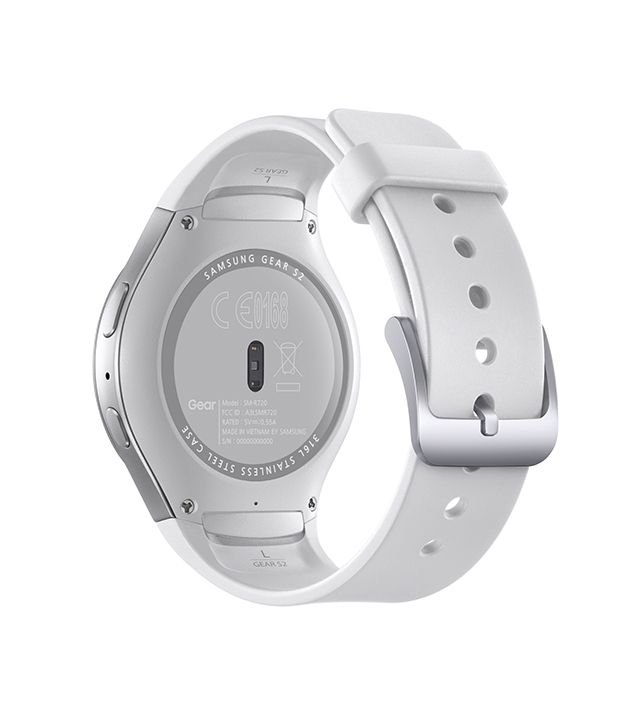
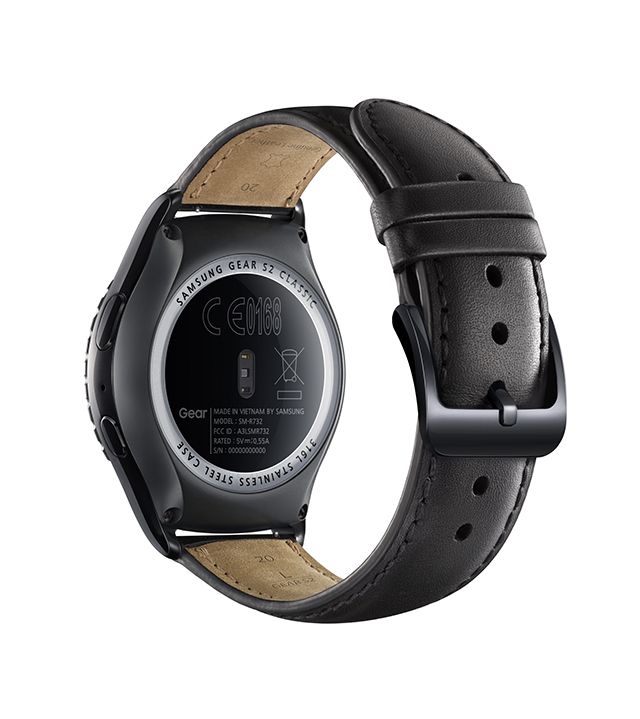
This year, the Gear S2 will be the company’s weapon to compete with the likes of the Apple Watch, the LG Watch Urbane, the ASUS ZenWatch, and the successor to Motorola’s Moto 360. Samsung’s flagship smartwatch will be offered in two variants, the Gear S2 and the Gear S2 classic, with the only changes between them being design and materials, each targeting different tastes and preferences. The 11.4 mm thin Gear S2 is targeted towards consumers who love minimal and modern design, while the 13.4 mm thin Gear S2 classic is for consumers who like a more traditional watch design approach. The Gear S2 will be offered in a dark gray case with a dark gray band and a silver case with a white band, while the Gear S2 classic will be available in an elegant black case with a matching genuine leather band.
Coming to the display, both the smartwatch variants feature 1.2-inch circular Super AMOLED displays with a resolution of 360 x 360 pixels. How is Samsung differentiating the Gear S2 from its competitors? Well, the company has invented a brand new way of interaction with the smartwatch: a rotating bezel, which we exclusively reported about earlier this year. Also, there are two additional buttons, home and back, which helps a user in accessing notifications and applications in a quicker, more accurate, and most importantly, a more comfortable manner. The watches are IP68 certified, so they are dust as well as water-resistant.
On the software side of things, these smartwatches run a Tizen-based wearable platform that is customised to be used on wearable devices with circular displays. Users can view at-a-glance notifications for calendar events, emails, messages, news, weather, and notifications from other apps with ease. They can even type or narrate custom replies using the inbuilt keyboard and the voice recognition system. The Gear S2 can receive notifications and can carry out voice calls, thanks to cellular connectivity. NFC can be used for carrying out mobile payments through Samsung Pay, and the watch can also be used as a smart car and room key or a remote control that can manage connected devices and appliances at home.
Pre-installed apps include S Health, Nike+ Running, S Voice, Weather, Calls, Contacts, Notifications, Messages, Email, Maps & Navigation, Music Player, and Gallery. There’s a Healthy Watch Face and a widget that displays your activity throughout the day. Fitness functions on the Gear S2 encourage users to stay healthy and active, and gives them a 24-hour activity log with activity progress and patters. Auto activity recognition system motivates users to be active and fit.
There are a bunch of watch faces that come pre-installed on the Gear S2 that change the information displayed on the screen depending on time, place, and occasion, and Samsung states that it is working with partners to offer a range of apps, watch faces, and bands helping the users in showcasing their style and mood. The apps will include ones for glancing news, sport scores, stocks, trending tweets, and those that show near-by places and restaurants, through a custom circular user interface.
On the inside, the Gear S2 features a “wearable-optimized” 1.0GHz dual-core processor, 512MB of RAM, and 4GB of internal storage. It is equipped with a bunch of sensors including an accelerometer, a gyroscope, a heart-rate monitor, an ambient-light sensor, a barometer, and a microphone. Connectivity is taken care of by Wi-Fi b/g/n, Bluetooth v4.1, and NFC. There’s a 250 mAh battery that can be charged wirelessly using the provided charging dock, and the company claims that the Gear S2 can last upto 2-3 days with normal usage. The Gear S2 3G, as the name suggests, also features cellular connectivity, thanks to an Embedded-SIM (e-SIM), and has a day less of battery life. The cellular variant of the smartwatch will be available through carriers in Samsung’s home market, South Korea, and in North America.
The availability or the price of the Gear S2, the Gear S2 classic, and the Gear S2 3G hasn’t been announced yet, but the watches will be displayed on September 3 during IFA 2015 at Berlin. What do you think about the Gear S2? Do you think that it is equipped enough to defeat the Apple Watch and other Android Wear-based smartwatches from other brands? Tell us what you think in the comments section below.