


Screen Protector Myths: Repair Center Truths Exposed

Screen Protector Myths: Repair Center Truths Exposed + 10 Surprising Facts You Need to Know
Introduction: Why Screen Protector Myths Still Exist
Mobile phones have become an essential part of our lives, and protecting them is a top priority for most users. Yet, the world of screen protectors is full of misinformation. Walk into any phone accessory shop, and you’ll hear claims that sound too good to be true. Sadly, many consumers fall victim to these myths, wasting money or worse—ending up with cracked screens despite their investment.
At Sydney CBD Repair Centre, we’ve seen thousands of devices come through our doors, often with damaged screens even when a protector was in place. It’s time to expose the truth behind these common screen protector myths.
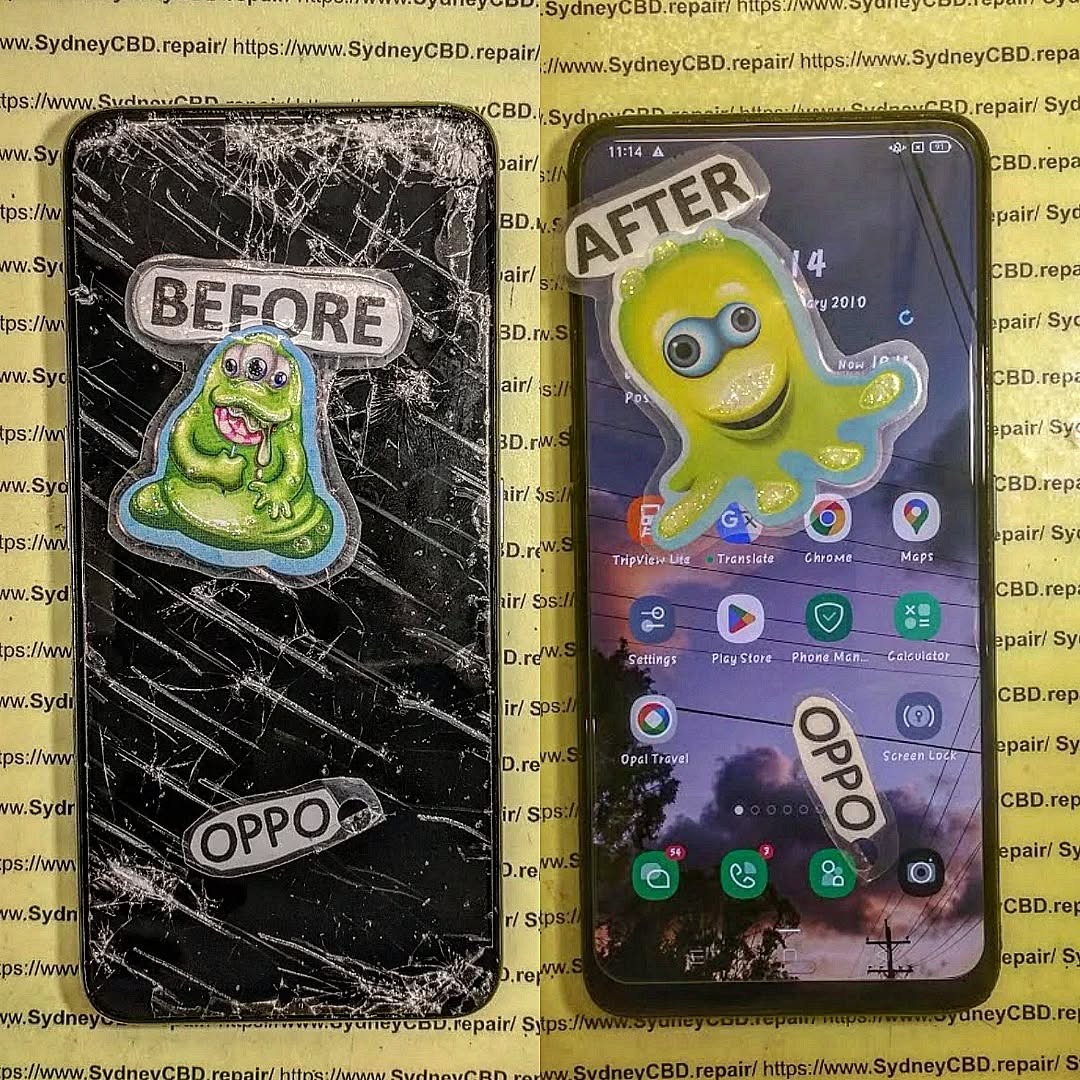
Myth #1: Screen Protectors Make Phones Unbreakable
Some people believe that adding a screen protector means their phone can survive any drop. This is one of the most dangerous myths.
The reality? Screen protectors add a layer of defense but do not make your phone indestructible. A protector absorbs some impact, but the force of a fall can still shatter the actual glass underneath.
Repair centers frequently repair phones with broken screens and screen protectors attached. They help minimize scratches and may reduce the severity of cracks, but they are not a magic shield.
👉 If you truly want to reduce breakage risk, combine a screen protector with a shock-absorbent case.
Myth #2: Only Expensive Screen Protectors Work
It’s easy to assume that the more you pay, the better the protection. Many stores push “premium” screen protectors with inflated price tags.
But here’s the truth: not all expensive protectors outperform affordable tempered glass options. What matters most is material quality, thickness, and how well it adheres to your phone.
At Sydney CBD Repair Centre, we’ve tested dozens of brands. Some affordable options perform just as well as high-priced ones. The trick is to choose wisely, not just based on price.
Myth #3: Screen Protectors Ruin Touch Sensitivity
This myth dates back to older, plastic protectors. They often bubbled, scratched easily, and interfered with swipe gestures.
Modern tempered glass protectors, however, are designed to mimic the smoothness of your phone’s original screen. Many come with oleophobic coatings to resist fingerprints and ensure fluid touch responses.
If you notice laggy responses, chances are the protector is poor quality or improperly installed. A professional application solves this problem.
Myth #4: You Don’t Need a Screen Protector with Gorilla Glass
Gorilla Glass has become a buzzword in smartphone marketing. Manufacturers advertise its strength and scratch resistance, leading many users to skip screen protectors.
Unfortunately, even Gorilla Glass isn’t scratch-proof. Everyday items like keys, coins, and even sand can leave permanent marks. Worse, it can still crack on impact.
Repair centers often see flagship phones with shattered Gorilla Glass screens. A protector remains an affordable insurance policy against scratches and chips.
Myth #5: All Screen Protectors Are the Same
From plastic films to tempered glass and liquid protectors, the market is full of choices. Believing they’re all equal is a costly mistake.
- Plastic films: Cheap but offer minimal protection.
- Tempered glass: Best balance of durability, clarity, and feel.
- Liquid protectors: Controversial and often unreliable.
Choosing the right type depends on your phone model, lifestyle, and budget. Professionals can recommend the best fit.
Myth #6: Screen Protectors Can Fix Cracks
We’ve heard customers ask if a protector can “heal” existing cracks. Sadly, it doesn’t work that way.
A screen protector may hide minor cracks or prevent them from spreading, but it won’t repair the damage. If your screen is cracked, the only permanent solution is a professional screen replacement.
At Sydney CBD Repair Centre, we perform same-day replacements using genuine parts.
Myth #7: Installing a Screen Protector Is Easy and Foolproof
DIY kits make it look simple: peel, stick, and press. But in reality, dust, misalignment, and trapped air bubbles are common.
A poorly installed protector not only looks bad but may also reduce protection. Professional installation ensures proper adhesion and alignment for maximum coverage.
Think of it as a small investment that saves you from frustration later.
Myth #8: Privacy Screen Protectors Are Just a Gimmick
Privacy filters aren’t just for spies in movies. They narrow the viewing angle so people nearby can’t peek at your screen.
Far from a gimmick, they’re essential for professionals handling sensitive data, or anyone who values privacy in public spaces.
While they may slightly dim your display, high-quality versions balance privacy with clarity.
Myth #9: Liquid Screen Protectors Work Better than Glass
Liquid protectors claim to create an invisible shield against scratches. While convenient, they often provide minimal real-world protection.
Unlike tempered glass, they can’t absorb impact from drops. Some even wear off after a few months. Repair experts rarely recommend them as a primary form of protection.
Myth #10: Screen Protectors Last Forever
Even the best protectors degrade over time. They can scratch, chip, or lose their adhesive strength.
Replacing your screen protector every 6–12 months is recommended, depending on usage. It’s a small cost compared to replacing an entire screen.
The Truth from Professional Repair Centers
At Sydney CBD Repair Centre, we’ve seen every scenario imaginable. From phones cracked despite pricey protectors to devices saved by budget-friendly tempered glass, the truth is clear:
- No screen protector is perfect.
- Installation matters as much as quality.
- Professional advice saves you money in the long run.
Our technicians recommend tempered glass as the most reliable choice. Pair it with a sturdy case for optimal protection.
Expert Advice: Choosing the Right Screen Protector
Here’s a quick checklist before buying:
- Material – Tempered glass over plastic or liquid.
- Hardness rating – Look for 9H hardness for scratch resistance.
- Thickness – 0.3mm is the sweet spot for balance.
- Coating – Oleophobic layers prevent smudges.
- Compatibility – Ensure it fits your exact phone model.
When in doubt, ask a professional. Repair centers like ours don’t just fix damage—we help prevent it.
FAQs About Screen Protectors
1. Do screen protectors really prevent cracks?
They minimize damage but can’t guarantee a crack-free experience. Pairing with a case increases protection.
2. How often should I replace my screen protector?
Every 6–12 months or sooner if scratched or chipped.
3. Can a screen protector hide scratches?
Yes, minor scratches may become less visible, but deep ones remain.
4. Are privacy screen protectors worth it?
Yes, especially for people concerned about security in public.
5. Do liquid protectors work?
Not as well as tempered glass. They provide minimal protection.
6. Should I install it myself or get professional help?
DIY works for some, but professional installation ensures bubble-free alignment and maximum coverage.
Conclusion: Protect Smart, Repair Smarter

Screen protectors are valuable tools, but they’re often misunderstood. Myths make people overspend, under-protect, or neglect real solutions.
The truth is clear: protectors help reduce scratches and minor cracks, but they’re not a cure-all. Combine them with cases, handle your phone with care, and always seek expert advice when in doubt.
And remember—if damage does happen, Sydney CBD Repair Centre is here to help with genuine parts, same-day service, and expert care.
📍 Visit: Sydney CBD Repair Centre
📞 Call: +61280114119



