


Beyond Screens: Unmasking The Most Challenging Smartphone Repairs of 2026

Beyond Screens: Unmasking The Most Challenging Smartphone Repairs of 2026
Introduction to Modern Smartphone Repairs
Smartphones have come a long way since the early 2000s, and by 2026, the complexity of devices has skyrocketed. Beyond just cracked screens and dead batteries, technicians now face intricate challenges from foldable designs, ultra-thin components, and advanced AI-integrated systems. For everyday users, a seemingly minor mishap can become a repair nightmare.
The modern smartphone is more than just hardware; it’s a combination of delicate electronics, precision sensors, and software security protocols. Repair experts now need a deep understanding of both physical and digital intricacies. As the demand for fast, efficient, and reliable repair grows, knowing the most challenging repairs of 2026 helps users make informed decisions.
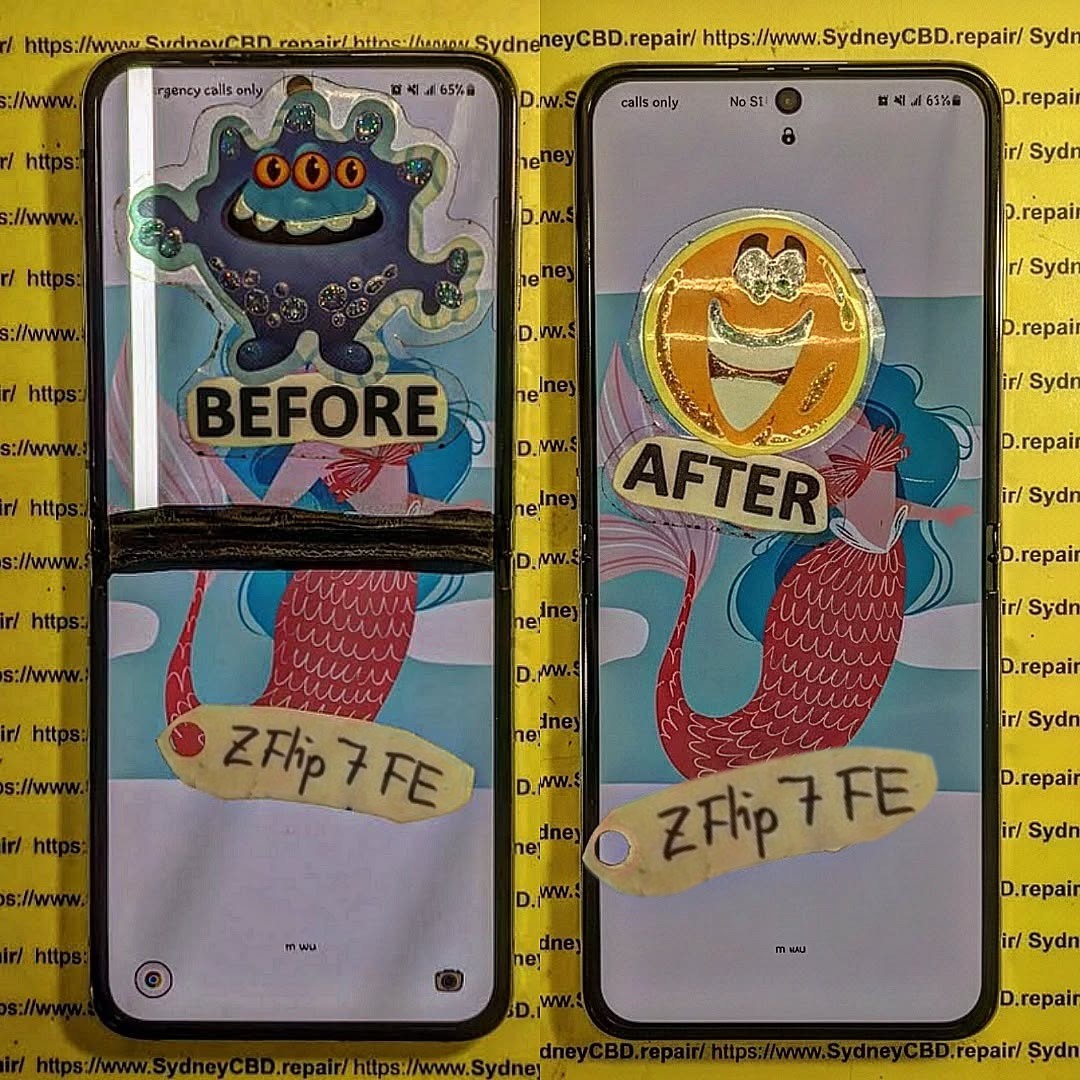
The Evolution of Smartphone Hardware
Smartphones in 2026 are smarter, thinner, and more flexible than ever. Foldable screens, ultra-thin motherboards, and multi-layered batteries make repairs more complicated. Unlike past devices, a minor misstep can damage multiple components at once.
Foldable and Flexible Screens
Foldables are the poster child of modern design innovation. Their flexible displays are prone to hinge misalignment, dead pixels, and micro-tears along the crease. Repairing these screens requires specialized tools, high-precision alignment, and a steady hand. In 2026, technicians are leveraging new adhesive technologies and nano-reinforcements to increase longevity.
Ultra-Thin and Multi-Layered Components
Ultra-thin devices pack more power in smaller spaces. Batteries, motherboards, and sensors are now stacked in multiple layers. Removing one component without affecting others requires specialized heat management tools and microscopes. Even simple soldering tasks demand exceptional precision, making these repairs costly and time-consuming.
Water and Liquid Damage in 2026 Devices
Water damage remains a top cause of smartphone failure. New water-resistant designs reduce incidents, but when liquid enters, it often infiltrates sensitive micro-layers.
Internal Corrosion Issues
Water exposure triggers corrosion on micro-circuits, leading to short circuits and intermittent failures. By 2026, technicians use ultrasonic cleaning and corrosion inhibitors to salvage affected devices, though complete recovery isn’t guaranteed.
Advanced Water Detection Systems
Modern smartphones now include multiple water sensors throughout internal circuits. These sensors alert the system to exposure but also complicate repairs. Detecting which sensor triggered the alert and bypassing it safely requires deep technical know-how.
Software and Firmware Glitches
Repair isn’t just physical. Firmware issues can prevent devices from booting even if hardware is intact. Locked bootloaders, encrypted storage, and AI-based diagnostics create repair hurdles.
Locked Bootloaders & Firmware Security
Smartphone manufacturers increasingly use hardware-level encryption. Unlocking bootloaders or reflashing firmware without proper authorization can render devices unusable. Expert technicians must navigate these legal and technical barriers carefully.
Data Preservation Challenges
Repairing a device without erasing personal data is a growing concern. In 2026, experts use encrypted backups, specialized data recovery tools, and forensic-level techniques to maintain user privacy while fixing hardware.
Battery and Charging Port Challenges
Battery technology has evolved, with solid-state and ultra-thin lithium-ion variants becoming standard. While these batteries enhance performance, they’re harder to replace.
Battery Swelling and Replacement Risks
Thin designs increase the risk of punctures during repairs. Swollen batteries can warp frames or damage nearby sensors. Experts must carefully handle replacements with specialized anti-static and protective equipment.
Fast Charging & Port Malfunctions
High-speed charging technologies exert more stress on ports. Microfractures in solder points or corrosion can lead to intermittent failures. Proper diagnostics require advanced multimeters and thermal imaging tools.
Camera and Sensor Repairs
Multi-lens camera systems, LiDAR sensors, and depth mapping technologies present unique repair challenges. Even slight misalignments can compromise photo quality or AR performance.
Optical Image Stabilization Complexity
OIS mechanisms involve precise gyroscopes and springs. A technician must disassemble, realign, and recalibrate without disturbing surrounding components—a painstaking process.
Sensor Calibration
After repairs, cameras and sensors require calibration with AI-assisted software to maintain accuracy. This ensures autofocus, HDR, and depth-sensing functions work correctly.
Connectivity Repairs
With 5G, Wi-Fi 7, and ultra-high-frequency antennas, connectivity issues are trickier than ever.
Micro-Antenna Failures
Tiny antennas embedded in ultra-thin frames are difficult to diagnose. Failures often mimic software problems, requiring detailed testing.
Signal Interference Challenges
Physical damage or repair mishaps can create interference. Technicians use spectrum analyzers and RF testing equipment to restore optimal connectivity.
Physical Damage Beyond Screens
Beyond screens, devices suffer from hinge wear, frame bending, and ceramic back cracks.
Foldable Hinge Mechanisms
Hinges are engineered for tens of thousands of folds. Misalignment or debris can cause permanent damage, demanding delicate realignment or replacement.
Material-Specific Repairs
Ceramic, titanium, and reinforced glass require specialized adhesives and polishing techniques. Incorrect handling can leave scratches or compromise structural integrity.
Repair Tools and Techniques in 2026
Advanced tools are essential for modern repairs. AI-assisted diagnostics, micro-robotics, and precision microscopes streamline complex fixes.
AI-Assisted Diagnostics
AI analyzes error logs, sensor data, and physical condition to pinpoint failures quickly. Technicians can then make precise repairs without trial-and-error approaches.
Micro-Robotics in Repair
Robotic arms now assist in micro-soldering, hinge calibration, and component placement. This reduces human error and improves consistency.
Cost vs DIY Repairs
DIY repair kits are widely available, but the risks are higher than ever.
Risks of DIY Repairs
Thin frames, delicate sensors, and AI-locked firmware make DIY attempts risky. Mistakes can void warranties, damage components, or permanently disable the device.
When to Trust Professionals
Professional repair centers, like Sydney CBD Repair Centre, have certified technicians, advanced tools, and access to genuine parts—making them the safest option for complex issues.
FAQs
Q1: Can foldable screens be repaired at home?
A1: Attempting DIY repairs on foldables is highly risky due to delicate hinges and flexible layers. Professional repair is recommended.
Q2: How long does a typical battery replacement take in 2026 smartphones?
A2: Professional replacements can take 30–90 minutes depending on the model and battery type.
Q3: Are water-damaged phones always repairable?
A3: Not always. Success depends on the extent of internal corrosion and whether critical sensors are affected.
Q4: Can software glitches be fixed without losing data?
A4: Yes, using specialized forensic tools and backups, experts can often repair devices without data loss.
Q5: How much does a hinge repair for foldable phones cost?
A5: Costs vary by brand and model, typically ranging from $250–$600 for high-end devices.
Q6: Are DIY tools safe for ultra-thin smartphones?
A6: Generally not. DIY kits lack precision instruments and can damage micro-components or void warranties.
Conclusion

Smartphone repairs in 2026 go far beyond cracked screens. Foldable displays, ultra-thin layers, AI-driven diagnostics, and advanced sensors make modern repairs a complex blend of art and science. While DIY solutions exist, entrusting your device to professional centers like Sydney CBD Repair Centre ensures precision, safety, and data integrity. Staying informed about these repair challenges empowers users to make smarter choices and extends the lifespan of their devices.
David from Sydney CBD Repair Centre – The Best place to fix mobile phones as 7 Years In A Row! Top Mobile Phone Repair In Sydney. More than 2000 Positive Reviews on Google and Same Day Repairs.
We take pride in delivering exceptional repair services for all major phone brands including Apple, Samsung, Google, and more. Our expert technicians use only genuine parts and offer 90days warranty on repairs. Located in the heart of Sydney CBD, we’re your one-stop solution for all mobile device repairs.
Our commitment to excellence has earned us the trust of thousands of satisfied customers. Whether it’s a cracked screen, battery replacement, or water damage repair, we handle it all with professional care and expertise. Walk in today and experience why we’re Sydney’s #1 choice for mobile phone repairs.
Visit us for:
✓ Same Day Express Repairs
✓ Genuine Parts Guarantee
✓ Professional Technicians
✓ Competitive Pricing
✓ 2000+ 5-Star Google Reviews
✓ 7-Time Award Winner for Best Phone Repairs
Sydney CBD Repair Centre – Where Quality Meets Reliability.
Call : +61280114119
Website: https://SydneyCBD.repair/locate-us

