


DIY PHONE FIXES: What NOT to Do!

DIY PHONE FIXES: What NOT to Do! Essential Mistakes Tech Experts Want You to Avoid (15 Critical Warnings)
Introduction
DIY phone repair looks easy—especially when social media is full of “quick hacks” and five-minute tutorials promising fast results. But the truth is, modern smartphones are incredibly complex machines with delicate components, precise engineering, and layers of adhesive that only trained technicians are meant to handle. One wrong move can turn a minor issue into a major, expensive disaster.
In this guide on DIY PHONE FIXES: What NOT to Do, you’ll learn the most common mistakes people make when trying to repair their own devices and why these errors can lead to permanent damage. Whether you’re dealing with a cracked screen, battery issue, or water damage, understanding what not to do is just as important as knowing the correct steps. This introduction sets the stage for exploring crucial warnings, expert insights, and safe alternatives to protect both your phone and your wallet.
Let’s dive in so you can avoid costly errors and keep your device working at its best.
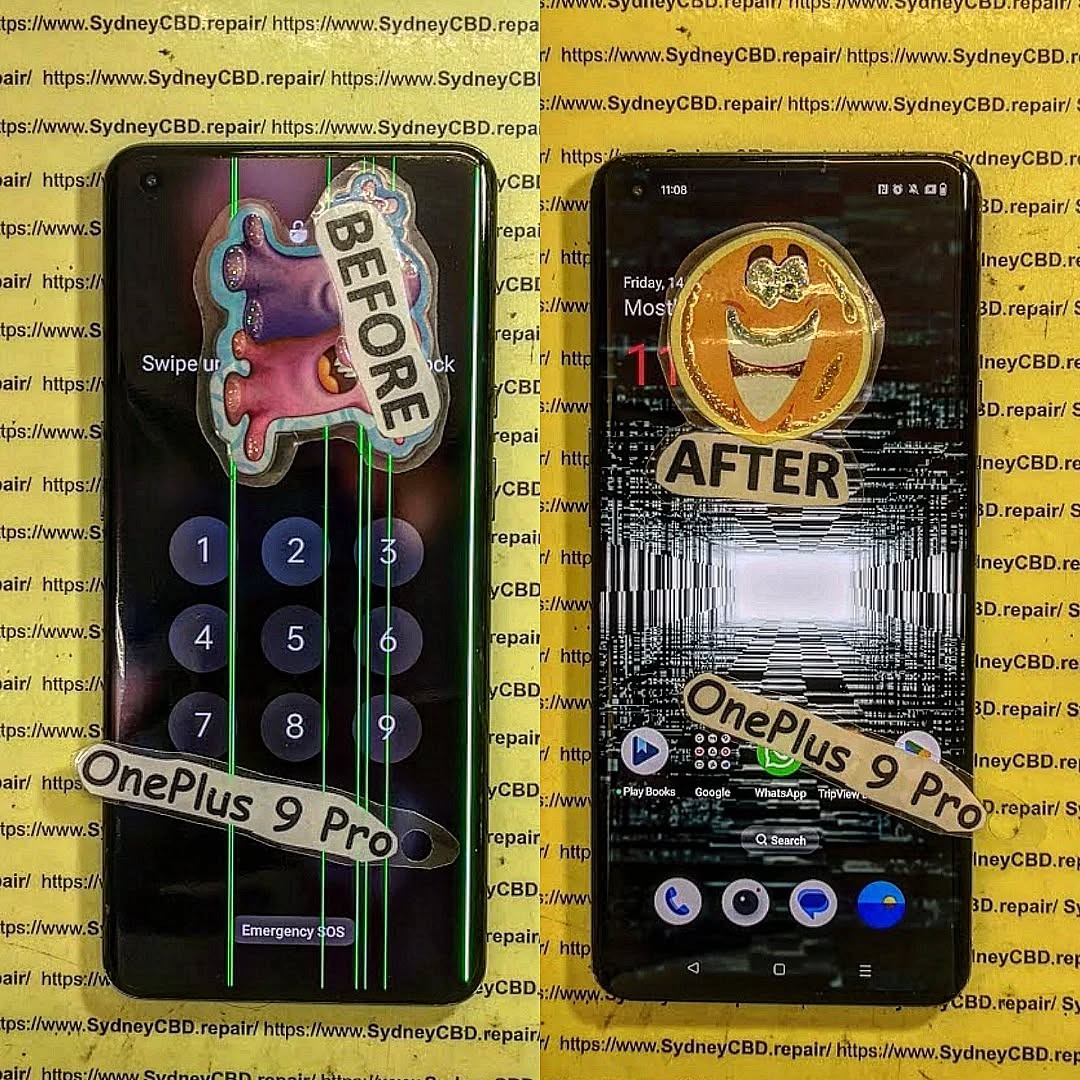
DIY PHONE FIXES: What NOT to Do! Essential Mistakes Tech Experts Want You to Avoid
DIY phone fixing sounds easy—after all, you’ve seen hundreds of videos online showing quick “5-minute fixes,” right? But here’s the real talk: modern smartphones are tightly engineered, delicate, and far more complex than most people realize. And one wrong move can cost you hundreds of dollars—or worse, kill your device permanently.
This guide explains what NOT to do when attempting DIY phone repairs. By reading this, you’ll understand the most common mistakes phone owners make, why they happen, and how to avoid turning a small issue into a catastrophic one.
Below is everything you need to know before you pick up a screwdriver, pry tool, or heat gun. Let’s get into it.
Why DIY Phone Repairs Often Go Wrong
Smartphone repair isn’t what it used to be. Older phones had removable batteries, fewer adhesive layers, and simpler components. Newer models from Apple, Samsung, Google, and others now use:
- Extremely fragile OLED displays
- High-temperature adhesives
- Paper-thin flex cables
- Glued-on back covers
- Water-resistance seals that require precise reinstalling
- Multiple screw types and component layers
DIY repairs go wrong because people underestimate these complexities. They assume phones are still easy to open—but one wrong pry or a little too much force can cause irreversible damage.
Many users attempt repairs to save money, but in the long run, DIY mistakes often cost more than professional repairs. Let’s break down the biggest mistakes.
Mistake #1: Using Cheap Tools and Poor-Quality Parts
Many beginners buy low-cost parts from online marketplaces. They look identical—but internally, they’re nowhere near the same.
Risks of Low-Quality Replacement Parts
Cheap parts come with problems such as:
- Poor touch responsiveness
- Dim or inaccurate colors
- Shorter lifespan
- Poor adhesion
- No warranty
- Higher chance of breaking during installation
Even worse, fake charging ports or batteries may:
- Short-circuit the motherboard
- Overheat
- Deliver unstable voltage
Using non-genuine batteries is especially dangerous.
Safety Hazards from Improper Tools
Cheap screwdrivers strip screws.
Plastic pry tools snap easily.
Metal tools cause shorts if used carelessly.
Using the wrong tools can:
- Slice flex cables
- Shatter a working screen
- Pierce a battery
Bottom line: Cheap tools cause expensive problems.
Mistake #2: Ignoring Battery Safety Protocols
Every modern smartphone uses a lithium-ion battery—and they’re extremely volatile. Mishandling can be dangerous.
Lithium-Ion Battery Expansion
If you:
- Pry under the battery
- Bend it
- Puncture it
- Heat it too much
…it can swell, smoke, or even explode. A swelling battery is NEVER safe to reuse, and DIY users often assume otherwise.
Fire and Short Circuit Risks
A small spark from a metal tool can ignite the battery. Many DIY hobbyists experience:
- Smoke
- Melting flex cables
- Burning adhesive
- Immediate motherboard death
This is why technicians receive specialized chemical-safety training.
Mistake #3: Applying Excessive Heat During Screen Removal
Heat guns are essential for display and back glass removal—but it’s easy to overdo it.
Glass Separation Issues
Too much heat can:
- Melt plastic components
- Warp the midframe
- Soften adhesives unevenly
- Crack glass instantly
Heat must be applied at controlled temperatures—not the “guessing” method DIY users follow.
OLED Burn or Flex Cable Damage
Applying heat directly over the OLED panel can:
- Cause purple blotches
- Create permanent burn marks
- Destroy fingerprint sensors
- Break flex cables under the display
Professional shops use thermal heat pads and controlled temperature machines.
Mistake #4: Forgetting to Disconnect the Battery
This is the #1 most common mistake seen in repair shops.
Electrical Shorting Hazards
If the battery isn’t disconnected, plugging or unplugging components can:
- Instantly short the motherboard
- Damage IC chips
- Kill the display
- Blow backlight circuits
This damage is usually permanent.
Data Corruption Risks
Shorting can wipe storage chips, causing total data loss, even if the phone turns back on later.
Mistake #5: Over-Tightening Interior Screws
Smartphones use micro-sized screws designed for precise torque. Over-tightening them can:
- Crack the motherboard
- Damage the charging IC
- Strip the frame threads
- Clamp the display too tightly
Even one over-tightened screw can cause touch issues or display discoloration.
Mistake #6: DIY Water Damage Cleaning Gone Wrong
Many people try to fix water damage by:
- Using rice
- Using alcohol incorrectly
- Scrubbing corrosion
- Applying heat
These methods can cause further rusting, shorting, or complete component failure.
Never scrub a water-damaged board—professional ultrasonic cleaning is required.
Mistake #7: Using Random YouTube Tutorials for Complex Repairs
YouTube videos are often:
- Outdated
- Using different phone versions
- Missing critical steps
- Simplified for views
- Filmed by amateurs
Modern phones require model-specific procedures—one tiny difference can ruin a device.
Mistake #8: Mixing Up Screws and Components
Phones have 5–7 different screw types in one repair. Mixing them up can cause:
- Screen pressure points
- Motherboard damage
- Stripped internal threads
- Charging port failure
Professionals use labeled magnetic mats for a reason.
Mistake #9: Using Glue Incorrectly on Display Assemblies
Too much glue can leak into:
- Speakers
- Front cameras
- Buttons
- Flex cable grooves
Too little glue leads to:
- Lifting screens
- Loss of waterproofing
- Unresponsive touch due to gaps
Phones use OEM-grade adhesive—not generic glue.
Mistake #10: Ignoring Warranty and Data Loss Risks
DIY repairs can:
- Void manufacturer warranty
- Erase Apple or Samsung coverage
- Lead to lost photos, messages, contacts
- Permanently disable biometrics
Even something small like battery removal may require Apple pairing tools you don’t have.
FAQs
1. Is DIY phone repair ever safe?
Yes, but only for simple tasks like cleaning ports or replacing external cases. Anything involving adhesive or wiring is risky.
2. Can I damage my phone just by opening it?
Absolutely. Even opening the back cover can tear flex cables or break water-resistant seals.
3. Is it okay to use aftermarket screens?
Some are safe, but many low-quality screens reduce brightness, drain battery faster, or stop working after weeks.
4. Will DIY repair void my warranty?
Yes. Most manufacturers void coverage once the phone is opened by an unlicensed technician.
5. What’s the safest way to fix a swollen battery?
Don’t touch it. Take it to a repair shop immediately—swollen batteries can ignite.
6. Why is professional repair better than DIY?
Professionals use genuine parts, precise tools, training, and offer warranty—reducing risk and ensuring longevity.
Conclusion

DIY phone repair might sound like a great way to save money, but one wrong move can lead to costly mistakes, data loss, or permanent device damage. Modern smartphones are built with complex engineering and require specialized equipment and expertise.
If you want the safest, fastest, and most reliable repair service, trust real professionals.
For trusted repairs, check reputable sources like:
https://SydneyCBD.repair/locate-us
⭐ Sydney CBD Repair Centre ⭐
6 Years in a Row – Sydney’s #1 Phone Repair Shop
💼 2000+ 5-Star Reviews
⚡ Same Day Repairs
🔧 Expert Technicians
📱 Genuine Parts Only
📞 Call: +61280114119
David from Sydney CBD Repair Centre – The Best place to fix mobile phones as 6 Years In A Row! Top Mobile Phone Repair In Sydney. More than 2000 Positive Reviews on Google and Same Day Repairs.
📍 Visit us today for:
✓ Same Day Express Repairs
✓ Genuine Parts Guarantee
✓ Professional Technicians
✓ Competitive Pricing
✓ 2000+ 5-Star Google Reviews
✓ 6-Time Award Winner for Best Phone Repairs
Sydney CBD Repair Centre – Where Quality Meets Reliability.
📞 Call : +61280114119
🌐 Website: https://SydneyCBD.repair/locate-us

