


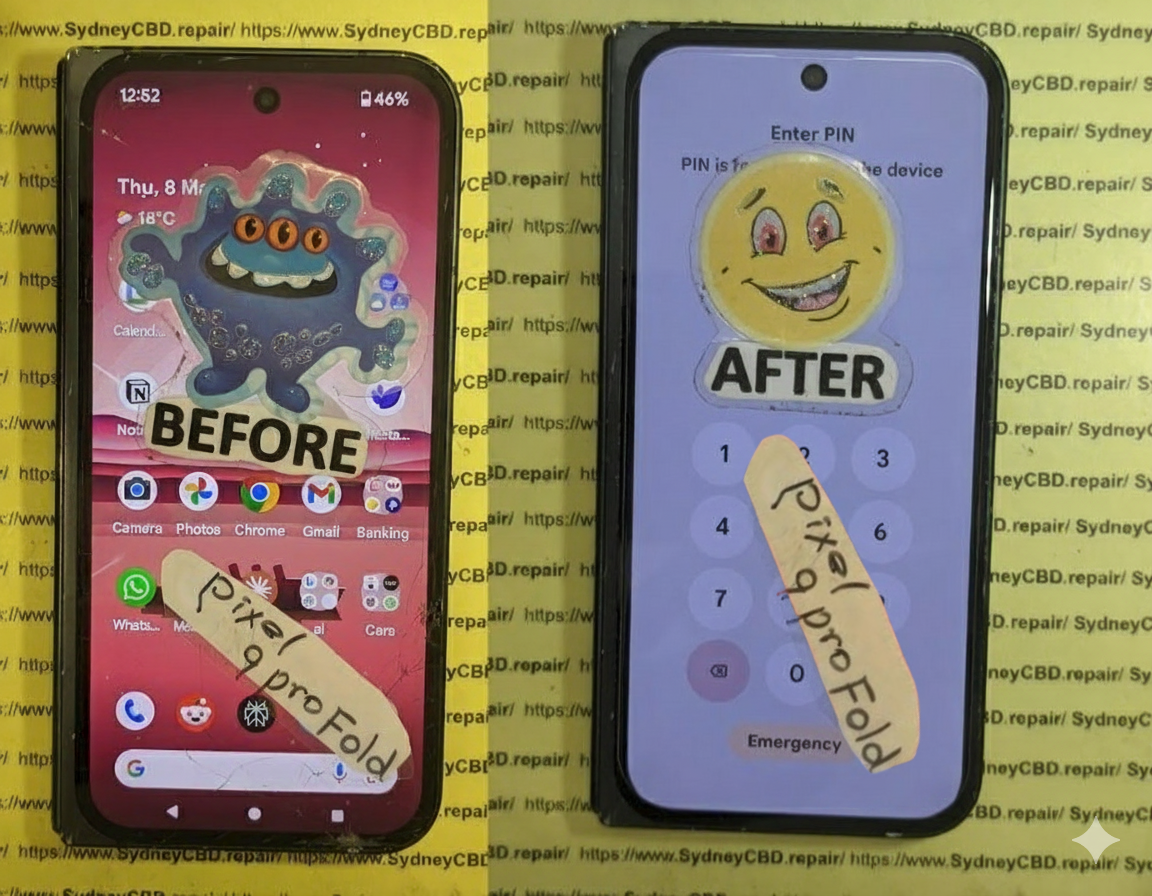
Rescuing a “Beyond Repair” Waterlogged Foldable Phone

Rescuing a “Beyond Repair” Waterlogged Foldable Phone: 7 Proven Steps to Bring It Back to Life
Understanding the Complexity of Foldable Phones
Foldable phones represent the cutting edge of modern mobile technology, combining flexibility with high performance. Devices like the Samsung Galaxy Z Fold series or Huawei Mate X showcase incredible engineering—yet, their sophisticated hinges, flexible OLED displays, and layered circuit designs make them extremely sensitive to water exposure.
Why Water Damage Is More Dangerous for Foldables
Unlike traditional smartphones, foldables have more points of vulnerability. The hinge mechanism, flexible display, and split battery design all present potential water entry paths. Even a few drops of water can cause short circuits or corrosion within hours. When a foldable gets submerged, the damage spreads faster and deeper due to its multiple internal layers.
Common Myths About Water Resistance
Manufacturers advertise IP ratings like IPX8, suggesting resistance to water immersion. However, these tests are conducted under controlled laboratory conditions—not in real-world scenarios like saltwater, pool water, or rain. The truth is: “water-resistant” doesn’t mean “waterproof.” Over time, seals weaken, and accidental submersion can overwhelm the device’s protective coatings.
Step 1: Power Down Immediately
When your foldable phone comes into contact with water, your instinct might be to check if it still works—but resist that urge. Turning it on can instantly short-circuit the motherboard.
The Dangers of Keeping It On
Even a few seconds of operation post-exposure can cause irreparable internal damage. Powering down prevents the flow of electricity through wet components, reducing the risk of a total board failure. If you can, remove the battery—though this is not possible in most modern foldables without professional tools.
Step 2: Remove All Accessories and SIM Cards
Removing external and internal accessories allows trapped moisture to escape.
What to Remove and Why It Matters
Take out the SIM card, microSD card, and any detachable accessories like cases or styluses. These items trap water near ports and can lead to corrosion if left in place. Wipe each component separately using a soft, lint-free cloth—never a hairdryer or tissue, as they can push water further inside or cause static damage.
Step 3: Gently Dry the Exterior
After removing accessories, pat the phone dry using a microfiber cloth. Be gentle—foldables have delicate joints and flexible glass that can easily deform under pressure.
The Right and Wrong Ways to Dry Your Phone
✅ Do this:
- Keep the device unfolded to allow airflow through the hinge
- Use an absorbent towel or microfiber cloth
- Let it sit in a dry, ventilated area for several hours
❌ Avoid this:
- Using a hairdryer or direct sunlight
- Shaking or folding the device excessively
- Placing it near heaters or microwaves
Step 4: Avoid Using Rice – Here’s What to Do Instead
The “phone in rice” myth is one of the most common misconceptions about water damage.
The Truth About Rice and Water Damage
Rice can absorb surface moisture, but it does nothing for internal humidity or corrosion. Worse, rice particles or dust can enter the hinge mechanism, making matters worse for foldables. Instead, use silica gel packets or place your phone in a sealed container with moisture-absorbing materials like calcium chloride desiccants.
Step 5: Use Desiccants or Vacuum Drying Techniques
Desiccants are effective for mild water exposure. However, if your phone was submerged, professional drying methods are a must.
Why Professional Drying Saves Your Phone
At Sydney CBD Repair Centre, technicians use vacuum drying machines that safely extract moisture from every layer of your phone. This process not only prevents corrosion but also stabilizes delicate circuits that could otherwise fail days later.
Professional drying also includes ultrasonic cleaning, which removes mineral deposits and impurities left behind by contaminated water sources.
Step 6: Visit a Professional Repair Centre
DIY methods have their limits—especially when dealing with foldables.
Why DIY Can Make It Worse
Foldable phones have complex adhesive layers, multiple display cables, and sealed connectors. Opening them without the right tools can tear flexible displays or break the hinge assembly. Using alcohol or heat without precision can further corrode circuit boards.
What Sydney CBD Repair Centre Does Differently
Sydney CBD Repair Centre stands out as Sydney’s #1 phone repair service, with over 2000 5-star Google reviews and six consecutive “Best Mobile Repair” awards.
Their technicians specialize in water damage restoration, foldable screen repairs, and motherboard diagnostics using genuine OEM parts. Every repair comes with a 90-day warranty and same-day service for most cases.
📍 Visit Sydney CBD Repair Centre:
https://SydneyCBD.repair/locate-us
📞 Call: +61 2 8011 4119
Step 7: Prevention Tips for Future Water Damage
Even after repair, it’s wise to protect your phone from future mishaps.
Investing in Protection for Your Foldable Phone
- Use a certified waterproof case designed for your model.
- Avoid using the phone near pools, sinks, or beaches.
- Regularly inspect seals and hinges for signs of wear.
- Back up your data frequently to prevent loss from sudden failure.
Proactive care can extend your foldable’s life span and maintain performance even after accidental exposure.
Frequently Asked Questions (FAQs)
1. Can a waterlogged foldable phone be fully repaired?
Yes, but it depends on how quickly you act. If you bring it to a professional within 24–48 hours, there’s a high chance of recovery.
2. Is it safe to charge a wet phone after drying it overnight?
No. Even residual moisture inside can cause electrical shorts. Always have it inspected before plugging in a charger.
3. Will my phone’s warranty cover water damage?
Most manufacturers exclude water damage from warranty coverage. However, authorized repair centres like Sydney CBD Repair Centre can help with cost-effective solutions.
4. What if my foldable screen shows flickering or lines after water exposure?
That’s usually a sign of moisture in the display layers or internal short circuits. Seek professional help immediately.
5. How long should I wait before turning my phone back on?
Wait at least 48 hours—and only after a technician confirms it’s safe.
6. Can silica gel fully fix water damage?
Silica gel helps reduce moisture but won’t repair corrosion or internal damage. Professional cleaning is still necessary.
Conclusion: Your Foldable Phone Deserves Expert Care

Rescuing a “beyond repair” foldable phone is entirely possible when you act fast and trust the right experts. While DIY methods can provide temporary relief, professional restoration ensures long-term success.
At Sydney CBD Repair Centre, your device is treated with precision, care, and genuine parts—restoring it to full functionality and reliability. Whether it’s a Samsung Galaxy Z Fold, Google Pixel Fold, or Huawei Mate X, you’re in the hands of Sydney’s most trusted technicians.
Sydney CBD Repair Centre – Where Quality Meets Reliability.
📞 +61 2 8011 4119
🌐 https://SydneyCBD.repair/locate-us

