


What’s the worst phone to repair?

What’s the Worst Phone to Repair? – 10 Challenging Models You Need to Know
# Introduction
When it comes to smartphones, not all are created equal—especially when it’s time for a repair.
Some phones are a technician’s dream to work on. Others? A nightmare wrapped in glass and glue. In this article, we’ll reveal the worst phone to repair, what makes certain devices so difficult, and how professionals like those at Sydney CBD Repair Centre manage even the most frustrating jobs.
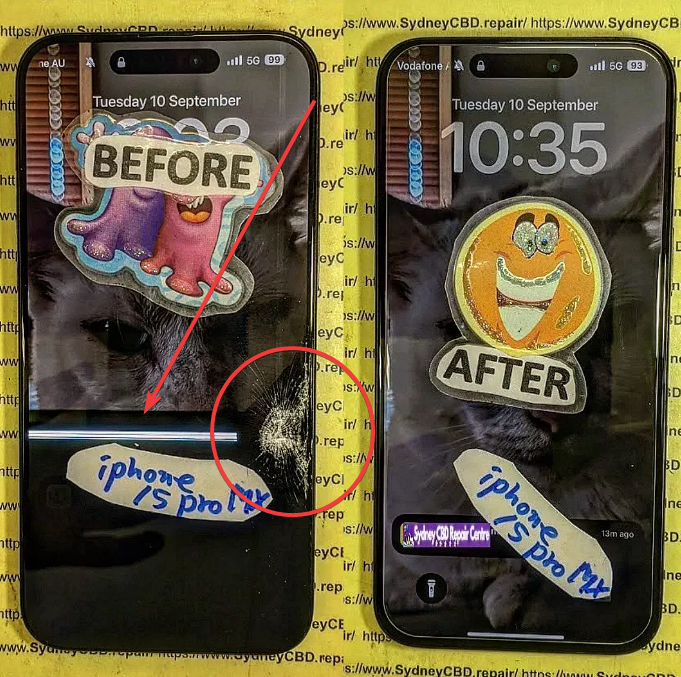
# Why Some Phones Are Harder to Repair Than Others
Modern smartphones are marvels of engineering—but that often comes at the cost of repairability.
Design trends like:
- Slimmer bodies
- Curved glass edges
- Non-removable batteries
- Foldable displays
- Glued-in components
…can make even simple repairs incredibly challenging without the right tools and expertise.
# Key Factors That Make a Phone Difficult to Repair
These are the traits that make a phone a repair shop’s worst nightmare:
| Factor | Why It’s a Problem |
|---|---|
| Excessive glue | Makes screen or battery removal risky |
| Delicate flex cables | Can tear during disassembly |
| Foldable hinges | Add moving parts and complexity |
| No modular components | Everything’s soldered or fused |
| Inaccessible batteries | Buried under layers of hardware |
| Calibration-locked parts | Require manufacturer tools after replacement |
# The Worst Phone to Repair – #1 Revealed
🏆 Samsung Galaxy Z Fold Series (Z Fold 3, Z Fold 4, Z Fold 5)
These cutting-edge foldables top the list. Here’s why:
- Dual displays (outer and inner) = twice the failure points
- Ultra-thin glass = super fragile and easy to crack
- Hinge mechanism = complex and easy to misalign
- Expensive replacement parts
- Risk of screen creases or ghost touches post-repair
Even experienced techs take hours to complete a Fold repair—and many shops won’t even attempt it.
# Other Challenging Models Ranked
2. iPhone 14 Pro Max
- Face ID sensors are delicate
- Back glass removal requires laser
- Glue-intensive build
3. Google Pixel 7 Pro
- Curved OLED hard to align
- Risk of damaging fingerprint sensor
- Tight component layout
4. Huawei Mate Xs
- Foldable with flexible OLED
- Limited part availability
- Proprietary screws and software
5. Sony Xperia 1 IV
- Ultra-slim chassis
- Overlapping internal layers
- Fragile screen removal
# Foldables: The Double Trouble in Phone Repairs
Phones like the Galaxy Z Fold and Flip line are technological masterpieces, but they’re built with:
- Two screens
- Custom hinges
- Special adhesives
- Micro-flex cables
These features make repair expensive, time-consuming, and risky without the exact OEM-grade tools and techniques we use at Sydney CBD Repair Centre.
# iPhones vs Androids: Which Are More Repair-Friendly?
iPhones:
- Predictable layout
- High part availability
- Software locks (Face ID, TrueTone)
Androids:
- Vary greatly by brand
- Samsung: glue-heavy, curved screens
- Google: fragile under-display sensors
Verdict: iPhones are generally easier to open and repair—but risk losing functionality if parts aren’t transferred properly.
# Are Premium Phones Always Harder to Fix?
Not always—but they often are due to:
- Compact internal design
- Higher-density components
- Biometric tech (Face ID, in-display fingerprint)
- Expensive, hard-to-find parts
Cheaper models may be easier to repair but can still pose challenges due to poor part compatibility or build quality.
# Hidden Repair Obstacles Most Users Don’t Realise
Here’s what’s really going on under the hood:
- Dust or moisture traps during reassembly
- Display calibration mismatches
- Loose or over-torqued screws causing board flex
- Battery damage from prying tools
- Sensors that detach during screen removal
At Sydney CBD Repair Centre, we handle these subtleties with ESD-safe gear, microscopes, and heat control stations.
# Why DIY Repairs Often Fail on Complex Phones
DIY kits may seem appealing, but:
- Lack of tools = high risk of internal damage
- Improper heat application = screen burnout
- Static discharge = dead logic boards
- No calibration = ghost touch or dim displays
- You may void your warranty entirely
Leave complex repairs to trained professionals with certified tools and real-world experience.
# Expert Techniques Used to Tackle Tough Repairs
Here’s how we succeed where others fail:
- Laser cutting tools for back glass and screen separation
- Microsoldering for fine connections
- Vacuum laminators for OLED assembly
- Real-time diagnostics during repair
- Sensor mapping and data retention tools
No matter how difficult the phone, we make sure it leaves fully functional—like new.
# The Role of OEM Parts in Difficult Repairs
Using fake or low-quality parts in complex phones leads to:
- Flickering screens
- Poor touch response
- Face ID or camera failure
- More costly re-repairs
That’s why we only use OEM or high-grade parts with warranty at Sydney CBD Repair Centre—especially on tough models.
# Should You Repair or Replace a Hard-to-Fix Phone?
It depends. Here’s a guide:
| Situation | Recommended Action |
|---|---|
| Minor screen crack on Fold | Repair – save money |
| Hinge issue + screen failure | Consider replacing |
| iPhone 14 with back glass damage | Repair – cost-effective with right tools |
| Water-damaged Google Pixel | Inspect first – may still be fixable |
| Cosmetic scratches only | No urgent repair needed |
Get a free diagnosis before making the call.
# 6 Frequently Asked Questions
1. What is the most difficult phone to repair in 2024?
The Samsung Galaxy Z Fold series (especially Z Fold 4 and 5) due to dual displays, hinge complexity, and fragile internal parts.
2. Can I repair a foldable phone at home?
Not recommended. These phones require heat separation, special adhesives, and hinge calibration—tools most DIYers don’t have.
3. Is it worth fixing a phone that’s hard to repair?
Often, yes. If the phone is high-end and less than 2 years old, repairs are usually cheaper than replacing it.
4. Why are some phones glued so tightly?
To improve water resistance and reduce internal movement. Unfortunately, it also makes them harder to open without damage.
5. What’s the risk of using a third-party repair shop for a tough repair?
Without proper training and tools, they may damage sensors, void warranties, or install faulty parts.
6. What should I do if my phone is on the “worst to repair” list?
Visit a certified repair centre like Sydney CBD Repair Centre. We’ve handled even the toughest models with 100% success.
# Conclusion

While technology keeps advancing, so does the complexity of smartphone design. The worst phones to repair often have foldable screens, ultra-thin profiles, or sensor-heavy internals, making them a challenge for anyone without proper tools and training.
But at Sydney CBD Repair Centre, we don’t back down from tough repairs. Whether it’s a Z Fold, iPhone Pro Max, or Google Pixel, we deliver reliable, fast, and warranty-backed repairs every time.
David from Sydney CBD Repair Centre – The Best place to fix mobile phones as 6 Years In A Row!
Top Mobile Phone Repair In Sydney. More than 2000 Positive Reviews on Google and Same Day Repairs.
Visit us today for:
✓ Same Day Express Repairs
✓ Genuine Parts Guarantee
✓ Competitive Pricing
✓ 90-Day Warranty
✓ 6-Time Award Winner for Best Phone Repairs
📞 Call: +61280114119
🌐 Website

