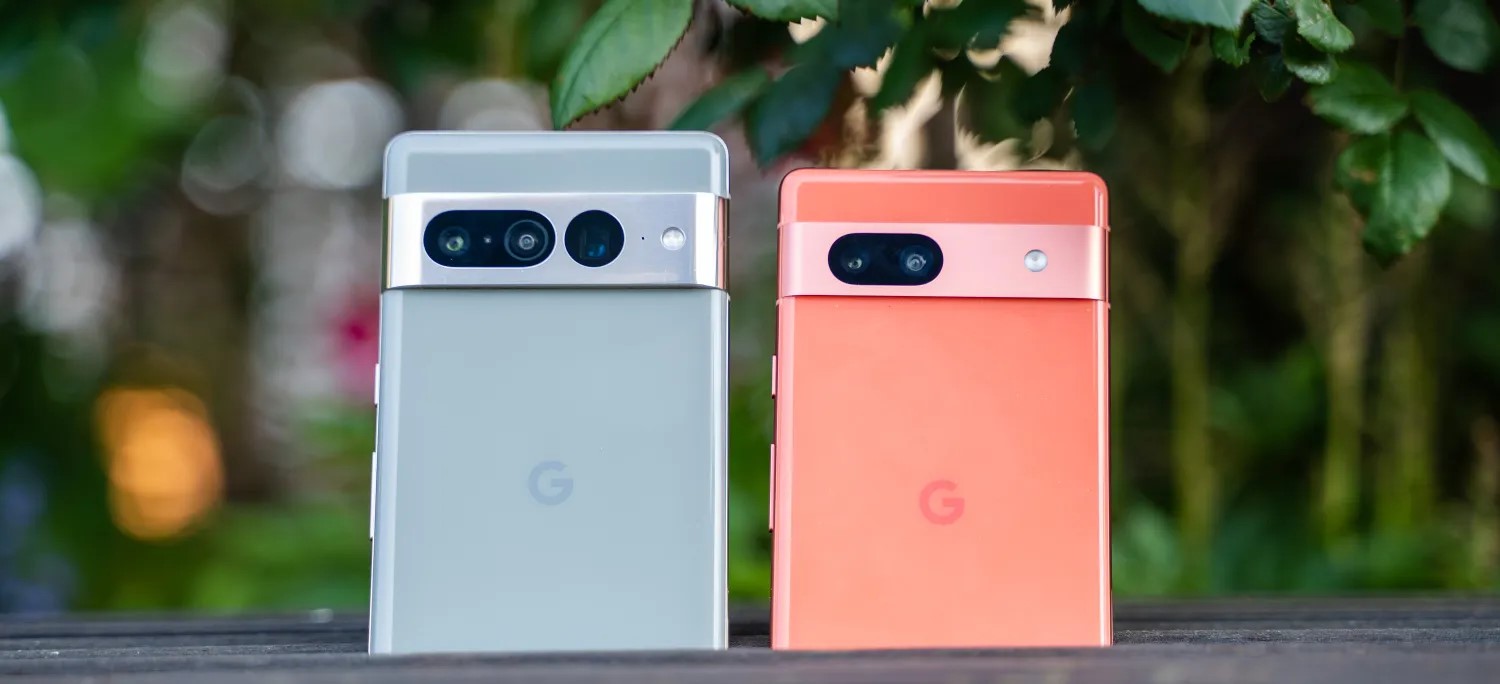
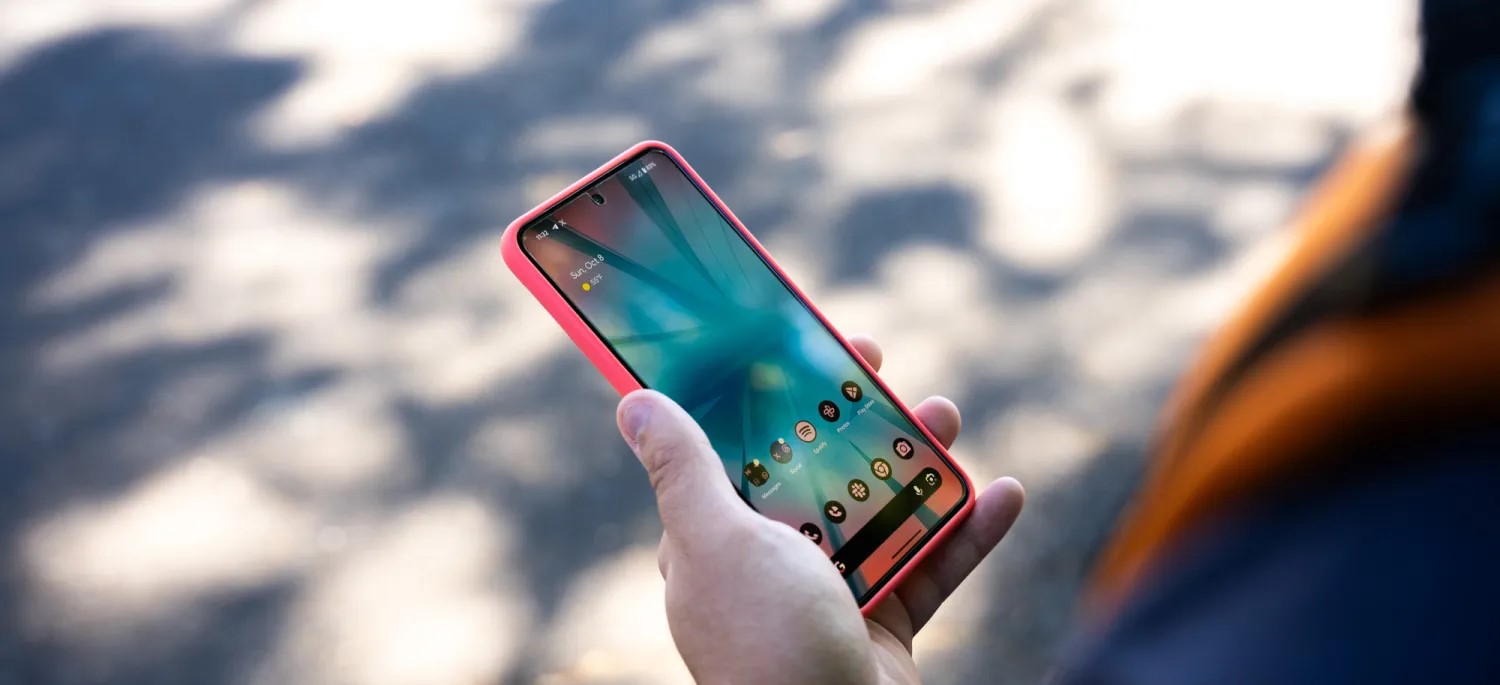
The official line from Google is that “not all Pixel 4a (5G) and later phones work on all 5G networks.” Google maintains a list of countries where 5G is available on the Pixel and it was recently updated.
Pixel phones work with all major carriers. But not all Pixel 8 Pro, Pixel 8, Pixel Fold, Pixel 7a, Pixel 7 Pro, Pixel 7, Pixel 6a, Pixel 6 Pro, Pixel 6, Pixel 5a (5G), Pixel 5 and Pixel 4a (5G) phones work on all 5G networks. Check with your carrier to make sure your phone works on its 5G network.
As of December 2023, the map had 31 countries. Google’s “5G on your Pixel” list is currently up to 38 countries with these seven new European additions:
Croatia
Greece
Hungary
Iceland
Latvia
Liechtenstein
Slovakia
The full list is as follows, with big availability gaps remaining.
It comes as the Pixel 8 series is only available in 20 (Google Store) countries: Austria, Australia, Belgium, Canada, Denmark, Ireland, France, Germany, Italy, Japan, Netherlands, Norway, Portugal, Singapore, Spain, Sweden, Switzerland, Taiwan, United Kingdom, and United States. This allows traveling Pixel owners to hopefully get a similar connectivity experience.
Since 2020, people have complained that Pixel 5G availability is not universal, and that remains the case today. Certification and testing is presumably the reason.
Google appears to be working on a new Pixel feature called “Adaptive Touch” which will be able to adjust sensitivity of the touchscreen automatically based on certain factors.
On Pixel phones, users have been able to, for a while now, boost the touchscreen’s sensitivity when a screen protector is applied. On Pixel 8, Google even made that automatic. Now, Google appears to be working on a new “Adaptive Touch” option that bring this ability a step further.
As spotted by Android Authority, Android 14 QPR3 Beta 2 labels “Adaptive Touch” as a feature for 2024 Pixel devices, meaning it’s likely set to debut with the Pixel 9 series. The feature would allow the touchscreen sensitivity to be adjusted based on certain factors. Google describes:
…touch sensitivity will automatically adjust to your environment, activities and screen protector.
It’s not clear exactly how this will work, but it seems likely that this would include the automatic boost we saw on Pixel 8 extend to other cases. A wet screen, wearing gloves, or a boost when playing games are other places where this could feasibly come in handy.
Notably, OnePlus last year debuted “Aqua Touch” on the OnePlus 12 which delivered impressive touchscreen response on a wet display, so this “Adaptive Touch” could be Google’s play at something similar.
It also remains to be seen if this feature would make its way back to existing hardware, but given another new feature Google is working on is exclusive to newer hardware, it seems likely that it won’t.
Your phone’s touch sensitivity determines how well the screen reacts to your touches.
Various factors like how wet your fingers are or whether a screen protector is applied can affect how sensitive your phone’s screen feels.
The Pixel 9 may add an “Adaptive Touch” feature that automatically adjusts touch sensitivity to account for these factors.
If you’ve ever tried to swipe through your phone on a rainy day, you’re probably aware of how finicky it can be. Wet fingers can disrupt the ability for capacitive touch screens to register your touch, causing your tap or swipe inputs to be dropped. Thick or low-quality screen protectors can also reduce your phone’s touch sensitivity. For these reasons, many phones offer touch sensitivity settings or at least a dedicated “screen protector mode” to boost the touch sensitivity. The upcoming Google Pixel 9 may take things a step further by offering an automatic “Adaptive Touch” mode.
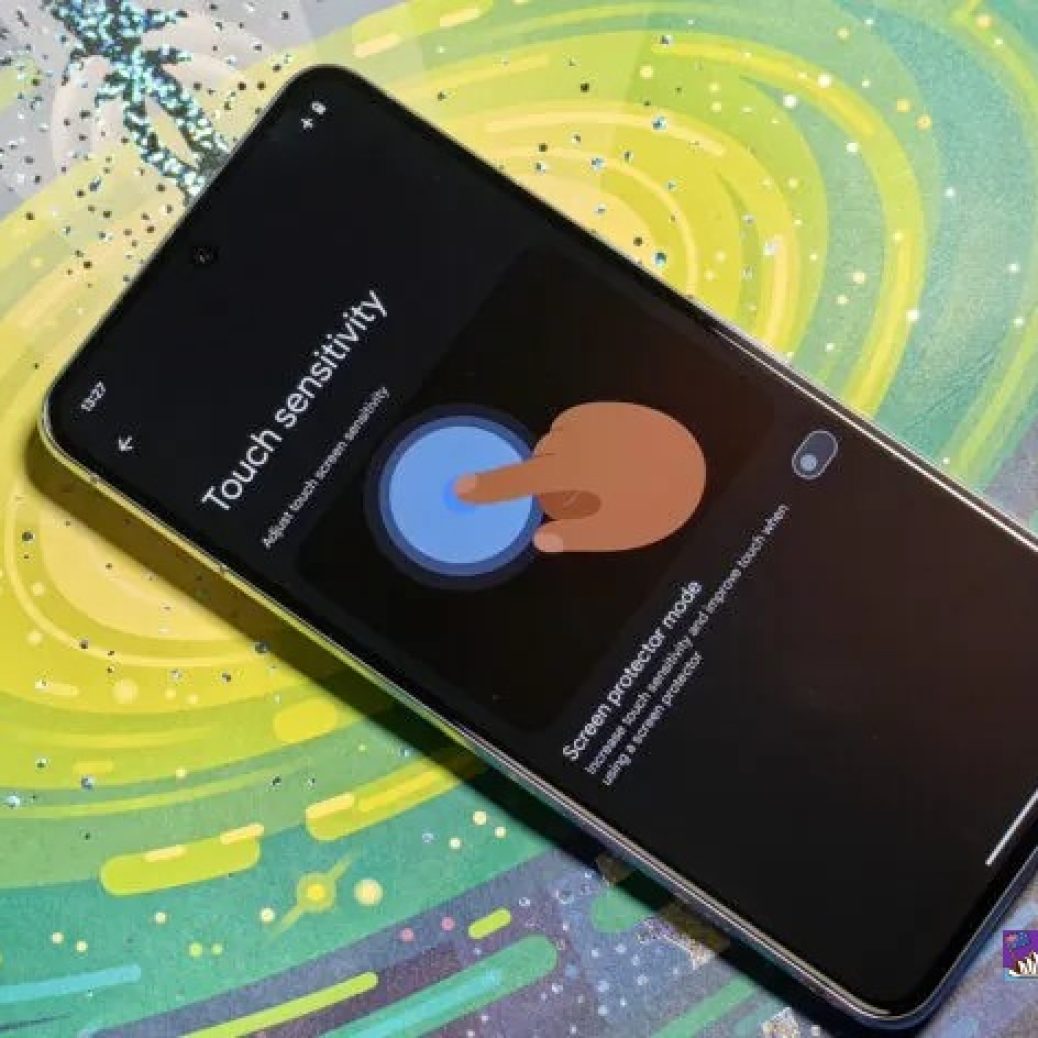
While I was digging through last month’s Android 14 QPR3 Beta 1 release, I found evidence that suggests Google is preparing to add an “Adaptive Touch” setting under Settings > Display > Touch sensitivity. Although the setting doesn’t currently show up on my Google Pixel 8 Pro running the latest Android QPR beta, I dug into the code and found that when Adaptive Touch is enabled, “touch sensitivity will automatically adjust to your environment, activities and screen protector.”
Touch sensitivity settings on a Google Pixel 8 Pro running Android 14 QPR3 Beta 2.
It’s not quite clear yet what environmental factors or activities will cause the touch sensitivity to be automatically adjusted, but it’s possible that wet fingers (or a wet screen) will be one factor. Google may be taking inspiration from the OnePlus 12 and its Aqua Touch feature that adjusts the touch sensitivity when the phone is wet, making it possible to use the phone in the rain.
Adaptive Touch is said to also automatically adjust the touch sensitivity when a screen protector is detected. With the launch of the Pixel 8 series, Google quietly debuted a new “screen protector detector” service that can detect when the user puts a screen protector on or takes one off. The OS then informs the user that they should enable or disable screen protector mode accordingly.
When I first discovered the code for “Adaptive Touch” in Android 14 QPR3 Beta 1, I wasn’t sure if this feature would be coming to existing Pixels or if it would be reserved for upcoming devices like the Google Pixel 8a and Pixel 9. Now, however, I’ve found evidence that links this upcoming “Adaptive Touch” feature to Google’s 2024 flagship Pixel lineup.
Code within the latest Android 14 QPR3 Beta 2 release reviewed by Android Authority explicitly labels “Adaptive Touch” as a “P24” feature. Google often uses shorthands like “P2X” internally to refer to their Pixel devices for a particular year. “P23”, for example, refers to the Pixel 8 and Pixel 8 Pro because they were released in 2023. The Pixel 7a was also released in 2023, but it’s referred to as “P23_MIDYEAR” because it was released in the middle of the year. Thus, if we’re going by past history, then “Adaptive Touch” may be a Pixel 9 feature.
However, we don’t know if “Adaptive Touch” will be exclusive to the Pixel 9 or if it’ll eventually trickle down to older devices. While Google does bring a lot of new features to older Pixel devices through their quarterly Pixel Feature Drop updates, they also intentionally leave out some features that older Pixels are technically capable of running. The company does this to differentiate its product lineup and make newer devices seem more appealing, but it remains to be seen if the Pixel 9’s Adaptive Touch feature will be worth keeping as an exclusive.
Back in September 2023, Google introduced an updated wordmark and 3D robot design for Android. That new wordmark is appearing on Pixel devices with the Android 14 QPR3 Beta.
On Pixel devices, the boot sequence starts with the “Google” logo appearing in full color and then a Material You Dynamic Color “G” that animates in. “Powered by Android” then appears at the bottom of the screen.
Starting with Android 14 QPR3 Beta 1 on some devices, “Powered by” is centered (instead of left-aligned) with the updated wordmark that prominently features a capitalized “A” and other tweaked letters. This is followed by the Android head.
As of QPR3 Beta 2, not all devices, like the Pixel Tablet, have been refreshed with the new Android wordmark.
On newer Android devices, like the Honor Magic 6 Pro and Xiaomi 14 Ultra, a 3D version of the head, which appears at the bottom edge of the screen, is used. The Galaxy S24 features the new wordmark.
Meanwhile, QPR3 Beta 2 increases the size of the boot animation as evidenced by the size of the “Google” logo getting bigger when the animation starts.
It’s a shame that this change wasn’t timed with the initial Android 14 release in October, or the Pixel 8 and 8 Pro launch.
In addressing a Pixel feature that’s disappeared, Google has confirmed that the Pixel 8a is on its way.
Back in Android 14’s QPR1 update, Google added a new extension of battery stats, which showed charging cycle counts and the date the battery was manufactured. This was a welcome addition, but also limited in how useful it actually was. In the March 2024 update for Pixel phones, though, this feature disappeared.
According to Google on a bug tracker page, that’s intended behavior, as this page was never meant to show up on existing devices.
Rather, Android’s new battery stats are only supported to be showing on Pixel 8a and other future Pixels. Google says:
We only enable this page on Pixel 8a and beyond, so this is WAI(Working as Intended)
So, now we know a feature that’s coming to future Pixels, as well as getting Google’s first official confirmation of the Pixel 8a coming.
Exactly why the feature was showing on existing Pixels in the first place, and for as long as it’s been available, is unclear, but the stats themselves were often not particularly accurate. It also opens up the possibility that Google intends to build on this feature going forward, perhaps even adding proper battery health information.
The Pixel 8a is expected to launch in the next couple of months, most likely around Google I/O in May 2024.
During the Q&A portion, a Google engineer on the Android generative AI team said that Gemini “Nano will not be coming to Pixel 8 because of some hardware limitations.”
Google is otherwise “working to bring Nano to more devices.” Specifically, more “high-end devices in the near future.”
This does not bode well for older/existing devices getting Gemini Nano. Specs-wise, the difference between the Pixel 8 and 8 Pro is RAM at 8 GB versus 12 GB. In terms of whether the Pixel 8 could run Gemini Nano at a technical level, it probably is capable as evidenced by how the entry-level Galaxy S24 also has 8 GB of RAM and uses it for on-device Magic Compose in Google Messages.
That said, running an intensive model — for a handful of features — might have other performance impacts on the rest of the user experience that Google does not think is worth making.
On the Pixel 8 Pro, Gemini Nano powers Recorder’s Summarize capability (more on that below) and on-device Gboard Smart Reply in WhatsApp, Line, and KakaoTalk.
Meanwhile, Google detailed a bit more about how Gemini Nano powers the “Summarize” feature in the Pixel Recorder app. When Google started experimenting with such a capability in 2022, it was looking at cloud-based models:
User privacy is a top priority and we really wanted our most privacy-centric users, which for Recorder is roughly half of our users, to be able to use such a highly requested feature. This caused us to pause the project at the time.
Recorder then switched to Gemini Nano and a smaller team was able to implement it in 4 months:
We were pleasantly surprised with Gemini Nano’s reduced latency and with how capable the model was despite it being much smaller than what we used during prototyping.
If Gemini Nano is not coming to older Pixel devices, Google really should implement a cloud-based summarization for the other half of users that want this “highly-requested feature.” After all, Recorder already introduced a cloud-powered “Transcribe again” feature in December that makes possible speech-to-text in a lot more languages. Just make cloud summaries something users have to manually trigger for each recording and then delete that audio.
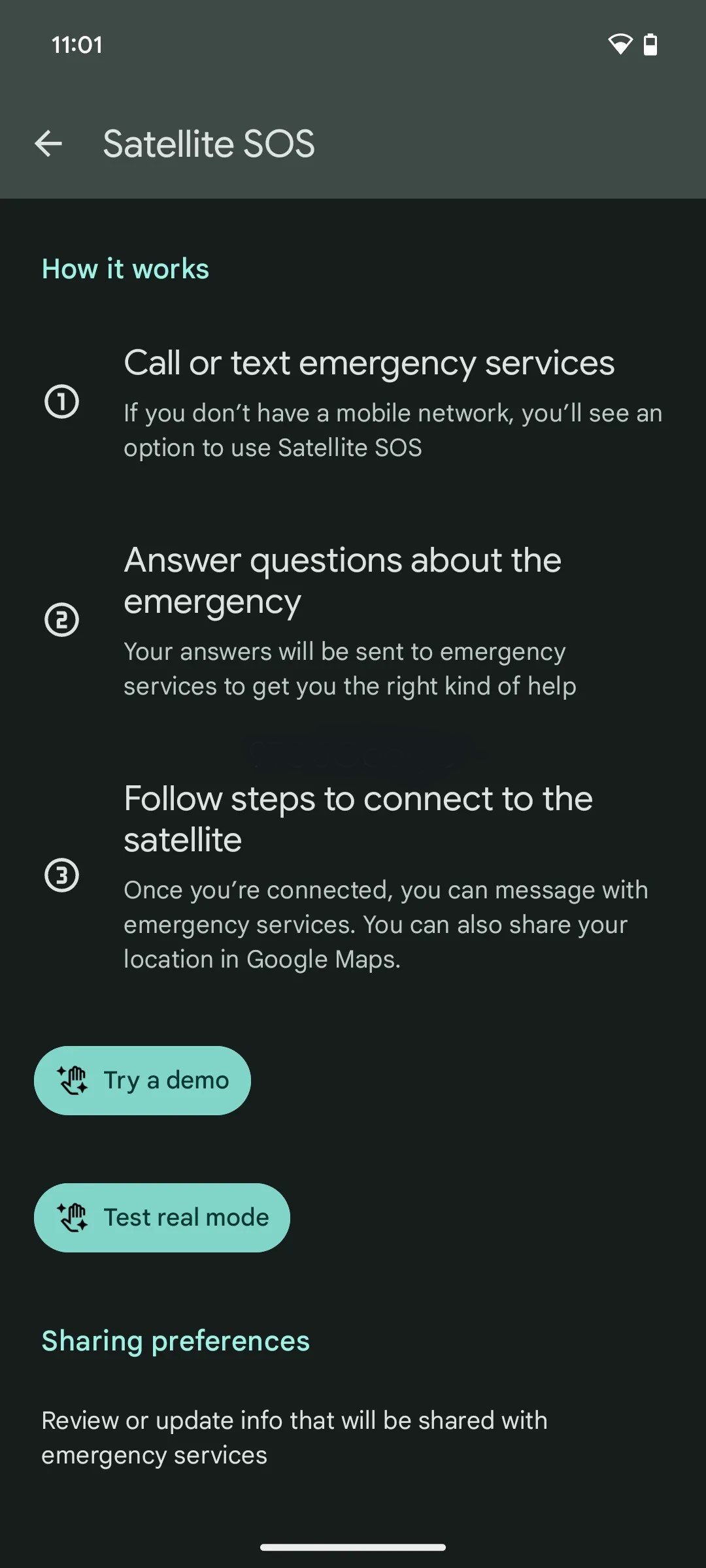
Satellite connectivity for smartphones has proven valuable on Apple’s iPhone, but it’s a feature that’s struggling to get out the door on Android devices. This week, though, a new “Satellite SOS” feature has started appearing on Google Pixel phones, and we’ve got a sneak preview of what it will be able to do.
If you dive into Settings > Safety & emergency on a Pixel phone today, you’ll very likely see “Satellite SOS” appear between Emergency SOS and Car Crash Detection. Google, seemingly in an error, has rolled out the setting widely to virtually all Pixel device through a recent update to Adaptive Connectivity Services.
But, right now, the feature doesn’t do anything. Tapping “Satellite SOS” on a Google Pixel device doesn’t open any menus, but it will soon.
Through a rooted Pixel, we were able to access the menu Google is preparing for this feature. The Satellite SOS page explains:
With your Pixel, you can message with emergency services and share your location when you can’t connect to a mobile or Wi-Fi network.
The page explains that you can call or text emergency services, share your location using Google Maps, and answer questions about your emergency. There’s no word if you’ll be able contact anyone outside of emergency services, but Google also details that it will share your name and phone number from your Google account, as well as contact details for up to three emergency contacts.
Google reiterates what details are shared at the bottom of the page:
When you connect with emergency services by satellite, your name, email, phone number, location, device information (IMEI, language, model, battery level), and emergency information are share with emergency services and satellite service providers.
The page links out to a Google support page about what countries are supported by Satellite SOS, but the page unfortunately is not yet live. There’s also a link to a Garmin Search and Rescue Insurance plan. Notably, Google Messages previously showed signs of using Garmin services for satellite connectivity.
There are demos for satellite connectivity, but neither “Try a demo” or “Test real mode” are currently working.
It’s unclear when Google intends to push this functionality live, but the fact that the shortcut is appearing widely on Pixel phones today combined with how fleshed out this behind-the-scenes settings menu is suggests that it’s not too far off.
The Pixel 8 series brings some big improvements to Google’s flagship series, and it’s also now bringing in awards, as the duo has now won the 2023 Phone of the Year award at MWC.
Each year at Mobile World Congress (MWC), the GSMA hosts the “Global Mobile Awards.” The event includes a series of awards for the mobile industry such as “Best Mobile Technology Breakthrough,” “Best Mobile Network Infrastructure,” and more. In the “Device” category, one of the biggest awards is given to “Best Smartphone.”
The Best Smartphone award combines outstanding performance, innovation and leadership as determined through assessment of smartphones on the market during the period January 2023to December 2023, by world leading independent analysts, journalists and influencers.
Candidates this year included the iPhone 15 Pro series, OnePlus Open, Samsung Galaxy S23 series, and Samsung Galaxy Z Flip 5, as well as the Google Pixel 8 series.
And, as announced at the event, the Google Pixel 8 series took the crown and ended up being named the “Best Smartphone” of 2023 by the GSMA. Rick Osterloh posted about the win on Twitter/X this evening.
Notably, Apple’s iPhone 14 Pro took the title in 2023, with the iPhone 13 Pro Max winning the year prior. In 2021, the Galaxy S21 Ultra won, but this is the first time Google has taken the title. The Pixel 6 Pro was on the shortlist in 2021 while the Pixel 3’s Night Sight feature won a GSMA award for “Disruptive Device Innovation” in 2019.
Google reportedly hit a new milestone on the back of Pixel 8 this year, shipping 10 million total devices in 2023.
Thrilled about Pixel 8 winning another important Phone of the Year award at MWC! @madebygoogle thank you to the entire Pixel user community for helping us get there, and congratulations to our team for great progress! pic.twitter.com/zIN75YHSmS
With the latest beta updates to Android 14, Google seems to have drastically sped up how fast Pixel devices can install an OTA update. Now, we’re getting a closer look at how that’s been accomplished.
First spotted with Android 14’s QPR2 Beta 1 update, the “Seamless Updates” feature has gotten a whole lot faster on Pixel phones.
Where Google’s updates used to take upwards of 20-40 minutes to install a simple OTA, the new process could be as quick as 10-15 minutes, perhaps even less. It’s extremely impressive and would make anyone wonder how Google pulled it off.
On Twitter/X, APKMirror founder, Artem Russakovskii, discusses a few main points of improvement that seem to be responsible for faster seamless updates. Russakovskii cites “Google’s tests” and Google’s David Anderson (a software engineer working at the company since 2018), but Google itself doesn’t seem to have publically shared this data.
That starts with compression operations, which Android is now parallelizing for a speed boost of 26% in Google’s own tests, Russakovskii explains. OTA updates on Android require the compression of thousands of “small blocks” of data, so putting those operations in parallel certainly speeds things up.
Related to that, Android is now batching operations for those same blocks. Where the OS previously would make 200 separate writes of 4KB files, it now makes a single write of one 800KB file. Google apparently found a 24% reduction in install time with this method.
Finally, the biggest improvement comes in newer Pixels switching from the GZ compression method to the LZ4 method. Google describes LZ4 as “extremely fast compression,” and it certainly shows here.
This apparently results in a 50% reduction in install time but only applies to specific devices. Pixel 7, Pixel 7 Pro, Pixel 7a, Pixel Tablet, Pixel Fold, Pixel 8, and Pixel 8 Pro are the only devices eligible for this new compression method, as older Pixels will stick with the slower GZ method. It’s unclear why this is the case, but it could have something to do with the chip. Mishaal Rahman highlighted on Twitter/X that, when installing Android 14 QPR2 Beta 1, Pixel 8 Pro was taking advantage of Tensor G3’s mid-cores to speed things along, and Google specifically notes that LZ4’s faster compression is “scalable with multi-cores CPU.”.
Google is, according to Russakovskii, changing its guidance for other Android OEMs with this new method in mind, so there’s a chance we could see similar improvements outside of Pixel in the future.
3. Google switched the Pixels (I'm getting clarification on exactly which, but at least P7) to use LZ4 compression instead of GZ. This resulted in a 50% (!!) decrease in install time.
All of these combined take a ~25 min install time down to around 6 minutes.
Screen protectors can often be a little clunky or annoying, but they’re still a great way to keep your device safe. Google Pixel phones have had a special mode for a while to boost touch sensitivity while using a screen protector, and on the Pixel 8 series, that setting can actually apply itself automatically.
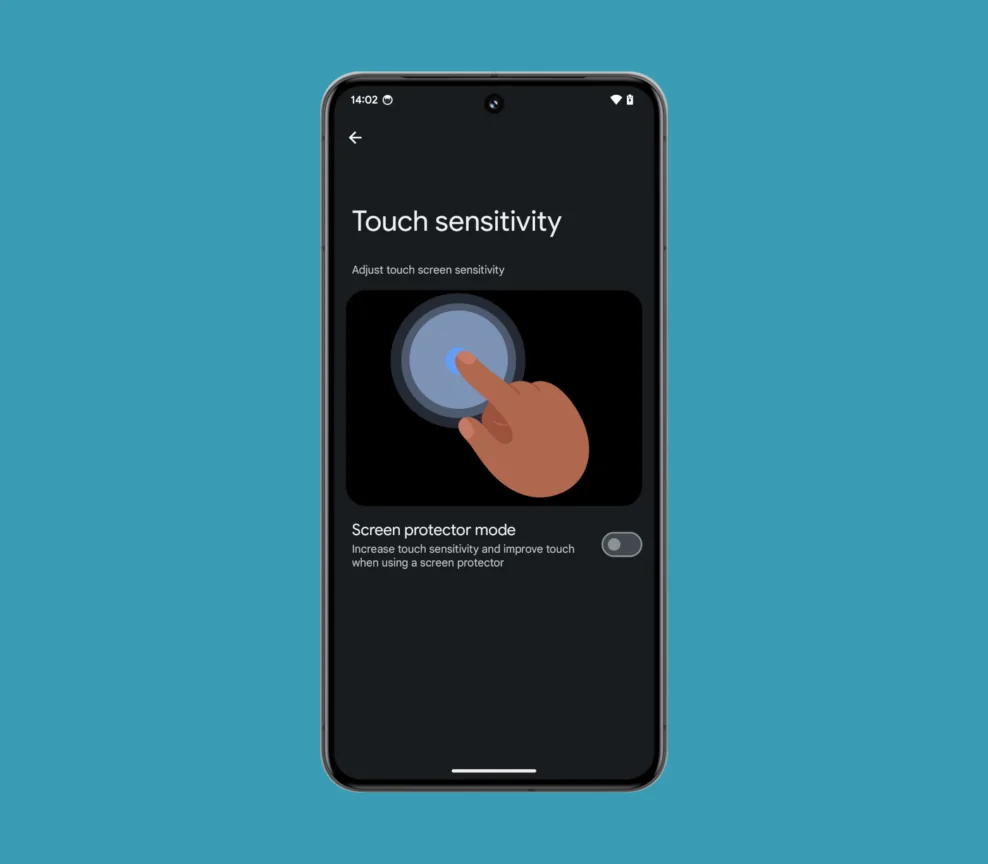
On Pixel phones, “Screen Protector Mode” is found under Settings > Display, and is described very briefly saying:
Increase touch sensitivity and improve touch when using a screen protector.
While the results are often negligible, the biggest hurdle with the feature is remembering to turn it on. But, with the Pixel 8 series, Screen Protector Mode can actually turn itself on automatically when a screen protector is detected as being installed.
Recently, some users have noticed a notification appearing on Pixel 8 devices when a screen protector is installed or removed noting that Screen Protector Mode should be turned on or off. The feature was first spotted back in October, but hasn’t really appeared widely until recently. Some folks on Reddit note that they’ve seen it recently, though in my experience getting through a few screen protectors on my Pixel 8 Pro and my wife’s Pixel 8 since October, I’ve not seen the notification at all. That said, Screen Protector Mode is enabled on my Pixel 8 Pro, and I don’t recall doing that manually.
Presumably, the feature only recently was enabled widely, perhaps by a recent security patch. In any case, it’s a super neat feature, and one that seems pretty useful too.
As Android Police notes, the feature is actually referred to by Google as a “screen protector detector,” which is just delightful, but it’s exclusive to the Pixel 8 series for now. The feature isn’t available to older Pixel phones at this time.
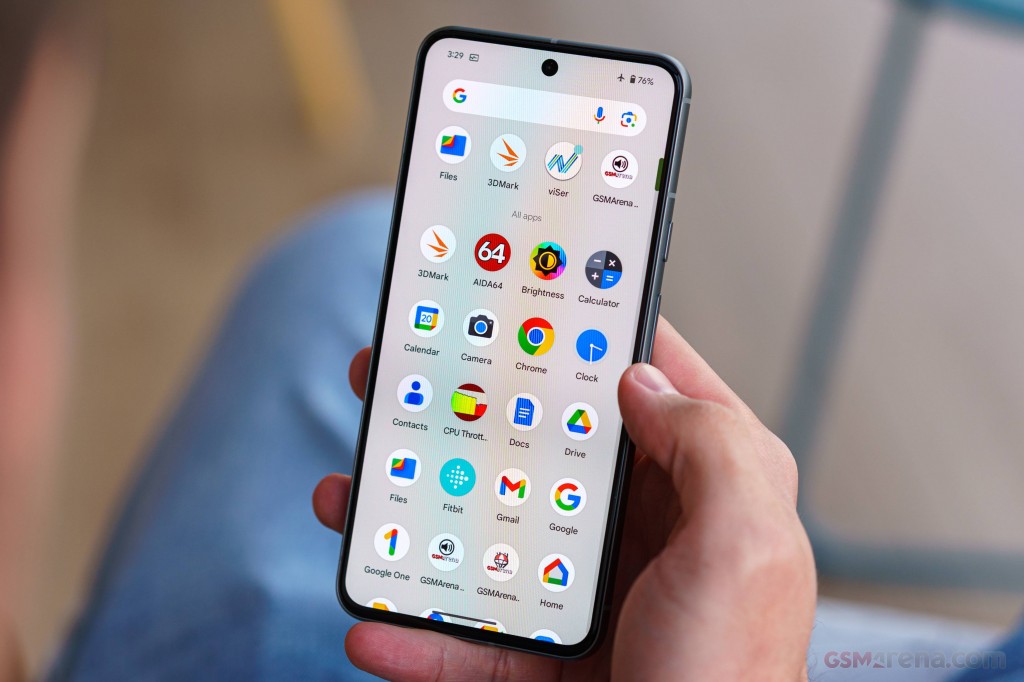
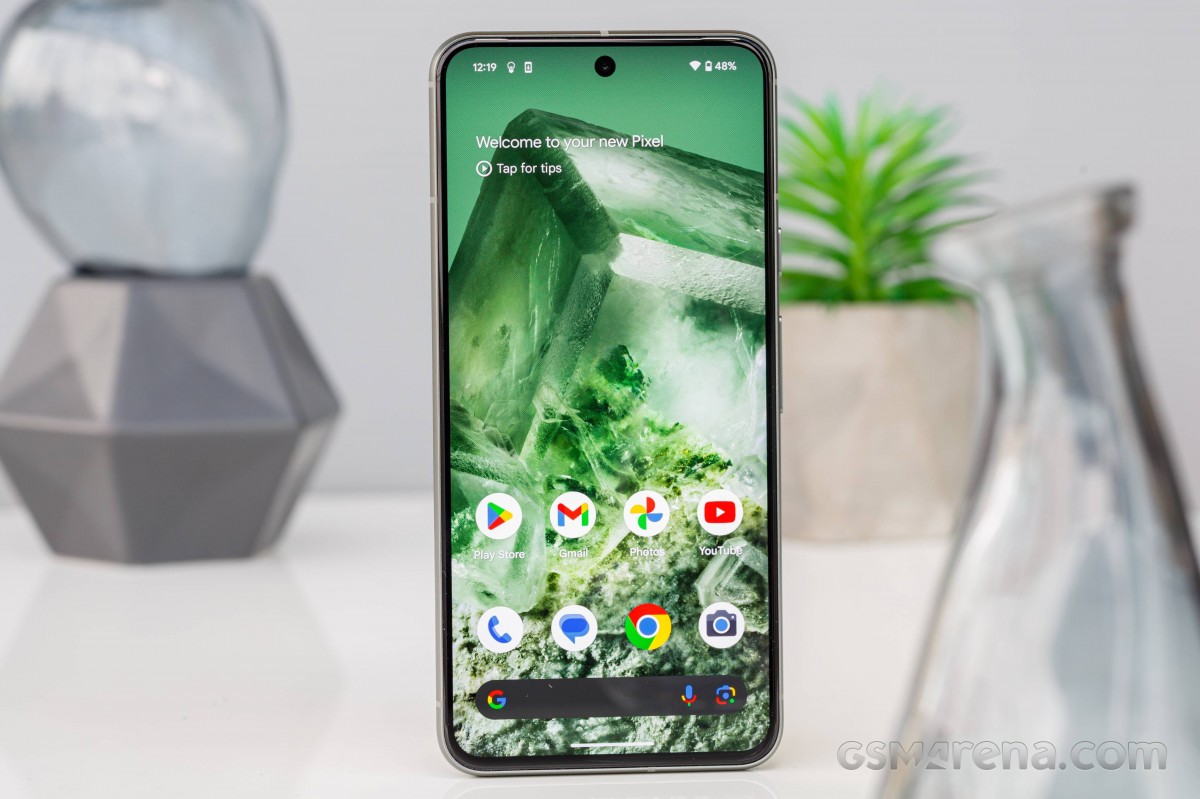
While the jump from the Pixel 6 to the Pixel 7 series was somewhat modest, the 8 series‘ launch is defined by a slew of new features and upgraded hardware. There’s also an interesting shift in strategy with the smaller Pixel, which is the subject of this review. One of the most notable changes in this year’s vanilla Pixel 8 is its size. The Pixel 8 is now sensibly smaller than the previous one, mainly thanks to the smaller 6.2-inch display, but other design changes have also helped bring down the weight and reduce dimensions.
The heart of the new Pixel 8 series is the new Samsung-made 4nm Google Tensor G3 chipset, promising better efficiency and higher performance compared to its predecessors. It’s also said to produce considerably less heat, which has been an issue in the past for some users. The chip is joined by Google’s Titan M2 security chip and improved NPU, responsible for AI-related tasks.
The display department also gets a lot of attention this year, and although Google’s Actua-branded LTPO OLED panel is reserved for the Pro, the vanilla 8 offers a substantial upgrade over its predecessor. It’s no LTPO but bumps up the refresh rate to 120Hz (welcome to 2020, Google), and the display is advertised as reaching 2,000 nits of peak brightness.
Disclaimer. We can not guarantee that the information on this page is 100% correct.
The camera system has always been a centerpiece feature for Pixel phones, and the 8 series is no exception to the rule. While there’s no change in the main camera, which isn’t bad because the 50MP f/1.9, 1/1.31″ shooter takes excellent stills, the ultrawide snapper is new. It’s still 12MP and is not the 8 Pro’s ultrawide level, but it now supports autofocus, enabling sharper overall photos and macro-level photography. Additionally, the lens offers a wider field of view.
There’s also a modest uptick in battery capacity, now 4,575 mAh. The cell supports 27W of wired and 18W wireless charging, which is rather odd because that means a respectable upgrade in the wired charging and a small downgrade in the wireless. Last year, the Pixel 7 supported 20W wireless charging.
Last but not least, Google is stepping up its game when it comes to software support. Starting with the Pixel 8 series, Google is promising 7 years of OS and security updates. That’s more than any other smartphone maker right now, even Apple’s latest iOS 17 is only available to iPhones that are no more than 5-year-old.
While it all sounds good on paper, the devil is in the details, so keep reading to find out how the Pixel 8 fares against the competition in various scenarios and whether the 8 Pro is worth the extra bucks over the vanilla 8.
Unboxing the Google Pixel 8
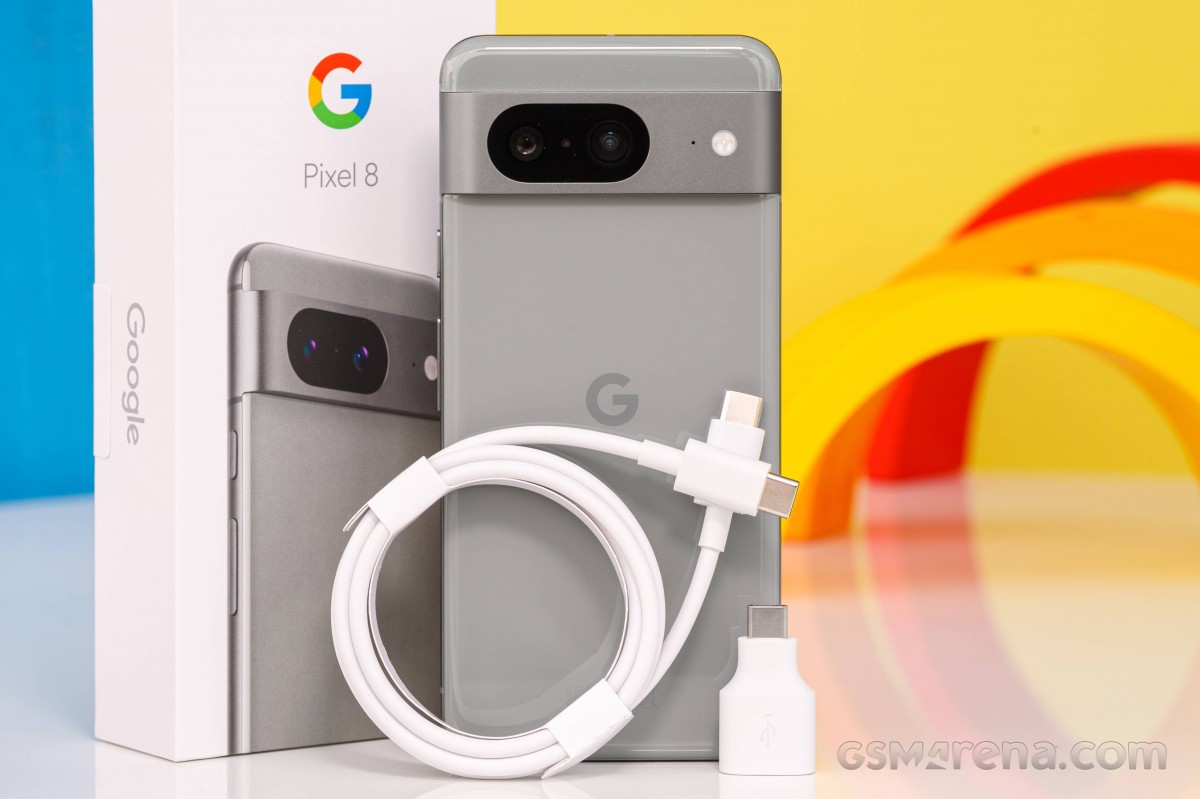
The Google Pixel 8 ships in a modest retail box containing the bare essentials. It has the user manuals inside along with a USB-C to USB-C, Power Delivery-ready cable and a USB-C to USB-A adapter, in case you need it for charging or data transfers.
As is usually the case with some of today’s phones, the charger isn’t included, so you’ll have to get a compatible 27W or faster PD-compliant charger.
Competition
2022 vanilla Pixel 7 was an interesting device as it launched with a fairly competitive price tag, but this year, Google thinks the upgrades are worth about €150 more. The handset asks $700 in the US and €800 in the EU. In the context of the rather limited US market, the Pixel 8 remains competitive enough by undercutting Apple’s iPhone 15 and Samsung’s Galaxy S23. Although, the latter may be found for about the same price as the Pixel 8.
Pixel 8 vs. Pixel 8 Pro
Either way, the iPhone 15 and the Galaxy S23 remain the Pixel 8’s natural competitors. That’s, of course, if you consider the iOS ecosystem. In this case, the iPhone 15 will surprise you with generally better battery life, a considerably more powerful chipset and a slightly better display (it supports Dolby Vision and it’s brighter). However, the Pixel 8 is more in line with 2023’s trends and offers a 120Hz refresh rate, faster charging, uses a bigger sensor for its main camera, and, for the first time ever, it has the upper hand regarding software support. Google promises 7 years of full software support as opposed to Apple’s 5-year support cycle.
We could argue all day about which phone of the two is better for photography, and we think it depends. It all boils down to processing, as the Pixel 8 produces more vibrant images, while the iPhone 15 tends to stay closer to the natural type of processing. Two things stand out in this comparison, though – the iPhone 15 records better videos, while the Pixel 8’s ultrawide camera is much better at handling more lighting scenarios and offers autofocus.
Apple iPhone 15 • Samsung Galaxy S23
The Samsung Galaxy S23 has several advantages over the Pixel 8. It has a dedicated 3x telephoto camera, longer overall battery life (but with similar screen-on runtimes), a more powerful chipset, a slightly better build with Gorilla Glass Victus 2 and a more feature-rich OS with most of its functionalities available to all regions. We are not saying the Pixel 8’s proprietary version of Android 14 isn’t customizable or lacks features, but most of the cool ones are region-locked. Speaking of software, the Pixel 8 edges out the Galaxy S23 with 7 years of full software support and more timely updates. Moreover, the Pixel 8 should be considered for its camera prowess as it outperforms the Galaxy S23 in pretty much every scenario.
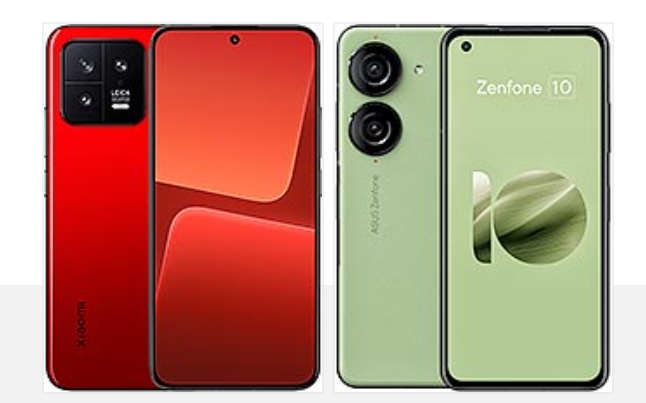
Xiaomi 13 • Asus Zenfone 10
Two other viable Android options are the Asus Zenfone 10 and the Xiaomi 13. If you are in the market for a small flagship phone, the Xiaomi 13 should definitely be on your list. The device’s build may not be particularly impressive, but it packs excellent hardware inside that chassis — a display with comparable quality with Dolby Vision support and a much more potent Snapdragon 8 Gen 2. Additionally, battery life is longer, charging is much faster, and the camera hardware is more versatile as it has a dedicated 3.2x optical zoom camera. In terms of overall camera quality, it’s hard to say which one is better, but in some cases where processing is the deciding factor, the Pixel 8 usually wins.
Pixel 8 vs. Pixel 8 Pro
Lastly, we got the Zenfone 10 under the “compact 2023 flagship” label, but to be perfectly honest, it doesn’t offer anything more compelling than the Pixel 8. Skimming through the spec sheet reveals a faster 144Hz display, a more powerful chip, quicker charging (on paper, 27W vs. 30W) and it has a grippy texture back, which is a rare find these days. However, most of these advantages don’t necessarily mean a better user experience. We will give the Zenfone 10 credit for its longer battery life, but the Pixel 8 comes out on top with actually faster charging, a considerably better camera experience, a brighter screen and longer software support.
Verdict
Despite its considerable price hike, the Pixel 8 remains rather competitive, especially for US consumers. Its MSRP is below its natural regional competitors, offers an improved viewing experience in line with 2023’s industry standards, excellent camera experience, faster charging, and 7 years of software support, and timely major OS updates.
But the Pixel 8 isn’t without its flaws. For instance, a 3x telephoto unit would have been greatly appreciated as well as a more competitive chipset with better thermal control and wider availability for its smart features. After all, many of the Pixel’s clever software features can’t be utilized to its fullest in many markets. Charging and battery life aren’t particularly impressive either, although somewhat okay in Pixel terms. We also wonder why Google decided to skip the autofocus feature on the selfie camera and the support for Pro camera mode on the smaller Pixel.
Bottom line, the Pixel 8 is an easy recommendation because, despite its issues, it’s a significant upgrade over the previous generation and manages to pack competent hardware into a compact body.
Pros
Compact and premium build, easy to handle, dust- and water-resistant.
Bright and color-accurate 120Hz OLED panel.
Improved charging.
Overall, great camera quality with an unmatched character that has a loyal following.
Superb stereo speakers.
Android from the source, exclusive feature set, 7 years of software support.
Cons
Some software features are limited to certain countries.
No AF on the selfie camera, no Pro camera mode.
Ultrawide camera is underwhelming in low light.
A dedicated telephoto camera would have been nice.
Unimpressive battery life and no charger in the box.