



More Washing, Less Sun, More Stress: Winter laundry habits are leaving Australians ‘worse for wear’

Key Takeaways
Here are clear takeaways from the meeting notes about Samsung Australia’s winter laundry insights and messaging:
– Key finding: Winter weather plus cost-conscious attitudes are driving higher indoor drying and stress related to laundry energy use in Australia.
– 62% prefer indoor drying racks to reduce energy costs.
– 22% (rising to 33% among 25–29s) avoid hosting guests due to clothes drying indoors.
– 41% feel more pressure to avoid using the dryer to cut costs.
– 47–54% of 25–39 age groups feel stressed when it rains because outdoor drying isn’t possible.
– 51% worry about energy every time they use the dryer.
– Energy efficiency trends:
– Heat pump dryers have improved energy efficiency (up to 10-star ratings) in recent years.
– AI Energy Mode on Samsung appliances can reduce energy use by up to 20% per wash and 10% per dry load.
– Behavioral patterns:
– 48% do more loads in cooler seasons (wear more layers).
– Typical weekly loads: average 3–4, rising to 5–6 for 18–24-year-olds in winter.
– There is confusion about energy efficiency: 24% believe small, frequent washes save energy; 45% believe fewer, larger loads are more efficient.
– 48% change load patterns due to layering; many feel overwhelmed by load planning and energy considerations.
– Practical recommendations:
– Choose appropriately sized washing machine and dryer for your family to avoid under- or over-loading.
– Pair a washer with a heat pump dryer (10-star rating) that supports AI Energy Mode.
– Use a connected washer-dryer set to streamline routines and save time.
– Product messaging opportunities:
– Highlight the Samsung Bespoke AI 19.5kg Combo’s energy savings (up to 20% per wash, 10% per dry) and AI energy optimization.
– Emphasize energy efficiency benefits of heat pump technology and cooler operating temperatures on clothing.
– Promote “set” compatibility for coordinated, smart laundry workflows.
– Supporting data sources cited:
– Pureprofile Research (March 2026): N=1,001
– Specific pings on indoor drying, embarrassment, energy concerns, and seasonal load patterns
– Technical energy-savings data from Vipac testing papers (April 2026)
– Action items for communications and product positioning:
– Develop consumer-facing messages that address winter laundry stress and provide concrete steps (capacity guidance, AI energy mode benefits, connected devices).
– Create use cases showing how a 10-star heat pump setup reduces energy and protects clothes.
– Update marketing collateral to reflect the 62% preference for indoor drying and address social/emotional concerns about indoor drying visibility.
If you’d like, I can convert these into a one-page briefing for executives or create a short slide outline (title, key stats, implications, recommended actions) for a presentation.
Summary of More Washing, Less Sun, More Stress: Winter laundry habits are leaving Australians ‘worse for wear’
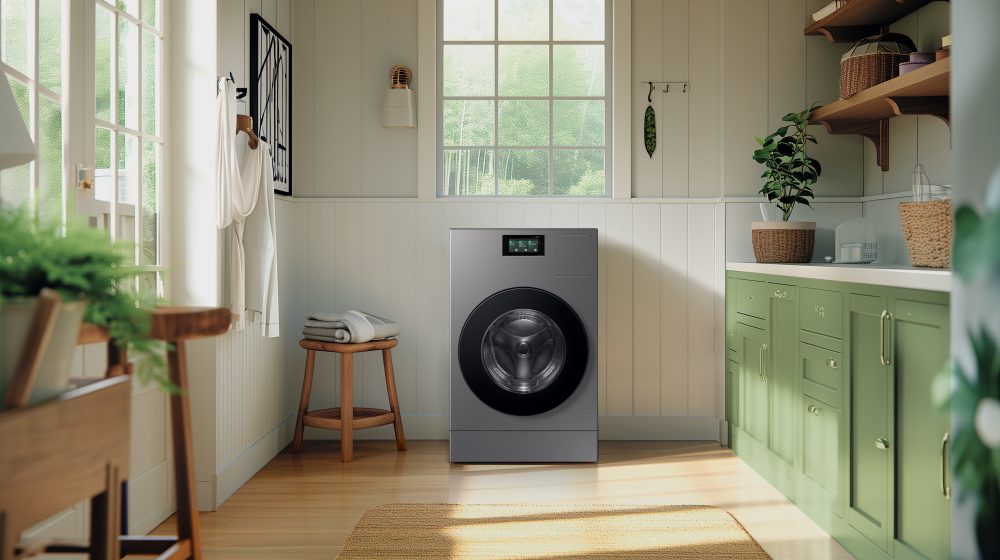
Samsung’s largest 19.5kg Bespoke AI Combo is capable of achieving up to 20% energy savings per wash load and 10% energy savings per dryer load . Image simulated for illustrative purposes.
In the midst of the coldest season, new consumer insights from Samsung Australia have revealed that winter weather paired with a belief that dryer usage will add to cost-of-living pressures is adding a new layer of stress to everyday life for many Australians. The insights show almost two in three Australians (62%) prefer to dry their clothes on an indoor drying rack rather than use their dryer to reduce household energy costs[1]. However, one in five Australian respondents (22%) – increasing to one in three (33%) amongst 25-29 year olds – admit they avoid hosting friends and family at their homes in the winter because they are embarrassed about the amount of clothes they have drying indoors on clothes racks[2] and draped over furniture.
According to the insights, two in five (41%) Australians say they feel more pressure now than the same time last year to avoid using their dryer to reduce household costs[3]. In fact, 47% of Australians aged 25-34 years old – increasing to 54% aged 35-39 years old – feel stressed when it rains because they can’t dry their clothes outside[4]. This is consistent with the revelation that half of Australian respondents (51%) feel concerned about energy every time they use their dryer[5].
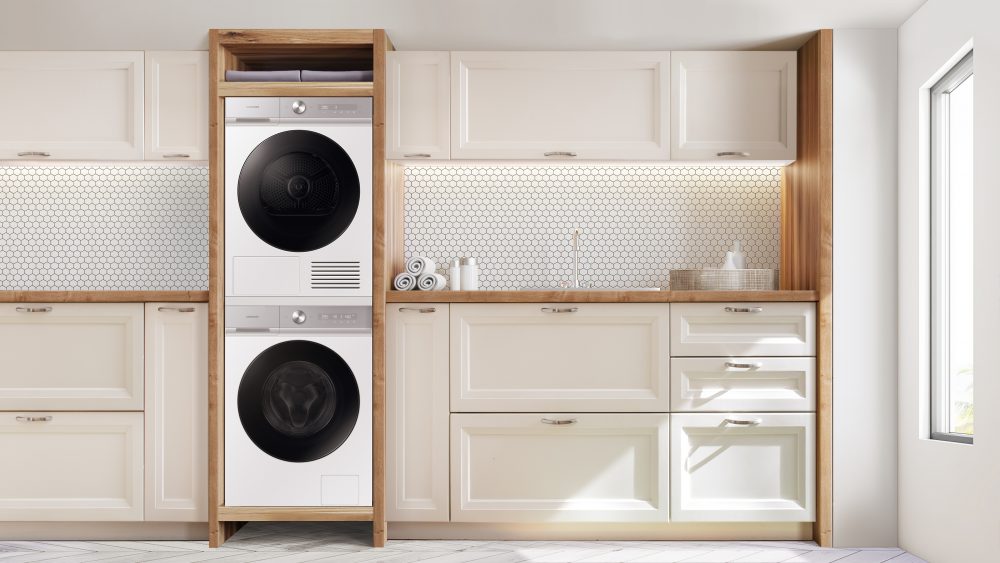
Samsung’s Bespoke AI Wash and Dryer ranges are available in various capacities to suit Australian familie of all sizes. Image simulated for illustrative purposes.
According to Phil Gaut, Director – Consumer Electronics at Samsung Australia, new heat pump technology has improved energy efficiency in dryers, granting many up to 10 star energy ratings[6] over the past few years, yet outdated beliefs that dryers are energy hungry are hurting Australians beyond their purse pockets.
“Australia is famous for its incredible weather and we’re used to getting through laundry loads using the clothes line in the backyard. In fact, part of our collective cultural identity is based on our passion for spending time with our friends and family outdoors,” said Mr. Gaut. “Come winter, as we spend more time indoors, we are chosing to be surrounded by wet washing rather than our mates because we’re concerned about using the dryer. Not only are heat pump systems significantly more energy-efficient than old vented or condenser dryers, they also operate at cooler temperatures which tend to be kinder to your clothes. With AI being leveraged to reduce energy by 20% on each load , there is no need for Australians to go dark when the clouds do.”
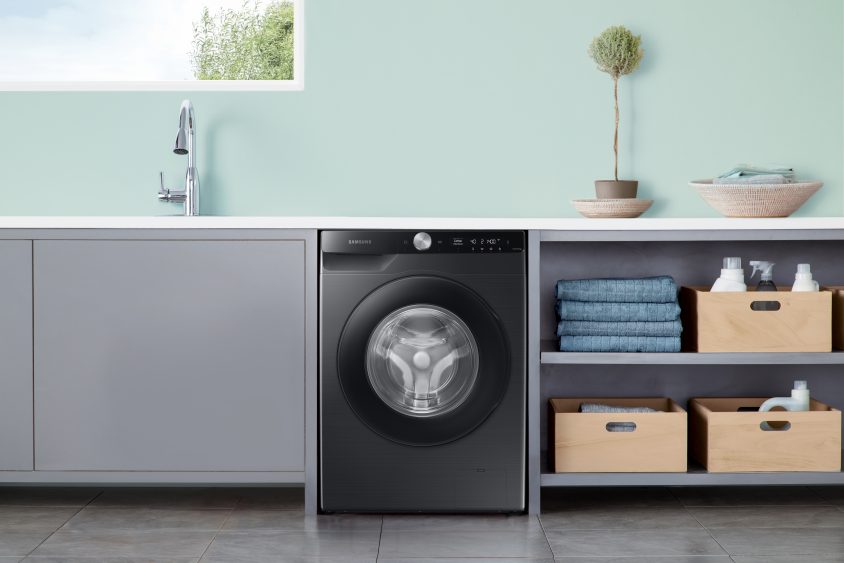
Almost half of Australian respondents (48%) say they do more loads of washing in cooler seasons . Image simulated for illustrative purposes.
Compounding the stress, insights reveal that almost half of Australian respondents (48%) say they do more loads of washing in cooler seasons because they wear more layers[7]. For a third of Australians, the winter loads add to their average three-to-four laundry loads per week, increasing to five-to-six loads for 18-24 year olds[8]. Furthermore, Australians admit to feel confused on the most energy-efficient ways to tackle their laundry loads. A quarter of Australians (24%) believe smaller, more frequent washes are the key to saving energy[9], while 45% are convinced fewer yet larger loads are more efficient[10].
“There are a few simple things Australians can do to overcome their winter woes in the laundry,” says Mr. Gaut. “It starts with selecting a washing machine and dryer that are the right capacity for your family to make sure loads aren’t over loaded or running half full. Pair your washing machine with a heat pump dryer with a 10 star energy rating that further leverages AI Energy Mode to boost efficiencies with every load. Finally, choose a washer and dryer ‘set’ that are capable of communicating with one another. This will help streamline your laundry routines, giving you time back to do the things you love. With these tips in mind, even the biggest washing machine on the market, the Samsung 19.5kg Bespoke AI Combo, is capable of achieving up to 20% energy savings per wash load and 10% energy savings per dryer load[11].”
“With a range of intelligent and energy efficient laundry solutions available, Australians don’t need to choose between saving energy, spending time with their loves ones, and having a clutter-free home,” Mr. Gaut concluded.
For more information on Samsung’s 2026 laundry range, visit https://www.samsung.com/au/washers-and-dryers/all-washers-and-dryers/
[1] Pureprofile Research, commissioned by Samsung, March 2026. N=1,001. (When it rains I prefer to dry my clothes on an indoor drying rack rather than use the dryer)
[2] Pureprofile Research, commissioned by Samsung, March 2026. N=1,001. (I am too embarrassed to have friends over when I have clothes drying on an indoor drying rack)
[3] Pureprofile Research, commissioned by Samsung, March 2026. N=1,001. (I feel more pressure than this time last year to avoid using my dryer to reduce household costs)
[4] Pureprofile Research, commissioned by Samsung, March 2026. N=1,001. I feel stressed when it rains because it means I can’t dry my clothes outside)
[5] Pureprofile Research, commissioned by Samsung, March 2026. N=1,001. (I feel concerned about energy usage every time I use my dryer)
[6] Example: DV80H4100CW. Tested in accordance with IEC 61121:2013/8kg Wash load/Cotton Cupboard with Heatpump (DV80F5E4HGW) vs. without Heatpump (DV80H4100CW). Results may
4 All in one Control is only available on matching Samsung washer and dryer, are stacked and connected.
[7] Pureprofile Research, commissioned by Samsung, March 2026. N=1,001. (I do more loads of washing in autumn and winter because I wear more layers)
[8] Pureprofile Research, commissioned by Samsung, March 2026. N=1,001. (On average, how many loads of clothes washing do you do every week?)
[9] Pureprofile Research, commissioned by Samsung, March 2026. N=1,001. (I would save more energy doing smaller loads of clothes washing more frequently rather than fewer large loads)
[10] Pureprofile Research, commissioned by Samsung, March 2026. N=1,001. (I would prefer a larger capacity washing machine to do fewer loads)
[11] Tested by Vipac on the WD90H19AHS Samsung Bespoke AI Laundry Combo comparing results with AI Energy Mode turned on (Wash – Avg 0.33914kWh / Dry – Avg 1.3782kWh) and off (Wash – Avg 0.44799kWh / Dry – Avg 1.5503kWh). Washer: Tested with 4.6kg dry load on the Cotton cycle at 40°C. Report No: 30W-26-0043 – TRP – 138077-0, dated 2 April 2026. Dryer: Tested with 8.8kg wet load on the Super Speed cycle. Report No: 30W-26-0045 – TRP – 137620-0, dated 1 April 2026. Actual energy saving may vary, depending on variables including the wash and/or dry cycle, type of detergent and laundry materials.
from Samsung Newsroom Australia https://ift.tt/urDsNHp
via IFTTT

