




OEM vs Aftermarket Screens: Is Cheap Foldable Display Replacement Worth It?

OEM vs Aftermarket Screens: Is Cheap Foldable Display Replacement Worth It? 7 Powerful Facts You Must Know
Introduction
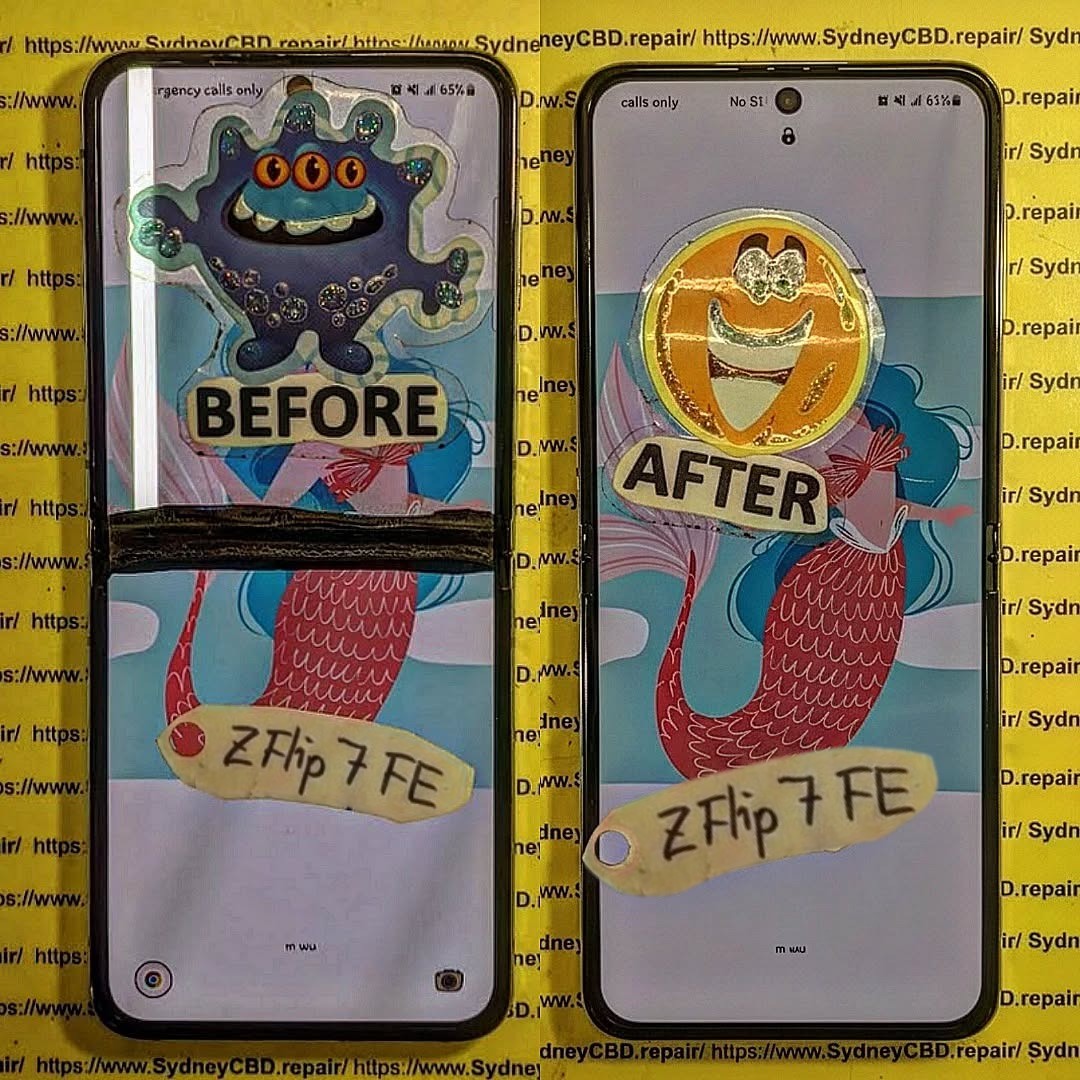
A foldable phone is an impressive piece of technology, but repairing its flexible display can be expensive. When the inner screen cracks, develops a black spot, or stops responding to touch, a cheap replacement might seem like the smartest choice. However, the lowest repair price doesn’t always deliver the best value. In this guide, we’ll compare OEM and aftermarket screens, explain the risks of budget replacements, and help you make an informed decision.
1. Why Foldable Display Replacement Requires Careful Planning
Foldable smartphones offer a large screen in a compact design. Unlike traditional phones, they use a flexible display that bends around a carefully engineered hinge system. This design creates new repair challenges, especially when the inner screen suffers physical damage.
A standard smartphone screen replacement can already be costly. However, foldable displays often involve additional layers, specialised adhesives, delicate cables, and model-specific components. A repair that looks simple from the outside may require considerable technical skill.
This is why the choice between OEM and aftermarket screens matters. It’s not just a comparison of prices—it’s also about display performance, compatibility, durability, warranty terms, and repair quality.
Before approving a repair, ask yourself:
- Does the replacement display meet the manufacturer’s technical specifications?
- Does the repair provider offer a clear warranty covering the replacement assembly?
- Will the total repair cost make sense compared with the actual value of the phone?
2. What Is an OEM Foldable Display?
OEM stands for Original Equipment Manufacturer. In smartphone repairs, the term generally refers to components manufactured by the brand’s authorized production line or supplied through its official parts network.
Features of an OEM or Genuine Replacement Screen
- Display characteristics calibrated specifically for the original device.
- Digitizer sensitivity and multi-touch response suited to the device’s native software.
- Full compatibility with onboard display drivers and motherboard ribbon connectors.
- Calibrated folding mechanics and tensile tolerances for supported hinge radius.
- Precise structural fit with the chassis frame and protective outer bezel.
A verified, model-compatible genuine part provides the highest probability of restoring factory display calibration and long-term folding reliability.
3. What Are Aftermarket Foldable Screens?
Aftermarket screens are replacement components produced or assembled outside the original manufacturer’s direct supply chain. Their quality, design, and manufacturing standards can vary widely.
Different Types of Aftermarket Displays
| Type | Potential Advantages | Points to Check |
|---|---|---|
| Budget replacement | Lowest upfront cost | Material resilience, refresh rate, touch latency |
| Premium third-party replacement | Balances cost and performance | Supplier reliability, panel color accuracy |
| Refurbished original assembly | Retains original OLED panel with new glass | Delamination risk, quality of refurbishment bond |
| Used genuine assembly | Original factory specs at a reduced cost | Hinge wear, preexisting pixel burn-in, crease fatigue |
| Genuine manufacturer replacement | Engineered to factory specifications | Part number verification, authorized warranty |
4. OEM vs Aftermarket Screens: The Key Differences
| Feature | Verified Genuine OEM Replacement | Aftermarket Replacement |
|---|---|---|
| Source | Official manufacturer supply chain | Independent third-party fabricator |
| Compatibility | Engineered specifically for the device model | Variable; may require firmware workarounds |
| Display performance | Full HDR, dynamic refresh rate (1–120Hz) | Can range from washed out to acceptable |
| Folding behaviour | Optimized Ultra-Thin Glass (UTG) profile | Dependent on third-party laminate quality |
| Quality consistency | High factory-controlled standard | Varies widely across manufacturing batches |
| Upfront price | Higher investment | Lower initial cost |
| Warranty | Typically backed by explicit parts warranties | Subject to individual shop or supplier terms |
5. Seven Powerful Facts You Must Know Before Choosing a Cheap Screen
- The cheapest screen isn’t always the cheapest repair: A cheap panel that fails within 3 months requires paying for labour and teardown a second time.
- Flexible OLED is fundamentally different from rigid displays: Foldable panels use micro-thin organic layers and specialized polymer substrates engineered to fold thousands of times without delaminating.
- The folding area demands micro-tolerances: Inferior films or uneven adhesive in the center crease can cause panel separation, bubbling, or pixel death along the hinge.
- Digitizer response must be tested across all zones: Cheap screens frequently show touch dropouts, erratic S-Pen recognition, or latency along display borders.
- The protective outer layer is structural: Factory screen protectors are integrated into the display’s mechanical tension system; peeling them off without specialized gear damages the panel.
- Installation skill is as critical as part quality: A genuine display installed on a slightly bent hinge or with incorrect adhesive curing will fail prematurely.
- Your phone’s current residual value matters: If your foldable is relatively new, protecting its value with a genuine display makes far more financial sense than depreciating it with budget glass.
6. Why Flexible OLED Technology Makes Foldable Repairs Different
A foldable display is a dynamic multi-layered stack comprising a flexible OLED array, an embedded digitizer layer, ultra-thin flexible glass (UTG), optical clear adhesives (OCA), and backing support plates. Unlike rigid glass, these layers are under constant mechanical shear stress whenever the phone folds.
For official support recommendations and warranty guidelines on folding devices, consult the Samsung Australia support portal.
7. Common Problems With Cheap Foldable Display Replacements
- Uneven Brightness or Color Casts: Substandard OLED dies often produce noticeable green or magenta tints and fail to achieve high peak brightness.
- Touchscreen Dead Zones: Typing stutters and missed gestures frequently appear near the hinge crease on budget digitizers.
- Crease Fatigue and Separation: Low-grade adhesives often fail under bending shear forces, causing the laminate to bubble or pop out.
- Premature Panel Blackout: Micro-fractures within budget flex cables can sever display data lines, resulting in black lines or permanent display blackout.
Is Cheap Foldable Display Replacement Worth the Money?
| Expense Consideration | Budget Aftermarket Repair | Genuine OEM Repair |
|---|---|---|
| Initial repair cost | Lower initial outlay | Higher initial outlay |
| Secondary replacement risk | Higher risk of early failure | Low failure rate under normal usage |
| Device resale value | Substantially diminished | Maintains factory resale condition |
| Warranty protection | Often limited or short duration | Comprehensive parts & labour warranty |
How to Verify Genuine Parts and Screen Compatibility
Always demand transparency from your repair provider. Ask for the specific manufacturer part number, inquire whether the frame assembly is included, and ensure the part matches your precise regional device variant.
Why Professional Installation Matters
- Initial Diagnostics: Checking hinge alignment, frame squareness, and mainboard communication lines.
- Precision Thermal Teardown: Controlled softening of factory adhesives without overheating internal lithium batteries.
- Debris Extraction: Cleaning micro-grit out of the internal hinge gears to prevent display puncture from behind.
- Factory-Grade Alignment: Installing the replacement display using specialized alignment jigs.
- Dynamic Calibration: Multi-point touch testing, crease cycling, and brightness uniformity verification.
DIY Foldable Screen Replacement vs Professional Repair
| Consideration | DIY Repair | Professional Repair |
|---|---|---|
| Specialized tooling | Must purchase alignment jigs and heat pads | Industrial equipment on-site |
| Technical risk | High risk of tearing micro-coaxial cables | Risk mitigated by trained technicians |
| Warranty coverage | Self-installed parts usually void seller return | Includes comprehensive warranty on repair |
How to Protect Your Foldable Screen After Replacement
- Open and close smoothly: Avoid snapping the phone shut or pushing hard against the center crease with your thumbs.
- Keep the hinge debris-free: Do not carry the phone loose in pockets or bags with sand, coins, or lint.
- Use a hinge-protecting case: Choose protective covers that feature dedicated hinge shields.
- Never pick at the surface film: Do not attempt to peel or replace the integrated top protective film yourself.
Frequently Asked Questions
- 1. Are OEM foldable screens better than aftermarket screens?
- Yes. Given the tight mechanical tolerances of flexible OLEDs, genuine OEM displays offer significantly superior crease durability, touch accuracy, and color calibration.
- 2. Is cheap foldable display replacement worth it?
- Rarely. Cheap aftermarket folding screens have high failure rates along the stress crease, often turning into an expensive double-repair scenario.
- 3. Can an aftermarket screen damage my foldable phone?
- An ill-fitting aftermarket panel can put excessive strain on the mechanical hinge or cause voltage mismatches on the display power rails.
- 4. How can I tell whether a foldable screen is genuine?
- Request verifiable documentation or part numbers, look for authentic factory frame integration, and avoid shops that refuse to explain their parts supply chain.
- 5. Will an aftermarket screen affect touch sensitivity?
- Yes. Cheaper digitizers often suffer from dead spots along the center fold and poor digitizer sampling rates.
- 6. Will replacing a foldable screen remove the centre crease?
- No. The crease is an inherent physical characteristic of folding panel technology, though a fresh panel will look cleaner and flatter than an old, fatigued one.
- 7. Does replacing the screen restore water resistance?
- Opening any phone compromises its original factory seals. While quality service re-applies adhesive barriers, full factory water resistance cannot be unconditionally guaranteed.
- 8. How long should a replacement foldable screen last?
- A properly installed genuine replacement should last hundreds of thousands of folds—equivalent to multiple years of normal everyday use.
- 9. Should I repair an older foldable phone?
- If the estimated repair cost exceeds 60–70% of the phone’s current second-hand market value, upgrading to a newer model may be the wiser financial decision.
- 10. What should I test before leaving the repair centre?
- Test brightness transitions, multi-touch across every quadrant, smooth hinge action without crunching sounds, and camera operation.
Conclusion: Make the Smart Choice for Your Foldable Display

A foldable smartphone is a premium device. When the flexible display is damaged, opting for an unverified budget screen carries high risks of premature failure, poor touch calibration, and repeat repair bills. Selecting a verified genuine display installed by an experienced technician ensures your device continues delivering the performance and durability you paid for.

