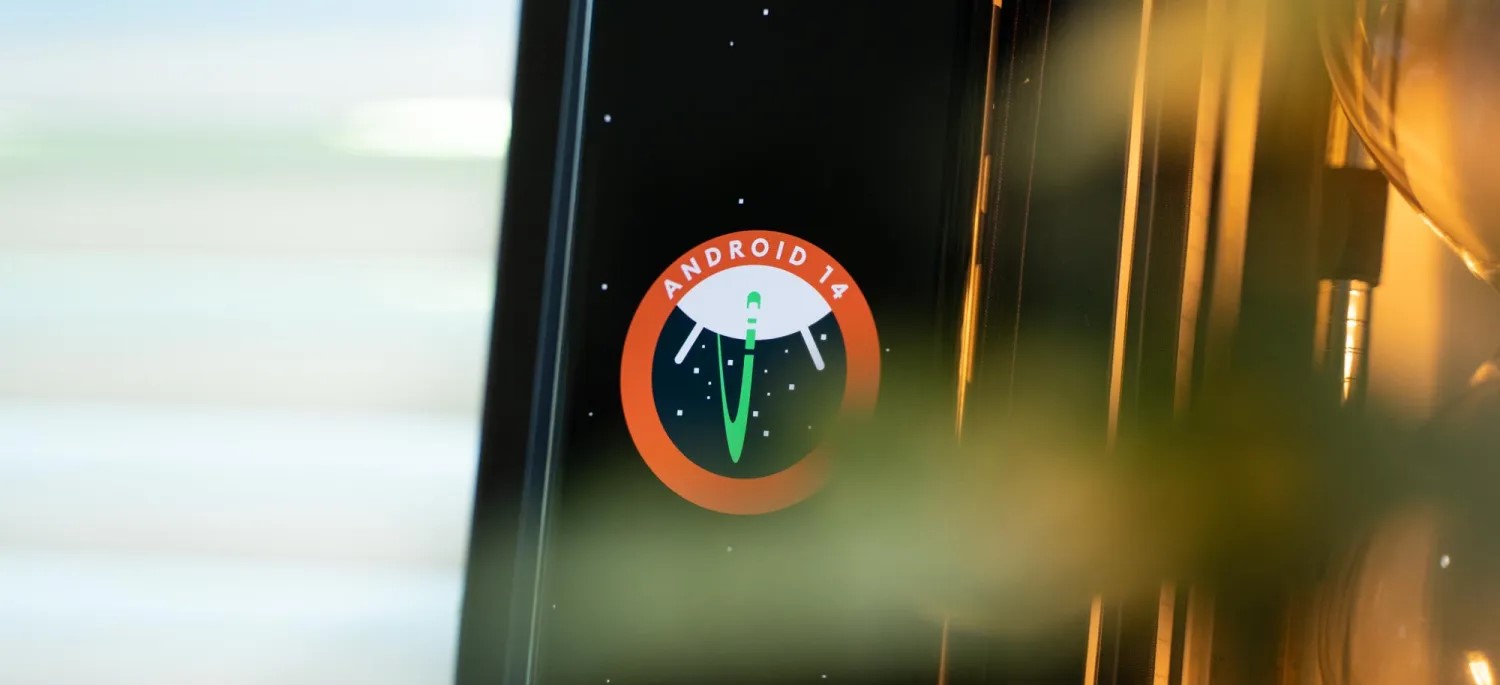
With the November security patch, Google today is rolling out the first update to Android 14 since launch for the following Pixel devices: 4a 5G, 5, 5a, 6, 6 Pro, 6a, 7, 7 Pro, 7a, Tablet, Fold, 8, and 8 Pro.
There are 17 security issues resolved in the Android 14 November patch dated 2023-11-01 and 22 for 2023-11-05. Vulnerabilities range from high to critical. The dedicated bulletin for Google devices lists eight additional security fixes. As of today, there are just global builds.
Google lists seven fixes across Display & Graphics, NFC, System, User Interface, and Touch.
Of note, the 4a 5G and 5 are still seeing updates. While the Pixel 5 technically met its “guaranteed security updates” date in October, the 4a 5G doesn’t hit it until November. Google might as well update both. The Pixel 4a also sees another Android 13 ipdate.
Monthly Pixel security bulletin now includes changelog of ‘Functional updates’ & fixes
Several months ago, Google added a section in the main Android Security Bulletin that listed patches specific to Pixel and Nexus devices. For October, that list was broken out into a dedicated “Pixel / Nexus Security Bulletin.” With the November patch, Google has added a section detailing “Functional updates” like bug fixes for its devices.
After listing the various security issues that have been patched for Pixel/Nexus devices, Google displays a new section called “Functional updates” or “issues not related to the security of Pixel devices.”
These updates are included to address functionality issues not related to the security of Pixel devices. The table includes associated references; the affected category, such as Bluetooth or mobile data; and a summary of the issue.
Notably, it only references “Pixel devices,” though this changelog of sorts does not specifically identify any particular phone or tablet, leaving the original Pixel, Pixel 2, and Pixel C as possible recipients of these fixes.
Each entry includes a description of the “Improvements” and a category, like Audio, Bluetooth, Camera, Mobile data, and Stability. There are also reference numbers, though it does not correlate to any publicly accessible bug tracker.
In November, 12 items are listed, with the bulk related to Bluetooth, including resolving issues related to cars and general pairing.
This is a very good step towards transparency and provides a centralized repository to list what has been resolved. In the past, Google has relied on posts in the User Community. This comes as the Pixel 2 and Pixel 2 XL are due for a slate of fixes for display issues, high-pitched noises, and clicking sounds.
There are 34 bug fixes in U1B2.230922.013, which is still on the October 2023 security patch. This release is available for all devices out of the gate, with the on-device Android 14 QPR1 Beta 2.2 OTA coming in at 40.35 MB on a Pixel Fold.
There’s a fix for the pink text issue on the Pixel 8 Pro AOD.
Fixed an issue that sometimes prevented devices from receiving calls. (Issue #298747690)
Fixed an issue where tapping or long-pressing a Quick Settings tile sometimes failed to launch the corresponding app or settings menu. (Issue #302147272)
Fixed an issue that sometimes caused the Settings app to crash when checking for system software updates. (Issue #303739210)
Fixed an issue that sometimes caused the Camera HAL to apply the wrong tuning profile when an app requested a certain camera mode.
Fixed an issue that sometimes caused the system UI or device to crash if accessibility magnification mode was toggled rapidly.
Fixed an issue that sometimes caused the package installer to crash due to a null pointer exception.
Fixed an issue that sometimes caused the system launcher to crash due to a null pointer exception.
Fixed an issue that interfered with Bluetooth and Wi-Fi connectivity until the device was rebooted.
Fixed issues with Face Unlock reliability.
Fixed an issue that sometimes caused the device unlock animation to stutter.
Fixed an issue that sometimes caused the screen to flicker when transitioning from always-on display mode to the lock screen.
Fixed an issue that caused the animation to display incorrectly when a user gestured to open the notification shade.
Fixed an issue that sometimes caused the system UI to crash or consume more memory than necessary.
Fixed an issue that caused the picture-in-picture window to stop displaying with rounded corners after locking and unlocking the device.
Fixed an issue that sometimes caused device-to-device transfer data to be saved to an incorrect account.
Fixed an issue that caused some UI elements to render incorrectly when the device font scale was increased.
Fixed an issue that sometimes caused the work profile badge for an app icon to be displayed in the wrong place while viewing the list of recent apps.
Fixed an issue that caused some text to display in the wrong colors when always-on display features were enabled.
Fixed issues that sometimes caused a device to crash and reboot.
Fixed an issue where additional power was still being consumed by mobile network connectivity even after a device connected to Wi-Fi.
Fixed an issue where audio failed to play back or was interrupted if Adaptive Sound was enabled.
Fixed issues with audio playback when using spatial audio.
Fixed an issue that sometimes caused Wi-Fi service to be interrupted and fail to connect until the device was restarted.
Fixed an issue where the battery level in the status bar sometimes displayed temporarily as 0%.
Fixed an issue for Pixel Fold and Pixel Tablet devices where the “All Apps” button on the taskbar was slow to appear immediately after launching an app.
Fixed an issue for Pixel Fold devices where the lock screen was sometimes still displayed if the device was unlocked and unfolded at the same time.
Fixed an issue for Pixel Tablet devices where a primary user’s live wallpaper selection would sometimes be overridden after a secondary user selected a different live wallpaper.
Fixed an issue for Pixel Tablet devices that caused an unsmooth animation when tapping to return to an app from the list of recent apps.
Fixed an issue for Pixel Tablet devices that caused audio to pop when adjusting the volume if a wired headset was connected.
Fixed an issue for Pixel Tablet where a user was returned to the Home screen instead of the app that was open when the device was locked if they unlocked the device using their fingerprint while a screen saver was active.
Fixed an issue that caused memory corruption in rare cases.
Fixed various issues that were impacting system stability, performance, and connectivity.
Most will install via the Android Beta Program, but you can also flash or sideload. If you need help, here’s our full guide on installing Android 14. Google says:
Your device will be automatically updated to Android 14 QPR1 Beta 2.2 within 5 days.
Depending on the device, this issue can result in the primary user being unable to access media storage. Alternatively, the issue can reboot the device with a “Factory data reset” message. If this message is accepted, data that is not backed up can be lost, and if it is declined, the device repeatedly reboots with the “Pixel is starting” message.
Google starts by saying that this storage issue impacts the “Pixel 6 and later models” that “have both received the Android 14 update and have multiple users (other than the primary user) set up.” This includes “users, guests, restricted profiles, and child users,” but not simply having more than one Google Account signed in “within the primary user or work profiles.”
The company has already rolled out a Google Play system update to “help prevent this issue from being triggered on additional devices.” To install, open Settings > Security & privacy > System & update > Google Play system update. The latest version we’re seeing today is October 1, 2023.
For those currently “unable to access media storage,” Google is working on a system update that “will repair the issue and restore access to media files without requiring a factory reset.”
Google is also “investigating methods that may be able to recover some data” for devices in a “Pixel is starting” boot loop. However, this seems more tentative: “We’ll provide more information as soon as it is available.”
For all other users, including those that factory reset their device, Google says to avoid “creating or logging into a secondary user on the device until the OTA update is available.”
Google ends with an apology:
We’re sorry for the inconvenience this has caused, and we appreciate your patience.
Android 14 breaks storage on Pixel 6 phones with multiple user profiles
Android 14 is a solid update to Google’s smartphone OS, but the update does seem to be causing some significant issues regarding user profiles on Pixel 6 series devices.
Following the update to Android 14 that rolled out earlier this month, some Google Pixel 6, Pixel 6 Pro, and Pixel 6a owners are seeing some considerable issues with their devices, specifically around storage becoming unusable. A growing number of users across Google’sforums, Reddit, and elsewhere reporting that their Pixel 6 and Pixel 6 Pro devices are drastically hindered, to the point of breaking most tasks users would perform on their devices.
The storage problem takes effect if the user, before installing Android 14, had multiple profiles on the device.
Following the installation of Android 14, the main profile on a Pixel 6 series device seems to lose access to storage, which prevents users from taking photos or videos, downloading files, and both installing or uninstalling applications. However, on the second profile, things seem to work as expected.
Other limitations include that apps report the device as having no available storage, Google Photos can’t refresh a user’s library (only showing low-quality previews), and files can’t be accessed via USB from a connected PC, as one of our readers explained in an email.
Given that Android’s user profiles are more of a niche feature on smartphones (primarily used for personal and work profiles), this issue doesn’t appear excessively widespread, but the symptoms of the problem are affecting users pretty consistently.
Google has, so far, not offered any solution for this issue or public statement.
As was first announced at the Made by Google event at the beginning of the month, you can now use the Google Assistant to ask if an incoming call from a contact is urgent.
For years now, Pixel phones have offered an option to “Screen call,” allowing the Google Assistant to speak to an incoming caller on your behalf to find out who they are and what they want. This method is surprisingly effective for filtering out unwanted calls from unknown numbers, as many spam callers will hang up automatically, but it’s much less useful when you know who’s calling.
If someone in your contact list calls, you have the same option to screen their call and have the Assistant ask for more information. You can ask anyone who’s ever accidentally used the Assistant to screen a call from a family member why this is a terrible idea.
To address that, the Google Assistant call screening has gained a new option that only appears for people who are on your contact list. Appearing in the incoming call screen as “Ask if urgent,” tapping the option gives your friend or family member a somewhat friendlier greeting from the Google Assistant.
Hi I’m a Google virtual assistant on a recorded line. The person you are trying to reach wanted me to check is it urgent?
As before, Assistant transcribes and displays what the caller says in response, while the Phone app offers tappable options to ask for more information.
The feature was first demonstrated at the Pixel 8 unveiling event, with the company confirming the feature would be rolling out soon. As noted by Mishaal Rahman on X, the rollout has begun and includes older Pixel phones, not just the newly released Pixel 8 and Pixel 8 Pro. We’ve confirmed the new “Ask if urgent” option appeared on a Pixel 7 Pro over the weekend, but let us know in the comments if it appears on your older Pixel phone too.
I guess when Google said "soon" they meant "immediately" then. At least it's good to know this isn't exclusive to the Pixel 8, since my tipster saw this on their Pixel Fold.
Google brings Action Blocks customization to all Assistant Routines
Google is rolling out a number of new accessibility features, including the ability to use Action Blocks as Assistant Routine shortcuts on your Android homescreen.
Today, going to Assistant Settings > Routines lets you select one and add it to your homescreen as an app icon-sized shortcut that can start the macro.
Google will soon let you have Routines appear as “Custom rounded” or “Custom rectangle” widgets on your homescreen, with the old icon shortcut still supported. Besides being resizable, these Google Assistant Routine widgets support custom images and text without having to download the dedicated Action Blocks app.
Research has shown that this personalization can be particularly helpful for people with cognitive differences and disabilities and hope it will bring the helpfulness of Assistant Routines to even more people.
Google Maps Live View last year added the ability to search for nearby places, like restaurants, shops, transit stations, and ATMs, within the AR interface. Available in select cities, this feature is adding screen reader support starting today on iOS, with Android following “later this year.”
If your screen reader is enabled, you’ll receive auditory feedback of the places around you with helpful information like the name and category of a place and how far away it is.
Google Maps and Search business listings are gaining support for a “new identity attribute for the disability community.”
Google Maps is rolling out wheelchair-accessible walking routes. These stair-free routes can also be helpful for “people traveling with things like luggage or strollers.” This will be available “globally on iOS and Android wherever we have data available.”
Similarly, wheelchair accessibility information will be surfaced in the Android Auto and Automotive apps to find step-free entrances, as well as locations that have accessible parking, seating, and restrooms. Look for a wheelchair icon next to the search results.
Chrome on desktop can already “detect URL typos and suggest websites based on the corrections.” This is now coming to the Android and iOS browsers. It’s especially meant for people with “dyslexia, language learners, or anyone who may have typos.”
Finally, there’s the new Magnifier app for Pixel phones that Google designed in collaboration with the Royal National Institute of Blind People and the National Federation of the Blind.
Exactly two weeks after the previous release, Android 14 QPR1 Beta 2.1 is rolling out today with a handful of bug fixes, but the Pixel 8 and 8 Pro aren’t getting updated right away.
There are just three fixes for Pixel devices, which are getting U1B2.230922.010 today with the October 2023 security patch:
Fixed issues with biometric authentication, such as an issue that sometimes prevented the under-display fingerprint sensor from activating while always-on display features were enabled.
Fixed an issue where, in some cases after swapping SIM cards on a device, the device couldn’t connect to cellular service.
Fixed various issues that were impacting system stability and performance.
Google says the “Pixel 8 and 8 Pro will receive this update at a later time.” The initial Beta 2 update rolled out a week ago.
The OTA and factory images are now available, while the on-device OTA is also rolling out immediately (66MB on the Pixel Fold and 7 Pro).
Google wants every Android version to be ‘higher quality than the previous release’
Dave Burke, VP of Engineering for Android, was interviewed during The Android Show today and shared a lot of interesting tidbits, especially around quality and performance.
In the context of Android releases, Burke considers quality the “number one feature” given how much we use our phones:
If you think about how much we depend on our devices and how much we use them [in] a day, it’s just really important that the device runs really, really well. Really, really reliably. The highest performance, highest fidelity.
The Android team has a “pledge” internally to “ensure that every release was higher quality than the previous release by a set of expanding metrics that we measure in the lab and in the field.”
We’ve been holding ourselves to that. It’s difficult, I can tell you, because you’re only as good as the weakest metric. So you’ve got to chase everything down, but it’s really causing us to force the bar higher and higher.
Burke described one way the team is doing that:
Even internally, we’re looking at actually changing some of our developer practices in 2024 where rather than sort of go[ing] off for a year and work[ing] on a release for a very long time, we break that up into chunks internally so that we sort of keep the branch green as we go.
From the description we have today, this just seems to be an internal change rather than anything that would impact the yearly cycle.
On Android 14, Burke highlighted expression (gen AI wallpapers, lockscreen clocks, and shortcuts) and performance as the big tentpoles. Burke said the team “may not have talked enough” about performance. (Frankly, Google should have discussed it on-stage at I/O in May.)
We’ve done a ton of work to reduce CPU activity of background apps, and the result is that there’s 30% less cold starts now on Android 14. Cold starts are when you have to literally read the code pages off the flash and read them into memory before you execute them. A 30% reduction is pretty dramatic, and you feel that as a user.
This involved increasing the number of cached processes, but doing so risks increased CPU usage and, therefore, battery drain. Android 14 does a better job of properly freezing the processes.
Burke also mentioned how large-screen-related work, like the transient taskbar, was originally part of Android 14 but moved up into Android 13 (QPR2) as Google worked to be more competitive in the space and to support foldables.
Following this morning’s announcement, Android 14 is now rolling out to the following Pixel devices: 4a 5G, 5, 5a, 6, 6 Pro, 6a, 7, 7 Pro, 7a, Tablet, and Fold.
There are 26 security issues resolved in the Android 14 October patch dated 2023-10-01, 26 for 2023-10-05, and one for 2023-10-06. Vulnerabilities range from high to critical. The dedicated bulletin for Google devices has 28 additional security fixes.
In a repeat of the schedule from two years ago, Google looks to be rolling out Android 14 on the same day as the Pixel 8 launch event.
According to Telus, “Android U” has an “Approx date” of Wednesday, October 4. The Canadian carrier says this update is coming to the Google Pixel 7a, Pixel 7 Pro, Pixel 7, Pixel 6a, Pixel 6 Pro, Pixel 6, Pixel 5, Pixel 4a (5G), and Pixel 4a.
Everything about the last device on that list is correct. The Pixel 4a is no longer getting OS updates and was never eligible for the Android 14 Beta. The carrier says “All dates are approximate and subject to change,” and that to “Please note posted dates reflect when the update is targeted for release but can take a few weeks to roll out to all devices.”
This Software Update Schedule list was updated on September 29.
Many expected the upcoming OS to hit stable in early September. Instead, Google looks to be rolling out Android 14 on the same day it unveils the Pixel 8 and 8 Pro. The last time this happened was with Android 12 and the Pixel 6. That update with a Material You overhaul warranted the later release. From what we have today, Android 14 is not that big of a release and doesn’t feature major changes.
Announcing new phones and software on the same day is somewhat overwhelming from a news perspective, but does give existing owners something to immediately experience.
Android 14 Beta 5.3 was the last preview on September 6 before Google started testing Android 14 QPR1. Even though the stable release is not out yet, Google has to start testing the next Quarterly Platform Release in order to hit a December launch.
For the third time this cycle, Google is rolling out another bug fixer with Android 14 Beta 5.3 for all Pixel devices. With this patch, it does seem the stable release might be further off.
There are nine fixes with UPB5.230623.009 for Pixel phones, as well as the Pixel Fold and Tablet. It’s notable that Google has moved back to a single build. Looking ahead, this update is still running the August 2023 security patch, with another release bringing September’s seeming likely.
Fixed an issue where apps crashed in some cases after a CallStyle notification was posted.
Fixed various issues that could cause call or carrier service interruptions.
Fixed an issue where the system was using an inefficient path when placing CPU restrictions on apps running in the background.
Fixed issues with SurfaceFlinger that were causing a loss in system performance.
Fixed an issue on Pixel Fold and Pixel Tablet devices where the taskbar sometimes turned invisible while interacting with it.
Fixed an issue on Pixel Fold and Pixel Tablet devices where the animation on animated wallpapers stuttered when launching apps.
Fixed an issue on Pixel Fold devices where the interface layout was misaligned while customizing the Home screen.
Fixed an issue on Pixel Fold devices where the clock on the lock screen was flickering while animating.
Fixed various issues that were impacting system stability and performance.
If you’re currently enrolled in the Android Beta Program and running the latest Beta 5 builds, you will automatically get offered an over-the-air (OTA) update to Android 14 Beta 5.3.
Android 14 Beta 5.3 with the August 2023 security patch is available for the Pixel 4a 5G, Pixel 5, Pixel 5a, Pixel 6, Pixel 6 Pro, Pixel 6a, Pixel 7, Pixel 7 Pro, Pixel 7a, Pixel Tablet, and Pixel Fold, as well as the Android Emulator.
Following the last update just over a week ago that did not introduce any new features, Google is rolling out Android 14 Beta 5.1 as another bug fixer.
While Beta 5 was said to be the “last scheduled update” and that the “official release is next,” Google does not consider .1 patches to be milestones. A similar thing happened during last year’s preview cycle.
There are just four fixes with UPB5.230623.005 for Pixel phones and UPB5.230623.005.A1 on the Pixel Fold and Tablet. Notably, Google has disabled the trademark live wallpaper on the Pixel Fold for performance reasons.
Fixed an issue that caused the system to stop detecting a SIM card if Fixed Dialing Number (FDN) features were enabled.
Fixed an issue that caused connectivity interruptions for devices with carriers using 5G standalone (SA) mode.
Fixed an issue for some devices where a blank home screen displayed after unlocking the device.
Fixed a performance issue by temporarily disabling feather-styled live wallpaper on Pixel Fold. The live wallpaper version will be re-enabled after the other underlying issues are fixed.
Android 14 Beta 5.1 with the August 2023 security patch is available for the Pixel 4a 5G, Pixel 5, Pixel 5a, Pixel 6, Pixel 6 Pro, Pixel 6a, Pixel 7, Pixel 7 Pro, Pixel 7a, Pixel Tablet, and Pixel Fold, as well as the Android Emulator.
Ahead of the public launch, Android 14 is getting a Beta 5 for Pixel phones, the Tablet, and Fold. It comes a month after the last major release and is the final scheduled update.
With the official release of Android 14 only weeks away, today we’re bringing you Beta 5, the last scheduled update in our Android 14 beta program. It’s the last chance to make sure your apps are ready and provide feedback before non-beta users start getting Android 14.
GOOGLE
This is the third Platform Stable Android 14 release for final app testing and addresses a number of issues:
Fixed an issue where after unlocking a device using a PIN, TalkBack provides incorrect audio.
Fixed an issue where Wi-Fi scanning was consuming too much battery.
Fixed an issue where some pictures would glitch with extra shadow blocks.
Fixed an issue where in some cases, the fingerprint sensor icon wouldn’t appear as expected.
Fixed an issue where voice over Wi-Fi wasn’t enabled by default.
Fixed an issue on Pixel Fold devices where the device loses antenna ranging session information and cannot recover it.
Fixed an issue where an extraneous white bar would appear in some apps.
Fixed a background color issue with the UI used to add a shortcut to the home screen.
Fixed a launcher issue that was causing frequent crashes and other quality issues.
Fixed an issue on Pixel tablets where user interaction during the transition from screen saver to low-light clock causes a SysUI crash.
Fixed a Pixel Fold issue where tapping would fail to wake the device.
Fixed a Pixel Fold issue where the system buttons would have inconsistent positions after folding and unfolding.
Fixed an issue causing SysUI crashes when removing an app pair in landscape.
Fixed an issue the launcher doesn’t fully render after setup.
Fixed an issue where the system displayed an incorrect mobile connection type.
Fixed an issue where navigating back to exit an app leads to users no longer being able to open the app.
Fixed an issue where wallpaper previews were sometimes blank.
Fixed an issue where the system theme changes from yellow to pink after rebooting.
Fixed an overscroll issue with ScrollView.
Fixed an issue where certain color palettes were difficult to see when the lock screen was activated.
Fixed an issue where users couldn’t enable battery sharing if a work profile exists on the device.
Fixed an issue where a tablet screen inappropriately turns off when docked.
Fixed an issue where the device policy manager was preventing notifications from appearing.
Fixed an issue where group notifications couldn’t be expanded.
Fixed an issue where the lockscreen didn’t properly display the clock.
Fixed various camera issues that were causing crashes and reductions in quality.
Fixed an issue with power consumption during video playback.
Fixed a Weather clock rendering issue.
Fixed an issue where the lock screen customization preview didn’t match the end result.
Fixed an issue that was causing the wallpaper selection screen to crash.
Fixed an issue where Pixel devices weren’t connecting with some routers.
Fixed a toast search result issue where the color was too similar with the background color.
Fixed an issue where tapping a notification before using facial unlock does not open the notification.
Fixed an issue on Pixel Fold where two clocks were displayed at the same time when in widescreen.
Fixed an issue where widgets would overlap and stack incorrectly.
Fixed an issue where closing the PiP window doesn’t stop YouTube playback.
Fixed an issue with switching call audio sources.
Fixed an issue where after unlocking a device, only the background appears.
Fixed an issue with dragging folders to remove them.
Users can submit problems via Android Beta Feedback on Pixel devices. Access it from the app drawer or via Quick Settings to file bugs in the Google issue tracker. There’s also the Android Beta community on Reddit.
Android 14 Beta 5 (UPB5.230623.003) with the August 2023 security patch is available for the Pixel 4a 5G, Pixel 5, Pixel 5a, Pixel 6, Pixel 6 Pro, Pixel 6a, Pixel 7, Pixel 7 Pro, Pixel 7a, Pixel Tablet, and Pixel Fold, as well as the Android Emulator.
Most people will be installing via the Android Beta Program, but you can also flash or sideload. If you need help, here’s our full guide on installing Android 14.
Pixel phones have an unfortunate pattern forming when it comes to updates causing issues with battery life, and it seems the June update is causing another round of issues with battery drain for some users.
A Reddit thread from last week has picked up hundreds of comments from Google Pixel owners, many of whom have noticed that the June 2023 update is causing faster-than-normal battery drain on their devices.
Some of those affected report seeing their battery needing a charge by the afternoon and requiring a charge multiple times per day. Google’s Pixel phones have never had tremendously good battery life, but this is certainly not how things should be going. The phones even seem to be draining much faster when sitting idle. And, on top of that, the issue is also causing phones to run hotter than usual. The problem seems to mostly be affecting Pixel 6 and Pixel 7 series devices.
The issue doesn’t appear to be universal, with some even claiming improvements following the update, but it’s certainly not an isolated case either. Some also report signal issues following the update.
The good news here, at least, is that a fix may end up coming sooner than later. Google tends to release new updates on the first Monday of the month, which puts a potential fix just a week from today. That said, with June’s update having been delayed by almost two weeks, it stands to reason July’s might, too.
June Feature Drop + Android 13 QPR3 rolling out: Pixel 7 Pro macro video, Palm Timer, new wallpapers, Home Panel
Starting on the camera front, the Pixel 7 Pro gains Macro Focus Video for “butterflies fluttering or flowers waving in the wind” after previously offering close-up stills (as close as three centimeters away) thanks to auto-focus on the ultrawide lens.
Similarly, Google Camera (on Pixel 6 and newer) will let you start a selfie timer (3 or 10 seconds) by raising your palm to the phone, a feature first introduced on the Pixel Fold. A yellow box will identify your hand before starting the sequence. This is very useful if your phone is propped up on a distant surface, though you can’t be that far away.
As debuted at I/O 2023, Emoji Wallpapers let you mix and match over 4,000 characters. Opening Wallpaper & style will reveal a new Emoji option alongside the other albums.
You can pick up to 14 emoji to display with the normal keyboard picker. The Patterns tab lets you select styles like Mosaic, Lotus, Stacks, Sprinkle, and Prism with a zoom density slider at the bottom. Lastly, you can choose a background and emoji color, while there’s also a “Randomize” option.
Once set, you have the option to make the emoji interactive. This is a live wallpaper, and a tap on your homescreen will cause them to react/jiggle. Emoji Wallpapers are available on the Pixel 4a and newer.
Cinematic Wallpapers (Pixel 6+) let you create a 3D image from any regular photo. Select an image for your wallpaper as you would normally, and in the top-right corner, you’ll be offered a new sparkle button to trigger the cinematic effect.
Google is estimating depth with an on-device convolutional neural network to estimate depth, while the in-painting as the background moves leverages a generative adversarial network (GAN). There’s a parallax effect when you tilt the device.
Home Panel on Pixel phones
First announced on the Pixel Tablet, Home Panel is coming to phones. When you tap the Home icon in the bottom-left corner of your lockscreen or the Quick Settings tile, you’ll see a new view that matches the new Google Home app’s Favorites tab.
Instead of having to customize a different grid of toggles just for this view, Google will carry over the in-app arrangement. Besides devices, this can include automations and actions. You’ll be prompted to unlock when accessing sensitive devices.
More for Pixel
In Recorder, Speaker Labels will be searchable in recordings, while named people will appear in the video clips you can generate (Pixel 6+). The app has also improved the transcription export option with your Speaker Labels appearing in Google Docs with accompanying time stamps.
On the safety front, you can start/stop Emergency Sharing with your voice, as well as tell Google Assistant to start a Safety Check. (“Hey Google, start a safety check for 30 minutes.”) Similarly, Car Crash Detection will share your real-time location and call status with emergency contacts in addition to calling emergency services.
In March 2023, Google made it so that Adaptive Charging no longer requires an alarm to be set. This is finally being announced this month of June 2023:
Adaptive Charging now uses Google AI to help extend the lifespan of your Pixel battery. When you plug in your phone, it can predict a long charging session based on your previous charging habits, and slowly charge to 100% one hour before it’s expected to be unplugged.
The company notes, “Adaptive Charging needs several days to learn your charging habits. The feature may not activate if your charging habits vary widely.”
Adaptive haptics will let the Pixel 6a and 7a “lower its vibration intensity when it detects that it’s on a hard, flat surface like a desk or table.”
There are only a handful of user-facing tweaks in Android 13 QPR3. When you swipe down for Quick Settings, the battery percentage is once again shown in the top-right corner instead of “Until xx:xx.” When setting wallpapers, there’s a revised fullscreen preview UI.
Settings app > Security & privacy > Screen lock page introduces a new “Enhanced PIN privacy” option that disables animations when entering a code on the lockscreen.
How to get Android 13 QPR3
If you’re on the Android Beta Program running QPR3 Beta 3.2, “opt-outof the Beta program in order to receive the public over-the-air (OTA) update.” You will not lose data. Google explains how:
“Important: You must take action and opt out of the program in order to receive the public update. If your device is running a beta QPR3 build, you will not receive a downgrade OTA when you opt out so your device will not get wiped. Once you’ve opted out, you will receive the public June OTA update as it becomes available (may take a week+ as this is a phased rollout).
“If you have a device that is currently enrolled and running Android 14 Beta (not Android 13 QPR3 Beta), opting out would apply a downgrade OTA (and wipe your device) per the usual program process.”
There are 23 security issues resolved in the Android 13 June patch dated 2023-06-01 and 34 for 2023-06-05. Vulnerabilities range from high to critical. The dedicated bulletin for Google devices lists 108 security fixes.