


Why are some phone screens so expensive to replace? The breakdown

Why are some phone screens so expensive to replace? The breakdown + Ultimate Guide + 7 Insights
Introduction
Smartphone screens are the gateway to your digital world. From checking emails to streaming videos, your screen is the most-used part of your device—and also the most vulnerable. But have you ever wondered why replacing a cracked or damaged phone screen can cost hundreds of dollars, sometimes even more than the device itself?
The answer isn’t as simple as “glass is expensive.” Modern phone screens are sophisticated pieces of technology, combining high-resolution displays, touch-sensitive layers, protective glass, and advanced features like high refresh rates, HDR support, and under-display fingerprint sensors. Each layer and feature adds complexity—and cost—to repair or replacement.
In this comprehensive guide, we’ll break down why some phone screens are so expensive to replace, explore the technology behind these screens, examine factors driving repair costs, and share expert tips on protecting your device. Whether you’re considering a DIY fix or professional service, understanding these factors will help you make informed choices and potentially save hundreds on repairs.
Smartphone screens are one of the most fragile and essential components of modern devices. Yet, replacing a cracked or damaged screen can sometimes cost more than you’d expect. If you’ve ever wondered why, this guide will unpack the hidden complexities behind screen prices, explain technology-driven costs, and provide practical advice for maintenance and repair.
Understanding the Components of a Smartphone Screen
A phone screen isn’t just a slab of glass. It’s a sophisticated assembly that integrates multiple layers and technologies, each contributing to cost and repair complexity.
Display Types: LCD vs. OLED vs. AMOLED
The display panel is the heart of the screen. There are three primary types:
- LCD (Liquid Crystal Display): Traditional and cost-effective. Used in older phones. Requires a backlight.
- OLED (Organic Light-Emitting Diode): Offers deeper blacks and higher contrast. Each pixel emits its own light, which allows thinner displays but costs more to manufacture.
- AMOLED (Active Matrix OLED): An advanced version of OLED with faster refresh rates and improved efficiency. Premium devices like high-end Samsung Galaxy models use this, driving up replacement prices.
Touch Sensor Technology
Most modern screens integrate touch sensors directly with the display (in-cell or on-cell technology). Repairing or replacing these screens requires high precision to ensure touch sensitivity remains accurate.
Protective Glass Layers
Tempered glass or Gorilla Glass adds durability but also increases replacement complexity. Higher-end models may have multiple layers, including anti-reflective or scratch-resistant coatings, adding to costs.
Factors That Drive Screen Replacement Costs
Multiple factors beyond just the materials affect why screens are pricey to replace.
Brand Premiums and Original Parts
High-demand brands such as Apple and Samsung charge a premium for original parts. Non-genuine or third-party parts are cheaper but may compromise display quality or touch responsiveness.
Labor Costs and Technician Expertise
Replacing modern smartphone screens isn’t as simple as swapping glass. Technicians must carefully disassemble devices, separate delicate components, and reassemble without damaging internal hardware. Skilled labor contributes significantly to overall costs.
Supply Chain and Availability
Some devices have limited production or use proprietary components. For example, the latest foldable phones often have screens that are only produced in small batches, which drives up prices due to scarcity.
Advanced Features Increasing Complexity
Features such as:
- High refresh rate (120Hz+)
- HDR support
- Under-display fingerprint sensors
- Curved or edge-to-edge designs
…all make screens more expensive to manufacture and repair. Even slight misalignment during replacement can cause malfunctions.
Repair vs. Replacement: What You Need to Know
Risks of DIY Repairs
While tempting to save money, DIY screen repairs carry risks:
- Damage to other components
- Reduced touch responsiveness
- Warranty voiding
DIY repair kits often lack precision tools or quality materials, increasing the chance of failure.
Warranty Implications
Most manufacturers only honor warranties if original parts are used and repairs are done by certified technicians. Replacing the screen with non-genuine parts can void coverage.
Choosing Professional Repair Services
Professional services like Sydney CBD Repair Centre ensure genuine parts, expert labor, and warranties. Choosing the right repair service reduces risk and often saves money in the long run.
Technology Trends Affecting Screen Prices
Smartphone screens evolve rapidly, and new tech often increases costs.
Foldable Screens and New Materials
Foldable devices use ultra-thin flexible OLED panels that are challenging to produce. Repairs are complex and costly due to fragile layers and hinge mechanisms.
Under-Display Fingerprint Sensors
Embedding sensors under the screen adds layers of precision. Misalignment or damage during replacement can make fingerprint recognition fail, requiring expensive fixes.
High Refresh Rate and HDR Displays
Modern flagship phones offer buttery-smooth 120Hz refresh rates and HDR content. Replacing these screens isn’t just swapping glass—it requires precise calibration for color accuracy and performance.
Cost Breakdown by Phone Model
Screen replacement costs vary significantly depending on brand and model.
Apple iPhones
- iPhone SE / older models: $150–$200
- iPhone 13/14: $300–$400
- iPhone Pro/Pro Max: $450–$700
Apple’s premium components and tight integration increase costs.
Samsung Galaxy Devices
- Mid-range Galaxy A series: $150–$250
- Galaxy S series: $300–$500
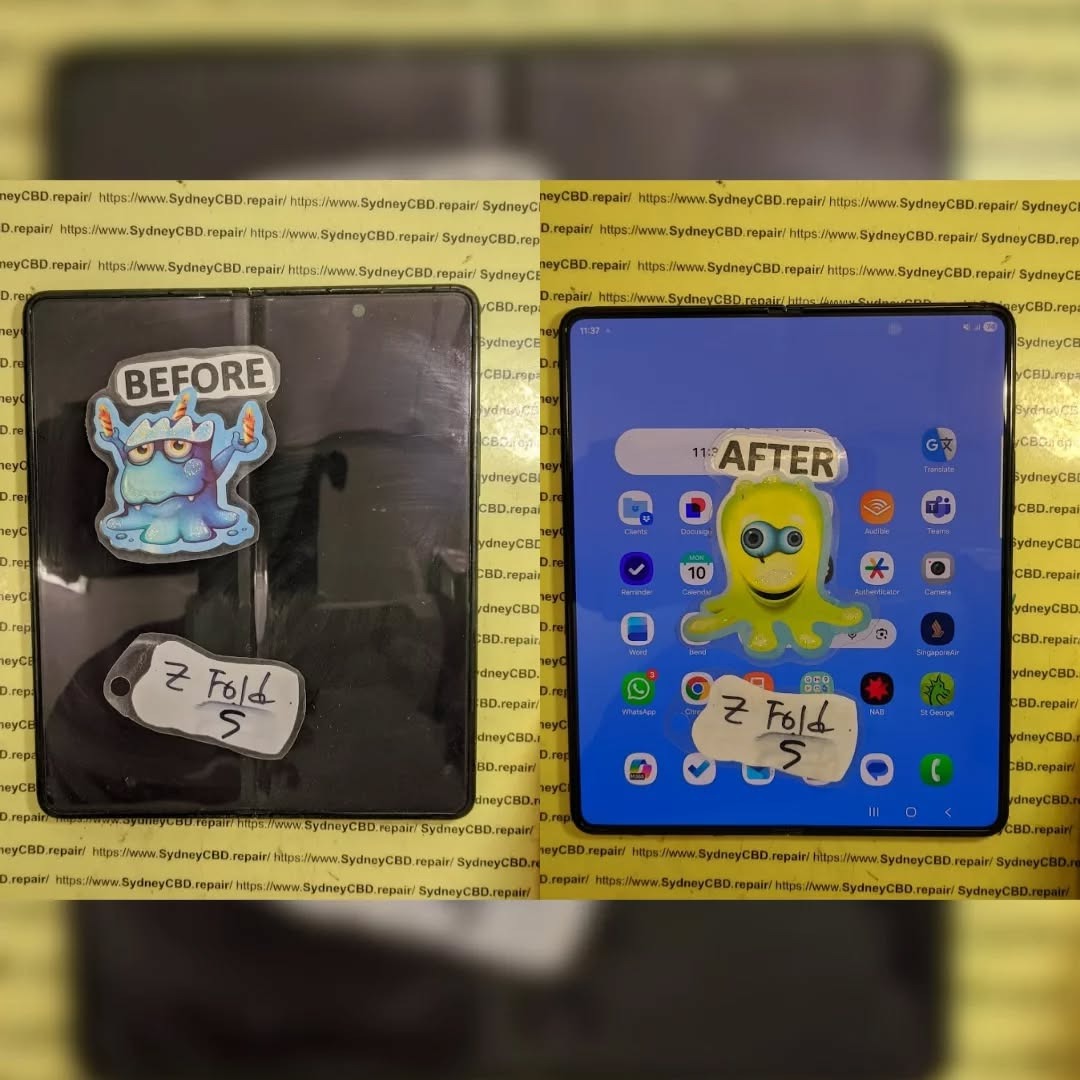
- Galaxy Z Fold / Flip: $800–$1,200
Foldable displays and AMOLED technology are major contributors to high costs.
Google Pixel and Other Android Phones
- Pixel 6/7: $250–$400
- Pixel 8 Pro: $450–$650
Other brands vary widely depending on screen technology and availability of genuine parts.
How to Extend Your Screen’s Lifespan
Using Screen Protectors and Cases
Tempered glass protectors and rugged cases absorb shocks and prevent scratches, delaying expensive replacements.
Proper Handling and Maintenance Tips
- Avoid leaving phones in pockets with keys or coins
- Keep away from extreme temperatures
- Clean screens gently with microfiber cloths
Small preventive steps can save hundreds in repair costs over time.
FAQs
1. Why is an OLED screen more expensive than an LCD?
OLED panels emit light per pixel, allowing for superior color and contrast but requiring complex manufacturing, making them pricier.
2. Can third-party replacement screens void my warranty?
Yes. Using non-genuine parts often voids manufacturer warranties and may affect future support.
3. Are repair costs worth it for older devices?
Depends on device value. For older models, costs may approach the phone’s resale value, making replacement or upgrade a better option.
4. How do under-display sensors affect repair complexity?
They add extra layers under the glass. Misalignment or damage can render the sensor useless, increasing labor costs.
5. Is DIY repair ever a safe option?
Only for experienced technicians with proper tools. Most users risk further damage and reduced functionality.
6. Why do foldable screens cost significantly more?
They use ultra-thin flexible materials, complex hinge mechanisms, and have smaller production runs, driving up costs.
Conclusion

Smartphone screens are more than just glass—they’re sophisticated technology that balances display quality, touch sensitivity, and durability. Replacement costs reflect the complexity of materials, labor, and brand premiums. While DIY repairs can seem tempting, professional services with genuine parts often save money and frustration in the long run. Protecting your device with proper handling, cases, and screen protectors is a cost-effective way to extend its life.
David from Sydney CBD Repair Centre – The Best place to fix mobile phones as 7 Years In A Row! Top Mobile Phone Repair In Sydney. More than 2000 Positive Reviews on Google and Same Day Repairs.
We take pride in delivering exceptional repair services for all major phone brands including Apple, Samsung, Google, and more. Our expert technicians use only genuine parts and offer 90days warranty on repairs. Located in the heart of Sydney CBD, we’re your one-stop solution for all mobile device repairs.
Visit us for:
✓ Same Day Express Repairs
✓ Genuine Parts Guarantee
✓ Professional Technicians
✓ Competitive Pricing
✓ 2000+ 5-Star Google Reviews
✓ 7-Time Award Winner for Best Phone Repairs
Sydney CBD Repair Centre – Where Quality Meets Reliability.
Call : +61280114119
Website: https://SydneyCBD.repair/locate-us

