



Calls and Texts No Longer the Main Use for Mobile Phones for Most Young Aussies, Samsung Research Finds

Key Takeaways
Here are the clear takeaways from the Samsung Newsroom Australia article on smartphone usage trends in Australia (Sept 2026 research, 1092 Australians):
Executive summary
– There is a significant generational shift in how Australians use smartphones. Calls and texts are no longer the primary use for most younger users; multifunctional use (work, payments, social media, photography, AI assistance) dominates.
– Foldable smartphones are becoming more appealing as devices evolve to meet broader needs beyond basic communication.
Key findings and numbers
– Only 22% of Australians aged 18-24 primarily use their smartphone for calls and texts.
– For context, 53% of Australians aged 67+ (and presumably older cohorts) still cite calls/texts as a primary use in 2026 (down from 67% in 2019).
– Overall trend: calls/texts as primary use declined from 67% (2019) to 53% (2026).
– Social media as a primary use increased from 17% (2019) to 24% (2026).
– Work and productivity as a primary use rose by about 50% over the period.
– Additional attitudes:
– 60% of Australians say smartphone productivity is more important today than in 2019.
– 63% say photography is a more important smartphone capability today than in 2019.
– 44% see replacing wallet/keys/ID as the most important smartphone innovation they didn’t know they needed seven years ago.
– Promo context: The shift helps explain the growing appeal of foldables, with Samsung offering three foldable models (Galaxy Z Fold8 Ultra, Galaxy Z Fold8, Galaxy Z Flip8) to cover productivity, multitasking, content creation, and entertainment.
Implications for strategy and product
– Hardware strategy: Continued investment in foldables and multi-form-factor devices is aligned with consumer demand for work- and life-utility beyond calling/texting.
– Software and ecosystem: Emphasize features that support productivity, payments, navigation, social connectivity, and AI-powered assistance to reinforce the “digital life hub” narrative.
– Marketing messaging: Position smartphones as all-in-one tools for work, creativity, and daily life, not just communications.
– Target audiences: Younger cohorts (18-24) are less tethered to traditional calling/texting; messaging and product bundles should reflect that they value social media, productivity, and photography capabilities.
– Competitive landscape: With faster growth in social media and productivity use, partnerships or features around content creation, collaboration, and secure mobile payments could be differentiators.
Operational actions (potential next steps)
– Product development: Prioritize enhancements in multitasking, AI assistance, and secure mobile payments across foldables; ensure seamless app ecosystems for work and creative workflows.
– Marketing and positioning: Create campaigns that highlight “threefold” use-cases: productivity, photography, and social engagement; showcase foldables as the best fit for a digital life hub.
– Data and analytics: Track year-over-year shifts in primary use-cases by demographic to fine-tune product features and messaging.
– Customer education: Highlight how foldables can replace multiple everyday tools (wallet, keys, ID) and illustrate real-world scenarios (work tasks, photography, payments).
Key quotes for leadership or stakeholder discussions
– “In just seven years, Australians have shifted from using smartphones primarily to call and text to relying on them as all-in-one tools for work, payments, navigation, social connection and AI-powered assistance. The smartphone has evolved from a communication device into a digital life hub.”
Potential questions to address in a follow-up
– Are there target segments beyond 18-24 where the shift is strongest or weakest, and how should we tailor products/marketing accordingly?
– Which specific AI features are most valued by users today, and how can we accelerate their integration into foldables?
– What partnerships or platform capabilities would most effectively support mobile payments and identity wallet replacements?
If you’d like, I can condense this into a one-page briefing or tailor it for a specific audience (e.g., executives, product teams, or investors).
Summary of Calls and Texts No Longer the Main Use for Mobile Phones for Most Young Aussies, Samsung Research Finds
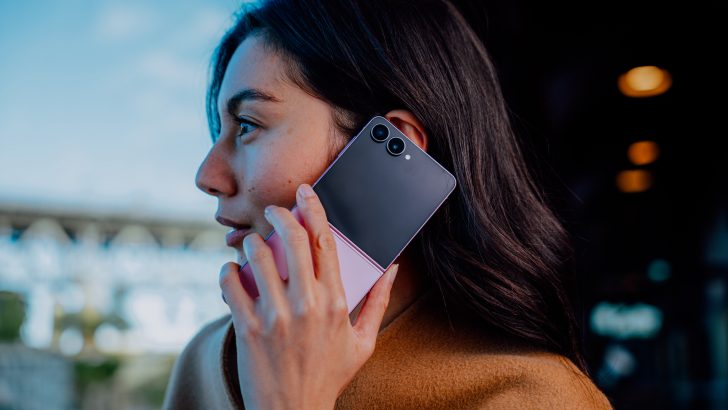
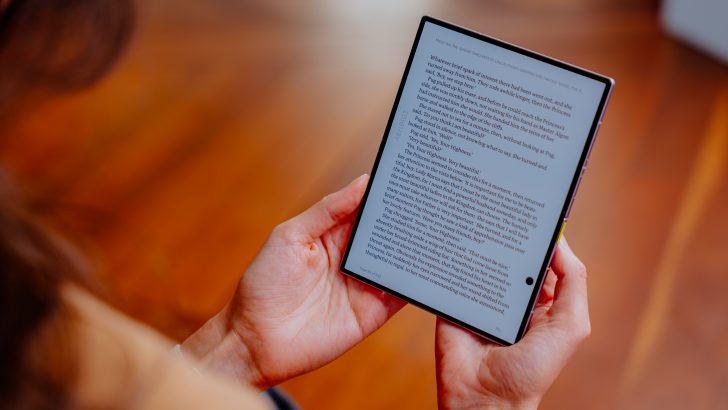
Samsung Electronics Australia has released new research around how Australians are using their smartphones. According to this data, less than a quarter (22%) of Australians aged 18-24 use their smartphone primarily for calls and texts, compared to almost 80% of Australians aged 55 and over, highlighting a significant generational shift in how Australians use mobile technology.
The findings reflect a broad shift in behaviour over the past seven years since Samsung released its first foldable phone, with the proportion of Australians using their smartphone primarily for calls and texts declining from 67% in 2019 to 53% in 2026. As smartphones become increasingly central to work, entertainment, creativity and everyday life, Australians are demanding more than ever from their devices.
The research also found that social media recorded the largest increase in share as a primary smartphone use, rising from 17% in 2019 to 24% in 2026, while smartphone use for work and productivity increased by almost 50% over the same period.
“In just seven years, Australians have shifted from using smartphones primarily to call and text to relying on them as all-in-one tools for work, payments, navigation, social connection and AI-powered assistance. The smartphone has evolved from a communication device into a digital life hub”, says Gary Mortimer, Queensland University of Technology, Professor of Marketing and Consumer Behaviour.
Key Findings:
- Only 22% of Australians aged 18-24 use their smartphone primarily for calls and texts. Calls and texts as a smartphone’s primary use have fallen from 67% in 2019 to 53% in 2026
- Social media is the fastest-growing primary smartphone use, increasing from 17% to 24%
- Smartphone use for work and productivity has grown by almost 50%
- 60% of Australians say smartphone productivity is more important today than it was in 2019
- 63% say photography is a more important smartphone capability today than it was in 2019
- 44% say replacing their wallet, keys and ID is the most important smartphone innovation they didn’t know they needed seven years ago
The findings also help explain the growing appeal of foldable smartphones. As Australians have increasingly relied on their smartphones for far more than calls and texts, Samsung has continued to evolve its foldable category to meet changing consumer needs.
Seven years after introducing Australia’s first foldable smartphone, Samsung’s eighth generation foldable portfolio includes three different foldable form factors, a foldable for every kind of user. With the Galaxy Z Fold8 Ultra, Galaxy Z Fold8 and Galaxy Z Flip8, Samsung provides Australians with three distinct options designed to support different lifestyles and behaviours, from productivity and multitasking to content creation and entertainment.
For more information about the Galaxy Z8 series, please visit: Samsung Australia Newsroom or Samsung.com.au
Research conducted in September 2026 by PureProfile behalf of Samsung Electronics Australia on a sample of 1092 Australians in the last 12 months.
from Samsung Newsroom Australia https://ift.tt/Z1v8A03
via IFTTT

