We always say that it’s never too late for us to discuss the next premium flagship smartphones from any top OEM. Since the Samsung Galaxy Note 8 is already out, we now have the Galaxy S9 to look forward to. We know it will have the same shape and display size as the Galaxy S8. The phone may have the same rear fingerprint sensor. There’s also the idea that the Galaxy S9 will be modular and be powered by Qualcomm’s Snapdragon 845 chipset.
This year’s Galaxy S8 was delayed but Samsung may be rolling out the Galaxy S9 earlier. Rumor has it the South Korean tech giant will unveil the phone in January before its February market release. This early launch was simply predicted by parts manufacturers who said Samsung has placed orders earlier. There is a possibility that development and production will end earlier compared to this year’s March-April launch and roll out.
The Samsung Galaxy S9 is believed to be the project “Star” by Samsung and development is well underway. The tech company has high hopes for this upcoming premium device that will directly rival the yet-to-be-revealed iPhone 8. Let’s wait and see for its official launch but before that happens, expect rumors and early leaks to be published.
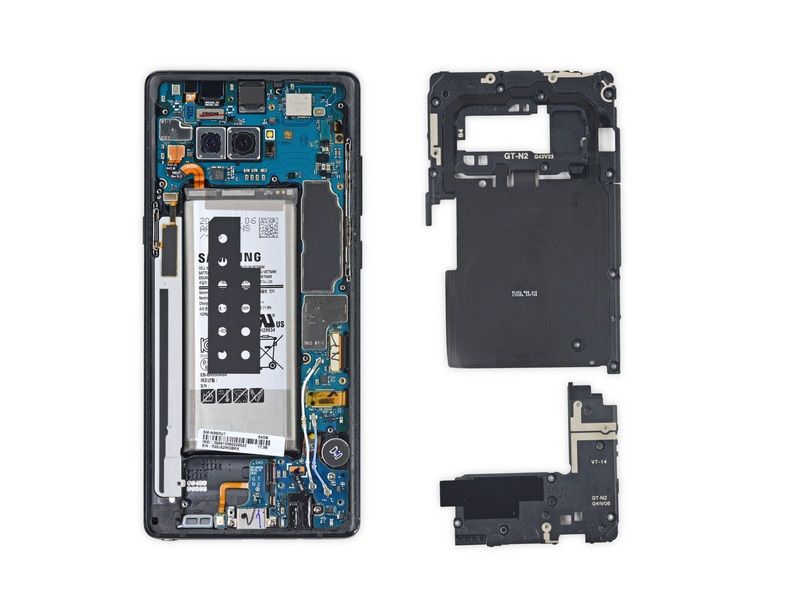
The Galaxy Note7 went out with a bang, but Samsung is back in the ballgame with its newest offering: the Note8. Samsung is differentiating itself in the fragmented Android market by doing some serious streamlining. Gone are the screen-destroying soft button cables we saw in the Note7 and the (by now, ancient) S7. Instead, the Note8 sports an S8-style display and back-panel fingerprint sensor. They’ve moved the furniture around, but now all of Samsung’s houses are using the same floor plan.
And what about that infamous battery? Samsung must be confident, because it’s still glued down—and this time it’s located right in the middle of the phone. This Samsung SDI-made Note8 battery dishes out 12.71 Wh (3300 mAh at 3.85 V). That’s 6% less than the Note7’s 13.48 Wh—but hey, better safe than engulfed in flames.
If we were impressed with the number of cameras last time, the new Note ups the ante with four cameras. (Do you think the other phones make fun of it at school?)
And speaking of cameras, our X-ray wizard friends at Creative Electron were able to confirm OIS. This magic image reveals a squad of dense, dark shapes—those’d be the magnets—surrounding both main cameras to keep them stable. Neat!
Like the previous model, the Note8 is no fun to open. The front screen and back glass are solidly adhered. Once inside, though, most of the components are fairly modular—earning the same 4 out of 10 on our repairability scale as the Note7 and the Note Fan Edition.
In our Android Phone Guide, we rank the best Android phones for most people. We recognize that those phones, while good for most people, are not the best for all people. As a companion to the Best Android Phones, we’ve rounded up the Android Phones with the Best Battery Life. If you need a big battery to get through the day, these are the phones for you.
Note: These phones have been ranked by battery capacity, but that is not the only factor we considered for being included in the list.
The Huawei Mate 9 is huge, both in physical size and battery capacity. It has a gigantic 6-inch 1080p display to go along with the 4000 mAh battery. The display is super bright and gorgeous, and the battery life is exceptional. Huawei also includes a fingerprint scanner on the back sitting beneath a dual Leica setup, plus it comes with Android Nougat.
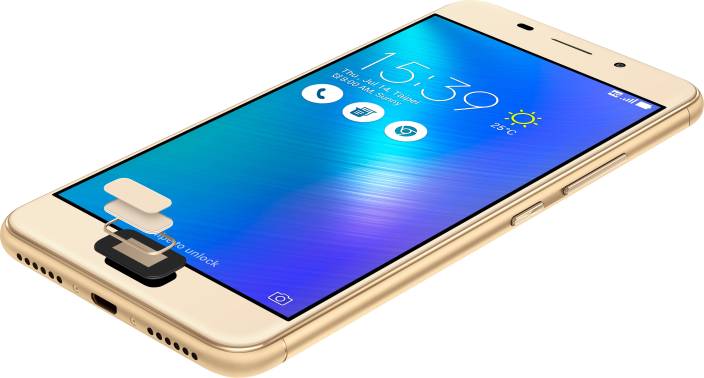
The Zenfone 3 Max has one of the biggest batteries available in a smartphone. All that battery makes for a hefty device, but it’s surprisingly thin. Just think of it like a permanent battery case. The Zenfone 3 Max also has a 16MP camera with laser focus, 720p display, 3Gb of RAM, and the Snapdragon 430 processor.
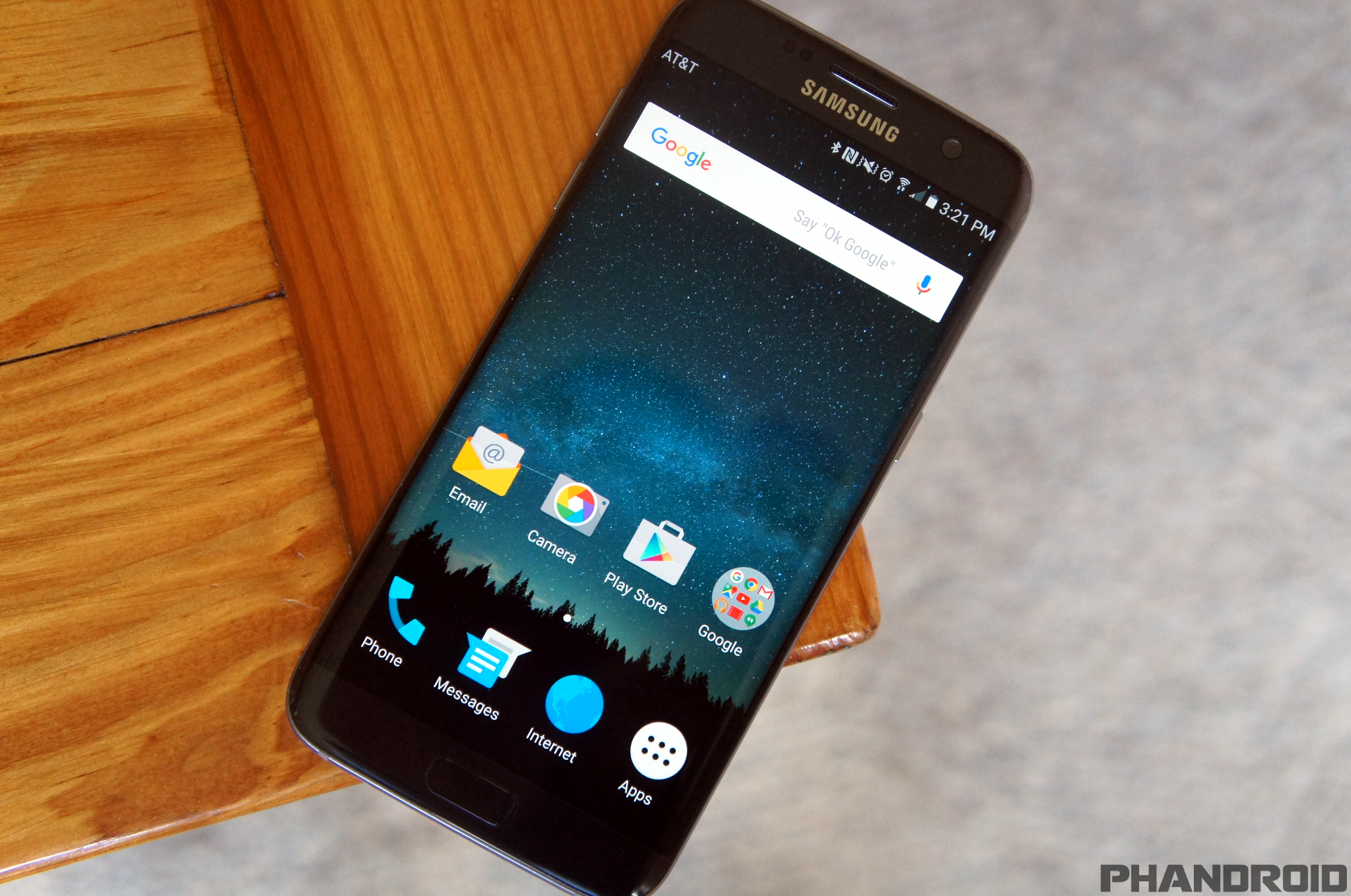
The Samsung Galaxy S7 Edge takes the solid foundation built by the standard Galaxy S7 and improves upon it in a few important ways. Battery life is the main improvement. If you want the Galaxy S7, you should absolutely spend the extra money on the Edge model. You’ll thank yourself when you enjoy the all-day battery life.
The Moto Z Force’s 3,600mAh battery combined with top notch battery optimization means the device lasts long enough to keep you connected throughout a busy day. The device also has all the makings of a flagship, including an insane 21-megapixel camera, Snapdragon 820 chipset, and more. Those improvements over the Moto Z’s 2,600mAh battery pack makes it worth considering.
BlackBerry’s KEYone doesn’t have a whole lot of bells and whistles, but perhaps that’s to its benefit. Its 3,505 mAh pack combines with the power-sipping (and amazingly efficient) Snapdragon 625 chipset to provide battery life that should get any busy person through a day or two. Add that iconic BlackBerry keyboard and this is a BlackBerry fanatic’s dream come true.
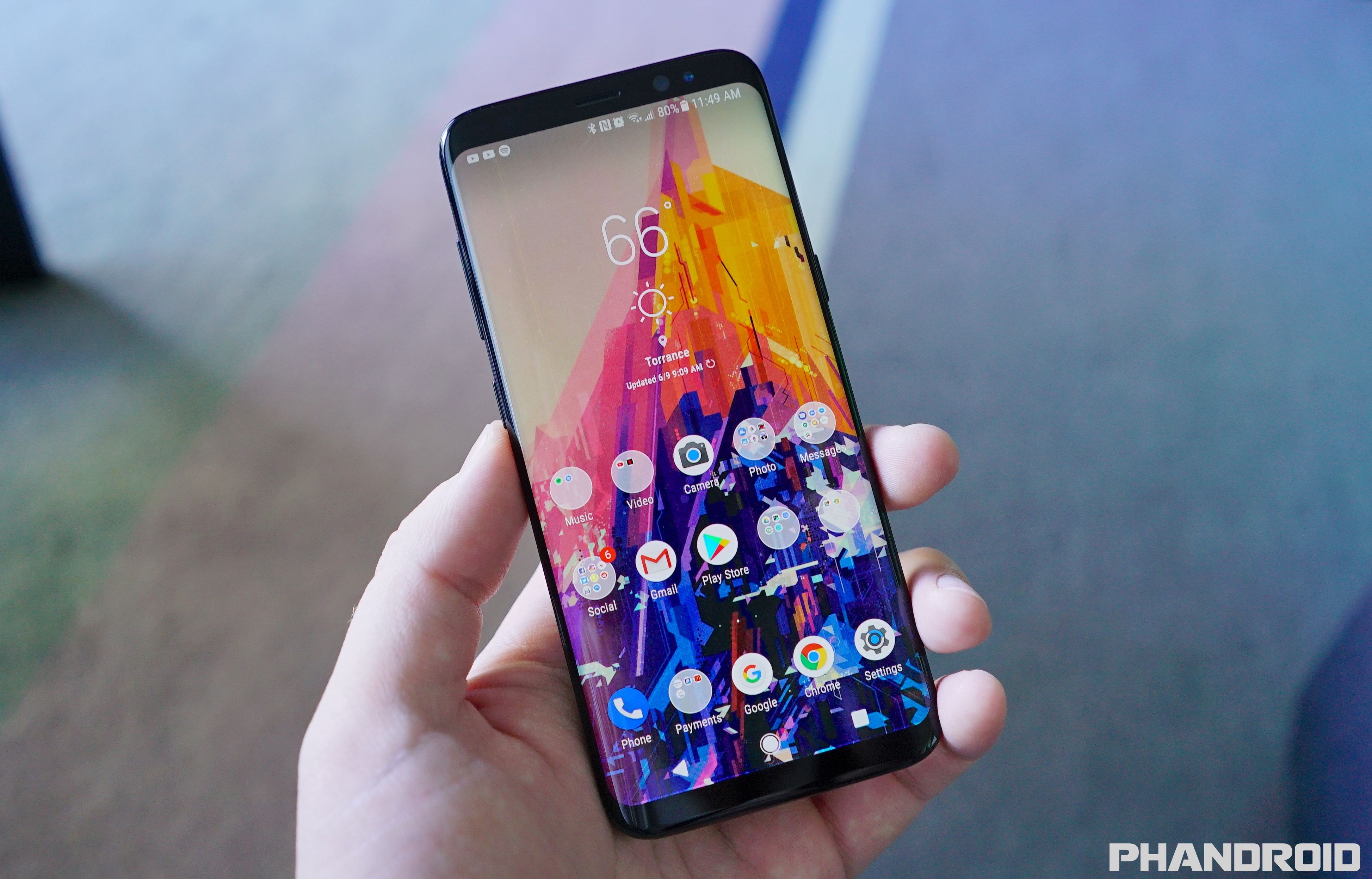
Samsung took a hit on the chin with their 2016 smartphones in regards to battery life, but they’ve once again found a way to fit big batteries in a pocktable form factor. The Samsung Galaxy S8 Plus is sporting a roomy 3,500mAh battery that help you achieve a full day of battery life with above moderate usage. Combine that with all the other great qualities — including a gorgeous Infinity Display — and you can feel comfortable with this one.
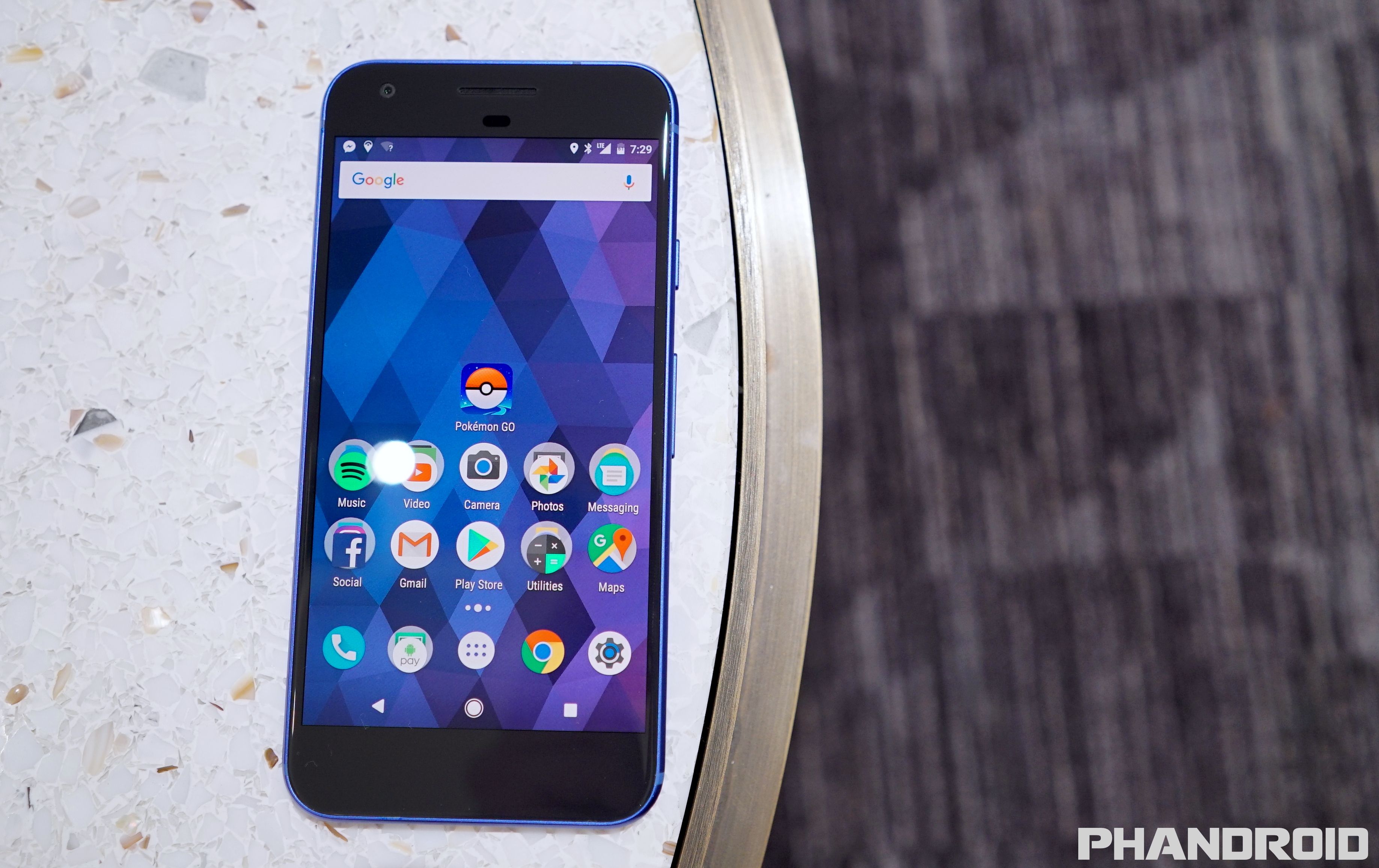
The Pixel XL has plenty of room inside its 3,450mAh battery pack to make it onto this list, and with the optimizations Google has made to Android — both in general and in their Pixel-specific tweaks — it’s one of the most impressive devices on the market in terms of longevity. Add even more quality traits in allmost every other area and this is once to consider if you need an all day beast.
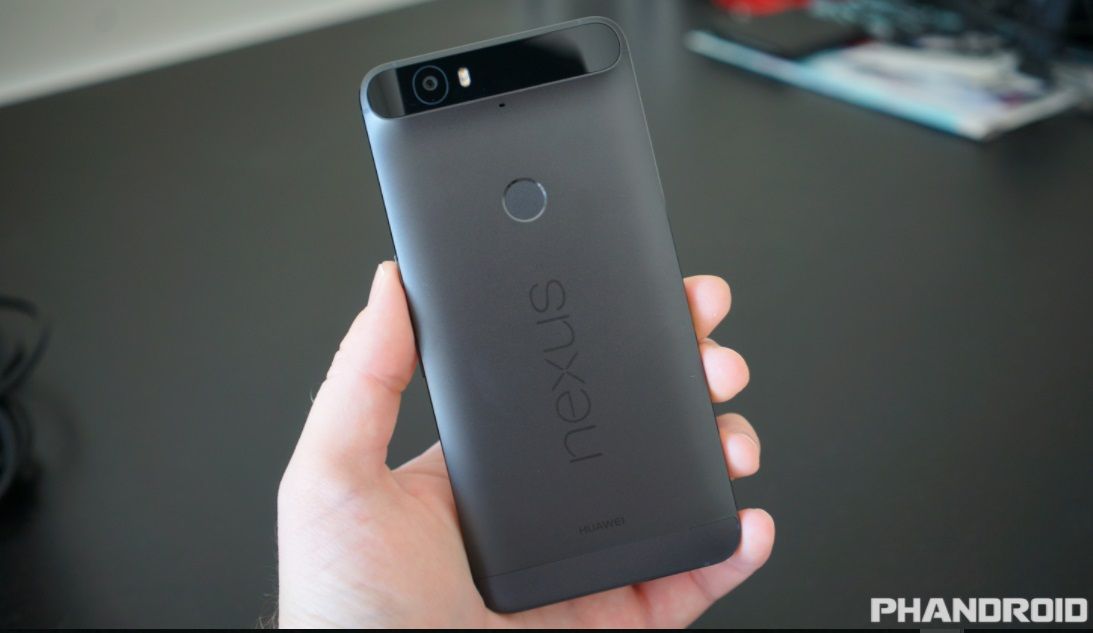
The Nexus 6P is Huawei’s first attempt at a Nexus device, and they knocked it out of the park. This is the first time a Nexus can truly claim the title of best Android phone. It has an excellent camera, beautiful, big display, and a charming design. If you don’t mind big phones, this is the one to get.
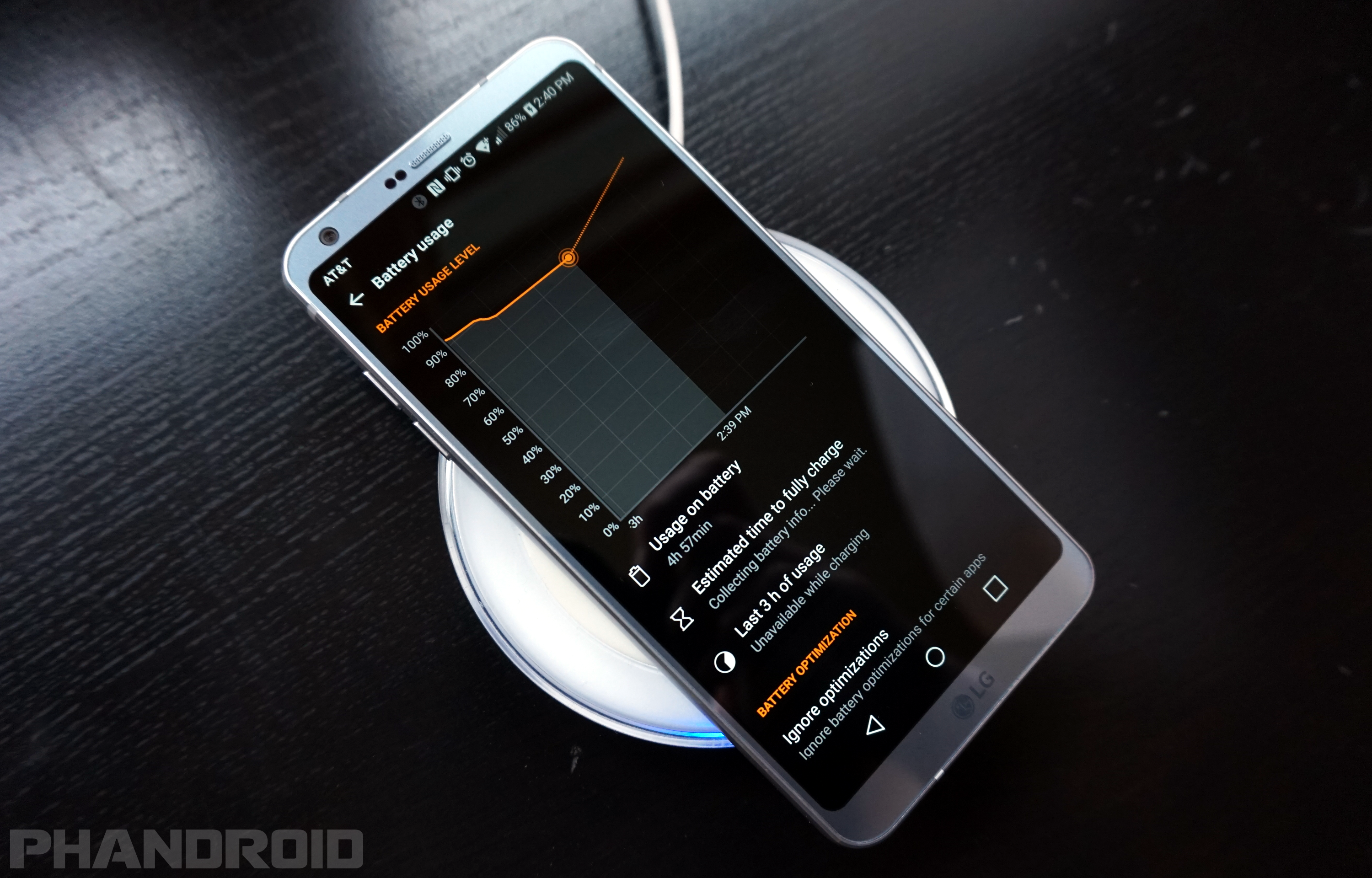
The battery in LG’s latest phone benefits from improved engineering prowess. LG was able to fit a bigger battery in it than its predecessors despite having a similar overall profile. That, combined with a beautiful display, solid hardware, and efficient software make it a long-lasting contender.
The V20 sports a roomy battery pack to make sure it lasts all day. It also employs neat tricks like the use of always-on display and a secondary ticker display to keep you from having to turn your phone on every time a notification comes in, something that surprisedly does wonders for battery life.
Battery: 3200 mAh
Key Features:
Great dual camera
Sharp display
Innovative features
HONORABLE MENTION
There are plenty of Android phones that offer great battery life. We only have so much room in our list, but there are a few extra devices you should consider. Here are five phones that just missed the top ten.
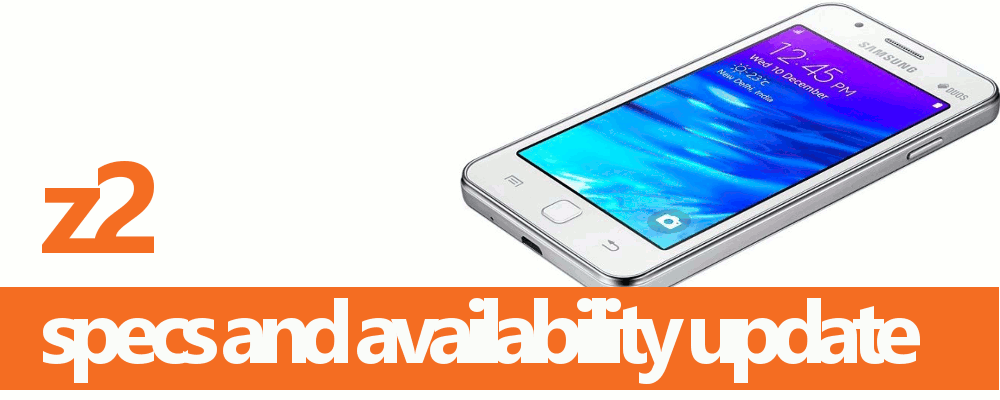
Specifically marketed toward emerging markets, the entry level Samsung Z2 is ready for release and have specs finalized. The price? $70.
The Tizen OS have been rumored as much as any other new tech nearing to be released. So Samsung\’s Z2 smartphone will be making a big entrance to emerging markets like Bangladesh, India, Nepal, Nigeria, Saudi Arabia, South Africa, Sri Lanka, Turkey and the United Arab Emirates. Although some of the territories mentioned in the list are far from emerging but it\’s not surprising since demands for a new contender for OS wars is never low on some countries.
It will be retailed around USD $70 but specific dates for each country is yet to be confirmed but official date is August 11.
Here are the main specs:
Screen size: 5.2 inches
Screen type: LCD
Resolution: 800 x 480
Pixel density: 235 ppi
Processor speed: 1.5GHz
RAM: 1GB
Storage: 8GB
Camera: 5-megapixel rear / VGA front
Battery: 1500mAh
OS: Tizen OS 2.4
Bluetooth: Bluetooth 4.0
Wi-Fi: 802.11b/g/n
The Z2 has LTE connectivity, comes with free earbuds and charger out of the box.
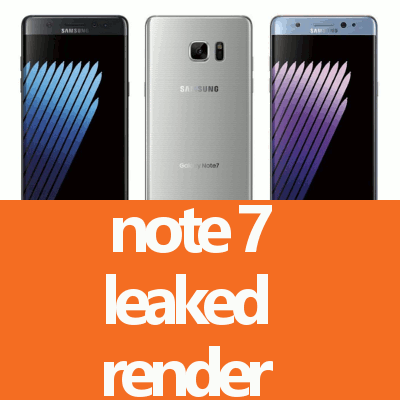
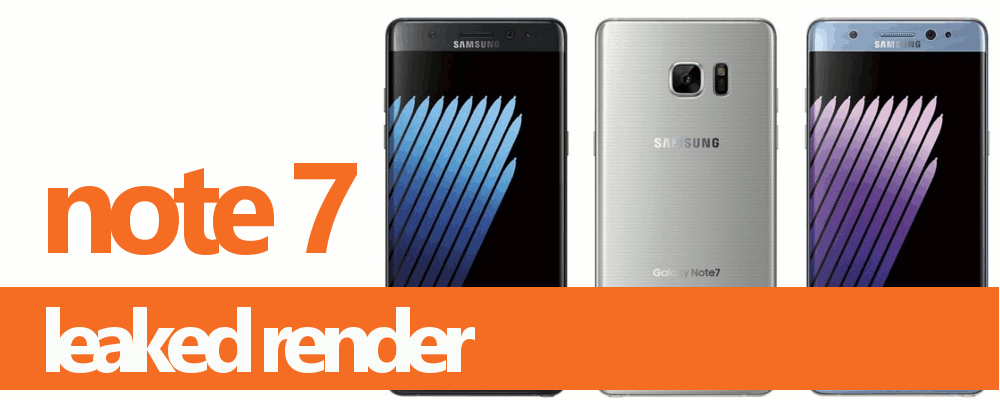
With thousands of leaked images of the next Samsung Galaxy Note, here is one special photo render from Evan Blass. Could this be the one?
The Galaxy Note 7 has been in the news too much and for the tech industry to be so excited about this single device is not that new. Rumors and leaked images have been popping out all over the place. But now a different image render of the possible look of the Galaxy Note 7 is leaked. From Evan Blass, a reputable “leaker”, showing different hue and color of the new Galaxy Note 7. These finishes include Black Onyx, Silver Titanium, and Blue Cora. The Note 7 is yet to be released next month but this is the clearest image so far.
Initial specs and features of the Samsung Galaxy Note 7:
5.7-inch Quad HD Super AMOLED display with dual edge like the S7 Edge
6Gb of RAM
3600-4000 mAh battery
12MP camera
iris scanner (to be confirmed)
The next Note may have an iris scanner for unlocking your phone with the eyes.
These new leaked images seem to suggest a front-facing sensor setup to support the iris scanner, with two openings on either side of the front-facing camera. Images obtained by Android Authority showcasing a physical front panel confirm openings for the iris scanner as well.
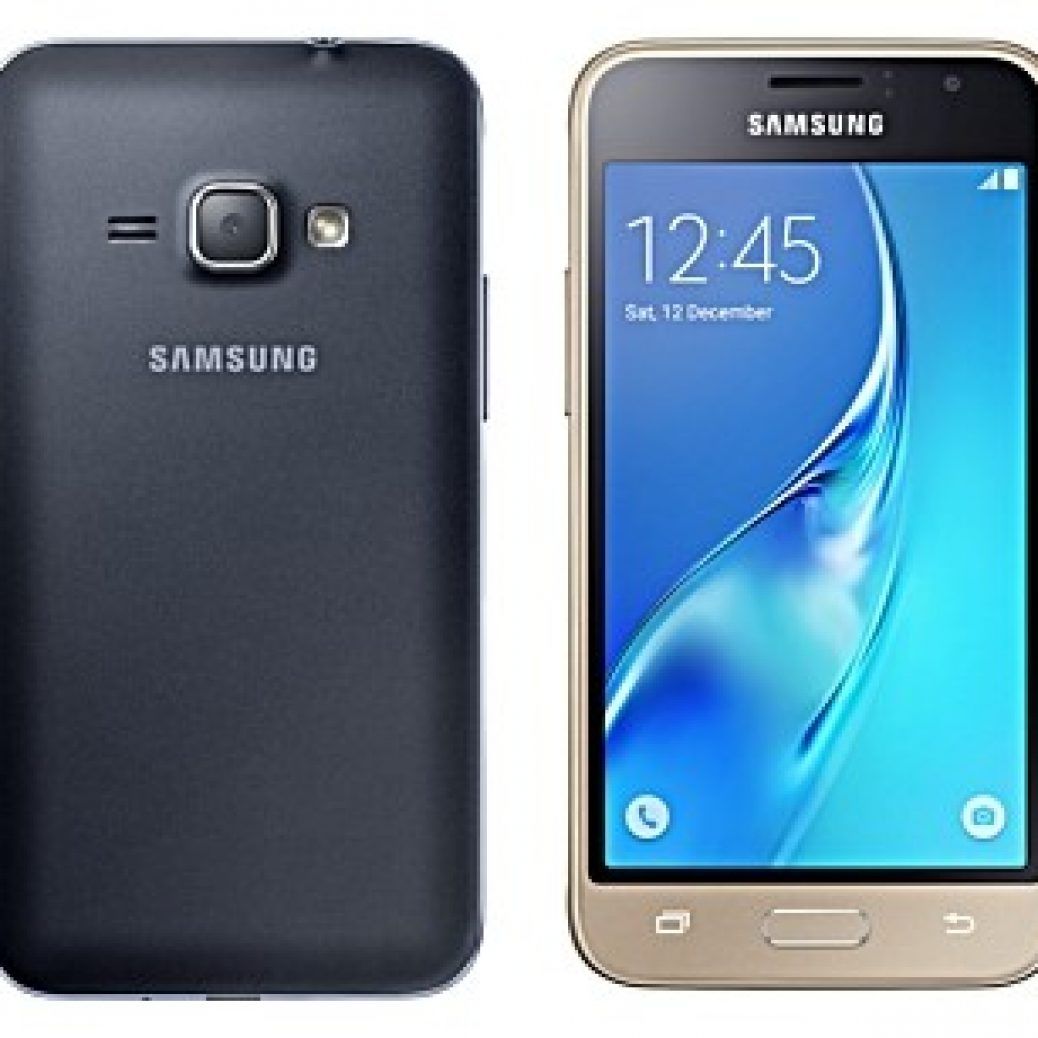
We knew a 2016 iteration of the Galaxy J1 was in the works, and it looks like Samsung has decided the device doesn’t need any formal announcement. The Galaxy J1 2016 is already available at retail stores in Dubai; as leaks had revealed, the phone comes with specs that are slightly better than the original Galaxy J1, which we had found to be an extremely poor smartphone for the asking price. The price is roughly the same for the new device – it is available for AED 499 in the country, which translates to around $135.
The biggest upgrade on the Galaxy J1 2016 seems to be the display – it’s a Super AMOLED display this time around, though the resolution is still 800×480 pixels. The screen size is 4.5 inches, meaning this might not be the sharpest panel out there, though the colors and contrast should be considerably better. Under the hood, there’s an Exynos 3475 processor clocked at 1.3GHz along with 1GB of RAM (the original Galaxy J1 had 512MB/768MB RAM models). The cameras are a 5-megapixel and 2-megapixel rear and front pair, and the phone comes with 8GB of expandable storage, 4G connectivity, and a 2,050 mAh battery.
In addition to the Super AMOLED display, Android 5.1.1 Lollipop with Samsung’s latest TouchWiz UX should also make for an improved experience. The design might not be to everyone’s liking, however, especially if they opt for the gold version. Samsung is using a two-tone color at the front of the phone, so the gold version is black above the display and gold below it. If you don’t like that, the black color option is what you will have to settle for if you intend to spend your cash on the Galaxy J1 2016.
There is no word on when the Galaxy J1 2016 will come to other markets, but we can expect countries like India and Bangladesh to get it sometime in the near future. At $135, the device comes uncomfortably close to the Galaxy On5 that is available in India, and we can expect a few price cuts to take place soon after launch. We’ll do our best to get hold of a unit and subject it to a review; it will hopefully turn out to be a much improved successor to the Galaxy J1 instead of being yet another low-end Android phone from the world’s largest smartphone manufacturer.
A couple of weeks ago we saw screenshots of what was purportedly Android 6.0 Marshmallow running on a T-Mobile Galaxy Note 5. Given the major interface changes seen in those screenshots, we were not exactly fully believing of the fact that that was an actual test build and not a fake. Well, it seems Samsung surely is hoping to make a few changes to how TouchWiz looks on Marshmallow, as similar screenshots of an Android 6.0 build running on a Galaxy S6 have appeared online.
The most notable change in the interface on Marshmallow seems to come in the quick toggles panel in the notification shade, with the toggles now blue in color and looking sleeker. Samsung has also changed the background of the quick toggles panel to white, which was also the case with the regular status bar on the Note 5 screenshots. The latter didn’t exactly look so nice in the previously leaked images, but we’re guessing that won’t be the case when we see it on an actual device. Sadly, Samsung doesn’t seem to be changing the icons for its apps, but we can always hope the company will get around to doing that with the Galaxy S7.
If these images are to be believed, the Galaxy S6 might also obtain shutter speed control in the camera’s Pro mode, a feature we had expected to see with Android 5.1.1 Lollipop. They also suggest that Samsung is hard at work on putting Android 6.0 on all its 2015 flagships as quickly as it can, and also on its top-of-the-line handsets from last year.
Check out Marshmallow on the S6 in the images below, and let us know what you think of the visual touches Samsung has added to the software.
A couple of months back when Qualcomm was yet to fully unveil the Snapdragon 820 it was rumored that the new chipset was also facing overheating issues like its predecessor the Snapdragon 810, Qualcomm was quick to shoot down those rumors and said that the Snapdragon 820 performed well within the parameters. Nevertheless it remains a concern for those who never fully took Qualcomm at its word that the Snapdragon 810 didn’t have any problems with overheating even though there was ample evidence to support the findings.
A new report out of Asia claims that to ensure that the Snapdragon 820 does cause such problems for the Galaxy S7 Samsung is now seeking internal heat pipe suppliers for its next flagship handset. The company is apparently experimenting with several different types and shapes of heat pipes, it will decide based on these experiments whether or not to include a heat pipe in the Galaxy S7 for the purpose of heat dissipation. This method has already been used in devices like the OnePlus 2 and the Sony Xperia Z5 Premium for this exact same purpose, it really won’t be groundbreaking at all if Samsung decides to do the same with the Galaxy S7. We exclusively confirmed a few months back that Samsung is going to release two models of the Galaxy S7 with variants being powered by either the Exynos 8890 or Snapdragon 820 processor based on the market.
Samsung announced the sequels to the Galaxy A3, Galaxy A5 and Galaxy A7 today. Set to launch in China this month before expanding to other markets, the 2016 iterations of the A3, A5 and A7 pack a potent mix of hardware, with features like a fingerprint sensor, cameras with optical image stabilization, and a premium metal and glass design. Like all of its official smartphone announcements, Samsung didn’t talk about the pricing, but Samsung Benelux has kindly offered us the official price tags for the Galaxy A3 and Galaxy A5 (2016).
The Galaxy A3 (2016) will be priced at €329, while the Galaxy A5 (2016) will cost €399. These prices are slightly higher than the launch prices for the original A3 and A5 but aren’t exactly too high for what is on offer. Well, the A3 isn’t exactly as huge an upgrade as the new A5 (or the A7), but the premium design is likely the reason for the, um, premium that consumers will have to pay for the device.
We are not aware of the price for the Galaxy A7 (2016), but we expect it to cost https://sydneycbd.repair/?s=
going by the price difference between the other two handsets. You should keep in mind that these prices are for Europe and could vary in other markets, and we will be updating this post with all the pricing information we learn in the coming days.
Samsung is expected to unveil the Galaxy S7 and the Galaxy S7 edge early next year, many are counting on the company to dazzle fans like it did with the Galaxy S6 and the Galaxy S6 edge, but if a new report out of Korea is believed then there may not be a major overhaul in store as far as the Galaxy S7 design goes. Samsung will apparently keep the design similar to the existing flagship in favor of significant improvements where they count the most: under the hood.
The Galaxy S6 and the Galaxy S6 edge in particular received a major design upgrade as opposed to previous Galaxy S handsets, and while they did contribute to the popularity of these handsets, Samsung needs to get creative as margins get thinner in the high-end segment. A source cited in the report claims that the Galaxy S7 will bring major improvements in areas like performance and picture quality, some new software features will be present as well, but don’t expect a surface overhaul for the next flagship. One can draw a comparison with Apple which has kept the fundamental design of the iPhone quite the same over the years while every iteration adds powerful hardware to the mix which creates a combination that’s almost always an instant global hit.
From this point of view it makes sense for Samsung to try and increase its margins by keeping the design similar to the Galaxy S6 but adding the latest processors, DRAM, display and camera technology under the hood for a truly improved user experience. Whether or not this turns out to be true, or proves to be a hit with customers, remains to be seen.