Ahead of the Pixel 9 keynote on Tuesday, Google has posted the livestreams for Made by Google 2024, with the Android channel on YouTube also broadcasting it.
Since the early event was announced in June, Google has emphasized the role of Android and Gemini at this upcoming Pixel event. It reflects how Google this year merged the Android (Platforms & Ecosystems, including Chrome) and hardware (Devices & Services) teams into Platforms & Devices, with Rick Osterloh leading.
Of note this year is how the Android YouTube channel will also be livestreaming the #MadeByGoogle ‘24: Keynote: “Watch now for updates on Google AI and the newest Pixel devices, including the #Pixel9 Pro and Pixel 9 Pro Fold.”
There’s an identical stream on the Made by Google channel, which is the usual home and has more subscribers at 1.64 million subscribers (versus 1.03M). MbG is also responsible for the:
Last year, the main Google channel (12.2 million subscribers) also mirrored it.
Meanwhile, you’ll find a live countdown at the top of the Google Store.
The Made by Google 2024 keynote starts at 10:00 a.m. PT on August 13 or 3:00 a.m. AU Time. This will be streamed live from the Google headquarters in Mountain View, California. It will be followed by an “After Party.”
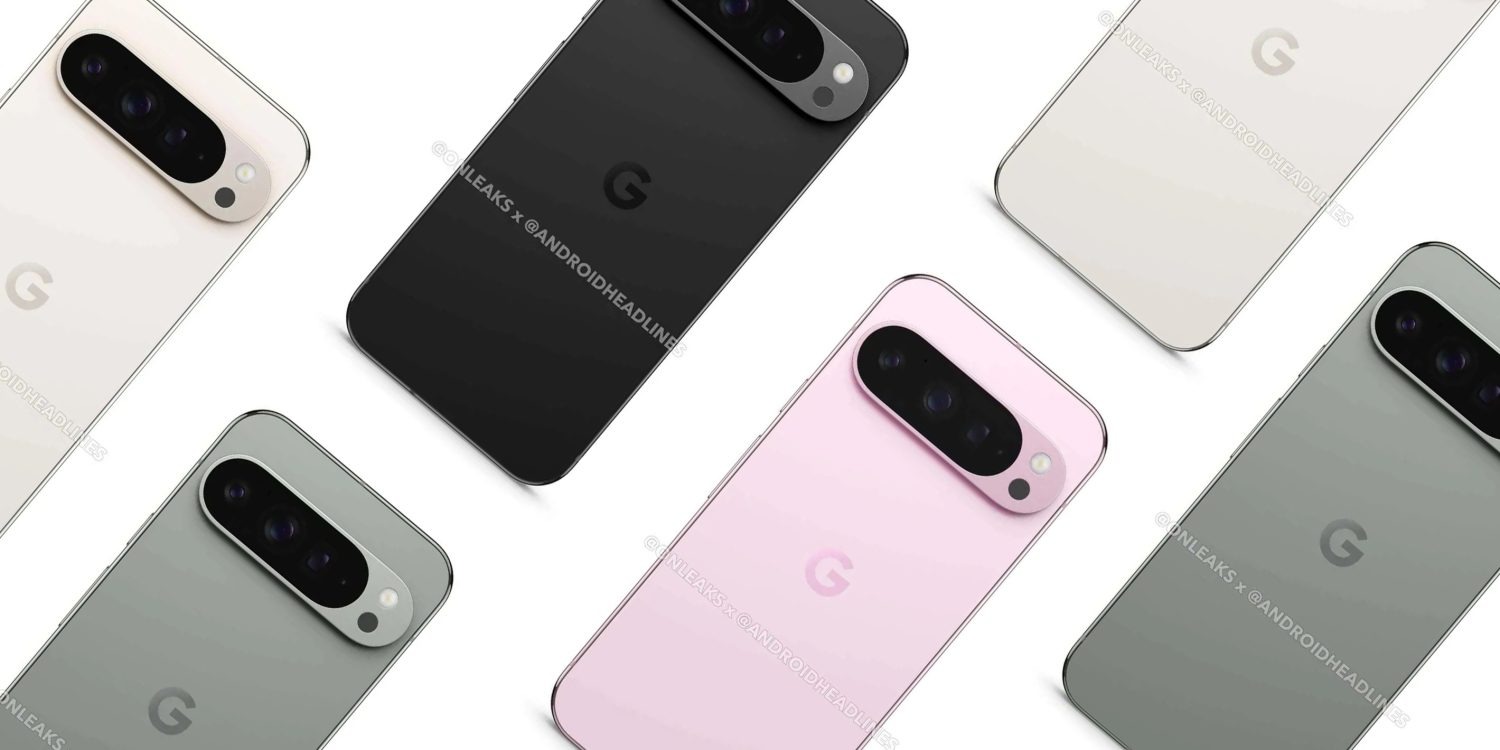
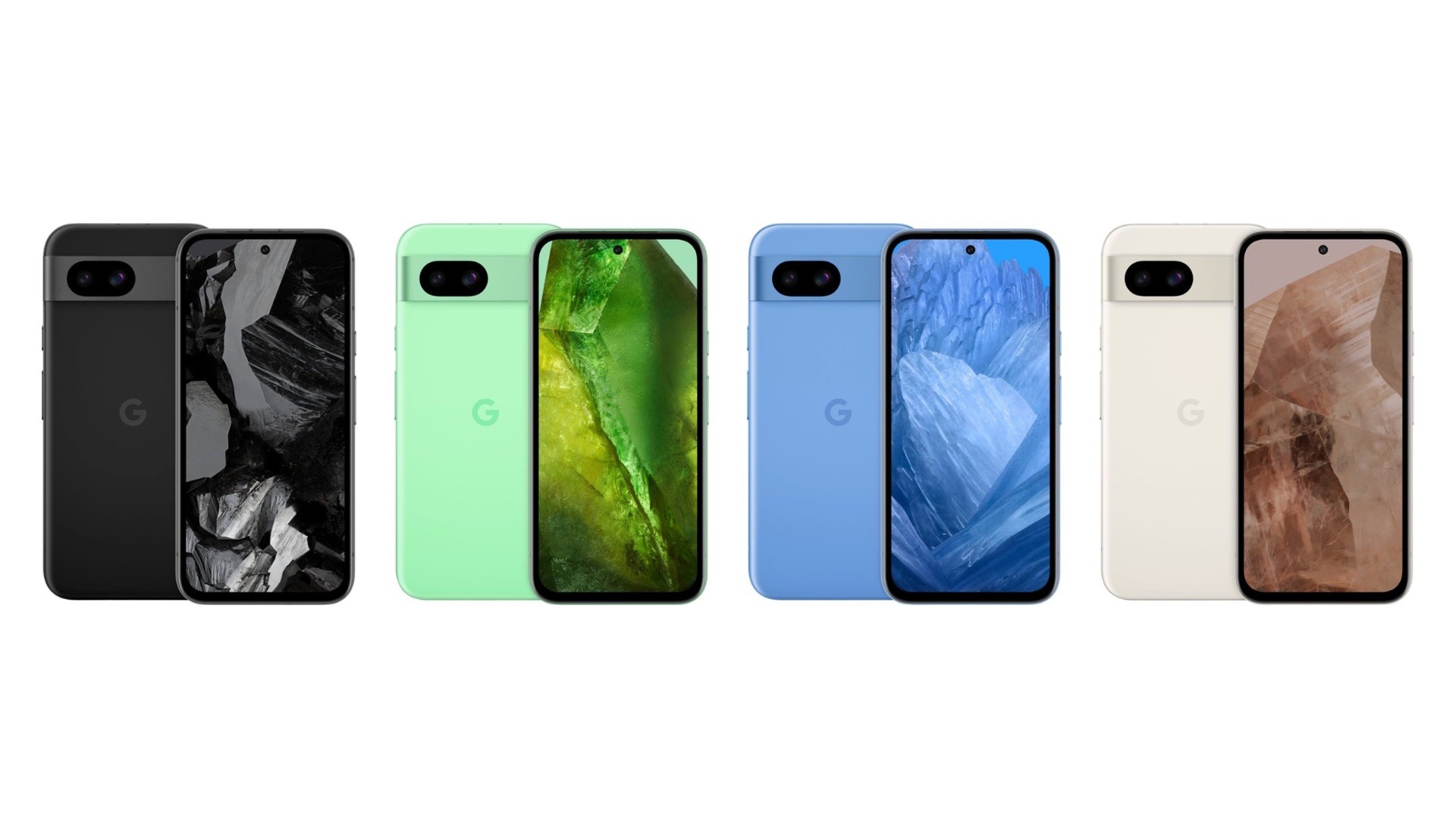
Google Pixel 9 leaks are coming en masse lately, and now we’ve got a good look at the Pixel 9 Pro XL in all four of its color variants.
Generally, Google has launched its Pixel phones with three color variants, last year adding “Mint” a few months later to the original launch lineup of the Pixel 8 series which consisted of “Obsidian,” “Porcelain,” and “Bay.” The Pixel A-Series has, since the Pixel 7a, offered four colors (one of which being a Google Store exclusive, like Pixel 8’s “Mint”), but the flagships have stuck with a lineup of three thus far.
That’s probably set to change with the Pixel 9 Pro series, though, as a new leak shows.
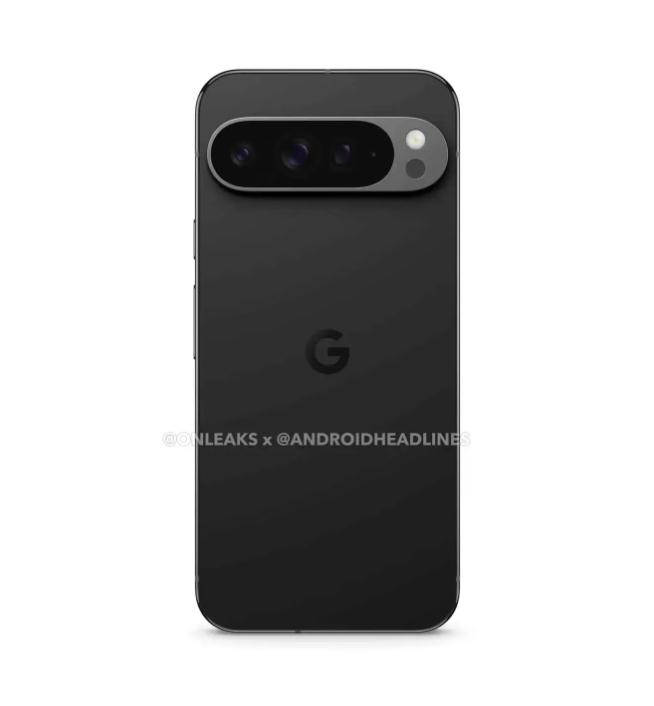
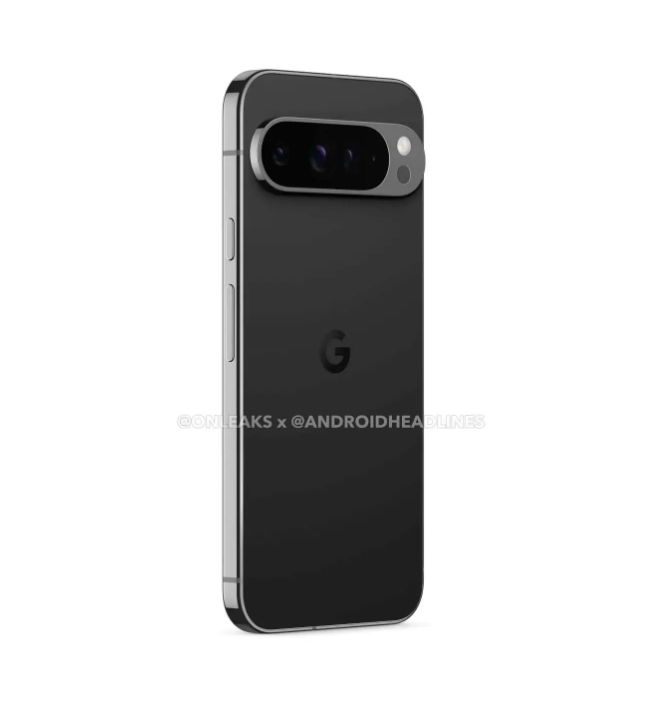
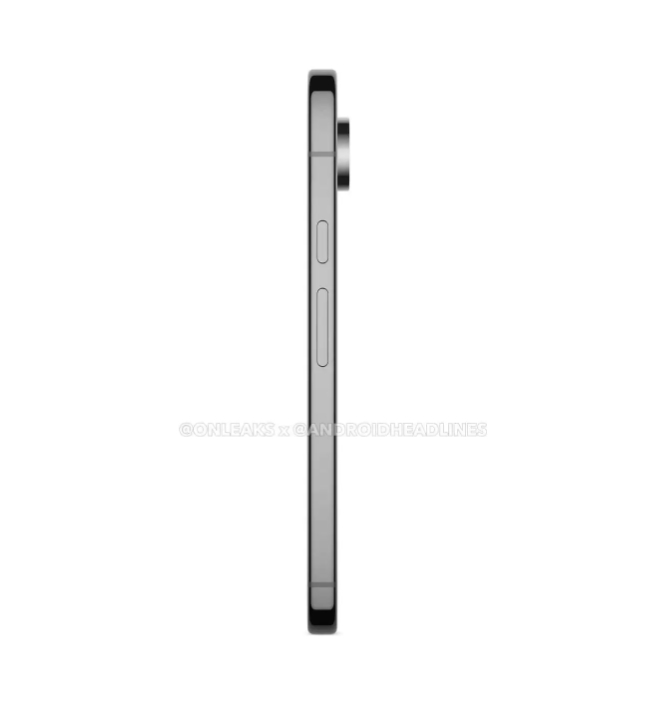
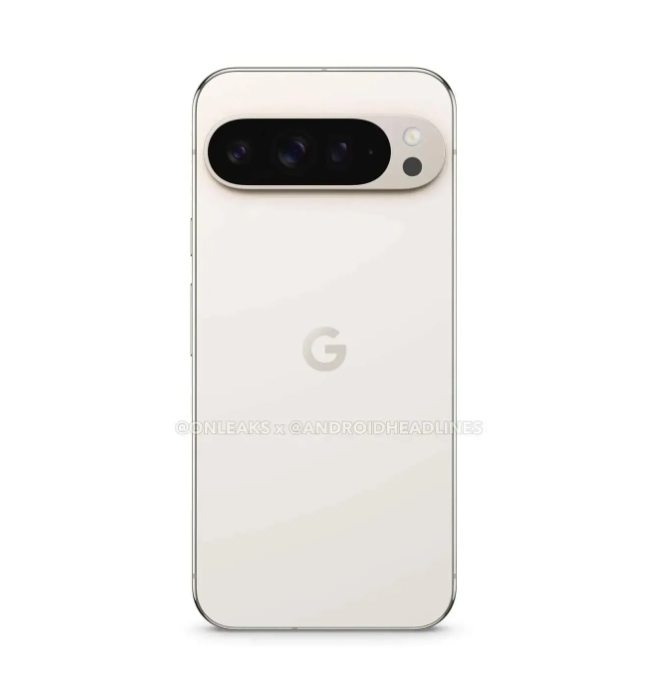
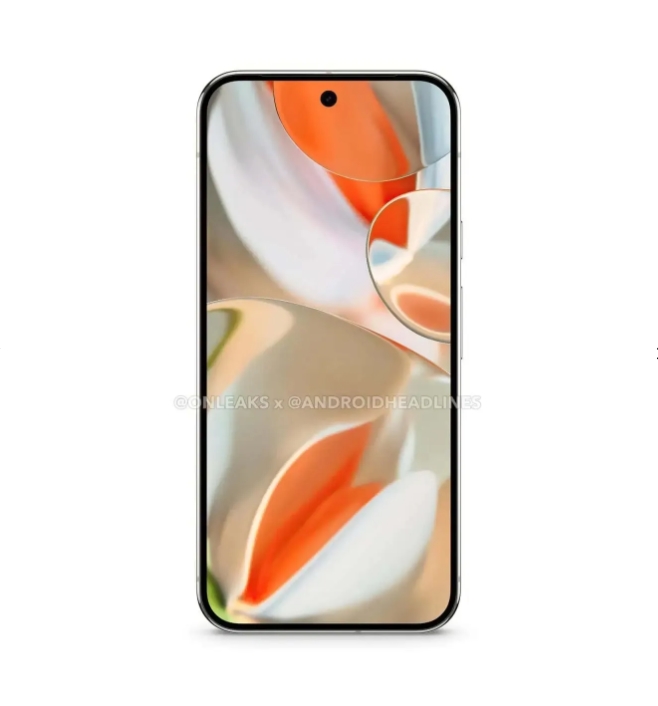
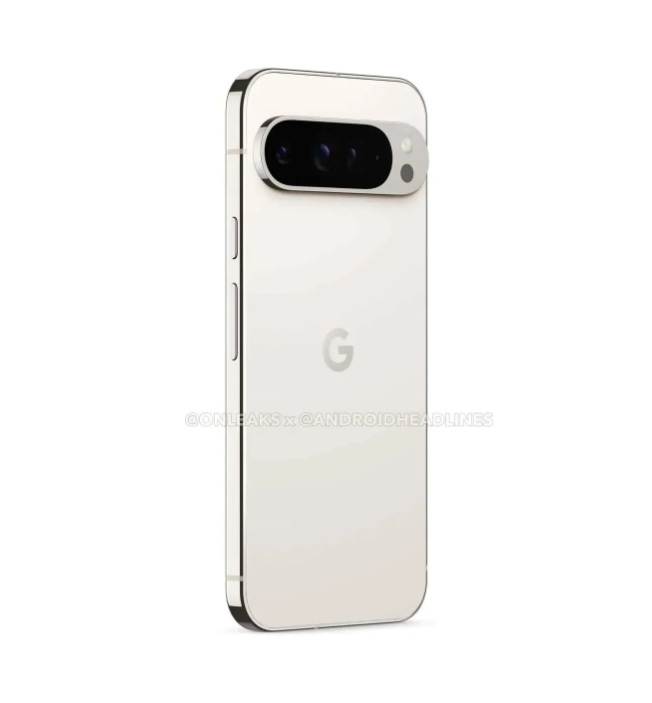
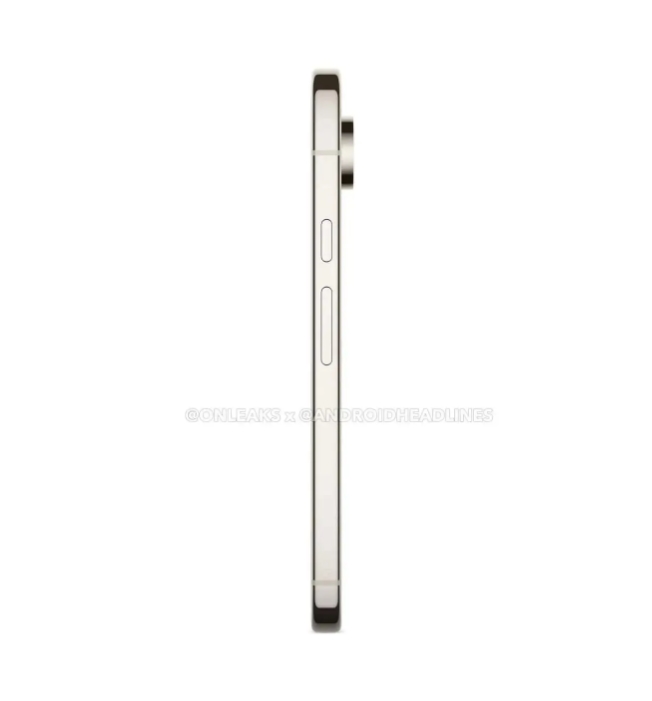
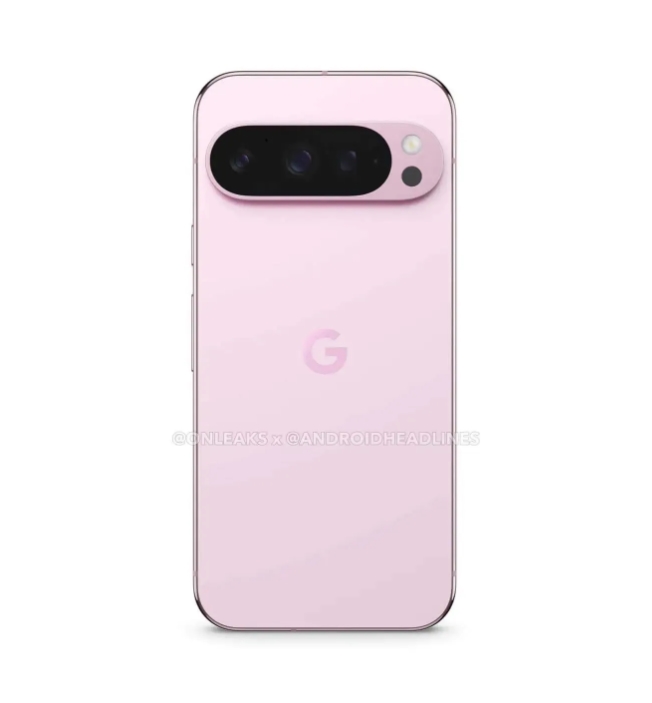
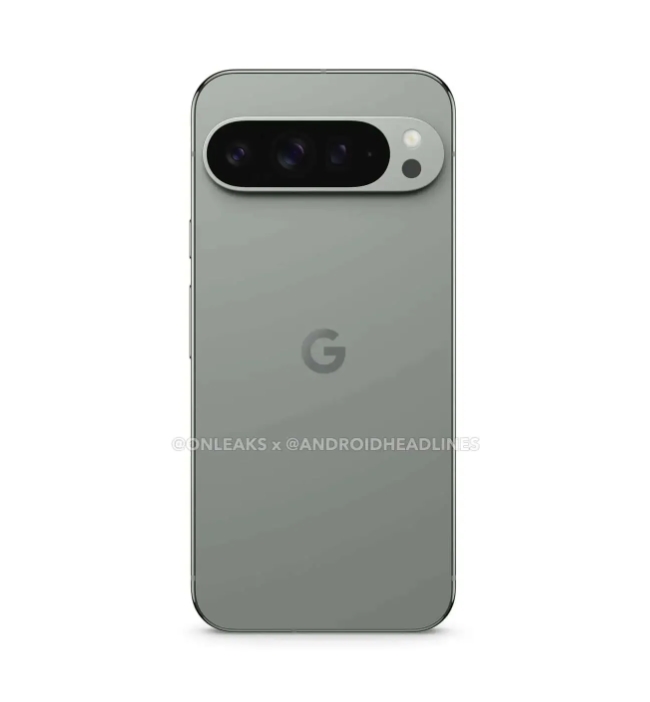
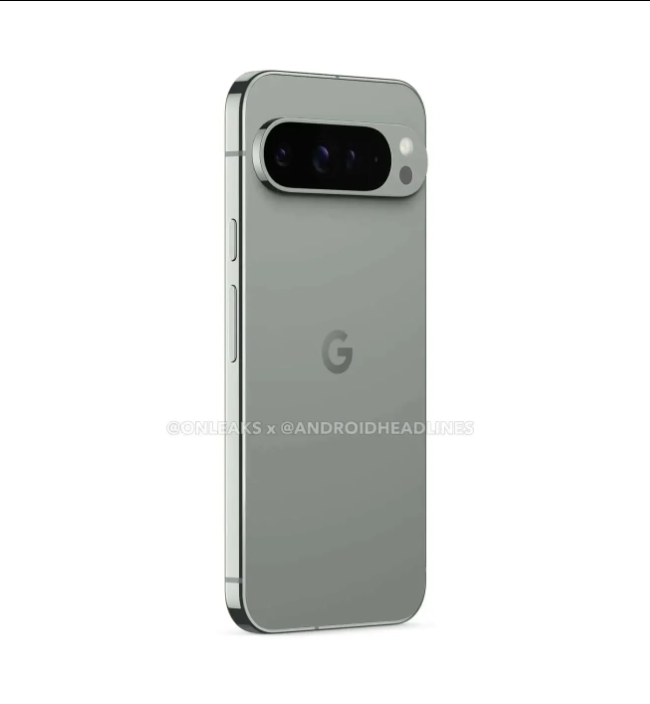
Images published by Android Headlines offer a look at the Pixel 9 Pro XL in “Obsidian,” “Porcelain,” “Rose,” and “Hazel.” All four colors have relatively muted tones to both the back glass and the polished metal frame.
Pixel 9 Pro XL in “Obsidian” color
Pixel 9 Pro XL in “Porcelain” color
“Obsidian” and “Porcelain” are mostly unchanged from last year, besides the striking colors added to the frames. Last year’s variants didn’t feature quite the same look to the frame. It’s also noteworthy that Google has done away with the glossy camera bar finish in place of a matte finish which should mostly eliminate scratching problems that have been ongoing on the “Pro” series since 2021’s Pixel 7 Pro.
Meanwhile, “Rose” and “Hazel” are new additions to the “Pro” lineup. Both names were used on last year’s base Pixel 8, but the new versions are a bit more saturated in their colors.
Pixel 9 Pro XL in “Rose” color
Pixel 9 Pro XL in “Hazel” color
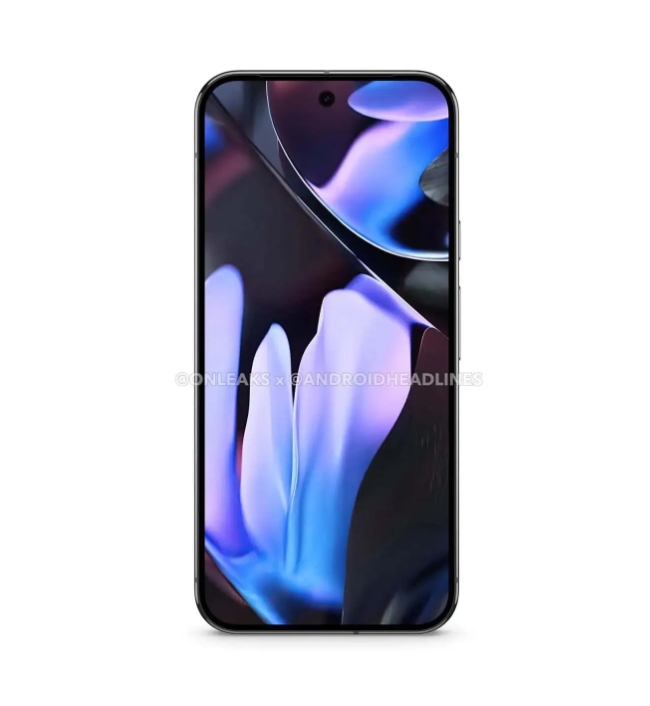
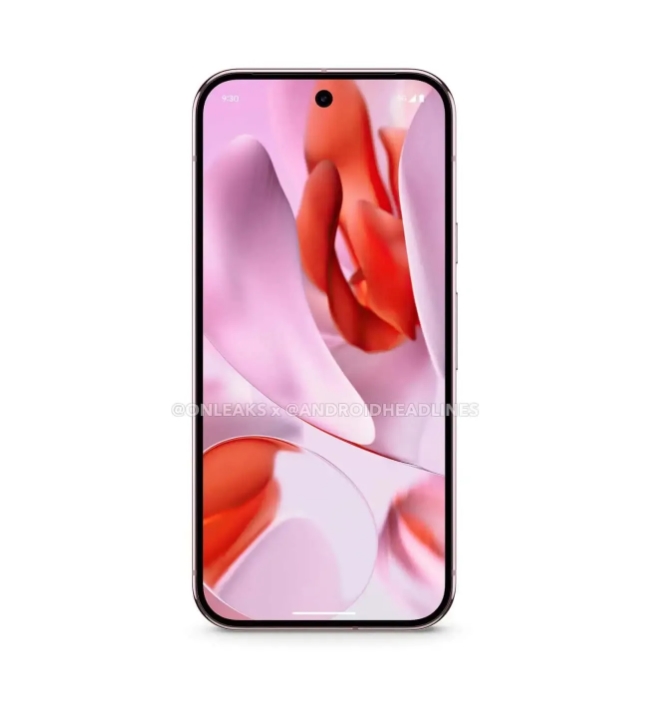
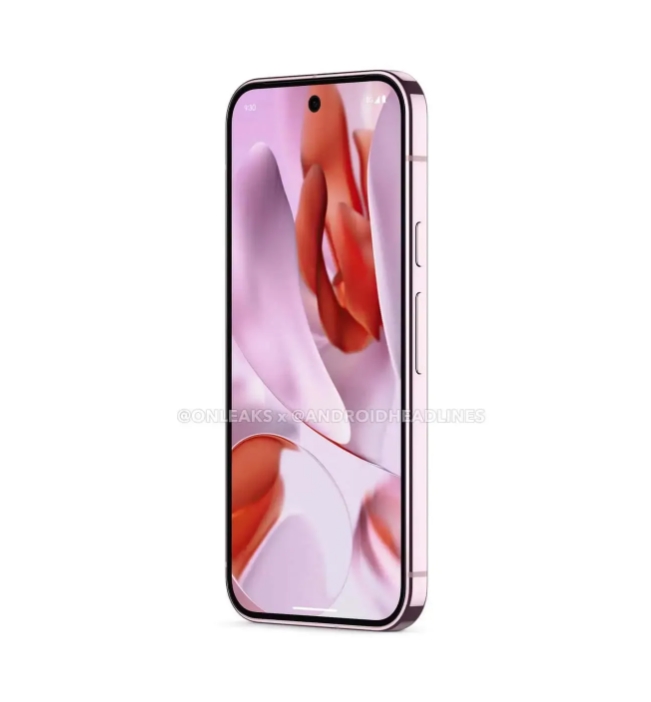
Alongside the colors, we can also better see the display bezels, as we first highlighted in a leak yesterday. The Pixel 9 Pro XL’s bezels, unsurprisingly, look a lot like those on the Pixel 8 Pro.
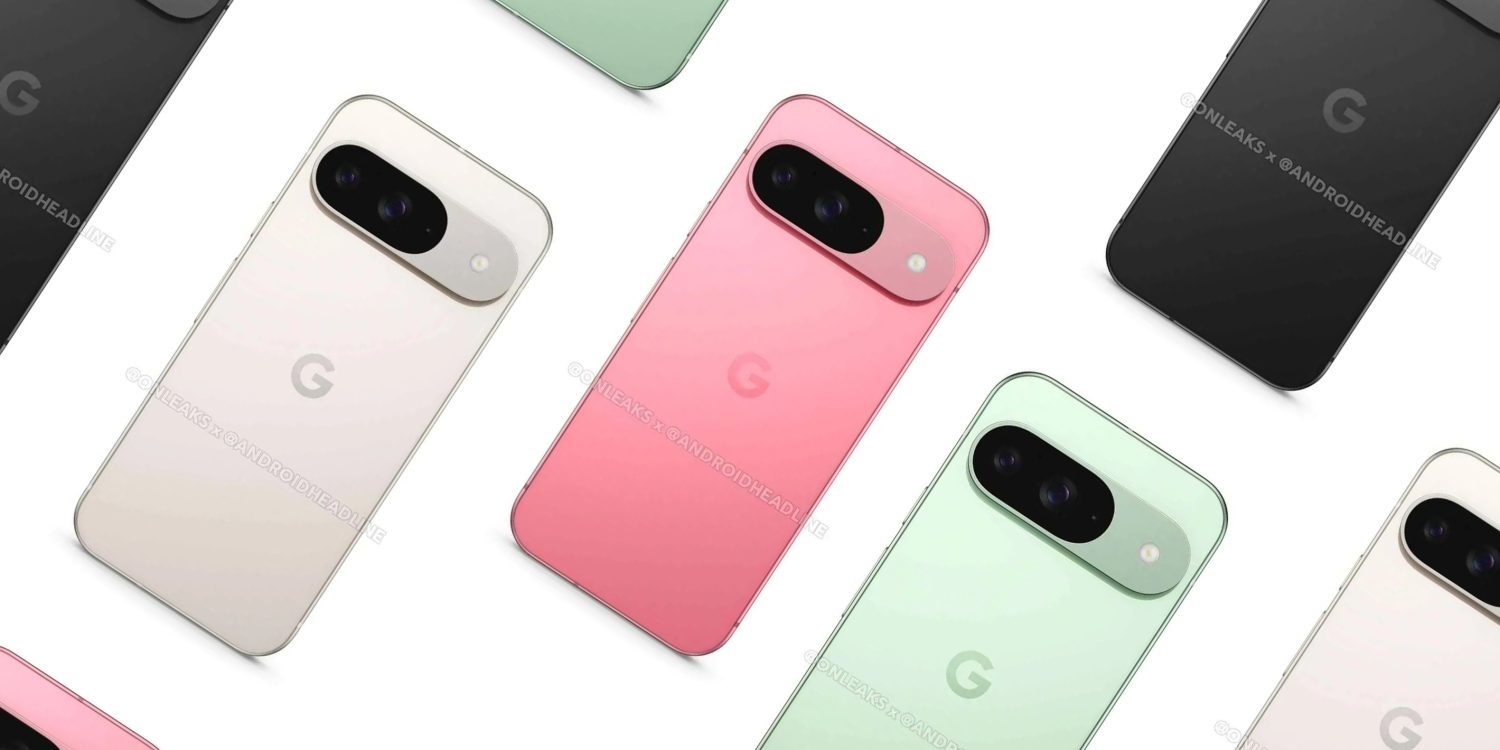
The base Pixel 9 is expected to possibly come in other colors, including a more vibrant pink. Pixel 9 Pro Fold, meanwhile, is likely only going to be available in “Obsidian” and “Porcelain” as hinted at in the past.
One of the core pillars of Google’s first Tensor-powered Pixels was value. By delivering much of the same hardware features at a lesser cost, the deficiencies of Google’s chip could be overlooked relatively easily. Over time, though, prices inevitably went up, peaking with last year’s Pixel 8 at $699 and Pixel 8 Pro at $999.
This year, those prices are expected to go up by around $100 across the board, with a $1,000 Pixel 9 Pro offering a smaller but equally capable alternative to the (likely) $1,100 Pixel 9 Pro XL.
Despite the many Pixel leaks this week, though, we still don’t have confirmation of US pricing for the entire lineup – just the Pixel Watch 3 and the Pixel 9 Pro Fold.
But why are they going up? In terms of hardware design, the Pixel 9 series is certainly an upgrade in some ways, but new devices generally don’t bring an upcharge for design alone unless there are material changes, and none of that is expected. The displays are getting better across the board, but that’s also not something that usually comes with a price bump. Starting storage totals are supposedly unchanged, and Google is still set for 7 years of updates, which was arguably the biggest reason last year’s price bump didn’t sting all that much.
There are some more meaningful upgrades at play. The cameras on the Pro series are better, with a much higher-resolution selfie camera and a better sensor for the ultrawide on the back too. The existence of the smaller Pixel 9 Pro on its own is also a welcome addition to the lineup for many who were starved for a capable but smaller device for years. Tensor G4 in itself isn’t a big upgrade, but rumors of free-for-a-while satellite connectivity and the better modem should be meaningful additions as well.
But I do think there’s one very tangible upgrade that a lot of people are overlooking, and that’s memory.
According to leaks, Google is equipping the entire Pixel 9 series with more RAM this year. The base Pixel 9 will allegedly ship with 12GB of RAM, while the Pixel 9 Pro and Pro XL (and Fold) will get 16GB of RAM by default. 16GB of RAM is a total that was unheard of just a few years ago, and is still exceedingly uncommon for most smartphones, especially in base configurations. For comparison, Samsung’s $1,300 Galaxy S24 Ultra doesn’t have a 16GB variant, and certainly doesn’t offer that in its base model. Looking at the Galaxy S24 series as a means of comparison, 12GB and 16GB really does eclipse Google’s primary competition, as the base Galaxy S24 only have 8GB of RAM.
The reason for this is most likely for the sake of AI, as on-device AI tends to rely heavily on plenty of memory. But, even if AI isn’t something you’ll use frequently, that additional memory should provide a boost to overall performance in day-to-day tasks, and that excess memory will be very useful in the years to come as AI constantly changes the focus of our phones. It should also prove helpful through the near-decade of software support these phones are getting.
I do think Google should have gone ahead and also upped the base storage to 256GB alongside that change, but effectively upping the RAM by 25% or more is quite an impactful change, and one that I think does ease the sting of higher pricing, at least in my book. It does sound like pre-orders will come with boosted storage, though.
What do you think?
Now, the other question that begs to be asked here is that if the Pixel 9 Pro Fold isn’t getting a price increase despite it’s much longer list of additional upgrades, why are the other models? And I think the reasoning here is obvious. The Pixel 9 Pro Fold, like the Pixel Fold before it, is expensive, and at such a high price, it’s really hard to justify an increase. Google’s Pixel Fold should have been cheaper, but based on everything we’ve heard about the new one, the sequel actually seems somewhat worthy of its price – maybe, we’ll see.
Following QPR3 last month, the Android 14 July security patch is rolling out today for the Pixel 5a, 6, 6 Pro, 6a, 7, 7 Pro, 7a, Tablet, Fold, 8, 8 Pro, and 8a. Compared to the delays last month, it’s coming sooner, though the Pixel Watch update rolled out first on Monday.
There are 10 security issues resolved in the Android 14 July patch dated 2024-07-01 and 19 for 2024-07-05. Vulnerabilities range from high to critical. The dedicated bulletin for Google devices lists 4 additional security fixes.
The Pixel 8 series has its own .005 build, while everything else is on .004 this month. There’s a separate Telus Australia build for the Pixel 8, 8 Pro, and 8a.
Google’s Pixel phones have never really held up to the competition in regards to using the latest and greatest specs, but the company has been stepping it up in certain areas. After the debut of “Actua” displays on the Pixel 8 series, Google is reportedly looking to use the same Samsung OLED display in the Pixel 9 series as Apple will use in the iPhone 16 Pro.
The Pixel 8 series saw Google jump from lagging well behind in display quality to putting out what was briefly the best smartphone display in the US market. That was thanks to an OLED panel from Samsung, which offered excellent brightness and colors.
According to a new report, Google will again be turning to Samsung for its display.
ETNews reports that Google will utilize an updated “M14” OLED panel from Samsung. The new panel is said to be brighter and have an improved lifespan. According to the report, Google will be utilizing this new generation of OLED panel in the Pixel 9, Pixel 9 Pro, Pixel 9 Pro XL, and Pixel 9 Pro Fold.
Something worth noting, though, is that Google won’t be alone here. The iPhone 16 Pro lineup is also expected to use this same new panel. Apple has, for the past couple of years, been using Samsung’s top-of-the-line displays in its “Pro” iPhones, with the “M12” being used in previous releases. That same generation will still be used in the base iPhone 16 models, but iPhone 16 Pro and Pro Max will both use “M14” like the Pixel.
Google is set to launch the Pixel 9 series on August 13, way ahead of the company’s usual schedule. Apple, meanwhile, is still expected to launch new iPhones in September.
Google announces early August 13 event for Pixel 9 and Pixel Watch 3
Last June 25, 2024 announced that its annual Pixel hardware event will be taking place on August 13. This is incredibly early for 2024 with Made by Google usually taking place in October.
Instead of New York City, Made by Google 2024 is taking place at the company’s headquarters in Mountain View, California. The first two Made by Google events were held in San Francisco before the East Coast shift.
This year’s keynote starts at 10 a.m. PT, with the invite announcement coming 1.5 months before the actual event. Last year, Google announced the event a month before it took place.
The invite is very telling for highlighting Google AI, Android, and Pixel:
You’re invited to an in-person Made by Google event where we’ll showcase the best of Google AI, Android software and the Pixel portfolio of devices.
Meanwhile, we previously reported on a 41mm and 45mm Pixel Watch 3, with renders confirming how it looks like the first two generations. We also reported on Pixel Buds Pro 2.
In addition to announcing the August 13 event, Google today is out with the first Pixel 9 Pro tease.
At store.google.com/us/magazine/google_pixel_9_pro, you’ll find a 12-second video that starts by animating “Google Pixel” with a Gemini-esque color palette leveraged. The text disappears save for “ix” — or the Roman Numeral for 9.
We then see a shimmer show off the perimeter of the device, as well as the camera bar. Featuring three lenses, this is definitely a Pro model in a lighter color.
This Pixel 9 Pro tease ends on August 13, 2024 in Roman Numerals.
The keynote takes place on Tuesday, August 13 from 10 to 11 a.m. PT. As always, there will be a YouTube livestream. In announcing the event, Google has repeatedly mentioned Android, Gemini, and Pixel.
Made by Google will showcase what happens when we bring the best of Google AI and our mobile platform together. Tune in to see the latest exciting updates across Android, Gemini, and the Pixel portfolio of devices.
It comes as Android and Pixel are now part of the same division: Platforms & Devices. The hope is that this leads to an even more integrated software/hardware experience. Meanwhile, Google teased at I/O 2024 that Pixel this year would get Gemini Nano with Multimodality to power experiences like spam call detection.
Google also demoed Gemini Live and the Pixel 9 series might be one of the first devices to get the conversational experience, which is slated to get Astra’s live camera capabilities later this year.
There are also a few references to “magic,” including “Don’t miss the magic” on the Google Store homepage.
The June Feature Drop continues to roll out through a series of app updates. Pixel Camera 9.4 brings manual lens section to the Pixel 6/7 Pro and Fold, as well as other tweaks.
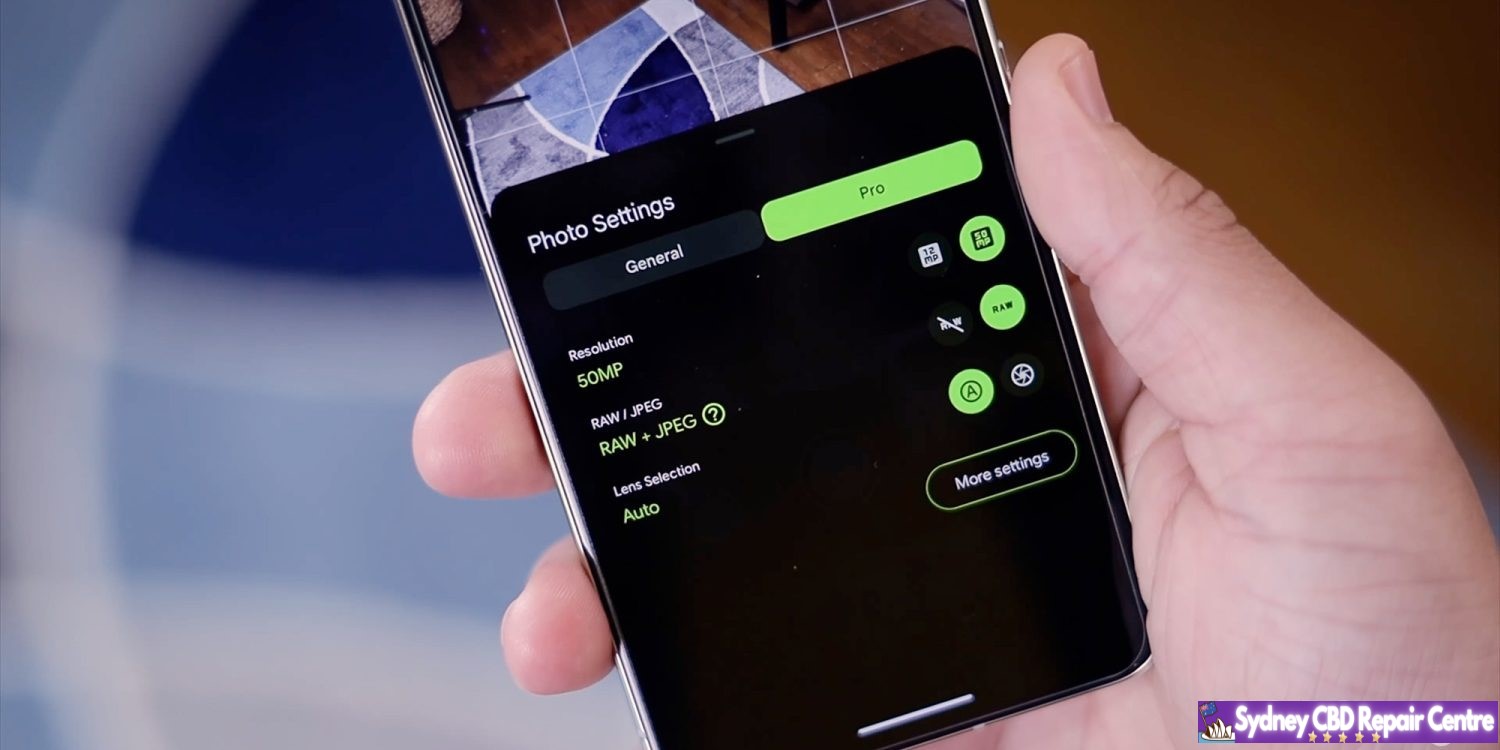
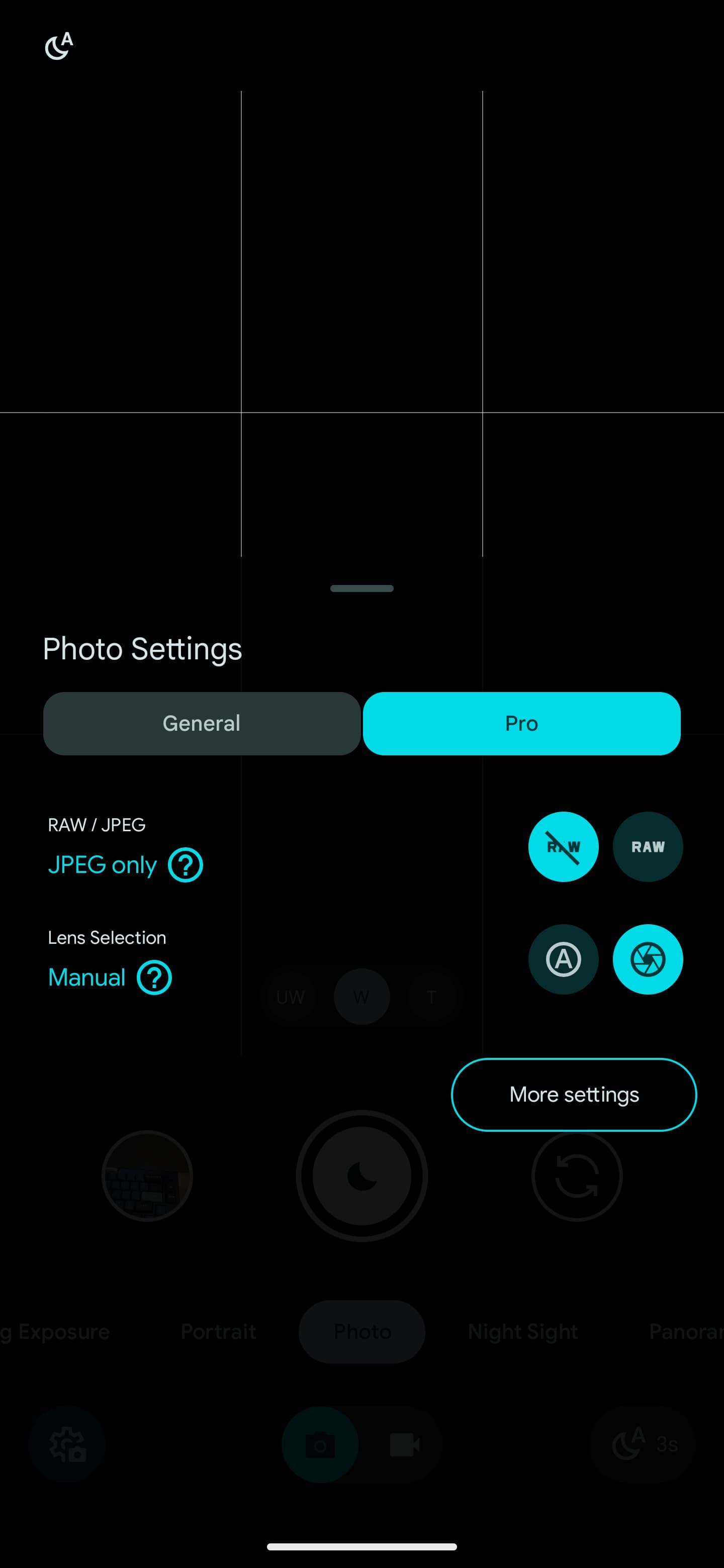
Like on the Pixel 8 Pro, Google’s two other premium phones and foldable now let you choose one of the three rear lenses for a shot. Tap the settings gear in the bottom-left corner (or swipe up) for Photo Settings. You’ll find a new “Pro” tab next to “General” with Lens Selection: Auto or Manual.
(Despite the tab’s name, these aren’t the “Pro controls” introduced on the Pixel 8 Pro that let you adjust Focus, Shutter Speed, and ISO.)
The zoom pill above the shutter button gets replaced by Ultra Wide, Wide, and Telephoto. Pinch in/out to zoom when this manual mode is enabled. Google will default to W when you open the app later.
Another change sees Pixel Camera move the RAW / JPEG picker to the Pro tab. It was previously buried in Settings > Advanced. This makes switching much easier when you want to professionally edit the shot later. Compared to the 8 Pro, you do not get the Resolution preference: 12MP or 50MP.
This update presumably brings the HDR+ Improved Frame Selection to the Pixel 6+, including Fold and Tablet:
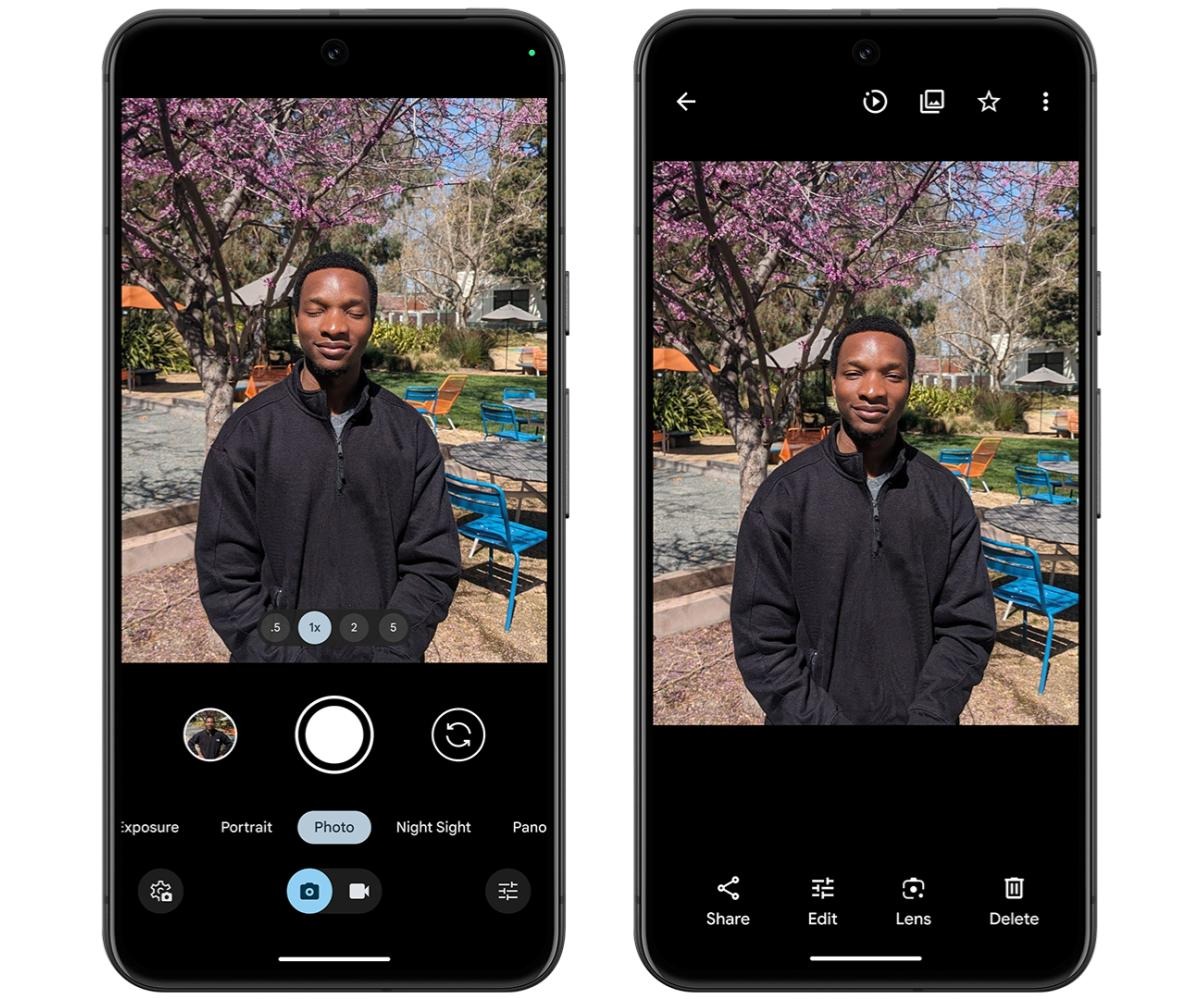
HDR+ is now better about identifying the best moment from your photo in HDR+ with just a single shutter press. It’s smarter about which base frame it selects to produce the multi-frame merged image, looking at criteria such as open eyes and smiling subjects.
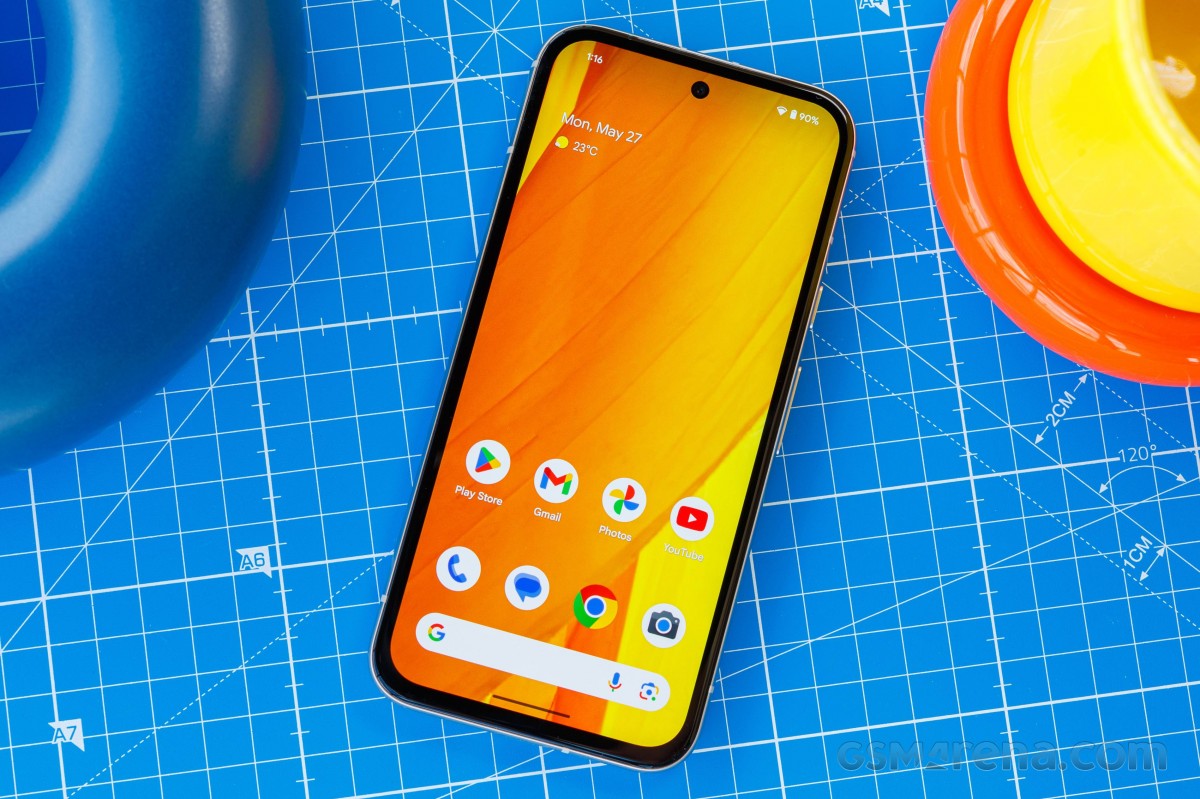
Google Pixel 8a is now available in many markets, be it via the official Google Store or third-party retailers. It looks a lot like the OG Pixel 8; it offers a streamlined feature set and is priced a bit lower. But is it the one you should get? Let’s find out.
The Google Pixel 8a is the next installment in the Pixel ‘a’ series, which many consider to be standing for ‘affordable’. The logic is sound – the design has been simplified, the cameras – less complicated, the connectivity – less premium. And finally – it is cheaper than the Pixel 8 even if not by a large margin.
The Pixel 8a has a similar design, but its front glass is an older Gorilla Glass 3 and the rear part is entirely made of plastic, the camera housing included. It is IP67-rated for dust and water resistance, and it is available in familiar colorways – Obsidian, Porcelain, Bay, Aloe.
The Pixel 8a employs a bit smaller 6.1-inch OLED screen of extended 1080p resolution and 120Hz refresh rate. It has the same Tensor G3 chip as the Pixel 8 and offers the same memory configuration of 8GB RAM + 128GB UFS storage.
Of course, the camera is what everyone thinks when hearing a Pixel and it will be one of the most discussed aspects about the Pixel 8a. Here we also have a dual-camera setup like on the Pixel 8, but with different sensors – a 64MP OIS primary and a 13MP FF ultrawide. The front camera is also a 13MP, with the same ultrawide lens as on the Pixel 8.
Finally, the Pixel 8a is powered by a 4,492mAh battery capable of up to 30W or so fast wired and up to 7.5W of wireless charging.
Disclaimer. We can not guarantee that the information on this page is 100% correct.
Google Pixel 8a seems like a solid little flagship, one of the very few on the market, and also one that doesn’t cost a thousand dollars/euros. The slow 18W wired charging is a glaring omission on the spec sheet, though.
Unboxing the Pixel 8a
Google was one of the first makers to limit the retail box contents. The Pixel 8a package includes a USB-C cable and a USB-A-to-C adapter.
And that’s it. Still, it’s two accessories more than what Sony would give you in the Xperia retail box so we guess we should not complain.
The competition
The Google Pixel 8a is an excellent compact smartphone – it has a great design, a great OLED screen, a powerful chipset, good battery life and a superb camera experience. It’s the launch price that seems to be standing in its way of greatness, though it has begun to drop shortly after its premiere, which is a good sign.
The Pixel 8a launched at €549, so the “a” doesn’t seem to stand for affordable this time around. Especially considering that the Pixel 8’s price has dropped to €525 at third party sellers, making it the better choice of the two for its more premium design, slimmer bezels, better cameras (in specific use cases), and noticeably faster charging.
The Galaxy S24 is about €90 more expensive, but it will offer a more dynamic display with higher brightness, a much faster and more modern processor, more versatile camera experience, and faster charging.
Xiaomi 14 and iPhone 15 are popular compact alternatives, though they are about €200 more than the Pixel 8a, immediately making them the less attractive options. Sure, the Xiaomi 14 will give a much better screen and a much more powerful CPU and camera kit, but these come at a hefty premium.
Google Pixel 8 • Samsung Galaxy S24 • Xiaomi 14 • Apple iPhone 15
The verdict
The Google Pixel 8a turned out to be an incredibly capable compact smartphone – a rare breed. It aced our screen, battery, and speaker tests, it offers an easily likable and unique design, its performance is alright, and its camera is worthy of the Pixel name.
There are a couple of things to consider – like the thick bezels, the slow charging, and the heavy performance throttling under load.
We would still have liked to recommend the Pixel 8a, but unfortunately, at third-party retailers, its price is ridiculously close to that of the Pixel 8, which is the better phone by all accounts. The price has begun to go down already, so once it settles around the €420 mark and the “a” once again stands for affordable – it’s safe to say the Pixel 8a would be well worth considering.
Pros
Sturdy Pixel design, likable, IP67, compact.
Great OLED, bright, color-accurate, smooth.
Good battery life.
Very good speakers.
Decent performance.
Excellent photo and video quality across all cameras.
In addition to the Feature Drop, Google is rolling out QPR3 to Android 14 with the June 2024 security patch for the latest Pixel devices: 5a, 6, 6 Pro, 6a, 7, 7 Pro, 7a, Tablet, Fold, 8, 8 Pro, and 8a.
As the last major Android 14 update before Android 15, QPR3 is light on user-facing changes. For example, the Suggestions section of the Widgets list now shows app icons.
There are a few tweaks in Settings from the “Passwords, passkeys & autofill” rename to a new Display > Touch sensitivity menu that houses the existing Screen protector mode. Under Sound & vibration > Vibration & haptics, there’s a new “Keyboard vibration” toggle that replaces the Gboard preference.
In Security & privacy > More security & privacy, you’ll find “Allow camera software extensions”: “Enables the default software implementation of advanced camera features, such as Eyes Free videography.”
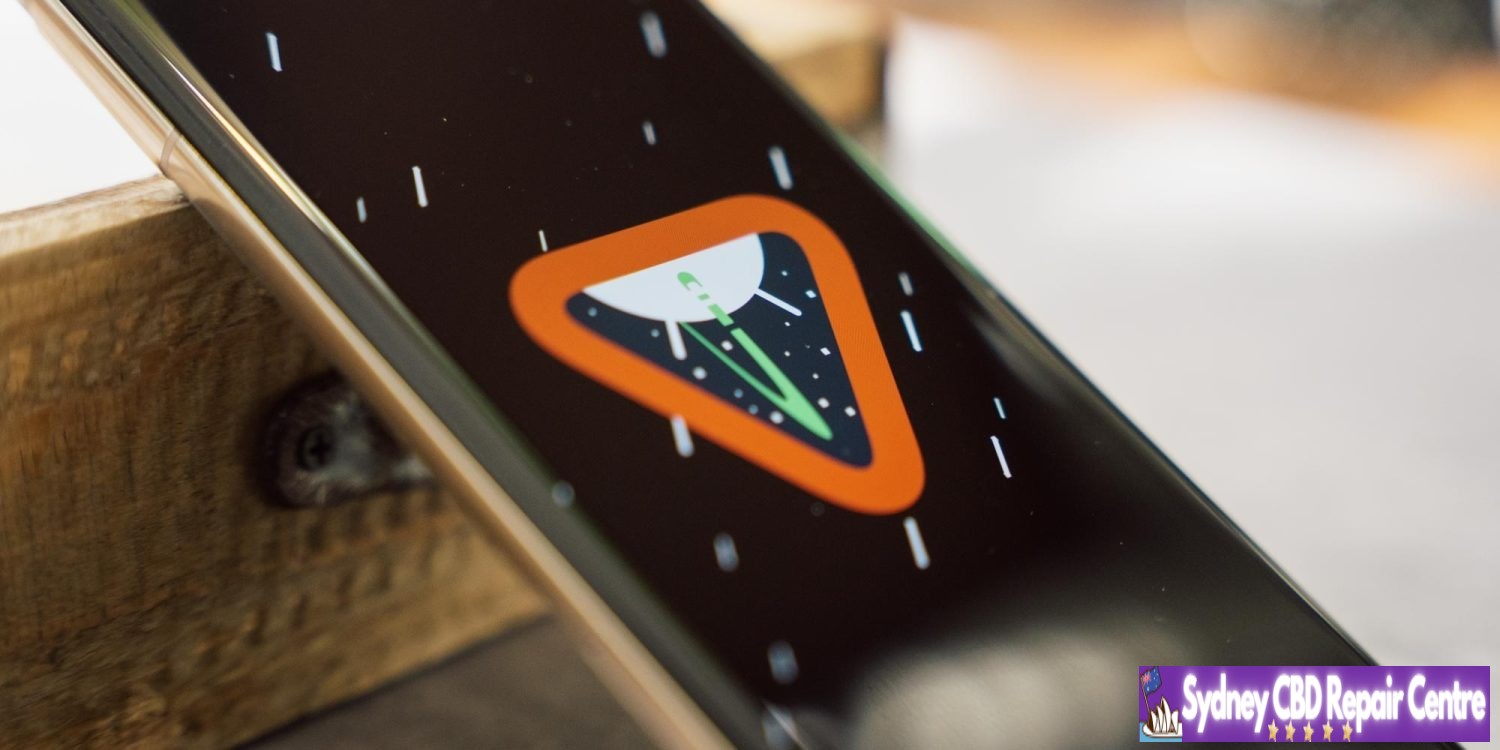
As seen in the cover image, Google has updated the Android 14 easter egg ahead of Android 15 (V).
There are 22 security issues resolved in the Android 14 June patch dated 2024-06-01 and 18 for 2024-06-05. Vulnerabilities range from high to critical.
The dedicated bulletin for Google devices lists additional security fixes.
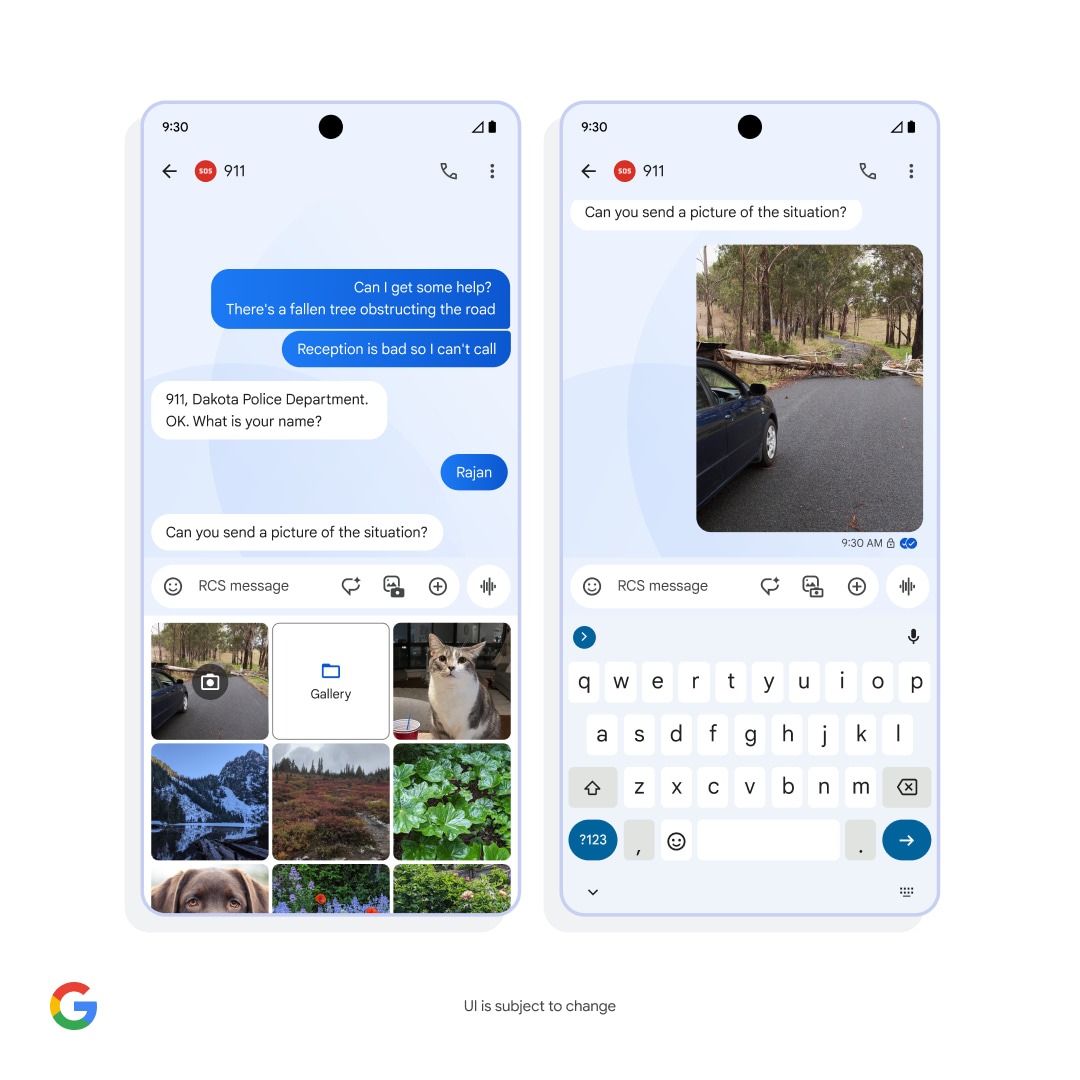
On June 06,20204 Googleannounced a partnership that will allow Android users to message 911 through RCS. The capability is set to start rolling out this winter.
Communicating with 911 over SMS is possible in “some locations” today, but it’s not widespread. In fact, it’s “only available for around 53% of U.S. emergency responder call centers.”
Using Google Messages, those on Android will be able to text 911 using Rich Communication Services. This will let you see read receipts and typing indicators from emergency responders, thus eliminating the “uncertainty of waiting to see if your messages went through.”
Compared to SMS, RCS will allow you to send pictures and videos. Google says high-resolution media could “aid a faster and more effective response from emergency service providers.”
The last benefit is the ability to “share your precise location and additional information automatically through Android Emergency Location Service.” This can include your “language settings and opt-in Medical Information, so emergency responders know exactly where to go and can get helpful details from you even if you’re unable to reply.”
Google is partnering with emergency technology company RapidSOS on this launch. RCS support will “gradually roll out” to “emergency call centers across the U.S. starting this winter.” RapidSOS says that “Google’s RCS to 911 service will be made available at no cost to every 911 agency in the United States.”
More broadly, Google has a goal of making “RCS the standard for emergency services texting everywhere.”
As part of our commitment to user safety, we’re actively working with partners across the industry to expand access to emergency services through RCS.
On a different note, look at the tweaked media gallery in that “UI is subject to change” mockup. Instead of a large camera card, you get a consistent grid for the live preview, Gallery/Folders, and seven other images. You get to see more of your camera roll before having to scroll.