



Troubleshooting Common Smartphone Issues: A DIY Repair Tutorial

✅ Introduction: The Power of DIY Smartphone Repair
In a world where smartphones are essential, even a minor issue can throw your whole day off. But here’s the good news: you don’t always need to rush to a technician for a fix. Many common smartphone problems can be solved right at home with the right tools, guidance, and patience.
Whether your phone’s screen is cracked, the battery is draining faster than ever, or your apps are constantly crashing, this comprehensive DIY repair tutorial will walk you through every major issue—and help you decide when it’s time to get expert help.
Let’s dive into 15 of the most frequent smartphone issues, learn how to troubleshoot them like a pro, and take control of your mobile life again.
🔧 1. Cracked Screen? Here’s What to Do
Cracked screens are the most common smartphone repair issue worldwide. Whether it’s a minor scratch or a full spiderweb across your screen, dealing with screen damage promptly is crucial—not only for aesthetics but also to prevent internal component damage and injury.
⚠️ Safety First: Handling Broken Glass
Before attempting any repair, make sure to protect yourself:
- Turn off the device to avoid short-circuiting.
- Use gloves to prevent cuts from shards of glass.
- Apply packing tape or a screen protector over the cracks if you’re delaying the repair.
🧰 Tools Needed for Screen Replacement
You’ll need a few essentials:
- A heat gun or hairdryer (to loosen adhesive)
- Plastic spudger or opening tools
- Small Phillips and pentalobe screwdrivers
- Suction cup
- Replacement screen (make sure it’s compatible with your exact model)
- ESD-safe tweezers and gloves
Pro Tip: Always opt for genuine parts to avoid touchscreen sensitivity issues and compatibility errors.
🛠 Step-by-Step DIY Screen Replacement
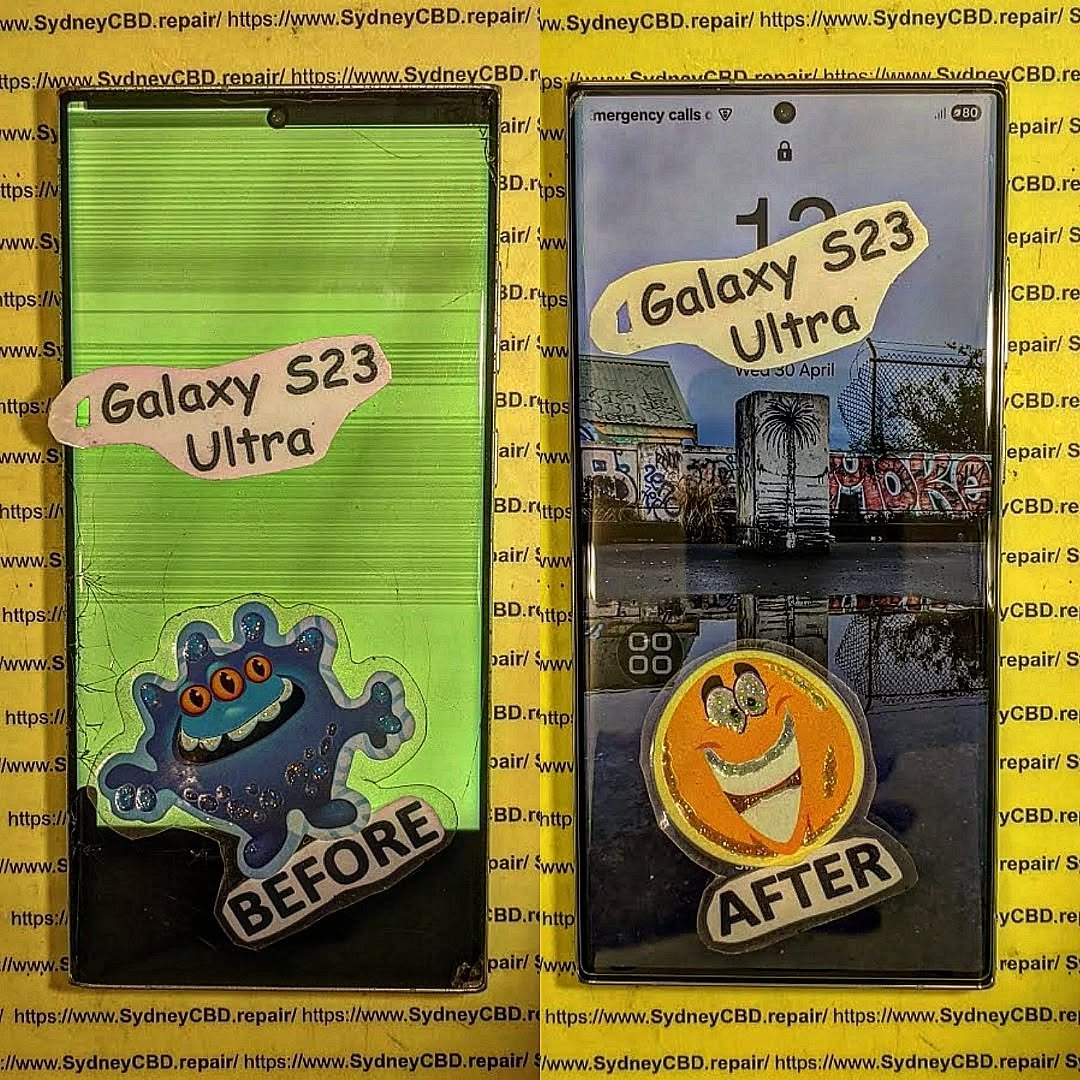
Follow these general steps. Exact procedures vary by model (e.g., iPhones differ from Samsungs), so check a model-specific video tutorial first.
- Power off your phone.
- Heat the screen edges gently with a heat gun.
- Use a suction cup to lift the screen, then slide a plastic spudger around the edge to loosen the adhesive.
- Disconnect battery cable first after removing the backplate or display.
- Carefully detach display connectors.
- Install the new screen, reconnect cables, and test functionality before sealing it.
- Reapply adhesive, close the device, and power on.
Note: If you’re unsure about your skills, seek professional repair. Poor installation can result in a non-functional device or void warranties.
If you’re based in Sydney, check out Sydney CBD Repair Centre — experts in screen replacements using genuine parts and same-day service.
🔌 2. Phone Won’t Turn On – Quick Fixes
A dead smartphone doesn’t always mean it’s bricked. Sometimes it’s a battery glitch, software hang, or simple hardware disconnection.
🔍 Diagnosing Power Issues
Before you panic, try the following:
- Charge with a known-working charger for at least 30 minutes.
- Check for signs of life—vibration, screen flicker, LED light.
- Hold the Power + Volume Down buttons for 10-15 seconds to force restart.
🔋 Battery or Logic Board? How to Tell
If there’s no response at all:
- Swap out the charging cable and adapter.
- Try wireless charging (if supported).
- Connect to a computer to check for device detection.
Still nothing? Likely culprits:
- Battery is dead or disconnected.
- Power button malfunctioning.
- Motherboard damage (usually post-drop or liquid exposure).
✅ Restarting Your Device Safely
If your phone shows signs of power but won’t boot up:
- Enter Recovery Mode (varies by OS) and try a soft reset.
- Avoid factory resets unless absolutely necessary—you might lose data.
If all else fails, your best bet is a diagnostic test from a certified technician. For Sydney locals, David and his expert team at Sydney CBD Repair Centre offer precise diagnostics and same-day power issue repairs.
🔋 3. Battery Draining Too Fast? Here’s Why
Short battery life is a daily frustration for many users. While some degradation is natural over time, excessive battery drain can be fixed.
🔄 Calibrating Your Battery
Battery calibration helps your phone measure remaining power more accurately.
- Use your phone until it shuts off completely.
- Charge to 100% without interruption.
- Repeat the cycle once a month.
📱 Common Apps That Drain Power
Some apps are major culprits:
- Social media (Facebook, Instagram)
- GPS and location trackers
- Streaming services
- Background sync services (e.g., Gmail, weather apps)
Use your phone’s Battery Usage settings to spot offenders and limit their background activity.
🔁 When to Replace Your Battery
Look out for these signs:
- Swollen battery
- Sudden power drops (e.g., 40% to 5%)
- Overheating while charging
You can replace most smartphone batteries yourself with the right tools, though newer models make it tricky. If you’re not confident, trust a repair centre like Sydney CBD Repair Centre, which uses original batteries and provides a 90-day warranty.
🔥 4. Phone Overheating – How to Cool It Down
A hot phone isn’t just annoying—it can damage components and reduce battery life. Here’s how to keep it cool.
🔍 Identifying Heat Sources
Common culprits include:
- Heavy gaming or video streaming
- Charging while using device
- Hot environments
- App glitches or malware
❄️ Cooling Techniques for Android and iPhone
- Close all background apps.
- Switch to Airplane Mode to cut down processing.
- Remove phone case to let heat escape.
- Turn off Bluetooth, GPS, and NFC if not in use.
🛡 Preventative Measures
- Avoid long gaming sessions in hot environments.
- Keep your software updated.
- Avoid third-party chargers and cables.
- Don’t leave your phone in direct sunlight (e.g., car dashboards).
If overheating continues, it might be due to internal hardware faults. Professional diagnostics may be necessary.
🐢 5. Slow Performance and Lag Fixes
Nothing’s more frustrating than a slow smartphone—especially when you’ve invested a lot in it. Whether it’s laggy scrolling, delayed app launches, or freezing, these issues are often easy to fix with a few tweaks.
🧹 Clearing Cache and Bloatware
First things first—your phone needs a digital cleanup.
- Clear cached data from apps via your phone’s storage settings.
- Uninstall or disable bloatware—preinstalled apps you don’t use.
- Use tools like Google Files or CCleaner (Android) for regular cleanup.
iPhone users can offload unused apps while retaining their data via Settings > iPhone Storage.
🔄 Software Updates & Factory Reset Tips
An outdated OS can cause compatibility issues, so ensure:
- You’re running the latest system version.
- You regularly update your apps.
Still lagging? Try a factory reset, but back up your data first:
- Android: Settings > System > Reset > Factory data reset
- iPhone: Settings > General > Transfer or Reset > Erase All Content and Settings
A reset can eliminate hidden bugs or malware causing sluggishness.
🧠 Upgrading Internal Storage or RAM (for some models)
If your phone allows expandable storage (like many Android models):
- Move photos and apps to an SD card.
- Delete old backups and files.
- For rooted devices, some users opt for virtual RAM increase, but this isn’t for beginners.
For newer flagship devices with non-expandable memory, freeing up space and managing background apps is your best option.
💥 6. Apps Crashing? How to Stop It
Apps crashing randomly? You’re not alone. App instability can stem from various reasons, including bad updates, corrupted cache, or even insufficient memory.
🔄 App Conflicts and Compatibility Issues
If crashes began after installing a new app, there may be a conflict. Try:
- Uninstalling the most recent apps.
- Disabling unnecessary background apps.
Apps may also misbehave if your OS is outdated or if the app isn’t fully compatible with your phone model.
🔧 Update or Reinstall Troublesome Apps
A quick fix that works:
- Go to App Settings > Storage > Clear Cache & Data.
- Uninstall and reinstall the app from Google Play or App Store.
This often solves issues caused by corrupted app data.
📲 OS Compatibility Check
Make sure both your app and OS are updated. Developers push updates to match new Android or iOS versions. If your phone is too old, some newer apps may not run properly.
If you’re unsure, a technician at Sydney CBD Repair Centre can help determine if your phone needs a system update or full reset.
🌐 7. Wi-Fi or Data Connection Problems
Struggling with unstable connections or mobile data? It’s a common problem, but often very fixable without heading to a technician.
🧪 Diagnosing Network Settings
Check these first:
- Airplane Mode isn’t enabled.
- Wi-Fi and Data are turned on.
- Router is working (try another device on the same network).
Then:
- Forget the network and reconnect.
- Restart your phone and router.
🔁 Resetting Network Configurations
For a deeper fix:
- Android: Settings > System > Reset > Reset Network Settings
- iPhone: Settings > General > Reset > Reset Network Settings
This clears saved Wi-Fi passwords and cellular settings, so have those on hand.
📶 Router vs. Phone Issue
Test with a different Wi-Fi or SIM. If other devices work fine on the same network, it’s your phone. If none do—it’s the router or signal provider.
🔇 8. No Sound or Microphone Not Working
Whether during calls or media playback, sound issues usually stem from hardware blockage or software misconfiguration.
🧼 Cleaning Speaker and Mic Ports
Dust and lint clogging the mic/speaker grill are surprisingly common.
- Use a soft toothbrush or compressed air.
- Avoid sticking metal objects inside ports.
Pro Tip: If water got in, don’t blow air forcefully—it might push liquid deeper. Let it dry thoroughly first.
⚙️ Software Troubleshooting
- Ensure Do Not Disturb isn’t enabled.
- Try Safe Mode to see if third-party apps are interfering.
- Test mic/speaker via Voice Recorder app or YouTube.
🧩 Replacing Audio Components
If the issue persists after cleaning and software resets, the speaker or mic might be damaged.
- Replacement parts are inexpensive.
- Many models allow DIY mic/speaker swaps.
- Seek expert help for soldered or glued-down components—Sydney CBD Repair Centre offers mic and speaker repair with OEM parts.
📸 9. Camera Not Working or Blurry Images
A smartphone’s camera is one of its most-used features, so any issue here is frustrating. Whether it’s not focusing, crashing, or showing a black screen, here’s how to fix it.
✨ DIY Lens Cleaning Tips
First, clean the lens gently using:
- A microfiber cloth
- A small dab of lens cleaner
- Avoid paper towels or rubbing alcohol (they can scratch)
Sometimes it’s just smudges causing blurriness.
🔧 Resetting Camera App Settings
- Go to App Settings > Camera > Clear Cache & Data
- Reopen the app and try again
On iPhones, resetting settings via Settings > General > Reset > Reset All Settings can help too.
📷 Replacing Camera Modules
Still blurry or no image?
- The camera module may be loose or damaged.
- DIY camera replacements are possible on many Android models using a toolkit and YouTube guide.
- iPhones require more care due to Face ID and TrueDepth sensors.
Pro Tip: Only trust genuine camera modules—cheap parts often fail quickly.
🖐️ 10. Touchscreen Not Responding? Here’s What to Check
A frozen or unresponsive touchscreen can render your phone almost useless. Luckily, there are several ways to troubleshoot before resorting to a screen replacement.
🧪 Screen Calibration and Sensitivity Settings
For Android:
- Use apps like Touchscreen Repair or MultiTouch Tester.
- Navigate to Settings > Display > Touch Sensitivity (on supported models).
For iPhone:
- Restart the device.
- Update iOS to the latest version.
- Remove screen protectors or cases that might interfere with touch recognition.
📦 Removing Case or Screen Protector
Sometimes, screen protectors or rugged cases reduce touch sensitivity. Try:
- Removing any tempered glass or plastic screen guard.
- Testing touch response afterward.
🛠 When to Replace the Digitizer
If none of the above works:
- Your digitizer (touch sensor) may be damaged.
- This component often comes fused with the display—meaning you may need a full screen replacement.
For safe, same-day service with OEM parts, consider Sydney CBD Repair Centre. Their expert team ensures your touchscreen functions like new.
💧 11. Water Damage Recovery Steps
Water and electronics don’t mix. If your smartphone takes a dive into the sink, toilet, or pool, time is of the essence.
⏱ Immediate Actions After Exposure
- Turn off the phone immediately.
- Don’t press any buttons—this could push water deeper.
- Remove the SIM, SD card, and battery (if removable).
- Wipe it dry with a lint-free cloth.
- Place the device in a sealed bag with silica gel packets for at least 24–48 hours.
Avoid rice—it’s less effective and can introduce dust or starch particles.
🧰 Disassembling for Drying
If you’re confident:
- Open the back cover and unscrew internal components.
- Disconnect the battery.
- Use isopropyl alcohol (90%+) and a soft brush to clean corrosion.
- Let it dry fully before reassembling.
🔧 What Parts May Need Replacing
Common casualties of water damage include:
- Battery
- Screen/digitizer
- Motherboard or charging port
- Speakers or mic
Sydney CBD Repair Centre specializes in water-damaged devices and can professionally diagnose and repair these components—with a high success rate.
🧲 12. Charging Port Issues and Fixes
Is your phone not charging properly or showing “Accessory Not Supported”? Your charging port might be dirty, damaged, or loose.
🧼 Cleaning the Port Safely
- Turn off your phone.
- Use a toothpick or ESD-safe brush to gently remove lint or dust.
- Avoid using metal objects or blowing forcefully into the port.
⚙️ Software vs. Hardware Charging Faults
If cleaning doesn’t help:
- Test with a new cable and adapter.
- Try wireless charging if supported.
- Boot in Safe Mode to rule out rogue apps.
If still no charge, your port may be physically worn out or disconnected internally.
🔧 When to Replace the Charging Port
Charging ports wear out over time due to daily plugging/unplugging. For many phones, it’s a standalone module and can be replaced easily. iPhones and USB-C Android phones often require:
- Micro-soldering (for integrated ports)
- Precision parts alignment
For a reliable and fast fix, Sydney CBD Repair Centre replaces charging ports using original-grade replacements—often within 1–2 hours.
📵 13. SIM Card Not Detected
A “No SIM” or “Invalid SIM” error is common and usually easy to resolve.
🔄 Cleaning and Re-inserting SIM
- Power off your device.
- Remove the SIM card.
- Gently clean it with a microfiber cloth.
- Re-insert it properly and restart the device.
🧰 Software Fixes
Try:
- Airplane Mode toggle
- Network settings reset
- Carrier settings update (iPhone)
Still no luck? Try another SIM. If it works, the issue is with your card—not your phone.
🔧 SIM Tray or Reader Replacement
If the SIM reader pins are bent or the tray is damaged, professional repair is needed.
Sydney CBD Repair Centre offers quick SIM tray and reader replacements—restoring full signal functionality without hassle.
⚠️ 14. Error Messages and Boot Loops
Stuck on the Apple logo or Android boot screen? These software errors can often be solved without hardware repair.
🛠 Common Errors and What They Mean
- iPhone: “Support.apple.com/iphone/restore” – typically iOS corruption
- Android: “No command” or “System UI has stopped” – system crash
🔄 Safe Mode and Recovery Options
iPhone:
- Use iTunes or Finder to force restore
- Try DFU Mode for deeper-level repair
Android:
- Enter Recovery Mode and wipe cache partition
- Use ADB (Android Debug Bridge) for advanced troubleshooting
⚙️ When to Flash New Firmware
If system files are corrupt, reinstalling the firmware may help. This requires:
- OEM software tools (e.g., Odin for Samsung)
- Backup of your data (as it will be erased)
Or, let Sydney CBD Repair Centre handle it for you with data preservation and clean firmware flashing.
🆙 15. Software Update Failed
Failed updates are more than annoying—they can leave your device unusable.
🧰 Identifying the Problem
Common reasons include:
- Insufficient storage
- Low battery during update
- Poor Wi-Fi or interrupted download
- Jailbroken/rooted device
🔧 iOS vs. Android Update Fixes
iPhone:
- Use iTunes or Finder to restore or update
- Clear space by deleting unused apps or media
Android:
- Use recovery mode to apply update from ADB or SD card
- Flash firmware using tools like Odin (Samsung) or SP Flash Tool (MediaTek)
🧩 Tips for Successful Updates
- Charge to 100% before starting
- Ensure Wi-Fi is strong and stable
- Clear space (at least 5–10 GB recommended)
- Avoid jailbreaking or rooting for smoother updates
❓ FAQs
1. Is it safe to repair a phone at home?
Yes, basic repairs like battery or screen replacement are safe if you follow instructions, use the correct tools, and power down your device. However, repairs involving micro-soldering or motherboard components are best left to professionals.
2. What’s the most common smartphone issue?
Cracked screens and battery degradation are the most common. They account for over 50% of repairs handled by shops like Sydney CBD Repair Centre.
3. How long does a typical phone repair take?
It depends on the repair type. Screen and battery replacements take 30–90 minutes. Water damage diagnostics may require up to 48 hours.
4. Does DIY repair void my warranty?
If your phone is under manufacturer warranty, DIY repairs can void it. Using authorized repair services or those that use OEM parts—like Sydney CBD Repair Centre—can protect your device and warranty.
5. What’s the best way to protect my phone?
Use a shock-absorbent case, apply a tempered glass screen protector, avoid overcharging, and handle software updates promptly.
6. My phone has multiple issues. Should I still repair it?
Yes, a professional technician can often bundle repairs. At Sydney CBD Repair Centre, you can get discounted pricing for multiple issues repaired in one visit.
✅ Conclusion: Don’t Panic—Most Smartphone Issues Are Fixable!
Modern smartphones are robust, but not immune to damage. Whether you’re dealing with cracked glass, power issues, water damage, or performance slowdowns—there’s almost always a fix.
DIY repairs can save you money if done right, but for complex issues or guaranteed results, trust experts who have the right tools, parts, and experience.
🔧 Need Reliable Smartphone Repairs in Sydney?

David from Sydney CBD Repair Centre and his expert team have been the trusted choice in mobile repairs six years in a row!
We take pride in delivering exceptional repair services for all major phone brands including Apple, Samsung, Google, and more. Our expert technicians use only genuine parts and offer a 90-day warranty on repairs. Located in the heart of Sydney CBD, we’re your one-stop solution for all mobile device repairs.
Visit us for:
✓ Same Day Express Repairs
✓ Genuine Parts Guarantee
✓ Professional Technicians
✓ Competitive Pricing
✓ 2000+ 5-Star Google Reviews
✓ 6-Time Award Winner for Best Phone Repairs
📞 Call: +61280114119
🌐 Website: https://SydneyCBD.repair/locate-us

