




Is Your Phone Truly Waterproof? Professional Pressure Testing After Every Screen Repair

Is Your Phone Truly Waterproof? 7 Powerful Truths About Professional Pressure Testing After Every Screen Repair
Introduction
Modern smartphones are packed with advanced technology, sleek designs, and impressive durability features. One of the most advertised features today is water resistance. Brands like Apple, Samsung, and Google proudly market devices with IP67 or IP68 ratings. However, many users misunderstand what these ratings actually mean.
A phone may resist water under controlled laboratory conditions, but that doesn’t guarantee permanent protection in real-world use. In fact, after a cracked screen replacement, battery repair, or frame adjustment, your phone’s original waterproof seal can be compromised. That’s where professional pressure testing becomes essential.
Many repair shops skip this important step. Others use low-quality adhesives that weaken the device’s resistance to moisture and dust. As a result, customers unknowingly carry phones that are vulnerable to water damage.
Professional pressure testing after every screen repair helps confirm whether the device still maintains proper sealing integrity. It’s one of the most important procedures in modern phone repair, especially for expensive flagship devices.
In this article, you’ll discover how waterproofing works, why repairs affect it, and how pressure testing protects your investment.
Why Waterproof Phones Aren’t Completely Waterproof
The term “waterproof” is commonly used in marketing, but technically, most smartphones are only water-resistant. There’s a major difference.
A truly waterproof device would be completely immune to water damage under all conditions. Smartphones don’t meet that standard. Instead, they rely on tightly sealed components, adhesives, and rubber gaskets to reduce water intrusion.
Over time, those protective materials naturally wear down due to:
- Heat exposure
- Daily charging
- Drops and impacts
- Aging adhesives
- Previous repairs
- Frame bending
- Dust contamination
Even normal use can weaken a phone’s resistance. A single drop onto concrete may create tiny frame distortions that reduce sealing performance.
That’s why manufacturers usually state that liquid damage isn’t covered under warranty, even on water-resistant models.
The Reality of Water Resistance
Water resistance is temporary. It can decrease gradually without obvious signs. Many people only discover the issue after their device suddenly stops working from moisture exposure.
This is especially important after screen repairs because opening the device breaks the factory adhesive seal.
Understanding IP Ratings and Water Resistance
IP ratings help consumers understand a device’s resistance to solids and liquids.
What Does IP Mean?
IP stands for “Ingress Protection.” The numbers after it indicate protection levels.
| Rating | Dust Protection | Water Protection |
|---|---|---|
| IP67 | Complete dust protection | Immersion up to 1 meter |
| IP68 | Complete dust protection | Deeper immersion under specific conditions |
For example:
- iPhone 15 Pro carries an IP68 rating.
- Samsung Galaxy S24 Ultra also features IP68 protection.
However, these tests are performed in controlled lab environments using fresh water. Real-life situations involve:
- Salt water
- Chlorinated pools
- Soap residue
- Steam
- Pressure changes
- Hot water
These conditions affect seals differently and can cause unexpected damage.
Why IP Ratings Don’t Last Forever
Manufacturers design phones with adhesive barriers around:
- Displays
- Charging ports
- Buttons
- Speakers
- Camera modules
When technicians open the phone during repairs, these seals are disturbed. Without proper resealing and pressure testing, the IP rating may no longer be reliable.
How Screen Repairs Affect Waterproof Seals
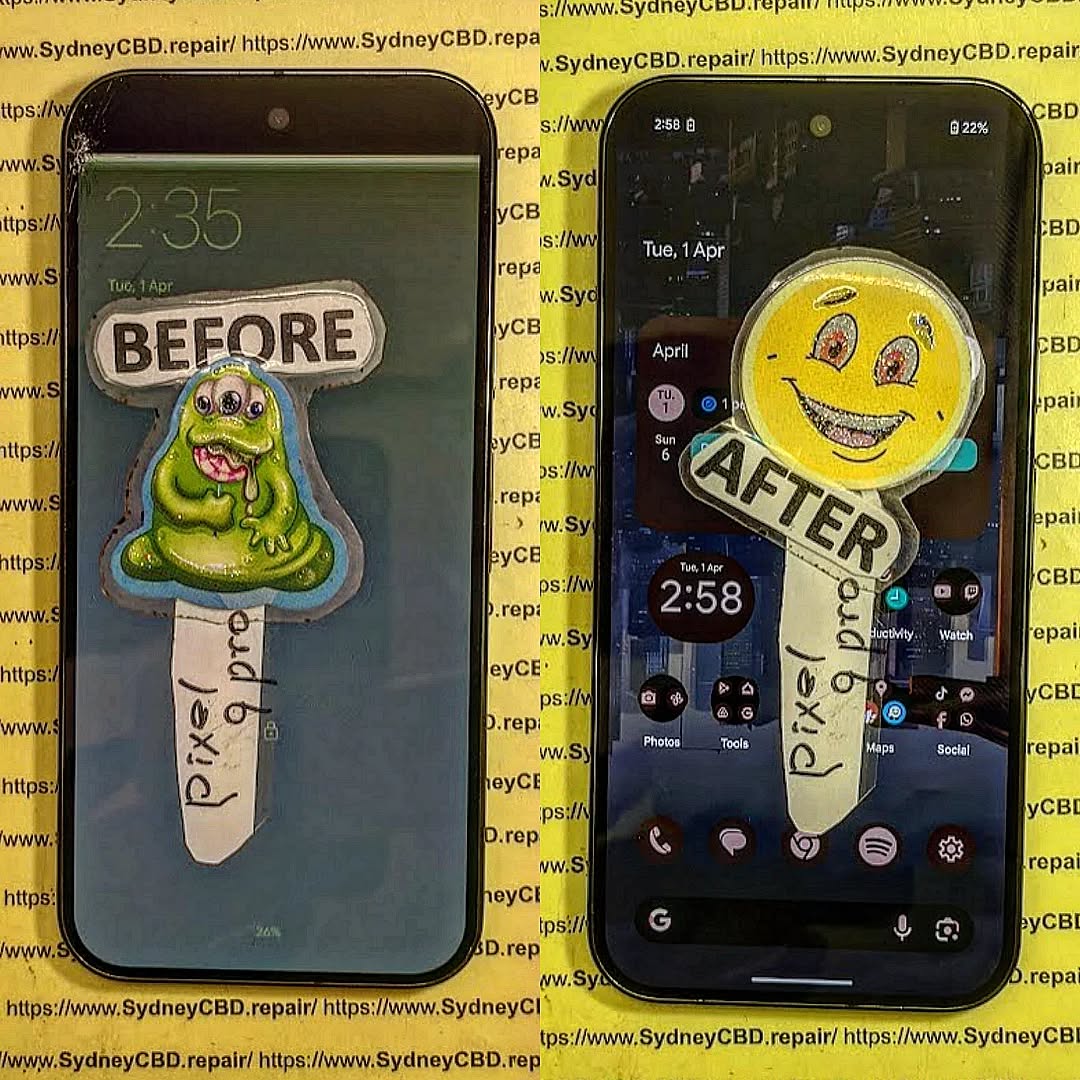
A cracked screen repair involves separating the display from the frame. During this process, the original adhesive must be removed.
Unfortunately, factory adhesives are engineered with precise pressure, heat, and machine-controlled installation methods. Replicating this exactly in a repair environment is difficult.
Key Risks During Repair
Improper repairs can lead to:
- Uneven adhesive application
- Tiny frame gaps
- Dust contamination
- Weak corner sealing
- Loose display fitting
Even a microscopic opening can allow moisture to enter the device.
Why Professional Tools Matter
Professional technicians use:
- Precision adhesive cutters
- Heated separation equipment
- Industrial-grade waterproof adhesive
- Alignment clamps
- Pressure testing machines
Cheap repair shops may skip several of these steps to reduce costs.
As a result, customers end up with phones that look repaired externally but have lost much of their water resistance internally.
Why Professional Pressure Testing Matters
Pressure testing verifies whether the phone maintains proper sealing after repair. It’s one of the most overlooked yet critical parts of quality smartphone servicing.
Without testing, there’s no reliable way to confirm waterproof integrity.
What Pressure Testing Actually Does
Professional pressure testing simulates pressure changes to detect air leaks in the phone enclosure.
If air escapes from the device, it usually indicates:
- Seal failure
- Improper adhesive bonding
- Frame warping
- Loose components
This test allows technicians to identify problems before water damage occurs.
Benefits of Pressure Testing
Pressure testing provides several important advantages:
- Confirms sealing quality
- Detects invisible gaps
- Reduces future liquid damage risk
- Improves customer confidence
- Maintains repair standards
- Protects expensive components
Many premium repair centres now perform pressure testing after every major repair.
The Science Behind Pressure Testing
Pressure testing works by measuring pressure stability inside a sealed environment.
Some machines create vacuum pressure while monitoring tiny changes in air movement. Others use positive pressure systems.
How the Process Works
Typical steps include:
- The phone is placed inside the testing chamber
- Pressure levels are adjusted
- Sensors monitor leakage rates
- Software analyzes sealing integrity
- Results indicate pass or fail
The process usually takes only a few minutes but can save customers thousands of dollars in potential damage.
Why This Is Better Than Water Testing
Some people wrongly assume dipping a phone in water is a valid test.
It isn’t.
Direct water testing can permanently damage devices if sealing is weak. Pressure testing is safer because it detects leaks without exposing the phone to liquids.
Common Mistakes After DIY Screen Repairs
DIY repair kits have become increasingly popular online. However, restoring waterproof protection at home is extremely difficult.
Common DIY Problems
Many self-repairs involve:
- Low-quality adhesive strips
- Dust trapped inside the frame
- Incorrect heating temperatures
- Poor alignment
- Missing waterproof gaskets
Even experienced hobbyists struggle to achieve factory-level sealing.
Why You Should Avoid Cheap Adhesives
Budget adhesives may initially feel secure, but they often weaken quickly under:
- Heat
- Humidity
- Daily flexing
- Charging temperatures
Over time, gaps develop around the display edges.
That’s why professional repair centres invest in premium adhesive systems designed specifically for each model.
Signs Your Phone Lost Water Resistance
Many users don’t realize their phone’s seal has failed until internal damage occurs.
Warning Signs to Watch For
Be cautious if you notice:
- Foggy camera lenses
- Moisture under the screen
- Reduced speaker volume
- Random touchscreen issues
- Charging port corrosion
- Face recognition failures
These symptoms may indicate water intrusion.
Small Damage Can Become Major Damage
Moisture doesn’t always destroy a phone immediately. Sometimes corrosion develops slowly over weeks or months.
Eventually, internal components fail unexpectedly.
Professional pressure testing helps catch sealing problems early before expensive motherboard repairs become necessary.
Why Cheap Repairs Can Be Risky
Low-cost repair shops may seem attractive initially, but poor workmanship often creates larger expenses later.
Common Cost-Cutting Practices
Some shops reduce costs by:
- Reusing damaged adhesive
- Skipping pressure testing
- Using generic screens
- Ignoring frame damage
- Avoiding proper cleaning procedures
These shortcuts compromise long-term reliability.
Hidden Risks of Inexperienced Repairs
An improperly sealed phone may survive for weeks before water exposure causes problems.
Unfortunately, by then:
- Warranty coverage may be denied
- Corrosion may spread
- Data recovery becomes difficult
- Repair costs increase dramatically
Choosing a qualified technician is essential for protecting your device investment.
Genuine Parts vs Low-Quality Adhesives
Not all repair materials are equal.
Premium repair centres use high-quality adhesives engineered for specific phone models.
Cheap aftermarket adhesives may lack:
- Proper elasticity
- Heat resistance
- Water resistance
- Long-term durability
Why Genuine Components Matter
Devices like the Google Pixel 8 Pro and Samsung Galaxy Z Fold5 have complex designs requiring precision installation.
Using poor-quality parts can affect:
- Waterproof performance
- Touch sensitivity
- Display brightness
- Structural integrity
Professional repair providers invest in proper materials because quality repairs depend on more than simply replacing broken parts.
How Technicians Restore Water Resistance
Professional repair technicians follow detailed procedures to maximize water resistance restoration.
Professional Waterproofing Steps
These usually include:
- Removing old adhesive completely
- Cleaning frame surfaces carefully
- Inspecting for frame bends
- Applying manufacturer-grade adhesive
- Using calibrated pressure clamps
- Performing professional pressure testing
Each step matters.
Why Cleanliness Is Critical
Even tiny dust particles can weaken the adhesive seal.
Professional workshops maintain controlled environments and specialized equipment to reduce contamination during repairs.
What Happens During a Professional Pressure Test
Many customers never see this process, but it plays a huge role in repair quality.
Inside the Testing Procedure
A technician will typically:
- Place the phone inside a sealed chamber
- Activate the pressure testing machine
- Monitor leak measurements
- Review software-generated results
- Reinspect the device if leakage appears
If the phone fails the test, technicians may reopen the device and reseal it properly.
Why Test Results Matter
Pressure testing provides measurable data rather than guesswork.
This gives customers greater confidence that their phone has been professionally repaired.
Which Phones Need Pressure Testing Most
Although all modern smartphones benefit from testing, certain devices are especially sensitive.
High-Risk Devices
These include:
- Foldable phones
- Ultra-thin flagship devices
- Phones with curved displays
- Devices previously repaired multiple times
- Water-resistant premium models
Examples include:
- iPhone 16 Pro Max
- Samsung Galaxy S25 Ultra
- Google Pixel Fold
These phones contain extremely tight tolerances that demand precise sealing.
Can Waterproofing Be Fully Restored?
This is one of the most common questions customers ask.
The honest answer is: sometimes.
Factors Affecting Restoration
Results depend on:
- Device condition
- Frame integrity
- Repair quality
- Adhesive quality
- Previous repair history
A severely bent frame may never seal perfectly again.
However, professional repair centres can often restore a very high level of water resistance when proper procedures are followed.
Why Pressure Testing Is Essential Here
Without testing, nobody can confidently claim the phone remains water-resistant.
Testing provides evidence-based verification rather than assumptions.
How Often Should You Test Your Phone?
Most people only think about water resistance after a repair. However, periodic testing can also be beneficial.
Recommended Situations for Testing
Consider pressure testing if:
- Your phone was repaired recently
- The device suffered a major drop
- You notice lifting screen edges
- The battery expanded
- The phone was exposed to heat
Regular inspections can help prevent future issues.
Tips to Protect Your Phone After Repair
Even with professional pressure testing, good habits still matter.
Best Practices for Protecting Water Resistance
Avoid:
- Hot showers with your phone
- Saltwater exposure
- Pool chemicals
- High-pressure water
- Extreme heat
Instead:
- Use protective cases
- Dry phones immediately if wet
- Avoid charging wet devices
- Schedule professional inspections after drops
These small habits greatly improve long-term durability.
The Long-Term Value of Professional Repairs
Professional repairs may cost more initially, but they often save money over time.
Why Quality Repairs Matter
A properly repaired and pressure-tested phone offers:
- Better durability
- Lower liquid damage risk
- Improved resale value
- Longer device lifespan
- Better performance reliability
In contrast, cheap repairs can create recurring issues that eventually cost far more.
Choosing the Right Repair Centre
Look for repair providers that:
- Use genuine-quality parts
- Offer warranty coverage
- Perform pressure testing
- Employ experienced technicians
- Maintain strong customer reviews
For more information about water resistance standards, visit International Electrotechnical Commission (IEC).
Frequently Asked Questions
Does a screen replacement remove waterproofing?
Yes, opening the phone breaks the original factory seal. Professional resealing and pressure testing are necessary to restore water resistance properly.
Can all repair shops perform pressure testing?
No. Many low-cost repair shops don’t own professional pressure testing equipment because the machines are expensive.
Is an IP68 phone completely waterproof?
No. IP68 means water-resistant under controlled conditions, not permanently waterproof in every situation.
How long does pressure testing take?
Most professional tests take only a few minutes, depending on the device and repair complexity.
Can water resistance wear out over time?
Yes. Heat, drops, aging adhesives, and previous repairs can weaken water resistance gradually.
Is pressure testing safer than water testing?
Absolutely. Pressure testing checks seal integrity without exposing the phone to potentially damaging liquids.
Should I trust cheap waterproof adhesive kits online?
Be careful. Many low-cost kits use poor-quality adhesives that don’t provide reliable long-term sealing.
Conclusion

Water resistance is one of the most misunderstood smartphone features today. While modern devices are impressively durable, their protective seals can weaken over time, especially after repairs.
Professional pressure testing after every screen repair is one of the best ways to ensure your phone remains protected against moisture and dust intrusion. It provides measurable verification, identifies hidden sealing problems, and helps extend the life of your device.
Choosing a qualified repair centre that uses proper adhesives, professional equipment, and experienced technicians makes a huge difference in long-term reliability.
When it comes to protecting expensive smartphones, pressure testing isn’t just an optional extra — it’s an essential part of professional repair quality.
David from Sydney CBD Repair Centre – The Best place to fix mobile phones as 7 Years In A Row! Top Mobile Phone Repair In Sydney. More than 2000 Positive Reviews on Google and Same Day Repairs.
We take pride in delivering exceptional repair services for all major phone brands including Apple, Samsung, Google, and more. Our expert technicians use only genuine parts and offer 90days warranty on repairs. Located in the heart of Sydney CBD, we’re your one-stop solution for all mobile device repairs.
Our commitment to excellence has earned us the trust of thousands of satisfied customers. Whether it’s a cracked screen, battery replacement, or water damage repair, we handle it all with professional care and expertise. Walk in today and experience why we’re Sydney’s #1 choice for mobile phone repairs.
Visit us for:
✓ Same Day Express Repairs
✓ Genuine Parts Guarantee
✓ Professional Technicians
✓ Competitive Pricing
✓ 2000+ 5-Star Google Reviews
✓ 7-Time Award Winner for Best Phone Repairs
Sydney CBD Repair Centre – Where Quality Meets Reliability.
Call : +61280114119
Website: Sydney CBD Repair Centre

