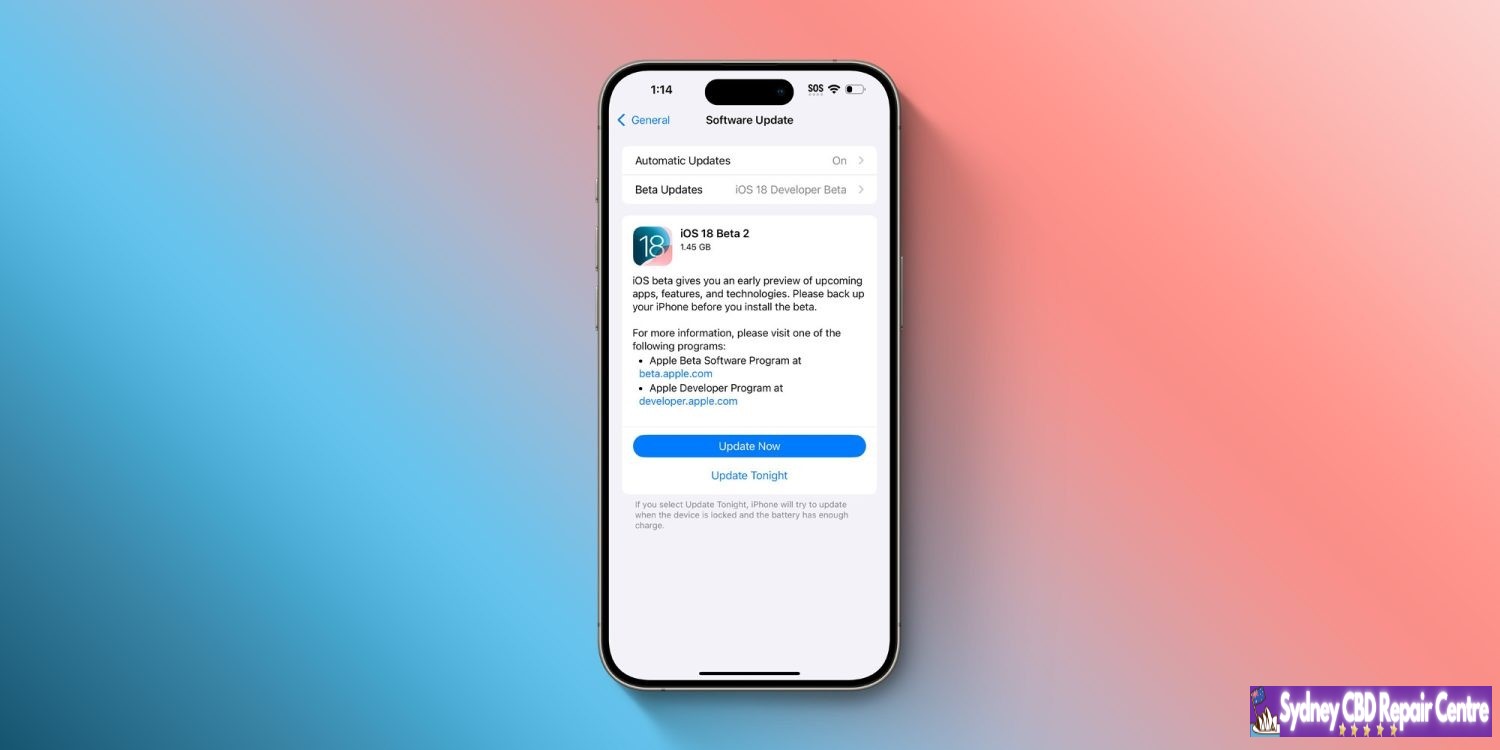
iOS 18 beta 2 has officially been released for developers. The update, which comes two weeks after the first beta, includes some big new features. Head below as we round up everything new in iOS 18 beta 2.
iOS 18 is currently available for developer beta testers, with a public beta expected in July and a general release scheduled for September. It’s important to note that in the early beta stages, changes and improvements can be unpredictable. This means something functional in iOS 18 beta 1 might be broken in iOS 18 beta 2. As always, proceed with caution.
Additionally, the second beta of a major iOS update tends to be the least exciting because Apple hasn’t had much time to address major concerns and feedback yet. In fact, iOS 18 beta 2 was likely compiled less than a week after WWDC. iOS 18 beta 3 is likely to be a more interesting update with significant changes and features.
iOS beta 2: New features and changes
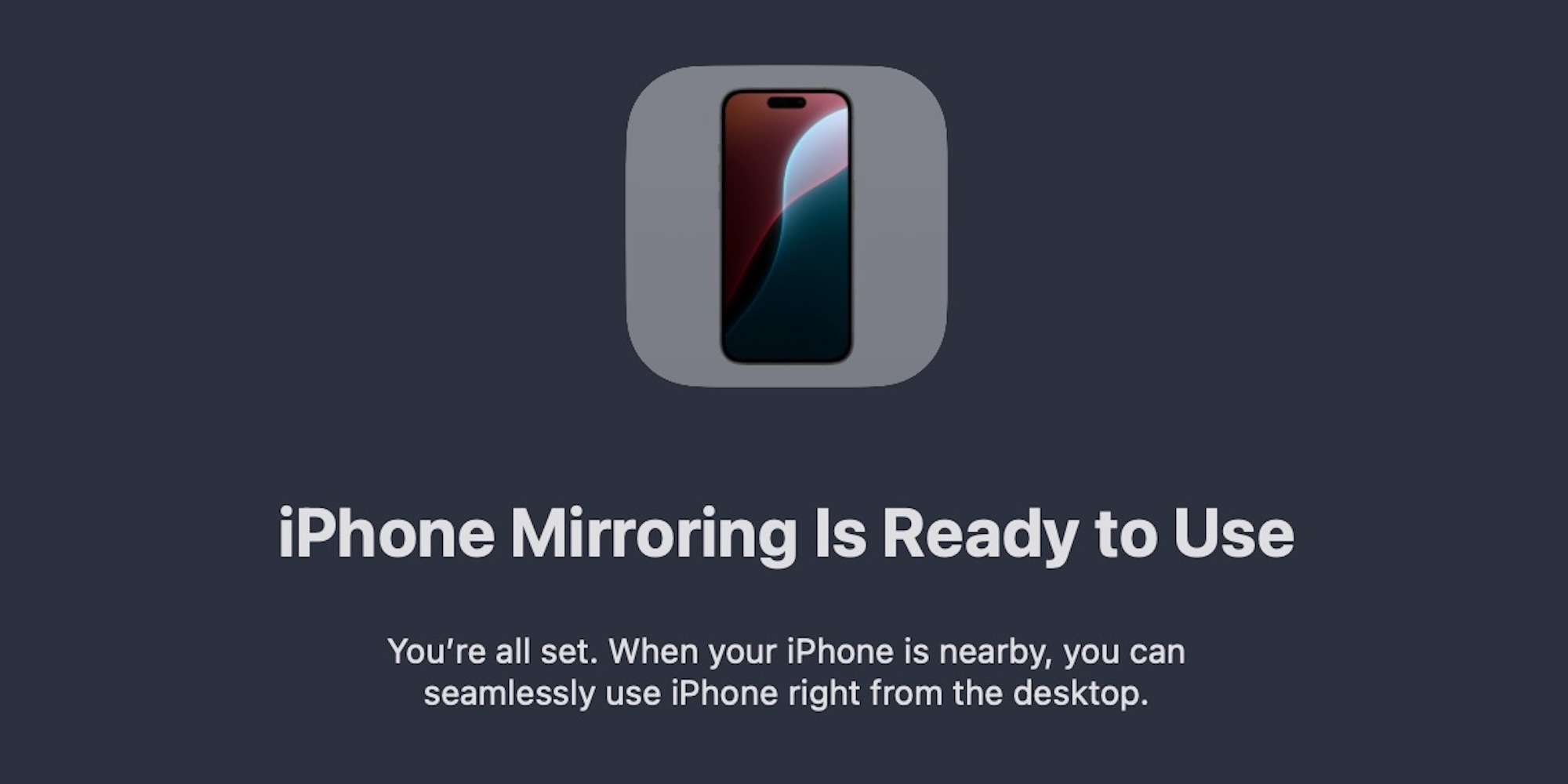
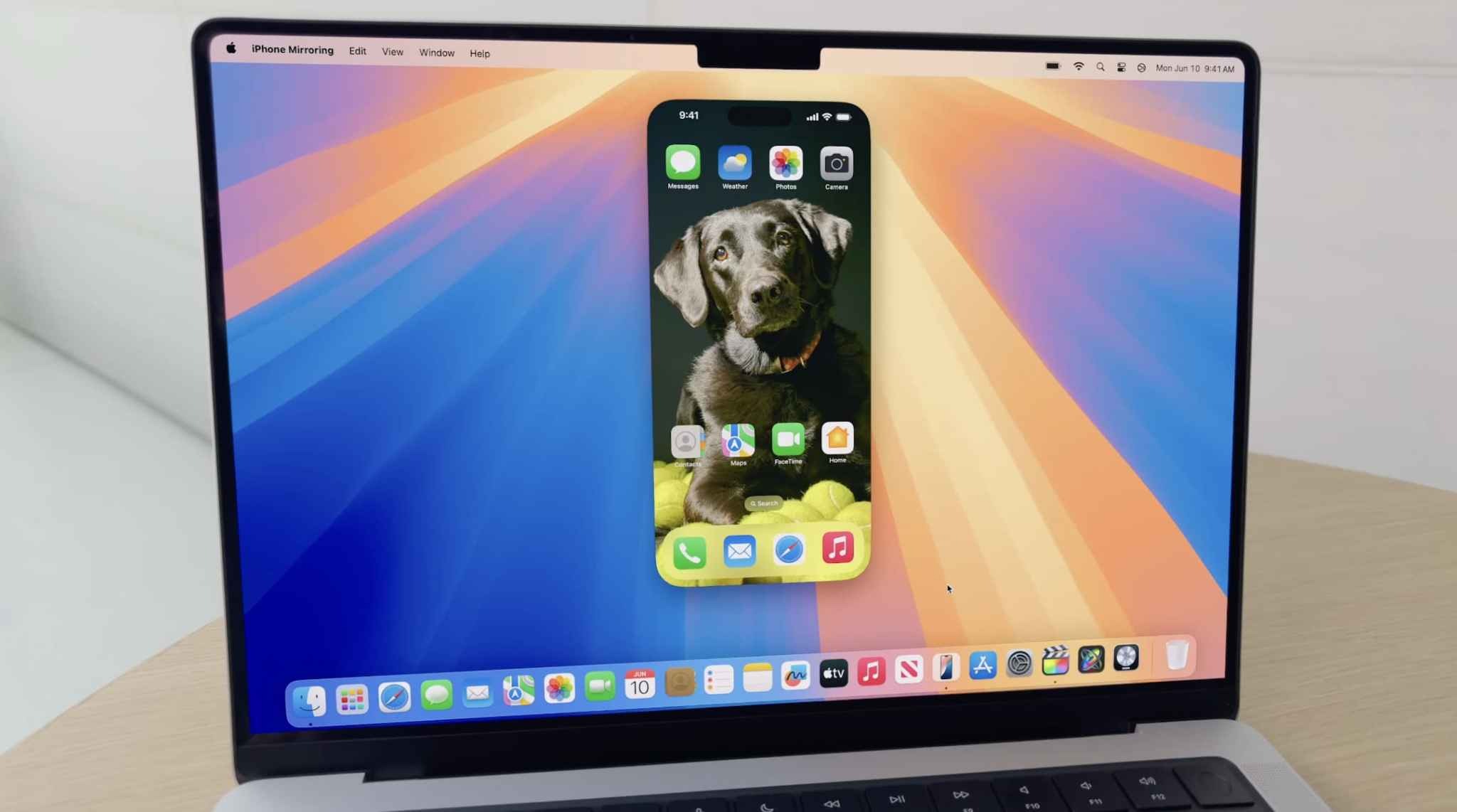
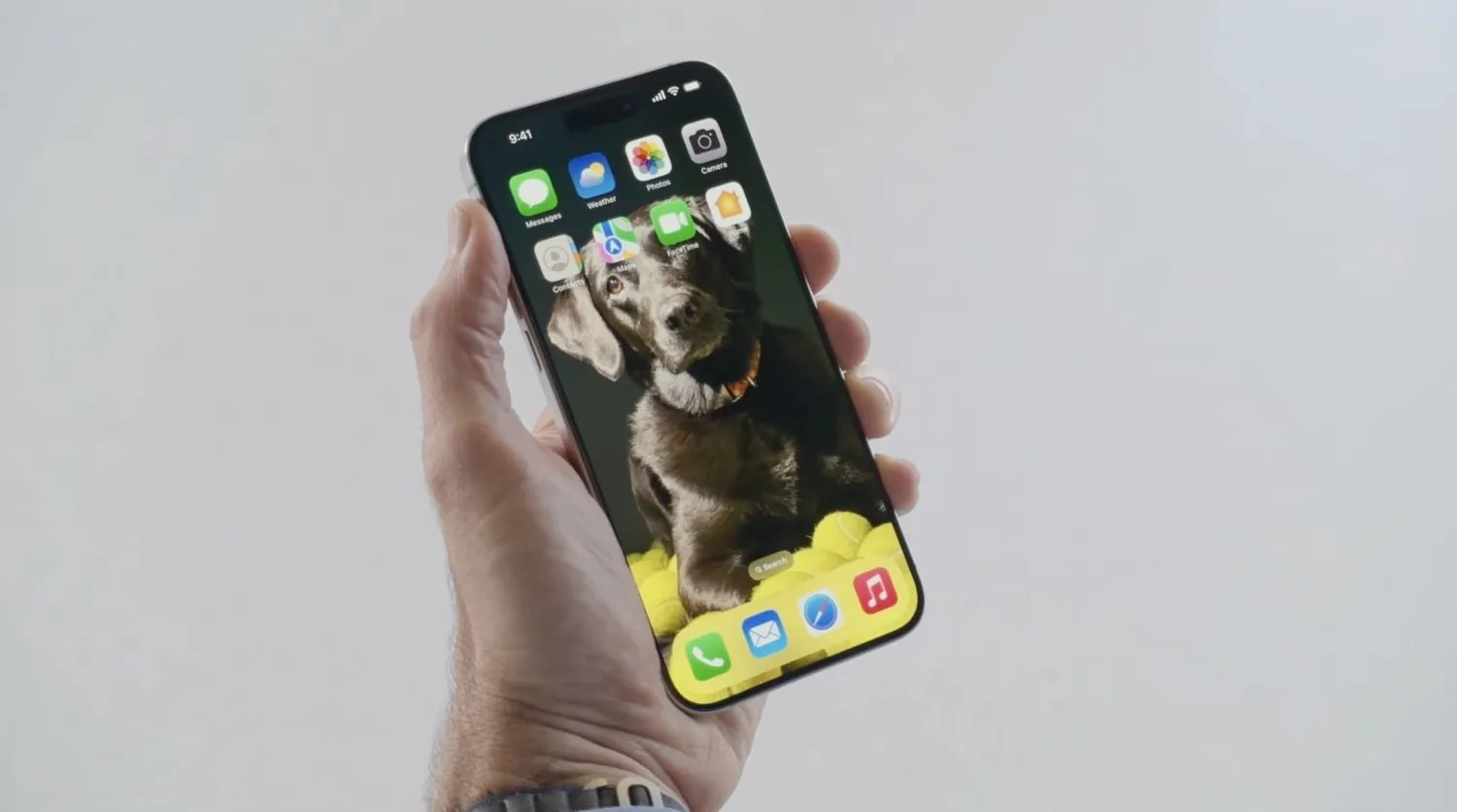
The big change in iOS 18 beta 2 is that iPhone Mirroring is now available. You’ll need a Mac running macOS Sequoia beta 2, then you can mirror your iPhone’s screen right on your Mac. This includes notifications, gestures for navigation, and more.
iOS 18 beta 2 also adds support for new SharePlay screen sharing features, including the ability to take over and control the other person’s screen.
With iPadOS 18 beta 2, Apple has expanded the changes it made in the European Union in response to the DMA to the iPad. These include alternative browser engine support, app marketplaces, and more.
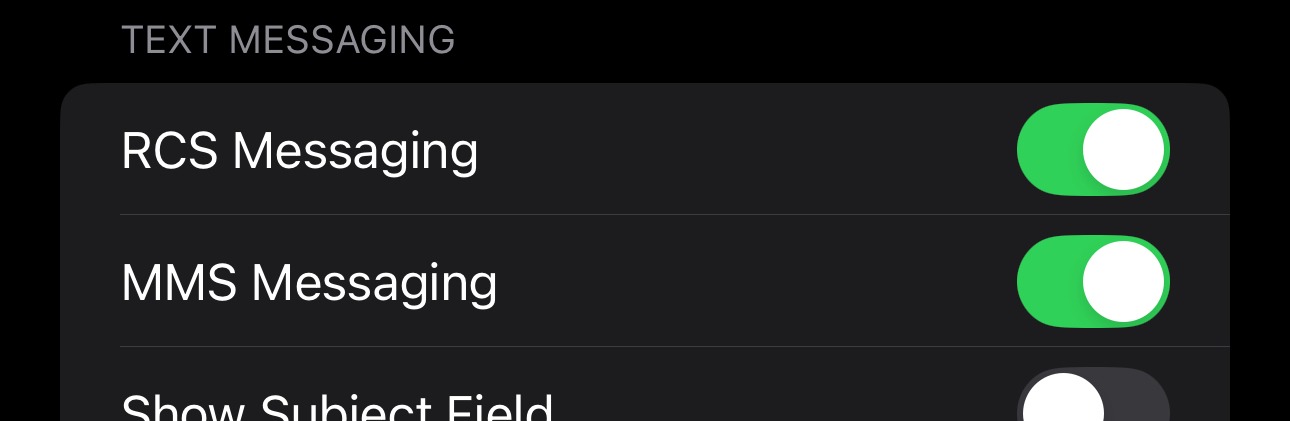
In the Settings app, under “Messages,” there’s a new toggle for “RCS Messaging.” This seems to be enabled by default, but RCS doesn’t appear to actually be live yet.
In the Passwords app, there’s a new “+” icon in the bottom-right corner for easily adding new login information to the app. Previously, this button was only in the “All” menu of the app.
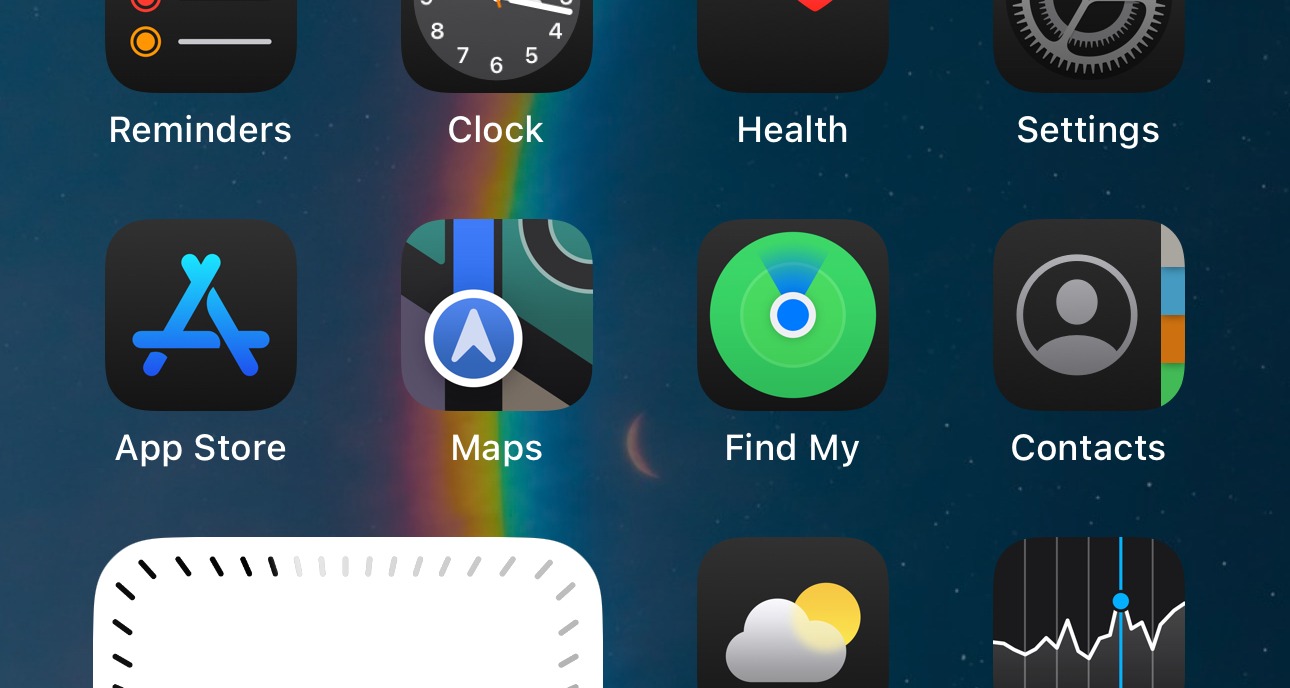
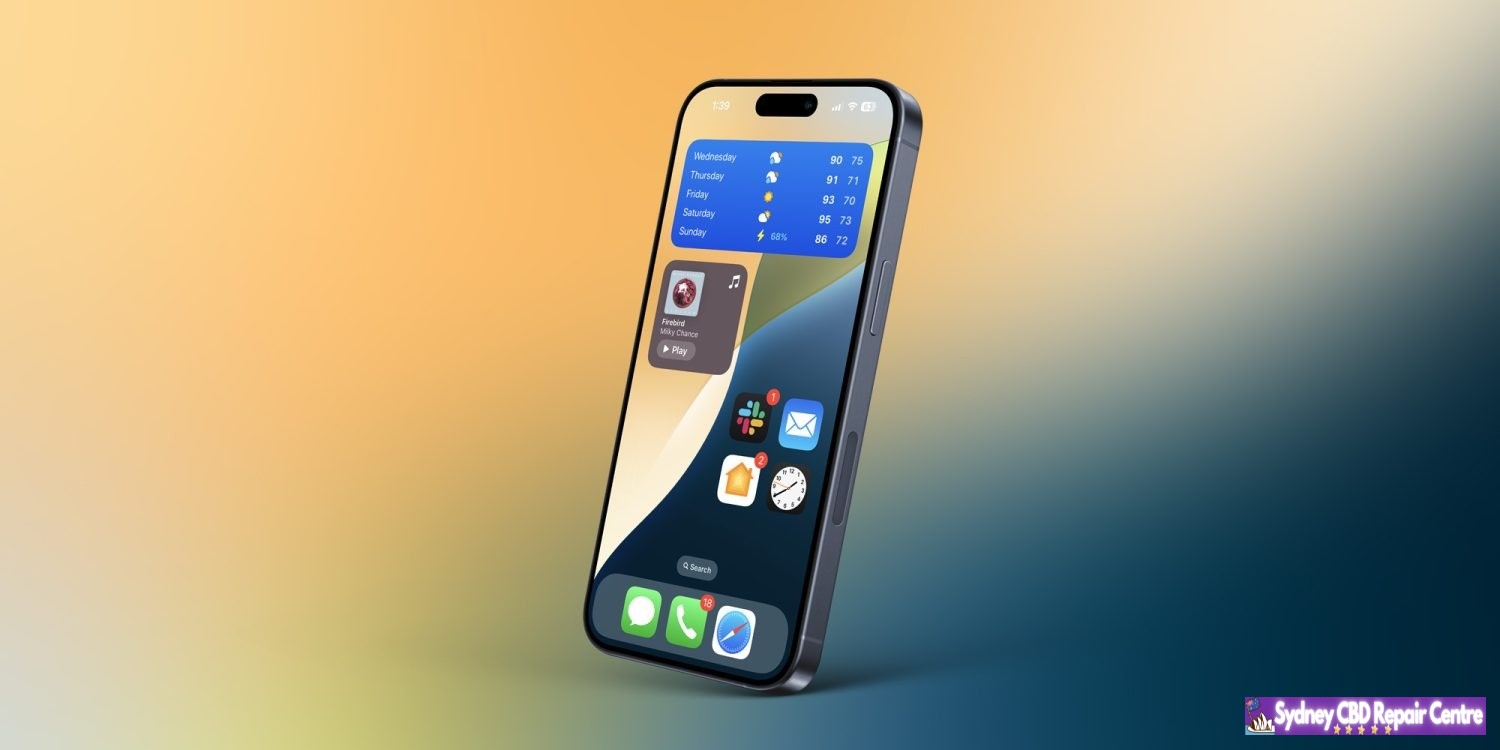
Along with letting users customize app colors, organize them anywhere, and more natively, iOS 18 brings a subtle new feature that cleans up the Home Screen. Here’s how to hide app names on iPhone in iOS 18.
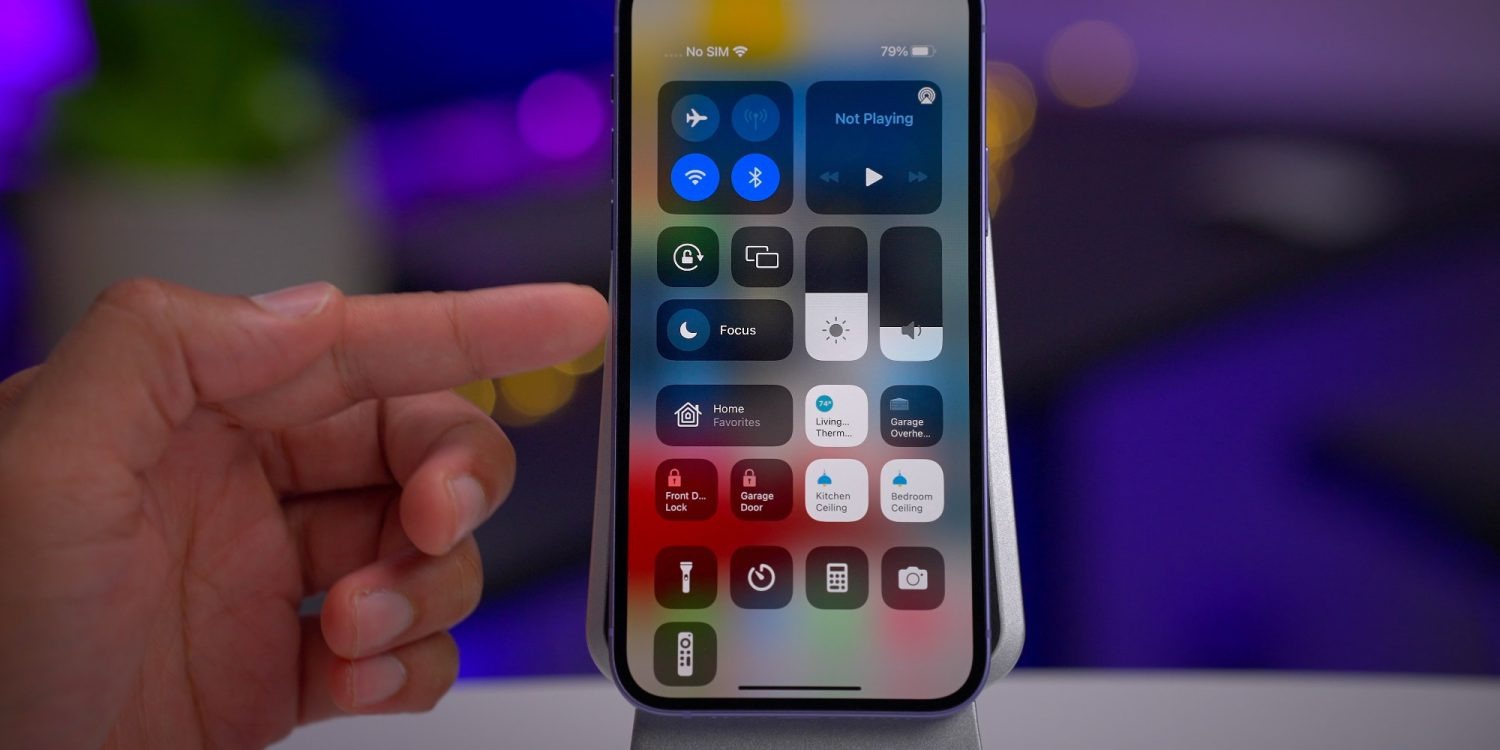
iOS 18 takes iPhone customization further with new options to natively create a theme, a more robust and versatile Control Center, and more.
And joining the ability to place apps and widgets anywhere on your screen, you can create a more minimal aesthetic by choosing to hide app names on your Home Screen which also apply to widgets and folders.
Apple first hid names for apps in the Dock starting with iOS 11. But now you can have all apps, widgets, and folders with the same minimal look no matter where they’re placed.
How to hide app names on iPhone with iOS 18
Make sure you’re running the iOS 18 beta on your iPhone.
Long-press on a blank space on your Home Screen
Tap Edit in the top left corner
Choose Customize
Now tap Large
Tap on the screen to leave the Customize menu
That’s it!
There doesn’t appear to be a way to hide app names while keeping the default small icon size for now. But we’ll be keeping our eye out.
Here’s how it looks to hide app names on iPhone:
After you tap Edit and Customize, look at the bottom of your iPhone.
Tap the Large button (just above the app color buttons):
Do you think you’ll hide app names in iOS 18 or are you already? Or do you prefer to keep them?
WWDC this year was packed with new features for Apple’s suite of software platforms. The company introduced a lot of enhancements coming this fall in iOS 18, visionOS 2, macOS Sequoia, and more.
Apple also showcased features that are not coming this fall. But it wasn’t always clear what will arrive in 18.0, and what’s being saved for later this year or even some time in 2025.
Here’s the full list of features we know won’t arrive until iOS 18.1 or later.
New Siri’s on-screen awareness and in-app actions
Apple Intelligence’s fall arrival will bring with it a new Siri interface and select new capabilities, but some of the most powerful Siri upgrades will be added some time over the coming year.
Siri abilities coming later include having on-screen awareness of what you’re doing at any given time so that you can say, for example, “Use this as their contact photo” and it will understand the context and perform the action accordingly.
Similarly, Siri’s deeper knowledge of in-app functions and ability to, say, play the podcast that your significant other sent you, won’t arrive until some time in the year ahead.
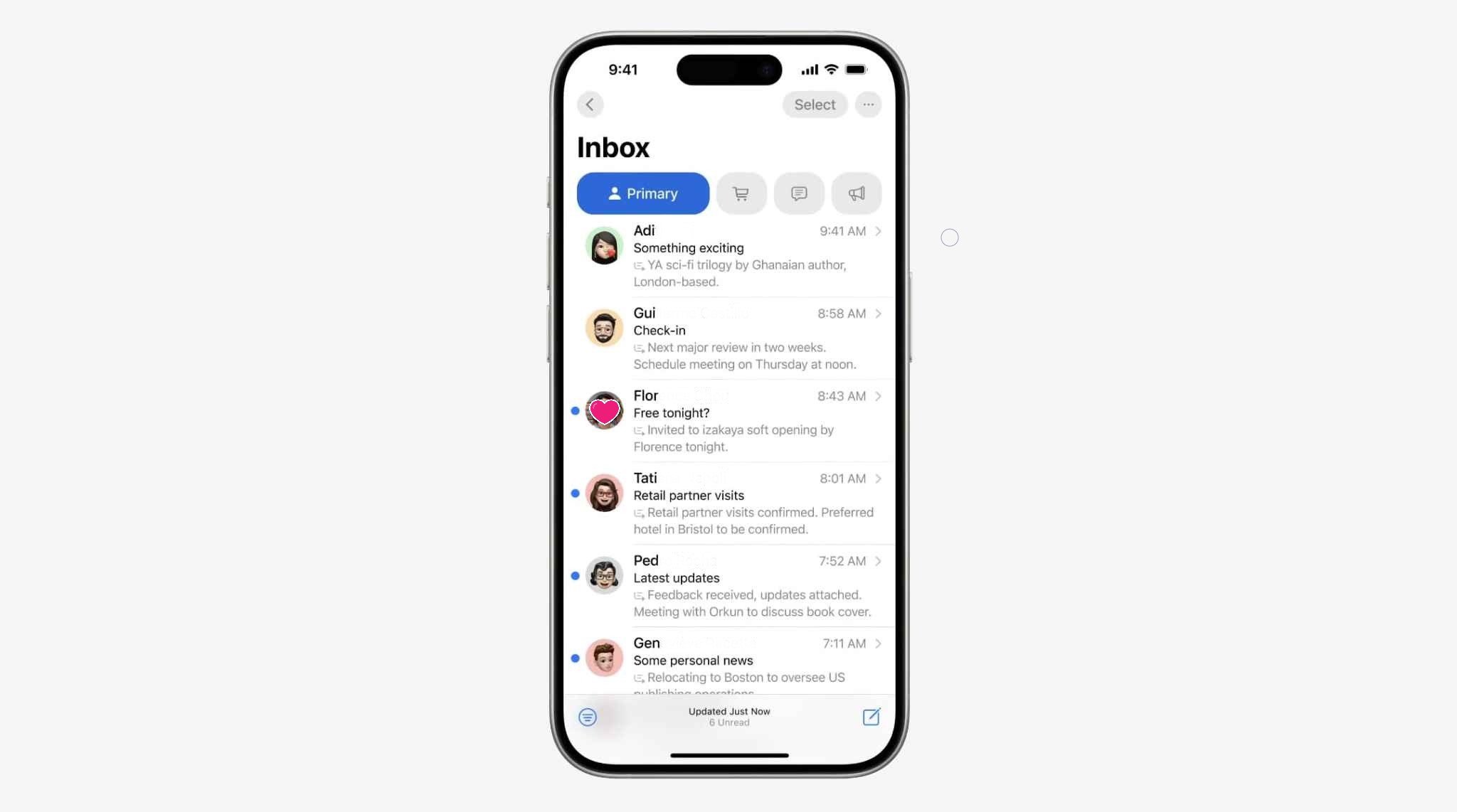
Apple Mail upgrades
Apple has big updates coming for popular apps like Notes and Messages this fall. Another core app getting some nice upgrades is Mail, with new features like the auto-categorization of messages in your inbox. Unlike those other apps though, Mail’s improvements won’t arrive until later in the year.
Vision Pro enhancements including Mac Virtual Display
This one shouldn’t be too surprising, since the Vision Pro first launched just a few months ago, but some of the best visionOS 2 features won’t arrive until later this year.
Here are the features coming in visionOS 2.1 or 2.2:
Upgraded Mac Virtual Display: A fan favorite feature, Mac Virtual Display is getting better with the ability to have an Ultrawide view that provides the equivalent of having two 4K displays side by side.
Multiview: Sports fans will be able to watch up to five different games at the same time using the Apple TV app, each with their own dedicated view.
Spatial video editing: This is partially a macOS feature, but the ability to import your spatial video to the Mac, edit it there in Final Cut Pro, and export it back to your Vision Pro won’t arrive until late 2024.
New emoji, including the best exhausted face
Compatible devices will be able to create custom emoji (Apple calls them Genmoji) when iOS 18 debuts in the fall. But every year there is a set of new built-in emoji added to iOS, and this year’s additions were recently previewed but they won’t arrive on your devices until later in 2024 or early in 2025.
Non-beta versions of Apple Intelligence
The biggest news for Apple’s software this year is Apple Intelligence. While the core Apple Intelligence features are set to arrive this fall as part of iOS 18 and more, it’s important to know that Apple is labeling this initial AI release as a beta feature. So expect issues and inconsistencies to get worked out in the weeks and months following the fall release.
Drag and drop from your iPhone to Mac, and vice versa
A tentpole feature of macOS Sequoia is the ability to mirror your iPhone on your Mac and interact with it there. But one feature of this new ability won’t arrive until later: the ability to seamlessly drag and drop files and photos between your two devices. Once it debuts, this feature is set to be an even quicker way to transfer files than AirDrop is, but we’ll have to wait just a bit longer.
Home app improvements
The Home app in iOS 18 is getting some nice upgrades, but most of them won’t arrive until later. The two main features coming later this year are support for adding robot vacuum cleaners as compatible devices, and the ability to view your home electricity use inside the app.
After being announced at WWDC 2024 Yesterday, Apple has released the first beta of iOS 18 and iPadOS 18 to developers. The update includes new home screen features, upgrades to the Messages app, and much more.
Apple will release a public beta of iOS 18 and iPadOS 18 in July. For now, the update is only available to developers for beta testing. iOS 18 is supported on all the same iPhone models as iOS 17.
New home screen features and more
Apple’s new software version won’t be complete until the fall, at which point it will be released to the general public. Testers should still expect performance and stability issues when running the iOS 18 public beta on primary devices for the time being.
Some of the biggest changes in iOS 18 are for the home screen, which is now more customizable than ever. You can place app icons freely on the grid, tint app icons, customize Control Center, and much more. Keep in mind, many of the new Apple Intelligence features – including ChatGPT integration – won’t be available until later this year.
iOS 18: Here’s the list of iPhone models compatible with the update
After many rumors, Apple finally announced iOS 18 at WWDC 2024 on Monday. The new version of the iPhone operating system comes with a new Home Screen that lets users customize the icons, as well as a redesigned Photos app, Apple Intelligence, and much more. And if you’re wondering whether your iPhone is compatible with iOS 18, we have the answer.
“Apple today previewed iOS 18, a major release that features more customization options, the biggest redesign ever of the Photos app, new ways for users to manage their inbox in Mail, Messages over satellite, and so much more,” the company said in a press release.
iOS 18 compatibility
iOS 18 is compatible with the following iPhone models:
iPhone XR
iPhone XS and XS Max
iPhone 11
iPhone 11 Pro and 11 Pro Max
iPhone 12 and 12 mini
iPhone 12 Pro and 12 Pro Max
iPhone 13 and 13 mini
iPhone 13 Pro and 13 Pro Max
iPhone 14 and 14 Plus
iPhone 14 Pro and 14 Pro Max
iPhone 15 and 15 Plus
iPhone 15 Pro and 15 Pro Max
iPhone SE (2nd gen)
iPhone SE (3rd gen)
As you can see, all the same iPhones running iOS 17 can be updated to iOS 18. However, there’s a catch. According to Apple, only the iPhone 15 Pro and iPhone 15 Pro Max are compatible with the new AI, or Apple Intelligence, features. This is because these features require the A17 Pro or M1 chip or later.
The first beta of iOS 18 will be released to developers later today. A public beta is coming next month, while the official launch is set for this fall.
Apple will support RCS with iOS 18, improving messaging experience between iPhone and Android
Apple confirmed today that it will support RCS messaging with iOS 18, releasing this fall. RCS will enable a richer experience when communicating with Android users.
RCS will give your green bubble chats many of the best of features of iMessage, like high-resolution image and video attachments, typing indicators, read receipts and more.
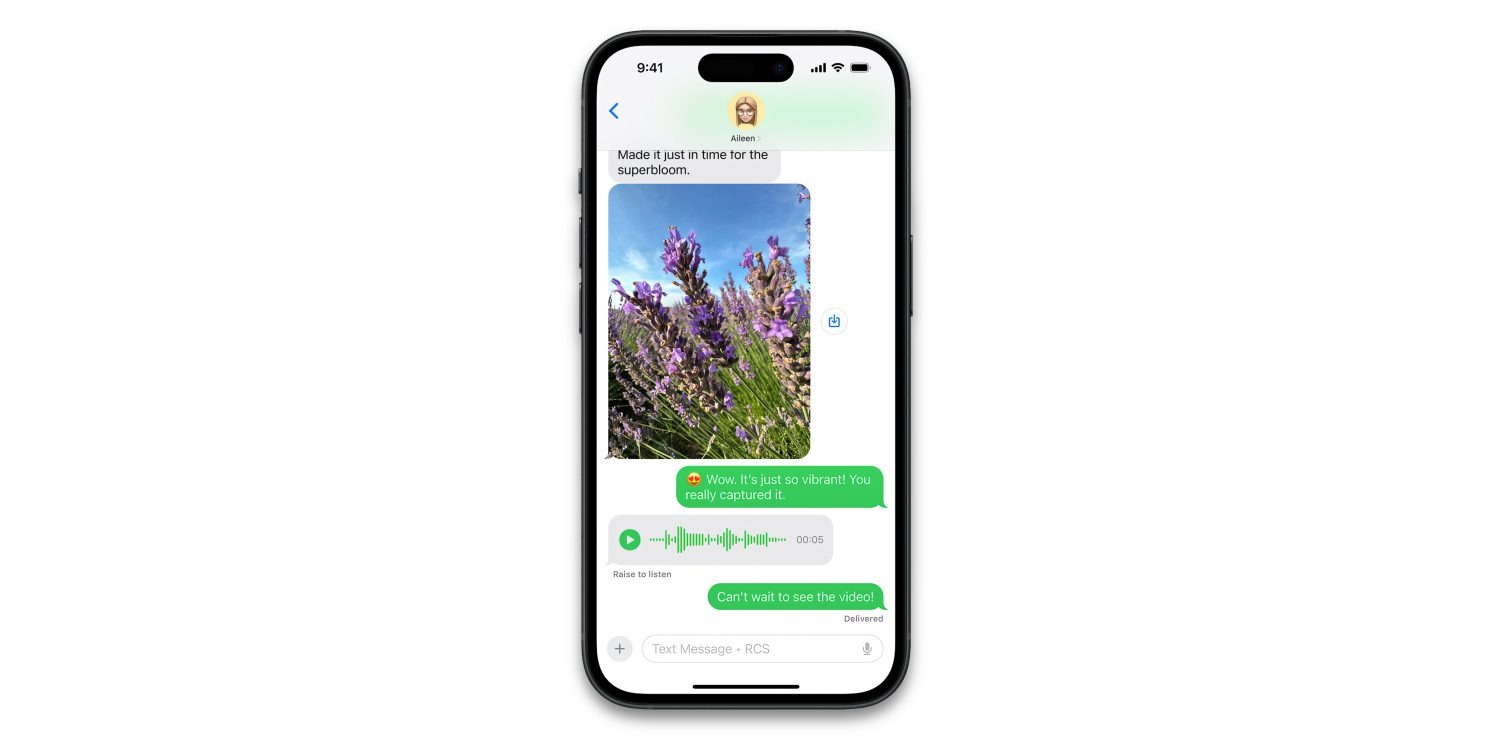
As shown today in the first ever screenshot of the feature in action, the iOS 18 Messages app will still distinguish RCS conversations with green bubbles.
However, the text field will include the label “Text Message • RCS” so users know they will get an upgraded texting experience, compared to traditional SMS.
The most significant difference will be the increase in file size for media. SMS enforces very small file sizes when sending photos or videos, so traditionally texting a picture to an Android user would not be a great experience as the image would be severely compressed. However, over RCS, images and video messages can transfer in much higher quality.
iPhone to iPhone communication will still offer the best experience, through iMessage. iMessage has richer integration with the Apple ecosystem, and offers the highest standards of privacy with end-to-encryption for all communication. iMessage will also continue to offer exclusive communication features like the new text effects.
However, the biggest pain points of SMS are resolved by RCS. As long as both members of the conversation are using devices that support RCS, conversations will take place over the newer standard automatically.
iOS 18 will be available as a free update to all iPhone users in the fall.
There’s an emoji for that: meet Genmoji, Apple’s AI-powered emoji generation feature in iOS 18
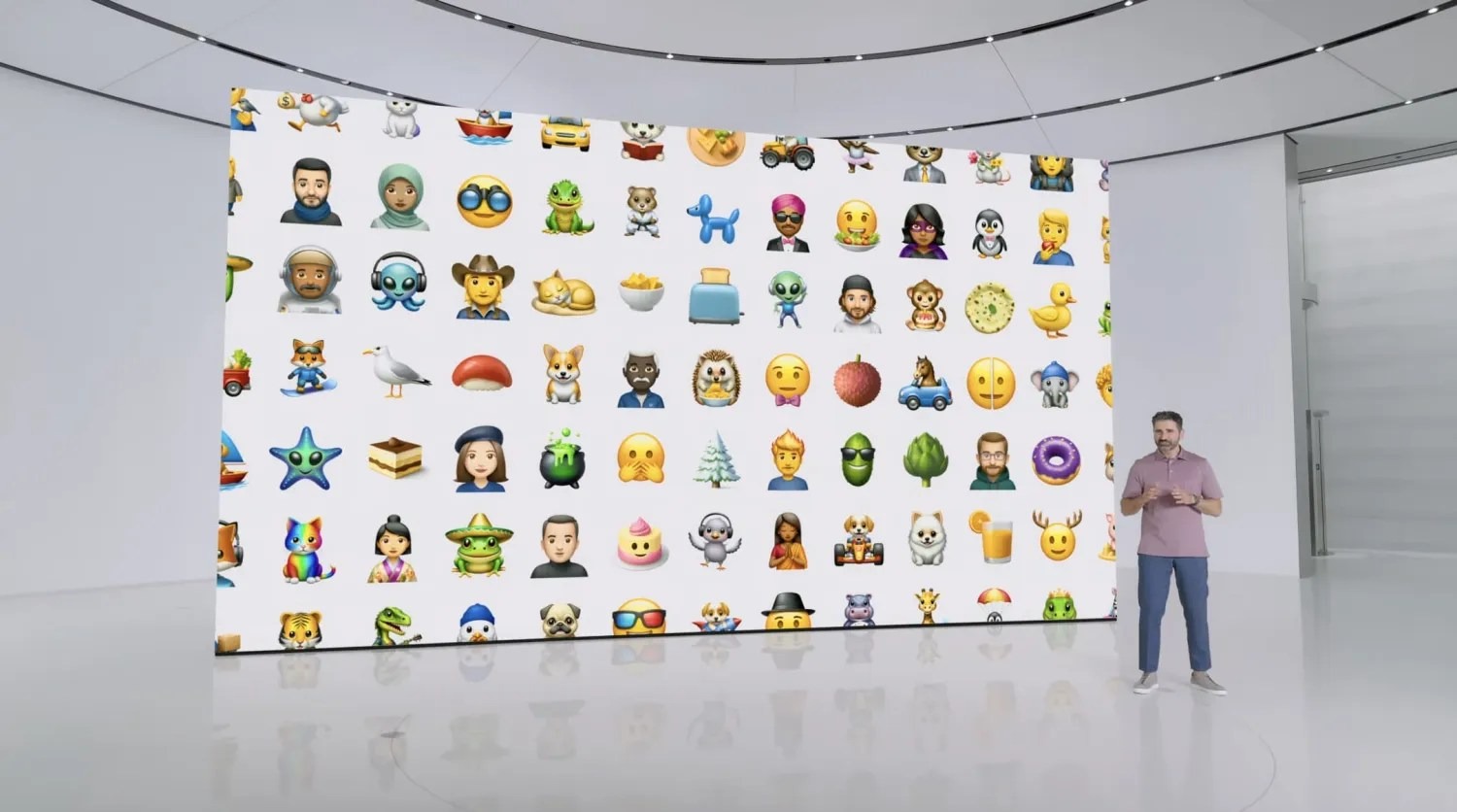
Today amidst a host of Apple Intelligence features debuted at WWDC, Apple shared a new feature that will enable you to create an emoji for any occasion. Apple calls this AI-powered feature Genmoji.
Despite the growing array of emoji included in iOS each year, we’ve all surely run into that occasion when we wanted an emoji for something, only to find it didn’t exist.
Apple has made that a problem of the past thanks to iOS 18.
Genmoji is an Apple Intelligence-powered feature that enables you to have new emoji created for your use. All you have to do is type in what you’re looking for, and iOS 18 will present you with a newly-created emoji for your use.
Since emojis are actually unicode characters that work cross-platform, Apple’s Genmoji won’t technically work the same way as other emoji, since if they were, they wouldn’t display properly on non-Apple devices. Instead, Apple creates Genmoji as images. This won’t make much difference to users, but it’s a technical detail worth noting.
Genmoji will be great for expressing a variety of emotions that emoji don’t quite cover right now. Personally though, I’ll be making an iPad emoji first.
Apple integrates ChatGPT deeply into iOS 18
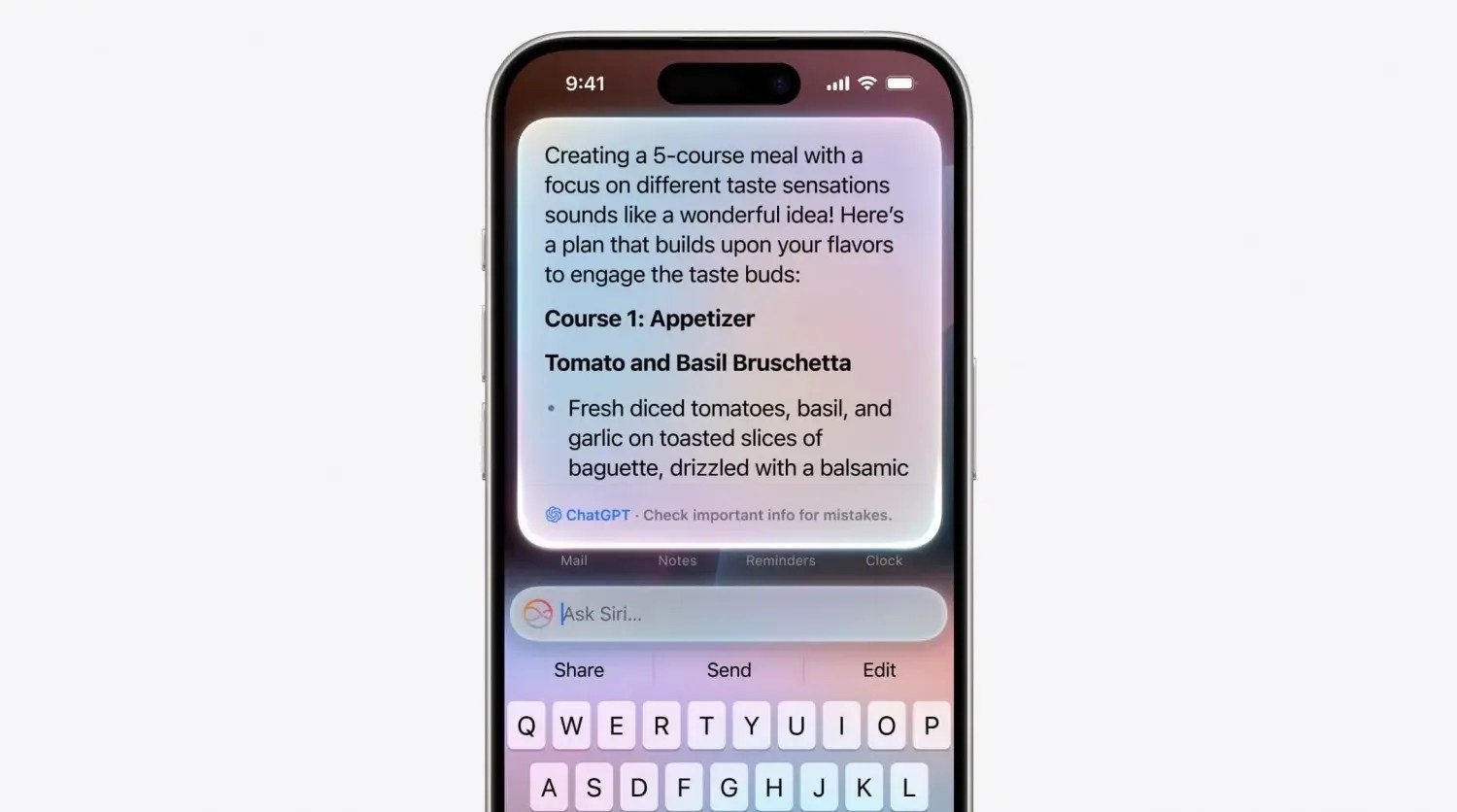
Apple Intelligence is the core of generative AI features in iOS 18, but Apple will also let users sign in with their OpenAI account and use ChatGPT models as well.
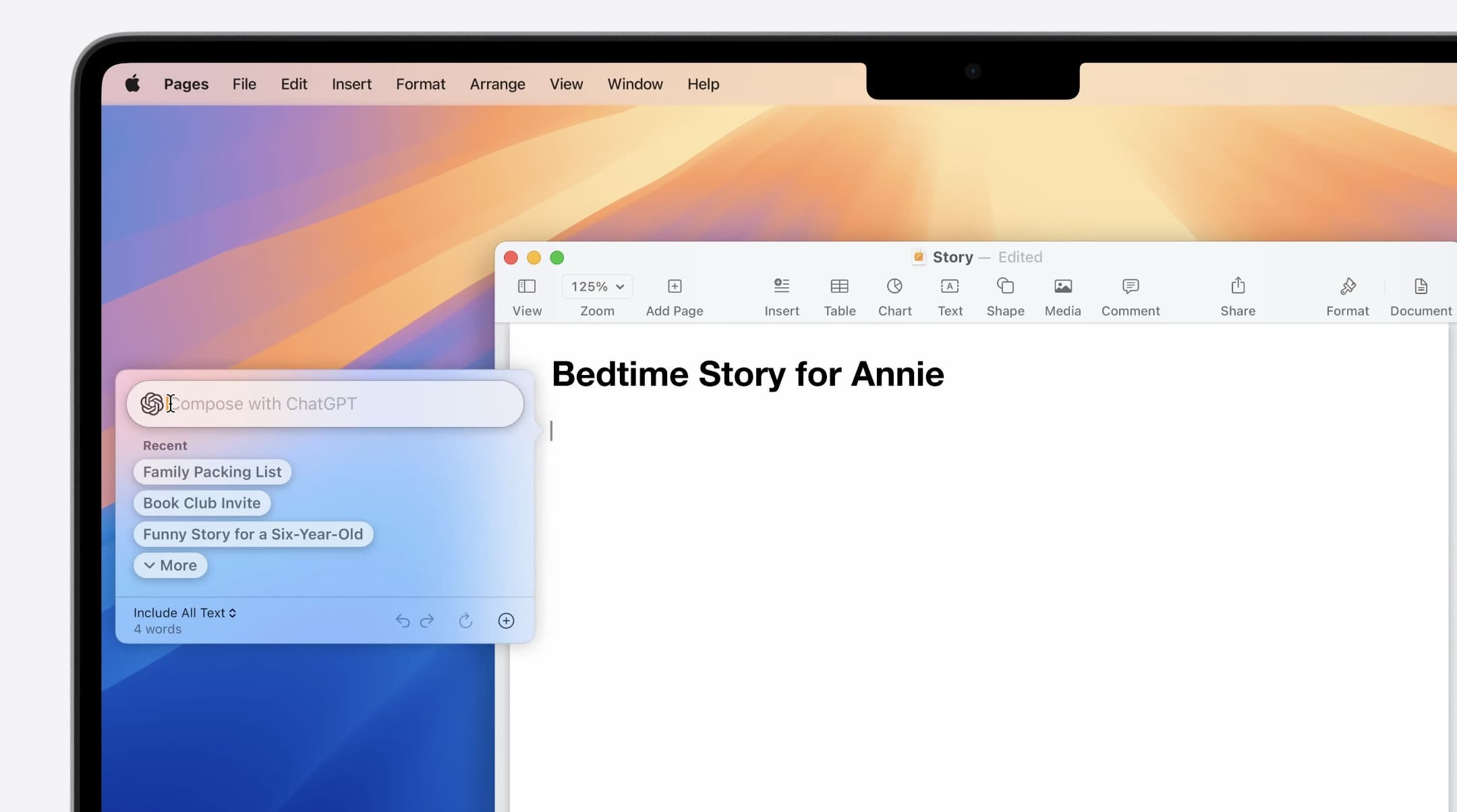
Once connected, users can select ChatGPT as their model to use inside Siri and as part of the new intelligent writing tools and other features across iOS 18, iPadOS 18 and macOS Sequoia.
The ChatGPT integration extends the free Apple Intelligence functionality built into the OS. For example, if you ask Siri a question that it can’t answer, it could hand off to ChatGPT instead to respond to the query.
Users can take advantage of the usual free quotas for ChatGPT usage, or connect their paid subscriptions to use their ChatGPT Plus benefits instead.
Apple indicated that it is working on partnerships with other AI model makers to give users more options in the future. So, although OpenAI’s ChatGPT will be the only option to start, you can expect Google Gemini and other models to be offered in the future.
iOS 18 lets you replace the Lock screen’s flashlight and camera buttons with controls of your choosing
Today as part of its iOS 18 unveiling during the WWDC keynote, Apple shared that the upcoming software release provides a feature users have long asked for: the ability to replace the flashlight and camera buttons on the iPhone’s Lock screen with controls of your own choosing.
Here’s how that works.
Customizing your Lock screen
In iOS 18, Apple is making Control Center more customizable than ever. As part of that change, it’s taking many of those same controls and making them available on your iPhone’s Lock screen in place of the existing flashlight and camera buttons.
The nice thing about the feature is that it takes advantage of the existing Lock screen customization features, and enables you to set different Lock screen buttons with different wallpaper/widget combos.
To set your own custom Lock screen controls in iOS 18:
Long-press on your Lock screen to pull up edit mode
Swipe to the wallpaper that you want to edit and hit ‘Customize’
Tap in the lower-left or lower-right corner on the existing buttons
Choose which controls you want to replace the flashlight and/or camera
The full list of available controls
When iOS 18 launches this fall, third-party apps will be able to offer their own controls for use on the Lock screen. For now though, only Apple options are available.
Currently in iOS 18 developer beta 1, you have the following control options for your Lock screen across a variety of categories:
Accessibility
Assistive Access
Live Speech
Capture
Camera
Scan Code
Magnifier
Clock
Alarm
Timer
Stopwatch
Connectivity
Airplane Mode
Cellular Data
Personal Hotspot
Display & Brightness
Dark Mode
Hearing Accessibility
Music Haptics
Left-Right Stereo Balance
Live Captions
Home
Home
Monitor Accessibility
Switch Control
Voice Control
Full Keyboard Access
AssistiveTouch
Apple Watch Mirroring
Control Nearby Devices
Remote
Remote
Shortcuts
Shortcuts
Open App
Sounds
Silent Mode
Recognize Music
Translate
Translate
Utilities
Flashlight
Calculator
Vision Accessibility
Classic Invert
Color Filters
Live Recognition
Increase Contrast
Reduce Motion
Reduce Transparency
Reduce White Point
Smart Invert
VoiceOver
Zoom
Speak Screen
Dim Flashing Lights
Hover Text
Hover Typing
Voice Memos
Voice Memo
Wallet
Wallet
Tap to Cash
Watch
Ping My Watch
iOS 18 lets you change widget sizes right from your home screen
In addition to major new home screen customization options in iOS 18, Apple has also made it easier to rearrange your home screen. Most notably, you can now adjust widget sizes right from your iPhone’s home screen.
The ability to adjust widget sizes directly from the home screen was previously available only on iPadOS. With iOS 18, however, it has expanded to the iPhone as well. When you put the home screen into “jiggle mode,” you’ll see a new handle in the lower-right corner. You can then drag that handle and your widget will get bigger or smaller.
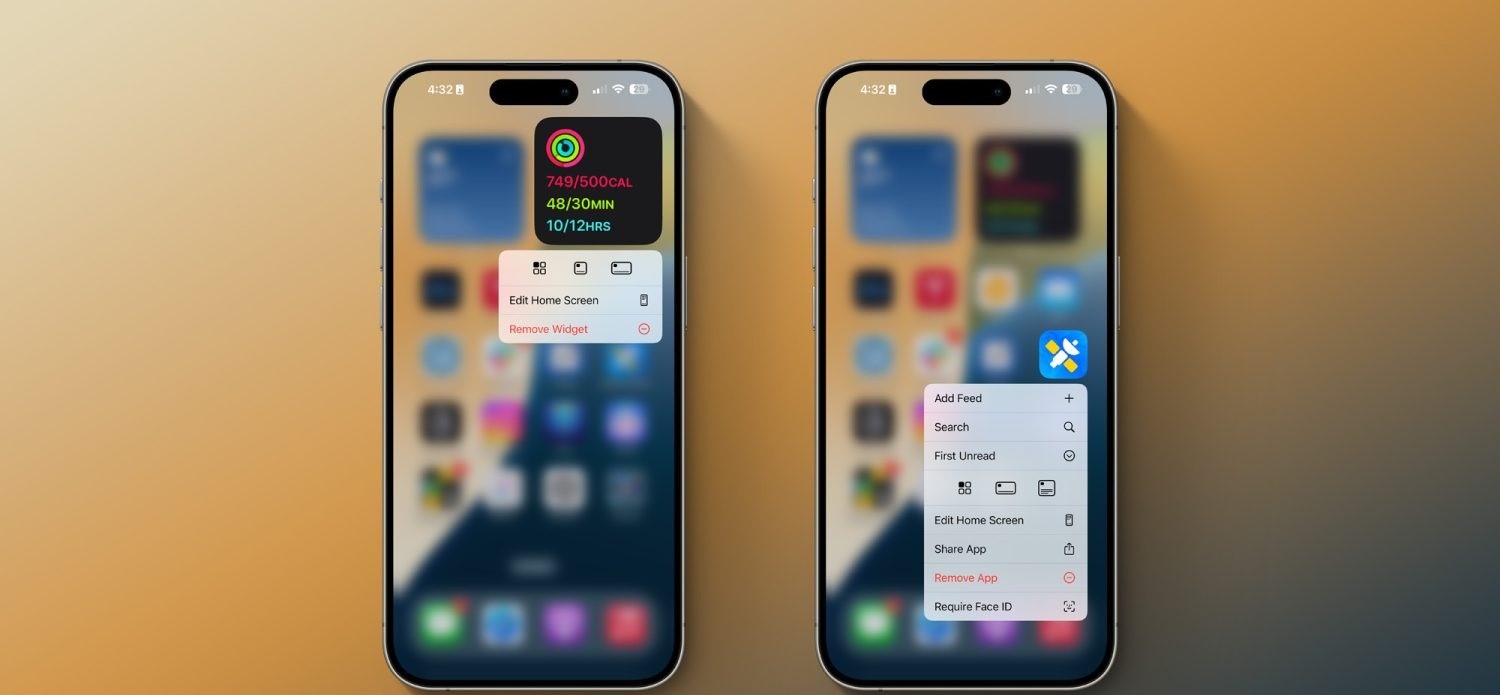
Alternatively, you can long-press on a widget, and you’ll see multiple different widget sizes you can choose from with a single tap. In this same menu, you can choose to convert a widget to an app icon as well. Finally, you can also long-press on an app icon, and (as long as that app offers home screen widgets), instantly convert the icon into a widget.
Everything new coming to Messages in iOS 18
Apple has some major feature upgrades coming to the Messages app in iOS 18.
As announced earlier today during the WWDC keynote, Messages is receiving big enhancements to tapbacks, a new scheduled send feature, the ability to format text with bold and italics, new effects, RCS support, and more.
Here’s everything coming to Messages in iOS 18.
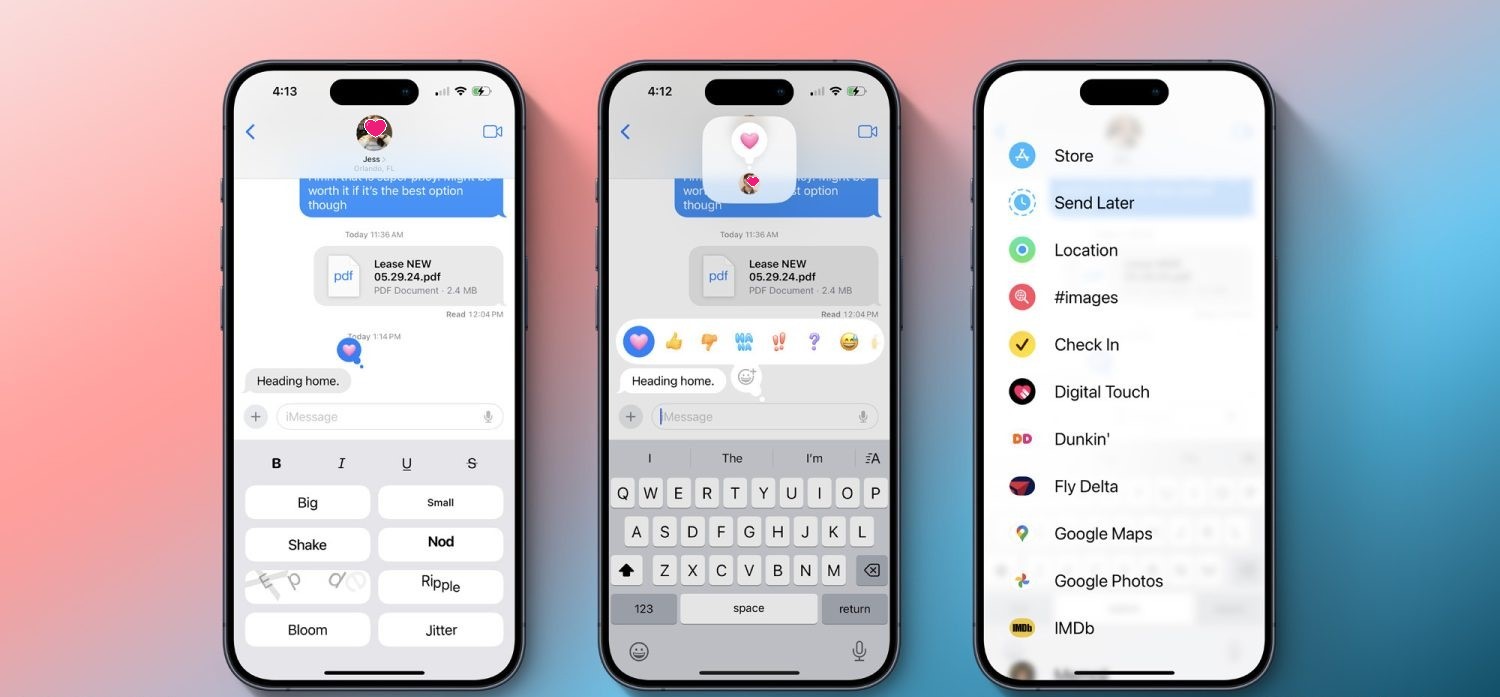
Emoji tapbacks and new tapback designs
Tapbacks have gone unchanged on the iPhone for years, but in iOS 18 they’re finally getting some big improvements.
For starters, you’ll be able to send any emoji as a message tapback. Gone are the days of being limited to a handful of tapback reactions. Now you can send a tapback with the eyes-looking emoji, or barf emoji, or anything else that fits the occasion. If emoji options aren’t enough, you can also use stickers as tapbacks.
Your most commonly used emoji and stickers will be accessible with a swipe left on the initial set of tapback options that appear, sliding those default options out of the way to present your most used emoji and stickers.
Speaking of those default options, they’re getting a facelift in iOS 18. The classic thumbs up, heart, and more are being splashed with full color and new designs that will make them fit in better among the wider array of new tapback options.
Schedule messages for later
We’ve all had an occasion where we wanted to send a message later. In iOS 18, that will finally be possible. No more need to ask Siri to remind you to send something later, you can simply schedule it yourself.
Prep a message in iOS or iPadOS 18 and, if you don’t want to send it right away, you can choose a later day and time for it to automatically go out. The option is available by pressing the + button on the left side of the screen and selecting the new Send Later option.
Text formatting and special effects
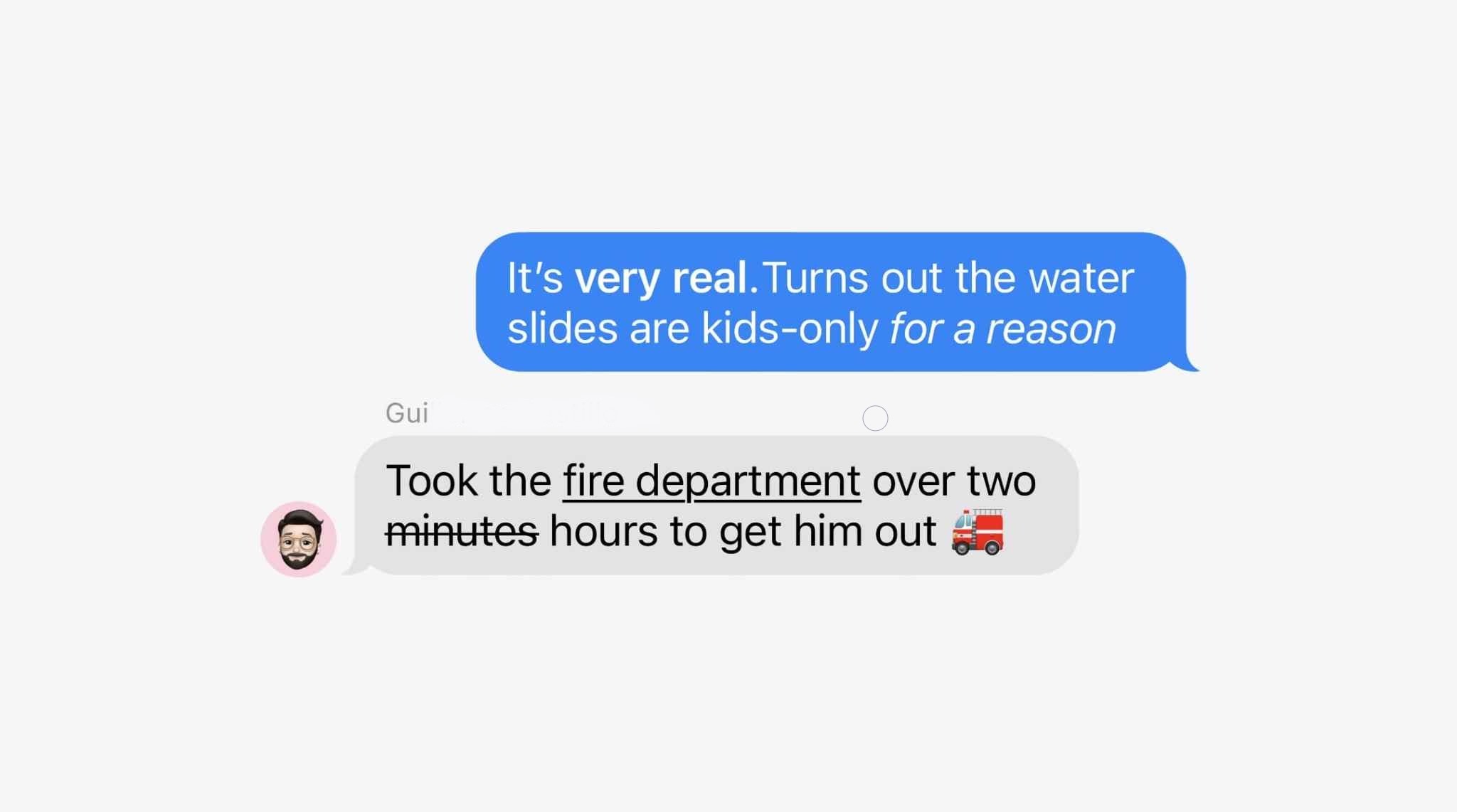
Messages was the last major Apple app that supports text input but never supported rich text formatting options like bold and italics. That changes in iOS 18, where you can customize the formatting of words in your message to implement the standard four formatting styles:
Bold
Italics
Underline
Strikethrough
Joining these options are eight neat special effects that can also be applied on a per-character basis:
Big
Small
Shake
Nod
Explode
Ripple
Bloom
Jitter
I’m not exactly sure which messaging occasions will call for some of these effects, but they’re nice options to have nonetheless.
RCS support
Apple had previously announced that it would support RCS in 2024, but it was great to see confirmation of that today.
RCS is a newer, more capable text message protocol that serves as a successor to SMS and MMS. Essentially, by adding RCS support in iOS 18, Apple will make your conversations with Android users more reliable than before.
When communicating over iMessage, everything will stay as-is. Your blue bubble conversations don’t change. But in those situations when, say, you’re in a group chat that includes a green bubble friend, RCS should make the experience better for everyone.
Everything else
Genmoji: Though not exclusive to Messages, the place you’re bound to use Genmoji most is in your conversations with friends and family. These AI-generated emoji will provide endless potential for future emoji communications.
Image Playground: Similarly, the new Image Playground tools for creating AI images in a variety of styles will be a useful option to have baked into the Messages app when it launches later this year alongside other Apple Intelligence features.
Messages via Satellite: Messages in iOS 18 also includes support for a new Messages via Satellite feature that’s designed to help you out in situations where you don’t have access to a Wi-Fi or cellular connection.
Wrap-up
Messages in iOS 18 provides a variety of new tools and features that are bound to get a lot of use. Though the core of the app is remaining the same, Apple has provided enhancements that I personally expect to benefit from a lot.
New Control Center in iOS 18 will have multiple pages, here’s what that means for you
iOS 18will be fully unveiled today at the WWDC keynote. According to one of the late breaking rumors, the iPhone update will introduce a redesigned Control Center.
One core feature of the new Control Center is the ability to place controls on multiple separate pages, rather than the single-page view currently available. Here’s what that means for you.
Control Center…will get an updated interface that allows shortcut buttons to be rearranged within the Control Center view itself and placed across multiple pages. It will also have a new music widget and an updated interface for controlling smart home appliances.
All the way back in iOS 10, Apple introduced a version of Control Center that spanned multiple pages. You could swipe between three different sets of controls. Unfortunately, those controls were not at all customizable.
What Apple has planned for iOS 18 will, in a small way, harken back to that long-forgotten design. Mostly though, it will be a brand new thing that’s more powerful than ever.
Creating your own multi-page Control Center in iOS 18
Currently in iOS 17, Control Center has some customization options. You can open Settings ⇾ Control Center and modify which particular controls show up in Control Center. But certain controls can’t be adjusted—elements like the Now Playing, Focus, and connectivity controls are all static. Their location can’t be changed, and they can’t be removed.
In iOS 18, reports like Gurman’s indicate that a lot more customization power is coming to users.
Consider what Apple has done with the iOS widget system over the past few years. Widgets can be placed and organized on your Home screen and Lock screen to provide exactly the controls you care about most.
It sounds like something similar is coming to Control Center.
Like when you enter ‘jiggle mode’ on the iPhone’s Home screen, in iOS 18 you will be able to rearrange, add, and delete controls right from the Control Center interface. No more going into Settings first.
A core component of this newfound freedom will be the ability to create multiple pages of controls. Unlike the static options in iOS 10’s design, with iOS 18 you should be able to create fully customizable pages that suit your needs—just like you can with Home screen pages using apps and widgets.
This additional screen real estate should pair nicely with the reported changes to the Now Playing and Home controls, which could take up more space than before. Apple could also stop hiding extra control layers behind a long-press. This would benefit not only the Now Playing and Home controls, but also Focus, volume controls, and more.
Will third-party apps be able to tap into Control Center?
This may be a bit radical, but it would be amazing to see Apple open Control Center up to third-party developers, too, so apps can offer up their own custom controls there.
Building on the foundation established by widgets, enabling third-party controls makes a ton of sense. It’s very much in line with what the company has done in recent years with widgets.
Wrap-up
I’m really excited about the possibilities for Control Center in iOS 18.
Apple could promote this newly capable, redesigned Control Center as part of a broader push toward greater customization options for iPhone users. You’ll be able to customize your Home screens in more ways than ever in iOS 18, so why not Control Center too?
Report: iOS 18 will tint iPhone app icons in dark mode, allow users to lock apps behind Face ID
On the day before WWDC, we have a couple more reports about some non AI-related iPhone software, which Apple will officially announce tomorrow as part of iOS 18.
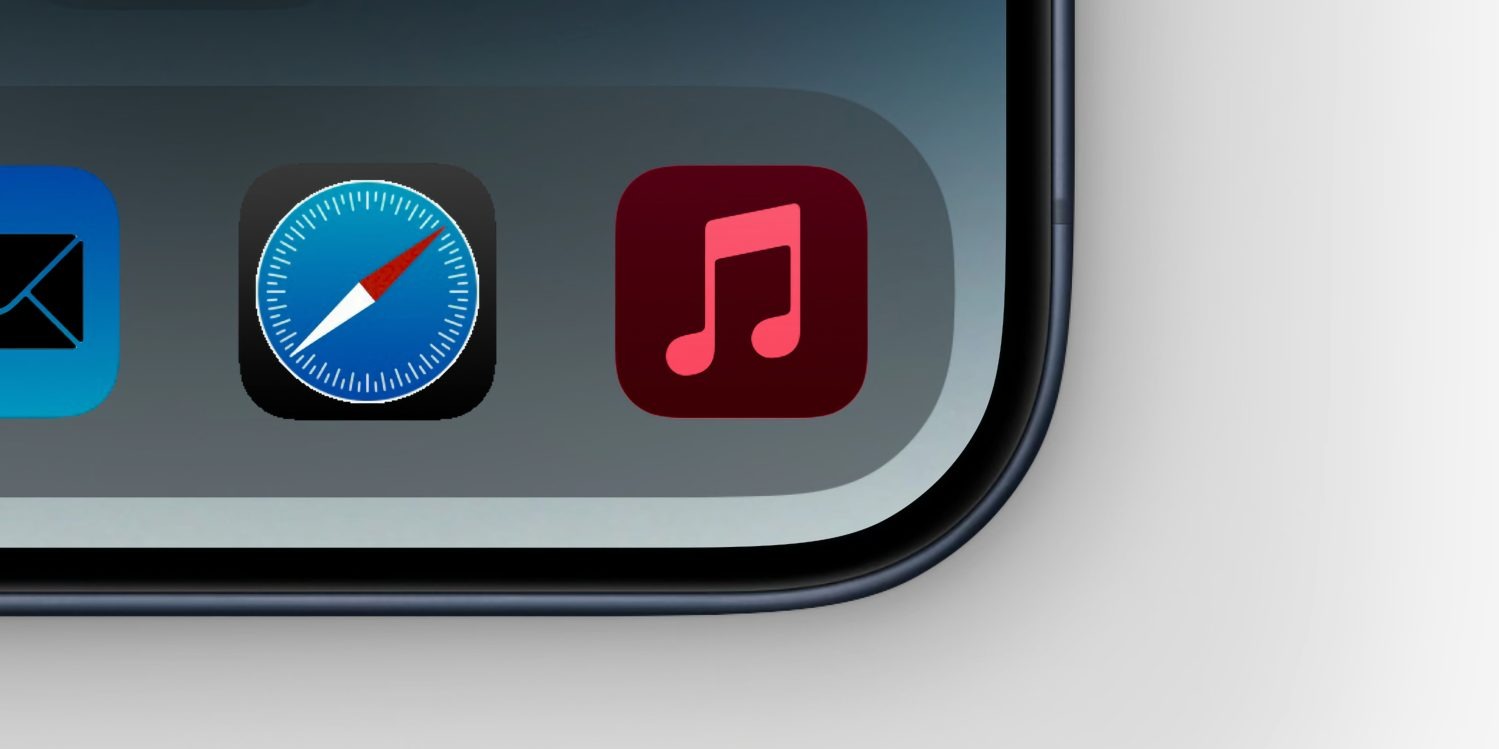
MacRumors reports that app icons will change color in Dark Mode for the first time, with a dark tint to match the darkened system chrome. The site also reports that the system will gain the ability to lock access to apps behind Face ID or Touch ID biometrics, on every app launch.
The idea of recoloring app icons has already been rumored for iOS 18, in the context of it being presented to the user as an option to personalize their device, as part of wider some screen layout changes.
What MacRumors suggests is that apps may also be able to opt-in to automatically changing their icon when the phone is in its Dark Mode appearance. The exact implementation method is not known. Perhaps developers will be able to choose a light icon and a dark icon, and the OS automatically switches when the system Appearance setting changes. Or, maybe the OS uses the single asset and renders a dark theme tint to it programatically, like changing the white background on many app icons to black.
MacRumors talks about the feature in the context of Apple’s app like Music and Mail, but presumably there would also be a way for third-party developers to support the feature as well.
Locking apps behind biometrics authentication or a passcode has been a feature on Android for a long time. It allows people to hand off their unlocked phones to others — perhaps to show them a website or a photo they just took — without fear of prying eyes.
Up to now, Apple has implemented this concept in select apps. For instance, with iOS 17, Private Browsing mode in Safari can prompt for Face ID authentication to access, as well as the ‘Recently Deleted’ and ‘Hidden’ album in the Photos app. Individual notes in Notes can also be locked with biometrics/passcode.
For iOS 18, it sounds like Apple will move on from this piecemeal approach to instead offering a system feature that allows users to choose which apps will require an additional authentication step before they will open. It’s currently unclear if this feature will only work with the built-in Apple apps, or if third-party apps from the App Store will also be able to be locked down.
We’ll know for sure today, when Apple’s WWDC keynote event kicks off at 10 AM Pacific Time ( 3:00 AM Monday, in Sydney NSW, Australia ). Expect iOS 18, watchOS 11, tvOS 18, visionOS 2 and a new version of macOS to be unveiled. A big theme of the event will be AI, with Apple launching a combination of on-device and cloud-powered artificial intelligence features under the collective brand of ‘Apple Intelligence‘.
Last May 22,2024 the Unicode Consortium previewed the new emoji that are expected to be added to Apple’s upcoming OS updates, including iOS and iPadOS 18, watchOS 11, and more. Though the list isn’t finalized yet, it’s likely that everything outlined will be approved and added to the official set of emoji that platform owners like Apple and Google will adopt.
One standout from the list is a new ‘face with bags under eyes’ emoji that makes me feel truly seen. It’s undoubtedly bound to be one of the most popular additions. Other new emoji include a shovel, fingerprint, beet, and more.
New emoji up for approval
Here is the full list of new emoji expected to come to iOS 18:
face with bags under eyes
fingerprint
leafless tree
root vegetable
harp
shovel
splatter
With emoji that represent exhaustion, a barren tree, and a shovel, there seems to be a fairly bleak common theme here.
One important thing to note is that the images above are not representative of what Apple’s finalized emoji art will look like. Unicode creates its own representations of the emoji, but it will be up to Apple’s design team to fashion their own emoji art that’s most consistent with the other emoji on its platforms.
Timeline of emoji being available to users
Apple typically adds new sets of approved emojis to their new release of iOS, so it’s unlikely we’ll see any of these additions in September’s initial iOS 18 release. However, perhaps with 18.2 later in the year, or 18.3 or 18.4 early next year we’ll finally get our hands on the exhausted emoji we all deserve.
For reference, iOS 17.4 was the release that brought the last batch of new emoji.
We’ve been hearing a lot of rumors about the next generation iPhone SE, which is expected to be announced sometime next year with a major redesign compared to the current model. Of course, one of the main selling points of the iPhone SE is the more affordable price – and there’s some news about that.
Apple rumored to increase iPhone SE price
According to leaker @Revegnus1, the iPhone SE could be around 10% more expensive in the US following the launch of its next generation next year. Currently, Apple sells the iPhone SE 3 for prices starting at $429 for the 64GB version. A 10% increase would take the starting price to around $469.
At the same time, the leaker also claims that Apple wants to keep the price of the new iPhone SE below the $500 mark. There’s also a chance that the company will keep the same $429 price as the current generation.
For comparison, these are the starting prices for iPhones that Apple currently sells:
iPhone SE 3: $429
iPhone 13: $599
iPhone 14: $699
iPhone 14 Plus: $799
iPhone 15: $799
iPhone 15 Plus: $899
iPhone 15 Pro: $999
iPhone 15 Pro Max: $1199
Apple has a history of increasing the price of products when they receive a major redesign. This happened with the entry-level iPad in its 10th generation, which went from $329 to $449. More recently, the company brought the price back to $349.
Verdict
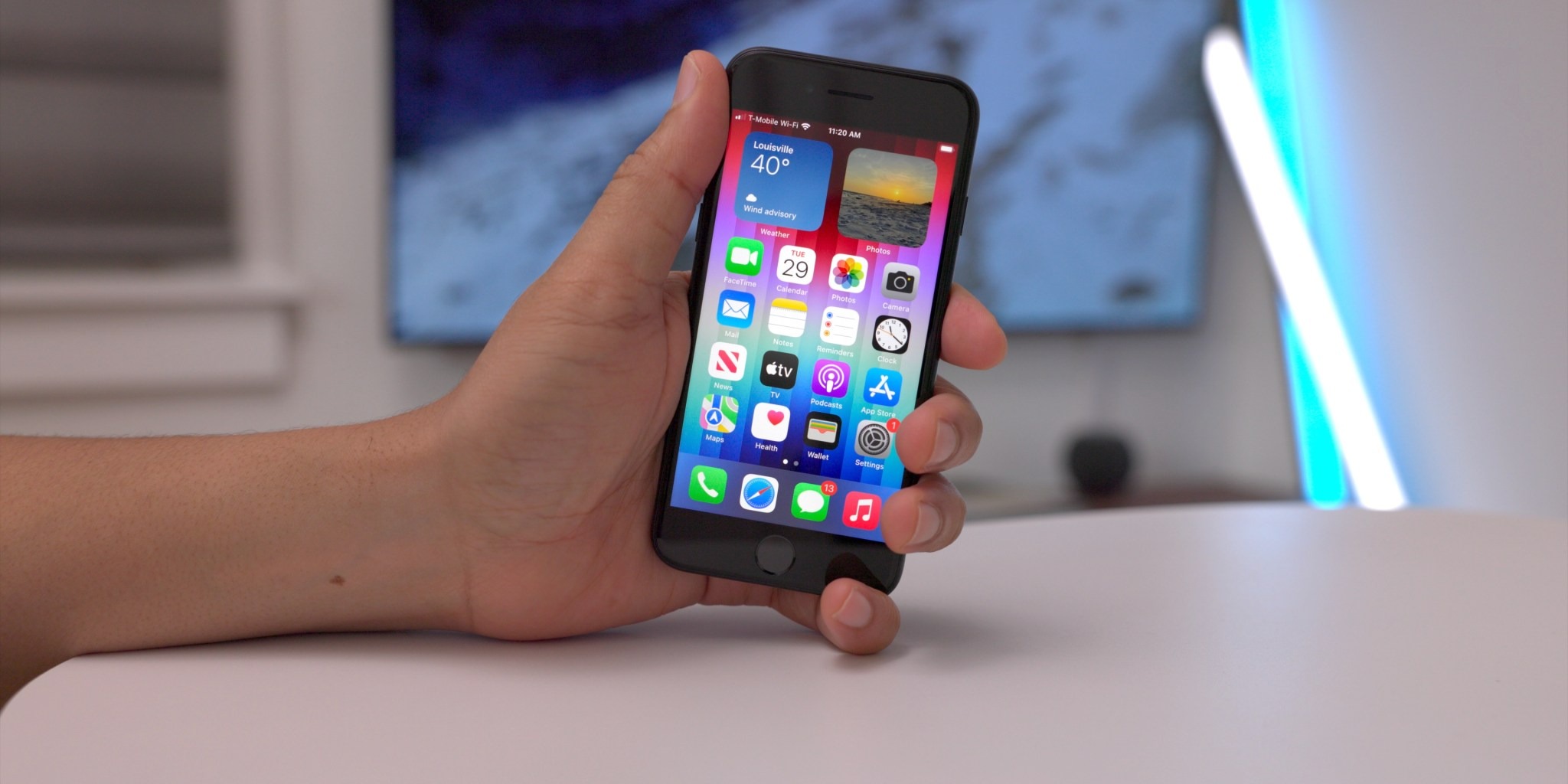
According to the latest rumors, the iPhone SE 4 will have the same design as the iPhone 14, with a 6.1-inch OLED display, flat edges, and Face ID. The current SE model is still based on the iPhone 8 design with a 4.7-inch LCD display and Home Button with Touch ID.
A price increase for the iPhone SE 4 to $469 or even $499 won’t come as a surprise. However, how Apple will differentiate the new SE from the iPhone 14 (which is expected to cost $599 when Apple launches the iPhone 16 later this year) remains unclear. The company could phase out the iPhone 14, for example.
Recent reports have revealed that Apple is working on a new ultra-slim iPhone for 2025 that would cost even more than the current Pro Max model. If that’s the case, we might see higher prices for the entire iPhone lineup next year.
The Information says Apple plans to introduce iPhone SE 4 in spring 2025.
In sum, that would make the new Pro lineup composed of black, white/silver, rose and natural titanium options. For the base iPhone 16 and iPhone 16 Plus, Kuo expects black, white, green, pink, and blue colorways.
These predictions generally match earlier expectations, although there had been some talk of a purple iPhone 16 model. Kuo does not mention purple in his message today.
The iPhone 16 lineup is expected to be officially announced in the fall, likely at a September media event. The phone’s design will mostly resemble their iPhone 15 counterparts, although the screen sizes on the Pro models is getting a smidge bigger. The dual-camera module on the 15 and 15 Plus is changing from a diagonal to a straight ‘traffic light’ arrangement.
The big new feature is expected to be the addition of a Capture Button, which will assist with taking videos and photos. The button is expected to be capacitive and respond to different levels of force pressure as input. For instance, users will be able to focus the camera in the viewfinder with a half-force press, and then press to actually take the camera. This is similar to how a traditional camera behaves.
With summer drawing near, we’re getting closer to the expected September debut of the iPhone 16 lineup. As a result, more details about the phones should start finding their way into the news.
One such update comes today from analyst Ross Young, writing on X in a subscriber post about the start of iPhone 16 display production.
iPhone 16 panels entering production soon
Young notes in his post that panels for the new iPhone 16 lineup are expected to begin in June, which would be on schedule with the timing of last year’s iPhone 15 production.
Display production taking place at the same time as last year means the iPhone 16 is on track to debut at the same time as last year’s iPhone 15, in mid-September.
Out of the full iPhone 16 line, which is expected to include four models yet again, the iPhone 16 and 16 Pro are said by Young to have the highest projected volumes in June, with 16 Plus and 16 Pro Max displays likely ramping up later in the summer.
Also today, dummy units for the iPhone 16 Pro and Pro Max were shared, revealing the expected larger display sizes on this year’s models. This will represent the first notable display size increase in several years, since the iPhone 12 line.
Verdict
With WWDC on the horizon, and Apple needing to produce millions of iPhones ahead of their fall launch, today’s news is unsurprising yet reassuring. Pending any future production issues, potentially from manufacturing new display sizes this year, the iPhone 16 should hit users’ hands around the same September timeframe that we’ve come to expect.
Apple has officially released iOS 17.5 to the general public. The update brings a handful of new features and changes for iPhone users. Head below for everything we know right now.
iOS 17.5 is now available
iOS 17.5 is now available to the public. You can head to the Settings app on your device, then choose General, then Software Update to install the update.
What’s new in iOS 17.5?
While iOS 17.5 isn’t quite as big of an update as other iOS 17 updates, it still includes its fair share of new features and updates.
Web Distribution in the EU
Within the European Union, the latest iOS 17.5 update introduces the capability to install applications directly from a developer’s website. Apple unveiled this new “Web Distribution” feature last month, explaining that it allows developers to distribute their iOS apps straight from their own websites.
To utilize this functionality, developers must opt into the updated App Store business terms, which requires paying a Core Technology Fee of €0.50 for every first annual installation exceeding one million in the preceding 12 months.
Any application disseminated through the web will still need to adhere to Apple’s notarization guidelines. Apps can only be installed from a website domain that the developer has registered in App Store Connect. Apple will also provide a range of APIs for developers to integrate with system functionality.
New Quartiles game for Apple News+
In the Apple News app, Apple News+ subscribers in the United States and Canada will find a new “Quartiles” word game after updating to iOS 17.5. The game prompts players to select from a grid of tiles to form words.
Quartiles is the third game to come to Apple News+, following the addition of daily crossword and crossword mini-games that were added last year.
iOS 17.5 also adds Game Center integration to all three of the Apple News+ games. With this feature, you can now see leaderboards for each of the three games for Daily Solve Time and Daily Score stats.
Apple News offline
Also for Apple News+ subscribers, iOS 17.5 introduces a new “Offline Mode.” This feature “makes it easy to access the hundreds of magazines, newspapers, narrated articles, and more included in a News+ subscription — no matter where you are,” according to Apple.
Apple News+ subscribers can now enjoy Offline Mode on iPhone and iPad to automatically download Top Stories, Apple News Today audio briefings, full magazine issues and narrated articles from News+ publishers, and puzzles to access later, without Wi-Fi or a cellular connection. When the device is back online, downloaded content will automatically refresh, and downloads will be optimized to maximize space on the device.
Design changes
iOS 17.5 also includes a few small design changes that are worth pointing out:
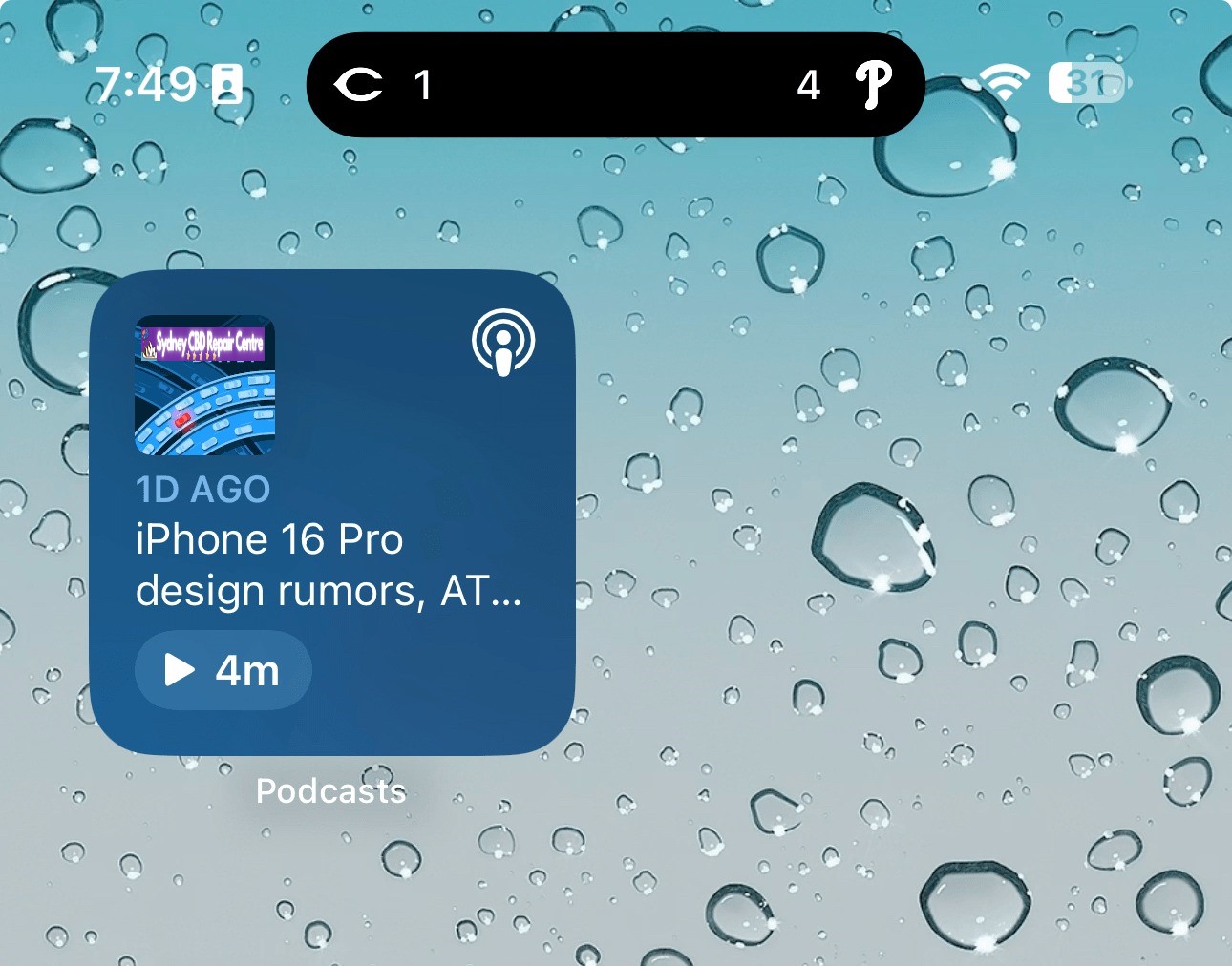
The Podcasts widget has been updated to have a new dynamic color that changes based on the artwork of the podcast you’re currently playing.
In the Apple Books app, Apple has redesigned the “Reading Goal” icon in top navigation bar.
In the Settings app, there is a new glyph for the “Passkeys Access for Web Browsers” menu under “Privacy & Security.”
New Pride wallpaper
iOS 17.5 also includes a new Pride Collection of wallpapers for iPhone and iPad users, as is tradition. The new dynamic wallpapers come as part of Apple’s goal to “champion global movements to protect and advance equality for LGBTQ+ communities.”
As explained by Apple, iOS 17.5 includes a new system centered around anti-stalking capabilities for accessories like AirTags. This development follows Apple’s announcement last year of a partnership with Google to collaborate on a new “industry specification to combat unwanted tracking.”
Strings added to the Find My app reveal that iOS will be able to identify tracking accessories, even those that are not Apple or Find My certified, and assist users in disabling them.
One of the new strings states, “This item lacks certification on the Apple Find My network. You have the option to disable this item and prevent it from sharing its location with the owner. To proceed, follow the instructions provided on a website by the manufacturer of this item.”
These changes come as Google started rolling out its new Find My Device network for Android on April 8.
New ‘Repair State’
Also in iOS 17.5, Apple has added a new “Repair State” feature to Find My. This feature lets users confirm with their Apple ID and password that they’re about to send their iPhone in for a repair. As a result, Apple technicians can confirm that the person owns the iPhone and then proceed with the repair without the need to turn off Stolen Device Protection and Find My.
Essentially, this ensures that users can still track their device using Find My while it’s being repaired. Previous, Apple required users to disabled Find My altogether.
iOS 17.5’s security fixes
Finally, in addition to all the new features and changes, iOS 17.5 also includes 15 notable security patches for iPhone users. Notably, none of the 15 vulnerabilities were reported as previously exploited.
You can find the full list of these changes in our dedicated coverage. Even if none of the new features in iOS 17.5 are tempting for you, we recommend updating as soon as possible for those security fixes.