


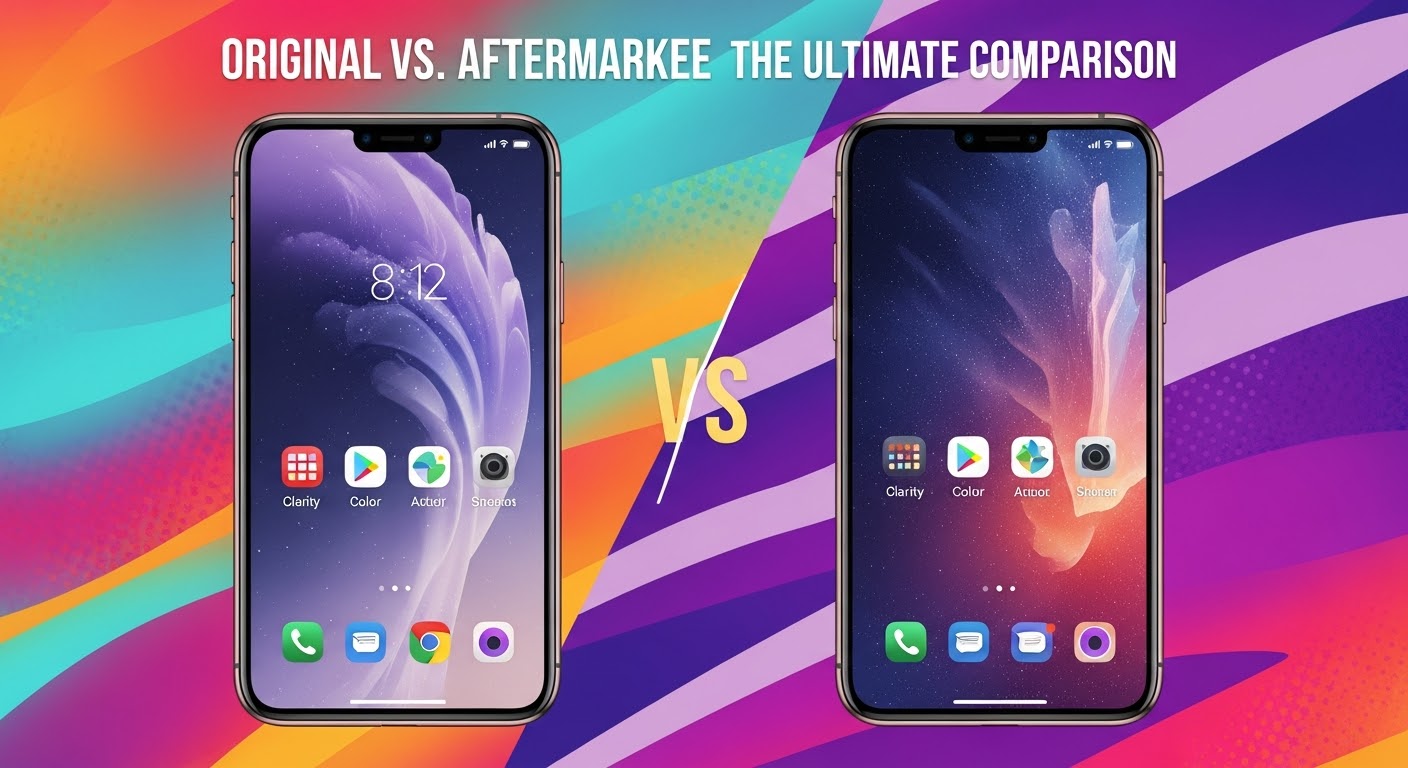
Original vs. Aftermarket Phone Screens: The Ultimate Comparison

Original vs. Aftermarket Phone Screens: The Ultimate Comparison + 10 Essential Insights
Introduction
Phone screens are among the most vulnerable and costly components of modern smartphones. A cracked or malfunctioning screen can significantly impair the user experience, affecting both aesthetics and functionality. When it comes to replacing a damaged screen, consumers often face a choice between original (OEM) screens and aftermarket alternatives. Understanding the differences, advantages, and trade-offs is essential for making an informed decision that balances cost, performance, and long-term value.
This article delves into every aspect of this comparison, offering insights into cost, display quality, durability, installation considerations, and more. Whether you are a casual user, a gamer, or someone who relies on their phone for daily work, this guide will help you choose the best screen replacement option for your device.
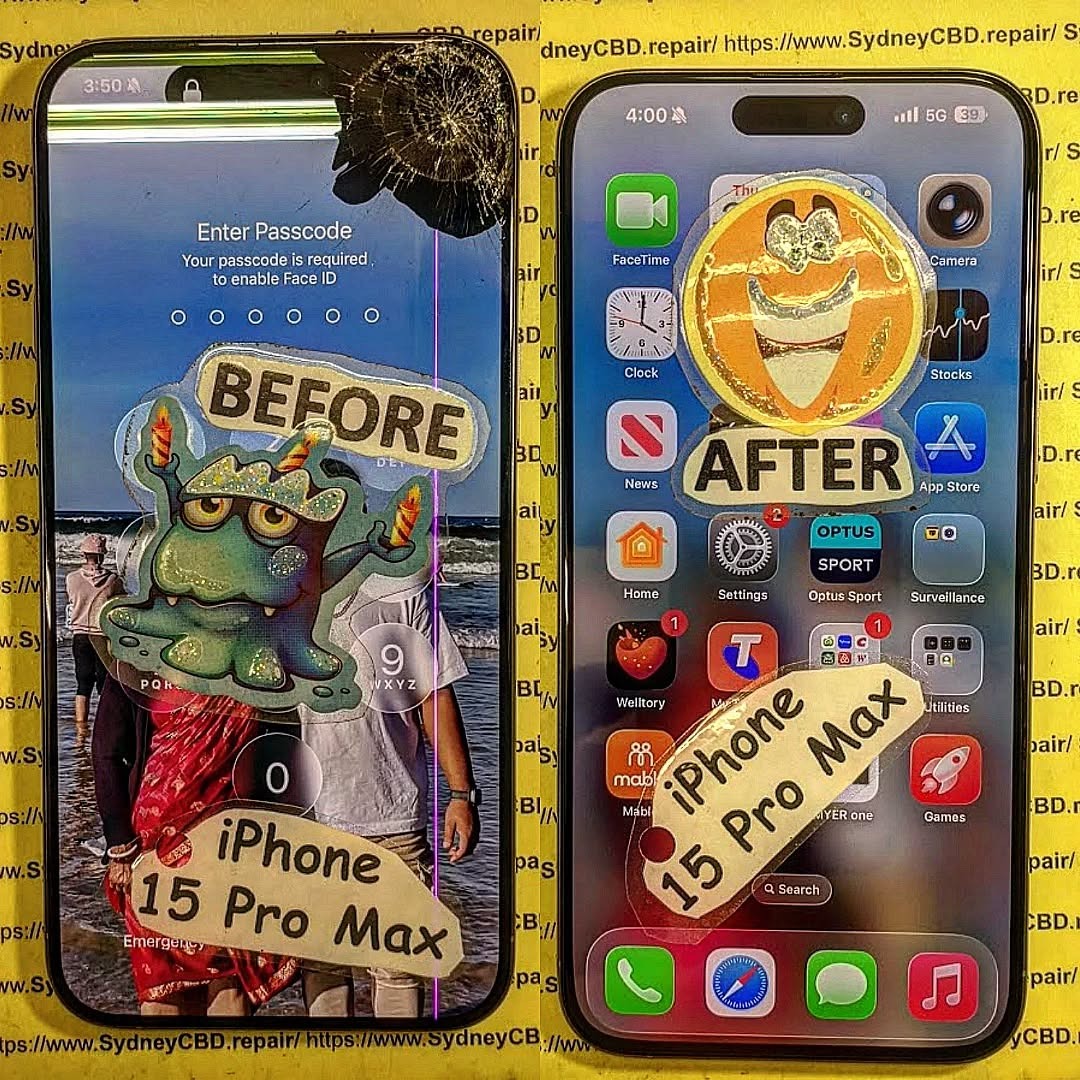
Understanding Phone Screen Types
Original Screens
Original Equipment Manufacturer (OEM) screens are made by the phone’s brand or an authorized partner. These screens are designed to match the exact specifications of the device, ensuring optimal color accuracy, touch sensitivity, and structural integrity.
Advantages:
- Perfect color reproduction and brightness
- Full touch responsiveness
- Guaranteed fit and alignment
- Supported by manufacturer warranty
Aftermarket Screens
Aftermarket screens are third-party replacements that aim to replicate the functionality of OEM screens. They vary in quality, with some closely resembling the original and others offering only basic functionality.
Advantages:
- Lower initial cost
- Wide availability for older devices
- Often customizable options like tempered glass or reinforced frames
Potential Drawbacks:
- Variable color accuracy
- Reduced touch sensitivity
- Higher likelihood of hardware or software compatibility issues
Cost Comparison
Price Range Differences
Original screens are typically more expensive due to their premium quality and brand association. For flagship devices, an OEM replacement can cost $150–$350, depending on the model. Aftermarket screens, on the other hand, may cost $40–$120, making them a tempting choice for budget-conscious users.
Long-Term Value
While aftermarket screens save money upfront, they may require more frequent replacement due to lower durability. OEM screens, despite the higher cost, often provide better long-term value due to their superior performance and longevity.
Display Quality
Color Accuracy
Original screens maintain the manufacturer’s intended color calibration. They produce true-to-life colors, better contrast, and higher brightness levels. Aftermarket screens often struggle to match these standards, which can result in washed-out or overly saturated visuals.
Touch Sensitivity
OEM screens respond seamlessly to touch inputs, even under light pressure or multi-finger gestures. Aftermarket options can suffer from latency issues, unresponsive corners, or uneven pressure sensitivity, affecting tasks such as gaming or digital art.
Build and Material Quality
Material Differences
OEM screens usually use high-quality materials like Gorilla Glass, which offers excellent scratch resistance and shatter protection. Aftermarket screens often use generic glass, which may compromise durability and clarity.
Durability Tests
In drop and scratch tests, OEM screens consistently outperform aftermarket replacements. While aftermarket screens may include reinforced coatings, they rarely match the structural integrity of an original screen.
Warranty and Support
Manufacturer Warranty
Replacing your phone with an OEM screen usually preserves the original manufacturer warranty. This can cover defects and ensure professional support if issues arise.
Repair Shop Support
Many reputable repair centers, like Sydney CBD Repair Centre, offer their own warranties on both OEM and aftermarket screens. Their expert technicians can guide you in choosing the right replacement based on your priorities and budget.
Installation Considerations
Professional Installation
OEM screens often require professional installation to maintain warranty coverage and avoid hardware damage. Certified technicians ensure proper alignment, adhesive application, and calibration.
DIY Risks
Attempting to install screens yourself can be risky, especially with OEM components. Even aftermarket screens can suffer from installation errors that lead to dead pixels, unresponsive touch, or frame misalignment.
Performance in Daily Use
Gaming & Multimedia
High-resolution games, streaming videos, and graphic-intensive apps benefit from OEM screens’ superior refresh rates and color accuracy. Aftermarket screens may show minor delays or reduced vibrancy, impacting immersive experiences.
Everyday Tasks
For routine activities like texting, browsing, or social media, aftermarket screens may suffice. However, minor touch or color issues may still be noticeable to users accustomed to high-quality displays.
Battery and Hardware Integration
Power Efficiency
OEM screens are optimized for the phone’s hardware, ensuring minimal battery drain. Aftermarket screens may consume slightly more power due to differences in brightness calibration or panel efficiency.
Component Compatibility
Third-party screens sometimes conflict with other phone components, potentially causing issues like touch failure, ghost touches, or calibration errors.
Aesthetics and Fit
Edge-to-Edge Fit
OEM replacements guarantee perfect alignment with bezels and front cameras. Aftermarket screens may have slight gaps or misalignments that are visible upon close inspection.
Color Matching
Color uniformity across the screen is often superior with OEM screens, whereas aftermarket alternatives may show minor variations or tints.
Resale Value Implications
Replacing a screen with OEM components helps maintain the device’s resale value. Phones with aftermarket screens often see a reduced resale price because buyers perceive them as less reliable or authentic.
Environmental Impact
OEM screens often incorporate environmentally conscious manufacturing practices. Aftermarket screens vary in their sustainability, with some using recycled materials but others contributing to electronic waste due to shorter lifespan.
Popular Misconceptions
- Aftermarket screens are always bad – Many high-quality aftermarket screens are suitable for everyday use.
- OEM screens never break – OEM screens are durable but can still crack under impact.
- DIY installation voids warranty – Warranty policies vary; professional installation is often recommended.
Expert Recommendations
When to Choose Original
- High-end flagship devices
- Frequent heavy use (gaming, streaming, content creation)
- Desire for maximum resale value
When Aftermarket Screens Are Acceptable
- Older or budget devices
- Temporary replacement before upgrade
- Limited usage where premium display quality is not critical
FAQs
1. Can an aftermarket screen damage my phone?
If installed improperly, yes. Quality aftermarket screens installed by professionals usually do not harm the device.
2. How long do OEM screens last compared to aftermarket screens?
OEM screens generally last longer due to superior materials and manufacturing, often several years under normal use. Aftermarket screens may last 6–18 months depending on quality.
3. Are aftermarket screens compatible with all phone functions?
High-quality aftermarket screens support most functions, but features like 3D Touch, True Tone, or fingerprint sensors may be less reliable.
4. Is it worth paying more for OEM screens?
Yes, for users who value longevity, performance, and resale value, OEM screens provide better long-term investment.
5. Can I tell the difference between OEM and aftermarket screens visually?
Often subtle. Differences may appear in color accuracy, brightness, and touch responsiveness, noticeable during intensive use.
6. Does replacing a screen void my phone warranty?
OEM replacements installed by authorized service providers typically preserve warranty. Aftermarket replacements may void the manufacturer warranty.
Conclusion

Choosing between original and aftermarket phone screens depends on balancing cost, performance, durability, and personal needs. OEM screens provide superior quality, long-term reliability, and preserve resale value, while aftermarket options offer a budget-friendly alternative for temporary or low-intensity usage. Professional installation, such as at Sydney CBD Repair Centre, ensures optimal performance and peace of mind, regardless of the screen type chosen.
Investing in the right screen replacement ensures your smartphone continues to deliver the experience you expect, keeping your device functional, visually appealing, and ready for daily demands.
David from Sydney CBD Repair Centre – The Best place to fix mobile phones as 6 Years In A Row! Top Mobile Phone Repair In Sydney. More than 2000 Positive Reviews on Google and Same Day Repairs.
Visit us for:
✓ Same Day Express Repairs
✓ Genuine Parts Guarantee
✓ Professional Technicians
✓ Competitive Pricing
✓ 2000+ 5-Star Google Reviews
✓ 6-Time Award Winner for Best Phone Repairs
Call : +61280114119
Website: https://SydneyCBD.repair/locate-us

