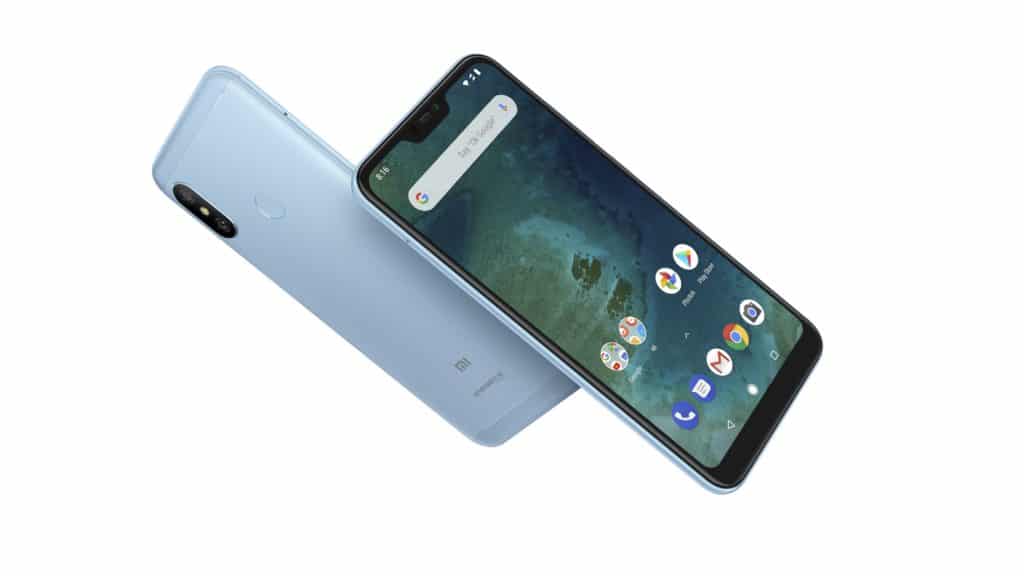
The Pocophone F1 is cheap and very powerful. When it comes to price per performance, this is the king of its class. However, there has to be something going on. You can’t make a powerful device with high end specifications with mid-range pricing.
Is the Pocophone F1 just all hype? Let’s take a look at the not so positive side of the phone and see if it still make you want to buy it. Is it a deal breaker for you or you can just ignore and get this well-hyped up smartphone from Xiaomi.
Do you need Pocophone screen replacement? Sydney CBD Repair Centre has the best Poco F1 screen replacement in Sydney.
When it comes to build quality, the Pocophone F1 is not the greatest. Sorry. If you see it for the first time, you would see a very traditional glass front. But holding it is a totally different story. You feel like it squeaks and breaks as you apply the slightest pressure on the side.
You can actually feel it.
It’s not horrid, but at a time when gorgeous sandwiches of metal and glass are commonplace, it feels old hat to hold a plasticky device in your hand, no matter how much the phone costs.
Looking on the bright side, the Pocophone F1’s silver-tinted chamfered edges add a dash of class, and the rounded corners and sides ensure that it fits comfortably in the palm. The rear-mounted circular fingerprint reader is easy to reach, too.
The Pocophone F1 isn’t certified for dust- or water-resistance, so you might want to avoid any bathroom or kitchen mishaps and using it out in the rain. Then again, the OnePlus 6T isn’t protected from the elements, either, and that phone costs a considerable chunk more.
No NFC
If you’re into the modern tech stuff which actually are being used today for your day to day routine, then you may be shocked to know that Near Field Communication is not available on the Pocophone F1.
The lack of NFC is a bigger problem. You won’t be able to use the Pocophone F1 for your contactless card payments via Google Pay, for instance, which is a bit of a pain if you’re used to tapping your phone on the Oyster card gates.
Weird Software Design
Okay, the most obvious to your eyes, the interface. It’s not the most glamorous version of Android but it’s got the latest version on the day of its release. Why should you care? Because it may just be annoying for you to use. Here’s why.
For starters, the app icons are particularly child-like, and I’m not a fan of how they look. The phone’s settings menu behaves a little differently, too, and finding particular settings is a lot trickier than the stock Android experience. I couldn’t figure out how to disable screen timeout, for instance, which proved particularly troublesome when testing the Pocophone’s display. App notifications don’t often show up at the top of the screen, either.
These are minor issues, of course, and can be remedied by installing a third-party launcher of your choosing when the phone arrives through your postbox. It doesn’t stop the Pocophone feeling that bit less slick than its competitors, though.
Xiaomi recently launched the Redmi Note 7S in India. The handset comes less than two months after the Redmi Note 7 launch and its pricing has surprised many. If you plan on purchasing the Redmi Note 7S, check out our detailed FAQ surrounding it.
The FAQ will help clear all your doubts surrounding the Redmi Note 7S.
The Redmi Note 7 and Redmi Note 7S are mostly the same phones, with the latter only coming with a different rear camera setup. It is definitely surprising to see Xiaomi replace the Redmi Note 7 with the Redmi Note 7S so soon in India.
Redmi Note 7S FAQ
Q) What are the full specifications of the Redmi Note 7S?
Connectivity: LTE, (Hybrid) Dual-SIM, GPS, Wi-Fi b/g/n/ac, Bluetooth 5.0, USB-C
Battery: 4000mAh non-removable
Others: MIUI 10 based on Android 9.0 Pie
Q) How are the Redmi Note 7 and Redmi Note 7S different?
A) The Redmi Note 7 and Redmi Note 7S are essentially the same phones with their rear camera setup being the only difference. While the Redmi Note 7S features a 48MP GM1 Samsung sensor, the Redmi Note 7 features a 12MP Sony shooter. The GM1 sensor from Samsung is not a true 48MP sensor. In reality, it is a 12MP sensor , and that’s why the Redmi Note 7S clicks photos at 12MP by default.
Q) How is the 48MP camera on the Redmi Note 7 Pro different from the Redmi Note 7S?
A) The Sony IMX586 sensor on the Redmi Note 7 Pro is a superior sensor compared to the GM1 sensor found on the Redmi Note 7S. The former offers better dynamic range, colors, contrast, and the difference between the two is especially visible in low-light and challenging situations.
Q) Will Xiaomi continue to sell the Redmi Note 7 alongside the Redmi Note 7S?
A) No. Xiaomi is discontinuing the Redmi Note 7 in India.
Q) Is the Redmi Note 7S water-resistant?
A) No, but the handset is splash resistant. However, Xiaomi will not honor the standard warranty for any liquid damage.
Q) Is the battery of the handset removable?
A) No, since the Redmi Note 7S features a unibody glass build, the battery and back cover is not removable.
Q) What kind of SIM card slot does the Redmi Note 7 have? Can I use two SIM cards and a microSD card at the same time?
A) The Redmi Note 7S features a hybrid SIM card slot. This means that you can either 1 SIM card and microSD card or 2 SIM cards at any given time. The primary SIM slot accepts microSIM cards, while the secondary slot accepts nanoSIM cards.
Q) Is there an IR blaster on the Redmi Note 7S that can be used to control TVs and other devices?
A) Yes, the Redmi Note 7 features an IR blaster. Coupled with Mi Remote, one can use the IR blaster on the device to control TV, ACs, and other electronic items.
Q) Do you get face unlock on Redmi Note 7S?
A) Yes.
Q) Can one record calls on Redmi Note 7S?
A) Yes, one can record calls on the Redmi Note 7S.
Q) Does the Redmi Note 7 feature FM radio?
A) Yes, the Redmi Note 7S features FM radio.
Q) Is the display on the Redmi Note 7S protected by Gorilla Glass?
A) Yes, the 6.3-inch display on the Redmi Note 7S is protected by a 2.5D curved Corning Gorilla Glass 5.
Q) Can you lock apps using the fingerprint scanner on the Redmi Note 7S?
A) Yes, you can.
Q) Where is the fingerprint scanner on the Redmi Note 7S located? Is it touch-based?
A) The fingerprint scanner on the Redmi Note 7S is located at the rear, and yes, it is touch based.
Q) How many fingerprints can one register on the phone?
A) 5.
Q) Can you record slow-motion videos on the phone?
A) Yes. It can record slow-mo videos in 1080p@120fps. It can also record Full HD videos at 60fps and since it has EIS, the footage will not be shaky as well.
Q) Can one make native video calls on Redmi Note 7S without using a third-party app?
A) Yes, you can directly make video calls on the Redmi Note 7S without using an app like Google Duo or Skype.
Q) Which version of Android does the handset run?
A) Android 9.0 Pie.
Q) Which version of MIUI does the Redmi Note 7 run?
A) The Redmi Note 7 runs on MIUI 10 out of the box.
Q) Does the Redmi Note 7 support LTE and VoLTe networks? Will a Reliance Jio SIM work on the phone?
A) Yes, it does support LTE and VoLTE out of the box. The Note 7 also has dual-VoLTE support which means one can use two Jio or any two VoLTE networks on the device at the same time.
Q) What about VoLTE support on AirTel’s network?
A) Yes, the Redmi Note 7S support Airtel’s VoLTE network. Xiaomi will also add support for Vodafone’s VoLTE network on the handset with a future software update.
Q) Is fast or Quick charging supported on the Redmi Note 7 Pro?
A) Yes. The Redmi Note 7S has Quick Charge 4.0 support. However, Xiaomi continues to bundle a 10W charger with the device which means one will have to separately investment in a Quick Charge 3.0 or 4.0 charger.
Q) How much free storage space does one get on the Redmi Note 7S out of the box?
A) Almost 21GB of free space
Q) Can you uninstall or disable pre-installed apps on the handset?
A) Yes, you can uninstall or disable some pre-installed apps on the Redmi Note 7, but not all.
Q) What colors are the Redmi Note 7S going to be available in?
A) The handset will be available in Black, Blue, and Red.
Q) What contents do you get inside the retail box of the Redmi Note 7 Pro?
A) You get the phone, a 2A charger, a USB cable, SIM ejector tool, and some regulatory papers. Xiaomi is also bundling a free plastic case with the Redmi Note 7 just like its other recent devices.
Q) Does the handset support USB OTG?
A) Yes, the Redmi Note 7S supports USB On-The-Go. This allows you to connect pen drives, external hard disks directly and other similar devices using an adapter to the device.
Q) When will the Redmi Note 7 launch in India?
A) The Redmi Note 7S goes on sale in India from May 22. It is priced at Rs 10,999 for the 3GB/32GB variant, with the 4GB RAM/64GB variant coming at Rs 12,999.
Android (Go edition) devices have, so far, been kind of a mixed bag. Sure, Android Go optimizes several parts of the OS to run better on lower-end devices, but certain devices have a specification sheet so weak that even Android Go is not enough to make them run optimally. The Nokia 1 with a MediaTek MT6737M processor and a subpar 480p display is a great example of this. At their price points, they’re not bad phones. They’ll still do the job for most people and Android Go goes a long way in smoothing things out. But you certainly deserve better, even if you’re on a budget. Enter the Xiaomi Redmi Go.
Xiaomi recently took a big step with their Redmi sub-brand, introducing themselves head-first into the Android Go market. The result? The Xiaomi Redmi Go, Xiaomi’s cheapest device to date, retailing at a measly Rs. 4,499 (~$65)—but don’t let that price tag fool you. After playing with other Android Go devices like the Samsung Galaxy J2 Core and the Nokia 1, I can confidently say that this is one of the best Android Go phones available in the market, if not the best one out there. Here are my first impressions of the Xiaomi Redmi Go.
microUSB (USB 2.0), Wi-Fi, Bluetooth (Bluetooth 4.1), GPS, OTG, 3.5mm headphone jack
In the box
Xiaomi Redmi Go smartphone, Documentation, microUSB Cable, Power Adapter, SIM Ejector
Availability
Available now for ₹4,990/$65.
Design
The Xiaomi Redmi Go is not really made to stand out. In fact, it is fairly bland in its design. It is a slim, compact device which is made entirely of plastic, including the back, frame, and buttons. Not that this is a bad thing, to be honest. Again, we’re talking about a $65 phone, and sturdier or more premium finishes like glass and metal are off the table since the whole point of this phone is to be affordable. Also, despite its plastic build and price point, it actually feels fairly sturdy and well-built. The back is not removable unlike many other Android Go devices. This may help with its sturdiness, but also means that the battery isn’t removable. If this is something you’re looking forward to, then don’t hold your breath.
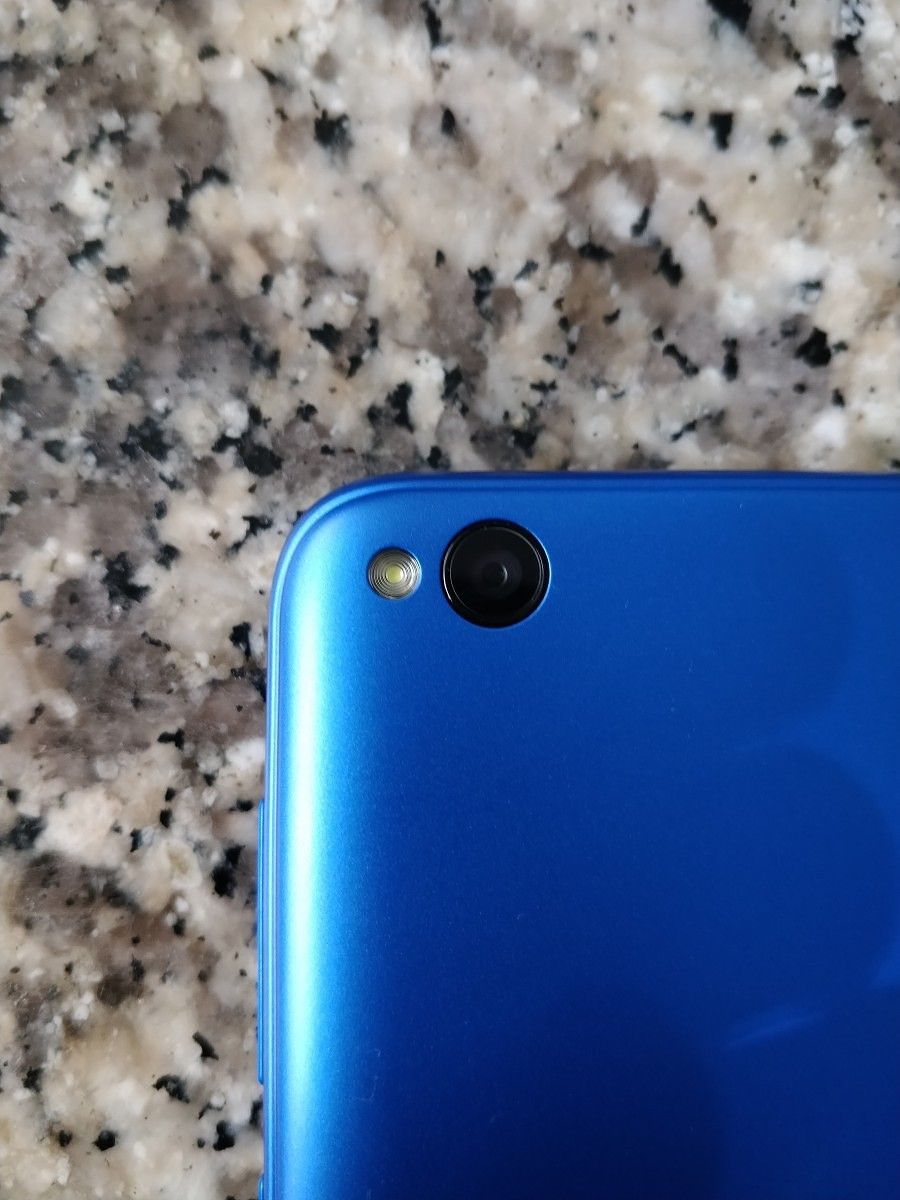
The back of the phone houses a small, single 8MP back shooter, an LED flash, and a very faint Xiaomi logo. I got the blue version of the phone, and while there’s no gradient back glasses or anything fancy here, it is actually a very cute little phone. Thanks to its 5-inch display and its light and slim body, it is easily pocketable. I still love my OnePlus 5T‘s 6-inch display, but I think more devices (flagships included) should come in this smaller form factor.
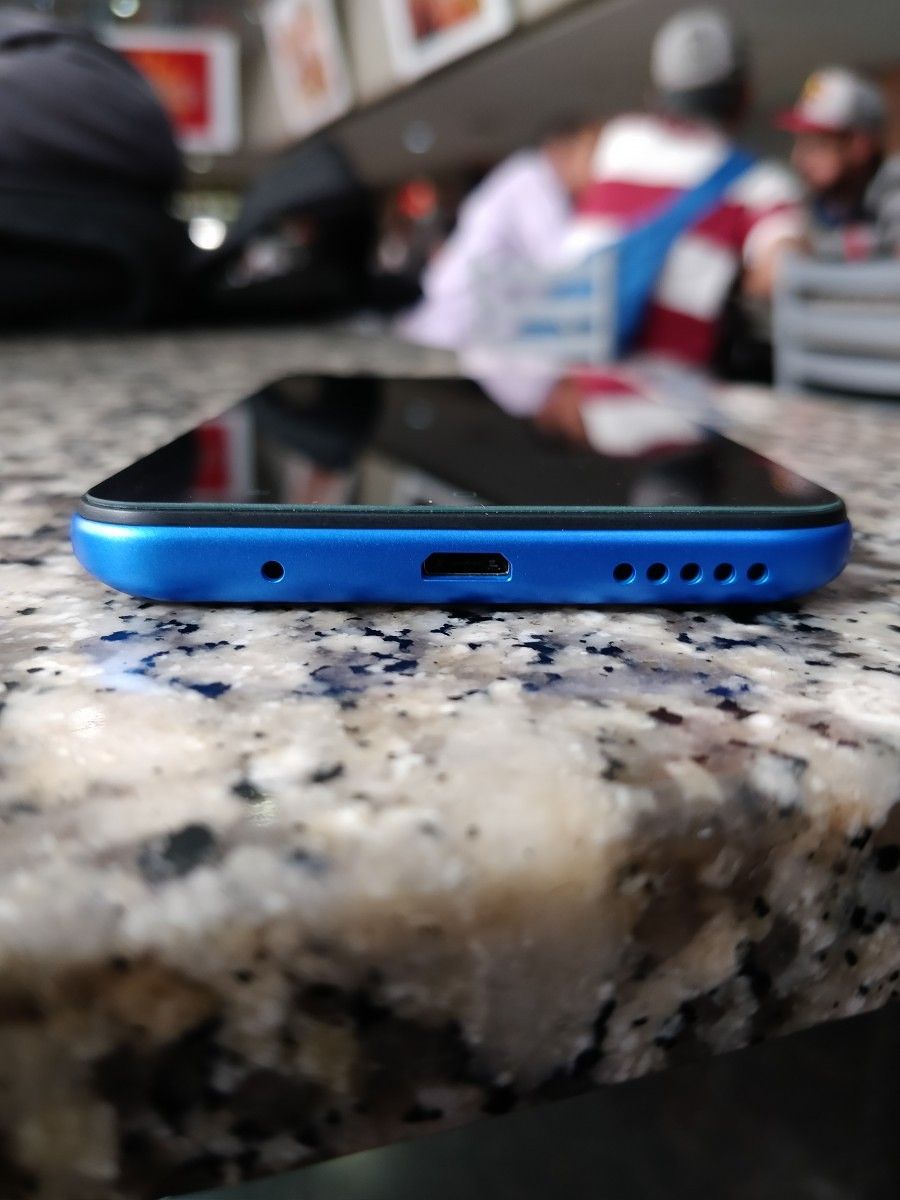
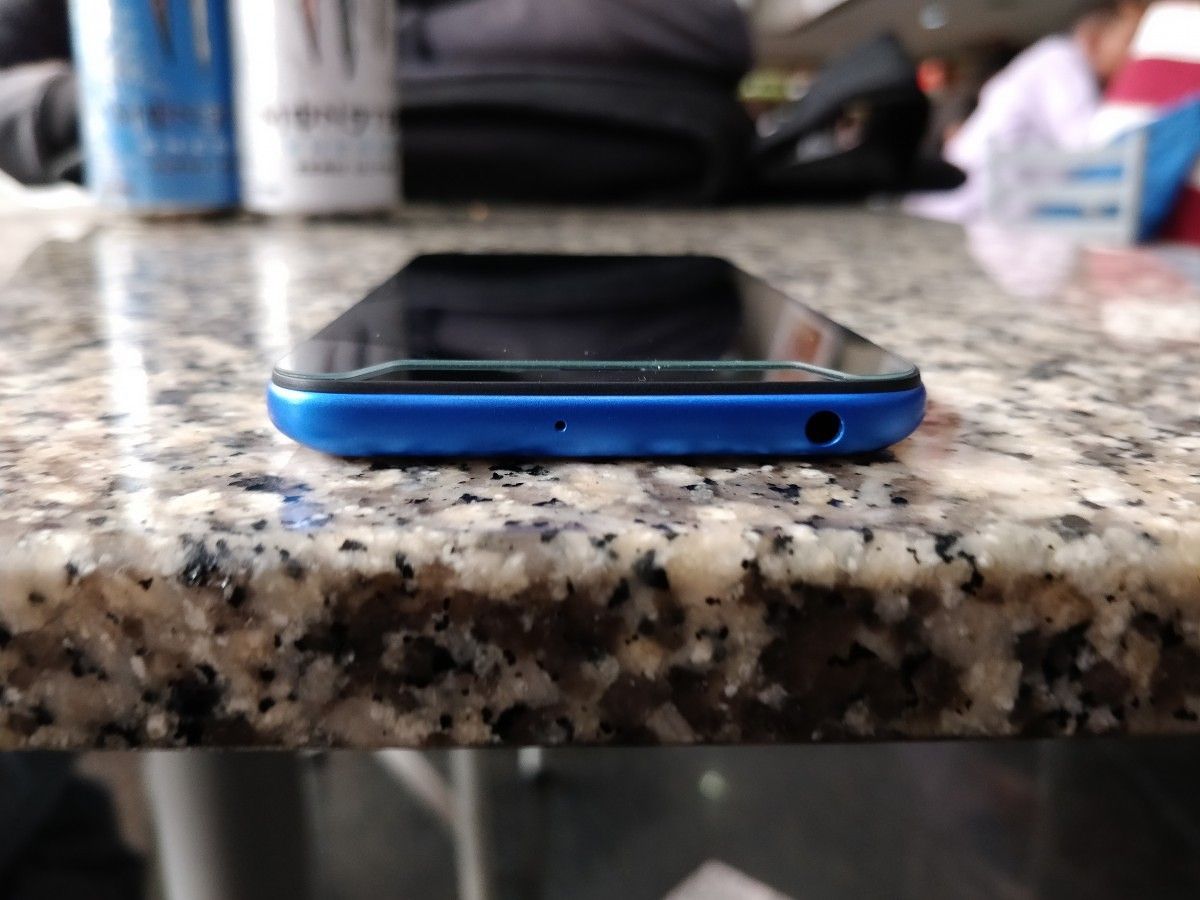
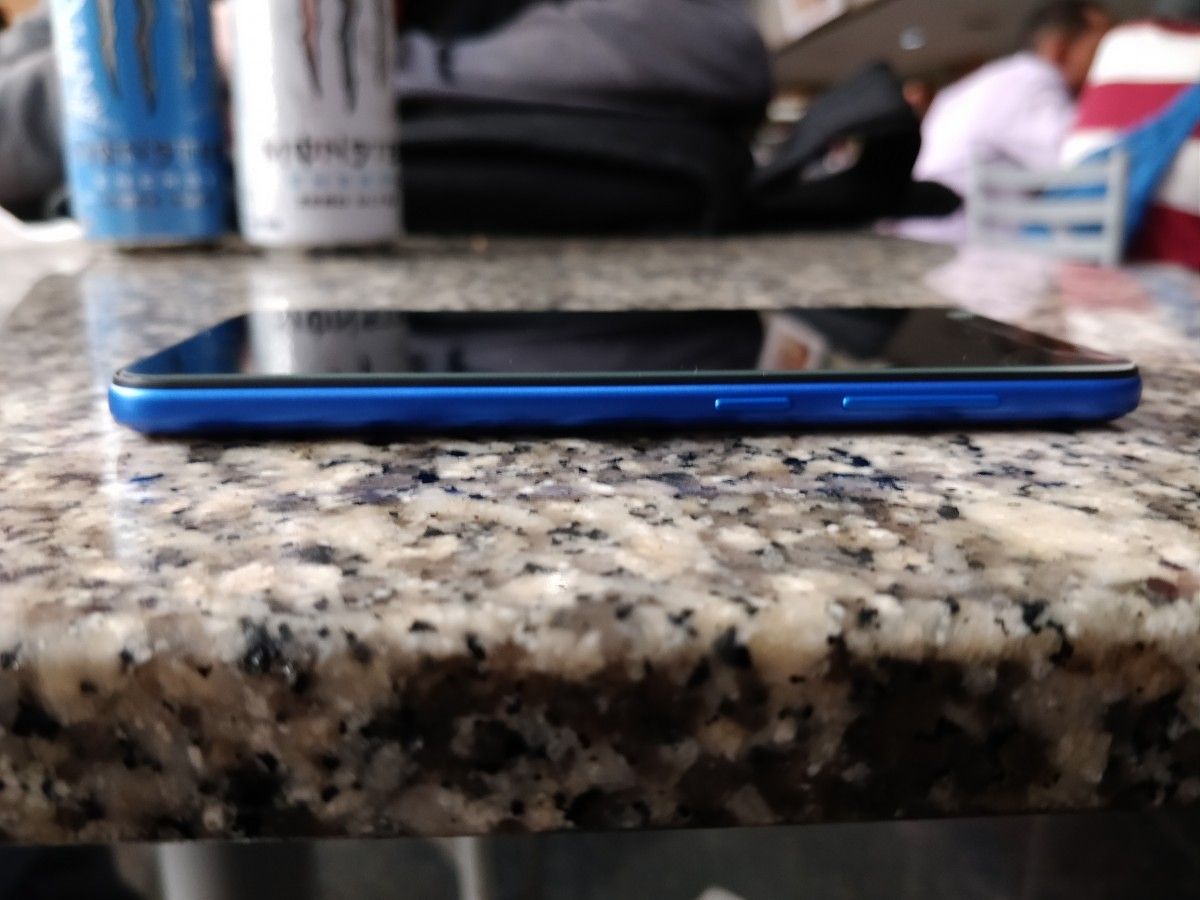
Down at the bottom, we have the micro-USB charging port and a bottom-firing speaker, while the top houses the 3.5mm headphone jack and a microphone. The right side includes the power button and volume rockers, and the left side is reserved for both a nano-SIM card tray as well as an SD card tray—two rare sights in an all-plastic smartphone. There is no fingerprint scanner of any kind in this phone or any other kind of biometric unlocking features for that matter (Smart Lock does not have support for face unlocking here), but then again, expecting one at this price point is probably a stretch.
Display
This phone’s display was actually one of its nicest surprises. It is a 5″ HD (720p) IPS LCD panel at a 16:9 aspect ratio. There’s a bottom bezel housing the capacitive navigation buttons. Nothing to blow you off your seat, sure, but other Android Go devices in the same price bracket (and even some more expensive ones) have included qHD (540p) and even SD (480p) panels, so an HD panel is a nice change of pace. There are no thin bezels, notches, or any other shenanigans here: It’s just a standard 16:9 form factor with decently-sized bezels. This, combined with its slim, compact body, makes it easy to use one-handed.
This same panel is protected by Gorilla Glass 3, so it should be able to withstand light scratches and general use just fine. The display panel’s brightness could be better, but overall, I had no problem using the phone in broad daylight, even with the tempered glass screen protector that was installed. (Note that this phone does not come with a screen protector of any kind—this one was pre-applied by the store I purchased it in). Nighttime usage is as good as you’d expect from an LCD panel: there’s a backlight, so blacks emit light, unlike AMOLED displays. The phone’s software does come with Night Light to help eye strain with nighttime usage.
Cameras
This is something that I’ve mentioned countless times in this article already, but I feel that it’s worth another mention: This is a $65 phone. Most people will not buy such a phone expecting superb camera performance, and thus, I didn’t come in expecting a lot from it. But it’s camera experience is noteworthy enough to deserve a section here, especially given how I like to photograph almost everything that surrounds me. During my testing, I’ve found that the Redmi Go actually provides a passable camera experience in specific circumstances. This smartphone features a single, rear-facing 8MP shooter with an f/2.0 aperture, 1.12μm pixel size, and autofocus. It’s also capable of shooting 1080p video at 30 fps.
I didn’t go deep into the camera, but the Redmi Go’s camera takes decently exposed pictures in most outdoor circumstances, with some images exposing a slight degree of over-saturation, but not worrying enough to be a problem.
Xiaomi Redmi Go camera samples.
Indoor pictures, though, are another story. Image quality takes a huge hit indoor, especially in dimly lit rooms and nighttime lighting. Even with heavy noise reduction and AI adjustments, images still come out extremely grainy. As a result of this aggressive noise reduction, details, even at closer distances, are lost. It’s a small 8MP sensor in a cheap phone, so I won’t hang Xiaomi out to dry over this.
Low-light picture taken with the Xiaomi Redmi Go. Note the heavy amounts of noise and loss of detail.
It also struggles a bit with locking focus, but it does have a manual mode allowing you to manually adjust the focus, ISO, and shutter speed, an actually surprising feature for a phone in this range. The autofocus thing can be improved with software updates, too. The camera app doesn’t really come with a lot of features, either: there’s a 1:1 square picture mode, the aforementioned manual mode, a couple of features like a “scene” mode that automatically adjusts the camera based on light conditions, and a “straighten” mode that adjusts the picture based on the phone’s orientation.
Moving to the front, we have a fairly standard setup: a single 5MP sensor with an f/2.2 aperture and 1.12μm pixel size. Selfies tell the exact same story: outdoor images are fine, but indoor ones are a mixed bag. The camera should, however, be just okay at meeting your selfie needs.
The Redmi Go’s camera won’t exactly turn heads, but it’s not meant to do that. It’s just okay. It will be able to capture precious moments, which is all it’s meant to do. If you’re actually looking for this smartphone to compete with the big players of mobile photography, your expectations are way too high for this device.
User Experience and Device Performance
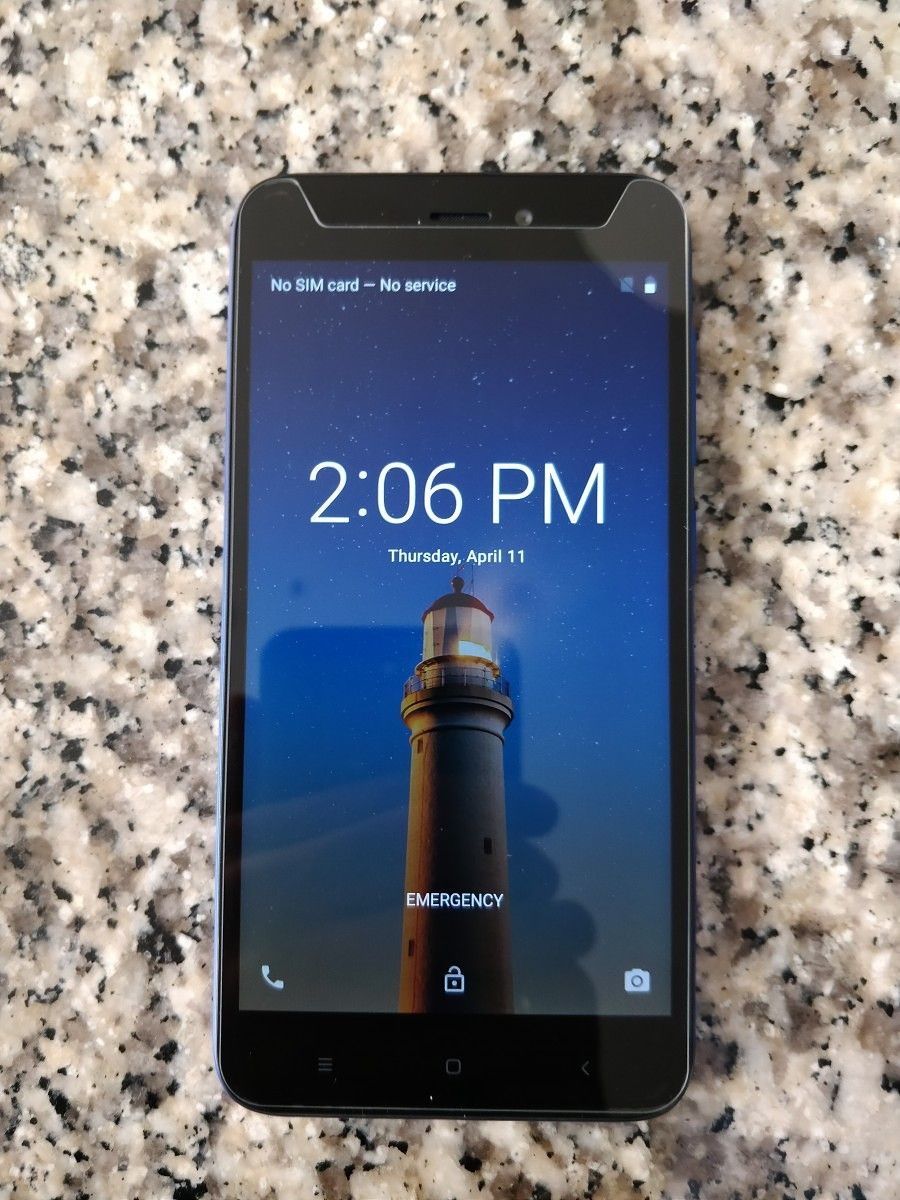
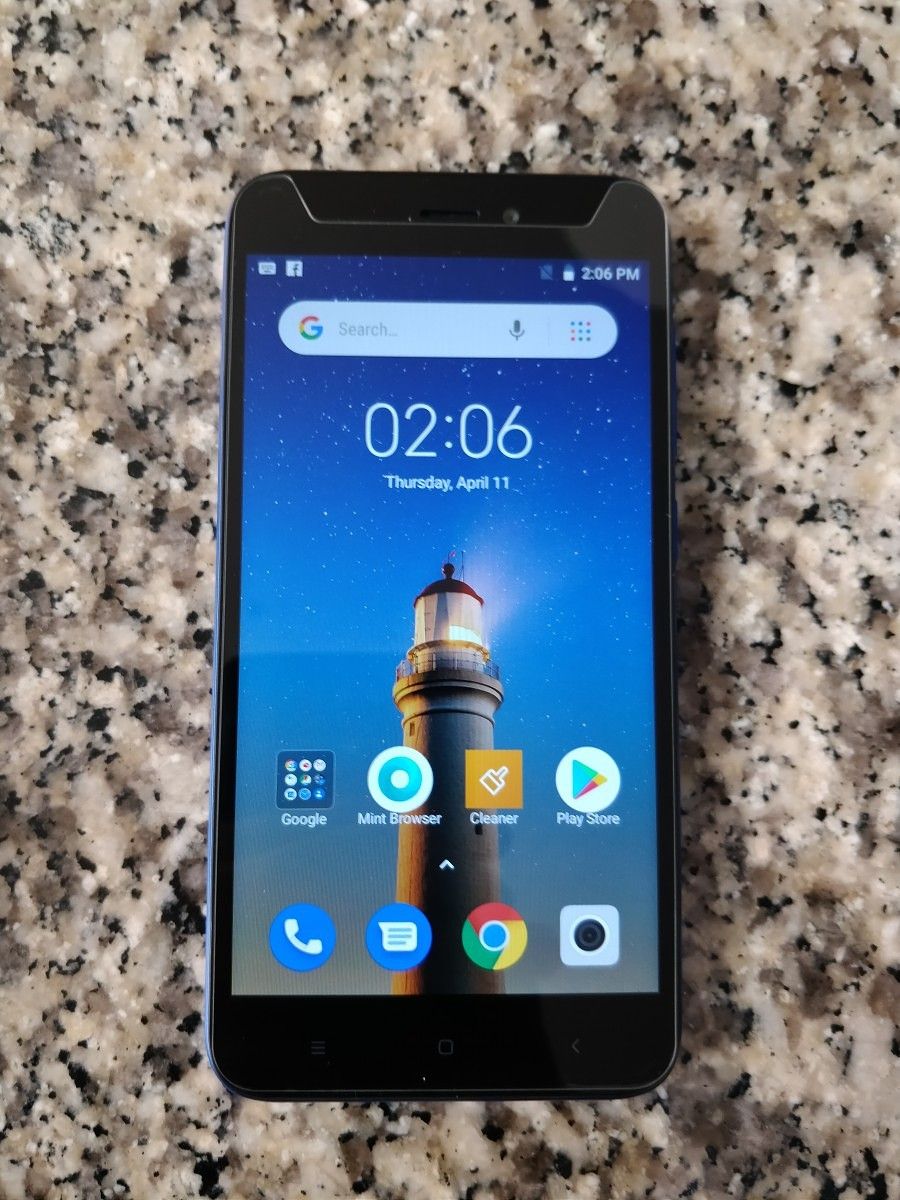
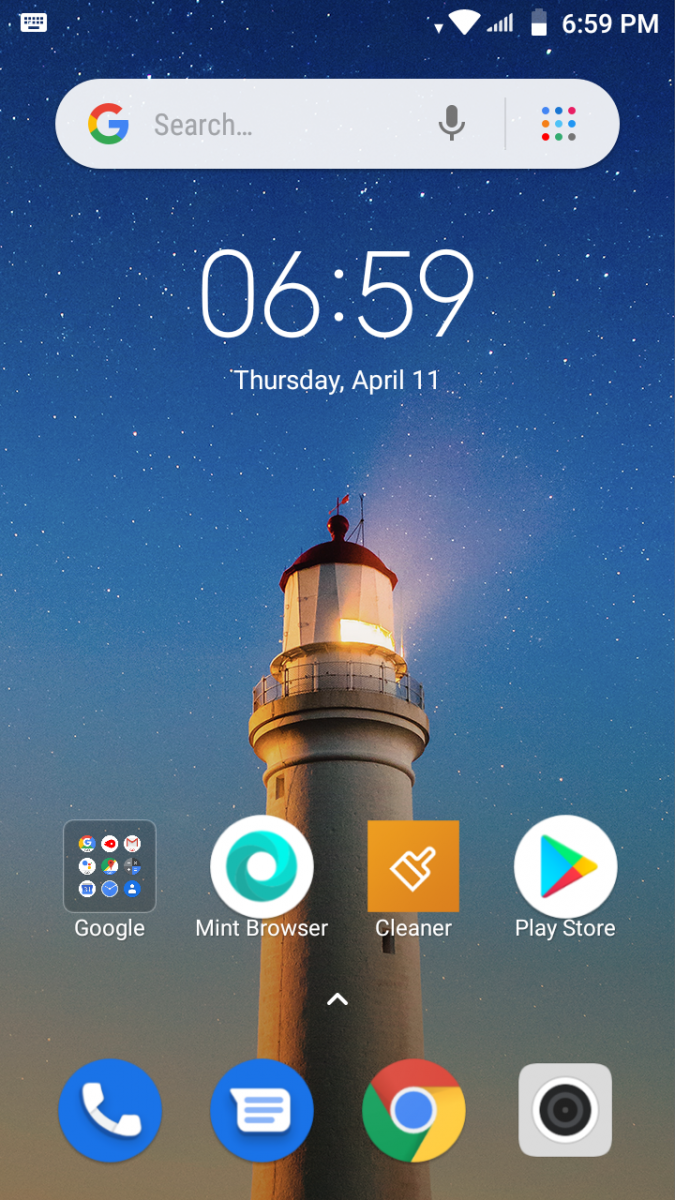
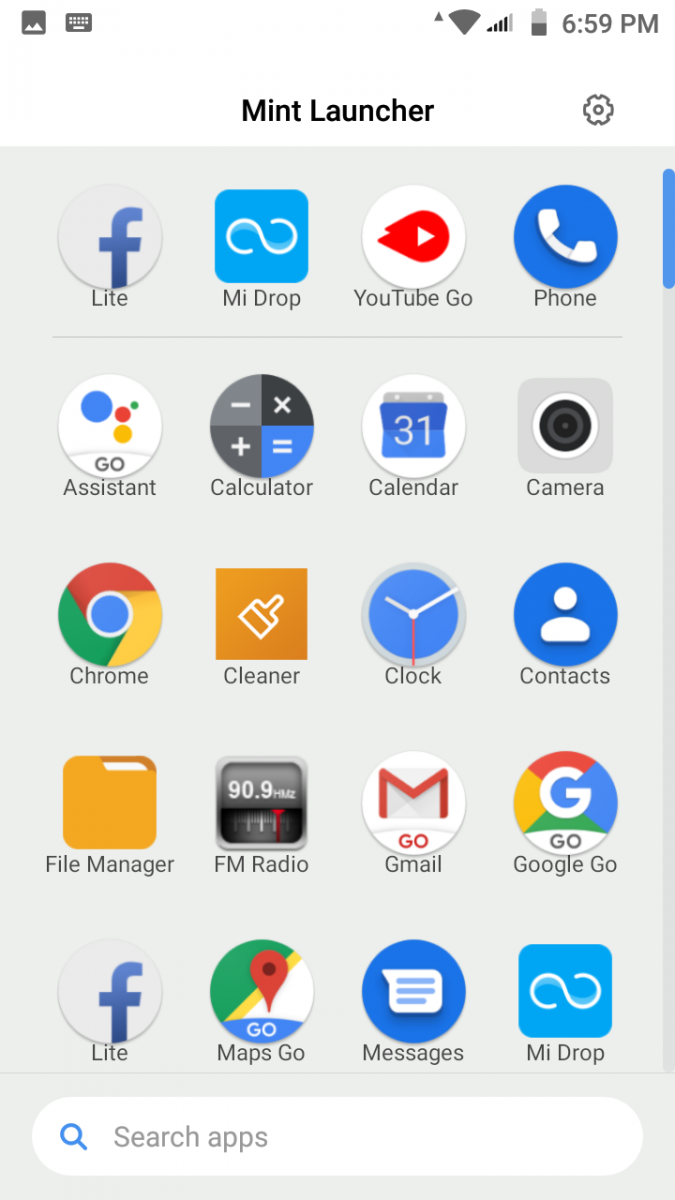
Possibly the most unusual bit about this phone is its software and the overall experience it delivers. After all, this is the first Xiaomi Redmi device the company is shipping with near-stock Android instead of MIUI. The Xiaomi Mi A1, Mi A2, and Mi A2 Lite are all part of the Android One program while the Redmi Go runs Android 8.1 Oreo (Go Edition). The phone thus comes with near-stock Android 8.1 Oreo out of the box, but being an Android Go device, it also comes with the usual apps you’d expect to find on Android (Go edition). The regular Google apps are replaced with their Go equivalents and the bloat is kept to a minimum, with the only pre-installed non-Google/AOSP apps being Mint Browser, Mint Launcher, the MIUI Cleaner app, the MIUI file explorer, Mi Drop, and Facebook Lite.
Stock Android is not mandatory for Android Go as we’ve seen on Samsung devices like the Galaxy J2 Core, so we give props to Xiaomi here for caring more about usability and performance than packing their MIUI software experience. An Android Pie update is, while possible, highly unlikely given Xiaomi’s track record with their lower-end phones. Plus, there are reports that Android Pie (Go Edition) has problems, causing its adoption to be delayed.
Given its low-end specifications, the phone actually feels pretty snappy and responsive, much more so than other Android Go devices I’ve tried out in the past. I haven’t run into any major hitches with it yet. I would imagine the 1GB RAM/8GB storage combo will get very limiting, very quickly. (In fact, I’d say a microSD card is a must-have here.) However, I haven’t used the phone extensively, but Android Go should help out greatly in this regard.
Conclusions
Xiaomi’s first big foray into the Android Go device ecosystem turned out to be a pretty successful one. There is no denying the fact that this is an entry-level device and there’s nothing to lure you in if you’re currently using a flagship or mid-range device. In fact, it’ll be a severe regression. After all, this is meant to be someone’s first smartphone or someone’s secondary, burner phone. It’ll probably be a phone for an older person or a child. But the Xiaomi Redmi Go offers decent performance and user experience for those who just want to run a few apps, make phone calls, check emails, browse the web, etc.
The Redmi Go does have a host of issues, but under $100, you’d be very, very hard pressed finding something better than it. In fact, with its combination of entry-level specifications and stock Android software and its $65 price tag, I think this is the best Android Go phone available in the market right now. Low-end Android smartphones have always had a bad reputation of being laggy and unusable bricks, but the Xiaomi Redmi Go strays far from that description, offering acceptable performance and a lot of bang for the buck. And again, this thing is only $65.
The Xiaomi Redmi Go is currently available globally in both Black and Blue.
It looks like 2019 is going to be the year of the foldable phone, and we’ve already seen some stunning handsets appear –like the Samsung Galaxy Fold and the Huawei Mate X. After years of rumours and leaks, the tech is finally with us.
Here we’ve collected together the very best foldable phones of 2019, both those that have already broken cover and those that we’re still expecting. Read on for the hottest new devices with screens that can bend.
1. SAMSUNG GALAXY FOLD
Samsung Galaxy Fold
At long last, after endless leaks and rumours, the folding Samsung phone is official: the Samsung Galaxy Fold has a 7.3-inch screen that folds over itself when you’re ready to put it in your pocket.
Out in April 2019, the phone is going to set you back a whopping $1,980 (that’s about £1,515), but at least you get plenty of tech inside: a high-end processor, 12GB of RAM, and 512GB of storage. There’s going to be a triple-lens 16MP+12MP+12MP rear camera, and a 4,380mAh battery split up into two sections (because of that fold).
On the software side, Samsung says you can run three apps alongside each other on the Fold, should you want to. What’s more, any app that you’re running on the front of the device will seamlessly switch to the middle once you open it out.
2. HUAWEI MATE X
Huawei Mate X
The Huawei Mate X got unveiled at MWC 2019, and it folds the other way to Samsung’s device – so the screen wraps around the outside, rather than being hidden away on the inside, when it’s snapped shut.
When opened out, you’ve got a full screen 8-inch tablet; when snapped shut, you’ve got screens front and rear, as well as a grip holding the camera technology. It’s also thinner than you might think, and as well as packing some premium specs (including the Kirin 980 processor) it also offers 5G connectivity. Not a bad package.
This is even pricier than the Samsung Galaxy Fold though: Huawei says the price will be €2,299 (about £2,000) when the Mate X goes on sale in summer 2019. If you like the look of it, you’d better start saving.
3.MOTOROLA RAZR 2019
It looks like Motorola’s rumoured folding phone could be a reborn Motorola Razr (Image credit: Sarang Sheth, Yanko Design)
From the noises that Motorola has been making, it’s not going to be far behind Samsung with a foldable phone, and apparently it’s also going to carry the iconic Motorola Razr branding. It’s going to be a flip phone then, but with a full foldable screen inside when you open it up.
These rumours have been around for a while. It was back in February 2017 that Yang Yuanqing, the CEO of Lenovo (which owns Motorola) told TechRadar: “With the new technology, particularly foldable screens, I think you will see more and more innovation on our smartphone design. So hopefully what you just described [the Motorola Razr brand] will be developed or realised very soon.”
4. LG V50 ThinQ
LG V50 ThinQ
LG never likes to get left too far behind Samsung, and sure enough it’s been one of the busiest companies in developing foldable screen tech – not just for phones but for televisions and other devices (see the image above). In recent months LG has confirmed it’s working on foldable phones, without revealing too many other details.
At the moment it looks like LG‘s foldable will feature just two screens rather than the Samsung Galaxy X’s three: possibly with one of the screens making use of a transparent section, or perhaps with a camera system embedded in the back plate.
Since that original patent filing we’ve seen names like Flex, Foldi and Duplex mentioned in internal LG documents. As for the final design, or the final price, we’re still in the dark – it’s going to be expensive, but LG has promised not to rush the device to market before it’s ready, so a late 2019 launch could be possible.
What we have in the meantime is the LG V50 ThinQ with a Dual Screen accessory – it clips on to add a second screen that you can use for something else, like gaming controls, or watching Netflix.
It’s not really a foldable phone, but it does kind of look like one, and it doubles as a case you can snap shut. It’s also likely to be a lot cheaper than the true foldable phones, so it’s worth looking out for when it launches later this year if you’re after a hinged display on a budget.
5. XIAOMI MIX FLEX
Xiaomi MIX Flex
One of the more recent folding phones to get a teaser reveal is the Xiaomi MIX Flex, a prototype device that was famously shown off on camera by company president and co-founder Lin Bin.
In the video reveal the Xiaomi handset is initially shown in tablet mode, but then both sides of the device are folded inwards at two points, leaving only the middle third of the phone on show.
This design is markedly different to that of the other folding phones so far announced, potentially giving Xiaomi an edge in the folding phone market.
In a message accompanying the video Lin Bin wrote that:
“Xiaomi double folding mobile phone is coming! This symmetrical double-folded form perfectly combines the experience of the tablet and mobile phone, which is both practical and beautiful. Although it is still an engineering machine, it is sent out for everyone to see. If you like it, we will consider making a mass production machine in the future.
“In addition, we want to give this engineering machine a name, what do you think is good? I think of two: Xiaomi Dual Flex, Xiaomi MIX Flex.”
Xiaomi had a gathering in New York City to show off some of their new products coming to the United States (more information can be found below). At the event, they also had the Xiaomi Mi Mix 3, POCOPHONE F1, Mi 8, Mi 8 Pro, and Mi 8 Lite. We were able to spend some time with the Mi Mix 3 mechanically retractable slider phone, one of the most interesting devices currently on the market. The device is only available in mainland China and Taiwan, but the device is launching in the United Kingdom and other international markets during Q1 of 2019.
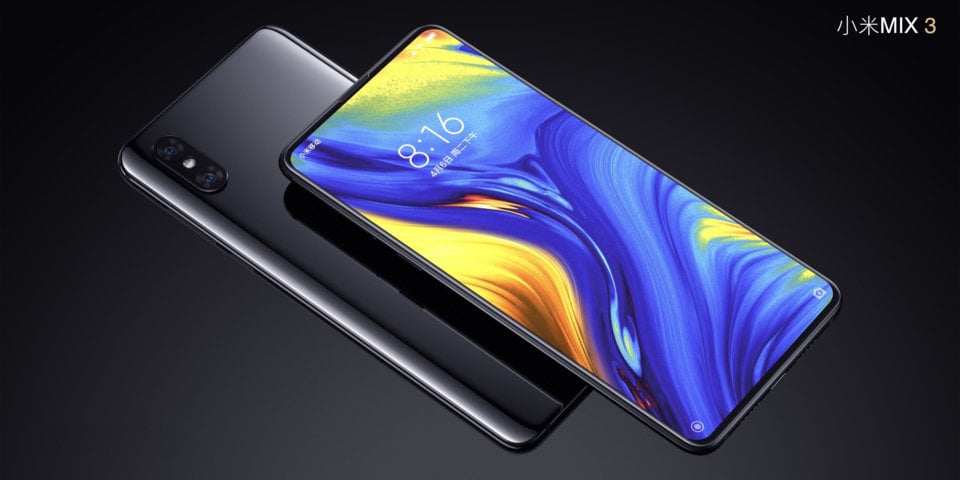
The Xiaomi Mi Mix 3 has the latest specifications that you would expect in a 2018 flagship Android device, but what makes it really stand out is its nearly bezel-less display thanks to its slider mechanism. When you want to use the front-facing camera, you slide the display down to reveal the module. It’s a brilliant way to give us more screen real estate without introducing something like a display notch or display hole.
Check out our brief hands-on video of the Mi Mix 3 from the Xiaomi pop-up event held in New York City. The Mi Mix 3 is a really cool device and I can’t wait to get my hands on a device for a full review, which will be happening soon. Let us know what you think of the Mi Mix 3 in the comments below!
6.39-inch Full HD+ (2340×1080) AMOLED with 19.5:9 aspect ratio, 403 PPI
93.4% screen-to-body ratio
600-nit brightness and 103.8-percent NTSC gamut
Bands
GSM: 850/900/1800/1900MHz
HSPA: 800/850/900/1700/1800/1900/2100MHz
FDD-LTE: Band 1/2/3/4/5/7/8/12/13/17/18/19/20/25/26/27/28/29/30
TDD-LTE: Band 34/38/39/40/41
Audio
No 3.5mm headphone jack, 3.5mm to USB Type-C adapter bundled in the box
Mono speaker
Connectivity
Wi-Fi 802.11ac (4×4 MU-MIMO)
Bluetooth 5.0
Dual 4G VoLTE
NFC
Ports
USB Type-C port
Dual nano SIM slots
Rear camera
12MP primary camera with Sony IMX363 sensor, 1.4μm pixels, f/1.8 aperture, 4-axis OIS
12MP telephoto camera with Samsung S5K3M3+ sensor, 1.0μm pixels, f/2.4 aperture
Video recording up to 4K at 60fps, 960fps slow-motion at 1080p
Features: Night Mode, AI scene detection, 960fps slow-motion video recording
Front-facing camera
24MP primary camera with Sony IMX576 sensor, 4-in-1 pixel binning to simulate 1.8μm pixels
2MP depth sensing camera
3 Xiaomi Products coming to the United States
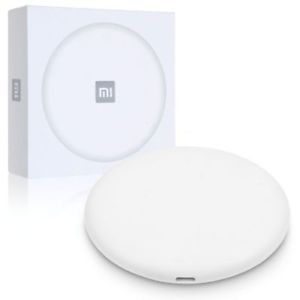
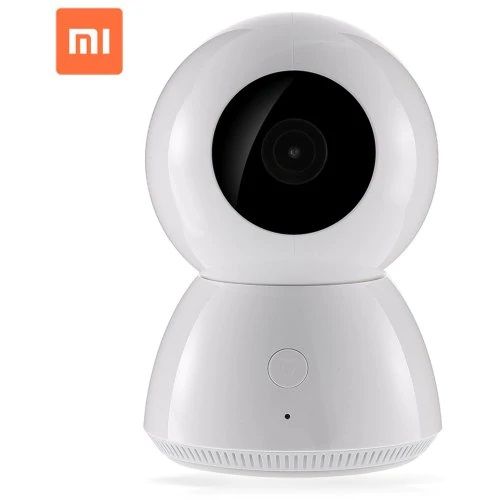
Xiaomi has announced that 3 of their latest products will soon be available in the United States. These include the Mi Wireless Charging Pad, the Mi Robot Builder Rover, and the Mi Home Security Camera. The wireless charging pad supports up to 10W Qi wireless charging. The robot builder is a 1,086 piece kit which supports wireless smartphone control. The security camera supports 360 degrees, 1080p video, night vision, motion detection, real-time two-way talk, and remote control via the Mi Home app. Keep an eye out on Xiaomi’s U.S. website for pricing and availability information.
The Redmi Note 6 Pro comes 9 months after the Redmi Note 5 Pro. The device comes with an improved dual-camera setup at the rear which can even give more premium and expensive flagship smartphones a run for their money.
Xiaomi is also ensuring that this time around, the Redmi Note 6 Pro is available easily. It is holding the first sale of the device just a day after officially unveiling it.
If you are planning on buying a Redmi Note 6 Pro, check out our FAQ below which answers some of the most common questions surrounding the device.
Q) What are the full specifications of the Redmi Note 6 Pro?
A) The full specs of the Redmi Note 6 Pro are as follows:
Chipset: Octa-core Snapdragon 636 chipset clocked at 1.8GHz
GPU: Adreno 509
RAM: 4/6GB
Storage: 32/64GB, Hybrid microSD card slot
Rear camera:
Primary: 12MP Dual Pixel Autofocus, f/1.9 aperture, 1.4um, Dual-LED flash, Full HD video recording
Secondary: 5MP, 1.12um pixels, f/2.2 Used for capturing depth information for adding bokeh effects
Connectivity: LTE, (Hybrid) Dual-SIM, GPS, Wi-Fi b/g/n/ac, Bluetooth 5.0, microUSB
Battery: 4000mAh non-removable
Others: MIUI 10 based on Android 8.1 Oreo
Q) What are the differences between Redmi Note 5 Pro and Redmi Note 6 Pro?
A) The Redmi Note 6 Pro is all about its improved dual-camera setup at the rear. The new primary 12MP sensor features large 1.4um pixels and a wide f/1.9 aperture which makes it significantly better than the 12MP f/2.2 sensor found on the Redmi Note 5 Pro. The difference would be most evident in low-light scenarios as the Redmi Note 6 Pro would be able to capture more light. The addition of a depth sensor at the front on the device and other improvements allow the Redmi Note 6 Pro to offer Lighting effects for Portrait mode photos as well.
Q) Is there any performance difference between the Redmi Note 6 Pro and Redmi Note 5 Pro?
A) No. With both devices coming with a Snapdragon 636 chipset, they offer the same level of performance.
Q) Is the Redmi Note 6 Pro water-resistant?
A) No, but the handset is splash resistant.
Q) Is the battery of the handset removable?
A) No, since the Redmi Note 6 Pro features a unibody aluminum build, the battery and back cover is not removable.
Q) What kind of SIM card slot does the phone have? Can I use two SIM cards and a microSD card at the same time?
A) The Redmi Note 6 Pro features a hybrid SIM card slot. This means that you can either 1 SIM card and microSD card or 2 SIM cards at any given time. The primary SIM slot accepts microSIM cards, while the secondary slot accepts nanoSIM cards.
Q) Is there an IR blaster on the Redmi Note 6 Pro that can be used to control TVs and other devices?
A) Yes, the Redmi Note 6 Pro features an IR blaster. Coupled with Mi Remote, one can use the IR blaster on the device to control TV, ACs, and other electronic items.
Q) Do you get face unlock on Redmi Note 6 Pro?
A) Yes.
Q) Can one record calls on Redmi Note 6 Pro?
A) Yes, one can record calls on the Redmi Note 6 Pro.
Q) Does the Redmi Note 6 Pro feature FM radio?
A) Yes, the Redmi Note 6 Pro features FM radio.
Q) Is the display on the Redmi Note 6 Pro protected by Gorilla Glass?
A) Yes, the 6.26-inch display on the Redmi Note 6 Pro is protected by a 2.5D curved Corning Gorilla Glass 3.
Q) Can you lock apps using the fingerprint scanner on the Redmi Note 6?
A) Yes, you can.
Q) Where is the fingerprint scanner on the Redmi Note 6 Pro located? Is it touch-based?
A) The fingerprint scanner on the Redmi Note 6 Pro is located at the rear, and yes, it is touch based.
Q) How many fingerprints can one register on the Redmi Note 6 Pro?
A) 5.
Q) Can you record slow-motion videos on the Redmi Note 6 Pro?
A) Yes, it can but only at 720p @ 120fps. It can also record videos in Full HD resolution at 30fps.
Q) Can one make native video calls on Redmi Note 6 Pro without using a third-party app?
A) Yes, you can directly make video calls on the Redmi Note 6 Pro without using an app like Google Duo or Skype.
Q) Which version of Android does the handset run on?
A) Android 8.1 Oreo.
Q) Which version of MIUI does the Redmi Note 6 Pro run on?
A) The Redmi Note 6 Pro runs on MIUI 10 out of the box.
Q) Does the Redmi Note 6 Pro support LTE and VoLTe networks? Will a Reliance Jio SIM work on the phone?
A) Yes, it does support LTE and VoLTE out of the box. The Note 6 Pro also has dual-VoLTE support which means one can use two Jio or any two VoLTE networks on the device at the same time.
Q) What about VoLTE support on AirTel’s network?
A) Yes, the Redmi Note 6 Pro support Airtel’s VoLTE network. Xiaomi will also add support for Vodafone’s VoLTE network on the handset with a future software update.
Q) Is Quick charging 3.0 supported on the Redmi Note 6 Pro?
A) No and yes. The Redmi Note 6 Pro has support for Quick Charge 3.0 but it comes bundled with a regular 5v/2A charger. To fast charge the device, one will have to buy a Quick Charge 3.0 charger separately.
Q) How much free storage space does one get on the Redmi Note 6 Pro out of the box?
A) Almost 23GB out of the box, while the 64GB has 53.22GB of free space
Q) Can you uninstall or disable pre-installed apps on the handset?
A) Yes, you can uninstall or disable some pre-installed apps on the Redmi Note 6 Pro, but not all.
Q) What colors are the Redmi Note 6 Pro going to be available in?
A) The handset will be available in Black, Blue, Rose Gold, and Red colors. The Red color will go on sale at a later date.
Q) What contents do you get inside the retail box of the Redmi Note 6 Pro?
A) You get the phone, a 2A charger, a USB cable, SIM ejector tool, and some regulatory papers. Xiaomi is also bundling a free plastic case with the Redmi Note 6 Pro just like its other recent devices.
Q) Does the handset support USB OTG?
A) Yes, the Redmi Note 6 Pro supports USB On-The-Go. This allows you to directly connect pen drives, external hard disks and more using an adapter to the device.
Q) When does the Redmi Note 6 Pro go on sale and where?
A) The Redmi Note 6 Pro goes on sale in India from November 23rd. The handset will be available for purchase through Mi.com and Flipkart.
Q) How much do the different variants of the Redmi Note 6 Pro cost?
A) The prices of the different variants of the Redmi Note 6 Pro are as follows:
Redmi Note 6 Pro Price:
4GB RAM + 32GB storage – Rs 13,999
4GB RAM + 64GB storage – Rs 15,999
Q) Will Xiaomi continue to sell the Redmi Note 5 Pro alongside the Redmi Note 6 Pro?
A) Only for a few weeks. Once the stocks are exhausted, Xiaomi will only sell the Redmi Note 6 Pro in stores.
Xiaomi has a brand new flagship smartphone heading to market with today’s unveiling of the Mi Mix 3.
The handset is another powerful addition in the Android roster. This is another slider device, too, which means there isn’t a notch. But unlike other devices with this design, the Mi Mix 3 doesn’t use a motor. Instead, you’ll just slide the cameras up and down, facilitated by the magnetic slider. It harkens back to the days of old slider phones.
As far as specs go, the Mi Mix 3 boasts a 6.4-inch 1080p OLED display which Xiaomi says features a 93.4 percent screen-to-body ratio. There are four cameras in total: a pair of 12MP cameras on the back (one wide-angle and the other a telephoto shooter), and 24MP and a 2MP front-facing cameras.
The Mi Mix 3 has a few variants to choose from, with up to 10GB of RAM. There is a Qualcomm Snapdragon 845 processor under the hood, and the Mi Mix 3 supports fast wireless charging. What’s more, Xiaomi is even including a wireless charger in the box with the phone.
Xiaomi is also planning to launch a 5G version of the Mi Mix 3 in the early stages of 2019.
The Mi Mix 3 launches in China on November 1. Price starts at 3,299 yuan (about $475), which gets you 6GB of RAM and 128GB of built-in storage. If you want that model with 10GB of RAM, that comes in the “Forbidden City Palace Museum” edition, which retails for 4,999 yuan (about $720) and features 256GB of built-in storage.
Xiaomi today unveiled the Mi A2 and Mi A2 Lite, its second and third Android One smartphones respectively. Last year, the Chinese company surprised everyone by teaming with Google to announce an Android One running handset, the Mi A1. It used the handset to expand its presence in international markets, and this year, Xiaomi is building on that with the Mi A2 and Mi A2 Lite.
The Mi A2 is a mid-range smartphone, while the Mi A2 Lite caters to a slightly lower-end of the market. The 7.3mm thick Mi A2 features a 6-inch 18:9 aspect ratio FHD+ LCD display. Externally, it looks very similar to the Redmi Note 5 Pro/Mi 6X with just a few tweaks here and there. Internally though, it comes with Qualcomm’s Snapdragon 660 chipset, 4/6GB RAM, up to 128GB of storage, and a 3,000mAh battery with USB-C connectivity.
Xiaomi is heavily highlighting the dual-camera setup of the Mi A2. The rear comprises of a 12MP Sony IMX486 sensor featuring 1.25um large pixels and a wide f/1.75 aperture. This is paired with a 20MP IMX376 sensor which also has a f/1.75 aperture. It uses a 4-in-1 pixel binning technique to deliver superior image quality and also offer hybrid zoom. The dual-camera setup allows the Mi A2 to capture portrait photos just like its predecessor. The handset is capable of recording slow-motion as well as 4K videos.
The same secondary camera — 20MP Sony IMX376 — is also found at the front where it is paired with a f/2.2 aperture lens and a 4500K selfie light. Xiaomi’s AI-powered Beautify 4.0 is also there to ensure that selfies captured on the Mi A2 come out looking great.
Then there’s the Mi A2 Lite. It sports a 5.84-inch notched FHD+ display, and it is powered by Qualcomm’s Snapdragon 625 chipset. The handset will be available in 3GB and 4GB RAM variants with up to 64GB of storage space. The primary rear camera on the handset remains the same as the Mi A2, but the secondary camera is replaced with a 5MP depth sensor. The front selfie camera is also a 5MP f/2.2 snapper. Despite its inferior internals, the Mi A2 Lite comes with a beefier 4,000mAh battery, though it features a microUSB port.
The Mi A2 and Mi A2 Lite will first go on sale in Spain, though Xiaomi says the handsets will launch in over 50 countries including Italy, France, and India where it will be unveiled on August 8. The Mi A2 Lite will sell for €179 or €229 in Spain for the 3GB or 4GB variant, while the base variant of the Mi A2 is priced at €249 and goes all the way up to €349 for the 128GB variant. Both handsets run a stock flavor of Android 8.1 Oreo, with a few Xiaomi apps pre-loaded.
Xiaomi has introduced the Redmi 6 Pro and the Mi Pad 4, two new Android devices to flesh out its lineup. The Redmi 6 Pro is a high-end to mid-range smartphone. The device will come in three variants, including 3GB RAM + 32GB storage, 4GB RAM + 32GB storage, and 4GB RAM + 64GB storage. The variants will be priced at 999 yuan ($153), 1199 yuan ($183), and 1299 yuan ($199), respectively.
Other specs include a Snapdragon 625 processor, 12-megapixel + 5-megapixel dual rear cameras, front camera, 4000mAh battery, AI Face Unlock, and Xiao AI Assistant. Five color options will be available, including black, red, light blue, pink, and gold.
Xiaomi also launched the Mi Pad 4, an 8-inch Android tablet. The Mi Pad 4 features an 8-inch display with a 16:10 aspect ratio, Snapdragon 660 processor, 13-megapixel rear camera, 5-megapixel front camera, 6000mAh battery, and AI Face Unlock. The WiFi version will come in two variants of storage and RAM, including 3GB RAM + 32GB storage for 1099 yuan ($168) and 4GB RAM + 64GB storage for 1399 yuan ($213). There is also an LTE version that will retail for 1499 yuan ($230). The Mi Pad 4 will come in dark blue and pink.
The Mi 8 uses a 6.21-inch FHD+ Samsung AMOLED full screen display with an 18.7:9 aspect ratio and 86.68% screen-to-body ratio. The body features a four-sided curved glass back panel, aviation-grade aluminum frame and a 2.5D glass screen. It is the first smartphone to adopt dual-frequency GPS, supporting both L1 and L5 bands, for more accurate navigation.
Xiaomi has unveiled its new flagship Mi 8 and Mi 8 Explorer Edition smartphones featuring a notch, 3D face unlock, animated emojis, an in-display fingerprint sensor and more.
“As we mark our 8th year with significant milestones and prepare to enter a new stage in our journey, Mi 8 and Mi 8 Explorer Edition celebrate our growth and truly show how far we have come,” said Lei Jun, Founder, Chairman and CEO of Xiaomi. “They demonstrate Xiaomi’s commitment to relentlessly pursuing innovation, and our dedication to deliver amazing products at honest pricing. Pursuing innovative technology and outstanding design is in our DNA, and we will continue to push boundaries and constantly improve ourselves, as we set out to win the hearts of our users.”
The smartphone is powered by Qualcomm’s flagship Snapdragon 845 platform with Artificial Intelligence Engine (AIE) and Adreno 630 graphics, achieving an AnTuTu score over 300,000. It has a 12MP dual AI camera, which received a 105 DxOMark photo score. On the front is a 20MP camera that uses pixel binning technology to combine information from four pixels to create one large 1.8µm pixel for clearer photos in low light. Xiaomi has also included a Studio Lighting function and facial retouching effects.
The Mi 8 also features an infrared camera paired with a dedicated infrared illuminator for face unlocking similar to the iPhone X.
The higher end Explorer Edition offers 3D face unlock and also includes a pressure-sensitive in-display fingerprint sensor. Users can also create their own animated emojis based on facial expressions.
Setting it apart from the Mi 8, the Mi 8 Explorer Edition comes with a transparent glass back panel.
Xiomi has also announced a slim Mi 8 SE, designed for those who favor a smaller smartphone. It has a 5.88-inch Samsung AMOLED full screen display and a Qualcomm’s Snapdragon 710 SoC.
Pricing and Availability Mi 8 and Mi 8 SE will be available in China starting 5 and 8 June, starting at RMB 2699 ($421) and RMB 1799 ($281), respectively. Mi 8 Explorer Edition is priced at RMB 3699 ($577) and will be available at a later date.