iPhone 15 and 15 Plus are Apple’s latest non-pro smartphones that come with a number of new features. But are they worth the upgrade if you have an iPhone 13? Follow along for an in-depth look at the iPhone 13 vs 15 for everything that’s changed.
Screen sizes and design
The screen sizes between the iPhone 13 and iPhone 15 remain the same at 6.1 inches. However, the 15 Plus offers a 6.7-inch option that wasn’t available with the iPhone 13 lineup without stepping up to the 13 Pro Max.
New with the iPhone 15 displays is the Dynamic Island and an outdoor brightness of up to 2000 nits.
Here’s the full look at the display specs for iPhone 13 vs iPhone 15:
The bezels on the iPhone 15 are also slimmer than the 13, which is what allows the very slight increase in pixels.
Size, weight, design
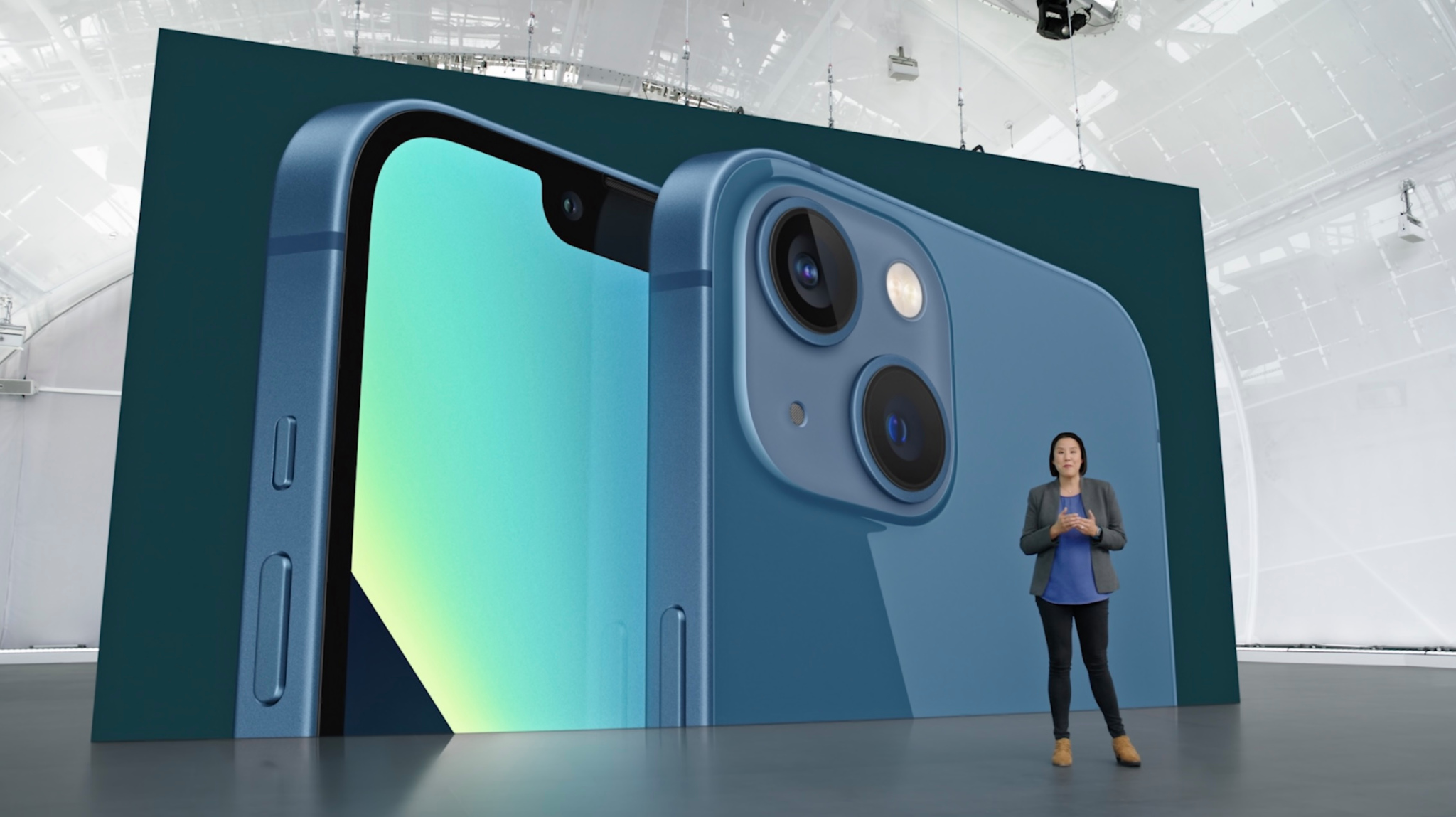
Overall, the physical design of the iPhone 15 remains very similar to the 13, but Apple has given the 15 more rounded edges for a more comfortable feel.
And as mentioned above, you’ve now got the larger iPhone 15 Plus option.
For size, weight, and materials, here’s iPhone 13 vs 15:
Of course, the new iPhones also come in new colors.
Performance – A16 vs A15 Bionic
Here’s a breakdown of the iPhone 13 vs iPhone 15 chip specs:
Both the A15 and A16 Bionic are powerful enough for almost everyone. But GeekBench offers a look at the performance difference between the A15 and A16 Bionic.
16% faster single-core score
21% faster multi-core score
29% faster GPU
Battery life
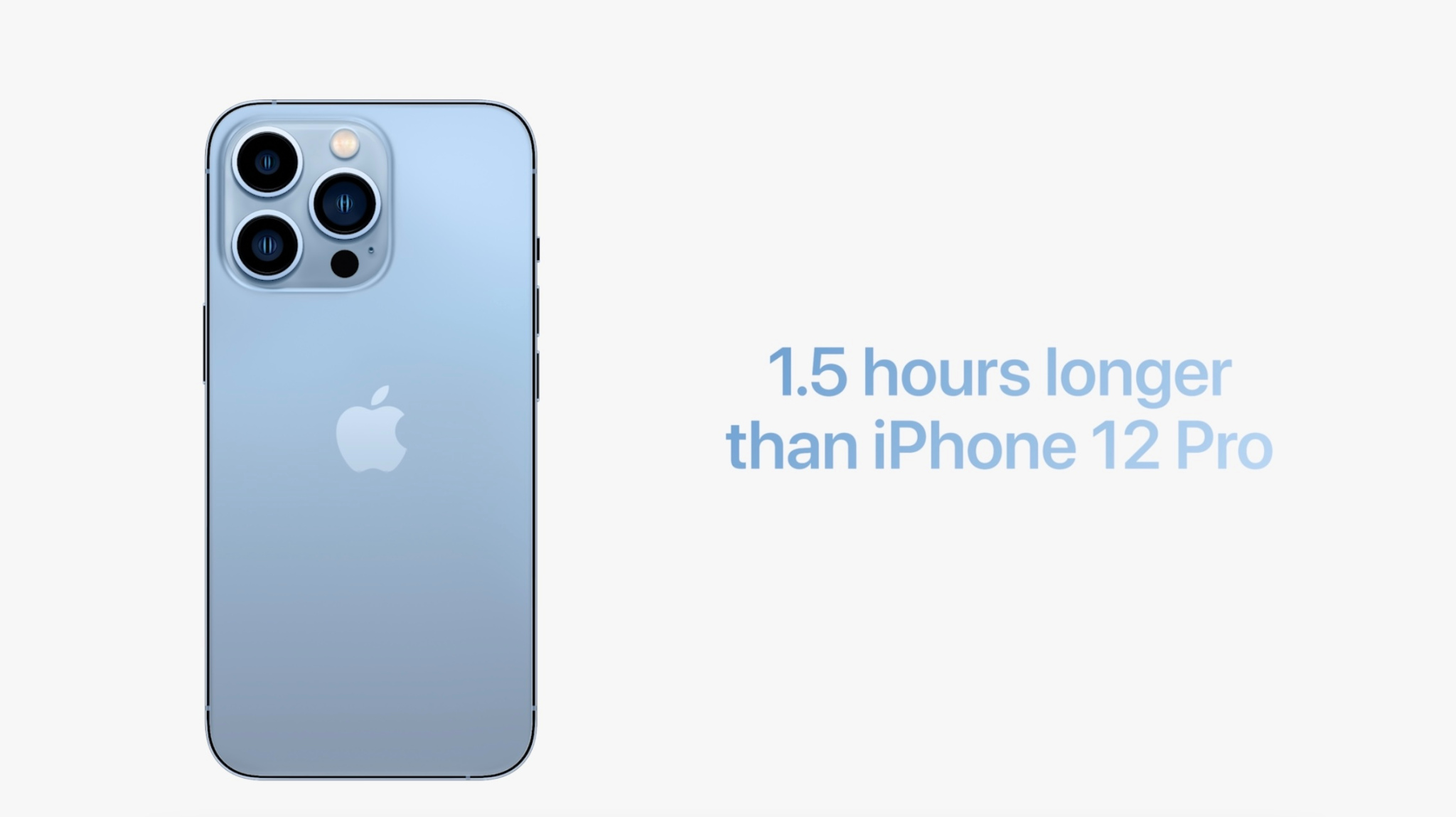
When it comes to battery life, the iPhone 15 has one hour longer battery for video playback than the 13 and 5 hours longer for audio playback.
The iPhone 15 Plus offers 7 hours longer video use and 25 hours more audio than iPhone 13.
iPhone 13 vs 15 cameras
Rear cameras
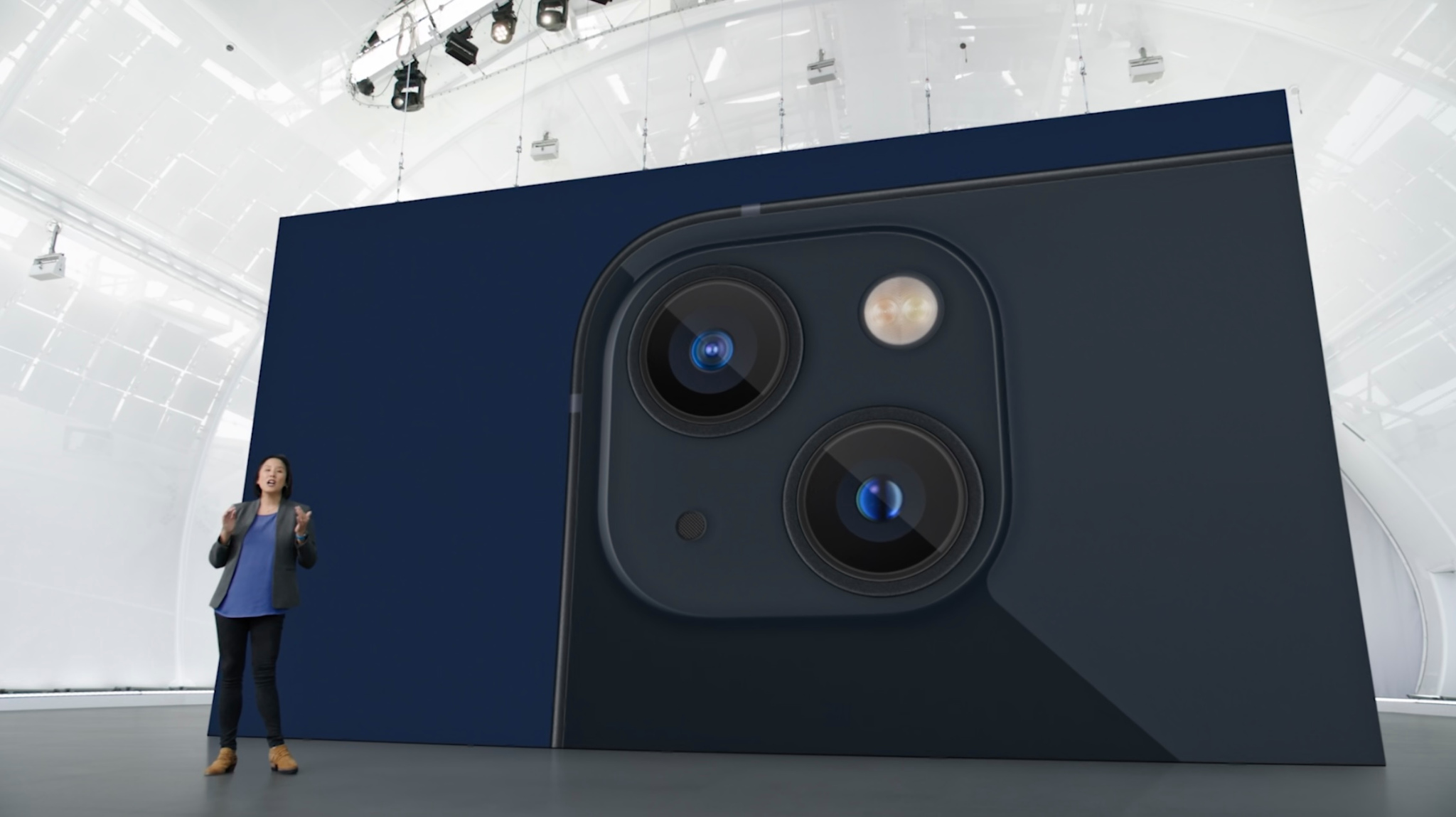
iPhone 15 and 15 Plus come with a 48MP main rear camera, next-gen portrait with Focus and Depth Control, Smart HDR 5, and more.
The iPhone 15/Plus main camera also has more powerful sensors and supports shooting both 24 and 48MP “super-high-resolution photos.”
Video recording
The main new feature for video recording with the iPhone 15/Plus compared to iPhone 13 is Action mode.
The other new video features this year are reserved for the iPhone 15 Pro and Pro Max.
Selfie camera
Apple’s TrueDepth front camera on the iPhone 15 gets a mix of upgrades found on the main rear camera.
iPhone 13 vs 15 I/O
The major change for iPhone 15 I/O is the switch from Lightning to USB-C.
Unfortunately, it’s only the 15 Pro and Pro Max that offer much faster transfer speeds with USB 3 support at up to 10Gbps. The 15 and 15 Plus have USB 2 speeds up to 480Mbps.
Two more differences between the iPhone 15 vs 13 include Bluetooth and UWB upgrades.
Whether the new iPhone 15 devices will support Qi2, Apple is saying yes but it’s a bit confusing.
So it’s also unclear if iPhone 13 will support Qi2.
Safety
iPhone 15 has two more advanced safety features than iPhone 13 Pro:
iPhone 15 colors
iPhone 15 and 15 Plus come in these five colors:
Black
Blue
Green
Yellow
Pink
Storage and pricing
iPhone 15/Plus comes in these storage options:
128GB – $799 / $899
256GB – $899 / $999
512GB – $1,099 / $1,199
What’s in the box?
iPhone 15/Plus comes with the iPhone and a USB-C cable in the box.
If you need a power adapter, go with at least a 20W so you get fast charging for your iPhone.
iPhone 13 vs 15: Is it worth upgrading?
The iPhone 15 and 15 Plus are fantastic smartphones, but whether upgrading from the 13 is worth it for you will depend on how you want to use your iPhone and what features you find important.
Reasons to consider upgrading to iPhone 15 or 15 Plus:
More powerful and capable cameras
Dynamic Island
USB-C
Faster chip and more powerful GPU for mobile gaming
Crash Detection and Roadside assistance via satellite
One small reduction of the notch, one giant leap for the iPhone! That’s the best description for the most minor iPhone upgrade yet – the Apple iPhone 13. But even if it won’t make iPhone 12 owners line up for the new model, like it or not, the iPhone 13 is still one of the most powerful smartphones on the market and a bestseller in the making.
The notorious notch, first introduced back with the iPhone X in 2017, spread in mere months across the entire smartphone industry, possibly faster than any other feature so far. It has since evolved into droplets, punch holes, or gone thanks to pop-up or under-screen selfies. But for the first time in four years, Apple has shrunk its size, albeit not by much, and the process of getting rid of it has finally begun. The predictions for the iPhone 14 are already running wild.
It is wrong to focus on just the notch size with iPhone 13. This standard 13 model has a 6.1″ Super Retina XDR OLED screen with Dolby Vision, now with higher brightness, the most powerful mobile chip to date – the Apple A15 Bionic, and three nicely capable 12MP cameras – two at the back and one at the front. Apple has used a new, larger sensor for the main camera and has the sensor-shift stabilization from last year’s 12 Pro Max has trickled down across the entire iPhone 13 lineup.
Other tweaks include doubled base storage, a larger battery, and a couple of exclusive software tricks for the camera like Cinematic mode and Photographic Styles.
And that’s it – a brighter screen with a smaller cutout, a faster chipset, more storage, more battery, and an improved sensor on the main camera. Not the upgrade iPhone 12 users have been hoping for, but a massive one for anyone using an older-gen iPhone.
Disclaimer. We can not guarantee that the information on this page is 100% correct.
The biggest letdown has to be the missing ProMotion support – the 120Hz refresh rate is exclusive to the Pro models this year, and we guess the base models will have to wait a year or two before they are allowed to have it. The ultrawide camera autofocus upgrade is also exclusive to the Pro series, which is not great, but it’s what Apple usually does, so not surprising either.
With the ongoing chip crisis, among other production problems due to the pandemic and lack of resources, the iPhone 13 devices will face various delays with production and shipping, but doesn’t this happen every year? Oh, well…
Unboxing the iPhone 13
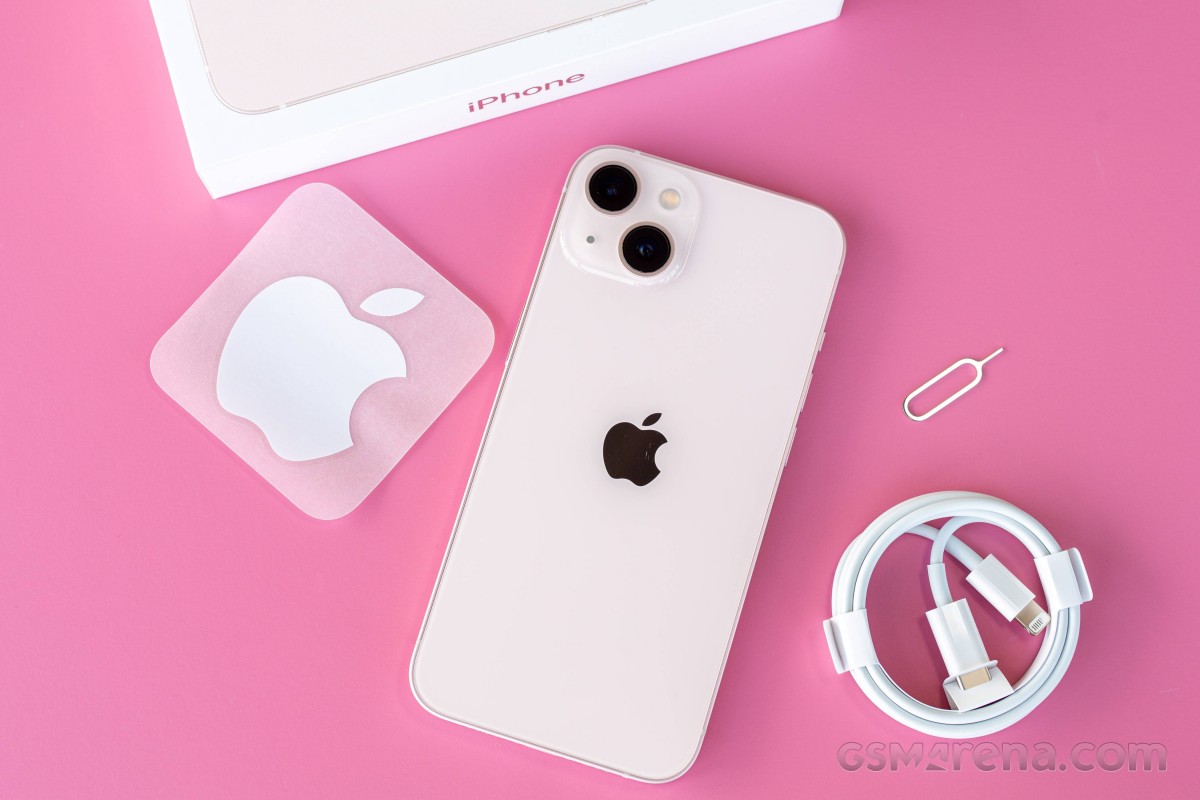
There is not a whole lot to unbox with the iPhone 13 as Apple has expelled everything but the USB cable from the iPhone retail boxes with the goal of reducing electronic waste, the extra profit being just a bonus. This year it has gone even greener by ditching the plastic wrapping – wherever wrapping was needed, Apple has used paper stickers.
So, inside this thin and lightweight box, you will find the iPhone 13 and a USB-C to Lightning cable.
Apple has still not switched to USB-C on the iPhones for various reasons, most of them being accessories compatibility and electronic waste. The EU Commission is pressing for such change, so we are either seeing the last of Lightning-capable iPhones or, knowing Apple, the last of the iPhones with any sort of USB ports.
The small paper compartment contains some paperwork, the SIM-ejection pin and one Apple sticker.
Alternatives
The Apple iPhone 13 is obviously a very minor upgrade over the iPhone 12, and we cannot think of a single reason why any iPhone 12 user should jump on it.
But the iPhone 13 is also one of the best current smartphones on the market for its beautiful design, increased durability, powerful hardware, superb speakers, and excellent camera experience day and night. And for such a compact device, the battery life turned out pretty good, too.
Of course, there are plenty of offers on the market, and the competition within Apple’s own series is already tough enough. Let’s say you are using an older model iPhone, should you get this €900 iPhone 13 or another iPhone?
Well, the iPhone 12 is now at least €100-150 cheaper than the iPhone 13, while carriers are pushing even bigger promotions as they are getting ready to replace the older model with the new one. And it’s pretty much the same device with a slightly bigger notch and a missing Cinematic video mode. We can’t blame anyone that would skip these features and get the iPhone 12 at a large discount instead.
The iPhone 11 is also still on sale, and it’s now cheaper at about €500-€550. It is one particularly powerful smartphone that’s great for gaming, plus it is also a dual-glass IP68-rated device. It has a 6.1″ LCD screen and a familiar 12MP dual-camera, supports Face ID, and its 12MP selfie shooter is really good, too. Not to mention that battery life is great, too.
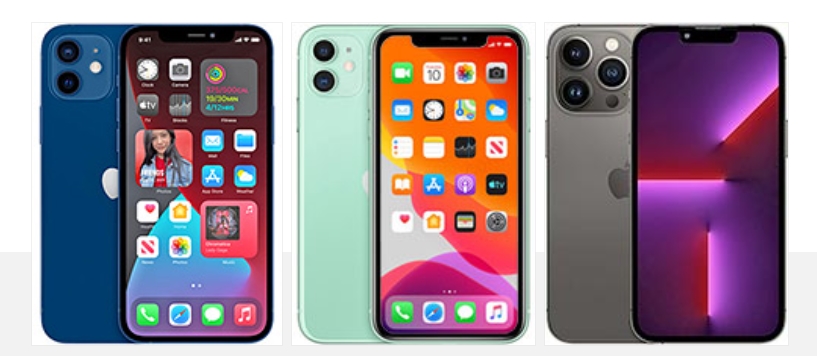
You can, of course, get the €800 iPhone 13 mini if you want the most compact yet most powerful iPhone, which is identical to the iPhone 13, but smaller. Or, if you want to get the best compact iPhone right now, the €1150 iPhone 13 Pro will offer you a 120Hz display, more powerful graphics and much better ultrawide and telephoto cameras. It is a significant update over the iPhone 12 Pro and will surely get the most attention. We guess most people will get it for the versatile photography skills with the added autofocus on the ultrawide and its 3x zoom lens, so you should consider it, too.
Apple iPhone 12 • Apple iPhone 11 • Apple iPhone 13 Pro
And if you are into Android phones of similar size and capabilities like the iPhone 13, you may want to explore the Samsung Galaxy S21 5G, or the Asus Zenfone 8, or maybe the Realme GT 5G. These are all not-so-large phones with 120Hz OLEDs, powerful processors, and great cameras, plus they are all cheaper! The Realme GT is not water-resistant, but it’s quite affordable, so it’s worth mentioning.
The Apple iPhone 13 is a very capable smartphone – it has one of the fastest chipsets and one of the best camera kits – that’s why it is ideal for photography and video capturing on the go, great for bloggers and vloggers on a budget. It also does a brilliant job at streaming your favorite shows and playing demanding games. Its speakers are surprisingly nice, too.
The iPhone 13 is a premium-looking smartphone with great all-around protection. But it’s not just the good looks; it’s also built to last with that Ceramic Shield and sapphire covers for the lenses.
There is also another thing that seems to be an iPhone-exclusive – the promised 5 years of major updates. That’s a whole lot more than any Android device can offer, but also understandable since Apple makes a limited number of phones and has full control over every aspect of them.
The iPhone 13 is not a perfect smartphone – the notch is still huge as Apple doesn’t want to resurrect the Touch ID yet, the 120Hz display is exclusive to the more expensive Pro model, and it just won’t allow for faster than 25W charging, though the last one could be somewhat responsible for the longer battery lifespan of the iPhones.
There are also controversial aspects that will never change – the aim towards a port-less phone, the minimalistic retail bundle that reduces electronic waste, the iOS-specific file manager, among other controversial Apple policies.
But there are two undeniable facts – no iPhone is a bad phone, on the contrary – every iPhone is designed to excel at a wide variety of tasks, and it does. And secondly, no review will make a decided Apple user to reconsider their iPhone purchase/upgrade because of that. So, go get your new iPhone and enjoy it, it is yet another good one, in case you needed to hear it from us.
Pros
Outstanding design – sturdy and water-proofed.
Bright OLED screen, HDR10, Dolby Vision.
Dependable battery life.
Loud stereo speakers, excellent output.
Unmatched performance, 5G.
Great all-round photo and video quality across all three cameras.
Cons
Minor upgrade over iPhone 12.
No 120Hz refresh rate.
The notch is still an eyesore even if smaller.
The fast charging isn’t very fast and the charger is not bundled.
iOS (with its limitations) remains a love it or leave it affair.
When the iPhone 14 lineup was announced last week, Apple touted that you can expect improved battery life across the board compared to the iPhone 13. Now, we have more details on the battery inside each iPhone 14 model, including the iPhone 14 Plus… which Apple says has the “best battery life ever in an iPhone.”
iPhone 14 battery sizes
In a filing on the Chemtrec website, Apple has published official details on the battery sizes of each of the iPhone 14 models. As expected, the iPhone 14 Plus battery is particularly impressive. There are also increases for the iPhone 14 and iPhone 14 Pro, while the battery in the iPhone 14 Pro Max is actually slightly smaller.
Here is the watt hour capacity for each of Apple’s iPhone 14 models, compared to their iPhone 13 predecessors:
iPhone 14 – 12.68 watt hours
iPhone 13 – 12.41 watt hours
iPhone 14 Plus – 16.68 watt hours
N/A
iPhone 14 Pro – 12.38 watt hours
iPhone 13 Pro: 11.97 watt hours
iPhone 14 Pro Max – 16.68 watt hours
iPhone 13 Pro Max: 16.75 watt hours
The battery life of an iPhone is impacted by two primary factors: the size of the battery life and the efficiency of the processor inside the iPhone. This year, the iPhone 14 Pro and iPhone 14 Pro Max have switched to a new A16 Bionic process that uses a new 4nm manufacturing process. The iPhone 14 and iPhone 14 Plus use the 5nm A15 Bionic, which is still incredibly efficient but less so than the A16 Bionic.
Shrinking the fabrication process used for chip manufacturing generally results in a boost in efficiency. This will obviously counteract the fact that the iPhone 14 Pro Max features a negligibly smaller battery than the iPhone 13 Pro Max.
Some additional statistics on the iPhone 14’s mAh battery stats have also emerged through a regulatory database in China.
iPhone 14: 3279 mAh
iPhone 13: 3227 mAh
iPhone 14 Plus: 4325 mAh
N/A
iPhone 14 Pro: 3200 mAh
iPhone 13 Pro: 3095 mAh
iPhone 14 Pro Max: 4323 mAh
iPhone 13 Pro Max: 4352 mAh
iPhone 14 battery life: What to expect and how it compares to previous iPhones
Battery life gets a little boost with the iPhone 14 lineup. Follow along for a detailed look at how iPhone 14 battery life compares to iPhone 13, 12, and 11 including what to expect for iPhone 14 battery for video and audio playback.
The four iPhone 14 models feature the same general design as the iPhone 13 and 12 with flat sides. But with the iPhone 12 devices at a thickness of 0.29 inches (7.4 mm) and the iPhone 13 lineup at 0.30 inches (7.65 mm) thick, the iPhone 14 comes in at 0.31 inches (7.8 mm and 7.85 mm for the Pro). That includes a slightly increased battery life along with new camera modules.
iPhone 14 battery life: What to expect
Apple says the iPhone 14 devices offer the “Best battery life ever in an iPhone.”
1 hour longer battery life on iPhone 14 Pro than iPhone 13 Pro for video playback
1 hour longer battery life on iPhone 14 Pro Max than iPhone 13 Pro Max for video playback
1 hour longer battery life on iPhone 14 than iPhone 13 for video playback
7 hours longer battery life on iPhone 14 Plus than iPhone 13 for video playback (no direct predecessor for comparison)
Keep reading for more detailed battery life specs…
Looking more closely, iPhone 14 models offer about the same amount of audio playback as the iPhone 13 lineup. However, iPhone 14 Plus leads all models with 100 hours of audio playback.
Here is iPhone 14 battery versus iPhone 13, 12, and 11 byvideo playback and audio playback (not streamed) based on Apple’s tech specs.
All battery estimates from Apple below feature the “up to” qualifier on all of its specs pages.
The all-new iPhone 13 lineup is officially here. As has become the norm, the lineup is split into the iPhone 13 and iPhone 13 Pro. On the surface, the iPhone 13 and iPhone 13 Pro are very similar phones. They both feature a 6.1-inch display and the A15 Bionic processor inside, but look closer and you’ll notice some key differences.
If you’re trying to make a buying decision between the iPhone 13 and iPhone 13 Pro, head below for everything you need to know about the iPhone 13 vs iPhone 13 Pro comparison.
In this comparison, we focus specifically on the 6.1-inch iPhone 13 and the 6.1-inch iPhone 13 Pro. There are many similarities between the iPhone 13 mini and iPhone 13, and the iPhone 13 Pro Max, but there are also some key differences. Stay tuned to 9to5Mac over the coming days and weeks for additional comparisons between Apple’s iPhone lineup as it stands today.
iPhone 13 vs iPhone 13 Pro: Display
The iPhone 13 and iPhone 13 Pro feature 6.1-inch Super Retina XDR displays using OLED technology with a resolution of 2532 x 1170 pixels. This equals 460 pixels per inch. The iPhone 13 Pro, however, features a max brightness of 1000 nits, compared to the iPhone 13’s at 800 nits. For HDR content, however, both can reach a max brightness of 1200 nits.
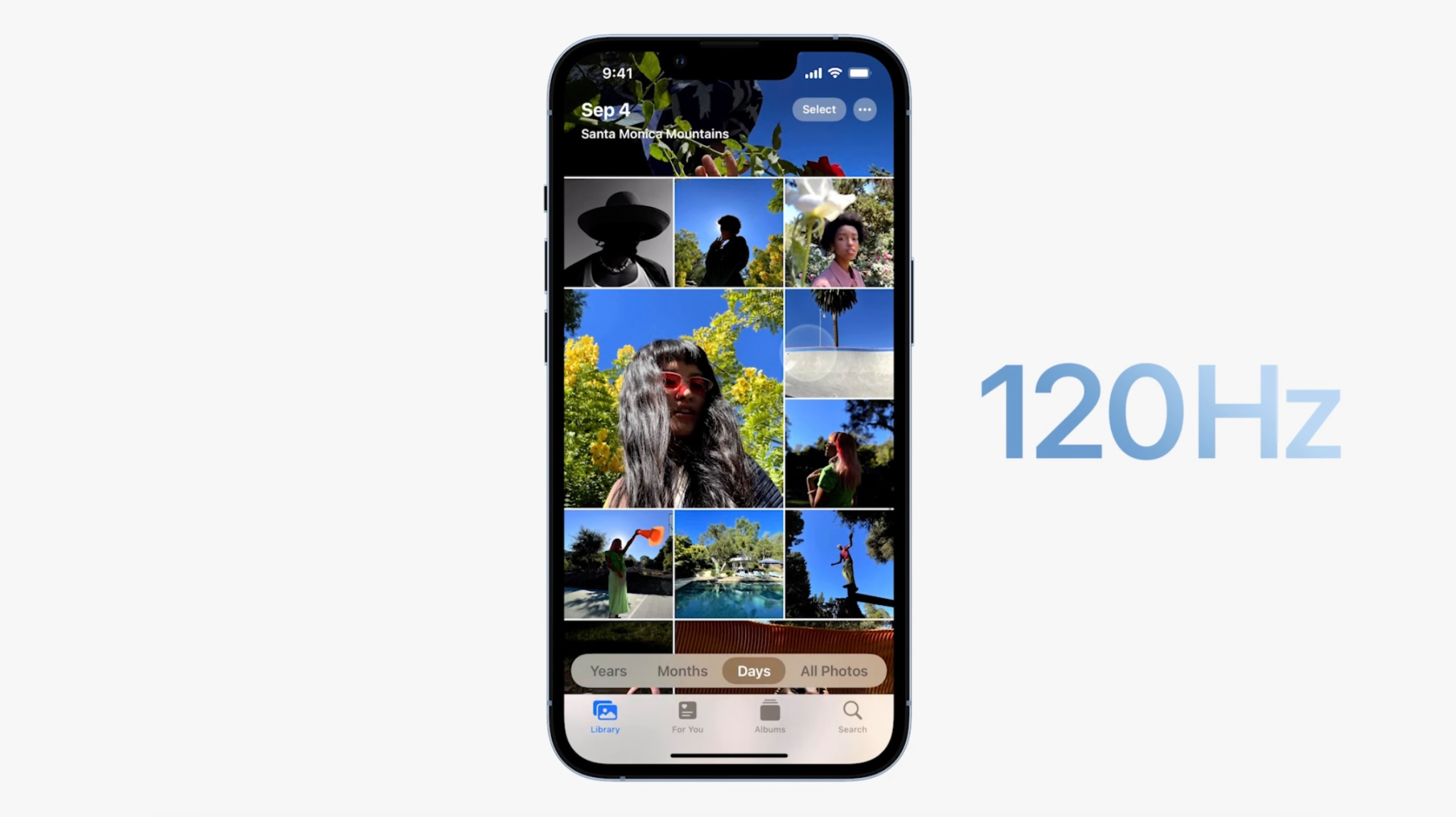
There is one major difference between the iPhone 13 and iPhone 13 Pro displays: ProMotion technology. Exclusive to the iPhone 13 Pro, Apple’s ProMotion display technology brings adaptive refresh rates up to 120Hz to the iPhone for the first time. This means the refresh rate of the iPhone 13 Pro’s screen can scale between 10Hz and 120Hz depending on what you’re doing on your device.
In real-world usage, this should mean things like scrolling and animations are significantly smoother. ProMotion also makes the display more efficient because it can scale all the way down to 10Hz when you’re doing something such as reading.
Other display features on the iPhone 13 and iPhone 13 Pro include:
2,000,000:1 contrast ratio
True Tone display
Wide color gamut (P3)
Haptic Touch
HDR display
Design
In terms of design, the iPhone 13 and iPhone 13 Pro are similar, with flat edges and nearly edge-to-edge displays. Both devices also feature slightly smaller notches at the top, which measure in at roughly 20% smaller in terms of width.
One major difference is that the iPhone 13 is made out of what Apple refers to as “aerospace-grade aluminum” while the iPhone 13 Pro is made from “surgical-grade stainless steel.” This means that the iPhone 13 has a brushed aluminum finish, while the iPhone 13 Pro features a shiny stainless finish.
The difference in materials makes the iPhone 13 Pro slightly heavier than the iPhone 13. The iPhone 13 weighs in at 6.14 ounces (174 grams), while the iPhone 13 Pro weighs in at 7.19 ounces (204 grams).
The dimensions are the same between the iPhone 13 Pro and iPhone 13 :
Height: 5.78 inches (146.7 mm)
Width: 2.82 inches (71.5 mm)
Thickness: 0.30 inches (7.65 mm)
The iPhone 13 and iPhone 13 Pro are both rated for IP68 splash, water, and dust resistance. Under this rating, the iPhone 13 and iPhone 13 Pro can withstand submersion to a maximum depth of 6 meters for up to 30 minutes.
Performance and battery life
The iPhone 13 and iPhone 13 Pro are both powered by an A15 Bionic processor, packing a 6-core CPU with 2 performance and 4 efficiency cores. The A15 Bionic processor also features a new 16-core Neural Engine to power machine learning and artificial intelligence tasks.
One difference between the iPhone 13 and iPhone 13 Pro is that the former features a 4-core GPU, while the latter features a 5-core CPU. It remains to be seen what kind of difference this leads to in real-world performance, but it is a notable change for Apple to be segmenting the iPhone 13 lineup in this way for the first time.
Apple has not made any changes to the RAM configuration this year, with the iPhone 13 packing 4GB of RAM and the iPhone 13 Pro packing 6GB of RAM.
Both the iPhone 13 and iPhone 13 Pro feature notable improvements in battery life this year compared to their predecessors. The iPhone 13 Pro is able to edge out the iPhone 13 in some areas, according to Apple’s claims.
iPhone 13 battery estimates:
Audio playback: 75 hours
Video playback (streamed): Up to 15 hours
Video playback: Up to 19 hours
iPhone 13 Pro battery estimates:
Audio playback: 75 hours
Video playback (streamed): Up to 20 hours
Video playback: Up to 22 hours
Both devices support fast charging, for getting up to a 50% charge in 30 minutes with a 20W power adapter. There’s also support for 7.5W Qi wireless charging and 15W wireless charging when using a MagSafe wireless charger.
Connectivity
Have you heard the great news about 5G? Just like their predecessors, the iPhone 13 and iPhone 13 Pro both feature support for 5G. Apple says this makes for “superfast downloads and high-quality streaming.” This includes support for mmWave 5G connectivity in the United States, as well as sub-6GHz 5G in the United States and other countries.
Camera
Where you really start to notice differences between the iPhone 13 and iPhone 13 Pro, however, is the camera technology. The iPhone 13 features a dual 12MP camera system with Wide and Ultra Wide cameras on the back. On the front, you’ll find a 12MP f/2.2 aperture selfie camera.
Here are the full camera features for the iPhone 13:
Dual 12MP camera system: Wide and Ultra Wide cameras
Wide: ƒ/1.6 aperture
Ultra Wide: ƒ/2.4 aperture and 120° field of view
2x optical zoom out
Digital zoom up to 5x
Portrait mode with advanced bokeh and Depth Control
Portrait Lighting with six effects (Natural, Studio, Contour, Stage, Stage Mono, High‑Key Mono)
Meanwhile, the iPhone 13 Pro features a triple-lens camera system on the back plus a LiDAR Scanner. The triple-lens camera setup features Telephoto, Wide, and Ultra Wide cameras. On the front, you’ll find the same 12MP camera with an f/2.2 aperture.
Here are the full camera features for the iPhone 13 Pro:
Pro 12MP camera system: Telephoto, Wide, and Ultra Wide cameras
Telephoto: ƒ/2.8 aperture
Wide: ƒ/1.5 aperture
Ultra Wide: ƒ/1.8 aperture and 120° field of view
3x optical zoom in, 2x optical zoom out; 6x optical zoom range
Digital zoom up to 15x
Night mode portraits enabled by LiDAR Scanner
Portrait mode with advanced bokeh and Depth Control
Portrait Lighting with six effects (Natural, Studio, Contour, Stage, Stage Mono, High‑Key Mono)
Dual optical image stabilization (Telephoto and Wide)
Sensor‑shift optical image stabilization (Wide)
Six‑element lens (Telephoto and Ultra Wide); seven‑element lens (Wide)
True Tone flash with Slow Sync
Panorama (up to 63MP)
Sapphire crystal lens cover
100% Focus Pixels (Wide)
Night mode
Deep Fusion
Smart HDR 4
Photographic Styles
Macro photography
Apple ProRAW
Wide color capture for photos and Live Photos
Lens correction (Ultra Wide)
Advanced red‑eye correction
Photo geotagging
Auto image stabilization
Burst mode
Image formats captured: HEIF and JPEG
Video recording
In terms of video recording, both the iPhone 13 and iPhone 13 Pro support up to 4K video recording at 24 fps, 25 fps, 30 fps, or 60 fps as well as HDR video recording with Dolby Vision up to 4K at 60 fps. Both devices also feature Cinematic mode for recording videos with shallow depth of field at 1080p at 30 fps.
One notable difference, however, is that the iPhone 13 Pro packs support for Apple’s ProRes video recording standard at up to 4K at 30 fps (1080p at 30 fps for 128GB storage). This is a major feature for professional videographers looking to get the highest quality and lowest compression possible.
Colors, storage, and pricing
The iPhone 13 is available in five different colors: midnight, starlight, blue, red, and pink. The iPhone 13 Pro is available in four different colors: silver, graphite, gold, and sierra blue.
In terms of pricing, the iPhone 13 retails for:
$799 for 128GB of storage
$899 for 256GB of storage
$999 for 512GB of storage
Pricing for the iPhone 13 Pro is as follows:
$999 for 128GB of storage
$1099 for 256GB of storage
$1299 for 512GB of storage
$1499 for 1TB of storage
Included accessories
Citing environmental concerns, Apple is no longer including headphones or a charging brick in the iPhone 13 box this year. Here are some accessories you might consider picking up to help fill that gap and complement your new iPhone.
iPhone 13 vs iPhone 13 Pro features
iPhone 13
iPhone 13 Pro
Display
6.1-inch Super Retina XDR OLED
6.1-inch Super Retina XDR OLED
ProMotion Display
❌
✅
Finish
Aluminum
Stainless Steel
Processor
A15 Bionic
A15 Bionic
RAM
4GB
6GB
CPU cores
6 cores
6 cores
GPU cores
4 core
5 core
Durability
IP68
IP68
Battery life
Up to 19 hours video
Up to 22 hours video
Camera
Dual-lens 12MP
Triple-lens 12MP
Optical zoom range
2x
6x
Video
Dolby Vision HDR up to 4K at 60 fps
Dolby Vision HDR up to 4K at 60 fps
LiDAR
❌
✅
ProRes
❌
✅
ProRAW
❌
✅
Cinematic mode
✅
✅
5G
✅
✅
Weight
6.14 ounces (174 grams)
7.19 ounces (204 grams)
Storage
128GB, 256GB, 512GB
128GB, 256GB, 512GB, 1TB
Pricing
From $799
From $999
Wrap up
As you can see, the iPhone 13 and iPhone 13 Pro share many similarities in terms of size, form factor, and performance. With that being said, there are some notable differences this year in the camera category as well as in the display category.
Unlike last year when the iPhone 12 and iPhone 12 Pro featured the same display technology, the iPhone 13 Pro exclusively features the new ProMotion display technology. The iPhone 13 Pro also packs a more impressive camera setup with ProRes video recording, a triple-lens design, and more.
But ultimately, for most people, the iPhone 13 is enough: it can handle virtually any task you throw at it and it features a stunning design available in 5 different colors. The camera, while not as impressive as the iPhone 13 Pro, can still take stunning images and videos.
Those who should opt for the iPhone 13 Pro include people who take professional-level video and can take advantage of the ProRes video recording features. Those people should also opt for higher storage capacities as well.
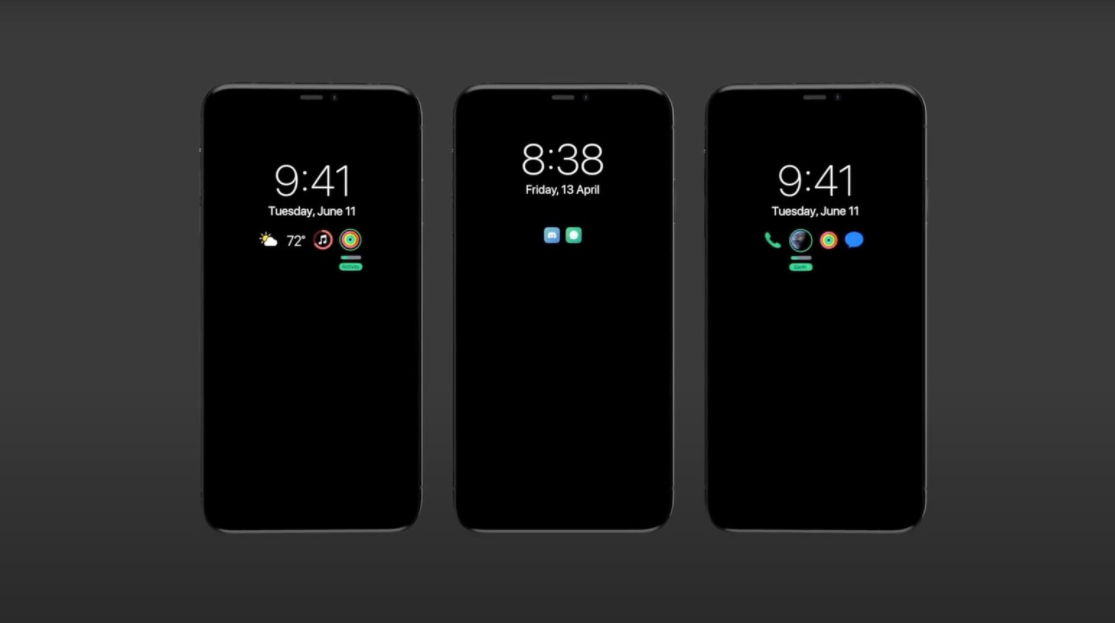
The hype surrounding Apple’s next iPhone lineup has been slowly gaining traction in the passing months. According to a new leak from EverythingApplePro and Max Weinbach, Apple will finally bring Always-On Display functionality to its upcoming iPhone 13 series. The rumor suggests iPhone 13 units will use Samsung’s 120Hz LTPO (low-temperature polycrystalline oxide) displays and users will be able to have their battery percentage and time on display at all times.
There’s also talk of notifications appearing on the AOD by lighting up just a small portion of the screen. The new leak also mentions iPhone 13 will bring stronger MagSafe magnets preventing compatible accessories from unclipping. In addition to the previous camera leaks, there’s talk of an automatic Astro-photography mode which will switch on when it detects stars or other space objects in the sky.
Apple’s AirTags were also mentioned to launch in March of April and the Apple Watch Series 7 will gain blood sugar tracking.
This year’s iPhone 13 lineup will include an always-on display with a 120hz refresh rate, improved camera capabilities for astrophotography, stronger MagSafe magnets, and a finer matte finish on the back, according to leaker Max Weinbach
Always-on displays are typical in most flagship Android smartphones, and it allows users to see information on their screen at all times, without having to power on or unlock the device. Ever since the iPhone X, which was the first iPhone to feature an OLED display, many have speculated Apple will bring this feature to iPhone users.
OLED displays use less power than LCD displays, since each pixel is individually controlled, unlike LCD panels which use backlight and light up all pixels, even if it’s just to show a small piece of information on the screen. With OLED displays, Apple is able to only light up the pixels needed to show users the time, battery, or some form of indicator for app notifications, without using a significant amount of battery power.
Weinbach claims that the always-on display will look like a “toned down lockscreen,” where the clock and battery charge are always visible, and past notifications are shown through “a bar and icons.” When users receive a notification, the notification will “pop up normally except that the screen will not entirely light up.” Instead, “it will display it just like you’re used to right now, except dimmed down and only temporarily,” according to the leaker.
The leaker also “confirms” that a 120hz ProMotion refresh rate is happening on the 2021 Pro iPhone models, a feature that was widely rumored to appear on the iPhone 12. An always-on and ProMotion display would not require a change in physical design, and that yields to the fact that Weinbach reports there will be no change to the actual chassis on the iPhone 13 compared to the iPhone 12 lineup. The only possible hardware change will be a matte back with a “grippier, more comfortable” feeling, similar to the finishing on the back of the Google Pixel series.
Internally, MagSafe will be getting “considerably” stronger, according to the leak. The iPhone 12 features MagSafe on the back that allows users to magnetically attach different accessories and offers an alternative way to charge the device, however, the magnets have been criticized by some for being weak. Apple’s looking to alleviate those concerns by adding stronger magnets, although the addition is not expected to be the sole reason for a rumored increase in device thickness. As for the cameras, Weinbach reports that Apple is increasing its efforts in astrophotography.
Astrophotography, the photography of astronomy, typically requires complicated camera setups to proficiently capture the night times dark sky. The integration of the ability into the iPhone is expected to be seamless, with the leak claiming the iPhone will automatically switch to the mode when it registers a user pointing to the sky. The mode will allow the phone to detect different artifacts such as the moon and stars and adjusts settings such as exposure accordingly. Corroborating Apple analyst Ming-Chi Kuo, the leak says the ultra-wide camera across the entire lineup will be getting an improved sensor and lens.
The newest information from the leaks points towards the ability to take portrait videos on this year’s iPhone. Users have been able to take portrait photos since the launch of the iPhone 7 Plus, but it has remained entirely limited to photos. Portrait mode adds a depth feel to your photos, blurring the background and keeping the center subject fully in focus. With videos, the task becomes much harder since the subject is actively moving, making it harder to add a depth effect in real-time.
The new information joins an already long list of features we’re expecting for the 2021 iPhone. A Bloomberg report suggests that the biggest headlining feature of the lineup will be the reintroduction of Touch ID on the iPhone. According to that report, Apple is testing burying the Touch ID sensor below the display, allowing users to unlock their device if Face ID is deemed unusable, such as when you’re wearing a mask. Unlike the iPhone 12 which saw delays due to the COVID-19 pandemic, the iPhone 13 is expected to launch on time in September.
Thank you for using
Themify Popup
This is a sample pop up. Themify Builder or Builder Lite (free) plugin is recommended to design the pop up layouts.