


❤ Samsung Galaxy S24 Ultra

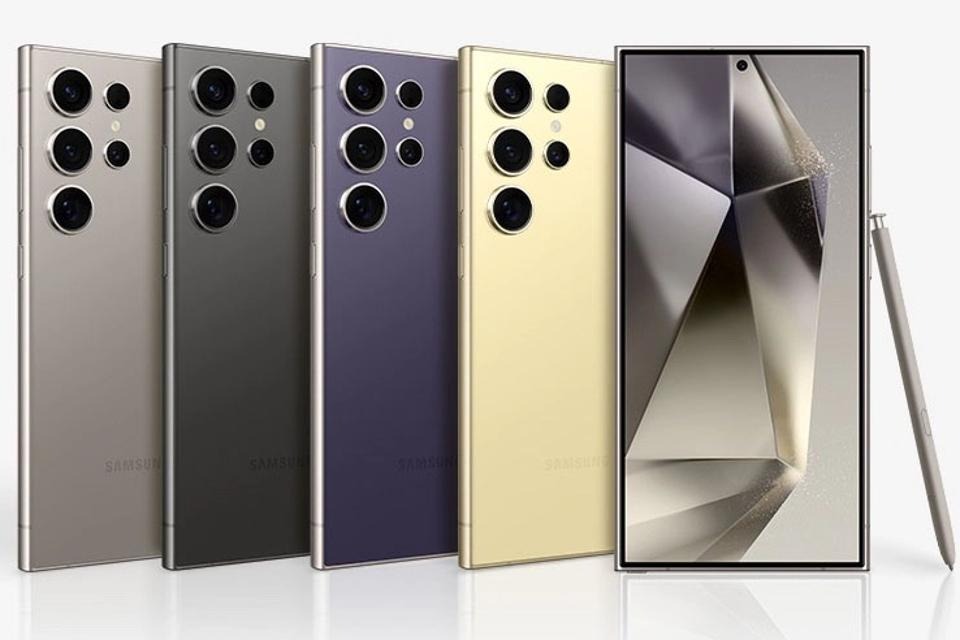
You look at the Galaxy S24 and S24+ and can’t help but wonder if they really are the new models, or Samsung just went and reissued the old ones. The Ultra, on the other hand, is a different beast. The Galaxy S24 Ultra does make some significant strides towards improving on what was already the ultimate smartphone package.
Some of the changes are immediately visible and start with the even blockier design with a fully flat face and the less reflective display glass. You won’t immediately tell, but that glass should also be tougher, and as months go by, you’ll perhaps appreciate the switch to titanium for the exposed frame, too.
An even less obvious development, but one that has potential to be a major step in solidifying the Galaxy Ultra’s position as a top cameraphone, is the new 5x zoom telephoto. Undoubtedly better at 5x than the old model, can it be as good at 10x?
The Ultra won’t partake in the chipset divide that’s now returned to the lesser models, and all of the ultimate Galaxies will feature a Snapdragon 8 Gen 3 – no Exynos here if that makes any difference. Sure enough, the S24 Ultra will have all the AI smarts Samsung and Google came up with to fill an hour of Unpacked 2024.
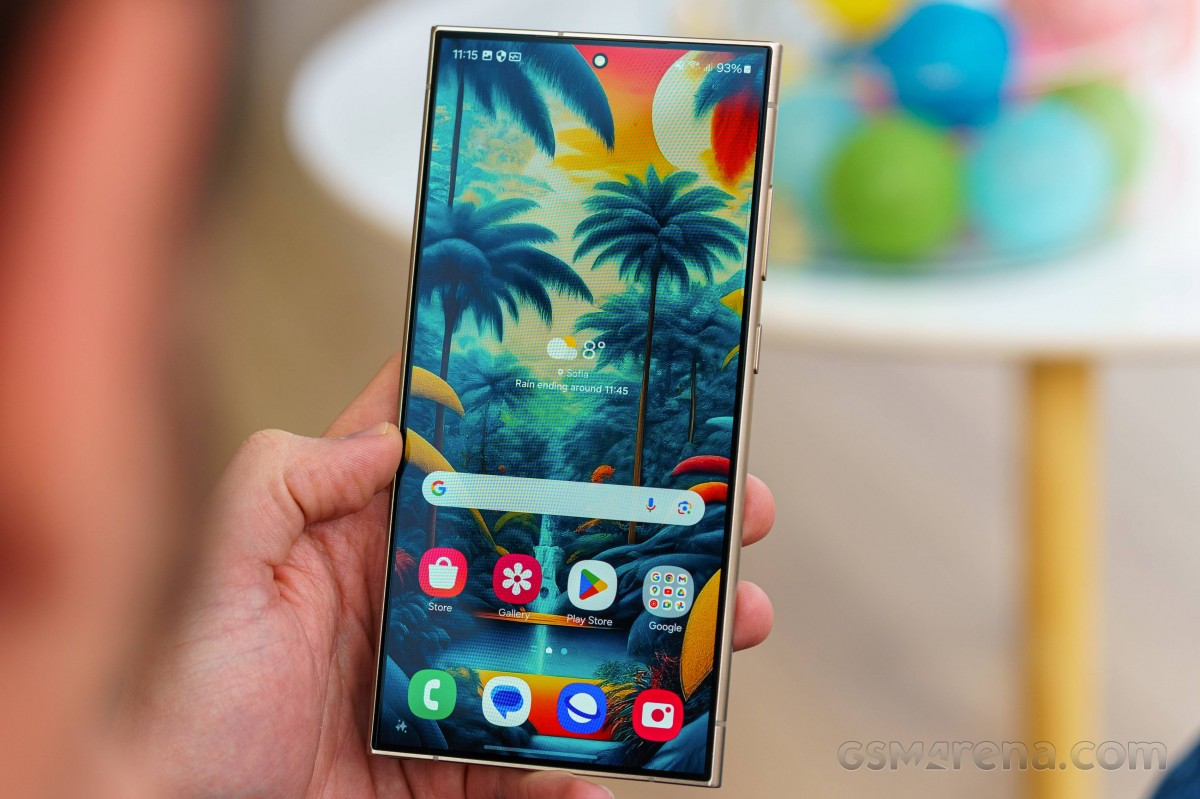
Unchanged is the battery capacity on this year’s model, and so too is the maximum charging rating, for better or for worse. No change can be a good thing too, and the S Pen remains another differentiator that elevates the Galaxy Ultra above all others when it comes to productivity and just general usefulness (it’s the best camera remote is what it is).
You can have another look at the key specs below, before we proceed to get our hands on the Ultra, at long last.
Samsung Galaxy S24 Ultra specs at a glance:
| NETWORK | Technology | GSM / CDMA / HSPA / EVDO / LTE / 5G |
|---|---|---|
| 2G bands | GSM 850 / 900 / 1800 / 1900 – SIM 1 & SIM 2 (Dual SIM model only) | |
| CDMA 800 / 1900 & TD-SCDMA | ||
| 3G bands | HSDPA 850 / 900 / 1700(AWS) / 1900 / 2100 | |
| CDMA2000 1xEV-DO | ||
| 4G bands | 1, 2, 3, 4, 5, 7, 8, 12, 13, 17, 18, 19, 20, 25, 26, 28, 32, 38, 39, 40, 41, 66 – International | |
| 5G bands | 1, 2, 3, 5, 7, 8, 12, 20, 25, 26, 28, 38, 40, 41, 66, 75, 77, 78 SA/NSA/Sub6 – International | |
| SA/NSA/Sub6/mmWave – USA | ||
| Speed | HSPA, LTE (up to 7CA), 5G |
| LAUNCH | Announced | 2024, January 17 |
|---|---|---|
| Status | Available. Released 2024, January 24 |
| BODY | Dimensions | 162.3 x 79 x 8.6 mm (6.39 x 3.11 x 0.34 in) |
|---|---|---|
| Weight | 232 g or 233 g (8.18 oz) | |
| Build | Glass front (Corning Gorilla Armor), glass back (Corning Gorilla Armor), titanium frame (grade 2) | |
| SIM | Nano-SIM and eSIM/ Dual eSIM or Dual SIM (2 Nano-SIMs and eSIM, dual stand-by) | |
| IP68 dust/water resistant (up to 1.5m for 30 min) Stylus (Bluetooth integration, accelerometer, gyro) |
| DISPLAY | Type | Dynamic LTPO AMOLED 2X, 120Hz, HDR10+, 2600 nits (peak) |
|---|---|---|
| Size | 6.8 inches, 113.5 cm2 (~88.5% screen-to-body ratio) | |
| Resolution | 1440 x 3120 pixels, 19.5:9 ratio (~505 ppi density) | |
| Protection | Corning Gorilla Armor | |
| Always-on display |
| PLATFORM | OS | Android 14, One UI 6.1 |
|---|---|---|
| Chipset | Qualcomm SM8650-AC Snapdragon 8 Gen 3 (4 nm) | |
| CPU | 8-core (1×3.39GHz Cortex-X4 & 3×3.1GHz Cortex-A720 & 2×2.9GHz Cortex-A720 & 2×2.2GHz Cortex-A520) | |
| GPU | Adreno 750 (1 GHz) |
| MEMORY | Card slot | No |
|---|---|---|
| Internal | 256GB 12GB RAM, 512GB 12GB RAM, 1TB 12GB RAM | |
| UFS 4.0 |
| MAIN CAMERA | Quad | 200 MP, f/1.7, 24mm (wide), 1/1.3″, 0.6µm, multi-directional PDAF, Laser AF, OIS 10 MP, f/2.4, 67mm (telephoto), 1/3.52″, 1.12µm, PDAF, OIS, 3x optical zoom 50 MP, f/3.4, 111mm (periscope telephoto), 1/2.52″, 0.7µm, PDAF, OIS, 5x optical zoom 12 MP, f/2.2, 13mm, 120˚ (ultrawide), 1/2.55″, 1.4µm, dual pixel PDAF, Super Steady video |
|---|---|---|
| Features | LED flash, auto-HDR, panorama | |
| Video | 8K@24/30fps, 4K@30/60/120fps, 1080p@30/60/240fps, HDR10+, stereo sound rec., gyro-EIS |
| SELFIE CAMERA | Single | 12 MP, f/2.2, 26mm (wide), dual pixel PDAF |
|---|---|---|
| Features | Dual video call, Auto-HDR, HDR10+ | |
| Video | 4K@30/60fps, 1080p@30fps |
| SOUND | Loudspeaker | Yes, with stereo speakers |
|---|---|---|
| 3.5mm jack | No | |
| 32-bit/384kHz audio Tuned by AKG |
| COMMS | WLAN | Wi-Fi 802.11 a/b/g/n/ac/6e/7, tri-band, Wi-Fi Direct |
|---|---|---|
| Bluetooth | 5.3, A2DP, LE | |
| Positioning | GPS, GLONASS, BDS, GALILEO, QZSS | |
| NFC | Yes | |
| Radio | No | |
| USB | USB Type-C 3.2, DisplayPort 1.2, OTG |
| FEATURES | Sensors | Fingerprint (under display, ultrasonic), accelerometer, gyro, proximity, compass, barometer |
|---|---|---|
| Samsung DeX, Samsung Wireless DeX (desktop experience support) Ultra Wideband (UWB) support |
| BATTERY | Type | Li-Ion 5000 mAh, non-removable |
|---|---|---|
| Charging | 45W wired, PD3.0, 65% in 30 min (advertised) 15W wireless (Qi/PMA) 4.5W reverse wireless |
| MISC | Colors | Titanium Black, Titanium Gray, Titanium Violet, Titanium Yellow, Titanium Blue, Titanium Green, Titanium Orange |
|---|---|---|
| Models | SM-S928B, SM-S928B/DS, SM-S928U, SM-S928U1, SM-S928W, SM-S928N, SM-S9280, SM-S928E, SM-S928E/DS | |
| SAR | 1.26 W/kg (head) 0.62 W/kg (body) | |
| SAR EU | 1.06 W/kg (head) 1.30 W/kg (body) | |
| Price | $ 999.99 / € 1,037.95 / £ 917.00 / ₹ 112,300 |
| TESTS | Performance | AnTuTu: 1453497 (v9), 1823822 (v10) GeekBench: 7076 (v6) 3DMark Wild Life: 17931 (offscreen 1440p) |
|---|---|---|
| Display | Contrast ratio: Infinite (nominal) | |
| Camera | Photo / Video | |
| Loudspeaker | -24.6 LUFS (Very good) | |
| Battery (new) |
Disclaimer. We can not guarantee that the information on this page is 100% correct.
Samsung Galaxy S24 Ultra unboxing
Another uneventful unboxing experience awaits, but it’s not like the slimline box is making any promises. A SIM eject pin is still included, though a line in the instructions that says ‘use a paper clip or an earring’ could be replacing that in the near future. That, or eSIMs.
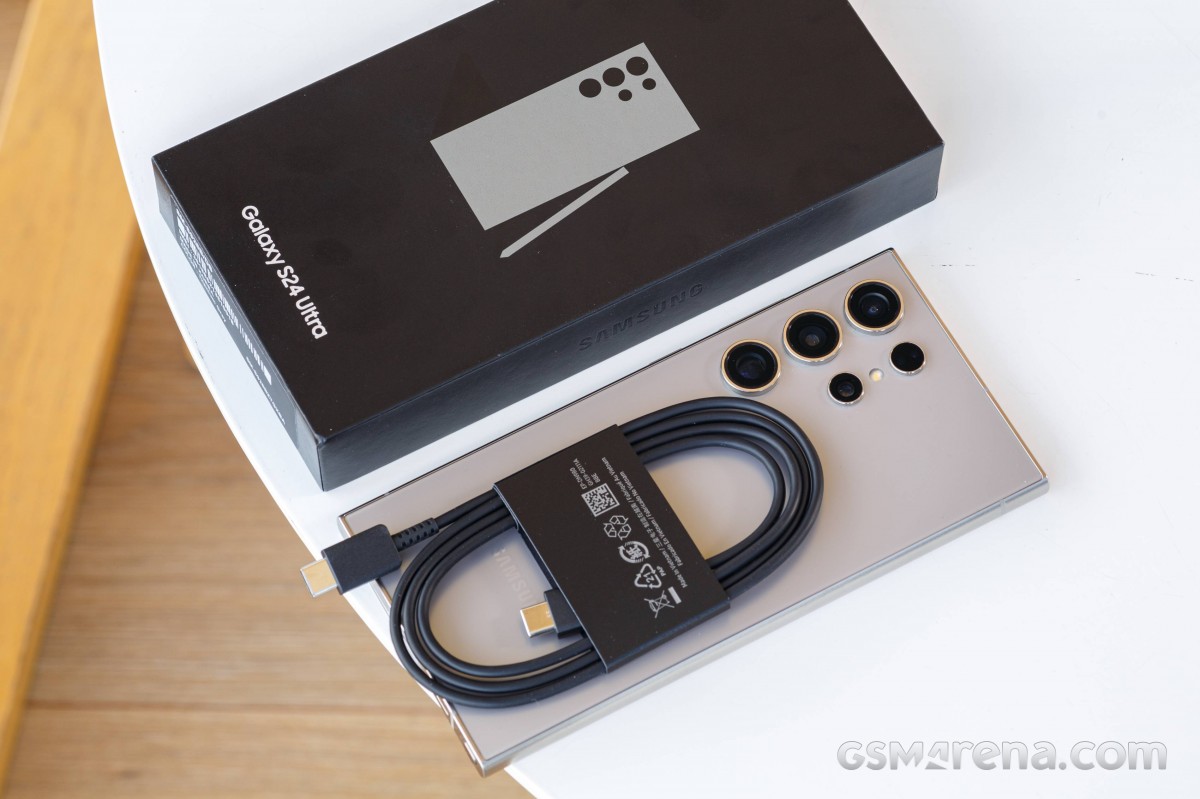
The other thing of any practical use inside the box is a USB-C cable, but it’s only good for 3A of current, and that may not be enough to get the promised 45W of charging. We might have a rant on that subject later on in the review.
Competition
The Galaxy S24 Ultra’s ultimate smartphone status can only be threatened by similarly uncompromising offerings, though some allowances can be made given the right reasoning. First things first, though, and we reckon there’s some in-brand competition that you must sift through before looking outside the Galaxy.
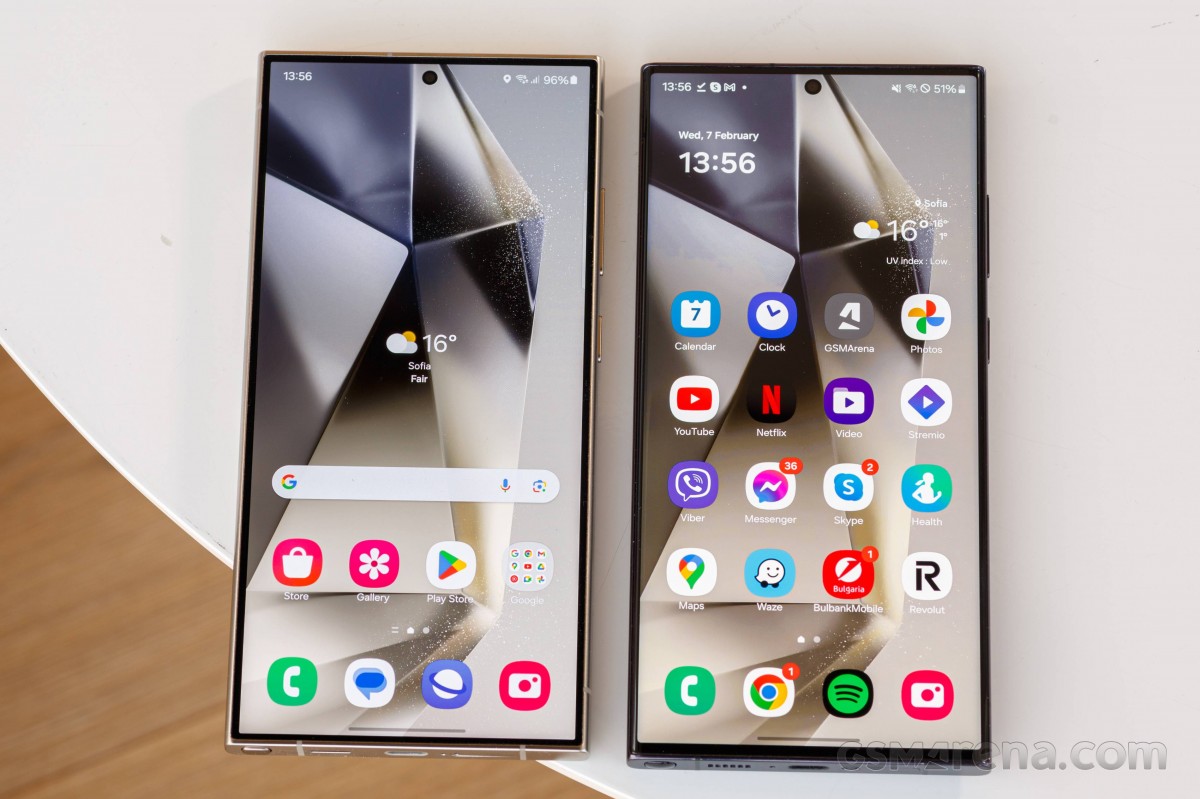
Galaxy S24 Ultra (left) next to Galaxy S23 Ultra
The most obvious alternative is the previous generation – opting for that one has the potential to save you roughly 20-30% depending on locale, possibly even more given the right combination of research and luck. You’d be missing out on the less reflective display, the overall improved build, and the latest camera advancements. But the old cameras are still plenty capable, battery life and charging are similar, the last-gen Snapdragon has many good years left in it, and the S Pen is the same. We’d always pick the latest one, but a more reasonable person can see the value in the 2023 model.
Another one from last year, but not to be replaced any time soon, the Z Fold5 can challenge the Ultra for productivity, particularly if you grab the optional S Pen with one of those nice cases that let you carry it around everywhere. The price difference goes the other way here and you’ll be paying more for the Fold pretty much everywhere in the world, and you’ll be getting a notably inferior camera system in the process. But the utility of the 7.6-inch canvas may very well be worth it all.
On the other hand, if you ended up seven pages into a Galaxy S24 Ultra review simply looking for a large-screen regular Samsung smartphone, perhaps the S24+ is your answer. This one runs for S23 Ultra money or a little more, throwing you into yet another galactic dilemma. That could be resolved with a trip to our S24+ review, but basically if you want the latest chipset, AI smarts and unrivaled update policy, and don’t care for the greatest cameras or a stylus, the S24+ is worth a look.
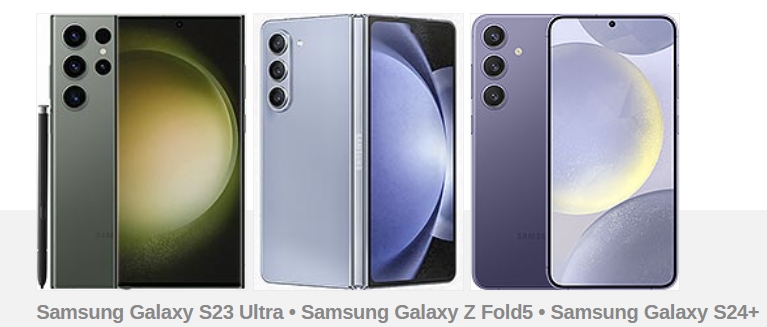
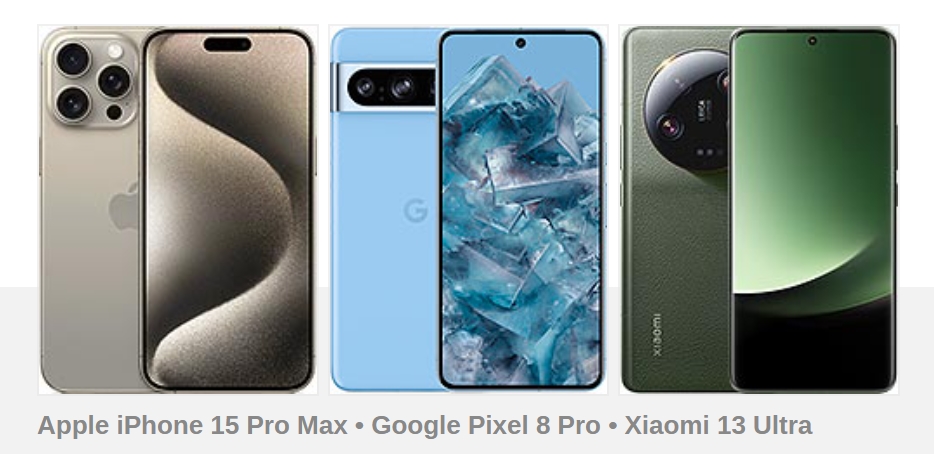
Let’s say you’ve dismissed all those and are willing to explore other avenues. The iPhone 15 Pro Max is one such alternative route, which is somehow cheaper in the US and more expensive everywhere else. The ecosystem pros and cons aren’t for us to decide for you, but the iPhone just may have one objective advantage in endurance. The S24 Ultra is likely the superior cameraphone and it’s hard to argue with the S Pen and DeX support for work and play.
If you’re in it for the Google AI smarts and the long-term support, what better option than the Google phone itself, the Pixel 8 Pro? The Pixel is no match for the Galaxy’s battery life, nor can it charge as fast, and despite the general inclination for #teampixel camera fandom, the Galaxy is quite probably the superior cameraphone. But you can have a base 128GB Pixel 8 Pro for two-thirds of the price of an Ultra, and even for matched storage, there will be considerable savings.
A less obvious option and one with considerable camera prowess that outspecs the Galaxy S24 Ultra is another Ultra – the Xiaomi 13 Ultra. Technically, an international version is in existence, but tracking one down might be tricky. With four 50MP rear cameras, among them a 1-inch sensor dual aperture lens primary unit and a properly large ultrawide, the Xiaomi has hardware that can make the Galaxy’s setup look upper midrange, almost. No S Pen though. Somewhat iffy battery life and last year’s chipset. But really, it’s the availability that’s the main issue.
Verdict
The Galaxy S24 Ultra surprised us – we didn’t expect it to have any flaws, and suddenly, we have a cons section. With a list in it. Indeed, most perplexing is the fact that Samsung has produced a display that is anything less than perfect. Of course, it’s not that bad, and its shortcomings are minuscule or will be addressed later in software. But that’s not what we’d expect from Samsung’s ultimate smartphone.
Continually irritating is Samsung’s lack of initiative in the charging department, and no amount of new 45W adapters is seemingly going to bring truly fast top-ups. This one we did expect, but it doesn’t mean we like it any better.
Perhaps an overworked software team with unrealistic deadlines brought us some peculiarities in the new camera’s zoom action. We’ve heard that it happens and such oversights get fixed as weeks go by. We just didn’t think that happens to Galaxies.
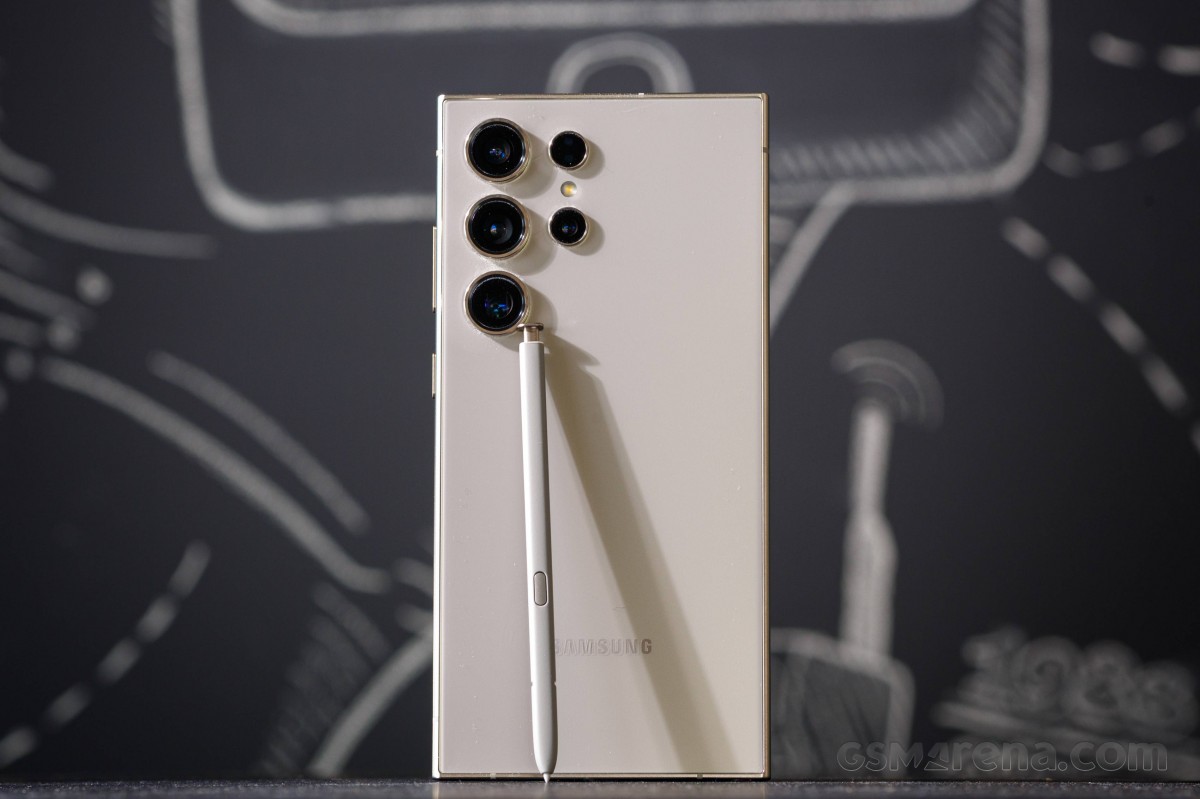
But rereading the above for some perspective, we also realize that while imperfect to a certain level, the Galaxy S24 Ultra remains Samsung’s ultimate smartphone, and it’s the most complete package you can buy today.
Samsung didn’t just coast for another year, which we felt was the case with the S23 Ultra. We got more new stuff this time around than we could have predicted. The new materials in the build don’t just feel nice; they also improve the visual experience. After years of enjoying the coolness of curved displays, we’ve now grown up to realize that flat screens have their benefits, and Samsung’s now giving us flat screens across the range.
Without much fuss around that subject, the S24 Ultra is one of the longest-lasting Androids you can buy, and even if the big names from China charge three times as fast, the Pixel and the iPhone don’t. An always-with-you stylus remains elusive outside of the Samsung flagship, and you may not know you want or need one until you’ve had one.
The camera system is also mostly a source of satisfaction. The rethinking of the telephoto setup is a forward step that adds another layer of versatility. The rest of the rear modules we’d almost call stale next to what we’re seeing from Chinese brands and their impressive hardware, but Samsung has managed to squeeze out such performance out of these otherwise uninspired bits that it doesn’t feel like we’re getting less than what is right.
In the end, Samsung’s ultimate smartphone comes easily recommended.
Pros
- The new display glass offers an improved viewing experience, and the display itself is plenty bright.
- Tougher materials and build all around, the titanium frame is nice to the touch, the target audience will likely appreciate the return to a flat screen.
- Battery life is towards the top of the class; charging is faster than Pixels or iPhones.
- The S Pen is just as unique a proposition in 2024 as it has been for years.
- Exciting One UI with plenty of AI, DeX support, and great connectivity options.
- Camera system as versatile as ever thanks to an even more useful telephoto and overall improved processing.
Cons
- The display has flaws which may be obscure or fixable along the way but mar the overall impression.
- Charging speed is still behind the curve; the phone is picky about adapters, and the bundled cable is 3A only.
- Illogical image quality disparity between 10x and slightly lower zoom levels.

