



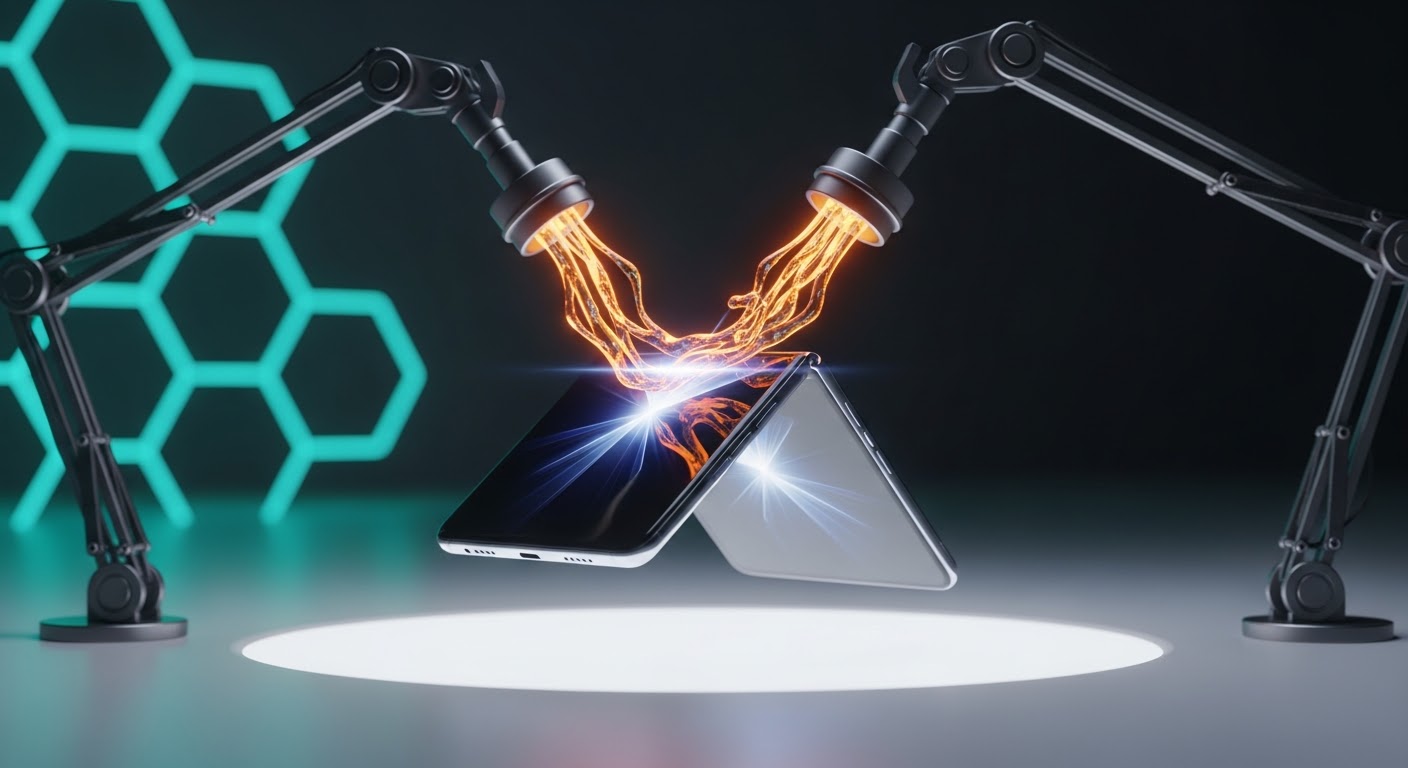
Restoring a Crushed Oppo Find N3: Advanced Hinge and Internal Screen Calibration

Restoring a Crushed Oppo Find N3: Advanced Hinge and Internal Screen Calibration – 15 Powerful Expert Techniques
Introduction to Oppo Find N3 Structural Damage
Foldable smartphones have transformed mobile technology, and the Oppo Find N3 stands among the most sophisticated devices in this category. However, when severe impact damage occurs, restoring a crushed Oppo Find N3 becomes one of the most technically demanding repair procedures in the industry.
Unlike conventional smartphones, the Oppo Find N3 integrates a precision-engineered folding hinge, flexible OLED display, advanced sensors, and complex structural components. A single crushing event can affect multiple systems simultaneously, making professional diagnosis and repair essential.
This guide explores the complete process of restoring a crushed Oppo Find N3, with a focus on advanced hinge restoration and internal screen calibration techniques used by experienced repair specialists.
The Oppo Find N3 is designed around a foldable form factor that combines tablet-sized functionality with smartphone portability. While this innovation delivers remarkable user experiences, it also introduces additional mechanical complexity.
When a device experiences crushing forces, damage may include:
- Bent hinge assemblies
- Broken flexible OLED screens
- Misaligned frame structures
- Damaged fold sensors
- Internal cable strain
- Display calibration errors
- Touch responsiveness issues
Restoring a crushed Oppo Find N3 requires much more than replacing visible components. Every subsystem must be inspected and calibrated to restore original functionality.
Professional technicians often follow a structured repair workflow that begins with diagnostics and ends with extensive quality assurance testing.
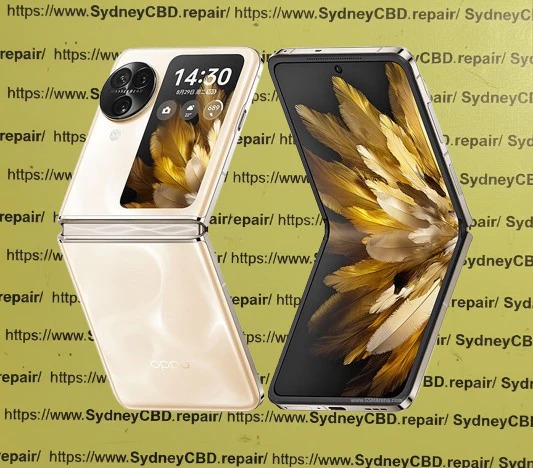
Understanding the Oppo Find N3 Foldable Architecture
The repair process becomes easier to understand when examining the engineering behind the device.
Internal Screen Technology
The Oppo Find N3 features an advanced flexible OLED panel that bends repeatedly during normal operation.
Key characteristics include:
| Component | Purpose |
|---|---|
| Flexible OLED Layer | Produces image output |
| Ultra-Thin Glass | Improves durability |
| Touch Digitizer | Detects finger input |
| Polarization Layer | Enhances visibility |
| Flexible Ribbon Cables | Connect display to motherboard |
Unlike standard smartphone screens, foldable displays require exceptional precision during installation.
Even microscopic alignment errors can create:
- Uneven folding
- Display creasing
- Touch dead zones
- Premature panel failure
Precision Hinge Mechanism
The hinge is the mechanical heart of the device.
Its responsibilities include:
- Supporting thousands of fold cycles
- Maintaining display tension
- Protecting flexible cables
- Ensuring proper screen alignment
A crushed Oppo Find N3 often suffers hinge deformation that directly impacts screen performance.
Common Causes of Severe Oppo Find N3 Damage
Understanding how damage occurs helps determine repair priorities.
Impact Compression
Heavy impacts remain one of the most common causes of catastrophic foldable phone damage.
Examples include:
- Vehicle accidents
- Heavy objects falling onto the device
- Sitting on the phone
- Industrial workplace incidents
Compression forces often transfer directly into the hinge assembly.
Accidental Folding Pressure
Foldables are engineered to fold naturally but can suffer damage if excessive force is applied.
Potential risks include:
- Forced closure with foreign objects inside
- Twisting while folding
- Uneven pressure during transport
These incidents can bend internal structural components.
Liquid and Debris Intrusion
Small particles can become trapped inside hinge channels.
Over time, contaminants may:
- Restrict movement
- Damage internal gears
- Create friction points
- Accelerate wear
Professional cleaning is often required during restoration.
Initial Diagnostic Procedures
A successful repair begins with a comprehensive diagnostic process.
External Assessment
Technicians first inspect visible damage.
Areas examined include:
- Front display glass
- Rear housing
- Camera modules
- Hinge exterior
- Frame corners
- Charging ports
Photographic documentation is commonly performed before disassembly.
Internal Functional Testing
Even severely damaged devices may provide valuable diagnostic information.
Technicians evaluate:
- Touch functionality
- Speaker operation
- Charging performance
- Camera systems
- Wi-Fi connectivity
- Bluetooth functionality
- Cellular reception
This data helps identify hidden damage before repair work begins.
Advanced Hinge Restoration Techniques
The most challenging stage of restoring a crushed Oppo Find N3 involves hinge recovery.
Hinge Disassembly
The device is carefully disassembled using specialized equipment.
Important tools may include:
- Precision screwdrivers
- Heating platforms
- Anti-static workstations
- Microscope inspection systems
The hinge assembly is removed and inspected for:
- Bent components
- Cracked brackets
- Broken springs
- Gear wear
- Debris contamination
Technicians often perform microscopic inspections to identify hidden structural defects.
Structural Alignment
Once damage has been identified, structural correction begins.
Common procedures include:
- Frame straightening
- Hinge bracket replacement
- Internal support reinforcement
- Alignment verification
Precision measurement tools help restore factory tolerances.
Even slight deviations can affect:
- Folding smoothness
- Screen longevity
- Device stability
A successful alignment process ensures the foldable display experiences uniform stress throughout operation.
Lubrication and Reinforcement
Modern foldable hinges rely on controlled movement.
After cleaning, technicians apply approved lubricants to designated points.
Benefits include:
- Reduced friction
- Smoother folding
- Extended lifespan
- Improved mechanical consistency
Reinforcement procedures may also be performed when replacement components are installed.
Internal Screen Replacement and Calibration
The internal display is typically the most expensive component in a foldable phone.
Flexible OLED Installation
Installing a replacement flexible OLED requires patience and expertise.
The process includes:
- Removing damaged display layers
- Cleaning adhesive surfaces
- Preparing alignment fixtures
- Installing replacement OLED assembly
- Securing flexible cables
- Performing preliminary tests
Temperature control plays a major role during installation.
Improper heating can:
- Warp display layers
- Damage adhesives
- Create pressure marks
Experienced technicians use calibrated equipment to maintain optimal conditions.
Display Calibration Process
Once installation is complete, calibration begins.
The goal is to restore visual consistency across the entire display.
Calibration typically evaluates:
| Parameter | Purpose |
|---|---|
| Brightness Uniformity | Consistent illumination |
| Color Accuracy | Natural color reproduction |
| Touch Response | Accurate input detection |
| Refresh Performance | Smooth motion rendering |
| Fold Transition | Seamless display operation |
Restoring a crushed Oppo Find N3 often requires multiple calibration cycles to achieve factory-level performance.
Technicians monitor:
- Dead pixels
- Touch lag
- Flickering
- Display artifacts
- Brightness variation
Only after all measurements fall within acceptable limits is the display considered fully restored.
Software and Sensor Calibration
Modern foldables depend heavily on intelligent sensor systems.
Fold Detection Sensors
The Oppo Find N3 continuously monitors folding status.
Sensors determine:
- Open position
- Closed position
- Intermediate angles
Following hinge repairs, recalibration ensures software accurately recognizes device orientation.
Symptoms of poor calibration include:
- Incorrect screen switching
- Unexpected display behavior
- App scaling issues
Motion and Orientation Calibration
Additional sensors require testing after structural restoration.
These include:
- Accelerometers
- Gyroscopes
- Proximity sensors
- Ambient light sensors
Technicians use specialized diagnostic software to verify performance.
Proper calibration ensures:
- Smooth screen rotation
- Accurate brightness adjustment
- Reliable multitasking functions
This stage is critical when restoring a crushed Oppo Find N3 because physical damage often affects sensor positioning.
Post-Repair Quality Assurance
Repair completion does not guarantee success.
Comprehensive testing must follow.
Quality assurance typically includes:
Mechanical Testing
Technicians repeatedly fold and unfold the device.
Checks include:
- Smooth operation
- Consistent resistance
- Proper alignment
- Noise elimination
Display Verification
The screen is evaluated under varying conditions.
Tests include:
- Brightness measurement
- Color analysis
- Touch mapping
- Pixel integrity checks
Functional Validation
Every major system undergoes verification.
Examples include:
- Cameras
- Microphones
- Speakers
- Wireless charging
- Cellular connectivity
- Fingerprint recognition
Only after passing these inspections should the device be returned to the owner.
Preventing Future Foldable Damage
Preventive care significantly extends device lifespan.
Recommended practices include:
Use Protective Cases
Choose accessories designed specifically for foldable devices.
Benefits include:
- Impact absorption
- Corner protection
- Improved grip
Keep the Hinge Clean
Regular maintenance reduces wear.
Avoid:
- Dust accumulation
- Sand exposure
- Pocket debris
Fold Carefully
Never force the device closed.
Inspect for:
- Foreign objects
- Credit cards
- Coins
- Small debris
Avoid Extreme Temperatures
Temperature fluctuations can affect:
- Adhesives
- OLED layers
- Battery performance
Store the phone in moderate environmental conditions whenever possible.
Frequently Asked Questions
1. Can a severely crushed Oppo Find N3 be repaired?
In many cases, yes. If the motherboard remains functional, technicians can replace damaged structural, hinge, and display components.
2. Is hinge replacement always necessary?
Not always. Some hinges can be restored through alignment and component replacement. Severe deformation, however, often requires a complete hinge assembly replacement.
3. Why is foldable screen repair more expensive?
Foldable OLED displays are significantly more complex and costly than traditional smartphone screens due to their flexible construction and precision manufacturing.
4. How long does advanced hinge restoration take?
Depending on damage severity, repairs can range from several hours to multiple days, especially when calibration and testing are required.
5. Will the phone fold normally after repair?
A professionally restored Oppo Find N3 should fold and unfold smoothly with behavior closely matching factory specifications.
6. Can screen calibration improve display quality?
Yes. Calibration helps restore color accuracy, touch responsiveness, brightness consistency, and overall user experience.
7. Does water damage affect hinge restoration?
Absolutely. Corrosion can damage hinge components, sensors, cables, and display assemblies, increasing repair complexity.
8. How can users prevent future hinge damage?
Use a protective case, keep the hinge clean, avoid excessive force, and inspect the device before folding.
Conclusion

Restoring a crushed Oppo Find N3 is among the most advanced repair procedures in modern mobile technology. The device’s sophisticated foldable architecture demands expertise in mechanical restoration, display replacement, hinge alignment, sensor calibration, and quality assurance testing.
Successful restoration depends on careful diagnostics, precision workmanship, and extensive post-repair validation. When performed correctly, advanced hinge restoration and internal screen calibration can return a severely damaged Oppo Find N3 to reliable daily operation.
As foldable technology continues to evolve, professional repair practices will remain essential for maintaining performance, extending device lifespan, and protecting the substantial investment owners make in premium foldable smartphones.
For additional information about foldable display technology, visit the official Oppo website.
David from Sydney CBD Repair Centre – The Best place to fix mobile phones as 7 Years In A Row! Top Mobile Phone Repair In Sydney. More than 2000 Positive Reviews on Google and Same Day Repairs.
We take pride in delivering exceptional repair services for all major phone brands including Apple, Samsung, Google, and more. Our expert technicians use only genuine parts and offer 90days warranty on repairs. Located in the heart of Sydney CBD, we’re your one-stop solution for all mobile device repairs.
Our commitment to excellence has earned us the trust of thousands of satisfied customers. Whether it’s a cracked screen, battery replacement, or water damage repair, we handle it all with professional care and expertise. Walk in today and experience why we’re Sydney’s #1 choice for mobile phone repairs.
Visit us for:
✓ Same Day Express Repairs
✓ Genuine Parts Guarantee
✓ Professional Technicians
✓ Competitive Pricing
✓ 2000+ 5-Star Google Reviews
✓ 7-Time Award Winner for Best Phone Repairs
Sydney CBD Repair Centre – Where Quality Meets Reliability.
Call : +61280114119
Website: https://SydneyCBD.repair/locate-us

