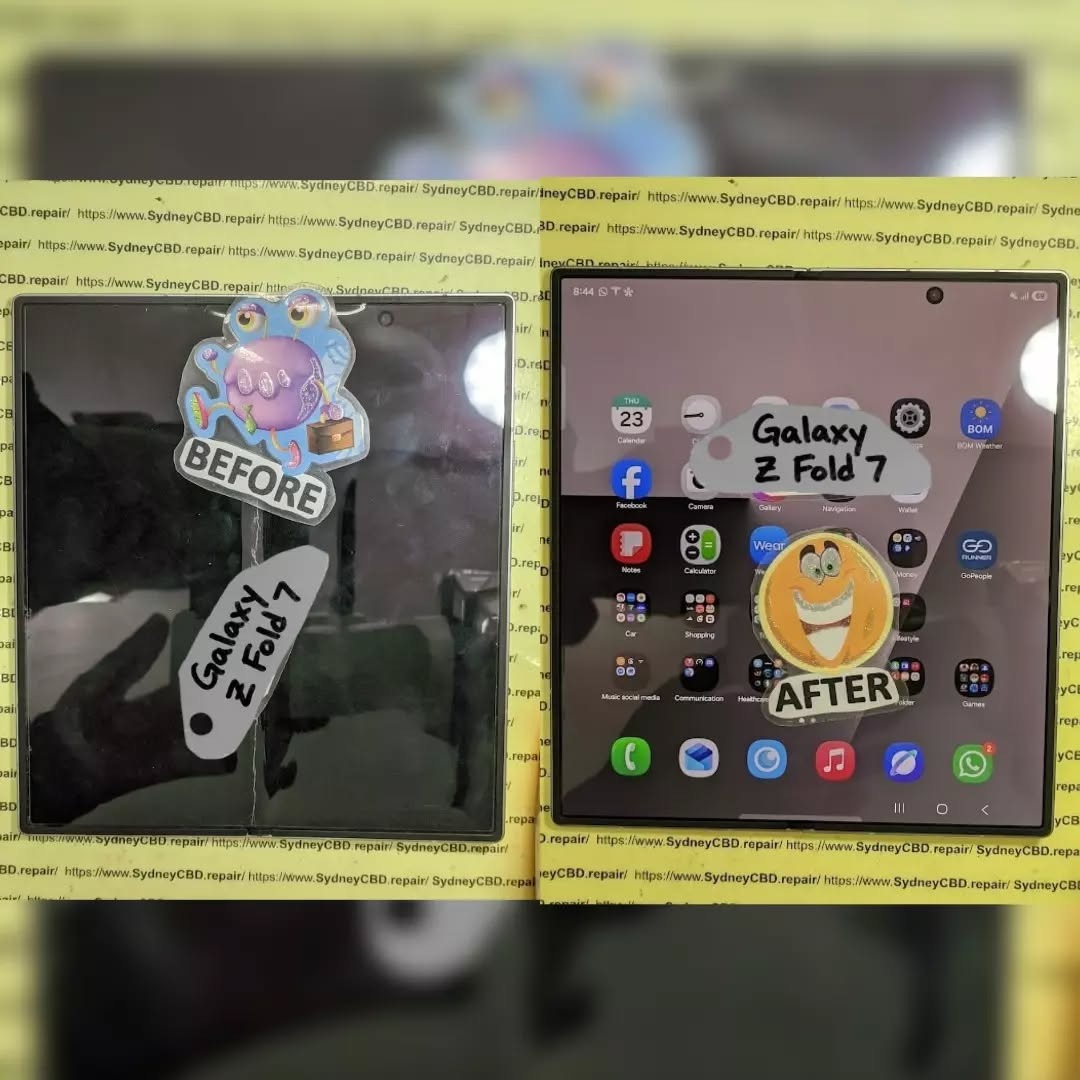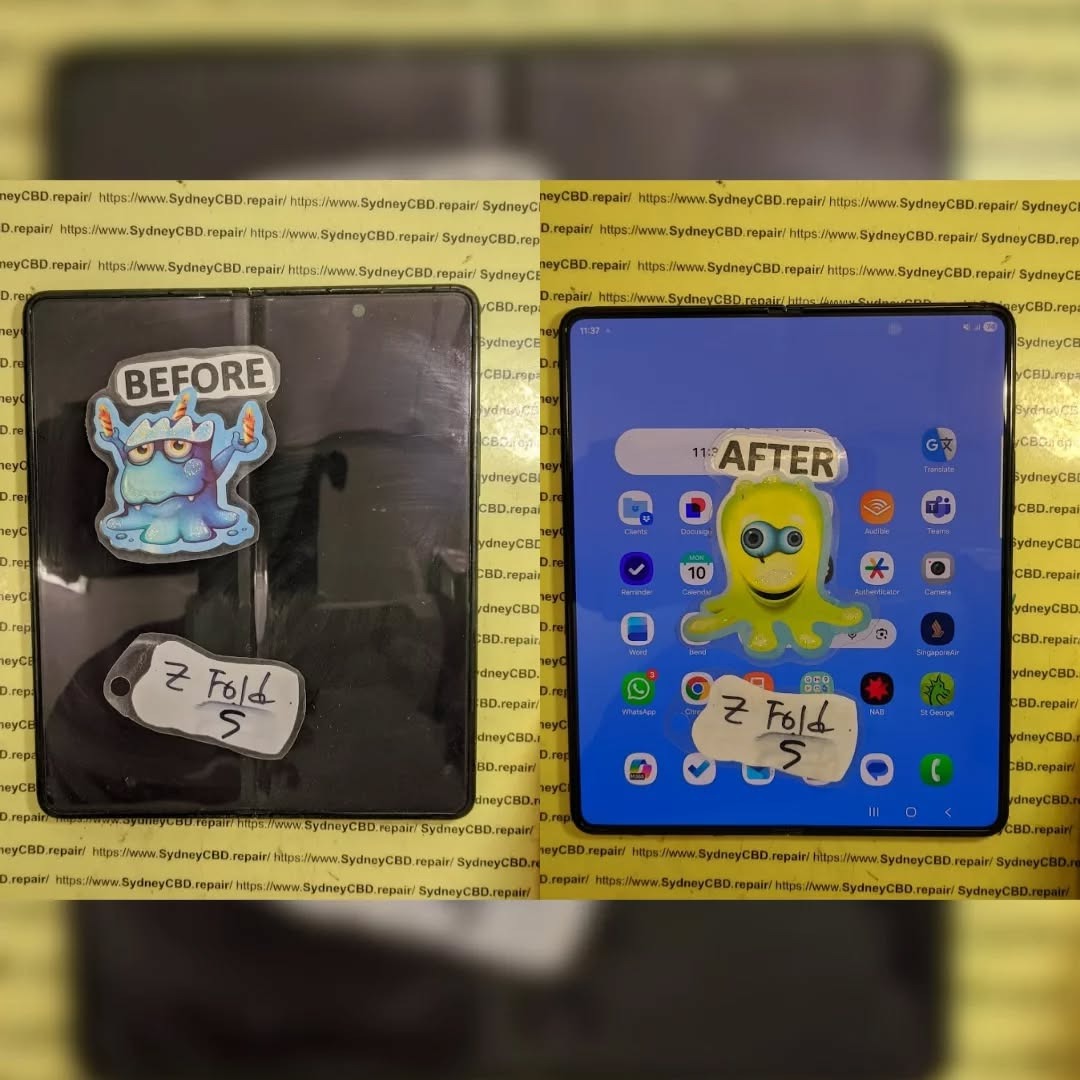
Unboxing a Disaster: Restoring a Critically Damaged Samsung Galaxy Z Fold 5 + Ultimate Guide + 7 Steps
Introduction
Unboxing a critically damaged Samsung Z Fold 5 can feel like opening a disaster waiting to unfold. With its innovative foldable display and intricate hinge mechanism, this device combines the power of a smartphone and a tablet—but it also comes with unique vulnerabilities. Whether it’s a shattered screen, a misaligned hinge, or internal component damage, a critically damaged Z Fold 5 requires careful assessment and expert restoration.
In this comprehensive guide, we’ll walk you through everything you need to know—from diagnosing the extent of the damage, choosing genuine replacement parts, performing repairs safely, to preventing future mishaps. Whether you’re a tech enthusiast curious about foldable phone mechanics or someone facing a real repair challenge, this article will equip you with the knowledge and strategies to restore your Samsung Z Fold 5 to full functionality.
By following these steps, you’ll not only save your device but also extend its lifespan, ensuring it continues to deliver the seamless performance you expect from a premium foldable smartphone.
The Samsung Z Fold 5 is a marvel of modern engineering, merging the functionality of a smartphone with the versatility of a tablet. Its foldable display, which uses ultra-thin glass (UTG) and flexible OLED technology, is designed to endure repeated folding cycles. However, this innovation also comes with unique vulnerabilities. Unlike traditional smartphones, the Z Fold 5 hinges, foldable screen, and slim profile create pressure points susceptible to cracks, touch errors, and hardware misalignment.
The device incorporates multiple layers: the main foldable AMOLED panel, the outer protective layer, and an intricate hinge system that allows the phone to fold seamlessly. Each of these components is crucial. Damage to even one layer can compromise the entire phone’s functionality.
Foldable Screen: The most delicate component; UTG can scratch or crack under pressure.
Hinge Assembly: Exposed to stress and dust; misalignment can cause folding issues.
Battery: Swelling from drops or heat can damage internal circuits.
Motherboard & Chips: Shock and liquid exposure can fry internal electronics.
Cameras & Sensors: Vulnerable to misalignment or shattering.
Protecting these parts during restoration is critical. Even minor errors can turn a repair into a total loss.
Common Causes of Critical Damage
Accidental Drops: High-impact falls often crack the foldable screen or dislodge internal components.
Liquid Exposure: Sweat, rain, or spills can corrode internal circuits.
Pressure Points: Sitting with the phone in your back pocket can stress the hinge and screen.
Manufacturing Defects: Rare, but misaligned hinges or weak bonding can worsen over time.
Real-Life Damage Scenarios
Imagine a Z Fold 5 slipped from a kitchen counter. The outer glass cracks, the hinge misaligns, and touch sensitivity vanishes. Or a commuter accidentally sits on the phone, causing both screens to flicker and hinge noises to develop. Critical damage often combines physical and functional failures—making restoration challenging yet possible with expert care.
Initial Assessment & Safety Precautions
Before attempting any repair:
Power Off the Device: Prevent short circuits or data loss.
Visual Inspection: Note cracks, bent frames, or screen discoloration.
Avoid DIY Panic Fixes: Unlike standard phones, foldables are highly sensitive.
Tools & Equipment Needed
Precision screwdrivers (Torx & Phillips)
Suction cups & plastic spudgers
ESD mat and anti-static wristband
Magnifying glass or microscope
Clean microfiber cloths
Proper tools prevent further damage and ensure a successful restoration.
Diagnosing Screen Damage
Outer vs. Inner Display
Outer Display: Often protected but prone to shattering in drops.
Inner Foldable Display: More delicate; pixel issues, color distortion, or unresponsive touch can occur.
Pixel & Touch Tests
Run diagnostic tests to identify dead pixels, ghost touches, or uneven brightness.
Hinge & Structural Integrity Check
Flex Test: Open and close gently; listen for unusual clicks or resistance.
Loosened Joints: Tighten carefully, but over-tightening can worsen misalignment.
Hinge issues are common in critically damaged Z Fold 5 devices.
Data Recovery Before Repair
Critical damage can make data access impossible. Prioritize:
Cloud Backup: Samsung Cloud, Google Drive
SD/External Storage: Transfer photos and files if accessible
Professional Recovery Services: If screen is dead, a specialist can extract internal storage
Signs that professional intervention is needed include unresponsive touch, severe screen flicker, or battery swelling.
Step-by-Step Repair Process
Disassemble Carefully: Remove back panel, battery, and screws methodically.
Replace Foldable Screen: Use genuine Samsung UTG to prevent misalignment.
Hinge Repair: Clean, lubricate, and align components.
Battery & Internal Inspection: Replace if swollen or damaged.
Reassemble & Test: Ensure touch responsiveness, folding action, and camera alignment.
Choosing Genuine Parts
Always source from certified Samsung distributors.
Avoid cheap alternatives—they may fail within weeks.
Genuine parts maintain warranty validity and resale value.
Software Calibration Post-Repair
After hardware restoration:
Update firmware to the latest Samsung One UI.
Calibrate touch sensitivity for smooth fold transitions.
Test display brightness, color accuracy, and multi-tasking features.
Preventing Future Damage
Use foldable-specific protective cases and screen protectors.
Avoid excessive force when folding.
Keep the device away from liquids and sharp objects.
Preventative care significantly extends the device’s lifespan.
Cost vs. Replacement Considerations
Screen Replacement: High-end foldable UTG replacement can be costly.
Hinge & Battery: Additional costs for multi-component restoration.
Insurance & Warranty: Consider claiming if repair exceeds 50% of device value.
Resale Value: Restored devices maintain more value with genuine parts.
FAQs
Q1: Can a Samsung Z Fold 5 survive a fall without screen damage?
A1: It’s possible with minor drops, but repeated or high-impact falls often result in cracks or hinge issues.
Q2: Is DIY repair recommended?
A2: Not for foldables; improper handling can cause irreversible damage.
Q3: How long does a professional repair take?
A3: Same-day service is available at experienced centers like Sydney CBD Repair Centre.
Q4: Are replacement parts covered by warranty?
A4: Only genuine Samsung parts usually retain warranty validity.
Q5: Can data be recovered from a dead Z Fold 5?
A5: Yes, but professional extraction is often required.
Q6: How can I prevent hinge issues in the future?
A6: Avoid putting pressure on the folded device, clean the hinge regularly, and use protective cases.
Conclusion
Restoring a critically damaged Samsung Z Fold 5 may seem daunting, but with methodical assessment, genuine parts, and professional expertise, it’s entirely possible. Taking proactive care, using protective accessories, and addressing minor damage early ensures your foldable remains functional for years. Remember, foldables are engineering marvels, and with proper attention, they can survive what seems like a disaster.
David from Sydney CBD Repair Centre – The Best place to fix mobile phones as 7 Years In A Row! Top Mobile Phone Repair In Sydney. More than 2000 Positive Reviews on Google and Same Day Repairs.
We take pride in delivering exceptional repair services for all major phone brands including Apple, Samsung, Google, and more. Our expert technicians use only genuine parts and offer 90days warranty on repairs. Located in the heart of Sydney CBD, we’re your one-stop solution for all mobile device repairs.
Our commitment to excellence has earned us the trust of thousands of satisfied customers. Whether it’s a cracked screen, battery replacement, or water damage repair, we handle it all with professional care and expertise. Walk in today and experience why we’re Sydney’s #1 choice for mobile phone repairs.
Visit us for:
✓ Same Day Express Repairs
✓ Genuine Parts Guarantee
✓ Professional Technicians
✓ Competitive Pricing
✓ 2000+ 5-Star Google Reviews
✓ 7-Time Award Winner for Best Phone Repairs
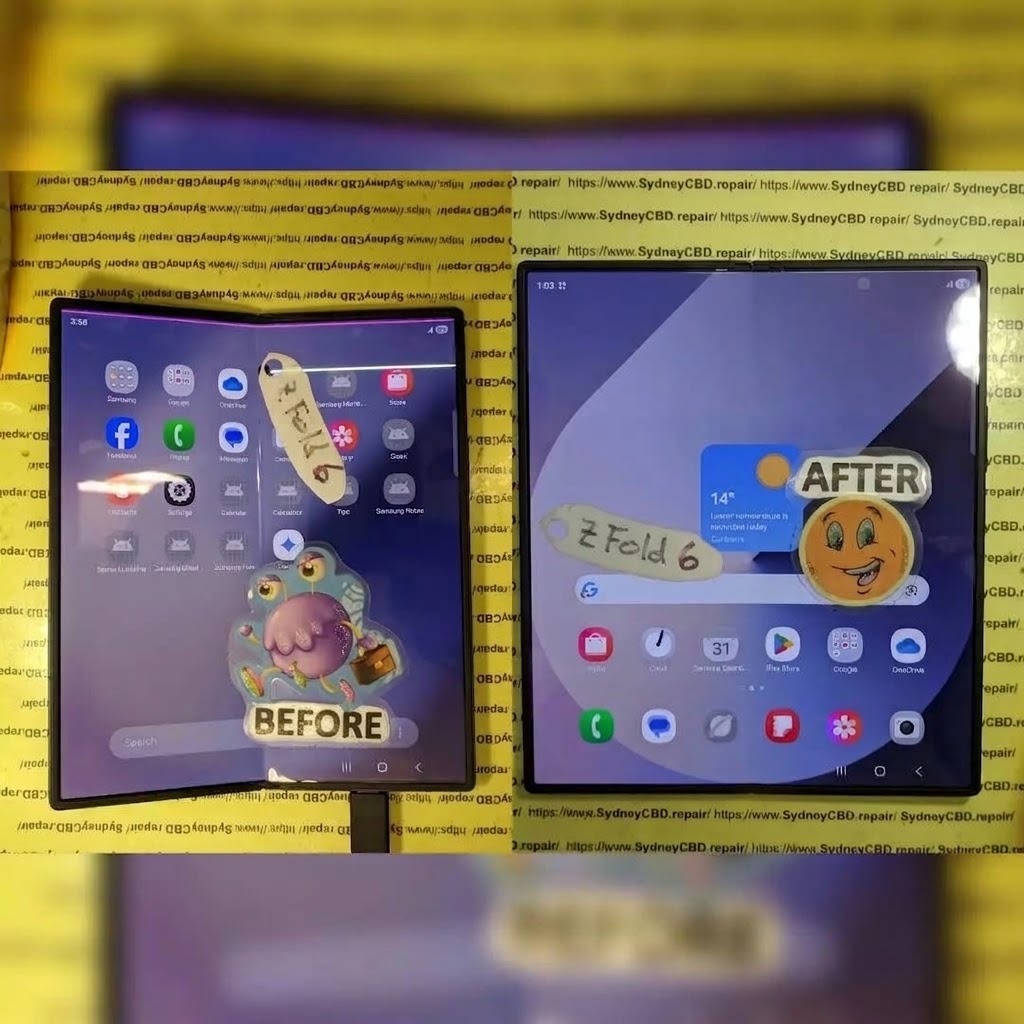
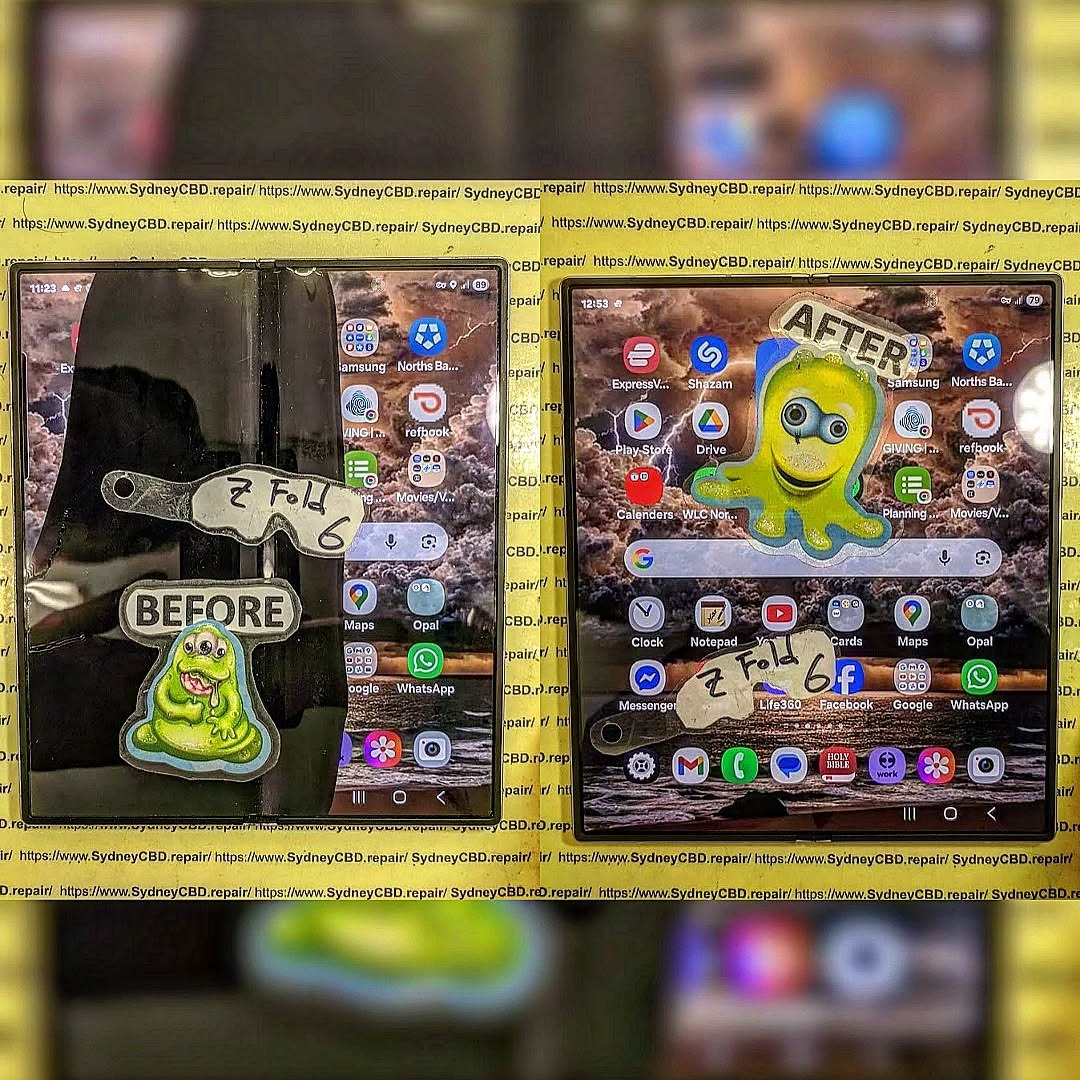
NO MORE BLINKING! Fixing Flickering Issues On Samsung Galaxy Z Flip 6 Screen – Ultimate 10-Step Professional Repair Guide
Introduction
Screen flickering on a foldable phone can quickly turn a premium device into a frustrating experience. If your Samsung Galaxy Z Flip 6 display randomly flashes, flickers, dims, or behaves unpredictably, you’re not alone.
This comprehensive guide explains everything you need to know about fixing flickering issues on Samsung Galaxy Z Flip 6 screen, including common causes, professional repair methods, DIY troubleshooting, and preventative maintenance. Whether you’re a smartphone owner or simply curious about foldable display technology, this guide will help you understand the problem from an expert’s perspective.
The Samsung Galaxy Z Flip 6 represents one of Samsung’s most advanced foldable smartphones. Its flexible AMOLED display offers vibrant colors, deep blacks, and smooth animations. However, like every sophisticated piece of technology, it isn’t completely immune to problems.
One issue that concerns many users is fixing flickering issues on Samsung Galaxy Z Flip 6 screen. Screen flickering can appear suddenly or develop gradually over time. Sometimes the display flashes only when brightness changes. In other cases, the entire screen rapidly blinks, making the phone difficult—or even impossible—to use.
The symptoms vary depending on the underlying cause. Some owners notice:
Random screen flashing
Green or white flickering
Black screen with occasional image flashes
Display brightness constantly changing
Flickering after unfolding the device
Touchscreen remaining functional while the display flashes
Screen working normally for several minutes before flickering begins
Because foldable phones use flexible OLED panels connected by delicate ribbon cables, diagnosing these issues requires more than simply replacing a screen. Every repair should begin with careful testing to determine whether the problem is software-related or hardware-related.
Modern foldable displays contain multiple precision-engineered layers, including:
Component
Function
Flexible OLED Panel
Produces the image
Ultra Thin Glass
Protects the OLED
Polarizer
Improves visibility
Digitizer
Detects touch input
Display Flex Cable
Transfers display signals
Display Driver IC
Controls pixels
Mainboard Connectors
Connect display to motherboard
Each component must function perfectly for the screen to operate correctly. Even a tiny defect can create noticeable flickering.
Unlike conventional smartphones, the Galaxy Z Flip 6 repeatedly folds and unfolds throughout the day. This constant motion places mechanical stress on the flexible display assembly. Although Samsung has engineered the phone for durability, years of folding—or unexpected accidents—can eventually affect internal components.
Another important point is that not every flickering issue requires an expensive display replacement. Professional technicians first eliminate software causes before moving on to hardware diagnostics. This approach saves both time and money.
Users should also avoid assuming that a flickering screen automatically means permanent damage. Many cases result from corrupted firmware, outdated software, loose connectors after an impact, or temporary system instability. Correct diagnosis is the key to successful repair.
Understanding how the foldable display functions is the first step toward solving the issue. In the following sections, we’ll explore every major cause behind Galaxy Z Flip 6 screen flickering and explain why accurate diagnosis is essential before replacing any parts.
Understanding the reasons behind fixing flickering issues on Samsung Galaxy Z Flip 6 screen begins with identifying the root cause. While the symptom may appear identical—a blinking or flashing display—the underlying reasons can vary significantly.
Professional repair technicians typically divide these causes into two categories:
Software-related issues
Hardware-related issues
Knowing the difference prevents unnecessary repairs and ensures the correct solution is applied.
Software Problems
Software faults are among the easiest issues to resolve. They usually occur after:
Android updates
One UI upgrades
Corrupted applications
Graphics driver conflicts
System cache corruption
Firmware installation failures
Common software symptoms include:
Flickering only during startup
Display flashing after installing updates
Brightness instability
Temporary black screen
Random app crashes alongside display problems
Fortunately, these issues can often be corrected by:
Restarting the device
Updating firmware
Clearing the cache partition
Booting into Safe Mode
Performing a factory reset (after backing up data)
If the flickering disappears in Safe Mode, a third-party application may be responsible.
Hardware Problems
Hardware failures are generally more serious and require specialist equipment.
Professional repair centers inspect:
Flexible OLED display
Hinge assembly
Display flex cable
Connector sockets
Display Driver IC
Power management circuits
Motherboard components
Hardware-related flickering usually becomes worse over time rather than improving.
Signs include:
Flickering when opening the phone
Display flashing after minor drops
Green vertical lines
White flashing at maximum brightness
Screen blackout when folding
Permanent image distortion
One of the most common hardware failures involves the display flex cable. Because this cable bends every time the phone opens and closes, it experiences continuous mechanical stress. Even microscopic cracks in the cable can interrupt signal transmission, causing intermittent flickering.
Physical Impact Damage
A surprising number of flickering issues begin after seemingly harmless accidents.
Examples include:
Dropping the phone onto hard flooring
Sitting on the device
Pressure inside a backpack
Twisting the phone while folded
Hitting the hinge against a table
Even when the outer glass remains intact, internal layers may suffer damage.
Technicians frequently discover:
Partially disconnected display connectors
Damaged flex cables
Micro-fractures in OLED panels
Bent internal brackets
Hinge alignment issues
These problems often require professional disassembly because the Galaxy Z Flip 6 uses precision adhesives, delicate ribbon cables, and tightly integrated components.
Water and Moisture Exposure
Although the Galaxy Z Flip 6 offers water resistance, no device is completely waterproof. Over time, seals naturally age, and accidental exposure to liquids can affect internal electronics.
Moisture intrusion may lead to:
Corrosion on display connectors
Oxidation of motherboard contacts
Short circuits
Voltage instability
Random screen flickering
Interestingly, moisture damage doesn’t always appear immediately. Corrosion can develop gradually over days or weeks, making diagnosis more challenging.
Professional technicians use specialized microscopes to inspect connector pins and solder joints for corrosion that may not be visible to the naked eye.
Manufacturing Defects
While relatively uncommon, manufacturing defects can occasionally contribute to display problems. These defects may involve:
Faulty OLED panels
Weak solder joints
Defective display driver chips
Connector manufacturing inconsistencies
Such issues often emerge early in the device’s lifespan and may be covered under the manufacturer’s warranty, depending on the cause and the phone’s condition.
Heat and Environmental Stress
Excessive heat is another factor that can contribute to display instability. Leaving the phone in direct sunlight, using it during heavy gaming sessions for extended periods, or charging in high-temperature environments may stress sensitive electronic components.
High temperatures can affect:
OLED performance
Adhesive integrity
Internal connectors
Display driver circuits
Although heat alone rarely causes permanent flickering, it can expose an underlying weakness that later develops into a persistent problem.
Professional Diagnostic Process for a Flickering Galaxy Z Flip 6 Screen
Successfully fixing flickering issues on Samsung Galaxy Z Flip 6 screen starts with an accurate diagnosis. Replacing the display without identifying the real cause can lead to unnecessary costs and repeated repairs. Professional repair technicians follow a structured process to determine whether the issue originates from software, hardware, or both.
Step 1: Gather Device History
Before opening the phone, technicians ask several important questions:
Has the phone been dropped recently?
Did the flickering begin after a software update?
Has the device been exposed to water?
Does the screen flicker only when folded or unfolded?
Has the phone been repaired before?
These answers help narrow down the possible causes before any disassembly begins.
Step 2: External Inspection
A careful visual inspection often reveals clues that users may overlook.
Technicians examine:
The foldable OLED display
The cover screen
The hinge mechanism
The frame
The USB-C charging port
SIM tray indicators
Water damage indicators
Signs of impact or bending
Even tiny dents around the hinge can suggest internal stress affecting the display cable.
Step 3: Functional Testing
Before opening the device, several diagnostic tests are performed.
Typical tests include:
Brightness adjustment
Touchscreen responsiveness
Adaptive refresh rate
Always-On Display
Camera operation
Wireless charging
Fingerprint sensor
Flex mode functionality
If flickering only occurs at certain brightness levels or fold angles, this information becomes extremely valuable.
Step 4: Software Diagnostics
Professional technicians verify that the issue isn’t software-related by checking:
Android version
Samsung One UI version
Display driver updates
Safe Mode operation
Diagnostic logs
Error reports
Many intermittent display problems disappear after software corrections, saving customers from unnecessary hardware replacement.
Step 5: Internal Inspection
If software is ruled out, the phone is carefully disassembled using specialized tools.
The technician inspects:
Display flex cables
Internal connectors
Battery condition
Hinge routing
Motherboard connectors
Protective shields
Grounding contacts
Foldable phones require significantly more care than traditional smartphones because the flexible display assembly can be damaged during improper disassembly.
Step 6: Electrical Testing
Advanced repair centers use precision instruments to measure electrical performance.
These include:
Diagnostic Tool
Purpose
Digital Multimeter
Voltage testing
Microscope
Connector inspection
Thermal Camera
Detect overheating
DC Power Supply
Current monitoring
Display Tester
OLED verification
USB Analyzer
Charging diagnostics
These tools help identify faulty circuits without replacing working components.
Professional Repair Options
After identifying the root cause, technicians determine the most effective repair strategy.
OLED Display Replacement
If the OLED panel itself has failed, replacing the complete display assembly is often the best solution.
Benefits include:
Restored image quality
Eliminated flickering
Factory-like performance
Reliable touch response
Improved durability
Using genuine replacement parts helps preserve display brightness, color accuracy, and fold performance.
Display Flex Cable Repair
Sometimes the OLED panel remains functional while the flexible ribbon cable develops damage.
Symptoms include:
Flickering only while folding
Temporary black screen
Image returning after movement
Random flashing
Depending on the extent of the damage, technicians may replace the cable or install a complete display assembly.
Connector Reseating
A loose connector may interrupt communication between the motherboard and display.
Technicians carefully:
Disconnect the battery.
Remove protective shields.
Clean connector contacts.
Inspect for corrosion.
Reconnect and test.
This relatively simple repair can resolve intermittent flickering if no permanent damage exists.
Motherboard-Level Repair
In more complex cases, the issue originates from the motherboard rather than the display.
Potential faults include:
Display driver IC failure
Damaged power management circuits
Broken solder joints
Liquid-damaged components
Burned display filters
These repairs require advanced microsoldering skills and specialized equipment.
When Is a Full Display Replacement Necessary?
A complete screen replacement is typically recommended if:
The OLED panel has visible damage.
Colored lines appear permanently.
The screen stays black despite power.
Touch response is lost.
The display has internal cracks.
Flickering worsens rapidly over time.
Replacing only part of the assembly in these situations may lead to recurring issues.
Genuine vs. Aftermarket Displays
One of the biggest decisions during fixing flickering issues on Samsung Galaxy Z Flip 6 screen is selecting the replacement display.
While aftermarket parts may reduce upfront costs, they can vary significantly in quality.
Feature
Genuine Display
Aftermarket Display
Color Accuracy
Excellent
Varies
Brightness
Factory Standard
Often Lower
Fold Durability
Excellent
May Differ
Touch Sensitivity
Excellent
Can Vary
Refresh Rate Support
Full
May Be Limited
Long-Term Reliability
High
Depends on Manufacturer
Warranty Support
Better
Varies
For premium foldable devices like the Galaxy Z Flip 6, genuine parts generally provide the best overall experience.
Preventing Future Screen Flickering
Although not every failure can be prevented, good habits can significantly reduce the likelihood of display problems.
Protect the Hinge
The hinge is the heart of the foldable design.
Avoid:
Forcing the phone open.
Folding it with debris inside.
Carrying it in overstuffed pockets.
Twisting the device.
Use a Protective Case
A quality case helps absorb impacts that could otherwise damage internal components.
Look for:
Hinge protection
Shock absorption
Raised bezels
Secure grip
Precision fit
Avoid Extreme Temperatures
Very high or very low temperatures can affect OLED performance and internal electronics.
Best practices include:
Don’t leave the phone in a hot car.
Avoid prolonged direct sunlight.
Allow the phone to cool during intensive tasks.
Charge in moderate temperatures.
Keep Software Updated
Samsung regularly releases updates that improve stability, performance, and compatibility.
Updating the device can:
Fix graphics bugs.
Improve display drivers.
Enhance battery management.
Resolve known software issues.
Charge with Certified Accessories
Poor-quality chargers may produce unstable voltage that affects sensitive components.
Choose:
Samsung-certified chargers
High-quality USB-C cables
Reputable charging accessories
Consistent power delivery contributes to overall device reliability.
Repair Costs and Factors That Affect Pricing
When it comes to fixing flickering issues on Samsung Galaxy Z Flip 6 screen, repair costs can vary considerably depending on the underlying fault. A simple software issue may be resolved at little or no cost, while a damaged foldable OLED display or motherboard component requires a more involved repair.
Several factors influence the final repair price:
Extent of the damage
Whether the OLED panel or only the flex cable is affected
Availability of genuine replacement parts
Labor required to safely disassemble and reassemble the foldable phone
Whether additional components, such as the hinge or motherboard, require repair
Because every Galaxy Z Flip 6 is different, professional diagnostics should always be completed before approving a repair. This prevents unnecessary part replacements and ensures customers receive the most cost-effective solution.
Why Professional Repairs Matter
Foldable smartphones are engineered differently from traditional slab-style phones. The Galaxy Z Flip 6 contains a flexible AMOLED display, ultra-thin glass, precision adhesives, delicate flex cables, and a sophisticated hinge assembly.
Professional technicians understand these complexities and follow repair procedures designed to preserve the integrity of the device.
Benefits of choosing an experienced repair centre include:
Accurate fault diagnosis
Professional-grade repair equipment
Proper battery disconnection before servicing
Genuine or premium-quality replacement parts
Careful adhesive application
Functional testing before device return
Repair warranty for added peace of mind
Attempting a repair without the proper tools or expertise can result in additional damage, including torn flex cables, damaged connectors, broken internal components, or compromised water resistance.
Common Mistakes to Avoid
Many Galaxy Z Flip 6 owners unintentionally make the problem worse while trying to troubleshoot a flickering screen.
Avoid these common mistakes:
Ignoring Early Symptoms
Minor flickering can indicate the beginning of a larger hardware issue. Seeking professional diagnosis early may prevent further damage.
Applying Excessive Pressure
Pressing firmly on the display or hinge can damage the flexible OLED layers.
Continuing to Fold the Phone Excessively
If flickering appears only while folding or unfolding, repeated movement may worsen a damaged display cable.
Using Low-Quality Chargers
Cheap charging accessories can contribute to unstable power delivery and should be avoided.
Attempting DIY Screen Replacement
Foldable displays require specialized tools and techniques. Improper removal may permanently damage the screen or hinge assembly.
Best Practices for Long-Term Display Health
Keeping your Galaxy Z Flip 6 in excellent condition involves regular care and responsible usage.
Follow these recommendations:
Clean the screen using a microfiber cloth.
Avoid exposing the phone to sand, dust, or debris around the hinge.
Install software updates promptly.
Use protective cases designed specifically for foldable devices.
Avoid dropping the phone or placing heavy objects on it.
Charge using certified accessories.
Have unusual display behavior inspected early.
Small preventative measures can greatly extend the lifespan of your foldable smartphone.
Frequently Asked Questions
1. Why is my Samsung Galaxy Z Flip 6 screen flickering?
Screen flickering may be caused by software bugs, display cable damage, OLED panel failure, impact damage, water exposure, or motherboard faults. A professional diagnosis is the best way to identify the exact cause.
2. Can software updates fix screen flickering?
Yes. If the issue is related to firmware or graphics drivers, updating the operating system or installing the latest Samsung One UI update may resolve the problem without hardware repairs.
3. Does a flickering screen always mean the display must be replaced?
No. Some cases are caused by loose connectors, software conflicts, or damaged flex cables. Only a proper inspection can determine whether a full display replacement is necessary.
4. Is it safe to continue using a flickering Galaxy Z Flip 6?
While the phone may still function, continued use could worsen an underlying hardware problem. It is advisable to have the device inspected as soon as possible.
5. Can water cause intermittent screen flickering?
Yes. Moisture can corrode internal connectors or damage sensitive electronic components, resulting in intermittent or persistent display issues.
6. How can I reduce the risk of future screen problems?
Use a protective case, avoid unnecessary stress on the hinge, keep software updated, charge with certified accessories, and seek professional repairs whenever problems appear.
Additional Resources
For official Samsung device support, software updates, and troubleshooting guides, visit the Samsung Support website:
The Samsung Galaxy Z Flip 6 is an impressive example of modern foldable smartphone engineering, combining cutting-edge display technology with a compact, stylish design. However, its advanced construction also means that display issues require careful diagnosis and professional attention.
Throughout this guide, we’ve explored the most common causes of fixing flickering issues on Samsung Galaxy Z Flip 6 screen, from software glitches and firmware conflicts to damaged OLED panels, worn flex cables, loose connectors, and motherboard faults. Understanding these potential causes is the first step toward choosing the correct repair solution.
The most important takeaway is that not every flickering display requires a complete screen replacement. A systematic diagnostic process can identify whether the issue is software-related, connector-related, or caused by a more serious hardware failure. Early intervention often prevents minor problems from developing into expensive repairs.
If your Galaxy Z Flip 6 begins flashing, dimming, or displaying intermittent flickering, avoid applying pressure to the screen or attempting complex DIY repairs. Instead, back up your data, perform basic software troubleshooting, and consult experienced technicians who specialize in foldable devices.
With genuine parts, professional repair techniques, and proper preventative care, your Galaxy Z Flip 6 can continue delivering the premium foldable experience it was designed to provide for years to come.
David from Sydney CBD Repair Centre
David from Sydney CBD Repair Centre – The Best place to fix mobile phones as 7 Years In A Row! Top Mobile Phone Repair In Sydney. More than 2000 Positive Reviews on Google and Same Day Repairs.
We take pride in delivering exceptional repair services for all major phone brands including Apple, Samsung, Google, and more. Our expert technicians use only genuine parts and offer 90 days warranty on repairs. Located in the heart of Sydney CBD, we’re your one-stop solution for all mobile device repairs.
Our commitment to excellence has earned us the trust of thousands of satisfied customers. Whether it’s a cracked screen, battery replacement, or water damage repair, we handle it all with professional care and expertise. Walk in today and experience why we’re Sydney’s #1 choice for mobile phone repairs.
Visit us for:
✓ Same Day Express Repairs
✓ Genuine Parts Guarantee
✓ Professional Technicians
✓ Competitive Pricing
✓ 2000+ 5-Star Google Reviews
✓ 7-Time Award Winner for Best Phone Repairs
Sydney CBD Repair Centre – Where Quality Meets Reliability.
The Price Breakdown: Unveiling the True Cost of Samsung Foldable Screen Repair + Shocking Truth + 7 Insights
Introduction to Samsung Foldable Screen Repair Costs
Samsung foldable phones look futuristic, feel premium, and—let’s be honest—hit the wallet hard when damaged. If you’re searching for the Samsung foldable screen repair cost, you’re not alone. Thousands of users worldwide are shocked when they first hear the numbers. Still, understanding what you’re paying for makes all the difference.
Foldable phones like the Galaxy Z Fold and Z Flip use cutting-edge display tech that’s delicate, complex, and costly to replace. Unlike standard smartphones, these devices feature ultra-thin glass, flexible OLED panels, and advanced hinge mechanisms. As a result, repairs aren’t cheap—but they are manageable with the right information.
In this guide, we’ll break down every factor affecting the Samsung foldable screen repair cost, compare repair options, and show you how to avoid overpaying. Let’s dig in.
How Foldable Displays Differ from Standard Screens
Samsung foldable displays aren’t your everyday glass slabs. They’re built using Ultra-Thin Glass (UTG) layered over flexible OLED panels. This design allows the screen to bend without snapping, but it also means repairs require specialized handling.
Unlike traditional AMOLED screens:
Foldable screens integrate display and hinge alignment
The panel is thinner and more fragile
Damage often affects multiple components at once
That’s why the Samsung foldable screen repair cost is significantly higher than standard Galaxy models.
Why Repairs Are More Complex
Repairing a foldable screen isn’t just a screen swap. Technicians must:
Disassemble the hinge mechanism
Realign the folding structure
Replace adhesive layers precisely
Test folding tension and screen calibration
One small mistake can compromise the phone’s longevity. This complexity drives up labor costs and explains why certified expertise matters.
Not all foldables are priced equally. The Samsung foldable screen repair cost varies widely depending on the model.
Key factors include:
Screen size
Generation (newer models cost more)
Availability of replacement parts
For example, repairing a Galaxy Z Fold 5 screen costs more than a Z Flip 3 due to size and complexity.
Genuine vs Aftermarket Parts
Samsung genuine parts are expensive—but for good reason. They ensure:
Original color accuracy
Proper folding durability
Manufacturer-grade responsiveness
Aftermarket screens may cost less upfront, but they often:
Crease more easily
Have reduced brightness
Void warranties
Long-term, genuine parts usually save money.
Labor, Tools, and Technician Expertise
Foldable repairs require:
Precision tools
Clean-room environments
Advanced training
Experienced technicians charge more, but they reduce the risk of repeat repairs. In short, skilled labor is a major part of the Samsung foldable screen repair cost—and it’s worth it.
Samsung Foldable Screen Repair Cost Breakdown
Samsung Galaxy Z Fold Series
The Z Fold series features large inner displays, making them the most expensive to repair.
Model
Estimated Repair Cost
Galaxy Z Fold 3
$550 – $700
Galaxy Z Fold 4
$600 – $750
Galaxy Z Fold 5
$650 – $850
These prices reflect genuine screen replacements and professional labor.
Samsung Galaxy Z Flip Series
Z Flip devices are smaller, so repairs are slightly cheaper.
Model
Estimated Repair Cost
Galaxy Z Flip 3
$350 – $450
Galaxy Z Flip 4
$400 – $500
Galaxy Z Flip 5
$450 – $600
Even so, the Samsung foldable screen repair cost remains higher than non-foldable phones.
Additional Hidden Costs to Expect
Some repairs uncover extra issues:
Hinge damage
Frame warping
Battery displacement
These can add $50–$200 to the final bill. Always ask for a full diagnostic upfront.
Official Samsung Repair vs Third-Party Repair Centers
Pros and Cons of Authorized Repairs
Pros:
Genuine parts
Warranty protection
Manufacturer standards
Cons:
Higher prices
Longer turnaround times
Authorized centers are reliable but not always budget-friendly.
Benefits of Professional Independent Repair Centers
Reputable third-party centers often offer:
Competitive pricing
Faster same-day repairs
Genuine or OEM-grade parts
For example, trusted specialists like Samsung Official Support recommend professional handling—whether authorized or independent.
Choosing the right repair center can significantly reduce your Samsung foldable screen repair cost without sacrificing quality.
FAQs About Samsung Foldable Screen Repair Cost
1. Why is the Samsung foldable screen repair cost so high?
Because foldable screens use advanced flexible OLED technology and require complex labor.
2. Can I repair a foldable screen myself?
It’s not recommended. DIY repairs often cause more damage and void warranties.
3. Does Samsung Care+ reduce repair costs?
Yes. With coverage, you may pay only a service fee instead of full replacement cost.
4. Are aftermarket screens worth it?
Usually no. They reduce durability and performance over time.
5. How long does a foldable screen repair take?
From same-day service to 3–5 business days, depending on parts availability.
6. Will repairing affect water resistance?
Professional repairs restore seals, but water resistance is never guaranteed afterward.
Conclusion
Understanding the Samsung foldable screen repair cost helps you make smarter decisions. While prices can be steep, they reflect the advanced technology inside these innovative devices. By choosing experienced technicians, genuine parts, and transparent pricing, you protect your investment and extend your phone’s lifespan.
Foldable phones are the future—and with the right repair partner, keeping them functional doesn’t have to be stressful.
David from Sydney CBD Repair Centre – The Best place to fix mobile phones as 7 Years In A Row! Top Mobile Phone Repair In Sydney. More than 2000 Positive Reviews on Google and Same Day Repairs.
We take pride in delivering exceptional repair services for all major phone brands including Apple, Samsung, Google, and more. Our expert technicians use only genuine parts and offer 90 days warranty on repairs. Located in the heart of Sydney CBD, we’re your one-stop solution for all mobile device repairs.
Our commitment to excellence has earned us the trust of thousands of satisfied customers. Whether it’s a cracked screen, battery replacement, or water damage repair, we handle it all with professional care and expertise. Walk in today and experience why we’re Sydney’s #1 choice for mobile phone repairs.
Visit us for:
✓ Same Day Express Repairs
✓ Genuine Parts Guarantee
✓ Professional Technicians
✓ Competitive Pricing
✓ 2000+ 5-Star Google Reviews
✓ 7-Time Award Winner for Best Phone Repairs
Restoring a Crushed Oppo Find N3: Advanced Hinge and Internal Screen Calibration – 15 Powerful Expert Techniques
Introduction to Oppo Find N3 Structural Damage
Foldable smartphones have transformed mobile technology, and the Oppo Find N3 stands among the most sophisticated devices in this category. However, when severe impact damage occurs, restoring a crushed Oppo Find N3 becomes one of the most technically demanding repair procedures in the industry.
Unlike conventional smartphones, the Oppo Find N3 integrates a precision-engineered folding hinge, flexible OLED display, advanced sensors, and complex structural components. A single crushing event can affect multiple systems simultaneously, making professional diagnosis and repair essential.
This guide explores the complete process of restoring a crushed Oppo Find N3, with a focus on advanced hinge restoration and internal screen calibration techniques used by experienced repair specialists.
The Oppo Find N3 is designed around a foldable form factor that combines tablet-sized functionality with smartphone portability. While this innovation delivers remarkable user experiences, it also introduces additional mechanical complexity.
When a device experiences crushing forces, damage may include:
Bent hinge assemblies
Broken flexible OLED screens
Misaligned frame structures
Damaged fold sensors
Internal cable strain
Display calibration errors
Touch responsiveness issues
Restoring a crushed Oppo Find N3 requires much more than replacing visible components. Every subsystem must be inspected and calibrated to restore original functionality.
Professional technicians often follow a structured repair workflow that begins with diagnostics and ends with extensive quality assurance testing.
Understanding how damage occurs helps determine repair priorities.
Impact Compression
Heavy impacts remain one of the most common causes of catastrophic foldable phone damage.
Examples include:
Vehicle accidents
Heavy objects falling onto the device
Sitting on the phone
Industrial workplace incidents
Compression forces often transfer directly into the hinge assembly.
Accidental Folding Pressure
Foldables are engineered to fold naturally but can suffer damage if excessive force is applied.
Potential risks include:
Forced closure with foreign objects inside
Twisting while folding
Uneven pressure during transport
These incidents can bend internal structural components.
Liquid and Debris Intrusion
Small particles can become trapped inside hinge channels.
Over time, contaminants may:
Restrict movement
Damage internal gears
Create friction points
Accelerate wear
Professional cleaning is often required during restoration.
Initial Diagnostic Procedures
A successful repair begins with a comprehensive diagnostic process.
External Assessment
Technicians first inspect visible damage.
Areas examined include:
Front display glass
Rear housing
Camera modules
Hinge exterior
Frame corners
Charging ports
Photographic documentation is commonly performed before disassembly.
Internal Functional Testing
Even severely damaged devices may provide valuable diagnostic information.
Technicians evaluate:
Touch functionality
Speaker operation
Charging performance
Camera systems
Wi-Fi connectivity
Bluetooth functionality
Cellular reception
This data helps identify hidden damage before repair work begins.
Advanced Hinge Restoration Techniques
The most challenging stage of restoring a crushed Oppo Find N3 involves hinge recovery.
Hinge Disassembly
The device is carefully disassembled using specialized equipment.
Important tools may include:
Precision screwdrivers
Heating platforms
Anti-static workstations
Microscope inspection systems
The hinge assembly is removed and inspected for:
Bent components
Cracked brackets
Broken springs
Gear wear
Debris contamination
Technicians often perform microscopic inspections to identify hidden structural defects.
Structural Alignment
Once damage has been identified, structural correction begins.
Common procedures include:
Frame straightening
Hinge bracket replacement
Internal support reinforcement
Alignment verification
Precision measurement tools help restore factory tolerances.
Even slight deviations can affect:
Folding smoothness
Screen longevity
Device stability
A successful alignment process ensures the foldable display experiences uniform stress throughout operation.
Lubrication and Reinforcement
Modern foldable hinges rely on controlled movement.
After cleaning, technicians apply approved lubricants to designated points.
Benefits include:
Reduced friction
Smoother folding
Extended lifespan
Improved mechanical consistency
Reinforcement procedures may also be performed when replacement components are installed.
Internal Screen Replacement and Calibration
The internal display is typically the most expensive component in a foldable phone.
Flexible OLED Installation
Installing a replacement flexible OLED requires patience and expertise.
The process includes:
Removing damaged display layers
Cleaning adhesive surfaces
Preparing alignment fixtures
Installing replacement OLED assembly
Securing flexible cables
Performing preliminary tests
Temperature control plays a major role during installation.
Improper heating can:
Warp display layers
Damage adhesives
Create pressure marks
Experienced technicians use calibrated equipment to maintain optimal conditions.
Display Calibration Process
Once installation is complete, calibration begins.
The goal is to restore visual consistency across the entire display.
Calibration typically evaluates:
Parameter
Purpose
Brightness Uniformity
Consistent illumination
Color Accuracy
Natural color reproduction
Touch Response
Accurate input detection
Refresh Performance
Smooth motion rendering
Fold Transition
Seamless display operation
Restoring a crushed Oppo Find N3 often requires multiple calibration cycles to achieve factory-level performance.
Technicians monitor:
Dead pixels
Touch lag
Flickering
Display artifacts
Brightness variation
Only after all measurements fall within acceptable limits is the display considered fully restored.
Software and Sensor Calibration
Modern foldables depend heavily on intelligent sensor systems.
Fold Detection Sensors
The Oppo Find N3 continuously monitors folding status.
Sensors determine:
Open position
Closed position
Intermediate angles
Following hinge repairs, recalibration ensures software accurately recognizes device orientation.
Symptoms of poor calibration include:
Incorrect screen switching
Unexpected display behavior
App scaling issues
Motion and Orientation Calibration
Additional sensors require testing after structural restoration.
These include:
Accelerometers
Gyroscopes
Proximity sensors
Ambient light sensors
Technicians use specialized diagnostic software to verify performance.
Proper calibration ensures:
Smooth screen rotation
Accurate brightness adjustment
Reliable multitasking functions
This stage is critical when restoring a crushed Oppo Find N3 because physical damage often affects sensor positioning.
Post-Repair Quality Assurance
Repair completion does not guarantee success.
Comprehensive testing must follow.
Quality assurance typically includes:
Mechanical Testing
Technicians repeatedly fold and unfold the device.
Checks include:
Smooth operation
Consistent resistance
Proper alignment
Noise elimination
Display Verification
The screen is evaluated under varying conditions.
Tests include:
Brightness measurement
Color analysis
Touch mapping
Pixel integrity checks
Functional Validation
Every major system undergoes verification.
Examples include:
Cameras
Microphones
Speakers
Wireless charging
Cellular connectivity
Fingerprint recognition
Only after passing these inspections should the device be returned to the owner.
Preventing Future Foldable Damage
Preventive care significantly extends device lifespan.
Recommended practices include:
Use Protective Cases
Choose accessories designed specifically for foldable devices.
Benefits include:
Impact absorption
Corner protection
Improved grip
Keep the Hinge Clean
Regular maintenance reduces wear.
Avoid:
Dust accumulation
Sand exposure
Pocket debris
Fold Carefully
Never force the device closed.
Inspect for:
Foreign objects
Credit cards
Coins
Small debris
Avoid Extreme Temperatures
Temperature fluctuations can affect:
Adhesives
OLED layers
Battery performance
Store the phone in moderate environmental conditions whenever possible.
Frequently Asked Questions
1. Can a severely crushed Oppo Find N3 be repaired?
In many cases, yes. If the motherboard remains functional, technicians can replace damaged structural, hinge, and display components.
2. Is hinge replacement always necessary?
Not always. Some hinges can be restored through alignment and component replacement. Severe deformation, however, often requires a complete hinge assembly replacement.
3. Why is foldable screen repair more expensive?
Foldable OLED displays are significantly more complex and costly than traditional smartphone screens due to their flexible construction and precision manufacturing.
4. How long does advanced hinge restoration take?
Depending on damage severity, repairs can range from several hours to multiple days, especially when calibration and testing are required.
5. Will the phone fold normally after repair?
A professionally restored Oppo Find N3 should fold and unfold smoothly with behavior closely matching factory specifications.
6. Can screen calibration improve display quality?
Yes. Calibration helps restore color accuracy, touch responsiveness, brightness consistency, and overall user experience.
7. Does water damage affect hinge restoration?
Absolutely. Corrosion can damage hinge components, sensors, cables, and display assemblies, increasing repair complexity.
8. How can users prevent future hinge damage?
Use a protective case, keep the hinge clean, avoid excessive force, and inspect the device before folding.
Conclusion
Restoring a crushed Oppo Find N3 is among the most advanced repair procedures in modern mobile technology. The device’s sophisticated foldable architecture demands expertise in mechanical restoration, display replacement, hinge alignment, sensor calibration, and quality assurance testing.
Successful restoration depends on careful diagnostics, precision workmanship, and extensive post-repair validation. When performed correctly, advanced hinge restoration and internal screen calibration can return a severely damaged Oppo Find N3 to reliable daily operation.
As foldable technology continues to evolve, professional repair practices will remain essential for maintaining performance, extending device lifespan, and protecting the substantial investment owners make in premium foldable smartphones.
For additional information about foldable display technology, visit the official Oppo website.
David from Sydney CBD Repair Centre – The Best place to fix mobile phones as 7 Years In A Row! Top Mobile Phone Repair In Sydney. More than 2000 Positive Reviews on Google and Same Day Repairs.
We take pride in delivering exceptional repair services for all major phone brands including Apple, Samsung, Google, and more. Our expert technicians use only genuine parts and offer 90days warranty on repairs. Located in the heart of Sydney CBD, we’re your one-stop solution for all mobile device repairs.
Our commitment to excellence has earned us the trust of thousands of satisfied customers. Whether it’s a cracked screen, battery replacement, or water damage repair, we handle it all with professional care and expertise. Walk in today and experience why we’re Sydney’s #1 choice for mobile phone repairs.
Visit us for:
✓ Same Day Express Repairs
✓ Genuine Parts Guarantee
✓ Professional Technicians
✓ Competitive Pricing
✓ 2000+ 5-Star Google Reviews
✓ 7-Time Award Winner for Best Phone Repairs
Samsung Galaxy Z Fold 6 Inner Screen Replacement and Biometric Sensor Calibration: 15 Essential Facts for a Flawless Repair
Introduction
The Samsung Galaxy Z Fold 6 Inner Screen Replacement and Biometric Sensor Calibration process is one of the most advanced smartphone repair procedures available today. Foldable smartphones represent cutting-edge technology, combining the functionality of a tablet and a phone into a single device. However, their sophisticated design also means repairs require specialized expertise.
When the inner display becomes damaged, replacing it isn’t as straightforward as changing a standard smartphone screen. The repair must be performed carefully to protect the folding mechanism, maintain display quality, and ensure biometric systems continue functioning correctly.
Furthermore, biometric sensor calibration is an essential step after many repairs. Without proper calibration, features such as fingerprint recognition and secure authentication may not operate as intended.
This guide explores every aspect of Samsung Galaxy Z Fold 6 Inner Screen Replacement and Biometric Sensor Calibration, helping device owners understand what to expect from the repair process and how to maintain their investment afterward.
1. How long does a Samsung Galaxy Z Fold 6 inner screen replacement take?
Most professional repairs are completed within several hours to one business day, depending on parts availability and calibration requirements.
2. Is biometric sensor calibration always necessary?
In many cases, yes. Calibration ensures that fingerprint and security systems operate correctly after repairs involving internal components.
3. Can I replace the inner screen myself?
Due to the complexity of foldable devices, DIY repairs are generally not recommended. Specialized tools and expertise are required.
4. Will replacing the screen affect waterproofing?
Professional repair centers use proper sealing methods to restore device protection as closely as possible to factory standards.
5. How can I prevent future screen damage?
Use protective cases, avoid excessive pressure, keep the hinge clean, and handle the device carefully during opening and closing.
6. Are genuine replacement parts important?
Absolutely. Genuine components help maintain display quality, durability, compatibility, and long-term reliability.
7. Does screen replacement improve device performance?
If display-related issues were affecting usability, replacing the screen can restore normal functionality and enhance the user experience.
8. What happens if biometric calibration is skipped?
Users may experience fingerprint recognition failures, authentication errors, or reduced security feature functionality.
Conclusion
The Samsung Galaxy Z Fold 6 Inner Screen Replacement and Biometric Sensor Calibration process is far more sophisticated than a standard smartphone repair. The foldable display, flexible architecture, and integrated security systems require specialized expertise, professional tools, and meticulous attention to detail.
By choosing an experienced repair provider, using genuine parts, and ensuring proper biometric sensor calibration, users can restore their Galaxy Z Fold 6 to optimal condition. Regular maintenance and careful handling will further extend the lifespan of the repaired device, helping owners continue enjoying the innovative features that make foldable smartphones so unique.
For additional information about Samsung devices and support resources, visit the official Samsung Support.
David from Sydney CBD Repair Centre – The Best place to fix mobile phones as 7 Years In A Row! Top Mobile Phone Repair In Sydney. More than 2000 Positive Reviews on Google and Same Day Repairs.
We take pride in delivering exceptional repair services for all major phone brands including Apple, Samsung, Google, and more. Our expert technicians use only genuine parts and offer 90days warranty on repairs. Located in the heart of Sydney CBD, we’re your one-stop solution for all mobile device repairs.
Our commitment to excellence has earned us the trust of thousands of satisfied customers. Whether it’s a cracked screen, battery replacement, or water damage repair, we handle it all with professional care and expertise. Walk in today and experience why we’re Sydney’s #1 choice for mobile phone repairs.
Visit us for:
✓ Same Day Express Repairs
✓ Genuine Parts Guarantee
✓ Professional Technicians
✓ Competitive Pricing
✓ 2000+ 5-Star Google Reviews
✓ 7-Time Award Winner for Best Phone Repairs
Sydney CBD Repair Centre – Where Quality Meets Reliability.
Call : +61280114119
Website: Sydney CBD Repair Centre
Why We Never Skip Battery Disconnection During Foldable Screen Replacements | Unbelievable 7
Introduction to Foldable Repair Safety
In modern smartphone repair, one rule stands above all others: battery disconnection during foldable screen replacements is non-negotiable. As foldable devices become more advanced, repair risks increase significantly. Ignoring this step can lead to short circuits, damaged motherboards, or even complete device failure.
Technicians emphasize that battery disconnection during foldable screen replacements is not just a recommendation—it is a safety standard that protects both the device and the technician. In fact, skipping it is one of the leading causes of repair failures in premium foldable phones.
This article breaks down why this process matters, how it works, and why professionals never compromise on it.
Foldable smartphones use complex engineering that differs greatly from traditional phones. To understand why battery disconnection during foldable screen replacements is essential, we must first look at the internal structure.
AMOLED vs Foldable OLED Panels
Foldable devices use ultra-thin OLED panels designed to bend thousands of times. These panels are extremely sensitive to voltage fluctuations. Even minor electrical interference can permanently damage them.
Internal Flex Cable Architecture
Inside foldable phones, multiple flex cables connect the display, hinge, and motherboard. These cables remain active as long as the battery is connected, making accidental power flow a serious risk during repairs.
Because of this, battery disconnection during foldable screen replacements ensures zero current flow while handling delicate components.
This section explains the core reasons professionals insist on this step.
Electrical Safety Risks
When repairing foldable devices, live current can cause micro-arcing. This is dangerous not only for components but also for technicians. Without battery disconnection during foldable screen replacements, even a small slip can trigger irreversible damage.
Short Circuit Prevention
Foldable phones have tightly packed internal layouts. Tools can easily bridge circuits. Disconnecting the battery eliminates power flow, reducing the chance of short circuits.
Data Integrity Protection
Although rare, unstable power during repair can corrupt system firmware. Proper battery disconnection during foldable screen replacements ensures the device remains stable throughout the repair process.
Step-by-Step Safe Replacement Process
Professional technicians follow a strict workflow to ensure safety and quality.
Device Power Isolation
Before opening the device, technicians fully power it off. However, this is not enough. Residual power still exists inside the motherboard.
Battery Connector Removal
This is the most critical step. The battery connector is carefully detached using plastic tools. This ensures complete electrical isolation.
This step defines proper battery disconnection during foldable screen replacements and prevents hidden power flow.
Screen Module Detachment
Once the device is fully safe, technicians proceed to remove the damaged foldable display. Heat, suction tools, and precision blades are used carefully to avoid stress on the hinge system.
For more technical reference, you can explore repair safety standards on iFixit:
Even experienced repair workers sometimes make costly errors.
Skipping Battery Disconnect
The most dangerous mistake is ignoring battery disconnection during foldable screen replacements. This often results in burnt flex cables or motherboard damage.
Using Metal Tools Incorrectly
Metal tools can easily conduct electricity. If used without battery isolation, they may trigger instant short circuits.
Rushing the Process
Foldable phones require patience. Rushing increases the chance of damaging delicate hinge systems or OLED layers.
Tools Required for Safe Repairs
To properly perform battery disconnection during foldable screen replacements, professionals use:
Anti-static wrist straps
Plastic spudgers
Precision screwdrivers
Heat pads or controlled heaters
Microscope tools for inspection
These tools ensure safe handling of fragile components without introducing electrical risks.
Impact on Device Longevity
Proper repair techniques directly influence how long a foldable device lasts after servicing.
When battery disconnection during foldable screen replacements is correctly followed, devices maintain:
Stable performance
Longer screen lifespan
Reduced hinge stress
Lower risk of future failures
Skipping this step, however, often leads to early screen burn-in or touch failure.
Professional Repair Standards
Certified repair centers follow strict guidelines. These standards exist to ensure every battery disconnection during foldable screen replacements is performed consistently.
Technicians are trained to:
Always isolate power first
Verify zero voltage before handling screens
Test components before reassembly
This discipline separates professional repair shops from unqualified technicians.
Frequently Asked Questions (FAQs)
1. Why is battery disconnection so important in foldable phones?
Because foldable devices have sensitive circuits that can be damaged by even small electrical currents.
2. Can I replace a foldable screen without disconnecting the battery?
It is strongly discouraged. Skipping battery disconnection during foldable screen replacements risks permanent damage.
3. What happens if the battery is not disconnected?
You may experience short circuits, display failure, or motherboard damage.
4. Is battery disconnection required for all phone repairs?
It is highly recommended for most internal repairs, especially foldable devices.
5. Does this process erase data?
No, proper battery disconnection during foldable screen replacements does not affect stored data.
6. How long does safe screen replacement take?
Typically 1–3 hours depending on device model and complexity.
Conclusion
In the world of advanced smartphone repair, battery disconnection during foldable screen replacements is not optional—it is essential. Foldable devices are powerful but delicate, and even the smallest electrical mistake can lead to major failures.
By following proper safety protocols, technicians ensure that devices are repaired efficiently, safely, and with long-lasting results. Whether you’re a technician or a curious user, understanding this process helps you appreciate the precision behind modern device repair.
Ultimately, skipping this step is never worth the risk.
David from Sydney CBD Repair Centre – The Best place to fix mobile phones as 7 Years In A Row! Top Mobile Phone Repair In Sydney. More than 2000 Positive Reviews on Google and Same Day Repairs.
We take pride in delivering exceptional repair services for all major phone brands including Apple, Samsung, Google, and more. Our expert technicians use only genuine parts and offer 90days warranty on repairs. Located in the heart of Sydney CBD, we’re your one-stop solution for all mobile device repairs.
Our commitment to excellence has earned us the trust of thousands of satisfied customers. Whether it’s a cracked screen, battery replacement, or water damage repair, we handle it all with professional care and expertise. Walk in today and experience why we’re Sydney’s #1 choice for mobile phone repairs.
Visit us for:
✓ Same Day Express Repairs
✓ Genuine Parts Guarantee
✓ Professional Technicians
✓ Competitive Pricing
✓ 2000+ 5-Star Google Reviews
✓ 7-Time Award Winner for Best Phone Repairs
Foldable Stress Test: Replacing a Galaxy Z Fold 6 Screen After 200k Folds – Ultimate Durability Guide #1
Introduction to Foldable Stress Testing
The phrase foldable stress test: replacing a Galaxy Z Fold 6 screen after 200k folds might sound like something straight out of a lab experiment—but in reality, it’s becoming increasingly relevant for everyday users. Foldable smartphones are no longer futuristic gadgets; they’re part of daily life. Still, with innovation comes curiosity—and concern.
People often ask: How long will a foldable screen really last? Manufacturers claim durability of up to 200,000 folds, but what happens after that threshold? Does the screen fail completely, or does it show gradual wear and tear?
This article dives deep into what happens when a device reaches that milestone. More importantly, it explains the process of replacing a foldable display, what challenges you might face, and how to extend the life of your device afterward.
Foldable displays are engineered with flexibility in mind. Unlike traditional rigid screens, these displays use ultra-thin glass layered with plastic polymers, allowing them to bend repeatedly without cracking—at least in theory.
What sets them apart is the hinge mechanism working in tandem with the display. Every fold introduces stress, and over time, that stress accumulates.
Materials Used in Foldable Displays
Modern foldables rely on:
Ultra-Thin Glass (UTG)
Flexible OLED panels
Protective polymer layers
Reinforced hinge systems
These materials are designed to withstand repeated folding. However, after extensive use—like the foldable stress test: replacing a Galaxy Z Fold 6 screen after 200k folds—even the best materials begin to show fatigue.
Most foldable phones are tested under controlled environments. Robots repeatedly fold and unfold the device at consistent speeds and angles. The goal? Reach 200,000 folds without catastrophic failure.
That translates to:
About 5 years of use (100 folds/day)
Controlled conditions (no dust, no pressure)
Real-World Usage vs Lab Testing
Here’s the catch—real life isn’t a lab.
In daily use:
Dust enters the hinge
Pressure varies
Users fold at different speeds
Temperature fluctuates
So while 200k folds is impressive, real-world performance may vary. That’s why many devices begin to show issues slightly before or after this mark.
Signs Your Foldable Screen Needs Replacement
Visual Damage Indicators
You might notice:
Crease deepening in the center
Dead pixels or black spots
Flickering display
Visible cracks along the fold
These are early warning signs that the screen is nearing the end of its lifespan.
Functional Issues
Beyond visuals, performance can degrade:
Touch sensitivity loss
Ghost touches
Screen unresponsiveness
Partial display failure
If you’re experiencing these after heavy use, you’re likely approaching a scenario similar to the foldable stress test: replacing a Galaxy Z Fold 6 screen after 200k folds.
Step-by-Step Replacement Process
Tools Required
Replacing a foldable screen isn’t your average DIY job. You’ll need:
Heat gun or separator machine
Precision screwdrivers
Plastic pry tools
Adhesive strips
Anti-static equipment
Screen Removal
This step is delicate:
Heat the device to soften adhesive
Carefully separate the display
Disconnect internal flex cables
Remove damaged panel
One wrong move, and you could damage the hinge or motherboard.
Installing the New Display
Once removed:
Align the new foldable display
Reconnect all cables
Apply adhesive precisely
Reassemble and test
It’s a meticulous process requiring skill and patience.
Cost of Replacing a Foldable Screen
Parts Pricing
Foldable screens are expensive—no sugarcoating it.
Typical price range:
Component
Cost Range
Foldable OLED Screen
$400 – $700
Protective Layers
$50 – $100
Labor Costs
Professional repair adds:
$100 – $300 depending on expertise
Total cost can easily exceed $800, making it one of the most expensive smartphone repairs today.
Risks and Challenges in Foldable Repairs
Repairing foldables isn’t just costly—it’s risky.
Challenges include:
Fragile internal components
Complex hinge mechanisms
Limited availability of genuine parts
High failure rate in DIY repairs
That’s why professional handling is strongly recommended.
Preventing Screen Damage After Replacement
Once you’ve gone through the foldable stress test: replacing a Galaxy Z Fold 6 screen after 200k folds, prevention becomes key.
Here’s how to protect your investment:
Avoid excessive folding
Keep the hinge clean
Use protective cases
Don’t press hard on the screen
Keep away from extreme temperatures
Small habits can significantly extend lifespan.
Expert Tips from Technicians
Experienced technicians often say:
“Treat it like a laptop, not a regular phone.”
“Fold gently, don’t snap it shut.”
“Regular cleaning prevents long-term damage.”
They’ve seen countless cases where minor care could’ve avoided major repairs.
Comparing Foldable vs Traditional Smartphone Repairs
Feature
Foldable Phones
Traditional Phones
Repair Cost
Very High
Moderate
Complexity
Advanced
متوسط
Durability
Improving
Stable
Repair Time
Longer
Faster
Foldables offer innovation—but at a price.
Environmental Impact of Screen Replacement
Replacing a foldable screen contributes to electronic waste. However, repairing instead of replacing the entire device still reduces environmental impact.
Consider:
Recycling old components
Using certified repair centers
Extending device lifespan
Sustainability matters more than ever.
FAQs
1. How long does a foldable screen last?
Typically up to 200,000 folds, but real-world usage may vary depending on care.
2. Can I replace a foldable screen myself?
It’s possible but not recommended due to complexity and risk.
3. Why are foldable screen repairs so expensive?
The technology is advanced, and parts are costly and delicate.
4. What happens after 200k folds?
The screen may show wear like creases, dead pixels, or reduced responsiveness.
5. Is it worth repairing a foldable phone?
Yes, if the device is still functional and valuable. Otherwise, replacement might be considered.
6. How can I extend my foldable screen’s lifespan?
Handle gently, keep it clean, and avoid extreme conditions.
Conclusion
The journey through the foldable stress test: replacing a Galaxy Z Fold 6 screen after 200k folds reveals both the brilliance and limitations of modern smartphone innovation. Foldable devices are engineering marvels—but they require care, patience, and sometimes a hefty repair budget.
Still, with proper handling and timely maintenance, you can enjoy the benefits of foldable technology without constantly worrying about durability. And if the time comes for a screen replacement, knowing what to expect makes all the difference.
🔗 External Resource
For more technical insights into foldable durability testing, visit: https://www.samsung.com
David from Sydney CBD Repair Centre – The Best place to fix mobile phones as 7 Years In A Row! Top Mobile Phone Repair In Sydney. More than 2000 Positive Reviews on Google and Same Day Repairs.
We take pride in delivering exceptional repair services for all major phone brands including Apple, Samsung, Google, and more. Our expert technicians use only genuine parts and offer 90days warranty on repairs. Located in the heart of Sydney CBD, we’re your one-stop solution for all mobile device repairs.
Our commitment to excellence has earned us the trust of thousands of satisfied customers. Whether it’s a cracked screen, battery replacement, or water damage repair, we handle it all with professional care and expertise. Walk in today and experience why we’re Sydney’s #1 choice for mobile phone repairs.
Visit us for:
✓ Same Day Express Repairs
✓ Genuine Parts Guarantee
✓ Professional Technicians
✓ Competitive Pricing
✓ 2000+ 5-Star Google Reviews
✓ 7-Time Award Winner for Best Phone Repairs
Folding Stress Test: How Many Repairs Can a Galaxy Z Fold 6 Survive? Shocking Durability Test Reveals 7 Critical Truths
Introduction to Foldable Durability
Foldable smartphones have revolutionized the mobile industry. Among them, the Galaxy Z Fold 6 stands out as one of the most advanced foldable devices ever produced. However, one pressing question continues to spark debate among smartphone enthusiasts and repair professionals alike:
How many repairs can a Galaxy Z Fold 6 survive before it becomes unreliable?
This question is especially important because foldable phones rely on complex mechanical systems. Unlike traditional smartphones, these devices repeatedly fold and unfold thousands of times during their lifespan.
Naturally, that constant motion creates wear.
To answer this question, we conducted a comprehensive folding stress test designed to simulate years of real-world use. We analyzed hinge fatigue, display durability, repair cycles, and long-term reliability.
The results reveal surprising insights about the repair limits of the Galaxy Z Fold 6.
In this article, we’ll explore:
How the phone’s folding mechanism works
The real number of folds it can handle
What happens after multiple repairs
When repairing the device stops making sense
Practical tips to extend its lifespan
If you’re considering purchasing a foldable phone or repairing one, these findings may change how you think about foldable durability.
Before diving into the folding stress test, it’s essential to understand what makes the Galaxy Z Fold 6 unique.
Foldable smartphones are essentially mechanical devices combined with delicate electronics. Every time the phone folds, multiple parts move simultaneously.
That’s where engineering excellence becomes critical.
Hinge Mechanism Design
The hinge is the heart of the Galaxy Z Fold 6.
Samsung introduced a refined Flex Hinge design, which improves durability compared to earlier models. This hinge distributes mechanical stress evenly when folding.
Key hinge features include:
Dual rail support system
Shock absorption components
Reduced internal friction
Improved dust resistance
Samsung claims the hinge can survive over 200,000 folds under laboratory conditions.
However, real-world usage often paints a different picture.
Factors such as dirt, accidental drops, and uneven pressure accelerate wear on the hinge components.
Foldable Display Materials
The inner display of the Galaxy Z Fold 6 uses Ultra Thin Glass (UTG) layered with flexible polymer coatings.
This structure allows the screen to bend without breaking. Yet, it remains more fragile than conventional smartphone displays.
Common risks include:
Micro-cracks developing along the crease
Protective film degradation
Pressure damage from fingernails or debris
During our folding stress test, the display was the first component to show signs of fatigue.
Internal Structural Reinforcement
To support the folding structure, Samsung reinforced the phone’s internal frame with lightweight aluminum.
Additional support plates sit beneath the flexible screen, helping distribute pressure across the folding area.
Still, repeated folding inevitably weakens certain structural points.
That’s why repair cycles can significantly impact the device’s long-term reliability.
Repair costs quickly accumulate with foldable devices.
Let’s examine typical repair expenses.
Screen Repair Costs
Average foldable screen repair costs range from:
Repair Type
Estimated Cost
Inner Display Replacement
$500–$700
Outer Display Replacement
$200–$300
Hinge Replacement Costs
Hinge repairs are among the most expensive.
Typical cost range:
$300–$600 depending on labor and parts.
When Repairs Stop Being Worth It
After three major repairs, many owners consider upgrading instead.
At that point, the cumulative repair cost often exceeds half the price of a new device.
Tips to Extend the Lifespan of the Galaxy Z Fold 6
Fortunately, proper care dramatically increases durability.
Proper Folding Habits
Always fold the phone gently and avoid snapping it shut.
Also check the screen before folding to ensure no debris is present.
Protective Accessories
Recommended accessories include:
hinge protection cases
screen protectors
dust-resistant pouches
Regular Maintenance
Routine cleaning helps prevent hinge contamination.
Use compressed air or microfiber cloths to remove particles from the hinge area.
Expert Insights from Professional Repair Technicians
Experienced technicians report that most foldable failures are preventable.
Common mistakes include:
pressing the screen too hard
closing the phone with objects inside
ignoring early hinge resistance
With proper care, the Galaxy Z Fold 6 can last 4–5 years.
That’s impressive for such a complex device.
Frequently Asked Questions
1. How many folds can the Galaxy Z Fold 6 handle?
The device is rated for approximately 200,000 folds, which equals about five years of typical usage.
2. Can the Galaxy Z Fold 6 hinge be repaired?
Yes. However, hinge repairs are complex and require specialized technicians.
3. Is the foldable screen easy to replace?
No. Foldable displays are among the most difficult smartphone components to replace.
4. Does replacing the screen weaken the phone?
After multiple replacements, structural alignment can become less stable.
5. Are foldable phones reliable long term?
Modern foldables are significantly more durable than earlier models, but they still require careful handling.
6. Is repairing a foldable phone worth it?
It depends on the damage and number of prior repairs. After three major repairs, upgrading may be more economical.
Conclusion
Foldable smartphones represent one of the most exciting innovations in modern mobile technology.
However, they also introduce new durability challenges.
Our folding stress test revealed that the Galaxy Z Fold 6 can typically survive between three and five major repair cycles before reliability noticeably declines.
The display remains the most vulnerable component, while the hinge is the most complex to repair.
Nevertheless, with careful use and proper maintenance, this foldable device can deliver years of dependable performance.
For users who love cutting-edge technology, the Galaxy Z Fold 6 remains an impressive engineering achievement.
Just remember: treat it gently, maintain it regularly, and choose experienced technicians when repairs are needed.
David from Sydney CBD Repair Centre – The Best place to fix mobile phones as 7 Years In A Row! Top Mobile Phone Repair In Sydney. More than 2000 Positive Reviews on Google and Same Day Repairs.
We take pride in delivering exceptional repair services for all major phone brands including Apple, Samsung, Google, and more. Our expert technicians use only genuine parts and offer 90days warranty on repairs. Located in the heart of Sydney CBD, we’re your one-stop solution for all mobile device repairs.
Our commitment to excellence has earned us the trust of thousands of satisfied customers. Whether it’s a cracked screen, battery replacement, or water damage repair, we handle it all with professional care and expertise. Walk in today and experience why we’re Sydney’s #1 choice for mobile phone repairs.
Visit us for:
✓ Same Day Express Repairs
✓ Genuine Parts Guarantee
✓ Professional Technicians
✓ Competitive Pricing
✓ 2000+ 5-Star Google Reviews
✓ 7-Time Award Winner for Best Phone Repairs
Inner Foldable Display: Is It Really Hard to Replace? [Expert Insight + 7 Key Factors]
Understanding Foldable Display Technology
Foldable phones are no longer futuristic gadgets—they’re mainstream devices boasting flexible OLED panels that bend and unfold seamlessly. Unlike traditional flat screens, foldable displays use ultra-thin glass (UTG) layered with polyimide coatings, allowing them to bend without breaking.
This innovation delivers portability and larger screen real estate but introduces new fragility points. The inner foldable display, especially, requires intricate manufacturing processes involving flexible circuits, hinge mechanisms, and micro-thin adhesives that make repairs extremely delicate.
The Inner Fold vs. Outer Fold Design
There are two main types of foldable designs:
Inner Fold (e.g., Samsung Galaxy Z Fold series): The screen folds inward, protecting the display when closed. However, it endures constant stress along the hinge line.
Outer Fold (e.g., Huawei Mate X): The screen wraps around the exterior, exposing it to more risk but simplifying hinge engineering.
Each design affects the repair approach, replacement cost, and durability expectations, making professional evaluation essential before any replacement attempt.
Replacing an inner foldable display isn’t like changing a typical smartphone screen. The complex architecture, precision calibration, and tight component spacing make the process technically demanding.
Specialized Components & Adhesives
Foldable displays use custom-formulated adhesives to maintain flexibility. These materials can’t be replaced with standard glue without compromising durability. Moreover, components like the hinge cable, touch sensors, and display drivers are integrated beneath layers of ultra-thin glass — one mistake can permanently damage them.
Precision Alignment & Calibration
After installing a new foldable display, technicians must calibrate touch sensitivity, hinge motion, and display brightness across both folded and unfolded states. Even a 0.1 mm misalignment can cause crease distortion or display malfunction, proving why professional expertise is crucial.
Despite their advanced engineering, foldable screens are still vulnerable to damage.
Creasing and Pixel Damage
Continuous folding creates micro-stress lines that may lead to visible creases or pixel discoloration. Over time, these imperfections can evolve into permanent black lines or touch sensitivity issues.
Hinge-Related Failures
The hinge mechanism supports the fold but also introduces wear points. Dust, debris, or over-flexing can lead to display separation or pressure spots near the hinge area — one of the most frequent repair requests at Sydney CBD Repair Centre.
Professional vs DIY Foldable Repairs
Trying to repair a foldable phone at home is tempting, but it’s rarely successful.
Risks of DIY Foldable Screen Replacement
Screen tearing due to improper lifting techniques
Loss of waterproofing when seals are broken
Display misalignment leading to uneven folding
Invalidated warranty and irreparable internal damage
DIY tutorials often skip crucial steps that only trained technicians can execute with factory-grade tools.
Why Professional Repairs Are Worth It
Professional repair centers like Sydney CBD Repair Centre invest in OEM-grade replacement parts, anti-static labs, and calibration software to ensure your foldable phone performs like new. You’ll also receive a 90-day warranty, guaranteeing peace of mind and protection against post-repair issues.
Cost Breakdown of Foldable Display Replacement
Foldable screens are among the most expensive smartphone components to replace. Prices vary based on model, availability, and whether the part is genuine or aftermarket.
Samsung Galaxy Z Series
Galaxy Z Fold 5 Inner Display: AUD $780–$950
Galaxy Z Flip 5 Inner Display: AUD $650–$800
Galaxy Z Fold 4 Inner Display: AUD $700–$850
These repairs require specialized disassembly due to Samsung’s hinge sealing and adhesive systems.
Google Pixel Fold & Other Models
Google’s Pixel Fold uses a similar UTG structure but with slightly different hinge tolerance. Expect repair costs between AUD $700–$900, depending on availability and part sourcing.
(Reference: Samsung Australia official service pricing and third-party repair estimates)
How Experts at Sydney CBD Repair Centre Handle Foldable Repairs
Sydney CBD Repair Centre stands as Sydney’s #1 phone repair shop for six consecutive years — and foldable display replacements are one of their specialties.
Genuine Parts and Tools
Technicians use only genuine foldable panels sourced from trusted suppliers. Their tools include heat-controlled separation platforms, hinge calibration rigs, and dust-free assembly zones.
Advanced Repair Techniques
Each foldable repair follows a multi-stage process:
Diagnosis & Disassembly
Controlled Adhesive Softening
Display and Hinge Removal
Cleaning & Surface Preparation
Precise Installation & Calibration
Post-Repair Testing & Warranty Validation
This meticulous approach ensures a flawless finish and long-lasting performance — reasons why over 2,000 Google users have left 5-star reviews for Sydney CBD Repair Centre.
Preventing Future Foldable Display Damage
Proper care can significantly extend your foldable phone’s lifespan.
Protective Cases & Screen Protectors
Use OEM-designed foldable cases that don’t stress the hinge.
Apply hydrogel protectors designed for flexible displays.
Avoid rigid glass protectors that hinder folding.
Smart Usage Habits
Keep your foldable free from sand or dust.
Avoid pressing too hard on the crease.
Always close your phone before pocketing it.
A little care goes a long way in maintaining the inner fold display’s integrity.
FAQs
1. Is it really hard to replace a foldable display?
Yes. Foldable screens involve complex layers and fragile components that require professional expertise to handle correctly.
2. Can I repair my foldable screen myself?
It’s not recommended. DIY repairs often cause more damage and void warranties.
3. How long does a foldable display replacement take?
At Sydney CBD Repair Centre, most foldable screen repairs are completed same day, depending on parts availability.
4. Is it worth repairing or should I buy a new foldable phone?
If your phone is under 2 years old, repairing is more cost-effective than buying a new one.
5. Do you use genuine foldable displays?
Yes. Sydney CBD Repair Centre only uses authentic, high-quality parts that meet OEM standards.
6. How can I prevent foldable screen damage in the future?
Use protective cases, avoid extreme temperatures, and always fold your phone gently.
Conclusion
Replacing an inner foldable display is indeed challenging, but not impossible — especially with professionals who specialize in precision smartphone repairs. The complexity of flexible OLED layers, hinge alignment, and micro-calibration makes this a task best left to experts.
That’s where Sydney CBD Repair Centre shines. With 6 years of award-winning service, genuine parts, same-day repairs, and 2000+ positive Google reviews, they’re your trusted choice for restoring your foldable phone’s brilliance.