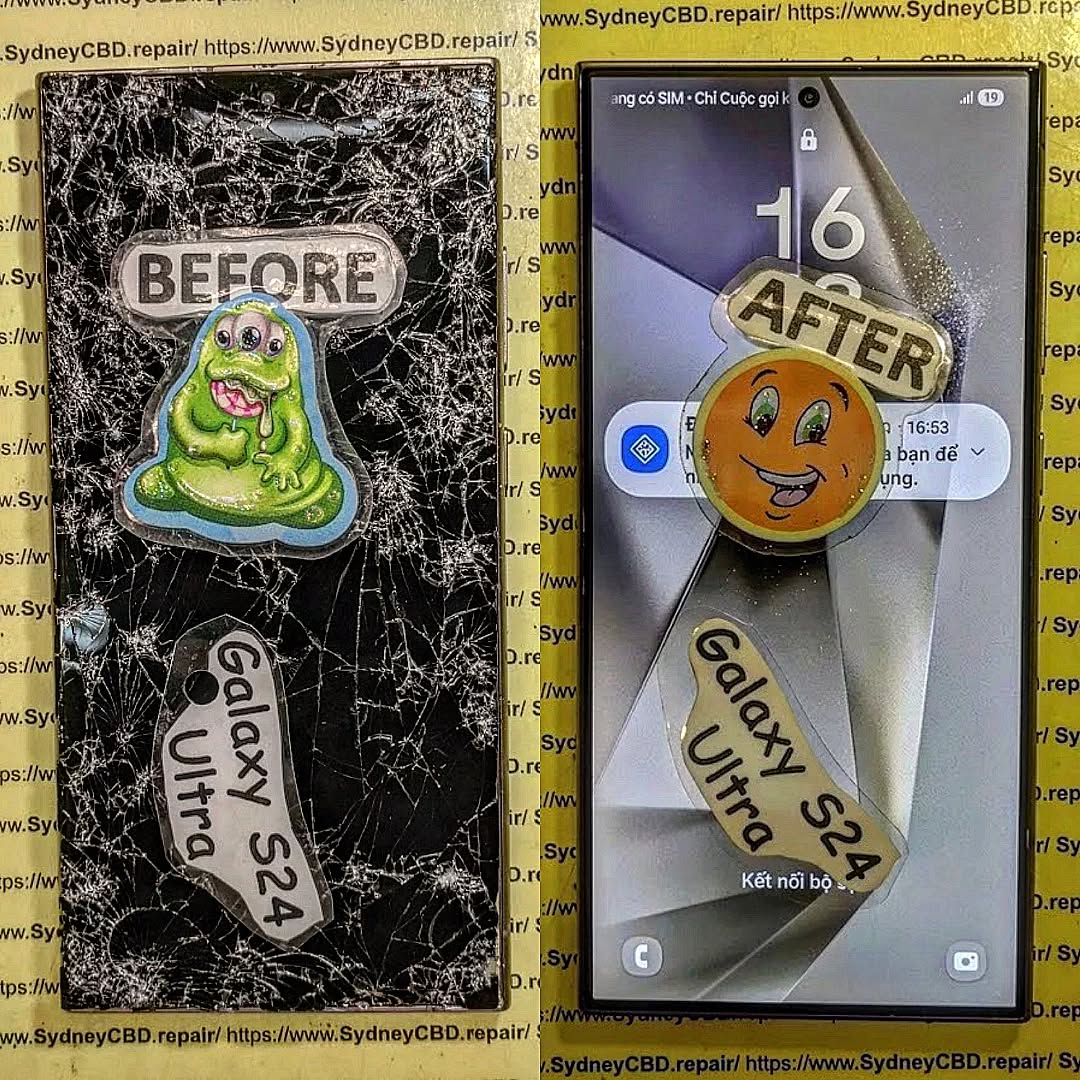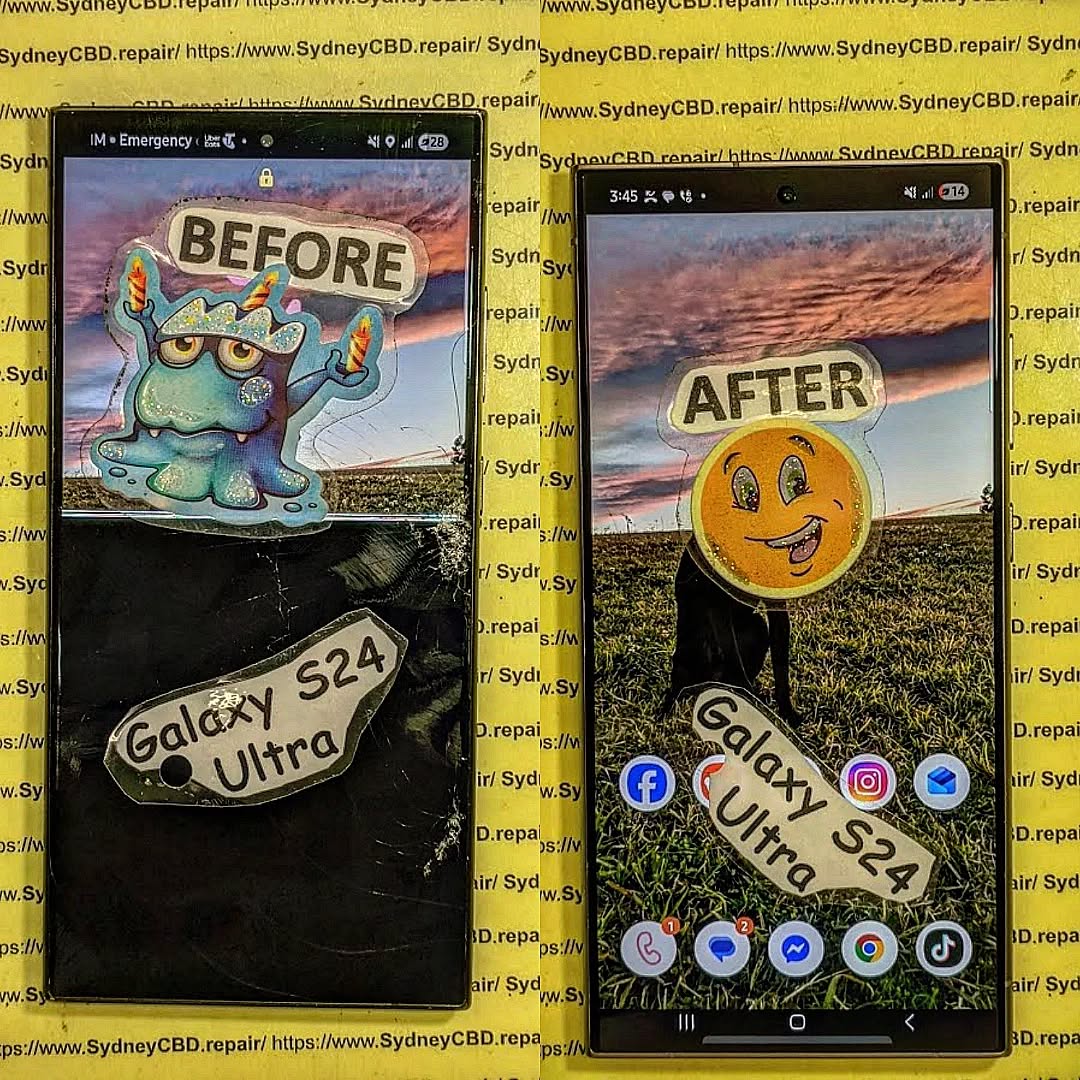
Reviving the Samsung Galaxy Note 20 Ultra: Is Your Older Flagship Worth Repairing? 10 Smart Insights
Introduction
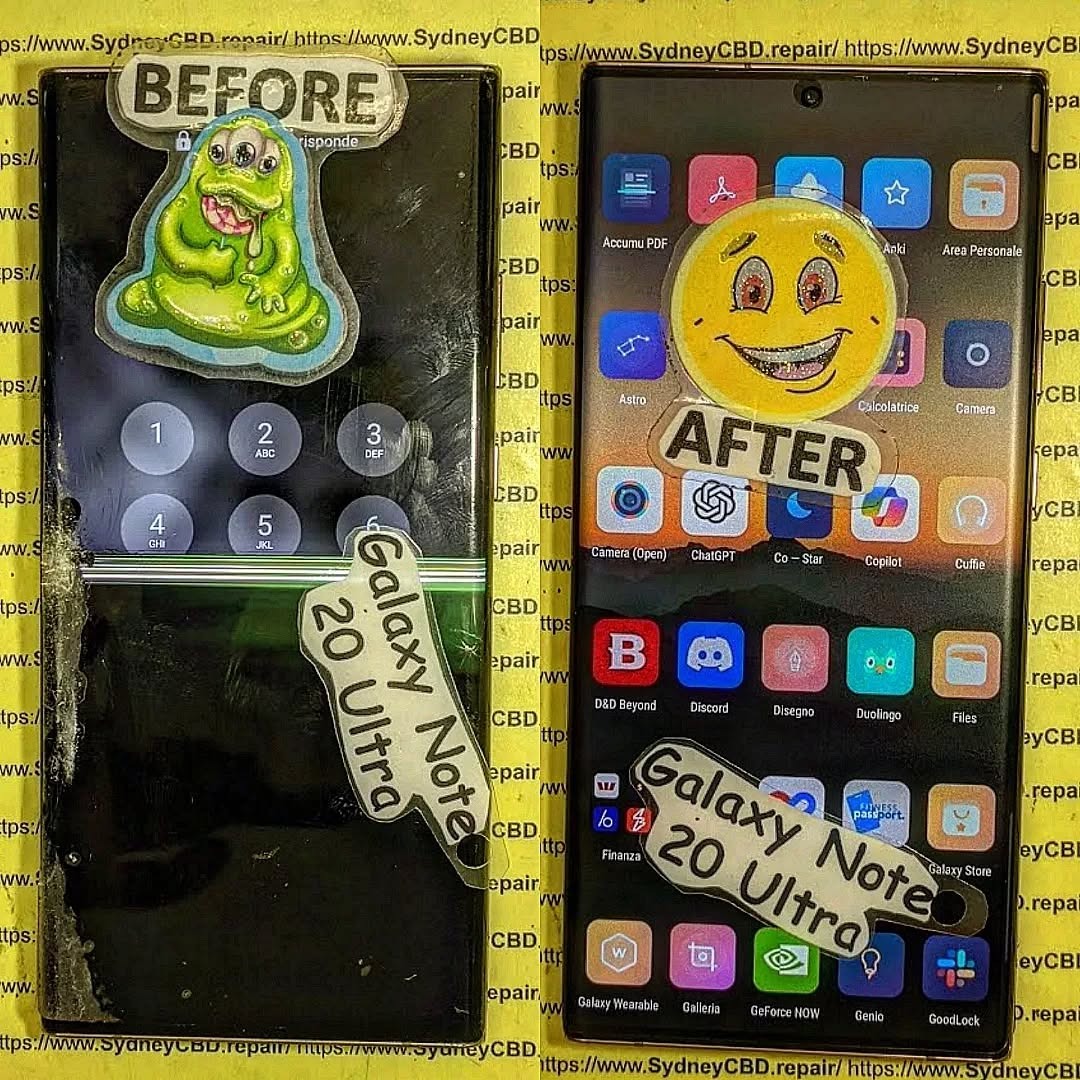
The Samsung Galaxy Note 20 Ultra remains one of the most iconic smartphones of its generation. Launched in 2020, it combined cutting-edge technology, a stunning design, and the productivity-focused S Pen, making it a favorite for professionals, creatives, and tech enthusiasts alike. But as the years go by, even the most robust devices begin to show signs of wear and tear. Cracked screens, battery degradation, and software slowdowns are common issues that many Note 20 Ultra owners face.
So, the big question arises: is it worth repairing an older flagship like the Note 20 Ultra, or should you simply invest in a new device? Repairing your device can save money, extend its lifespan, and even reduce electronic waste, but it requires careful consideration of repair costs, part quality, and the type of issues affecting your phone.
In this guide, we’ll explore everything you need to know about reviving the Note 20 Ultra. From common problems and repair costs to professional repair tips and maintenance advice, this article will help you make an informed decision. Whether you’re contemplating a DIY fix or heading to a certified repair center, we’ll provide insights, tips, and real-world examples to help your device feel almost brand new again.
The Samsung Galaxy Note 20 Ultra remains one of the most revered flagship smartphones of its generation. Released in 2020, this powerhouse combined premium design with top-tier performance. However, as with any older device, time takes its toll. Screens crack, batteries degrade, and software can slow down. If you’re wondering whether reviving the Note 20 Ultra is worth the investment, you’re in the right place. This guide dives deep into repairs, costs, and strategies to get your device running like new again.
The Note 20 Ultra set the bar high in the smartphone market. Featuring a stunning 6.9-inch Dynamic AMOLED 2X display, a powerful Snapdragon 865+ or Exynos 990 processor, and the beloved S Pen functionality, it became a favorite among productivity enthusiasts and tech aficionados alike. Its premium build, featuring Gorilla Glass Victus and a stainless steel frame, promised durability, yet nothing is invincible.
Even years after its launch, the Note 20 Ultra still holds up in terms of performance, camera quality, and display technology. Its combination of features and aesthetic design ensures it remains a device worth considering for repair rather than replacement, especially if you want to extend its life and avoid unnecessary e-waste.
Like all devices, the Note 20 Ultra experiences wear over time. Understanding these issues is key to deciding whether a repair makes sense.
Screen and Display Problems
One of the most frequent problems is a damaged display. The Note 20 Ultra’s AMOLED screen delivers exceptional color and contrast, but it’s susceptible to cracks from drops. Users also report ghost touches or flickering after water exposure. Replacing the display often resolves these issues, restoring both touch responsiveness and vibrant visuals.
Battery and Charging Concerns
Over time, the battery’s maximum capacity naturally declines. This can result in shorter screen-on time and slower charging speeds. Some users encounter fast-charging failures or overheating. Replacing the battery with a genuine Samsung component can bring back original performance levels, sometimes at a fraction of the cost of a new phone.
Water Damage and Internal Corrosion
Despite IP68 water resistance, accidental exposure to water or moisture can occur. Signs include erratic touch input, camera fogging, or device failure. Water damage repair is complex and usually requires professional intervention. Technicians can clean and replace affected internal components to restore functionality.
Repair vs Replacement: Making the Smart Choice
Deciding whether to repair or replace your Note 20 Ultra depends on several factors, including cost, performance, and personal preference.
Financial Considerations
Repairs can range from $150 to $500 depending on the issue. For instance, screen replacement may cost more than battery replacement but is still cheaper than purchasing a new flagship device. Compare the repair cost to current market prices for a refurbished or new equivalent. Often, repair is the economical and sensible route.
Environmental Impact
Repairing your device is an eco-friendly choice. Extending the life of your Note 20 Ultra reduces electronic waste and the carbon footprint associated with manufacturing new devices. For sustainability-conscious users, this factor alone may tip the balance toward repair.
DIY Repairs: What You Can Do at Home
Some minor issues can be handled without professional help, but caution is essential.
Battery Calibration: Reboot and reset battery stats to extend lifespan.
Software Updates: Keep your device updated to prevent slowdowns.
Cleaning: Use isopropyl alcohol and microfiber cloths for ports and surfaces.
DIY repairs can save money, but avoid opening the device for major internal repairs unless you have proper tools and experience.
Professional Repairs: When Expertise Matters
Certain repairs require expertise:
Screen Replacement: AMOLED screens are fragile and expensive.
Water Damage: Internal corrosion requires specialized cleaning.
Motherboard Issues: Only trained technicians should handle.
Certified centers, like Sydney CBD Repair Centre, provide genuine parts, warranties, and professional service. They ensure the device is restored safely, maintaining performance and longevity.
Finding Quality Replacement Parts
Using genuine Samsung components is critical. Aftermarket parts can be cheaper, but they may compromise display quality, touch sensitivity, or battery life. Look for reputable suppliers and certified repair centers to guarantee compatibility and longevity.
Maintaining Your Device After Repair
Once repaired, taking proactive steps prolongs life:
Use a high-quality case and screen protector.
Avoid excessive heat or moisture.
Regularly clear cache and background apps.
Perform battery calibration every few months.
Consistent maintenance ensures that your Note 20 Ultra continues performing optimally.
Software Optimization and Updates
Even with hardware repaired, outdated software can hinder performance. Ensure you:
Install the latest One UI updates.
Remove unused apps and bloatware.
Perform regular system optimization.
Software upkeep complements hardware repairs, making your device feel nearly new.
User Experiences: Stories from the Field
Many users have successfully extended their Note 20 Ultra’s life:
Emma, 32: Replaced battery and screen, regained full-day battery and flawless display.
James, 28: Water damage repair restored camera and touch functionality.
Raj, 40: Opted for professional repair over replacement, saving over $600.
These real-world cases demonstrate the tangible benefits of repair versus replacement.
Frequently Asked Questions
1. How much does a Note 20 Ultra screen replacement cost?
Typically, $300–$500 depending on parts and labor.
2. Can water damage be fully repaired?
Yes, with professional cleaning and component replacement, though success depends on damage severity.
3. Are aftermarket parts safe for repairs?
They can be used, but genuine parts ensure optimal performance and longevity.
4. How long does a battery replacement last?
A new genuine battery usually lasts 18–24 months with proper care.
5. Is repairing environmentally friendly?
Absolutely. It reduces e-waste and energy consumption compared to manufacturing new devices.
6. Can software updates improve an old Note 20 Ultra?
Yes, updates can enhance speed, security, and battery optimization.
Conclusion: Is It Worth It?
Repairing your Note 20 Ultra is often a smart choice. With professional repairs, genuine parts, and regular maintenance, your device can function like new, saving money and supporting sustainability. For owners who value performance and design, revival is not just feasible—it’s rewarding.
David from Sydney CBD Repair Centre – The Best place to fix mobile phones as 7 Years In A Row! Top Mobile Phone Repair In Sydney. More than 2000 Positive Reviews on Google and Same Day Repairs.
We take pride in delivering exceptional repair services for all major phone brands including Apple, Samsung, Google, and more. Our expert technicians use only genuine parts and offer 90days warranty on repairs. Located in the heart of Sydney CBD, we’re your one-stop solution for all mobile device repairs.
Our commitment to excellence has earned us the trust of thousands of satisfied customers. Whether it’s a cracked screen, battery replacement, or water damage repair, we handle it all with professional care and expertise. Walk in today and experience why we’re Sydney’s #1 choice for mobile phone repairs.
Visit us for:
✓ Same Day Express Repairs
✓ Genuine Parts Guarantee
✓ Professional Technicians
✓ Competitive Pricing
✓ 2000+ 5-Star Google Reviews
✓ 7-Time Award Winner for Best Phone Repairs
Testing Every Function: Does Fingerprint Scanning Still Work After Samsung Screen Repair? 9 Powerful Facts You Need to Know
Introduction
Replacing a Samsung display isn’t just about restoring a beautiful screen. Modern Samsung smartphones integrate fingerprint authentication directly into the display, making every screen replacement a delicate technical procedure. This guide explains why fingerprint scanning may or may not work after a repair, what professional technicians do differently, and how you can ensure your phone performs exactly as Samsung intended.
Samsung smartphones have become increasingly advanced over the years. Models like the Galaxy S21, S22, S23, S24, and S25 series feature sophisticated under-display fingerprint scanners that offer fast and secure authentication without needing a physical home button.
When your screen breaks, replacing the display isn’t simply about fitting a new piece of glass. A quality Samsung screen repair should restore every feature—including fingerprint recognition, touch sensitivity, brightness, color accuracy, refresh rate, proximity sensors, facial recognition support, and waterproof sealing where applicable.
Many people worry that replacing the screen means losing fingerprint functionality forever. Fortunately, that’s usually not the case when repairs are performed correctly by experienced technicians using high-quality replacement parts.
This guide explains everything you need to know about Samsung fingerprint scanning after a screen replacement and why professional testing is so important.
Sometimes initially—but mistakes often lead to more expensive repairs later.
Tips for Customers Before and After Repair
To maximise fingerprint performance:
Choose an experienced repair centre.
Ask whether genuine or premium-quality parts are used.
Re-register fingerprints after repair.
Keep the display clean.
Use fingerprint-compatible screen protectors.
Update Samsung software regularly.
Test every phone function before leaving the repair shop.
A trustworthy technician should encourage comprehensive testing rather than rushing the process.
Frequently Asked Questions
1. Will my Samsung fingerprint scanner always work after a screen replacement?
Yes, in most cases it will work normally when a compatible, high-quality display is installed correctly and the phone is properly tested.
2. Why does my fingerprint scanner fail after repair?
Common causes include incompatible screens, incorrect installation, software configuration, or screen protectors that interfere with the sensor.
3. Do genuine Samsung displays offer better fingerprint performance?
Generally, yes. Genuine displays are designed to work seamlessly with Samsung’s optical and ultrasonic fingerprint technologies.
4. Should I delete my fingerprints after a screen replacement?
Yes. Re-registering your fingerprints often improves speed and accuracy after a new display has been installed.
5. Can a screen protector affect fingerprint scanning?
Absolutely. Thick or low-quality protectors may reduce sensor performance. Fingerprint-compatible protectors are recommended.
6. How long should a professional Samsung screen repair take?
Many experienced repair centres can complete standard Samsung screen replacements on the same day, depending on the model and parts availability.
7. Is it safe to repair a Samsung phone instead of replacing it?
Yes. Professional repairs using quality components can restore your phone’s performance and extend its lifespan significantly while costing much less than buying a new device.
Conclusion
A Samsung screen replacement should restore much more than just the appearance of your phone. Modern Galaxy devices rely on sophisticated under-display fingerprint technology that demands precision, compatible components, and careful testing during every repair.
When a skilled technician uses high-quality replacement parts and performs thorough post-repair checks, fingerprint scanning typically works just as users expect. In many cases, any temporary recognition issues can be resolved by re-enrolling fingerprints, updating the device, or using a fingerprint-compatible screen protector.
Choosing a trusted repair centre is the best way to protect your investment. Rather than focusing only on replacing broken glass, experienced professionals verify every important feature—from display quality and touch responsiveness to biometric security and sensor performance. That attention to detail ensures your Samsung device remains secure, reliable, and ready for everyday use.
For additional information about Samsung’s biometric security technology, visit the official Samsung Knox security page: https://www.samsungknox.com/
David from Sydney CBD Repair Centre – The Best place to fix mobile phones as 7 Years In A Row! Top Mobile Phone Repair In Sydney. More than 2000 Positive Reviews on Google and Same Day Repairs.
We take pride in delivering exceptional repair services for all major phone brands including Apple, Samsung, Google, and more. Our expert technicians use only genuine parts and offer 90 days warranty on repairs. Located in the heart of Sydney CBD, we’re your one-stop solution for all mobile device repairs.
Our commitment to excellence has earned us the trust of thousands of satisfied customers. Whether it’s a cracked screen, battery replacement, or water damage repair, we handle it all with professional care and expertise. Walk in today and experience why we’re Sydney’s #1 choice for mobile phone repairs.
Visit us for:
✓ Same Day Express Repairs
✓ Genuine Parts Guarantee
✓ Professional Technicians
✓ Competitive Pricing
✓ 2000+ 5-Star Google Reviews
✓ 7-Time Award Winner for Best Phone Repairs
Sydney CBD Repair Centre – Where Quality Meets Reliability.
Why Your Samsung Screen Flickers Green and the Professional Precision Fix Required
Introduction
Samsung smartphones are renowned for their brilliant AMOLED displays, delivering exceptional colour accuracy, deep blacks, and industry-leading brightness. Whether you own a Galaxy S24 Ultra, Galaxy S23 FE, Galaxy Z Fold6, or an older Galaxy S20 series device, the display is one of the phone’s most impressive features.
However, many Samsung users experience an alarming issue that seemingly appears out of nowhere—a green flickering screen. Sometimes the display flashes green for a split second. Other times, the entire screen becomes tinted green, flickers continuously, or only works properly at maximum brightness.
For many owners, the problem begins after a software update. For others, it follows a minor drop, accidental pressure on the display, water exposure, or simply normal wear after years of daily use. Regardless of the cause, a green flickering screen is a clear indication that something is wrong and should not be ignored.
The good news is that this issue can usually be diagnosed accurately by an experienced technician. More importantly, a professional repair using genuine Samsung components restores the display’s original performance while preventing further damage.
In this guide, we’ll explain:
Why Samsung screens flicker green
The most common causes
How professionals diagnose the problem
Why DIY fixes rarely work
The precision repair process
How genuine Samsung displays outperform cheap aftermarket replacements
How to prevent similar issues in the future
By understanding the root cause, you’ll be able to make an informed decision about repairing your device rather than risking additional damage through temporary fixes.
A green flickering screen isn’t a fault caused by a single issue. Instead, it is a symptom that can result from several different hardware or software problems.
Samsung’s AMOLED displays are incredibly advanced. Millions of tiny organic light-emitting pixels work together under precise voltage control. If any component in this system begins to fail, the display can no longer regulate colour correctly.
Common symptoms include:
Entire display turning green
Green vertical lines
Random flashing
Green tint at low brightness
Screen working only at maximum brightness
Flickering during unlocking
Display becoming normal after restarting
Green flashes before the screen turns black
The exact symptom often provides technicians with valuable clues during diagnosis.
Unlike traditional LCD screens, OLED displays generate their own light. Each pixel contains microscopic organic compounds that emit red, green, and blue light independently.
If the voltage supplied to the green sub-pixels becomes unstable, the screen may display:
Bright green flashes
Pulsing brightness
Green tinting
Flickering
Physical damage accelerates OLED degradation, even if there are no visible cracks.
Many customers are surprised because their phone looks perfectly intact from the outside. However, internal OLED layers can fracture without breaking the outer glass.
2. Display Flex Cable Damage
Samsung displays connect to the motherboard using delicate flex cables.
These ultra-thin cables carry:
Display data
Touch signals
Power
Brightness control
A partially damaged flex cable may produce intermittent symptoms such as:
Flickering
Green flashes
Temporary black screen
Image distortion
Random colour shifts
Foldable Samsung phones are particularly susceptible because their flex cables bend thousands of times during normal use.
3. Display Driver IC Failure
Every Samsung display contains a display driver integrated circuit (IC).
This tiny chip controls:
Pixel timing
Refresh rates
Brightness
Colour calibration
Voltage regulation
If the driver IC becomes damaged through impact, overheating, or manufacturing defects, the display may begin producing unstable colours.
Typical symptoms include:
Flickering only at certain brightness levels
Green flashes while scrolling
Random image instability
Delayed screen response
Professional testing equipment is required to confirm this type of failure accurately.
4. Software or Firmware Problems
Although less common than hardware faults, software can occasionally contribute to green flickering.
Potential causes include:
Failed firmware updates
Graphics driver bugs
Corrupted display settings
Experimental refresh-rate features
Users often notice the problem immediately after installing a major Android or One UI update.
Fortunately, software-related issues are generally easier to resolve than hardware failures. A professional technician can determine whether the issue stems from firmware or physical components before recommending a repair.
5. Impact Damage
One of the most overlooked causes is minor impact damage.
Even if:
The glass isn’t cracked
The phone still turns on
Touch remains responsive
The OLED beneath the glass may have suffered microscopic damage.
Examples include:
Phone dropped onto carpet
Sitting on the phone
Pressure inside a backpack
Corner impacts
Twisting forces
The damage may not appear immediately. In many cases, green flickering develops days or even weeks after the original impact as the compromised display gradually deteriorates.
6. Moisture and Water Exposure
Modern Samsung Galaxy phones offer impressive water resistance, but they are not completely waterproof.
Over time, water resistance can diminish due to:
Worn adhesive seals
Previous repairs
Physical damage
Age-related wear
Moisture entering the device can corrode display connectors and affect electrical signals, leading to intermittent flickering, green lines, or complete display failure. Even condensation from humid environments can contribute to corrosion over time.
If your Samsung phone has been exposed to water—even briefly—and later develops a green flickering screen, it’s important to have it professionally inspected as soon as possible to prevent further internal damage.
Which Samsung Models Commonly Experience Green Flickering?
While any AMOLED-equipped Samsung device can develop display issues, some models are reported more frequently due to their popularity and advanced high-refresh-rate displays.
Commonly affected models include:
Samsung Galaxy S20
Samsung Galaxy S20+
Samsung Galaxy S20 Ultra
Samsung Galaxy Note20 Ultra
Samsung Galaxy S21
Samsung Galaxy S21+
Samsung Galaxy S21 Ultra
Samsung Galaxy S22 Series
Samsung Galaxy S23 Series
Samsung Galaxy S24 Series
Samsung Galaxy Z Fold Series
Samsung Galaxy Z Flip Series
It’s important to note that experiencing a green flickering screen does not necessarily indicate a manufacturing defect. In many cases, the issue results from a combination of daily wear, accidental impact, environmental factors, and the natural aging of OLED components.
The Science Behind Samsung AMOLED Green Flickering
Samsung’s Dynamic AMOLED technology is among the most sophisticated display systems available in modern smartphones. Each screen contains millions of self-emitting pixels, with every pixel made up of red, green, and blue organic light-emitting diodes.
These pixels are controlled by precision voltage supplied through a display driver IC. When everything functions correctly, colours remain vibrant, blacks are perfectly deep, and brightness transitions are smooth.
However, if the voltage becomes unstable due to a failing OLED layer, damaged flex cable, or malfunctioning driver IC, the green sub-pixels are often the first to behave erratically. This results in the characteristic green flicker or tint that many Samsung users experience.
Unlike LCD technology, OLED displays cannot be repaired at the pixel level. Once the panel itself is compromised, replacing the complete display assembly is typically the only reliable long-term solution.
Professional Diagnosis, Precision Repair Process, and Why Genuine Samsung Screens Matter
Professional Diagnostic Tools Make All the Difference
A green flickering Samsung screen should never be diagnosed through guesswork. Professional repair centres use specialised equipment and systematic testing procedures to determine whether the problem originates from the display assembly, motherboard, battery, charging circuit, or software.
Unlike DIY troubleshooting, professional diagnostics focus on identifying the root cause before any parts are replaced.
Typical diagnostic equipment includes:
Samsung-compatible diagnostic software
OLED display testing modules
Precision digital multimeters
Thermal imaging equipment
Microscope inspection stations
Power supply testers
Logic board analysis tools
This comprehensive approach helps technicians avoid replacing perfectly functional components while ensuring hidden faults are not overlooked.
Testing the Display Assembly
The display is usually the first component evaluated.
Technicians carefully inspect for:
Green flickering under different brightness settings
Colour uniformity
Dead pixels
Screen burn-in
Touch responsiveness
Multi-touch accuracy
Refresh rate stability
Always-On Display functionality
Testing is performed at various brightness levels because many Samsung AMOLED screens only begin flickering when brightness drops below approximately 30%.
Checking the Flex Cable Connections
The display assembly communicates with the motherboard through extremely delicate flex cables.
Professional technicians inspect:
Connector alignment
Pin damage
Corrosion
Torn flex cables
Loose connections
Connector locking mechanisms
A loose connector can sometimes produce symptoms identical to a failing display.
Fortunately, reconnecting or replacing damaged connectors is significantly less expensive than replacing an entire display assembly.
Motherboard Inspection
Although less common, motherboard faults can also trigger display problems.
Technicians inspect:
Display driver circuits
Power management ICs
Display connector solder joints
Water damage
Burnt components
Corrosion
Physical board damage
Microscope inspection often reveals tiny defects invisible to the naked eye.
Software Diagnosis
Before replacing hardware, reputable repair centres eliminate software as the possible cause.
This includes checking:
Android updates
Samsung One UI version
Display drivers
Safe Mode operation
Factory diagnostic menus
Error logs
If the flickering disappears in Safe Mode, third-party applications may be contributing to the issue.
However, persistent flickering across all operating modes usually indicates hardware failure.
Why DIY Fixes Usually Don’t Solve Green Flickering
When a Samsung screen begins flashing green, many users search online for quick solutions.
Popular DIY suggestions include:
Lowering screen brightness
Increasing brightness permanently
Disabling Adaptive Brightness
Turning off 120Hz refresh rate
Installing third-party display apps
Factory resetting the phone
Although these methods may temporarily reduce symptoms, they rarely address the actual cause.
Temporary Software Workarounds
Some users report that keeping brightness above 80% reduces green flickering.
Why?
Higher brightness changes the voltage supplied to OLED pixels.
Unfortunately:
The underlying damage remains.
The display continues deteriorating.
Battery consumption increases.
Permanent failure becomes more likely.
Think of it as masking the symptoms rather than curing the problem.
DIY Screen Replacement Risks
Replacing a Samsung AMOLED display is considerably more complex than replacing older LCD screens.
Modern Galaxy devices feature:
Waterproof adhesive
Precision-installed OLED panels
In-display fingerprint sensors
Delicate flex cables
Multiple internal antennas
Tight manufacturing tolerances
Without specialised tools, DIY repairs can result in:
Broken fingerprint sensors
Dust trapped beneath the screen
Poor waterproof sealing
Damaged wireless charging coils
Torn flex cables
Cracked replacement displays during installation
Cheap Replacement Screens Create More Problems
Many low-cost online displays advertise themselves as:
OEM Quality
Original Grade
Premium OLED
Factory Specification
These descriptions can be misleading.
Low-quality aftermarket screens often suffer from:
Lower brightness
Poor colour calibration
Reduced touch sensitivity
Increased battery usage
Faster burn-in
Inferior glass durability
Fingerprint sensor incompatibility
While they may cost less initially, they frequently require replacement much sooner than genuine Samsung displays.
The Professional Precision Repair Process
Professional repair is about far more than simply swapping one screen for another.
Every repair follows a detailed sequence designed to protect the phone while restoring factory-level performance.
Step 1 – Complete Device Assessment
Before opening the device, technicians verify:
Display condition
Touch performance
Cameras
Speakers
Charging
Face recognition
Fingerprint reader
Wireless charging
Network connectivity
This establishes a baseline and ensures any unrelated issues are documented before repairs begin.
Step 2 – Controlled Device Heating
Samsung screens are secured using high-strength waterproof adhesive.
Professional heating equipment softens the adhesive evenly without overheating sensitive internal components.
Improper heating can damage:
OLED panels
Battery
Plastic frame components
Wireless charging coils
Temperature control is essential.
Step 3 – Safe Screen Removal
Using precision tools, technicians carefully separate the damaged display.
Special attention is paid to:
Flex cable routing
Fingerprint sensor placement
Internal brackets
Display connector alignment
This stage requires patience and experience to avoid damaging reusable components.
Step 4 – Internal Cleaning
Before installing the replacement screen, the phone is thoroughly cleaned.
Technicians remove:
Old adhesive residue
Dust
Glass fragments
Moisture residue
Dirt accumulation
A clean surface ensures proper bonding and helps maintain water resistance.
Step 5 – Genuine Display Installation
The new Samsung display is aligned with extreme precision.
Professional installation includes:
Correct adhesive application
Even pressure distribution
Proper cable routing
Accurate connector seating
Every fraction of a millimetre matters.
Step 6 – Fingerprint Sensor Calibration
Modern Samsung phones use advanced under-display fingerprint readers.
Following installation, technicians verify:
Fingerprint recognition
Sensor responsiveness
Unlock speed
Calibration accuracy
Skipping this step can result in unreliable biometric performance.
Step 7 – Comprehensive Quality Testing
Before returning the phone, technicians perform extensive post-repair testing.
This includes:
Display brightness
Colour accuracy
Touch sensitivity
Refresh rate
Auto brightness
Proximity sensor
Face recognition
Cameras
Charging
Speakers
Vibration motor
Wireless charging
Fingerprint reader
Only after every function passes inspection is the repair considered complete.
Genuine Samsung Displays vs Cheap Aftermarket Alternatives
Choosing the correct replacement display significantly affects your phone’s long-term performance.
Feature
Genuine Samsung Display
Cheap Aftermarket Display
Brightness
Excellent
Often reduced
Colour Accuracy
Factory calibrated
Usually inaccurate
Refresh Rate
Full support
May be limited
Fingerprint Sensor
Fully compatible
Compatibility varies
Durability
High
Lower
Battery Efficiency
Optimised
Often higher power consumption
Warranty
Typically included
Often limited
Overall Performance
Like new
Inconsistent
While aftermarket displays may seem like a bargain, they often compromise the premium experience Samsung devices are known for.
Why Professional Repairs Save Money in the Long Run
Attempting to save money with low-quality parts or inexperienced repairs can lead to additional expenses.
Professional repairs offer several long-term advantages:
Accurate fault diagnosis
Genuine or high-quality replacement parts
Correct installation techniques
Preserved device functionality
Reduced risk of repeat failures
Warranty protection
Better resale value
Investing in a quality repair today can prevent multiple repairs in the future, making it a more cost-effective choice over the life of your device.
Frequently Asked Questions About Samsung Green Screen Flickering
1. Why did my Samsung screen suddenly turn green without being dropped?
A Samsung screen can develop a green tint or begin flickering even if it hasn’t been dropped. Common causes include natural OLED panel degradation, internal display driver failure, software conflicts, or a loose display connector. In some cases, the issue may appear after a major software update because the updated display drivers place different demands on aging hardware.
2. Can a software update cause a green flickering screen?
Yes, although it’s relatively uncommon. A software update can sometimes expose an existing weakness in the display hardware by changing refresh rates, brightness algorithms, or display drivers. If the flickering persists after restarting the phone or performing software troubleshooting, the problem is more likely to be hardware-related.
3. Will factory resetting my Samsung phone fix the green screen?
A factory reset may resolve the issue if it is caused by software corruption or a problematic application. However, if the OLED panel, display flex cable, or display driver IC is damaged, resetting the phone will not repair the hardware.
Before performing a factory reset, always back up your important data.
4. Is it safe to continue using a Samsung phone with a green flickering screen?
You may be able to continue using the phone temporarily, but it is not recommended. A flickering display often indicates that the screen is deteriorating. Over time, the issue may worsen, resulting in:
Complete display failure
Permanent green or white screen
Black screen with no image
Touchscreen becoming unresponsive
Increased difficulty accessing important data
Having the phone inspected early can often prevent further complications.
5. Can the green flickering issue be repaired without replacing the screen?
It depends on the cause.
If the problem is related to:
A loose display connector
Minor corrosion
Software issues
A complete screen replacement may not be necessary.
However, if the OLED panel itself has failed—which is the most common cause—the display assembly will typically need to be replaced.
A professional diagnosis ensures that only the faulty component is repaired.
6. Why are genuine Samsung screens recommended?
Genuine Samsung displays are manufactured to the same specifications as the original screen installed at the factory.
Advantages include:
Factory-calibrated colours
Excellent brightness
Smooth touch response
Full compatibility with adaptive refresh rates
Reliable fingerprint sensor performance
Better durability
Longer service life
Using genuine components helps maintain the premium experience Samsung intended.
7. Are cheaper aftermarket Samsung screens worth buying?
While some premium aftermarket displays perform reasonably well, many budget alternatives sacrifice quality to reduce costs.
Common drawbacks include:
Lower maximum brightness
Reduced colour accuracy
Inferior touch sensitivity
Faster screen burn-in
Poor fingerprint scanner compatibility
Shorter lifespan
For users who rely on their phone every day, investing in a high-quality replacement display is generally the better long-term decision.
8. How long does a professional Samsung screen replacement take?
Most Samsung screen replacements can be completed on the same day, depending on:
The phone model
Parts availability
The extent of the damage
Whether additional repairs are required
Professional repair centres also perform extensive testing before returning the device to ensure every feature works correctly.
Tips to Prevent Samsung Green Screen Problems
Although not every display issue can be avoided, following a few simple habits can significantly reduce the risk of screen damage.
Use a High-Quality Protective Case
A well-designed protective case absorbs shock during accidental drops and helps protect the display from frame distortion.
Install a Tempered Glass Screen Protector
A tempered glass protector won’t prevent every type of damage, but it provides an additional layer of defence against scratches, minor impacts, and everyday wear.
Avoid Extreme Temperatures
Excessive heat can accelerate OLED aging, while extremely cold temperatures may temporarily affect display performance.
Avoid leaving your phone:
Inside a parked car
In direct sunlight for extended periods
Near heaters
In freezing environments
Keep Your Phone Dry
Although many Samsung Galaxy devices feature water resistance, seals naturally wear over time.
Avoid unnecessary exposure to:
Swimming pools
Salt water
Heavy rain
Steam rooms
High-humidity environments
If moisture enters the device, have it professionally inspected as soon as possible.
Charge with Quality Accessories
Using certified chargers and cables helps maintain stable power delivery and reduces stress on internal components.
Low-quality charging accessories may contribute to overheating or electrical instability.
Update Software Regularly
Keeping your phone updated ensures you receive:
Display driver improvements
Security updates
Bug fixes
Performance enhancements
However, if display issues begin immediately after an update, seek professional advice before assuming the software is solely responsible.
Why Choose Professional Samsung Screen Repair?
Modern Samsung smartphones are engineering masterpieces. Their Dynamic AMOLED displays, high refresh rates, and under-display fingerprint technology require specialised knowledge and equipment to repair correctly.
Professional technicians have the training, tools, and experience to diagnose problems accurately and carry out repairs with precision. More importantly, they understand the importance of using genuine, high-quality replacement parts to restore your phone’s original performance.
Choosing a trusted repair centre provides peace of mind, protects your investment, and helps extend the lifespan of your device.
Conclusion
A green flickering Samsung screen is more than just an annoyance—it is often an early warning sign of an underlying hardware or software issue that deserves prompt attention. Whether the cause is OLED degradation, a damaged flex cable, moisture intrusion, impact damage, or a software conflict, identifying the root of the problem is essential for achieving a lasting repair.
While online tips and temporary workarounds may reduce symptoms for a short time, they rarely resolve the underlying fault. Delaying repairs can allow the problem to worsen, potentially leading to complete display failure and the risk of losing access to important photos, contacts, and files.
Professional diagnosis eliminates guesswork. Experienced technicians use specialised tools to determine exactly what has failed and recommend the most effective repair. When combined with genuine Samsung replacement parts and precision installation techniques, a professional repair restores the brilliant display quality, smooth touch response, and dependable performance your Galaxy device was designed to deliver.
If your Samsung screen has started flickering green, acting quickly can save both time and money. Addressing the issue early often prevents more extensive damage and ensures your smartphone continues to perform at its best for years to come.
Need Expert Samsung Screen Repair?
If your Samsung Galaxy phone is suffering from a green flickering screen, display lines, touch issues, or a completely black display, don’t leave your valuable device to chance. Our experienced technicians provide fast, accurate diagnostics and professional repairs using genuine, high-quality replacement parts.
From the latest Galaxy S24 Ultra and Galaxy Z Fold series to older Samsung flagship models, we restore your device with precision, care, and industry-leading workmanship. Every repair is thoroughly tested to ensure your screen, touch functionality, fingerprint sensor, cameras, charging, and other essential features operate exactly as intended.
Visit Sydney CBD Repair Centre today for trusted Samsung repairs backed by years of experience and a commitment to quality.
David from Sydney CBD Repair Centre – The Best place to fix mobile phones as 7 Years In A Row! Top Mobile Phone Repair In Sydney. More than 2000 Positive Reviews on Google and Same Day Repairs.

We take pride in delivering exceptional repair services for all major phone brands including Apple, Samsung, Google, and more. Our expert technicians use only genuine parts and offer 90 days warranty on repairs. Located in the heart of Sydney CBD, we’re your one-stop solution for all mobile device repairs.
Our commitment to excellence has earned us the trust of thousands of satisfied customers. Whether it’s a cracked screen, battery replacement, or water damage repair, we handle it all with professional care and expertise. Walk in today and experience why we’re Sydney’s #1 choice for mobile phone repairs.
Visit us for:
✓ Same Day Express Repairs
✓ Genuine Parts Guarantee
✓ Professional Technicians
✓ Competitive Pricing
✓ 2000+ 5-Star Google Reviews
✓ 7-Time Award Winner for Best Phone Repairs
Sydney CBD Repair Centre – Where Quality Meets Reliability.
Green Line Fix: Does a New Screen Prevent Future Samsung Issues? Proven Insights & 7 Expert Facts
Introduction to the Samsung Green Line Issue
The Green Line Fix has become a hot topic among Samsung users worldwide. If you’ve ever unlocked your phone only to see a bright green vertical line cutting through your display, you’re not alone. This issue has been reported across multiple Samsung models, especially those using AMOLED screens. Naturally, the big question follows: does replacing the screen actually prevent future Samsung issues, or is it just a temporary patch?
In this in-depth guide, we’ll unpack the truth behind the Samsung green line problem. We’ll look at why it happens, whether a Green Line Fix through screen replacement is effective long term, and what you can realistically do to prevent it from coming back. The goal here is simple—clear answers, expert-backed insights, and practical advice you can trust.
The green line issue usually appears as a thin, vertical neon-green stripe running from the top to the bottom of the screen. It may start faint and grow brighter over time. In many cases, the line is always visible, regardless of apps or background color.
This problem is most often linked to the display panel itself, not the glass on top. That’s why restarting the phone or resetting software rarely makes it disappear for good.
Why Samsung Phones Are Commonly Affected
Samsung is a global leader in AMOLED display technology. Ironically, that innovation also makes these screens more susceptible to certain failures. AMOLED panels rely on self-emissive pixels, which degrade unevenly over time. When one vertical pixel line fails, you get the dreaded green stripe.
Models frequently reported with this issue include the Galaxy S20, S21, S22, Note series, and some A-series devices.
AMOLED screens don’t use a backlight. Each pixel produces its own light. Over time, these pixels wear out at different rates. Green subpixels often last longer than red or blue ones, which can cause color imbalance.
When a specific column of pixels degrades abnormally, it may lock into a green output—hence the line. At this point, no software tweak can reverse physical pixel damage.
Software vs Hardware Triggers
Some users notice the green line after a system update. While this feels like a software issue, updates can push hardware harder—higher brightness, new color profiles, or thermal changes. These stresses can reveal an existing weakness in the display rather than create a new one.
According to Samsung display documentation and general AMOLED behavior, once pixel circuitry is damaged, replacement is the only permanent Green Line Fix (Samsung Display Insights).
Green Line Fix Explained: Does Replacing the Screen Really Work?
This is the moment of truth. Does a new screen actually solve the problem?
When Screen Replacement Is Effective
In the vast majority of cases, yes. A full display replacement removes the faulty AMOLED panel entirely. Since the green line originates from damaged pixels or display driver circuits, installing a new screen resets that risk to zero—at least initially.
For phones without motherboard-level display controller damage, a professional Green Line Fix using a genuine Samsung screen is highly effective and visually restores the device to like-new condition.
Limitations of a New Screen
However, replacing the screen doesn’t magically change how AMOLED technology works. If the same usage patterns continue—high brightness, static images, overheating—the new display may eventually develop similar issues years down the line.
Importance of Genuine Parts
Using non-genuine or low-quality screens increases the risk of recurrence. Aftermarket displays may lack proper calibration or thermal protection. A genuine Samsung display is engineered to work seamlessly with the phone’s hardware and firmware, reducing stress on pixels over time.
Preventing Future Samsung Green Line Issues
While no method is foolproof, smart habits go a long way.
These small changes help extend AMOLED lifespan and support the long-term success of any Green Line Fix.
Software Maintenance Best Practices
Install updates gradually, not immediately on release
Restart your device weekly
Avoid unofficial firmware or display mods
Software stability helps regulate power delivery to the screen, minimizing uneven pixel aging.
Professional Repair vs DIY Fixes
Risks of DIY Repairs
DIY screen replacement videos make the process look easy. In reality, Samsung displays are fragile, expensive, and bonded with industrial adhesive. One slip can damage the fingerprint sensor, motherboard, or frame.
A failed DIY attempt often ends up costing more than a professional repair.
Benefits of Certified Repair Centres
Certified technicians use proper tools, anti-static protection, and calibrated displays. They also test thermal output and display drivers after installation. That’s a level of care you simply can’t replicate at home.
A professional Green Line Fix also usually comes with a warranty, giving you peace of mind.
Frequently Asked Questions (FAQs)
1. Is the green line issue covered under Samsung warranty?
Sometimes. If the device is within warranty and shows no physical damage, Samsung may replace the screen.
2. Can a software update fix the green line?
No. Software may hide symptoms briefly, but it cannot repair damaged pixels.
3. Will factory reset remove the green line?
No. A factory reset does not affect hardware-level display issues.
4. Is the green line dangerous to use?
Not dangerous, but it can worsen over time and reduce resale value.
5. How long does a screen replacement take?
Typically 1–2 hours at a professional repair centre.
6. Can the green line come back after screen replacement?
Rarely, if genuine parts and proper usage habits are followed.
Conclusion: Is a New Screen the Final Answer?
So, does a new screen prevent future Samsung issues? In practical terms—yes. A professional Green Line Fix using a genuine display is the most reliable and permanent solution available today. While it doesn’t eliminate the inherent aging nature of AMOLED technology, it resets the clock and restores full visual performance.
Pair that replacement with smart usage habits and proper software care, and you can confidently enjoy your Samsung device for years without seeing that green line again.
David from Sydney CBD Repair Centre – The Best place to fix mobile phones as 7 Years In A Row! Top Mobile Phone Repair In Sydney. More than 2000 Positive Reviews on Google and Same Day Repairs.
We take pride in delivering exceptional repair services for all major phone brands including Apple, Samsung, Google, and more. Our expert technicians use only genuine parts and offer 90days warranty on repairs. Located in the heart of Sydney CBD, we’re your one-stop solution for all mobile device repairs.
Our commitment to excellence has earned us the trust of thousands of satisfied customers. Whether it’s a cracked screen, battery replacement, or water damage repair, we handle it all with professional care and expertise. Walk in today and experience why we’re Sydney’s #1 choice for mobile phone repairs.
Visit us for:
✓ Same Day Express Repairs
✓ Genuine Parts Guarantee
✓ Professional Technicians
✓ Competitive Pricing
✓ 2000+ 5-Star Google Reviews
✓ 7-Time Award Winner for Best Phone Repairs
Precision Engineering: Replacing the Periscope Zoom Lens on a Samsung S25 Ultra – Ultimate Guide 2026
Introduction
Modern smartphone photography has evolved dramatically, and nowhere is that more evident than in the advanced camera system of the Samsung S25 Ultra. One of its most impressive features is the periscope zoom camera, which allows users to capture distant subjects with remarkable clarity.
However, when damage occurs, replacing the periscope zoom lens on a Samsung S25 Ultra becomes one of the most delicate and technically demanding smartphone repairs available today. Unlike traditional camera modules, the periscope assembly contains numerous precision-engineered optical components that must be aligned accurately to maintain image quality.
This guide explores everything you need to know about replacing the periscope zoom lens on a Samsung S25 Ultra, including the technology behind the system, common failures, repair procedures, costs, and professional recommendations.
Samsung continues to push smartphone camera technology forward with sophisticated zoom capabilities. The periscope camera differs significantly from standard smartphone lenses because it uses a folded optical path.
Instead of light traveling directly into the sensor, incoming light is redirected through prisms and specialized lens elements positioned horizontally inside the phone.
Benefits include:
Higher optical zoom levels
Improved image stabilization
Better long-distance photography
Enhanced low-light zoom performance
Reduced camera bump thickness
The complexity of this system makes precision engineering critical whenever repairs are necessary.
Why the Periscope Zoom Lens Matters
The periscope lens isn’t merely another camera sensor.
It serves several crucial functions:
Feature
Benefit
Optical Zoom
Preserves image quality
Telephoto Capability
Captures distant objects
OIS Support
Reduces camera shake
Advanced Focusing
Improves subject clarity
AI Enhancement
Better digital processing
Without a properly functioning periscope lens, users may experience blurry zoom images, autofocus issues, or complete camera failure.
Common Causes of Periscope Lens Failure
Physical Impact Damage
Drops remain the leading cause of camera module failures.
Even if the external glass appears intact, internal optical components may shift out of alignment.
Common symptoms include:
Shaking camera image
Clicking sounds
Focus hunting
Blurry zoom photos
Moisture and Liquid Exposure
Although Samsung devices offer water resistance, prolonged exposure can still affect sensitive camera components.
Moisture can cause:
Lens fogging
Corrosion
Electrical shorts
Stabilization motor failure
Manufacturing Defects
Occasionally, factory defects can contribute to camera issues. While uncommon, these failures may involve:
Defective optical stabilization units
Sensor communication errors
Ribbon cable faults
Internal lens misalignment
Signs Your Periscope Zoom Lens Needs Replacement
Several warning signs indicate that replacing the periscope zoom lens on a Samsung S25 Ultra may be necessary.
Look for:
Blurry zoom photographs
Black camera screen
Camera app crashes
Autofocus failure
Visible cracks near the camera area
Error messages in camera software
Distorted images
Rattling noises during movement
If multiple symptoms appear simultaneously, professional diagnosis is strongly recommended.
Traditional cameras extend outward from the device.
Periscope cameras instead use mirrors or prisms to bend incoming light by approximately 90 degrees.
Advantages include:
Longer focal lengths
Compact design
Improved zoom capabilities
Better image quality
This optical folding arrangement allows Samsung to achieve powerful zoom performance while maintaining a slim smartphone profile.
Stabilization Components
Optical Image Stabilization (OIS) relies on microscopic movements.
Tiny actuators constantly adjust lens positions to compensate for hand movement.
When damaged, symptoms may include:
Vibrating images
Blurred photos
Clicking sounds
Video instability
Sensor Alignment
Every lens element must align perfectly with the image sensor.
Even microscopic shifts can cause:
Soft focus
Distortion
Uneven sharpness
Poor low-light performance
This is why replacing the periscope zoom lens on a Samsung S25 Ultra requires specialized calibration equipment.
Tools Required for Periscope Zoom Lens Replacement
Professional technicians typically use:
Tool
Purpose
Heat Mat
Softens adhesive
Precision Screwdrivers
Internal disassembly
Suction Cups
Rear cover removal
Plastic Picks
Safe separation
Microscope
Detailed inspection
ESD Protection
Prevents static damage
Calibration Software
Camera alignment
Tweezers
Component handling
Without these tools, repair risks increase significantly.
Step-by-Step Repair Process
Device Preparation
The repair begins with powering down the device completely.
Technicians then:
Remove SIM tray
Heat rear glass
Separate adhesive
Disconnect battery
Access motherboard
Safety is essential because modern smartphones contain delicate flex cables and sensitive electronics.
Internal Disassembly
Once opened, technicians remove:
Wireless charging assembly
NFC components
Protective shields
Internal brackets
Camera connectors
Careful organization prevents misplaced screws and accidental damage.
Camera Module Removal
The damaged periscope camera assembly is disconnected and removed.
Inspection follows to identify:
Structural damage
Connector wear
Moisture contamination
Secondary failures
If only the lens assembly is damaged, replacement may be possible. In many cases, the entire module is replaced to ensure reliability.
Installation and Calibration
After installing the new module:
Reconnect camera cables
Reassemble device
Run diagnostics
Perform software calibration
Verify optical performance
Calibration ensures autofocus, zoom accuracy, and stabilization operate correctly.
Challenges During Replacement
Replacing the periscope zoom lens on a Samsung S25 Ultra presents numerous challenges.
Adhesive Removal Risks
Modern Samsung devices use strong waterproof adhesives.
Improper heating may cause:
Rear glass cracks
OLED damage
Frame warping
Component Density
The S25 Ultra contains densely packed internal components.
Accidental contact can damage:
Display flex cables
Battery connections
Wireless charging coils
Antenna assemblies
Camera Calibration
Perhaps the greatest challenge involves calibration.
Without proper software tools:
Zoom quality suffers
Autofocus becomes inconsistent
Stabilization malfunctions
Image sharpness declines
Professional repair centers invest heavily in calibration equipment to maintain factory-level performance.
Professional Repair vs DIY Repair
Many users wonder whether they should attempt the repair themselves.
DIY Advantages
Lower initial cost
Educational experience
Immediate repair attempt
DIY Risks
Permanent camera damage
Water resistance loss
Calibration issues
Warranty concerns
Professional Advantages
Specialized equipment
Genuine replacement parts
Calibration capability
Repair warranty
Faster completion
For complex camera systems, professional repair is generally the safer option.
Comparison
DIY
Professional
Cost
Lower
Moderate
Success Rate
Variable
High
Calibration
Limited
Professional
Warranty
None
Usually Included
Risk Level
High
Low
Cost of Replacing a Samsung S25 Ultra Periscope Lens
Repair pricing depends on several factors.
These include:
Part availability
Genuine versus aftermarket components
Labor complexity
Regional pricing
Additional damage
Typical costs may involve:
Repair Type
Estimated Range
Lens Glass Only
Low
Camera Module Replacement
Moderate
Full Camera System Repair
Higher
Water Damage Repair
Variable
Obtaining a professional diagnosis ensures accurate pricing.
Post-Repair Testing Procedures
Quality control is essential after replacing the periscope zoom lens on a Samsung S25 Ultra.
Technicians perform:
Camera Focus Testing
Testing verifies:
Fast autofocus
Accurate subject tracking
Macro functionality
Zoom performance
Image Quality Assessment
Images are examined for:
Sharpness
Color accuracy
Distortion
Noise levels
Stabilization Verification
Video recording tests confirm:
Smooth movement
Proper OIS function
Reduced vibration
Consistent performance
Thermal Evaluation
Extended camera use checks for:
Overheating
System instability
Performance throttling
Only after passing these tests should a repair be considered complete.
Preventing Future Camera Damage
Protecting your investment is easier than paying for repairs.
Consider these best practices:
Use a Quality Protective Case
A rugged case helps absorb impact energy during drops.
Install Camera Lens Protection
Additional lens protectors can reduce the likelihood of scratches and cracks.
Avoid Extreme Temperatures
Excessive heat or cold may affect optical components and adhesives.
Keep the Device Dry
While water-resistant, smartphones aren’t indestructible.
Schedule Early Repairs
Minor issues often become major problems when ignored.
Preventive maintenance can significantly extend camera lifespan.
Frequently Asked Questions
1. Can a periscope zoom lens be repaired instead of replaced?
In some situations, individual components can be repaired. However, complete module replacement often provides better reliability and image quality.
2. How long does replacing the periscope zoom lens on a Samsung S25 Ultra take?
Most professional repairs can be completed within several hours, depending on parts availability and calibration requirements.
3. Will image quality return to normal after replacement?
Yes. When genuine parts and proper calibration are used, image quality should closely match original factory performance.
4. Is water resistance maintained after repair?
Professional repair centers can restore sealing systems, but factory water resistance certification may not always be guaranteed.
5. Can camera software issues mimic hardware failure?
Absolutely. Software glitches may create symptoms similar to lens damage. Diagnostic testing should always occur before replacing hardware.
6. What happens if camera calibration is skipped?
Skipping calibration may result in blurry images, poor autofocus performance, stabilization problems, and reduced zoom quality.
7. Does replacing the camera affect stored photos?
No. Camera replacement does not normally impact user data or existing photographs.
8. Should I replace the entire camera module?
In most cases, yes. Full module replacement often provides greater reliability than attempting component-level repairs.
Conclusion
The Samsung S25 Ultra represents one of the most advanced smartphone camera platforms available today. Its periscope zoom technology delivers exceptional long-range photography, but the sophisticated design also makes repairs far more demanding than standard camera replacements.
Successfully replacing the periscope zoom lens on a Samsung S25 Ultra requires technical expertise, specialized tools, precision calibration, and a thorough understanding of modern smartphone optics. While DIY repairs may appear attractive, the risks associated with misalignment, calibration errors, and accidental damage are substantial.
For users seeking the highest repair quality and long-term reliability, professional service remains the most dependable solution. With proper replacement procedures and post-repair testing, the periscope camera can once again deliver the stunning zoom performance that makes the Samsung S25 Ultra stand out from the competition.
For additional information about Samsung smartphone support and camera technologies, visit the official Samsung website: Samsung Support
David from Sydney CBD Repair Centre – The Best place to fix mobile phones as 7 Years In A Row! Top Mobile Phone Repair In Sydney. More than 2000 Positive Reviews on Google and Same Day Repairs.
We take pride in delivering exceptional repair services for all major phone brands including Apple, Samsung, Google, and more. Our expert technicians use only genuine parts and offer 90days warranty on repairs. Located in the heart of Sydney CBD, we’re your one-stop solution for all mobile device repairs.
Our commitment to excellence has earned us the trust of thousands of satisfied customers. Whether it’s a cracked screen, battery replacement, or water damage repair, we handle it all with professional care and expertise. Walk in today and experience why we’re Sydney’s #1 choice for mobile phone repairs.
Visit us for:
✓ Same Day Express Repairs
✓ Genuine Parts Guarantee
✓ Professional Technicians
✓ Competitive Pricing
✓ 2000+ 5-Star Google Reviews
✓ 7-Time Award Winner for Best Phone Repairs
Fixing a Black Screen Samsung Phone That Still Vibrates and Rings: 11 Powerful Solutions That Actually Work
Introduction
A Samsung phone with a black screen can be alarming, especially when the device still vibrates, receives notifications, and rings during incoming calls. This situation often leaves users confused because the phone appears to be functioning internally while the display remains completely dark.
Fortunately, fixing a black screen Samsung phone that still vibrates and rings is often possible without immediately replacing the device. The issue may stem from software glitches, display connector problems, physical damage, firmware corruption, or battery-related faults.
In this comprehensive guide, we’ll explain the causes, troubleshooting methods, repair options, and preventive measures to help you restore your Samsung smartphone.
A black screen issue occurs when the display stops showing any visual output even though the phone itself remains powered on.
Typical signs include:
Phone rings during incoming calls
Vibration works normally
Notification sounds continue
Charging sounds are heard
Alarm functions remain active
Touchscreen may still respond in some cases
When fixing a black screen Samsung phone that still vibrates and rings, identifying whether the problem is software-related or hardware-related is the first critical step.
Recognizing these signs helps narrow down the source of the problem quickly.
Why a Samsung Phone Vibrates and Rings but Shows No Display
Several factors can trigger this issue.
Physical Screen Damage
A cracked screen or impact damage may destroy the AMOLED panel internally while leaving the rest of the phone operational.
Even if the glass appears intact, the display underneath may have failed.
Software Crashes
Android occasionally encounters system-level crashes that prevent the display from initializing correctly.
This is one of the most common reasons behind fixing a black screen Samsung phone that still vibrates and rings without replacing hardware.
Display Connector Issues
A loose display flex cable can interrupt communication between the motherboard and the screen.
This often happens after:
Drops
Previous repairs
Excessive pressure
Manufacturing defects
Water Damage
Liquid exposure can corrode display circuits and connectors.
Even minor moisture ingress can eventually cause the screen to stop functioning entirely.
Initial Safety Checks Before Repair
Before opening the device or attempting advanced troubleshooting, perform these basic checks:
Inspect for visible cracks.
Check if the phone responds to charging.
Listen for notification sounds.
Try calling the device.
Observe whether vibration feedback still works.
Remove accessories and cases.
These steps help determine if the phone remains operational internally.
Solution 1: Perform a Forced Restart
A forced reboot is often the simplest and most effective fix.
Steps
Press and hold:
Volume Down
Power Button
Hold for 10-20 seconds.
Wait for Samsung logo.
A forced restart clears temporary software crashes that may be preventing the display from loading.
Many users report success with this method when fixing a black screen Samsung phone that still vibrates and rings.
Solution 2: Charge the Device Properly
A depleted battery can sometimes cause display abnormalities.
Recommended Charging Procedure
Use original Samsung charger.
Charge for at least 30 minutes.
Check for charging vibration.
Observe LED indicators.
If the screen reappears after charging, battery calibration may have been the underlying issue.
Solution 3: Boot Into Safe Mode
Safe Mode disables third-party applications.
How to Enter Safe Mode
Power off device.
Press Power button.
Release Power when Samsung logo appears.
Hold Volume Down immediately.
If the screen functions in Safe Mode, an app conflict is likely causing the issue.
Common Problematic Apps
Battery optimizers
Screen filter apps
Custom launchers
Performance boosters
Removing recently installed applications may resolve the problem permanently.
Solution 4: Use Recovery Mode
Recovery Mode provides access to repair utilities without fully booting Android.
Enter Recovery Mode
Turn off phone.
Press:
Power
Volume Up
Release when Samsung logo appears.
Recovery Mode allows advanced troubleshooting while preserving data.
Solution 5: Clear Cache Partition
Corrupted system cache can interfere with display initialization.
Steps
Enter Recovery Mode.
Select:
Wipe Cache Partition
Confirm action.
Reboot system.
This procedure does not erase personal files.
Many Samsung users successfully resolve black screen problems using this maintenance step.
Solution 6: Update Firmware
Outdated firmware can cause display-related bugs.
Benefits of Firmware Updates
Bug fixes
Security patches
Improved hardware compatibility
Stability enhancements
Samsung regularly releases software updates to address known issues.
For official support information, visit the Samsung support website: Samsung Support
Solution 7: Check for Display Damage
Hardware failure becomes more likely if software troubleshooting fails.
Signs of Screen Failure
Black Ink Spots
Dark patches usually indicate OLED damage.
Green Lines
Vertical green or pink lines often precede total display failure.
Flickering
Intermittent flickering suggests a failing AMOLED panel.
No Backlight Activity
A completely dark screen despite phone activity may indicate display circuit failure.
Inspecting for these symptoms can determine whether repair or replacement is necessary.
Solution 8: Connect to an External Display
Many Samsung flagship devices support external display output.
Using Samsung DeX
Compatible devices can connect to:
Monitors
TVs
Computers
If the external display works correctly, the motherboard is likely healthy while the screen assembly has failed.
This diagnostic step can save considerable repair costs.
Solution 9: Recover Important Data
Before pursuing extensive repairs, back up valuable data.
Data Recovery Options
Samsung Smart Switch
Useful for transferring files between devices.
Samsung Cloud
Restores:
Contacts
Photos
Settings
Notes
Google Backup
Recovers:
Applications
Messages
Calendar entries
Device preferences
Data protection should always be a priority before major troubleshooting procedures.
Solution 10: Factory Reset the Device
A factory reset removes deeply rooted software corruption.
Warning
This process erases:
Photos
Apps
Messages
Documents
Factory Reset Steps
Enter Recovery Mode.
Select:
Wipe Data/Factory Reset
Confirm selection.
Reboot phone.
Only perform this step after backing up important files.
Solution 11: Seek Professional Repair
If all troubleshooting fails, professional diagnosis becomes necessary.
Common Hardware Repairs
Repair Type
Typical Cause
Screen Replacement
OLED damage
Display Connector Repair
Loose flex cable
Motherboard Repair
IC failure
Water Damage Repair
Corrosion
Power Circuit Repair
Charging faults
Technicians use specialized equipment to identify faults that cannot be detected through software troubleshooting.
Professional repair often proves more economical than purchasing a new phone.
Preventing Future Black Screen Issues
Preventive care significantly reduces the risk of display failures.
Use a Quality Protective Case
Cases absorb impact energy during drops.
Install Tempered Glass Protection
Screen protectors reduce damage from scratches and minor impacts.
Avoid Excessive Heat
Heat accelerates OLED degradation and battery wear.
Keep Software Updated
Regular updates improve stability and security.
Avoid Low-Quality Chargers
Poor-quality accessories may cause voltage irregularities that affect internal components.
Protect Against Moisture
Water resistance has limits. Avoid exposing the device to liquids whenever possible.
Following these habits extends the lifespan of Samsung smartphones considerably.
Frequently Asked Questions
1. Why is my Samsung phone black but still ringing?
The phone is likely functioning normally, but the display system has failed due to software corruption, connector issues, or screen damage.
2. Can a black screen fix itself?
Occasionally, temporary software crashes resolve after a forced restart. Hardware failures generally require repair.
3. Will a factory reset fix a black screen?
If software corruption is responsible, a factory reset may restore functionality. Hardware issues won’t be resolved through resetting.
4. How much does Samsung screen repair usually cost?
Costs vary depending on model, region, and damage severity. Premium Galaxy devices generally require more expensive display replacements.
5. Can I recover data from a Samsung phone with a black screen?
Yes. Samsung Smart Switch, Samsung Cloud, Google Backup, and external display connections often allow data recovery.
6. Is a black screen always caused by a broken display?
No. Software crashes, firmware corruption, battery issues, and motherboard faults can produce similar symptoms.
7. Can water damage cause a black screen later?
Yes. Corrosion can develop gradually after exposure, leading to delayed screen failure days or even weeks later.
8. Should I repair or replace my Samsung phone?
If the device is relatively new and otherwise functional, repair is often the most cost-effective option.
Conclusion
Fixing a black screen Samsung phone that still vibrates and rings begins with understanding whether the problem originates from software or hardware. Forced restarts, Safe Mode, Recovery Mode, cache clearing, firmware updates, and factory resets can resolve many software-related issues. However, physical screen damage, connector failures, and motherboard faults typically require professional repair.
By following the troubleshooting steps outlined in this guide, users can accurately diagnose the issue, protect their data, and make informed repair decisions. In many cases, a seemingly dead display can be restored quickly, allowing the device to continue serving reliably for years to come.
David from Sydney CBD Repair Centre – The Best place to fix mobile phones as 7 Years In A Row! Top Mobile Phone Repair In Sydney. More than 2000 Positive Reviews on Google and Same Day Repairs.
We take pride in delivering exceptional repair services for all major phone brands including Apple, Samsung, Google, and more. Our expert technicians use only genuine parts and offer 90days warranty on repairs. Located in the heart of Sydney CBD, we’re your one-stop solution for all mobile device repairs.
Our commitment to excellence has earned us the trust of thousands of satisfied customers. Whether it’s a cracked screen, battery replacement, or water damage repair, we handle it all with professional care and expertise. Walk in today and experience why we’re Sydney’s #1 choice for mobile phone repairs.
Visit us for:
✓ Same Day Express Repairs
✓ Genuine Parts Guarantee
✓ Professional Technicians
✓ Competitive Pricing
✓ 2000+ 5-Star Google Reviews
✓ 7-Time Award Winner for Best Phone Repairs
Sydney CBD Repair Centre – Where Quality Meets Reliability.
THE HIDDEN COST: Counterfeit Vs Original Samsung Display Comparison | Sydney CBD Repair + 7 Shocking Truths
Introduction
Smartphone users often focus on repair prices without understanding the long-term consequences of installing low-quality parts. A counterfeit vs original Samsung display comparison reveals that the cheapest option can become the most expensive decision over time. While counterfeit screens may initially save money, they often lead to poor performance, repeat repairs, battery issues, and even device damage.
Samsung smartphones are known for premium AMOLED displays, vibrant colors, and responsive touch technology. However, counterfeit replacement displays rarely meet the same standards. Many users don’t realize they’re receiving fake screens until problems appear weeks later.
At professional repair centers, technicians regularly see devices suffering from issues caused by imitation parts. From flickering screens to overheating, the risks are real. Understanding the difference between counterfeit and original Samsung displays helps consumers make smarter decisions and protect their devices for years to come.
Samsung has built a strong global reputation for producing some of the best smartphone displays in the industry. Whether it’s the flagship Galaxy S Series or foldable devices like the Galaxy Z Fold lineup, Samsung displays are designed with advanced engineering and strict quality control.
Original Samsung screens deliver:
Deep blacks and vivid colors
Excellent outdoor brightness
Smooth touch responsiveness
Energy efficiency
Long-term durability
Unfortunately, counterfeit manufacturers attempt to imitate these features using cheaper materials and inferior technology. At first glance, fake screens may appear acceptable. Yet once users begin daily use, the difference becomes obvious.
A counterfeit vs original Samsung display comparison clearly shows that genuine parts outperform fake alternatives in almost every category.
The global smartphone repair market continues to grow rapidly. Because of this, counterfeit component suppliers have flooded the market with imitation Samsung displays. These screens are often marketed as “OEM quality,” “AAA grade,” or “premium compatible.”
However, these labels can be misleading.
Many repair shops purchase cheaper parts to maximize profit margins or advertise lower repair prices. Consumers searching for bargain repairs may unknowingly accept counterfeit components simply because they cost less upfront.
Several factors contribute to the rise of fake Samsung screens:
Increasing smartphone repair demand
High price of genuine AMOLED displays
Lack of consumer awareness
Online marketplaces selling imitation parts
Difficulty distinguishing fake from genuine
As a result, more customers are experiencing poor-quality repairs that fail prematurely.
Understanding Original Samsung Displays
Original Samsung displays are manufactured to precise engineering standards. Every component works together to ensure optimal performance and reliability.
AMOLED Technology Explained
Samsung’s AMOLED technology is widely regarded as industry-leading. Unlike LCD screens, AMOLED displays illuminate individual pixels independently. This creates:
Better contrast
Richer colors
Improved battery efficiency
Superior viewing angles
Samsung invests heavily in research and development to maintain this display quality. Genuine displays undergo strict calibration to ensure accurate color reproduction and touch performance.
Samsung Factory Calibration
Every original Samsung display is factory-tested before installation. Calibration ensures:
Uniform brightness
Accurate touch response
Proper fingerprint sensor compatibility
Correct refresh rate operation
Counterfeit screens rarely receive this level of testing. Consequently, users often notice inconsistencies almost immediately.
What Makes a Counterfeit Display Different
Counterfeit displays are designed primarily to reduce manufacturing costs. While they may resemble genuine screens physically, their internal construction is significantly different.
Inferior Materials Used
Most fake Samsung displays use lower-quality glass and weaker internal components. These materials scratch more easily and crack under minor impact.
Common problems include:
Poor adhesive quality
Weak flex cables
Cheap digitizers
Fragile OLED layers
These weaknesses reduce the overall lifespan of the screen.
Fake OLED and TFT Panels
Many counterfeit “OLED” screens are actually low-cost TFT LCD panels designed to imitate AMOLED appearance. While they may function initially, performance is noticeably worse.
A counterfeit vs original Samsung display comparison often reveals:
Feature
Original Samsung Display
Counterfeit Display
Display Type
Genuine AMOLED
TFT LCD or Fake OLED
Brightness
Very High
Low to Moderate
Color Accuracy
Excellent
Inconsistent
Battery Efficiency
Optimized
Poor
Touch Response
Smooth
Delayed
Durability
Long-lasting
Short lifespan
This table highlights why authentic displays remain the superior option.
Counterfeit Vs Original Samsung Display Comparison
The differences become clearer during everyday use.
Brightness and Color Accuracy
Original Samsung displays offer vibrant colors and excellent visibility even in direct sunlight. Counterfeit screens often appear washed out or overly saturated.
Users commonly report:
Yellow tinting
Uneven brightness
Blue light imbalance
Dull blacks
These issues reduce the premium feel of Samsung devices.
Touch Sensitivity Differences
Touch performance is critical for gaming, typing, and navigation. Genuine screens provide fast and accurate response times.
Fake displays may suffer from:
Ghost touches
Delayed typing
Unresponsive corners
Lag during scrolling
This creates frustration during normal phone use.
Durability and Lifespan
Original Samsung screens are engineered for long-term reliability. Counterfeit displays frequently fail within months.
Common failures include:
Flickering
Random shutdowns
Dead touch areas
Screen separation
In many cases, customers end up paying for multiple repairs.
Battery Consumption
A counterfeit vs original Samsung display comparison also reveals major battery differences.
Fake displays typically consume more power because:
They lack efficient AMOLED technology
Poor calibration increases energy usage
Incompatible drivers strain the motherboard
Consequently, users notice faster battery drain after repair.
Hidden Financial Costs of Fake Displays
At first glance, counterfeit repairs seem affordable. However, hidden costs quickly accumulate.
Consider the following expenses:
Hidden Cost
Potential Impact
Repeat Repairs
Additional labor and parts
Battery Drain
Earlier battery replacement
Device Damage
Motherboard repair risk
Warranty Loss
Manufacturer support voided
Reduced Resale Value
Lower market price
Consumers who choose cheaper repairs often spend more money overall.
Furthermore, counterfeit screens can damage other internal components. A poorly made flex cable may short the motherboard, resulting in expensive repairs that exceed the original savings.
Performance Problems Users Commonly Experience
Many users notice issues shortly after installing fake screens.
Green Lines and Flickering
Green line problems are increasingly associated with low-quality replacement displays. Flickering may occur due to:
Poor OLED quality
Weak display connectors
Incompatible firmware
These symptoms usually worsen over time.
Dead Pixels and Burn-In
Counterfeit displays are more vulnerable to:
Permanent image retention
Dead pixels
Uneven brightness patches
Original Samsung AMOLED screens include advanced burn-in protection systems that counterfeit versions lack.
Fingerprint Scanner Issues
Modern Samsung devices use under-display fingerprint technology. Fake screens often interfere with sensor accuracy.
Users may experience:
Failed fingerprint registration
Slow unlocking
Complete scanner malfunction
This compromises both convenience and security.
Safety Risks of Counterfeit Displays
Many consumers overlook the safety risks associated with counterfeit smartphone parts.
Poorly manufactured screens may:
Overheat excessively
Damage battery performance
Cause internal short circuits
Fail during charging
In extreme situations, defective components can increase fire risks.
Professional repair centers prioritize safety by using genuine parts tested to manufacturer standards. This helps protect both the device and the user.
How Genuine Samsung Repairs Protect Your Device
Professional repair providers understand the importance of authentic components.
Benefits of genuine Samsung repairs include:
Reliable performance
Longer screen lifespan
Better touch accuracy
Manufacturer compatibility
Improved device value
Technicians using original displays can also ensure proper sealing and water resistance restoration.
Consumers should always ask repair shops:
Are the screens genuine Samsung parts?
Is there a repair warranty?
Will biometric features work properly?
Is waterproof sealing restored?
These questions help avoid low-quality repairs.
How to Identify an Original Samsung Display
Spotting fake screens can be difficult, but several indicators help identify authentic displays.
Serial Number Verification
Original Samsung components usually contain traceable serial numbers and factory markings. Professional repair centers can verify authenticity using supplier documentation.
Display Quality Indicators
Signs of a genuine Samsung display include:
Deep black colors
High brightness outdoors
Smooth scrolling
Accurate touch response
Consistent color temperature
Counterfeit screens often reveal flaws immediately when compared side by side.
Why Professional Repair Matters
Choosing a trusted repair center matters just as much as choosing genuine parts.
Experienced technicians understand:
Proper installation procedures
Samsung calibration requirements
Waterproof sealing techniques
Safe battery handling
Improper installation can damage even authentic components. Therefore, professional expertise is essential.
Consumers should look for repair providers with:
Strong customer reviews
Warranty coverage
Genuine part transparency
Experienced technicians
Reliable repair shops prioritize quality over shortcuts.
The Environmental Impact of Fake Parts
Counterfeit electronics contribute significantly to electronic waste. Because fake screens fail more frequently, they increase landfill waste and environmental pollution.
Original Samsung displays generally last longer, reducing unnecessary replacements.
Environmental benefits of genuine repairs include:
Reduced electronic waste
Longer device lifespan
Lower resource consumption
Improved sustainability
Repairing devices correctly the first time is both economically and environmentally responsible.
Installing counterfeit components may void manufacturer warranties. Samsung service policies typically require genuine parts for official support eligibility.
Consumers should request:
Detailed invoices
Repair warranties
Genuine part confirmation
Transparent documentation protects customers from disputes later.
A counterfeit vs original Samsung display comparison proves that genuine repairs offer stronger long-term value, reliability, and peace of mind.
FAQs
1. How can I tell if my Samsung screen is counterfeit?
Signs include poor brightness, inaccurate colors, laggy touch response, battery drain, and fingerprint sensor issues. Genuine screens feel smoother and more responsive.
2. Are counterfeit Samsung displays cheaper?
Yes, counterfeit screens usually cost less upfront. However, they often fail sooner and may lead to additional repair costs.
3. Do fake Samsung screens damage phones?
They can. Poor-quality screens may cause overheating, motherboard stress, battery drain, and connection issues.
4. Is AMOLED better than TFT LCD?
Yes. AMOLED displays provide deeper blacks, better color accuracy, improved energy efficiency, and superior viewing angles.
5. Why do some repair shops use counterfeit screens?
Some businesses prioritize lower pricing and higher profit margins. Unfortunately, many customers aren’t aware of the differences.
6. Does a genuine Samsung display improve resale value?
Absolutely. Devices repaired with original parts usually maintain higher resale value and buyer confidence.
7. Can counterfeit displays affect waterproofing?
Yes. Improper installation and low-quality adhesives may compromise water resistance and internal protection.
8. Should I always choose genuine Samsung parts?
For long-term reliability and performance, genuine parts are strongly recommended.
Conclusion
A counterfeit vs original Samsung display comparison highlights the real cost behind cheap smartphone repairs. While counterfeit displays may appear attractive due to lower pricing, they frequently result in performance problems, reduced lifespan, safety risks, and expensive repeat repairs.
Original Samsung displays provide superior brightness, color accuracy, touch sensitivity, battery efficiency, and durability. More importantly, they preserve the overall health and value of the device.
Consumers should prioritize reputable repair providers that use authentic components and professional installation methods. Quality repairs protect both smartphones and long-term budgets.
When it comes to Samsung display replacements, investing in genuine parts is the smarter and safer choice.
David from Sydney CBD Repair Centre – The Best place to fix mobile phones as 7 Years In A Row! Top Mobile Phone Repair In Sydney. More than 2000 Positive Reviews on Google and Same Day Repairs.
We take pride in delivering exceptional repair services for all major phone brands including Apple, Samsung, Google, and more. Our expert technicians use only genuine parts and offer 90days warranty on repairs. Located in the heart of Sydney CBD, we’re your one-stop solution for all mobile device repairs.
Our commitment to excellence has earned us the trust of thousands of satisfied customers. Whether it’s a cracked screen, battery replacement, or water damage repair, we handle it all with professional care and expertise. Walk in today and experience why we’re Sydney’s #1 choice for mobile phone repairs.
Visit us for:
✓ Same Day Express Repairs
✓ Genuine Parts Guarantee
✓ Professional Technicians
✓ Competitive Pricing
✓ 2000+ 5-Star Google Reviews
✓ 7-Time Award Winner for Best Phone Repairs
Samsung Z Fold 6: Repairing Inner Screens and Safe Battery Disconnect Methods – Ultimate Guide with 15 Proven Tips
Introduction to Samsung Z Fold 6 Repairs
The Samsung Z Fold 6: Repairing Inner Screens and Safe Battery Disconnect Methods topic has become increasingly important as foldable smartphones grow in popularity. While these devices offer cutting-edge technology, they also present unique repair challenges.
Unlike traditional smartphones, the Samsung Z Fold 6 features a delicate foldable inner display that demands precision and expertise during repairs. Even a minor mistake can lead to further damage or safety risks.
In this guide, we’ll break everything down into simple, easy-to-follow steps. Whether you’re a technician or a curious user, you’ll learn how to handle inner screen repairs and safely disconnect the battery—without guesswork.
The Samsung Z Fold 6 uses an advanced foldable AMOLED display, designed to bend without breaking. It combines ultra-thin glass with flexible polymers, making it both innovative and fragile.
Key characteristics include:
Ultra-thin glass layers
Flexible OLED panels
Sensitive touch digitizer
Hinge-integrated design
Because of this complexity, repairing the inner screen isn’t as simple as swapping out a regular display.
Common Causes of Inner Screen Damage
Inner screen issues usually stem from:
Repeated folding stress
Dust entering the hinge
Accidental drops
Pressure applied to the folded screen
Manufacturing wear over time
Understanding these causes helps prevent repeat damage after repair.
The Samsung Z Fold 6: Repairing Inner Screens and Safe Battery Disconnect Methods process may seem intimidating at first, but with the right approach, it becomes manageable.
By understanding the device’s unique design, using proper tools, and following safe battery practices, you can successfully perform repairs without unnecessary risks.
Still, if you’re ever in doubt, professional help is the safer route. After all, protecting your device—and yourself—is always the top priority.
David from Sydney CBD Repair Centre – The Best place to fix mobile phones as 7 Years In A Row! Top Mobile Phone Repair In Sydney. More than 2000 Positive Reviews on Google and Same Day Repairs.
We take pride in delivering exceptional repair services for all major phone brands including Apple, Samsung, Google, and more. Our expert technicians use only genuine parts and offer 90days warranty on repairs. Located in the heart of Sydney CBD, we’re your one-stop solution for all mobile device repairs.
Our commitment to excellence has earned us the trust of thousands of satisfied customers. Whether it’s a cracked screen, battery replacement, or water damage repair, we handle it all with professional care and expertise. Walk in today and experience why we’re Sydney’s #1 choice for mobile phone repairs.
Visit us for:
✓ Same Day Express Repairs
✓ Genuine Parts Guarantee
✓ Professional Technicians
✓ Competitive Pricing
✓ 2000+ 5-Star Google Reviews
✓ 7-Time Award Winner for Best Phone Repairs
Samsung Green Line Mystery: Does a Screen Replacement Actually Fix the Glitch? + Proven Fixes + 7 Expert Insights
Introduction
The Samsung green line issue has quickly become one of the most puzzling and frustrating display problems faced by smartphone users today. One moment your screen looks perfectly fine, and the next, a bright vertical green line appears out of nowhere—cutting across your display and refusing to disappear. What makes this glitch even more confusing is that it often shows up without any physical damage, leaving users wondering what went wrong.
Naturally, this raises an important question: Is a screen replacement really the solution, or is there something deeper causing the problem? Many users rush to repair shops expecting a quick fix, only to discover that the answer isn’t always straightforward. Sometimes, replacing the screen works like magic. Other times, the issue lingers, pointing to a more complex underlying fault.
In this article, we’ll break down the mystery behind the Samsung green line, explore why it happens, and most importantly, determine whether a screen replacement is truly the ultimate fix. By the end, you’ll have a clear understanding of your options and the smartest way to deal with this increasingly common issue.
The Samsung green line issue has become one of the most talked-about smartphone problems in recent years. If you’ve noticed a vertical green line suddenly appearing on your display, you’re not alone. Thousands of users worldwide have reported this glitch, often without any visible damage to their phones. Naturally, the big question arises: Does a screen replacement actually fix the Samsung green line problem?
In this comprehensive guide, we’ll break down everything you need to know—from causes and fixes to expert insights and real-world results. Let’s dive in.
The Samsung green line problem refers to a vertical line—usually bright green—running from the top to the bottom of the screen. It often appears suddenly, sometimes after a software update or minor drop.
Common Symptoms of the Green Line Problem
A thin vertical green line on the display
Line remains visible across apps and home screen
No touchscreen issues in most cases
Appears even without physical damage
Devices Commonly Affected
While the issue isn’t limited to specific models, it’s more frequently reported in:
Samsung Galaxy S series
Samsung Galaxy Note series
Samsung Galaxy Z Fold and Flip devices
Interestingly, AMOLED displays seem more prone to this issue due to their pixel structure.
Understanding the root cause of the Samsung green line is crucial before deciding on a repair.
Hardware Causes
Most commonly, the issue stems from:
Damaged OLED panel
Loose or faulty display connectors
Manufacturing defects
Wear and tear over time
Even a minor internal fault can cause a single pixel column to malfunction, resulting in the green line.
Software Causes
Although less common, software can also trigger the problem:
System bugs
Corrupted display drivers
GPU glitches
Impact of Updates
Many users report the Samsung green line appearing after a software update. This suggests that firmware changes can sometimes disrupt display calibration or reveal hidden hardware weaknesses.
Does Screen Replacement Fix the Samsung Green Line?
This is the million-dollar question—and the answer is: Yes, but not always.
When Replacement Works
A screen replacement is highly effective if:
The issue is caused by a faulty OLED panel
There’s internal display damage
The line persists in safe mode or recovery mode
In these cases, replacing the display completely removes the Samsung green line.
When It Doesn’t
However, screen replacement may fail if:
The issue is software-related
The motherboard or GPU is damaged
There’s a connector issue not addressed during repair
So, while screen replacement is often the go-to solution, it’s not a guaranteed fix in every scenario.
Cost vs Benefit of Screen Replacement
Before jumping into repairs, it’s important to weigh the costs.
Price Breakdown
Repair Type
Estimated Cost
AMOLED Screen Replacement
$150 – $400
Labor Costs
$50 – $100
Total
$200 – $500
Prices vary depending on the model and region.
Is It Worth It?
Consider replacing the screen if:
Your phone is high-end or relatively new
The repair cost is less than 50% of device value
Otherwise, upgrading might be a smarter move.
Alternative Fixes Before Replacing the Screen
Before spending money, try these alternatives.
Software Troubleshooting
Restart your phone
Boot into safe mode
Perform a factory reset
Update or roll back software
Temporary Workarounds
Adjust display brightness
Use screen filter apps
Apply slight pressure (not recommended long-term)
These solutions might not permanently fix the Samsung green line, but they can help diagnose the issue.
Professional Repair vs DIY Fix
Risks of DIY
Trying to fix the problem yourself can backfire:
Risk of further damage
Loss of warranty
Poor-quality replacement parts
Advantages of Professional Repair
Expert diagnosis
Genuine parts
Warranty on repairs
Higher success rate
Professional technicians can determine whether the Samsung green line is truly a screen issue or something deeper.
Preventing the Green Line Issue
While not always avoidable, you can reduce the risk.
Best Practices
Avoid dropping your phone
Use protective cases
Keep software updated
Avoid overheating
Maintenance Tips
Don’t overcharge your device
Avoid extreme temperatures
Handle with care
Prevention is always better than repair.
Real-World Case Studies
Success Stories
Many users report that a simple screen replacement completely resolved the Samsung green line issue—especially when caused by display defects.
Failed Repairs
In some cases, users replaced the screen only to see the line persist. These cases were later linked to motherboard issues.
Expert Opinions on the Samsung Green Line Issue
Experts agree that:
80–90% of cases are hardware-related
Screen replacement is the most reliable fix
Proper diagnosis is key before repair
A trusted technician can save you time, money, and frustration.
FAQs
1. What causes the Samsung green line to appear suddenly?
It’s usually due to a faulty OLED panel or internal hardware issue, though software bugs can sometimes trigger it.
2. Will a factory reset fix the green line?
Only if the issue is software-related. Hardware issues won’t be resolved by resetting.
3. Is the green line covered under warranty?
In some cases, yes—especially if it’s a manufacturing defect.
4. Can the green line spread or worsen?
Yes, additional lines may appear if the underlying issue worsens.
5. How long does screen replacement take?
Typically 1–3 hours with a professional technician.
6. Is it safe to keep using a phone with a green line?
Yes, but it may worsen over time and affect usability.
Conclusion
So, does a screen replacement fix the Samsung green line issue? In most cases—yes, it does. However, it’s not a one-size-fits-all solution. The root cause matters, and proper diagnosis is essential before committing to a repair.
If you’re dealing with this frustrating glitch, start with basic troubleshooting. If that doesn’t work, consult a professional repair service. A well-executed screen replacement can bring your device back to life—no green line in sight.
For further technical insights, you can also explore detailed display technology explanations on reputable sources like https://www.displaymate.com/
David from Sydney CBD Repair Centre – The Best place to fix mobile phones as 7 Years In A Row! Top Mobile Phone Repair In Sydney. More than 2000 Positive Reviews on Google and Same Day Repairs.
We take pride in delivering exceptional repair services for all major phone brands including Apple, Samsung, Google, and more. Our expert technicians use only genuine parts and offer 90days warranty on repairs. Located in the heart of Sydney CBD, we’re your one-stop solution for all mobile device repairs.
Our commitment to excellence has earned us the trust of thousands of satisfied customers. Whether it’s a cracked screen, battery replacement, or water damage repair, we handle it all with professional care and expertise. Walk in today and experience why we’re Sydney’s #1 choice for mobile phone repairs.
Visit us for:
✓ Same Day Express Repairs
✓ Genuine Parts Guarantee
✓ Professional Technicians
✓ Competitive Pricing
✓ 2000+ 5-Star Google Reviews
✓ 7-Time Award Winner for Best Phone Repairs
Replacing The Critical Flex Cables Inside A Heavily Damaged Samsung Fold 5 – Ultimate Repair Guide 2026
🛠️ Introduction to Samsung Fold 5 Flex Cable Repair
Replacing the critical flex cables inside a heavily damaged Samsung Fold 5 is one of the most delicate and demanding repair procedures in modern smartphone servicing. Foldable devices push engineering limits, and while they’re impressive, they’re also more vulnerable—especially when damage occurs.
Flex cables are the lifelines of your device. When they fail, the phone may partially function—or not at all. So, understanding how to properly replace them isn’t just helpful—it’s essential.
In this guide, we’ll walk you through every step, from diagnosis to full reassembly. Whether you’re a technician or an enthusiast, this deep dive will help you master the process confidently.
🔍 Understanding Flex Cables in Foldable Phones
What Are Flex Cables?
Flex cables, often called ribbon cables, are thin, flexible connectors that link different components of your phone. In the Samsung Fold 5, they play a critical role in:
Display communication
Touch responsiveness
Charging systems
Camera modules
Because foldable phones bend, these cables endure repeated stress.
Why They Fail in Fold Devices
Unlike traditional smartphones, foldables constantly flex. Over time, this leads to:
Micro-tears in the cable
Connector loosening
Heat-related degradation
In a heavily damaged device, flex cables are almost always compromised.
⚠️ Common Signs of Flex Cable Damage
Display Issues
One of the first signs is screen malfunction, such as:
Flickering display
Black screen when unfolded
Touch unresponsiveness
Charging and Connectivity Failures
You may also notice:
Intermittent charging
No signal or Wi-Fi issues
Camera not working
These symptoms strongly indicate internal cable damage.
🧰 Tools Required for Flex Cable Replacement
Essential Repair Tools
To replace the critical flex cables inside a heavily damaged Samsung Fold 5, you’ll need:
Precision screwdriver set
Plastic pry tools
Heat gun or heating pad
Tweezers (ESD-safe)
Suction cup
Safety Equipment
Don’t skip safety. Always use:
Anti-static wrist strap
Protective gloves
Eye protection
🔧 Preparing the Samsung Fold 5 for Repair
Powering Down and Disassembly Prep
First things first:
Power off the device completely
Remove SIM tray
Heat edges to soften adhesive
This reduces risk of internal damage.
Protecting Internal Components
Use controlled heat and avoid overheating sensitive parts like:
Battery
Display layers
Camera sensors
🔩 Step-by-Step Disassembly Process
Removing the Back Panel
Carefully apply heat and use a pry tool to lift the back panel. Take your time—rushing can crack the glass.
Disconnecting the Battery
Always disconnect the battery before proceeding. This prevents short circuits.
Accessing the Flex Cables
Once inside:
Remove shielding plates
Unscrew internal brackets
Locate ribbon connections
🔎 Identifying Damaged Flex Cables
Visual Inspection
Look for:
Tears or bends
Burn marks
Loose connectors
Testing with Multimeter
Check continuity to confirm if cables are functional or broken.
🔁 Replacing the Flex Cables Safely
Removing Old Cables
Gently disconnect:
Lift connectors vertically
Avoid pulling sideways
Installing New Flex Cables
When installing:
Align connectors precisely
Press gently until secure
Double-check positioning
Replacing the critical flex cables inside a heavily damaged Samsung Fold 5 requires patience—force will only cause more damage.
🔄 Reassembly Process
Reconnecting Components
Reconnect everything in reverse order:
Battery
Display connectors
Internal shields
Sealing the Device
Apply new adhesive before sealing the phone. Ensure proper alignment.
✅ Testing After Repair
Functional Testing
Turn the device on and test:
Touch responsiveness
Display clarity
Charging functionality
Stress Testing Fold Mechanism
Fold and unfold multiple times to ensure stability.
❌ Common Mistakes to Avoid
Avoid these pitfalls:
Skipping battery disconnection
Using excessive heat
Forcing connectors
Ignoring cable alignment
These errors can ruin your repair.
💰 Cost of Flex Cable Replacement
Costs vary depending on:
Factor
Price Range
Parts
$50–$150
Labor
$100–$300
Total
$150–$450
Professional repairs are more expensive but safer.
⚖️ DIY vs Professional Repair
DIY repair can save money, but:
Requires skill
Risk of further damage
Professional repair offers:
Warranty
Expertise
Proper tools
🧼 Maintenance Tips After Repair
To extend lifespan:
Avoid over-folding
Keep device clean
Use protective case
Avoid extreme temperatures
❓ FAQs
1. How long does flex cable replacement take?
Typically 1–3 hours depending on experience.
2. Can I use generic flex cables?
It’s not recommended. Always use high-quality or OEM parts.
3. Is it safe to repair at home?
Only if you have proper tools and experience.
4. Why does my screen still flicker after replacement?
It could be a display issue or improper cable connection.
5. How often do flex cables fail in foldable phones?
They can degrade after thousands of folds, especially with heavy use.
Replacing the critical flex cables inside a heavily damaged Samsung Fold 5 is no small task—but with the right tools, patience, and knowledge, it’s absolutely achievable. Foldable phones demand precision, and every step matters.
Whether you choose to DIY or go professional, understanding the process gives you an edge. Stay careful, stay informed, and your repair will be a success.
David from Sydney CBD Repair Centre – The Best place to fix mobile phones as 7 Years In A Row! Top Mobile Phone Repair In Sydney. More than 2000 Positive Reviews on Google and Same Day Repairs.
We take pride in delivering exceptional repair services for all major phone brands including Apple, Samsung, Google, and more. Our expert technicians use only genuine parts and offer 90days warranty on repairs. Located in the heart of Sydney CBD, we’re your one-stop solution for all mobile device repairs.
Our commitment to excellence has earned us the trust of thousands of satisfied customers. Whether it’s a cracked screen, battery replacement, or water damage repair, we handle it all with professional care and expertise. Walk in today and experience why we’re Sydney’s #1 choice for mobile phone repairs.
Visit us for:
✓ Same Day Express Repairs
✓ Genuine Parts Guarantee
✓ Professional Technicians
✓ Competitive Pricing
✓ 2000+ 5-Star Google Reviews
✓ 7-Time Award Winner for Best Phone Repairs