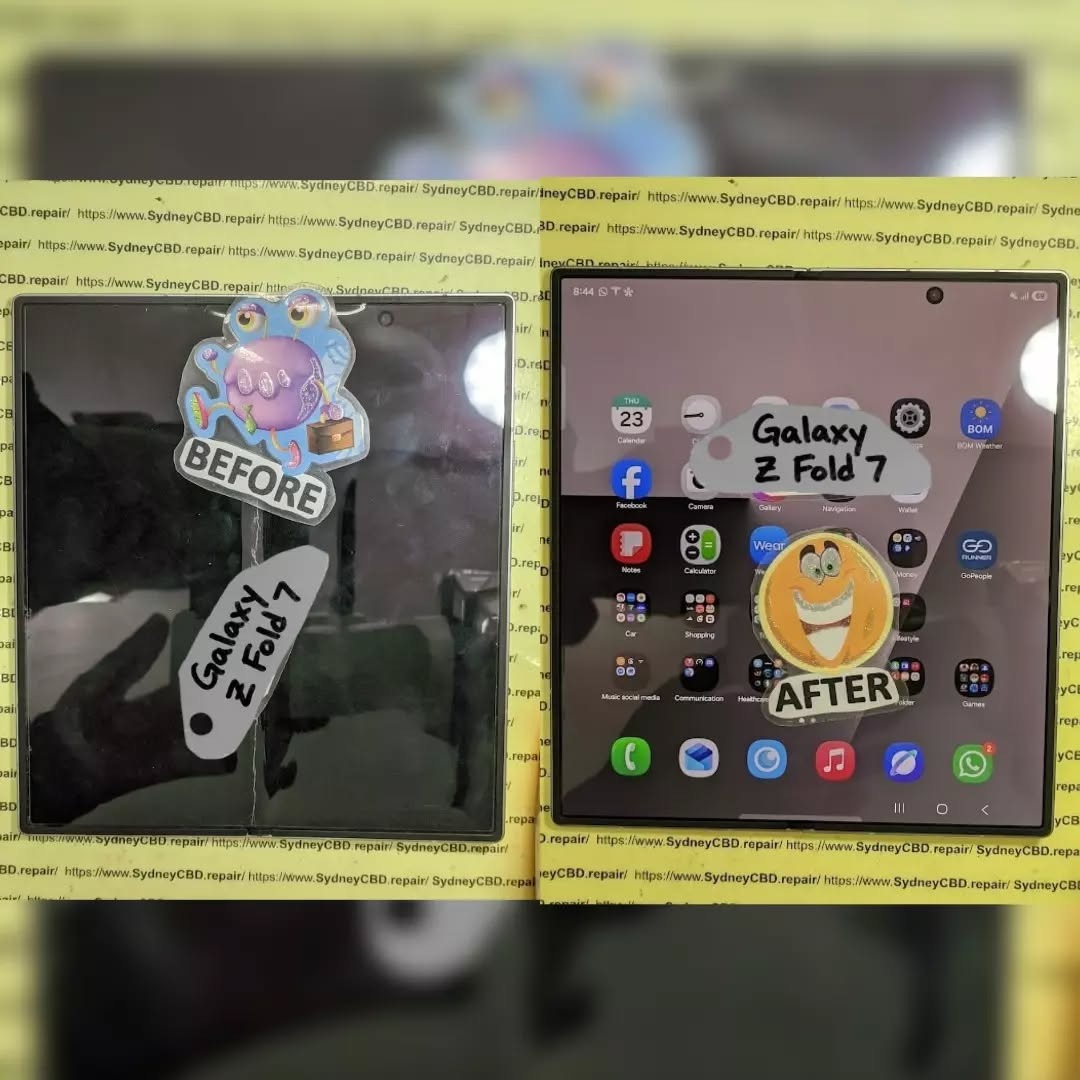
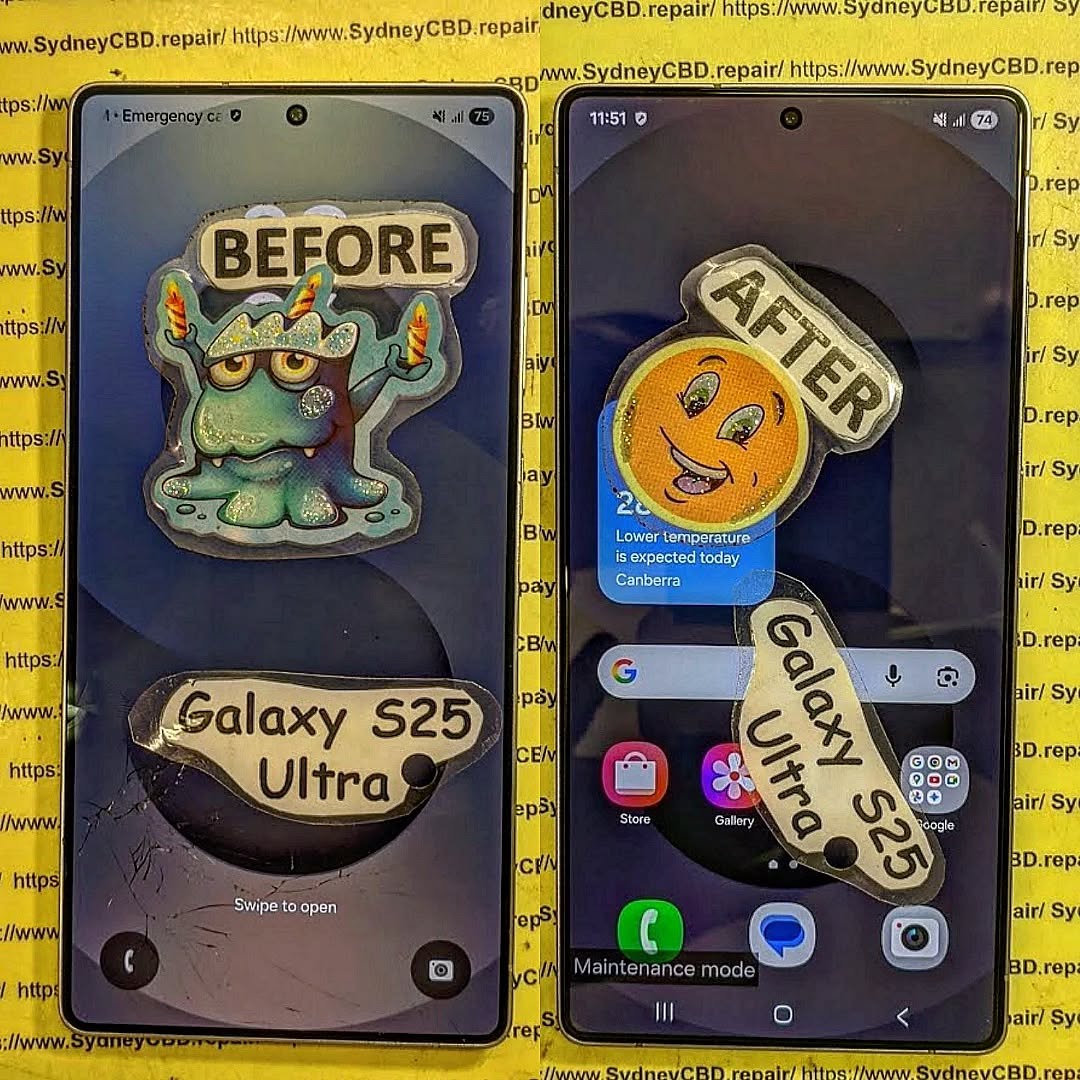
The Future of Foldable Phones Repairs: Mastering the Art of Foldable Phone Repairs
Foldable smartphones have quickly evolved from futuristic concepts to mainstream devices, with brands like Samsung, Huawei, and Oppo leading the way. These innovative phones combine cutting-edge engineering with sleek designs, offering users larger displays without the bulk. However, with advanced technology comes a new challenge—repairs. Foldable phones are exciting, but they’re also more complex to fix than traditional smartphones.
As foldable technology matures, repair processes are also improving:
Modular designs: Future foldables may adopt more modular parts, making replacements easier and cheaper.
Enhanced durability: Stronger hinge materials and protective coatings will reduce common damage.
Specialized repair centres: Only expert shops like Sydney CBD Repair Centre will have the skills, tools, and access to genuine parts for complex foldable repairs.
Cost efficiency: As more foldables enter the market, repair costs are expected to become more competitive.
Conclusion
The rise of foldable phones is shaping the future of mobile technology, offering users flexibility, innovation, and style. However, with these advancements come unique challenges in terms of durability and repairs. From delicate folding screens to complex hinge mechanisms, foldable devices require specialized care that only experienced technicians can provide.
At Sydney CBD Repair Centre, we stay ahead of the curve by mastering the latest repair techniques for all phone types—including foldables. Our dedication to using genuine parts, same-day service, and professional expertise ensures that your device is not only restored but also protected for the long run.
Whether you’re dealing with a creased screen, a faulty hinge, or water damage, you can trust us to bring your device back to life with precision and care. The future of foldable phone repairs may be complex, but with the right experts by your side, your investment is always in safe hands.
Would you also like me to make this conclusion more SEO-focused with keyword integration (e.g., “foldable phone repair Sydney,” “professional hinge repair,” etc.)?
Why Choose Expert Repair for Foldables
Attempting DIY repairs on foldable devices can lead to irreversible damage. These phones require micro-precision work and genuine parts to ensure longevity. At Sydney CBD Repair Centre, our technicians are equipped to handle foldable screen replacements, hinge repairs, and full diagnostics, ensuring your investment stays protected.
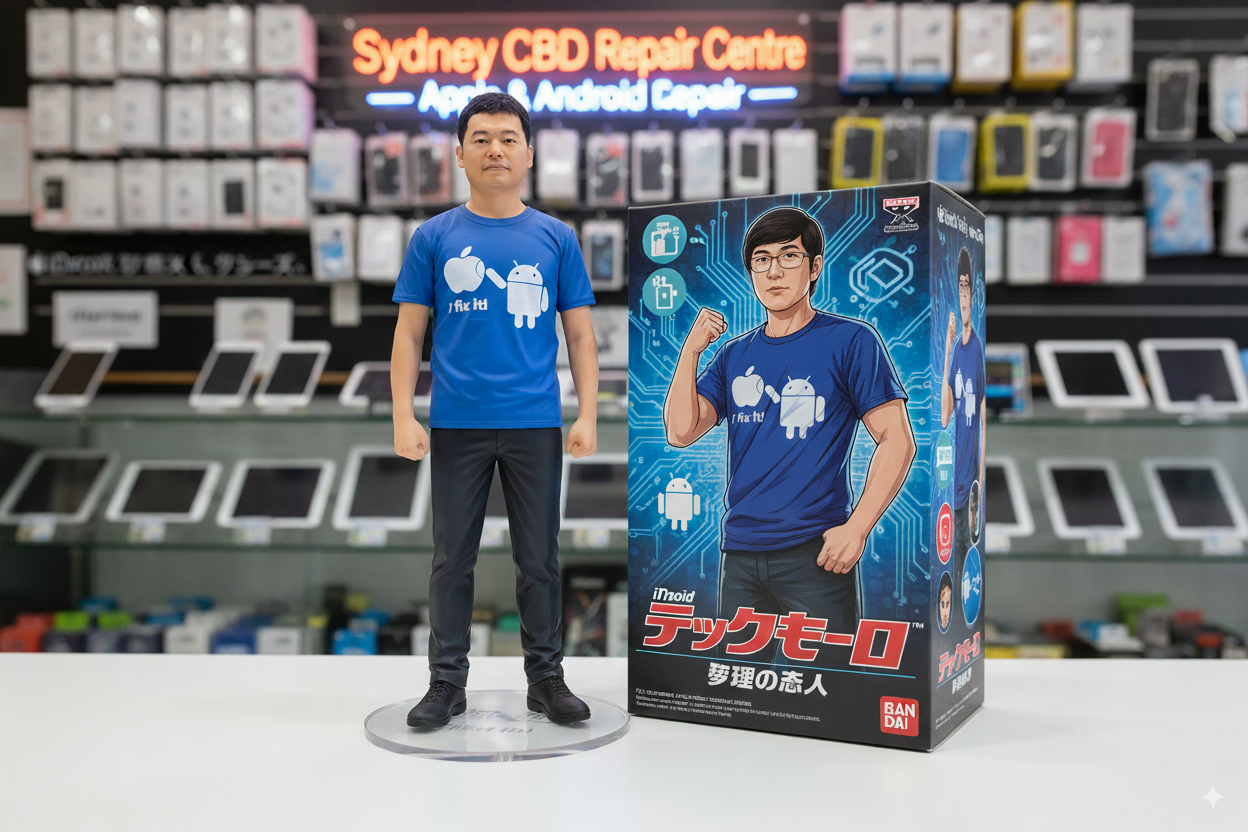
David from Sydney CBD Repair Centre – The Best place to fix mobile phones as 6 Years In A Row!
Top Mobile Phone Repair In Sydney. More than 2000 Positive Reviews on Google and Same Day Repairs.
📍 Visit us for:
✓ Same Day Express Repairs
✓ Genuine Parts Guarantee
✓ Professional Technicians
✓ Competitive Pricing
✓ 2000+ 5-Star Google Reviews
✓ 6-Time Award Winner for Best Phone Repairs
Foldable Screen Repair Reality Check: Genuine Replacement vs Cheap Aftermarket Displays — 9 Crucial Facts You MUST Know!
Introduction: Why Your Foldable Screen Deserves a Reality Check
Foldable phones have changed the way people use mobile technology. Devices such as the Samsung Galaxy Z Fold and Galaxy Z Flip combine compact designs with large, flexible displays. You can open a phone to enjoy a tablet-sized workspace or fold it to fit neatly into your pocket.
However, this technology comes with a challenge. A foldable display isn’t built like the ordinary glass screen found on most traditional smartphones. It uses specialised materials, flexible display layers, precision components, and a carefully designed hinge system.
When something goes wrong, the repair decision can be confusing. One repair shop may offer a genuine replacement assembly at a higher price, while another advertises a much cheaper aftermarket display. Both options might sound reasonable, but the parts, testing procedures, compatibility, and warranty terms can differ significantly.
That’s why foldable screen repair requires more than finding the lowest quote. The goal is to restore the phone’s functionality without creating new problems or paying for a repair that doesn’t meet your expectations.
In this guide, we’ll examine nine crucial facts about genuine and aftermarket displays, explain common warning signs, compare repair options, and show you how to make a more informed decision.
Traditional smartphones generally use a rigid display assembly protected by a glass layer. Foldable phones work differently because their displays must bend repeatedly without losing their ability to produce clear images or register touch accurately.
A foldable display may contain several specialised layers, including:
A flexible OLED panel that produces images.
A thin protective surface designed to bend with the display.
Touch-sensitive components that detect finger movements.
Adhesive layers that hold the display structure together.
Supporting layers that help distribute pressure and maintain the panel’s shape.
The exact construction varies by manufacturer and model. Some foldable phones also include a factory-installed protective film that shouldn’t be treated as ordinary screen glass.
These layers work together to create the folding experience. If one layer becomes damaged, the symptoms may appear in another part of the display.
For example, a phone might develop a black patch even though the outer protective surface appears intact. Another device might show flickering along the crease or stop responding to touch in a narrow section of the inner screen.
This is one reason a simple visual inspection isn’t always enough to determine which components need attention.
The hinge controls how the phone opens and closes. Its movement affects the position, support, and folding path of the flexible display.
If the hinge is damaged, obstructed, or no longer aligned correctly, the display may experience additional stress. Similarly, damage to the frame can affect how the screen sits inside the device.
A complete repair assessment should therefore consider more than the visible crack.
Component
Purpose
Potential Problem
Flexible OLED panel
Produces images
Black areas, lines, flickering
Protective film
Protects the flexible surface
Bubbles, peeling, scratches
Touch layer
Registers finger input
Dead zones or missed touches
Hinge assembly
Controls folding movement
Stiffness, uneven opening
Frame and support
Holds components in position
Misalignment or pressure damage
Display connectors
Carry power and display signals
Intermittent image or touch faults
Not every symptom means every component is damaged. A trained technician should diagnose the device before recommending a replacement.
Which Foldable Phones Need Specialised Repair?
Foldable devices such as the Samsung Galaxy Z Fold series, Galaxy Z Flip series, and other book-style or clamshell phones use different display assemblies and repair procedures.
Even two models from the same manufacturer may use different parts, adhesives, connectors, and calibration requirements.
For example, the inner display of a book-style foldable is not interchangeable with the smaller folding display of a clamshell phone. Parts compatibility must be confirmed using the exact model and, where appropriate, its regional variant.
The key takeaway: Foldable displays are specialised components. A suitable repair depends on accurate diagnosis, compatible replacement parts, and careful installation.
2. Genuine Replacement Screens vs Cheap Aftermarket Displays
What Is a Genuine Replacement Screen?
A genuine replacement screen is a part supplied through the device manufacturer’s authorised parts channels or another verifiable source that establishes its authenticity. Availability and terminology vary by manufacturer and model.
A replacement may be supplied as a display-only component or as part of a larger assembly containing supporting components. These differences can affect both the price and the repair procedure.
Genuine parts are often a sensible choice when maintaining the device’s intended display characteristics, compatibility, and service requirements is a priority.
However, genuine parts aren’t automatically proof of a perfect repair. Installation quality, the condition of the surrounding frame, correct adhesives, and appropriate testing still matter.
A genuine component can be damaged during installation, while a properly installed compatible replacement may perform well. The part’s origin and the technician’s workmanship should therefore be considered together.
What Does Aftermarket Mean?
An aftermarket display is manufactured or supplied outside the device manufacturer’s original parts supply chain. Aftermarket products vary widely in quality, and the term doesn’t automatically mean a part is defective or counterfeit.
Some third-party parts may provide acceptable performance at a lower price. Others may differ from the original specification in brightness, colour reproduction, touch response, folding behaviour, or long-term reliability.
The challenge is knowing which product you’re being offered.
A very low price doesn’t prove that a screen is poor quality, just as a high price doesn’t prove that a component is genuine. Ask the repairer to explain the part’s source, specification, warranty, and limitations.
Comparison: Genuine and Aftermarket Foldable Displays
Factor
Genuine Replacement
Aftermarket Replacement
Source
Manufacturer-linked or verifiable genuine supply
Independent third-party supply
Model compatibility
Designed for the specified device when correctly matched
Depends on the particular product
Display performance
Intended to match the relevant specification
May match closely or differ
Folding characteristics
Intended for the supported device design
Depends on materials and manufacturing quality
Price
Often higher
May be lower
Warranty
Depends on seller and repair arrangement
Depends on seller and repair arrangement
Documentation
Ask for source and part details
Ask for supplier and specification details
Long-term reliability
Depends on part condition and installation
Varies by product and installation
Why the Cheapest Quote Can Be Misleading
Imagine two repair shops quote different prices for the same model.
The first quote includes a documented genuine display assembly, professional installation, post-repair testing, and a written warranty.
The second quote is substantially cheaper but doesn’t specify the part’s origin, whether the hinge will be inspected, or what happens if the replacement develops a fault.
The lower quote might still represent a legitimate repair. However, you don’t yet have enough information to compare the two services fairly.
Before choosing, ask whether both quotes cover the same components, labour, testing, and warranty period.
A useful rule: Compare the complete repair package, not just the headline price.
3. Nine Crucial Facts You MUST Know Before Foldable Screen Repair
Fact 1: Genuine Parts Can Offer Greater Specification Confidence
When a genuine part can be verified for the exact model, you have a clearer basis for understanding the intended display characteristics and compatibility.
This is especially valuable for foldable phones, where the screen must work with the device’s touch system, frame, hinge, and software.
Still, genuine parts should be installed correctly and tested thoroughly. The part alone cannot guarantee the result.
Fact 2: Not All Aftermarket Screens Have the Same Quality
Aftermarket displays range from carefully manufactured alternatives to products with significant compromises.
Potential differences include brightness, colour accuracy, touch sensitivity, crease appearance, and mechanical durability.
Ask the repair provider to identify the specific part being offered instead of accepting a broad label such as “premium quality.”
Fact 3: The Inner Screen Is Not Ordinary Glass
The flexible inner display uses a specialised construction. Treating it like a conventional glass panel can lead to additional damage.
Avoid pressing hard on a black patch, pushing a crease flat, or attempting to lift a damaged protective layer. If the display is already compromised, extra pressure may make the problem worse.
Fact 4: A Black Screen Doesn’t Always Mean the Whole Phone Is Dead
A foldable phone may continue to vibrate, ring, or respond to notifications even when its internal display stops working.
Possible causes include panel damage, connector problems, or other hardware faults. Software issues may also affect display behaviour.
A proper diagnosis helps distinguish these possibilities before you pay for a replacement.
Fact 5: The Hinge Must Be Inspected
A screen replacement may not resolve problems caused by a damaged or misaligned hinge.
If the phone doesn’t open smoothly, sits unevenly, or makes unusual noises, mention these symptoms before the repair begins.
The technician can then determine whether the hinge, frame, display, or several components require attention.
Fact 6: Installation Quality Matters as Much as Part Quality
Foldable display assemblies require careful handling and accurate positioning.
Poor installation can affect adhesive coverage, connector seating, alignment, and the way the display behaves when opening and closing.
Experienced technicians should follow model-appropriate procedures and use suitable tools rather than relying on guesswork.
Fact 7: Water Resistance Must Not Be Assumed After Repair
Some foldable phones have water-resistance ratings, but a rating isn’t a guarantee against all water exposure. Resistance can also be affected by age, impact damage, and previous repairs.
After opening the phone, the technician should explain what seals were replaced and whether any appropriate testing was performed.
Don’t assume the phone has regained its original water resistance simply because the screen works.
Fact 8: Warranty Terms Need to Be Clear
A repair warranty can provide peace of mind, but its value depends on the written terms.
Ask whether the warranty covers display defects, touch failures, installation problems, or other relevant faults. Also clarify exclusions for accidental damage, pressure damage, and liquid exposure.
A warranty doesn’t eliminate every risk, but it helps establish what support you can expect if a covered problem develops.
Fact 9: Post-Repair Testing Is Essential
The repair isn’t complete just because an image appears on the screen.
A suitable final inspection should include image quality, touch response, folding behaviour, and other relevant functions.
Depending on the model and repair, technicians may also check the cameras, fingerprint reader, speakers, buttons, charging, and other features that could have been affected during disassembly.
These nine facts highlight a simple principle: a successful repair combines the right part, skilled workmanship, clear warranty terms, and appropriate testing.
4. Common Foldable Display Problems and Their Warning Signs
A foldable screen can fail in several ways. Understanding the symptoms can help you explain the problem to a repair technician and avoid unnecessary replacements.
Cracks Along the Folding Crease
The central crease is a moving part of the display’s surface. If a line becomes visibly cracked, or the screen develops a dark mark along the folding area, the flexible panel may be damaged.
Don’t repeatedly open and close the phone to see whether the crack gets worse. If the display is visibly damaged, minimise folding and arrange an assessment.
Black Spots, Green Lines, and Flickering
A black patch may indicate damaged OLED pixels. Green or pink lines can result from display panel damage or an electrical fault. Flickering may be associated with a damaged panel, connector issue, or other hardware problem.
These symptoms aren’t always enough to identify the precise cause.
Symptom
Possible Cause
Recommended Action
Black patch
OLED panel damage
Arrange a professional diagnosis
Green or pink line
Panel or electrical fault
Avoid pressing the affected area
Flickering image
Display or connection problem
Back up data if possible
Touch not responding
Touch layer or related fault
Request touch-system testing
Bubbles in protective film
Film lifting or surface damage
Ask whether professional film replacement is suitable
Uneven folding
Hinge, frame, or structural problem
Request a hinge and frame inspection
Entire inner display black
Panel, connector, or another hardware fault
Seek diagnosis before ordering parts
Touchscreen Dead Zones
If part of the display stops responding to touch, the cause could involve the touch-sensitive layer, the display assembly, or related circuitry.
Test the affected area gently without pressing hard. If the phone still works through its outer display, use that opportunity to back up important data.
Don’t assume a software reset will repair a physically damaged display.
Peeling or Bubbled Screen Protectors
A lifting factory-installed protective film isn’t necessarily the same as a damaged OLED panel.
However, foldable screen protectors are designed for a particular display and folding motion. Pulling the film off without understanding the manufacturer’s guidance can create additional problems.
Ask whether the issue can be resolved with an appropriate protective-film replacement or whether the underlying display is damaged.
When Should You Stop Using the Phone?
Stop folding or using the device if the screen is separating, the frame is bent, the battery appears swollen, or the phone becomes unusually hot.
A swollen battery is a safety concern. Don’t press the screen back into place, puncture the battery, or attempt to remove the assembly yourself. Arrange professional assistance.
5. Foldable Screen Repair Costs: What Are You Really Paying For?
The cost of foldable screen repair varies by device, replacement part, damage level, and repair method. Some foldable displays are expensive because the screen assembly is specialised and may be supplied with additional supporting components.
There isn’t one reliable price that applies to every Galaxy Z Fold, Galaxy Z Flip, or other folding phone.
The Main Factors That Affect the Quote
1. The phone model
Newer models and premium devices may have more expensive replacement assemblies. Even devices within the same product family can use different components.
2. Genuine versus aftermarket parts
A verified genuine part may cost more than an independent alternative. The difference depends on availability, supplier, region, and the particular product.
3. Display-only versus complete assembly
Some repair options involve a display component, while others include supporting parts or a frame. The scope of the work can substantially change the final quote.
4. Additional hinge or frame damage
A phone that’s been dropped may have more than a cracked display. If the hinge, frame, or connectors are damaged, additional work may be needed.
5. Labour and testing
Precision disassembly, careful adhesive removal, component transfer, reassembly, and functional checks all require time and expertise.
6. Warranty and aftercare
A repair package may include a written warranty, additional checks, or support if a covered fault develops. Compare these terms when reviewing prices.
Example Repair Quote Comparison
The following table is a comparison framework, not a list of current market prices.
Cost Factor
Quote A
Quote B
Replacement part
Verified genuine part
Specified aftermarket part
Hinge inspection
Included
Confirm before booking
Installation
Included
Confirm before booking
Functional testing
Documented
Confirm before booking
Warranty
Written terms provided
Written terms requested
Final price
Confirmed written quote
Confirmed written quote
A lower quote may be the better option for some owners, particularly when the part is well documented and the repairer stands behind the work. In other cases, the additional cost of a verified genuine assembly may be worth paying.
Should You Repair or Replace the Phone?
Compare the total repair cost with the phone’s current condition and replacement value.
Repair may make sense if the device is otherwise working well, your data matters, and the repair offers reasonable long-term value.
Replacing the phone may be worth considering if it has extensive structural damage, multiple failing components, or a repair cost that’s close to the price of a suitable replacement.
Before deciding, ask the technician to explain the likely outcome and any remaining risks.
6. How to Choose a Reliable Foldable Phone Repair Centre
Finding a repair provider is about more than selecting the first shop with an attractive price.
Foldable devices require specialised handling, and not every general phone repair service has experience with flexible inner displays.
Ask About Foldable Repair Experience
Ask whether the technician has worked on your exact model or a closely related device.
Useful questions include:
Have you replaced the inner display on this model before?
Will you inspect the hinge and frame before installing a new screen?
What type of replacement part will you use?
Can you explain the warranty in writing?
Which functions will you test after reassembly?
What happens if the phone has additional damage?
A professional repairer should be able to explain the process in clear, practical language.
Verify the Replacement Part
Ask for the part’s description, source, and compatibility information. If the provider advertises a genuine component, ask what documentation or supplier information supports that claim.
Be cautious if a seller promises an original screen at an unusually low price but refuses to identify the component.
Likewise, don’t assume that every aftermarket display is poor quality. Request clear information about the specific option rather than relying on marketing terms.
Check the Warranty Before Paying
Get the warranty period and coverage in writing. Clarify whether it covers defects in the replacement part and workmanship, and whether accidental damage or liquid exposure is excluded.
Also ask whether the repair could affect existing manufacturer coverage. The answer depends on the device, service provider, local consumer law, and circumstances.
Look for a Proper Diagnostic Process
A dependable repair centre should inspect the phone before quoting for a replacement. It should explain whether the problem appears limited to the screen or may involve other components.
A useful assessment should consider:
Display condition and visible damage.
Hinge movement and alignment.
Frame condition.
Touch and image behaviour.
Other reported faults.
Part availability and repair limitations.
Use Manufacturer Guidance Where Available
For Samsung devices, you can start with the official Samsung support website to locate device-specific guidance and available support options in Australia.
Manufacturer information can help you understand supported service routes, warranty terms, and care recommendations. Confirm that any repair provider and replacement part meet your needs before booking.
7. DIY Foldable Screen Repair vs Professional Service
Repair videos can make a screen replacement look straightforward. A technician opens the phone, removes the damaged assembly, installs a new part, and closes the device.
In practice, foldable phone repairs can involve delicate connectors, specialised adhesives, tightly fitted components, and fragile display layers.
Why DIY Repair Can Be Risky
A small mistake can damage the replacement screen or nearby components. Applying too much heat, using the wrong tool, or lifting the wrong layer may turn a display repair into a more expensive job.
Other potential problems include:
Damaged flex cables or connectors.
Incorrect adhesive placement.
Poor screen alignment.
Damage to the hinge or frame.
Loss of function in other components.
Uncertain water resistance after reassembly.
Before opening the device, also consider whether you have the correct tools, compatible parts, repair instructions, and a safe workspace.
When Is Professional Repair the Better Choice?
Professional service is generally the safer option when the inner OLED panel is cracked, the hinge is damaged, the phone has suffered liquid exposure, or the screen is completely black.
A technician can assess the device, source a compatible part, and perform the repair using appropriate procedures.
For owners who rely on their phone every day, professional repair can also reduce the time spent troubleshooting a failed DIY attempt.
What About Repairing Only the Protective Film?
A protective-film replacement may be a simpler service than replacing the complete inner display, but it isn’t suitable for every problem.
If the panel itself is cracked, showing black spots, or failing to display an image, changing the film won’t fix the underlying fault.
Ask the technician to distinguish cosmetic film damage from actual display damage before approving the work.
8. Post-Repair Testing and Long-Term Screen Care
Once the replacement is installed, testing helps confirm that the repair has addressed the original fault and that other important functions remain operational.
What Should a Technician Test?
A suitable post-repair checklist may include:
Foldable screen repair checklist
0 of 8
Reset checklist
Not every repair requires the same tests. The exact checks depend on the phone model and the work performed.
Ask whether the repairer has tested the functions relevant to your reported problem. If the original fault involved the hinge, for instance, display testing alone isn’t sufficient.
How to Protect Your New Foldable Display
Once the repair is complete, a few sensible habits can help reduce unnecessary wear.
Fold the phone gently. Use its normal opening and closing motion instead of forcing the hinge.
Keep the display clean. Use a soft, appropriate cloth and follow the manufacturer’s cleaning guidance.
Avoid pressing hard on the crease. The flexible display isn’t designed for forceful pressure.
Keep small objects away from the inner screen. Sand, grit, and debris can damage delicate surfaces.
Use suitable accessories. Choose cases and protective products designed for the exact model.
Avoid extreme heat. High temperatures can affect electronic components and adhesives.
Back up important data. Regular backups help protect your information if another fault develops.
Investigate new symptoms early. Lines, unusual noises, or uneven folding deserve attention before the problem worsens.
Does a Repaired Foldable Phone Have Its Original Water Resistance?
Don’t assume so. Water resistance depends on the device design, condition, replacement seals, and quality of the repair.
Some repair providers may perform specific sealing or pressure tests where appropriate, but the availability and meaning of those tests vary.
Ask what was tested and what the results establish. Until you have clear information, avoid deliberately exposing the repaired phone to water.
9. Frequently Asked Questions About Foldable Screen Repair
1. Is a genuine foldable screen better than a cheap aftermarket display?
A verified genuine replacement provides a clearer reference for the device’s intended specifications and compatibility. Aftermarket displays vary in quality, so the best choice depends on the specific part, installation quality, budget, and warranty. Ask the repairer to explain the differences before deciding.
2. How much does foldable screen repair cost in Sydney?
The cost depends on your phone model, display assembly, part availability, and whether the hinge or frame is also damaged. Genuine replacement assemblies may cost more than some aftermarket alternatives. Request a written quote that includes parts, labour, testing, and warranty terms.
3. Can I replace a foldable screen myself?
DIY repair is possible for people with suitable technical skills, tools, and model-specific instructions. However, flexible OLED panels and internal connectors can be delicate. Incorrect handling may cause additional damage, so professional repair is generally advisable for a cracked inner display.
4. Why is my foldable phone screen black but the phone still works?
The phone may still operate even when its internal display cannot show an image. Possible causes include OLED panel damage, connector faults, or other hardware problems. If the device responds to calls or notifications, back up your data if possible and arrange a professional diagnosis.
5. Can a cracked foldable screen be repaired without replacing the entire display?
It depends on the type and location of the damage. A problem limited to a replaceable protective film may not require a complete display assembly. However, damage to the flexible OLED panel often requires a display replacement. A technician should inspect the device before recommending a solution.
6. How long does foldable screen repair take?
Repair time varies with the model, part availability, damage, and repair centre’s workload. Some repairs may be completed the same day when suitable parts and technicians are available. More complicated jobs or special-order components can take longer. Confirm the estimated turnaround before booking.
7. Will replacing my foldable screen affect water resistance?
It can. Opening the device may affect its seals, and the original water-resistance rating shouldn’t automatically be assumed after repair. Ask whether the relevant seals were replaced, whether appropriate testing was performed, and what limitations apply after the service.
8. How can I tell whether an aftermarket screen is good quality?
Ask for the exact part specification, compatibility details, supplier information, warranty coverage, and available testing evidence. If possible, discuss expected brightness, touch response, folding behaviour, and any differences from the original display. Avoid relying on vague descriptions such as “premium” without supporting details.
9. Is it worth repairing an older Samsung Galaxy Z Fold or Z Flip?
It may be worth repairing if the phone is otherwise in good condition and the replacement cost is reasonable compared with its current value. Consider battery health, hinge condition, software support, and any other existing faults. Compare the complete repair quote with the cost of a suitable replacement device.
10. What should I do before taking my foldable phone for repair?
Back up your data if possible, record the symptoms, and photograph visible damage. Ask for a quote and confirm the replacement part, warranty, turnaround time, and testing procedure. Follow the manufacturer’s guidance for preparing your device and protecting personal information.
Conclusion: Make the Right Choice for Your Foldable Phone
Foldable phones are remarkable devices, but their flexible displays require specialised care. When the screen cracks, develops lines, or stops responding, choosing the cheapest repair isn’t always the best way to save money.
The most important factors are the quality and authenticity of the replacement part, the technician’s experience, the condition of the hinge and frame, and the checks performed after installation.
A verified genuine replacement may provide greater confidence in compatibility and intended specifications. A suitable aftermarket alternative may offer savings, but its actual quality, limitations, and warranty should be established before you agree to the repair.
Before making your decision, remember these nine essential points:
Genuine parts can offer greater confidence in intended specifications.
Aftermarket display quality varies between suppliers.
Flexible OLED screens require specialised handling.
Black screens and coloured lines need proper diagnosis.
Hinge and frame damage can affect repair outcomes.
Installation quality is critical to long-term performance.
Water resistance shouldn’t be assumed after repair.
Written warranty terms help you understand your protection.
Thorough post-repair testing is an important part of the service.
Ultimately, foldable screen repair should restore practical functionality while giving you a clear understanding of the parts, costs, and limitations involved.
If your Samsung Galaxy Z Fold, Galaxy Z Flip, or another foldable phone has a damaged display, seek an assessment from a repair provider experienced with folding devices. Ask questions, compare complete quotes, and choose a solution that balances cost, quality, and peace of mind.
Your foldable phone deserves more than a quick fix. It deserves a repair decision based on clear information, careful workmanship, and realistic expectations.
The Best Place to Fix Mobile Phones — 7 Years in a Row!
Top Mobile Phone Repair in Sydney
More than 2,000 positive reviews on Google and same-day repairs.
We take pride in delivering exceptional repair services for all major phone brands, including Apple, Samsung, Google, and more. Our expert technicians use genuine parts where available and offer a 90-day warranty on repairs, subject to the applicable terms.
Located in the heart of Sydney CBD, we’re your one-stop solution for mobile device repairs. Whether you need a cracked screen replacement, battery replacement, or water-damage assessment, our team is ready to help.
Visit us for:
Same-day express repairs
Genuine parts guarantee
Professional technicians
Competitive pricing
2,000+ five-star Google reviews
Seven-time award winner for best phone repairs
Sydney CBD Repair Centre — Where Quality Meets Reliability
Reasons Why Your Screen Repair Costs as Much as a new Samsung Phone: 7 Shocking Reasons
Introduction
If you’ve ever looked at the cost of repairing a cracked or shattered Samsung phone screen, you might have done a double take. In many cases, the repair can cost nearly as much as a brand-new device. At first glance, this seems absurd—but when you dig deeper, the price begins to make sense. Understanding why your screen repair costs as much as a new Samsung phone requires breaking down components, labor, and other hidden factors.
From foldable phones to curved-edge displays, modern Samsung devices are marvels of engineering—but they come at a premium. Whether you own a Galaxy S23, Galaxy Z Flip 5, or any other model, the investment you make in screen repair reflects the complexity behind these sleek devices.
Original Equipment Manufacturer (OEM) screens are the gold standard for Samsung devices. They ensure perfect color accuracy, touch responsiveness, and durability. Aftermarket or third-party screens may cost less but often compromise on quality, risking uneven brightness, ghost touches, or rapid deterioration.
Screen Type
Cost Range
Pros
Cons
OEM
$250-$450
Guaranteed quality, warranty
Expensive
Aftermarket
$100-$200
Cheaper upfront
May fail sooner, lower touch sensitivity
Choosing OEM parts is a major factor in why repair costs approach the price of a new phone.
Labour Intensity
Samsung screen repair isn’t as simple as swapping parts. Technicians often perform microsurgery-level work, especially for devices like the Galaxy Z Fold or phones with under-display fingerprint sensors. The labor involves:
Removing delicate adhesive without cracking components
Detaching glass layers from AMOLED displays
Reassembling multi-layer components with precision
Highly skilled technicians command higher fees because mistakes can render the device unusable. Microsurgery-level repairs may take 1-3 hours, reflecting in the overall cost.
Foldable Samsung phones, like the Galaxy Z Flip series, feature flexible OLED displays. These displays require precise calibration and pressure-sensitive lamination. Even minor errors during repair can cause visible creases or permanent damage, justifying higher repair fees.
AMOLED vs Super AMOLED vs Dynamic AMOLED
Different screen technologies impact pricing:
AMOLED – Early-generation technology; slightly cheaper to repair
Super AMOLED – Integrated touch sensor; more expensive
Each layer adds labor complexity and increases the chance of errors, pushing repair costs higher.
Tools and Technology Required
Specialized tools are non-negotiable for Samsung repairs. These include:
Microsoldering equipment for circuit connections
UV adhesive curing machines
Precision heat plates
Microscopes for microscopic alignment
High-tech equipment adds to overhead costs, which technicians pass on to customers. Without proper tools, repairs are risky and often impossible.
Risks and Quality Control
Warranty Considerations
Using genuine Samsung screens ensures warranty protection. If you opt for aftermarket parts, Samsung may refuse to honor warranty claims. High repair costs often reflect the added assurance of warranty coverage.
Risk of DIY Repairs
DIY or low-cost repair attempts carry significant risks:
Further screen damage
Water and dust ingress
Invalidated device warranty
The cost of fixing mistakes often exceeds professional repair fees, making skilled labor a safer, though pricier, option.
When availability is limited, prices naturally increase, especially for rare foldable panels.
Hidden Fees and Service Charges
Many repair costs include:
Diagnostic fees
Labor markups
Disposal of damaged components
Quality testing
These “hidden” fees ensure the repair meets Samsung’s rigorous standards, but they also inflate the overall price.
Comparing Screen Repair vs Buying New
Long-Term Value
While repair costs may seem steep, repairing a device preserves its data, settings, and personal apps. A new device requires transferring data and adapting to new software—sometimes a hassle that justifies the cost of repair.
Environmental Considerations
Repairing instead of replacing reduces e-waste, conserving resources and helping the planet. A small premium for repair can be seen as an eco-conscious investment.
How to Reduce Repair Costs
Tips to save money include:
Using reputable repair centers like Sydney CBD Repair Centre
Checking if insurance covers accidental damage
Considering trade-in programs for old devices
Comparing OEM and high-quality aftermarket screens carefully
Finding a balance between quality and affordability can make repairs less painful.
FAQ
1. Why is Samsung screen repair so expensive?
Samsung screens are technologically advanced, requiring OEM parts, skilled labor, and specialized tools. Foldable and curved screens increase complexity.
2. Can I use a cheaper third-party screen?
Yes, but risks include lower touch responsiveness, faster wear, and voided warranty.
3. How long does a professional screen repair take?
Typically 1-3 hours for most models; foldables may take longer due to delicate assembly.
4. Will insurance cover my Samsung screen repair?
It depends on your provider. Many plans cover accidental damage but require proof of repair at authorized centers.
5. Is repairing better than buying a new phone?
Repairing preserves your device, personal data, and is environmentally friendly, but the cost can approach a new phone for high-end models.
6. How can I ensure a quality repair?
Always choose certified technicians using genuine parts, and ask for warranty coverage on the repair.
Conclusion
Samsung screen repairs may seem shockingly expensive, but understanding the reasons behind the cost sheds light on the value provided. From advanced screen technology to skilled labor, specialized tools, and warranty assurance, every factor contributes to why repair prices sometimes rival the cost of a new phone. Investing in professional repair not only protects your device but also reduces environmental impact while extending the life of your phone.
For professional Samsung screen repairs in Sydney, trust Sydney CBD Repair Centre for genuine parts, expert service, and a 90-day warranty on all repairs.
David from Sydney CBD Repair Centre – The Best place to fix mobile phones as 7 Years In A Row! Top Mobile Phone Repair In Sydney. More than 2000 Positive Reviews on Google and Same Day Repairs.
We take pride in delivering exceptional repair services for all major phone brands including Apple, Samsung, Google, and more. Our expert technicians use only genuine parts and offer 90days warranty on repairs. Located in the heart of Sydney CBD, we’re your one-stop solution for all mobile device repairs.
Our commitment to excellence has earned us the trust of thousands of satisfied customers. Whether it’s a cracked screen, battery replacement, or water damage repair, we handle it all with professional care and expertise. Walk in today and experience why we’re Sydney’s #1 choice for mobile phone repairs.
Visit us for:
✓ Same Day Express Repairs
✓ Genuine Parts Guarantee
✓ Professional Technicians
✓ Competitive Pricing
✓ 2000+ 5-Star Google Reviews
✓ 7-Time Award Winner for Best Phone Repairs