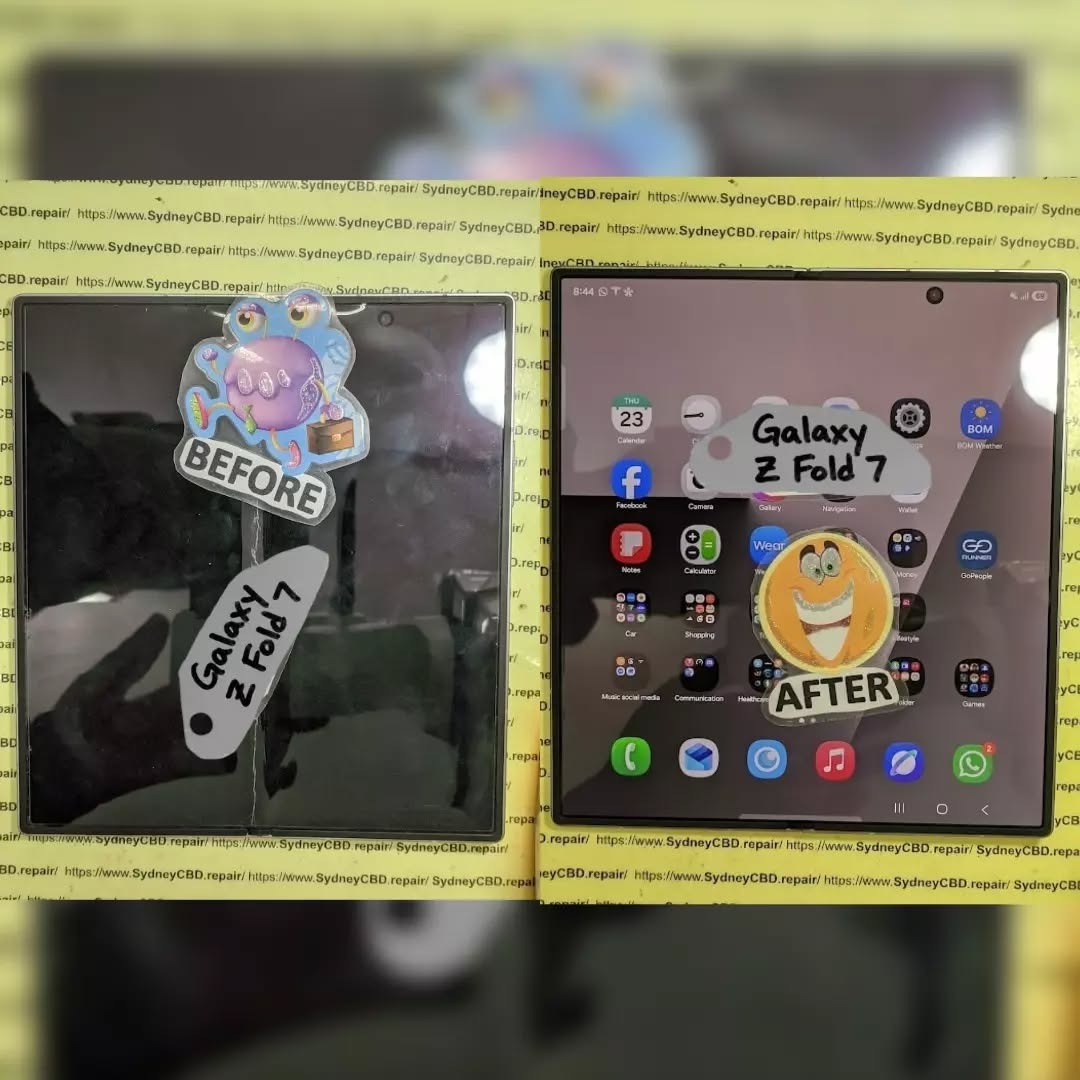
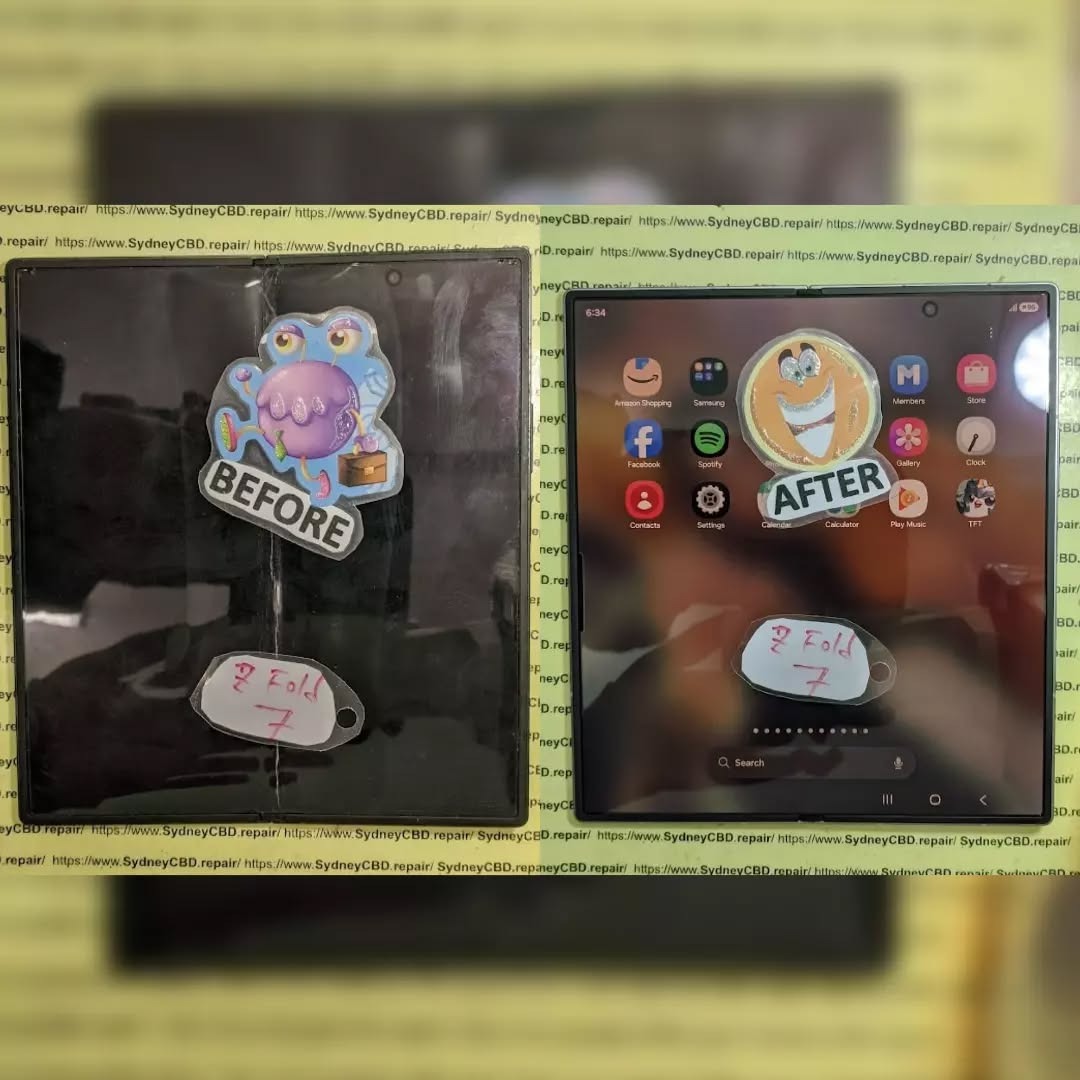
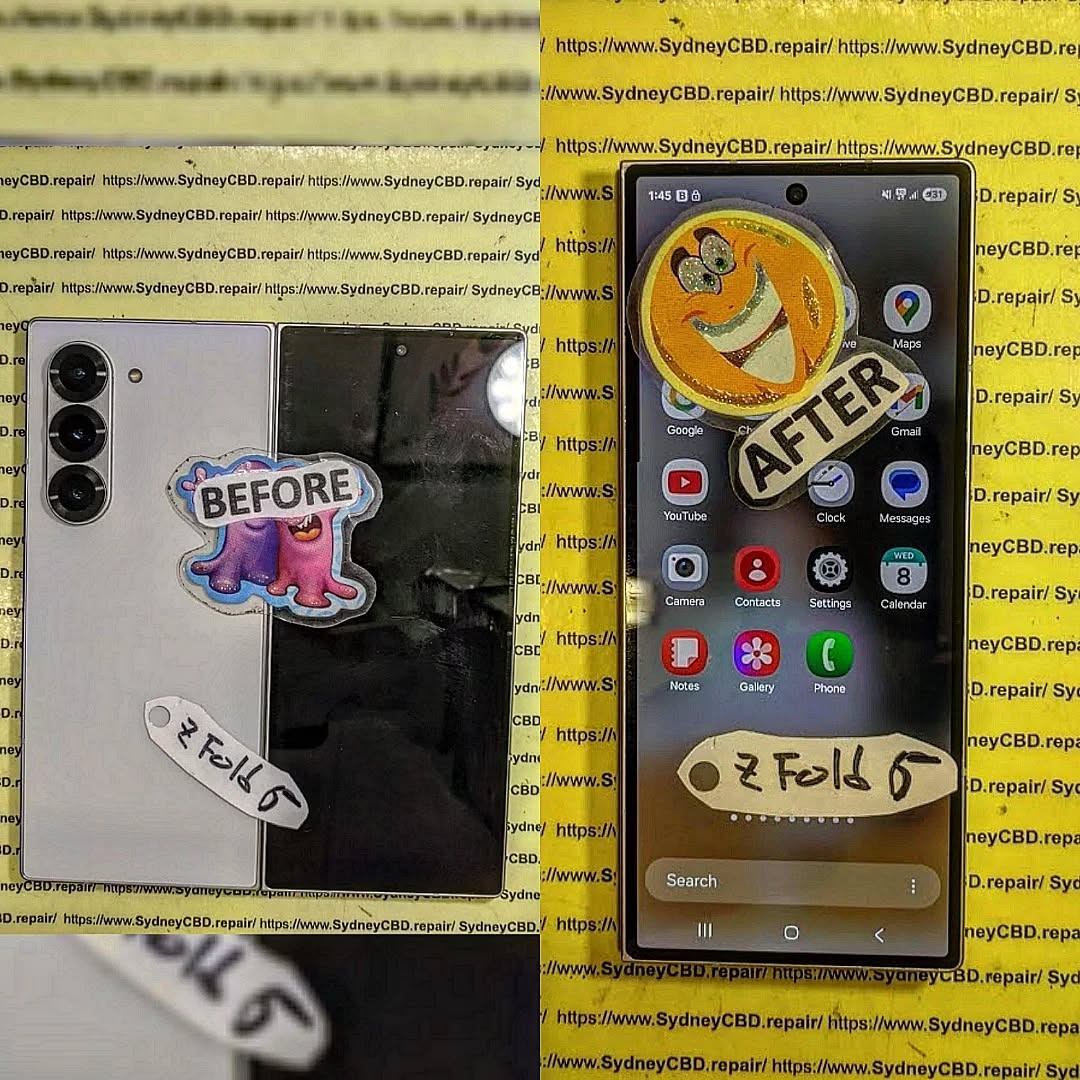
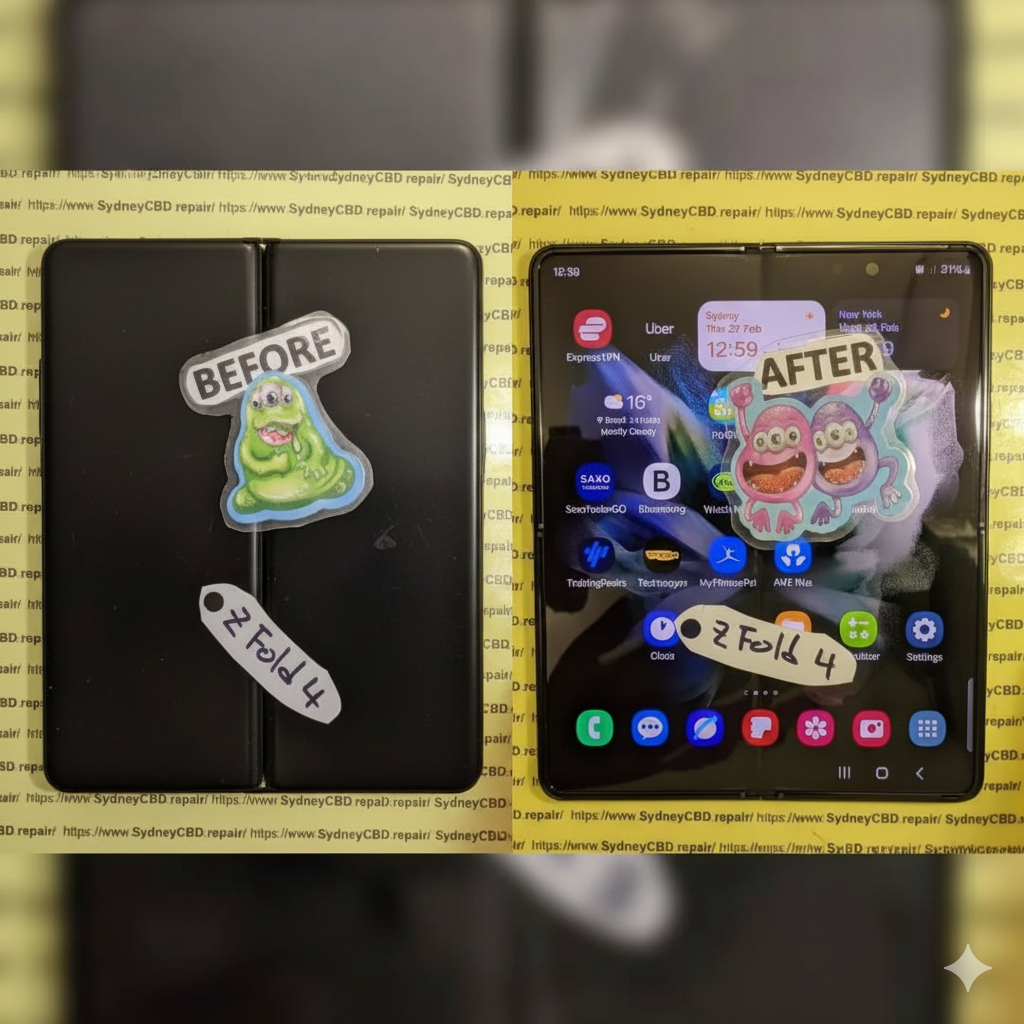
In 2026, foldable smartphones are no longer just futuristic concepts — they’re mainstream marvels of engineering. Brands like Samsung, Google, and Huawei have refined their foldable models, offering users larger displays in compact forms. But as innovation surges, so does the complexity of repairs, especially when it comes to foldable phone screen repair.
These devices rely on flexible OLED panels, intricate hinge systems, and ultra-thin glass layers. While these technologies allow stunning versatility, they also make foldable screens more fragile and expensive to fix. Understanding how these screens work and how they’re repaired is crucial for both users and technicians.
Foldable smartphones have dominated the premium market in 2026, with Samsung Galaxy Z Fold 6, Google Pixel Fold 2, and Oppo Find N3 leading the charge. Each model showcases incredible flexibility, durability, and multitasking performance. However, despite these advancements, foldable phone screen repair remains one of the most challenging aspects of maintenance.
The popularity of these phones has driven demand for specialized repair centers — like Sydney CBD Repair Centre, which has spent years perfecting its techniques for delicate foldable devices.
Foldable phones introduce unique challenges that traditional smartphones never faced. Let’s explore the most common problems owners encounter.
Creasing and Cracking Problems
Over time, repeated folding can cause visible creases across the screen. In severe cases, these creases evolve into cracks that distort display quality and touch response. Early detection and professional intervention are essential to prevent complete screen failure.
Display Separation and Pixel Damage
Display separation occurs when internal layers detach due to mechanical stress. This can lead to pixel burnouts or entire sections of the screen going dark. Only trained technicians using manufacturer-approved equipment can address these issues effectively.
Touch Sensitivity Failures
The touch sensors embedded within foldable displays are thin and complex. Even minor damage can cause dead zones or erratic touch behavior. Recalibration often requires software tools exclusive to authorized repair centers.
Why Foldable Screen Repairs Are Different
Repairing a foldable screen is unlike fixing a flat smartphone. The components are layered in intricate sequences and built with flexible materials that demand precision.
Flexible OLED Display Layers Explained
Foldable screens use Flexible OLED (Organic Light Emitting Diode) panels — made to bend without breaking. These screens integrate multiple layers including a polarizer, flexible substrate, and protective coating. Damage to any layer can compromise display integrity.
Ultra-Thin Glass (UTG) vs. Plastic Screens
Manufacturers now prefer Ultra-Thin Glass (UTG) for foldable screens due to its improved durability. However, UTG is still more delicate than traditional Gorilla Glass. Proper handling during foldable phone screen repair is crucial to avoid microfractures.
Specialized Tools and Techniques Required
Repairing these displays requires specialized tools like heat-controlled separators, lamination machines, and optical adhesives. This isn’t a job for amateurs — even minor mistakes can permanently damage a $2,000 device.
How Professionals Repair Foldable Screens
Repairing a foldable screen demands surgical precision and patience.
Step-by-Step Process of Screen Replacement
Diagnosis: The technician examines screen damage and hinge performance.
Disassembly: Carefully removes the back panel, hinge covers, and flexible display connections.
Screen Removal: The damaged screen is heated and detached using controlled temperature equipment.
Cleaning and Preparation: Residual adhesive is cleaned off to ensure a smooth new installation.
New Screen Installation: A genuine replacement screen is fitted and aligned with the hinge system.
Testing: The new screen undergoes fold-cycle testing and touch calibration.
Calibration and Fold Mechanism Testing
Once installed, the phone is tested for uniform brightness, touch sensitivity, and hinge flexibility. This ensures that the device functions as if it just came out of the factory.
DIY Foldable Screen Fixes – Are They Worth It?
While YouTube tutorials might make foldable repairs look simple, DIY attempts often end in disaster. These devices require high-precision equipment and anti-static workstations. Attempting a home repair can worsen damage and void your warranty. Always seek professional foldable phone screen repair from certified experts like Sydney CBD Repair Centre.
Cost of Foldable Phone Screen Repair in Sydney 2026
The cost of repairing foldable phone screens varies depending on the model:
Brand/Model
Approx.
Repair Cost (AUD)
Samsung Galaxy Z Fold 6
$850 – $1,100
Samsung Galaxy Z Flip 6
$700 – $950
Google Pixel Fold 2
$900 – $1,200
Oppo Find N3
$750 – $1,000
While expensive, using genuine replacement screens ensures durability and compatibility — something only authorized repair centers can guarantee.
Choosing the Right Repair Centre
When your foldable phone needs a screen repair, expertise matters.
Why Sydney CBD Repair Centre Leads the Way
With over 2000 five-star reviews and six consecutive awards, Sydney CBD Repair Centre is Sydney’s #1 choice for foldable phone repairs. Their technicians use only genuine OEM parts, backed by a 90-day warranty.
Genuine Parts and Warranty Assurance
Cheap imitations can cause irreversible damage to foldable phones. Sydney CBD Repair Centre guarantees that every repair uses authentic parts — ensuring quality, safety, and peace of mind.
Preventive Maintenance for Foldable Phones
To prolong your foldable phone’s life:
Avoid folding the screen with pressure or sharp objects nearby.
Keep the hinge clean and dust-free.
Use manufacturer-approved screen protectors.
Avoid exposing the phone to extreme temperatures.
Small precautions can save you from costly foldable phone screen repair bills.
Future of Foldable Display Repairs
As foldable technology matures, so will repair techniques. Companies like Samsung and Google are developing self-healing materials and modular components to make future repairs easier and cheaper. Soon, screen replacements could take mere minutes — revolutionizing the repair industry.
FAQs About Foldable Phone Screen Repair
1. Can a foldable phone screen be repaired if cracked?
Yes, professional technicians can replace cracked foldable screens using genuine parts and specialized tools.
2. How long does it take to repair a foldable screen?
Most repairs at Sydney CBD Repair Centre are completed within the same day, depending on parts availability.
3. Is foldable screen repair covered by warranty?
Manufacturer warranties usually don’t cover physical damage, but repair shops like Sydney CBD Repair Centre offer their own 90-day warranty.
4. Why are foldable screen repairs so expensive?
The materials, complexity, and calibration involved make these repairs more costly than standard phones.
5. Can water damage affect the foldable screen?
Yes. Water can corrode the delicate display layers and hinges. Immediate professional attention is recommended.
6. Are third-party repairs safe?
Only if done by certified experts using genuine parts — like those at Sydney CBD Repair Centre.
Conclusion: Where Innovation Meets Expertise
Foldable phones represent the future of mobile technology — elegant, flexible, and powerful. Yet, they require a higher level of care and technical skill when damaged. For reliable foldable phone screen repair in Sydney, trust the experts at Sydney CBD Repair Centre, where technology meets precision and customer satisfaction always comes first.
Foldable Screen Protector Peeling: What Happens If You Remove It Yourself? + 7 Critical Risks to Avoid
Introduction: Why a Peeling Foldable Screen Protector Matters
A foldable phone screen protector that starts peeling might look like a small problem, but removing it incorrectly can lead to expensive display damage. This guide explains what happens when you remove a peeling foldable screen protector yourself, which warning signs to watch for, and when professional repair is the safer choice.
Foldable smartphones have changed how people use mobile devices. They combine a large display with a compact design, making phones such as the Samsung Galaxy Z Fold and Galaxy Z Flip attractive to people who want more screen space without carrying a tablet.
However, foldable phones have one important feature that traditional smartphones don’t: a flexible inner display that bends thousands of times throughout its life.
That flexibility creates unique maintenance challenges. One of the most common is foldable screen protector peeling, which may appear as a small bubble, a lifted edge, a thin line across the screen, or a growing gap near the centre crease.
When this happens, many owners consider removing the protector themselves. It seems simple enough. After all, ordinary tempered-glass protectors can often be removed at home with little difficulty.
Unfortunately, the inner display of a foldable phone is different.
Its protective film, flexible display layers, adhesives, and folding mechanism are designed to work together. Pulling at the wrong section, applying pressure, or using an unsuitable tool can create problems that go beyond a damaged protector.
The good news is that a peeling protector doesn’t automatically mean the screen underneath is damaged. In many cases, the issue can be addressed with an appropriate replacement. The key is knowing what to do, what to avoid, and when to ask a trained technician for help.
Before deciding whether to remove a protector, it helps to understand why it begins lifting in the first place.
The protector isn’t simply a decorative sheet. It helps protect the flexible display surface from everyday contact, minor scratches, and other forms of wear. Its adhesive must also accommodate the repeated bending of the phone. Over time, several factors can weaken the bond between the film and the display.
1. Repeated Folding and Unfolding
Every time you open and close a foldable phone, the inner display bends along a specific folding area. The centre crease experiences repeated mechanical stress. Even when the phone operates normally, the protective film must adapt to this movement. Eventually, the adhesive may begin to separate in the most stressed area.
You might notice:
A thin bubble forming along the centre crease.
A line that becomes more visible when the phone is opened.
Small areas of film lifting near the folding section.
A slight change in the way the screen protector looks under bright light.
Important: If the protector begins lifting along the crease, don’t press the bubble flat or repeatedly fold the phone to test it. Additional pressure can make the separation worse.
2. Heat, Humidity, and Adhesive Wear
Environmental conditions can affect the adhesive that holds a screen protector in place. High temperatures, repeated temperature changes, moisture exposure, and ordinary ageing may contribute to adhesion problems.
For example, leaving a foldable phone in a hot vehicle can expose it to temperatures beyond its recommended operating conditions. Over time, this can affect adhesives and other components. Humidity and moisture may also contribute to edge lifting, particularly when dirt has accumulated around the film.
3. Dust, Dirt, and Edge Separation
Small particles can collect around a protector’s edges, especially when the phone spends a lot of time in pockets, bags, or dusty environments. Once an edge begins lifting, the gap may allow more debris to accumulate. This can create a cycle in which the separation becomes more noticeable.
Avoid sliding a fingernail, card, or metal tool underneath the lifted section. Doing so can introduce additional particles or put pressure on the delicate display.
4. Age, Previous Repairs, and Installation Quality
A protector that has been installed incorrectly may develop bubbles or lift sooner than expected. Other contributing factors include:
An incompatible replacement film.
Poor surface preparation during installation.
Adhesive that doesn’t match the phone model.
Damage caused during a previous repair.
A replacement protector that has reached the end of its useful life.
Foldable screen protector peeling doesn’t always require a complete display replacement, but careless DIY removal can turn a minor maintenance issue into a serious repair. The level of risk depends on the phone model, the condition of the protector, the display construction, and the method used to remove it.
Risk 1: Damage to the Flexible Display
The inner display of a foldable smartphone is built differently from the rigid glass found on many conventional phones. Its flexible construction allows it to bend, but that doesn’t mean it’s designed to withstand uncontrolled pulling or prying. If a protector is strongly bonded to the display, pulling it away aggressively may place unnecessary stress on the surface beneath it.
Risk 2: Creases and Pressure Marks
Foldable screens already have a designed folding crease. Additional pressure can create unwanted marks or worsen an existing problem. Trying to flatten a bubble with a fingernail, pressing hard on the centre crease, or using a stiff card as a lever can put concentrated force on the display.
Risk 3: Damage to the Inner Display Layers
A foldable display contains multiple layers that perform different functions. Depending on the device, the display construction may include a flexible cover layer, optical adhesives, touch-sensing components, and the display panel itself. Using excessive pulling force or an inappropriate tool can damage these internal layers.
If the screen develops black spots, coloured lines, spreading discolouration, or unusual flickering, stop handling it immediately and arrange a professional inspection.
Risk 4: Touchscreen Problems
A damaged or stressed display assembly may develop touch-related problems, including dead zones, phantom touches, or input lag. If touch problems begin immediately after pulling at the film, further DIY attempts are unwise.
Risk 5: Dust and Debris Entering the Display Area
A peeling protector creates an exposed gap where foreign particles can enter. Never spray liquids directly onto the exposed display, and avoid household solvents, sharp tools, or compressed air.
Risk 6: Warranty or Repair Complications
Damage caused during an unsuccessful DIY attempt may complicate warranty assessments or paid repairs. For Samsung foldable owners, review the official guidance at the Samsung Support website.
Risk 7: Higher Repair Costs
A replacement protector is a small maintenance expense compared to replacing a damaged flexible display assembly.
Situation
Possible Outcome
Recommended Action
Small bubble, no display symptoms
Protector may need replacement
Check manufacturer guidance
Film lifting along the centre crease
Further separation may occur
Avoid pressing or pulling
Protector tears during removal
Remaining film may be difficult to handle
Stop and seek advice
Black spots or coloured lines appear
Possible display fault
Arrange prompt inspection
Touch stops working normally
Possible hardware or software issue
Obtain professional diagnosis
Screen separates or cracks
Potentially serious structural damage
Stop folding and seek repair
Can You Safely Remove a Peeling Foldable Screen Protector?
Sometimes a protector can be removed or replaced without damaging the phone. However, the correct approach depends on device construction and manufacturer instructions. Before attempting removal, verify:
Is the protector on the inner or outer display? The inner display has delicate flexible layers.
Does the manufacturer permit owner removal? Always follow official model documentation.
Is the film torn or split? Partial tears increase the risk of uneven peeling force.
Are display faults already present? Lines, black spots, or flickering mean you should stop immediately.
Do you have an OEM-grade replacement? Standard rigid films cannot bend along the crease.
What Should You Do When Your Foldable Screen Protector Peels?
Stop Pressing the Affected Area: Do not push the bubble flat or run your nail over it.
Avoid Repeated Folding: Minimize unnecessary folding cycles if peeling occurs on the crease.
Inspect Without Touching: Check visually for dead pixels, coloured lines, or lifting layers.
Check Manufacturer Instructions: Read support guidance specific to your exact model generation.
Back Up Important Data: Safeguard critical files in case diagnostics or hardware service are needed.
Arrange the Correct Replacement: Have a certified technician apply a factory-specified film.
Monitor the Phone After Service: Inspect touch response and hinge movement before normal use.
DIY Removal vs Professional Replacement
Factor
DIY Removal
Professional Replacement
Model-specific knowledge
Depends on the owner’s research
Technician can assess model requirements
Tools
May be improvised or unsuitable
Appropriate precision tools used
Display inspection
Usually limited visual check
Comprehensive functional diagnostics
Installation accuracy
Variable, risks trapped air/dust
Clean-room protocols and precision alignment jigs
Risk management
Owner assumes 100% of the financial risk
Standardized procedures reduce failure rate
Cost
May be lower initially
Service fee applies
How Professionals Replace Foldable Screen Protectors
Initial Device Assessment: Testing display integrity and hinge mechanism before work begins.
Model and Protector Verification: Matching exact part tolerances to the device generation.
Controlled Removal: Removing the film at controlled angles and speeds without pulling perpendicular to the panel.
Surface Preparation: Cleaning with approved antistatic, non-corrosive solvents.
Accurate Film Placement: Using alignment jigs to ensure crease flexibility.
Final Testing: Verifying uniform touch sensitivity and panel performance.
How to Prevent Future Foldable Screen Protector Peeling
Fold the Phone as Intended: Use standard opening motions without pressing fingers hard into the crease.
Keep the Screen Clean: Wipe gently with a dry, clean microfibre cloth; avoid spraying cleaners directly on the screen.
Keep Sharp Objects Away: Prevent keys, coins, and grit from coming into contact with the inner screen.
Avoid Extreme Temperatures: Keep the device out of hot cars or severe cold environments.
Don’t Pick at Lifted Edges: Avoid catching lifted edges with your fingertips.
Choose Compatible Replacement Materials: Avoid cheap third-party PET films that crack when bent.
Address Problems Early: Replace bubbling films before they trap abrasive dust beneath the crease.
Frequently Asked Questions
1. Is it safe to remove a peeling foldable screen protector myself?
It depends on your phone model and manufacturer instructions. Pulling or prying at the inner display carries high risk; checking model-specific guidance first is strongly recommended.
2. Will removing the protector damage my Samsung Galaxy Z Fold or Z Flip?
Not necessarily, but excessive pulling force or incorrect tools can easily separate the flexible ultra-thin glass (UTG) or OLED layers beneath it.
3. Should I remove a bubble from the centre crease?
No. Do not press, puncture, or pick at a bubble along the centre crease. Repeated folding will worsen the separation.
4. Can I keep using my phone if the protector is peeling?
Yes, temporarily, provided the display itself is functioning normally. Minimize folding cycles until the film can be inspected or replaced.
5. Does a peeling protector mean the foldable screen is broken?
No. Peeling is typically an adhesive or mechanical wear issue rather than a broken panel.
6. Can I use a regular tempered-glass protector on the inner display?
No. Rigid tempered glass cannot fold and will shatter or destroy the flexible panel upon closing.
7. Will removing the protector void my phone warranty?
Not automatically, but physical damage to the panel resulting from DIY removal is typically excluded from warranty coverage.
8. How much does foldable screen protector replacement cost?
Costs vary by model and provider, but replacing a protector is significantly less expensive than replacing the complete foldable display assembly.
9. Why does my new foldable screen protector peel again?
Common causes include poor surface degreasing during installation, non-flexible third-party films, or exposure to excessive heat and humidity.
10. What should I do if my display develops a black line after removing the protector?
Stop applying pressure immediately, back up your data if touch still works, and take the device to an authorized repair specialist for display diagnostics.
Conclusion: Protect Your Foldable Display Before a Small Problem Becomes a Big One
Foldable smartphones offer impressive flexibility, but their inner displays require careful handling. When foldable screen protector peeling occurs, pulling it away without checking manufacturer instructions can create unnecessary risks, including panel damage, touch failure, and costly repairs.
With accurate diagnosis and an approved replacement film, a peeling screen protector can be safely resolved without replacing the entire display.
Is Replacing a Broken Foldable Display Really Worth the High Cost? 7 Powerful Facts to Know
Introduction: Why Foldable Display Damage Creates a Difficult Decision
Foldable smartphones offer something traditional phones can’t: a large display that folds into a compact device. From multitasking on a book-style phone to slipping a clamshell device into a small pocket, foldables deliver a unique mobile experience.
However, that convenience comes with a trade-off. Their flexible displays, delicate internal layers, specialised hinges and complex construction can make repairs more expensive than standard smartphone screen replacements.
If you’ve dropped a Samsung Galaxy Z Fold, Galaxy Z Flip or another foldable phone and discovered a black screen, coloured lines or an unresponsive inner display, you’re probably asking one important question: Is replacing a broken foldable display really worth the high cost?
The answer depends on several factors, including the age of your phone, the extent of the damage, the replacement display’s quality, and the price of repairing or replacing the entire device.
In some cases, professional repair can restore an otherwise excellent phone and extend its useful life. In others, the repair bill may be high enough to make a newer device a more sensible option.
The key is to look beyond the initial price. A cheap replacement that develops problems soon after installation may cost more in the long run than a properly completed repair using a compatible, high-quality display.
Let’s examine seven powerful facts that can help you decide what to do next.
1. Understanding Foldable Display Technology
Before deciding whether a replacement is worth the cost, it helps to understand why a foldable display differs from a conventional smartphone screen.
How flexible OLED displays work
Most modern premium foldable smartphones use flexible OLED display technology. OLED stands for organic light-emitting diode. Unlike conventional LCD screens that rely on a separate backlight, OLED pixels produce their own light.
This technology allows manufacturers to build thin displays that can bend within carefully designed limits.
A foldable display, however, isn’t simply a normal glass screen with a hinge in the middle. It’s a layered assembly that may include:
A flexible OLED panel that produces the image.
An ultra-thin protective glass layer or other flexible protective materials.
Touch-sensitive components that register finger movements.
Protective films and supporting layers.
A frame and hinge system designed to support repeated folding.
The exact design varies by model and generation. That’s why a replacement part for one foldable phone usually can’t be substituted for another, even if the devices look similar.
Why the inner screen is vulnerable
The inner display must repeatedly bend while remaining capable of showing clear images and responding to touch. That creates special engineering challenges.
A sharp object pressing against the screen, excessive pressure, a hard impact or debris trapped near the folding area can damage the display layers. Damage may occur even when the phone’s outer housing appears to be in good condition.
For example, a phone might open normally but display a thin green line down the middle. Another device might show an image on one half of the screen while the other half remains black.
These symptoms can indicate damage to the OLED panel, display connections or associated components. A technician needs to diagnose the cause rather than assume every display problem has the same solution.
The hinge and display work together
The hinge controls how the device opens and closes. If the hinge or surrounding frame is bent, loose or damaged, installing a new display alone may not solve the underlying problem.
A replacement screen could be exposed to uneven pressure if the phone’s structure isn’t correctly aligned. Therefore, professional diagnosis should include an assessment of the hinge, frame and folding mechanism.
The important point: foldable display repair involves more than replacing a piece of glass. It’s about restoring a carefully engineered assembly while protecting the phone’s other components.
2. Why Foldable Screen Repairs Cost More
The high cost of foldable display replacement isn’t necessarily evidence that a repair centre is overcharging. Several technical and commercial factors can influence the final quote.
Specialised replacement parts
Foldable displays are complex components, and suitable replacement assemblies can be expensive. The cost depends on the device model, parts availability, supply arrangements and whether additional components are included.
For example, a display assembly supplied with a frame may have a different price from a replacement that requires the technician to transfer components from the original housing.
The repair centre must also verify that the part is compatible with the exact model and regional variant.
Skilled labour and specialist equipment
A foldable phone can be more difficult to dismantle and reassemble than a conventional smartphone.
Technicians may need to remove adhesives carefully, disconnect delicate flex cables, protect the battery and other internal components, and reinstall the replacement without disturbing the hinge mechanism.
The work can require specialised tools and experience with the particular device design. Rushing these steps increases the risk of further damage.
Additional damage can increase the quote
A cracked inner display may not be the only problem.
Depending on the impact, a technician may also discover:
A bent frame or damaged hinge.
Torn or stressed display flex cables.
Problems with the touch layer.
Damage to the outer display.
Battery or connector issues.
Signs of liquid entering the device.
Not every repair requires these additional parts, but they can change the total cost considerably.
Typical repair cost considerations
The table below explains the main factors that influence pricing. It isn’t a live price list; exact quotes should be obtained for your model and location.
Cost factor
Why it matters
Phone model
Different foldables use different display assemblies
Inner vs outer screen
The inner folding display is often more expensive to replace
Parts availability
Newer or less common models may have limited supply
Frame condition
Additional structural damage may require extra work
Part quality
Original-service parts and third-party alternatives can differ in cost
Labour
Complex disassembly and testing require specialist skills
Warranty
The repair provider’s coverage can affect overall value
Is the highest quote always the best?
Not necessarily. A high quote may reflect quality parts, skilled labour and proper testing, but price alone doesn’t prove that the repair will be better.
Ask what the quote includes, which display will be installed, whether the frame or hinge will be inspected, and what warranty applies to the completed repair.
A clear, itemised quote is much more useful than a vague promise to fix the screen cheaply.
3. Seven Powerful Facts About Whether a Foldable Display Replacement Is Worth It
These seven facts can help you weigh the benefits of repairing your device against the expense.
Fact 1: The phone’s current value matters
Start by estimating the value of your foldable phone in good working condition.
Then compare the repair quote with the cost of purchasing a comparable replacement device. Consider the phone’s age, storage capacity, battery condition and overall condition.
If your device is relatively new and otherwise works perfectly, a screen replacement may preserve considerable value.
However, if the phone is several generations old and already has battery problems or hinge damage, a costly display repair may be harder to justify.
Fact 2: The inner display often deserves special consideration
On book-style foldables, the inner screen is typically the main attraction. If it fails, you lose much of the device’s value and functionality.
A successful repair can restore the large working area you originally purchased the phone for.
Clamshell foldables have a different balance. If the inner display fails but the cover screen remains functional, you may still be able to access some features temporarily. Nevertheless, a working cover screen doesn’t remove the need to assess the inner display’s condition.
Fact 3: The quality of the replacement part matters
A replacement screen should be assessed on compatibility, display quality, touch performance and expected reliability.
Original manufacturer service parts may offer the closest match to the device’s original specifications, but availability and pricing vary. Third-party parts also vary in quality, so it’s important not to treat every aftermarket display as identical.
Ask whether the proposed part is new, refurbished or reclaimed, and whether it meets the specifications required for your exact model.
Fact 4: The hinge and frame must be checked
A replacement display cannot compensate for a bent frame or a hinge that doesn’t operate correctly.
If the phone no longer opens smoothly, sits unevenly or has visible gaps around the folding area, mention these symptoms before accepting a quote.
The technician should determine whether the display alone can be replaced safely or whether structural repairs are also needed.
Fact 5: Delaying repair can create more problems
A damaged screen may continue to function for a while, but that doesn’t mean it is safe to ignore.
Cracks, exposed layers and damaged edges can allow debris to reach vulnerable areas. Continued folding, pressure or impact may worsen an existing fault.
If the screen is lifting, the device is unusually hot, or the battery appears swollen, stop using and charging the phone and seek professional advice promptly. Don’t press the screen back into place or attempt to flatten the device.
Fact 6: Warranty coverage changes the calculation
A repair with a clear written warranty can offer greater peace of mind than an undocumented repair.
Check whether the warranty covers the replacement part and installation, how long it lasts, and what exclusions apply. Accidental damage and subsequent impacts may not be covered.
Also check your original manufacturer’s warranty or any applicable accidental-damage protection before authorising third-party work. Repairing a device through an unauthorised provider may affect some coverage, depending on the terms and local consumer law.
Fact 7: The total ownership cost matters more than the repair bill alone
Consider the full cost of keeping your current phone for another year or two.
A simple comparison is:
Option
What to calculate
Repair your current phone
Repair quote plus any likely additional repairs
Buy a replacement phone
Purchase price minus any trade-in or resale value
Buy a used foldable
Purchase price plus inspection, battery and warranty risks
Delay the decision
Possible additional damage and the cost of temporary phone access
If the repair is reasonably priced and the rest of the device is in good condition, fixing it may be the more economical choice.
If the repair approaches the price of a reliable replacement, especially when other components are damaged, replacing the phone may make more sense.
The right decision isn’t always the cheapest immediate option. It’s the option that offers the best combination of reliability, functionality and total cost.
4. Repair or Replace? How to Make the Right Financial Decision
When faced with a costly foldable screen repair, it’s tempting to choose the lowest-priced option or immediately buy another phone. However, neither decision is automatically the best one.
The smarter approach is to compare the device’s condition, repair cost and expected usefulness after the repair.
When repairing your foldable phone makes sense
Professional repair may be worthwhile when:
Your phone is relatively new and still meets your needs.
The battery holds its charge well.
The hinge opens and closes normally.
The frame isn’t bent or badly damaged.
The repair quote is substantially lower than purchasing a comparable replacement.
A suitable replacement display and clear warranty are available.
For example, imagine a premium foldable phone that has suffered an accidental screen impact but has no other faults. If a technician can replace the display at a reasonable cost, repairing it may be more sensible than paying for an entirely new device.
You also avoid the time and effort involved in transferring data, reinstalling applications and setting up a new phone.
When replacement may be the better option
Buying another device deserves serious consideration when:
The phone has extensive hinge and display damage.
The battery is deteriorating significantly.
Previous repairs have failed repeatedly.
The total repair quote approaches the cost of a comparable replacement.
Important replacement components are unavailable.
The device is already near the end of its practical service life.
A repair that restores the display but leaves an unreliable hinge or failing battery might only postpone another expensive repair.
Calculate the real difference
Consider this illustrative example. These figures are hypothetical, not current market quotes.
Example repair vs replacement budget
Foldable display repair
A$650
Comparable replacement phone
A$1,500
Difference before other costs
A$850
In this example, repairing the phone costs A$850 less than buying the replacement. Actual value depends on the phone’s condition, repair coverage and expected remaining life.
The calculation is only a starting point. You should also consider whether the repaired device will meet your needs and whether other repairs are likely soon.
5. Genuine vs Aftermarket Foldable Displays: Does Quality Justify the Price?
The replacement part is one of the most important factors in the success of a foldable screen repair.
A low quote can be appealing, particularly when the original display costs a significant amount. However, it’s important to understand precisely what you’re being offered.
Original-service displays
Original manufacturer service parts are designed for the relevant device model and may provide the closest match to its original display specifications.
Depending on the part and model, these can offer appropriate image quality, touch response, brightness and physical compatibility.
However, ask whether the part is new or refurbished. An original part isn’t necessarily new simply because it came from the manufacturer originally.
Aftermarket displays
Aftermarket displays are manufactured outside the original manufacturer’s service-parts supply chain. Their quality, construction and compatibility can vary significantly.
Some may perform adequately, while others may differ in brightness, colour accuracy, touch response, folding behaviour or durability.
Foldable displays need special care because their construction must accommodate repeated bending. A replacement that looks acceptable during a brief inspection may not necessarily deliver the same long-term experience as a well-matched part.
Questions to ask before approving the repair
Question
Why it matters
Is the display original, refurbished or aftermarket?
Helps establish what you’re paying for
Is it compatible with my exact model?
Reduces the risk of incorrect parts
Does the quote include installation?
Avoids unexpected labour costs
Will touch and display functions be tested?
Helps identify faults before collection
What warranty is provided?
Clarifies your options if a covered fault develops
Will the hinge and frame be inspected?
Helps identify related damage
Be cautious of absolute promises about every replacement display. No part type guarantees that a phone will never develop another problem.
The goal is to choose a suitable component, have it installed correctly and receive a clear explanation of the work performed.
For general manufacturer guidance, you can visit Samsung Australia Support and look for information relevant to your specific Galaxy foldable model.
6. Warning Signs That Your Foldable Display Needs Professional Attention
Some screen problems are obvious, while others develop gradually. Recognising the warning signs can help you avoid further damage.
Black or blank display
If the inner screen is black but the phone still vibrates, rings or receives notifications, the display assembly or its connections may be faulty.
However, a blank screen can also result from other hardware problems. A technician should confirm the cause before recommending replacement.
Green, pink or white lines
Coloured lines may indicate damage to the OLED panel or its electronic connections.
If a line appears after a drop, pressure or folding incident, don’t assume it will disappear on its own. Photograph the symptom if possible and arrange an assessment.
Flickering or uneven brightness
A display that flickers, flashes or changes brightness unexpectedly may have a panel, connection or software issue.
Restarting the phone can sometimes help identify a temporary software problem, but repeated flickering following physical damage warrants professional diagnosis.
Touchscreen failure
Dead zones, ghost touches and unresponsive areas may indicate damage to the touch-sensitive layer or another component.
If the phone registers touches you aren’t making, avoid entering passwords or making financial transactions until the issue has been resolved.
A visible crease change or unusual folding resistance
Foldable displays naturally have a crease, but a sudden change in its appearance, bubbling, lifting or resistance when opening the phone can signal a problem.
Don’t force the device flat or try to remove protective layers yourself. If the hinge feels obstructed, stop folding it repeatedly and seek advice.
7. What Happens During a Professional Foldable Display Replacement?
Understanding the repair process helps you evaluate whether a repair provider is taking the right precautions.
Step 1: Initial inspection
A technician examines the phone’s exterior, screen, frame and hinge. They may ask when the problem started and whether the device was dropped, exposed to liquid or previously repaired.
Step 2: Diagnostic testing
Where the device’s condition permits, the technician checks relevant functions, such as display output, touch response, cameras, buttons and charging.
If the screen is completely dead, some functions may not be testable until the display issue is addressed.
Step 3: Repair planning
The technician identifies the correct replacement assembly and explains any additional work that may be required.
You should receive a quote and understand the proposed part, expected turnaround time and warranty terms before approving the repair.
Step 4: Careful disassembly and replacement
The phone is opened using appropriate tools and procedures. Delicate cables and internal components must be protected while the damaged assembly is removed.
Depending on the design, the repair may involve transferring components or replacing a larger assembly.
Step 5: Reassembly and testing
After installation, the technician checks the display, touch functionality and other relevant features. The folding mechanism and alignment should also be assessed.
Where appropriate, the technician should explain any limitations concerning water resistance after repair. A previous water-resistance rating shouldn’t be assumed to remain unchanged after the phone has been opened.
Step 6: Final quality check
Before collecting the device, ask what has been tested and whether the repair warranty is documented.
Check the screen, touch response, brightness, folding action and other accessible features. Keep your repair receipt and warranty information in a safe place.
A careful process won’t eliminate every possible future fault, but it can help reduce avoidable installation problems.
8. Practical Ways to Reduce Foldable Screen Repair Costs
You don’t necessarily need to choose the cheapest repair to control your spending. A better strategy is to make an informed decision before committing to the work.
Get an itemised quote. Confirm whether the price includes parts, labour and testing.
Compare reputable repair providers. Look at their foldable-phone experience, part information and warranty terms.
Check manufacturer coverage. Your warranty or accidental-damage plan may offer a repair option, subject to its conditions.
Avoid repeated folding when the display is damaged. Further pressure can make an existing problem worse.
Back up your data if possible. Do so only if the phone can be operated safely and reliably.
Ask about repair alternatives. A technician can explain whether a smaller repair is technically appropriate or whether a full assembly is required.
Compare the total cost of ownership. Consider the battery, hinge and general condition, not just the screen.
Avoid attempting a complex inner-screen replacement without suitable training and tools. Flexible displays, adhesives and internal cables can be damaged during disassembly, potentially increasing the final repair cost.
Prevention also matters. Use a suitable case, keep debris away from the folding area and follow the manufacturer’s care instructions. A case can’t prevent every impact, but sensible handling may reduce some risks.
9. Foldable Phone Models and Their Repair Considerations
Not all foldable smartphones present the same repair challenges.
Samsung Galaxy Z Fold series
These devices provide a large inner display for multitasking and productivity. Inner-screen damage can significantly affect their usefulness. The hinge, frame alignment and inner display assembly should all be assessed before repair.
Samsung Galaxy Z Flip series
These compact foldables combine an inner display with an external cover screen. Repair planning depends on which screen is damaged and whether the hinge or surrounding frame has been affected.
Google Pixel Fold series
These devices also require model-specific parts and repair procedures. Before approving work, confirm the replacement assembly’s compatibility and the provider’s experience with the particular model.
Other manufacturers offer foldable phones with different display designs, hinge systems and parts availability. Even within one brand, components can change between generations.
Always provide the exact model number when requesting a quote. A model name alone may not be enough to identify the correct replacement component.
10. Frequently Asked Questions About Foldable Display Replacement
1. Is replacing a broken foldable display really worth the high cost?
It can be worthwhile if your phone is relatively new, the battery and hinge are in good condition, and the repair costs significantly less than replacing the device. If several major components are damaged, buying another phone may offer better long-term value.
2. Why is a foldable phone screen more expensive to repair than a regular screen?
Foldable phones use specialised flexible display assemblies, complex internal structures and carefully designed hinges. Replacement parts can cost more, and installation often requires specialist tools and experience.
3. Can I continue using my foldable phone with a cracked inner screen?
It depends on the damage, but continued use may make the problem worse. Avoid pressing the damaged area or repeatedly folding the phone. If the display is lifting, the device is overheating or the battery appears swollen, stop using it and seek professional assistance.
4. Is an aftermarket foldable display a good alternative?
Some aftermarket displays may be suitable, but quality and compatibility vary. Ask about the part’s origin, condition, specifications and warranty before agreeing to the repair. Compare the complete repair cost rather than choosing based on price alone.
5. How long does a foldable screen replacement take?
Turnaround times vary depending on the phone model, part availability, the extent of the damage and the repair centre’s workload. Some repairs may be completed the same day when parts and technicians are available, while others require additional time.
6. Will replacing the screen restore water resistance?
Not automatically. Water resistance depends on the phone’s design, the condition of its seals and the quality of the repair. Ask whether the repair provider performs appropriate sealing procedures and whether any post-repair testing is available. Don’t assume the original water-resistance rating is guaranteed after repair.
7. Should I repair my Samsung Galaxy Z Fold or buy a new one?
Compare the repair quote with the price of a comparable replacement. If the display is the only damaged component and the rest of the phone is working well, repair may be sensible. If the hinge, frame and battery also need attention, replacement deserves closer consideration.
8. Can I replace a foldable display myself?
It’s possible for trained repair professionals and experienced specialists with appropriate equipment, but it’s not an easy beginner project. Flexible panels, adhesives, delicate cables and the folding mechanism create risks. Professional repair is generally the safer choice if you lack the necessary experience.
Conclusion: Make the Smart Choice Before Spending on a Foldable Screen
So, is replacing a broken foldable display really worth the high cost?
In many cases, yes — provided the repair cost, component quality and overall condition of the phone make financial sense.
A foldable phone with a damaged inner screen may still have years of useful life remaining. Replacing the display can restore its functionality without requiring you to purchase an entirely new device.
However, the decision shouldn’t be based on the screen alone. Consider the hinge, frame, battery, replacement-part quality and repair warranty. Get a clear quote, compare your alternatives and ask a qualified technician to assess the full extent of the damage.
Most importantly, don’t let an unusually cheap quote be the only reason you choose a repair provider. A compatible replacement, careful installation and appropriate testing are essential parts of a satisfactory repair.
If you’re in Sydney and need help assessing a damaged foldable phone, Sydney CBD Repair Centre can help you explore your repair options. A professional assessment is a sensible first step toward deciding whether to repair your current device or invest in a replacement.
Protect your investment, understand your options and make an informed decision before spending your money.
Your foldable phone deserves a repair decision based on quality, reliability and value. Before replacing an expensive device, arrange an assessment to understand the damage, available replacement parts and expected repair cost.
Sydney CBD Repair Centre is here to help you explore practical repair options for your mobile device.
David from Sydney CBD Repair Centre – The Best place to fix mobile phones as 7 Years In A Row! Top Mobile Phone Repair In Sydney. More than 2000 Positive Reviews on Google and Same Day Repairs.
We take pride in delivering exceptional repair services for all major phone brands including Apple, Samsung, Google, and more. Our expert technicians use only genuine parts and offer 90days warranty on repairs. Located in the heart of Sydney CBD, we’re your one-stop solution for all mobile device repairs.
Our commitment to excellence has earned us the trust of thousands of satisfied customers. Whether it’s a cracked screen, battery replacement, or water damage repair, we handle it all with professional care and expertise. Walk in today and experience why we’re Sydney’s #1 choice for mobile phone repairs.
Visit us for:
✓ Same Day Express Repairs
✓ Genuine Parts Guarantee
✓ Professional Technicians
✓ Competitive Pricing
✓ 2000+ 5-Star Google Reviews
✓ 7-Time Award Winner for Best Phone Repairs
Sydney CBD Repair Centre – Where Quality Meets Reliability.
The Future of Foldable Phones Repairs: Mastering the Art of Foldable Phone Repairs
Foldable smartphones have quickly evolved from futuristic concepts to mainstream devices, with brands like Samsung, Huawei, and Oppo leading the way. These innovative phones combine cutting-edge engineering with sleek designs, offering users larger displays without the bulk. However, with advanced technology comes a new challenge—repairs. Foldable phones are exciting, but they’re also more complex to fix than traditional smartphones.
As foldable technology matures, repair processes are also improving:
Modular designs: Future foldables may adopt more modular parts, making replacements easier and cheaper.
Enhanced durability: Stronger hinge materials and protective coatings will reduce common damage.
Specialized repair centres: Only expert shops like Sydney CBD Repair Centre will have the skills, tools, and access to genuine parts for complex foldable repairs.
Cost efficiency: As more foldables enter the market, repair costs are expected to become more competitive.
Conclusion
The rise of foldable phones is shaping the future of mobile technology, offering users flexibility, innovation, and style. However, with these advancements come unique challenges in terms of durability and repairs. From delicate folding screens to complex hinge mechanisms, foldable devices require specialized care that only experienced technicians can provide.
At Sydney CBD Repair Centre, we stay ahead of the curve by mastering the latest repair techniques for all phone types—including foldables. Our dedication to using genuine parts, same-day service, and professional expertise ensures that your device is not only restored but also protected for the long run.
Whether you’re dealing with a creased screen, a faulty hinge, or water damage, you can trust us to bring your device back to life with precision and care. The future of foldable phone repairs may be complex, but with the right experts by your side, your investment is always in safe hands.
Would you also like me to make this conclusion more SEO-focused with keyword integration (e.g., “foldable phone repair Sydney,” “professional hinge repair,” etc.)?
Why Choose Expert Repair for Foldables
Attempting DIY repairs on foldable devices can lead to irreversible damage. These phones require micro-precision work and genuine parts to ensure longevity. At Sydney CBD Repair Centre, our technicians are equipped to handle foldable screen replacements, hinge repairs, and full diagnostics, ensuring your investment stays protected.
David from Sydney CBD Repair Centre – The Best place to fix mobile phones as 6 Years In A Row!
Top Mobile Phone Repair In Sydney. More than 2000 Positive Reviews on Google and Same Day Repairs.
📍 Visit us for:
✓ Same Day Express Repairs
✓ Genuine Parts Guarantee
✓ Professional Technicians
✓ Competitive Pricing
✓ 2000+ 5-Star Google Reviews
✓ 6-Time Award Winner for Best Phone Repairs
Foldable Screen Repair Reality Check: Genuine Replacement vs Cheap Aftermarket Displays — 9 Crucial Facts You MUST Know!
Introduction: Why Your Foldable Screen Deserves a Reality Check
Foldable phones have changed the way people use mobile technology. Devices such as the Samsung Galaxy Z Fold and Galaxy Z Flip combine compact designs with large, flexible displays. You can open a phone to enjoy a tablet-sized workspace or fold it to fit neatly into your pocket.
However, this technology comes with a challenge. A foldable display isn’t built like the ordinary glass screen found on most traditional smartphones. It uses specialised materials, flexible display layers, precision components, and a carefully designed hinge system.
When something goes wrong, the repair decision can be confusing. One repair shop may offer a genuine replacement assembly at a higher price, while another advertises a much cheaper aftermarket display. Both options might sound reasonable, but the parts, testing procedures, compatibility, and warranty terms can differ significantly.
That’s why foldable screen repair requires more than finding the lowest quote. The goal is to restore the phone’s functionality without creating new problems or paying for a repair that doesn’t meet your expectations.
In this guide, we’ll examine nine crucial facts about genuine and aftermarket displays, explain common warning signs, compare repair options, and show you how to make a more informed decision.
Traditional smartphones generally use a rigid display assembly protected by a glass layer. Foldable phones work differently because their displays must bend repeatedly without losing their ability to produce clear images or register touch accurately.
A foldable display may contain several specialised layers, including:
A flexible OLED panel that produces images.
A thin protective surface designed to bend with the display.
Touch-sensitive components that detect finger movements.
Adhesive layers that hold the display structure together.
Supporting layers that help distribute pressure and maintain the panel’s shape.
The exact construction varies by manufacturer and model. Some foldable phones also include a factory-installed protective film that shouldn’t be treated as ordinary screen glass.
These layers work together to create the folding experience. If one layer becomes damaged, the symptoms may appear in another part of the display.
For example, a phone might develop a black patch even though the outer protective surface appears intact. Another device might show flickering along the crease or stop responding to touch in a narrow section of the inner screen.
This is one reason a simple visual inspection isn’t always enough to determine which components need attention.
The hinge controls how the phone opens and closes. Its movement affects the position, support, and folding path of the flexible display.
If the hinge is damaged, obstructed, or no longer aligned correctly, the display may experience additional stress. Similarly, damage to the frame can affect how the screen sits inside the device.
A complete repair assessment should therefore consider more than the visible crack.
Component
Purpose
Potential Problem
Flexible OLED panel
Produces images
Black areas, lines, flickering
Protective film
Protects the flexible surface
Bubbles, peeling, scratches
Touch layer
Registers finger input
Dead zones or missed touches
Hinge assembly
Controls folding movement
Stiffness, uneven opening
Frame and support
Holds components in position
Misalignment or pressure damage
Display connectors
Carry power and display signals
Intermittent image or touch faults
Not every symptom means every component is damaged. A trained technician should diagnose the device before recommending a replacement.
Which Foldable Phones Need Specialised Repair?
Foldable devices such as the Samsung Galaxy Z Fold series, Galaxy Z Flip series, and other book-style or clamshell phones use different display assemblies and repair procedures.
Even two models from the same manufacturer may use different parts, adhesives, connectors, and calibration requirements.
For example, the inner display of a book-style foldable is not interchangeable with the smaller folding display of a clamshell phone. Parts compatibility must be confirmed using the exact model and, where appropriate, its regional variant.
The key takeaway: Foldable displays are specialised components. A suitable repair depends on accurate diagnosis, compatible replacement parts, and careful installation.
2. Genuine Replacement Screens vs Cheap Aftermarket Displays
What Is a Genuine Replacement Screen?
A genuine replacement screen is a part supplied through the device manufacturer’s authorised parts channels or another verifiable source that establishes its authenticity. Availability and terminology vary by manufacturer and model.
A replacement may be supplied as a display-only component or as part of a larger assembly containing supporting components. These differences can affect both the price and the repair procedure.
Genuine parts are often a sensible choice when maintaining the device’s intended display characteristics, compatibility, and service requirements is a priority.
However, genuine parts aren’t automatically proof of a perfect repair. Installation quality, the condition of the surrounding frame, correct adhesives, and appropriate testing still matter.
A genuine component can be damaged during installation, while a properly installed compatible replacement may perform well. The part’s origin and the technician’s workmanship should therefore be considered together.
What Does Aftermarket Mean?
An aftermarket display is manufactured or supplied outside the device manufacturer’s original parts supply chain. Aftermarket products vary widely in quality, and the term doesn’t automatically mean a part is defective or counterfeit.
Some third-party parts may provide acceptable performance at a lower price. Others may differ from the original specification in brightness, colour reproduction, touch response, folding behaviour, or long-term reliability.
The challenge is knowing which product you’re being offered.
A very low price doesn’t prove that a screen is poor quality, just as a high price doesn’t prove that a component is genuine. Ask the repairer to explain the part’s source, specification, warranty, and limitations.
Comparison: Genuine and Aftermarket Foldable Displays
Factor
Genuine Replacement
Aftermarket Replacement
Source
Manufacturer-linked or verifiable genuine supply
Independent third-party supply
Model compatibility
Designed for the specified device when correctly matched
Depends on the particular product
Display performance
Intended to match the relevant specification
May match closely or differ
Folding characteristics
Intended for the supported device design
Depends on materials and manufacturing quality
Price
Often higher
May be lower
Warranty
Depends on seller and repair arrangement
Depends on seller and repair arrangement
Documentation
Ask for source and part details
Ask for supplier and specification details
Long-term reliability
Depends on part condition and installation
Varies by product and installation
Why the Cheapest Quote Can Be Misleading
Imagine two repair shops quote different prices for the same model.
The first quote includes a documented genuine display assembly, professional installation, post-repair testing, and a written warranty.
The second quote is substantially cheaper but doesn’t specify the part’s origin, whether the hinge will be inspected, or what happens if the replacement develops a fault.
The lower quote might still represent a legitimate repair. However, you don’t yet have enough information to compare the two services fairly.
Before choosing, ask whether both quotes cover the same components, labour, testing, and warranty period.
A useful rule: Compare the complete repair package, not just the headline price.
3. Nine Crucial Facts You MUST Know Before Foldable Screen Repair
Fact 1: Genuine Parts Can Offer Greater Specification Confidence
When a genuine part can be verified for the exact model, you have a clearer basis for understanding the intended display characteristics and compatibility.
This is especially valuable for foldable phones, where the screen must work with the device’s touch system, frame, hinge, and software.
Still, genuine parts should be installed correctly and tested thoroughly. The part alone cannot guarantee the result.
Fact 2: Not All Aftermarket Screens Have the Same Quality
Aftermarket displays range from carefully manufactured alternatives to products with significant compromises.
Potential differences include brightness, colour accuracy, touch sensitivity, crease appearance, and mechanical durability.
Ask the repair provider to identify the specific part being offered instead of accepting a broad label such as “premium quality.”
Fact 3: The Inner Screen Is Not Ordinary Glass
The flexible inner display uses a specialised construction. Treating it like a conventional glass panel can lead to additional damage.
Avoid pressing hard on a black patch, pushing a crease flat, or attempting to lift a damaged protective layer. If the display is already compromised, extra pressure may make the problem worse.
Fact 4: A Black Screen Doesn’t Always Mean the Whole Phone Is Dead
A foldable phone may continue to vibrate, ring, or respond to notifications even when its internal display stops working.
Possible causes include panel damage, connector problems, or other hardware faults. Software issues may also affect display behaviour.
A proper diagnosis helps distinguish these possibilities before you pay for a replacement.
Fact 5: The Hinge Must Be Inspected
A screen replacement may not resolve problems caused by a damaged or misaligned hinge.
If the phone doesn’t open smoothly, sits unevenly, or makes unusual noises, mention these symptoms before the repair begins.
The technician can then determine whether the hinge, frame, display, or several components require attention.
Fact 6: Installation Quality Matters as Much as Part Quality
Foldable display assemblies require careful handling and accurate positioning.
Poor installation can affect adhesive coverage, connector seating, alignment, and the way the display behaves when opening and closing.
Experienced technicians should follow model-appropriate procedures and use suitable tools rather than relying on guesswork.
Fact 7: Water Resistance Must Not Be Assumed After Repair
Some foldable phones have water-resistance ratings, but a rating isn’t a guarantee against all water exposure. Resistance can also be affected by age, impact damage, and previous repairs.
After opening the phone, the technician should explain what seals were replaced and whether any appropriate testing was performed.
Don’t assume the phone has regained its original water resistance simply because the screen works.
Fact 8: Warranty Terms Need to Be Clear
A repair warranty can provide peace of mind, but its value depends on the written terms.
Ask whether the warranty covers display defects, touch failures, installation problems, or other relevant faults. Also clarify exclusions for accidental damage, pressure damage, and liquid exposure.
A warranty doesn’t eliminate every risk, but it helps establish what support you can expect if a covered problem develops.
Fact 9: Post-Repair Testing Is Essential
The repair isn’t complete just because an image appears on the screen.
A suitable final inspection should include image quality, touch response, folding behaviour, and other relevant functions.
Depending on the model and repair, technicians may also check the cameras, fingerprint reader, speakers, buttons, charging, and other features that could have been affected during disassembly.
These nine facts highlight a simple principle: a successful repair combines the right part, skilled workmanship, clear warranty terms, and appropriate testing.
4. Common Foldable Display Problems and Their Warning Signs
A foldable screen can fail in several ways. Understanding the symptoms can help you explain the problem to a repair technician and avoid unnecessary replacements.
Cracks Along the Folding Crease
The central crease is a moving part of the display’s surface. If a line becomes visibly cracked, or the screen develops a dark mark along the folding area, the flexible panel may be damaged.
Don’t repeatedly open and close the phone to see whether the crack gets worse. If the display is visibly damaged, minimise folding and arrange an assessment.
Black Spots, Green Lines, and Flickering
A black patch may indicate damaged OLED pixels. Green or pink lines can result from display panel damage or an electrical fault. Flickering may be associated with a damaged panel, connector issue, or other hardware problem.
These symptoms aren’t always enough to identify the precise cause.
Symptom
Possible Cause
Recommended Action
Black patch
OLED panel damage
Arrange a professional diagnosis
Green or pink line
Panel or electrical fault
Avoid pressing the affected area
Flickering image
Display or connection problem
Back up data if possible
Touch not responding
Touch layer or related fault
Request touch-system testing
Bubbles in protective film
Film lifting or surface damage
Ask whether professional film replacement is suitable
Uneven folding
Hinge, frame, or structural problem
Request a hinge and frame inspection
Entire inner display black
Panel, connector, or another hardware fault
Seek diagnosis before ordering parts
Touchscreen Dead Zones
If part of the display stops responding to touch, the cause could involve the touch-sensitive layer, the display assembly, or related circuitry.
Test the affected area gently without pressing hard. If the phone still works through its outer display, use that opportunity to back up important data.
Don’t assume a software reset will repair a physically damaged display.
Peeling or Bubbled Screen Protectors
A lifting factory-installed protective film isn’t necessarily the same as a damaged OLED panel.
However, foldable screen protectors are designed for a particular display and folding motion. Pulling the film off without understanding the manufacturer’s guidance can create additional problems.
Ask whether the issue can be resolved with an appropriate protective-film replacement or whether the underlying display is damaged.
When Should You Stop Using the Phone?
Stop folding or using the device if the screen is separating, the frame is bent, the battery appears swollen, or the phone becomes unusually hot.
A swollen battery is a safety concern. Don’t press the screen back into place, puncture the battery, or attempt to remove the assembly yourself. Arrange professional assistance.
5. Foldable Screen Repair Costs: What Are You Really Paying For?
The cost of foldable screen repair varies by device, replacement part, damage level, and repair method. Some foldable displays are expensive because the screen assembly is specialised and may be supplied with additional supporting components.
There isn’t one reliable price that applies to every Galaxy Z Fold, Galaxy Z Flip, or other folding phone.
The Main Factors That Affect the Quote
1. The phone model
Newer models and premium devices may have more expensive replacement assemblies. Even devices within the same product family can use different components.
2. Genuine versus aftermarket parts
A verified genuine part may cost more than an independent alternative. The difference depends on availability, supplier, region, and the particular product.
3. Display-only versus complete assembly
Some repair options involve a display component, while others include supporting parts or a frame. The scope of the work can substantially change the final quote.
4. Additional hinge or frame damage
A phone that’s been dropped may have more than a cracked display. If the hinge, frame, or connectors are damaged, additional work may be needed.
5. Labour and testing
Precision disassembly, careful adhesive removal, component transfer, reassembly, and functional checks all require time and expertise.
6. Warranty and aftercare
A repair package may include a written warranty, additional checks, or support if a covered fault develops. Compare these terms when reviewing prices.
Example Repair Quote Comparison
The following table is a comparison framework, not a list of current market prices.
Cost Factor
Quote A
Quote B
Replacement part
Verified genuine part
Specified aftermarket part
Hinge inspection
Included
Confirm before booking
Installation
Included
Confirm before booking
Functional testing
Documented
Confirm before booking
Warranty
Written terms provided
Written terms requested
Final price
Confirmed written quote
Confirmed written quote
A lower quote may be the better option for some owners, particularly when the part is well documented and the repairer stands behind the work. In other cases, the additional cost of a verified genuine assembly may be worth paying.
Should You Repair or Replace the Phone?
Compare the total repair cost with the phone’s current condition and replacement value.
Repair may make sense if the device is otherwise working well, your data matters, and the repair offers reasonable long-term value.
Replacing the phone may be worth considering if it has extensive structural damage, multiple failing components, or a repair cost that’s close to the price of a suitable replacement.
Before deciding, ask the technician to explain the likely outcome and any remaining risks.
6. How to Choose a Reliable Foldable Phone Repair Centre
Finding a repair provider is about more than selecting the first shop with an attractive price.
Foldable devices require specialised handling, and not every general phone repair service has experience with flexible inner displays.
Ask About Foldable Repair Experience
Ask whether the technician has worked on your exact model or a closely related device.
Useful questions include:
Have you replaced the inner display on this model before?
Will you inspect the hinge and frame before installing a new screen?
What type of replacement part will you use?
Can you explain the warranty in writing?
Which functions will you test after reassembly?
What happens if the phone has additional damage?
A professional repairer should be able to explain the process in clear, practical language.
Verify the Replacement Part
Ask for the part’s description, source, and compatibility information. If the provider advertises a genuine component, ask what documentation or supplier information supports that claim.
Be cautious if a seller promises an original screen at an unusually low price but refuses to identify the component.
Likewise, don’t assume that every aftermarket display is poor quality. Request clear information about the specific option rather than relying on marketing terms.
Check the Warranty Before Paying
Get the warranty period and coverage in writing. Clarify whether it covers defects in the replacement part and workmanship, and whether accidental damage or liquid exposure is excluded.
Also ask whether the repair could affect existing manufacturer coverage. The answer depends on the device, service provider, local consumer law, and circumstances.
Look for a Proper Diagnostic Process
A dependable repair centre should inspect the phone before quoting for a replacement. It should explain whether the problem appears limited to the screen or may involve other components.
A useful assessment should consider:
Display condition and visible damage.
Hinge movement and alignment.
Frame condition.
Touch and image behaviour.
Other reported faults.
Part availability and repair limitations.
Use Manufacturer Guidance Where Available
For Samsung devices, you can start with the official Samsung support website to locate device-specific guidance and available support options in Australia.
Manufacturer information can help you understand supported service routes, warranty terms, and care recommendations. Confirm that any repair provider and replacement part meet your needs before booking.
7. DIY Foldable Screen Repair vs Professional Service
Repair videos can make a screen replacement look straightforward. A technician opens the phone, removes the damaged assembly, installs a new part, and closes the device.
In practice, foldable phone repairs can involve delicate connectors, specialised adhesives, tightly fitted components, and fragile display layers.
Why DIY Repair Can Be Risky
A small mistake can damage the replacement screen or nearby components. Applying too much heat, using the wrong tool, or lifting the wrong layer may turn a display repair into a more expensive job.
Other potential problems include:
Damaged flex cables or connectors.
Incorrect adhesive placement.
Poor screen alignment.
Damage to the hinge or frame.
Loss of function in other components.
Uncertain water resistance after reassembly.
Before opening the device, also consider whether you have the correct tools, compatible parts, repair instructions, and a safe workspace.
When Is Professional Repair the Better Choice?
Professional service is generally the safer option when the inner OLED panel is cracked, the hinge is damaged, the phone has suffered liquid exposure, or the screen is completely black.
A technician can assess the device, source a compatible part, and perform the repair using appropriate procedures.
For owners who rely on their phone every day, professional repair can also reduce the time spent troubleshooting a failed DIY attempt.
What About Repairing Only the Protective Film?
A protective-film replacement may be a simpler service than replacing the complete inner display, but it isn’t suitable for every problem.
If the panel itself is cracked, showing black spots, or failing to display an image, changing the film won’t fix the underlying fault.
Ask the technician to distinguish cosmetic film damage from actual display damage before approving the work.
8. Post-Repair Testing and Long-Term Screen Care
Once the replacement is installed, testing helps confirm that the repair has addressed the original fault and that other important functions remain operational.
What Should a Technician Test?
A suitable post-repair checklist may include:
Foldable screen repair checklist
0 of 8
Reset checklist
Not every repair requires the same tests. The exact checks depend on the phone model and the work performed.
Ask whether the repairer has tested the functions relevant to your reported problem. If the original fault involved the hinge, for instance, display testing alone isn’t sufficient.
How to Protect Your New Foldable Display
Once the repair is complete, a few sensible habits can help reduce unnecessary wear.
Fold the phone gently. Use its normal opening and closing motion instead of forcing the hinge.
Keep the display clean. Use a soft, appropriate cloth and follow the manufacturer’s cleaning guidance.
Avoid pressing hard on the crease. The flexible display isn’t designed for forceful pressure.
Keep small objects away from the inner screen. Sand, grit, and debris can damage delicate surfaces.
Use suitable accessories. Choose cases and protective products designed for the exact model.
Avoid extreme heat. High temperatures can affect electronic components and adhesives.
Back up important data. Regular backups help protect your information if another fault develops.
Investigate new symptoms early. Lines, unusual noises, or uneven folding deserve attention before the problem worsens.
Does a Repaired Foldable Phone Have Its Original Water Resistance?
Don’t assume so. Water resistance depends on the device design, condition, replacement seals, and quality of the repair.
Some repair providers may perform specific sealing or pressure tests where appropriate, but the availability and meaning of those tests vary.
Ask what was tested and what the results establish. Until you have clear information, avoid deliberately exposing the repaired phone to water.
9. Frequently Asked Questions About Foldable Screen Repair
1. Is a genuine foldable screen better than a cheap aftermarket display?
A verified genuine replacement provides a clearer reference for the device’s intended specifications and compatibility. Aftermarket displays vary in quality, so the best choice depends on the specific part, installation quality, budget, and warranty. Ask the repairer to explain the differences before deciding.
2. How much does foldable screen repair cost in Sydney?
The cost depends on your phone model, display assembly, part availability, and whether the hinge or frame is also damaged. Genuine replacement assemblies may cost more than some aftermarket alternatives. Request a written quote that includes parts, labour, testing, and warranty terms.
3. Can I replace a foldable screen myself?
DIY repair is possible for people with suitable technical skills, tools, and model-specific instructions. However, flexible OLED panels and internal connectors can be delicate. Incorrect handling may cause additional damage, so professional repair is generally advisable for a cracked inner display.
4. Why is my foldable phone screen black but the phone still works?
The phone may still operate even when its internal display cannot show an image. Possible causes include OLED panel damage, connector faults, or other hardware problems. If the device responds to calls or notifications, back up your data if possible and arrange a professional diagnosis.
5. Can a cracked foldable screen be repaired without replacing the entire display?
It depends on the type and location of the damage. A problem limited to a replaceable protective film may not require a complete display assembly. However, damage to the flexible OLED panel often requires a display replacement. A technician should inspect the device before recommending a solution.
6. How long does foldable screen repair take?
Repair time varies with the model, part availability, damage, and repair centre’s workload. Some repairs may be completed the same day when suitable parts and technicians are available. More complicated jobs or special-order components can take longer. Confirm the estimated turnaround before booking.
7. Will replacing my foldable screen affect water resistance?
It can. Opening the device may affect its seals, and the original water-resistance rating shouldn’t automatically be assumed after repair. Ask whether the relevant seals were replaced, whether appropriate testing was performed, and what limitations apply after the service.
8. How can I tell whether an aftermarket screen is good quality?
Ask for the exact part specification, compatibility details, supplier information, warranty coverage, and available testing evidence. If possible, discuss expected brightness, touch response, folding behaviour, and any differences from the original display. Avoid relying on vague descriptions such as “premium” without supporting details.
9. Is it worth repairing an older Samsung Galaxy Z Fold or Z Flip?
It may be worth repairing if the phone is otherwise in good condition and the replacement cost is reasonable compared with its current value. Consider battery health, hinge condition, software support, and any other existing faults. Compare the complete repair quote with the cost of a suitable replacement device.
10. What should I do before taking my foldable phone for repair?
Back up your data if possible, record the symptoms, and photograph visible damage. Ask for a quote and confirm the replacement part, warranty, turnaround time, and testing procedure. Follow the manufacturer’s guidance for preparing your device and protecting personal information.
Conclusion: Make the Right Choice for Your Foldable Phone
Foldable phones are remarkable devices, but their flexible displays require specialised care. When the screen cracks, develops lines, or stops responding, choosing the cheapest repair isn’t always the best way to save money.
The most important factors are the quality and authenticity of the replacement part, the technician’s experience, the condition of the hinge and frame, and the checks performed after installation.
A verified genuine replacement may provide greater confidence in compatibility and intended specifications. A suitable aftermarket alternative may offer savings, but its actual quality, limitations, and warranty should be established before you agree to the repair.
Before making your decision, remember these nine essential points:
Genuine parts can offer greater confidence in intended specifications.
Aftermarket display quality varies between suppliers.
Flexible OLED screens require specialised handling.
Black screens and coloured lines need proper diagnosis.
Hinge and frame damage can affect repair outcomes.
Installation quality is critical to long-term performance.
Water resistance shouldn’t be assumed after repair.
Written warranty terms help you understand your protection.
Thorough post-repair testing is an important part of the service.
Ultimately, foldable screen repair should restore practical functionality while giving you a clear understanding of the parts, costs, and limitations involved.
If your Samsung Galaxy Z Fold, Galaxy Z Flip, or another foldable phone has a damaged display, seek an assessment from a repair provider experienced with folding devices. Ask questions, compare complete quotes, and choose a solution that balances cost, quality, and peace of mind.
Your foldable phone deserves more than a quick fix. It deserves a repair decision based on clear information, careful workmanship, and realistic expectations.
The Best Place to Fix Mobile Phones — 7 Years in a Row!
Top Mobile Phone Repair in Sydney
More than 2,000 positive reviews on Google and same-day repairs.
We take pride in delivering exceptional repair services for all major phone brands, including Apple, Samsung, Google, and more. Our expert technicians use genuine parts where available and offer a 90-day warranty on repairs, subject to the applicable terms.
Located in the heart of Sydney CBD, we’re your one-stop solution for mobile device repairs. Whether you need a cracked screen replacement, battery replacement, or water-damage assessment, our team is ready to help.
Visit us for:
Same-day express repairs
Genuine parts guarantee
Professional technicians
Competitive pricing
2,000+ five-star Google reviews
Seven-time award winner for best phone repairs
Sydney CBD Repair Centre — Where Quality Meets Reliability
Foldable Phone Screen Repair Costs: Viable or Time for a New One? 7 Key Insights
Introduction
Foldable phones have revolutionized the smartphone industry, offering users the convenience of a tablet and the portability of a phone in a single device. With their sleek, futuristic designs and versatile displays, they have captured the attention of tech enthusiasts worldwide. However, this innovation comes with a significant downside: repair costs. Unlike traditional smartphones, foldable phones have delicate, multi-layered screens and complex hinge mechanisms that can make repairs both challenging and expensive.
If you’ve ever dropped a foldable phone or noticed a crease forming on the display, you may have wondered whether it’s worth repairing or if it’s time to invest in a new device. Understanding the costs, risks, and benefits of foldable screen repair is crucial for making an informed decision. In this article, we will explore foldable phone screen repair costs, compare repair versus replacement, discuss DIY and professional repair options, and provide practical tips to protect your device for the long haul.
By the end, you’ll have a clear roadmap to decide whether fixing your foldable screen is a smart choice—or if it’s time to upgrade to a newer model without the financial stress of repeated repairs.
Foldable phones are undeniably one of the most innovative pieces of tech today, merging smartphone portability with tablet functionality. But as amazing as they are, they come with unique challenges, particularly when it comes to screen repairs. With the first signs of a crack, crease, or unresponsive touch, many users face the question: should I repair my foldable screen or just invest in a new phone?
In this article, we’ll break down foldable phone screen costs, the risks of DIY repair, professional options, and whether repairing your device is a practical choice. We’ll cover brand-specific insights, factors affecting repair costs, and expert tips on maximizing your foldable phone’s lifespan.
Foldable screens primarily rely on flexible OLED technology, which allows the display to bend without breaking. Unlike traditional glass screens, these are made with ultra-thin glass or plastic polymers. Hinge mechanisms, which let the phone fold seamlessly, are often the most vulnerable points.
Modern foldables, such as Samsung’s Galaxy Z Fold series or the Google Pixel Fold, feature multiple layers: a protective layer, the touch-sensitive digitizer, and the OLED panel itself. The combination provides stunning visuals and foldability, but also creates higher repair costs if any layer is damaged.
Key Considerations:
OLED vs AMOLED: AMOLED offers more vibrant colors but may cost more to replace.
Hinge durability: Mechanical failures can accompany screen issues.
Software calibration: Foldable phones may need recalibration after a screen repair.
Foldable phones, while innovative, are prone to unique problems:
Screen Cracks: Even minor drops can cause creases or cracks.
Touch Malfunction: Folding repeatedly can disrupt touch sensitivity.
Hinge Wear: Over time, the hinge can become stiff or loose.
Color Distortion: Uneven backlighting or folding lines may appear.
Screen Delamination: Layers of the display may separate under stress.
Average Foldable Phone Screen Repair Costs
Repair costs vary widely by brand, model, and repair location. For high-end devices, parts alone can exceed $500–$800 USD. Labor and warranty services can add another $150–$300 USD.
Samsung Foldable Phones
Galaxy Z Fold 5: ~$650–$750 for a screen replacement
Galaxy Z Flip 5: ~$450–$550
Professional repair is recommended due to the complexity of the hinge and display layers.
Google Pixel Fold
Pixel Fold screen repair costs approximately $600–$700.
Limited repair centers make DIY risky.
Huawei and Other Brands
Huawei Mate X series: ~$700–$900
Oppo Find N: ~$500–$650
Availability of genuine parts is a major factor in pricing.
Factors Affecting Repair Costs
Screen type: Plastic vs ultra-thin glass affects durability and cost.
Warranty: Devices under manufacturer warranty may get free or discounted repair.
Age of device: Older models may require sourcing harder-to-find parts.
Availability of parts: Limited supply can drive up prices significantly.
DIY vs Professional Repair
While DIY repairs may seem tempting, foldable phones are not forgiving:
DIY Risks:
Further screen damage
Void warranty
Poor alignment leading to touch malfunction
Professional Benefits:
Trained technicians
Genuine parts guarantee
Warranty on repairs (e.g., Sydney CBD Repair Centre offers 90-day warranty)
Insurance and Warranty Options
Manufacturer warranty: Usually covers defects, not accidental damage.
Extended warranty plans: Often worth it for foldables due to repair costs.
Accidental damage insurance: Can significantly reduce out-of-pocket costs for screen replacement.
How to Determine if Repair is Worth It
Perform a cost-benefit analysis:
Repair Cost / Current Device Value: If repair exceeds 50–60% of device value, replacement may be better.
Device Age: Newer models often justify repairs; older models may be phased out soon.
Resale Value: A repaired device may retain resale value if professionally done.
Steps to Protect Your Foldable Screen
Use a flexible screen protector
Avoid over-folding or twisting
Store in a protective case
Regular software updates to maintain display calibration
Avoid extreme temperatures that can warp the display
Latest Trends in Foldable Phone Durability
Manufacturers are improving hinge mechanisms and ultra-thin glass technology. Consumer Reports indicate the latest foldables survive up to 200,000 folds without screen issues. Samsung, Oppo, and Huawei continue to invest heavily in durability enhancements, reducing long-term repair frequency.
FAQs About Foldable Phone Screen Repairs
Q1: Can all foldable phones be repaired?
A1: Most can, but availability of genuine parts and professional repair expertise is crucial.
Q2: How long does a professional repair take?
A2: Typically 2–5 hours in authorized service centers; same-day repairs possible at specialized centers.
Q3: Will my warranty cover accidental damage?
A3: Usually not; accidental damage requires extended warranty or insurance.
Q4: Is DIY repair safe for foldables?
A4: Not recommended. Complex layers and hinges can be easily damaged without proper tools.
Q5: How much does a Samsung Galaxy Z Fold screen replacement cost?
A5: Approximately $650–$750, depending on service provider and region.
Q6: Are newer foldables more durable?
A6: Yes, with improvements in hinge design and flexible glass, they can survive hundreds of thousands of folds.
Conclusion: Repair or Replace?
Deciding whether to repair your foldable screen or invest in a new phone comes down to costs, warranty, and device age. If your phone is relatively new and the repair cost is below 60% of the device value, professional repair is a wise choice. Otherwise, investing in a new model may be more practical, offering updated technology and longer longevity.
For professional foldable screen repairs in Sydney, Sydney CBD Repair Centre is the trusted solution. They offer genuine parts, same-day repairs, and a 90-day warranty to give you peace of mind.
David from Sydney CBD Repair Centre – The Best place to fix mobile phones as 7 Years In A Row! Top Mobile Phone Repair In Sydney. More than 2000 Positive Reviews on Google and Same Day Repairs.
We take pride in delivering exceptional repair services for all major phone brands including Apple, Samsung, Google, and more. Our expert technicians use only genuine parts and offer 90days warranty on repairs. Located in the heart of Sydney CBD, we’re your one-stop solution for all mobile device repairs.
Our commitment to excellence has earned us the trust of thousands of satisfied customers. Whether it’s a cracked screen, battery replacement, or water damage repair, we handle it all with professional care and expertise. Walk in today and experience why we’re Sydney’s #1 choice for mobile phone repairs.
Visit us for:
✓ Same Day Express Repairs
✓ Genuine Parts Guarantee
✓ Professional Technicians
✓ Competitive Pricing
✓ 2000+ 5-Star Google Reviews
✓ 7-Time Award Winner for Best Phone Repairs
Is It Worth Fixing? Comparing Repair Costs Versus Buying New Foldable Phones + 7 Shocking Truths
Introduction: The Folding Phone Dilemma
Folding smartphones have revolutionized mobile technology. Devices like the Samsung Galaxy Z Fold 6, Samsung Galaxy Z Flip 6, and Google Pixel Fold offer tablet-sized displays in pocket-friendly formats. However, as innovative as they are, they’re also fragile.
So the big question remains: Is it worth fixing your folding phone, or should you buy a new one?
When comparing repair costs versus buying new folding phones, many users are shocked at the numbers. A cracked folding OLED screen isn’t cheap. A damaged hinge? Even worse. Yet replacing your entire device could cost twice as much.
Folding phones rely on ultra-thin glass, flexible OLED panels, and precision-engineered hinge systems. Unlike traditional slab phones, these devices bend thousands of times during their lifespan.
Popular Models in the Market
The current leaders include:
Samsung Galaxy Z Fold 6
Samsung Galaxy Z Flip 6
Google Pixel Fold
Each uses advanced hinge engineering and layered display protection. Still, complexity increases repair risk.
Hinges endure constant mechanical stress. Dust infiltration and micro-friction gradually reduce smoothness. Over time, internal cables can stretch or snap.
Screen Crease & OLED Issues
Flexible OLED displays develop crease lines. While cosmetic at first, pressure damage can evolve into dead pixels or black lines.
Simply put, folding phones have more failure points than traditional smartphones.
Repair Costs Breakdown in 2026
Now let’s examine the numbers carefully.
Screen Replacement Costs
Device
Average Screen Repair Cost (AUD)
Galaxy Z Fold Series
$750 – $950
Galaxy Z Flip Series
$480 – $650
Pixel Fold
$700 – $900
Screen repairs are the most expensive component when comparing repair costs versus buying new folding phones.
Battery & Internal Repairs
Battery replacement: $180 – $250
Charging port repair: $150 – $220
Hinge repair: $350 – $600
Compared to flagship slab phones, these costs are noticeably higher.
Now here’s the shocker: most screen repairs cost roughly 30–40% of the device’s original value.
That means repairing could extend your phone’s life at a fraction of replacement cost.
Repair vs Replace: Cost Comparison Table
Scenario
Repair Cost
Replacement Cost
Smarter Choice
Cracked Fold Screen
$850
$2,599
Repair
Dead Battery
$220
$2,599
Repair
Severe Water Damage
$900+
$2,599
Depends
Multiple Internal Failures
$1,200+
$2,599
Replace
When comparing repair costs versus buying new folding phones, the break-even point usually occurs when repair exceeds 50% of replacement value.
Environmental & Sustainability Factors
Replacing devices increases electronic waste. According to global sustainability reports, extending a phone’s lifespan by just one year reduces carbon emissions significantly.
Repairing supports circular economy principles and reduces landfill contribution.
Warranty, Insurance & Protection Plans
Most folding phones include:
1-year manufacturer warranty
Optional Samsung Care+
Carrier insurance programs
If under warranty, repair costs drop dramatically. Always check coverage before deciding.
When Repair Makes More Financial Sense
Repair is typically smarter when:
Device is under 2 years old
Damage is limited to screen or battery
Internal components remain functional
Repair cost is below 40% of replacement
Professionally done repairs using genuine parts restore performance without compromise.
When Buying New Is Smarter
Replacement makes sense if:
Logic board is damaged
Multiple repairs required
Device is 3–4 years old
Trade-in incentives are available
Sometimes upgrading improves performance and battery longevity significantly.
Expert Advice from Sydney CBD Repair Centre
At Sydney CBD Repair Centre, we’ve handled thousands of folding phone repairs. Our experience shows most customers benefit financially from repairing rather than replacing.
We use genuine parts, provide 90-day warranty coverage, and complete most repairs same-day. That practical, hands-on expertise matters.
Repair decisions shouldn’t be emotional. They should be strategic.
Frequently Asked Questions
1. Are folding phone screens more expensive to repair?
Yes. Flexible OLED displays cost more due to layered construction and hinge integration.
2. How long do folding phone hinges last?
Most are rated for 200,000 folds. However, real-world dust and pressure can shorten lifespan.
3. Does repairing affect water resistance?
Yes, but professional technicians reseal devices carefully to restore protection.
4. Is it safe to use third-party repair shops?
Choose experienced repair centres with proven reviews and genuine parts policies.
5. Will repair void my warranty?
Unauthorized repairs may void manufacturer warranty. Always confirm first.
6. What’s the average lifespan of a folding phone?
Typically 3–4 years with proper care.
Conclusion: Making the Smart Financial Decision
When comparing repair costs versus buying new folding phones, the answer isn’t one-size-fits-all. However, in most screen or battery cases, repair delivers better financial value.
Replacement only becomes logical when internal damage is severe or the device is nearing end-of-life.
The smart choice? Evaluate repair cost percentage, warranty coverage, and long-term usability. Think strategically, not impulsively.
David from Sydney CBD Repair Centre – The Best place to fix mobile phones as 7 Years In A Row! Top Mobile Phone Repair In Sydney. More than 2000 Positive Reviews on Google and Same Day Repairs.
We take pride in delivering exceptional repair services for all major phone brands including Apple, Samsung, Google, and more. Our expert technicians use only genuine parts and offer 90days warranty on repairs. Located in the heart of Sydney CBD, we’re your one-stop solution for all mobile device repairs.
Our commitment to excellence has earned us the trust of thousands of satisfied customers. Whether it’s a cracked screen, battery replacement, or water damage repair, we handle it all with professional care and expertise. Walk in today and experience why we’re Sydney’s #1 choice for mobile phone repairs.
Visit us for:
✓ Same Day Express Repairs
✓ Genuine Parts Guarantee
✓ Professional Technicians
✓ Competitive Pricing
✓ 2000+ 5-Star Google Reviews
✓ 7-Time Award Winner for Best Phone Repairs
The Future of Foldable Phone Screen Repair: 7 Revolutionary Advancements Transforming Mobile Technology
The Future of Foldable Phone Screen Repair: 7 Revolutionary Advancements Transforming Mobile Technology
Foldable smartphones are no longer just futuristic gadgets—they’ve become mainstream innovations that redefine how we interact with technology. However, with new design complexities come new repair challenges. The future of foldable phone screen repair is shaping up to be just as innovative as the phones themselves, driven by materials science, precision engineering, and smarter diagnostics.
Let’s explore how foldable repair technology is transforming and what to expect in the years ahead.
The concept of foldable phones started as an ambitious idea—to combine the portability of a smartphone with the screen size of a tablet. Brands like Samsung, Huawei, Oppo, and Google have since brought that dream to life.
Consumers now enjoy multitasking, larger displays, and immersive visuals—all in a pocket-sized device. As these devices grow in popularity, so does the demand for specialized repair services that can handle their delicate and flexible components.
Foldable phones are masterpieces of engineering. Their screens combine flexible OLED panels with ultra-thin glass (UTG), designed to bend thousands of times without breaking. Yet, this flexibility also introduces new weaknesses.
The Role of Ultra-Thin Glass (UTG) and Flexible OLED
UTG is the secret ingredient that allows modern foldables to bend while maintaining touch sensitivity and clarity. It’s thinner than a human hair, layered with polymers that prevent cracking—but repairing it requires advanced tools and expertise.
Why Foldable Screens Are Harder to Repair
Unlike standard smartphone displays, foldable screens have multiple layered structures—OLED, digitizer, hinge system, and protective coating. Replacing one layer without damaging others takes precision. Even small mistakes can result in flickering, dead pixels, or hinge malfunction.
Common Issues Affecting Foldable Displays
Foldable phones, while stunning, are not immune to wear and tear.
How Daily Use Affects Durability
Repeated folding and unfolding gradually weakens the hinge and screen. Over time, visible creases or touch inconsistencies may develop. Temperature changes can also stress the flexible display materials, leading to microfractures.
Water and Dust Resistance Challenges
Achieving full waterproofing on a foldable phone is incredibly difficult. Tiny hinge openings are vulnerable to dust and moisture, which can lead to internal corrosion. Manufacturers like Samsung have introduced IPX8-rated foldables, but even these models require careful handling—and sometimes professional repair after exposure.
Breakthroughs in Foldable Screen Repair Techniques
The future of foldable phone screen repair is being revolutionized by new repair techniques that reduce cost, time, and risk.
Laser-Based Adhesive Removal
Advanced laser separation tools now allow technicians to safely detach damaged layers from flexible displays. This method prevents overheating and minimizes material distortion—a game changer for precision repairs.
Nanocoating Restoration for Display Protection
Repair specialists are adopting nanocoating technology to restore the hydrophobic (water-resistant) properties of foldable displays. This not only protects the screen but also enhances smoothness and reduces fingerprint buildup.
Smart Diagnostic Tools for Foldable Phones
Artificial intelligence (AI) is transforming diagnostics. Smart software can now detect microscopic stress points, hinge alignment issues, and OLED burn-in patterns before they become visible problems.
Technicians use this data to perform preventive maintenance—extending the lifespan of foldable devices and improving repair accuracy.
Sustainable Repair Practices
The future of tech repair is green. Manufacturers and repair centers are prioritizing sustainability to reduce e-waste and carbon emissions.
Recyclable OLED Layers
Innovations in recyclable OLED technology allow technicians to salvage and reuse layers from damaged displays, cutting down on electronic waste and material costs.
The Circular Economy in Mobile Repair
Repair centers are increasingly embracing the circular economy, where parts are refurbished, resold, or repurposed instead of discarded. This shift not only benefits the environment but also makes foldable phone repairs more affordable.
Cost Trends and Accessibility of Foldable Repairs
As repair methods evolve, foldable screen repairs will become more accessible. Early repair costs were high due to limited parts and tools. However, as expertise spreads and new suppliers enter the market, prices are expected to decrease by up to 40% over the next few years.
Users can look forward to faster turnaround times and more transparent pricing models, especially from reputable repair providers.
The Role of Expert Technicians
Foldable phones require more than just steady hands—they need technicians who understand the intricate relationship between mechanics and electronics.
Certified Technicians and Advanced Training
Repairing foldables demands specialized knowledge of hinge dynamics, OLED calibration, and adhesive chemistry. Training programs are emerging globally to certify professionals in these advanced techniques.
Sydney CBD Repair Centre: Leading the Innovation
At Sydney CBD Repair Centre, expert technicians are already leading the way in foldable screen repair. Using genuine parts, advanced tools, and same-day repair options, they ensure every device is restored to factory condition.
With over 2000 five-star Google reviews and recognition as a 6-time award winner for best phone repairs in Sydney, the team continues to set industry standards.
Visit SydneyCBD.repair or call +61280114119 to book your foldable repair today.
Frequently Asked Questions (FAQs)
1. Can foldable phone screens be repaired?
Yes, they can. While more complex than standard screens, professional repair shops with the right equipment can replace or restore foldable displays effectively.
2. How long does a foldable screen repair take?
Most foldable screen repairs take 2 to 4 hours, depending on the model and parts availability.
3. Are foldable screen repairs expensive?
Initially, they were costly, but prices are dropping as technology improves and more repair centers adopt advanced techniques.
4. Can I prevent creases on my foldable screen?
Yes. Avoid pressing hard on the screen, keep it clean, and fold it gently within the manufacturer’s guidelines.
5. Do foldable phones lose water resistance after repair?
If done by certified technicians using proper sealing techniques, the device’s water resistance can be largely preserved.
6. Where can I get my foldable phone repaired in Sydney?
The Sydney CBD Repair Centre is Sydney’s most trusted foldable phone repair shop, offering genuine parts, expert care, and same-day service.
Conclusion: A Promising Future for Foldable Repairs
The future of foldable phone screen repair is bright. As repair methods become more efficient and sustainable, users can enjoy longer-lasting devices without breaking the bank.
With professional centers like Sydney CBD Repair Centre leading the charge, foldable phone owners can trust that even the most advanced devices are in capable hands.
Sydney CBD Repair Centre – Where Quality Meets Reliability.
✓ Same Day Express Repairs
✓ Genuine Parts Guarantee
✓ Professional Technicians
✓ Competitive Pricing
✓ 2000+ 5-Star Google Reviews
✓ 6-Time Award Winner for Best Phone Repairs
📞 Call: +61280114119
🌐 Website:https://SydneyCBD.repair/locate-us
Inner Foldable Display: Is It Really Hard to Replace? [Expert Insight + 7 Key Factors]
Understanding Foldable Display Technology
Foldable phones are no longer futuristic gadgets—they’re mainstream devices boasting flexible OLED panels that bend and unfold seamlessly. Unlike traditional flat screens, foldable displays use ultra-thin glass (UTG) layered with polyimide coatings, allowing them to bend without breaking.
This innovation delivers portability and larger screen real estate but introduces new fragility points. The inner foldable display, especially, requires intricate manufacturing processes involving flexible circuits, hinge mechanisms, and micro-thin adhesives that make repairs extremely delicate.
The Inner Fold vs. Outer Fold Design
There are two main types of foldable designs:
Inner Fold (e.g., Samsung Galaxy Z Fold series): The screen folds inward, protecting the display when closed. However, it endures constant stress along the hinge line.
Outer Fold (e.g., Huawei Mate X): The screen wraps around the exterior, exposing it to more risk but simplifying hinge engineering.
Each design affects the repair approach, replacement cost, and durability expectations, making professional evaluation essential before any replacement attempt.
Replacing an inner foldable display isn’t like changing a typical smartphone screen. The complex architecture, precision calibration, and tight component spacing make the process technically demanding.
Specialized Components & Adhesives
Foldable displays use custom-formulated adhesives to maintain flexibility. These materials can’t be replaced with standard glue without compromising durability. Moreover, components like the hinge cable, touch sensors, and display drivers are integrated beneath layers of ultra-thin glass — one mistake can permanently damage them.
Precision Alignment & Calibration
After installing a new foldable display, technicians must calibrate touch sensitivity, hinge motion, and display brightness across both folded and unfolded states. Even a 0.1 mm misalignment can cause crease distortion or display malfunction, proving why professional expertise is crucial.
Despite their advanced engineering, foldable screens are still vulnerable to damage.
Creasing and Pixel Damage
Continuous folding creates micro-stress lines that may lead to visible creases or pixel discoloration. Over time, these imperfections can evolve into permanent black lines or touch sensitivity issues.
Hinge-Related Failures
The hinge mechanism supports the fold but also introduces wear points. Dust, debris, or over-flexing can lead to display separation or pressure spots near the hinge area — one of the most frequent repair requests at Sydney CBD Repair Centre.
Professional vs DIY Foldable Repairs
Trying to repair a foldable phone at home is tempting, but it’s rarely successful.
Risks of DIY Foldable Screen Replacement
Screen tearing due to improper lifting techniques
Loss of waterproofing when seals are broken
Display misalignment leading to uneven folding
Invalidated warranty and irreparable internal damage
DIY tutorials often skip crucial steps that only trained technicians can execute with factory-grade tools.
Why Professional Repairs Are Worth It
Professional repair centers like Sydney CBD Repair Centre invest in OEM-grade replacement parts, anti-static labs, and calibration software to ensure your foldable phone performs like new. You’ll also receive a 90-day warranty, guaranteeing peace of mind and protection against post-repair issues.
Cost Breakdown of Foldable Display Replacement
Foldable screens are among the most expensive smartphone components to replace. Prices vary based on model, availability, and whether the part is genuine or aftermarket.
Samsung Galaxy Z Series
Galaxy Z Fold 5 Inner Display: AUD $780–$950
Galaxy Z Flip 5 Inner Display: AUD $650–$800
Galaxy Z Fold 4 Inner Display: AUD $700–$850
These repairs require specialized disassembly due to Samsung’s hinge sealing and adhesive systems.
Google Pixel Fold & Other Models
Google’s Pixel Fold uses a similar UTG structure but with slightly different hinge tolerance. Expect repair costs between AUD $700–$900, depending on availability and part sourcing.
(Reference: Samsung Australia official service pricing and third-party repair estimates)
How Experts at Sydney CBD Repair Centre Handle Foldable Repairs
Sydney CBD Repair Centre stands as Sydney’s #1 phone repair shop for six consecutive years — and foldable display replacements are one of their specialties.
Genuine Parts and Tools
Technicians use only genuine foldable panels sourced from trusted suppliers. Their tools include heat-controlled separation platforms, hinge calibration rigs, and dust-free assembly zones.
Advanced Repair Techniques
Each foldable repair follows a multi-stage process:
Diagnosis & Disassembly
Controlled Adhesive Softening
Display and Hinge Removal
Cleaning & Surface Preparation
Precise Installation & Calibration
Post-Repair Testing & Warranty Validation
This meticulous approach ensures a flawless finish and long-lasting performance — reasons why over 2,000 Google users have left 5-star reviews for Sydney CBD Repair Centre.
Preventing Future Foldable Display Damage
Proper care can significantly extend your foldable phone’s lifespan.
Protective Cases & Screen Protectors
Use OEM-designed foldable cases that don’t stress the hinge.
Apply hydrogel protectors designed for flexible displays.
Avoid rigid glass protectors that hinder folding.
Smart Usage Habits
Keep your foldable free from sand or dust.
Avoid pressing too hard on the crease.
Always close your phone before pocketing it.
A little care goes a long way in maintaining the inner fold display’s integrity.
FAQs
1. Is it really hard to replace a foldable display?
Yes. Foldable screens involve complex layers and fragile components that require professional expertise to handle correctly.
2. Can I repair my foldable screen myself?
It’s not recommended. DIY repairs often cause more damage and void warranties.
3. How long does a foldable display replacement take?
At Sydney CBD Repair Centre, most foldable screen repairs are completed same day, depending on parts availability.
4. Is it worth repairing or should I buy a new foldable phone?
If your phone is under 2 years old, repairing is more cost-effective than buying a new one.
5. Do you use genuine foldable displays?
Yes. Sydney CBD Repair Centre only uses authentic, high-quality parts that meet OEM standards.
6. How can I prevent foldable screen damage in the future?
Use protective cases, avoid extreme temperatures, and always fold your phone gently.
Conclusion
Replacing an inner foldable display is indeed challenging, but not impossible — especially with professionals who specialize in precision smartphone repairs. The complexity of flexible OLED layers, hinge alignment, and micro-calibration makes this a task best left to experts.
That’s where Sydney CBD Repair Centre shines. With 6 years of award-winning service, genuine parts, same-day repairs, and 2000+ positive Google reviews, they’re your trusted choice for restoring your foldable phone’s brilliance.
Smartphone Repair: The Future of Foldable Phones — 7 Breakthrough Innovations Shaping Tomorrow
Introduction: The Rise of Foldable Phones
The smartphone landscape is evolving faster than ever before. Foldable phones — once considered futuristic concepts — are now redefining what mobile devices can do. Giants like Samsung, Google, and Huawei have pushed the boundaries of design and technology, creating phones that seamlessly transition between compact and tablet-sized screens.
But as impressive as these devices are, they also introduce unique repair challenges. At Sydney CBD Repair Centre, we’ve witnessed firsthand how foldable technology has revolutionized repair techniques, part sourcing, and diagnostic methods.
This article explores the future of foldable phone repairs, detailing the 7 key innovations that will shape the next decade of smartphone service excellence.
Understanding Foldable Phone Technology
How Foldable Displays Work
Foldable displays use ultra-thin flexible OLED panels, designed to bend without breaking. These panels are layered with polyimide substrates, protective coatings, and nano-thin glass (UTG) for durability.
The technology allows the phone to fold thousands of times without damage — but it’s also extremely delicate. A small impact, improper folding pressure, or a foreign object in the hinge can cause significant issues.
Key Components Behind the Innovation
Flexible OLED panel — the heart of every foldable display
Traditional smartphones have static glass panels, but foldables rely on multiple layers of flexible materials that demand precise heat control during replacement. Improper handling can lead to delamination or pixel burn.
Hinge Mechanism Maintenance
The hinge is both the most innovative and most fragile component. It contains miniature gears and tension springs that can collect dust, debris, or moisture. Cleaning and lubricating these without damaging sensors requires specialized tools.
Water and Dust Resistance Limitations
Foldable phones often carry an IPX8 rating — meaning they’re water-resistant but not dustproof. Dust particles can infiltrate hinges, causing long-term wear and mechanical failure. This makes regular maintenance crucial for durability.
Repairing foldable devices isn’t like fixing a standard smartphone. It requires specialized training and hands-on experience with flexible OLED panels, hinge calibration, and multi-layer adhesive systems.
At Sydney CBD Repair Centre, technicians undergo continuous training to stay updated on Samsung Galaxy Z Fold, Z Flip, and Google Pixel Fold series — ensuring repairs meet factory standards.
Advanced Diagnostic Tools and Techniques
Technicians now use AI-powered diagnostic tools to detect hinge tension discrepancies, pixel line failures, and battery irregularities before disassembly. These technologies reduce repair risks and ensure optimal restoration.
Manufacturers are developing modular foldable panels, making it easier to replace specific screen segments instead of the entire assembly. This reduces costs and waste while improving service turnaround times.
2. Flexible OLED Repair Kits
Next-gen OLED repair kits allow micro-level reflow soldering on flexible boards. These kits help restore dead pixels and display flickers, extending the life of foldable screens.
3. Nano-Adhesive Technology
New nano-adhesives provide strong bonding without residue, allowing easier reassembly after screen or hinge repairs — crucial for preserving the device’s fold integrity.
4. AI-Powered Diagnostic Software
AI-driven systems analyze fold patterns, detect weak zones, and recommend preemptive repairs — helping technicians identify potential hinge or display issues before they escalate.
5. Smart Hinge Calibration Systems
Precision calibration tools now allow technicians to adjust hinge tension with micron-level accuracy, restoring smooth folding actions while maintaining alignment.
6. Sustainable Repair Materials
Eco-friendly materials like biodegradable adhesives and recyclable OLED substrates are emerging, supporting a more sustainable repair industry.
7. 3D-Printed Components for Foldables
3D printing allows the production of custom hinge covers and internal brackets, reducing dependency on OEM parts and speeding up repairs.
The Role of Sydney CBD Repair Centre in Foldable Phone Repairs
Expertise in Samsung Galaxy Z and Google Pixel Fold
Sydney CBD Repair Centre is one of the few repair shops in Australia equipped to handle foldable screen replacements and hinge servicing for flagship devices like the Galaxy Z Fold5 and Pixel Fold.
Genuine Parts and Warranty Assurance
We use only genuine replacement parts, backed by a 90-day warranty, ensuring every repair maintains your device’s integrity.
👉 Visit us at SydneyCBD.repair/locate-us for same-day repairs and professional foldable phone servicing.
Preventive Care Tips for Foldable Phones
Cleaning and Handling Best Practices
Avoid pressing the center of the display too hard
Keep the hinge free from dust or lint
Always close the device gently and avoid placing objects between folds
Battery Health and Screen Care
Use original chargers only
Avoid excessive heat exposure
Keep software updated for battery optimization
Regular maintenance from certified repair centers can extend your foldable phone’s life by years.
Future Outlook: Repair Sustainability and Innovation
As foldable devices become mainstream, repairability will play a key role in the industry’s sustainability. Manufacturers and repair centers alike are investing in eco-friendly practices, modular designs, and AI-integrated maintenance.
The collaboration between innovators and expert repair centers like Sydney CBD Repair Centre ensures that foldable phones remain both durable and serviceable, empowering users to enjoy cutting-edge tech without compromise.
FAQs
1. Are foldable phones more expensive to repair?
Yes, due to their complex design and advanced components, repairs can be more costly. However, proper care and professional servicing help prevent major expenses.
2. How often should I service my foldable phone?
At least once every 6–12 months, especially for hinge lubrication and screen inspection.
3. Can foldable screens be replaced?
Absolutely! Skilled technicians at Sydney CBD Repair Centre can replace foldable OLED screens using genuine components.
4. Do foldable phones lose durability over time?
Like all devices, they can show wear with frequent folding, but with proper care, they remain functional for years.
5. What’s the most common issue in foldable phones?
Hinge stiffness and micro-display creases are common, usually caused by debris or mechanical wear.
6. Are foldable phone repairs covered under warranty?
If the damage is manufacturer-related and within the warranty period, yes. Otherwise, third-party repairs are available with guaranteed quality.
Conclusion
The future of smartphone repair lies in adaptability and innovation, especially as foldable devices dominate the market. With the right expertise, tools, and sustainable practices, repair centers like Sydney CBD Repair Centre are leading the charge toward a smarter, greener, and more reliable mobile future.
Whether it’s a cracked display, hinge issue, or water damage, trust Sydney CBD Repair Centre — the 6-time award-winning mobile phone repair shop in Sydney with over 2000+ 5-star reviews.
Visit us today or call +61280114119 to experience premium, same-day foldable phone repair services.
David from Sydney CBD Repair Centre – The Best place to fix mobile phones as 6 Years In A Row! Top Mobile Phone Repair In Sydney. More than 2000 Positive Reviews on Google and Same Day Repairs.
📍 Visit us today for:
✓ Same Day Express Repairs
✓ Genuine Parts Guarantee
✓ Professional Technicians
✓ Competitive Pricing
✓ 2000+ 5-Star Google Reviews
✓ 6-Time Award Winner for Best Phone Repairs