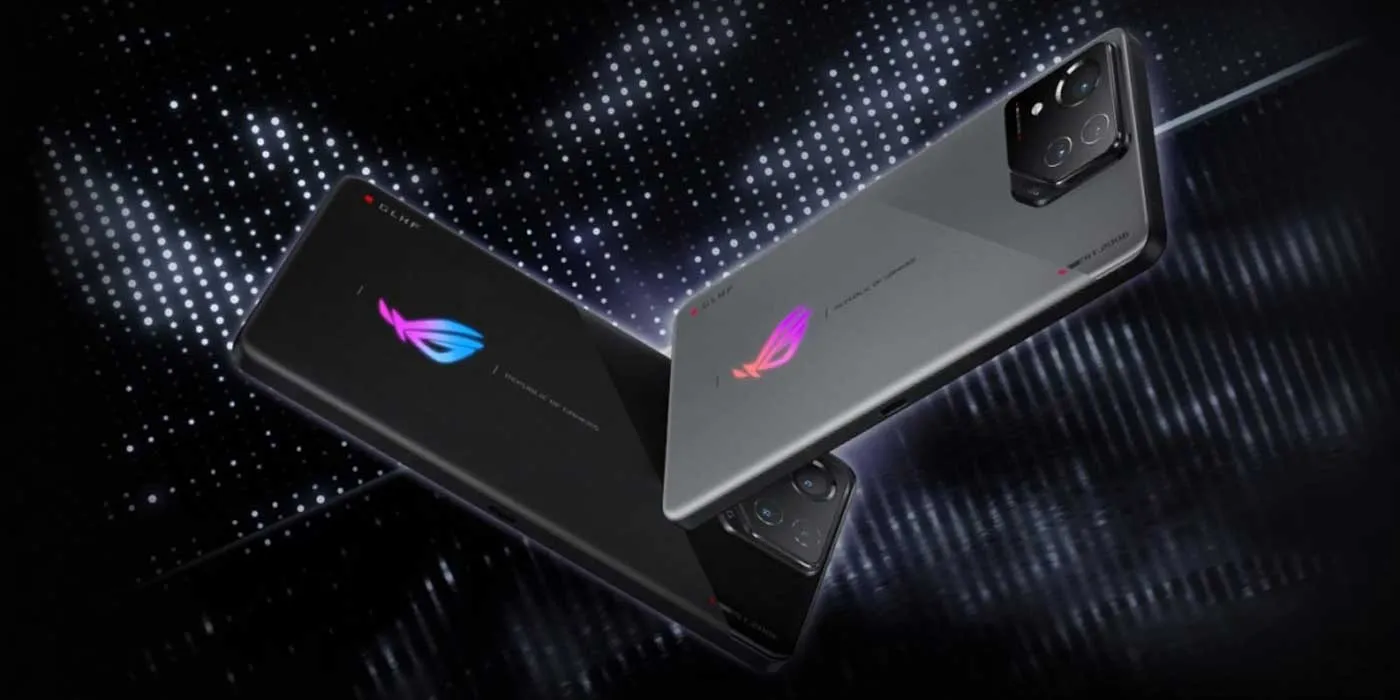
Asus is gearing up to launch another entry into its game-focused smartphone lineup. The ROG Phone 8 is set to be announced at CES in January, with a launch shortly after in China.
Asus has found quite a bit of success in the ROG lineup. The phones developed by the company, which already has its hands dipped in high-end PC components and products, tend to have high performance. The ROG Phone series is marketed toward gamers, and the devices have the power to back that up.
According to an official post on Weibo made by the Asus ROG account, the ROG Phone 8 will launch in China on January 16 (via GSMArena). Prior to that, the company plans on announcing the device at CES on January 8. With that, a teaser video was shared. The video shows a transition from an older device to the ROG Phone 8, which has a squared-off look and a punch-hole camera on the front.
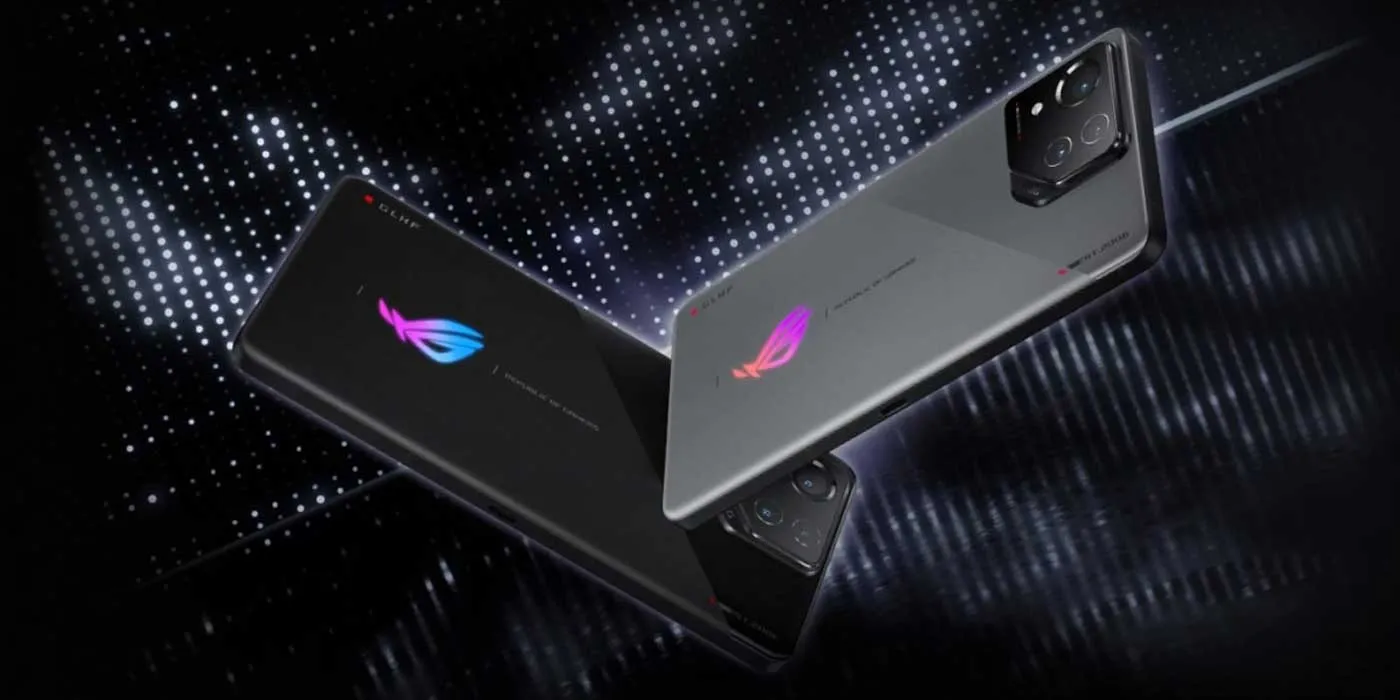
Stills were shared from the account, as well, showcasing the rear of the device and the camera array. The bottom of the back panel is still equipped with an LED Asus logo and other markings to make it stand out as an ROG Phone.
According to the marketing images, Asus is also hosting a blind camera test where users can vote for the winner. This implies that Asus is confident in the ROG Phone 8’s camera setup against other phones. There’s no word on what devices will be involved in the test, but if it were up against a Pixel 8 Pro or iPhone 15 Pro and held its own, things would change for the ROG Phone series.
Until January 8, we won’t know what’s in store. Small details like the Snapdragon 8 Gen 3 chipset and 24GB of RAM are known, but not much beyond that.
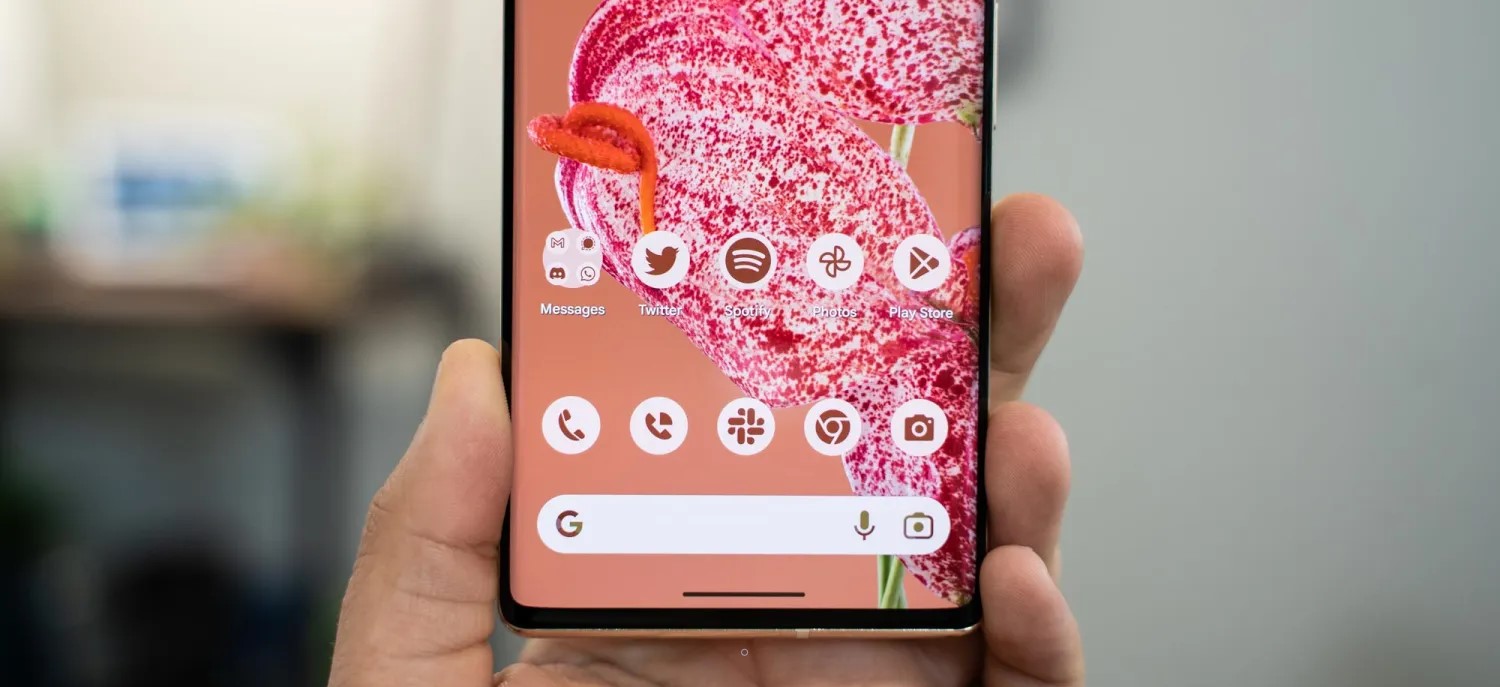
With Android 14, Google removed the ability to long press an icon on the homescreen to quickly see notifications from that app.
Previously, you’d be able to see any available notifications from an app by holding down on the icon in the launcher or grid. Only one was shown in its entirety with a counter in the corner if there were more. Besides opening it from there, you could also swipe it away.
This was useful if your notification tray was overflowing with alerts, while it went hand-in-hand with the notification dot, which continues to feel like an iOS trait more than an Android one.
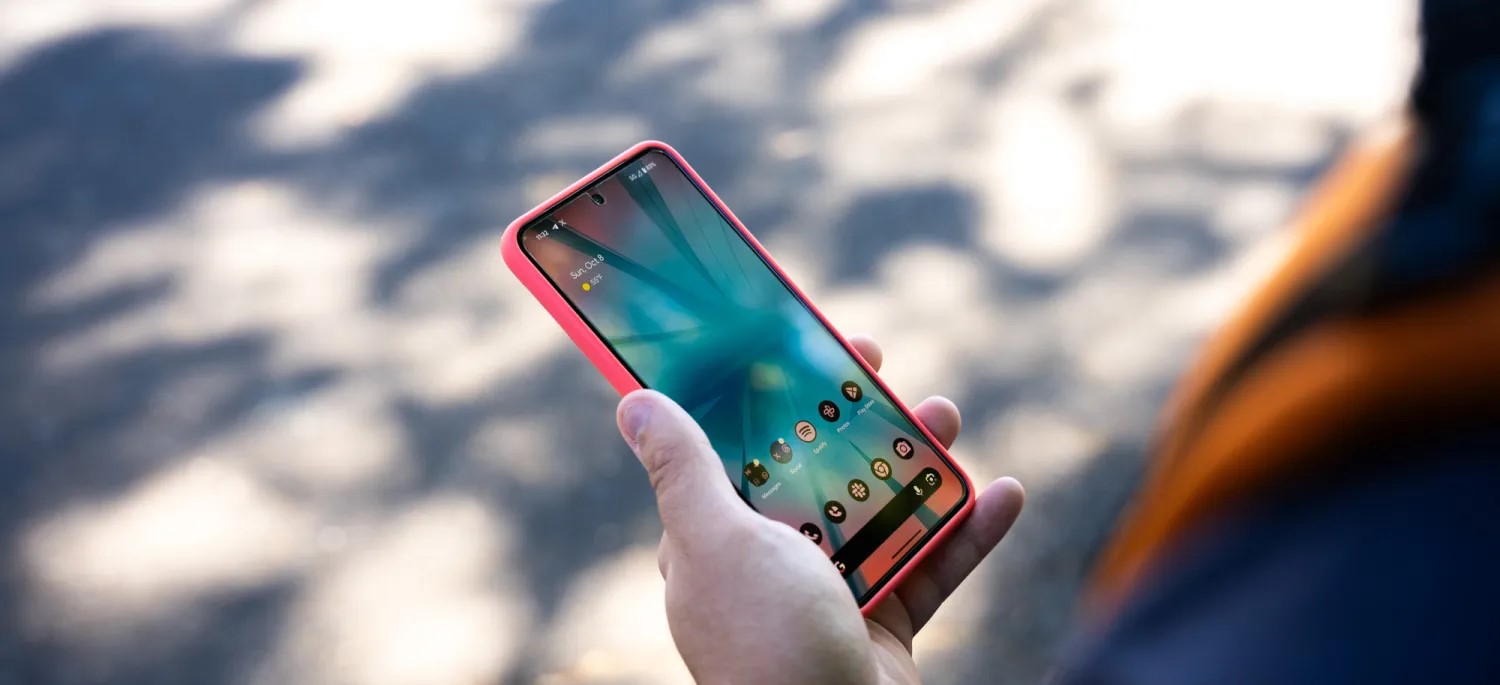
In Android 14, long pressing on an icon just shows app shortcuts, as well as App info, Pause app, and Widgets. In fact, now that notifications no longer appear there, Google made it so that those three shortcuts appear as a full list at the top instead of being merged together. The Android team presumably decided to remove notifications and then introduced the tall list.
Android 13 vs. 14
This change was brought up during the Android 14 Beta Program over the summer. In August 2023, Google said the removal of notifications was the new intended behavior and that it “won’t fix.” There’s no reason behind this change, but the company presumably has usage stats.
With the stable launch of Android 14 on Pixel last month, there have been over a hundred new comments requesting the capability be brought back.
Personally, I didn’t notice the removal and have never used that app menu for anything beyond shortcuts and quick access to the App info page. Most users are presumably all in on the notification tray. However, Google does not seem to really be doing anything major with the app long press menu in Android 14, so the restoration of notifications doesn’t seem like it would be overly disruptive.
The Poco M4 Pro launch in 2021 worldwide, and we can already see it as one of the season’s bestsellers. It is a sensible upgrade over the Poco M3 Pro 5G with a larger and more colorful display, an improved rear camera setup, speedier charging, and stereo speakers. And most importantly, it’s still incredibly cheap.
The Poco M4 Pro and the India-only Redmi Note 11T 5G are pretty much identical, so our review conclusions based on the Poco should pretty much apply to the Redmi.
The new Poco M4 Pro is built around a 6.6-inch IPS LCD screen with 1080p resolution and adaptive 90Hz refresh rate. Other than the slight increase in size, the new display also supports DCI-P3 colors instead of sRGB on the M3 Pro. It also has an improved touch panel with a 240Hz sensing rate vs. 180Hz on the Poco M3 Pro.
The Dimensity 810 5G chipset is at the heart of the Poco M4 Pro 5G – a trivial update over the Dimensity 700 5G in the Poco M3 Pro 5G. The new chipset offers a minor increase in the CPU clock, but it is also built on a more efficient manufacturing process. This won’t make for a noticeable difference in real life, at least today, but it’s still an improvement, nevertheless.
Xiaomi is done with the camera count game and is putting an end to those mostly obsolete cameras like depth sensors and underwhelming macro shooters. This new Poco M4 Pro 5G has a traditional dual-camera on the back with a 50MP primary shooter and an 8MP ultrawide snapper, which may be one camera less than on the Poco M3 Pro, yet more versatile – the M3 had no ultrawide snapper.
The Poco M4 Pro 5G has a large 5,000mAh battery, which now supports much faster 33W charging, and you bet this power adapter is part of the retail bundle. Xiaomi promises a full charge in 59 minutes, and we will put that to the test for sure.
Finally, the Poco M4 Pro 5G is what makes this device such a sweet deal – the 4/64 version retails at €230, while some early birds will be able to get it at €200 at launch. Yes, we are intrigued.
Disclaimer. We can not guarantee that the information on this page is 100% correct.
The Poco M4 Pro 5G is IP53-certified for dust and splash resistance, just like many of the recent Redmi and Poco phones. This means the device will probably survive light splashes and should be fine in light rain and humid regions.
Now that there are no macro and no depth camera, we are yet to see if the Portrait mode will suffer, or the AI algorithms will make up for the lost hardware. Let’s hope it’s the latter case.
Unboxing the Poco M4 Pro 5G
You cannot mistake the iconic yellow box of Poco and the M4 Pro 5G, just like the previous Poco phones arrives in such a catchy carton.
Inside, you’ll find a 33W power adapter, a 3A rated USB cable, and a transparent rubber case for additional protection.
The case compartment also houses some paperwork, the SIM ejection PIN, and several POCO stickers for the fans that like to declare their love for the brand publicly.
The competition
The Poco M4 Pro 5G is a good smartphone, alright. It has a large and fluid screen, stereo speakers, okay performance, capable cameras, all-around connectivity with 5G, and long-lasting battery life with fast charging. It’s a versatile device that offers exactly what’s promised, nothing more, nothing less.
The thing is that the budget 5G phones are common already, and the competition is thriving here. The carriers have been offering lucrative 5G plans for the past year, making the 5G-capable smartphones even more attractive despite their caveats like subpar performance (we’ll get to that).
So, the Poco M4 Pro 5G launches at €230 for its 4/64 version and €250 for the 6/128 model. The first batches will be €30 cheaper at €200 and €220. These are also the prices you will see in all upcoming shopping events for Black Friday, Christmas and whatnot.
That’s the same price as the Realme 7 5G, which has an even smoother 120Hz display, faster graphics, and 128GB base storage. It doesn’t offer stereo speakers, but we’d say the gains are surely something to think about.
There is also the Realme 8 5G currently priced at €160. It’s basically the Poco M3 Pro 5G, but under the Realme branding – it doesn’t offer an ultrawide camera, there are no stereo speakers, and the fast charging is not as fast. But if your budget is limited, it’s a phone you should at least consider.
And speaking of the Poco M3 Pro, it’s going right now for €185, a bit more expensive than the Realme 8 5G. But if you want MIUI and Poco on the cheap, it is the way to go.
Then there is the Samsung Galaxy A22 5G – it’s a good match to the Poco M4 Pro 5G with a similar screen, chipset, battery and camera skills. The Galaxy has splash-resistant though, there are no stereo speakers, and the charging is sluggish. Yet, it costs as much as the Poco (after the early bird promo) – €230.
Obviously, the Poco M4 Pro 5G is the cream of the crop when it comes to budget 5G phones.
But if 5G is not essential to you right now, 4G phones are still pretty fast when it comes to mobile internet, then there are some totally different offers for you.
Like the Poco X3 Pro with its 120Hz LCD screen and flagship-grade Snapdragon 860 chipset. It costs about €230 and offers more storage, better speakers, and an additional macro camera on top of the better screen and much better performance.
Or the €240 Redmi Note 10 Pro with its outstanding 120Hz AMOLED screen and high-quality 108MP snapper on the back.
Or the Realme 8 Pro with a 6.4″ AMOLED, a great 108MP primary camera with lossless 3x zoom, even faster 50W charging and more storage. It cannot offer stereo speakers and splash resistance, though.
There is also the €190 Galaxy A22 with a 90Hz Super AMOLED screen and a versatile quad-camera on the back. It is not waterproofed though, the charging is slower, and there are no stereo speakers.
The verdict
The Poco M4 Pro 5G is a good all-round offer, and it does what it was supposed to – it offers smooth OS experience thanks to its 90Hz LCD screen, it can handle games if needed, it takes great photos, it can play stereo sound, and its battery life is great, and we appreciate the fast charging.
There are a lot of phones in the same price bracket, but we’d say the Poco M4 Pro 5G is consistently good at everything and that’s the best reason why you should pick one if your budget is about €200 or so.
The strongest threats are also Xiaomi-made – phones like the cheap Poco X3 Pro and Poco F3. Those two offer flagship-worthy performance, and their prices are unbelievably low these days. The F3 can even offer 5G connectivity.
Then again, the Poco M4 Pro 5G is the newest smartphone from the maker and is sold at a reasonable price. Unless you want a phone to play games all day, we’d recommend it for its thoughtfully picked feature set.
Pros
Attractive splash-resistant design, cool color options.
Large 90Hz LCD screen with excellent contrast ratio.
Outstanding battery life, fast charging.
Stereo speakers, loud enough.
Dependable performance, no throttling.
Good photo and video quality, portraits are fine without depth sensor.
3.5mm jack, microSD slot, dual 5G, NFC, IR blaster, FM radio.
Cheap.
Cons
Screen’s 90Hz may put a strain on the GPU.
Not-so-good speaker audio quality.
No macro camera, no 4K video capturing.
No obvious performance updates since Poco M3 Pro 5G.
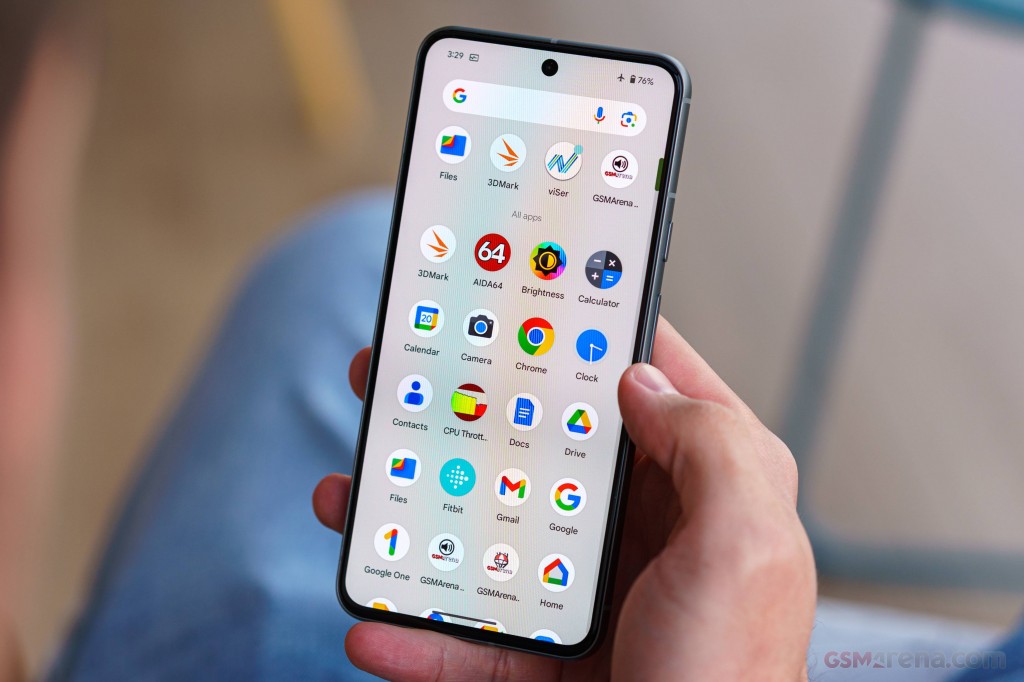
Screen protectors can often be a little clunky or annoying, but they’re still a great way to keep your device safe. Google Pixel phones have had a special mode for a while to boost touch sensitivity while using a screen protector, and on the Pixel 8 series, that setting can actually apply itself automatically.
On Pixel phones, “Screen Protector Mode” is found under Settings > Display, and is described very briefly saying:
Increase touch sensitivity and improve touch when using a screen protector.
While the results are often negligible, the biggest hurdle with the feature is remembering to turn it on. But, with the Pixel 8 series, Screen Protector Mode can actually turn itself on automatically when a screen protector is detected as being installed.
Recently, some users have noticed a notification appearing on Pixel 8 devices when a screen protector is installed or removed noting that Screen Protector Mode should be turned on or off. The feature was first spotted back in October, but hasn’t really appeared widely until recently. Some folks on Reddit note that they’ve seen it recently, though in my experience getting through a few screen protectors on my Pixel 8 Pro and my wife’s Pixel 8 since October, I’ve not seen the notification at all. That said, Screen Protector Mode is enabled on my Pixel 8 Pro, and I don’t recall doing that manually.
Presumably, the feature only recently was enabled widely, perhaps by a recent security patch. In any case, it’s a super neat feature, and one that seems pretty useful too.
As Android Police notes, the feature is actually referred to by Google as a “screen protector detector,” which is just delightful, but it’s exclusive to the Pixel 8 series for now. The feature isn’t available to older Pixel phones at this time.
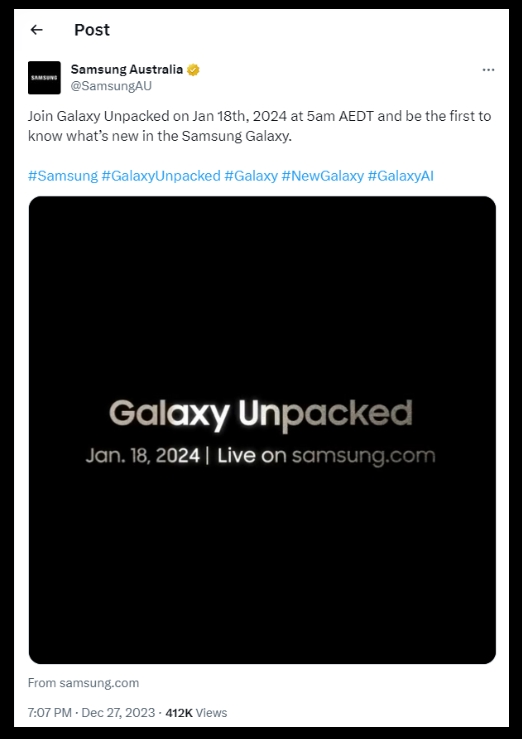
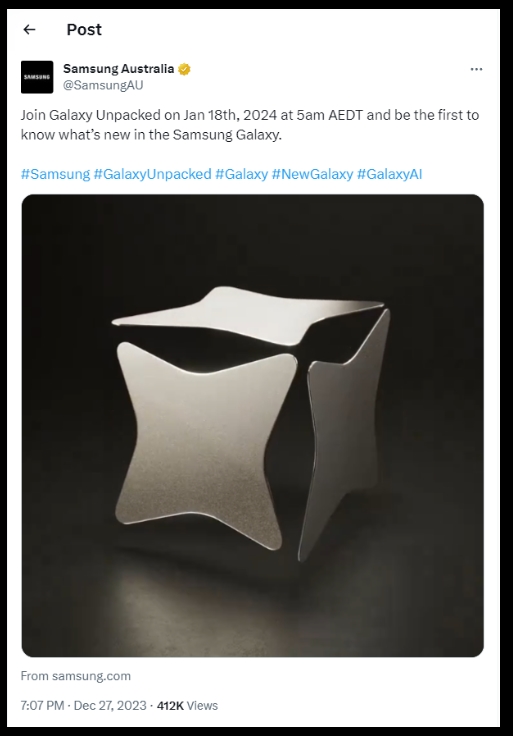
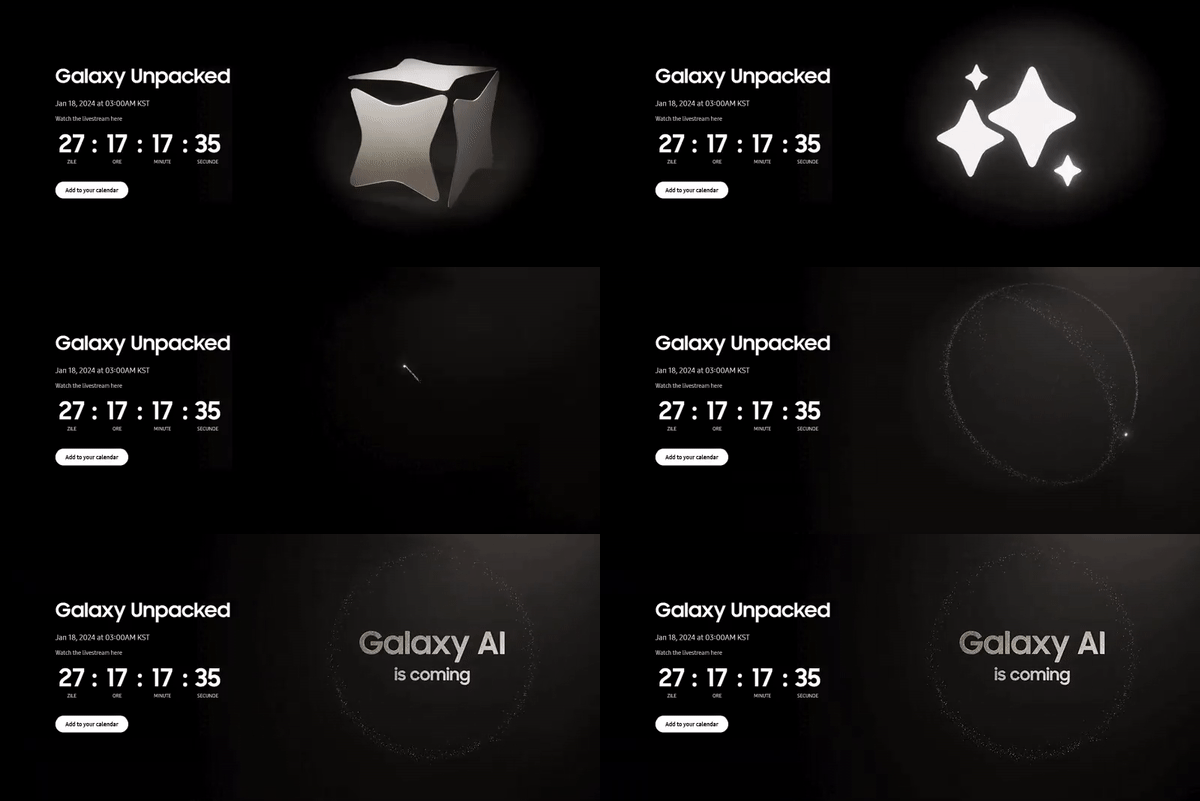
Samsung’s Twitter/X account in Australia has posted a brief video teaser that confirms the date of the next Galaxy Unpacked event for January 18, 2024. The time of the event, 5am local, translates to 10am PT. The post, crazy enough, has actually been live since December 27.
The video posted is brief, but definitely gets the point across that Samsung is heavily focusing on AI, with the tagline “Galaxy AI is coming.”
The teaser was posted solely to this account, as highlighted by SamMobile, and is probably being posted early in error, as Samsung typically makes this announcement across all of its accounts. The URL on the post also currently redirects to the Samsung.com homepage.
We’ve embedded the post below, but it will almost certainly be removed imminently.
Samsung officially confirms Galaxy S24 event on January 17, opens reservations with $50 credit
Samsung has just officially announced a January 17 Unpacked event which is expected to deliver the Galaxy S24 series among other releases, and also opened up reservations with a bonus credit.
A teaser image released today from Samsung confirms that the next “Galaxy Unpacked” event will take place on January 17, 2024. The event will be live-streamed via Samsung’s website as well as through YouTube.
The event itself takes place in person in San Jose, California, at 10am PT.
The teaser image doesn’t reveal much, but a video from Samsung, as seen below, offers up the tagline “Galaxy AI is coming” with a familiar set of symbols that represent AI. Reports and leaks have shown Samsung’s focus on AI including:
The Galaxy S24 series is likely to be the main focus of the upcoming Unpacked event, but there’s a good chance we’ll see other products too. Leaks suggest new Galaxy Buds 3 Pro are coming, a new fitness-focused tracker, and we also previously spotted evidence that a new fitness-focused smart ring is coming. We could also see a glimpse at Samsung’s mixed-reality headset, which is rumored to launch later in 2024.
For those looking to upgrade, Samsung is opening up reservations on its website today.
These reservations are completely free and just hold your place in line. You only need to enter your name and email address. When pre-orders actually open up, you’ll be able to get in and complete the order, or just skip it and lose nothing.
If you do end up pre-ordering any of Samsung’s new devices, though, you’ll get an additional $50 credit that comes with your pre-order. Notably, with the Galaxy Foldables released last year, Samsung allowed this credit to be used towards the cost of the device.
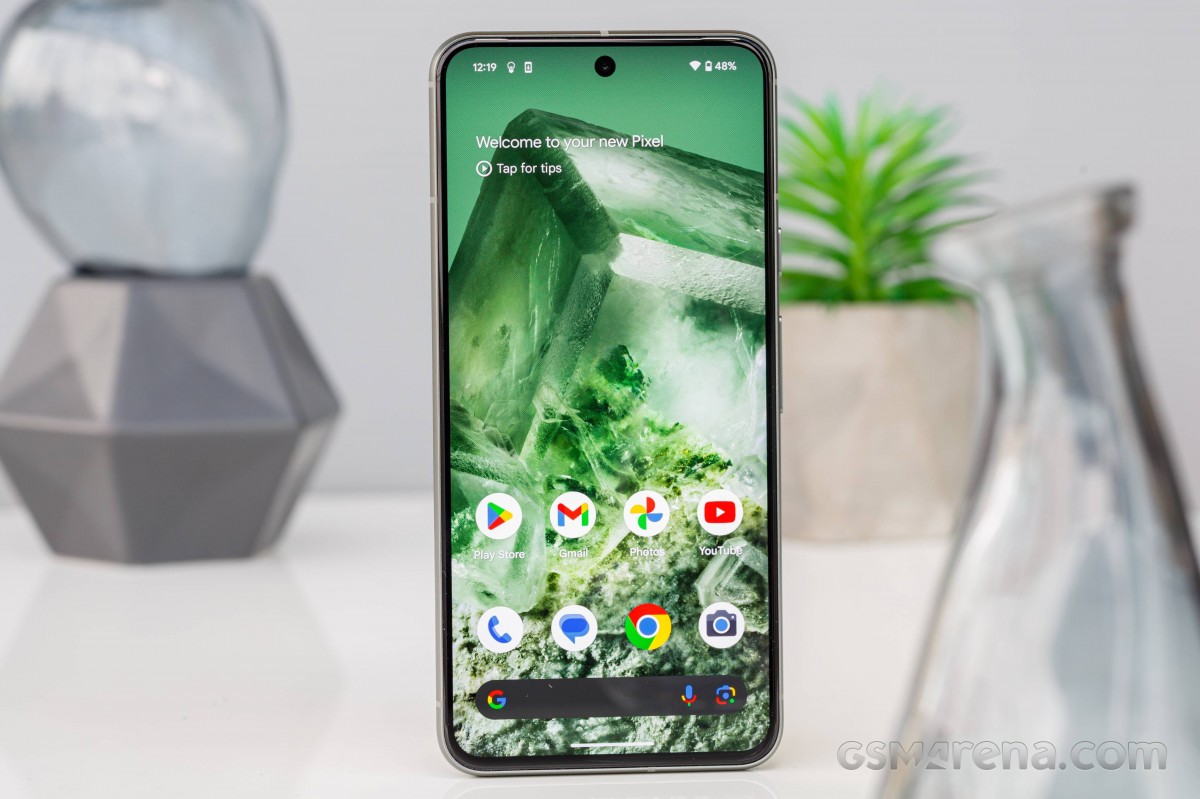
While the jump from the Pixel 6 to the Pixel 7 series was somewhat modest, the 8 series‘ launch is defined by a slew of new features and upgraded hardware. There’s also an interesting shift in strategy with the smaller Pixel, which is the subject of this review. One of the most notable changes in this year’s vanilla Pixel 8 is its size. The Pixel 8 is now sensibly smaller than the previous one, mainly thanks to the smaller 6.2-inch display, but other design changes have also helped bring down the weight and reduce dimensions.
The heart of the new Pixel 8 series is the new Samsung-made 4nm Google Tensor G3 chipset, promising better efficiency and higher performance compared to its predecessors. It’s also said to produce considerably less heat, which has been an issue in the past for some users. The chip is joined by Google’s Titan M2 security chip and improved NPU, responsible for AI-related tasks.
The display department also gets a lot of attention this year, and although Google’s Actua-branded LTPO OLED panel is reserved for the Pro, the vanilla 8 offers a substantial upgrade over its predecessor. It’s no LTPO but bumps up the refresh rate to 120Hz (welcome to 2020, Google), and the display is advertised as reaching 2,000 nits of peak brightness.
Disclaimer. We can not guarantee that the information on this page is 100% correct.
The camera system has always been a centerpiece feature for Pixel phones, and the 8 series is no exception to the rule. While there’s no change in the main camera, which isn’t bad because the 50MP f/1.9, 1/1.31″ shooter takes excellent stills, the ultrawide snapper is new. It’s still 12MP and is not the 8 Pro’s ultrawide level, but it now supports autofocus, enabling sharper overall photos and macro-level photography. Additionally, the lens offers a wider field of view.
There’s also a modest uptick in battery capacity, now 4,575 mAh. The cell supports 27W of wired and 18W wireless charging, which is rather odd because that means a respectable upgrade in the wired charging and a small downgrade in the wireless. Last year, the Pixel 7 supported 20W wireless charging.
Last but not least, Google is stepping up its game when it comes to software support. Starting with the Pixel 8 series, Google is promising 7 years of OS and security updates. That’s more than any other smartphone maker right now, even Apple’s latest iOS 17 is only available to iPhones that are no more than 5-year-old.
While it all sounds good on paper, the devil is in the details, so keep reading to find out how the Pixel 8 fares against the competition in various scenarios and whether the 8 Pro is worth the extra bucks over the vanilla 8.
Unboxing the Google Pixel 8
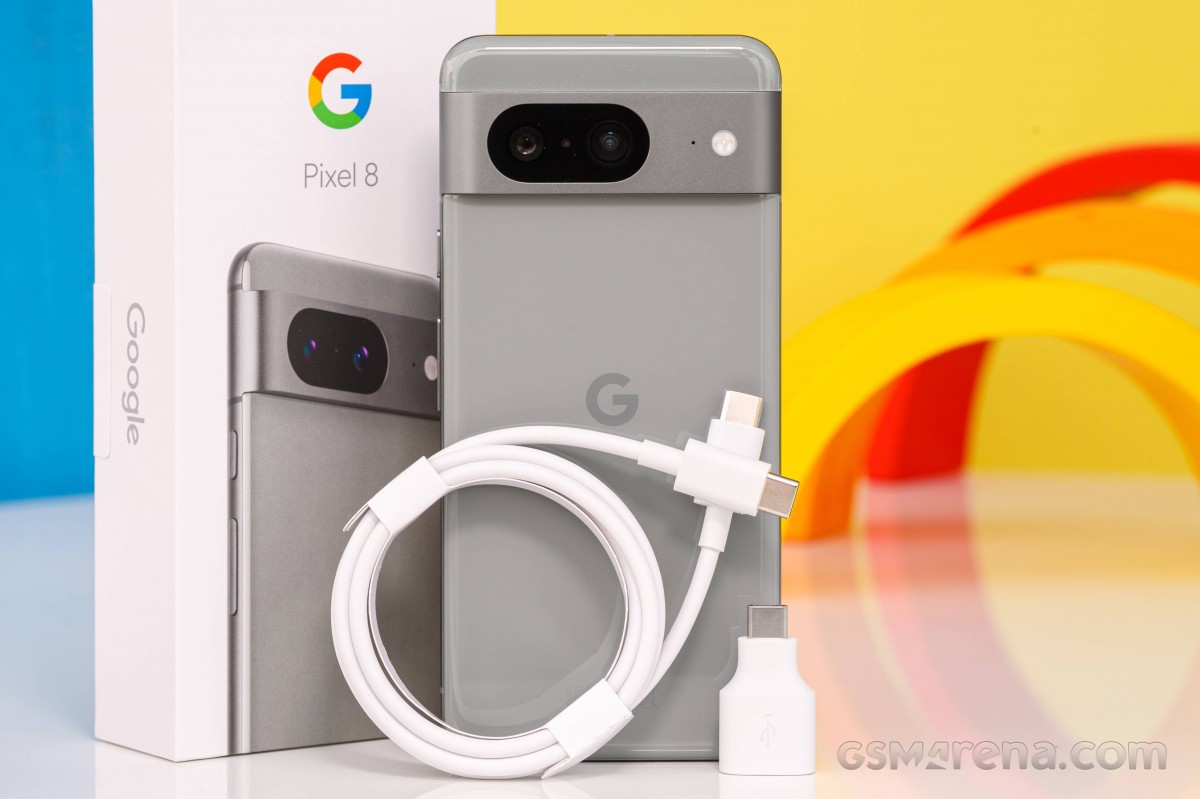
The Google Pixel 8 ships in a modest retail box containing the bare essentials. It has the user manuals inside along with a USB-C to USB-C, Power Delivery-ready cable and a USB-C to USB-A adapter, in case you need it for charging or data transfers.
As is usually the case with some of today’s phones, the charger isn’t included, so you’ll have to get a compatible 27W or faster PD-compliant charger.
Competition
2022 vanilla Pixel 7 was an interesting device as it launched with a fairly competitive price tag, but this year, Google thinks the upgrades are worth about €150 more. The handset asks $700 in the US and €800 in the EU. In the context of the rather limited US market, the Pixel 8 remains competitive enough by undercutting Apple’s iPhone 15 and Samsung’s Galaxy S23. Although, the latter may be found for about the same price as the Pixel 8.
Pixel 8 vs. Pixel 8 Pro
Either way, the iPhone 15 and the Galaxy S23 remain the Pixel 8’s natural competitors. That’s, of course, if you consider the iOS ecosystem. In this case, the iPhone 15 will surprise you with generally better battery life, a considerably more powerful chipset and a slightly better display (it supports Dolby Vision and it’s brighter). However, the Pixel 8 is more in line with 2023’s trends and offers a 120Hz refresh rate, faster charging, uses a bigger sensor for its main camera, and, for the first time ever, it has the upper hand regarding software support. Google promises 7 years of full software support as opposed to Apple’s 5-year support cycle.
We could argue all day about which phone of the two is better for photography, and we think it depends. It all boils down to processing, as the Pixel 8 produces more vibrant images, while the iPhone 15 tends to stay closer to the natural type of processing. Two things stand out in this comparison, though – the iPhone 15 records better videos, while the Pixel 8’s ultrawide camera is much better at handling more lighting scenarios and offers autofocus.
Apple iPhone 15 • Samsung Galaxy S23
The Samsung Galaxy S23 has several advantages over the Pixel 8. It has a dedicated 3x telephoto camera, longer overall battery life (but with similar screen-on runtimes), a more powerful chipset, a slightly better build with Gorilla Glass Victus 2 and a more feature-rich OS with most of its functionalities available to all regions. We are not saying the Pixel 8’s proprietary version of Android 14 isn’t customizable or lacks features, but most of the cool ones are region-locked. Speaking of software, the Pixel 8 edges out the Galaxy S23 with 7 years of full software support and more timely updates. Moreover, the Pixel 8 should be considered for its camera prowess as it outperforms the Galaxy S23 in pretty much every scenario.
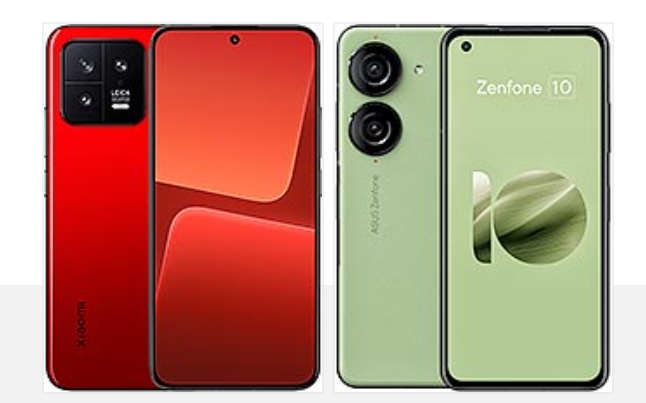
Xiaomi 13 • Asus Zenfone 10
Two other viable Android options are the Asus Zenfone 10 and the Xiaomi 13. If you are in the market for a small flagship phone, the Xiaomi 13 should definitely be on your list. The device’s build may not be particularly impressive, but it packs excellent hardware inside that chassis — a display with comparable quality with Dolby Vision support and a much more potent Snapdragon 8 Gen 2. Additionally, battery life is longer, charging is much faster, and the camera hardware is more versatile as it has a dedicated 3.2x optical zoom camera. In terms of overall camera quality, it’s hard to say which one is better, but in some cases where processing is the deciding factor, the Pixel 8 usually wins.
Pixel 8 vs. Pixel 8 Pro
Lastly, we got the Zenfone 10 under the “compact 2023 flagship” label, but to be perfectly honest, it doesn’t offer anything more compelling than the Pixel 8. Skimming through the spec sheet reveals a faster 144Hz display, a more powerful chip, quicker charging (on paper, 27W vs. 30W) and it has a grippy texture back, which is a rare find these days. However, most of these advantages don’t necessarily mean a better user experience. We will give the Zenfone 10 credit for its longer battery life, but the Pixel 8 comes out on top with actually faster charging, a considerably better camera experience, a brighter screen and longer software support.
Verdict
Despite its considerable price hike, the Pixel 8 remains rather competitive, especially for US consumers. Its MSRP is below its natural regional competitors, offers an improved viewing experience in line with 2023’s industry standards, excellent camera experience, faster charging, and 7 years of software support, and timely major OS updates.
But the Pixel 8 isn’t without its flaws. For instance, a 3x telephoto unit would have been greatly appreciated as well as a more competitive chipset with better thermal control and wider availability for its smart features. After all, many of the Pixel’s clever software features can’t be utilized to its fullest in many markets. Charging and battery life aren’t particularly impressive either, although somewhat okay in Pixel terms. We also wonder why Google decided to skip the autofocus feature on the selfie camera and the support for Pro camera mode on the smaller Pixel.
Bottom line, the Pixel 8 is an easy recommendation because, despite its issues, it’s a significant upgrade over the previous generation and manages to pack competent hardware into a compact body.
Pros
Compact and premium build, easy to handle, dust- and water-resistant.
Bright and color-accurate 120Hz OLED panel.
Improved charging.
Overall, great camera quality with an unmatched character that has a loyal following.
Superb stereo speakers.
Android from the source, exclusive feature set, 7 years of software support.
Cons
Some software features are limited to certain countries.
No AF on the selfie camera, no Pro camera mode.
Ultrawide camera is underwhelming in low light.
A dedicated telephoto camera would have been nice.
Unimpressive battery life and no charger in the box.
The OnePlus 12 has already debuted in China, but the global release is still about a month away. Now, new leaks reveal that, on the global market, the OnePlus 12 will upgrade to offer at least 12GB of RAM while its budget-conscious companion will stick at 8GB.
91Mobiles sourcing leaker Ishan Agarwal says that the OnePlus 12 in India, which is the global variant, will come in two variants. The first will have 12GB of RAM and 256GB of storage, while the other OnePlus 12 variant will have 16GB of RAM and 512GB of storage. That’s in line with the Chinese release, which also offers a 24GB variant, but there was no word on the global release up until now. It’s also notable that OnePlus seems to be skipping the 24GB tier, at least in India and presumably in other countries.
While the OnePlus 11 also offered a 16GB/512GB tier, the base model started at 8GB of RAM rather than 12GB. It’s a notable upgrade and puts OnePlus’ release more in line with Google’s Pixel 8 Pro, which also has 12GB of RAM. The Galaxy S23 Ultra, notably, still starts at 8GB.
Beyond that, the OnePlus 12R would start at 8GB of RAM and 128GB of storage and offer a second variant with 16GB of RAM and 256GB of storage.
OnePlus is set to launch the OnePlus 12 series globally on January 23, as previously confirmed, and the OnePlus 12R is confirmed to be sold in markets across North America and Europe.
OnePlus 12R is officially coming to the US and Europe
After offering the series in India over the past few years, OnePlus is officially bringing the OnePlus 12R to the US and Europe in 2024, the company has confirmed in a recent video.
In a “Fireside Chat” with core members of OnePlus, including Pete Lau, OnePlus takes a look back over the events of the past 10 years, as well as teasing what’s coming next.
The OnePlus 12 has already launched in China, and this video was published on the same day that OnePlus announced the global release date of the brand’s new flagship. But the OnePlus 12, when it arrives globally, won’t be alone.
Like in years past, OnePlus will release an “R Series” version of the device. That series started with the OnePlus 9R in 2021, and has continued through subsequent generations with the OnePlus 10R and OnePlus 11R.
Now, the OnePlus 12R is expanding outside of India to North America and Europe. We know the device will be sold in the US, too, as OnePlus confirmed that while teasing the US launch last week.
In addition to India, this time we will launch the OnePlus 12R in North America, Europe, and other parts of the world as well. Regardless of where people reside, they will have the opportunity to experience the OnePlus R Series. So the OnePlus 12 and OnePlus 12R will soon be available globally.
OnePlus 12 goes official with 24GB RAM, 4,500 nit display, higher price
The OnePlus 12 has been officially announced, at least over in China. Here’s the full specs of the brand’s 2024 flagship ahead of the global debut.
Today’s launch of the OnePlus 12 in China tells us a lot about the device as, generally speaking, differences between the Chinese model and the global model are minimal if there are any at all. So, while we don’t know anything about pricing in the US and other countries, any region-specific changes, and more, we do know pretty much all of the important stuff.
The OnePlus 12 will be a powerhouse flagship for 2024, with the Snapdragon 8 Gen 3 leading off the specs. Qualcomm’s latest chip looks promising so far, and the OnePlus 12 will be among the first to bring that chip to the global market (Xiaomi 14 has already debuted with the chip in China).
Paired with that new Snapdragon chip, the OnePlus 12 will be available with up to 24GB of RAM, up from the 16GB available on the top-end OnePlus 11. All variants of the device will use UFS 4.0 storage, with options including 12GB+256GB, 16GB+512GB, 16GB+1TB, and 24GB+1TB.
As for the camera system, the OnePlus 12 will have a trio of sensors on the back. A 50MP Sony Lytia sensor serves as the main shooter, with a 64MP sensor behind a periscope telephoto lens, and ultra-wide shots are handled by a 48MP sensor. OnePlus says the new setup can do 3x optical zoom, 6x “optical quality,” and up to 120x digital zoom, just like the OnePlus Open. There’s also a 32MP front-facing camera with no autofocus.
Next up is the display, which contains another big figure.
The OnePlus 12 is using a BOE AMOLED QHD+ display that measures 6.82-inches with a 120Hz refresh rate and a maximum brightness of 4,500 nits. Like other panels, that’s based on a very small portion of the display, but it’s a staggering figure nonetheless. For comparison, the Pixel 8 Pro maxes out at 2,400 nits, and is currently the brightest display sold on a non-folding smartphone in the US. Outside of those huge peaks that you’d likely only ever see in HDR content, the OnePlus 12 hits around 1,600 nits.
The battery and charging systems also get an update this year, with a bigger 5,400 mAh battery that charges at up to 100W over a wire (which is still USB-A). And then there’s also the return of wireless charging, which hits up to 50W on OnePlus’ own stand.
Rounding things out there’s IP65 water resistance, a SIM card slot, Gorilla Glass Victus 2 over the display, and another under-display fingerprint sensor too. All in all, it looks good.
But, we also know that OnePlus has a considerable price increase in the books for OnePlus 12. In China, pricing starts at ¥4,299, about ¥300 over the OnePlus 11. That translates directly to around $600 in the US, which was the starting price of OnePlus 11, but OnePlus’ prices in China usually aren’t directly reflective of the prices internationally.
OnePlus 12 will be available in green, white, and black in China.
When with the OnePlus 12 launch globally? That remains to be seen, but there’s some evidence out there. According to a page on OnePlus’ website, it’s looking like we can expect a debut in late this month January 2024.
Samsung’s upcoming Galaxy S24 series is set to be announced in a few weeks, and as the event approaches, leaks are detailing the price of Samsung’s new lineup as well as the potential removal of satellite connectivity.
Two separate price leaks of the Galaxy S24 series have surfaced this week, both suggesting that Samsung will raise the price of the Galaxy S24 Ultra.
GalaxyClub reports that the Ultra will cost €1,449 in Europe for its base, 256GB model. That’s up from the €1,399 price of the Galaxy S23 Ultra. Roland Quandt of WinFuture adds that pricing in Sweden for the Galaxy S24 Ultra starts at 17,990 SEK, with the 512GB model coming in at 19,490 SEK. While Samsung’s website doesn’t list the 256GB price in Sweden currently, the 512GB model is priced at 18,990 SEK, slightly less than the incoming Galaxy S24 Ultra.
So, by all accounts, it certainly appears that the Galaxy S24 Ultra will see a higher price. Whether that translates to the US remains to be seen, though. Galaxy S23 Ultra starts at $1,199, and based on these prices out of Europe, $1,249 seems like a reasonable expectation.
Meanwhile, there are conflicting reports on the Galaxy S24 and Galaxy S24+ prices.
Quandt says that Galaxy S24 will start at 11,490 SEK in Sweden, the same price as the current S23. Galaxy S24+ would start at 14,490 SEK, also unchanged from the prior model. But GalaxyClub claims that, in the rest of Europe, the two lesser models could actually see lower prices compared to last year. Galaxy S24 would start at €899, down from €949. The S24+ apparently lands at €1,149, down from €1,199.
Part of the Ultra’s price increase, GalaxyClub speculates, could be because of more RAM with the base model now including 12GB rather than 8GB.
Meanwhile, ETNews reports that Samsung is in the midst of network testing in Korea and that the Galaxy S24 series apparently will not include satellite connectivity yet again. Satellite support has become a topic of discussion since Apple added the feature to its iPhone 14 series in 2022, but Samsung has surprisingly skipped over it thus far. With the Galaxy S23 series, Samsung said that it is waiting on the tech to be “ready,” but at this point, it’s unclear what the company is waiting on, especially now that its own cellular modems for Exynos chipsets support the tech (and Exynos is expected to be used in some capacity on the Galaxy S24 series).
In the larger Android landscape, Qualcomm recently pulled the plug on its efforts for satellite connectivity, and things have been pretty quiet in terms of new efforts for the technology.
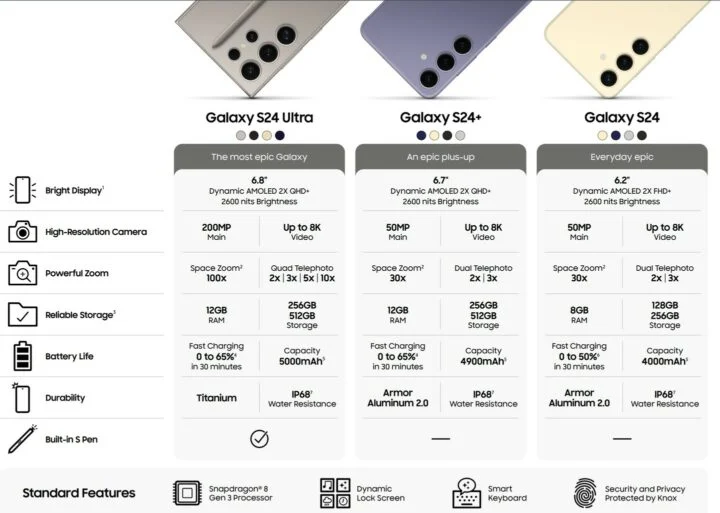
Full Galaxy S24 series specs leak with 2,600 nit displays, Snapdragon 8 Gen 3, fake 10x tele on Ultra
Galaxy Unpacked 2024 is under a month away, and Samsung is expected to announce the Galaxy S24, S24+, and S24 Ultra. Before that, a complete specs leak gives an official look at each phone’s capabilities.
The last couple of days have proven to be a war zone of leaked information on the Galaxy S24 series. While leaks have somewhat trickled out in the past, the end of 2023 has them coming in full swing.
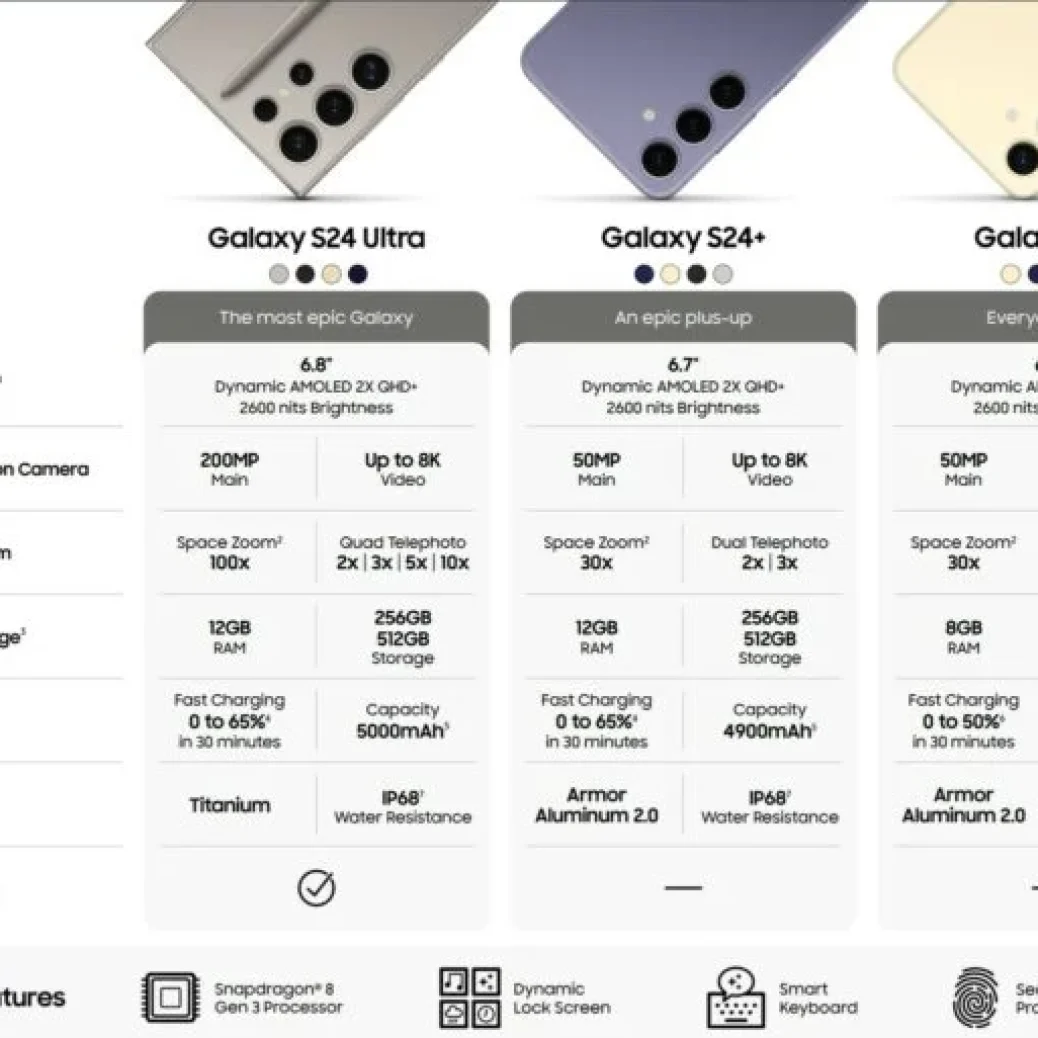
A new post by Evan Blass on Twitter/X showcases Samsung’s official marketing spec sheet for the Galaxy S24 lineup, which consists of the S24, S24+, and S24 Ultra. The sheet is broken down into a few key categories, starting with the display capabilities of each device.
At the base level S24, there is a 6.2-inch Dynamic AMOLED FHD+ display that can hit up to 2,600 nits of brightness. Across the board, each AMOLED screen is able to reach 2,600 nits in bright sunlight. Where it varies is in size and quality. The Galaxy S24+ will house a 6.7-inch screen that reaches QHD+. The S24 Ultra also hits QHD+ but brings a larger 6.8-inch screen.
According to the specs, the Galaxy S24 will also house a simple 50MP camera, the same as the S24+. The bigger Galaxy S24 Ultra will instead carry a 200MP unit, which is similar to what we saw last year, though the big change might come from software this time around. Each phone can handle 8K video, though how each does may vary from model to model. The S24 and S24+ can get up to 3x telephoto, but the S24 Ultra will be able to hit 10x utilizing sensor crop workarounds.
The Galaxy S24 base model shows its price in the memory department. At only 8GB of RAM, it’s coming in way under the S24+ and S24 Ultra’s 12GB of RAM. It also caps out at 256GB of storage, whereas the other two models hit 512GB, at least. The S24 also only carries a 4,000mAh battery compared to the 4,900mAh and 5,000mAh batteries in the S24+ and S24 Ultra, respectively.
There are two big takeaways from this leak. First, it conforms that each phone will use the Snapdragon 8 Gen 3 chip, at least in one region. It was originally thought that Samsung might cheap out on the base S24 and equip it with an Exynos 2400 instead.
The other big reveal within the Galaxy S24 spec sheet is that Samsung is still advertising that the Galaxy S24 Ultra carries a 10x telephoto lens capability when, in reality, the largest actual glass element cluster on the phone is capable of a 5x optical zoom. Beyond that, the 10x capability is done with sensor cropping and digital zooming.
There isn’t a lot that screams “huge improvement” over last year’s release. Samsung is seemingly hedging a lot on AI, as evidenced by a recently leaked teaser video for Galaxy Unpacked. That event will take place on January 17 at 1:00 p.m. EST.
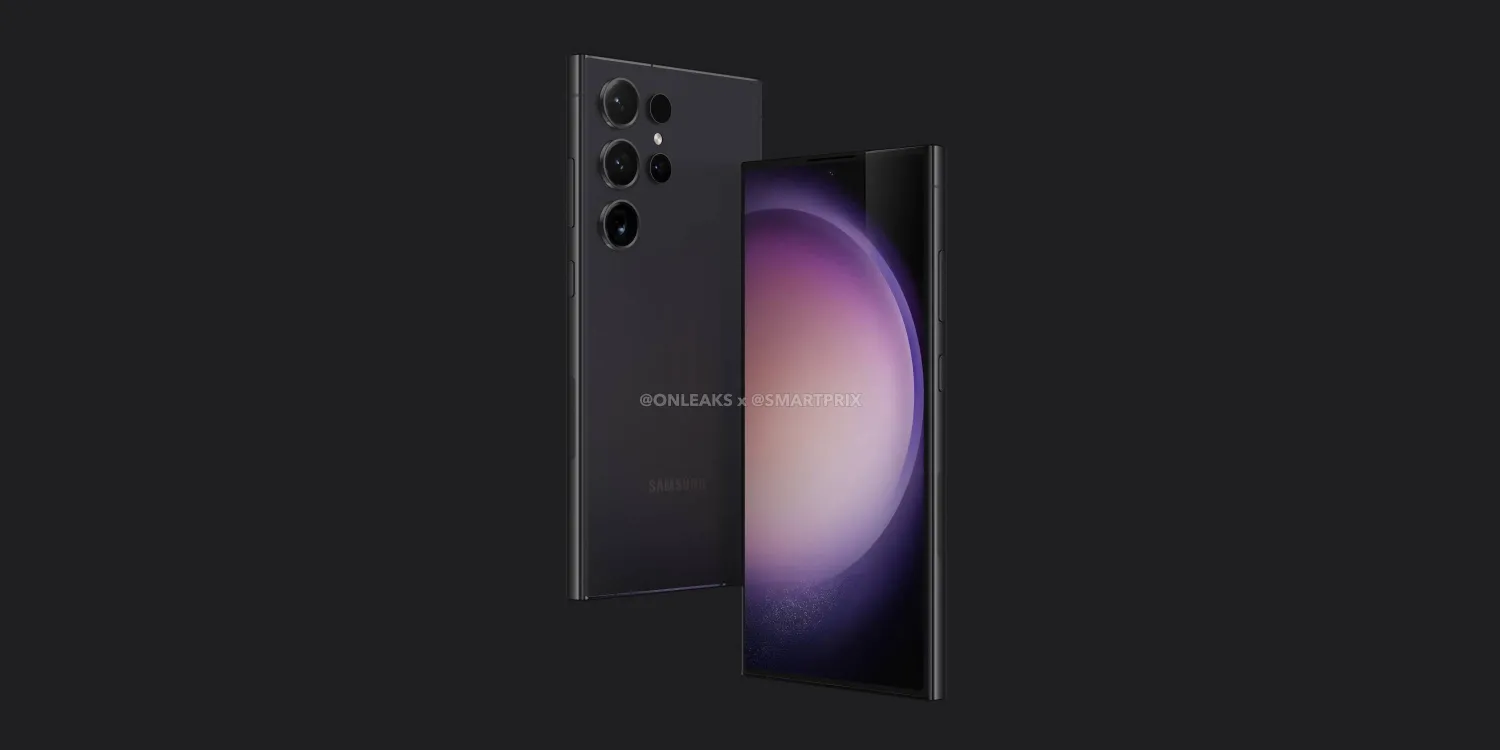
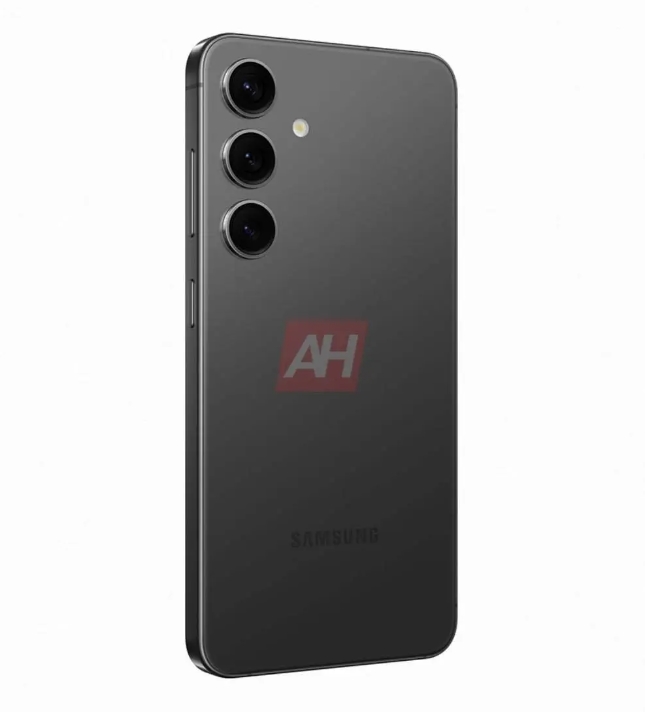
Overshadowed by the Galaxy S24 Ultra, the Galaxy S24 hasn’t received much attention. Some recent leaks of the base model Galaxy S24 flagship show a minimal change over the S23 of earlier this year in its four main color options.
The Galaxy S24 lineup has seen its fair share of leaks. Most have revolved around the more expensive S24 Ultra, which packs better cameras and, supposedly, a much more premium build. As for the base S24 and S24+, there hasn’t been as much hype building around them.
Previous leaks note that the Galaxy S24 won’t house a titanium body like the S24 Ultra. It will, however, retain an aluminum frame with several colors. The Galaxy S24 will come in “Onyx Black,” “Marble Grey,” “Cobalt Violet,” and “Amber Yellow” color choices.
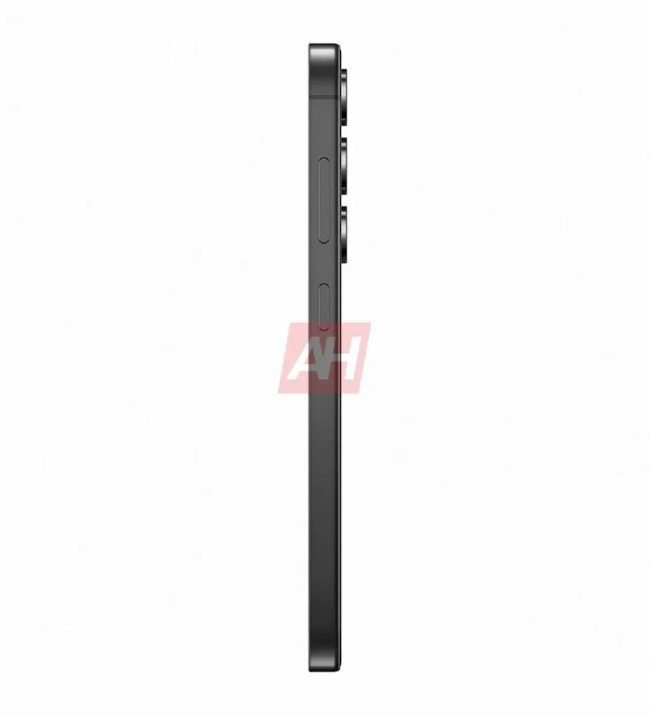
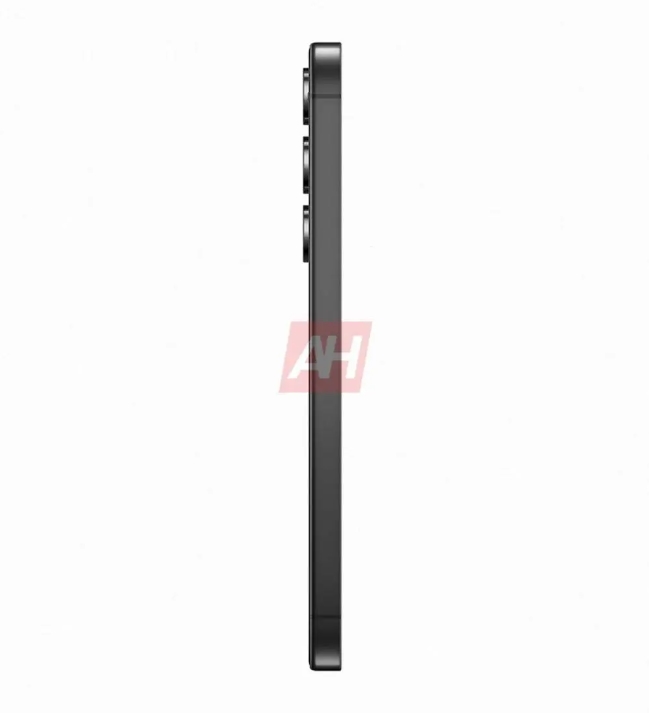
Per Android Headlines, new official-looking renders are available for the Galaxy S24. The renders showcase the colors listed above, as well as a high-definition look at the device from several angles.
Samsung S24 Series Unpacked sets on January 18,2024 3:00AM KST ( Korean Standard Time )
One of the biggest differences between the S24 and Galaxy S23 is the thickness and radius of the aluminum frame. The S23 had a thicker frame that imposed on the rear and front glass. It was also somewhat rounded. In this generation, the metal recedes a little more and gives the phone the appearance of a metal bezel. Each Galaxy S24 also carries a color-matched frame, which redeems the design a bit.
The Galaxy S24 also retains the same camera design, with no panel surrounding each lens. The phone also retains the same basic and sometimes boring look, at least from the back of the phone.
The Galaxy S24 is rumoured to house 8 GB of RAM starting at 128 GB, while the S24+ may house 12 GB of RAM. Respectively, the phones will carry a 4,000 mAh and 4,900 mAh cell. The Galaxy S24+ will house the same SoC as the Ultra – Snapdragon 8 Gen 3 – while the Galaxy S24 base model will carry an Exynos 2400 in some European markets and a Snapdragon 8 Gen 3 in the US.
Galaxy S24 launch event to happen on January 17, 2024, in the US
Leakster Evan Blass has published an image on X (formerly Twitter) that reveals the Galaxy S24 launch event’s date. According to the leaked image, the next Galaxy Unpacked event will be held on January 18, 2024, at 3:00 AM (1 PM EST/6 PM GMT/11:30 PM IST, January 17). The image also says, “Galaxy AI is coming.” Galaxy AI refers to the suite of AI-powered features that will debut with the Galaxy S24 series. The sparkles emoji animation (✨) on the invite is similar to Google Bard, which may mean that Google Bard-like features are coming to Galaxy S24 series smartphones.
Moreover, the model numbers of the carrier-locked and factory-unlocked versions of the Galaxy S24, Galaxy S24+, and Galaxy S24 Ultra were spotted on AT&T’s website. You can view them in the image embedded below.
Galaxy S24 Locked: SM-S921U
Galaxy S24 Unlocked: SM-S921U1
Galaxy S24+ Locked: SM-S926U
Galaxy S24+ Unlocked: SM-S926U1
Galaxy S24 Ultra Locked: SM-S928U
Galaxy S24 Ultra Unlocked: SM-S928U1
Galaxy S24 series to feature Galaxy AI with several AI features
AI will likely be the most important talking point of the Galaxy S24 series. Powered by the Exynos 2400 or the Snapdragon 8 Gen 3, both of which have on-device AI processing capabilities, Galaxy S24 series phones are expected to offer several AI features, including real-time language translation during calls, voice-to-text for up to 10 people in voice recordings, text conversion and summarization in Samsung Notes for both typed and handwritten text, image expansion, wallpaper generation, and more.
The Galaxy S24, Galaxy S24+, and Galaxy S24 Ultra have OLED screens with a 120Hz refresh rate, up to 2,600 nits peak brightness, and Gorilla Glass Armor. The Galaxy S24 and the Galaxy S24+ have aluminum frames, while the Galaxy S24 Ultra has a titanium frame. All three phones have an IP68 rating, an under-display fingerprint reader, Samsung Knox, Samsung Pay, and Wireless DeX. The Galaxy S24 Ultra also has a bundled S Pen.
The Galaxy A34 is here and is doing its best to continue building on top of a successful value formula. The A34 is not unlike the A33 5G before it, but there are a few noteworthy differences.
The A34 has grown noticeably. It now has a 6.6-inch diagonal, up from 6.4 inches in last year’s model, and it’s now got a larger and heavier body. This means the A34 is now bigger even than the current Galaxy A54.
The display on the new A34 is not only bigger but is now also faster at a 120Hz refresh rate. It is also shorter and wider at a 19.5:9 aspect ratio with smaller bezels.
Another notable change is the chipset. Instead of relying on an in-house Exynos chipset like last year, Samsung went for a MediaTek Dimensity 1080 chip this time. That’s one interesting development, given that the Galaxy A54 did get a new Samsung Exynos 1380 chip.
Disclaimer. We can not guarantee that the information on this page is 100% correct.
Aside from these changes, the Galaxy A34 makes sure to stick closely to an already-established formula without major deviations. Some important specs highlights still include an IP67 ingress protection rating and a stereo speaker setup. The Galaxy A34 also retains its large 5,000 mAh battery with 25W fast charging. Its camera looks mostly unchanged from last year, with a 48MP main camera, 8MP ultrawide, a 5MP macro cam and a 13MP selfie. No depth sensor this time around, though.
So, that’s the Galaxy A34 in a nutshell. The question now is whether it is as good as its predecessor and good value in general. Join us on the following pages as we try to find that out.
Unboxing
The Galaxy A34 comes in a thin two-piece cardboard box like its predecessor.
Samsung does not include a charger with the A34. That’s not exactly a new development, but one that still deserves mention, especially in the midrange.
You do still get a USB Type-C to Type-C cable in the box inside the thin paper compartment. The cable is compatible with Samsung‘s 25W fast charging, so that bit is covered.
Alternatives
The Galaxy A34 has a pretty reasonable launch MSRP of right around €400/INR 30,999/KRW499,400. That would be for a base 128GB 6GB RAM unit. As you can probably imagine, there is no shortage of competition in this price bracket.
An instantly viable option would be to consider an alternative Samsung device. While the Galaxy A52s 5G remains viable and a favorite of ours for its superior chipset, it is getting on in age at this point, and we would rather go for the Galaxy A53 5G instead. But only if you find a good deal on it since it is not decidedly any better specs-wise than the A34. It does offer a higher-resolution camera setup with arguably slightly better EIS, but that’s about it. And on the flip side, you will have to settle for briefer software support since it is a 2022 model.
One line that instantly comes to mind is Xiaomi’s Redmi Note 12. It has become fairly confusing with all of the models being released under it, but that should be okay with potential buyers since there is a lot of value to be had. The vanilla Redmi Note 12 is one option that can save you quite a big chunk of change since it retails for under €300. The Redmi Note 12 Turbo is another very popular device in our database that deserves a mention. It might, however, be harder to find at retailers. Hence, we are going to recommend the Redmi Note 12 Pro, which we have already reviewed. For a little over €300, it delivers features like IP53 ingress protection, Gorilla Glass 5 on the front, stereo speakers, a large 5,000 mAh battery with 67W charging, 6.67-inch, 10-bit, 120Hz, Dolby Vision and HDR10+ certified OLED display and a versatile camera system with a 50MP OIS snapper at the helm.
Samsung Galaxy A53 5G • Xiaomi Redmi Note 12 Pro • vivo V27 • Google Pixel 6a
The vivo V27 is another interesting direct competitor to the Galaxy A34. Retailing for about as much, it offers a 10-bit, HDR10+ certified display, a superior Dimensity 7200 chipset with more RAM (8GB) in its base tier and a more versatile camera setup, especially when it comes to video capture, where the V27 has gyro-EIS and 4K@60fps recording. Its 50MP selfie cam also has autofocus and a pair of front-facing LED flash modules, making the V27 a selfie powerhouse. The slightly smaller 4,600 mAh battery on the vivo is also capable of much faster 66W charging. On the flip side, however, you will be giving up on ingress protection by going with the vivo V27.
Why not consider the Google Pixel 6a as well? It offers a premium build with an aluminum frame and Gorilla Glass 3 front, complete with IP67 ingress protection, just like the Galaxy A34. It also comes packing stereo speakers and an HDR OLED panel. Though one that is just 60Hz and notably smaller. While far from a powerhouse, Google’s custom Tensor chipset also offers some nice features like 4K@60fps video capture and Wi-Fi 6e. The main camera on the Pixel 6a also comes with OIS, dual-pixel PDAF and pixel shift technology. It is also backed up by Google’s computational photography algorithms. And last but not least, there is the potential appeal of AOSP software, which is a major draw for many buyers.
The verdict
The Galaxy A34 is a great mid-range device. No question about that. It is not too dissimilar from its predecessor, which is frankly a good thing. Certain staples of the model are here to stay, like the IP67 ingress protection rating, the stereo speakers and the large battery.
This year, in particular, the A34 has grown considerably. With a 6.6-inch panel, it is now bigger than both its predecessor and the Galaxy A54. The new display is 120Hz as well, which is a nice little upgrade over last year’s 90Hz. Even though the A34 lacks automatic refresh rate switching, we still appreciate the jump-up in smoothness. Add the excellent maximum brightness to the mix, and the A34 manages to almost match the display of its more-expensive A54 sans the HDR capabilities.
The chipset choice on the Galaxy A34 is also seemingly working in its favor. While the new Samsung Exynos 1380 does manage to offer a bit higher performance on the A54, the Dimensity 1080 inside the Galaxy A34 holds its own. Plus, it offers great power efficiency, contributing towards the excellent battery life of the A34.
The Galaxy A34 doesn’t improve much over its A33 5G predecessor in the camera department, but it offers a very well-rounded mid-range camera experience. The triple main camera setup is versatile, too.
Struggling to find any major faults with the Galaxy A34. It is an excellent device that deserves plenty of praise and a hearty recommendation.
Pros
IP67-rated design, attractive & sturdy design.
Larger and brighter 120Hz AMOLED screen.
Excellent battery life.
Stereo speakers with good quality.
Latest Android and One UI.
Good performance for this price range and perfect thermal behavior.
Great photo and video quality, lossless 2x zoom, great selfie photos&videos.