Ahead of the Pixel 9 keynote on Tuesday, Google has posted the livestreams for Made by Google 2024, with the Android channel on YouTube also broadcasting it.
Since the early event was announced in June, Google has emphasized the role of Android and Gemini at this upcoming Pixel event. It reflects how Google this year merged the Android (Platforms & Ecosystems, including Chrome) and hardware (Devices & Services) teams into Platforms & Devices, with Rick Osterloh leading.
Of note this year is how the Android YouTube channel will also be livestreaming the #MadeByGoogle ‘24: Keynote: “Watch now for updates on Google AI and the newest Pixel devices, including the #Pixel9 Pro and Pixel 9 Pro Fold.”
There’s an identical stream on the Made by Google channel, which is the usual home and has more subscribers at 1.64 million subscribers (versus 1.03M). MbG is also responsible for the:
Last year, the main Google channel (12.2 million subscribers) also mirrored it.
Meanwhile, you’ll find a live countdown at the top of the Google Store.
The Made by Google 2024 keynote starts at 10:00 a.m. PT on August 13 or 3:00 a.m. AU Time. This will be streamed live from the Google headquarters in Mountain View, California. It will be followed by an “After Party.”
After missing its initially expected release date, Samsung’s Android 15 update seems to be looking at a much later launch, as sources claim it has been delayed “indefinitely.”
Samsung has been working on its Android 15 update, with One UI 7, behind the scenes for a while now, and the update was expected to be unveiled publicly late last month. But that initial date came and went without a launch, despite many leaks revealing what Samsung’s updated skin would bring to the table.
Some sources suggested that Samsung was holding back One UI 7 for the sake of the One UI 6.1.1 rollout, which has also yet to begin. However, it seems like it may be more than that.
Reliable sources Ice Universe and Chun Bhai say that Samsung has delayed the launch of One UI 7 and in turn, the company’s Android 15 update more than previously thought. Ice says Samsung has no plans to launch the beta “in the near future,” while Chun Bhai says it was “delayed indefinitely” by Samsung, adding that there is “low confidence” it could even launch in August.
The latest situation of One UI 7 Beta: There are still no plans to launch it in the near future.
Why the delay? There have been passing mentions of bugs and issues with the update, but it does seem like a considerable portion of the holdup is simply due to the delayed rollout of One UI 6.1.1. Whatever the case, it also comes as Google seems to be slightly delayed on the launch of Android 15 as well. The company’s upcoming Pixel 9 lineup will reportedly launch with Android 14, while the August patch just went out based on Android 14 as well, implying it won’t arrive until at least September.
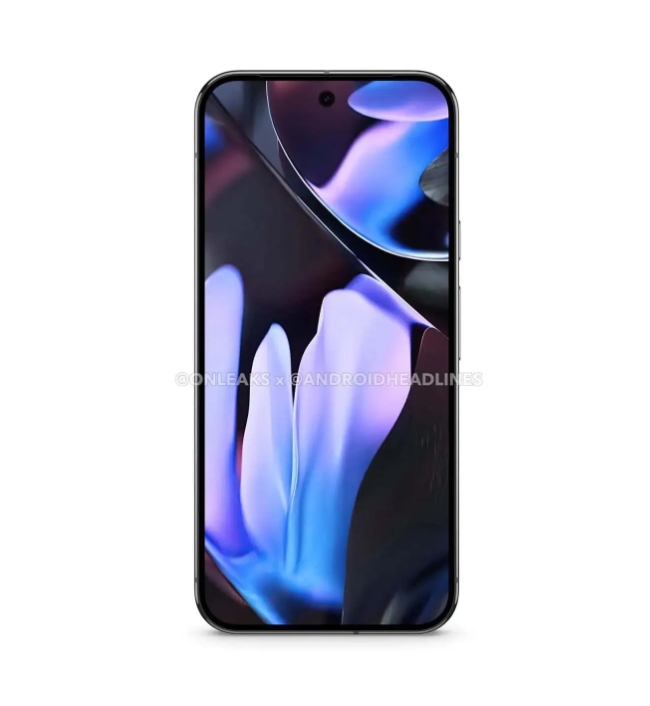
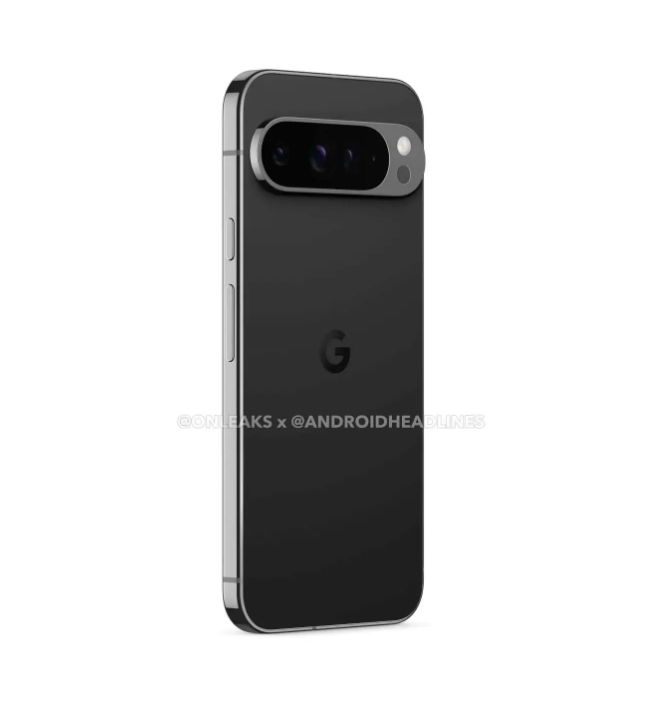
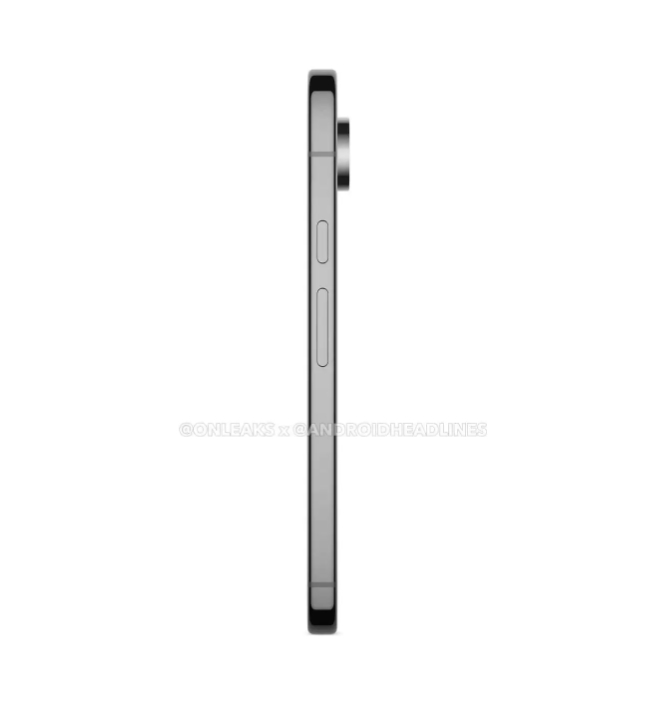
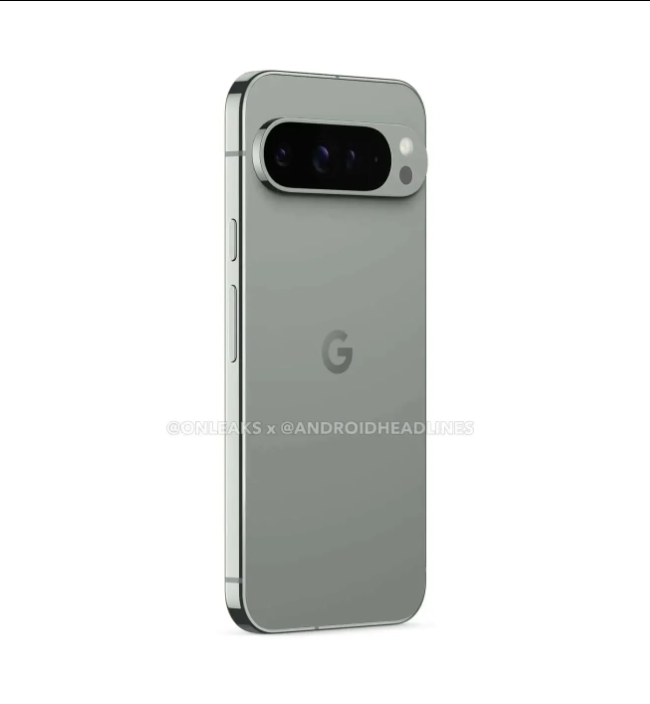
Google Pixel 9 leaks are coming en masse lately, and now we’ve got a good look at the Pixel 9 Pro XL in all four of its color variants.
Generally, Google has launched its Pixel phones with three color variants, last year adding “Mint” a few months later to the original launch lineup of the Pixel 8 series which consisted of “Obsidian,” “Porcelain,” and “Bay.” The Pixel A-Series has, since the Pixel 7a, offered four colors (one of which being a Google Store exclusive, like Pixel 8’s “Mint”), but the flagships have stuck with a lineup of three thus far.
That’s probably set to change with the Pixel 9 Pro series, though, as a new leak shows.
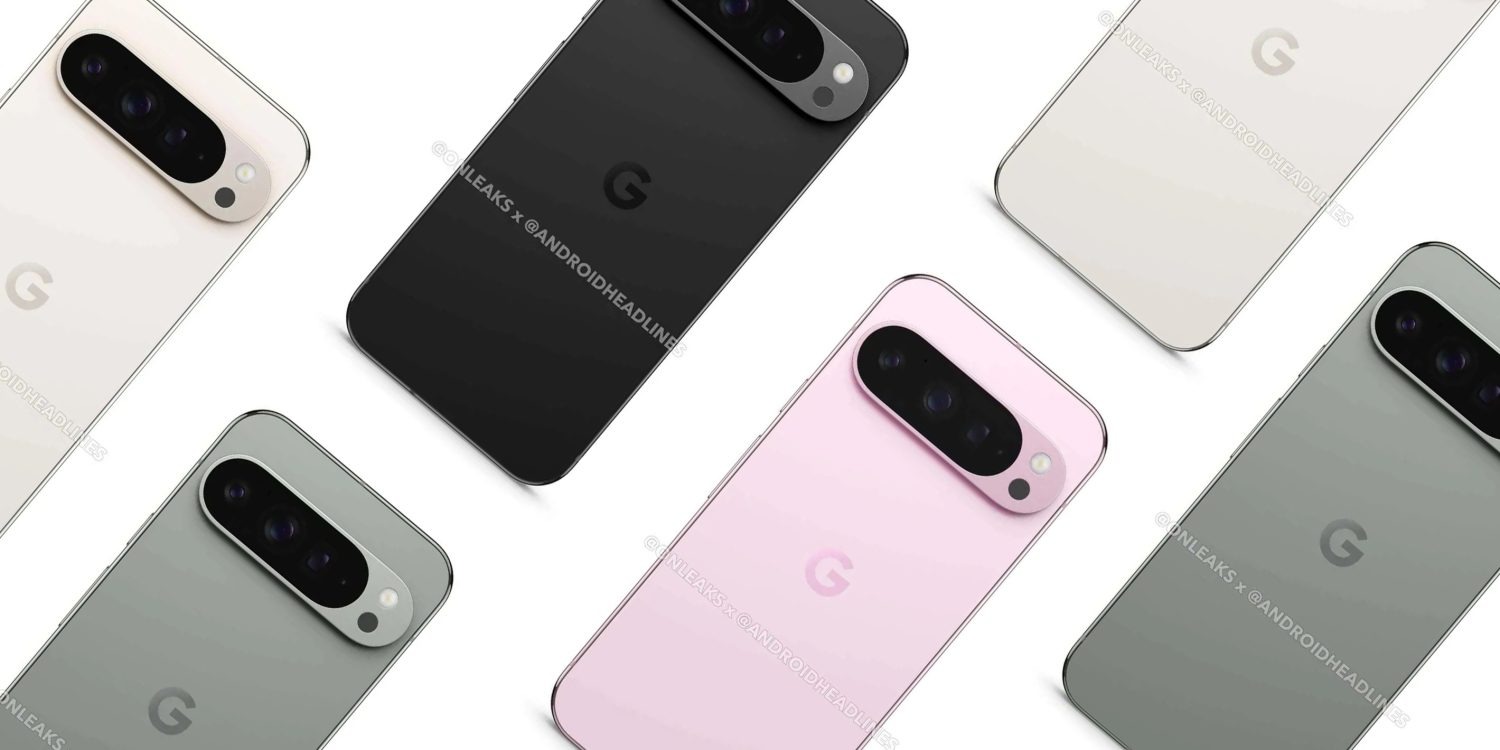
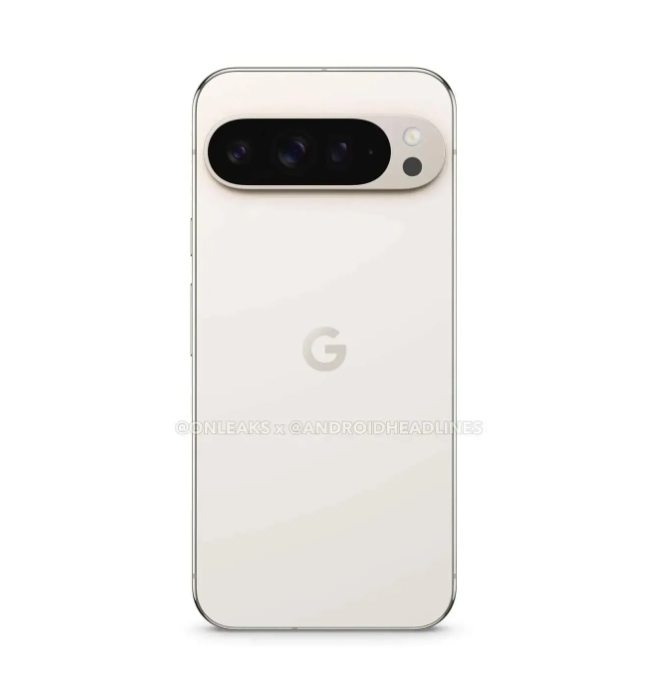
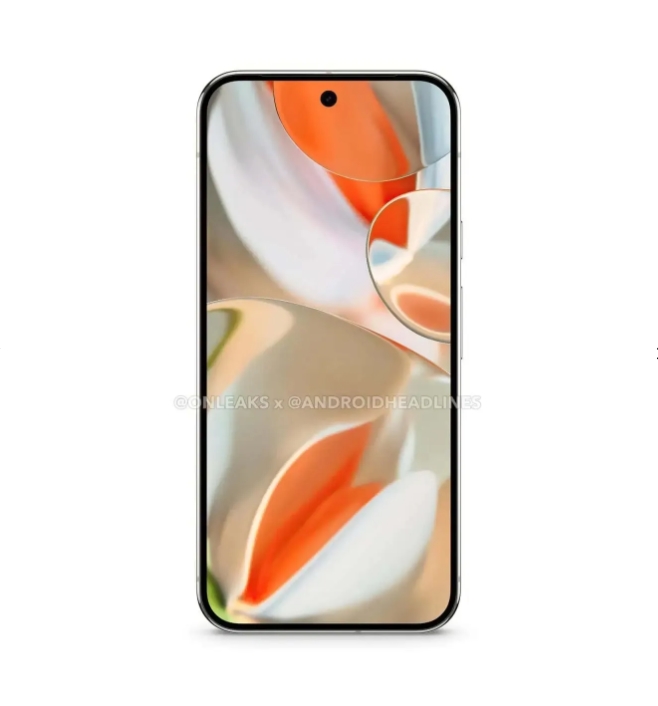
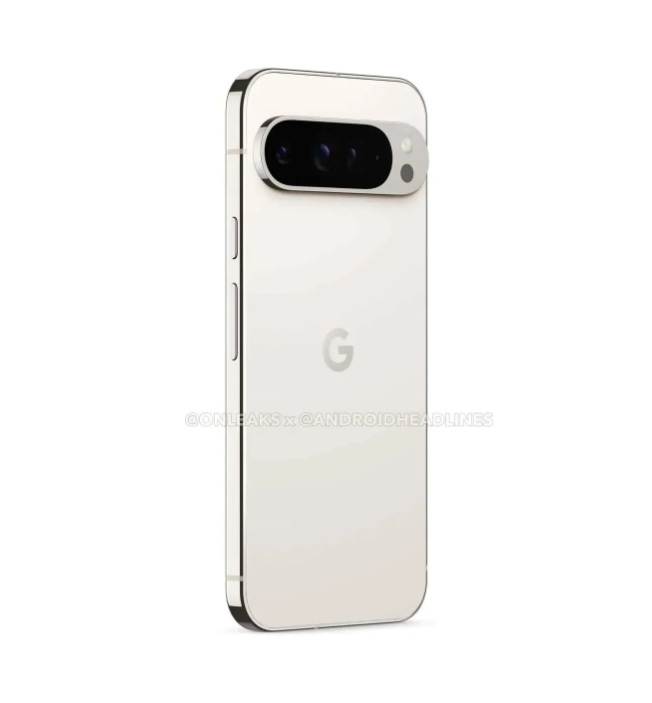
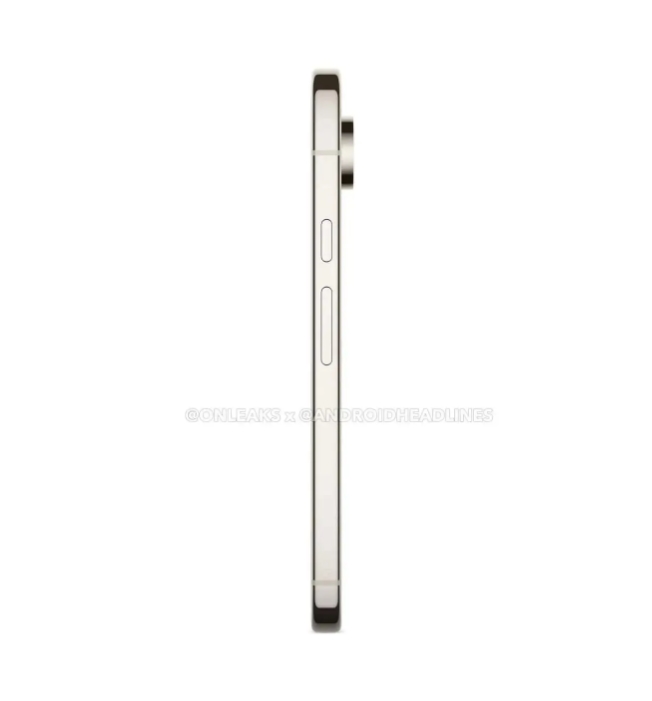
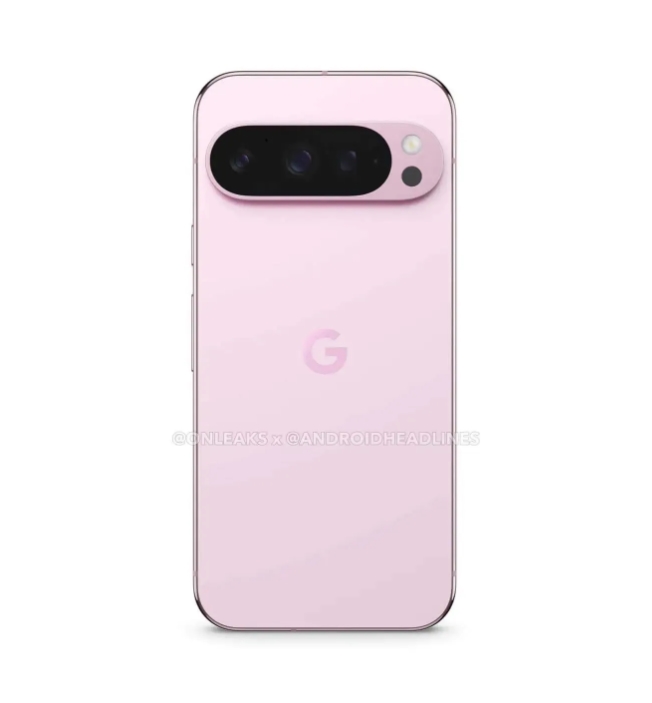
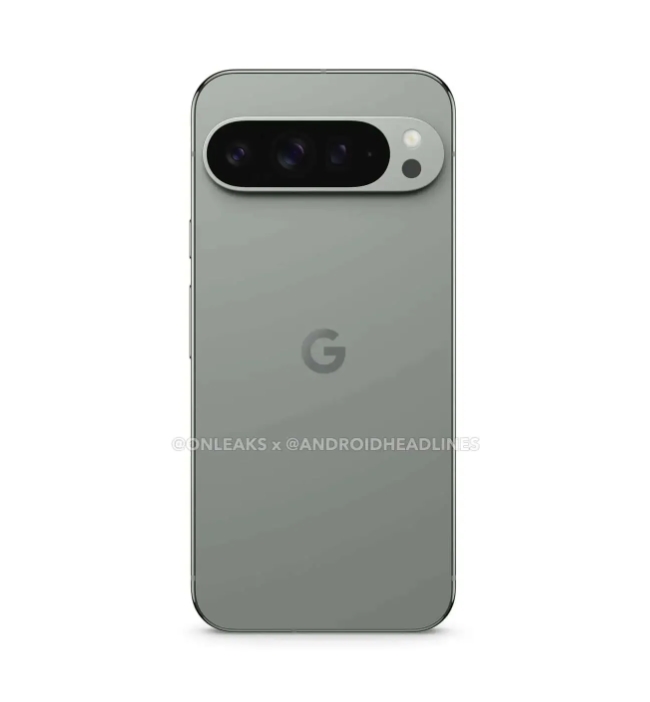
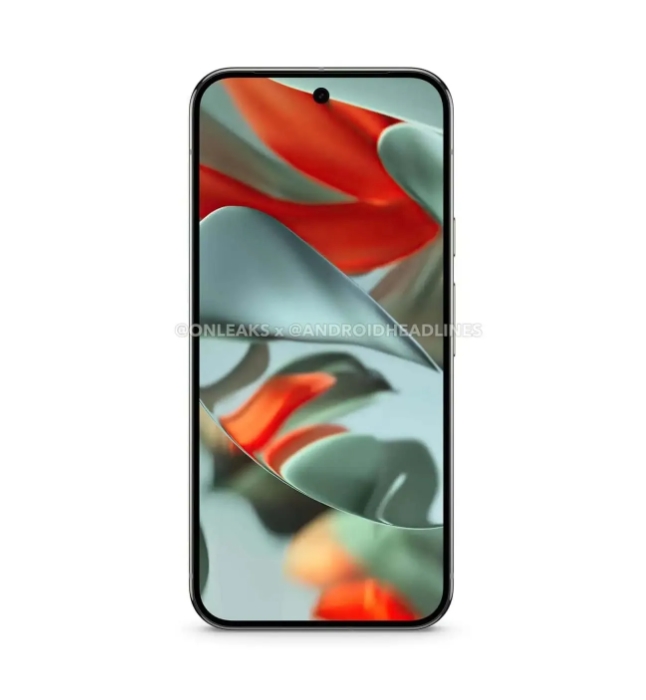
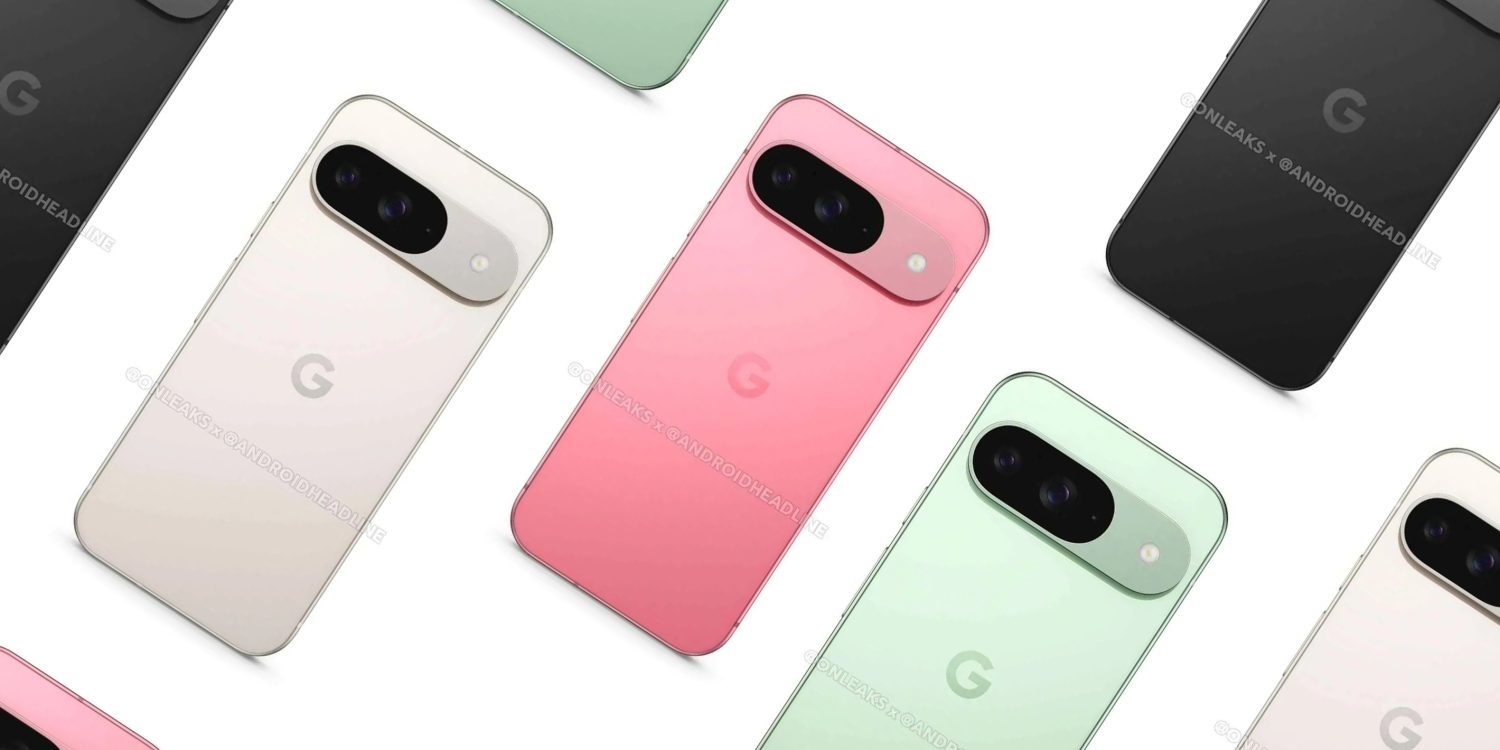
Images published by Android Headlines offer a look at the Pixel 9 Pro XL in “Obsidian,” “Porcelain,” “Rose,” and “Hazel.” All four colors have relatively muted tones to both the back glass and the polished metal frame.
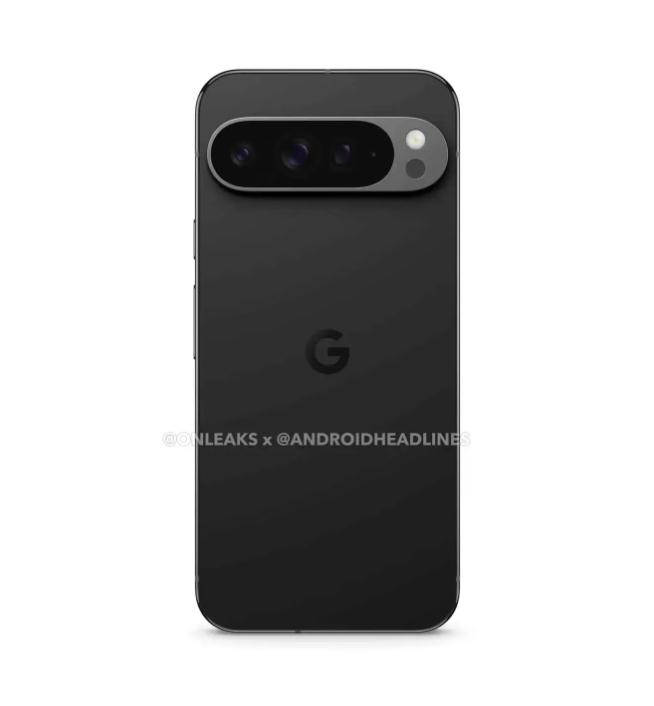
Pixel 9 Pro XL in “Obsidian” color
Pixel 9 Pro XL in “Porcelain” color
“Obsidian” and “Porcelain” are mostly unchanged from last year, besides the striking colors added to the frames. Last year’s variants didn’t feature quite the same look to the frame. It’s also noteworthy that Google has done away with the glossy camera bar finish in place of a matte finish which should mostly eliminate scratching problems that have been ongoing on the “Pro” series since 2021’s Pixel 7 Pro.
Meanwhile, “Rose” and “Hazel” are new additions to the “Pro” lineup. Both names were used on last year’s base Pixel 8, but the new versions are a bit more saturated in their colors.
Pixel 9 Pro XL in “Rose” color
Pixel 9 Pro XL in “Hazel” color
Alongside the colors, we can also better see the display bezels, as we first highlighted in a leak yesterday. The Pixel 9 Pro XL’s bezels, unsurprisingly, look a lot like those on the Pixel 8 Pro.
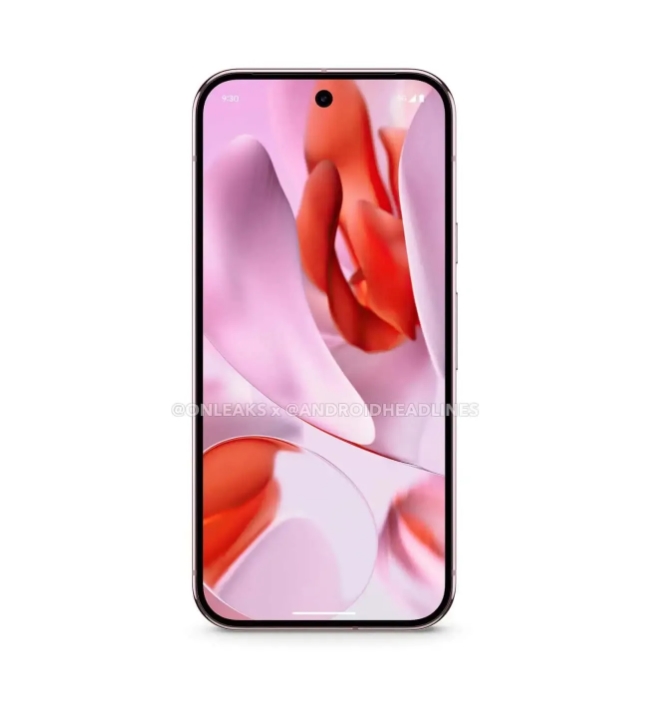
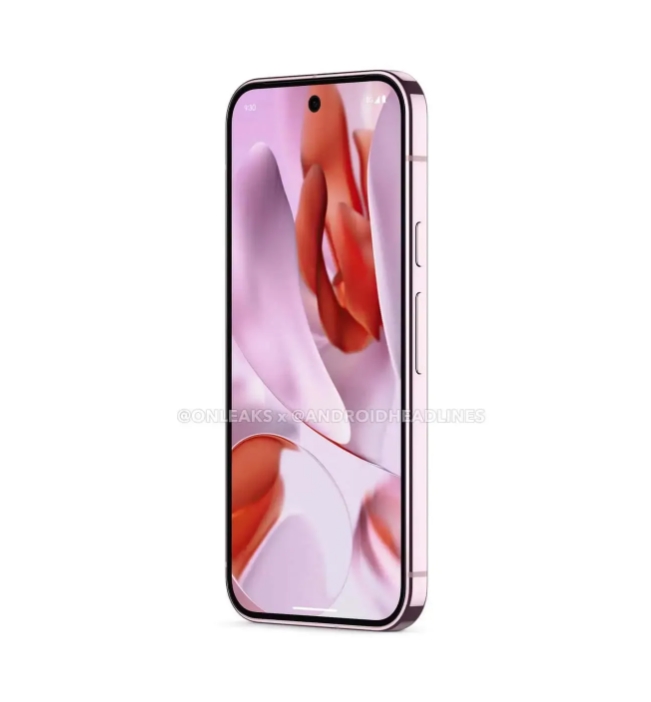
The base Pixel 9 is expected to possibly come in other colors, including a more vibrant pink. Pixel 9 Pro Fold, meanwhile, is likely only going to be available in “Obsidian” and “Porcelain” as hinted at in the past.
One of the core pillars of Google’s first Tensor-powered Pixels was value. By delivering much of the same hardware features at a lesser cost, the deficiencies of Google’s chip could be overlooked relatively easily. Over time, though, prices inevitably went up, peaking with last year’s Pixel 8 at $699 and Pixel 8 Pro at $999.
This year, those prices are expected to go up by around $100 across the board, with a $1,000 Pixel 9 Pro offering a smaller but equally capable alternative to the (likely) $1,100 Pixel 9 Pro XL.
Despite the many Pixel leaks this week, though, we still don’t have confirmation of US pricing for the entire lineup – just the Pixel Watch 3 and the Pixel 9 Pro Fold.
But why are they going up? In terms of hardware design, the Pixel 9 series is certainly an upgrade in some ways, but new devices generally don’t bring an upcharge for design alone unless there are material changes, and none of that is expected. The displays are getting better across the board, but that’s also not something that usually comes with a price bump. Starting storage totals are supposedly unchanged, and Google is still set for 7 years of updates, which was arguably the biggest reason last year’s price bump didn’t sting all that much.
There are some more meaningful upgrades at play. The cameras on the Pro series are better, with a much higher-resolution selfie camera and a better sensor for the ultrawide on the back too. The existence of the smaller Pixel 9 Pro on its own is also a welcome addition to the lineup for many who were starved for a capable but smaller device for years. Tensor G4 in itself isn’t a big upgrade, but rumors of free-for-a-while satellite connectivity and the better modem should be meaningful additions as well.
But I do think there’s one very tangible upgrade that a lot of people are overlooking, and that’s memory.
According to leaks, Google is equipping the entire Pixel 9 series with more RAM this year. The base Pixel 9 will allegedly ship with 12GB of RAM, while the Pixel 9 Pro and Pro XL (and Fold) will get 16GB of RAM by default. 16GB of RAM is a total that was unheard of just a few years ago, and is still exceedingly uncommon for most smartphones, especially in base configurations. For comparison, Samsung’s $1,300 Galaxy S24 Ultra doesn’t have a 16GB variant, and certainly doesn’t offer that in its base model. Looking at the Galaxy S24 series as a means of comparison, 12GB and 16GB really does eclipse Google’s primary competition, as the base Galaxy S24 only have 8GB of RAM.
The reason for this is most likely for the sake of AI, as on-device AI tends to rely heavily on plenty of memory. But, even if AI isn’t something you’ll use frequently, that additional memory should provide a boost to overall performance in day-to-day tasks, and that excess memory will be very useful in the years to come as AI constantly changes the focus of our phones. It should also prove helpful through the near-decade of software support these phones are getting.
I do think Google should have gone ahead and also upped the base storage to 256GB alongside that change, but effectively upping the RAM by 25% or more is quite an impactful change, and one that I think does ease the sting of higher pricing, at least in my book. It does sound like pre-orders will come with boosted storage, though.
What do you think?
Now, the other question that begs to be asked here is that if the Pixel 9 Pro Fold isn’t getting a price increase despite it’s much longer list of additional upgrades, why are the other models? And I think the reasoning here is obvious. The Pixel 9 Pro Fold, like the Pixel Fold before it, is expensive, and at such a high price, it’s really hard to justify an increase. Google’s Pixel Fold should have been cheaper, but based on everything we’ve heard about the new one, the sequel actually seems somewhat worthy of its price – maybe, we’ll see.
Samsung just launched its first 3nm chip in the Galaxy Watch 7 and Watch Ultra, and it has its sights on using the same process to launch the Exynos 2500 chip for “flagship products” such as the Galaxy S25 series.
In a post discussing its Q2 2024 earnings, Samsung confirms the Exynos 2500 by name, saying that the chip will come to “flagship products” using the same 3nm process as the Exynos W1000 that launched in Galaxy Watch 7 and Watch Ultra.
System LSI plans to focus its business capabilities on ensuring a stable supply of Exynos 2500 for flagship products. The initial market response to wearable products using the industry’s first 3nm SoC is positive, and the expansion of SoC adoption models by major trading partners is expected in the second half of the year.
Samsung first started making 3nm chips a while back, but the Exynos W1000 was the first chip based on the process to make it into a Galaxy product.
No Android phones have been released so far with a 3nm chipset, while Apple’s iPhone 15 Pro series uses a new chip made on TSMC’s 3nm process. Google is also rumored to be adopting a 3nm process for next year’s TSMC-made Tensor G5, while Qualcomm and MediaTek are also both likely to adopt TSMC’s 3nm process in their respective new Snapdragon and Dimensity flagships which are due to be announced later this year.
As for the Galaxy S25 series, there are mixed rumors of what Samsung’s chip strategy will be, but this earnings call mention seems to imply that Samsung plans to use the Exynos 2500 in some capacity in its next release.
Exynos W1000 chip detailed at Galaxy Watch 7 launch
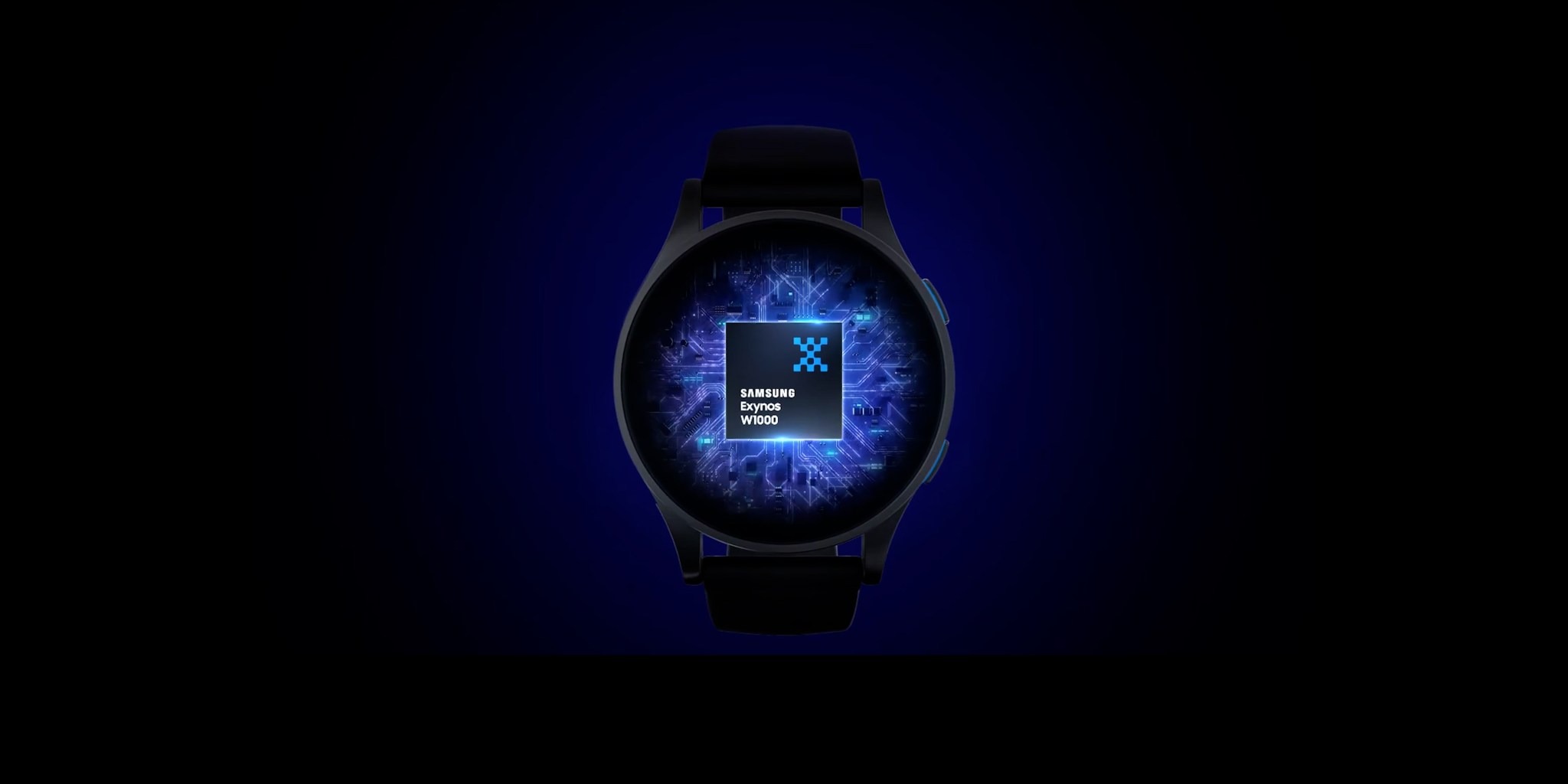
A head of the Galaxy Watch 7 series launch last July 10, 2024, Samsung has detailed the Exynos W1000 chip that will power the upcoming wearables.
As is customary, the new wearables have been substantially leaked ahead of the late-2024 Unpacked launch event. We know that the Exynos W1000 chip is going to be at the heart of the Wear OS-powered smartwatches and could provide a substantial performance uplift over the Exynos W930 chip.
Built using a 3nm fabrication process, the Exynos W1000 has a 5-core CPU that features a big Cortex-A78 core with four Cortex-A55 cores. According to Samsung’s literature, this should offer up to 2.7x faster app launch times, 3.4x faster single-core performance and 3.7x faster multi-core performance.
The Exynos W1000 also features a Mali-G68 MP2 GPU, which supports displays up to 960 x 540 pixels. With the Samsung Galaxy Wathc 7 Ultra potentially packing a large screen, this is the perfect SoC to power the show. Fan-Out Panel Level Packaging (FO-PLP) is being used here to help improve heat management and heat dissipation despite the tiny size of the W1000 in wearable devices.
Samsung also notes that the latest wearble chip supports 2.5D Always-on Display for higher-detail in on-device watch faces and improved colors. All the other good connectivity features like Bluetooth LE, 4G LTE, Wi-FI b/g/n, GPS, and NFC for wireless payments are packed in here too. 32GB of integrated eMMC storage is integrated on to the chip – which aligns with leaked specs from the Galaxy Watch 7 series.
Throw in numerous efficiency improvements and the Exynos W1000 could be the perfect base for flagship-level wearable software experiences.
Following a metric ton of leaks and rumors, Samsung’s first Android 15 beta missed its first scheduled release date, with the debut of One UI 7 now being thought to be as far as almost a month away from launch.
Samsung’s first beta for One UI 7, based on Android 15, was initially expected to launch yesterday. But, as that passed, new information suggested the debut could be delayed. Now, we’re getting some insight into how long that delay might be.
According to SamMobile on Twitter/X, Samsung plans to release the first beta for One UI 7 “around the third week of August,” putting the potential release almost a month away from what was expected. That’s also after Google is expected to fully launch Android 15 to Pixel devices, with the Pixel 9 launch scheduled for August 13.
Delayed because of One UI 6.1.1. We currently expect One UI 7 beta around the third week of August. 🙂
— SamMobile – Samsung news! (@SamMobiles) July 30, 2024
The delay, as mentioned previously, is due to the lack of a One UI 6.1.1 rollout. That update first debuted on the Galaxy Z Fold 6 and Flip 6, and is set to expand to Galaxy S24 and other recent Samsung devices over the coming weeks. For whatever reason, Samsung is holding back its beta program for the sake of that update.
Samsung’s One UI 7 update is expected to be a major one, bringing new designs throughout the Android 15 skin and new features as well.
After an early leak gave us a taste of what One UI 7 could bring, another slice of internal information has now hinted at yet more interface changes and alterations coming with Android 15 for Samsung Galaxy phones and tablets.
Android 15 is not going to provide a huge overhaul to the operating system, instead, more AI functionality is expected to bridge the gap between our expectations and the core interface. However, One UI 7 could provide a substantial set of alterations when compared to recent years.
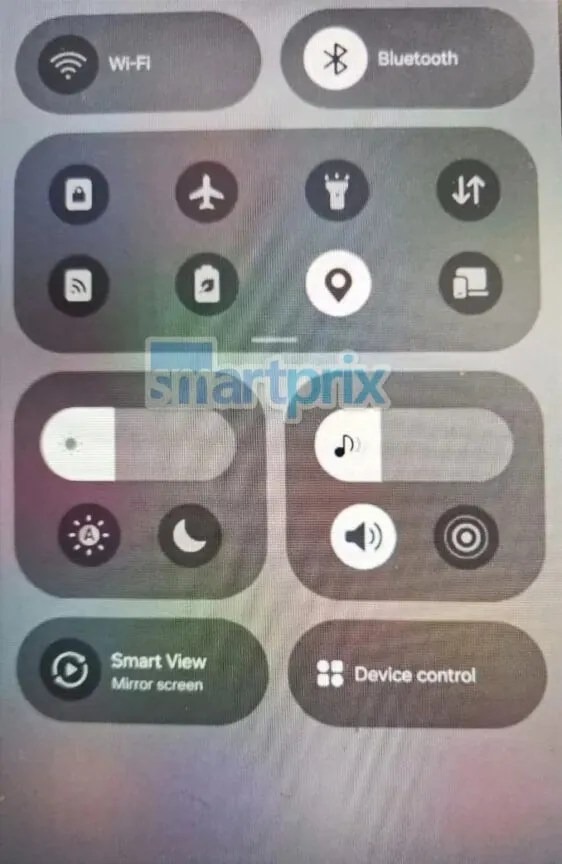
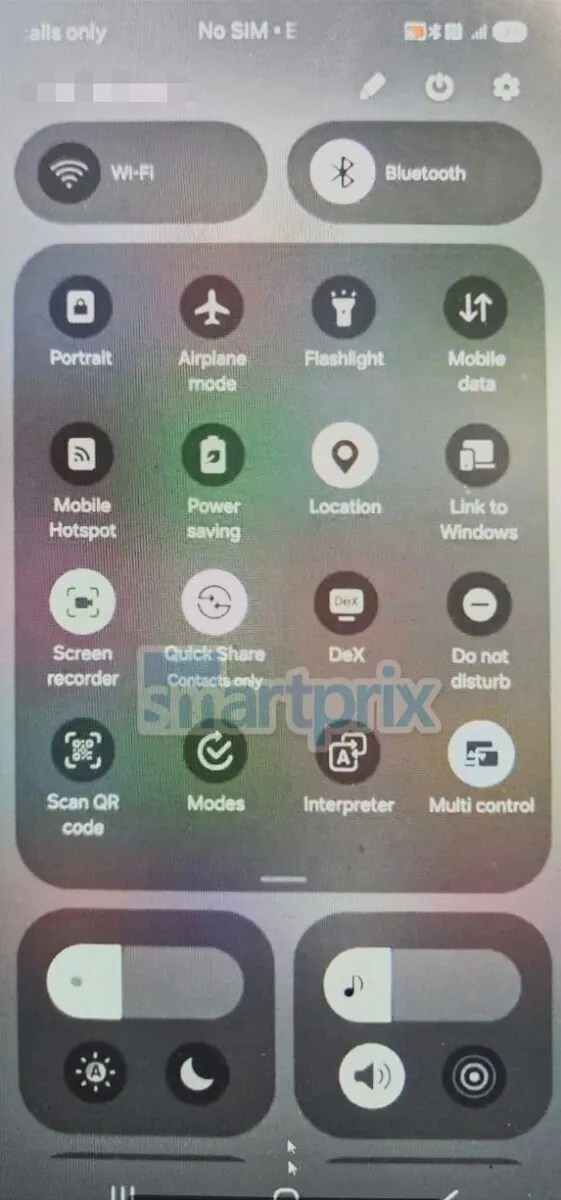
The latest One UI 7 leak courtesy of SmartPrix and chunvn8888 showcases some of the most notable changes including a refreshed two-page notification panel that offers separate access to notifications and the Quick Settings panel.
This leak confirms earlier suggestions that Samsung is paying some attention to all system icons in One UI 7. A complete revamp of all of the stock Galaxy apps is expected, with a significant departure from the Material Design principles that have been roughly adhered to for a number of years. The leaked icons have a very tiny hint of skeuomorphic design, with more depth, shadows, and 3D elements.
Samsung is also set to implement its own version of Apple’s Dynamic Island with this update, and this leak gives us an idea of what to expect. A brief video showcases the expansion of a status bar chip with a timer ongoing. This animates into view and then disappears in a slightly different manner to how the Dynamic Island utilizes the area around the punch-hole on Apple devices:
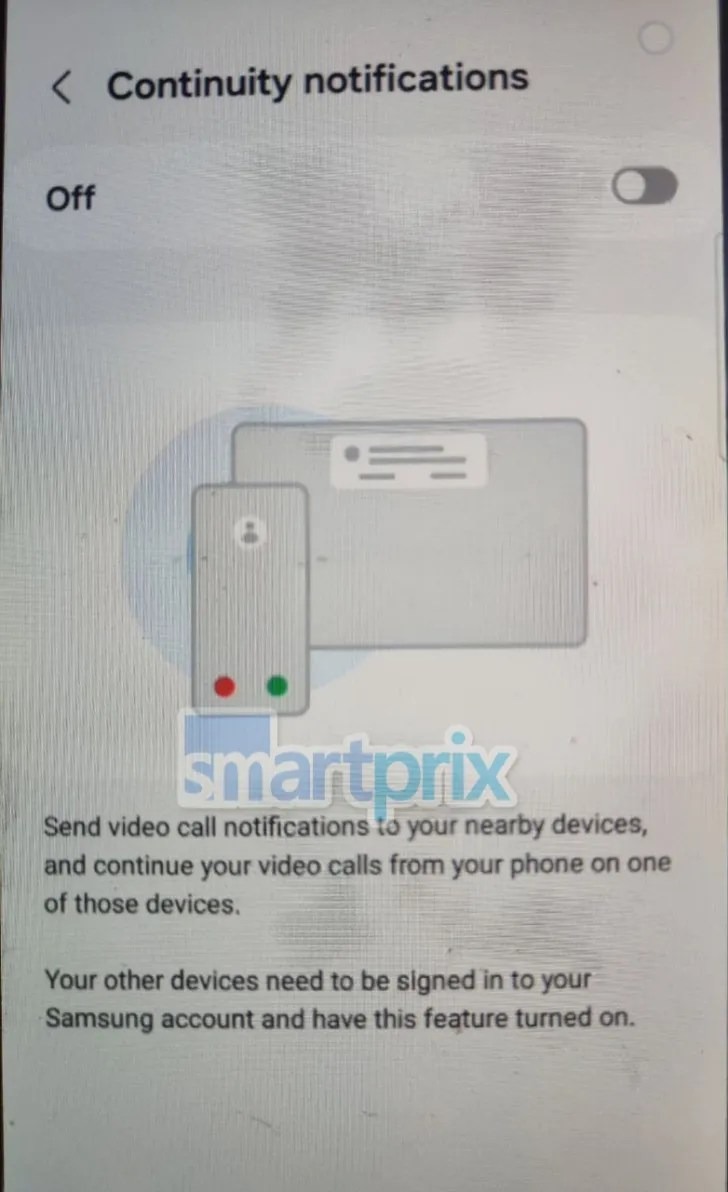
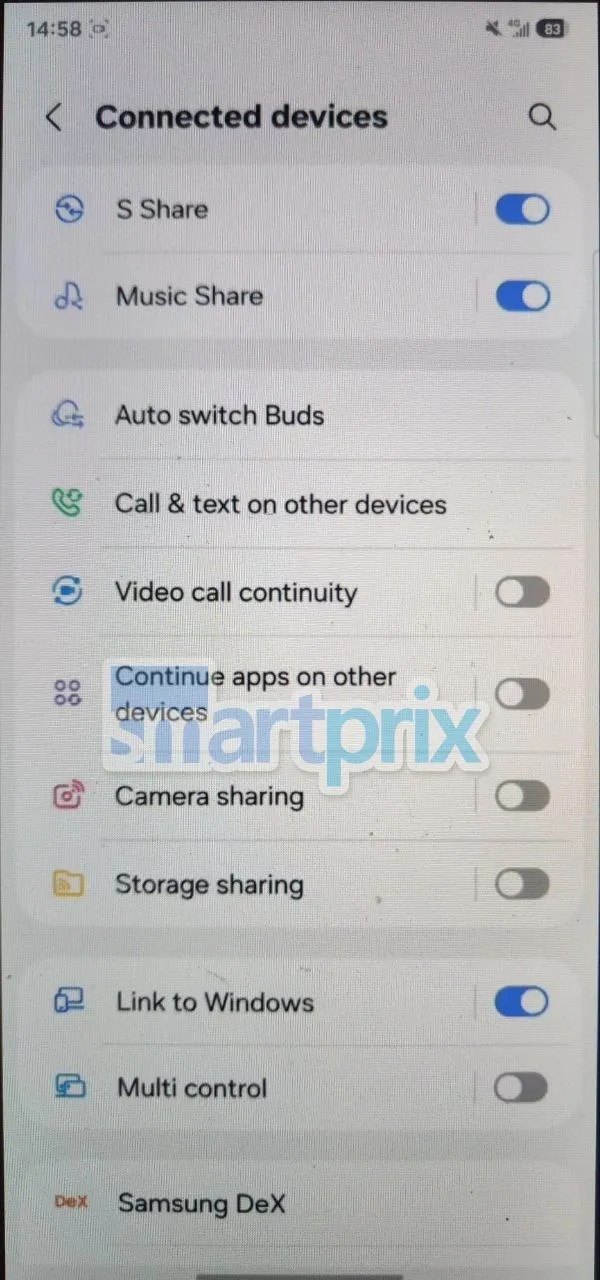
“Continuity notifications” is also set to come with this update. The One UI 7 leak showcases the interface which will let you send video calls between any other Galaxy phone that is signed in to the same Samsung account. If this sounds familiar, this is a Samsung take on the Google Cross-Device Services function which allows you to move calls and texts between smartphones, Chromebooks, and browsers.
Other changes mentioned in the One UI 7 leak include more rounded UI elements including menu taps, button placeholders, and much more. Samsung is expected to confirm the rollout of the One UI 7 beta from Monday, so we don’t have much longer to see just how much of this leaked information is indeed correct.
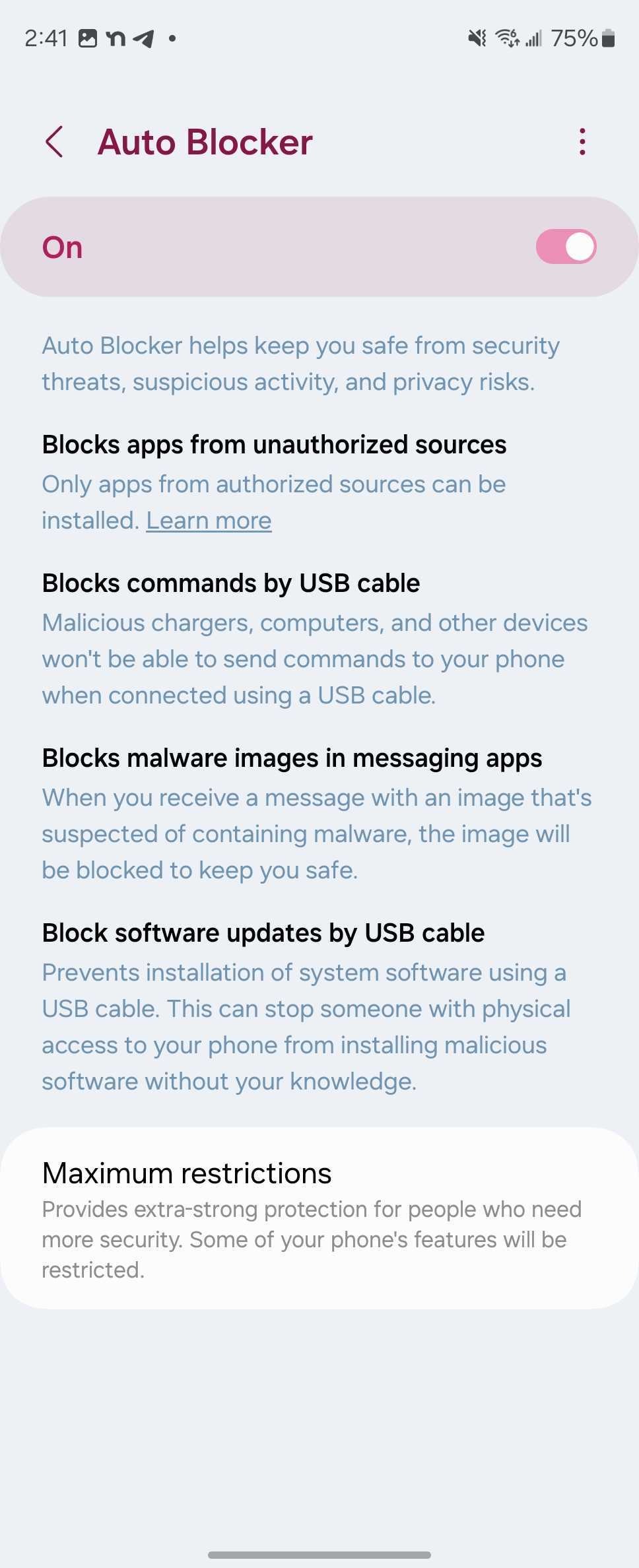
Samsung is enforcing a new “Auto Blocker” on new Galaxy smartphones, which, among other protections, blocks users from sideloading Android apps on their device.
“Auto Blocker” has been a part of Samsung Galaxy smartphones since the Android 14 (One UI 6) update. The feature initially was designed with protections for malware or USB hijacking, but has since been updated to include the blocking of sideloading apps on Samsung Galaxy devices with One UI 6.1.1 (alongside a new set of “Maximum Restrictions” that are turned off by default) as detailed on a support page.
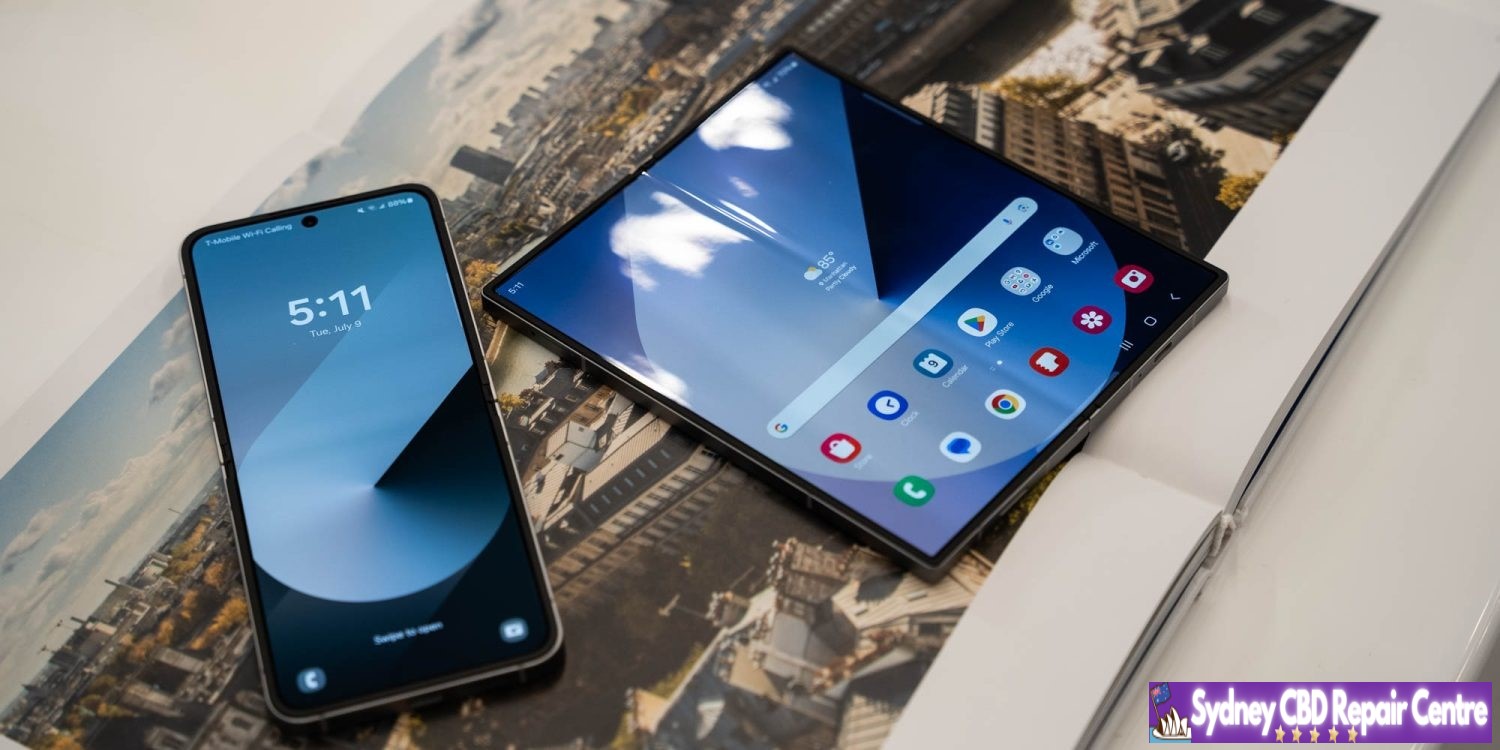
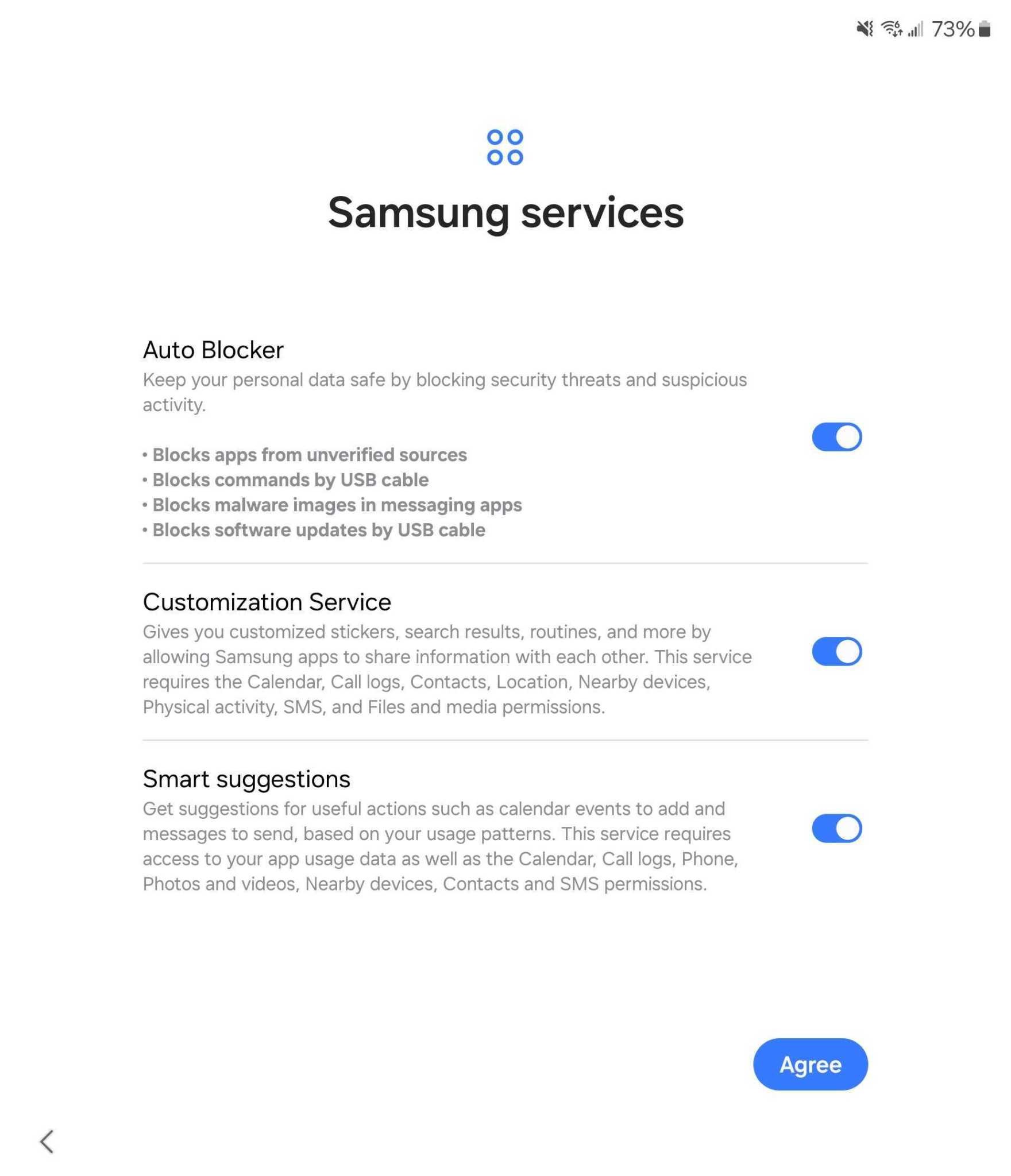
As such, Samsung’s new Galaxy Z Fold 6 and Flip 6 are the first devices to ship with this new sideloading restriction out of the box. We missed this in our initial setup of Galaxy Z Fold 6 and Flip 6 (h/t Android Authority for highlighting this), but have since confirmed it is present on a fresh Galaxy Z Fold 6 during setup. During the initial setup process, a page appears that informs users of Auto Blocker restrictions, and allows them to be turned off.
This setting is turned on by default, so if you don’t turn it off, your Galaxy device will block sideloading of APKs (as well as unapproved app stores).
If you happen to miss that page, though, you’ll be met with an error message when trying to sideload an app as pictured below.
But, thankfully, this isn’t a permanent change.
By going into Settings > Security and privacy > Auto Blocker, you can toggle the feature off quickly and easily. From there, you can go back to Android’s default sideloading behavior, where each app is individually allowed to sideload after you’ve given it permission.
This same change will likely apply to other Samsung devices running One UI 6.1.1 which, so far, includes the past few generations of Samsung foldables and Galaxy S devices. For previous versions of One UI, this change won’t apply, at least for now.
At I/O 2024, Google said Gemini Live would offer ten natural-sounding voices instead of just the one we’re currently limited to, and testing appears to be underway.
Since launch, Gemini has used a male voice to read back responses (2 examples):
Activating Gemini on Android today reveals a female voice (3 examples):
We’re only seeing the new voice in Gemini for Android, with the iOS app and web client unchanged. As of today, there’s no ability to change the voice back in settings. Google could be testing ahead of the broader launch.
Google Assistant today offers 12 voices that use colors for names. Gemini will presumably use the same strategy.
Android 15 itself is shaping up to be a pretty middling upgrade, but it sounds like Samsung may have some bigger updates in store, according to a known tipster.
One UI updates generally build on the latest version of Android with Samsung’s own suite of new features. But, over the past few releases, we haven’t see a lot of change.
Apparently, that streak could end this year, as tipster Ice Universesays that One UI 7, Samsung’s Android 15 release, will be the “most changed version in the history of One UI.”
Today's leak: One UI 7 may be the most changed version in the history of One UI. The icon is redrawn.
What does that mean? It’s hard to tell without added context. The post only goes on to further say that the “icon is redrawn,” which perhaps hints at some design changes or perhaps animation tweaks, but it’s really hard to know for sure. On Weibo, Ice further expands to say that the “drop-down bar” has been changed, and specifies that the “icon style” is updated.
Android 15 itself is, as mentioned, void of any big changes.
One thing Samsung is confirmed to deliver is “App Lock,” a new feature separate from “Secure Folder.”
When it debuts, whatever it may bring, Samsung is likely to test in beta and later launch One UI 7 first on devices such as the Galaxy S23 series and the recently-launched Galaxy Z Fold 6 and Flip 6.