Last May 22,2024 the Unicode Consortium previewed the new emoji that are expected to be added to Apple’s upcoming OS updates, including iOS and iPadOS 18, watchOS 11, and more. Though the list isn’t finalized yet, it’s likely that everything outlined will be approved and added to the official set of emoji that platform owners like Apple and Google will adopt.
One standout from the list is a new ‘face with bags under eyes’ emoji that makes me feel truly seen. It’s undoubtedly bound to be one of the most popular additions. Other new emoji include a shovel, fingerprint, beet, and more.
New emoji up for approval
Here is the full list of new emoji expected to come to iOS 18:
face with bags under eyes
fingerprint
leafless tree
root vegetable
harp
shovel
splatter
With emoji that represent exhaustion, a barren tree, and a shovel, there seems to be a fairly bleak common theme here.
One important thing to note is that the images above are not representative of what Apple’s finalized emoji art will look like. Unicode creates its own representations of the emoji, but it will be up to Apple’s design team to fashion their own emoji art that’s most consistent with the other emoji on its platforms.
Timeline of emoji being available to users
Apple typically adds new sets of approved emojis to their new release of iOS, so it’s unlikely we’ll see any of these additions in September’s initial iOS 18 release. However, perhaps with 18.2 later in the year, or 18.3 or 18.4 early next year we’ll finally get our hands on the exhausted emoji we all deserve.
For reference, iOS 17.4 was the release that brought the last batch of new emoji.
We’ve been hearing a lot of rumors about the next generation iPhone SE, which is expected to be announced sometime next year with a major redesign compared to the current model. Of course, one of the main selling points of the iPhone SE is the more affordable price – and there’s some news about that.
Apple rumored to increase iPhone SE price
According to leaker @Revegnus1, the iPhone SE could be around 10% more expensive in the US following the launch of its next generation next year. Currently, Apple sells the iPhone SE 3 for prices starting at $429 for the 64GB version. A 10% increase would take the starting price to around $469.
At the same time, the leaker also claims that Apple wants to keep the price of the new iPhone SE below the $500 mark. There’s also a chance that the company will keep the same $429 price as the current generation.
For comparison, these are the starting prices for iPhones that Apple currently sells:
iPhone SE 3: $429
iPhone 13: $599
iPhone 14: $699
iPhone 14 Plus: $799
iPhone 15: $799
iPhone 15 Plus: $899
iPhone 15 Pro: $999
iPhone 15 Pro Max: $1199
Apple has a history of increasing the price of products when they receive a major redesign. This happened with the entry-level iPad in its 10th generation, which went from $329 to $449. More recently, the company brought the price back to $349.
Verdict
According to the latest rumors, the iPhone SE 4 will have the same design as the iPhone 14, with a 6.1-inch OLED display, flat edges, and Face ID. The current SE model is still based on the iPhone 8 design with a 4.7-inch LCD display and Home Button with Touch ID.
A price increase for the iPhone SE 4 to $469 or even $499 won’t come as a surprise. However, how Apple will differentiate the new SE from the iPhone 14 (which is expected to cost $599 when Apple launches the iPhone 16 later this year) remains unclear. The company could phase out the iPhone 14, for example.
Recent reports have revealed that Apple is working on a new ultra-slim iPhone for 2025 that would cost even more than the current Pro Max model. If that’s the case, we might see higher prices for the entire iPhone lineup next year.
The Information says Apple plans to introduce iPhone SE 4 in spring 2025.
In sum, that would make the new Pro lineup composed of black, white/silver, rose and natural titanium options. For the base iPhone 16 and iPhone 16 Plus, Kuo expects black, white, green, pink, and blue colorways.
These predictions generally match earlier expectations, although there had been some talk of a purple iPhone 16 model. Kuo does not mention purple in his message today.
The iPhone 16 lineup is expected to be officially announced in the fall, likely at a September media event. The phone’s design will mostly resemble their iPhone 15 counterparts, although the screen sizes on the Pro models is getting a smidge bigger. The dual-camera module on the 15 and 15 Plus is changing from a diagonal to a straight ‘traffic light’ arrangement.
The big new feature is expected to be the addition of a Capture Button, which will assist with taking videos and photos. The button is expected to be capacitive and respond to different levels of force pressure as input. For instance, users will be able to focus the camera in the viewfinder with a half-force press, and then press to actually take the camera. This is similar to how a traditional camera behaves.
Apple has officially released iOS 17.5 to the general public. The update brings a handful of new features and changes for iPhone users. Head below for everything we know right now.
iOS 17.5 is now available
iOS 17.5 is now available to the public. You can head to the Settings app on your device, then choose General, then Software Update to install the update.
What’s new in iOS 17.5?
While iOS 17.5 isn’t quite as big of an update as other iOS 17 updates, it still includes its fair share of new features and updates.
Web Distribution in the EU
Within the European Union, the latest iOS 17.5 update introduces the capability to install applications directly from a developer’s website. Apple unveiled this new “Web Distribution” feature last month, explaining that it allows developers to distribute their iOS apps straight from their own websites.
To utilize this functionality, developers must opt into the updated App Store business terms, which requires paying a Core Technology Fee of €0.50 for every first annual installation exceeding one million in the preceding 12 months.
Any application disseminated through the web will still need to adhere to Apple’s notarization guidelines. Apps can only be installed from a website domain that the developer has registered in App Store Connect. Apple will also provide a range of APIs for developers to integrate with system functionality.
New Quartiles game for Apple News+
In the Apple News app, Apple News+ subscribers in the United States and Canada will find a new “Quartiles” word game after updating to iOS 17.5. The game prompts players to select from a grid of tiles to form words.
Quartiles is the third game to come to Apple News+, following the addition of daily crossword and crossword mini-games that were added last year.
iOS 17.5 also adds Game Center integration to all three of the Apple News+ games. With this feature, you can now see leaderboards for each of the three games for Daily Solve Time and Daily Score stats.
Apple News offline
Also for Apple News+ subscribers, iOS 17.5 introduces a new “Offline Mode.” This feature “makes it easy to access the hundreds of magazines, newspapers, narrated articles, and more included in a News+ subscription — no matter where you are,” according to Apple.
Apple News+ subscribers can now enjoy Offline Mode on iPhone and iPad to automatically download Top Stories, Apple News Today audio briefings, full magazine issues and narrated articles from News+ publishers, and puzzles to access later, without Wi-Fi or a cellular connection. When the device is back online, downloaded content will automatically refresh, and downloads will be optimized to maximize space on the device.
Design changes
iOS 17.5 also includes a few small design changes that are worth pointing out:
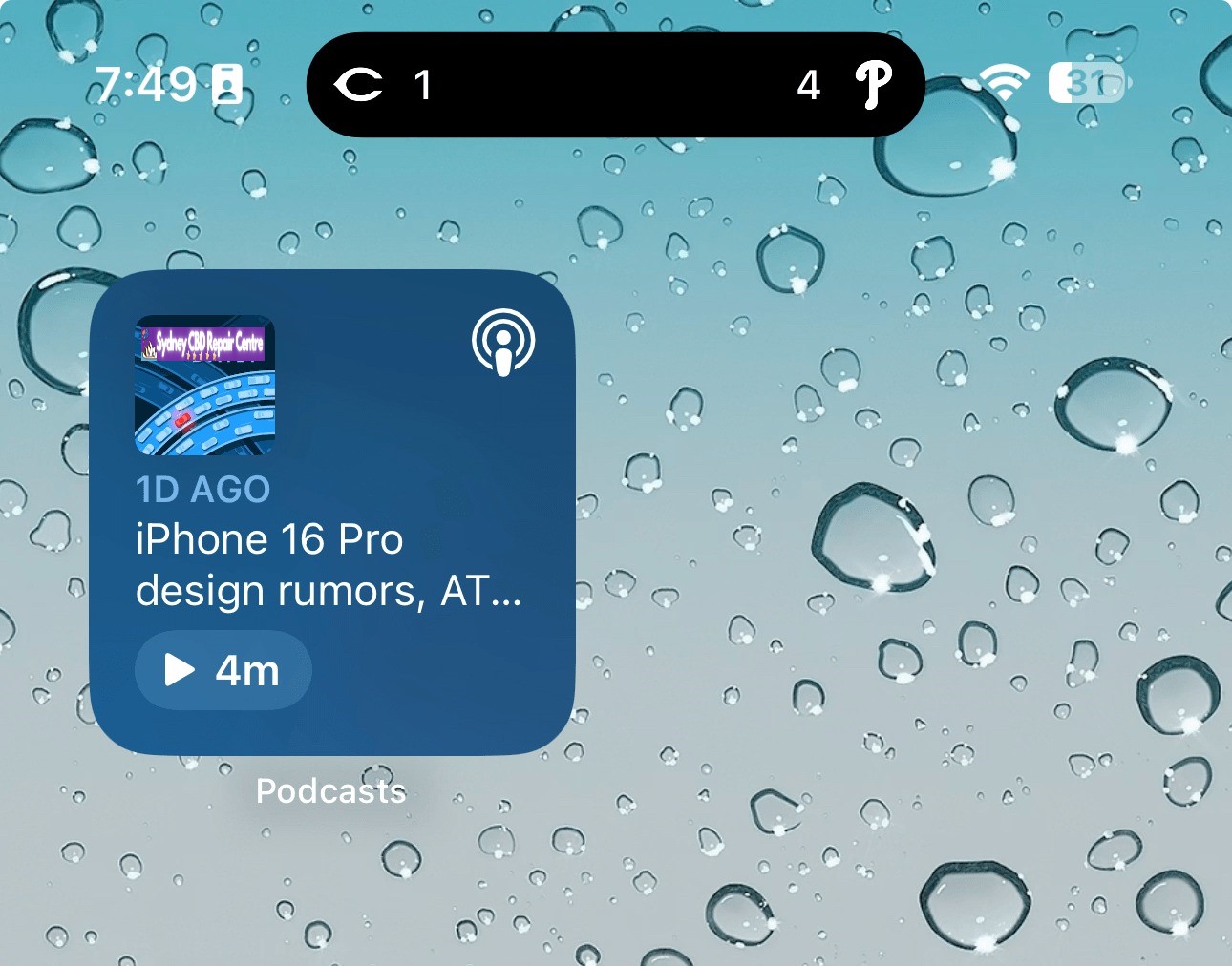
The Podcasts widget has been updated to have a new dynamic color that changes based on the artwork of the podcast you’re currently playing.
In the Apple Books app, Apple has redesigned the “Reading Goal” icon in top navigation bar.
In the Settings app, there is a new glyph for the “Passkeys Access for Web Browsers” menu under “Privacy & Security.”
New Pride wallpaper
iOS 17.5 also includes a new Pride Collection of wallpapers for iPhone and iPad users, as is tradition. The new dynamic wallpapers come as part of Apple’s goal to “champion global movements to protect and advance equality for LGBTQ+ communities.”
As explained by Apple, iOS 17.5 includes a new system centered around anti-stalking capabilities for accessories like AirTags. This development follows Apple’s announcement last year of a partnership with Google to collaborate on a new “industry specification to combat unwanted tracking.”
Strings added to the Find My app reveal that iOS will be able to identify tracking accessories, even those that are not Apple or Find My certified, and assist users in disabling them.
One of the new strings states, “This item lacks certification on the Apple Find My network. You have the option to disable this item and prevent it from sharing its location with the owner. To proceed, follow the instructions provided on a website by the manufacturer of this item.”
These changes come as Google started rolling out its new Find My Device network for Android on April 8.
New ‘Repair State’
Also in iOS 17.5, Apple has added a new “Repair State” feature to Find My. This feature lets users confirm with their Apple ID and password that they’re about to send their iPhone in for a repair. As a result, Apple technicians can confirm that the person owns the iPhone and then proceed with the repair without the need to turn off Stolen Device Protection and Find My.
Essentially, this ensures that users can still track their device using Find My while it’s being repaired. Previous, Apple required users to disabled Find My altogether.
iOS 17.5’s security fixes
Finally, in addition to all the new features and changes, iOS 17.5 also includes 15 notable security patches for iPhone users. Notably, none of the 15 vulnerabilities were reported as previously exploited.
You can find the full list of these changes in our dedicated coverage. Even if none of the new features in iOS 17.5 are tempting for you, we recommend updating as soon as possible for those security fixes.
Apple has dabbled in audio transcription in the past with mixed success. One shining example lately has been Apple Podcasts transcripts; more pessimistically, voicemail transcripts are still subpar. But according to a new report, the upcoming iOS 18 release will unlock a host of new system-wide audio transcription and summary features, all powered by AI.
People familiar with the matter have told us that Apple has been working on AI-powered summarization and greatly enhanced audio transcription for several of its next-gen operating systems. The new features are expected to enable significant improvements in efficiency for users of its staple Notes, Voice Memos, and other apps.
These features appear set to make one of the strongest cases for AI integration into various parts of Apple’s operating systems.
Transcription of audio content, and the ability to receive AI summaries of that content, are two highly practical features that can save users a lot of time.
If everything works well, students will be able to record lectures and quickly, easily revisit key information via a transcript. Recorded business meetings can be summarized as a helpful reminder of what was discussed.
If these things are accomplished with true intelligence, they can provide meaningful improvement to users’ lives. These examples would be a great fit for the iPhone, of course, but I also see them being nice selling points for the AI powers of the M4 iPad Pro.
Verdict
Notes and Voice Memos seem like two perfect apps to integrate these features into, but I’m curious to see where else they land. We love a Shazam-style button in Control Center that listens to your environment and automatically transcribes what it hears—all in the background, with minimal power drain. Perhaps this could even tie into Shortcuts somehow. There are so many possibilities.
We’re just one month away from WWDC, where Apple will unveil all the details about its AI ambitions for iOS 18, iPadOS 18, macOS, and more.
We learned late last year that a Microsoft iOS app store was in the works, and the company has now announced that this will launch in July.
Initially, it will be limited to Microsoft’s own games, but will later open up to other iPhone game developers, giving them an alternative outlet to Apple’s official App Store …
Background
The EU’s Digital Markets Act (DMA) requires Apple to allow third-party app stores on the iPhone, and the company responded by announcing its compliance plans.
It’s as yet unclear whether or not these plans actually meet the requirements of the antitrust law, but it does at least pave the way for third-party iOS app stores.
Altstore is one of the first of these – making the switch from unofficial to official status – and Microsoft also revealed back in December of last year that it would launch its own mobile games app store.
Microsoft iOS app store launches in July
At the time, the company declined to say when its own app store would launch, but Bloomberg reports that Microsoft has now revealed that it will open for business in July.
Also new is the announcement that the app store will take the form of a website, rather than an app.
Microsoft Corp. will launch its own online store for mobile-game consumables in July, creating an alternative to Apple Inc. and Google’s app stores and their fees.
The browser-based store will debut with Microsoft’s own games, offering discounts on in-game items associated with titles like Candy Crush Saga. Xbox President Sarah Bond announced the move Thursday at the Bloomberg Technology Summit. Later, Microsoft will open the store to other publishers.
The Candy Crush franchise was originally created by King Digital and later acquired by Activision Blizzard, which was subsequently bought by Microsoft.
The company made the decision to go with a website, as that allows it to offer games for all platforms from the same place.
Microsoft saw an opportunity to create a store that “goes truly across devices — where who you are, your library, your identity, your rewards travel with you versus being locked to a single ecosystem,” Bond said. The company’s intention is to facilitate gaming across consoles, computers and mobile devices.
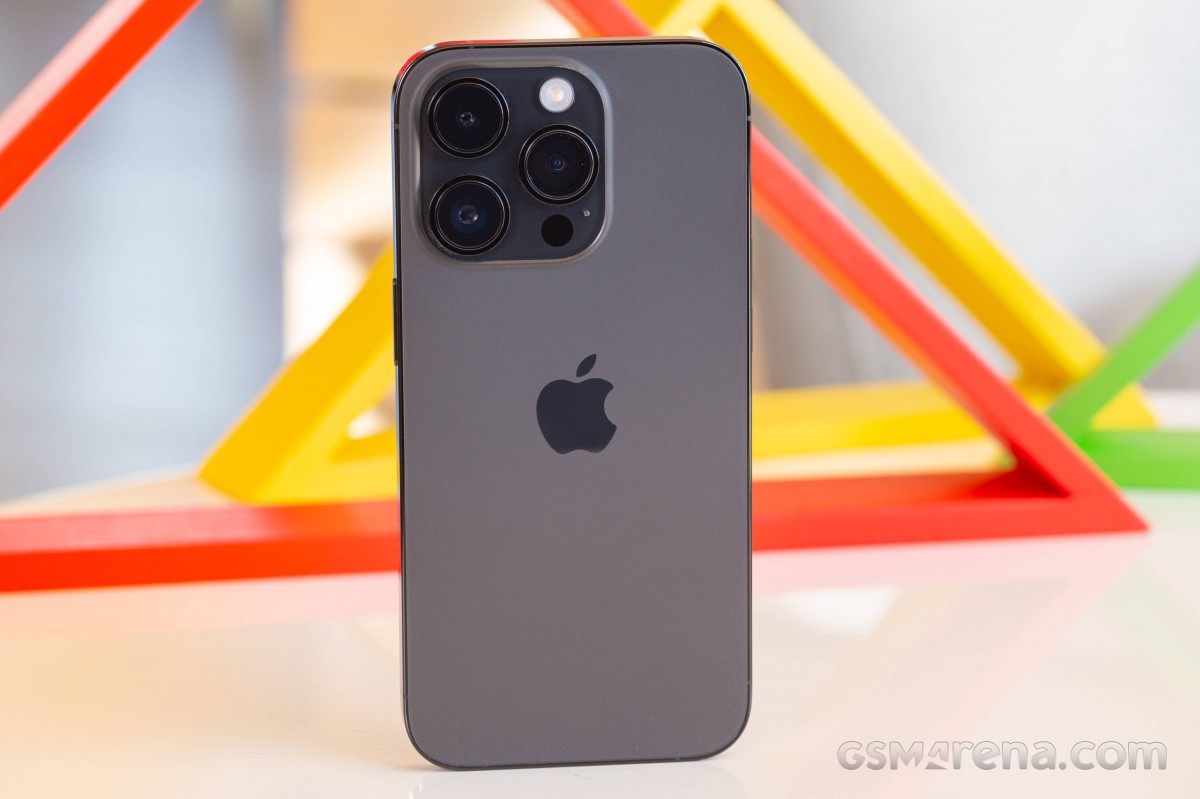
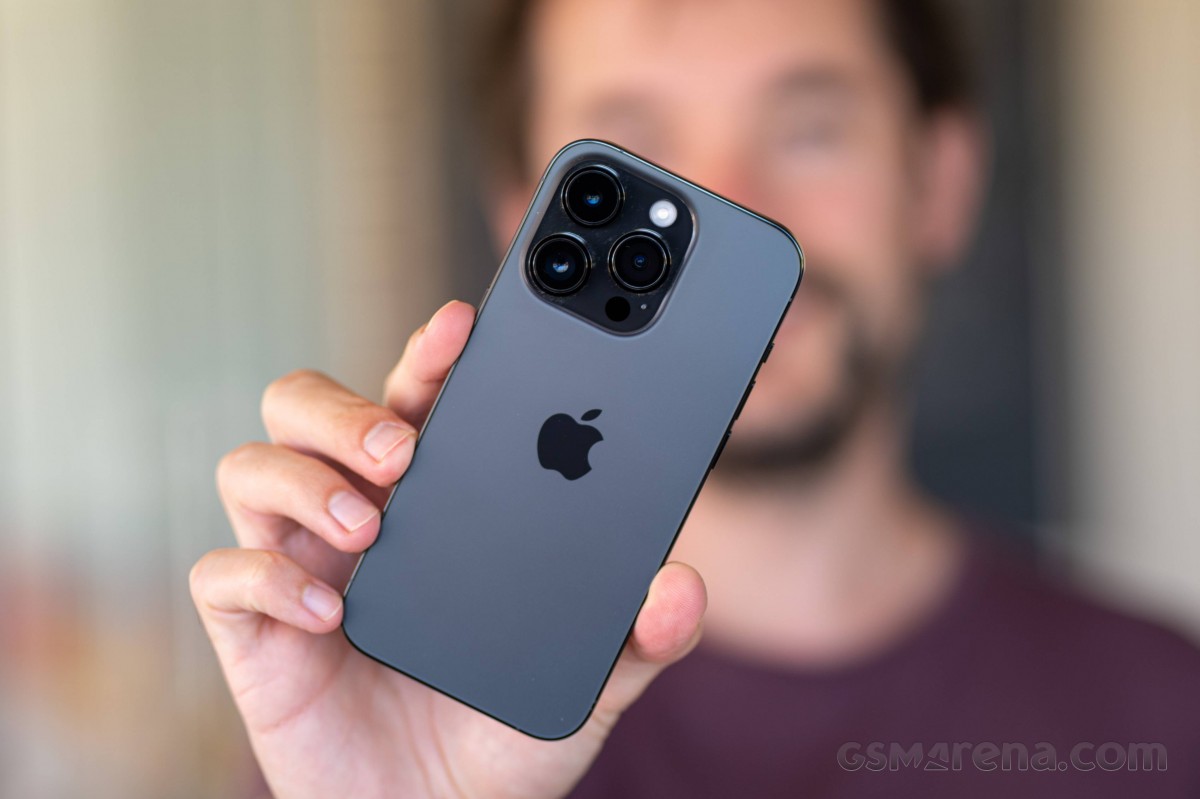
An improved display. Better cameras. A faster chip. This is the new iPhone. A phone that’s often criticized for being behind-the-curve in certain ways, but often copied. A polarizing device that sets the trends in more ways than one. The iPhone 14 Pro is as controversial as any high-profile iPhone to come before it, if not more.
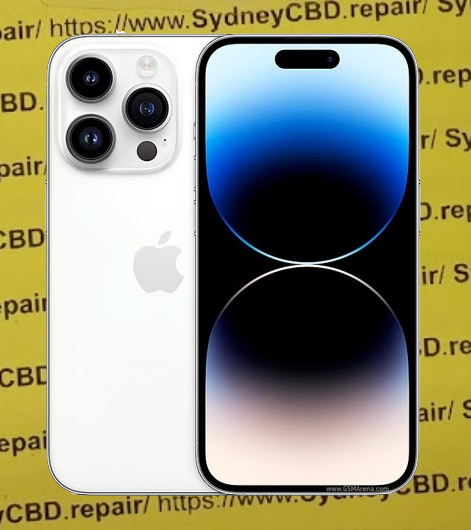
The iPhone 14 Pro follows Apple’s formula to a T – it brings an even brighter Super Retina XDR OLED with an Always On option and a smaller pill-shaped cutout. Apple has done it again – turning weakness into strength. Once an eyesore, the infamous notch is now the Dynamic Island, a unique feature other brands are considering copying.
There are other improvements across the cameras, courtesy of new sensors, lenses and ISP. And, of course, Apple’s A16 Bionic chipset is faster and more energy-efficient than the A15, just as expected.
Let’s start with the screen. While it’s still a 6.1-inch OLED, it has a smaller pill-shaped cutout, can be as bright as 2,000nits, and supports Always On thanks to new more energy-efficient panel. The cutout is arguably the most iconic iPhone 14 Pro series feature, which actually comprises of two small cutouts – one pill-shaped and one round. Apple has turned this into a feature with various cool animations for notifications and calls it Dynamic Island.
Then come the cameras. The rear camera is still a triple-setup with a LiDAR scanner, but now the main shooter features a 48MP sensor with second-gen sensor-shift stabilization and a 2x lossless zoom option. The 12MP ultrawide camera got a new larger sensor and improved lens. Then there is the front camera, which now has a brighter lens, autofocus and even optical stabilization. There is also a better image processing called Photonic Engine and a new 9-LED flash.
The Apple A16 Bionic chipset offers an even faster processor and graphics though it still features a similar 6-core CPU and 5-core GPU architecture. It does support LPDDR5 RAM now and has higher memory bandwidth. Finally, a new ISP and DSP are present, of course.
Another new introduction as part of the new hardware is the Emergency SOS via satellite – a feature that allows you to send a message to emergency services wherever you are around the world – no need for SIM or network coverage. And thanks to a bunch of new sensors, the new iPhones now support Crash Detection and can automatically send for help if they detect you were in a crash.
This is the first iPhone series to come without a SIM slot in the US, which means the trial run for the SIM slot retirement has officially begun – at least as far as Apple is concerned. If successful, like it was with the nano-SIM, get ready for a smartphone world without SIM cards in a few years.
What hasn’t changed is the design – it’s the same as on the iPhone 12 and 13 series, and just as tough with Ceramic Shields and improved IP68 ingress protection. Battery and charging capabilities have also stayed unchanged.
Disclaimer. We can not guarantee that the information on this page is 100% correct.
So, what’s missing on the new iPhone 14 Pro? A proper file manager! Just kidding, this ain’t happening. It seems Apple has addressed many of the omissions from the past generations, and we have the best iPhone ever. Until USB-C-featuring iPhone 15 comes, that is.
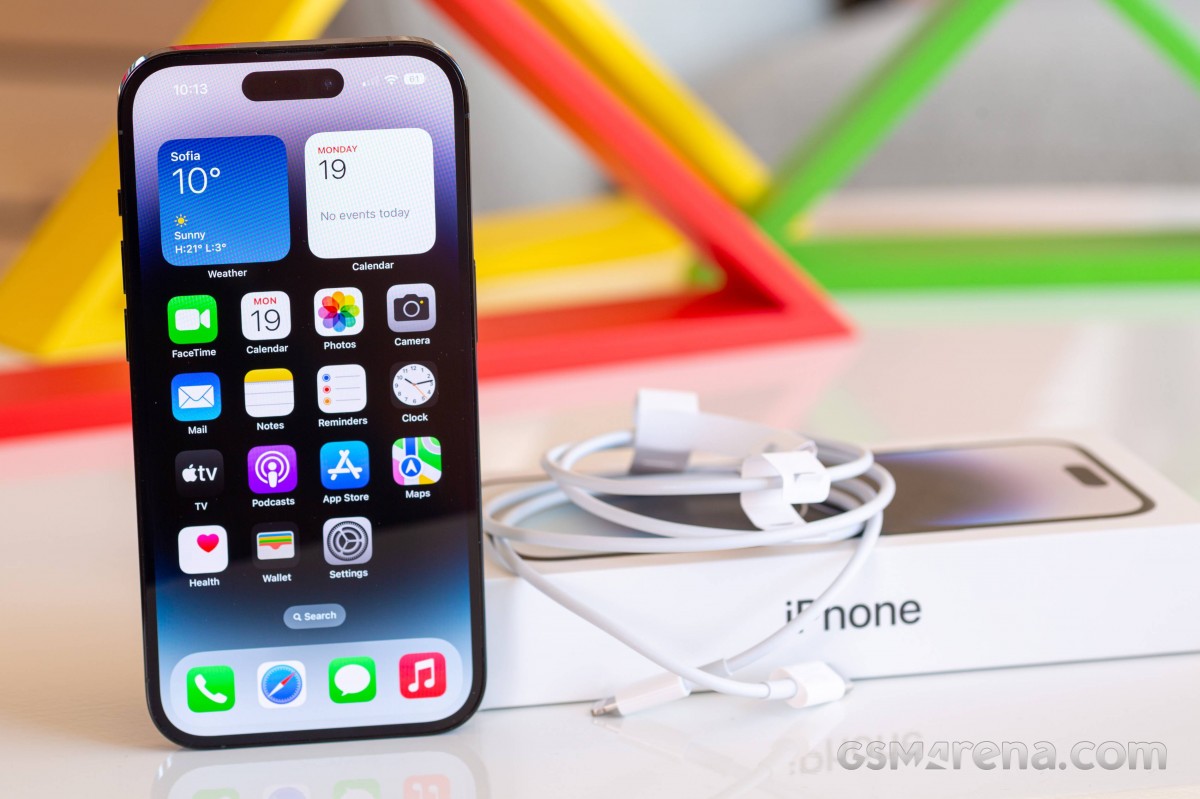
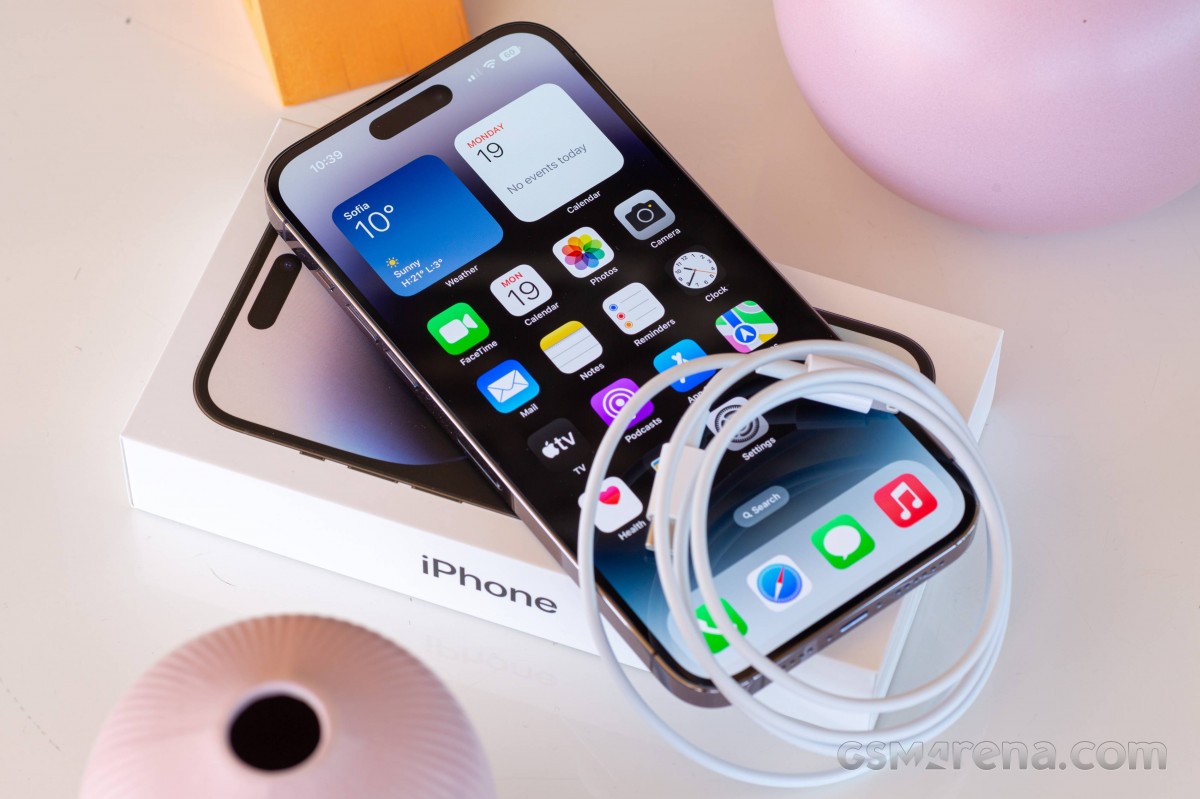
Unboxing the Apple iPhone 14 Pro
The thin paper box contains the iPhone and a USB-C-to-Lighting cable. We were disappointed Apple didn’t retire the Lightning port on the iPhones this year, as it already did on its other devices. We guess that’s a task for the next one.
Other than the cable, you will get a SIM ejection tool for models with a SIM slot and one Apple logo sticker. While Apple has ditched the plastic wrapping from the boxes, the plastic sticker remains.
Alternative options
The new iPhone 14 Pro has a lot of upgrades over the iPhone 13 Pro, even if only a single one is visible at first sight – the Dynamic Island. There are new cameras, a new chipset, a new satellite connection and crash detection, and higher brightness for the screen, plus an always-on display option. But even with these novelties, upgrading from an iPhone 13 Pro to the 14 Pro makes little sense.
In fact, Apple has never been a company that wants you to upgrade every year and the 5-year software support plus the aggressive battery care are both statements for that. People still do that more often than not, of course, and if you’ve set your eyes on the new iPhone, be it this one, or another, there is nothing that will change your mind.
The new iPhones have seen a price increase everywhere but the US, which will surely lift a few eyebrows. This is the world we live in right now, with inflation and an ongoing war raging in Europe, unfortunately.
We still have to conclude this review like any other, and we will certainly do it. So, let’s suggest a few iPhones you can buy if this €1,300 iPhone 14 Pro is not your love at first sight.
The iPhone 14 Pro Max is a good alternative with a larger display and better battery life. It starts at €1450, which is hefty premium.
Smaller and lightweight iPhones are available, too. We certainly won’t suggest the new iPhone 14 unless you want the satellite feature, as it is the most insignificant update the iPhones have ever seen. Apple is selling both the €900 iPhone 13, the €800 iPhone 13 mini, and the €800 iPhone 12, so we’d suggest thinking about those if you want a light and compact iPhone and don’t mind not having a zoom camera or a 120Hz display.
The Android market is thriving, too, and you can now both have compact yet flagship smartphones. Samsung has the €700 Galaxy S22 and the foldable €900 Galaxy Z Flip4, a couple we encourage exploring. The €800 Asus Zenfone 9 will give you an all-around flagship package within an incredibly compact body. And you may want to consider the €1,050 Sony Xperia 5 IV for its superb camera kit and natural processing.
Our verdict
The Apple iPhone 14 Pro is the best iPhone Apple has made so far, as the maker just loves to point out. And it is – it has the best screen, cameras, performance, speakers and durability not only among the iPhones but across all flagship smartphones.
It introduces more than enough upgrades over the previous generation to make it interesting – an improved OLED with higher brightness, a smaller cutout with cool animations, and always-on option. The cameras have been updated all around, but the primary with its 48MP sensor and 2x lossless zoom is the showstopper, of course.
The new generation comes with interesting additions like global satellite connection for emergency and crash detection with automatic emergency call. The new faster chipset with improved stability is also worth mentioning.
Even with so many updates, the iPhone 14 Pro looks like the old iPhones, and if it weren’t for the new Deep Purple color and the pill-shaped cutout, you wouldn’t even know. And this design stasis may not be everyone’s favorite, even if this design is a self-proclaimed toughest in the world.
And it’s an iPhone, so not having a top-notch battery life and full OS access is something you choose to accept and live with for the foreseeable future.
Expensive or not, you will love the iPhone because it’s as good as advertised. The iPhone 14 Pro does make little sense as an upgrade over the 13 Pro, the 12 Pro even. But who are we to judge. The heart wants what it wants, right? And that’s the new iPhone. So, you should probably go and get it.
Pros
Class-leading design, water resistance and durability.
The best iPhone ever, version 2022, size XL – we have the iPhone 14 Pro Max. The list of novelties this year includes the notch morphing into a pill, the introduction of an Always-On display, and an all-new primary camera – and while you can get all of that on the 14 Pro, the extra screen estate and longevity coupled with the Max’s ‘ultimate’ status mean it has a market niche of its own.
The Face ID notch that’s been with us since the iPhone X was nobody’s favorite, and perhaps its reincarnation as a pill is a step towards its eventual removal. But not before turning the eyesore into a feature – the pill is a Dynamic Island of notifications, blurring the line between hardware and software.
In a similar vein is the Always-On display – a software feature only made possible now in Apple’s world thanks to LTPO displays being able to ramp down to 1Hz refresh rate.
A massive increase in brightness is also among the key developments this year, this one solely in the hardware department.
Late to yet another party, Apple finally joins virtually every other manufacturer and introduces a camera with a Quad Bayer type sensor – the specs on the 48MP main unit don’t read like any other, so apparently, it’s an exclusive design. The telephoto remains unchanged, but the ultrawide has gotten a sensor size upgrade, while the front-facing one now features autofocus (and maybe even OIS).
On the hardware front, there’s the mandatory chipset update, of course, and little else worth mentioning. Well, there’s the blanked-out SIM card slot for the US models, which will only operate with eSIMs – does that count as a hardware change? Crash detection and emergency sort-of satellite connectivity are also on the list of new features combining software and hardware.
Disclaimer. We can not guarantee that the information on this page is 100% correct.
Apple iPhone 14 Pro Max unboxing
Hardly anything has changed in the presentation of the iPhone 14 Pro Max compared to last year’s model. The half-height box has a color-matched likeness of the phone printed on the lid, and opens with a couple of paper tear-off pull tabs.
Inside, the phone is lying face down, its back greeting you as you remove the lid. There’s no charger bundled, but there’s still a USB-C-to-Lightning cable, at least. And an Apple sticker, because free advertising.
Competition
There are two ways to look at the possible competitors to the iPhone 14 Pro Max. On the one hand, you have the people looking for an iPhone, and those can be subdivided into those looking for a large-screen iPhone and others looking for a Pro iPhone. On the other hand, you have the undecided folk with less of an ecosystem allegiance and more of a ‘what’s the best I can get regardless of price’ attitude.
Then there’s another matter complicating things further – iPhone prices vary greatly from region to region this year, more so than usual. While the US numbers have remained unchanged, the Euro prices have gotten a steep hike – €200 is not insignificant, even at this level. The INR 10K increase in India isn’t as severe, but it’s still an increase.
That price development can make a strong case for the iPhone 13 Pro Max, which fits neatly into both subsets of prospective iPhone buyers – it’s got a large screen, and it’s a Pro model. Sure, Apple may have discontinued it, but retailers appear fully stocked still. You’ll be missing out on some improved cameras, but the last generation is still a competent cameraphone, while the pill vs. notch argument is, well, hardly an argument.
If, on the other hand, it’s specifically the new cameras and/or the pill that you’re after, but you don’t quite fancy the Max’s bulk and heft, then there’s the 14 Pro. The same as the Max, but more compact and with slightly shorter battery life, the 14 Pro will also save you some cash – $100/€150/INR 10K.
The 14 Plus, too, can appeal to those looking to spend a little less and still have a large-sized iPhone. It’s not quite the best deal in the US, where it goes for 14 Pro money ($200 less than the 14 Pro Max), but in Europe and even more so in India, you’d be looking at some serious savings – €300/INR 50K. You’d need to wait a couple of extra weeks and settle for last year’s internals, but it’s still a big iPhone at a sort of bargain price.
For the brand agnostics out there, the obvious choice is the Galaxy S22 Ultra. Samsung’s ultimate non-foldable is Max-sized too, has a great set of cameras and packs a stylus (or a remote shutter release, depending on how you look at it). There’s also the Galaxy Z Fold4 – a phone and a tablet in the same device that’s only barely heavier than the 14 Pro Max. A Pixel 7 Pro is also on the way if you’re more into Google’s way of doing cameras and software. Somewhat of a niche alternative (judging by market share, at least) can be found in the Xperia 1 IV too.
Verdict
The best iPhone ever comes with a wide range of advancements, and even if you don’t consider any of them groundbreaking or relevant to your usage, they’re there and add up. The brightest screen by a country mile, now with AoD, a pill for the notch-ache, a camera system with all-around improvements and great full-res images, and emergency hardware/software features – that’s the new stuff.
These come on top of Pro Max staples like great battery life, superb speakers, and premium and durable build quality. The most potent chipset in the business and at least 5 years of support for the software you’ve known for ages (and likely love and hate at the same time) are other classic arguments for the iPhone, Pro Max included.
The price increase in RoW markets (that is, outside of the US) is a tough pill to swallow on at least two levels. There’s the absolute monetary dimension of the extra cash leaving your pocket, and then there’s the sense that you’re paying for part of the US customers’ iPhones – we’re not sure which is the more bitter sentiment.
But in any case, the iPhone 14 Pro Max is undoubtedly a wonderful handset with few faults. And where you can see possible negatives, those come with the territory and aren’t exclusive to this specific generation or size. So, ultimately, if it’s your time to upgrade and the price is right for you, you can’t go wrong with this one.
Pros
Class-leading design, water resistance and durability.
The Apple Watch AFib feature – which detects abnormal heartbeat patterns indicative of atrial fibrillation – has received a new tick of approval from the US Food and Drug Administration (FDA). Doctors have already credited the health feature with saving lives.
While the FDA had previously granted clearance for AFib detection, that was a limited endorsement
The Apple Watch previously had FDA ‘clearance’
When the FDA first cleared Apple to include atrial fibrillation detection by the Apple Watch, that was the lowest hurdle. Specifically, the 510(k) clearance granted to Apple effectively said that the device is “substantially equivalent” to some existing device.
In other words, there were already existing optical pulse oximeters which worked in the same way as the one fitted to the Apple Watch, and those had already been shown to detect AFib.
Since usage of those earlier devices was already permitted, then the new device is effectively grandfathered in by a 510(k) clearance.
Now qualifies under MDDT program
The FDA has now announced that the Apple Watch AFib feature has now qualified as a Medical Device Development Tool (MDDT).
It says that this is the first ever digital health tech to qualify under the program.
The FDA is announcing the qualification of a new tool to assess atrial fibrillation (a type of arrhythmia, or abnormal heartbeat) burden estimates within clinical studies through the Medical Device Development Tools (MDDT) program.
The Apple Atrial Fibrillation History Feature is the first digital health technology qualified under the MDDT program, providing a non-invasive way to check estimates of atrial fibrillation (AFib) burden within clinical studies.
What does this mean?
It means researchers carrying out clinical studies into atrial fibrillation are now allowed to rely on Apple Watch AFib data as part of their findings.
Specifically, an Apple Watch can now be used to determine the severity of AFib (known as the AFib burden) in order to determine whether treatment is needed, and then to measure the effectiveness of that treatment afterwards.
The MDDT qualification determines that the device creates “scientifically plausible measurements.” Effectively, the FDA is stating that it is sufficiently confident in the reliability of the feature to determine its results safe to use in research studies.
Over the last several weeks, a number of reports on social media have surfaced from iPhone users claiming their alarms don’t properly play a sound. Apple has since confirmed that it’s aware of this problem, and says it is working on a fix.
Apple confirmed the problem to the Wall Street Journal’s Joanna Stern this morning. The company said that it is aware of a problem causing some iPhone alarms to not play the expected sound and working on a fix.
Today Show called me last night and said iPhone alarms aren't working! I hadn't heard that but Apple confirmed this AM that it is aware of an issue causing some alarms not play a sound and that it's working on a fix.
My iPhone alarm woke me up right on time at 6:50AM! Anyone out…
On social media, some users have found that the problem relates to the Attention Aware features on iPhone. This feature is designed such that if you’re looking at your device, it will lower the volume sound of your alerts.
Social media users speculate that the Attention Aware feature is incorrectly detecting attention and lowering the volume of alarms, even when the iPhone user is asleep. Apple hasn’t confirmed whether this is actually the cause of the problem.
To disable Attention Aware Features, open the Settings app, tap Face ID & Passcode, then toggle off Attention Aware Features.
A news report from the TODAY Show below highlights the problem below.