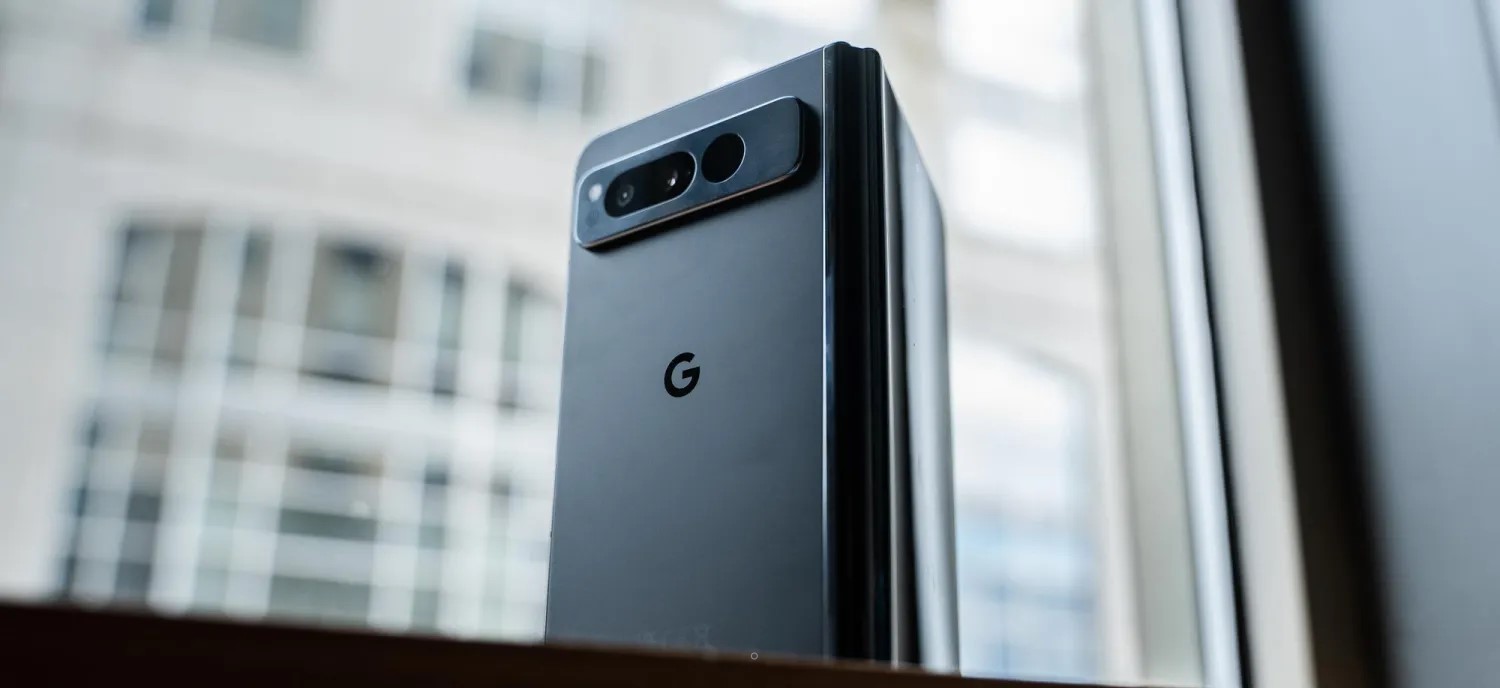
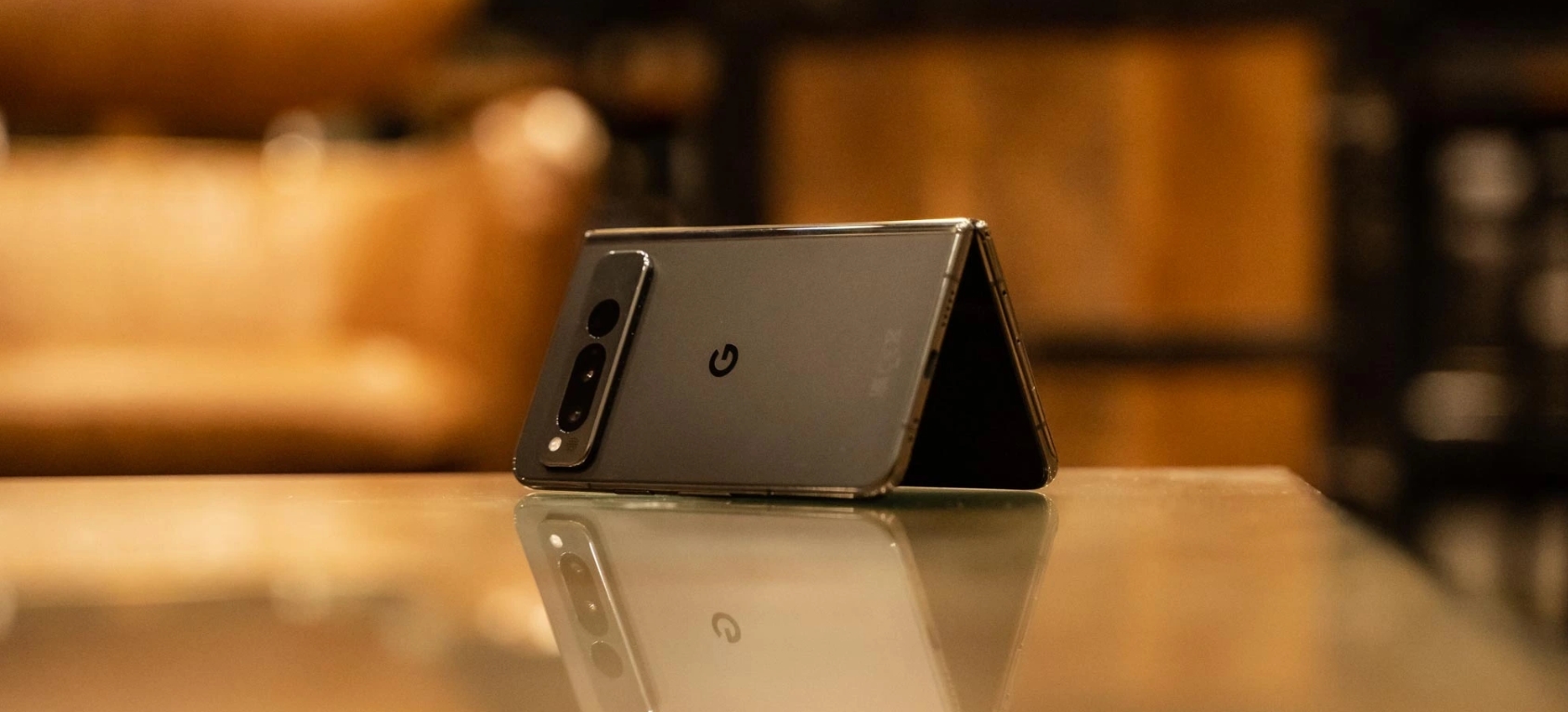
After years of being the lone option, Samsung finally has some foldable competition in the US, and that partially takes the form of Google’s Pixel Fold, which comes in at the same price as Samsung’s brand-new Galaxy Z Fold 5. But after using both devices, there’s a clear better option.
Galaxy Z Fold 5 vs. Pixel Fold: How they compare on paper
When you look at the spec sheet alone, Google’s Pixel Fold and Samsung’s Galaxy Z Fold 5 are rather similar. Both have 7.6-inch inner displays, plenty of RAM and storage and hinges that are rated for at least 200,000 folds.
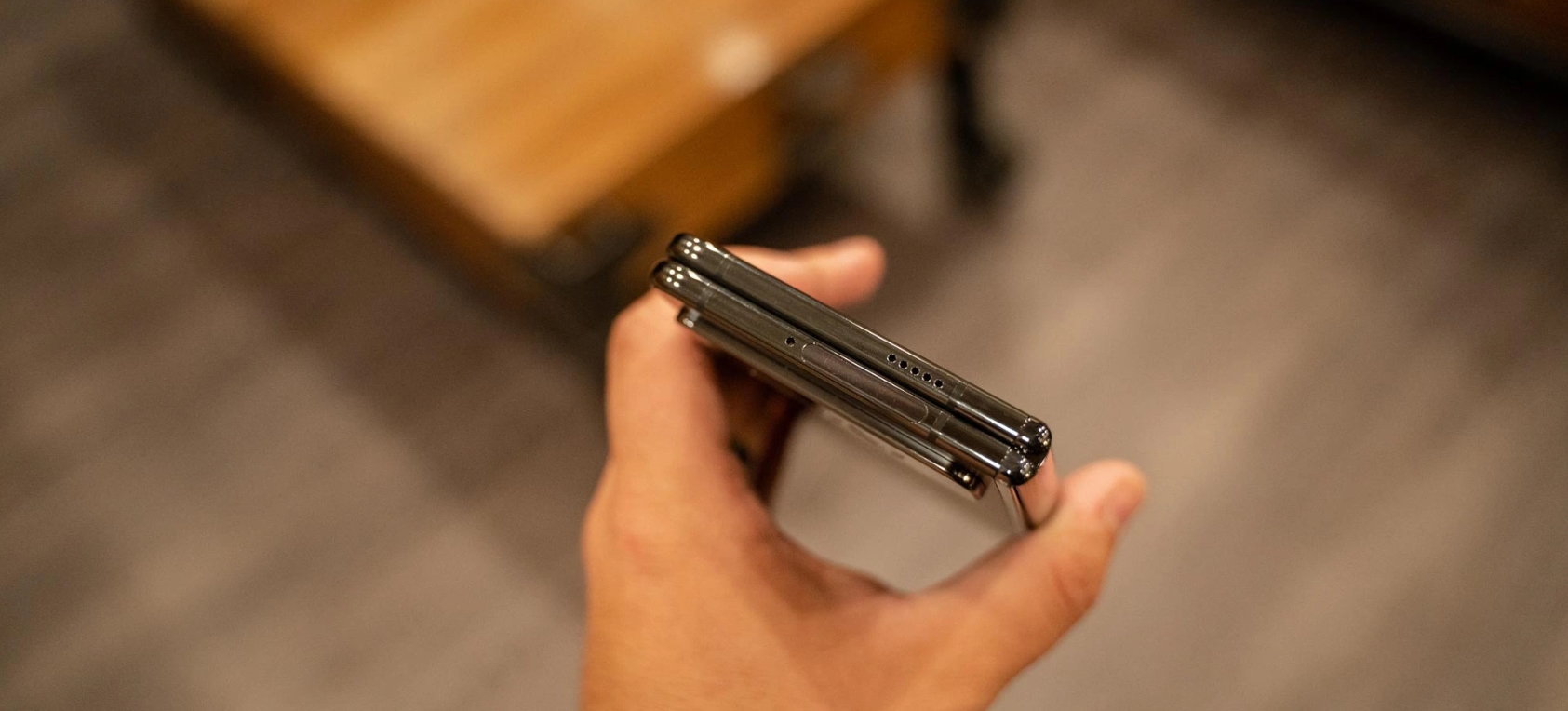
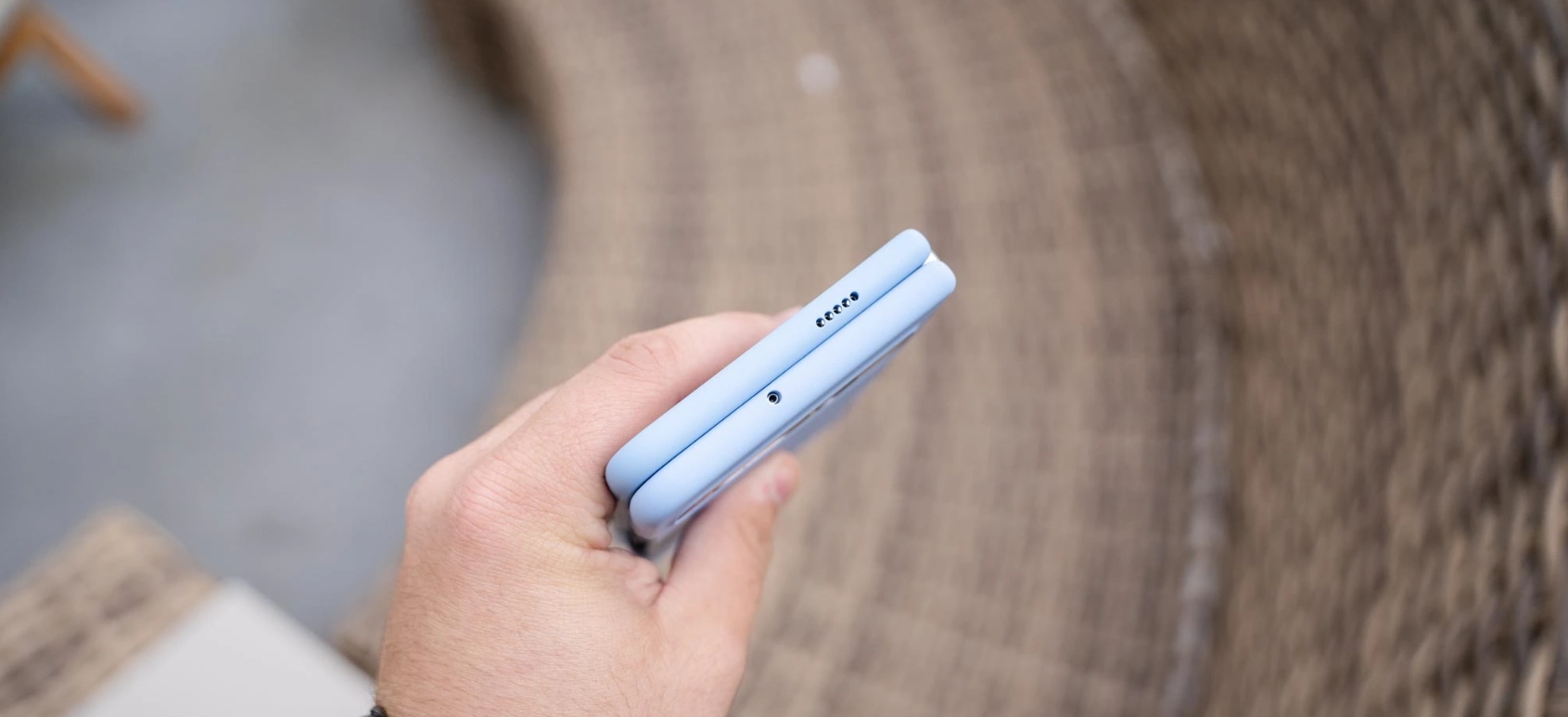
The differences really come down to the details. The Pixel Fold has a wider aspect ratio to both of its displays. The 17.4:9 ratio of the outer display is short and wide compared to the Fold 5’s 23.1:9 ratio, which is extremely tall and narrow. The Pixel is also considerably thinner at 12.1mm to the Fold 5’s 13.4mm. Despite that, Pixel Fold also has a bigger battery at 4,821 mAh.
Google Pixel Fold
Galaxy Z Fold 5
Outer display
5.8 inch, 17.4:9 ratio
6.2 inch 23.1:9 ratio
Inner display
7.6 inch, 6:5 ratio
7.6 inch, 21.6:18 ratio
Processor
Google Tensor G2
Snapdragon 8 Gen 2 for Galaxy
Storage/RAM
256GB/512GB UFS 3.1 + 12GB RAM
256/512GB/1TB UFS 4.0 + 12GB RAM
Hinge rating
200,000 open/close
200,000 open/close
Thickness
12.1mm folded/5.8mm unfolded
13.4mm folded/6.1mm unfolded
Battery
4,821 mAh
4,400 mAh
Cameras (rear)
48MP/10.8MP 5x/10.8MP UW
50MP/10MP 3x/12MP UW
Price
$1,799
$1,799
How the two compare, though, really comes down to actually using them.
The Galaxy Z Fold 5 is boring in the best way
If you’ve looked into a foldable before now, you’ve likely looked at the Galaxy Z Fold series. And through that eye, the Galaxy Z Fold 5 doesn’t seem all that new, and that’s because it isn’t. The design of the device hasn’t really changed much at all over the past three years, and compared to the Galaxy Z Fold 4 before it, the Fold 5 really only has a new hinge, and that’s about it.
But the lack of major upgrades in Samsung’s flagship foldable has led to something perhaps more important.
Samsung’s foldable tech has just gotten really, really polished over the past couple of generations. The company has spent its time addressing the little problems, like improving the screen brightness, extending battery life, and improving the hinge, rather than hitting bigger issues like the display crease and cameras. In Samsung’s eyes, it seems, those aspects are “good enough,” where others still need work. And after using the Fold 5 for a few weeks, I mostly agree. The Galaxy Z Fold 5 really just feels like it’s as good as this particular form factor can get without bigger changes. And if you like this overall package, it’s really just a great refined product.
Beyond that, another strength of the Galaxy Z Fold 5 is its software. While One UI is a heavy skin on top of Android, it’s packed with features that are useful on the Fold 5’s bigger display and ones that Google’s cleaner Android build just doesn’t have.
Of course, none of this is to say the Galaxy Z Fold 5 isn’t without its flaws. The tall and narrow outer display isn’t great for typing and doesn’t play very well with some apps. The inner display’s taller nature also means that a lot of apps never trigger a tablet interface, which makes some apps feel less optimized for the form factor.
Pixel Fold is undeniably good – it’s just not as good
That’s why the Pixel Fold falls – death by a thousand cuts.
The Pixel Fold’s downsides really just outweigh the good. The Tensor chip inside is plenty powerful, but it’s prone to overheating very easily, which is a really hard pill to swallow at this price point.
The screens also aren’t nearly as bright as Samsung’s, and Google’s crease isn’t any better either. Samsung’s crease still isn’t good, and it’s very noticeable, but Google’s is wider and thus felt more often.
There’s also the hinge. While I stand by the opinion that the Pixel’s hinge not easily sitting at 180 degrees isn’t a problem, I’ve much enjoyed not having to apply the bit of extra pressure on the hinge when using the Fold 5. It’s just a much more consistent feel. Similarly, the Fold 5’s inner display is much easier to type on because Google’s phone is just way too wide.
Battery life is also another sore point for the Google device. Whereas Samsung’s latest generation has pulled off some kind of miracle by upping endurance significantly compared to the last model, the Pixel Fold suffers from mediocre battery life. Often I find the device struggling to make it through a long day, whereas the Galaxy just seems to keep on chugging along.
Really, the perks of Pixel Fold come down to just two aspects.
Firstly, there’s the aspect ratio. Google’s device has a short and wide outer display that makes way for a very wide inner display. This means that the outside is far more usable than Samsung’s, and the inner display triggers more tablet apps. I still think this leads to too many poor app experiences (like Instagram, Reddit, and so on), but when it works, it just works really nicely.
Google Weather on the Pixel Fold
The other point is, of course, the camera. Google’s Pixel line has built its entire legacy on the camera, and that translates wonderfully to the Fold. The 48MP primary camera takes shots that look great and that, more importantly, I can trust. The Galaxy Z Fold 5 will pump out a good shot now and then, but it’s not consistent enough. Two shots taken back to back can look drastically different, for example. Plus, the Pixel Fold has a much better 5x telephoto camera that absolutely destroys the Galaxy Z Fold 5’s camera setup at range. There’s just no competition there: Google has the way better camera.
Tensor is a real problem in a pricey foldable
Google’s Tensor processor is unique to Pixel phones, and it’s not a terrible chip. It has plenty of power, and Google uses its AI strengths to optimize a few features and the camera experience too. However, Tensor is just not as good as a modern Snapdragon chip.
Tensor tends to overheat quickly and struggles with battery efficiency when on a cellular network, especially if signal is spotty. The Snapdragon 8 Gen 2 in the Galaxy Z Fold 5, though, is as good as it gets in an Android phone. It’s exceptionally powerful and extremely efficient, which leads to great battery life on the Fold 5.
Personally, I’m usually willing to put up with Tensor’s deficiencies because Pixel phones are usually a lot cheaper than the competition, but that’s not the case with the Pixel Fold. Google’s foldable costs $1,799, the same as Samsung’s device, and Google doesn’t offer the same discounts and trade-ins to go with that. Tensor shouldn’t be a deal-breaker for a normal Pixel phone, but it is absolutely a valid killer on the Fold.
Galaxy Z Fold 5 is the better foldable
Where the Pixel’s aspect ratio and cameras are genuine improvements in many ways, the Galaxy Z Fold 5 makes strides where it counts. The screen is brighter and better. The hinge is smoother and tougher. The chip inside is stronger and much less prone to overheating. And there are perks Google just can’t match, like stylus support and a much more fleshed-out accessories ecosystem.
Don’t think it can be argued. Objectively, the Galaxy Z Fold 5 is the better foldable.
But…
Why some still using the Pixel Fold
Despite the Pixel Fold’s many shortcomings, it’s the one some going to keep using. Why? It really boils down to one thing – the camera.
Samsung’s Galaxy Z Fold 5 gets a whole lot right, but its camera is a deal-breaker for me. It’s too unreliable, and as such, I’ve always dual-wielded a Pixel phone alongside a Galaxy Z Fold device for the past three years. But now that I have the option to get a foldable Pixel, that’s what I choose to carry because, most of the time, I only want to carry one device.
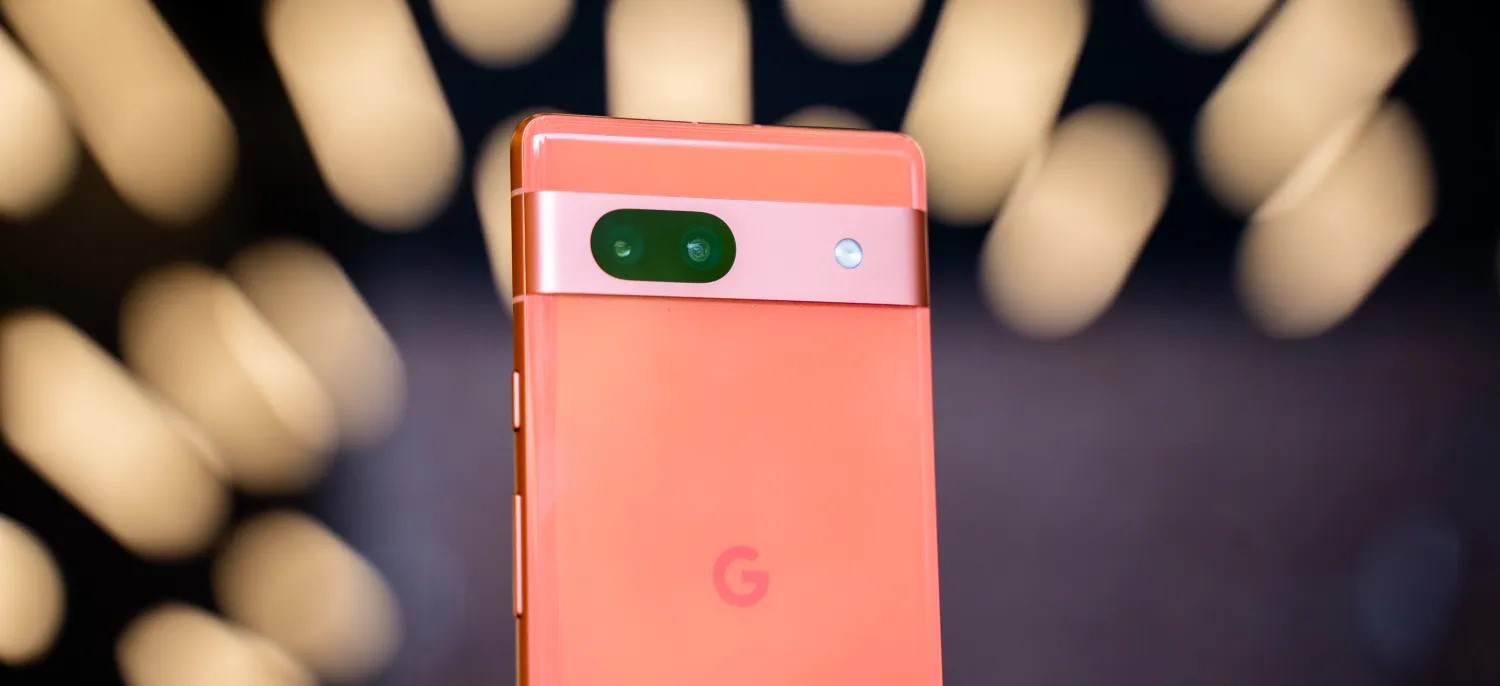
According to a new rumor today, the Pixel 8 and 8 Pro will both get five case colors each in a continuation of the trend introduced by the Pixel 7a.
SnoopyTech shared the following lineup this morning on Reddit (the account appears to have been removed from Twitter):
Pixel 8: Carbon – Haze – Jade – Peony – Real Red
Pixel 8 Pro: Carbon – Jade – Porcelain – Real Red – Sky
Carbon should be black or gray, while Jade (green) and Real Red (coral) are shared between both sizes. Haze on the Pixel 8 could be a light blue, while Peony sounds like a pink. Porcelain should be something light, while Sky is likely blue on the Pixel 8 Pro.
Google Pixel 7 case vs Google Pixel 7a case
Google’s previous high was four with the Pixel 6 Pro before going back to three apiece last year. With the Pixel 8 case colors out of the way, the big question is whether Google is going for soft-touch silicone — like the 7a, Fold, and Tablet — or a harder plastic again. The trend is certainly toward the former.
Pixel 8 Pro leaks in live images
Following renders in March and the short video in the temperature sensor leak this May, we now have an even better “in hand” look at the Pixel 8 Pro.
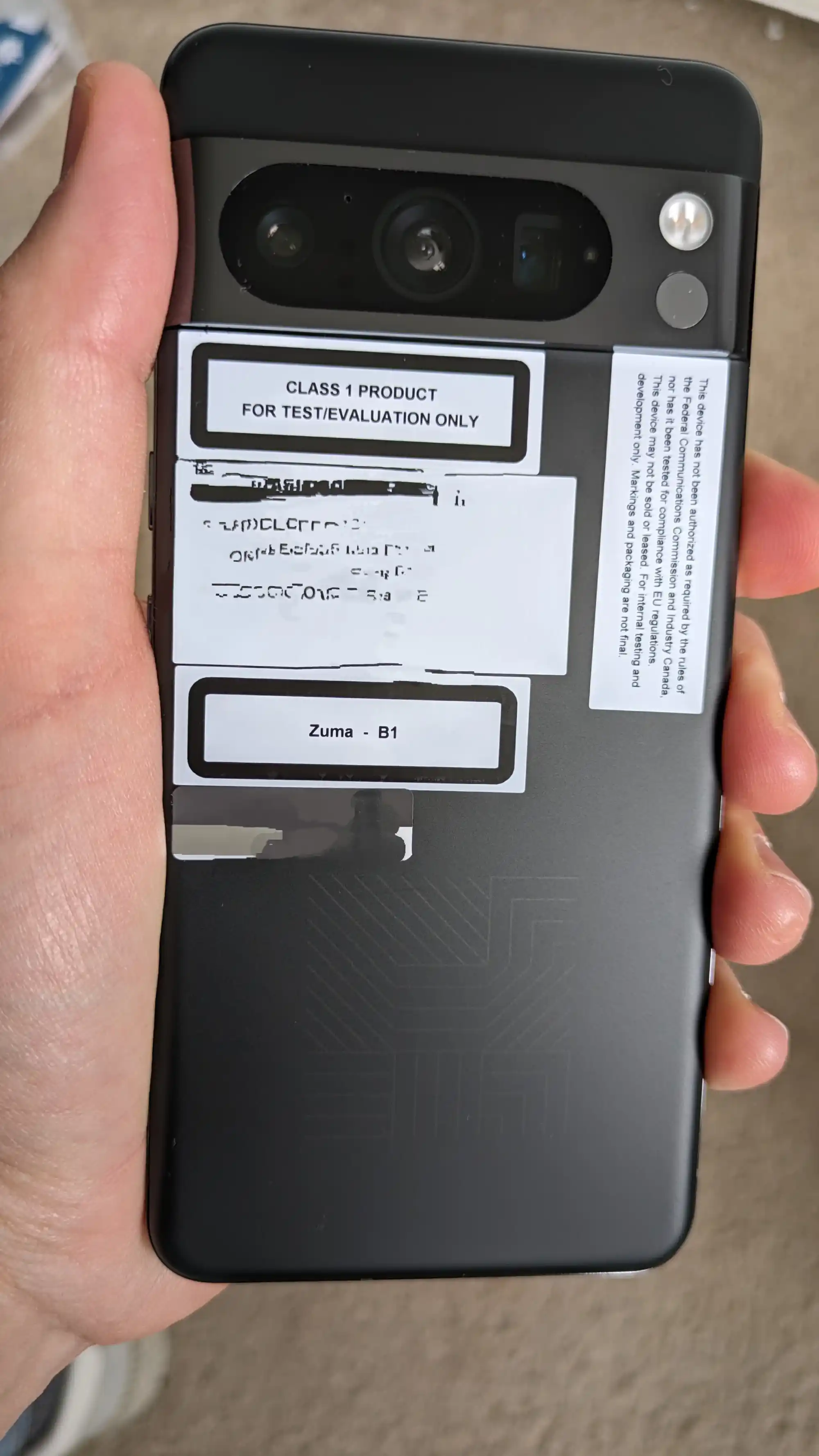
Somebody on Reddit (via Droid-Life) shared a Pixel 8 Pro prototype yesterday, as evidenced by the identifying pattern in place of the “G” logo. They apparently got it “from the device team in Google for testing.”
The bootloader screen confirms the “husky” code name and “ripcurrent” bootloader, while there’s a “Zuma” sticker, which is the Tensor G3 code name, on the back. Other specs on this particular unit include 12GB Samsung LPDDR5 RAM and 128GB SKHynix storage.
We see the increased corner radius in this leak, while the Pixel 8 Pro camera is what really stands out. The unified pill housing all three cameras takes up more of the bar compared to last year. It certainly looks taller with less space to the edge of the bar. The microphone cutout is in-between the first and second cameras, with other sensors below it. You then see the flash and IR temperature sensor.
The image of the front screen shows the Pixel 8 Pro in a case, but we do see the flat screen.
Pixel 8 Pro will apparently still start at 128GB of storage as 256GB becomes the norm
The Google Pixel 8 series is just a couple of months away from its debut, and a new leak is now detailing storage options and more.
WinFuture reports that Google Pixel 8 Pro will offer three total storage options, starting at 128GB. Beyond that buyers could select from 256GB and 512GB options.
That’s unchanged from last year’s Pixel 7 series and the Pixel 6 before it, but it comes at a notable time. Over the past year, more and more flagship devices have moved over to 256GB as the minimum storage tier. Samsung’s Galaxy S23+ and S23 Ultra, the OnePlus 11, and many others have made the switch, often for the same price as the previous 128GB models. Of course, a big part of that is the new UFS 4.0 storage class supported with the Snapdragon 8 Gen 2 processor, which currently isn’t widely available in 128GB sizes. The Pixel 8 series would be powered by Tensor G3, which does reportedly support that newer storage option, but it seems Google may not be using it fully. Samsung also uses UFS 3.1 on the base Galaxy S23 to offer a lower-cost 128GB model.
Notably, a previous Pixel 8 Pro leak showed 128GB of storage on that device.
Whether or not this lower storage offering comes as a problem is unclear, but it certainly makes the Pixel stick out. With rumored price increases, too, it only makes the gap between Google’s device and competitors smaller.
Beyond that, this latest report also reiterates color options, with “Licorice,” “Porcelain,” and “Sky” on the Pixel 8 Pro, and “Licorice,” “Peony,” and “Haze” on the regular Pixel 8.
Don’t get a Pixel 7 – pick the Pixel 7a instead. That more or less summarized our thoughts from our initial encounter with Google‘s latest a-series smartphone, and we’re here now with the full review to establish how correct that early assessment was.
It’s a pretty natural conclusion that anyone can arrive at, really, even by simply looking at the specsheet – and, simultaneously, at the pricelist. The Pixel 7a gets closer to the ‘high-end’ models than any previous offering with an ‘a’ in its name, and comes in at a not-insignificant $100/€100 less (or thereabout, depending on who you ask and at what time) – what’s not to like? But let’s not put the verdict before the review.
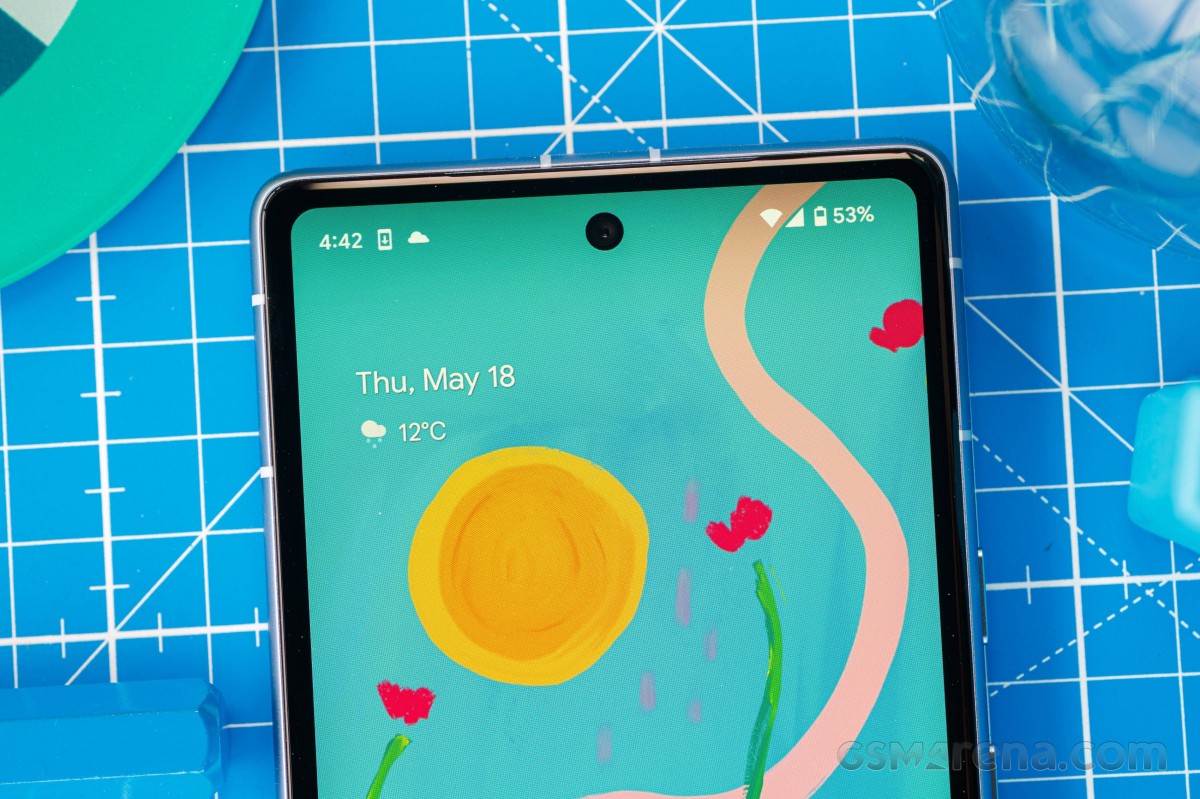
The Pixel 7a improves on some key areas that held the 6a back. Perhaps most importantly, you now get a 90Hz display in place of the old model’s dated 60Hz unit. Yes, the bulk of the competition is at 120Hz already, but the jump from 60 to 90 is the most noticeable from a usability perspective, so maybe we can give the 7a a pass.
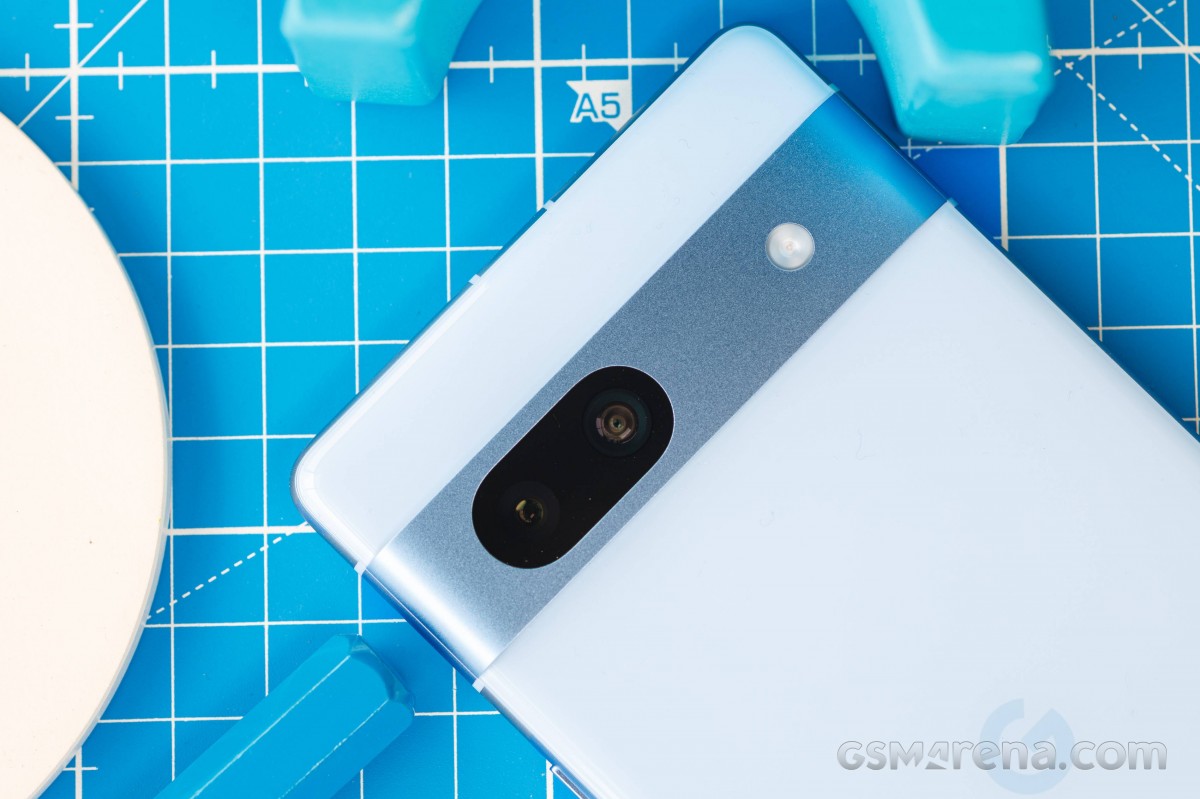
The camera system gets a boost too. A new 64MP Quad Bayer main unit replaces the basic 12.2MP one of the 6a – those are more pixels than you’d get with a Pixel 7 (50MP), even though it’s a smaller sensor. Similarly, the 13MP ultrawide is also higher-res (if only just) than the one on the 6a and the 7, albeit with a smaller sensor. There’s no AF on this one, but then it’s only the 7 Pro that has an autofocusing ultrawide, so the 7a doesn’t really lose points here against the 7. The selfie camera is another 13MP affair, that one too being nominally superior to its brethren’s setups.
A noteworthy addition to the a-series feature set is wireless charging. You may scoff at the 7.5W throughput, but you’re unlikely to be in a hurry when sleeping. And it’s not like Pixels are known for fast charging to begin with.
You get the same Tensor G2 chipset on the Pixel 7a that the 7 comes with. While it’s somewhat underpowered compared to other high-end SoCs that the 7 is fighting against, it looks a lot better in the 7a’s context.
Battery capacity is essentially the same between the two models, and the 7a may eke out a few extra minutes of battery life thanks to its slightly smaller display and lower max refresh rate – we’ll see in due time if less ends up being more in this respect.
Less is less in the 7a’s IP rating, but the IP67 should be as good as the 7’s IP68 for that one-time accidental bathroom dunk. The lack of a storage option other than 128GB isn’t as easy to dismiss, though – maybe the 256GB version remains the key thing the 7 has going for it in this head-to-head.
Disclaimer. We can not guarantee that the information on this page is 100% correct.
Google Pixel 7a unboxing
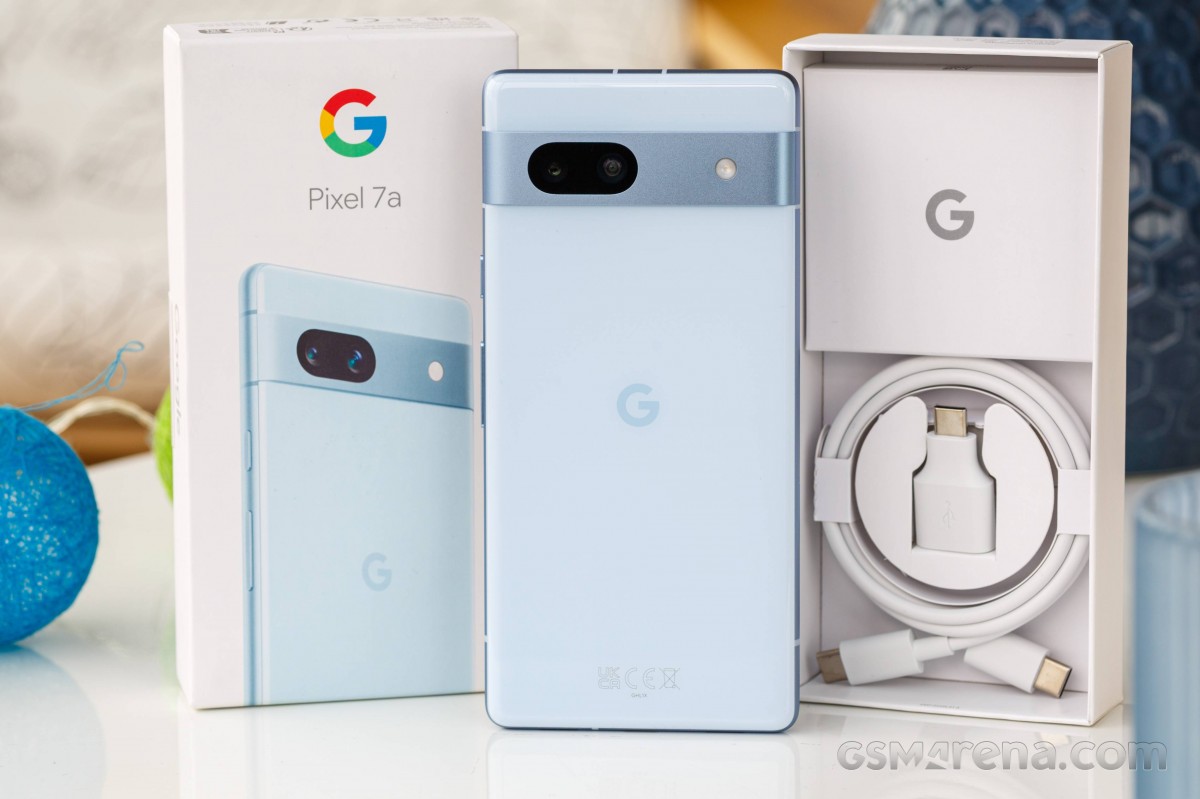
We’ve come to expect minimal bundles from certain companies, and Google is one of them. It’s no surprise then, that the Pixel 7a ships in a box that’s barely larger than the handset itself. The two-piece white cardboard package has a likeness of the phone on lid, color-matched to the actual unit inside.
The contents include a USB-C cable and USB-C male to USB-A female adapter – standard Google stuff. There’s no charger inside, but on some markets you may get Google’s 30W adapter (in its own separate retail packaging) included in the price – that was the case with our German review unit. We did get ours from a third-party retailer, as opposed to the Google online store, and not all retailers appear to be running the same promo. Chances are you’ll be needing to come up with your own charger, is what we’re saying.
Now, while the charger situation is not exclusive to the Pixel 7a, a lot of competitors in the segment do come with adapters in the box. A bundled protective case is also not unheard of. Perhaps a value-oriented consumer like the ones eyeing a 7a would appreciate getting a bit more for their money.
Competition
The Pixel 7a comes in at $500/€510 and that’s quite a heavily contested market segment. Google doesn’t like to sell its phones in more than a handful of markets though, so if you’re outside the select few countries with Pixel presence, things will be easily settled for you. But if Pixels are on the table, there will be some thinking to do.
For starters, you’ll need to consider the Pixel 7a’s in-house competition – an easy enough task. While it remains on sale, the 6a comes with a dated 60Hz display, previous-gen chipset, inferior camera and no wireless charging – we reckon the extra $100/€100 for the 7a are well worth spending. That said, we’re seeing $350/€350 promotional price tags on the 6a, and that calls for some more serious cost/benefit analysis.
It’s probably easier against the Pixel 7 – basically, if you don’t need more on-board storage than the 128GB 7a gives you, the 7 doesn’t really have much to justify the $100/€100 premium. And, technically, if you do insist on the 256GB of storage, you’d be looking at a $200/€200 extra over the 7a, which seems like a lot of money to pay for a storage upgrade.
The 7 Pro has gotten some heavy discounts, particularly in Europe, but it’s still a good deal more expensive than the 7a, so it doesn’t feel right to consider it an alternative to the 7a.
Google Pixel 6a • Google Pixel 7
Outside of Google‘s own roster, the very recent Motorola Edge 40 sounds like a very enticing alternative to the Pixel 7a. Sort of a ‘stock’ Android experience, but with Motorola’s own proprietary additions, the Edge 40 is similar, yet different enough to attract its own crowd thanks in part to the PC-like ‘Ready For’ functionality. It’s not really worse at anything, while being at least as good and often better than the Pixel in key areas – AF-enabled ultrawide, proper fast charging, way higher refresh rate display, actually good selfies, 256GB of storage. The Edge 40 is also as close as you can get to a capable midranger that’s also compact – something the Pixel ‘a’ can no longer claim.
The Moto does have a higher MSRP at launch, and it could be argued it’s worth the added cost. But we feel like its price is going to come down to Pixel 7a levels soon enough, and, unless you’re dead-set on having Pixel software, the Edge 40 sounds like the overall better package.
There’s no need to wait for a price drop with the Galaxy A54 – that’s already going for $100/€100 below Pixel 7a’s price. The biggest concession with the Galaxy would be performance – its mid-tier Exynos can’t quite match the Pixel’s kinda-flagship Tensor. The Galaxy does score a few small victories, like having expandable storage and longer battery life. We’d pick the Pixel for its cameraphone prowess, and the Galaxy if you’re after more of generally good smartphone.
The Nothing Phone (1) is another alternative that runs cheaper than the Pixel – at about the A54’s level. Alongside the savings, the blinky LED back of the Phone (1) is a major selling point, irrational as it may sound, but Nothing’s first… phone is not without objective merits. While we wouldn’t say it’s dramatically better than the 7a at anything, it’s a little better here and there – refresh rate, battery life, charging speed. The Pixel is again the better cameraphone, generally speaking, is bound to get way better software support, and has superior weather sealing (IP67 vs. IP53).
The appeal of Pixel phones tends to be pretty niche, often not entirely well-founded in reason, and difficult to explain with just numbers and test results. It’s somewhat of a similar story with the Pixel 7a here, as a quick look at the pros and cons lists below will show you.
Google hasn’t been quick to adopt a high refresh rate display on its ‘midrange’ model and even when it finally has, it’s a 90Hz panel in a sea of higher RR competitors. Battery life is unremarkable, charging speed is downright unacceptable, the lack of storage options is limiting, and the Tensor G2 runs hot and throttles. There are also missteps in what should be any Pixel’s forte – camera performance.
Attempting to counter all of the above, we have an Android experience tailored to Google’s own vision with a clutter-free interface, Pixel-only features, and an update policy that’s hard to rival. An otherwise meh flagship chipset does make for a pretty great midrange one, prone to throttling as it may be. And so long as you avoid people shots in most of their incarnations, the Pixel 7a’s camera’s system will deliver image quality that wouldn’t be out of place on an actual flagship.
In summary, with the 7a, Google appears to have simply created a more affordable Pixel 7, making the latest a-series model the go-to option for someone just looking for a Pixel. If the ‘G’ logo on the back is not part of your requirements, perhaps there are better deals out there. Perhaps you’ll be missing out though.
Google brings back the Horizon live wallpaper on Pixel 7
At launch, the Pixel 7 and 7 Pro series lacked the “Horizon” live wallpaper, but it’s now available again to download and set as your background.
Starting with the Pixel 6a and continuing with the Pixel 7 and 7 Pro, the Living Universe collection lacked the “Horizon” live wallpaper that would reflect your battery percentage: “Look to the horizon. The sun rises as your phone charges, and lowers as the battery is used.”
All the other backgrounds were present, but the wallpaper that was introduced with the original Pixel in 2016 wasn’t for, seemingly, no particular reason.
In the past day or so, Horizon has returned on a Pixel 7 (running Android 13) and 7 Pro (Android 14 Beta 3.1) with a server-side update. It’s fantastic that this lapse has been addressed as it truly is a fan favorite that ambiently conveyed battery status.
The Pixel 8 and 8 Pro will see mineral-inspired wallpapers. Meanwhile, the Pixel Tablet does have the Living Universe collection in Wallpapear & style, but only eight are offered. These are presumably the only large screen-optimized live backgrounds:
Bird’s-Eye View, Zion National Park
White Sands, Sonoran Desert
Flying above, Monument Valley
Garden, Kent, United Kingdom
Half Dome, Yosemite National Park, CA
Pantheon, Rome, Italy
Shinjuku, Tokyo, Japan
Whitehaven Beach, Queensland, Australia
Google’s updated privacy policy doubles down on using your data for training AI
AI is a bigger focus for Google than it ever has been, and in an update to its privacy policy, Google is doubling down on its ability to use data for training AI models.
As of July 1, 2023, Google has a new privacy policy in place for users. The update, highlighted by Gizmodo, is documented on Google’s policy site and has a key change.
Google has had a policy in place for some time now that allows the company to collect data from its users and use that data for “business purposes.” That includes for “research and development,” which has long included for building out and improving Google Translate.
Now, in the latest update to its policy, Google is including its AI models in what it can use data from you for. That also includes using the data to train Bard and Cloud AI “products.”
The updated policy matter states (new text in italics):
Google uses information to improve our services and to develop new products, features and technologies that benefit our users and the public. For example, we use publicly available information to help train Google’s AI models and build products and features like Google Translate, Bard, and Cloud AI capabilities.
In a later point, Google also notes that publically available information can also be used to train these models.
For example, we may collect information that’s publicly available online or from other public sources to help train Google’s AI models and build products and features like Google Translate, Bard, and Cloud AI capabilities. Or, if your business’s information appears on a website, we may index and display it on Google services.
None of this implies that Google is planning to use private data linked to your account for training but rather only public information. That’s going to happen anyway, as has been made clear with the rise of ChatGPT and other AI models, but Google’s new policy makes it clear the company intends to do the same thing with data from its users.
Pixel 7a’s Tensor G2 processor appears to be slightly different from the one in Pixel 7
Google’s latest A-Series smartphones have felt faster than ever thanks to an upgrade to the same Tensor chips as their more expensive siblings, but in the case of the Pixel 7a, it appears that the Tensor G2 processor inside is slightly different.
The $499 Pixel 7a is a stellar device at its price point, as we brought out in our review last month, and a big part of that is running on the Tensor G2 processor. That brings better performance, slightly better efficiency, and a much better modem compared to the original Tensor found in Pixel 6a. And while all of that remains true, new evidence suggests that the Tensor G2 found in Pixel 7a isn’t the exact same one found in Pixel 7 and Pixel 7 Pro.
Uncovered by Kamila Wojciechowska, the Pixel 7a is using an altered version of Tensor G2 that is known as the “IPOP” variant. The short version of what that means is that the chip found in Pixel 7a is packaged differently. It has the same components, but the surrounding casing is likely less costly to produce compared to the FOLOP-PoP tech that’s used on Tensor G2 in the Pixel 7 and Pixel 7 Pro.
Realistically, this shouldn’t be too much of a problem for most folks, but the added heat certainly isn’t appreciated. Tensor-powered Pixels have been notorious for heat problems, and every little bit helps.
Tensor G2 is also now included in the Pixel Tablet and Google Pixel Fold, but it’s unclear if those devices are also using altered versions from the smartphones we saw released last year.
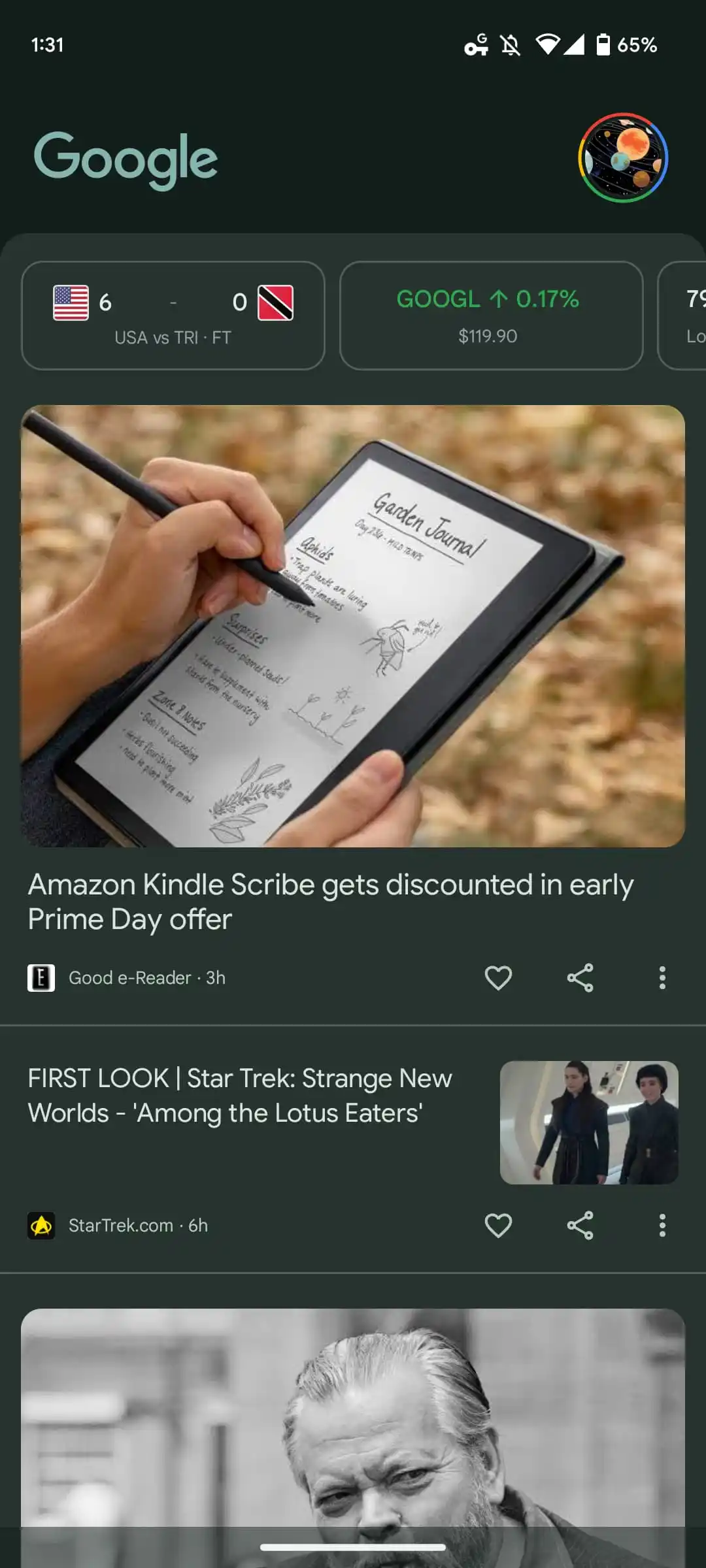
Pixel Launcher’s Discover feed getting more Dynamic Color
The Google Discover feed to the left of the Pixel Launcher is getting a bit more Dynamic Color.
Before this latest change, only the top portion and Google logo saw Dynamic Color theming. It’s now being extended to the feed background. Instead of white or gray, you’ll now see something more vibrant to better align with your wallpaper. It doesn’t really impact the legibility of article images and headlines or the top carousel of widgets.
We’re seeing this expanded use of Dynamic Color in the Pixel Launcher’s Discover feed on Google app 14.26, which is the current beta release, but it’s not yet widely rolled out. This splash of vibrancy is somewhat nice when transitioning between the feed and your homescreen.
In other things, the Google app’s (short) Material You bottom bar is also not yet widely launched on phones for everyone after all these months. The M3 navigation rail is live on tablets, though it doesn’t support Dynamic Color yet and resorts to a blue accent.
It’s still crazy to me that Google has already launched its first foldable smartphone, but for the past few days, that’s what I’ve been using. Is it any good and, more importantly, is it remotely worth the cost? That’s what I’ll try to answer in our initial review of the Google Pixel Fold.
Hardware & Displays
Google’s first foldable is very well built
One of the biggest things Google is touting on the Pixel Fold is the build quality. I was skeptical of this at first given the company’s history but, really, they’ve mostly nailed it. The stainless steel frame of the phone is premium, though it is an absolute fingerprint magnet in the black variant Google sent out. The unfolded hardware is also incredibly thin, more so than the Galaxy Z Fold 4 I’m used to using, and even an improvement over other devices I’ve tried (even ones sold outside of the US).
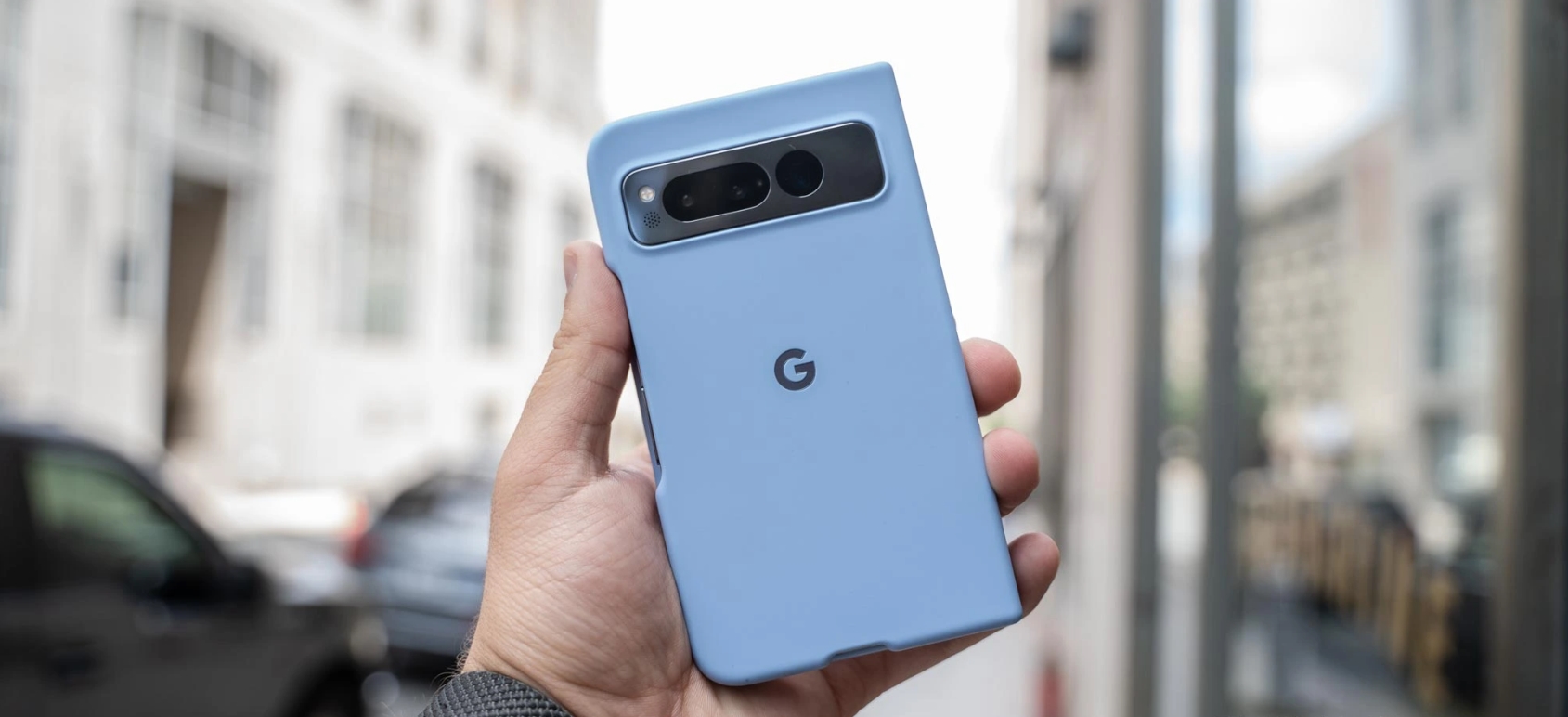
This is also the first Pixel device since the Pixel 4 series (RIP) to have a matte back. The rear glass is soft to the touch and, while not quite to the same level as past Pixels, is quite good. I was disappointed to see some regulatory markings on the back, something that Pixels are usually free of, but it’s easy to forgive with the really nice hand feel that comes from the combination of matte glass and glossy stainless steel. It’s something that no other modern Pixel offers.
And, on top of that, there’s the size. The Pixel Fold is unexpectedly compact. I’ll talk more about using the 5.8-inch display later on, but the phone’s overall size is just a delight, at least when it’s closed.
Each time I pick up the Pixel Fold, I fall a little more in love with the hardware and build quality.
Of course, that’s not to say it’s perfect. The Pixel Fold is very heavy, weighing in at a whopping 283 g – that’s 20% heavier than the Pixel 7, and you feel it. That said, as someone who’s carried a Galaxy Z Fold for the past few years, I don’t really mind it, especially because Google’s foldable is thin. Keeping the Fold in my pocket really didn’t feel all that different from the Pixel 7 Pro in a case, even when the Fold was in its official case. The weight is a “problem” when you first pick up the Fold, but it becomes a non-issue after even just a few hours of use.
Another non-issue, at least to me, is the hinge. The stiff hinge is well-built as I mentioned, but it doesn’t always reach 180 degrees when you initially open it up. Rather, you have to exert some extra pressure to make it completely flat. This seems to be a lottery, with some Pixel Fold units being better or worse than others. My unit, at least, seems to be well-tuned. I’m typically seeing the device settle around 179 degrees when open, and I’ve gotten into a habit of just giving it a little extra push to hit 180 degrees.
Hinge tolerance is a problem that all foldables face. The Motorola Razr+ I just finished reviewing last week often settled around 178 degrees without an extra push, and a few months into using my Galaxy Z Fold 4, it’s hard to get a completely flat unfolding. The Pixel Fold certainly isn’t alone here, and according to Google, the resistance you feel during those last couple of degrees is actually a side effect of just how strong the hinge is. The company is insistent that the hinge can hit 180-degrees and, yes, that’s true.
1) The "not folding flat" thing:
Pixel Fold *can* fold flat (or nearly flat). But you need to really bend it to get it there – too much for comfort.
Explanation I was given (by an engineer, not PR): they used a high-friction hinge for rigid positioning. This was the tradeoff. pic.twitter.com/0RGBTrMu4E
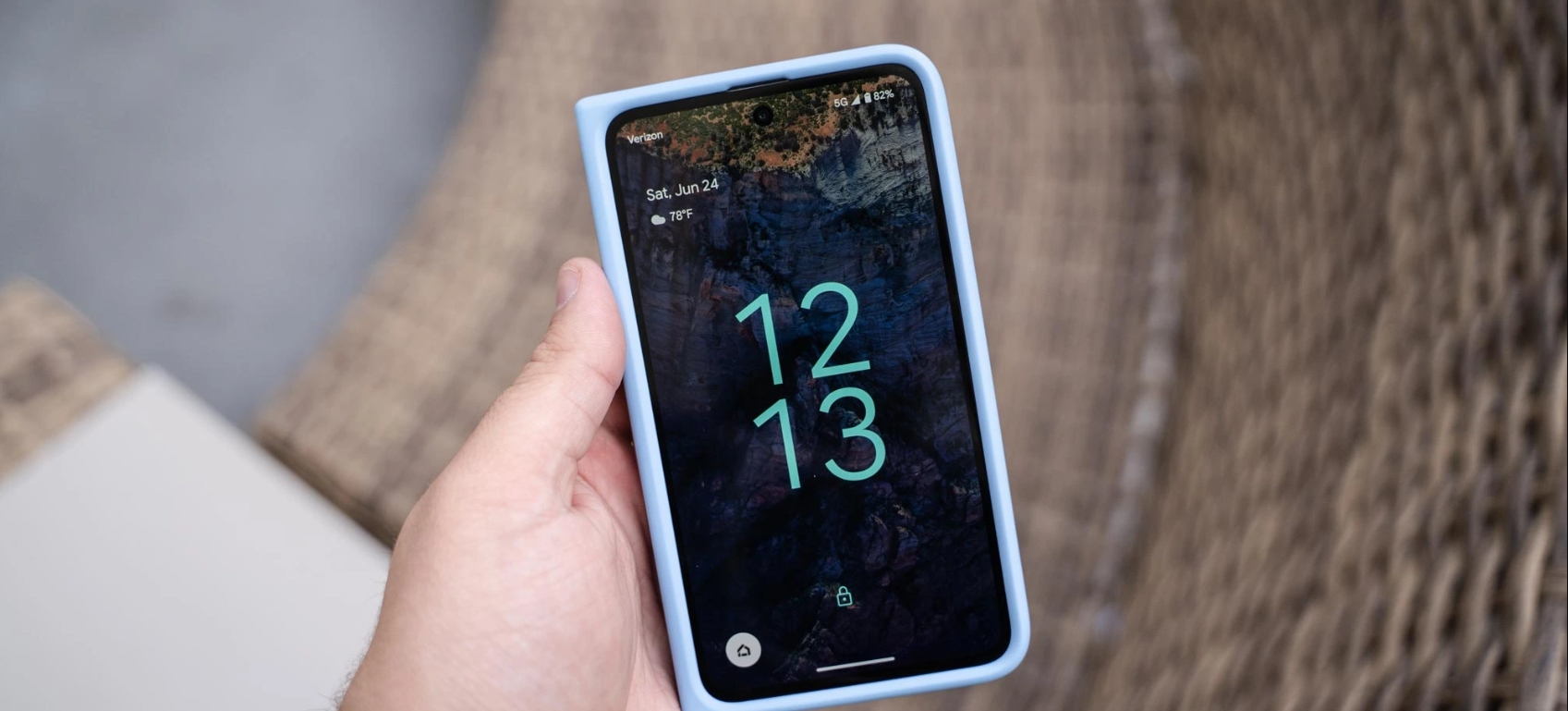
On the outside of the Pixel Fold is a 5.8-inch display, backed up by a 7.6-inch panel on the inside. First, let’s talk about the outer display, because it might be the secret weapon of this device.
The Fold’s outer display is compact in a way we haven’t felt on a modern Pixel phone, and it’s also wide compared to most foldables I’ve tried. Through four generations, Samsung’s Galaxy Z Fold series has stuck with a tall and super-narrow display that a lot of people really dislike. I am not one of those people, and have really come to love the feel of that display. That said, the Pixel Fold kind of nails it here. The outer display is super wide (roughly identical to Pixel 7 Pro, but vertically much shorter), which I thought would feel cumbersome, but the phone’s super-thin design helps make that okay.
In action, that small display is quite nice to use. Despite being more than a full inch smaller than what I’ve gotten used to on the Pixel 7 Pro, I don’t really feel like I’m giving anything up. And, in terms of usable area, it’s much better than Samsung’s option. Plus, the glass is flat!
The only real complaint I have on the outer display is the brightness, which feels a little low even though my entire review period was handled under dark and dreary skies. More testing will be needed.
The wide outer display also leads to a wide inner display. The 7.6-inch panel here is the same diagonal measurement as Samsung’s foldable, but it feels much larger due to its width. And this comes with its own set of pros and cons.
On the bright side, there’s a lot of room here. Tablet-optimized apps feel right at home, and we’ll get into some examples later on.
This size and aspect ratio are also really good for running two apps side by side, making the Fold a multitasking machine if you want it to be and without any real compromise. The two apps essentially have full, albeit short, smartphone displays to themselves.
To address the bezel, this is beyond a non-issue.
The Pixel Fold’s bezels are a good thing. They provide extra room for grip, both on the sides and the top/bottom, as well as allowing for a good-quality inner camera that doesn’t take away from the screen in any way. If you have an issue with the bezels, just don’t buy the phone – anyone who actually gives it a chance will tell you the bezels do not matter at all.
What does matter is how the screen feels and, yes, the crease.
Google’s hinge design sees the screen noticeably dip into the center as it’s closed
The screen here is using a layer of ultra-thin glass coated with a built-in screen protector – Google says that screen protector should not be removed. The screen feels alright most of the time, but I did notice that humid conditions leave it feeling a little sticky like early generations of Samsung’s foldables. It’s certainly far better than those devices in that regard, but it’s not quite up to par with most other recent foldables I’ve tried.
And, as for the crease, it’s totally fine. It’s not nearly as good as foldables from Oppo, Xiaomi, Honor, or even Motorola, but if those brands are the gold standard and Samsung is the bottom of the barrel, I’d put Google as the middle ground. You’ll feel the crease and sometimes see it, but in actual use, it becomes a complete non-issue.
Pixel Fold (L) vs Galaxy Z Fold 4 (R)
The Pixel Fold is too wide
My biggest problem with the Pixel Fold so far is that this phone is wide.
The open 7.6-inch display leaves a ton of room for activities as mentioned, but it’s cumbersome to use. The width makes it harder to hold the foldable with one hand when it’s open, and even when it’s closed, the small screen isn’t fully one-hand-able because it’s so wide. The width also leads to excessive wasted space inside when an app is forced into portrait mode.
But the real kicker is typing. Gboard defaults to a split view on the Pixel Fold, which I usually hate, but here that’s pretty much a necessity, like on the Pixel Tablet, because using the regular layout on the inner display requires either insanely long thumbs or some serious hand gymnastics. Even a few days in, I’m still not very happy with typing on the inner display as it’s uncomfortable and leads to constant typos – I’m pretty sure autocorrect is at least partially broken on this device currently.
I’m very much hoping I’ll get used to this with time, but right now, I’m of the opinion that the Pixel Fold is just way too wide.
Software & Performance
Google’s take on a foldable is clean, but not as capable
With the Pixel Fold being a multitasking-centric device, I was actually a little mixed about the Pixel experience being at the helm. As much as I love Pixel software, One UI feels like a perfect fit for this form factor. That said, Google’s experience actually holds up rather well, and there’s not much I felt myself missing from my Galaxy Z Fold 4.
The biggest advantage Google’s software has is that it’s clean. The Pixel experience is full of useful features, but they’re designed in a way that never feels cluttered. Buttons are more clearly labeled, information isn’t quite as dense (though not much space is wasted).
A good example of that is the notification tray. Where Samsung gives you one big column, Google takes advantage of the extra space by showing one panel with your quick settings to the left and one with notifications to the right. Admittedly, I’d have loved to see some more quick settings to fill the vertical space, but aesthetically, this is pretty well-balanced.
Google’s take on foldable software is also one where both screens contribute to the same experience. The Pixel Launcher displays the same layout inside and out, just with the inner display showing two panels at once. Google explained that this choice was made because it feels more convenient and fluid, but it’s something that the company will evaluate again in the future. The only problem I felt there was with the app dock, which has an extra slot on the inner display that you don’t get on the outside.
You’ll also feel this cohesive setup through apps. Obviously, using an app on the outside leads to that app just getting bigger when you open the display, but if you’re using an app on the inner display and then close the phone, the outer display will keep that app alive too. Where Samsung brings you back to the homescreen, Google will show the same app on the outside that you were just using on the inside. If you were multitasking on the inside, the last-used app appears on the outside. That also, oddly, leads to app pairs not sticking around on the inner display, but that’s ultimately a pretty minor annoyance.
Multitasking in itself is a feature that, personally, I actually rarely find myself using. I generally tend to use the foldable display as just a bigger space for my singular apps, but using two apps side-by-side does feel really nice on this display, and the taskbar makes adding apps easy. The feature I really found myself missing, though, was Samsung’s floating apps. Google doesn’t offer this, and I really would have appreciated the option on this expansive display. That said, just making the secondary app smaller had roughly the same effect.
The Google Pixel Fold runs Android 13 out of the box, with the usual update policy of three years of major Android updates (through Android 16 at least) and five years of monthly security updates. That’s behind Samsung’s 4-year promise for major updates, but it’s not really all that bad either.
The app situation is getting better
As usual with any big-screen Android device, the Pixel Fold faces the app problem. Android apps, in large part, just aren’t good at being on tablets, but this situation is very clearly getting better.
Some star pupils during my use of the Fold so far have been the Google Home app, the new Google Weather app, and Google Keep.
Notice the lack of third-party apps here? There are some good ones, like Telegram, WhatsApp, and Discord, but there are many that are slacking here. Twitter, Reddit, and others are letterboxed in, and other apps that once had a tablet layout, like Slack, just don’t work well.
But ultimately that’s not the fault of the phone and, if anything, the Pixel Fold’s existence may help us towards a future where these apps are a little better. And Google has struck a good balance, too. While I firmly believe that Samsung’s taller and narrower aspect ratio is better for most apps today, I ran into fewer problems on the Pixel Fold because Google forces apps to run in the correct aspect ratio, even if they have to be letterboxed.
Things would be slightly better if the Pixel Fold wasn’t so wide, though, something I predicted might be the case.
Tensor G2 is fast enough but is the Fold’s weakest link
As has been the case with Google’s past few Pixel products, much of the conversation with performance comes down to Tensor. The Tensor G2 processor here is the same one found in Google’s Pixel 7 and Pixel 7 Pro, which means it’s faster than its predecessor, has a better modem, and overall, just gets the job done. Sure, the Snapdragon 8 Gen 2 is much faster, but you’re really splitting hairs to feel that difference.
Rather, the reason I’d prefer a Snapdragon here just comes down to efficiency. With Google mainly releasing Pixels in the late fall, I rarely get to experience how the phones handle heat during my review period. But between daily driving a Pixel 7 Pro through the first 85-degree days of the year and now using the Pixel Fold as North Carolina’s temperatures jump up and down, I’m reminded of just how Tensor fails here.
The Pixel Fold gets hot often and stays warm almost constantly. Just using the foldable for more than 15 minutes at a time leaves the bottom half feeling a bit warm, and escalating that with a game or something more intensive can just make matters worse. The heat is also somewhat more noticeable on the Fold versus the rest of the Pixel series just because of how thin the device is.
Is this a deal breaker? For many people, it might just be, and that would be fully understandable. For me, I don’t really run into actual issues caused by Tensor’s heat enough for it to be a problem – it’s mostly a minor inconvenience. But with the Pixel Fold costing double Google’s other most expensive phone and really, sitting at the top of the charts for the foldable market as a whole, the standards are higher, and Tensor really proves to be this phone’s weakest link by far.
Cameras
This is where Google Pixel Fold shines
Due to the inherent limitations of foldable form factors, these devices have historically struggled in the camera department. Even with the Galaxy Z Fold 4, Samsung still doesn’t really nail it here, and other brands are hit or miss – Oppo, Xiaomi, and Honor seem to have really figured it out, though.
Google, thankfully, seems to have kept up the Pixel’s camera legacy on the Pixel Fold. With my most of review period being stuck in dark and dreary conditions, I don’t want to solidify my thoughts on the camera just yet. But, at least so far, it seems like a winner.
The 48MP main camera doesn’t feel quite as strong as the 50MP sensor in the Pixel 7 and Pro, but the 5x telephoto lens is a godsend compared to my Galaxy Z Fold 4’s 3x lens, and I’ve been very happy with a lot of my shots so far.
One of the perks you’ll get on the Google Pixel Fold is the ability to shoot selfies with the rear camera by using the outer display as a viewfinder, and the Google Camera app adopts to this well. I think Google’s implementation of the button for switching to this mode is much more obvious than on other foldables, but the width of the Pixel Fold makes holding it and snapping the shot a little cumbersome, and skin smoothing felt very aggressive. I’m not much of a selfie taker, but I don’t remember past Pixels being quite as strong here.
Still, I’m far happier here than I’ve been on the Galaxy Z Fold 4 that’s usually in my pocket, so this is a big win in my book.
Battery Life
Maybe the best battery on a Tensor-powered Pixel?
In the few days I’ve been using the Pixel Fold so far, I’ve actually been really happy with the battery life.
I’ve been running roughly a 60/40 split on the outer and inner displays respectively, and have been managing 3-4 hours of screen time daily with a mix of social media, email, web browsing, the occasional game mixed in. Wireless Android Auto is also a fairly regular occurrence. The endurance isn’t perfect by any means, but for my usual 8 a.m.- 11 p.m. schedule, I find myself going to bed when the tank has hit the single digits.
If I know I’m going to be out later, or really out at all given Tensor’s inefficiency on mobile networks, I usually try to find a few minutes to plug in for a bit of extra juice. The wired charging, which hits around 22 W like the Pixel 7 series for the 4,821 mAh battery, is generally enough, too. Wireless charging, though, has been quite finicky even on Google’s own Pixel Stand. I suspect it’s just because this phone is so much smaller in its vertical footprint, as a pad-style wireless charger does work much better.
Repairability
With any foldable repairability is an important point to consider before buying, and that’s especially true with one from Google, given the infamous history of woes with Pixel customer service.
Tidbits
Haptics
Haptics feel less impactful on the Pixel Fold than they do on the Pixel 7 and Pixel 7 Pro. That’s not to say they’re bad, they’re still so much better than most phones, I just find myself noticing them less because they’re not as strong.
Fingerprint sensor
Unlike every other Tensor-powered Pixel phone so far, the Pixel Fold has a physical, capacitive fingerprint sensor. The sensor is built into the power button and, generally speaking, is very good. The success rate feels higher than the optical sensor found in Pixel 7 Pro, and if it does miss on the first try, it always gets it the second time around. I think this will get better with time as I get used to the placement.
Pixel Fold’s fingerprint sensor is built into the frame
Official case
If you’ve followed my time with Samsung’s foldables, you’ll know that cases are something I’ve felt foldables haven’t really nailed down. Samsung took about three years to really figure it out, but Google nailed it here right out of the gate. The official Pixel Fold case, which runs $60, fits onto the foldable well and uses minimal adhesive to do so. There are a couple of adhesive bits, but they don’t prevent easy removal. The case fits snugly, especially on the front, and the back half is super grippy. Overall, this case is a huge win and certainly worth adding to your purchase.
The verdict… so far
Six days isn’t nearly long enough to really come up with a final verdict on the Pixel Fold, but I’ve got a pretty good idea of where things are going at this point.
The Pixel Fold is a device that is way better than I expected, and shockingly, actually really good. Google has made some meaningful decisions with this device that help it stand out from the rest of the foldable market and, in some cases, rise to the top. The biggest win here is on Google getting to market with something this good, this early. In the US, Google is only competing with Samsung and, despite the Galaxy Z Fold’s clear advantages on repairability and the years of background knowing how these devices age, Google actually puts up a strong offer.
For a first-generation product, I’m blown away at just how good the Pixel Fold has proven itself to be.
It’s just far too expensive for what it brings to the table. I’m happy to forgive some of Google’s shortcomings with Pixel, such as the issues with Tensor, when the company is undercutting its competitors like the Pixel 7 and Pixel 7 Pro do, but with the Fold coming in at the exact same price Samsung is asking, it’s just not worth it. I canceled my personal Pixel Fold pre-order, and I’d only put up the money myself if the device was considerably cheaper.
This first Pixel Fold is a very solid foundation, but the improvements to Tensor that could arrive in a “Pixel Fold 2,” along with a price cut, are what Google needs to deliver to really sell me on this product.
Pixel phones have an unfortunate pattern forming when it comes to updates causing issues with battery life, and it seems the June update is causing another round of issues with battery drain for some users.
A Reddit thread from last week has picked up hundreds of comments from Google Pixel owners, many of whom have noticed that the June 2023 update is causing faster-than-normal battery drain on their devices.
Some of those affected report seeing their battery needing a charge by the afternoon and requiring a charge multiple times per day. Google’s Pixel phones have never had tremendously good battery life, but this is certainly not how things should be going. The phones even seem to be draining much faster when sitting idle. And, on top of that, the issue is also causing phones to run hotter than usual. The problem seems to mostly be affecting Pixel 6 and Pixel 7 series devices.
The issue doesn’t appear to be universal, with some even claiming improvements following the update, but it’s certainly not an isolated case either. Some also report signal issues following the update.
The good news here, at least, is that a fix may end up coming sooner than later. Google tends to release new updates on the first Monday of the month, which puts a potential fix just a week from today. That said, with June’s update having been delayed by almost two weeks, it stands to reason July’s might, too.
June Feature Drop + Android 13 QPR3 rolling out: Pixel 7 Pro macro video, Palm Timer, new wallpapers, Home Panel
Starting on the camera front, the Pixel 7 Pro gains Macro Focus Video for “butterflies fluttering or flowers waving in the wind” after previously offering close-up stills (as close as three centimeters away) thanks to auto-focus on the ultrawide lens.
Similarly, Google Camera (on Pixel 6 and newer) will let you start a selfie timer (3 or 10 seconds) by raising your palm to the phone, a feature first introduced on the Pixel Fold. A yellow box will identify your hand before starting the sequence. This is very useful if your phone is propped up on a distant surface, though you can’t be that far away.
As debuted at I/O 2023, Emoji Wallpapers let you mix and match over 4,000 characters. Opening Wallpaper & style will reveal a new Emoji option alongside the other albums.
You can pick up to 14 emoji to display with the normal keyboard picker. The Patterns tab lets you select styles like Mosaic, Lotus, Stacks, Sprinkle, and Prism with a zoom density slider at the bottom. Lastly, you can choose a background and emoji color, while there’s also a “Randomize” option.
Once set, you have the option to make the emoji interactive. This is a live wallpaper, and a tap on your homescreen will cause them to react/jiggle. Emoji Wallpapers are available on the Pixel 4a and newer.
Cinematic Wallpapers (Pixel 6+) let you create a 3D image from any regular photo. Select an image for your wallpaper as you would normally, and in the top-right corner, you’ll be offered a new sparkle button to trigger the cinematic effect.
Google is estimating depth with an on-device convolutional neural network to estimate depth, while the in-painting as the background moves leverages a generative adversarial network (GAN). There’s a parallax effect when you tilt the device.
Home Panel on Pixel phones
First announced on the Pixel Tablet, Home Panel is coming to phones. When you tap the Home icon in the bottom-left corner of your lockscreen or the Quick Settings tile, you’ll see a new view that matches the new Google Home app’s Favorites tab.
Instead of having to customize a different grid of toggles just for this view, Google will carry over the in-app arrangement. Besides devices, this can include automations and actions. You’ll be prompted to unlock when accessing sensitive devices.
More for Pixel
In Recorder, Speaker Labels will be searchable in recordings, while named people will appear in the video clips you can generate (Pixel 6+). The app has also improved the transcription export option with your Speaker Labels appearing in Google Docs with accompanying time stamps.
On the safety front, you can start/stop Emergency Sharing with your voice, as well as tell Google Assistant to start a Safety Check. (“Hey Google, start a safety check for 30 minutes.”) Similarly, Car Crash Detection will share your real-time location and call status with emergency contacts in addition to calling emergency services.
In March 2023, Google made it so that Adaptive Charging no longer requires an alarm to be set. This is finally being announced this month of June 2023:
Adaptive Charging now uses Google AI to help extend the lifespan of your Pixel battery. When you plug in your phone, it can predict a long charging session based on your previous charging habits, and slowly charge to 100% one hour before it’s expected to be unplugged.
The company notes, “Adaptive Charging needs several days to learn your charging habits. The feature may not activate if your charging habits vary widely.”
Adaptive haptics will let the Pixel 6a and 7a “lower its vibration intensity when it detects that it’s on a hard, flat surface like a desk or table.”
There are only a handful of user-facing tweaks in Android 13 QPR3. When you swipe down for Quick Settings, the battery percentage is once again shown in the top-right corner instead of “Until xx:xx.” When setting wallpapers, there’s a revised fullscreen preview UI.
Settings app > Security & privacy > Screen lock page introduces a new “Enhanced PIN privacy” option that disables animations when entering a code on the lockscreen.
How to get Android 13 QPR3
If you’re on the Android Beta Program running QPR3 Beta 3.2, “opt-outof the Beta program in order to receive the public over-the-air (OTA) update.” You will not lose data. Google explains how:
“Important: You must take action and opt out of the program in order to receive the public update. If your device is running a beta QPR3 build, you will not receive a downgrade OTA when you opt out so your device will not get wiped. Once you’ve opted out, you will receive the public June OTA update as it becomes available (may take a week+ as this is a phased rollout).
“If you have a device that is currently enrolled and running Android 14 Beta (not Android 13 QPR3 Beta), opting out would apply a downgrade OTA (and wipe your device) per the usual program process.”
There are 23 security issues resolved in the Android 13 June patch dated 2023-06-01 and 34 for 2023-06-05. Vulnerabilities range from high to critical. The dedicated bulletin for Google devices lists 108 security fixes.
Following a couple of other spec leaks, yet another Pixel 8 leak is today offering new details about Google’s upcoming smartphones, this time including details about the display on both devices.
According to Kamila Wojciechowska for Android Authority, the Pixel 8 and Pixel 8 Pro are both set to have smaller displays. The Pixel 8 is apparently set to measure 6.17 inches, down from 6.31 inches. This time around, the smaller device will also finally adopt a 120Hz refresh rate, but the resolution will stay the same at FHD+ (2400×1080).
The Pixel 8 Pro would also see a reduction in size, but not one anyone will notice. The display will still measure 6.7 inches but with the panel measuring just one millimeter narrower. Both phones will also apparently make drastic changes to the corners of the screen, perhaps as a result of the Pro adopting a flat glass cover.
Interestingly, though, Pixel 8 Pro will apparently drop some resolution, going from the 3120×1440 of the Pixel 6 Pro and 7 Pro down to 2992×1344. This also cuts the pixel-per-inch to 490, down from 512. The good trade-off, though, seems to be an enhanced refresh rate on the Pro. The phone is apparently capable of more refresh rate modes, at 5Hz, 10Hz, 30Hz, and then anything between 60Hz and 120Hz. Pixel 8, meanwhile, would support 10Hz, 30Hz, 60Hz, and 120Hz.
Perhaps the most welcome upgrade comes with the brightness. Pixel 8 will apparently top out at 1,400 nits, while Pixel 8 Pro hits 1,600 nits. That’s up from 1,000 nits on the Pixel 7 generation in this same scenario with HDR. These values are coming from code, though, not actual measurements. Google rated Pixel 7 Pro with a peak brightness of 1,500 nits.
The Pixel 8 series is expected to arrive later this year.
It takes a great display to make a brilliant smartphone. Google’s most recent Pixel phones have been good in this regard, especially in realistic color reproduction. However, they’ve never quite matched the very best in some important areas, such as peak brightness and dynamic refresh rates. Google has frequently used older generation panels, presumably to save some money to position their offerings more aggressively. The downside is that its last flagship, the Pixel 7 Pro, while well-calibrated, was just not bright enough in some scenarios.
Thanks to a source inside Google, we’ve gained a lot of insight into the display specs and features of the upcoming Google Pixel 8 series, and a lot looks set to change.
Finally, flat edges for the Pixel 8 Pro
The perfect phone size has been an ongoing debate for years, and it doesn’t seem likely to end anytime soon. Regardless of your opinion on the subject, Google’s Pixel series offers two distinct display sizes — a smaller one on the non-Pro models (6.3-inch on the Pixel 6 and 7) and a larger, curved one on the Pro models (6.7-inch on 6 Pro and 7 Pro). While other specs of the phones aren’t exactly identical, it still gave users a choice.
With the Pixel 8 series, Google is tweaking the formula a bit. Firstly, the regular Pixel 8 is moving to a smaller display — 6.17-inch instead of the 6.3-inch on previous models. The Pixel 8 Pro, on the other hand, retains the same 6.7-inch size, but the panel is now flat — good news for the many people who consider flat displays to be a positive thing.
Google has also fine-tuned the rounded corners of both models, more than doubling the corner radius in both cases. In other words, the displays are slightly less square than before and a little more rounded in the corners.
Brighter displays for HDR
Google has always used OLED displays for Pixels, and it’s no different this time around. What might be changing, however, is the source of the panels. The last couple of Pixel generations exclusively used panels from Samsung. The exception was a mysterious, unreleased device codenamed G10, which would have a BOE display instead. I speculated at the time of the initial reports that Google was testing the panel to evaluate whether BOE was reliable enough to be included in Pixel phones, and it now turns out it was true. While the larger Pixel 8 Pro has a panel from Samsung, just like the previous generations, the regular Pixel 8 has two sources for the panel: BOE and Samsung. My source couldn’t confirm whether Google will use both in the production process or if this was simply an early evaluation, but both panels share the same specs, which could suggest the former.
This Pixel generation also changes the resolution of the Pro phone for the first time since the Pixel 6 series. Google has opted for a slightly smaller 2,992 x 1,344 resolution for the Pixel 8 Pro instead of the old 3,120 x 1,440 standard, giving it a pixel-per-inch (PPI) density of 490, down from 512.
The resolution of the Pixel 8 remains unchanged, which, combined with the smaller display, means its PPI is slightly higher: 427 instead of 417.
The brightness of both of the phones has also been substantially improved, at least according to the values declared in code (which, keep in mind, can differ from reality). The Pixel 8 can supposedly achieve up to 1,400 nits peak brightness in HDR content, up from 1,000 nits on the Pixel 7. The Pixel 8 Pro has also been upgraded and can now display up to 1,600 nits in HDR, up from 1,000 nits on the 7 Pro.
An enhanced variable refresh rate for the Pixel 8 Pro
Since the Pixel 6 series, Google has used display refresh rate as a differentiator between different product tiers. For example, in the Pixel 6 series, the Pixel 6a was 60Hz, the Pixel 6 was 90 Hz, and the Pixel 6 Pro had 120Hz.
The Pixel 7 series made a significant adjustment — the Pixel 7a now has a 90Hz panel to match the Pixel 7. This was an interesting move; what was previously the prime reason to pay more for the base phone over the Pixel A series unit was now gone.
However, Google will rewiden that gap between the Pixel 7a and the Pixel 8 series, as the regular Pixel 8 now gets a 120Hz display.
The Pixel 8 Pro also has a notable upgrade of its own; a more variable refresh rate. My source’s information on the topic was limited. Still, it appears that the Pixel 8 Pro will be able to smoothly change the refresh rate between 60 and 120Hz, unlike the previous generations, which could only use a few predefined rates (as listed in the table below).
The benefit of this approach is that the display refresh rate can more accurately match different content, reducing screen tearing. For example, 24fps content could now be shown at 72Hz, meaning each video frame is shown for precisely three display refresh cycles (rather than five at 120Hz). Another way this could be utilized is for games. If Google implements this functionality, the display could match a game’s higher frame rates, completely removing tearing, similar to AMD’s FreeSync or Qualcomm’s Q-SYNC. Also, the new displays clock down to as low as 5Hz, saving power when the screen is not actively refreshing content.
That’s everything there is to know about the display on the Pixel 8 series. It appears that Google’s upping its game to compete with the very best in yet another aspect. So far, all the Pixel 8 leaks suggest the phones will be a huge improvement, and the display is no different. I can’t wait to upgrade to the Pixel 8 Pro when it comes out.