For those not on Android 15, Google has released Android 14 QPR3 Beta 2.2 for Pixel on May 23, 2024. It comes nearly two months after the last release of this track. A stable 14 QPR3 release is expected at the start of June.
AP21.240305.006 with the May — from March — 2024 security patch is available for supported devices: Pixel 5a, Pixel 6, Pixel 6 Pro, Pixel 6a, Pixel 7, Pixel 7 Pro, Pixel 7a, Pixel Tablet, Pixel Fold, Pixel 8, and Pixel 8 Pro.
There’s no Pixel 8a build, and only factory images are offered for manual install given an OTA sideloading issue.
Fixed various other issues that were impacting system stability and connectivity.
Back in April, Google said you could ignore Android 15 Beta 1 if you wanted to remain on the Android 14 Beta Program to “receive minor .x updates until the final stable QPR3 release” (in June). The on-device OTA is 18.06 MB update on the Pixel 8 Pro and 40.83MB for the Pixel 7 Pro.
All eligible devices enrolled in the Android Beta for Pixel program that haven’t taken an update to Android 15 Beta will be offered an over-the-air (OTA) update to Beta 2.2.
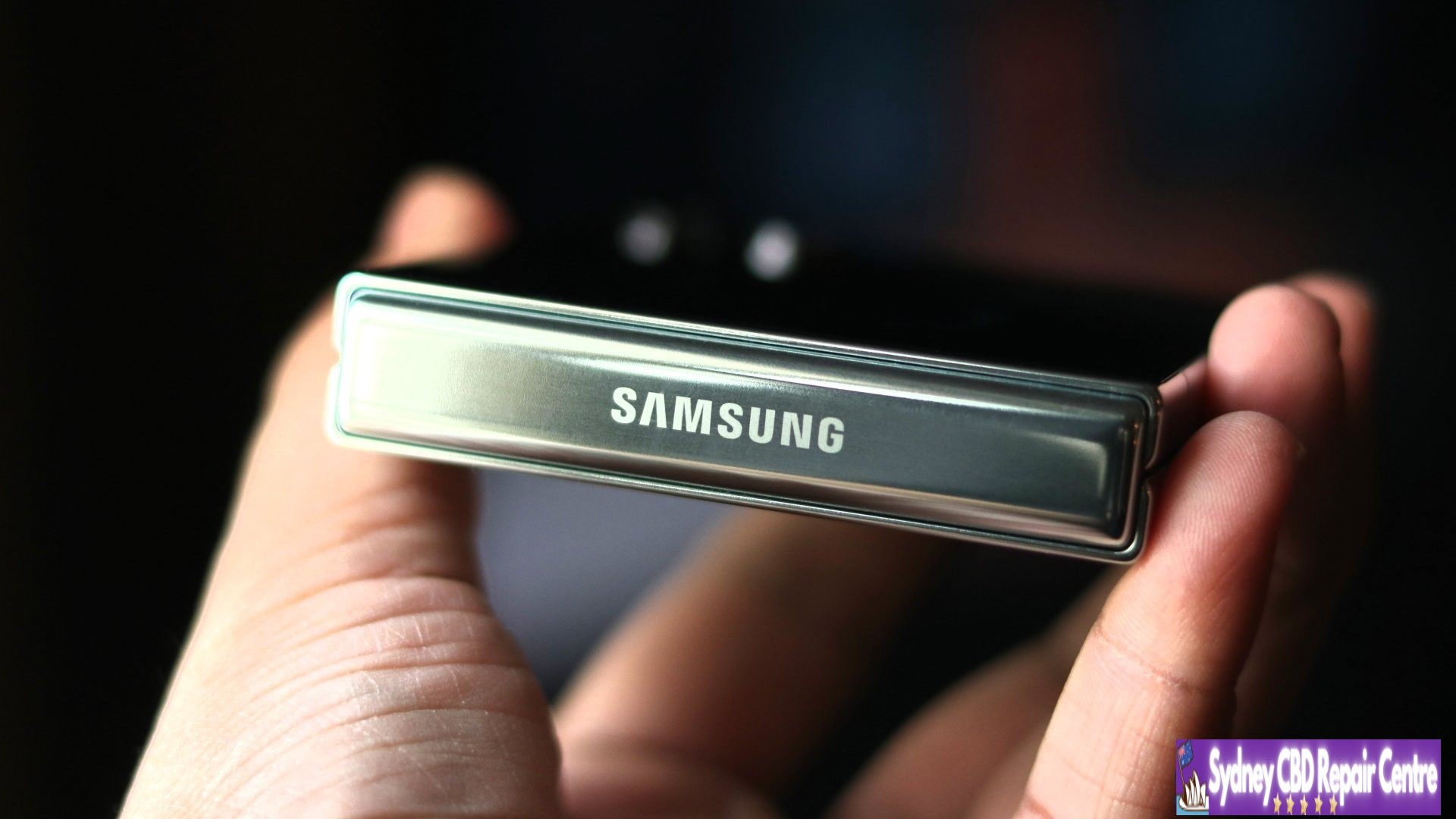
According to new reports, Samsung is planning to exclusively use Qualcomm’s Snapdragon 8 Gen 3 in its new Galaxy Z Fold 6 and Flip 6 foldables.
The Elec reports that Samsung will solely use Snapdragon 8 Gen 3 chips in the Galaxy Z Fold 6 and Flip 6 globally. Previously, it was thought that Samsung might use Exynos chips in some Galaxy Z Flip 6 models.
Realistically, this doesn’t come as a huge surprise.
Since the first generation, Samsung has been using exclusively Qualcomm chipsets in its foldables, even in regions where Galaxy S devices have been sold with Exynos chips instead. According to this latest report, gearing a new foldable model with Exynos instead of Snapdragon would actually raise the cost due to scale. “Only when foldable phones ship as many units as the S series” would it be a benefit to include Exynos, the report claims.
Samsung’s strategy around the chips in its phones have been going back and forth over the past few years. After many generations using Exynos or Snapdragon depending on the region, Samsung signed a deal with Qualcomm that saw all variations of the Galaxy S23 series sold with Snapdragon around the globe. But, merely a year later, the Galaxy S24 series re-introduced Exynos variants in some countries, though the S24 Ultra uses exclusively Snapdragon 8 Gen 3.
Galaxy Z Fold 6 and Flip 6 are expected to launch in July.
Samsung’s next Galaxy launch event reportedly takes place July 10 in Paris
Samsung is gearing up for a pretty big Summer launch event, with a new report pinpointing the next Galaxy Unpacked event for July 10.
Rumors have been floating around for a couple of months now that Samsung would be hosting a launch event in July for its next batch of Galaxy devices, but a specific date was never mentioned.
SamMobile now claims that the launch date in question will be July 10.
That date, a Wednesday, lines up perfectly with Samsung’s usual pattern even though it is a couple of weeks early compared to the year prior. That said, Samsung has good reason for moving things up a couple of weeks – the location.
According to this report, Samsung will host its next Galaxy Unpacked event in Paris, France.
That’s also the location of the 2024 Olympics, so getting things wrapped up well ahead of the torch’s lighting is definitely in Samsung’s best interest. The Olympics begin on July 26. That also lines up well with Samsung’s usual sponsoring of the Olympic Games, as the company has created special-edition devices numerous times for the Games.
Last year, Samsung hosted its foldable launch event from South Korea.
Samsung’s July 10 event is expected to see the debut of the Galaxy Ring, new foldables, and more. The Galaxy Watch 7, new tablets, and more could be incoming. There’s also a good chance Samsung introduces its first Snapdragon-powered laptop at the event.
If this July 10 date is legitimate, Samsung will likely be making some official announcements by the end of May.
Samsung Galaxy Z Flip 6 may borrow design elements from the S24
The Galaxy Z Flip series saw one of its most significant design upgrades last year when the Galaxy Z Flip 5 model introduced the folder-shaped cover screen, replacing the comparatively tiny 1.9-inch panel with a 3.4-inch screen.
Samsung is now preparing to announce the sequel to the Galaxy Z Flip 5, but judging from all the leaks, the Galaxy Z Flip 6 won’t reinvent the wheel.
Instead of bringing another leap in design, the upcoming Galaxy Z Flip 6 will most likely refine the existing formula. It won’t rewrite what the Z Flip series stands for but could borrow some design elements from the newer Galaxy S24.
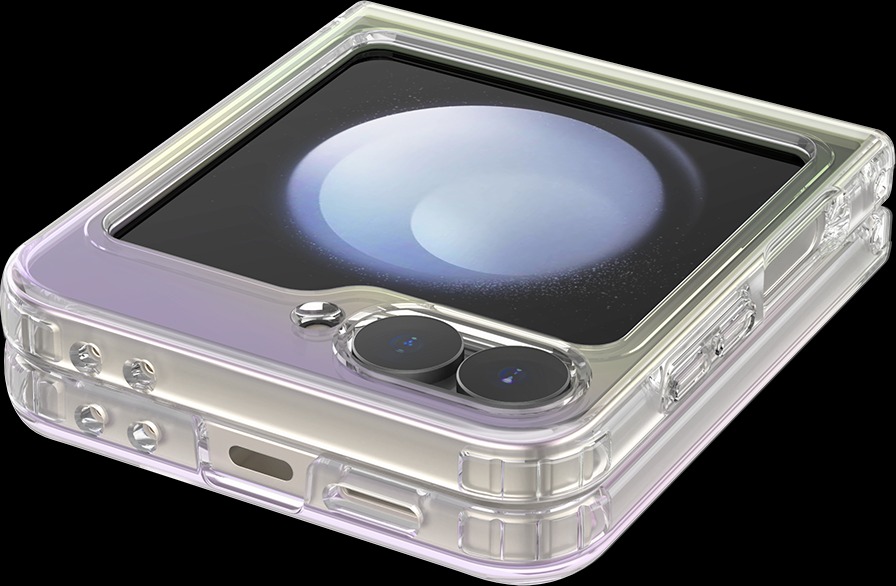
New renders (via @rquandt) belonging to a third-party case manufacturer reveal a few such minor design changes the Galaxy Z Flip 6 might boast.
According to these case renders, which may or may not reflect the Galaxy Z Flip 6’s final design with precise accuracy, the upcoming model may have an even flatter frame than the ongoing Z Flip 5. The Galaxy S24 went through a similar process earlier this year, admittedly inspired by the Z Flip 5.
Another design element the Galaxy Z Flip 6 might borrow from the Galaxy S24 lineup is the speaker grille. This element might now consists of one wide cutout instead of multiple smaller holes.
Finally, these renders suggest that the circular camera cutouts might have a slightly larger circumference for the Galaxy Z Flip 6 or that the space between the two cameras might be thinner.
However, once again, since the renders supposedly originate from a third-party case manufacturer, these finer design design details might not be entirely accurate.
An upgraded camera and a powerful Snapdragon chip
As far as hardware specs go, previous rumors indicate that the Galaxy Z Flip 6 will have an upgraded 50MP primary camera, which could explain the larger cutouts.
The phone will also share its Snapdragon 8 Gen 3 chip with the Galaxy S24 series. And only the Snapdragon chip, regardless of region. A recent report claims that Samsung is not ready to divide its foldable phones between Snapdragon and Exynos markets yet.
Samsung should lift the veil off the next-gen Galaxy Z Flip 6 in early July at Unpacked. The tech giant is expected to host the event in Paris — the host city of the 2024 Olympic Games. Which is fitting, given that Samsung is an Official Olympics Partner.
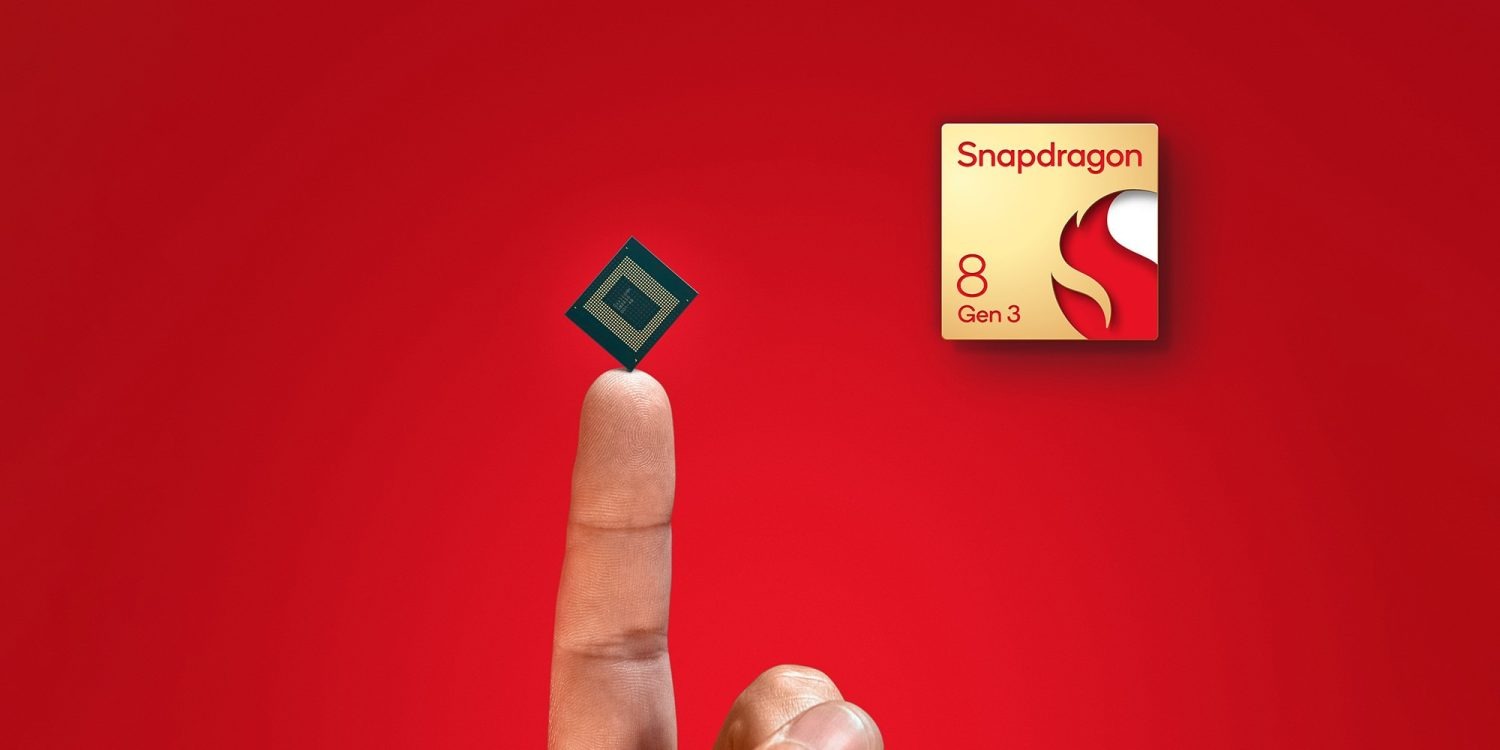
According to a fairly reliable source, Qualcomm’s upcoming Snapdragon 8 Gen 4 could be a lot more expensive.
In a post on Weibo, Digital Chat Station says that the price of Snapdragon 8 Gen 4 will “definitely increase significantly” alongside the cost of the wafer used in production. While no means of measuring the change is cost is provided, saying that the change is “significant” certainly has implications.
While the cost of the chip used in a smartphone or device doesn’t always directly translate to the product’s retail cost, it can play a considerable role. For instance, it was claimed that Snapdragon 8 Gen 3 was roughly 25% more expensive compared to its predecessor, but that price wasn’t felt everywhere. The Galaxy S24 Ultra saw a price increase, but the Galaxy S24 and S24+ did not. The OnePlus 12 also didn’t adjust its price.
Rumors, opinions, and price information of Snapdragon 8 series (835-8Gen3).
That’s to say that, at least for now, the alarm bells shouldn’t be ringing.
But it does make some sense that Qualcomm’s prices could shoot up this year. Snapdragon 8 Gen 4 is likely to adopt a 3nm process at TSMC and is already confirmed to use a new Oryon CPU. That new CPU is also being used in Snapdragon X Elite which is beating Apple Silicon in some early tests.
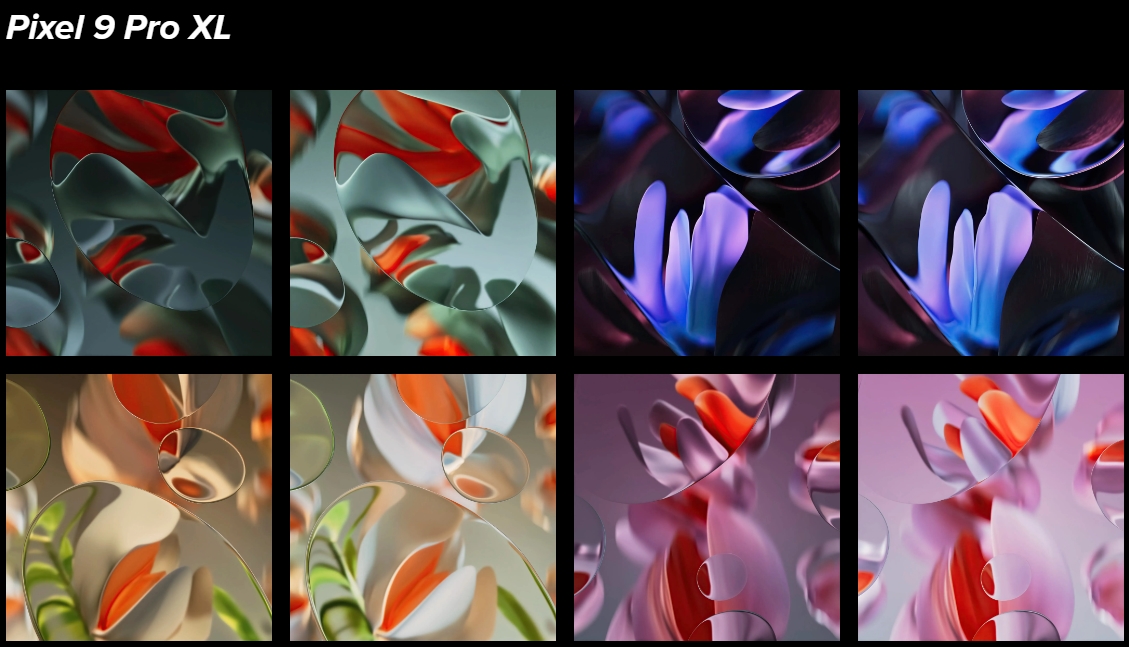
Ahead of their expected launch later this year, the wallpapers for the entire Google Pixel 9 series have leaked with a new “Swirling Petals” theme, and hinting at the color variants available.
Each year, Google’s new series of smartphones brings a new theme to its series of wallpapers. Last year, it was minerals. This time around, as reported by Android Authority, the Pixel 9 series will bring “Swirling Petals.”
This new series of wallpapers has a trippy translucent look that has petal-shaped blobs of color around the screen. The colors have plenty of contrast, but they’re not particularly vibrant (as if often the case with default wallpapers). As usual, there are light and dark versions of each wallpaper.
The series is split into four different devices. Pixel 9, Pixel 9 Pro, Pixel 9 Pro XL, and Pixel 9 Pro Fold.
The four-device flagship series is a new approach for Google, and will mark the largest number of devices launched at one time. Google’s Pixel Fold successor was originally expected to launch earlier in the year, as the original debuted in June, but with Tensor G4 under the hood, it increasingly looks like we’ll see this device debut later in the year.
The leaked wallpapers also hint at four color variants for Pixel 9 and Pixel 9 Pro’s, with only two options for Pixel 9 Pro Fold. These would line up with Google’s Pixel 8 series, though the fourth color option, “Mint,” didn’t debut until later on.
You can see the full set of wallpapers below. The whole set in full-resolution is being hosted on Google Drive.
Android 15 is now becoming available for devices outside of the Pixel ecosystem, including from OEMs like Nothing, Oppo, OnePlus, Xiaomi, Vivo, and more.
Android 15 doesn’t look entirely new on the surface, but it houses a lot of changes under the hood. Little changes that affect overall quality-of-life and phone performance. While the brunt of what we’ve seen from Android 15 has been on Pixel phones running the beta, a healthy number of manufacturers have officially made Android 15 Beta builds available to the public.
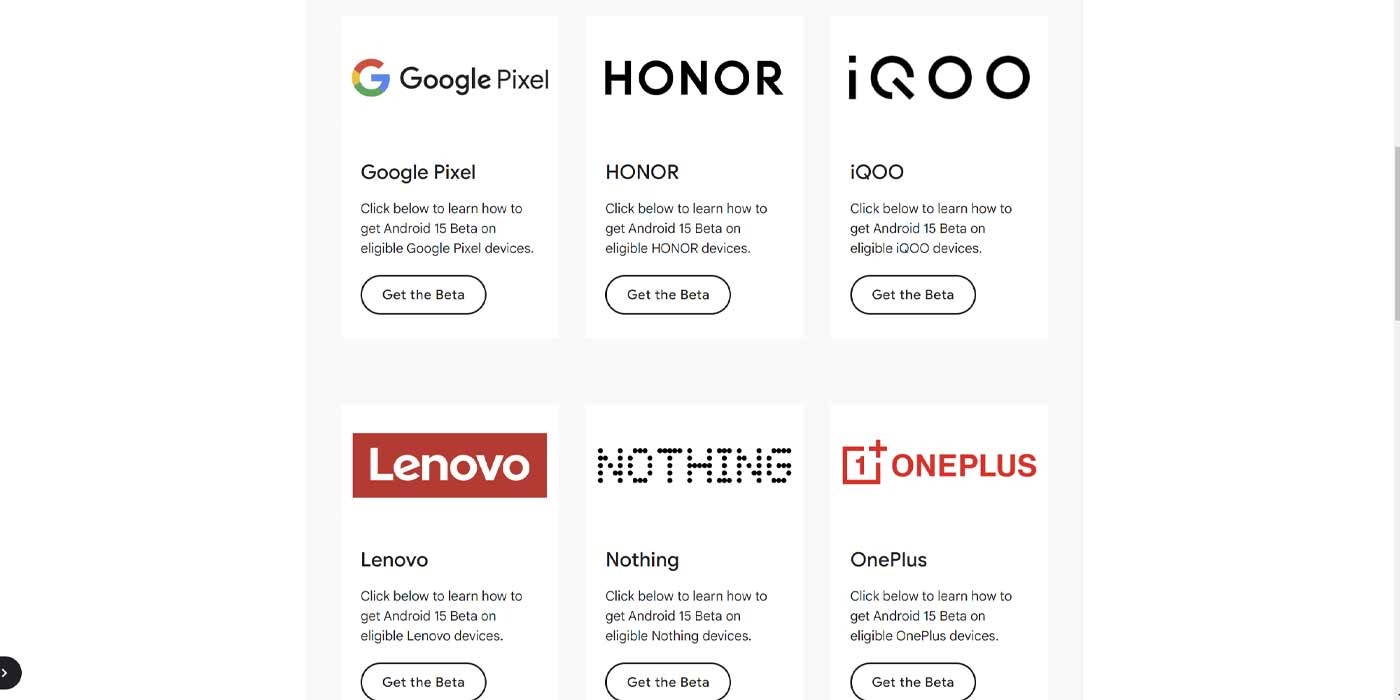
On the official Android 15 page from Google, there’s a list of manufacturers and, by extension, a list of devices that are currently able to run Android 15 in some beta form. The Pixel series has access to the Android 15 Beta 2 build previewed at Google I/O 2024. Devices running Android outside of that will very likely have a different build available, but the specifics depend on what phone you’re using.
So far, Google has populated that list with these phone manufacturers:
Honor
IQOO
Lenovo
Nothing
OnePlus
Oppo
Realme
Sharp
Tecno
Vivo
Xiaomi
How to install Android 15 Beta on your device
Whether or not you can install Android 15 on your devices is simple – if you see your device listed, you’re good to go. Each OEM will differ in what build of Android 15 it’ll offer, but a specific list of phones is listed under each name in Google’s official list.
Find your device’s manufacturer and hit Get the Beta.
Carefully read that OEM’s guide on how to install the Beta and follow it’s instructions.
Google tends to excitedly offer up the Anroid 15 Beta as the “new thing,” and publications like Sydney CBD Repair Centre are excited to share that information with you, but we do ask that you keep something in mind: if you don’t feel comfortable installing the Android 15 Beta for your device, don’t. Beta updates like this always have the potential to brick or harm your device, even if you take every precaution. As always, take the time to read the guide for each OEM and follow the manufacturer’s instructions closely.
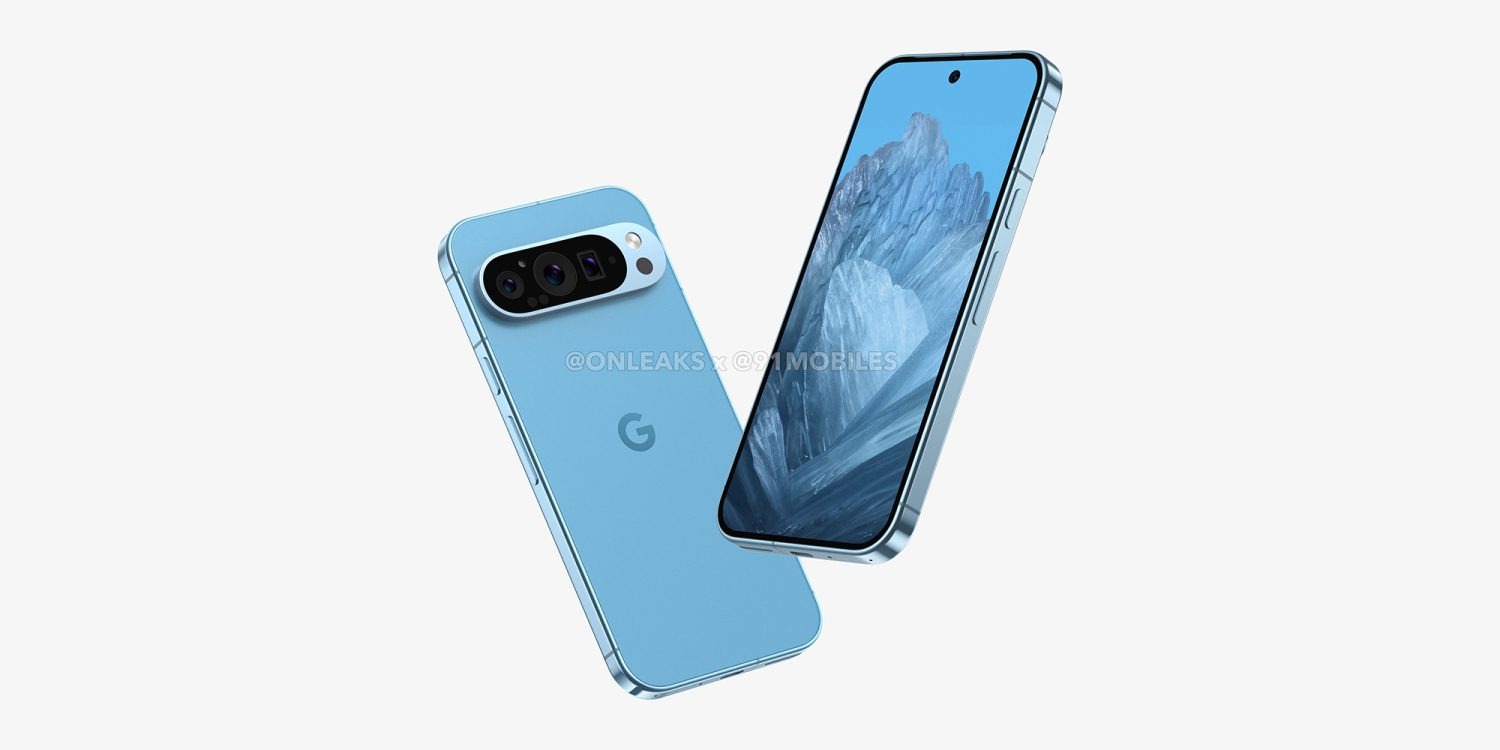
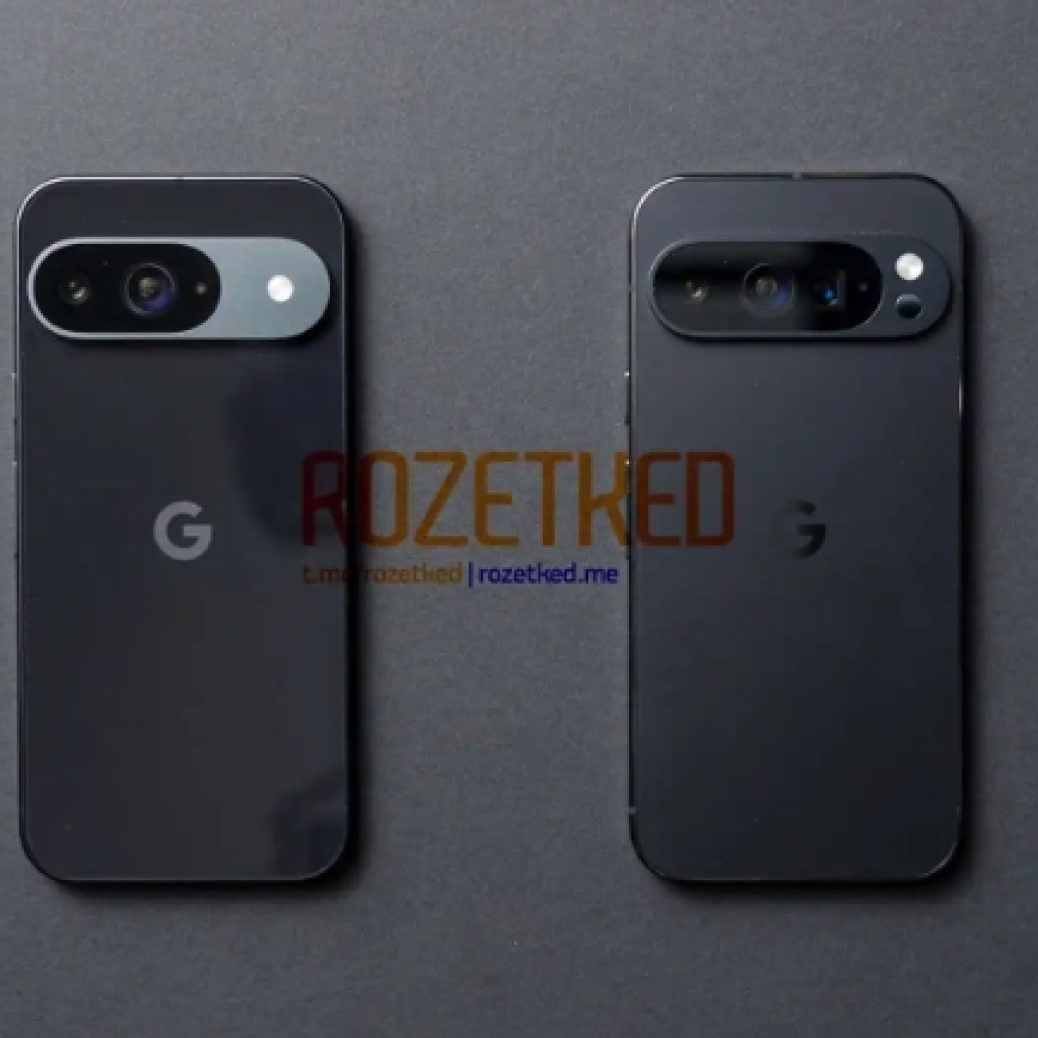
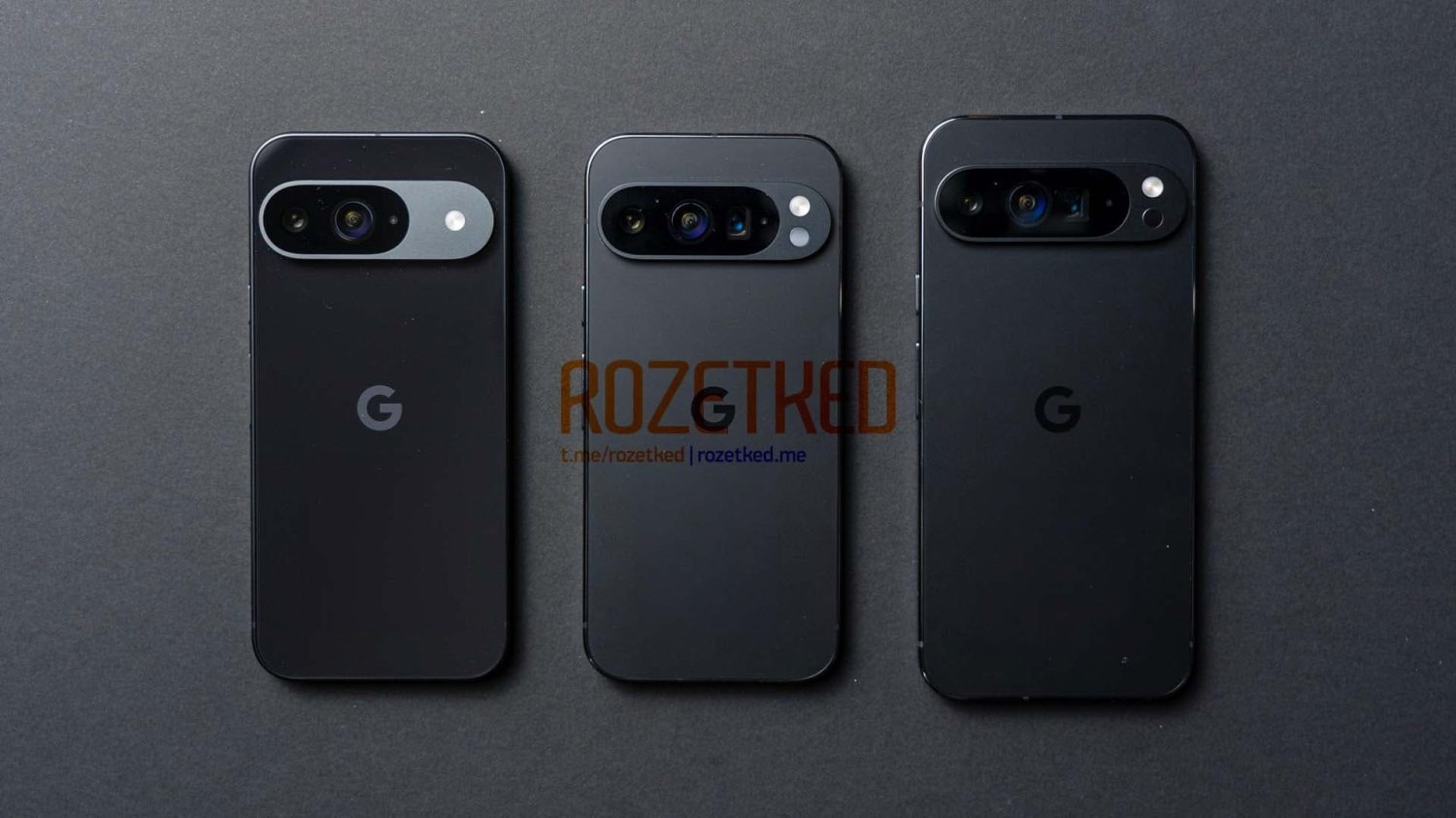
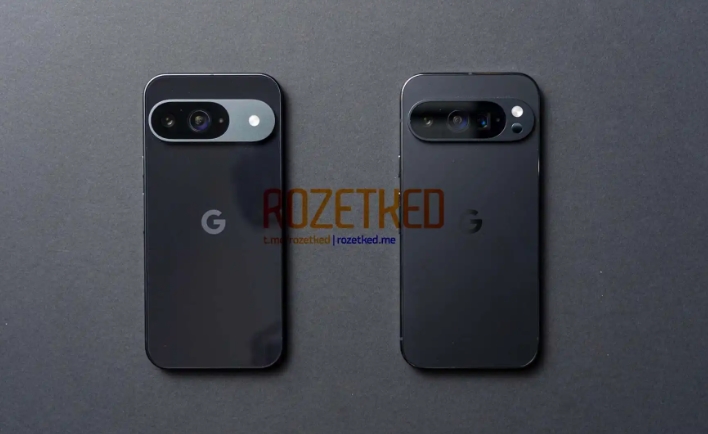
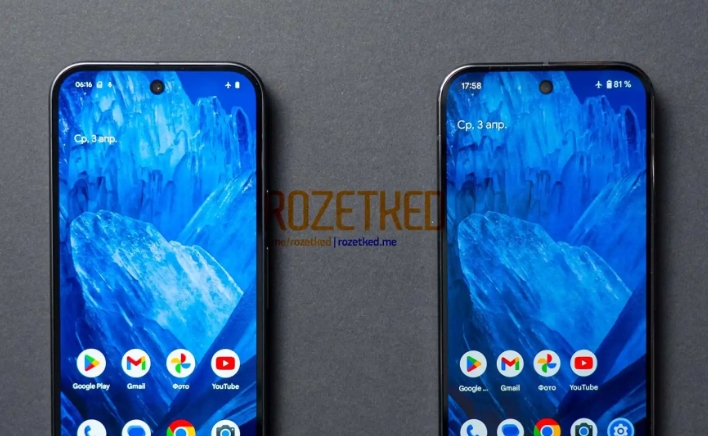
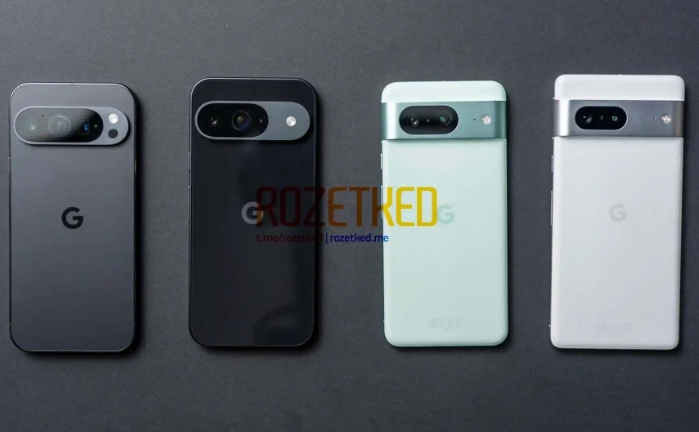
Following the 6.1-inch model in mid-April, real-life images of the Pixel 9 and Pixel 9 Pro XL have now emerged in a leak. In the cover image above, you see the Pixel 9, 9 Pro, and 9 Pro XL side-by-side, with those names not confirmed.
In images shared by Rozetked today, we see the Pixel 9 Pro XL — codenamed “Komodo” — with 16GB of RAM (like the smaller 9 Pro), 128GB of storage, and a 6.73-inch display. These hardware specs are coming from the AIDA64 app running on the devices.
On the camera front, all three lenses on the Pixel 9 Pro and Pro XL are said to come in at 50MP with 0.5x, 1x, and 5x zoom. Design-wise, it’s just a larger Pixel 9 Pro.
Then there’s the Pixel 9 (“Tokay”) with 12GB of RAM (like on the current 8 Pro) and 128 GB of storage. The dual cameras offer 0.5x and 1x zoom. The Pixel 9 and 9 Pro are said to be identical in size, but the entry model with a 6.24-inch screen has larger bezels than the 6.34-inch Pro, though all three devices have a 120Hz refresh rate.
The last image in the gallery above shows the Pixel 9 Pro, Pixel 9, Pixel 8 and Pixel 7. Both Pixel 9 models are larger than the 8, with Rozetked noting how it’s closer to the Pixel 7.
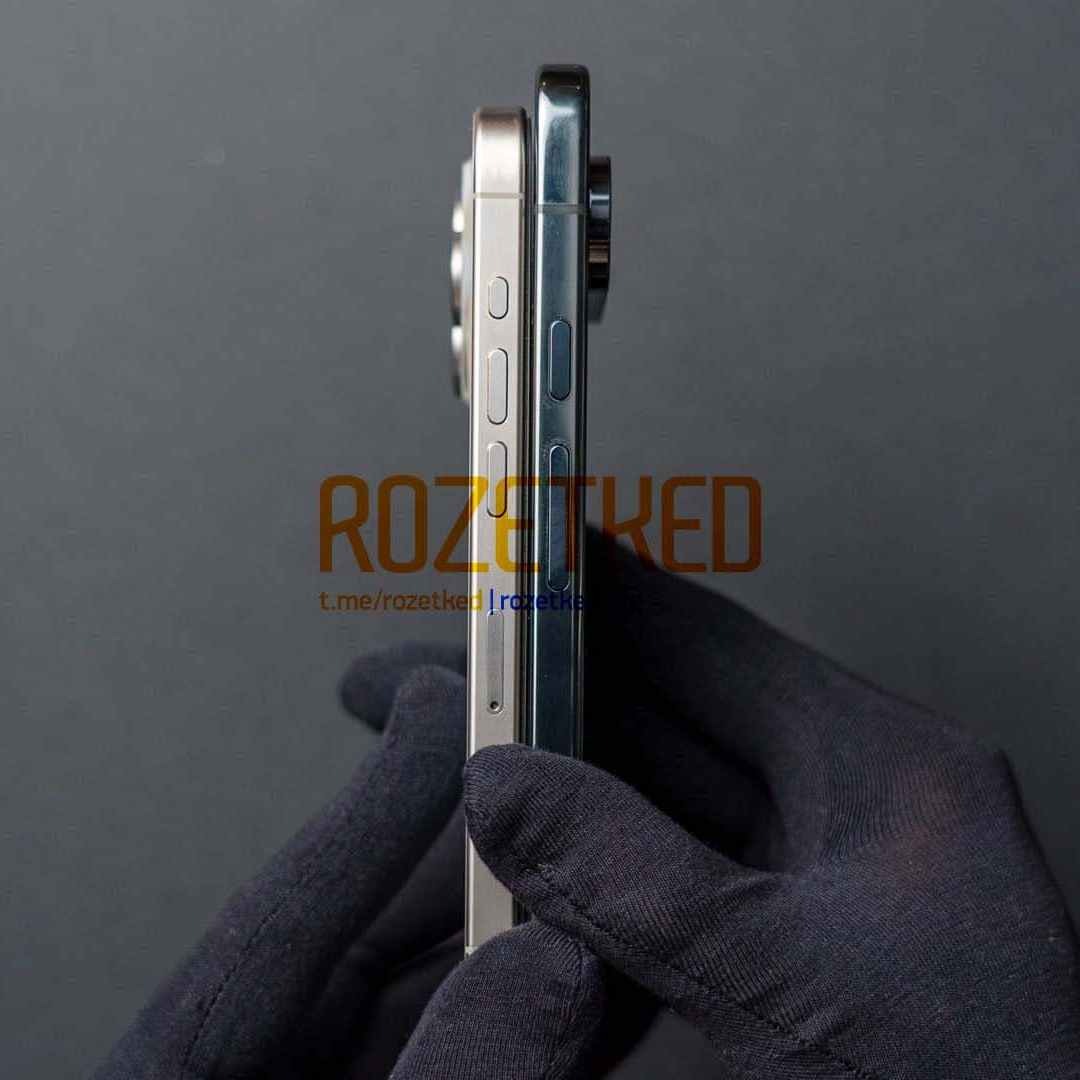
Only the two Pro phones have Ultra Wideband (UWB), as well as a matte back paired with a polished frame that looks smudged up in the image below (where it’s compared to an iPhone 15 Pro). The Pixel 9 is the reverse with a glassy rear but matte frames for a stark difference, at least in these shots. (It reminds me of the Pixel 7 series.)
All three phones are running the same chip, which will presumably be called the Tensor G4.
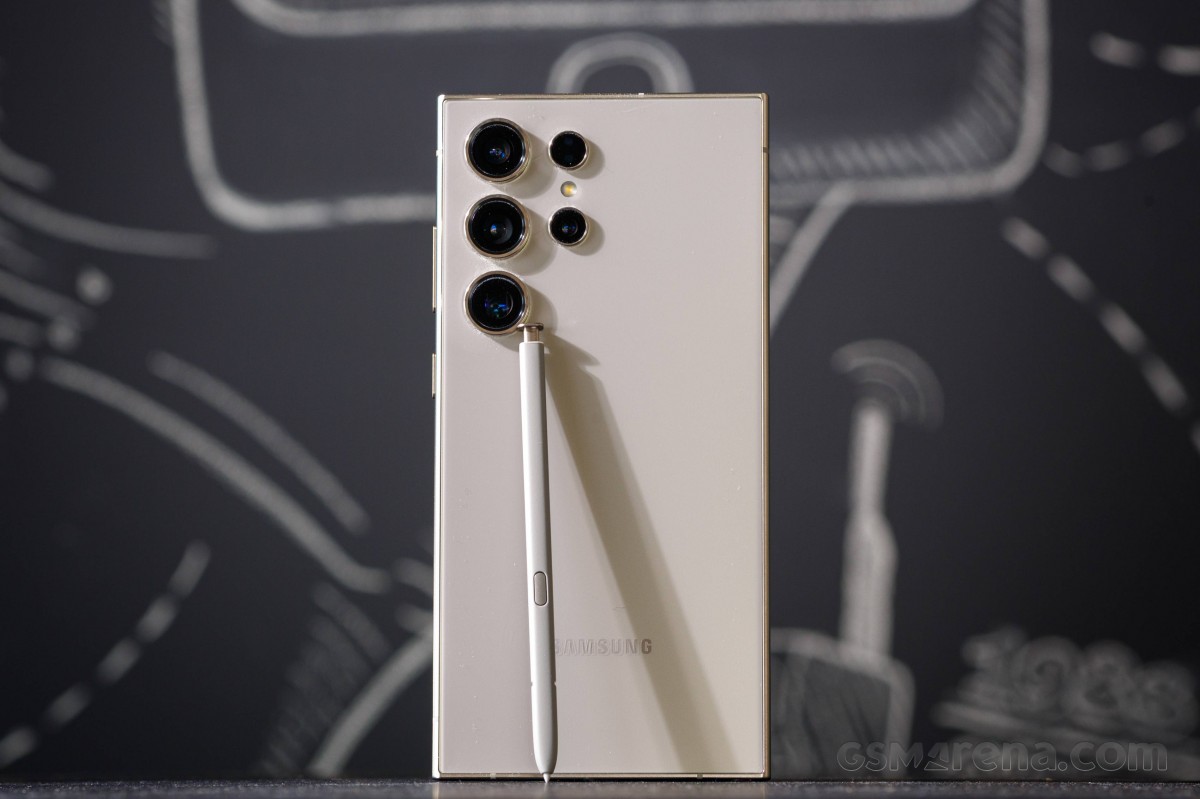
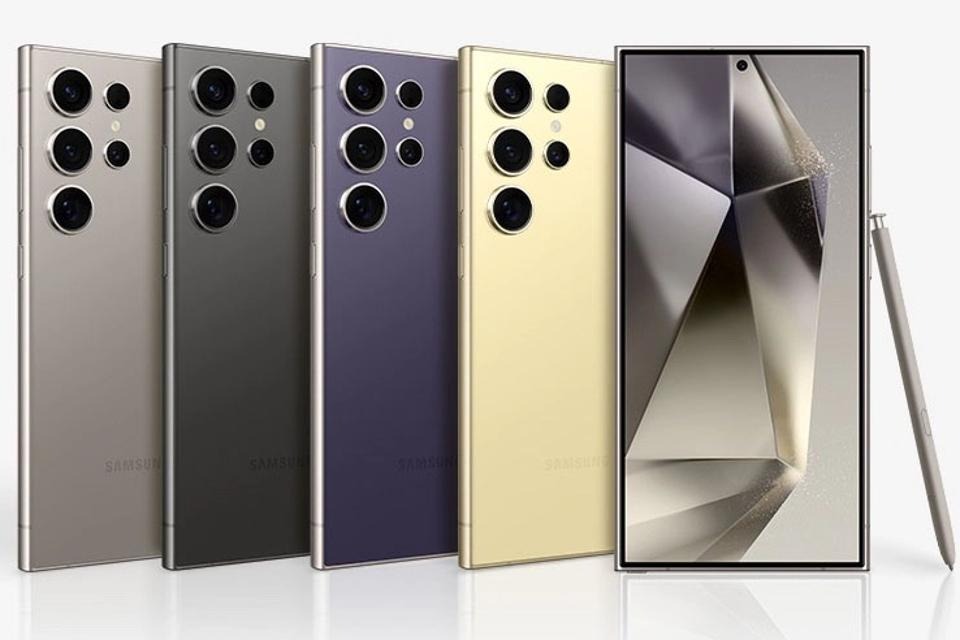
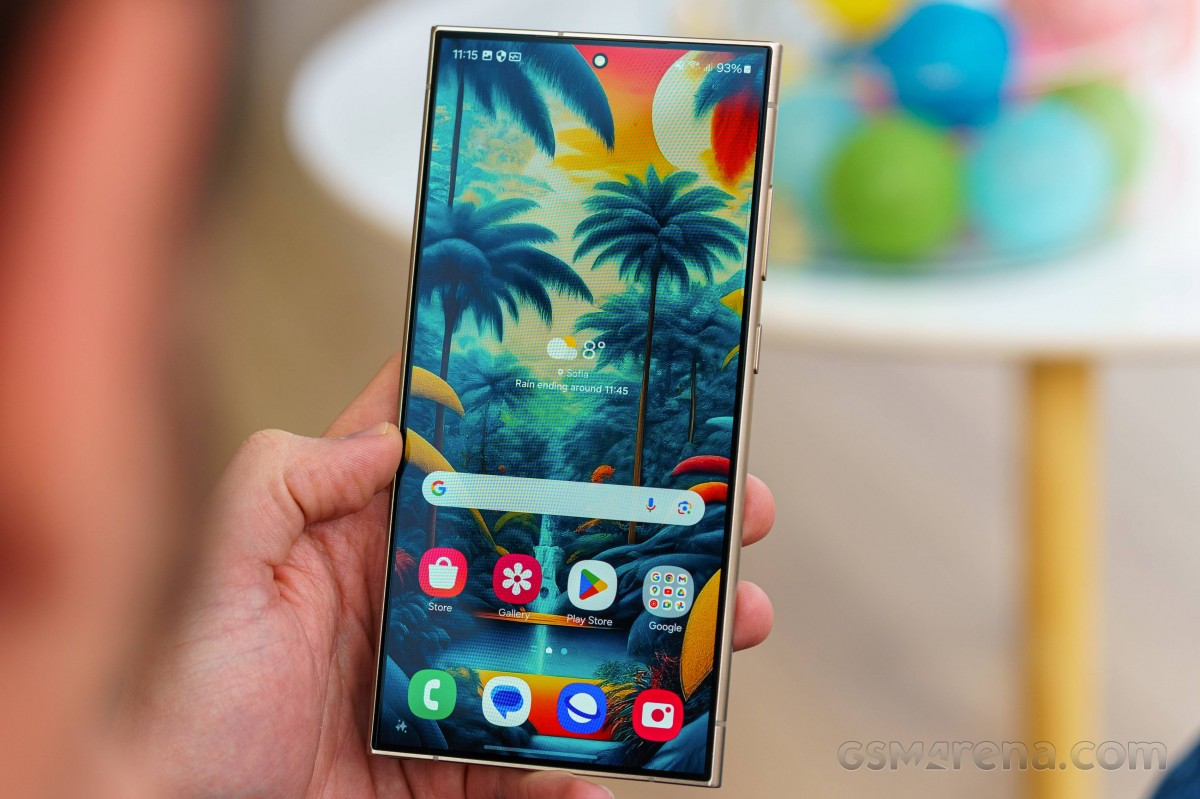
You look at the Galaxy S24 and S24+ and can’t help but wonder if they really are the new models, or Samsung just went and reissued the old ones. The Ultra, on the other hand, is a different beast. The Galaxy S24 Ultra does make some significant strides towards improving on what was already the ultimate smartphone package.
Some of the changes are immediately visible and start with the even blockier design with a fully flat face and the less reflective display glass. You won’t immediately tell, but that glass should also be tougher, and as months go by, you’ll perhaps appreciate the switch to titanium for the exposed frame, too.
An even less obvious development, but one that has potential to be a major step in solidifying the Galaxy Ultra’s position as a top cameraphone, is the new 5x zoom telephoto. Undoubtedly better at 5x than the old model, can it be as good at 10x?
The Ultra won’t partake in the chipset divide that’s now returned to the lesser models, and all of the ultimate Galaxies will feature a Snapdragon 8 Gen 3 – no Exynos here if that makes any difference. Sure enough, the S24 Ultra will have all the AI smarts Samsung and Google came up with to fill an hour of Unpacked 2024.
Unchanged is the battery capacity on this year’s model, and so too is the maximum charging rating, for better or for worse. No change can be a good thing too, and the S Pen remains another differentiator that elevates the Galaxy Ultra above all others when it comes to productivity and just general usefulness (it’s the best camera remote is what it is).
You can have another look at the key specs below, before we proceed to get our hands on the Ultra, at long last.
Disclaimer. We can not guarantee that the information on this page is 100% correct.
Samsung Galaxy S24 Ultra unboxing
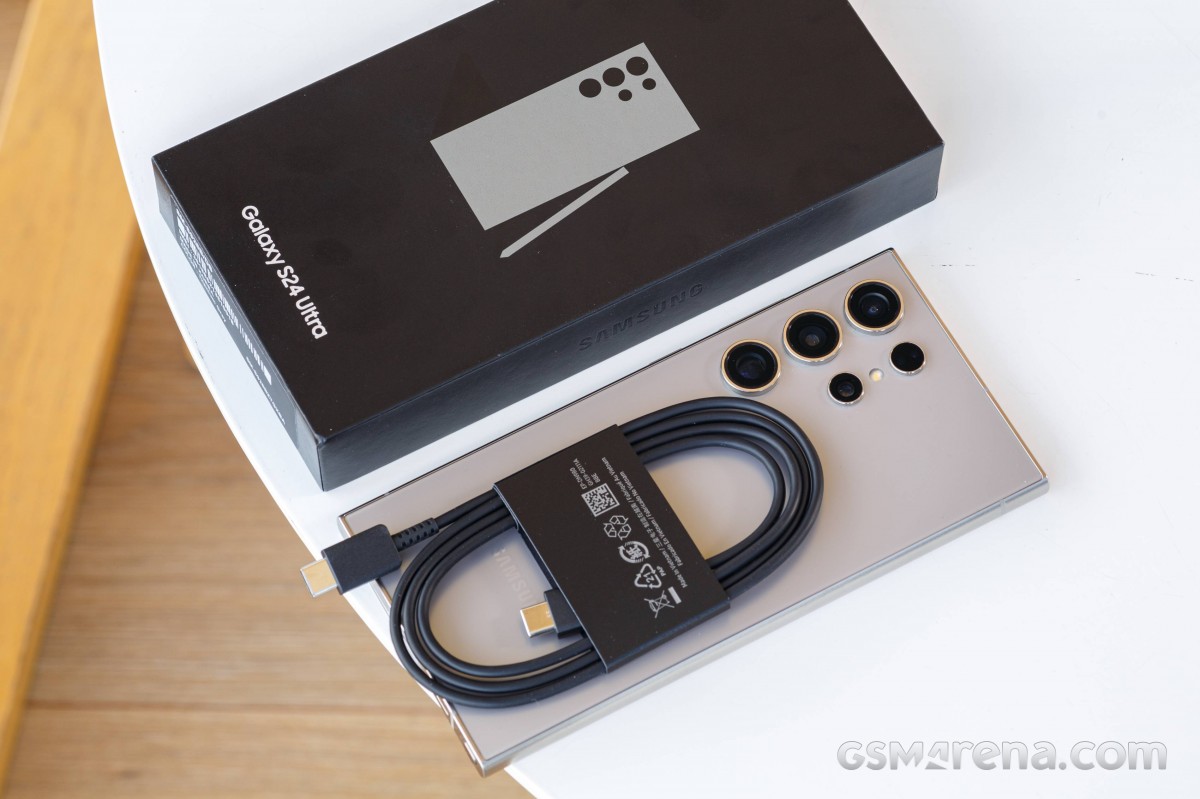
Another uneventful unboxing experience awaits, but it’s not like the slimline box is making any promises. A SIM eject pin is still included, though a line in the instructions that says ‘use a paper clip or an earring’ could be replacing that in the near future. That, or eSIMs.
The other thing of any practical use inside the box is a USB-C cable, but it’s only good for 3A of current, and that may not be enough to get the promised 45W of charging. We might have a rant on that subject later on in the review.
Competition
The Galaxy S24 Ultra’s ultimate smartphone status can only be threatened by similarly uncompromising offerings, though some allowances can be made given the right reasoning. First things first, though, and we reckon there’s some in-brand competition that you must sift through before looking outside the Galaxy.
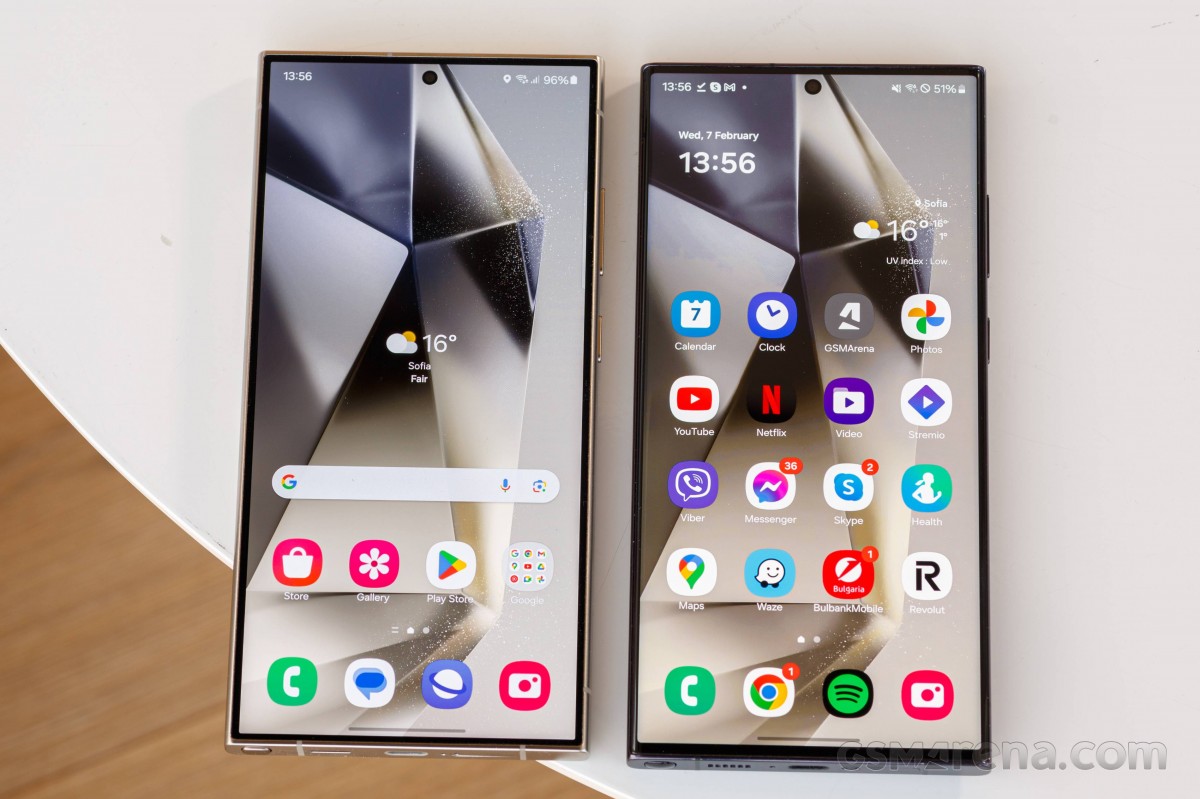
Galaxy S24 Ultra (left) next to Galaxy S23 Ultra
The most obvious alternative is the previous generation – opting for that one has the potential to save you roughly 20-30% depending on locale, possibly even more given the right combination of research and luck. You’d be missing out on the less reflective display, the overall improved build, and the latest camera advancements. But the old cameras are still plenty capable, battery life and charging are similar, the last-gen Snapdragon has many good years left in it, and the S Pen is the same. We’d always pick the latest one, but a more reasonable person can see the value in the 2023 model.
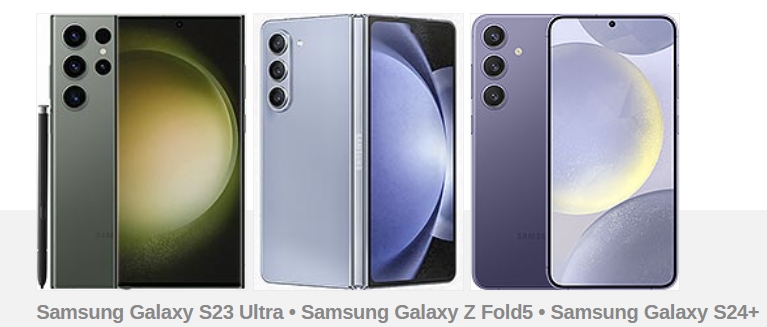
Another one from last year, but not to be replaced any time soon, the Z Fold5 can challenge the Ultra for productivity, particularly if you grab the optional S Pen with one of those nice cases that let you carry it around everywhere. The price difference goes the other way here and you’ll be paying more for the Fold pretty much everywhere in the world, and you’ll be getting a notably inferior camera system in the process. But the utility of the 7.6-inch canvas may very well be worth it all.
On the other hand, if you ended up seven pages into a Galaxy S24 Ultra review simply looking for a large-screen regular Samsung smartphone, perhaps the S24+ is your answer. This one runs for S23 Ultra money or a little more, throwing you into yet another galactic dilemma. That could be resolved with a trip to our S24+ review, but basically if you want the latest chipset, AI smarts and unrivaled update policy, and don’t care for the greatest cameras or a stylus, the S24+ is worth a look.
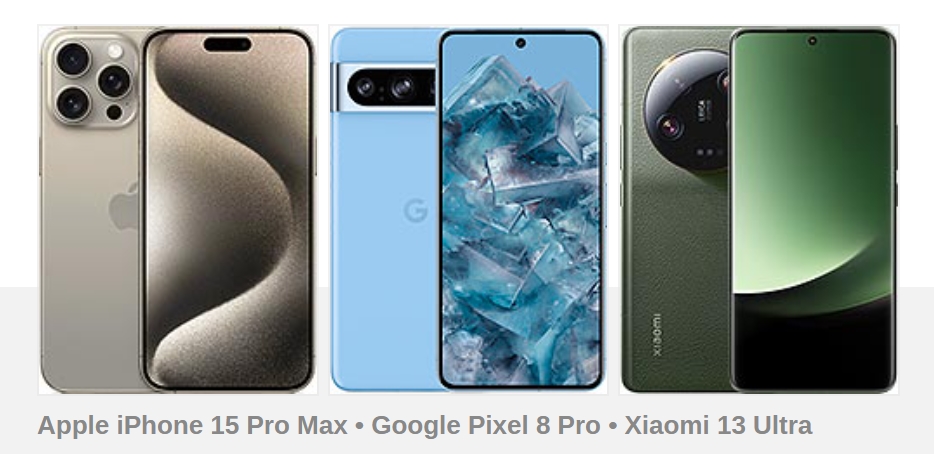
Let’s say you’ve dismissed all those and are willing to explore other avenues. The iPhone 15 Pro Max is one such alternative route, which is somehow cheaper in the US and more expensive everywhere else. The ecosystem pros and cons aren’t for us to decide for you, but the iPhone just may have one objective advantage in endurance. The S24 Ultra is likely the superior cameraphone and it’s hard to argue with the S Pen and DeX support for work and play.
If you’re in it for the Google AI smarts and the long-term support, what better option than the Google phone itself, the Pixel 8 Pro? The Pixel is no match for the Galaxy’s battery life, nor can it charge as fast, and despite the general inclination for #teampixel camera fandom, the Galaxy is quite probably the superior cameraphone. But you can have a base 128GB Pixel 8 Pro for two-thirds of the price of an Ultra, and even for matched storage, there will be considerable savings.
A less obvious option and one with considerable camera prowess that outspecs the Galaxy S24 Ultra is another Ultra – the Xiaomi 13 Ultra. Technically, an international version is in existence, but tracking one down might be tricky. With four 50MP rear cameras, among them a 1-inch sensor dual aperture lens primary unit and a properly large ultrawide, the Xiaomi has hardware that can make the Galaxy’s setup look upper midrange, almost. No S Pen though. Somewhat iffy battery life and last year’s chipset. But really, it’s the availability that’s the main issue.
Verdict
The Galaxy S24 Ultra surprised us – we didn’t expect it to have any flaws, and suddenly, we have a cons section. With a list in it. Indeed, most perplexing is the fact that Samsung has produced a display that is anything less than perfect. Of course, it’s not that bad, and its shortcomings are minuscule or will be addressed later in software. But that’s not what we’d expect from Samsung’s ultimate smartphone.
Continually irritating is Samsung’s lack of initiative in the charging department, and no amount of new 45W adapters is seemingly going to bring truly fast top-ups. This one we did expect, but it doesn’t mean we like it any better.
Perhaps an overworked software team with unrealistic deadlines brought us some peculiarities in the new camera’s zoom action. We’ve heard that it happens and such oversights get fixed as weeks go by. We just didn’t think that happens to Galaxies.
But rereading the above for some perspective, we also realize that while imperfect to a certain level, the Galaxy S24 Ultra remains Samsung’s ultimate smartphone, and it’s the most complete package you can buy today.
Samsung didn’t just coast for another year, which we felt was the case with the S23 Ultra. We got more new stuff this time around than we could have predicted. The new materials in the build don’t just feel nice; they also improve the visual experience. After years of enjoying the coolness of curved displays, we’ve now grown up to realize that flat screens have their benefits, and Samsung’s now giving us flat screens across the range.
Without much fuss around that subject, the S24 Ultra is one of the longest-lasting Androids you can buy, and even if the big names from China charge three times as fast, the Pixel and the iPhone don’t. An always-with-you stylus remains elusive outside of the Samsung flagship, and you may not know you want or need one until you’ve had one.
The camera system is also mostly a source of satisfaction. The rethinking of the telephoto setup is a forward step that adds another layer of versatility. The rest of the rear modules we’d almost call stale next to what we’re seeing from Chinese brands and their impressive hardware, but Samsung has managed to squeeze out such performance out of these otherwise uninspired bits that it doesn’t feel like we’re getting less than what is right.
In the end, Samsung’s ultimate smartphone comes easily recommended.
Pros
The new display glass offers an improved viewing experience, and the display itself is plenty bright.
Tougher materials and build all around, the titanium frame is nice to the touch, the target audience will likely appreciate the return to a flat screen.
Battery life is towards the top of the class; charging is faster than Pixels or iPhones.
The S Pen is just as unique a proposition in 2024 as it has been for years.
Exciting One UI with plenty of AI, DeX support, and great connectivity options.
Camera system as versatile as ever thanks to an even more useful telephoto and overall improved processing.
Cons
The display has flaws which may be obscure or fixable along the way but mar the overall impression.
Charging speed is still behind the curve; the phone is picky about adapters, and the bundled cable is 3A only.
Illogical image quality disparity between 10x and slightly lower zoom levels.
With the Pixel 8a unveil this week, Google appears to have taken down the “5G on your Pixel” website.
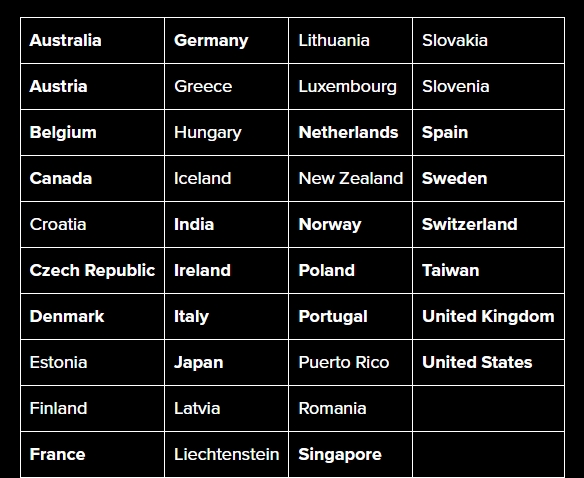
Since the Pixel 5 and 4a 5G, Google has offered a list of countries where 5G is supported. The list was last updated around March to bring the total count to 38. For reference, the Pixel is sold in 23 countries.
This page does not have an equivalent country list and just has this line: “Ask your carrier about its 5G area, speeds, and support for your phone model. Only some carriers offer 5G service. Their 5G areas may be in smaller areas than their other services.”
People have long complained that Pixel 5G availability is not universal, with certification and testing presumably holding things back. That remains the case today.
The Android 14 May security patch is rolling out today for the Pixel 5a, 6, 6 Pro, 6a, 7, 7 Pro, 7a, Tablet, Fold, 8, and 8 Pro. It’s available a day after the equivalent Pixel Watch update.
There are 11 security issues resolved in the Android 14 April patch dated 2024-05-01 and 18 for 2024-05-05. Vulnerabilities range from high to critical.
The dedicated bulletin for Google devices lists seven additional security fixes.
There are four builds across Global, KDDI (Japan), Verizon, and then T-Mobile, C Spire, US Cellular & Cellcom. Update: As of Tuesday afternoon (PT), the on-device OTA is rolling out. It’s a 9.54 MB patch on a Google Fi Pixel 8.
The Pixel 8a is likely only a couple of weeks away from its debut and the leaks keep on coming. In another new leak, a Pixel 8a product page reiterates and confirms details about the upcoming device, including that it has a matte finish on the back.
We’ve heard basically all of the important things about the Pixel 8a already. Tensor G3, a 120Hz display, 7 years of updates, and even pricing.
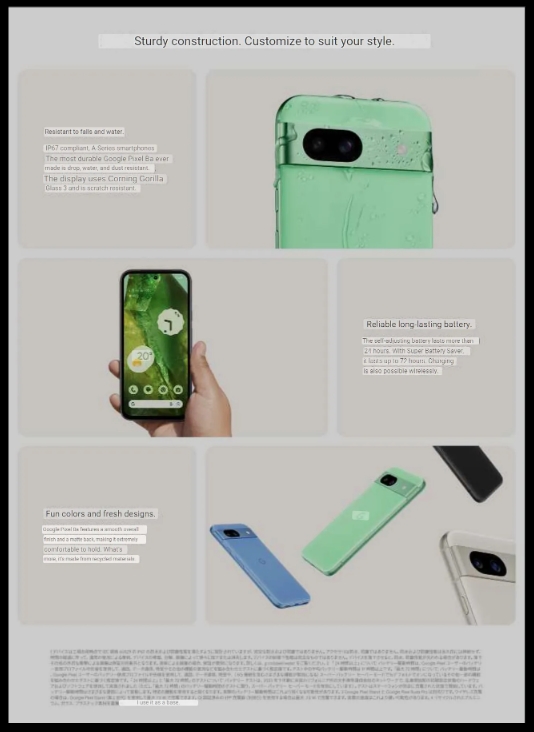
Now, a full product page posted by Evan Blass reiterates all of the details we already knew, and throws in a couple of new ones. There’s mention that Pixel 8a has Gorilla Glass 3 protecting its display, the same as was used on the Pixel 7a. Google does claim, though, that the Pixel 8a is its “most durable” A-Series release yet, alongside confirmation of IP67 water resistance (again, in line with 7a).
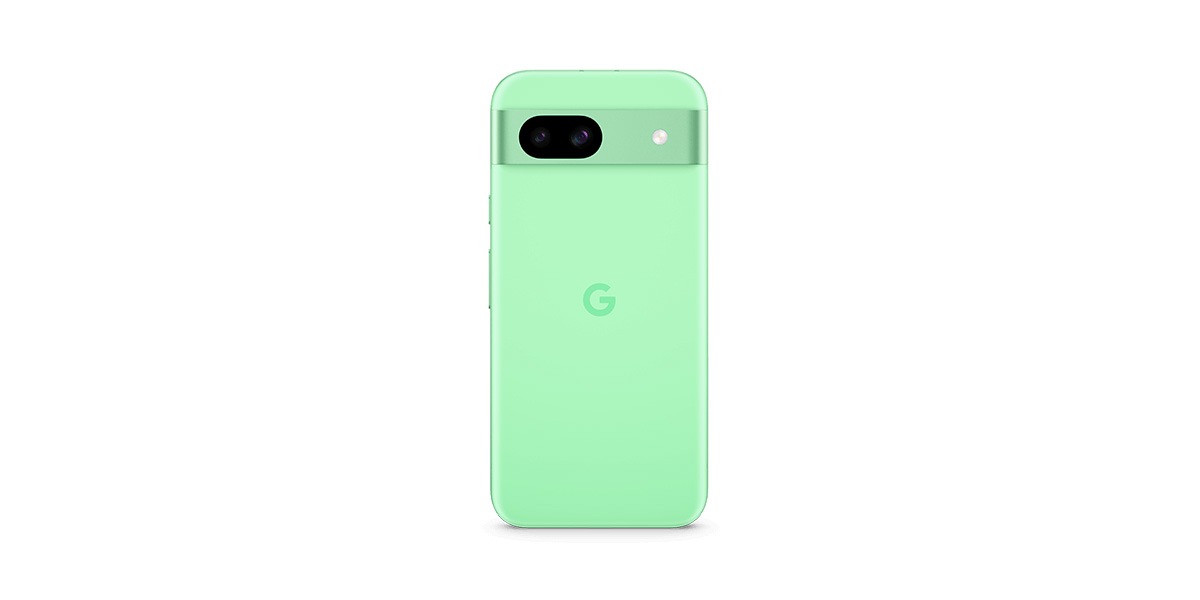
The same page also talks about the “fun colors” and the use of a matte finish on Pixel 8a.
Technically we already knew this through hands-on leaks. An image of the black model clearly showed a matte finish on the back, and another image of the blue and green models further cemented the idea, though there’s always a bit of leeway there. But this product page leaves no room for doubt, with an explicit mention (translated) that the Pixel 8a has a matte finish.
The page also says that Pixel 8a is made, in part, from recycled materials. In context, this sounds like it’s referring to the back of the device, but it could easily be referring to the frame. Pixel 7a used recycled aluminum in its housing.
Google Pixel 8a features a smooth overall finish and a matte back, making it extremely comfortable to hold. What’s more, it’s made from recylced materials.
The only color we don’t know for 100% certain at this point is the white model, but given that it looks identical to the other models in renders we’ve seen leak, it certainly looks like Google is going for a matte finish across all colors. That’d match the company’s pattern on the Pixel 8 Pro, too.
Interestingly, one portion of the page also mentions 6 months of Fitbit Premium with the 8a. That’s not something Google offers on its other Pixel phones, usually only offering it on Pixel Watch.
Google is expected to launch the Pixel 8a soon, probably around Google I/O which takes place on May 14.