❤ Apple’s Worldwide Developers Conference returns June 10, 2024
Entire conference available online for all developers, with a special event at Apple Park on June 10

![]() | |||||||
🎯 7 Years In A Row ! 👑🥇 Top 3 Mobile Phone Repair In SydneyClick Here to See CERTIFICATE of EXCELLENCE 2026💢 | |||||||
![]() | 🥇 The Best Phone Repair Store in City Of Sydney From Quality Business Awards in 2026🥇 The Best Phone Repair Store in City Of Sydney From Quality Business Awards in 2025 | ||||||
Repair Service News
Entire conference available online for all developers, with a special event at Apple Park on June 10
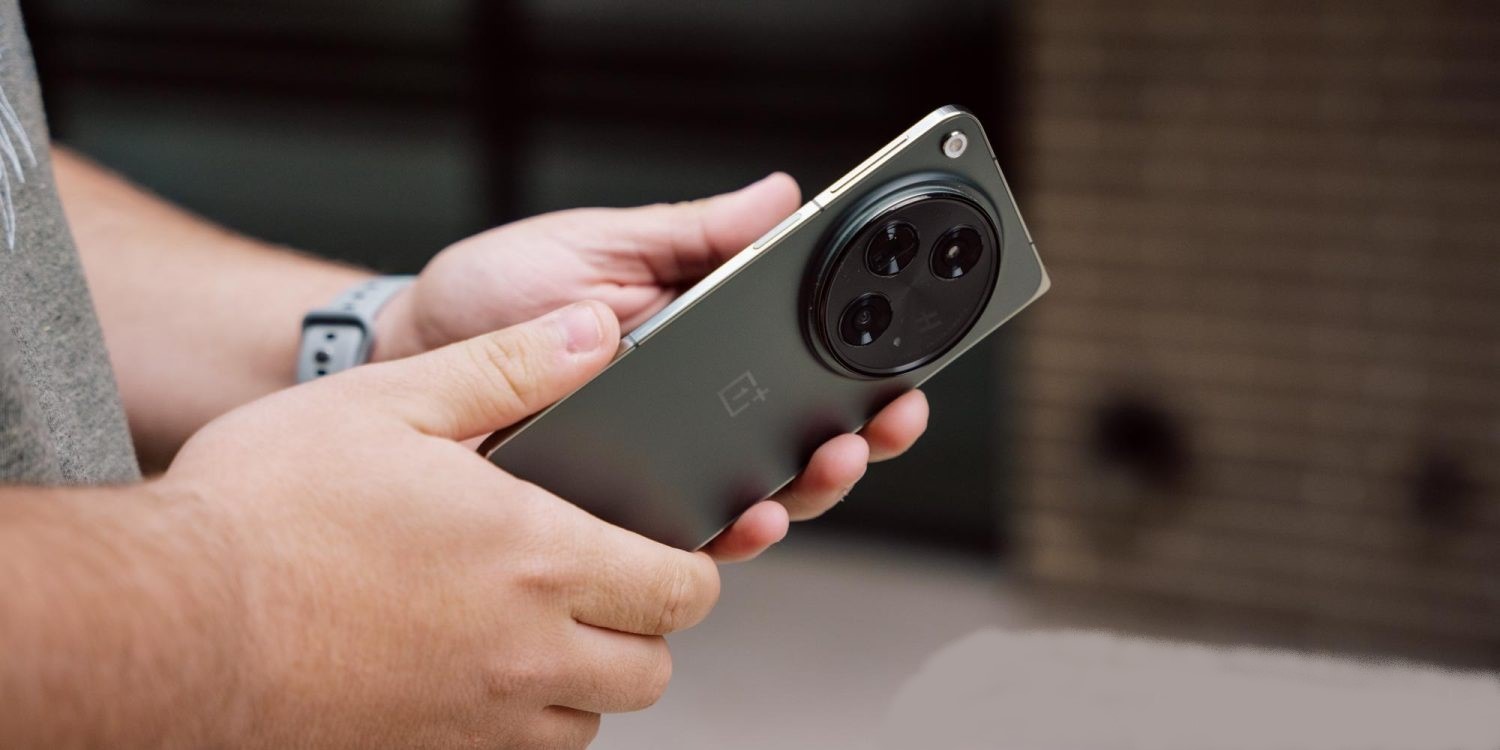
The OnePlus Photos app is getting a useful new trick, with support now available to integrate Google Photos with the app for backup and showing your library.
Available as a part of OxygenOS 14 (OnePlus’ Android 14 update), the brand’s built-in Photos app now supports integration with Google Photos. This is found through the app’s settings, with a “Backup with Google Photos” option appearing at the top of the screen. Tapping that activates a menu in Google Photos where you’re asked to grant access.
Once connected, you can not only back up photos, but also access your entire Google Photos library from OnePlus’ app.
We were able to get this up and running on a OnePlus Open running OxygenOS 14, though actually activating backup required force closing the OnePlus Photos app after first granting permission through Google Photos.
On a support page, Google explains that this functionality is currently supported on Xiaomi, OnePlus, Oppo, and Realme devices running Android 11 or newer. Android Police points out that Xiaomi’s integration goes a bit deeper, allowing full two-way sync including albums, which don’t sync in OnePlus’ implementation. Xiaomi previously shut down its own cloud backup solution in favor of Google Photos back at the end of 2022, but this newer functionality has become available only recently.
With either device, integration can be disabled through the app, or through Google Photos itself. Going to Google Photos > Photo settings > Apps & devices > Google Photos access allows you to remove access.
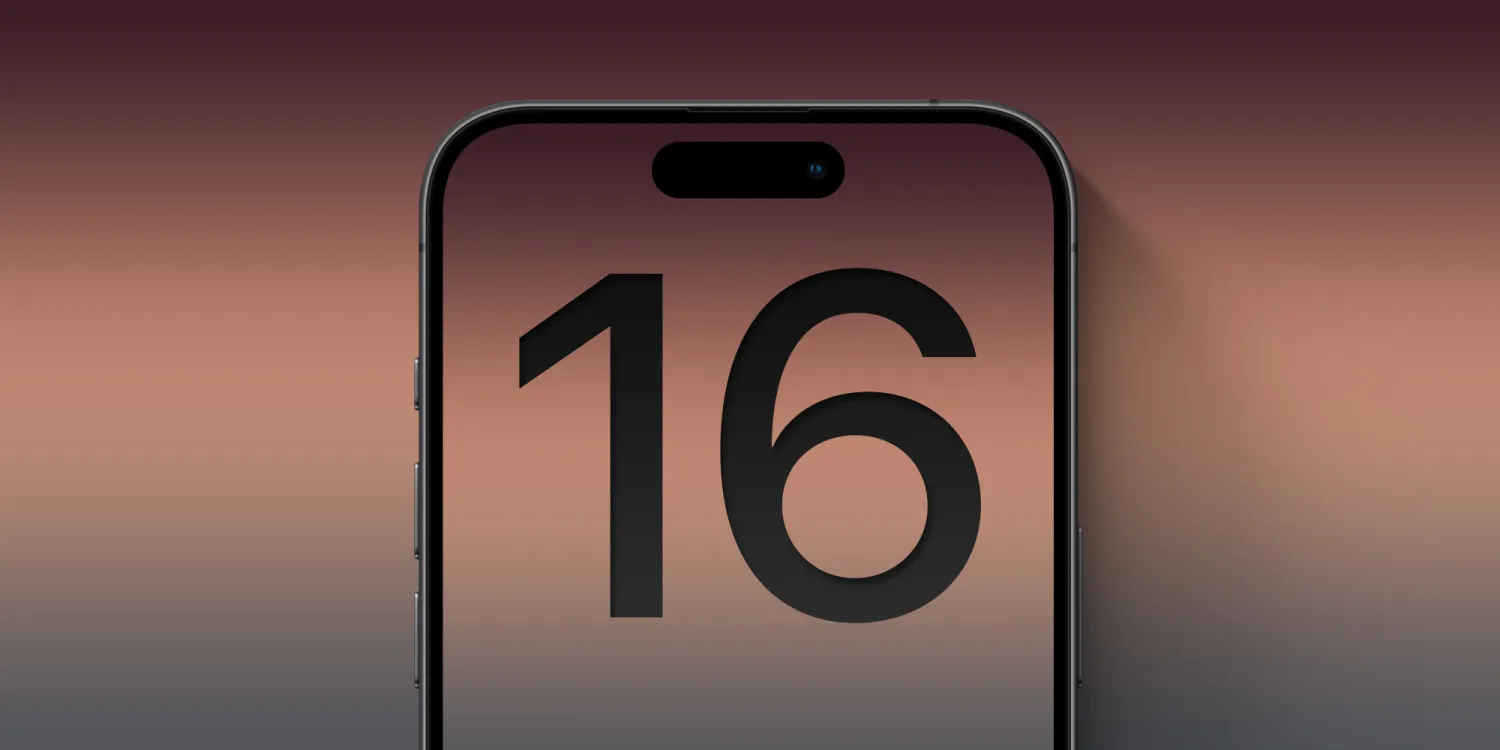
According to a new analyst note from Jeff Pu at Haitong International Tech Research, Apple is planning changes to the A18 Pro chip specifically for on-device artificial intelligence. Pu also writes that Apple is ramping up A18 Pro chip production earlier than usual.
The news comes as we continue to learn more about Apple’s plans for AI features this year, including how it will balance on-device versus cloud-based solutions.
In the investor note, Pu, who is often a reliable source for Apple chip rumors, says:
According to our supply chain checks, we are seeing growing demand for Apple’s A18, while its A17 Pro volume has stabilized since Feb. We note Apple’s A18 Pro, the 6-GPU version, will feature a larger die area (compared to A17 Pro), which could be a trend for edge AI computing.
Increasing the die area of a chip means that it can accommodate more transistors and specialized components, generally allowing increased. On the other hand, as die size increases, so do the risks of defects and design flaws. It could also impact energy efficiency and heat dissipation. This is the balance Apple will have to strike as it ramps up A18 Pro production ahead of the iPhone 16’s launch later this year.
Edge AI computing, meanwhile, refers to artificial intelligence that is processed directly on device as opposed to in the cloud. Apple is believed to be taking a split approach to its AI features this year, relying on cloud infrastructure (potentially in partnership with Google) for some features, while running other features completely on device.
Here’s a great explanation of edge AI from IBM:
Simply stated, edge AI, or “AI on the edge“, refers to the combination of edge computing and artificial intelligence to execute machine learning tasks directly on interconnected edge devices. Edge computing allows for data to be stored close to the device location, and AI algorithms enable the data to be processed right on the network edge, with or without an internet connection. This facilitates the processing of data within milliseconds, providing real-time feedback.
This isn’t the first report to suggest Apple has changes to the A18 chip planned particularly focused on artificial intelligence. A report last month suggest that the A18 will “greatly increase the number of built-in AI computing cores” with a more powerful Neural Engine.
Both the iPhone 16 and iPhone 16 Pro are rumored to are expected to feature a version of the A18 chip this year. Currently, the iPhone 15 uses the A16 chip and the iPhone 15 Pro uses the A17 Pro chip. Jeff Pu’s report today seems to suggest that only the A18 Pro, destined for the iPhone 16 Pro and iPhone 16 Pro Max, will feature the AI-focused changes.
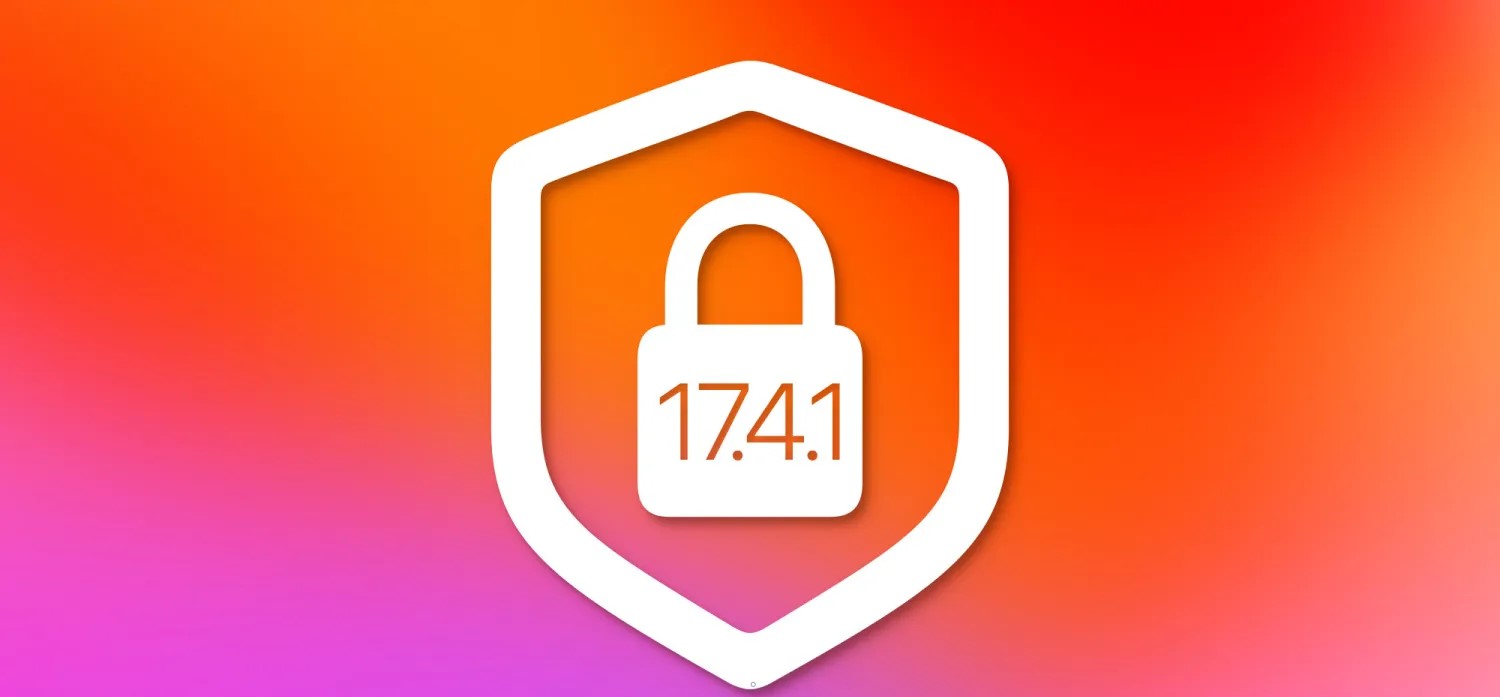
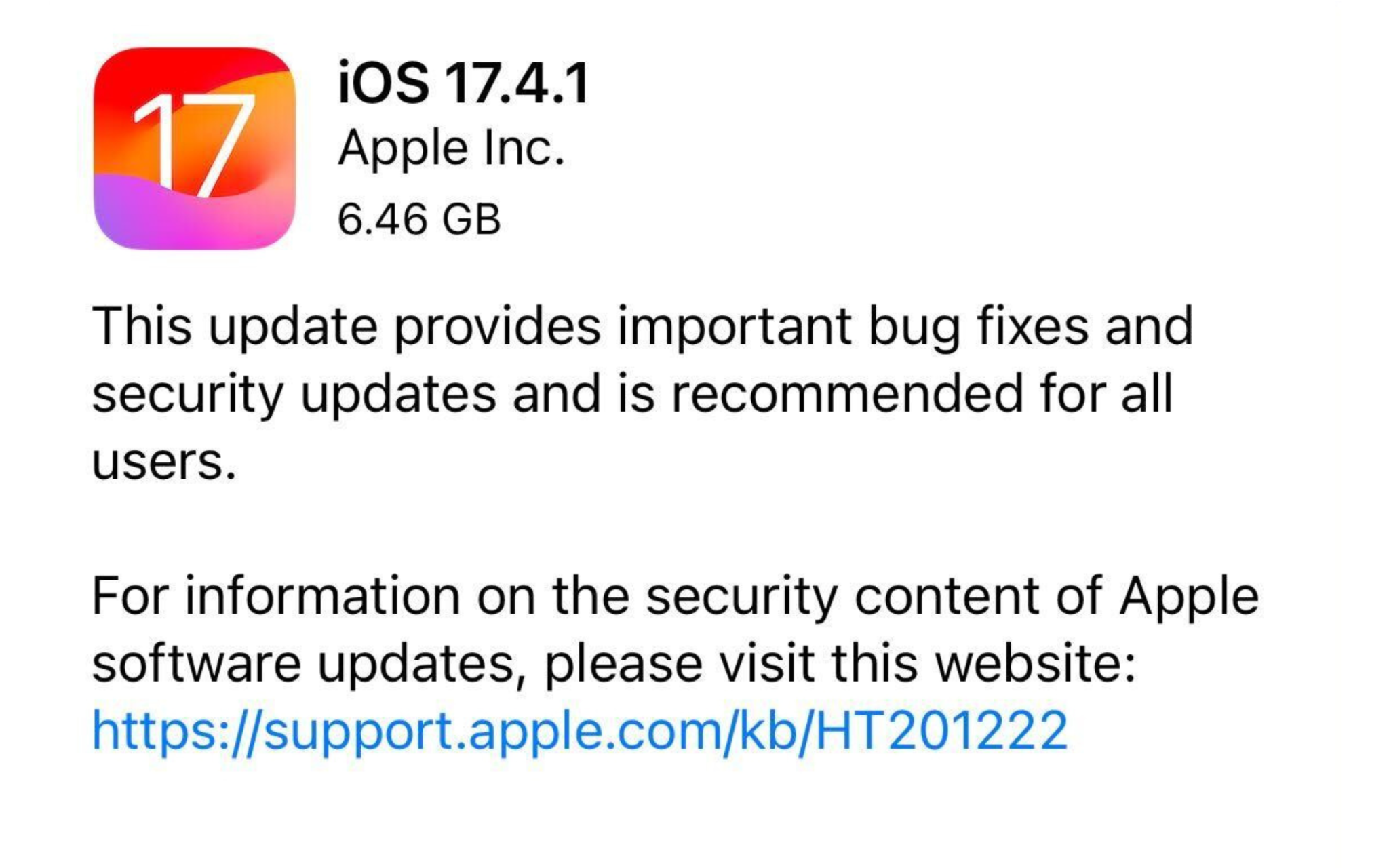
Last week, Apple released iOS 17.4.1 with rather vague release notes claiming to include important bug fixes and security patches. Now, two days later, the company has not yet added any specifics. This is unusual for Apple, which typically lists important security patches hours after a release, and suggests that the ones in iOS 17.4.1 could be significant or something else entirely.
The update comes two weeks after the release of iOS 17.4, which brought major changes to the iPhone in the European Union, mostly around the App Store, with support for alternative app marketplaces.
The release notes for iOS 17.4.1 simply say, “This update provides important bug fixes and security updates and is recommended for all users,” with a message to visit an Apple support page for additional information. The page, however, notes that details on the update are still “coming soon.”
This is not a coincidence. And could mean several things.
It’s possible Apple doesn’t want to disclose details about the iOS 17.4.1 security patches before the company has concluded its own investigation, which could point to something more significant. The update we received may have been a fix to prevent further exploitation.
It’s taken way too long, but after the better part of eight years now, Samsung has finally adopted Android’s Seamless Updates on its latest Galaxy devices.
Seamless Updates were first introduced in Android Nougat way back in 2016, almost eight years ago now. The feature allows devices to install an update in the background and apply the update on a reboot. While it’s typically slower and can eat up more storage, the A/B partition allows for a safer install as a messed-up installation can be reverted to the prior software build. It also leaves the device fully usable during the lengthy install process. Google has also made improvements to Seamless Updates over the years, with the feature now being much faster and also requiring less storage using a “virtual A/B mechanism.”
Yet, for all this time, Samsung has repeatedly skipped out on this feature that virtually every other Android OEM currently uses.
That’s finally changed now, though, as the Samsung Galaxy A55 is the company’s first smartphone with Seamless Updates support for Android updates.
The change was spotted on the new mid-range device by early buyers (via Mishaal Rahman) as well as SamMobile and The Mobile Indian. On downloading an update on the device, a new “downloading and installing” message appears with “Restart Now” appearing when the device has the update installed. Existing Samsung smartphones have an “Install Now” prompt when the update
Samsung may have finally implemented seamless updates on their Android devices! When updating the new Galaxy A55 5G, users have noticed that the software update screen now shows a "downloading and installing" as well as "verification" steps.
In addition, @TheMobileIndian… pic.twitter.com/3Xk8iQZ3gz
— Mishaal Rahman (@MishaalRahman) March 21, 2024
a feature configured before the device is in the customer’s hands. Back in 2016, Google had confirmed that existing devices wouldn’t support it.
However, future Samsung Galaxy devices are very likely to support Seamless Updates going forward. It was revealed earlier this year that Android is moving to only support this form of update, and while Samsung could technically work out a way to stick with its existing model, it seems the company has decided to just give in to how Android is supposed to work in 2024.
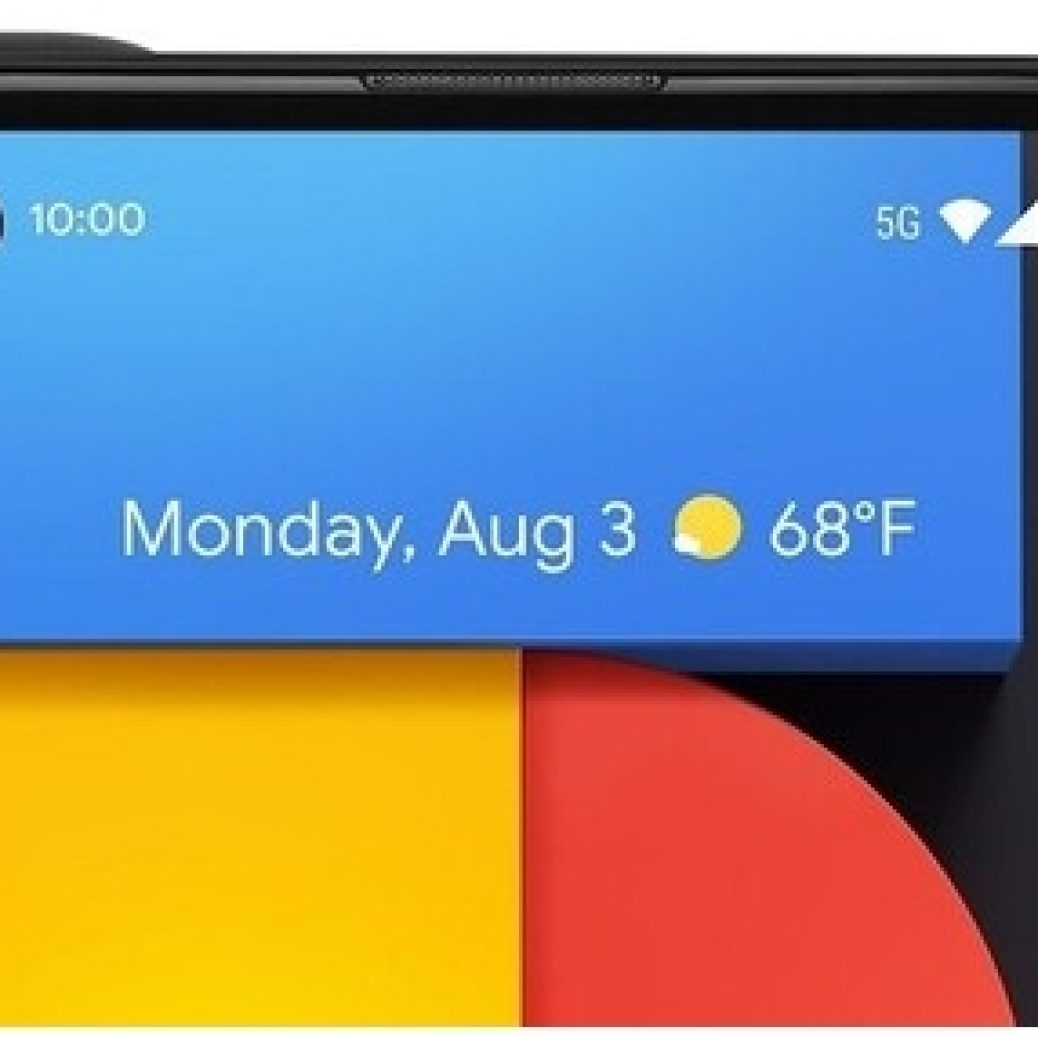
The official line from Google is that “not all Pixel 4a (5G) and later phones work on all 5G networks.” Google maintains a list of countries where 5G is available on the Pixel and it was recently updated.
Pixel phones work with all major carriers. But not all Pixel 8 Pro, Pixel 8, Pixel Fold, Pixel 7a, Pixel 7 Pro, Pixel 7, Pixel 6a, Pixel 6 Pro, Pixel 6, Pixel 5a (5G), Pixel 5 and Pixel 4a (5G) phones work on all 5G networks. Check with your carrier to make sure your phone works on its 5G network.
As of December 2023, the map had 31 countries. Google’s “5G on your Pixel” list is currently up to 38 countries with these seven new European additions:
The full list is as follows, with big availability gaps remaining.
It comes as the Pixel 8 series is only available in 20 (Google Store) countries: Austria, Australia, Belgium, Canada, Denmark, Ireland, France, Germany, Italy, Japan, Netherlands, Norway, Portugal, Singapore, Spain, Sweden, Switzerland, Taiwan, United Kingdom, and United States. This allows traveling Pixel owners to hopefully get a similar connectivity experience.
Since 2020, people have complained that Pixel 5G availability is not universal, and that remains the case today. Certification and testing is presumably the reason.
On Sunday night March 17,2024 , Bloomberg reported that Apple is in talks with Google about licensing its Gemini technology to power some AI features coming to the iPhone. A new report from The New York Times today echoes those claims, citing “three people with knowledge of the discussions” between Apple and Google.
Today’s story corroborates what Bloomberg’s Mark Gurman was first to report on Sunday. The NYTimes reiterates:
Apple is in discussions with Google about using the search giant’s generative artificial intelligence model called Gemini for its next iPhone, as the company races to embrace a technology that has upended the tech industry.
The talks are preliminary and the exact scope of a potential deal hasn’t been defined, three people with knowledge of the discussions said. Apple has also held discussions with other A.I. companies, one of these people said, as it looks to tap into the power of a large language model capable of analyzing vast amounts of data and generating text on its own.
Citing “two people familiar with its development,” today’s report also says that Apple’s effort to “develop its own large language model” has been running behind the likes of ChatGPT and Gemini.
Bloomberg’s initial report included additional details about the scope of the talks between Apple and Google. Apple is preparing a wide array of new AI features for iOS 18, which is set to debut at WWDC in June. Bloomberg says we shouldn’t expect any announcement from Apple about a partnership until WWDC at the earliest.
Besides using Gemini to power features in its apps and services, Google offers its LLM to third-party developers. Apple is reportedly in talks with Google to license Gemini for the iPhone.
According to Bloomberg, there are “active negotiations to let Apple license Gemini, Google’s set of generative AI models, to power some new features coming to the iPhone software this year.” Apple has also talked with OpenAI, which powers Microsoft’s AI capabilities.
Apple is specifically looking to partner on cloud-based generative AI, with today’s report citing text and image generation as examples of what Gemini could be used for. At the same time, Apple is working on offering its own on-device AI models and capabilities with the upcoming iOS 18 release.
The discussions are still underway, and it’s unclear how the AI agreement will be branded. This would be a significant expansion of the existing relationship — default search engine — between the two companies.
Looking at the rest of the industry, Google announced a partnership with Samsung in February to have Gemini power summarization features in the Galaxy S24’s notes and voice recording apps, as well as keyboard. Samsung is also using Imagen 2 text-to-image diffusion for a generative editing feature in the photo gallery app. Those features all require server-side processing, but Samsung is also using an on-device version of Gemini.
Google offers Gemini in three sizes, with Pro being used by most first and third-party apps. Gemini 1.0 Pro powers the free version of gemini.google.com, while 1.0 Ultra is used in the paid Gemini Advanced tier.
Gemini 1.0 is available in stable, but Google in mid-February previewed Gemini 1.5 with a greatly expanded context window that allows for more information to be absorbed. This can make the “output more consistent, relevant and useful.”
Bloomberg does not expect a deal to be announced until WWDC in June, with Apple opting for OpenAI or even multiple providers offered as possibilities in today’s report.
As previewed in early February 2024, the Google Phone dialer app has removed the Nearby places search feature on Android.
Phone by Google no longer lets you look for businesses using the search field at the top of the app. In fact, the hint has been updated from “Search contacts & places” to just “Search contacts.”
Additionally, “Nearby places” no longer appears in settings. The feature would use your location to take into account what was in close proximity. Additionally, enabling “Personalized search results” would “Improve your search results by including items from your search history.”
Some people appreciated the convenience, but Google says “only a very small number of people use this feature.” In our experience, it wasn’t always accurate.
Google is officially directing people to use Search or Maps for phone numbers. This removal will let Google “focus on building the highest quality, most reliable, and most innovative experiences in phone calling.”
For example, in 2023 we launched new Call Screen AI features, Hold For Me and Direct My Call support in additional countries, and Call Screen transcripts on your Pixel Watch. There’s a lot more planned for 2024, and our team will be working hard throughout the year to launch and improve even more ways to help your phone calling experience!
With the last Pixel Feature Drop, Call Screen will offer a “Hello?” button if the line is silent to prompt the caller. There’s also “I’ll be right there” — “One sec, checking with the person you called” — to give you more time before answering
Back in February, Nearby places was already gone for those using the Phone by Google beta. It no longer appears with the latest stable release (version 125).