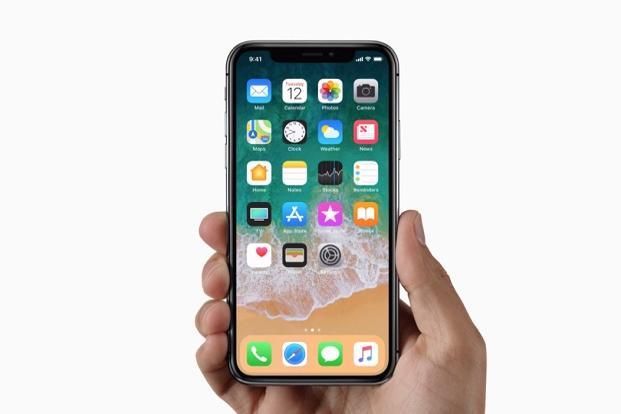
Short anwer. No. Long answer. It depends. If it’s got 5 volts to pump into your iPhone with 1 or 2 amperes, it is okay. But is it?
Apparently, fake chargers pose no threat to your iPhone.
The charge control circuitry for an iPhone is inside the iPhone. The “charger” is just a regulated DC power supply which provides power to the phone for operation and charging, but it doesn’t make any decisions about how fast or how long to charge the battery. As long as it provides approximately 5 V at the appropriate current (1, 2, or 2.4 A), the phone should be happy with it, and charge the battery normally.
However, the real risks are…
The main risk with “fake” chargers is that they may not provide sufficient electrical isolation between the AC line and the 5 V output. With a good charger, you should be able to stand with your feet in a grounded bath tub while you hold the bare metal of your phone in your hand, while at the same time the phone is connected to the charger and the charger is plugged into the wall. This should do you no harm, because the 5 V output is completely electrically isolated from the 120/240 V input from the wall.
Electrocution could also happen to you.
Sadly, several people have been electrocuted by fake chargers that were poorly built and did not provide this isolation. Current flowed from wall outlet through charger to phone and then through the person to ground, electrocuting the person. Don’t try this just to prove that your iPhone charger is fake or not.
In case you haven’t noticed yet, your iPhone battery has mediocre capacity. That’s real talk. Here’s a cheap solution: external power banks.
Anker Astro E3
Capacity: 10,000mAh
Surprise, surprise, it’s another Anker product! Hey, what can I say? They make great chargers! The Astro E3 is a step above the E1, so it’s a little larger (5 inches by 2.5 inches), but it has a 10,000mAh capacity, charging your iPhone 6s four or five times.
The Astro E3 features a four-LED power meter that lets you know when it’s fully charged and it comes with a sweet travel pouch so that you don’t scratch it all up.
Anker Astro E1
Capacity: 5,200mAh
If you’re looking for great portability but need a little more juice than the Anker PowerCore mini can provide, the next best option is the Anker Astro E1, which has a 5,200mAh cell and can charge your iPhone 6s up to two times.
It’s rather small, at only about 4 inches long and roughly 2 inches wide, so it’s perfectly pocketable (even in the same pocket as your iPhone) but not so small that you might lose it entirely.
EC Technology
Capacity: 22,400mAh
The EC Technology portable charger is the perfect power bank for a family road trip. It features a total of 22,400mAh, which can charge 1 iPhone 6s roughly 12 times. So, if you’re headed out of town for the weekend and don’t know if you’ll see a power outlet until Monday, this power bank is perfect.
It’s not perfect just because it can charge your iPhone so many times – it can charge three devices at once! It obviously won’t charge 3 devices 12 times each, but it’ll certainly get a family of 4 through the weekend if need be.
Anker PowerCore Mini
Capacity: 3,350mAh
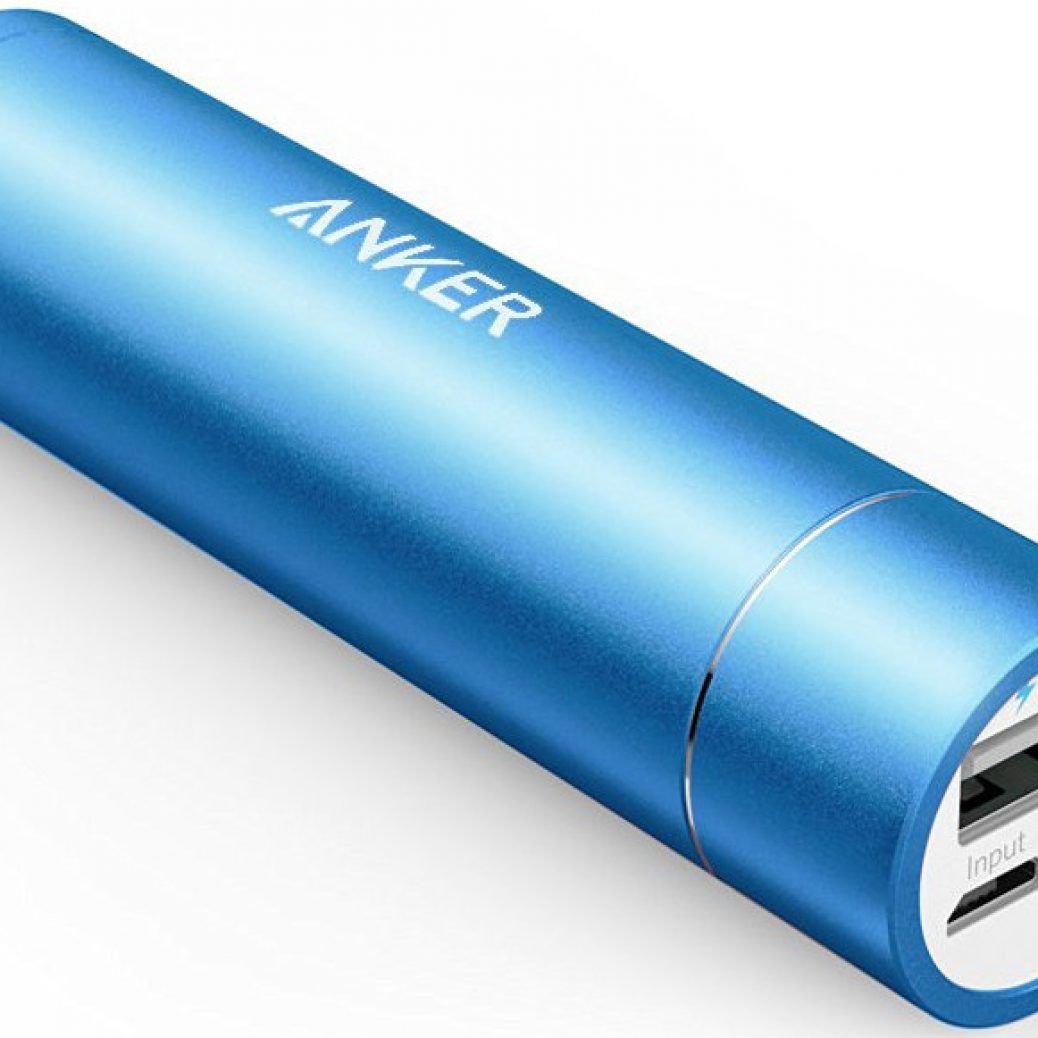
The Anker PowerCore mini is about the size of a tube of lipstick, making it one of the most portable power banks money can buy. It’ll only charge your iPhone 6s once, maybe one and a half times, since it only has a 3,350mAh battery, but it’s perfect for emergency situations and will fit anywhere you can stick it. Anywhere.
Since you’ll likely be carrying the PowerCore mini around in your pocket, why not do so in style? It comes in black, silver, pink, blue, and gold.
RAVPower 16,750mAh power bank
Capacity: 16,750mAh
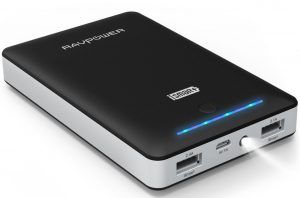
If you’re not going to see a power outlet for a few days or need your iPhone 6s charged up at all times because you use it extensively, then the RAVPower power bank is the way to go. It charges your iPhone 6s up to six times and you can charge up to two devices at once, at 2A each, though you obviously won’t get as many charges if you charge more devices.
Want to quit apps on iPhone X? Maybe an app is misbehaving or draining your battery, or maybe you don’t want to updating or doing things in the background. If you need to quit running apps on iPhone X, you may have noticed that the traditional swipe up gesture does not work to close the app and instead sends you back to the home screen.
Instead, iPhone X has a new method of quitting apps that uses a two part method composed of both a gesture and then a tap and hold. It may take a little bit of getting used to, but the end result is the same; you can close out of running iOS apps.
How to Quit Apps on iPhone X
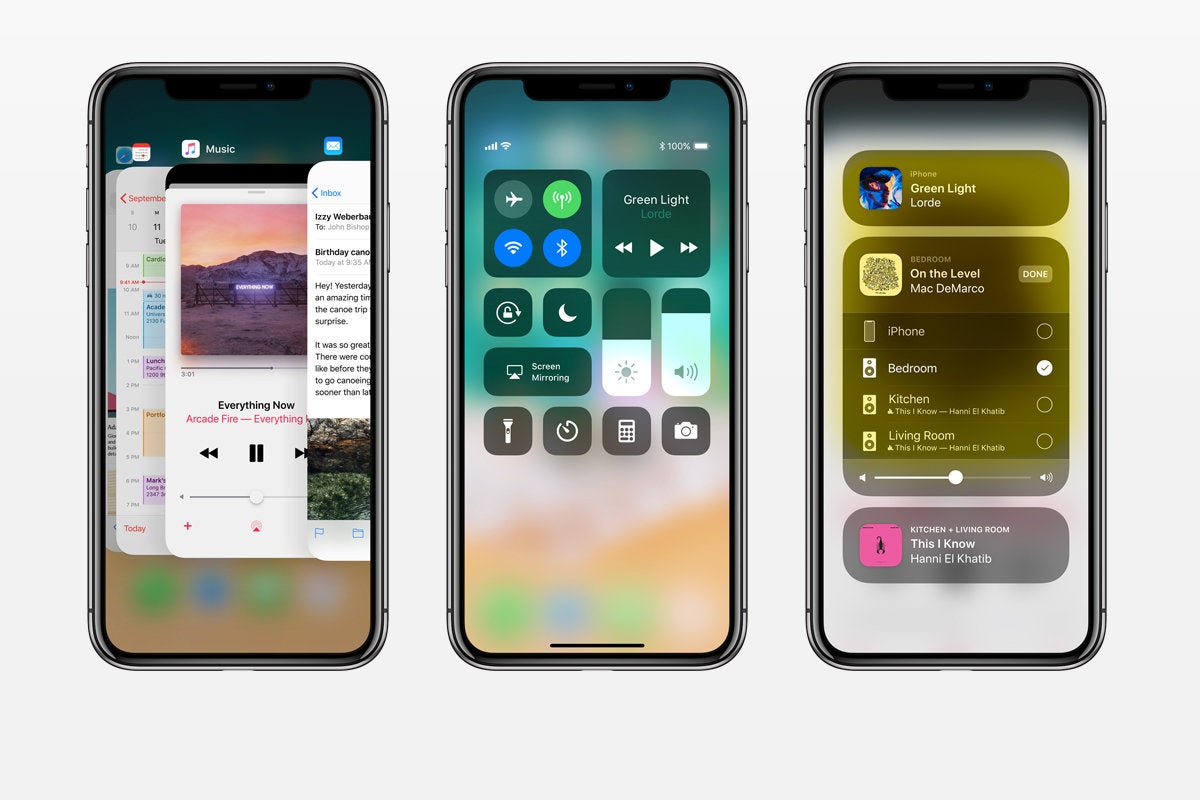
Swipe up from the bottom of the screen and pause for a moment to access the application switcher on iPhone X
Now tap and hold on any app preview card until the red “(-)” minus symbol appears in the corner of each app preview card
Tap the red “(-)” minus symbol to quit the app *
Swipe over to other app(s) and tap the red minus (-) button on those to quit as well, if desired
Swipe up again from the very bottom of the screen to exit out of the multitasking screen on iPhone X
* Once the red buttons appear, you can then swipe up on the preview cards to quit the apps. You can also tap multiple red minus buttons concurrently to quit multiple apps at the same time on iPhone X.
That’s it, just swipe up to access the multitasking screen, then tap and hold, then tap the red button to quit apps on iPhone X. Or, tap and hold, then swipe up once you see the red buttons appear on the app previews. The tap and hold action is a bit like what you use to delete iOS apps quickly from the Home Screen too, so it should be familiar to iOS users. Of course here we’re just quitting the app rather than deleting it, however.
The video below shows how this works, starting from the swipe and pause gesture, then tapping and holding to quit apps on iPhone X multitasking screen:
Note that if you simply swipe up on an app preview card, like how you quit apps on prior iOS devices, you’ll wind up back at the home screen of the iPhone X. But, you can swipe up after the red minus buttons appear on the app preview cards, that will close the apps as well.
Did you get a new iPhone X and now you want to migrate all of your data and stuff from an older iPhone to the new iPhone X? It’s easy to migrate everything from an old iPhone to a brand new iPhone X and transfer all of your data with you. This walkthrough will show how to get all data over from an old iPhone to the new iPhone X in the fastest manner possible.
It’s worth mentioning there are actually a few ways to transfer data from an old iPhone to a new iPhone X, each method requires making a backup of the old device which is then restore to the new iPhone X. While you can use iCloud backups and restore if you’d like to, our focus here is going to be on using iTunes backups and iTunes restore, because for many users it will be the fastest way to get a new iPhone X setup successfully with all of their old data onto the new phone.
How to Migrate All Data to New iPhone X from an Old iPhone
The tutorial here is going to walk through migrating all data from an iPhone 7 Plus to a new iPhone X by using iTunes and a computer. This is demonstrated on a Mac with iTunes, but the process is identical on a Windows PC with iTunes.
Connect the old iPhone to a computer with a USB cable
Launch iTunes on the computer and then select the connected old iPhone by clicking on the tiny iPhone button near the top of the iTunes window
Under the Summary section, select “This Computer” and click on “Encrypt iPhone Backup”*, then choose to “Back Up Now” **
Let the backup process of the old iPhone to iTunes complete
Now pick up your brand new iPhone X and go through the onscreen setup steps on the device
When you get to the “Apps & Data” screen, choose “Restore from iTunes Backup” and then connect the new iPhone X to the computer with iTunes
At the iTunes “Welcome to Your New iPhone” screen, choose “Restore from this backup:” and select the backup you just made of the old iPhone to iTunes, then click “Continue”
Let the Restoring iPhone from backup process complete, it may take a while – in the example here a 128GB iPhone with nearly full storage took about an hour to restore from an iTunes backup
When restoration from backup is complete, pickup the iPhone X and complete the setup steps
Note that new versions of iTunes (from 12.7 onward) will not restore apps from iTunes, and instead will download the apps again from the App Store during the restore process. You can get around that by using an alternate version of iTunes with App Store support, but it seems inevitable for Apple to do away with app support in iTunes in the near future.
That’s it. You’re ready to use your new iPhone X, the new iPhone X will have everything your old iPhone had on it. All contacts, files, photos, movies, pictures, gifs, messages, apps, app data, health data, step counts and mileage tracking, everything will have successfully migrated over, assuming you completed the steps properly.
* It’s important to choose to “Encrypt iPhone backup” when the backup is made to the computer via iTunes so that passwords, logins, health data, email login details, account data, and other info are backed up as well. iCloud backups are always encrypted by default. Do not forget the iTunes encrypted backup password, otherwise your backups will be inaccessible.
* You can backup the old iPhone with iCloud instead if you’d like to, but if you have a very large backup or tons of pictures, movies, then using iTunes with a USB connection between iPhone and a computer is going to be much faster for both backing up and restoring. There are some exceptions to this with those who have access to true first-world quality ultrafast broadband internet service, but if you are using one of the notoriously sluggish monopoly internet providers that are pervasive in the USA then it will take you a genuinely absurd amount of time to both make a large backup to iCloud and restore a large backup using iCloud. Just use iTunes, it will be much faster.
What about migrating data to the new iPhone X using iCloud?
You can absolutely use a fresh iCloud backup and iCloud restore to migrate everything from an old iPhone to a new iPhone X, the process is basically the same as the above method except you will choose to backup to iCloud, and then restore iPhone X from that iCloud backup.
Using iCloud to migrate rather than iTunes is entirely up to you, but perhaps the most important factor when using iCloud is the speed and reliability of your internet connection. iCloud Restore works very well, but to complete in a reasonable time frame requires either a relatively small device backup, or an extraordinarily fast and reliable internet connection.
Be aware that using the iCloud restore process can take an unreasonable amount of time to complete however. For example, using iCloud to restore my old 128 GB iPhone Plus backup to the new iPhone X was estimated to take a whopping 45 hours using a standard American broadband connection (despite creating the internet, the USA has notoriously slow and expensive broadband compared to the developed world, hooray). If you’re in a major US tech hub with lightning speed fiber broadband, using iCloud may be a reasonable option for you. For me personally, the decision to wait 1 hour by using iTunes restore versus 45 hours by using iCloud restore when setting up new iPhone X was not exactly a challenging decision to make; iTunes it is.
Sidenote: The iPhone X also has a new optional “Quick Start” setup and transfer process which uses iCloud backups and requires both devices be on iOS 11.0 or later, but as discussed already, the iTunes method is typically the fastest way to get a new device restored with your old iPhone data, which is why we’re focusing on iTunes.
If iPhone X is the future, then iOS is the vehicle to get us there. Apple’s latest iPhone introduces all sorts of little changes to iOS that compensate for the lack of Home button and the camera notch, but for the most part, iOS on iPhone X isn’t all that different than it is on the iPhone 8.
In fact, if iPhone X shows us anything, it’s that iOS is a little behind the times. Apple has done well to freshen it up with new gestures and animations, but compared to the sleek curves and OLED screen on iPhone X, iOS feels less modern than ever. And if iPhone X is truly going to lead Apple over the next 10 years, then iOS is going to need to be three steps ahead of it. Here are 10 ways iOS 12 can get the ball rolling:
1. Give us a dark mode
iPhone X would be stunning with a true iOS dark mode.
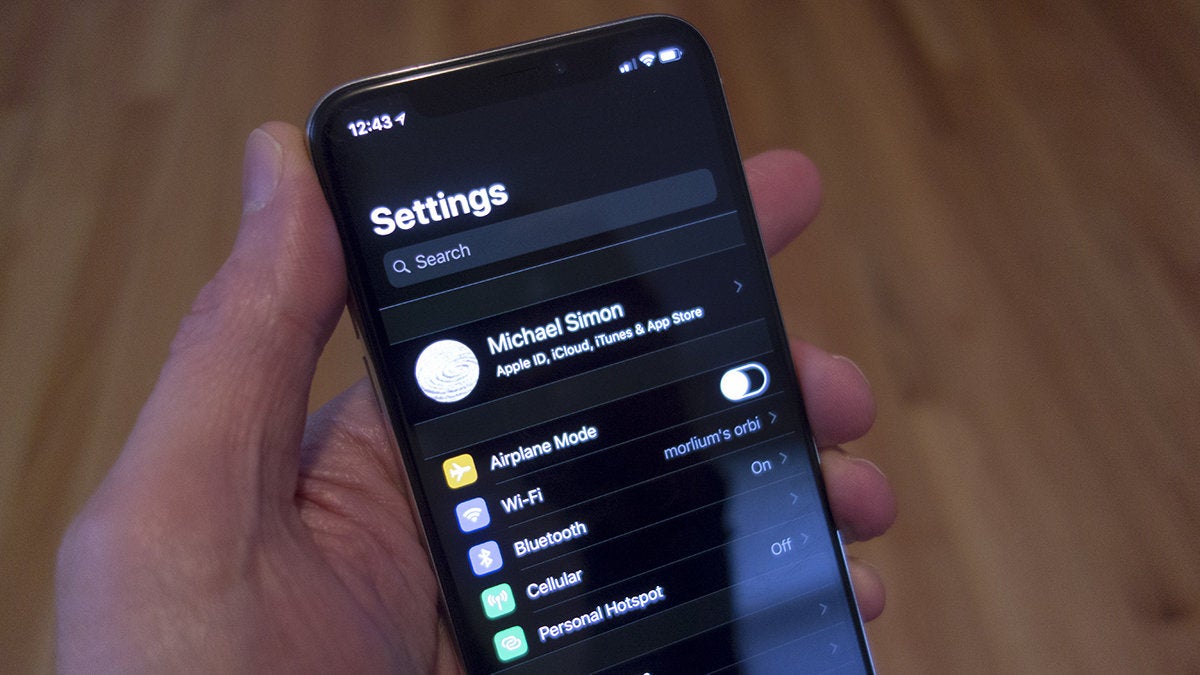
As we can see on Apple Watch, a dark OS theme takes full advantage of OLED, blurring the lines between the glass and the screen, and giving the illusion of an infinite screen. Apple might tout iPhone X as being “all screen,” but in reality it actually has a pretty thick bezel. We can kind of simulate it with the Invert colors toggle in the Accessibility settings (as seen in the picture above), but a true dark mode in iOS would eliminate the visual barrier between the screen and the bezel and make it seem like you’re holding a edge-to-edge piece of glass.
2. Expand Face ID’s reach
Face ID is very impressive on iPhone X, but it’s not quite perfect. Much like Touch ID’s debut on the iPhone 5s, Face ID is very much a work in progress, and Apple is surely going to improve the speed and reliability of it on future iPhones. Two things we’d like to see, though: greater angles of recognition so we don’t have to focus so intently on the screen while unlocking, and the ability to add a second face. With Touch ID, our spouses and kids had fingerprints registered so they could use our phones without asking for our passcode (or our fingers), and we’d like to do the same with Face ID.
3. Go all in on the notch
Apple should use the notch for more than just static icons.
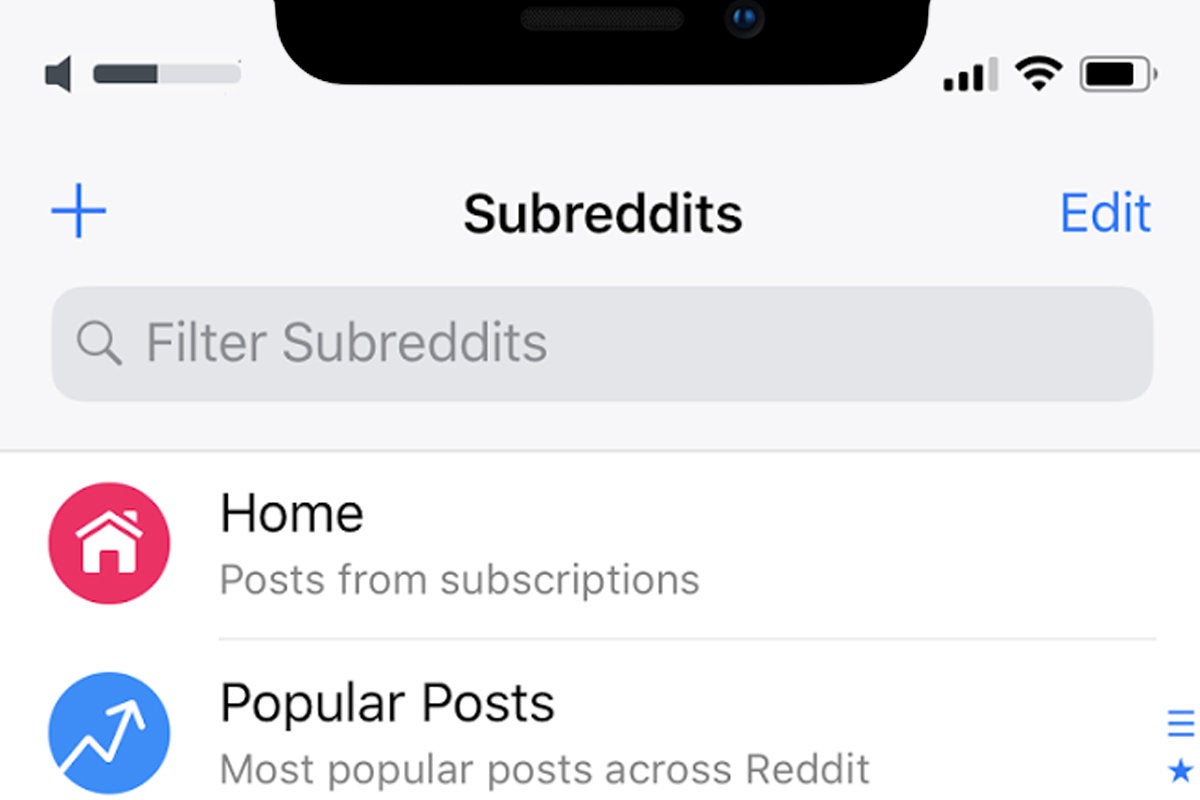
The camera notch isn’t nearly as bad as we thought it would be. While it still looks a little silly in pictures, in practice it’s not all that distracting, and in the right instances, it’s actually kind of cool. But one thing is for sure: It’s not going away anytime soon. So, if that’s the case, we’d like Apple to add even more functionality to the spaces around the notch, turning the status bar into a fully interactive space that eliminated the need to open the Control Center so often. For example, tapping the battery icon could show how much percentage is remaining or tapping the time could toggle between it and the date. And here’s a really cool one: Reddit app Apollo (seen above) uses the top right space to show sound adjustments so your view isn’t obstructed just because you want to raise the volume.
4. Let us swipe anywhere to unlock
There’s no doubt that at some point in the future our iPhones will automatically jump to the home screen as soon as we look at them, but until that day arrives, we still need to swipe up. The problem is, you need to swipe from the very bottom of the screen where the home indicator is. And we often forget, meaning we have to swipe twice to unlock. Much like Apple removed the bar in iOS 7 and let us slide anywhere to get to the passcode screen, the ability to swipe up in the center of the screen would save literally hundreds of seconds each day.
5. Build an always-on display
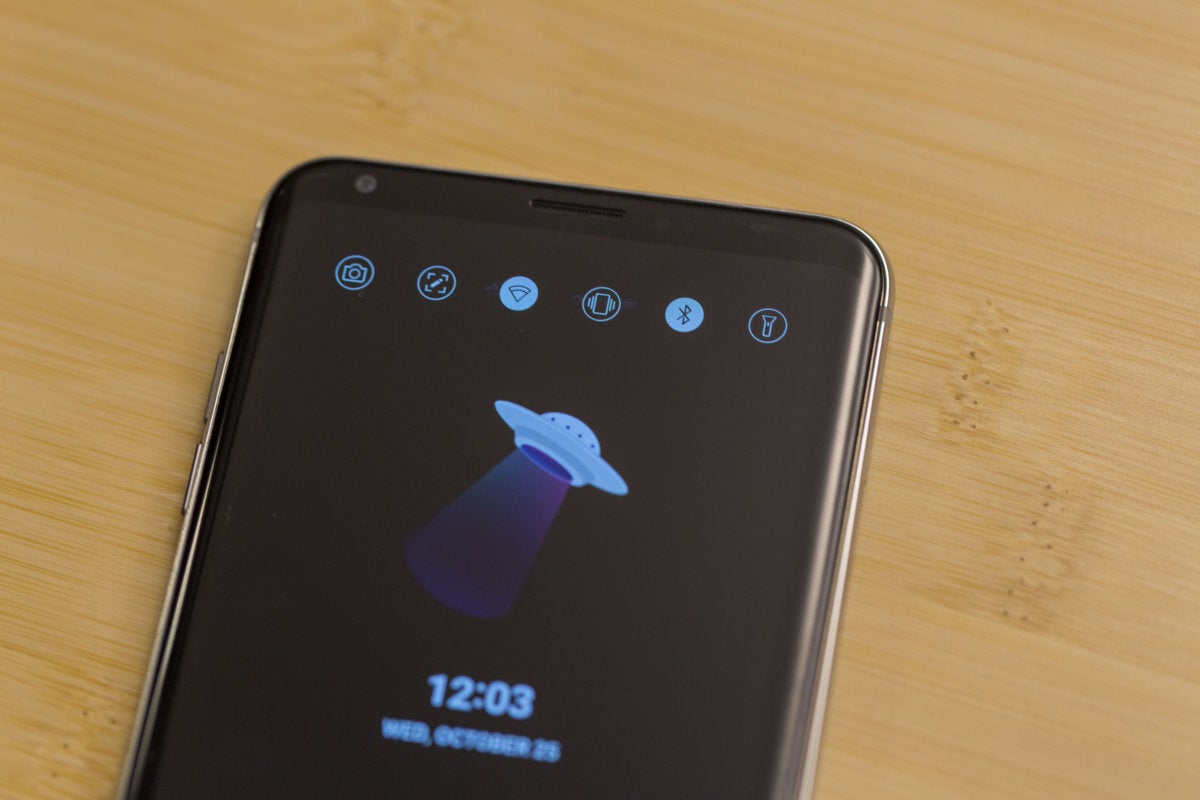
Always-on displays are out of this world on Android phones..
Now that Apple is finally using OLED in an iPhone and can take advantage of its power-saving benefits, the time is ripe for an always-on display. A staple of Android flagships for years, it’s an incredible useful feature, showing things like time, battery percentage, and notifications without needing to do more than glance at your phone. We’d love to see what an always-on display would look like on iPhone X, but mostly it would be nice if our phones didn’t light up every time they need to alert us that a notification has arrived.
6. Add a double-tap to sleep gesture
Without the Home button, the only way to turn on the iPhone X’s screen is to press the side power button, so Apple gave us a cool gesture: tap to wake. But it only works when the display is off. To turn off the display, we still need to press the power button. On LG phones, you can double-tap on the home screen to put it to sleep, and it would be incredible useful on iPhone X too.
7. Put the apps in a drawer
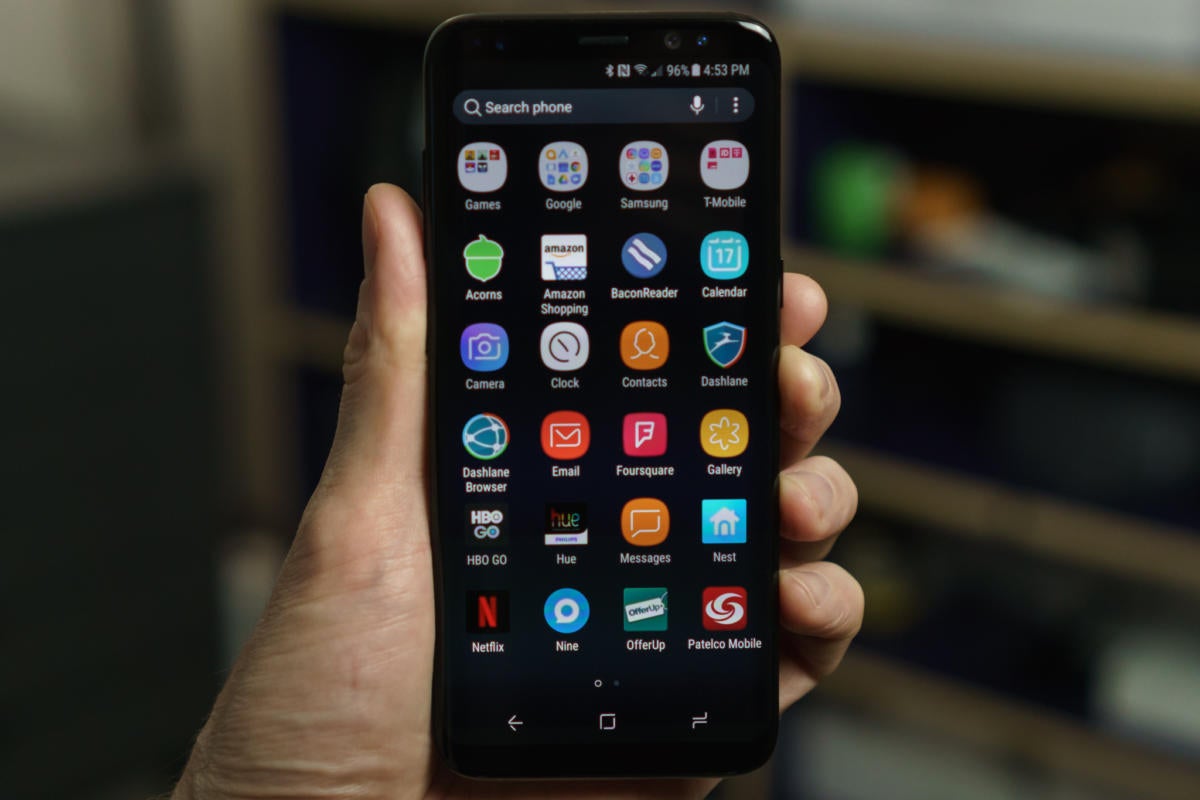
It sure would be nice if we could tuck our apps away into a drawer in iOS 12.
We’ve been hating on the icon grid for years, but on iPhone X it’s downright criminal. With such a brilliant screen, we want to see our entire home screen image, but Apple still forces us to clutter our screen with icons. It’s time Apple gave us the option to keep them hidden a la Android’s app drawer, showcasing the iPhone X screen in all its glory.
8. Make unlocking smarter
We can debate the merits of Face ID over Touch ID all day long, but the bottom line is we shouldn’t need to unlock our phones every time we want to use them. On Android phones, you can keep your phone unlocked when you’re connected to trusted Wi-Fi networks or using certain Bluetooth devices, and a similar feature would be awesome in iOS. How great would it be if you didn’t even need to use Face ID to unlock your iPhone X once you strapped an Apple Watch onto your wrist?
9. Fix the keyboard
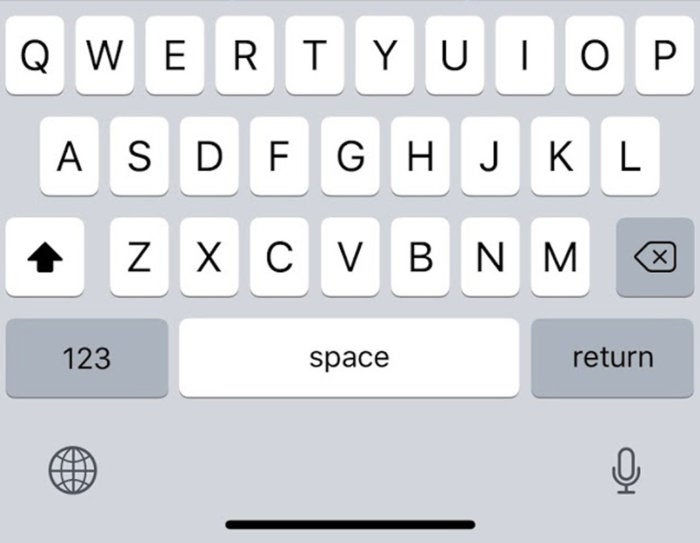
The Phone X keyboard has an awful lot of wasted space.
iPhone X may give us more screen to work with, but when you’re typing a message or email, you don’t actually get any space benefits over the iPhone 8 Plus. That’s because Apple has opted to position the keyboard with a sizable bit of space below it so as to not interfere with the home indicator. Fair enough, but at the moment, it’s pretty much wasted. Apple has put the dictation and keyboard switcher buttons down there, but why not add a Touch Bar-style row of favorite emoji too? Or at least let third-party developers customize it with their own buttons? Every pixel on iPhone X is valuable, and it’s a shame to have so much blank space.
10. Bring over iPad-style multitasking
iOS 10 brought some serious multitasking abilities to the iPad, but it needn’t be relegated to tablets anymore. Now that the iPhone X screen is nearly six inches, we should be able to run two apps comfortably at the same time. Or use a PIP window and drag and drop. iPhone X’s giant screen and gesture-based navigation opens it up to a whole array of multitasking possibilities, and iOS 12 needs to get on board.
We have three new iPhones, but if you judge by all the news and talk, you would think Apple had just unveiled one: the Apple iPhone X.
The new iPhone X is certainly the one that has everyone’s attention with its new edge-to-edge screen and compact size, but with a prohibitive starting price of $1,000 for the base 64GB model, you might wonder if there is an alternative.
Of course, there is! In fact, the iPhone X is late to the bezel-less screen game, and we round up 5 great Android options for a lower price, but with a similarly great design and cameras. With no further ado, here is our selection of the iPhone X bezel-less alternatives.
The Samsung Galaxy S8 and S8 Plus were among the first phones in the “bezel-less” trend. They have one of the finest Super AMOLED screens out there with lively, vivid colors. The Note 8 is just like the other two, but bigger and with the accurate S Pen on board that allows you to quickly take notes or get creative with drawings.
The Galaxy S8 in particular is available at nearly half the price of the iPhone X and the other two are also great alternatives. One big downside with them? The fingerprint scanner. It’s positioned weirdly to the side of the camera, where it is hard to reach and you will often smudge the camera instead of the finger reader.
Google’s new Pixel 2 XL comes with one glaring issue: an OLED screen that gets very bluish once you tilt the phone just slightly, and it can suffer from a ghosting effect, but if you are not pedantic about having the absolute display. the Pixel 2 XL delivers. It’s a stunning phone: it has arguably the best camera ever put in a phone, a clean version of Android that already has the latest update and is guaranteed to be first in line in the future, it has solid battery life and it performs admirably well.
The Essential Phone is a true design gem with its ceramic back and a solid construction. It has an extremely high screen to body ratio with a very distinct, “notch” design where a tiny cutout at the top of the front is made for the front camera. It all blends together nicely when you have the notification bar at the top, or if you have a black screen, but is otherwise noticeable. The Essential Phone lacks branding, runs on a clean version of Android and comes with the promise for timely updates.
The LG V30 is the company’s best phone as of fall 2017. With a 6-inch display and an edge-to-edge display, the V30 is actually a little smaller than the 5.5-inch OnePlus 5 that has a traditional, 16:9 display with bezels on the top and bottom. And that’s quite the achievement. The V30 – unlike Samsung phones – has its fingerprint on the back, below the camera and properly centered, so it’s really easy for your finger to reach it.
The G6 has a 5.7-inch full-screen display, but it lacks some of the V30‘s media capabilities, and has a less refined camera experience. It makes up with a much lower price. It also looks a lot like the V30, though, and features a very sleek glass and metal build.
The bezel-less Huawei Mate 10 Pro features a sleek design and one of the finest cameras on Android. It performs good as well: equipped with Huawei’s own Kirin 970 system chip, this powerful phone is the first around with a neural engine built-in. Battery life is another strong point for the Mate 10 Pro.
The Xiaomi Mi Mix was certainly one of the most interesting products of 2016: in fact, one could argue it was the device that kickstarted the bezel-less design trend. In 2017, we have the much more practical and smaller in size Mi Mix 2 with even less bezel and a more refined look and feel. The Mi Mix 2 features a 6-inch display with an 18:9 aspect ratio, narrower than the wide 17:9 screen on the original Mix. It runs top-grade silicon with the Snapdragon 835 chip on board and comes in three versions: 64GB, 128GB and 256 gigs. The phone also features an improved camera, now with the Sony IMX386 sensor and with 4-axis image stabilization.
After finally getting our hands and unboxing one of those (not so extremely) hard to come by iPhone X units, and checking out the innovative handset’s unique innards, it’s time to take a look at durability and breakability… and desperately urge you to use a case.
It’s obviously always wise to do everything in your power to protect an expensive, high-end mobile device from all types of damage, but unfortunately the iPhone X is special in a number of anxiety-enhancing ways.
For starters, not only is the product itself wildly expensive, at $999 and up, with routine repairs and essential component backups also costing a small fortune. It seems incredibly easy to destroy both the fancy new OLED screen and glass back as well, and SquareTrade disputes iFixit’s decent repairability rating, claiming among others that the remarkably small logic board and divided battery are harder to rehabilitate and remove in times of need.
The extended warranty service provider deems the iPhone X an overall “high risk” in breakability, awarding it 90 points on a scale where 100 is the worst possible score. In contrast, the iPhone 8 and 8 Plus racked up “just” 67 and 74 points respectively, and even the Galaxy Note 8 stood at a significantly better 80 total.
Basically, if you drop the iPhone X once, be it on its side, back or face down, you’re looking at massive damage, according to SquareTrade, and absurdly costly repairs.
In terms of relative durability, iFans should be happy to hear professional gadget torturer Zack from YouTube channel JerryRigEverything wasn’t able to bend the iPhone X using his bare hands.
The handset is described as “incredibly solid” after the customary series of torture tests, with premium stainless steel sides and a mostly glass construction that’s impervious to daily scratches. Still, you absolutely shouldn’t count on this fragile beaut surviving a single drop onto a hard surface, so once again, remember to get a case. A skin, a cover, a folio, anything to shield that precious glass back.
Facing fierce competition, Essential Phone drops price to $500
From the $800 original price tag, is the Essential Phone now a worthy buy. Remember, no headphone jack on this one.
It seems that the iPhone killer, in terms of looks, is finally giving in to the pressure of its competition. From a new company, the Essential Phone was a bold move to even go head to head against the giant companies like Samsung and Apple to the smartphone game. Priced originally at $800, the smartphone is now sold at $500. In Canada, this even goes with phone plans for $0.
The ceramic back and titanium side of the Essential Phone was jaw droppingly gorgeous. The lip on top of the display for the camera is better looking when put side by side with the iPhone X. There’s a lot more to love with this pure Android smartphone.
One of it’s pitfalls is the poor, poor camera output. The photos look worse than a mid-range phone. The slots at the back is ready for the 360 camera attachment. This attachment, however, is yet to become available. Well, probably the worst of Essential’s mistake is leaving the pretty “essential” headphone jack. With more and more haters, hating this move from various companies, this smartphone should have prioritized the “jack” first than some gimmick 360 camera attachment.
Oh, the irony. But hey, at least it’s much cheaper now.
SYDNEY CBD REPAIR CENTRE IS OPEN 6 DAYS A WEEK Weekdays: 10am – 6pm Saturday: 10am – 6pm Sunday : Closed
After Business Hours, By Appointment only.
CALL 8011 4119 or 043 777 4119 ask@SydneyCBDrepairCentre.com.au
Tips on optimizing your Super Retina OLED display – for iPhone X
How to do basic care of your iPhone X Super Retina display? The secret may be in software. Here’s some tips to optimize these AMOLED screen.
Get the most out of the Super Retina display
With iOS 11, iPhone X is specially designed to minimize the effects of long-term use and extend the viewing life of the Super Retina display. Here are some additional things you can do to get the most out of your Super Retina display:
Update your iPhone X to the latest version of iOS. When a new update is available, you’ll see a prompt to update. You can also check for updates in Settings > General > Software Update.
Use Auto-Brightness to automatically adjust the brightness of your display based on the ambient light in your location. This setting is on by default. To check this setting, go to Settings > General > Accessibility > Display Accommodations.
Set your iPhone X to turn off the display when you aren’t using it. Choosing a shorter time is recommended. To adjust this setting, go to Settings > Display & Brightness > Auto Lock.
Avoid displaying static images at maximum brightness for long periods of time. If you have an app that keeps your display on when you aren’t actively using your iPhone X, you can temporarily reduce the brightness level using Control Center.
SYDNEY CBD REPAIR CENTRE IS OPEN 6 DAYS A WEEK Weekdays: 10am – 6pm Saturday: 10am – 6pm Sunday : Closed
After Business Hours, By Appointment only.
CALL 8011 4119 or 043 777 4119 ask@SydneyCBDrepairCentre.com.au
It seems that Apple is having the same problem as the Google Pixel 2 XL with the new iPhone X. Burn in and blue shifting problems yet again.
It’s not just the Google Pixel 2 XL that’s experiencing some display issues but Apple seems to be pre-empting the news by saying it first in their support article. It says that their uber expensive iPhone X that starts at USD$1000 will also have the same problems like the blue shifing and burn in. That’s just mind blowing. This means that the Google Pixel 2 which cost $200 less shares the same components and, sadly, the same problems.
In their support article Apple pointed out that their OLED displays can have future problems.
If you look at an OLED display off-angle, you might notice slight shifts in color and hue. This is a characteristic of OLED and is normal behavior. With extended long-term use, OLED displays can also show slight visual changes. This is also expected behavior and can include “image persistence” or “burn-in,” where the display shows a faint remnant of an image even after a new image appears on the screen. This can occur in more extreme cases such as when the same high contrast image is continuously displayed for prolonged periods of time. We’ve engineered the Super Retina display to be the best in the industry in reducing the effects of OLED “burn-in.”
Being the first of the iPhones to have the OLED displays, Apple seems to be in the beta testing phase. Only that the iPhone X is not the usual yearly iPhone release, and it’s not cheap either to have such flaws.
Example of blue shifting on AMOLED smartphones.
SYDNEY CBD REPAIR CENTRE IS OPEN 6 DAYS A WEEK Weekdays: 10am – 6pm Saturday: 10am – 6pm Sunday : Closed
After Business Hours, By Appointment only.
CALL 8011 4119 or 043 777 4119 ask@SydneyCBDrepairCentre.com.au