We always say that it’s never too late for us to discuss the next premium flagship smartphones from any top OEM. Since the Samsung Galaxy Note 8 is already out, we now have the Galaxy S9 to look forward to. We know it will have the same shape and display size as the Galaxy S8. The phone may have the same rear fingerprint sensor. There’s also the idea that the Galaxy S9 will be modular and be powered by Qualcomm’s Snapdragon 845 chipset.
This year’s Galaxy S8 was delayed but Samsung may be rolling out the Galaxy S9 earlier. Rumor has it the South Korean tech giant will unveil the phone in January before its February market release. This early launch was simply predicted by parts manufacturers who said Samsung has placed orders earlier. There is a possibility that development and production will end earlier compared to this year’s March-April launch and roll out.
The Samsung Galaxy S9 is believed to be the project “Star” by Samsung and development is well underway. The tech company has high hopes for this upcoming premium device that will directly rival the yet-to-be-revealed iPhone 8. Let’s wait and see for its official launch but before that happens, expect rumors and early leaks to be published.
Earlier this week, Samsung took to the stage in Berlin to unveil its latest smartwatch, the Gear Sport. Since then, a number of news outlets have shared their experiences with the device, comparing it to the Gear S3 classic and Gear S3 frontier—but we aren’t going to go down that route.
Why? Because it isn’t supposed to be a time piece that can compete with the Gear S3 classic and Gear S3 frontier; Samsung didn’t enlist the help of any esteemed watch designers when creating it. The Gear Sport is, instead, a Gear Fit2 Pro that has been treated to a watch-like design. That’s it.
Let’s not forget that the Gear S3 classic was created for the typical businessman who’s in the market for a traditional-looking timepiece with some added features, while the Gear S3 frontier is aimed towards those in need of a more durable variant that can withstand the odd knock and bump.
But neither unit is designed for fitness-tracking. Sure, they ship with a version of S Health that records steps—among other things—but that’s a mere drop in the water when compared to a watch-based fitness tracker like the immensely-popular Apple Watch Sport.
Heavily influenced by the design of the Gear S2, the Gear Sport features a 1.2-inch Super AMOLED display, a 1GHz Exynos 3250 dual-core processor, 768MB of RAM, 4GB of internal storage and a 300mAh battery. It’s also equipped with built-in GPS as standard and a slew of unique watch faces.
The pièce de résistance, according to Samsung, is the Gear Sport’s water resistance: Apparently, the device can be submerged in water (5 ATM) for around two-hours, which is more than enough time to swim two-hundred lengths at a somewhat respectable speed.
When the Gear Sport hits the shelves in the not-too-distant future, it will be available with two different color straps—black and blue—though if you’re after something a little more exotic, you can switch them out for any standard 20mm watch strap.
To be completely honest, we can’t fault the Gear Sport. It’s a fantastic device. That said, we only used it for a couple of hours before writing this piece. We’re sure once we play around with it a little more, we’ll develop some qualms—so be sure to stay tuned for our full review.
The Galaxy Note7 went out with a bang, but Samsung is back in the ballgame with its newest offering: the Note8. Samsung is differentiating itself in the fragmented Android market by doing some serious streamlining. Gone are the screen-destroying soft button cables we saw in the Note7 and the (by now, ancient) S7. Instead, the Note8 sports an S8-style display and back-panel fingerprint sensor. They’ve moved the furniture around, but now all of Samsung’s houses are using the same floor plan.
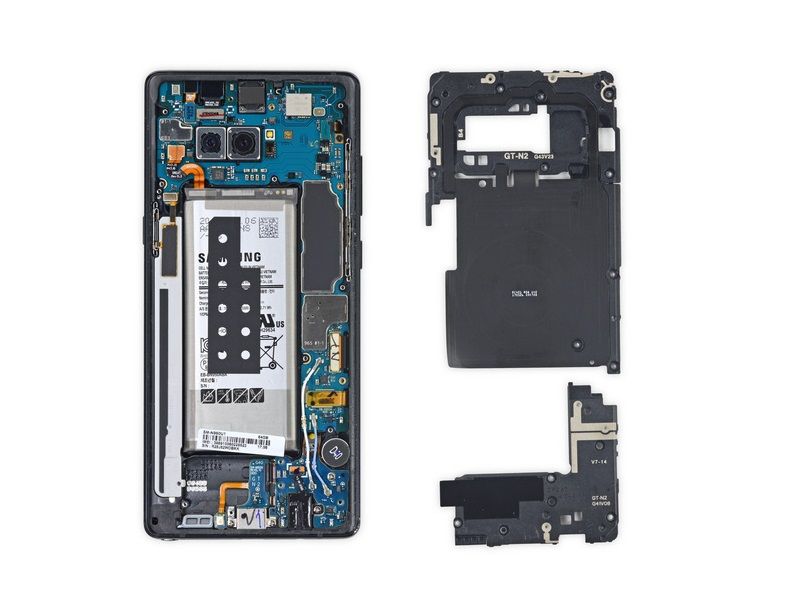
And what about that infamous battery? Samsung must be confident, because it’s still glued down—and this time it’s located right in the middle of the phone. This Samsung SDI-made Note8 battery dishes out 12.71 Wh (3300 mAh at 3.85 V). That’s 6% less than the Note7’s 13.48 Wh—but hey, better safe than engulfed in flames.
If we were impressed with the number of cameras last time, the new Note ups the ante with four cameras. (Do you think the other phones make fun of it at school?)
And speaking of cameras, our X-ray wizard friends at Creative Electron were able to confirm OIS. This magic image reveals a squad of dense, dark shapes—those’d be the magnets—surrounding both main cameras to keep them stable. Neat!
Like the previous model, the Note8 is no fun to open. The front screen and back glass are solidly adhered. Once inside, though, most of the components are fairly modular—earning the same 4 out of 10 on our repairability scale as the Note7 and the Note Fan Edition.
In our Android Phone Guide, we rank the best Android phones for most people. We recognize that those phones, while good for most people, are not the best for all people. As a companion to the Best Android Phones, we’ve rounded up the Android Phones with the Best Battery Life. If you need a big battery to get through the day, these are the phones for you.
Note: These phones have been ranked by battery capacity, but that is not the only factor we considered for being included in the list.
The Huawei Mate 9 is huge, both in physical size and battery capacity. It has a gigantic 6-inch 1080p display to go along with the 4000 mAh battery. The display is super bright and gorgeous, and the battery life is exceptional. Huawei also includes a fingerprint scanner on the back sitting beneath a dual Leica setup, plus it comes with Android Nougat.
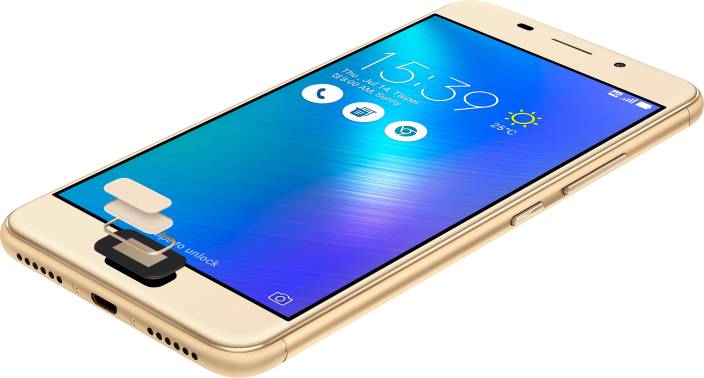
The Zenfone 3 Max has one of the biggest batteries available in a smartphone. All that battery makes for a hefty device, but it’s surprisingly thin. Just think of it like a permanent battery case. The Zenfone 3 Max also has a 16MP camera with laser focus, 720p display, 3Gb of RAM, and the Snapdragon 430 processor.
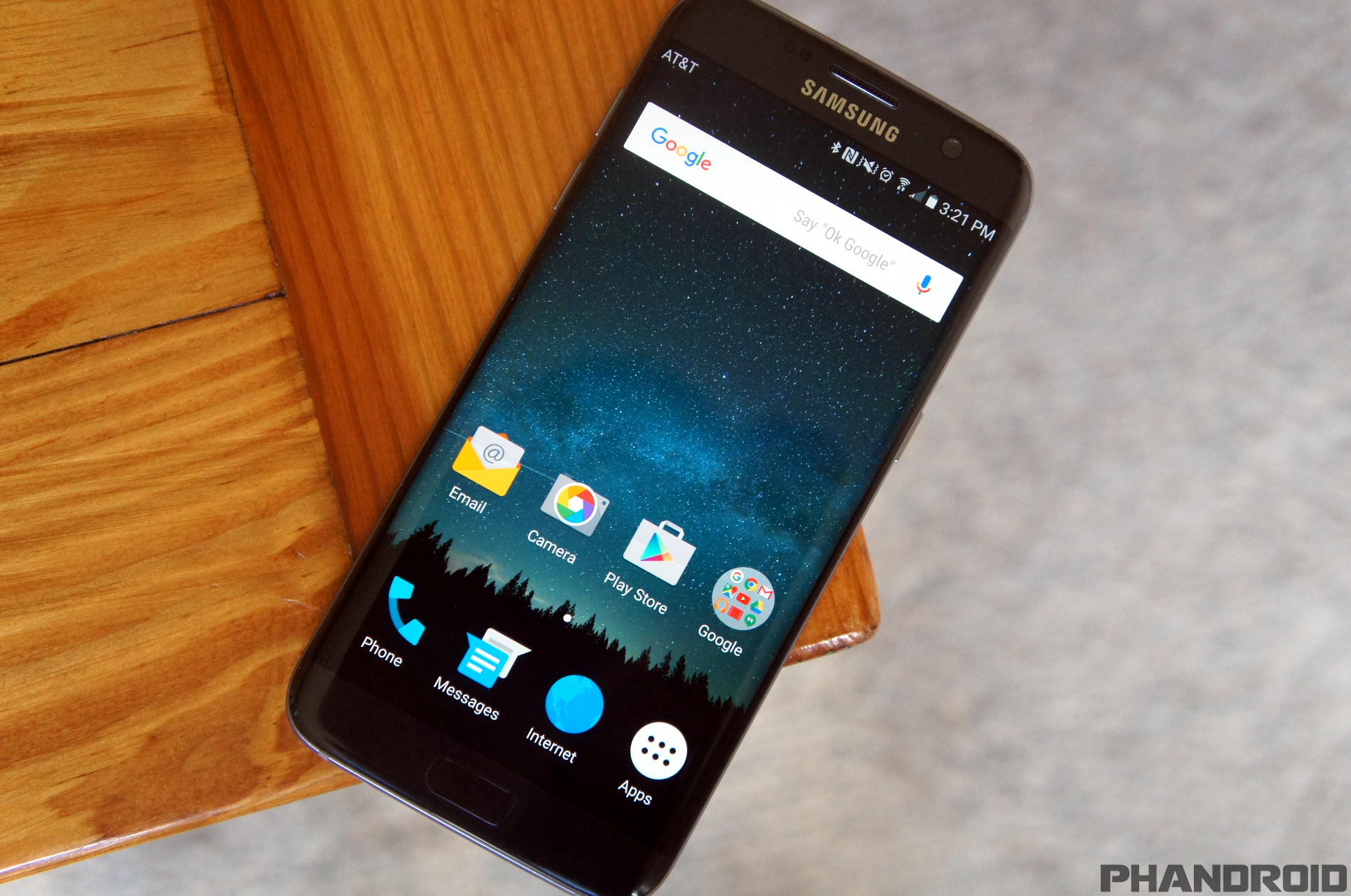
The Samsung Galaxy S7 Edge takes the solid foundation built by the standard Galaxy S7 and improves upon it in a few important ways. Battery life is the main improvement. If you want the Galaxy S7, you should absolutely spend the extra money on the Edge model. You’ll thank yourself when you enjoy the all-day battery life.
The Moto Z Force’s 3,600mAh battery combined with top notch battery optimization means the device lasts long enough to keep you connected throughout a busy day. The device also has all the makings of a flagship, including an insane 21-megapixel camera, Snapdragon 820 chipset, and more. Those improvements over the Moto Z’s 2,600mAh battery pack makes it worth considering.
BlackBerry’s KEYone doesn’t have a whole lot of bells and whistles, but perhaps that’s to its benefit. Its 3,505 mAh pack combines with the power-sipping (and amazingly efficient) Snapdragon 625 chipset to provide battery life that should get any busy person through a day or two. Add that iconic BlackBerry keyboard and this is a BlackBerry fanatic’s dream come true.
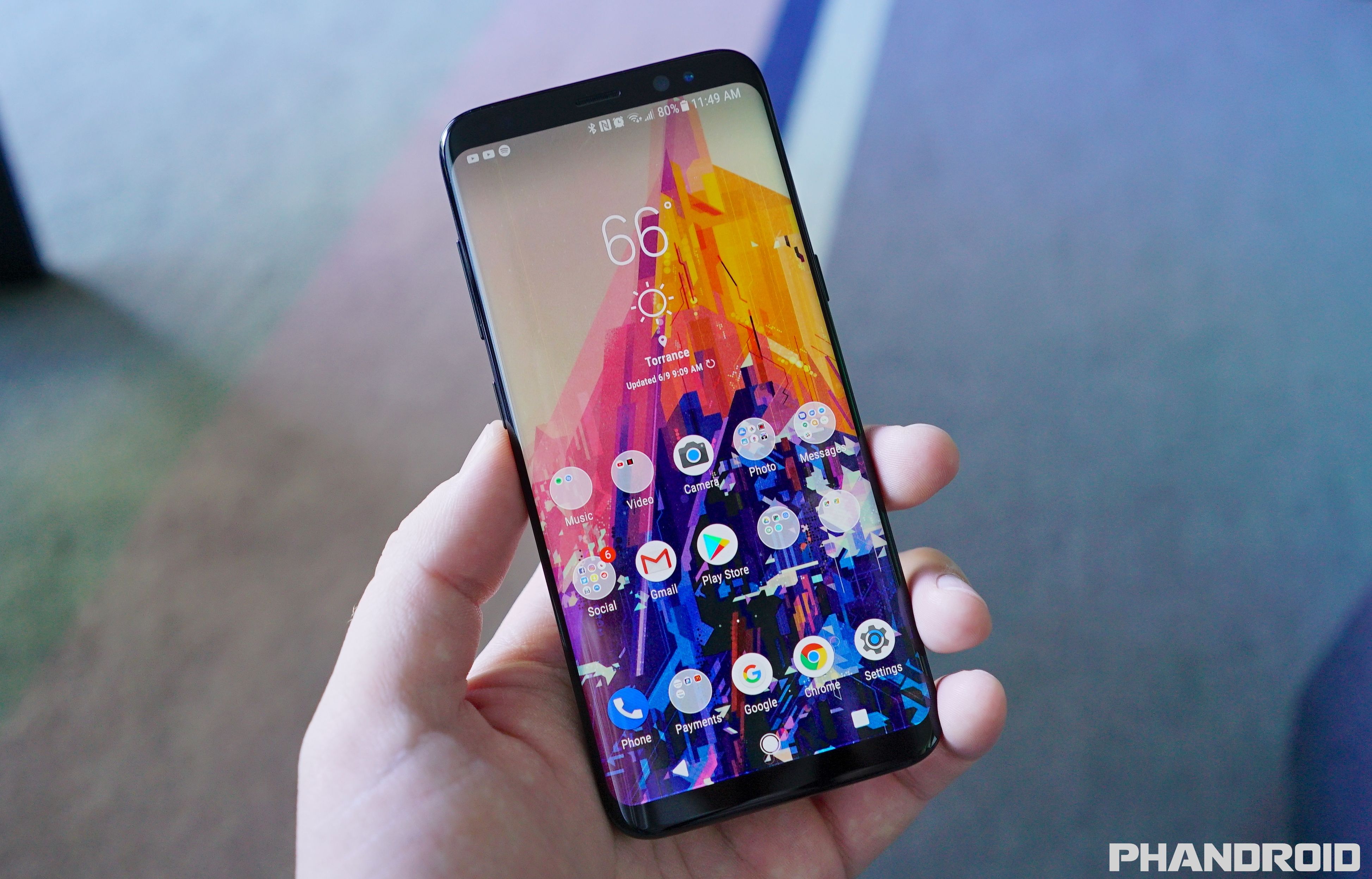
Samsung took a hit on the chin with their 2016 smartphones in regards to battery life, but they’ve once again found a way to fit big batteries in a pocktable form factor. The Samsung Galaxy S8 Plus is sporting a roomy 3,500mAh battery that help you achieve a full day of battery life with above moderate usage. Combine that with all the other great qualities — including a gorgeous Infinity Display — and you can feel comfortable with this one.
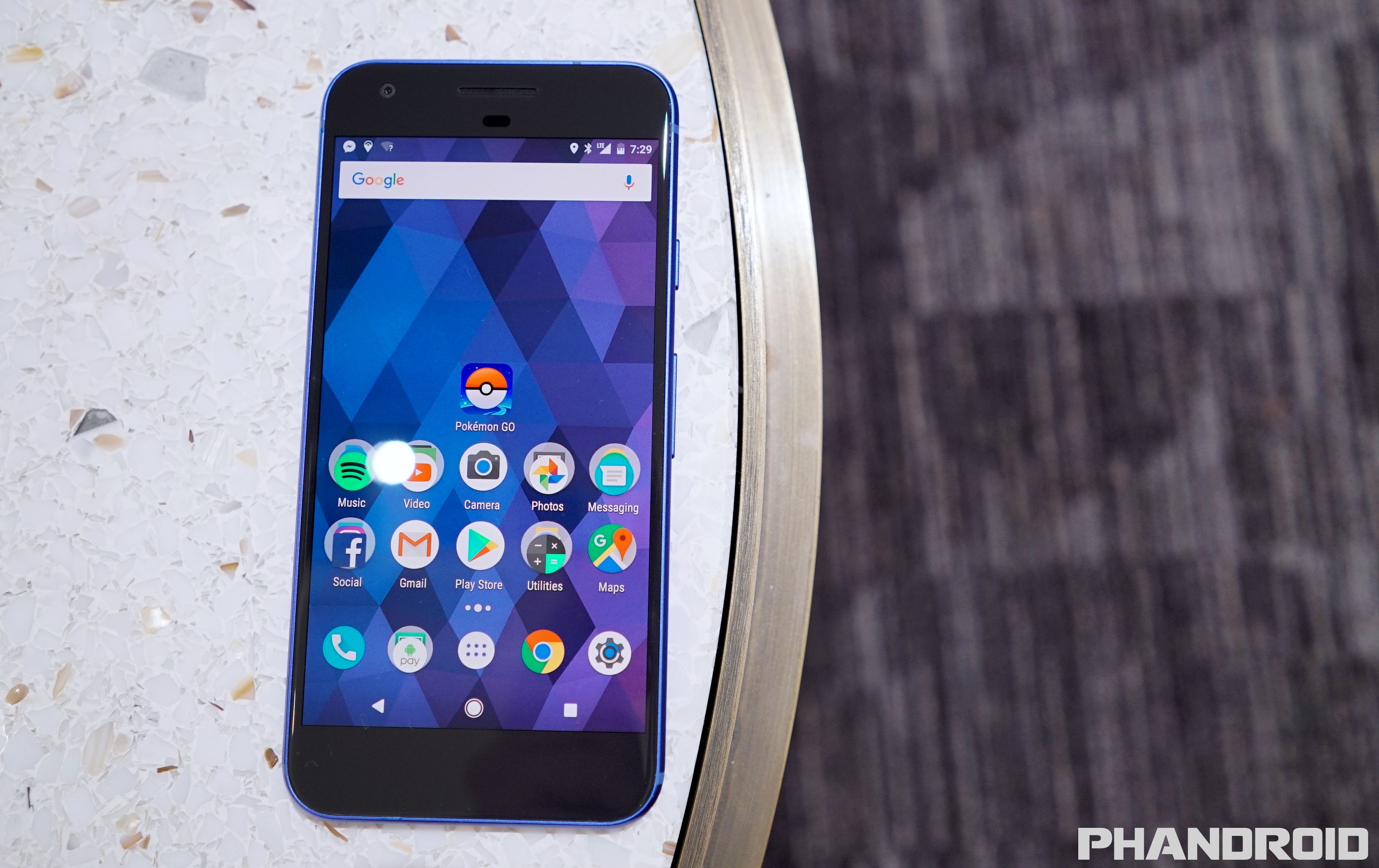
The Pixel XL has plenty of room inside its 3,450mAh battery pack to make it onto this list, and with the optimizations Google has made to Android — both in general and in their Pixel-specific tweaks — it’s one of the most impressive devices on the market in terms of longevity. Add even more quality traits in allmost every other area and this is once to consider if you need an all day beast.
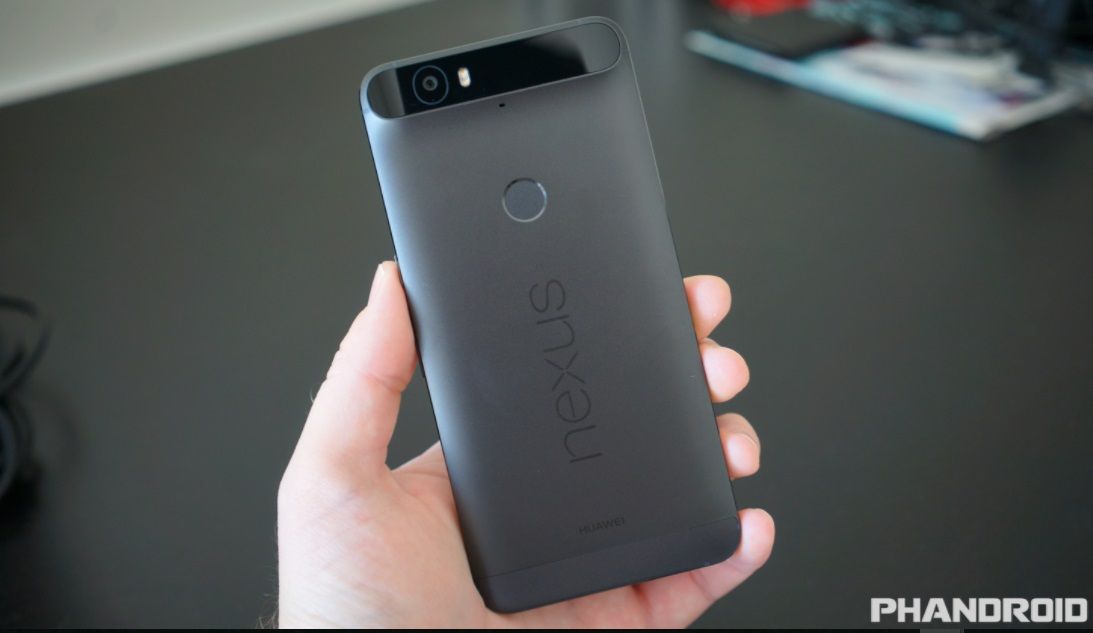
The Nexus 6P is Huawei’s first attempt at a Nexus device, and they knocked it out of the park. This is the first time a Nexus can truly claim the title of best Android phone. It has an excellent camera, beautiful, big display, and a charming design. If you don’t mind big phones, this is the one to get.
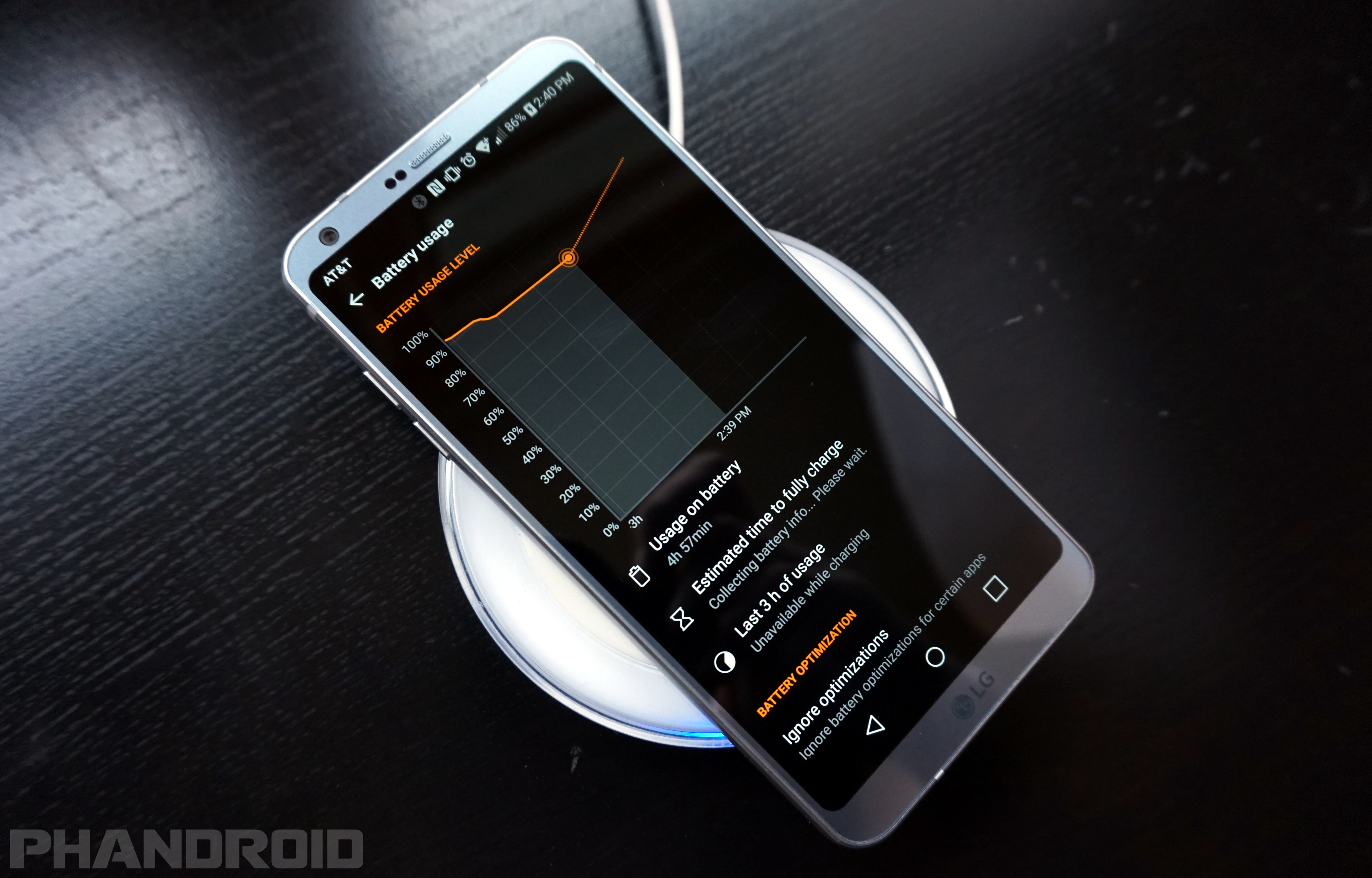
The battery in LG’s latest phone benefits from improved engineering prowess. LG was able to fit a bigger battery in it than its predecessors despite having a similar overall profile. That, combined with a beautiful display, solid hardware, and efficient software make it a long-lasting contender.
The V20 sports a roomy battery pack to make sure it lasts all day. It also employs neat tricks like the use of always-on display and a secondary ticker display to keep you from having to turn your phone on every time a notification comes in, something that surprisedly does wonders for battery life.
Battery: 3200 mAh
Key Features:
Great dual camera
Sharp display
Innovative features
HONORABLE MENTION
There are plenty of Android phones that offer great battery life. We only have so much room in our list, but there are a few extra devices you should consider. Here are five phones that just missed the top ten.
Finch’s clever VR controller for Gear VR and Daydream
If you think virtual reality hand controllers couldn’t be sleeker and more immersive, Finch just had a clever idea on how to do just those.
One of the economical ways to enjoy VR is through head mounted displays or HMDs like the Samsung Gear VR. These are cheaper compared to both PC and console VR which can set you back 4 figures. However, the Samsung Gear VR would use a bluetooth gamepad or some touch pads making your VR experience less immersive. On the other end of the spectrum, the HTC Vive have motion controllers which allows the players to interact realistically with VR worlds. Finch is bound to make mobile VR, just that immersive.
So the company had some trailer which shows us a Finch controller. This is basically a device that wraps around the back of your hands with 3 cable wires that attaches to the thumb, index finger and middle finger. The index finger connection features a small touch pad for additional input benefits. It also have sensors that goes around the top of the arms for more tracking information to the sensors. It all connects to the headset via Bluetooth with 10 hours of battery and operational life.
What’s great about the Finch is that it allows VR visualization of the hands without using some external cameras. So you are free to move around a certain play area without limits. What mobile headsets does it support? A wide variety: the Samsung Gear VR, Google Cardboard and Google’s latest Daydream View headset. It will also work with more powerful PC VR like the Oculus Rift and the HTC Vive.
Pre-orders are already open for the Finch Development Kit 1 (DK1) controller through finch-vr.com, retailing for $238 USD plus shipping.
For that price customers get:
two Finch controllers for each arm
Bluetooth adapters for PC connection
Charging cables
SDK/API
three videogame demos
Gesture Creation Tool (for developers)
converter for adaptation of existing apps for DayDream, LeapMotion and SteamVR platforms (for developers)
This is according to Head of Mobile at Oculus. Samsung Gear VR is apparently used in five major languages: English, French, German, Korean, Spanish.
The Head of Mobile in Oculus, Max Cohen, just showed the status of Gear VR in the current year. Showing stats that the platform is booming and was eager to share these good results during the Oculus Connect 3.
It has apparently been able to penetrate the enthusiast and consumer market with its easy to use hardware and effective marketing strategies.
Max even pointed out the extent of how the Gear VR has achieved saying,
“We have millions of Gear VR owners across 150 countries right now, and there’s millions more who have tried it. You can actually demo Gear VR in over 15 thousand retail locations in the United States alone. And, the cool thing about this is that this has led to a really vibrant platform.”
The Samsung Gear VR supports 18 languages for the platform but 80% of these are made up of 5 major languages:
English
French
German
Korean
Spanish
The next item to be shared is the amount of supported apps the hardware has already covered:
“We have over 400 applications just for mobile on the Oculus platform, and we’re on track to having close to 500 by the end of the year.”
With this many apps, the list of applications featured in the store still contribute to this great number. Apps like NextVR, American ThemePark Sixflags (this features 12 different rides that uses the Gear VR). Medicine oriented apps also benefit from apps like Kind VR.
More will be announced at Oculus Connect 3 but so far, the company is in a good track.
Skip the Seven is definitely for the Galaxy S7, Note 7 and the new iPhone 7. So what’s Motorola aiming for their aggressive ad campaigns?
Motorola, after its acquisition to Lenovo, is now well-known to many as just Moto. It even claims that Samsung stole the whole Always On Display feature which the Korean giant used on most of its flagship smartphones in the past few months. This allegations took place around a month ago which came off as a desperate move for Moto, bitter even.
Moto Z even continues its rampage to the already troubled Samsung Galaxy Note 7. It says that Samsung is not complying to “the highest standards in quality and testing”. This, without doubt, pertains to the defective Note 7 batteries. This may sound true but to have a competitor ganging on to the already down competition backfired to Motorola. It just doesn’t fell right.
In a follow up pursuit to this aggressive marketing, Motorola released the “Skip the Sevens” advertising program. In this video, Motorola admits that incremental improvements isn’t enough to wow the current consumers so they invite iPhone fans to see an iPhone prototype to see something new and different.
Namely, the Moto Z with Moto Mods, which “reimagines what the smartphone can be”, unlike all those “new” 7-branded devices that aren’t very different from old, 6 or 5-labeled products.
Moto is looking at Samsung there, but also and especially Apple, uploading a promo clip on YouTube starring a focus group of iLoyalists who were quickly impressed by “iPhone prototypes” which turned out to be modular Moto Z copies. Apple and Samsung users are also “directly engaged” in full-page print and digital ads, with more likely to come as part of the same compelling Skip The Sevens campaign.
Will this stunt propel Moto Z forward? With the new iPhone 7 out, it will be tested and confirmed if this aggressive ads and campaigns can really push a product ahead.
The flow of new Samsung products keeps on flowing this month, including the new Samsung Gear S3. What’s the story behind it this time?
Invitations are now sent out from Samsung for its launch event for the next and latest wearable device. Date? Wednesday, August 31 just ahead of the IFA trade show in Berlin, Germany.
The invitation looks like this.
The price for the new Samsung Gear S3 is still to be unveiled. However, the Samsung Gear S2 was the best smartwatch Samsung ever made. The understated round design and unique interface with the rotating bezel for navigation was really remarkable. The S2 was then followed with rose gold and platinum versions and 3G connectivity.
Any of these elements could make their way into the Gear S3, but given that the S2 was so radically different from the original Gear S — which looked like an Apple Watch painted by Salvador Dali — it’s probably best to keep expectations in check for now.
Samsung Malaysia Electronics and may other overseas Samsung dealership are postponing launches for the Note 7 due to high demand for the smartphone.
Samsung and its biggest hit so far, the Galaxy Note 7 have overwhelming reception from all over the world. Even so much success that certain countries are starting to slow down and even postpone pre-orders and availability. Very high demand means the people want to have the new Note 7.
Samsung Malaysia Electronics even released a written message to the media stating that because of this high market demand, it won’t be able to launch the Note 7 soon. Apparently, the launch is re-scheduled for September with shipping for current pre-orders still to be honored and will be pushed through. The global need for the new device triggered some smaller markets like Malaysia postpone their launch.
Europe has already seen a push back of its own Unpacked event for the Note 7 while in the UK, Clove expects to sell its first device the first week of September at the earliest.
The Galaxy Note 7 is really the hot stuff to get right now.
Amidst the speculation and criticisms that Samsung Pay is gaining over security, Samsung defends that the service is secure and won’t be easy to hack.
In the recent Black Hat conference, Samsung Pay was targeted as easy to hack. Shown were evidence of what might be the service vulnerabilities and how it might be exploited by hackers. Salvador Mendoza, the security researcher reveals that Samsung Pay’s tokens for every transactions can be blocked and used by hackers for social engineering purposes.
The token contains unique, one-time card credentials. It’s a surrogate for real card data.
A transaction counter that makes sure the token only gets used once and not for multiple purchases.
A cryptogram as a verification key to indicate that all the payment data has not been tampered with.
Tokens are unique for one-time use for every transactions and for hackers to be able to intercept and use those tokens, they’d had to be at close proximity with the user and get the tokens before the transaction is finished.
Samsung fires back in a blog post with some facts to get the information straight. This assures the consumers and partners that their service is fool-proof.
“Recent reports implying that Samsung Pay is flawed are simply not true. Samsung Pay uses a multi-layer security system that works in tandem with the security systems of our partners to detect any emerging threats. Samsung Pay is safe, secure and consumers can be assured that there is no known risk associated to using our payment service.”