Apple Maps features a three-dimensional city experience with more realistic and colorful details, and an interactive globe that offers a new way of looking at the world.
With the release of iOS 15, Apple Maps gets its biggest update ever with a city experience that offers rich details, driving routes with better navigation, immersive walking directions shown in augmented reality, and much more. The update, which expands on the new map that Apple spent years building from the ground up, is now available in London, Los Angeles, New York City, and the San Francisco Bay Area, with more cities to come.
“We are thrilled to offer the new Apple Maps experience. Maps is the best way to navigate the world: It is easy to use, beautifully designed, and built with privacy at its core. With this update, we are pushing Maps even further, providing more ways for users to discover the natural beauty of the world and explore cities through a new 3D view,” said Eddy Cue, Apple’s senior vice president of Services. “Our goal has always been to build the best and most accurate map in the world. The upgrades in Apple Maps are a continuation of that effort, with features and an attention to detail that only Apple can deliver.”
Explore Cities with Highly Detailed Maps
Apple Maps introduces a new way to navigate cities with a visually stunning 3D map that offers unprecedented detail for neighborhoods, commercial districts, marinas, buildings, and more. Now users can see elevation details across a city, new road labels, and hundreds of custom-designed landmarks like Coit Tower in San Francisco, Dodger Stadium in LA, the Statue of Liberty in NYC, and the Royal Albert Hall in London, with more to come. A beautiful nighttime mode with a moonlit glow activates at dusk. The city map experience is now available in London, Los Angeles, New York, and San Francisco, and later this year, it will be available in Philadelphia, San Diego, and Washington, D.C. Support for additional cities, including Montreal, Toronto, and Vancouver, will be available next year.
A visually stunning 3D map shows unprecedented levels of detail and custom-designed landmarks in major cities.
Enhanced Navigation Provides a Better Driving Experience
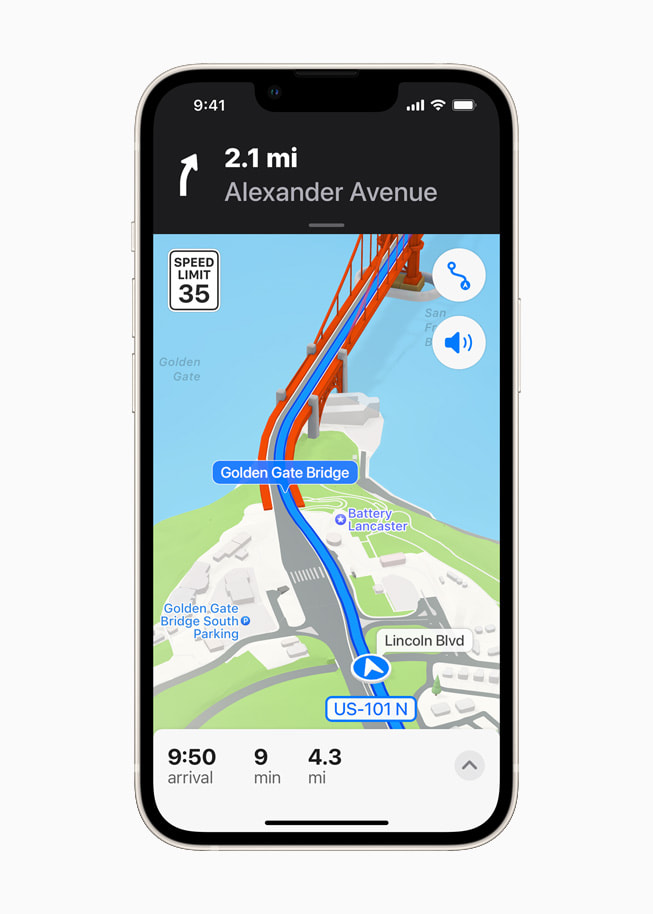
Maps now features even more road details to help drivers navigate through cities more easily and safely. Turn lanes, medians, bus and taxi lanes, and crosswalks are clearly displayed for navigating busy intersections, and highways with overlapping complex interchanges are rendered in a road-level 3D view, making it easier to see upcoming traffic conditions or the best lane for an approaching exit. Route planning provides the estimated time of arrival for future departures based on expected traffic. The new navigation will be available through CarPlay later this year.
A road-level 3D view makes it easier to see upcoming traffic conditions or the best lane for an upcoming exit.
Maps now offers major improvements for public transit riders. Nearby stations are prominently displayed at the top of the screen, and users can pin their favorite lines in Maps so the best route is just one tap away. Once a transit route is selected, Maps will automatically notify a user when it is time to disembark as they approach their final destination, and riders can even keep track on Apple Watch. These updates build on transit features already available in Maps, including real-time transit, which provides detailed transit schedules, live departure times, arrival times, the current location of a bus or train en route, and system connections to help plan a journey. Maps also includes important real-time information like outages.
Maps automatically follows along a selected transit ride and now notifies users when they are nearing their desired stop, and riders can even keep track on their Apple Watch.
Immersive Walking Directions
With iOS 15, Apple Maps introduces step-by-step walking guidance in augmented reality. Users can simply raise their iPhone to scan buildings in the area, and Maps generates a highly accurate position to deliver detailed directions that can be viewed in the context of the real world.
iPhone users can now receive step-by-step walking guidance in augmented reality.
Discover Great Places with Curated Guides
Maps makes it easy to discover the amazing things to see and do in cities around the world through curated Guides created by a selection of trusted resources. In iOS 15, users can tap the Explore Guides button in Maps to access over a thousand expertly curated guides that include recommendations from respected brands such as Time Out, The Washington Post, the National Park Foundation, Complex, and The Infatuation. Curated Guides can be saved, and they are automatically updated when new places are added, so users always have the latest recommendations. Users can even create their own personal Guides of favorite places to share with friends and family.
Guides make it easy to find great new restaurants, places to visit on vacation, or things to do in a city.
A New Interactive Globe
In iOS 15, Apple Maps offers a rich and interactive three-dimensional globe that introduces a whole new way of looking at the world. The globe shows Earth’s natural beauty with amazing textures and contours. Users can see vibrant details of mountain ranges, deserts, rainforests, oceans, and more. Now even the most remote and precious locations on the planet can be explored right from iPhone.
\
In addition to the new updates available in iOS 15, Apple Maps offers many useful features:
Look Around gives users a way to explore parts of the world through an interactive 3D street-level experience and a smooth, seamless 360-degree view. Customers anywhere in the world can explore places like Dublin, Edinburgh, London, Los Angeles, New York City, Tokyo, Toronto, and the Italian countryside.
Cycling directions show the elevation for a ride, how busy a street is, and whether there are stairs along a route. With voice guidance and Haptic Touch on Apple Watch, users can stay even more focused on the path ahead while enjoying their ride.
Speed cameras let users know when approaching speed and red light cameras along a route, with the added ability to see where cameras are located on the map.
Share ETA enables users to share an estimated time of arrival with family, friends, and coworkers with a simple tap or by asking Siri.
Incident reports make it possible to safely and easily report an accident, hazard, or speed check along a route by simply letting Siri know “There’s an accident up ahead” or “There is something on the road.” Users can even report when incidents displayed on the map have been cleared, all while keeping their focus on the road.
Flyover offers a way to see select major metro areas with photo-realistic, immersive 3D views. Users can move their device through space to view a city from above, or explore in high resolution as they zoom, pan, tilt, and rotate around the city and its landmarks.
Favorites provides one-tap navigation to frequently visited places. Whether they’re headed home, to work, to the gym, or to school, users can simply tap and go once a location is added to Favorites on the launch screen.
Indoor Maps for airports and malls allow users to simply open the Maps app and see what level they’re on, look for restrooms, and even find out which stores and restaurants are open.
Look Around is an interactive way to visually explore a city with 3D imagery.
Maps offers cycling directions along bike lanes, bike paths, and bike-friendly roads.
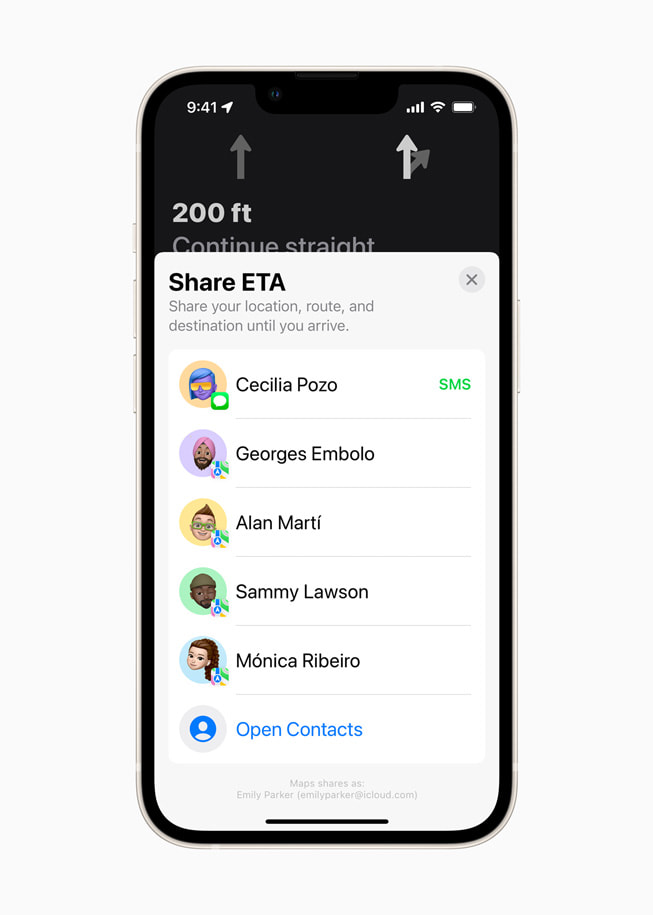
Maps users can share their estimated time of arrival with friends and family.
Now users can safely report an accident, hazard, or speed check along a route by using Siri.
Explore major metro areas with photo-realistic immersive 3D views with Flyover.
Maps users can see where stores and restaurants are located within malls and airports using Indoor Maps.
Maps and Privacy
Apple is committed to keeping personal information safe and has built privacy into the core of Maps. With Maps, no sign-in is required. Personalized features, such as suggesting departure time to make the next appointment, are created using on-device intelligence. Any data collected by Maps while using the app, including search terms, navigation routing, and traffic information, is associated with random identifiers that regularly reset to prevent connecting search and location data stored on the server to a unique user. Maps goes even further to obscure a user’s location on Apple servers when searching for a location through a process called “fuzzing.” Maps converts the precise location where the search originated to a less-exact one within 24 hours.
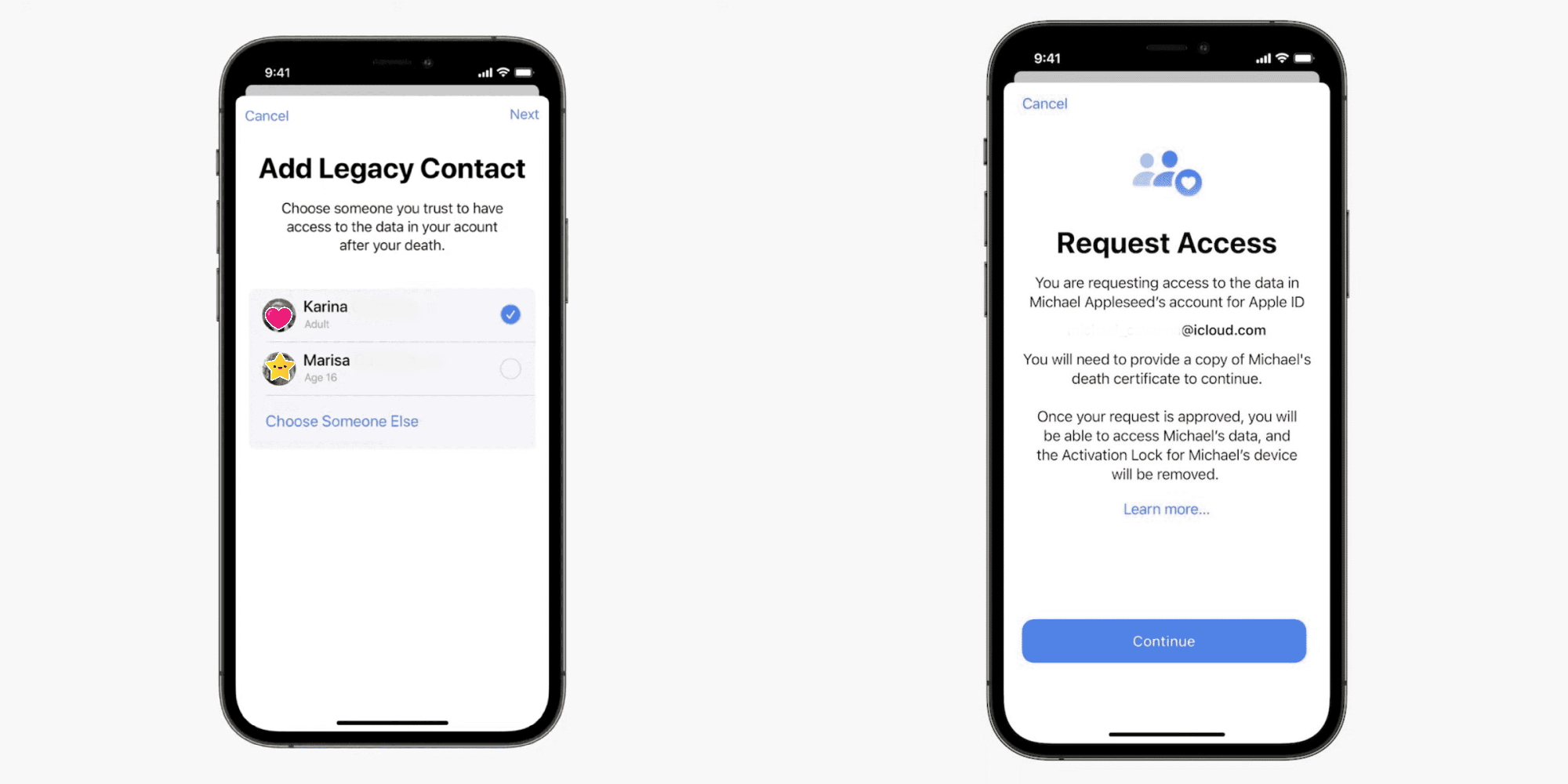
One of the features Apple announced for iOS 15 is Legacy Contacts, a way to ensure that your digital life outlives you – if you would like it to.
The company hasn’t yet launched it, saying only that it is “coming in a software update to iOS 15,” but there are signs that Apple is preparing for its introduction …
Background
As we store more and more data digitally, a growing concern is that all of it could be lost in the event of our death. We’ve outlined in the past the risk to family photos in particular.
We’ve previously detailed some steps you can take today, including leaving device passwords and Apple ID credentials with a lawyer, alongside a copy of your will.
First of all, you may want to think about including your device passwords in a letter with a will. Without that, all the data on them may be rendered inaccessible. That could well include things with huge sentimental value, like family photos or that novel you’ve been working on […]
Your Apple ID also holds the key to everything you’ve ever bought from iTunes. Think about that. In the old days, your family could continue to enjoy your music, books and movies simply by reaching onto the shelf for a CD, paperback or DVD. But every app, every piece of music, every TV show, every movie, every book or audiobook you ever bought through iTunes is inaccessible to them without your Apple credentials. That’s a huge volume of valuable assets they can’t easily access.
But Apple is aiming to make the process a little easier with a new feature called Legacy Contacts.
The Digital Legacy programme allows you to designate people as Legacy Contacts so they can access your account and personal information in the event of your death.
The way the feature will work is this. If you want one or more friends or family members to be able to access your iCloud data after your death, you will be able to name them, and provide them with a security key. The key will not be usable while you are alive – Apple will only activate it if supplied with proof of your death, which would normally be a copy of your death certificate.
It’s worth noting that not all of your data will be accessible, as some of it is protected with end-to-end encryption. This includes Apple Card transactions, health data, keychain entries, and browser history.
Macworld spotted two signs of readiness for launch. First, the company has updated the iCloud usage agreement.
With Digital Legacy, you can choose to add one or more contacts to access and download certain data in your account after your death.
If your designated contacts provide proof of death to Apple and have the required key, they will automatically obtain access to that certain account data and activation lock will be removed from all your devices. Thus, it is your responsibility to keep your Digital Legacy contacts up to date.
Second, Apple has a microsite for Legacy Contacts to request access to your account and devices after your death.
Request access to a deceased friend or family member’s account. If you are the legacy contact for a deceased person, you can request access to their account and have the activation lock removed from their devices.
There are links there to two support documents, but these currently redirect to the main support page.
Every year, new iOS releases arrive with headline-grabbing features like SharePlay and Focus. Likewise, every year, iOS includes under-the-radar improvements that aren’t likely to generate headlines. In this hands-on video I consider the top hidden iOS 15 features that I’ve stumbled upon.
While a few of these low-key features were demonstrated in my top iOS 15 features overview, the majority are enhancements that I haven’t yet showcased for the public version of iOS 15. Here’s a full list of all of the sleeper features covered in this video, along with a brief commentary on why I think each feature is beneficial.
Return of the editing loupe
The editing loupe was a staple feature of iOS for years, but was inexplicably removed. The loupe magnifies the immediate area around the cursor to help with precise movement. Needless to say, it’s an iOS 15 features that I welcome back with open arms.
Mute notifications for individual apps
You can now mute notifications via Notification Center on a per-app basis. Simply swipe on the notification, select Options, and mute for 1 hour or for the entire day.
Reorder Home Screen pages
You can now quickly reorder Home Screen pages by going into edit mode and tapping the page dots to enter the page editor.
Delete Home Screen pages
Within the page editor, it’s now possible to outright delete hidden Home Screen pages, sending all of its apps to the App Library.
Drag and drop support
iPadOS has enjoyed true drag and drop support for several years now, and iPhone users can now join in on the fun. Try dragging an image from the Photos app to a Messages app thread, or drag a URL directly from Safari into Notes.
Live Text shortcut
Live Text is one of the headline features in iOS 15, and if you tap in a text field to open the copy paste menu, you’ll see a new capture text shortcut to quickly insert live text from anywhere.
Reduce Bass on HomePod
If you’re an apartment dweller, this is a feature that you’ll surely appreciate. Open the Home app, invoke your HomePod, and flip the Reduce Bass switch.
Background sounds
I often listen to ambient sounds on Apple Music at night to help me sleep. With iOS 15, ambient background sounds are built right into iOS. Simply go to Accessibility → Audio/Visual → Background Sounds.
Voice memos skip silence and adjust playback speed
iOS 15 lets you speed through voice memos with the adoption of skip silence and playback speed adjustments.
Shazam history
Long-press on the Shazam shortcut in Control Center to access Shazam listening history.
Playback speed with default video player
Press the ellipsis button in the bottom right-hand corner of the default video player to access awesome new playback speed options.
Zoom in with Quick Take
When taking a video with Quick Take, slide up or down to zoom in and out.
New QR code UI
A new AR-centric QR code UI appears in the stock camera app when a QR code appears in the viewfinder.
Photo picker order
iOS 15 will now respect the order of your selections when picking photos via the Photo picker.
Markup immediately available when editing photos
No longer are the markup options hidden behind a menu when editing photos in the Photos app.
iCloud Backup Over Cellular
Users on fast cellular connections now have the option to perform backups even when not connected to Wi-Fi. This option is perfect for those connected to speedy 5G cellular service.
Prepare for new iPhone on reset
iOS 15 helps you get ready for the iPhone 13 with a new Prepare for New iPhone checklist.
iCloud Data Recovery service
This service can help you recover data that is not yet end-to-end encrypted, such as photos, notes, and reminders.
Account Recovery Contact
It’s a good idea to establish an account recovery contact just in case you forget your device passcode and Apple ID password.
Use Groups with Files app
You can now group files in the Files app by Kind, Date, and Size.
Hybrid Time Picker
iOS 15 lets you cycle through the time picker old school style, complete with haptic feedback, but it also allows for direct time input with just a tap.
Updated AirPrint interface
An updated AirPrint UI comes with a new presets panel and the ability to select media and quality.
Built-in OTP authenticator
Finally! iOS 15 now supports one-time-passcodes for two-factor authentication. It will also auto-fill your one-time-passcodes for a totally seamless login experience. To set up one-time-passcodes, go to Settings → Password.
Pull to refresh in Safari
Safari gets tons of new additions like Tab Groups, and a new bottom address bar with built-in swipe gestures. But Safari gets an additional swipe gesture by finally bringing support for pull-to-refresh to Apple’s default browser for the first time.

Safari extensions
Definitely don’t sleep on Safari’s new extensions capability, which lets users integrate apps and utilities such as Apollo or 1Password like never before. To activate available extensions, open Safari, tap the ‘Aa’ button, and click Manage Extensions.
Per-app accessibility settings
In the past, enabling an accessibility setting like Smart Invert would apply to iOS as a whole. In iOS 15, it’s now possible to apply accessibility settings on a per-app basis. Simply visit Settings → Accessibility → Per-App Settings.
Keyboard search
If you’re multi-lingual, you’ll no doubt enjoy being able to search through all available keyboards in Settings → General → Keyboard → Keyboards → Add New Keyboard.
Download from Spotlight
A refreshed UI allows you to download apps from Spotlight directly without invoking the App Store.
Modified App Store search results for installed apps
If your App Store search results include apps that you already have installed, iOS 15 will present a minimized view of the app icon with no corresponding screenshots.
Spotlight web image search
You can now easily search the web for images via Spotlight.
Lock Screen access for Spotlight search
You can also access Spotlight search directly from the Lock Screen on an unlocked iPhone.
Uninstall apps via Spotlight
In iOS 15, it’s now possible to search for an app via Spotlight, long-press on the result, and delete the app right from Spotlight.
Continuous Siri dictation
iOS 15 affords users the ability to continually dictate text well beyond the limits of previous versions of iOS.
Share On Screen items with Siri (Screenshot)
You can ask Siri to share on-screen content with a friend.
Control Smart Home Devices at a Specific Time
You can also ask Siri to control Smart Home devices at a certain time, which will create an automation within the Home app.
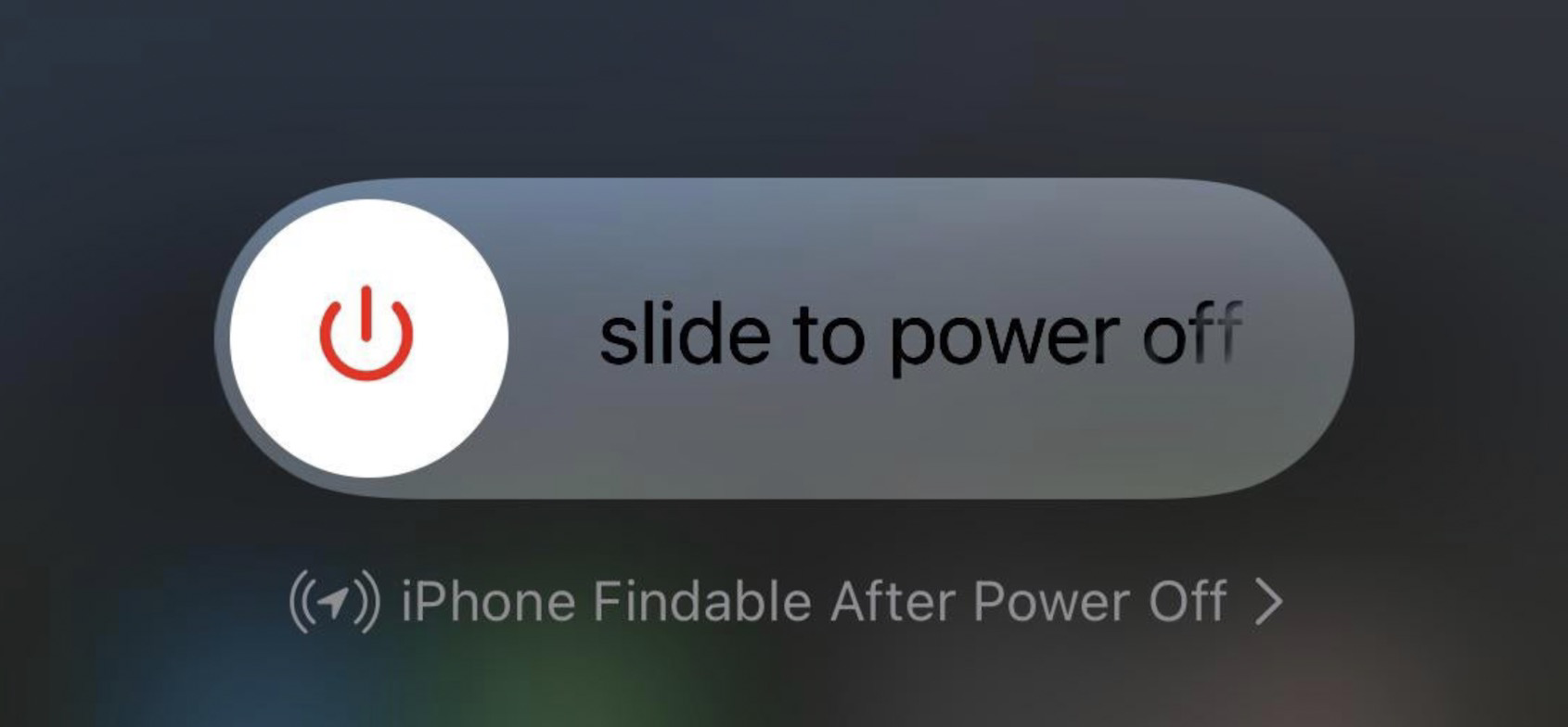
Find My after power off
Finally, for devices logged in to the Find My network, you can now find your iPhone running iOS 15, even if the device has been powered off.
iOS 15 introduces Live Text using on-device intelligence, redesigned notifications, upgrades to Maps, and more.
iOS 15 introduces new ways to stay connected, powerful updates that help users focus and explore, and intelligent features to get more done with iPhone. FaceTime updates provide more natural video calls, Focus helps users reduce distraction, new features like Live Text use on-device intelligence to surface useful information, upgrades to Maps provide brand new ways to navigate the world, and much more. iOS 15 is available today as a free software update.
Enhancements for More Natural FaceTime Calls
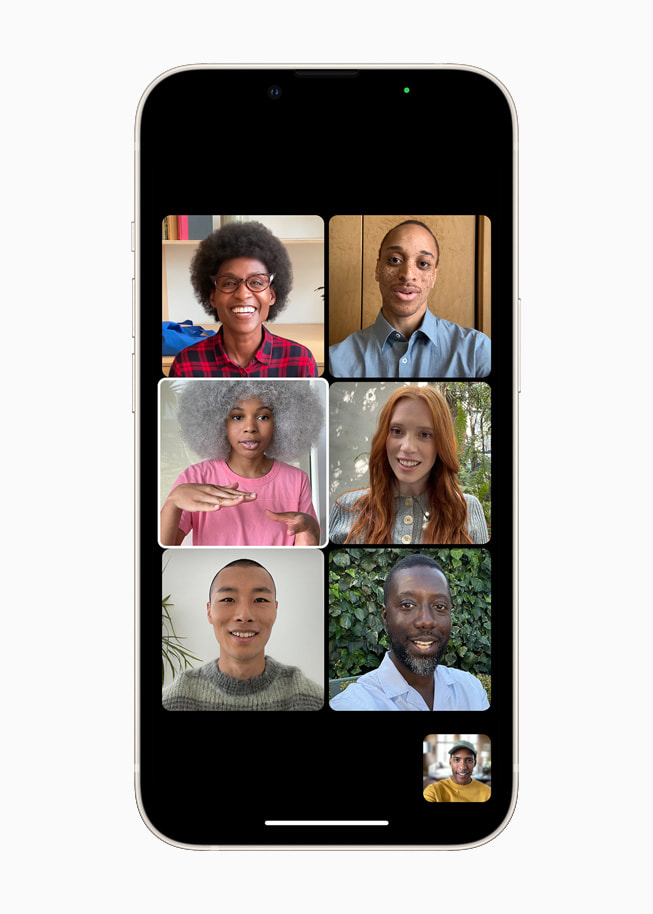
FaceTime is more essential than ever, giving users a way to easily connect with the people who matter most. Powerful updates to FaceTime audio and video features make calls feel more natural and lifelike. With spatial audio, voices in a Group FaceTime call sound like they’re coming from the direction in which the person is positioned on the screen.1 Voice Isolation, a new microphone mode, uses machine learning to eliminate background noise and prioritize the user’s voice, while Wide Spectrum allows for every bit of background sound to come through. Inspired by the stunning portrait photos taken on iPhone, Portrait mode in FaceTime blurs a user’s background and puts them at the focus.2 Voice Isolation, Wide Spectrum, and Portrait mode can also be used with third-party apps, such as Webex, Zoom, and WhatsApp. Group FaceTime gives the option to display participants in same-size tiles in a new grid view.
With iOS 15, Group FaceTime displays participants in same-size tiles in a grid view.
FaceTime calls now extend beyond Apple devices, so people using an Android or Windows device can join from their web browser. FaceTime calls on the web remain end-to-end encrypted so privacy is not compromised. To initiate the call, iPhone, iPad, and Mac users simply create a FaceTime link and share it through Messages, Calendar, Mail, or third-party apps, making it easier than ever to connect with friends and family.
Later this fall, SharePlay will deliver a new way for users to share experiences with friends and family while on a FaceTime call, such as listening to songs together, watching a TV show or movie, completing a workout together, or sharing their screen to view apps. SharePlay will work with apps like Apple Music, Apple TV+, and Apple Fitness+, as well as Disney+, ESPN+, HBO Max, Hulu, MasterClass, Paramount+, Pluto TV, SoundCloud, TikTok, Twitch, and many others. SharePlay can be accessed through iPhone, iPad, and Mac, and with shared playback controls, anyone in a SharePlay session can play, pause, or jump ahead. SharePlay even extends to Apple TV, so users can watch shows or movies on a big screen.
More Ways to Stay Connected with Messages
Shared with You is a new section that appears in Photos, Safari, Apple News, Music, Apple Podcasts, and the Apple TV app that displays the photos, articles, music, and other content shared by friends and family in Messages. Shared with You automatically displays shared photos in the Photos app, news stories in Apple News, and other relevant content in the corresponding app. The Shared with You section shows who sent the content, and makes it easy to view the associated message and restart the conversation.
In iOS 15, Memoji brings even more ways for users to express themselves with multicolored headwear, more glasses styles, and new accessibility options including cochlear implants, oxygen tubes, and a soft helmet. Memoji stickers can be customized with more than 40 outfit options and nine new sticker poses including a shaka, hand wave, and light bulb moment.
The Shared with You section in Photos displays the photos shared by friends and family in Messages.
Powerful Tools to Find Focus in the Day
iOS 15 introduces Focus, a new way to help users reduce distraction by filtering notifications based on what a user wants to focus on in that moment. For example, the Work Focus can be set during work hours to only allow notifications from coworkers and apps that are used for work, the Personal Focus can be used when taking a break with friends and family, or the Fitness Focus can help a user stay in the zone while completing a workout. Users can create a custom Focus or select a provided Focus, which uses on-device intelligence to suggest which notifications from people and apps are allowed. To further extend the ability to focus, users can create dedicated Home Screen pages with relevant apps and widgets to match a specific Focus.
While using Focus, a status is automatically displayed to contacts in Messages and supported third-party communication apps like Slack, so they know not to interrupt. Users will even receive suggestions to turn on a Focus based on factors like time of day or location, and when Focus is set on one Apple device, it automatically applies to all of a user’s Apple devices.
Focus helps users filter notifications to reduce distractions, using a custom Focus or a suggested Focus like Work or Fitness.
A Fresh New Look for Notifications
Notifications have been redesigned, adding contact photos for people and larger icons for apps that make them even easier to identify. The notification summary is a collection of notifications delivered each day at scheduled times determined by the user. Using on-device intelligence, the summary is arranged by priority, with the most relevant notifications rising to the top based on how a user interacts with apps. Time-sensitive notifications, messages, and phone calls will be delivered immediately, so users won’t miss timely alerts, and it’s easy to temporarily mute any app or messaging thread for an hour or for the day.
iOS 15 introduces the notification summary, a collection of notifications delivered each day at the times selected by the user.
On-Device Intelligence Delivers Live Text, Advanced Spotlight Search, and Memories
Live Text makes text in photos interactive. Using on-device intelligence, Live Text recognizes text in photos across the entire system including the web, and allows users to take action, such as copy and paste, look up information, and translate. Users can even tap the image of a phone number to make a call, or the image of a web address to open a page in Safari. With the power of the Neural Engine, the Camera app can also quickly recognize and copy text in the moment, such as the Wi-Fi password displayed at a local coffee shop. With Visual Look Up, users can learn more about popular art, landmarks, and books, plants and flowers found in nature, and breeds of pets.
Spotlight is the universal way to start searches on iPhone and now it can be accessed directly from the Lock Screen, and includes the ability to search photos by location, people, scenes, or objects. Using Live Text, Spotlight can find text and handwriting in photos.
iOS 15 delivers the biggest update ever to Memories. With a fresh new look, interactive interface, and integration with Apple Music that uses on-device intelligence to suggest music tracks, new cinematic Memories makes it easier to relive favorite or forgotten moments.
Live Text uses on-device intelligence to identify text and enhance the photos experience.
Spotlight now searches photos by location, people, scenes, and objects.
Redesigned Browsing with Safari
Safari introduces a newly designed browsing experience that makes controls easier to reach. By default, the new tab bar is positioned at the bottom of the screen, so users can easily swipe between tabs with one hand. Tab Groups allow users to organize tabs and easily access them at any time across iPhone, iPad, or Mac, and a customizable start page and web extensions on iOS make Safari more powerful and personal than ever.
Safari is redesigned with a new tab bar and Tab Groups for an even better browsing experience.
Navigate and Explore with Apple Maps
Maps in iOS 15 introduces a whole new way of looking at the world. A visually stunning map offers unprecedented levels of detail for neighborhoods, commercial districts, buildings, as well as custom-designed landmarks, and a new night-time mode with a moonlit glow. Navigation features a new three-dimensional driving view with road details that help users more easily identify turn lanes, medians, crosswalks, and sidewalks. The enhanced map is available in Los Angeles, New York, and San Francisco, with more to come. A beautifully designed interactive globe provides rich detail for mountain ranges, deserts, rainforests, and bodies of water.
Transit riders can get one-tap access to all departures near them and pin their favorite lines. Maps automatically follows along with a selected transit route, notifying users when it’s nearly time to disembark, and riders can even keep track on Apple Watch. By simply holding up iPhone, users can receive detailed walking directions in augmented reality.
Maps automatically follows along a selected transit ride and now notifies users when they are nearing their desired stop.
A three-dimensional city navigation and exploration experience comes to Apple Maps with more realistic and colorful details.
With iOS 15, users can access even more places with just a tap of their iPhone with new home, hotel, office, and car keys in Wallet. Digital car keys get even better with support for Ultra Wideband technology, so users can securely lock, unlock, and start their supported vehicle without removing their iPhone from a pocket or bag. iPhone can also be used to unlock a user’s home, office, or even a hotel room — all through keys stored in Wallet. Additionally, users will be able to add eligible state IDs and driver’s licenses to Wallet on iPhone as this option becomes available in their state in the future.
House and hotel room keys as well as ID cards come to Wallet for a simple tap-to-unlock experience for everyday places.
Redesigned Weather Experience
Weather includes an all-new design with full-screen maps, graphical displays of weather data, and dynamic layouts that change based on conditions. Beautifully animated backgrounds more accurately reflect sun position, clouds, and precipitation, and notifications indicate when rain or snow is about to start or stop.
The Weather app has been redesigned to include full-screen maps and dynamic layouts that change based on weather conditions.
Organize and Collaborate in Notes
Notes adds user-created tags that make it easy to quickly categorize notes and mentions that allow members of shared notes to notify one another of important updates. An all-new Activity view shows the recent history of a shared note, and Highlights reveals details on who made the changes. Quick Notes created on Mac and iPad can be viewed and edited in Notes.
Notes adds user-created tags that make it easy to quickly categorize notes in line with relevant content.
More Privacy Controls
New privacy features provide even more transparency and control over the data users provide to apps. Mail Privacy Protection prevents senders from learning whether an email has been opened, and hides IP addresses so senders can’t learn a user’s location or use it to build a profile on them. Siri’s protection of user privacy goes even further with on-device speech recognition as users’ audio requests are now processed entirely on device by default, enabling more personalization, offline requests, and faster performance.6
Additional Features
Siri adds Announce Notifications on AirPods and the ability for users to share what’s on their screen just by asking. Siri can now be enabled in third-party HomeKit accessories, so HomePod and HomePod mini users can easily and securely ask Siri to send a message, set a reminder, or broadcast an Intercom message to the family from more devices in the home.7
iCloud+ combines everything users love about iCloud with new premium features, including Hide My Email, expanded HomeKit Secure Video support, and an innovative new internet privacy service, iCloud Private Relay.8 Current iCloud storage subscribers will be upgraded to iCloud+ automatically at no additional cost. All iCloud+ plans can be shared with people in the same Family Sharing group, so everyone can enjoy the new features, storage, and elevated experience that comes with the service.
The Health app gets a new sharing tab that lets users share their health data with family, caregivers, or a care team, trends give users a way to focus attention on meaningful changes in personal health metrics, and Walking Steadiness is a new metric that empowers people to proactively manage their fall risk. Users also have the ability to store verifiable COVID-19 vaccination or test result records directly in the Health app, so they can easily access them at any time.
Translate adds a new Auto Translate feature that automatically detects when a user begins speaking and translates speech without tapping the microphone button, allowing for conversation across languages to flow more naturally. Systemwide translation makes it possible to translate text anywhere on iPhone by selecting it and tapping Translate.
New iPhone setup makes it more seamless than ever to get started with iPhone. Existing iPhone users can temporarily back up data to iCloud — even without a subscription — to easily transfer their data to a new iPhone.9 For those moving to iPhone for the first time, an improved Move to iOS experience easily transfers photo albums, files, folders, and Accessibility settings, so iPhone feels personal right from the start.
Accessibility features include the ability to explore people, objects, text, and tables within images in more detail with VoiceOver, and new background sounds play continuously in the background to mask unwanted environmental or external noise. Sound actions customize Switch Control to work with mouth sounds, and users can customize display and text size settings on an app-by-app basis. Apple is also bringing support for recognizing imported audiograms — charts that show the results of a hearing test — to Headphone Accommodations.
Hide My Email lets users share unique, random email addresses that forward to their personal inbox any time they wish to keep their personal email address private.
Trends in the Health app enables users to easily see how a given health metric is progressing over time.
Translate goes systemwide, allowing users to translate text anywhere on iPhone.
Pricing and Availability
iOS 15 is a free software update that is available starting today for iPhone 6s and later. For more information, visit apple.com/ios/ios-15. Some features may not be available in all regions or all languages.
The all-new iPhone 13 lineup is officially here. As has become the norm, the lineup is split into the iPhone 13 and iPhone 13 Pro. On the surface, the iPhone 13 and iPhone 13 Pro are very similar phones. They both feature a 6.1-inch display and the A15 Bionic processor inside, but look closer and you’ll notice some key differences.
If you’re trying to make a buying decision between the iPhone 13 and iPhone 13 Pro, head below for everything you need to know about the iPhone 13 vs iPhone 13 Pro comparison.
In this comparison, we focus specifically on the 6.1-inch iPhone 13 and the 6.1-inch iPhone 13 Pro. There are many similarities between the iPhone 13 mini and iPhone 13, and the iPhone 13 Pro Max, but there are also some key differences. Stay tuned to 9to5Mac over the coming days and weeks for additional comparisons between Apple’s iPhone lineup as it stands today.
iPhone 13 vs iPhone 13 Pro: Display
The iPhone 13 and iPhone 13 Pro feature 6.1-inch Super Retina XDR displays using OLED technology with a resolution of 2532 x 1170 pixels. This equals 460 pixels per inch. The iPhone 13 Pro, however, features a max brightness of 1000 nits, compared to the iPhone 13’s at 800 nits. For HDR content, however, both can reach a max brightness of 1200 nits.
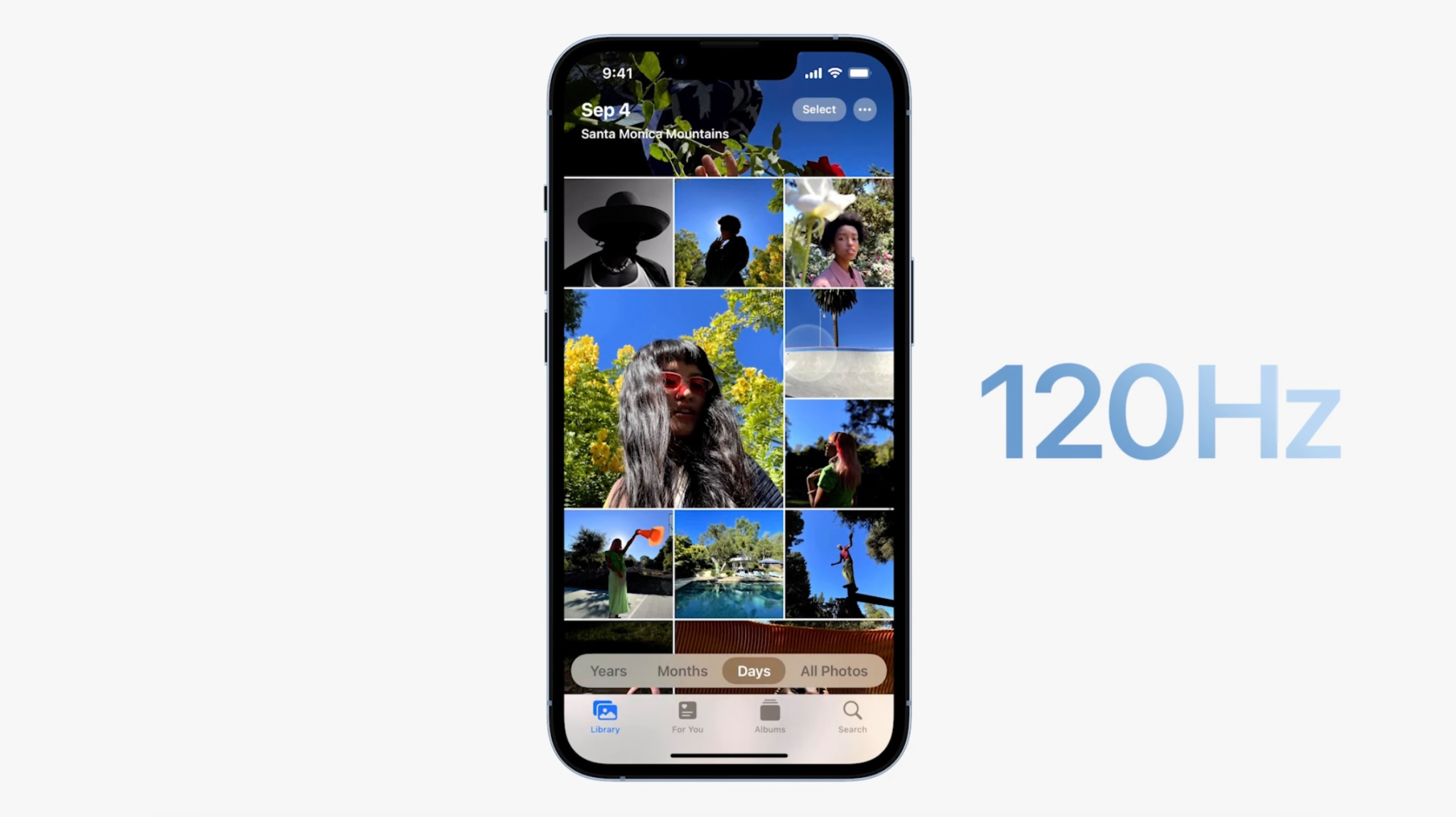
There is one major difference between the iPhone 13 and iPhone 13 Pro displays: ProMotion technology. Exclusive to the iPhone 13 Pro, Apple’s ProMotion display technology brings adaptive refresh rates up to 120Hz to the iPhone for the first time. This means the refresh rate of the iPhone 13 Pro’s screen can scale between 10Hz and 120Hz depending on what you’re doing on your device.
In real-world usage, this should mean things like scrolling and animations are significantly smoother. ProMotion also makes the display more efficient because it can scale all the way down to 10Hz when you’re doing something such as reading.
Other display features on the iPhone 13 and iPhone 13 Pro include:
2,000,000:1 contrast ratio
True Tone display
Wide color gamut (P3)
Haptic Touch
HDR display
Design
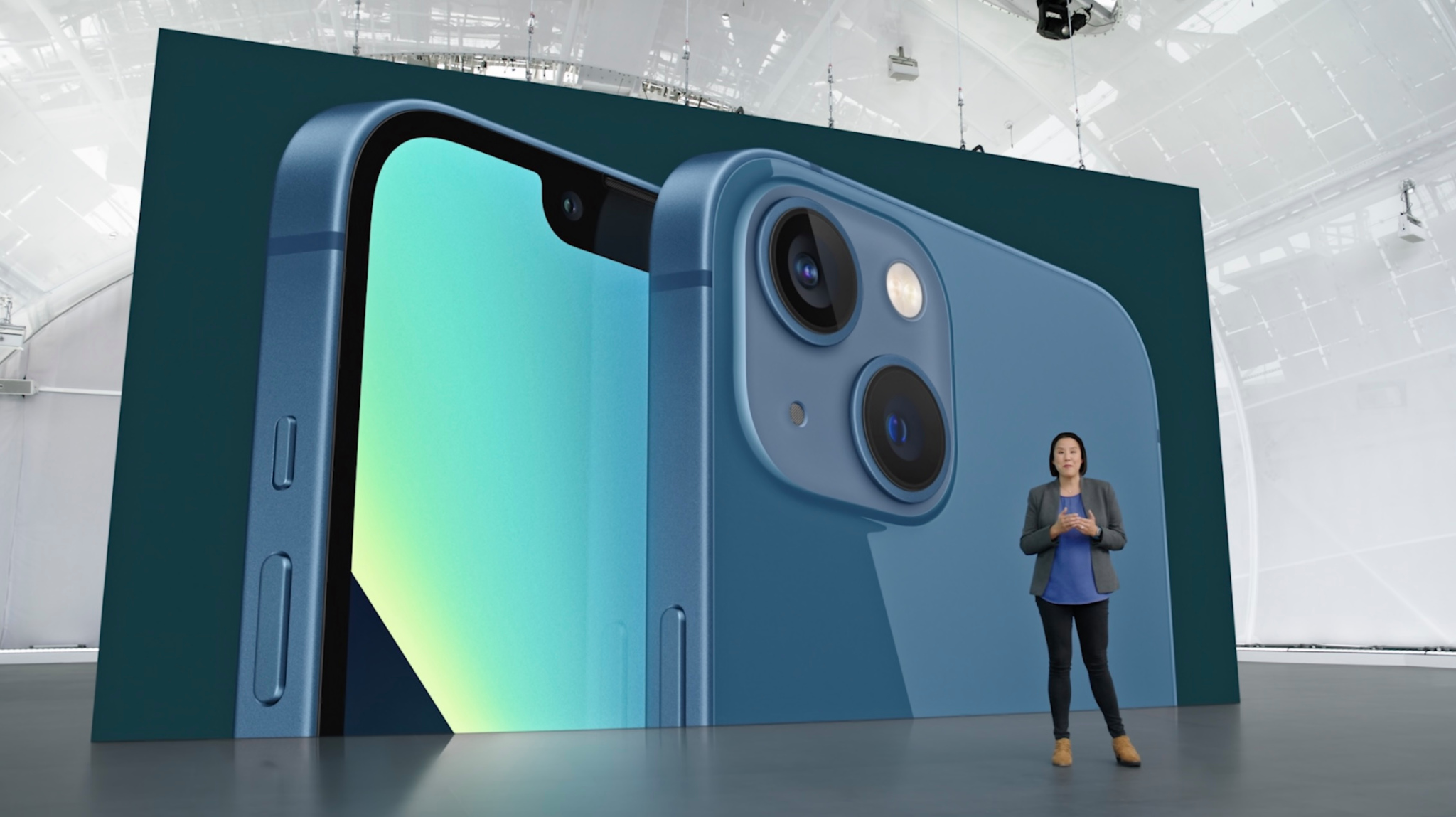
In terms of design, the iPhone 13 and iPhone 13 Pro are similar, with flat edges and nearly edge-to-edge displays. Both devices also feature slightly smaller notches at the top, which measure in at roughly 20% smaller in terms of width.
One major difference is that the iPhone 13 is made out of what Apple refers to as “aerospace-grade aluminum” while the iPhone 13 Pro is made from “surgical-grade stainless steel.” This means that the iPhone 13 has a brushed aluminum finish, while the iPhone 13 Pro features a shiny stainless finish.
The difference in materials makes the iPhone 13 Pro slightly heavier than the iPhone 13. The iPhone 13 weighs in at 6.14 ounces (174 grams), while the iPhone 13 Pro weighs in at 7.19 ounces (204 grams).
The dimensions are the same between the iPhone 13 Pro and iPhone 13 :
Height: 5.78 inches (146.7 mm)
Width: 2.82 inches (71.5 mm)
Thickness: 0.30 inches (7.65 mm)
The iPhone 13 and iPhone 13 Pro are both rated for IP68 splash, water, and dust resistance. Under this rating, the iPhone 13 and iPhone 13 Pro can withstand submersion to a maximum depth of 6 meters for up to 30 minutes.
Performance and battery life
The iPhone 13 and iPhone 13 Pro are both powered by an A15 Bionic processor, packing a 6-core CPU with 2 performance and 4 efficiency cores. The A15 Bionic processor also features a new 16-core Neural Engine to power machine learning and artificial intelligence tasks.
One difference between the iPhone 13 and iPhone 13 Pro is that the former features a 4-core GPU, while the latter features a 5-core CPU. It remains to be seen what kind of difference this leads to in real-world performance, but it is a notable change for Apple to be segmenting the iPhone 13 lineup in this way for the first time.
Apple has not made any changes to the RAM configuration this year, with the iPhone 13 packing 4GB of RAM and the iPhone 13 Pro packing 6GB of RAM.
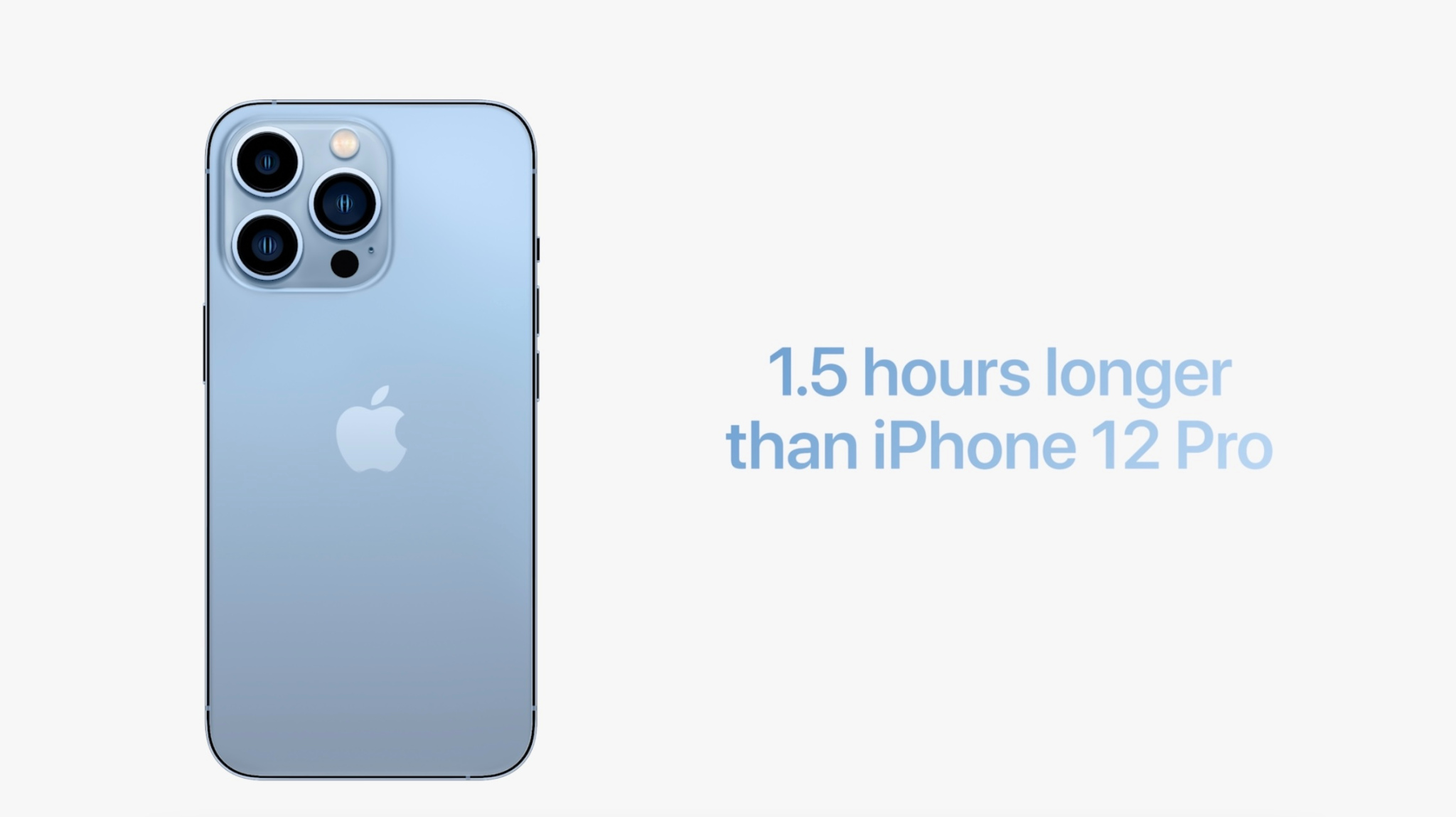
Both the iPhone 13 and iPhone 13 Pro feature notable improvements in battery life this year compared to their predecessors. The iPhone 13 Pro is able to edge out the iPhone 13 in some areas, according to Apple’s claims.
iPhone 13 battery estimates:
Audio playback: 75 hours
Video playback (streamed): Up to 15 hours
Video playback: Up to 19 hours
iPhone 13 Pro battery estimates:
Audio playback: 75 hours
Video playback (streamed): Up to 20 hours
Video playback: Up to 22 hours
Both devices support fast charging, for getting up to a 50% charge in 30 minutes with a 20W power adapter. There’s also support for 7.5W Qi wireless charging and 15W wireless charging when using a MagSafe wireless charger.
Connectivity
Have you heard the great news about 5G? Just like their predecessors, the iPhone 13 and iPhone 13 Pro both feature support for 5G. Apple says this makes for “superfast downloads and high-quality streaming.” This includes support for mmWave 5G connectivity in the United States, as well as sub-6GHz 5G in the United States and other countries.
Camera
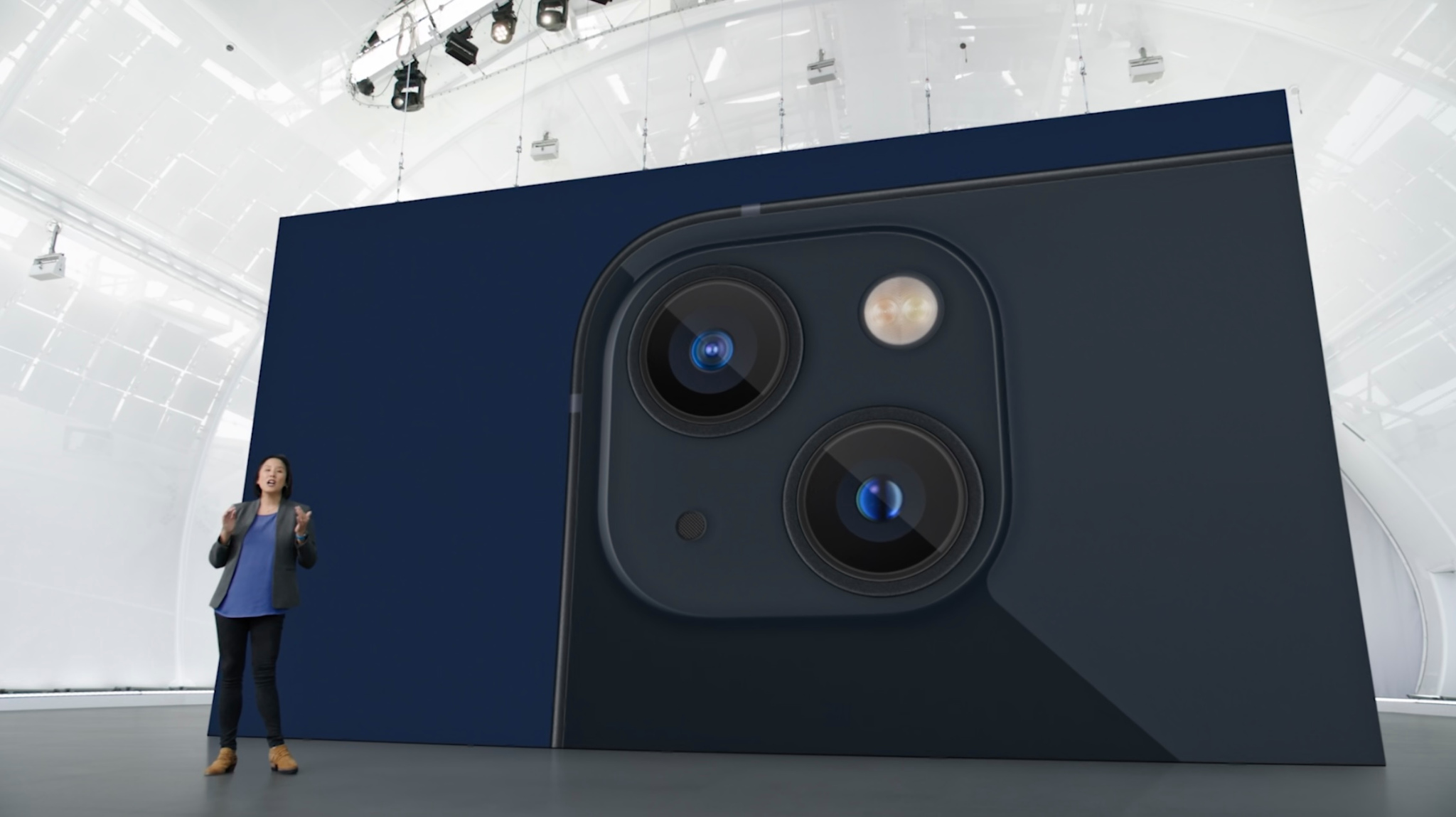
Where you really start to notice differences between the iPhone 13 and iPhone 13 Pro, however, is the camera technology. The iPhone 13 features a dual 12MP camera system with Wide and Ultra Wide cameras on the back. On the front, you’ll find a 12MP f/2.2 aperture selfie camera.
Here are the full camera features for the iPhone 13:
Dual 12MP camera system: Wide and Ultra Wide cameras
Wide: ƒ/1.6 aperture
Ultra Wide: ƒ/2.4 aperture and 120° field of view
2x optical zoom out
Digital zoom up to 5x
Portrait mode with advanced bokeh and Depth Control
Portrait Lighting with six effects (Natural, Studio, Contour, Stage, Stage Mono, High‑Key Mono)
Meanwhile, the iPhone 13 Pro features a triple-lens camera system on the back plus a LiDAR Scanner. The triple-lens camera setup features Telephoto, Wide, and Ultra Wide cameras. On the front, you’ll find the same 12MP camera with an f/2.2 aperture.
Here are the full camera features for the iPhone 13 Pro:
Pro 12MP camera system: Telephoto, Wide, and Ultra Wide cameras
Telephoto: ƒ/2.8 aperture
Wide: ƒ/1.5 aperture
Ultra Wide: ƒ/1.8 aperture and 120° field of view
3x optical zoom in, 2x optical zoom out; 6x optical zoom range
Digital zoom up to 15x
Night mode portraits enabled by LiDAR Scanner
Portrait mode with advanced bokeh and Depth Control
Portrait Lighting with six effects (Natural, Studio, Contour, Stage, Stage Mono, High‑Key Mono)
Dual optical image stabilization (Telephoto and Wide)
Sensor‑shift optical image stabilization (Wide)
Six‑element lens (Telephoto and Ultra Wide); seven‑element lens (Wide)
True Tone flash with Slow Sync
Panorama (up to 63MP)
Sapphire crystal lens cover
100% Focus Pixels (Wide)
Night mode
Deep Fusion
Smart HDR 4
Photographic Styles
Macro photography
Apple ProRAW
Wide color capture for photos and Live Photos
Lens correction (Ultra Wide)
Advanced red‑eye correction
Photo geotagging
Auto image stabilization
Burst mode
Image formats captured: HEIF and JPEG
Video recording
In terms of video recording, both the iPhone 13 and iPhone 13 Pro support up to 4K video recording at 24 fps, 25 fps, 30 fps, or 60 fps as well as HDR video recording with Dolby Vision up to 4K at 60 fps. Both devices also feature Cinematic mode for recording videos with shallow depth of field at 1080p at 30 fps.
One notable difference, however, is that the iPhone 13 Pro packs support for Apple’s ProRes video recording standard at up to 4K at 30 fps (1080p at 30 fps for 128GB storage). This is a major feature for professional videographers looking to get the highest quality and lowest compression possible.
Colors, storage, and pricing
The iPhone 13 is available in five different colors: midnight, starlight, blue, red, and pink. The iPhone 13 Pro is available in four different colors: silver, graphite, gold, and sierra blue.
In terms of pricing, the iPhone 13 retails for:
$799 for 128GB of storage
$899 for 256GB of storage
$999 for 512GB of storage
Pricing for the iPhone 13 Pro is as follows:
$999 for 128GB of storage
$1099 for 256GB of storage
$1299 for 512GB of storage
$1499 for 1TB of storage
Included accessories
Citing environmental concerns, Apple is no longer including headphones or a charging brick in the iPhone 13 box this year. Here are some accessories you might consider picking up to help fill that gap and complement your new iPhone.
iPhone 13 vs iPhone 13 Pro features
iPhone 13
iPhone 13 Pro
Display
6.1-inch Super Retina XDR OLED
ProMotion Display
❌
✅
Finish
Aluminum
Stainless Steel
Processor
A15 Bionic
A15 Bionic
RAM
4GB
6GB
CPU cores
6 cores
6 cores
GPU cores
4 core
5 core
Durability
IP68
IP68
Battery life
Up to 19 hours video
Up to 22 hours video
Camera
Dual-lens 12MP
Triple-lens 12MP
Optical zoom range
2x
6x
Video
Dolby Vision HDR up to 4K at 60 fps
LiDAR
❌
✅
ProRes
❌
✅
ProRAW
❌
✅
Cinematic mode
✅
✅
5G
✅
✅
Weight
6.14 ounces (174 grams)
7.19 ounces (204 grams)
Storage
128GB, 256GB, 512GB
128GB, 256GB, 512GB, 1TB
Pricing
From $799
From $999
Wrap up
As you can see, the iPhone 13 and iPhone 13 Pro share many similarities in terms of size, form factor, and performance. With that being said, there are some notable differences this year in the camera category as well as in the display category.
Unlike last year when the iPhone 12 and iPhone 12 Pro featured the same display technology, the iPhone 13 Pro exclusively features the new ProMotion display technology. The iPhone 13 Pro also packs a more impressive camera setup with ProRes video recording, a triple-lens design, and more.
But ultimately, for most people, the iPhone 13 is enough: it can handle virtually any task you throw at it and it features a stunning design available in 5 different colors. The camera, while not as impressive as the iPhone 13 Pro, can still take stunning images and videos.
Those who should opt for the iPhone 13 Pro include people who take professional-level video and can take advantage of the ProRes video recording features. Those people should also opt for higher storage capacities as well.
Last week, reliable Apple analyst Ming-Chi Kuo said Apple would support LEO satellite communications with iPhone 13, then, Bloomberg‘s Mark Gurman gave more details about the feature and its implementation.
Now, in his Power On newsletter, the journalist goes a little bit further and says satellite features will be available only in select markets.
“Theemergency features will only work in areas without any cellular coverage and only in select markets. Apple envisions eventually deploying its own array of satellites to beam data to devices, but that plan is likely years away from taking off.”
He also says Apple won’t give the ability for iPhone users to make calls when without cellular coverage.
“Some have asked me if these new features mean that the iPhone can be used as a satellite phone and have the ability to make calls anywhere in the world without cellular coverage. The answer is a big no. That’s not happening now, next year, or anytime in the near future.”
Gurman explains that launching this feature would require hardware that’s not ready yet. Also, it would be “expensive and could cause a revolt from the phone carriers that Apple relies on.”
According to the Bloomberg report from last week, Apple is working on at least two approaches: transmitting short emergency texts and sending SOS distress signals for crises, like plane crashes, or sinking ships, in remote areas.
Apple will apparently integrate emergency satellite messaging into the Messages app, allowing users to contact emergency services and close friends without any cell signal. Bloomberg says emergency messages would appear as gray bubbles, joining the traditional iMessage blue and SMS green. Phone calls may eventually be supported as well.
Connecting to a satellite would require the user to be outside, according to the report. It may take up to one minute to get a signal.
Apple is expected to officially unveil the iPhone 13 at a media event in September. We don’t know yet if Apple will give customers an early sneak peek of the satellite features or not.
Apple announced on Thursday some changes coming to the App Store after a class-action lawsuit from US developers. In addition to these changes, the company also announced a Small Developer Assistance Fund that will pay up to $30,000 to some developers. Read on as we detail how to check if you are eligible for this new program.
A group of small developers in the United States has filed a class-action lawsuit against Apple in 2019 over how the company “monopolizes a relevant market for iOS app and in-app-product distribution services.” Apple has now proposed a settlement to end the lawsuit that will result in a $100 million fund to support small developers located in the United States.
According to the company, eligible developers will receive between $250 up to $30,000 based on multiple criteria, which are detailed in the documents filed in the case today.
The Small Developer Assistance Fund created as part of the settlement will benefit over 99% of U.S. iOS developers, whose proceeds from app and in-app digital product sales through all associated accounts were less than $1 million per calendar year during the period from June 4, 2015 to Apr. 26, 2021. These developers can claim sums from the fund ranging between minimums of $250 to $30,000, based on their historic participation in the App Store ecosystem.
In order to be eligible, the developer must have earned less than $1 million per year during the period from June 4, 2015 to April 26, 2021. Of course, only developers who offered paid apps or free apps with in-app purchases during this period will be able to request payment from Apple.
Apple says payment will vary “based on their historic participation in the App Store ecosystem.” In fact, the amount of money depends on how much the developer has earned in the US App Store during the period set by Apple, as you can see below:
An eligible developer who earned $0.01 to $100 from 2015 to 2021 will receive between $250 and $499 from Apple. If the developer’s revenue in the same period was between $100.01 and $1,000, the amount to be paid will be between $500 and $999. The maximum amount of $30,000 that Apple will pay developers is for those who have had revenue over $1 million in the last 6 years.
It’s worth noting that the Small Developer Assistance Fund is not related to the App Store Small Business Program, which is another program announced by Apple in 2020 to reduce the App Store commission rate from 30% to 15% for those earning up to $1 million per year. According to Apple, the App Store Small Business Program will remain available to eligible developers around the world.
Developers will be able to register with the Small Developer Assistance Fund by visiting smallappdeveloperassistance.com once the settlement has been approved.
Apple has announced a handful of changes coming to the App Store in response to a class-action lawsuit from US developers. One of the most notable changes is that developers can now communicate with users about alternative payment solutions outside of their applications.
Notably, Apple says that developers can “use communications, such as email, to share information about payment methods outside of their iOS App.” This means that a company or developer can email users, with their consent, to inform them about subscribing outside of the App Store.
Apple has confirmed to 9to5Mac, however, that this change does not apply to in-app communication. Developers are still not allowed to inform users in-app about pricing or subscribing options available elsewhere. Theoretically, Netflix could have a field in its iOS app for users to enter their email address, then communicate with that user directly via email about payment options.
Other highlights from the settlement:
Apple and the developers agreed to maintain the App Store Small Business program in its current structure for at least the next three years.
App Store Search has always been about making it easy for users to find the apps they’re looking for. At the request of developers, Apple has agreed that its Search results will continue to be based on objective characteristics like downloads, star ratings, text relevance, and user behavior signals. The agreement will keep the current App Store Search system in place for at least the next three years.
Apple will also expand the number of price points available to developers for subscriptions, in-app purchases, and paid apps from fewer than 100 to more than 500. Developers will continue to set their own prices.
Apple will maintain the option for developers to appeal the rejection of an app based on perceived unfair treatment, a process that continues to prove successful. Apple has agreed to add content to the App Review website to help developers understand how the appeals process works.
Over the last several years, Apple has provided a great deal of new information about the App Store on apple.com. Apple agreed to create an annual transparency report based on that data, which will share meaningful statistics about the app review process, including the number of apps rejected for different reasons, the number of customer and developer accounts deactivated, objective data regarding search queries and results, and the number of apps removed from the App Store.
Small Developer Assistance Fund
Apple is also announcing a Small Developer Assistance Fund, which will pay out between $250 to $30,000 to developers making under $1 million per year in the App Store. The amounts will vary based on the developer’s “historic participation in the App Store ecosystem.” Only developers in the United States are eligible for this program.
The Small Developer Assistance Fund created as part of the settlement will benefit over 99% of U.S. iOS developers, whose proceeds from app and in-app digital product sales through all associated accounts were less than $1 million per calendar year during the period from June 4, 2015 to Apr. 26, 2021. These developers can claim sums from the fund ranging between minimums of $250 to $30,000, based on their historic participation in the App Store ecosystem.
Apple today released iOS 15 and iPadOS 15 beta 5 to developers. These updates don’t include as many changes as the previous betas did, but they do include a handful of smaller tweaks. Head below as we roundup everything knew in iOS 15 and iPadOS 15 beta 5.
With the fifth betas of iOS 15 and iPadOS 15, Apple is focusing more on refinement than major changes. There are no major changes to the controversial Safari redesign in this beta, unlike the previous releases.
iOS 15 beta 5 features the build number of 19A5318f. Developers can update from beta 4 via the Settings app. Open the Settings app, choose General, then choose Software Update.
iOS 15 is also available to public beta users, but no new beta has been released to those users this week. It’s possible that the next iOS 15 public beta build is released later today or tomorrow, but a release next week is not out of the question. Apple has also not released new betas of macOS Monterey or watchOS 8.
What’s new in iOS 15 beta 5?
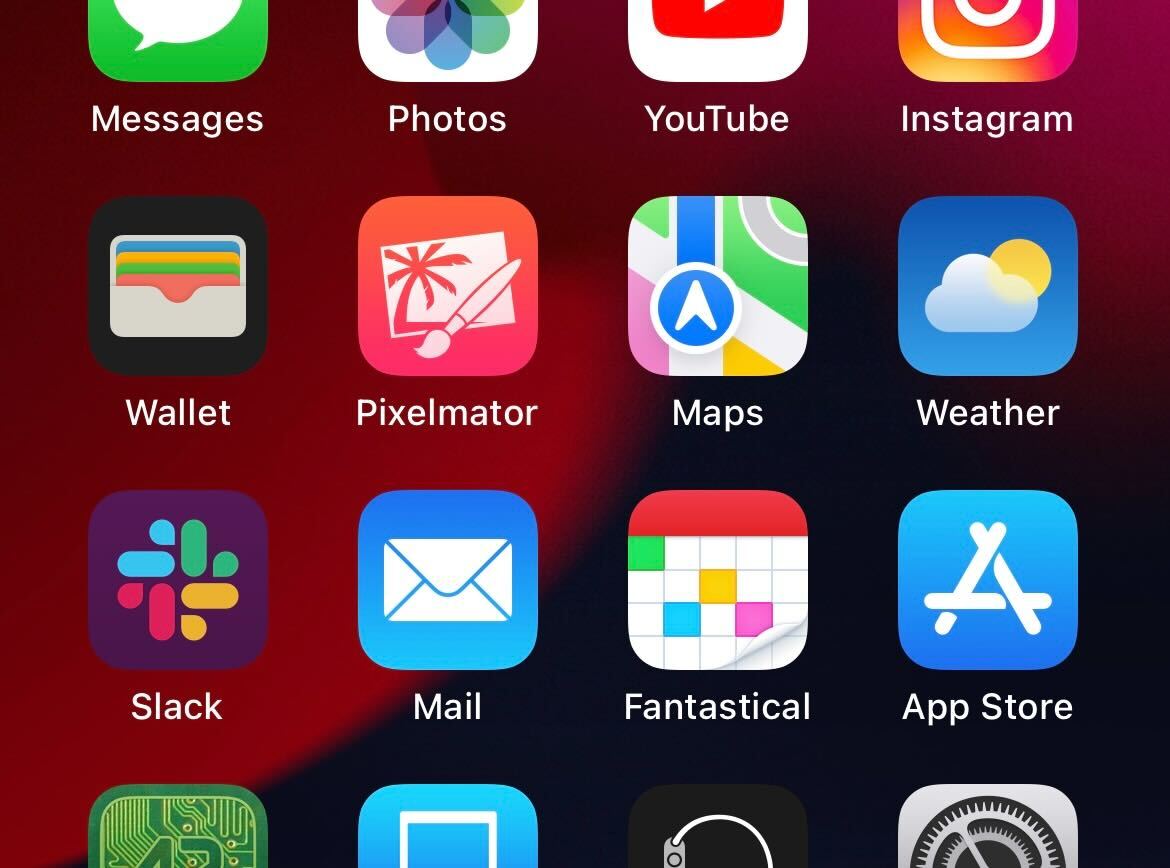
The Weather app has a new icon that adds depth, making it similar to the Maps icon in iOS 15
New onboarding screens for the Maps, Home, and Photos applications
In iPadOS 15 beta 5, Apple has made a small change to the Safari interface, so the address bar is now outlined instead of filled in
Safari
iPadOS 15 beta 5 also brings a new “Use Large Icons” setting to the “Home Screen & Dock” area of the Settings app. This was previously located in the “Display & Brightness” settings area
In the Settings app under Safari then Accessibility, there is a new option for “Show Color in Top and Bottom Bars”
New tappable message for “iPhone Findable After Power Off”
Tweaks to the “Notifications while in Focus” design in Notification Center
According to Apple’s release notes: “Legacy Contacts has been removed from iOS & iPadOS 15 beta 5 and will return in a future release.”
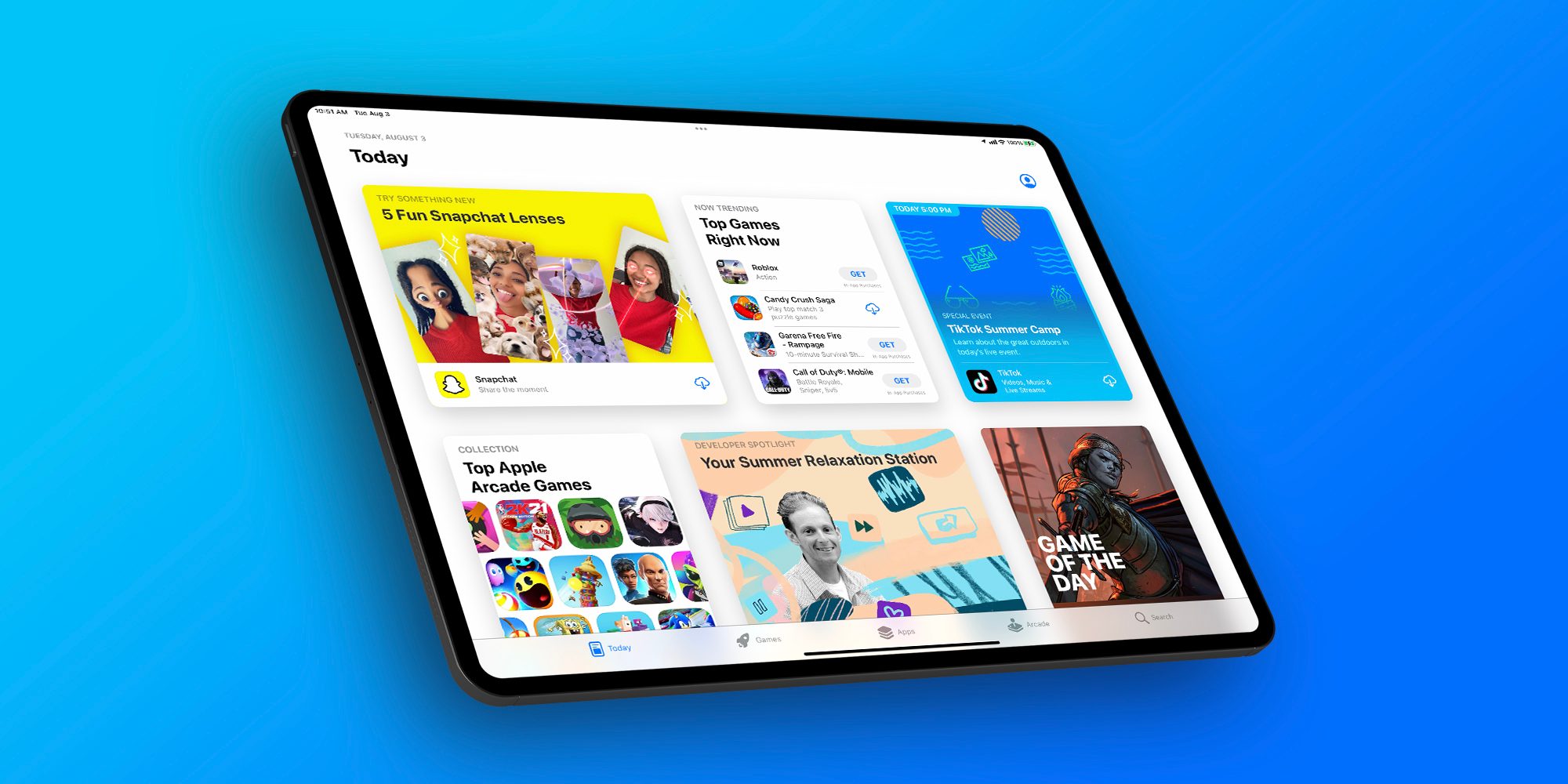
New indicator in the App Store for when you have a TestFlight beta version of an app installed
Is there an old out-of-date Mac that you desperately miss using? Well, you’re in luck because it’s incredibly easy to install a modern version of Chrome OS on old Intel Macs for free. CloudReady isn’t a new product by any stretch, but I had always been itching to try it out. Just last year, Google acquired Neverware, the company behind CloudReady. This means that Google offers an officially sanctioned way of reviving old computers with Chrome OS. Here’s how to get CloudReady up and running on an old Mac.
I was able to get CloudReady running on a 2014 Mac mini and a 2012 13″ MacBook Pro. Both of these machines have run-of-the-mill specs for their time. Each of these Macs had 4GB of RAM and much older Intel processors. Neither run recent versions of macOS particularly well, and they certainly aren’t good for power-hungry tasks. The MacBook Pro model that I used for this experiment only runs macOS up to Catalina, so it’s already out-of-date. The Mac mini that I used can run Big Sur, but it’s severely underpowered, being seven years old and not physically upgradeable.
You can install CloudReady on virtually any Intel Mac from 2007 on. CloudReady will not work on PowerPC Macs, so sadly, you can’t revive your sunflower iMac G4 or your blueberry iBook. Compatibility with CloudReady technically begins with Macs from 2006, but it’s not recommended. CloudReady has officially only certified 11 Mac models, but it’s likely you’ll be able to get the OS up and running on non-certified Intel machines as well. CloudReady requires at least 2GB of RAM, at least 16GB of storage, and graphics components made during or after 2007. There are a few specific Intel graphics cards that don’t play nicely with CloudReady, including the GMA 500, 600, 3600 and 3650.
MacBook Air 6,1 (13″ Core i5 or Core i7 Mid 2013-Early 2014)
MacBook Pro 5,5 (13″ Core 2 Duo Mid 2009)
MacBook Pro 9,2 (13″ Core i5 or Core i7 Mid 2012)
Macs that should work with CloudReady but aren’t officially certified include:
Any aluminum iMac from mid 2007 with more than 2GB of RAM
Any white or silver Mac mini from mid 2007 with more than 2GB of RAM
Any white or black MacBook from mid 2007 with more than 2GB of RAM
Any non-unibody or unibody MacBook Pro from mid 2007 with more than 2GB of RAM
Any MacBook Air model (all models have at least 2GB of RAM)
Any tower or trash can Mac Pro from mid 2007 with more than 2GB of RAM
What you’ll need
You may need to upgrade the RAM on a particularly old model before installing CloudReady. Luckily that’s quite easy on old Mac models. I upgraded my 2012 MacBook Pro with 8GB of RAM and a new 240GB SSD for around $70. But getting at least 2GB of RAM is quite cheap these days.
Once you’ve got the Mac you want to install CloudReady on, good to go, you’ll need a flash drive with at least 8GB of storage on it. Make sure not to use a Sandisk flash drive; Neverware says that they don’t work properly with the installer.
The application is only around 48MB and will help you turn your flash drive into a CloudReady installer. You can create the physical installer with any computer; it doesn’t have to be the one you plan to put CloudReady on. I built my CloudReady flash drive with a Windows 11 PC, for example.
2. Connect your flash drive to your selected Mac, then press and hold option as you turn it on
Your Mac will ask you which drive you want to boot from. Choose the CloudReady flash drive that you created. It’s likely going to be represented by an orange drive. The name can vary.
3. Boot into CloudReady
Once you select CloudReady, it will boot into the Chrome OS set up system.
4. Install Chrome OS on your Mac
Click on the clock in the lower right corner and select “Install OS” from the menu that pops up. This will launch the installer and allow you to replace your existing system with CloudReady. Keep in mind that if you choose to install CloudReady on your Mac, it will erase macOS and anything else on the drive. If you don’t want to do that, you can run CloudReady off of the flash drive. Just continue through the setup process without installing the operating system.
Once CloudReady is installed on your Mac, you are good to go. You can connect to wifi or ethernet, sign in to your Google account, and you are up and running. Chrome OS runs incredibly well on old Macs and frankly breathes new life into them.
Limitations of Neverware’s version of Chrome OS
Neverware’s variant of Chrome OS has a few limitations that you should keep in mind. It is based on Chromium rather than Chrome. That’s why you’ll see blue icons rather than Googley multi-colored ones. You cannot install Android apps on CloudReady like you can on an official Chrome OS computer. It can only run Chrome apps, progressive web apps, and websites. CloudReady does come with a few other native apps like a simple files app and wallpaper picker, but that’s about it. Another thing to keep in mind is how often you’ll get updates. CloudReady doesn’t get updated in tandem with the shipping version of Chrome OS. However, it does get regular updates and runs a secure version of Chrome OS that supports the modern web.
Using CloudReady
Once you have CloudReady installed, you can use it as you would a Chromebook. You can set a custom wallpaper or choose one from Google’s excellent collection of pre-installed ones. The shelf at the bottom of the screen can be customized with only the apps and sites you use frequently. You can also click on the circle button in the far left corner to see everything installed on your device or search its contents.
You can head over to the Chrome web store to find Chrome apps for your device, although many apps aren’t up-to-date and likely won’t be supported much longer. To get services you want to use installed on your computer, head over to their websites. Let’s say you want to install Slack as an app. Just go to the Slack website, sign in to your workspace, click the three dots in the top right corner of the window, select tools, and then select install or add shortcut. You’ll then get an icon in the launcher that you can add to your shelf. If you right-click the icon, you can change the website to open in a dedicated window rather than a new tab.
Conclusion
There are lots of beloved old Mac models that we’d love to bring back from the dead. CloudReady makes it possible to use old Macs today with modern websites and web apps. It also performs great even on low-powered machines with mediocre specs.