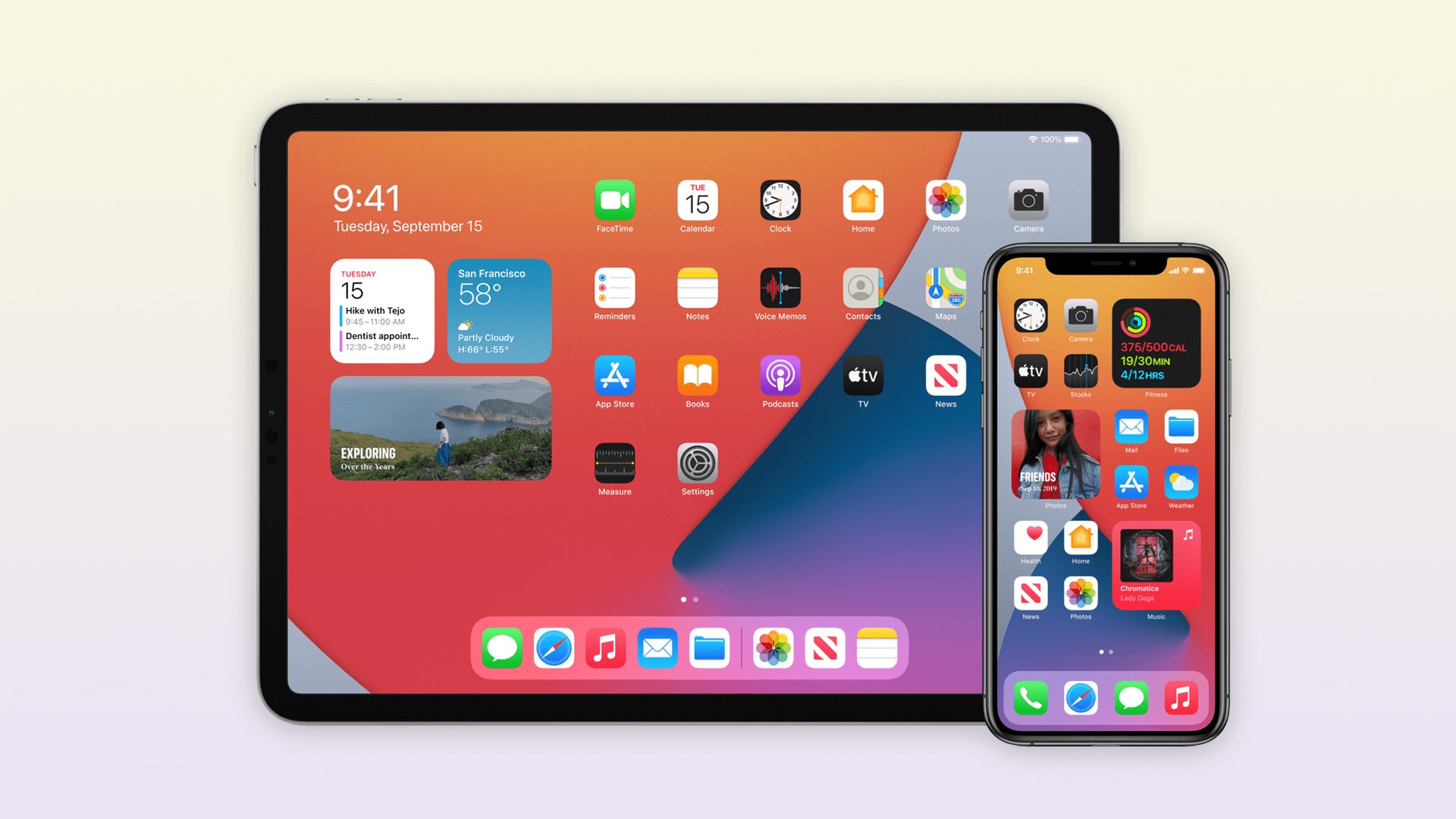
Following the release of iOS 14.3 last month, Apple today stopped signing both iOS 14.2 and iOS 14.2.1 — which was only available for iPhone 12 models. That means users who have updated their devices to iOS 14.3 can no longer downgrade to iOS 14.2.
Among all the changes of iOS 14.3, the most notable one is the addition of the ProRAW photo format for the iPhone 12 Pro and iPhone 12 Pro Max. Apple announced the ProRAW feature for the new iPhones during its October event last year, but the feature was only released to users months later.
As for iOS 14.2, the updates brought new emojis, more wallpapers, and support for the HomePod Intercom feature. iOS 14.2.1 arrived a few days later with specific bug fixes for iPhone 12 models.
Reverting to older iOS builds is common for those with jailbroken devices. Restoring an iPhone or iPad to a previous version of iOS can sometimes be helpful for users who experience significant bugs after upgrading to the latest version of iOS.
If you have experienced any serious issues with iOS 14.3, unfortunately you’ll now have to wait until a future update is available rather than downgrading to iOS 14.2. The only possible downgrade for now is from the recently released iOS 14.4 beta to iOS 14.3.
If you just got a new iPhone, there are lots of things you can do to make the most of the great cameras you now have in your pocket. I’ve selected some of the best camera and photo editing apps that will help you enhance your shots with your iPhone.
Halide
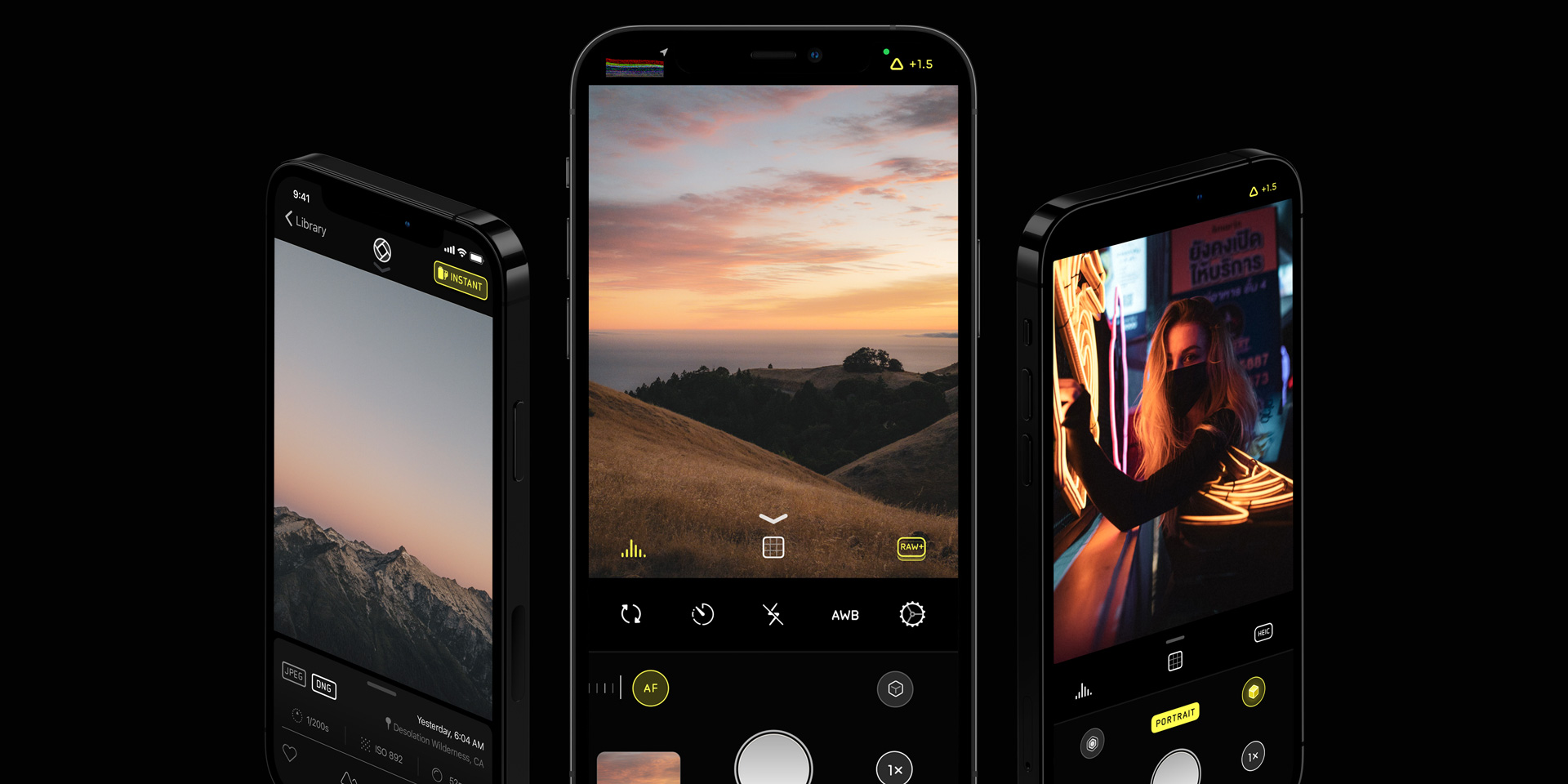
Halide is probably the most popular app for those who take mobile photography seriously — and also one of my favorite apps for iPhone. It features all the advanced controls you’d expect from a professional camera, including shutter speed, ISO, and white balance adjustments.
However, Halide is more than a camera app with manual controls. The app has some unique features to enhance photos by using artificial intelligence and other technologies. For instance, iPhone XR and iPhone SE (2nd gen) users can take portrait photos of animals and objects even without having two rear camera lenses.
You can also capture high-quality RAW photos, check histograms and metadata information, adjust focus precisely with focus peaking, export the depth map of the images, set Siri shortcuts, and much more.
You can try Halide for free on the App Store. The app requires an annual subscription of $11.99 or a lifetime license of $39.99 after the 7-day trial period.
Darkroom
After taking some great photos with your iPhone, you’ll need some professional tools to edit them — but don’t think you need a computer for that. Darkroom is one of my favorite photo editors since it is available not only for iPhone but also for iPad and Mac.
One of the best things about Darkroom is that the app is extremely intuitive and easy to use, even if you are not a professional photographer. The app comes integrated with the iCloud Photo Library, so you don’t have to waste time selecting and importing the photos you want to edit.
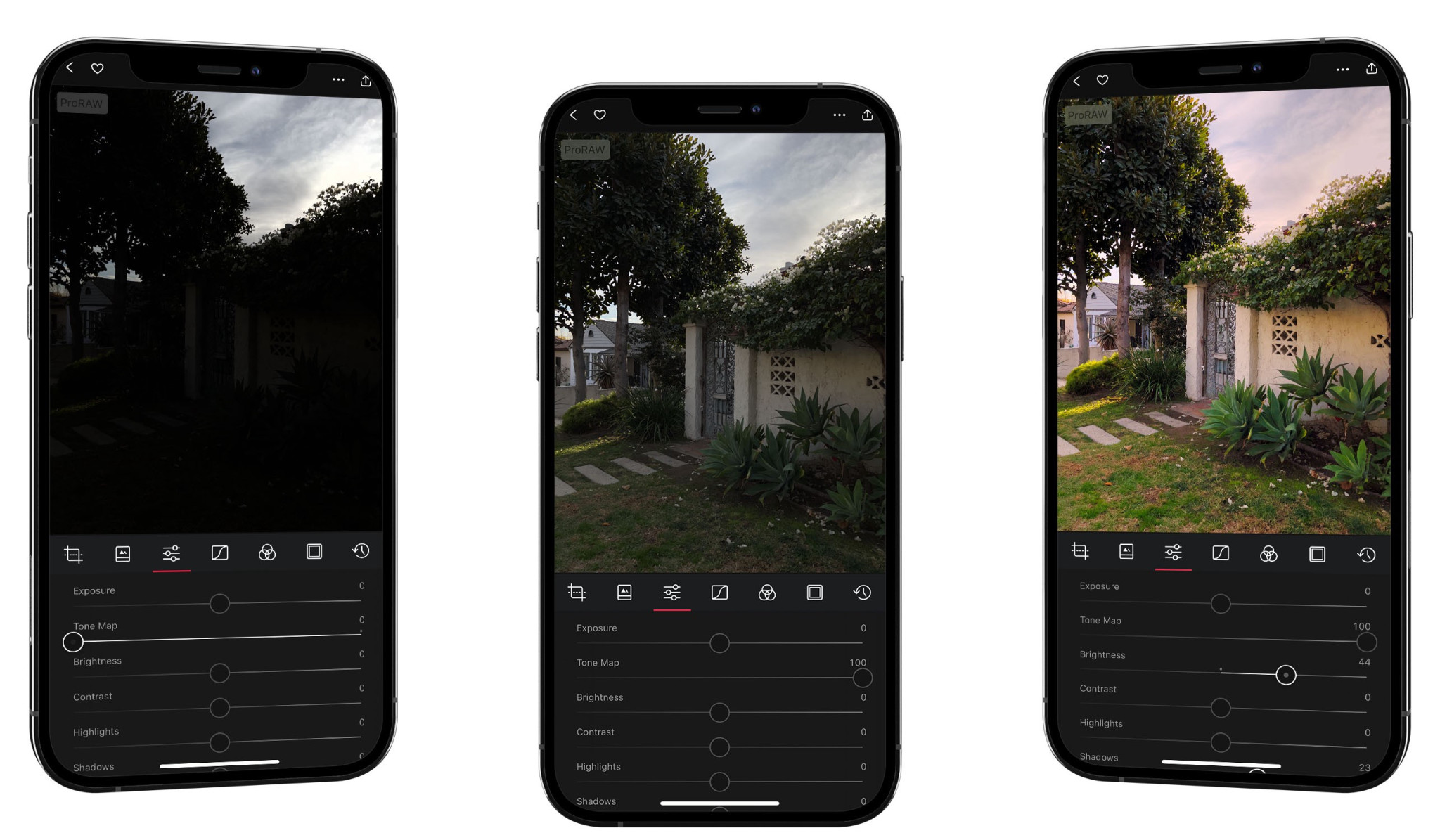
With Darkroom, you can adjust the brightness, contrast, highlights, shadows, color temperature, and other details of the photos you’ve already taken. In fact, the app also lets you edit videos and even Live Photos. In addition, you’ll also find a curve editor, watermark options, advanced support for RAW photos, and even integration with the Halide app.
The best part is that you can use most of the features of Darkroom for free, which is available on the App Store. There’s a $19.99 annual subscription to unlock all the app features.
Focos
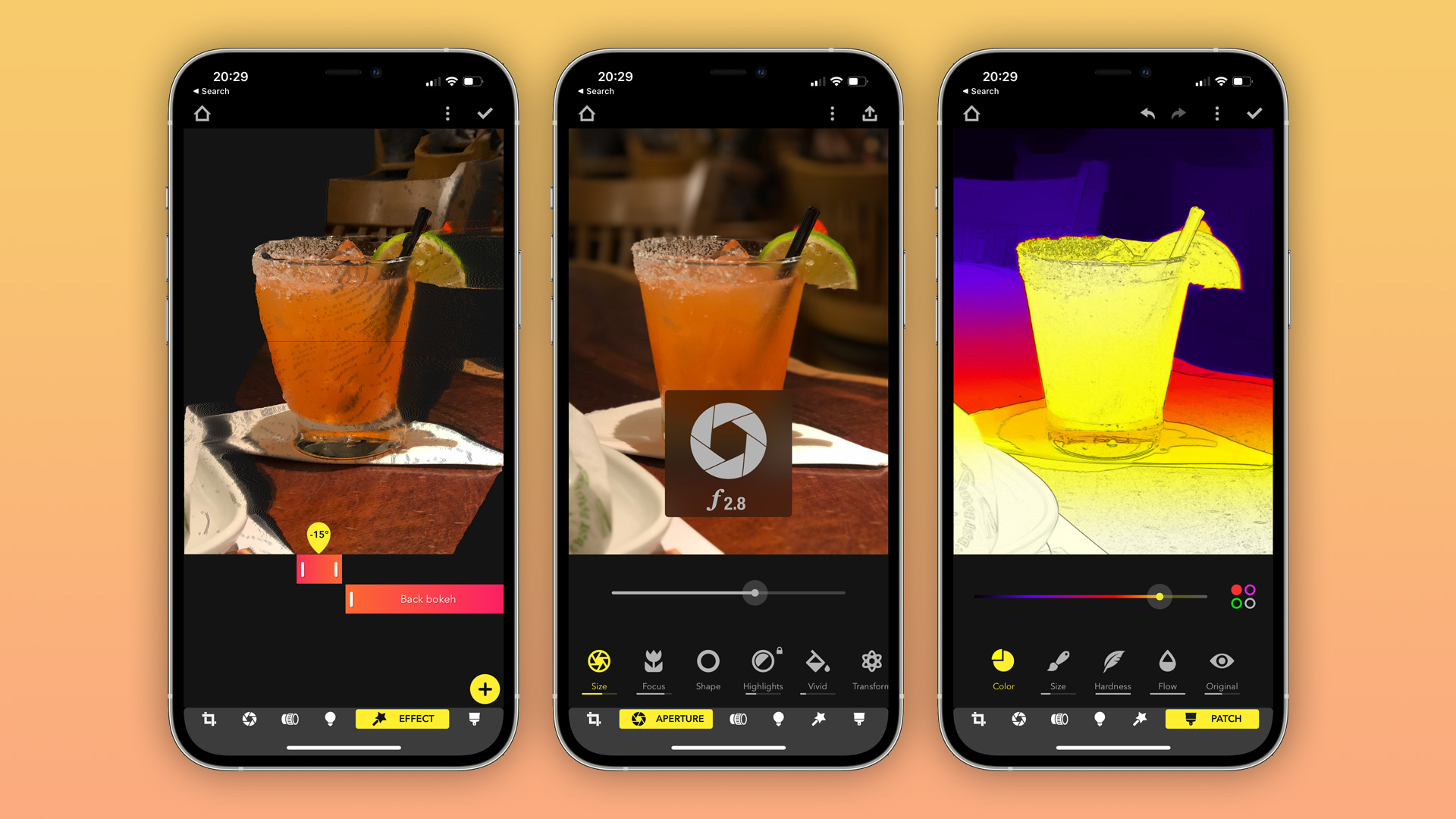
Focus is a must-have app for those who love taking portrait photos with the iPhone. While Apple took some time to let users change the level of blur in the backgrounds of portrait photos, Focos app offers this option since its release in 2017.
But Focos goes beyond adjusting the blur of the portrait photos as it generates different diaphragms with multiple bokeh spot effects and presets that simulate the feeling of professional lenses in the photos. There are even options to add 3D lighting and change the photo’s depth map to refine the blurred background.
What’s more impressive is that Focos uses AI to create an artificial depth map for any photo, even if it wasn’t taken with iPhone’s Portrait Mode. It’s amazing what you can do with your photos with this app.
Focus is available for free on the App Store, but some features require a $7.99 annual subscription or a $12.99 lifetime license.
Lightroom
Adobe Lightroom is the famous photo editor used by many professionals around the world, and although it is known for its desktop version, Adobe also offers a mobile version of Lightroom for iOS.
It’s extremely easy to edit your photos in Lightroom for iOS, even if they were taken in RAW. The app includes options to adjust lighting, colors, effects, details, and more. You can even distort photos, apply lens corrections, or use the automatic mode to set the best settings for that image. It also features different color profiles and settings presets.
If you’re subscribed to Adobe Creative Cloud, you can synchronize everything between the mobile and desktop versions of the app — so you can start editing a photo on your iPhone and then finish it on your Mac or iPad.
The mobile version of Lightroom is available for free on the App Store, but you’ll get the most out of the app by becoming an Adobe Creative Cloud subscriber.
DoubleTake
Since a camera is not made only of photos, this list wouldn’t be complete without an app to work on videos. DoubleTake is an app created by the same company behind FiLMiC Pro and it enables a new way to record videos with your iPhone.
Sometimes capturing video from just one camera is not enough, which is why DoubleTake came with a simple yet smart solution. If you ever needed to record the video from two different angles in order to create more professional-looking content, the app lets you choose two of the iPhone cameras to capture everything at the same time.
You can choose from ultra-wide, wide, telephoto, and selfie lenses to start a multi-cam video. The app also lets you switch between 24, 25, and 30 frames per second. There are no complicated settings or anything like that — all you need to do is open the app, choose the cameras you want, and start recording.
With these apps listed here, you have everything you need to start shooting and editing like a pro with your iPhone. While there are some paid apps like Halide, you can find great alternatives to enhance your photos for free on the App Store.
Apple continues its focus on privacy and security with some new resources on how to protect your devices, accounts, and personal safety. Let’s look at the recommended steps to check who can access your iPhone, other Apple devices, and Apple accounts.
Apple has published a new support guide this week that offers users an in-depth guide at managing their data and information on iPhone, iPad, Apple Watch, and Mac. The new document is entitled “Device and Data Access when Personal Safety is At Risk.”
Apple says that the goal of this new manual is to “help you identify risks, and walk you through the steps to help make the technology you rely on as private and secure as you want it to be.” The company explains that its devices make it easy to connect and share data with other users, friends, and family members, but that there are scenarios where you need to revoke previously-granted access to things like location data, photos, and more.
Apple makes it easy to connect and share your life with the people closest to you. What you share, and whom you share it with, is up to you — including the decision to make changes to better protect your information or personal safety.
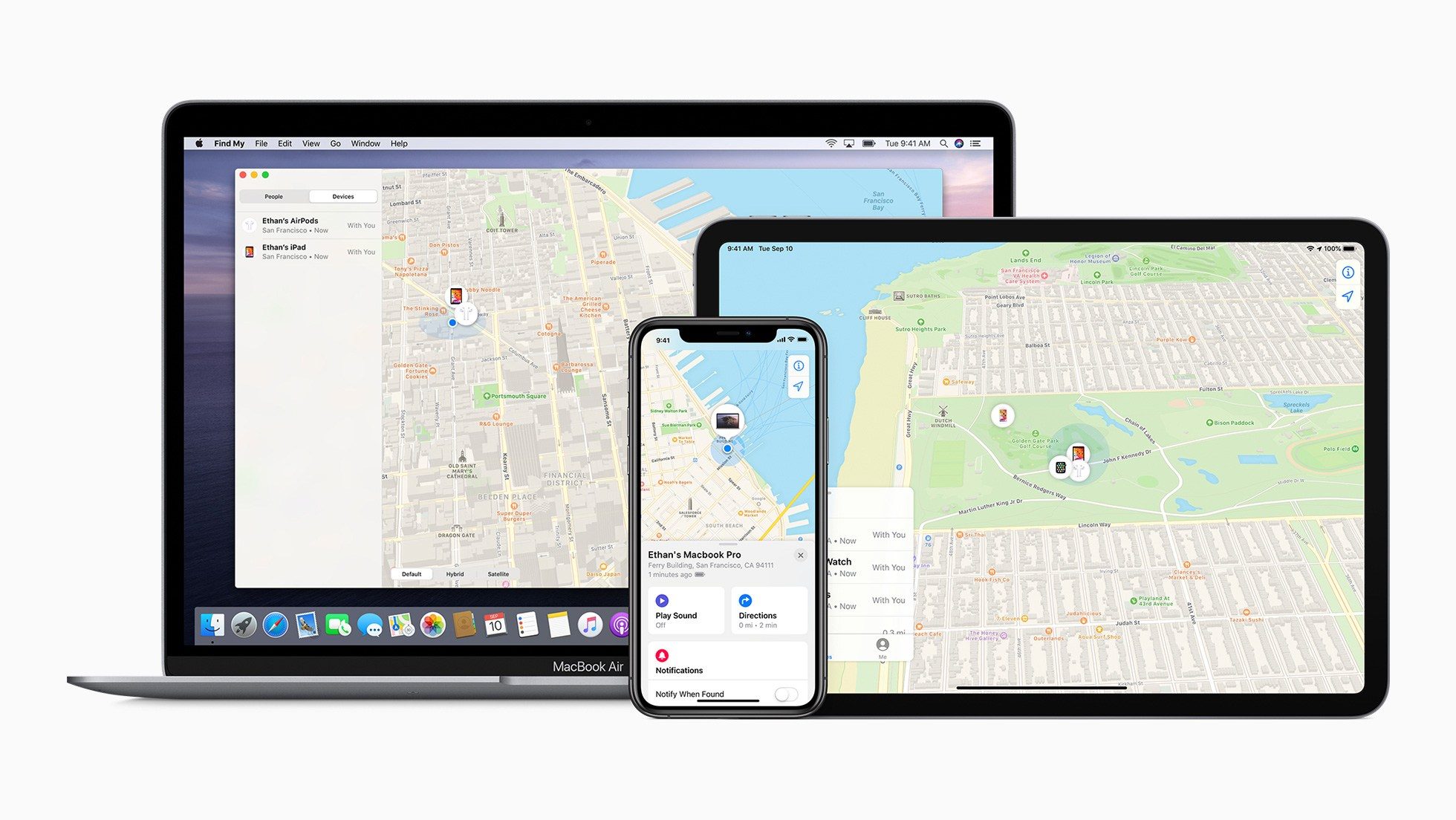
If you’d like to revisit what you share with other people, or restore your device’s original settings for any reason, this guide can help you understand what information you are sharing via your Apple devices, and how to make changes to protect your safety. It includes step-by-step instructions on how to remove someone’s access to information you’ve previously granted: from location data on the Find My app, to meetings you’ve scheduled via Calendar.
If you’re concerned that someone is accessing information you did not share from your Apple device, this guide will also help you identify risks, and walk you through the steps to help make the technology you rely on as private and secure as you want it to be.
The document itself is 20 pages long, and it includes in-depth details on things like managing location sharing, using the Find My app, protecting your Apple ID, setting up or managing Family Sharing, and much more.
The company has also published a trio of separate checklists with important tips for managing privacy and sharing with other people:
This is an incredibly important document for Apple to have published. You can find the full PDF right here for easy sharing with friends and family members who might find themselves in search of these tips.
Apple published its new 20-page support guide called “Device and Data Access When Personal Safety is at Risk.” And whether you’ve got some specific personal safety concerns or are just ready for a privacy and security checkup, following along with the steps below is a great idea.
How to check who can access your iPhone, other Apple devices, and Apple accounts
Here’s what Apple recommends:
Check what devices are associated with your Apple ID
On iPhone and iPad, look at the devices that are signed in with your Apple ID by going to Settings > Your Name > Swipe down below Family Sharing
On Mac you can head to System Preferences > Apple ID > Look for your devices on the left
You can also see all your devices associated with your Apple ID at appleid.apple.com
You can tap/click any device to learn more, choose Remove from Account for anything that you don’t want to remain connected to your Apple ID
Review Face ID and Touch ID settings
Check if there is an unexpected alternate appearance or fingerprints in Face ID/Touch ID settings on iPhone, iPad, or Mac
Head to Settings > Face ID & Passcode or Touch ID & Passcode to check your settings
On Mac, you can head to System Preferences > Touch ID
If you don’t have two-factor authentication turned on, that’s a very important piece of securing your devices, accounts, and personal data
Check your apps
Check through all your installed apps looking for anything unexpected
Look for unexpected profiles
On iPhone and iPad, look under Settings > General for a Profiles section. Businesses, schools, and organizations are the most likely to install profiles but you can check to see if your device has one. The Profiles section won’t appear if there a none installed on your device. Profiles give additional access and privileges to Apple devices.
Keep in mind you won’t want/or be able to remove profiles if required by your employer/school/etc.
Going further on who can access your iPhone, iPad, more
Apple has rolled out its new iOS app privacy labels (the nutrition label equivalent for apps) for both first-party and third-party apps. Read along for how to check iOS app privacy details for apps in the App Store as well as those that come preloaded on iPhone and iPad to fully understand how your information is being used.
Apple first introduced its new iOS app privacy details initiative during WWDC in June 2020. Now they are officially live in the App Store for Apple’s apps and third-party software, as well as on Apple’s website for its apps that aren’t on the App Store (preinstalled apps).
Apple describes its iOS app privacy details as akin to nutrition labels on food. Apple’s goal with this initiative is to better inform users of the privacy practices of individual applications. The iOS app privacy labels are divided into three parts:
Data used to track you
Data linked to you
Data not linked to you
If you’re reading this, this probably won’t come as any surprise, but the iOS app privacy details you’ll learn may certainly lead you to change what apps you use, or at least what info you share with them. Let’s dive in…
How to check iOS app privacy details for iPhone and iPad
For Apple and third-party apps on the App Store
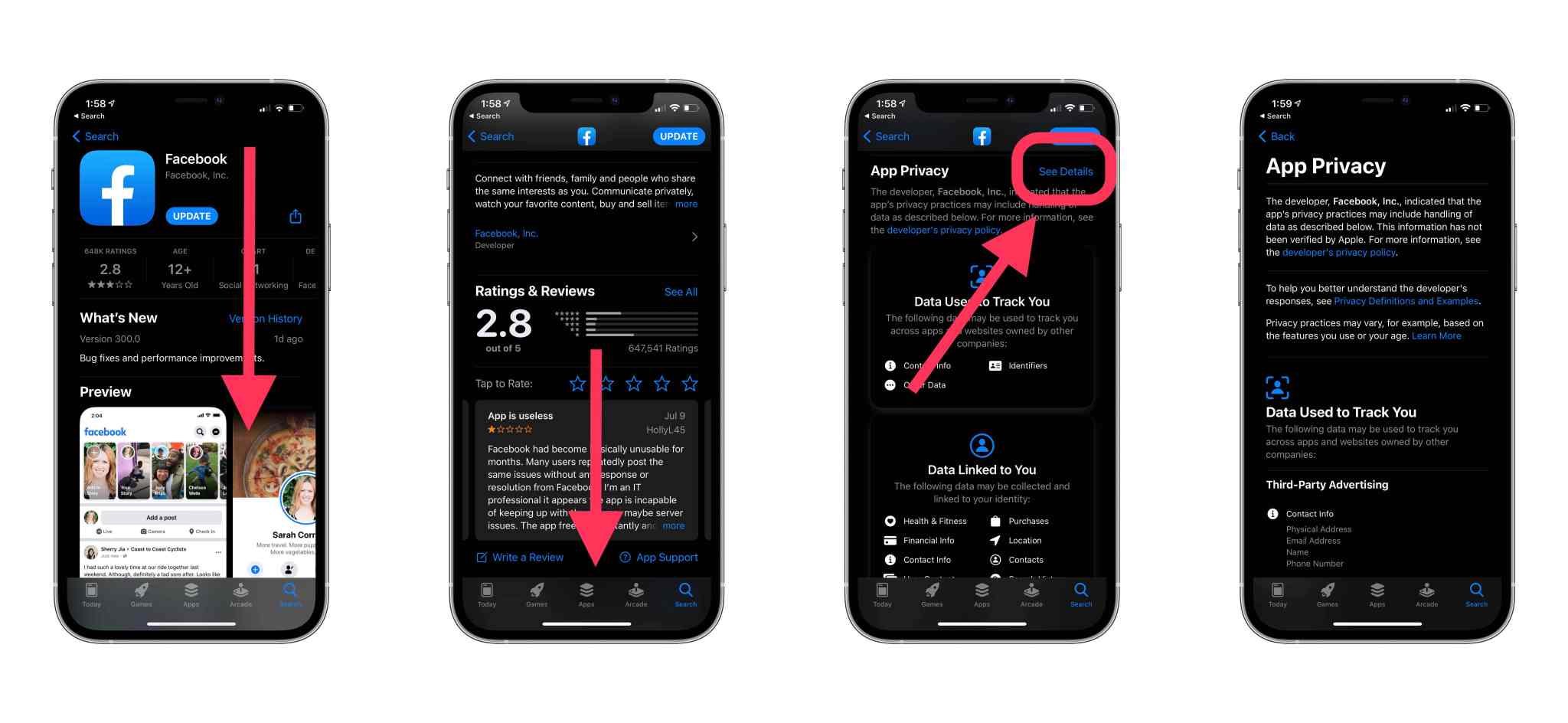
From your iPhone or iPad, open the App Store app
Search or pull up an app you want to see privacy details on
Swipe down below the app description and ratings until you see App Privacy
Tap See Details to the full iOS app privacy details
You can also find privacy details on the web for apps, just search the web for “app store ‘app name’” and you’ll see the privacy label below the reviews (click “See Details” for the full rundown)
For Apple apps not on the App Store
You can find an overview of the privacy details of all of Apple’s apps that aren’t on the App Store here
You can find specifics privacy details pages for Apple’s apps here
Apple faced several challenges in the development and manufacturing process of the iPhone 12 models in 2020 due to the COVID-19 pandemic, which led the company to launch the new iPhones in two stages. In 2021, the company will be able to launch the iPhone 13 models on regular schedule, says reliable analyst Ming-Chi Kuo.
Kuo states that the mass production schedule of the iPhone 13 will be the same as for previous iPhonemodels before the 12 lineup. That means we can expect all iPhone 13 models available by September 2021 without delays.
This year, Apple was unable to deliver all new iPhone 12 models at once as the COVID-19 pandemic affected the company’s associated factories around the world and even the internal production of the device at Apple headquarters since most employees are working from their homes.
While the regular iPhone 12 and iPhone 12 Pro were announced and launched in stores in October, iPhone 12 mini and iPhone 12 Pro Max arrived in stores in November with limited supplies.
Kuo also says he has no concerns about the lower shipping forecast for the A14 chip produced by TSMC in Q2 2021 compared to Q1 2021. The analyst says this decline is “seasonal” and expected as TSMC will begin shifting its production pipeline for developing the new A15 chip that will equip the iPhone 13 lineup.
He claims that iPhone 12 Pro sales remain strong and that demand for this year’s Pro models is better than expected, although Apple has been facing supply issues with the Sony camera sensors used for iPhone 12 Pro and iPhone 12 Pro Max.
The iPhone 13 is shaping up to deliver some radical new changes from Apple, including one model with no ports or holes at all. And now a new survey hints at an overdue upgrade in the age of face mask wearing.
Apple recently sent out a survey to some customers asking them a series of questions. And one of them was related to Face ID and Touch ID.
The survey asks whether the user is satisfied with Face ID. For those who answer no, they will see some follow-up answers in the survey to share with Apple. These include “security or privacy concerns”, “I don’t like having to pick up my phone to use Face ID”, “it does not detect my face in all situations” and “I prefer Touch ID.”
Even with a COVID-19 vaccine being rolled out soon, health experts are recommending that we wear face masks in public for the foreseeable future. And having to punch in your passcode every time you want to use your phone when you’re away from home can get annoying.
In what could be bad news for iPhone shoppers, the Apple survey also asks whether current owners use various items included in the box. This includes Apple stickers, the SIM eject tool and — get this — the USB-C to Lightning cable.
Apple already faced a backlash this fall for not including a charger in the box with the iPhone 12. So we find it hard to imagine that it would pull the plug (so to speak) on the charging cable as well in the very next model.
Then again, at least one model of the iPhone 13 is rumored to be portliness. So in that case a USB-C to Lightning cable would be pointless. That device would likely charge via a MagSafe charger instead, which currently costs $39 for the cable alone. The 20W power adapter adds another $19. So it’s possible that the portless iPhone 13 will come with just the phone in the box.
Apple on Saturday launched a new iPhone 12 Studio website. This allows users to customize their favourite iPhone 12 device with MagSafe accessories. These customizations include Apple’s MagSafe cases and MagSafe Wallets for iPhone 12 series. This gives an opportunity for customers to preview their combination before heading to an Apple Store to pick them up.
MagSafe uses a series of magnets to attach stackable “modules” over each other. These include the MagSafe wireless charger, MagSafe Silicone Cases, MagSafe Clear case, and the MagSafe Wallet. Third parties like Belkin have already followed suit with their new MagSafe accessories.
This website comes live after the Twitter Hashflag “#iPhone12studio” went live a few hours prior. This website is, however, available for mobile and tablets devices only at the time of writing. Alongside this new website, Apple has also personalized combinations by adding user’s name with their desired combination. This can be saved as an image and shared with other users.
Click on design and choose from a range of colors, cases, and wallets for your desired iPhone.
Add your name or skip
Choose a view, download and share with the world!
These seemingly infinite combinations make it even more fun to try out. However, popular speculation suggests Apple will start shipping iPhone cases and wallets with iPhones. This is believed to be adopted from Apple Watch’s customizable approach.
Gone are the days when Apple limited its official options to just two or three colors. This year, in fact, almost has an overwhelming number of choices offered to iPhone buyers. There are four base models to choose from, not counting their different configurations, and a variety of MagSafe cases and wallets to spruce up the iPhone. In order to minimize the time you have to spend online or in stores trying to figure out what combination will fit your style, Apple has launched a new mobile site that will let you mix and match all of those and even show off your masterpiece to the world.
This isn’t the first time Apple created an online tool to help customers decide what color combination they want for their next purchase. The Apple Watch Studio last year let people virtually try out different combinations of straps, something a bit more fitting for a stylish wearable. Now the iPhone 12 Studio is offering the same chance so you won’t have to imagine what particular color combinations will look like.
The website starts off by asking you to choose between one of the four iPhone 12 models. You can then pick one of the different colors available for each model, a color for a MagSafe case, and a color for a MagSafe wallet. The latter two are optional, of course, but what would be the point of not picking one using this tool.
One interesting aspect of this tool is that it lets you download the finished combination in a format that is perfect for sharing on social media. In fact, the resulting image includes the #iPhone12Studio hashtag, encouraging people to share their creations with the world.
Unlike the Apple Watch Studio counterpart, however, the site doesn’t take you to an Apple Store page with that particular combination set, probably since the iPhone 12 is still marked as being on pre-order. If you do want to try out the iPhone 12 Studio, you’ll have to do it on a mobile browser, where on an iPhone, iPad, or any other mobile device, or set your desktop browser’s user agent to a mobile version.
MagSafe accessories make it easier than ever to personalize your iPhone 12 or iPhone 12 Pro with a unique style. A new interactive tool gives you the opportunity to mix and match colors, cases, wallets, and sleeves before you buy.
Thanks to the stackable, easy-to-attach design of MagSafe accessories, virtually limitless combinations of colors and styles can be created. Apple offers silicone and clear cases as well as leather cases, wallets, and sleeves with the technology built in.
At Apple Stores, Apple has created new interactive displays to help customers experience MagSafe technology and try an assortment of colors and styles. With some Apple Stores closed and others offering Express service or brief appointments only, there’s not always an opportunity to try before you buy. Inspired by Apple Watch Studio, I’ve created an interactive online tool to help you pick your favorite style.
Outside of the iPhone SE, every iPhone that Apple sells today features an “edge-to-edge” display devoid of a physical Home button. If you’re upgrading from a device with a Home button, this refresher course can help you learn how to force restart your iPhone 12, enter recovery mode, DFU mode, etc. Watch our hands-on video tutorial inside for the details.
Getting started
This tutorial will work for all new iPhone 12 releases, including the iPhone 12 Pro, and the forthcoming iPhone 12 mini and iPhone 12 Pro Max. Henceforth, when using the term iPhone 12, I’m referring to all iPhone 12 models.
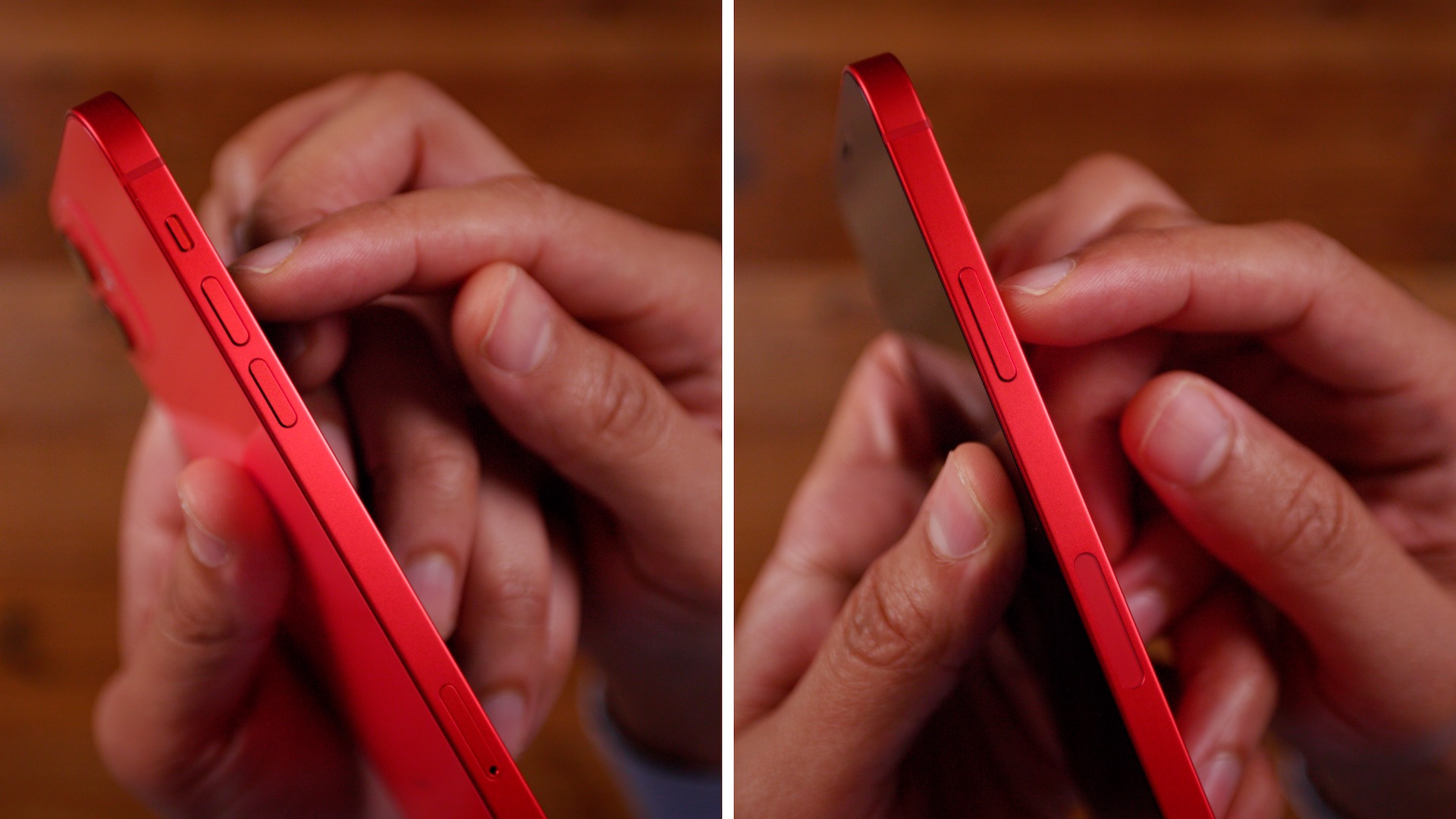
You’ll need to familiarize yourself with the buttons on your iPhone in order to perform any of the following functions. There are two Volume buttons on the left-hand side of the iPhone, along with a Side button on the opposite side.
Since modern iPhone hardware lacks the Home button, the Side button, along with the volume buttons, play instrumental roles when it comes to force resetting, entering recovery mode, DFU mode, etc.
iPhone 12 Volume buttons and Side button
How to turn off iPhone 12
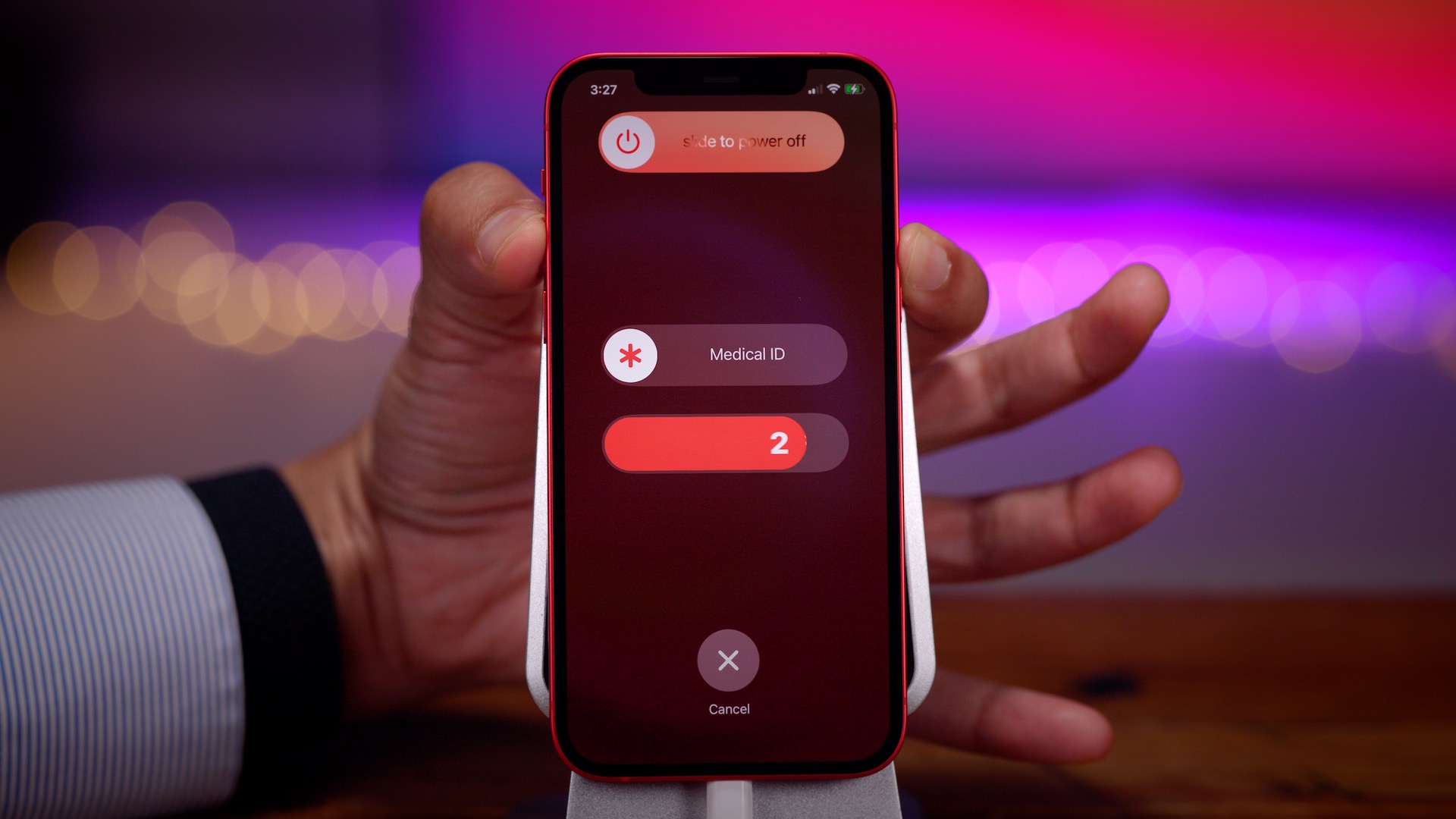
Powering down the iPhone 12 can be accomplished via a couple of methods. The easiest way to power down the iPhone 12 is to hold the Side button along with one of the volume buttons until the slide to power off slider appears at the top of the screen. From there, just slide to power off your iPhone.
You can also go to Settings → General, scroll down to the bottom of the page, and tap the Shut Down button. This will cause the slide to power off slider to appear at the top of the screen.
How to turn on iPhone 12
To power your iPhone 12 back up, press and hold the Side button until the Apple logo appears on screen. If this doesn’t work, your iPhone may need to be charged. If your iPhone has a black screen and the Side button doesn’t function, it could be because your iPhone 12 is in DFU mode. See the tutorial for exiting DFU mode below.
How to force restart iPhone 12
To force restart iPhone 12, perform the following in quick succession:
Step 1: Press Volume up and release.
Step 2: Press Volume down and release.
Step 3: Press and hold the Side button until you see a black screen.
Your iPhone 12 will restart and automatically boot back to the Lock screen.
How to put iPhone 12 into recovery mode
Step 1: Connect your iPhone to your computer with a Lightning to USB cable. If this is your first time connecting your iPhone to this computer, you’ll need to tap the Trust button that appears on the Trust This Computer dialogue that appears. You’ll then have to enter your passcode on your iPhone to confirm the pairing.
Next, perform the following steps in quick succession:
Step 2: Press Volume up and release.
Step 3: Press Volume down and release.
Step 4: Press and continue holding the Side button until you see the connect to computer dialogue on screen.
Step 6: Release the Side button and continue holding the Volume down button for an additional 10 seconds.
When you successfully enter DFU mode, your iPhone should remain on a black screen. If you see the Apple logo appear, then something went wrong and you’ll need to try again.
If you’re connected to a Mac, the Finder should acknowledge that you’ve entered recovery mode. Instead of having the option to Update iOS, you should only see the Restore option, which is another indication that you’ve successfully entered DFU mode.
How to exit DFU mode on iPhone 12
Exiting DFU mode is a little more involved than exiting regular recovery mode:
Step 1: Press Volume up and release.
Step 2: Press Volume down and release.
Step 3: Press and continue holding the Side button until you see the Apple logo appear. Your iPhone should boot back to the Lock screen.
How to disable Face ID temporarily on iPhone 12
To temporarily disable FaceID on iPhone 12, press and hold either of the Volume buttons along with the Side button until the slide to power off slider appears. Tap the ‘X’ button at the bottom of the screen to go back to the Lock screen, and you’ll see a message that says Your passcode is required to enable Face ID. Once your enter your device passcode, Face ID will be automatically reactivated.
How to use Emergency SOS on iPhone 12
Warning: activating Emergency SOS will contact emergency authorities. Please only use this feature in case of a real emergency.
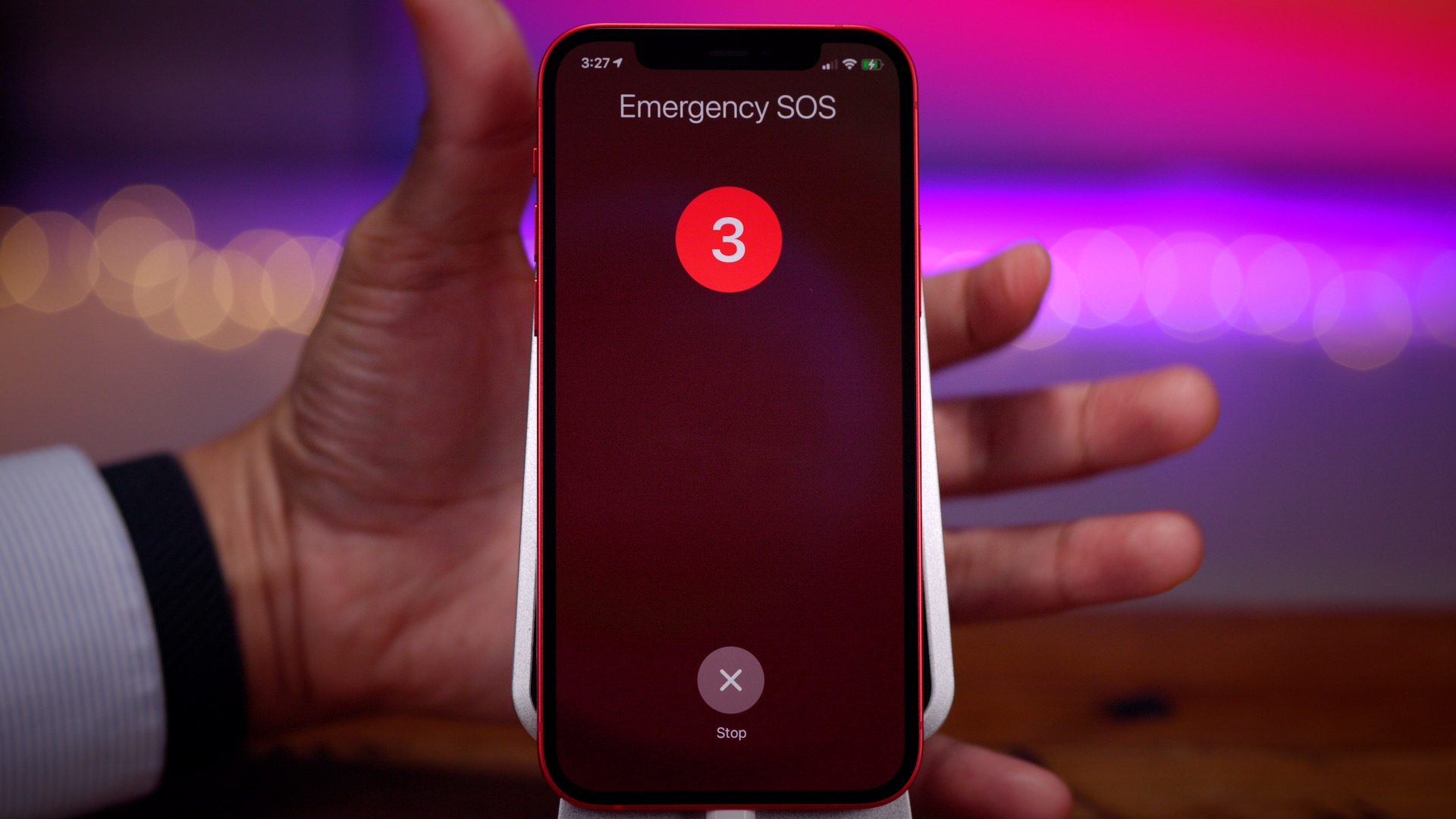
There are three ways to invoke Emergency SOS on iPhone 12:
Press and hold one of the Volume buttons along with the Side button and keep holding each button to trigger Emergency SOS.
Press and hold one of the Volume buttons along with the Side button until the slide to power off slider appears. Use the Emergency SOS slider to activate Emergency SOS.
Go to Settings → Emergency SOS, and enable the Call with Side Button switch. This will allow you to invoke Emergency SOS by pressing the Side button 5 times in quick succession.
If you’re upgrading from an iPhone with a Home button, such as the iPhone 7 or iPhone 8, or even the second-generation iPhone SE, then the methods for performing all of the aforementioned functions is quite a bit different than what you may be used to.
Although you may not ever need to use recovery mode, and using DFU mode is even more unlikely, everyone should be familiar with how to force restart their iPhone. Force-restarting is handy for those occasional instances when your iPhone becomes extremely bogged down or outright unresponsive. If you only take one tip from this tutorial, it should definitely be how to force restart.
Apple’s best-ever lineup of iPhone and iPad is available October 23.
Best-ever lineup of iPhone and iPad will be available October 23 through redesigned virtual and in-person experiences
When iPhone 12, iPhone 12 Pro, and iPad Air are available Friday, October 23, customers can get their all-new products directly from Apple through tailored purchase experiences offered online, by phone, or in store. From a chat session with a Specialist that starts online and finishes with contactless delivery, to visiting select Apple Store locations for a one-on-one session with an Apple Specialist, customers can find the best way to get the products they’re looking for. And unprecedented offers from AT&T, T-Mobile/Sprint, and Verizon give customers more choice and flexibility than ever, with offers starting as low as $0 per month for iPhone 12.
“There’s never been a better time to get a new iPhone, and there’s never been a better destination than Apple Retail,” said Deirdre O’Brien, Apple’s senior vice president of Retail + People.
“We’re offering new ways for our customers to get to know all of our products before they buy, so they can be sure to get the product that’s right for them. Whether our customers choose to connect with us in person, by phone, or online, our entire retail team is ready to deliver the world-class personalized service they’ve come to expect from Apple.”
New at Apple Retail this year:
Unprecedented carrier offers are now available from Apple, in store or online, with savings of up to $800.1
With Shopping Sessions, customers can now book a one-on-one session with a Specialist at an Apple Store for personalized help selecting a new product, carrier plan, or financing option. The same expert advice is available online, where customers can chat with a Specialist anytime.
Pickup options include in-store, curbside, same-day delivery, or Express storefront.2 Customers can check apple.com/retail for services available at their local store.
Contactless delivery is available for all products, including iPhone and iPad. Delivery drivers may ask for verbal confirmation from a safe distance, replacing the need for a physical signature.
And now with Apple Card, customers in the US get 3 percent Daily Cash back when they buy directly from Apple and have the option to choose Apple Card Monthly Installments so they can pay over time, interest-free.
Though this year’s iPhone launch looks different from years past, Apple Retail continues to offer the services customers love:
After a customer gets their new Apple product, an Online Personal Session allows them to schedule a free session with a Specialist to set up their new product, learn the basics, or get pro tips.
Apple Trade In lets iPhone or iPad owners get up to $500 credit toward the purchase of a new product.4
The vast majority of Apple Store locations around the world are open and operating in various service models to protect the health and well-being of customers and employees. Before visiting, customers should check apple.com/retail for details on their local Apple Store. For more information about services and support available from Apple Retail, visit apple.com/shop.
iPhone 12 Pro and iPhone 12 Pro Max give pro users everything they want out of their iPhone.
Best iPhone ever features the powerful A14 Bionic, all-new design with Ceramic Shield, pro camera system, LiDAR Scanner, and the biggest Super Retina XDR display ever on an iPhone
Apple announced iPhone 12 Pro and iPhone 12 Pro Max, introducing a powerful 5G experience and advanced technologies that push the boundaries of innovation for users who want the most out of iPhone. iPhone 12 Pro models feature a new design and edge-to-edge Super Retina XDR displays, the largest ever on iPhone, protected by the all-new Ceramic Shield front cover, which provides the biggest jump in durability ever on iPhone. The Apple-designed A14 Bionic chip, the fastest chip in a smartphone, powers impressive computational photography features including the all-new Apple ProRAW for more creative control in photos, and enables the first end-to-end Dolby Vision video experience, up to 60 fps. The reimagined pro camera systems include an expansive Ultra Wide camera, a Telephoto camera with an even longer focal length on iPhone 12 Pro Max, and new Wide cameras to capture beautiful professional-quality images and video in bright and low-light environments. iPhone 12 Pro models also introduce a new LiDAR Scanner for immersive augmented reality (AR) experiences and MagSafe, which offers high-powered wireless charging and an all-new ecosystem of accessories that easily attach to iPhone.
iPhone 12 Pro and iPhone 12 Pro Max will be available in four stainless steel finishes, including graphite, silver, gold, and pacific blue. Pre-orders for iPhone 12 Pro begin Friday, October 16, with availability beginning Friday, October 23. iPhone 12 Pro Max will be available for pre-order Friday, November 6, and in stores beginning Friday, November 13.
“This is a huge leap for iPhone, bringing the best 5G experience in the market and delivering our most advanced technologies to users who want the absolute most from their iPhone,” said Greg Joswiak, Apple’s senior vice president of Worldwide Marketing. “Each generation of iPhone has changed what we expect from a smartphone, and now with 5G, iPhone 12 Pro provides a new generation of performance. Our tight integration of hardware and software enables incredible computational photography features like the expansion of Night mode to more cameras, and introduces support for HDR video with Dolby Vision. A state-of-the-art LiDAR Scanner means users can experience AR like never before, and also offers benefits to the camera with faster autofocus in low light and the introduction of Night mode portraits. These experiences and so much more make this the best iPhone lineup ever.”
The 6.1-inch iPhone 12 Pro and 6.7-inch iPhone 12 Pro Max feature the largest Super Retina XDR displays ever on iPhone.
A Superior 5G Experience
iPhone 12 Pro and iPhone 12 Pro Max deliver an advanced 5G experience on a global scale, engineered with a seamless integration of world-class hardware and world-class software. 5G on iPhone boasts improved speeds for faster downloads and uploads, higher quality video streaming, more responsive gaming, real-time interactivity in apps, FaceTime in high definition, and much more. Customers will also be able to enjoy a secure, fast connection, reducing the need to connect to public Wi-Fi hotspots.
Featuring the most 5G bands on any smartphone, iPhone 12 Pro models offer the broadest 5G coverage worldwide. Models in the US support millimeter wave, the higher frequency version of 5G, allowing iPhone 12 Pro models to reach speeds up to 4Gbps, even in densely populated areas. iPhone 12 Pro models also feature Smart Data mode, which extends battery life by intelligently assessing 5G needs and balancing data usage, speed, and power in real time.
5G on iPhone 12 Pro models enables faster download speeds, more responsive gaming experiences, FaceTime in HD, and more.
A14 Bionic: Powerful and Efficient
Generations ahead of the competition, A14 Bionic is the first chip in the smartphone industry built on 5-nanometer process. Faster and more efficient than ever, A14 Bionic has the fastest CPU and GPU by up to 50 percent compared to the fastest competing smartphone chips, enabling console-quality gaming experiences, powerful computational photography, and more, while delivering great battery life. Pushing the limits of machine learning (ML), A14 Bionic features a 16-core Neural Engine — for an 80 percent increase in performance — that is capable of completing 11 trillion operations per second, enabling improved performance on even the most intense ML models.
Faster and more efficient than ever, A14 Bionic enables powerful computational photography and faster photo and video editing right on device.
New Design and Innovative Display Technologies
Designed with premium materials, iPhone 12 Pro models boast a new, sophisticated flat-edge design that features a gorgeous surgical-grade stainless steel band paired with a precision-milled matte glass back, and introduces the incredibly durable Ceramic Shield. The Ceramic Shield front cover, tougher than any smartphone glass, goes beyond glass and is infused with nano-ceramic crystals to dramatically improve toughness and increase drop performance by 4x.
With impressively larger, edge-to-edge displays with reduced borders in familiar sizes, the 6.1-inch iPhone 12 Pro and 6.7-inch iPhone 12 Pro Max feature a Super Retina XDR display with systemwide color management for industry-leading color accuracy. And iPhone 12 Pro Max offers the largest display ever on an iPhone and the highest resolution featuring nearly 3.5 million pixels for a remarkable, true-to-life viewing experience. These OLED displays bring HDR video content to life, reaching 1200 nits peak brightness.
iPhone 12 Pro models come with an industry-leading IP68 rating to withstand water submersion up to 6 meters for up to 30 minutes, and are protected against everyday spills, including coffee and soda.
iPhone 12 Pro and iPhone 12 Pro Max feature a new, elevated flat-edge stainless steel design and Ceramic Shield front cover for increased durability.
Versatile Pro Camera System
The world’s best pro camera is an even more versatile tool for all levels of photo and video enthusiasts with state-of-the-art camera hardware powered by A14 Bionic. Together with the new image signal processor (ISP), A14 Bionic drives increased image quality and enables powerful computational photography capabilities not possible with traditional cameras. iPhone 12 Pro models also feature the new Apple ProRAW, coming later this year,which combines Apple’s multiframe image processing and computational photography with the versatility of a RAW format. Users can experience full creative control over color, detail, and dynamic range natively on iPhone or with other professional photo editing apps.
The pro camera system on iPhone 12 Pro models includes new Wide cameras for even better low-light performance, an expansive Ultra Wide camera, and a Telephoto camera for capturing stunning images and video.
iPhone 12 Pro features the new seven-element lens Wide camera with an ƒ/1.6 aperture, the fastest ever on an iPhone, for 27 percent improved low-light performance in photo and video; the Ultra Wide camera with a 120-degree field of view, perfect for capturing more scene in tight spots or epic landscapes; and a 52 mm focal length Telephoto camera, great for framing portraits, bringing the optical zoom range to 4x.
iPhone 12 Pro Max takes the pro camera experience even further. The new ƒ/1.6 aperture Wide camera boasts a 47 percent larger sensor with 1.7μm pixels for a massive 87 percent improvement in low-light conditions. It also includes the expansive Ultra Wide camera and a 65 mm focal length Telephoto camera for increased flexibility with closer shots and tighter crops. Combined, this system offers 5x optical zoom range.
Deep Fusion comes to all cameras and uses advanced machine learning to do pixel-by-pixel processing of photos, optimizing for detail, texture, and color in every part of the photo.
iPhone 12 Pro models bring stunning improvements to Night mode, enabling even brighter pictures.
Powered by A14 Bionic and a new ISP, Night mode is now included on more cameras, including the Ultra Wide.
The Ultra Wide camera on iPhone 12 Pro models has a 120-degree field of view, allowing users to capture more scene and frame artistic shots.
Smart HDR 3 offers more true-to-life photos, using machine learning to recognize scenes and adjust sharpness, color, and tone where needed.
The new seven-element lens Wide camera captures even brighter photos and videos in low light.
The Telephoto cameras on iPhone 12 Pro and iPhone 12 Pro Max are perfect for classically framed portraits, closer shots, and tighter crops.
Improvements to Night mode, now expanded to the TrueDepth and Ultra Wide cameras, allow for an even brighter picture. And Night mode Time-Lapse delivers longer exposure times for sharper videos, better light trails, and smoother exposure in low-light scenarios when used with a tripod. Deep Fusion, now better and faster, comes to all cameras, and with the new Smart HDR 3, users can expect more true-to-life images, even in complex scenes.
iPhone 12 Pro models offer the highest quality video in a smartphone, and are the first cameras and only devices in the world to enable an end-to-end experience for HDR video with Dolby Vision, up to 60 fps, and even better video stabilization for cinema-grade productions. Dolby Vision grading is processed live and sustained during editing, whether in the Photos app or iMovie, and coming to Final Cut Pro X later this year. Dolby Vision takes advantage of the Super Retina XDR display for amazing contrast during capture and video playback, and users can share their videos with support for AirPlay up to 4K Dolby Vision to external devices.
iPhone 12 Pro models are the first cameras and only devices in the world to enable an end-to-end experience for HDR video with Dolby Vision. Film shot in HDR video with Dolby Vision on iPhone 12 Pro, by cinematographer Emmanuel “Chivo” Lubezki.
Realistic AR and Innovative Camera Experiences
An all-new LiDAR Scanner comes to the Pro line, offering the ability to measure light distance and use pixel depth information of a scene. This technology delivers faster, more realistic AR experiences and improves autofocus by 6x in low-light scenes for more accuracy and reduced capture time in photos and videos. This advanced hardware, combined with the power of the Neural Engine of A14 Bionic, also unlocks Night mode portraits, rendering a beautiful low-light bokeh effect.
An all-new LiDAR Scanner on iPhone 12 Pro and iPhone 12 Pro Max enables Night mode portraits and even more realistic AR experiences.
Innovative New Accessories with MagSafe
MagSafe improves wireless charging for a better, more efficient experience and introduces an ecosystem of easy-to-attach accessories that beautifully complement iPhone 12 Pro models.7 MagSafe delivers a unique experience to iPhone, featuring an array of magnets around the wireless charging coil, optimized for alignment and efficiency, that perfectly connects to iPhone every time. MagSafe chargers efficiently provide up to 15W of power while still accommodating existing Qi-enabled devices. Charging solutions include the MagSafe Charger and MagSafe Duo Charger for use with iPhone and Apple Watch, as well as new silicone, leather, and clear cases that easily snap onto the back of iPhone, and a leather wallet. Customers can also expect innovative MagSafe accessories from third-party manufacturers.
The innovative new MagSafe system enables seamless, high-powered wireless charging and easy-to-attach accessories.
Featuring iOS 14
iOS 14 delivers a reimagined iPhone experience with new ways to customize the Home Screen. Beautifully redesigned widgets present timely information at a glance and can be pinned in different sizes on any Home Screen page. The App Library is a new space that automatically organizes all of a user’s apps into one simple, easy-to-navigate view. iOS 14 also brings new ways to discover and use apps with App Clips, powerful updates for staying connected in Messages, greener ways to explore cities with Maps, and enhanced privacy features for even more transparency and control.
iOS 14 reimagines the user experience on iPhone with customizable widgets for the Home Screen, App Clips, coming later this year, and new updates to Maps and Messages.
Committed to the Environment
Today, Apple is carbon neutral for global corporate operations and, by 2030, plans to have net zero climate impact across the entire business, which includes manufacturing supply chains and all product life cycles. This means that every Apple device sold, from material collection, component manufacturing, assembly, transport, customer use, charging, all the way through recycling and material recovery, will be 100 percent carbon neutral. iPhone 12 Pro models were designed with the environment in mind. For the first time, iPhone 12 Pro models will utilize 100 percent recycled rare earth elements in all magnets, including the new camera, Taptic Engine, and MagSafe, as well as Apple’s MagSafe accessories. Apple is also removing the power adapter and EarPods from iPhone packaging, further reducing carbon emissions and avoiding the mining and use of precious materials, which enables smaller and lighter packaging, and allows for 70 percent more boxes to be shipped on a pallet. Taken altogether, these changes will cut over 2 million metric tons of carbon emissions annually, equivalent to removing nearly 450,000 cars from the road per year.
Pricing and Availability
iPhone 12 Pro and iPhone 12 Pro Max will be available in 128GB, 256GB, and 512GB models in graphite, silver, gold, and pacific blue starting at $999 and $1,099, respectively. Customers can also get iPhone 12 Pro for $29.12 a month or $699 with trade-in and iPhone 12 Pro Max for $30.37 a month or $729 with trade-in from apple.com, in the Apple Store app, and at Apple Store locations.9 iPhone 12 Pro and iPhone 12 Pro Max are also available through Apple Authorized Resellers and select carriers (prices may vary).
Customers in Australia, China, Germany, Japan, the UK, the US, and more than 30 other countries and regions will be able to pre-order iPhone 12 Pro beginning at 5 a.m. PDT on Friday, October 16, with availability beginning Friday, October 23, and pre-order for iPhone 12 Pro Max will begin at 5 a.m. PST on Friday, November 6, with availability beginning Friday, November 13.
iPhone 12 Pro will be available in India, South Korea, and more than a dozen other countries beginning Friday, October 30.
MagSafe Charger, Leather Wallet with MagSafe, and iPhone 12 Pro Silicone Case and Clear Case will be available beginning Friday, October 16. iPhone 12 Pro Leather Case will be available beginning Friday, November 6. MagSafe Duo Charger and Leather Sleeve will be available at a later date.
Through Apple’s iPhone Upgrade Program, customers in the US can get iPhone 12 Pro and iPhone 12 Pro Max with the protection of AppleCare+, choose their carrier (no multiyear service contract required), and have the opportunity to upgrade to a new iPhone every year. The iPhone Upgrade Program is available for iPhone 12 Pro and iPhone 12 Pro Max at apple.com and Apple Store locations in the US with monthly payments starting at $49.91.
Customers in the US choosing to pay with Apple Card Monthly Installments or joining or upgrading through the iPhone Upgrade Program can use the Apple Store app on their iPhone to get ready for iPhone 12 Pro pre-order until 9 p.m. PDT on Thursday, October 15. From Tuesday, November 3, customers can get ready for iPhone 12 Pro Max pre-order until 9 p.m. PST on Thursday, November 5.
For a limited time, eligible customers who purchase a new iPhone, iPad, iPod touch, Apple TV, or Mac can enjoy one year of Apple TV+ for free and three months of Apple Arcade for free.
Apple One is the easiest way to get many Apple subscription services at a great value, so customers can choose the one plan that is right for them or their whole family. Customers can sign up for Apple One starting this fall.
Customers are able to find the same great shopping and support services at apple.com and at Apple Store locations. Customers can get shopping help from Apple Specialists, choose monthly financing options, trade in eligible devices, and get Support services and no-contact delivery or Apple Store pickup options. Customers are encouraged to check apple.com/retail for more information on the health and safety measures in place, and the services available, at their local store.
Customers in the US get 3 percent Daily Cash back when they buy directly from Apple with Apple Card. And when they choose Apple Card Monthly Installments, they can pay over time, interest-free.11
Customers can extend their limited warranty with AppleCare+ and get accidental damage protection, or AppleCare+ with Theft and Loss, and get 24/7 priority access to technical support.
Every customer who buys iPhone from Apple can enjoy a free Online Personal Session with an Apple Specialist, to help them explore and discover all the amazing things they can do with their new iPhone.
Learn the tricks to detect unreliable smartphone repair shop who overcharges, does poor job, and straight wanted to rip you off big time.
Sign #1: They have good reputation.
If enough people can attest to a shop’s reputation, then they must be doing something right. Check their review on Google or even on their own Facebook page. Is it high enough with legit feedback from previous customers? Some reviews can be fake, if you don’t know by now. Can a friend recommend this shop without any reservations? Then go for that shop. They are mostly known for the excellent service or great pricing. But startup companies can also be a great option too. Small shops can often give you the same or even better customer service than your city’s most popular smartphone repair shop.
Sign #2: They offer reasonable pricing.
Do they price match or even offer the same pricing as the first-party repair options? If you shop around, you’ll figure this out right away. Cheap is often not the best option. Paying extra money for extra work is often more worth it in the long run. But paying more than extra for a subpar repair job is also a no go. Get the sweet spot that you can afford. Don’t rush, mate.
Sign #3: They have good customer service or channels.
Do you get ignored when you send them a message through their Instagram or Messenger? Do you get a reply after three days? That’s a no go. Worse, is when a shop doesn’t even have an online presence. Don’t bother with shops who are not interested to talk to you online. If they are fixing smartphones, then they should show it by being online. This is how business gets done now, folks. You send them a message, they give you a quote, you go to their shop and you get your smartphone fixed. Sounds simple? It should be!
Sign #4: They offer limited warranties.
Take them as an added insurance, if you will. Limited warranties are more like a friendly gesture. A smartphone repair will never be as good as factory fresh finish. Come on, the repair shop is using their own glue to put your smartphone back. Obviously, your manufacturer warranty has gone off the picture. If you want a brand’s manufacturer, go to their authorized repair centres. However, if a mom and pop repair shop offers you a one week or a one month warranty on your battery replacement, that’s a good sign that they back up their work that way.
Sign #5: They actually have a shop you can visit.
It is obvious but most people overlook the fact that to be a legit repair shop, you need to have an actual place of business. Is it in their house or a rented market space? If you can’t visit them and hand them your smartphone personally, then it’s a risky proposition. Where can you talk to the man in charge or the technician? Okay, you can mail in your smartphone to some shops but if you don’t know where they are located, you might as well not do business with them. Why? You don’t know if you can get your smartphone back if in case they hacked it or lost it.
See the point? You always have a place to go to if you have problems with the repair.
Call us at 8011 4119 if you have smartphone problems, Sydney CBD Repair Centre will fix it for you.