Your phone screen is your connection to the digital world—and when it starts acting up, it can disrupt your day instantly. But how do you know when it’s time to replace it, rather than just live with a few cracks?
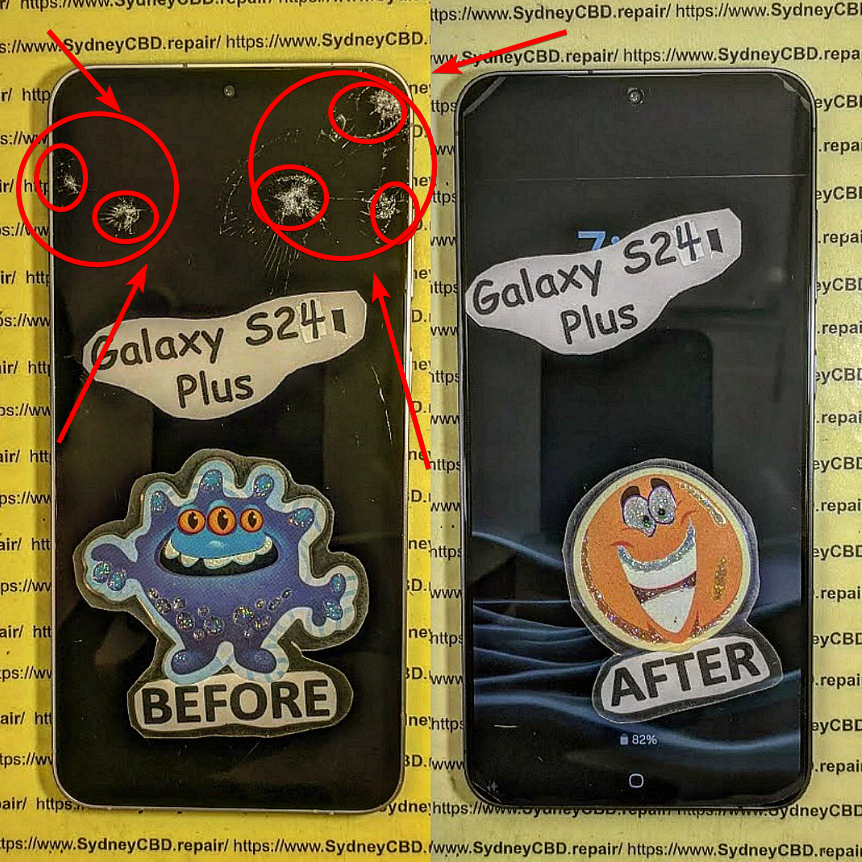
Even small cracks can spread quickly and compromise your phone’s structural integrity. Beyond being an eyesore, cracks can also lead to finger injuries and worsen with pressure or temperature changes.
Tip: A cracked screen can allow dust and moisture to enter your device, potentially causing deeper damage.
2. Unresponsive Touch Screen
If your screen doesn’t register your taps, swipes, or gestures accurately, it’s a red flag. This often means the digitizer (the part of the screen responsible for touch) is damaged.
3. Discoloration or Flickering Display
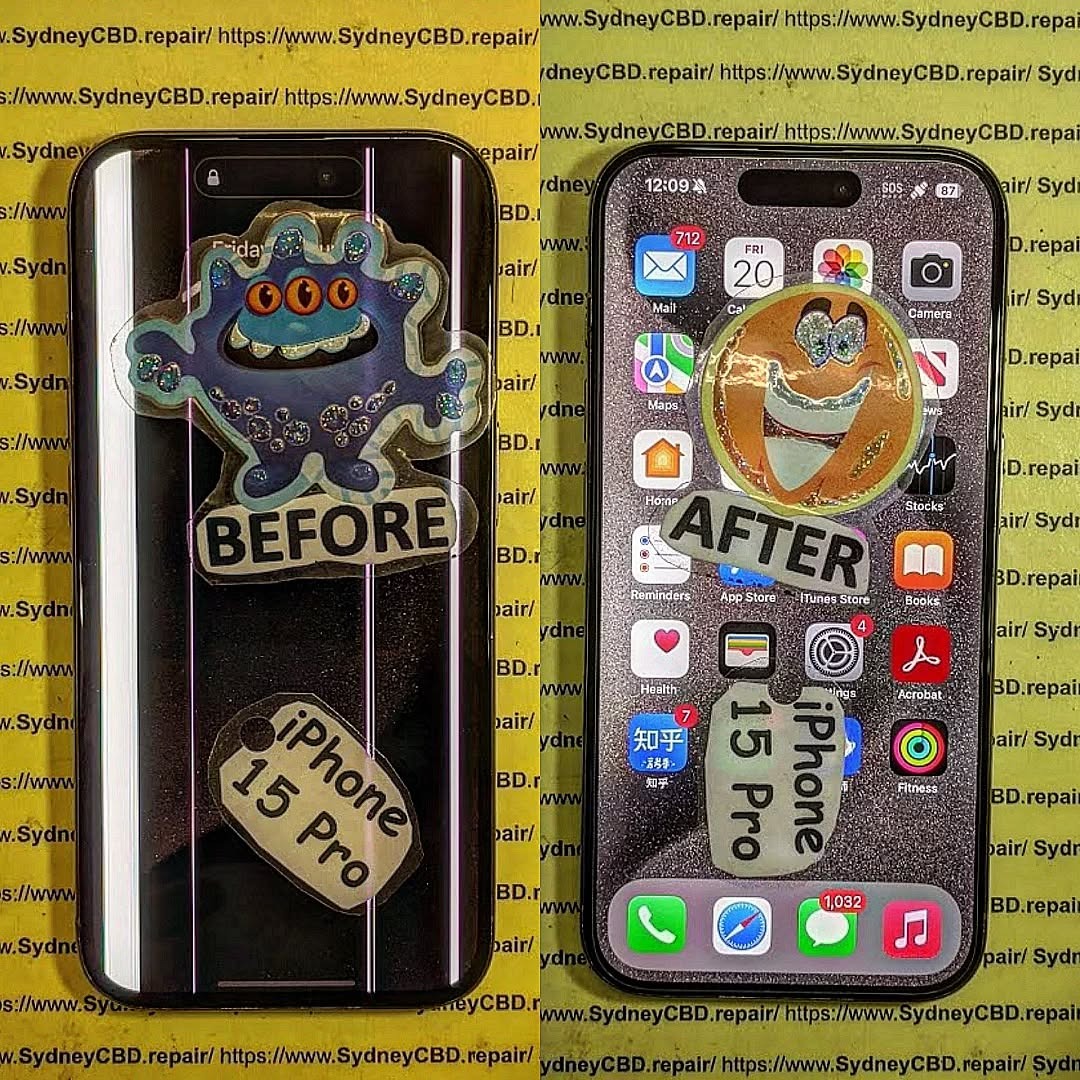
Do you see weird lines, colour patches, or screen flickers? This typically indicates internal screen damage or issues with the display connectors. It might look minor at first, but it could lead to a completely blacked-out screen soon.
Is your phone performing actions on its own—like opening apps or typing randomly? This is known as “ghost touch,” and it usually means your screen is malfunctioning.
5. Delayed Response or Dead Zones
If parts of your screen stop responding altogether or respond slower than others, this is a sign of partial digitizer failure. This makes typing, swiping, and general use frustrating.
🚀 Get It Fixed Fast at Sydney CBD Repair Centre
If your screen is showing any of these signs, don’t wait until it gets worse. At Sydney CBD Repair Centre, we:
✅ Replace screens using genuine parts
✅ Offer same-day express service
✅ Provide a 90-day repair warranty
✅ Are trusted by over 2000+ 5-star Google reviewers
Walk in today and let our expert technicians bring your phone back to life—safely, affordably, and professionally.
Can You Replace Your iPhone 15 Pro Screen Yourself? + The Truth + 10 Must-Know Facts
📱 Understanding the iPhone 15 Pro’s Screen Technology
The iPhone 15 Pro boasts a cutting-edge Super Retina XDR OLED display with Ceramic Shield protection, which is not only brighter and more responsive than previous models but also more intricate in its engineering. This makes replacing it far more complicated than older iPhones.
Key specs:
6.1-inch OLED display
ProMotion 120Hz refresh rate
Dynamic Island
True Tone, HDR10, Dolby Vision
Ceramic Shield front for extra durability
But even with these premium specs, the screen can still crack, shatter, or become unresponsive due to accidental drops or impact. And that’s when you start thinking—should you repair it yourself or leave it to the pros?
You might consider a screen replacement for a few of the following reasons:
Cracked or shattered display
Dead pixels or screen burn-in
Touchscreen unresponsiveness
Ghost touches
Display discoloration or flickering
Face ID not working due to display damage
While the symptoms might seem fixable, diving into DIY repair without adequate prep could make things worse.
🛠️ DIY Screen Repair: Is It Even Possible?
Technically, yes—you can attempt to replace the iPhone 15 Pro screen yourself, but should you? Let’s weigh the tools and knowledge required first.
🧰 Tools and Materials You’ll Need
To even consider a DIY screen replacement, you’ll need:
Pentalobe screwdriver (P2)
Tri-point screwdriver (Y000)
Plastic spudger and opening picks
Suction handle
Heat gun or iOpener
Anti-static mat and gloves
Replacement OLED screen (genuine or high-quality third-party)
Even experienced DIYers often lack the tools to safely remove Apple’s display adhesives and micro-connectors.
🛒 Where to Source Genuine Parts
Apple allows access to original parts via its Self Service Repair program in select countries. However, for most people outside this circle, parts come from third-party vendors. Be cautious—cheap knock-offs can damage your logic board or result in poor display performance.
Warning: This is a high-risk repair. Even a small mistake can permanently damage your iPhone.
🔌 Step 1: Power Off and Disassemble
Before anything, power off your iPhone. Use a Pentalobe screwdriver to remove the two screws next to the Lightning port. Gently heat the display edges with a heat gun or iOpener to loosen the adhesive.
Use a suction handle to lift the display slightly while sliding an opening pick along the edges to break the seal. Take extreme care—pulling too hard may damage flex cables underneath.
🔋 Step 2: Disconnect the Battery
After lifting the screen, use a tri-point screwdriver to remove the cover plate that shields the battery and display connectors. Disconnect the battery first to avoid short-circuits.
📱 Step 3: Remove the Damaged Display
Once disconnected, carefully remove the display by detaching the remaining connectors. Don’t force anything—most connectors are delicate and sit snugly.
🔄 Step 4: Install the New Screen
Place the new screen and reconnect all display flex cables. Ensure each one clicks gently into place. Misaligned connections could disable Face ID or display functions.
🔧 Step 5: Reassemble and Test
Reattach the battery and cover plate. Close the screen gently, ensuring proper alignment, then reinstall the Pentalobe screws. Turn the iPhone on and test:
Display brightness and responsiveness
Face ID functionality
ProMotion refresh
True Tone (may be lost without Apple calibration)
⚠️ Challenges of DIY Repairs
Repairing an iPhone 15 Pro screen isn’t like swapping out batteries on older models. Here’s what makes it risky:
😟 Face ID & OLED Issues
Face ID components are tied to your logic board. Damaging them disables facial recognition permanently unless you go through Apple.
OLED screens are fragile and require precision handling. One wrong flex and you’ll see flickering, ghosting, or dead zones.
💧 Dust, Water Resistance & Internal Damage Risks
Opening your iPhone breaks its waterproof seal. Reapplying adhesive rarely restores its original IP68 water resistance.
You also risk puncturing the battery, bending logic board contacts, or damaging the speaker/mic seals.
📜 Apple’s Official Policy on Third-Party Repairs
Apple allows third-party and self-service repairs but warns that:
Certain features like True Tone, Face ID, and brightness calibration may not work correctly without proprietary tools.
Damage during third-party repair voids the warranty, even if the original fault was unrelated.
Post-repair errors may not be resolved through Apple Store support.
iOS feature limitations (like True Tone or Auto-Brightness malfunctioning)
Apple’s diagnostic tools will detect third-party displays, which could result in service refusals later.
💵 Professional vs DIY: A Cost Comparison
Repair Method
Average Cost
Time Required
Risk Level
Warranty
DIY (with tools)
AUD $400–$600
2–4 hours
High
None
Professional Repair
AUD $480–$550
1 hour
Low
90-day or more
Though DIY may appear cheaper at first, consider the long-term costs of screen failure, re-repair, or disabling Face ID. Most users save money by doing it right the first time.
⚡ Safety Concerns with DIY Repairs
🔋 Battery puncture can cause fire
🧲 Static discharge may damage components
👁️ Sharp OLED shards can cause injury
🧪 Exposure to glue fumes can irritate skin/eyes
Unless you’re confident and well-equipped, the risk is often not worth the reward.
🛠️ What to Expect from a Professional Repair Shop
⏱️ Turnaround Time
Shops like Sydney CBD Repair Centre offer same-day screen replacement. Most customers are in and out within 1–2 hours.
📜 Warranty and Support
You’ll get:
90-day warranty on parts and labor
Genuine Apple-compatible parts
Expert calibration for Face ID, True Tone, and display settings
And most importantly, peace of mind.
⭐ Sydney CBD Repair Centre: Your Trusted Repair Partner
Located in the heart of the Sydney CBD, we are:
🛠️ 6-time winner for best mobile phone repair
✅ Over 2000 verified 5-star Google reviews
📱 Specialists in Apple, Samsung, and Google Pixel repairs
💯 Only use genuine parts with full functionality
Walk-in or book online for same-day service:
🔗 Locate us here
❓ 6 FAQs About iPhone 15 Pro Screen Replacement
1. Can I replace the iPhone 15 Pro screen myself?
Technically yes, but it’s risky and may void your warranty. Always weigh the risks before proceeding.
2. Will Face ID still work after replacement?
Only if done professionally. DIY repairs may break the Face ID sensor permanently.
3. Does Apple allow third-party screen repairs?
Yes, but they won’t cover any resulting damage under warranty unless it’s done through official channels.
4. How long does a professional repair take?
Most professional screen replacements are completed within 60–90 minutes.
5. What’s the average cost in Sydney?
Expect to pay between AUD $480 to $550 for a professional iPhone 15 Pro screen replacement with genuine parts.
6. Can I keep my True Tone feature after repair?
Only if the repair technician transfers the original screen data correctly—which most DIYers cannot do.
✅ Conclusion
So, can you replace your iPhone 15 Pro screen yourself? Sure. Should you? Probably not—unless you’re highly experienced and fully equipped.
DIY repairs are tempting but carry major risks: broken Face ID, water damage, or complete phone failure. For most people, the smartest choice is turning to professionals like Sydney CBD Repair Centre—where quality meets reliability.