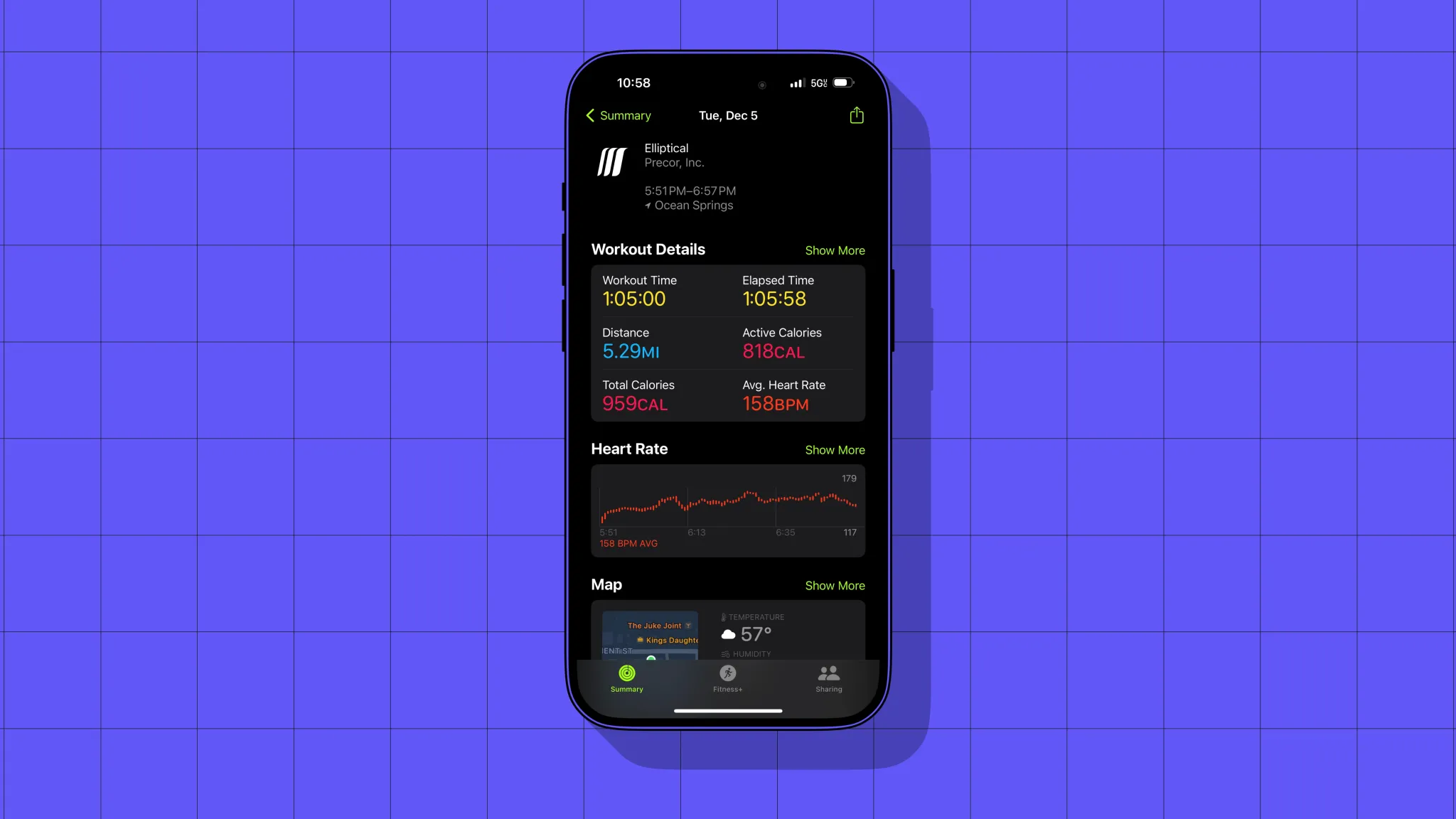
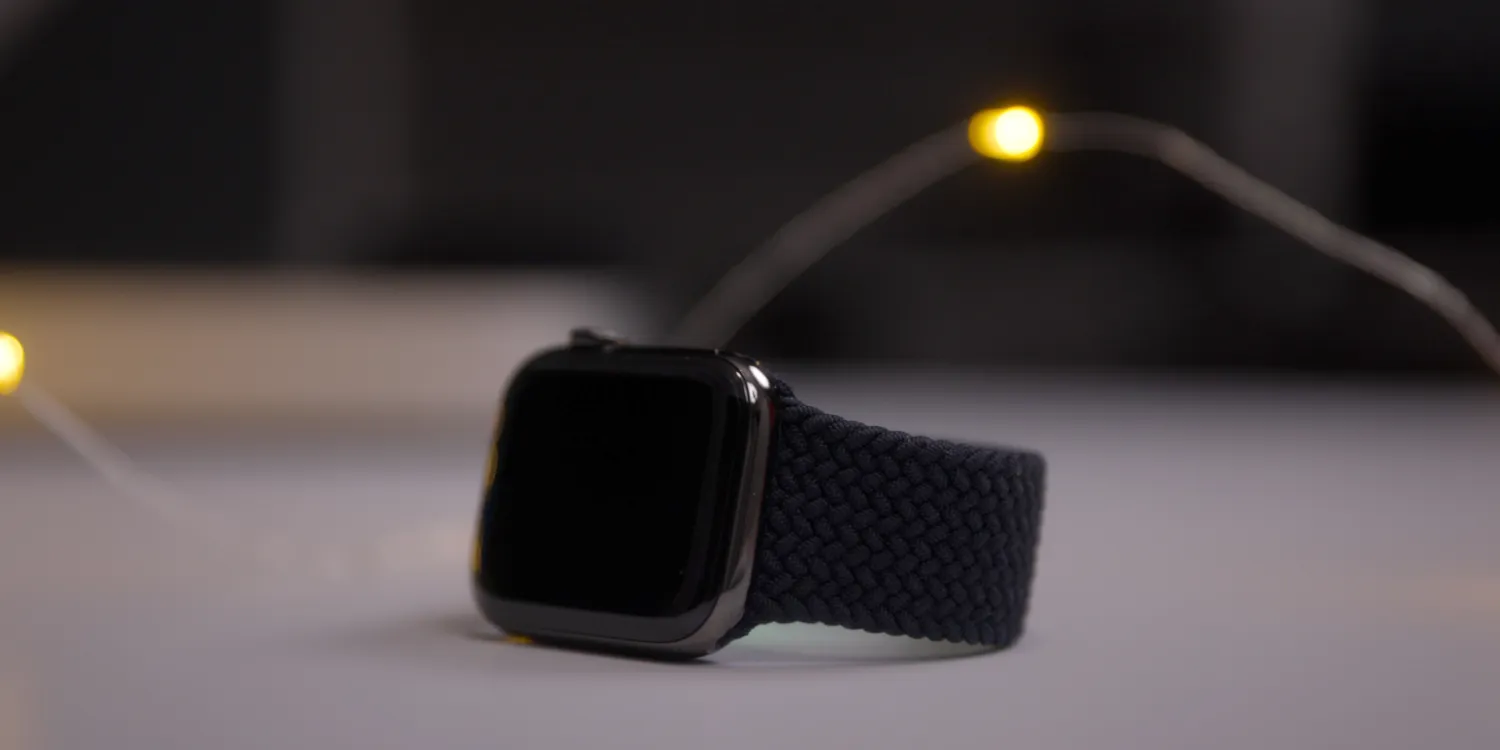
As an Apple nerd first and a person who wants to workout second, GymKit equipment is super encouraging. For everyone else with an Apple Watch, it’s the best way to sync up workout data, like heart rate, distance, and calories, that might not otherwise be available or accurate.
GymKit
Depending on who you ask, GymKit is either dead or very nice to have. I don’t think GymKit has really taken to home gym equipment except for Peloton (Bike+ only, not Tread). It also takes years for gyms to cycle through their equipment.
The GymKit slow roll started five years ago, and GymKit availability at Planet Fitness still varies by location. When you spot it, GymKit equipment is easy to use. Just wave your Apple Watch near the machine’s reader, allowing you to pair. Then starting/pausing/ending a workout from the machine matches the state on the watch (and vice versa).
The GymKit part is labeled with a watch
Wallet
Another perk since the last time we were a member? Digital keycards in Apple Wallet.
Years ago, We made our pass for the Wallet app so we could check in using our watch without our phone. Far less obsessed with trying to shoehorn the phone’s functionality into the watch now.
Still, it’s very nice being able to pull up and have the pass appear on the lock screen one tap away. And if we do want to leave our phone in the car or check in from the watch, that’s easily doable.
This is something Planet Fitness does do well. Membership cards aren’t available in Apple Wallet but are digitally available in the gym’s phone and watch apps.
Apple Watch
We can also mention here that we recently tried to pull off run tracking without the watch. We already knew this, but using a run-tracking app on the phone was not ideal.
The biggest factor for us is that the iPhone has the lock screen in between you and the run tracking app. Live Activities may help on the phone, but the watch is optimized for workout tracking.
The point? Working out is more fun with the Apple Watch, and gyms that have GymKit treadmills and ellipticals are true… gems.
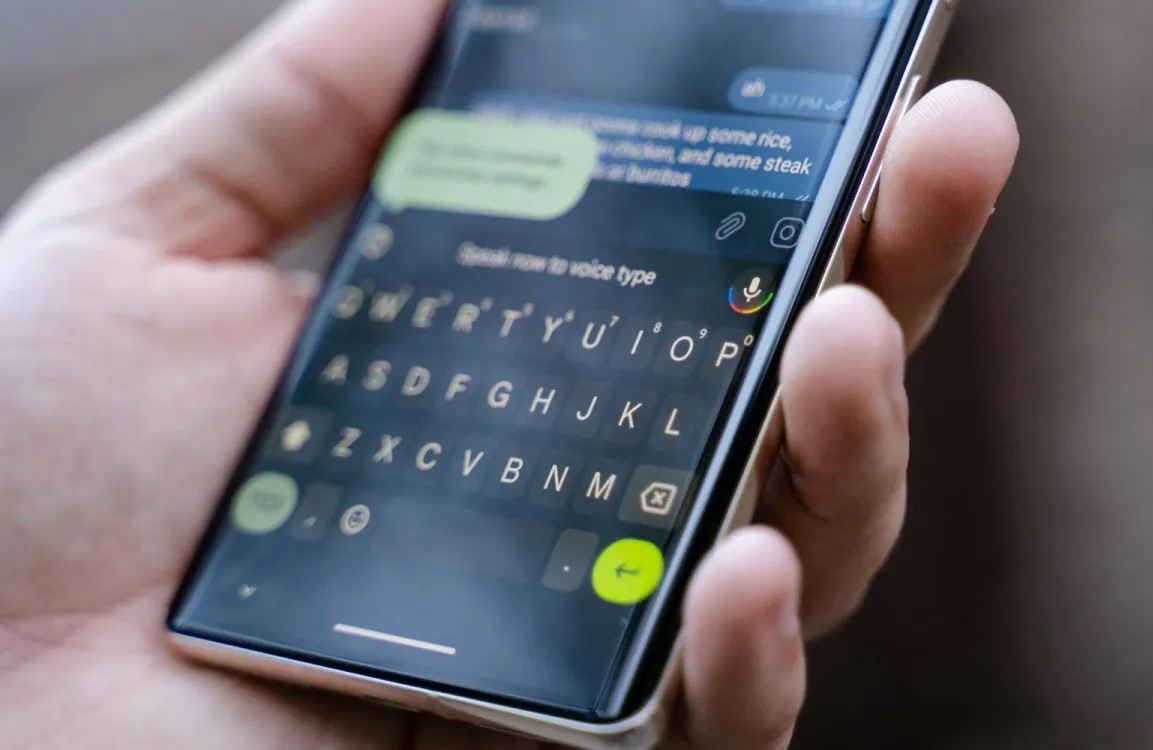
Swiping left on Gboard’s backspace key lets you quickly delete entire words/phrases, while Google will show what you just removed in the suggestions strip for quick restore. To take things a step further, there is a relatively quick way to access a dedicated “undo” key in Gboard for Android.
This tip was brought up in the context of a Reddit thread about how Apple’s shake-to-undo gesture on iOS is quite underrated. On Android, apps like Google Docs and Keep have their own undo/redo features, but it’s not a system-level capability.
The immediate Gboard workaround involves adding a Japanese keyboard. If you write something and then accidentally delete it, switch from your language to Japanese and tap the key in the top-left corner to undo.
This key has a pretty long memory, and we’re able to undo things even after exiting and returning to the app. It worked in Google Messages, Chrome, and other apps we tested.
Open Gboard Settings > Languages
“Add keyboard”
Search “Japanese” and select
Pick the first option in the carousel [12キー] and hit “Done”
By adding another keyboard, you will get a globe key to the left of the space bar. If you don’t like how that shrinks the bar, go to Gboard Settings > Preferences > “Show language switch key” toggle. If turned off, you can use the system language/keyboard key in the bottom-right corner of the screen, or Gboard’s “Next language” shortcut, which can be added to the top row.
Getting this dedicated undo key requires a tiny bit of work, and a more ideal solution would be for Gboard to add its own undo button in the suggestions strip. Fortunately, Google is working on just that, but it’s not yet available after being spotted in development this July.
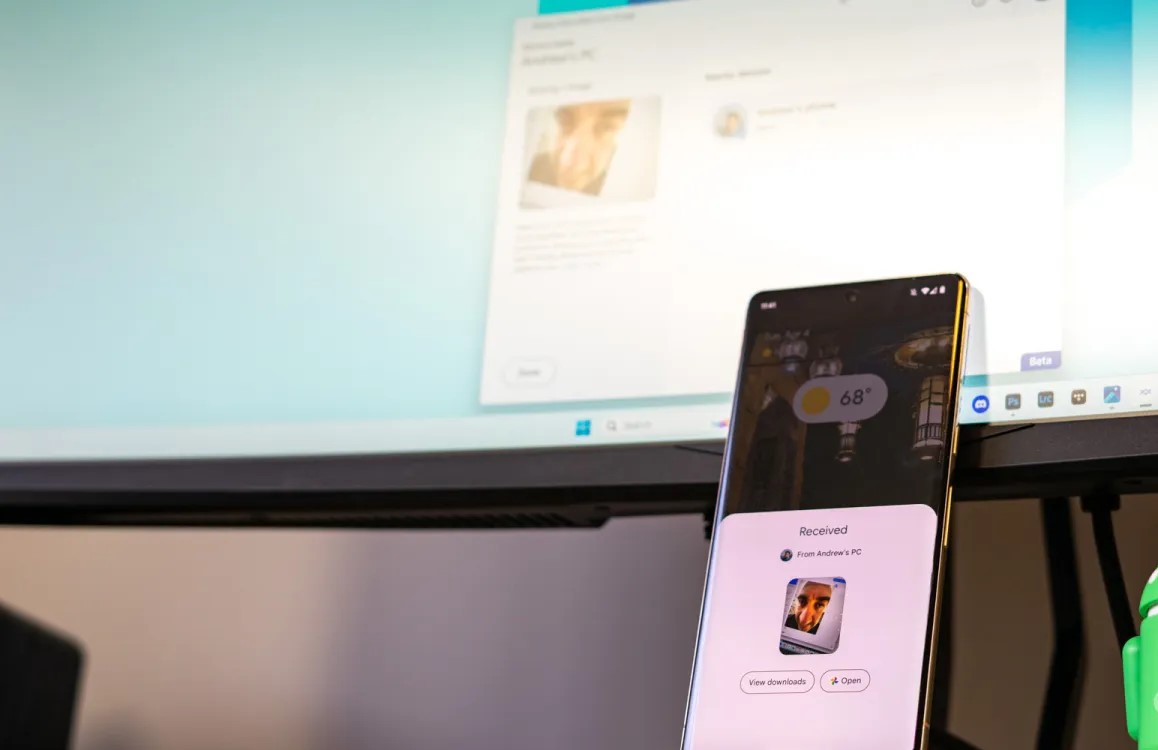
Initially arriving as a handy way to send files between Android devices, Nearby Share has expanded to support Chromebooks and even Windows PCs (Mac is not yet supported). Like AirDrop, it’s easy to send files to yourself or friends, while there’s also an option to receive files from anyone.
For whatever reason, it seems that Google is preparing to ditch the “Nearby Share” branding that the company has used since 2020. The news comes courtesy of Kamila Wojciechowska on Twitter/X.
💦It seems like Google's renaming Nearby Share to… Quick Share, which is also the name for the Samsung's file sharing solution? uhhhhh
Today I received a GMS update to the version 23.50.13 and, soon after that, the notification from the screenshot above. The update as well as… pic.twitter.com/RkobYEMIw4
After installing the latest beta update to Google Play services (version 23.50.13), a notification reportedly appeared informing of the rebranding. Alongside the new “Quick Share” name, the service has also been given a new icon consisting of two arrows pointing at each other with semicircular tails. The new icon even appears in the Quick Settings tile on Android devices. The previous icon resembled two opposing arrowheads/boomerangs woven together.
Nearby Share is now Quick Share
Look for the new name and icon to share with nearby devices
This change appears to only be a visual one, as otherwise, the service seems to still function exactly as it did before.
That said, it’s interesting that Google has chosen to use the name “Quick Share,” a moniker that currently Samsung uses for its own file-sharing utility on Galaxy phones. It’s currently unclear if Samsung’s Quick Share has anything to do with Google’s rebranding of Nearby Share.
As this change is currently only appearing in a beta version of Play Services, it will likely be a few more weeks before Nearby Share is widely rebranded to Quick Share on Android devices.
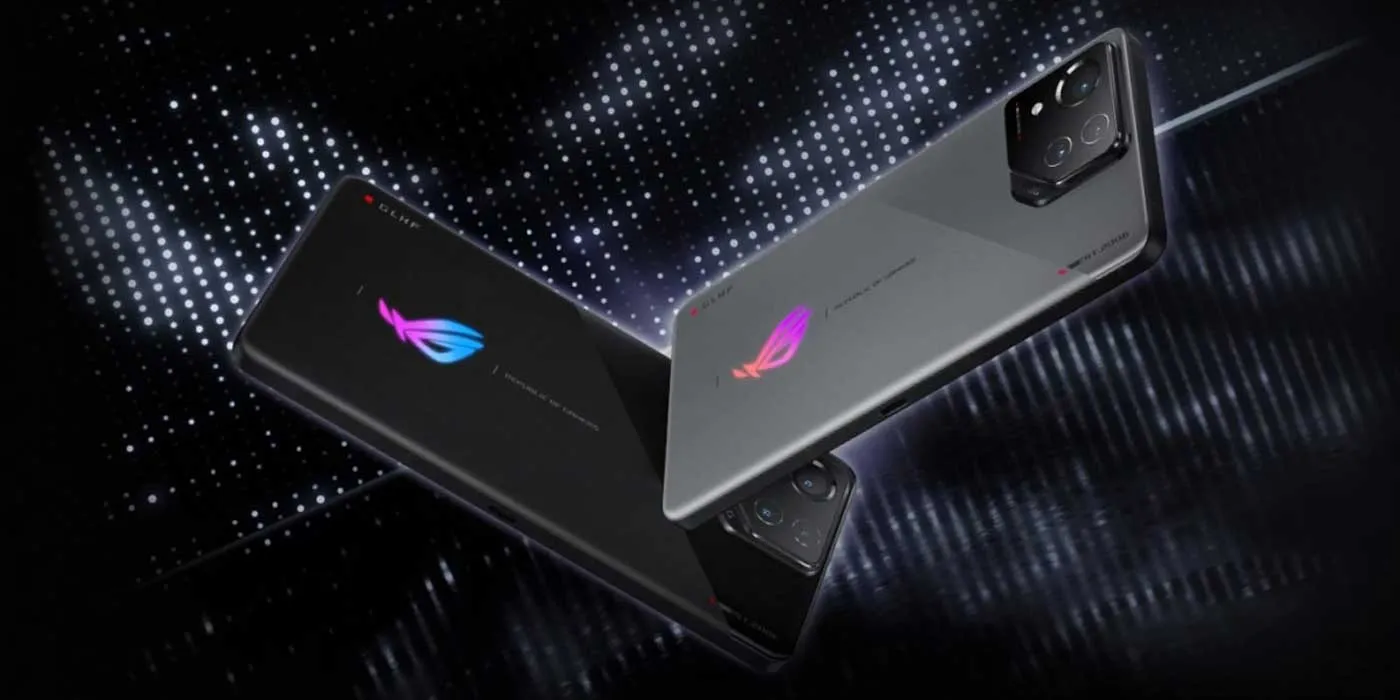
Asus is gearing up to launch another entry into its game-focused smartphone lineup. The ROG Phone 8 is set to be announced at CES in January, with a launch shortly after in China.
Asus has found quite a bit of success in the ROG lineup. The phones developed by the company, which already has its hands dipped in high-end PC components and products, tend to have high performance. The ROG Phone series is marketed toward gamers, and the devices have the power to back that up.
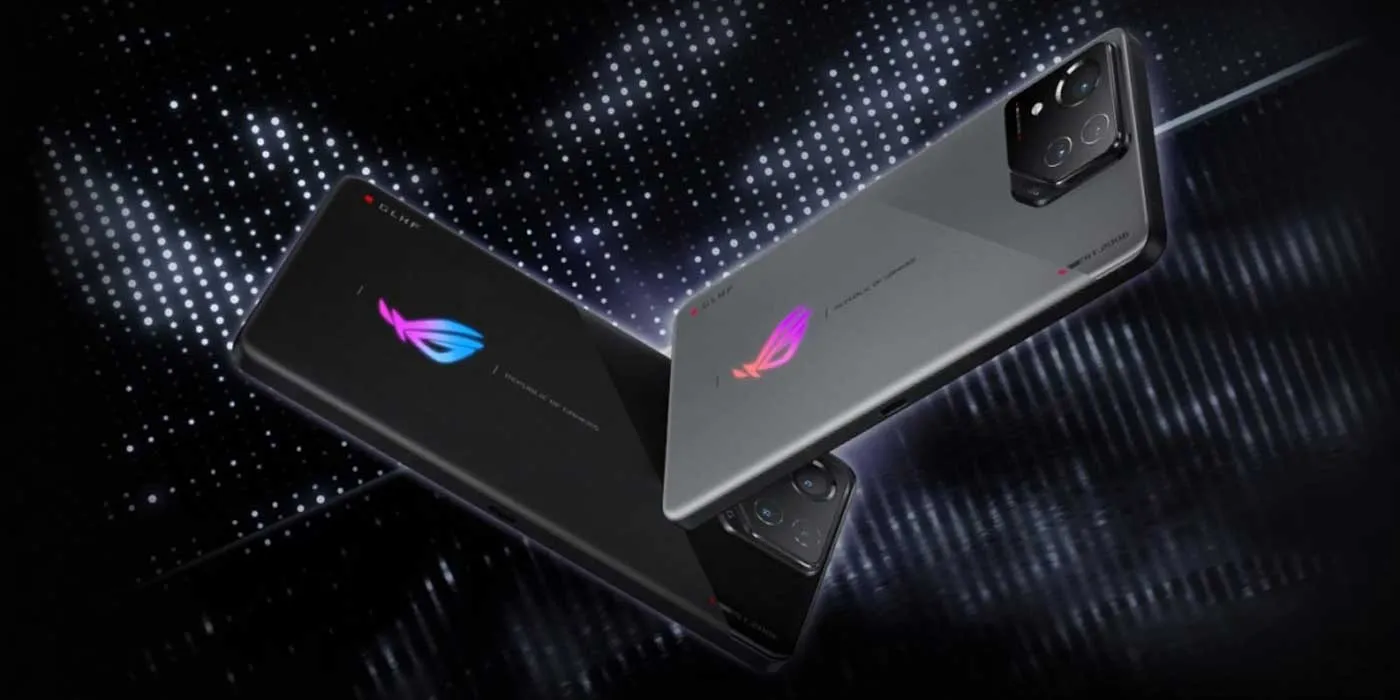
According to an official post on Weibo made by the Asus ROG account, the ROG Phone 8 will launch in China on January 16 (via GSMArena). Prior to that, the company plans on announcing the device at CES on January 8. With that, a teaser video was shared. The video shows a transition from an older device to the ROG Phone 8, which has a squared-off look and a punch-hole camera on the front.
Stills were shared from the account, as well, showcasing the rear of the device and the camera array. The bottom of the back panel is still equipped with an LED Asus logo and other markings to make it stand out as an ROG Phone.
According to the marketing images, Asus is also hosting a blind camera test where users can vote for the winner. This implies that Asus is confident in the ROG Phone 8’s camera setup against other phones. There’s no word on what devices will be involved in the test, but if it were up against a Pixel 8 Pro or iPhone 15 Pro and held its own, things would change for the ROG Phone series.
Until January 8, we won’t know what’s in store. Small details like the Snapdragon 8 Gen 3 chipset and 24GB of RAM are known, but not much beyond that.
With Android 14, Google removed the ability to long press an icon on the homescreen to quickly see notifications from that app.
Previously, you’d be able to see any available notifications from an app by holding down on the icon in the launcher or grid. Only one was shown in its entirety with a counter in the corner if there were more. Besides opening it from there, you could also swipe it away.
This was useful if your notification tray was overflowing with alerts, while it went hand-in-hand with the notification dot, which continues to feel like an iOS trait more than an Android one.
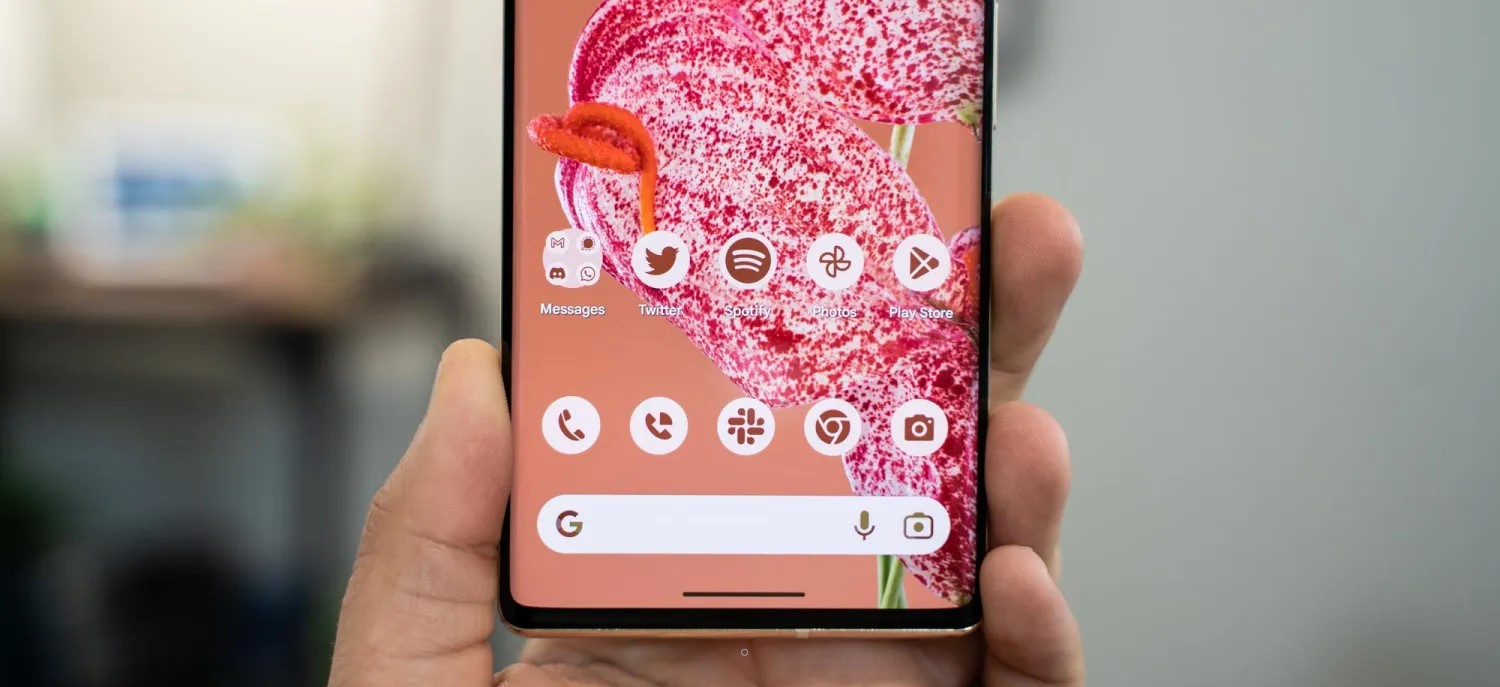
In Android 14, long pressing on an icon just shows app shortcuts, as well as App info, Pause app, and Widgets. In fact, now that notifications no longer appear there, Google made it so that those three shortcuts appear as a full list at the top instead of being merged together. The Android team presumably decided to remove notifications and then introduced the tall list.
Android 13 vs. 14
This change was brought up during the Android 14 Beta Program over the summer. In August 2023, Google said the removal of notifications was the new intended behavior and that it “won’t fix.” There’s no reason behind this change, but the company presumably has usage stats.
With the stable launch of Android 14 on Pixel last month, there have been over a hundred new comments requesting the capability be brought back.
Personally, I didn’t notice the removal and have never used that app menu for anything beyond shortcuts and quick access to the App info page. Most users are presumably all in on the notification tray. However, Google does not seem to really be doing anything major with the app long press menu in Android 14, so the restoration of notifications doesn’t seem like it would be overly disruptive.
The Poco M4 Pro launch in 2021 worldwide, and we can already see it as one of the season’s bestsellers. It is a sensible upgrade over the Poco M3 Pro 5G with a larger and more colorful display, an improved rear camera setup, speedier charging, and stereo speakers. And most importantly, it’s still incredibly cheap.
The Poco M4 Pro and the India-only Redmi Note 11T 5G are pretty much identical, so our review conclusions based on the Poco should pretty much apply to the Redmi.
The new Poco M4 Pro is built around a 6.6-inch IPS LCD screen with 1080p resolution and adaptive 90Hz refresh rate. Other than the slight increase in size, the new display also supports DCI-P3 colors instead of sRGB on the M3 Pro. It also has an improved touch panel with a 240Hz sensing rate vs. 180Hz on the Poco M3 Pro.
The Dimensity 810 5G chipset is at the heart of the Poco M4 Pro 5G – a trivial update over the Dimensity 700 5G in the Poco M3 Pro 5G. The new chipset offers a minor increase in the CPU clock, but it is also built on a more efficient manufacturing process. This won’t make for a noticeable difference in real life, at least today, but it’s still an improvement, nevertheless.
Xiaomi is done with the camera count game and is putting an end to those mostly obsolete cameras like depth sensors and underwhelming macro shooters. This new Poco M4 Pro 5G has a traditional dual-camera on the back with a 50MP primary shooter and an 8MP ultrawide snapper, which may be one camera less than on the Poco M3 Pro, yet more versatile – the M3 had no ultrawide snapper.
The Poco M4 Pro 5G has a large 5,000mAh battery, which now supports much faster 33W charging, and you bet this power adapter is part of the retail bundle. Xiaomi promises a full charge in 59 minutes, and we will put that to the test for sure.
Finally, the Poco M4 Pro 5G is what makes this device such a sweet deal – the 4/64 version retails at €230, while some early birds will be able to get it at €200 at launch. Yes, we are intrigued.
Disclaimer. We can not guarantee that the information on this page is 100% correct.
The Poco M4 Pro 5G is IP53-certified for dust and splash resistance, just like many of the recent Redmi and Poco phones. This means the device will probably survive light splashes and should be fine in light rain and humid regions.
Now that there are no macro and no depth camera, we are yet to see if the Portrait mode will suffer, or the AI algorithms will make up for the lost hardware. Let’s hope it’s the latter case.
Unboxing the Poco M4 Pro 5G
You cannot mistake the iconic yellow box of Poco and the M4 Pro 5G, just like the previous Poco phones arrives in such a catchy carton.
Inside, you’ll find a 33W power adapter, a 3A rated USB cable, and a transparent rubber case for additional protection.
The case compartment also houses some paperwork, the SIM ejection PIN, and several POCO stickers for the fans that like to declare their love for the brand publicly.
The competition
The Poco M4 Pro 5G is a good smartphone, alright. It has a large and fluid screen, stereo speakers, okay performance, capable cameras, all-around connectivity with 5G, and long-lasting battery life with fast charging. It’s a versatile device that offers exactly what’s promised, nothing more, nothing less.
The thing is that the budget 5G phones are common already, and the competition is thriving here. The carriers have been offering lucrative 5G plans for the past year, making the 5G-capable smartphones even more attractive despite their caveats like subpar performance (we’ll get to that).
So, the Poco M4 Pro 5G launches at €230 for its 4/64 version and €250 for the 6/128 model. The first batches will be €30 cheaper at €200 and €220. These are also the prices you will see in all upcoming shopping events for Black Friday, Christmas and whatnot.
That’s the same price as the Realme 7 5G, which has an even smoother 120Hz display, faster graphics, and 128GB base storage. It doesn’t offer stereo speakers, but we’d say the gains are surely something to think about.
There is also the Realme 8 5G currently priced at €160. It’s basically the Poco M3 Pro 5G, but under the Realme branding – it doesn’t offer an ultrawide camera, there are no stereo speakers, and the fast charging is not as fast. But if your budget is limited, it’s a phone you should at least consider.
And speaking of the Poco M3 Pro, it’s going right now for €185, a bit more expensive than the Realme 8 5G. But if you want MIUI and Poco on the cheap, it is the way to go.
Then there is the Samsung Galaxy A22 5G – it’s a good match to the Poco M4 Pro 5G with a similar screen, chipset, battery and camera skills. The Galaxy has splash-resistant though, there are no stereo speakers, and the charging is sluggish. Yet, it costs as much as the Poco (after the early bird promo) – €230.
Obviously, the Poco M4 Pro 5G is the cream of the crop when it comes to budget 5G phones.
But if 5G is not essential to you right now, 4G phones are still pretty fast when it comes to mobile internet, then there are some totally different offers for you.
Like the Poco X3 Pro with its 120Hz LCD screen and flagship-grade Snapdragon 860 chipset. It costs about €230 and offers more storage, better speakers, and an additional macro camera on top of the better screen and much better performance.
Or the €240 Redmi Note 10 Pro with its outstanding 120Hz AMOLED screen and high-quality 108MP snapper on the back.
Or the Realme 8 Pro with a 6.4″ AMOLED, a great 108MP primary camera with lossless 3x zoom, even faster 50W charging and more storage. It cannot offer stereo speakers and splash resistance, though.
There is also the €190 Galaxy A22 with a 90Hz Super AMOLED screen and a versatile quad-camera on the back. It is not waterproofed though, the charging is slower, and there are no stereo speakers.
The verdict
The Poco M4 Pro 5G is a good all-round offer, and it does what it was supposed to – it offers smooth OS experience thanks to its 90Hz LCD screen, it can handle games if needed, it takes great photos, it can play stereo sound, and its battery life is great, and we appreciate the fast charging.
There are a lot of phones in the same price bracket, but we’d say the Poco M4 Pro 5G is consistently good at everything and that’s the best reason why you should pick one if your budget is about €200 or so.
The strongest threats are also Xiaomi-made – phones like the cheap Poco X3 Pro and Poco F3. Those two offer flagship-worthy performance, and their prices are unbelievably low these days. The F3 can even offer 5G connectivity.
Then again, the Poco M4 Pro 5G is the newest smartphone from the maker and is sold at a reasonable price. Unless you want a phone to play games all day, we’d recommend it for its thoughtfully picked feature set.
Pros
Attractive splash-resistant design, cool color options.
Large 90Hz LCD screen with excellent contrast ratio.
Outstanding battery life, fast charging.
Stereo speakers, loud enough.
Dependable performance, no throttling.
Good photo and video quality, portraits are fine without depth sensor.
3.5mm jack, microSD slot, dual 5G, NFC, IR blaster, FM radio.
Cheap.
Cons
Screen’s 90Hz may put a strain on the GPU.
Not-so-good speaker audio quality.
No macro camera, no 4K video capturing.
No obvious performance updates since Poco M3 Pro 5G.
Apple loves a good “buzzword” as much as the next company, probably even more. The trendy “r words” arguably get the most love and attention. Words like Reduce, Reuse, Repair, Recycle. But arguably, one of Apple’s greenest practices to date is the repackaging and reselling older designs as new products after a refresh. It’s been done time and time again, be it with iPhone SE models or Macbooks.
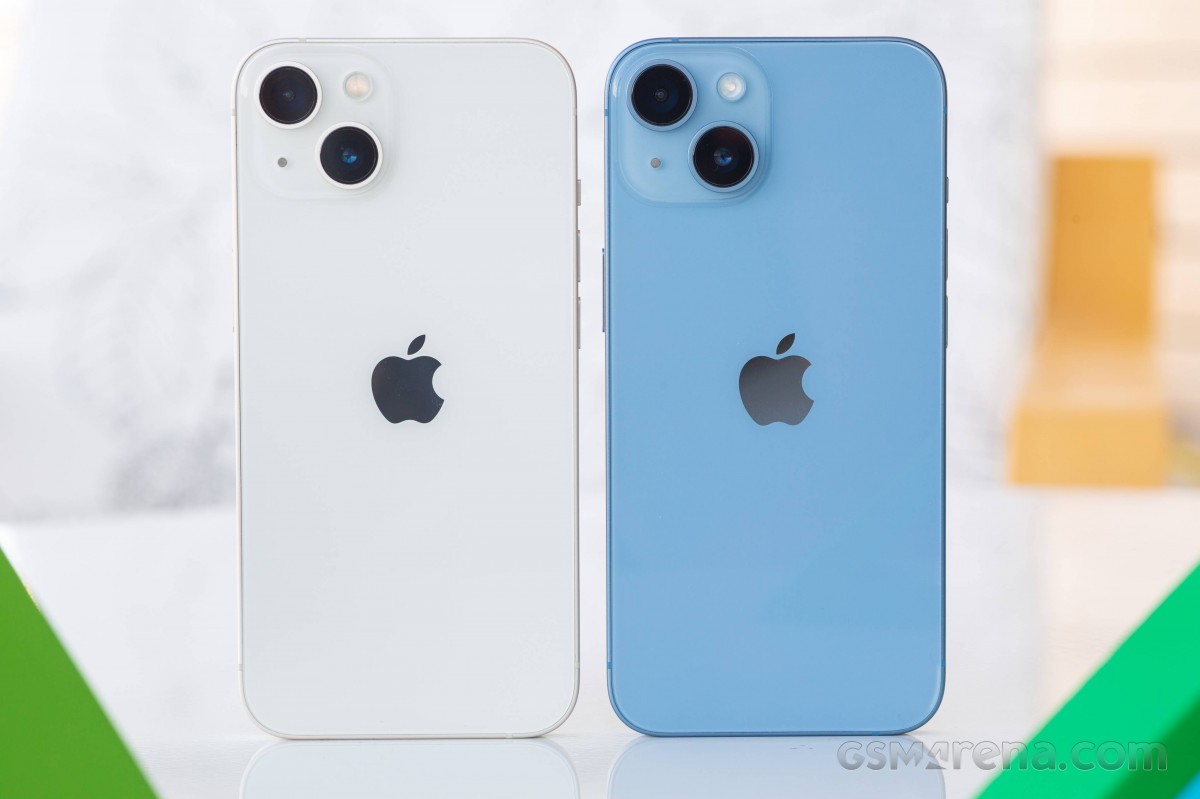
The new iPhone 14 sort of fits into this category of product. Just sort of, though, since Apple has redesigned the internals quite a bit to facilitate easier repairability, among other things. Plus, you do get new cameras and a few other new features. Externally, though, the iPhone 14 is essentially the same as the iPhone 13, and so is the core experience these devices offer. If Apple still did “s” models in their naming scheme, the iPhone 14 would probably be the iPhone 13s.
Disclaimer. We can not guarantee that the information on this page is 100% correct.
The vanilla iPhone 14 even starts at $799 in the US, just like its predecessor, so it occupies the same segment and fills the same shoes if it were. That said, most markets outside the US have a price hike on the iPhone 14, and the iPhone 13 has come down in price since its launch. Even in the US, it is now $100 or so cheaper.
So, we have our work cut out for us, and the real question here is clear as day – is the iPhone 14 better than the iPhone 13 and is it worth shelling out a bit more for it instead?
Unboxing
Before we really dig into the iPhone 14 to see just how much different and potentially better it is, let’s start simple with its retail package. Apple basically created the new standard for the “bare minimum” accessory package and is not about to suddenly become more generous in that department.
We have the typical Apple affair – minimal in and out. The two-piece white cardboard box is very small in every dimension.
Inside the box, you’ll find a relatively short 1-meter long USB Type-C to Lightning cable, a SIM ejector tool (outside the US, where the iPhone 14 is e-SIM only and lacks a physical SIM tray) and some leaflets. That’s it. Nothing more, nothing less.
Alternatives
The iPhone 14 starts at $800 in the US, but if you are outside of the US, there is a price hike compared to the MSRP of the iPhone 13. One in Europe will set you back at least EUR 1,000, barring any carrier or similar deals. That’s a pretty penny to pay for the vanilla iPhone. Apple has decided to still offer the iPhone 13 and 13 mini. If you’ve already gone through the review, then you have probably made up your mind on whether the new iPhone 14 offers enough of an upgrade for you to shell out the extra money. A vanilla iPhone 13 starts at $699, which is a decent bit of savings.
Part of the charm of the iPhone 14 is definitely its size. Now that there is no current “mini,” it is the smallest iPhone in this generation. And indeed, even its size is hard to come by in the Android realm, where display diagonals have only been growing steadily. Still, there are some viable options to consider. If the camera is your first priority or you are into a clean as possible OS experience, then the Google Pixel 6a might be just up your alley. Assuming, of course, that this alley is in a market where Google officially sells its phones.
Left: iPhone 13 • Right: iPhone 14
The same is mostly true of the Asus Zenfone 9. It is compact and still packs a full set of flagship features and hardware, including Qualcomm’s latest and greatest Snapdragon 8+ Gen 1 chipset and a decently large 4,300 mAh battery. Among other things.
Left: iPhone 13 • Right: iPhone 14
Sort of on the other end of the spectrum, we find the Samsung Galaxy S22 5G. It runs the company’s highly-regarded One UI UX with all of the added high-level features it includes. Plus, you still get the latest generation of Samsung hardware, including excellent cameras.
Our verdict
The iPhone 14 is very much a familiar affair. It is an incremental upgrade over last year’s model. If you didn’t have time to go through the entire review, allow us to list all of the upgrades really quicky.
The iPhone 14 has a major internal redesign that makes it more easily repairable, particularly a back panel or a display swap is now much less of a pain. The iPhone 14 has only a slightly larger battery pack but notably better battery life and even faster charging. The chipset is last year’s A15 Bionic, but with five GPU cores, 6GB of RAM (50% more), Bluetooth 5.3, a more energy-efficient Qualcomm 5G modem, new satellite connectivity for SOS messages and new Crash Detection. The camera department has a new larger 12MP main camera with a 1/1.65″ sensor, 1.9-micron pixels, a new 12MP ultrawide and a new 12MP, f/1.9 selfie camera now with autofocus onboard. There is also the new Action Mode video stabilization, 4K Cinematic mode at 30 fps and a new Photonic Engine for better low-light photos.
It’s not an insignificant list of changes once you really dig in. Some are obviously more impactful than others, and it will be up to the individual user to judge what constitutes enough reason for an upgrade. The way we see it, anybody on an iPhone 13 has little to no incentive to jump ship. Unless you really need autofocus on your selfie cam, all of those other camera improvements only realistically result in shorter capture times in low light. We would even go as far as to say that iPhone 12 users shouldn’t feel too tempted by the 14 and can hold off upgrading for at least another year.
If you are running any iPhone older than that and you are looking to upgrade, then the iPhone 14 is nothing short of a solid and dependable way to go. Sure, it is a bit on the boring side in more ways than one, but you definitely know what you are getting into. For the more adventurous or frugal, there is also the option of picking up an iPhone 13 and potentially banking on some extended software support now that the A15 Bionic has gotten a new lease on life in the iPhone 14. Either way, you will be getting a great phone for the years to come.
Pros
Major internal redesign for easier repairability.
Bright OLED screen, HDR10, Dolby Vision and excellent color accuracy.
Solid battery life.
Loud stereo speakers, excellent output.
Great all-around performance from the older but still solid chipset.
Great photo and video quality across all three cameras.
Autofocus on the selfies camera and Action Mode are great camera additions.
Every iPhone comes with at least five years of iOS updates.
Cons
Minor upgrade over iPhone 13.
Wider feature gap with the 14 Pro: no 120Hz refresh rate, A16 Bionic, zoom camera or AF on the ultrawide.
The notch is still a polarizing design element.
The fast charging isn’t particularly fast, and the charger is not bundled.
Apple’s iOS restrictions can be off-putting to newcomers to the ecosystem.
Vision Pro to a complete revamp of the iPad lineup, there’s a lot to be excited about. Here’s everything we know about what’s coming from Apple this year, broken down by product category.
Spoiler alert: there’s a lot in the pipeline for this year.
Vision Pro
Apple’s 2024 is expected to kick off with the release of Vision Pro, Apple’s new spatial computing headset that was first announced at WWDC 2022. Apple says that Vision Pro will be released in “early 2024” in the United States and later this year in other countries around the world.
According to reports from the likes of Bloomberg and Ming-Chi Kuo, Vision Pro is currently in mass production ahead of a launch to customers sometime in February. Vision Pro will start at $3,499, but Apple has not revealed any other pricing details for things like prescription lenses, storage configurations, and more.
Learn more about Vision Pro in our hands-on coverage from WWDC 2022. Keep up with all of the latest rumors about Vision Pro’s release date in our dedicated guide.
A complete iPad lineup overhaul
In 2023, Appledidn’t release a single new iPad. In fact, the only hardware announcement related to the iPad was the new Apple Pencil with USB-C. Exciting stuff, right?
Thankfully, 2024 is shaping up to be a far more exciting year for the iPad. Rumors suggest that Apple has new versions of every iPad it sells in the works.
iPad Air
One of the biggest changes to the iPad lineup in 2024 is expected to be the addition of a new 12.9-inch iPad Air. Currently, Apple sells one iPad Air model at 10.9 inches. This would mark the first time that Apple has sold an iPad Air in two different screen sizes.
Other than the new form factor option, we aren’t expecting many other changes to the iPad Air in terms of design or features. The only other notable difference will be a new processor, with Apple upgrading the iPad Air from its current M1 chip to the M2 for better performance and efficiency.
The new iPad Air models are expected to be announced and released sometime around March.
iPad Pro
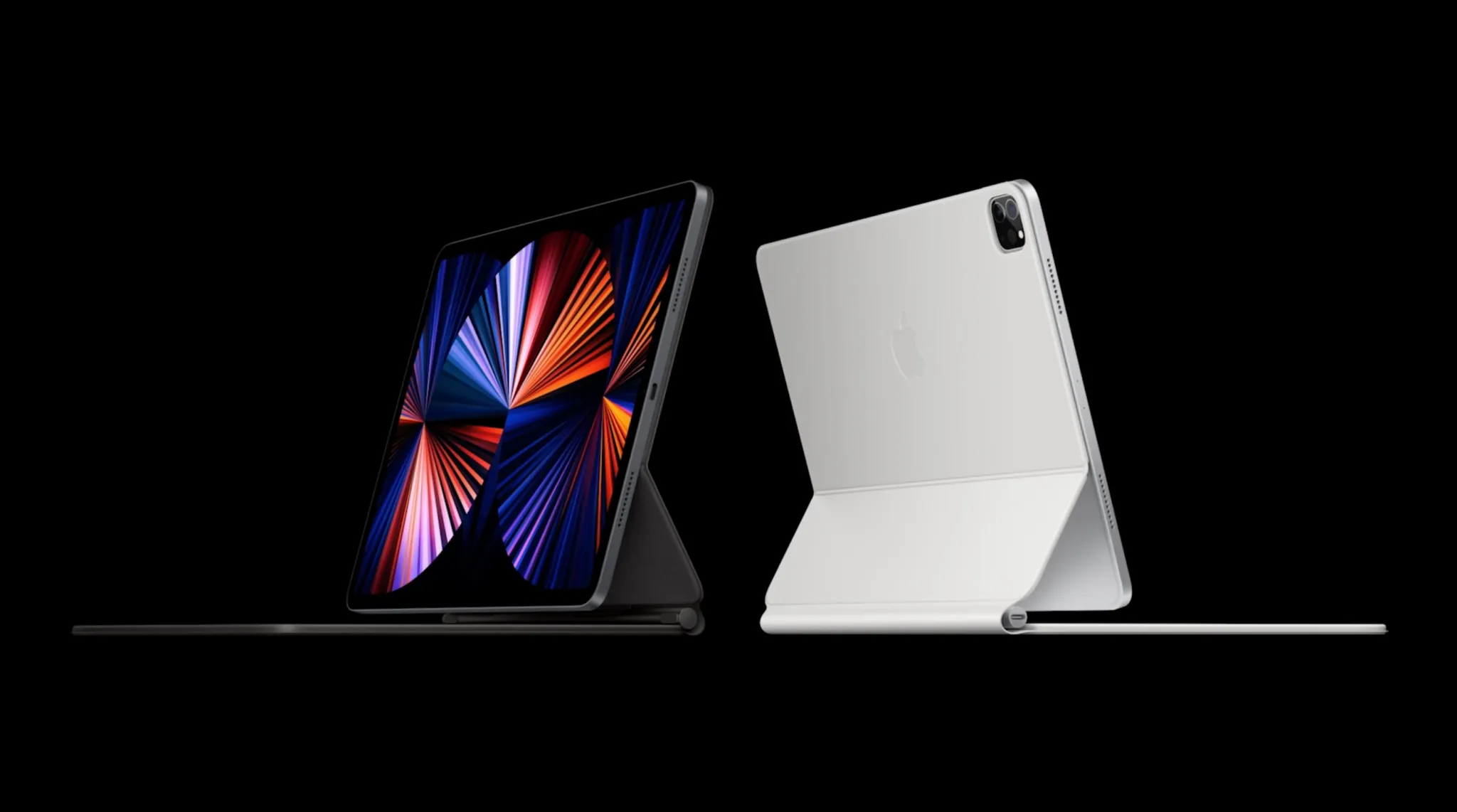
For fans of Apple’s top-end iPad Pro models, there’s a lot to be excited about in 2024. Most notably, the iPad Pro lineup will switch to OLED display technology. Currently, the 11-inch iPad Pro uses an LCD display while the 12.9-inch uses mini-LED.
Additionally, the 2024 iPad Pro lineup will be available in 11-inch and 13-inch screen sizes. The slight increase from 12.9 inches to 13 inches could come in the form of smaller bezels, allowing Apple to increase the screen size while maintaining the same overall form factor.
The switch to OLED for the iPad Pro lineup could also unlock other changes. For example, OLED displays could theoretically allow Apple to make the iPad Pro thinner. There have also been rumors of bigger design changes coming to the iPad Pro models, but whether those design changes will debut this year remains to be seen.
On the inside, the iPad Pro models will use the latest-generation M3 processors. This will unlock improved performance and efficiency for things like pro-level apps, multitasking, and more.
All of these changes, however, will increase the iPad Pro pricing. Not only are OLED panels more expensive than LCD and mini-LED, but Apple is also planning to use the most advanced version of OLED panels on the market. As it stands today, the 11-inch iPad Pro starts at $799, while the 12.9-inch iPad Pro starts at $1,099.
You can learn more about the new OLED iPad Pro in our dedicated guide. This guide includes details about why Apple is switching to OLED and some of the benefits the change will offer.
The new iPad Pro models are likely to be announced and released sometime around March.
New Magic Keyboard and Apple Pencil 3
For the new iPad Pro models, Bloomberg has reported that Apple is working on a new Magic Keyboard accessory. The new Magic Keyboard will allegedly make the iPad Pro “look more like a laptop and include a sturdier frame with aluminum.
On the other hand, the new iPad Air models will reportedly use the existing Magic Keyboard.
Meanwhile, Apple is also said to be prepping a new version of the Apple Pencil to launch alongside the new iPad Pro. Details here are still a bit sparse, but rumors have pointed to a hardware change that supports interchangeable magnetically attached tips that simulate different instruments.
iPad mini and iPad 10: Late 2024
Last but not least, Apple is working on updated versions of the base model iPad as well as the iPad mini. These devices will be updated with faster processors, likely the A16 for improved performance and efficiency improvements. No other major changes are expected.
Perhaps most notably, the introduction of the iPad 11 means that Apple will discontinue the iPad 9. The iPad 9 is the last model of the iPad to feature a Home button and a Lightning port. This will also allow Apple to discontinue the first generation Apple Pencil with a Lightning connector.
The new iPad 11 and iPad mini 7 are expected to be announced and released sometime later in 2024.
WWDC 2024
In June, Apple will likely hold its annual Worldwide Developers Conference – or WWDC – event. This will include the launch of its next round of software platforms:
iOS 18
iPadOS 18
watchOS 11
tvOS 18
macOS 15
visionOS 2
iOS 18
The headlining platform at WWDC 2024 will be iOS 18. In October, Bloomberg’s Mark Gurman provided an overview of Apple’s ambitions for iOS 18, namely focused on new artificial intelligence features.
This report highlighted an “edict” within Apple and Craig Federighi’s software team to fill iOS 18 “with features running on the company’s large language model.”
Here are the ways Apple is exploring adding AI to iOS 18:
An enhanced Siri version that leverages a new AI system using large language model technology for smarter responses.
The integration of AI in the Messages app, enabling it to answer questions and complete sentences automatically.
New AI functionalities in Apple Music for generating custom playlists.
The introduction of generative AI in iWork applications like Keynote and Pages
The incorporation of generative AI tools in Xcode, aiding developers in more efficient application development
Furthermore, in a surprising move, Apple announced in October that iPhones will start supporting RCS in 2024. RCS, short for Rich Communication Services, is the modern alternative to traditional SMS and MMS. This update is set to bring several features typical of iMessage to text interactions between iPhone and Android users.
Apple indicated that RCS support will be introduced to the iPhone “later next year” through a software update. This timing hints at the possibility of integrating this feature into iOS 18.
For more details on iOS 18, check out our complete guide. iOS 18 will likely be released to developers for beta testing in June, followed by a public beta in July, and a release to the broader public in September.
More software announcements
Unfortunately, there haven’t been any details about what’s to come from Apple’s other software updates this year. We’d expect a lot of focus on visionOS, but no additional information is available.
iPhone 16 and iPhone 16 Pro
A new year means a new iPhone, and this year that will come in the form of the iPhone 16, iPhone 16 Plus, iPhone 16 Pro, and iPhone 16 Pro Max.
For the iPhone 16 Pro models, one of the biggest changes will be that the displays are slightly larger.
The iPhone 16 Pro is expected to feature a 6.3-inch display, an increase from the 6.1-inch display of the iPhone 15 Pro. The iPhone 16 Pro Max will reportedly feature a 6.9-inch display, an increase from the 6.7-inch display of the iPhone 15 Pro Max.
Each iPhone 16 model will reportedly feature a new “capture button” on the right-hand side below the power button. This button will be dedicated to capturing video, with an emphasis on capturing spatial video that can be viewed on Vision Pro.
In line with that, the iPhone 16 will feature a redesigned camera layout that allows it to capture spatial video. Currently, only the iPhone 15 Pro models can capture spatial video. Apple is clearly looking to expand spatial video features as it ramps up the launch of Vision Pro and the broader “Apple Vision” lineup.
In terms of other camera changes, Ming-Chi Kuo has reported that the iPhone 16 lineup will get an upgraded 48-megapixel ultra wide camera. This is expected to behave similarly to the 48-megapixel main camera sensor in current iPhone models, where computational photography samples the raw 48-megapixels of information to produce a 12 or 24-megapixel final output image.
The iPhone 16 Pro will add the same 5x telephoto camera that is currently available on the iPhone 15 Pro Max.
Additionally, the iPhone 16 and iPhone 16 Plus will reportedly feature an upgraded version of the Action button that is currently exclusive to the iPhone 15 Pro models. The new Action button will allegedly include things like a force sensor for more flexibility.
You can find all of the details about the iPhone 16 and iPhone 16 Pro in our dedicated guides. As of right now, we expect the iPhone 16 to be announced and released in September, but that timeline could shift based on things like production and supply chain disruptions.
Apple Watch
What exactly to expect from the Apple Watch this year is unclear. Rumors have indicated that Apple is working on a major new “Apple Watch X” product, but there is still some discrepancy about whether Apple Watch X will be ready to launch this year.
The Apple Watch X has been described by Bloomberg as the biggest redesign of the Apple Watch since its launch in 2015. One of Apple’s specific focuses is on making the Apple Watch thinner.
One of the biggest changes with the Apple Watch X will be a new magnetic system for attaching bands. Apple is reportedly planning to abandon the current band attachment mechanism, with engineers determining that it simply takes up too much internal space. Apple instead hopes that it can use that space for other things, such as a larger battery.
The downside to this change, however, is that it will break compatibility with all existing Apple Watch bands. This means any Apple Watch band you have today won’t work with the Apple Watch X.
Again, there is still some uncertainty as to whether or not the Apple Watch X will be ready for 2024. It’s possible the update won’t come until 2025. It’s also not particularly clear how the Apple Watch X will fit in the Apple Watch lineup.
If Apple is ready to launch a new Apple Watch this year, we’d expect it to debut alongside the iPhone 16 lineup in September.
The Mac
If you’re a fan of the Mac, fear not. Apple has a few things in store for you in 2024 as well. The first M3-powered Macs debuted last October, starting with the 14-inch and 16-inch MacBook Pro and 24-inch iMac. This year, that transition to the M3 is expected to continue.
First up, Apple is working on new versions of the 13-inch and 15-inch MacBook Air powered by the M3 chip. The new MacBook Air lineup is expected to be released sometime around March 2024.
We’re also expecting a new version of the Mac Studio and Mac Pro powered by the M3 Max and M3 Ultra chips. Most recently, however, Bloomberg reported that these new desktop Macs aren’t expected “until the end of 2024 at the earliest, if not 2025.”
In fact, Bloomberg reported in November that the M3 Ultra hasn’t even started “widespread testing” inside Apple.
What about the Mac mini? That’s another unknown. The Mac mini is currently available in M2 and M2 Pro configurations. We’d assume an update to M3 and M3 Pro is coming at some point, but right now there aren’t any details on when.
New AirPods
Last but not least, we have Apple’s AirPods lineup. For 2024, Apple is reportedly prepping a major update to its entry-level AirPods, and a not-so-major change for AirPods Max.
AirPods 4
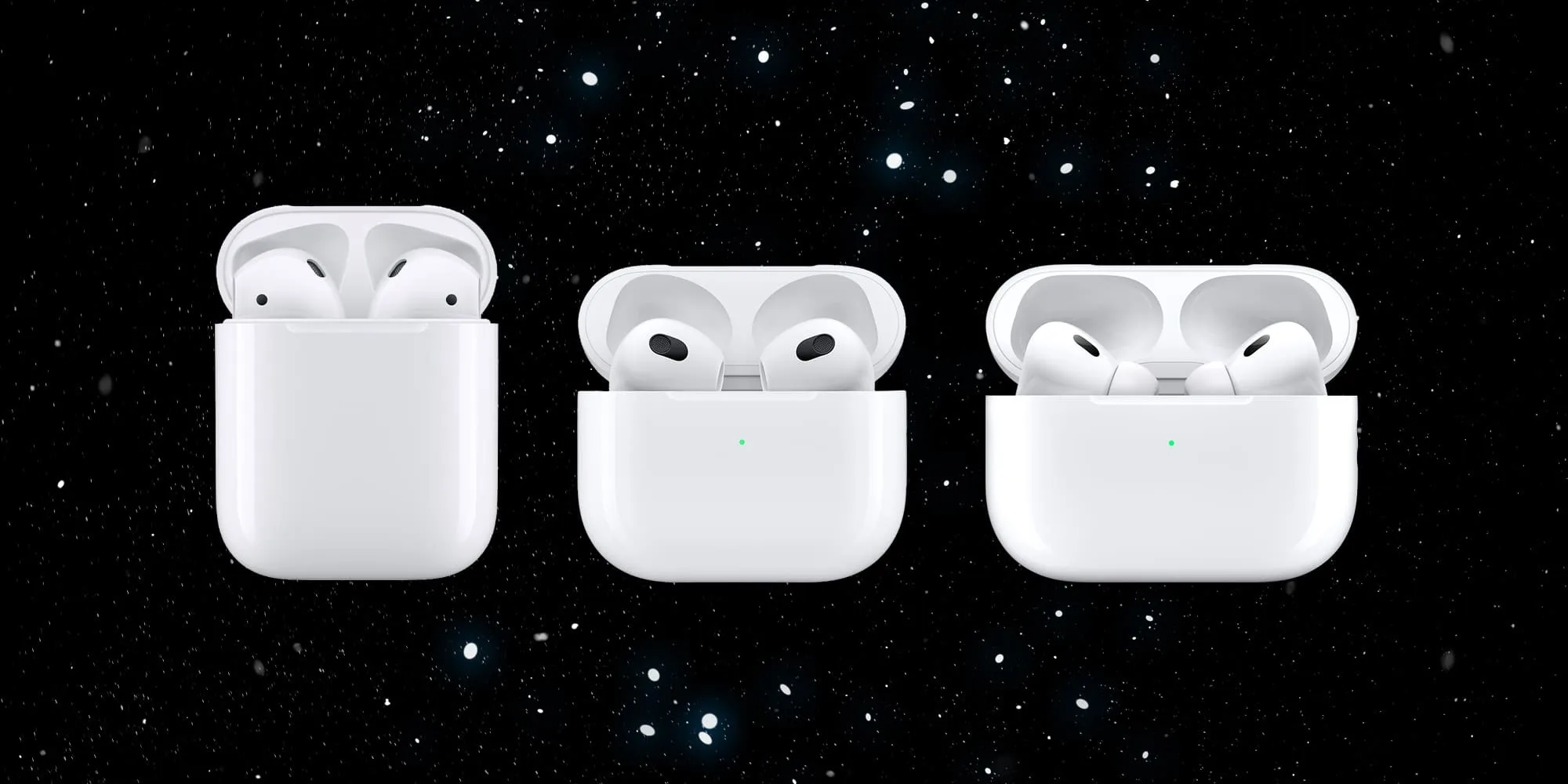
According to Bloomberg, AirPods 3 have not been as successful in sales as Apple had hoped, prompting the company to reevaluate its product range starting in 2024. The report details that both AirPods 2 and AirPods 3 are set to be phased out this year, with plans for two distinct versions of AirPods 4 in the works.
The upcoming AirPods 4 models are expected to showcase a “hybrid design” that merges elements from both the AirPods 3 and AirPods Pro. However, unlike the AirPods Pro, these new models will not include interchangeable and customizable ear tips. Another significant change is the switch from Lightning to USB-C for charging.
The two versions of the AirPods 4 will differ in certain key aspects. The higher-end variant of AirPods 4 will have features like noise cancellation and an upgraded charging case with advanced Find My integration and speakers for Find My alerts.
The new AirPods 4 lineup is likely to be released sometime later in 2024.
AirPods Max
For AirPods Max fans, the story is far less exciting. Bloomberg has reported that new AirPods Max are coming sometime in late 2024, but the only change will be a switch from Lightning to USB-C for charging. There might also be new colors.
If you were hoping for AirPods Max with a more modern chip inside, you appear to be out of luck. AirPods Max were first introduced in December 2020 and haven’t been updated since. They feature a Lightning port for charging and miss out on pretty much all of the new features Apple announced for AirPods at WWDC last year.
Wrap up
Here are some other smaller things Apple is working on, that may or may not materialize in 2025.
Apple is working on a new version of the Apple TV, but there are no details on a launch date.
There are also new smart home products in the works, including an updated HomePod with a screen. Again, there are no details on when this product might be available.
Multiple rumors have suggested that Apple is working on expanding its lineup of external displays beyond the Studio Display and Pro Display XDR. Whether these efforts materialize in 2025 remains to be seen.
Here are some other smaller things Apple is working on, that may or may not materialize in 2025.
New AirPods Pro with new health tracking features are in the works, but not expected until 2024.
Apple is working on a new version of the Apple TV, but there are no details on a launch date.
There are also new smart home products in the works, including an updated HomePod with a screen. Again, there are no details on when this product might be available.
Multiple rumors have suggested that Apple is working on expanding its lineup of external displays beyond the Studio Display and Pro Display XDR. Whether these efforts materialize in 2025 remains to be seen.
If you just unwrapped a new Apple Watch this holiday season, there are a variety of tips and tricks that can help you get the most out of your new wearable. Read on for some guidance on our favorite Apple Watch features for health, activity, customization, and more.
Setting up your Apple Watch activity rings
For many people, the Apple Watch is first and foremost a fitness-focused wearable. The key to this is a trio of rings each represented by a different color: red for move, green for exercise, and blue for stand.
By default, the green exercise ring closes when you log 30 minutes of intense activity, the blue stand or roll ring closes when you move around for at least one minute of 12 different hours, and the red move ring closes when you meet your personal goal for active calories burned in a day.
Apple also includes the ability to customize your exercise and stand goals. Maybe you’re recovering from an injury and 12 stand hours paired with 30 minutes of exercise is too much for your body to handle. People have also been calling on Apple to integrate rest days into the Apple Watch rings system, and this feature at least gives users more control over their goals.
Here’s how to change your Apple Watch move, exercise, and stand goals:
On your Apple Watch, open the Activity app.
Scroll down to the bottom and look for the “Change Goals” button.
Use the + or – buttons to adjust your goals, or use the Digital Crown.
Tap “OK” to confirm your changes.
The exercise ring can be lowered or raised in intervals of five, down to a minimum of 10 minutes or a maximum of 60 minutes. The stand goal can be changed in single-hour intervals, down to a minimum of six hours. You can’t increase the stand goal beyond the default 12-hour mark.
Customizing your watch face
The centerpiece of your Apple Watch is the watch face. On your watch face, you can add bits of information known as complications, including things such as weather, activity data, heart rate information, and much more. The easiest way to build an Apple Watch face is with the Apple Watch app on iPhone.
You can find the entire library of watch faces in the “Face Gallery” tab of the app, and as you build them, you can add faces to your personal collection. Once you create multiple watch faces, you can swipe between them from your Apple Watch, making it easy to adjust on the fly for different scenarios.
Apple Watch App Store
You can find apps built specifically for the Apple Watch in the watchOS App Store. Simply press the digital crown on your Apple Watch and look for the App Store icon. Here, you’ll be able to easily find and install dedicated Apple Watch applications without using your iPhone at all.
Sharing your activity
One of the ways I love to stay motivated with my Apple Watch is by sharing my activity data with friends and family. When you do this, you can see when your friends complete workouts, how much progress they’ve made towards their goals, and when they earn new awards.
To share your Apple Watch activity data with others, follow these steps:
Open the Fitness app on your iPhone.
Tap the sharing icon in the bottom-right corner.
Tap the “+” button in the top corner.
Start typing a name, then tap the name you’d like to add. If the other person has an Apple Watch the name will turn red.
Tap the Send button, then wait for your friend to accept your Activity request. Once accepted, you’ll receive a notification on your Apple Watch.
Set up health monitoring features
The Apple Watch is not only useful for deliberately tracking your fitness progress, but also for passively monitoring it in the background.
Fall Detection
One such feature is called Fall Detection, and it uses the gyroscope and accelerometer to detect if you’ve fallen, and more importantly, if you’ve fallen and cannot get back up. By default, Fall Detection is disabled for users under the age of 65, but you can manually enable it with these steps:
Open the Apple Watch app on your iPhone.
Tap Emergency SOS.
.Look for the Fall Detection toggle
Apple warns that more physically active users may trigger Fall Detection even when you haven’t fallen. This is due to high impact activity, and may appear as a fall.
Tap Confirm.
Heart
In the Apple Watch app on iPhone, you can also enable a suite of features that will allow your Apple Watch to help you look after your heart. Simply open the Apple Watch app on your iPhone and look for the Heart category. In this section, you can enable the following features:
Install the ECG app for taking electrocardiograms from your Apple Watch (Series 4 and later).
Set up Cardio Fitness Levels and notifications, which are a strong indicator of your overall health.
Irregular Rhythm notifications for receiving a notification when Apple Watch identifies multiple heart rhythms that may be atrial fibrillation.
High Heart Rate notifications for receiving a notification when Apple Watch detects a heart rate that rises to a certain level while you appear inactive.
Low Heart Rate notifications for receiving notification when Apple Watch detects a heart rate that falls below 50 bpm for 10 minutes.
Blood oxygen
If you’re using an Apple Watch Series 6, you also have support for taking blood oxygen readings with your device. Apple Watch can also take measurements in the background so you have data to regularly reflect on. Simply open the Watch app on your iPhone, look for the Blood Oxygen category, enable the settings as you desire.
Rein in your notifications
The Apple Watch makes it incredibly easy to stay on top of your notifications. Every time an app sends a push notification, you’ll get a tap on the wrist and hear a sound. For many people, however, this can actually be overwhelming and unnecessary.
To manage notifications on your Apple Watch, open the Apple Watch app on your iPhone and choose the Notifications category. Here, you can see a list of applications and manage notifications as necessary. My recommendation is to limit notifications as much as possible on your Apple Watch, otherwise, you might become overwhelmed.
Check out Apple Fitness+
Apple Fitness+ offers access to a library of hundreds of on-demand workouts across popular categories such as running, cycling, HIIT, rowing, yoga, and more.
Apple Fitness+ features deep integration with Apple Watch, showing live data from your Apple Watch on the screen during your workout. Plus, if you recently got a new Apple Watch, you likely have three months of free access to the service.
You can find Apple Fitness+ in the Fitness app on your iPhone or Apple TV. It’s also available on the iPad, and you can download it from the iPadOS App Store to get started.
Apple Watch accessories
Finally, you might be looking to complement your new Apple Watch with accessories such as charging docks and watch bands.
Apple on Wednesday began rolling out the second betas of iOS 17.3, macOS Sonoma 14.3 and other software updates to developers. The first betas of these versions were released on December 14, before the holiday break. The company is now resuming the beta program – and we’re about to find out what’s new in today’s updates.
iOS 17.3 beta brings Secure Device Protection and more
iOS 17.3 is a major update. The first beta introduced Secure Device Protection, which is an “additional layer of security” that protects users’ data in case someone steals their phone and gets their password. When Secure Device Protection is enabled, you can only access saved passwords using Face ID or Touch ID, for example.
This feature also makes it harder for crooks to change the Apple ID password of the owner of that device. There’s also a delay in removing Find My from an iPhone with Secure Device Protection enabled. In addition to this feature, iOS 17.3 also re-enables collaborative Apple Music playlists, now with emoji reactions.
Today’s build number is 21D5036c, compared to the number 21D5026f of the first build. Developers can update their devices by going to Settings > General > Software Update.
It’s worth noting that although iPadOS 17.3 is also available for iPads, Secure Device Protection is an exclusive feature for iPhones at this point.
macOS 14.3 and more
In addition to iOS 17.3 beta 2, the second betas of macOS 14.3, watchOS 10.3, and tvOS 17.3 are now available to developers. The first beta of these updates had no significant changes apart from potential bug fixes.