On its own, Android is a strong platform upon which to build products like phones, tablets, and more. However, many of the things that make our smartphones smart come from the apps and services that Google adds on top of stock Android, particularly the Play Store, Play Services, and the monthly “Play System Updates” for core Android components.
Collectively, those three are referred to as the “Google System,” and each month, Google lists the latest updates and changes for them. Over the course of the month, the company will gradually add more notes, and we do our best to catalog and explain them here. So check back periodically to see what’s new.
The easiest way to check whether you need to update Google Play Services on your phone is to follow a direct link to the app’s Play Store listing and update from there, if available. To update the Play Store, tap your avatar in the corner, then “Settings.” Under the “About” section, you’ll see an option to “Update Play Store.” Meanwhile, Google Play system updates can be found through the Settings app, under About phone > Android version > Google Play system update.
Updating Google Play Services
After a messy two months of oddly timed patch notes, Google is now back on track, sharing the first details about the June updates in a timely manner.
First up, Google Wallet is gaining some improvements for foldable phones – perfectly timed for the upcoming launch of the Pixel Fold and the soon-to-be-announced Galaxy Z Fold/Flip 5 generation. One notable detail our team has uncovered is that foldable phones need to be closed in order to make payments or use passes.
Elsewhere in Google Wallet news, the app is adding a toggle that will let you disable the “fun animations “that the service occasionally shows when tapping your phone to make a payment.
Android owners can also expect the “Find My Device network” to arrive in the very near future. First announced at Google I/O, the Find My Device network will make it easy to locate lost devices – phones, tablets, earbuds, and even Bluetooth trackers – with the help of a massive network of Android devices while also maintaining privacy.
Google Play System Updates for June 2023
Account Management
[Phone] New alerts and recommendations to secure your Google Account.
Security & Privacy
[Phone] Find My Device now supports more devices, including accessories, using a new privacy-centric framework.
Wallet
[Phone] GPay support for foldable devices.
[Phone] Control to opt out of fun animations after you complete a payment or use a pass.
System Management
[TV] A reminder dialogue for pending system updates has been added.
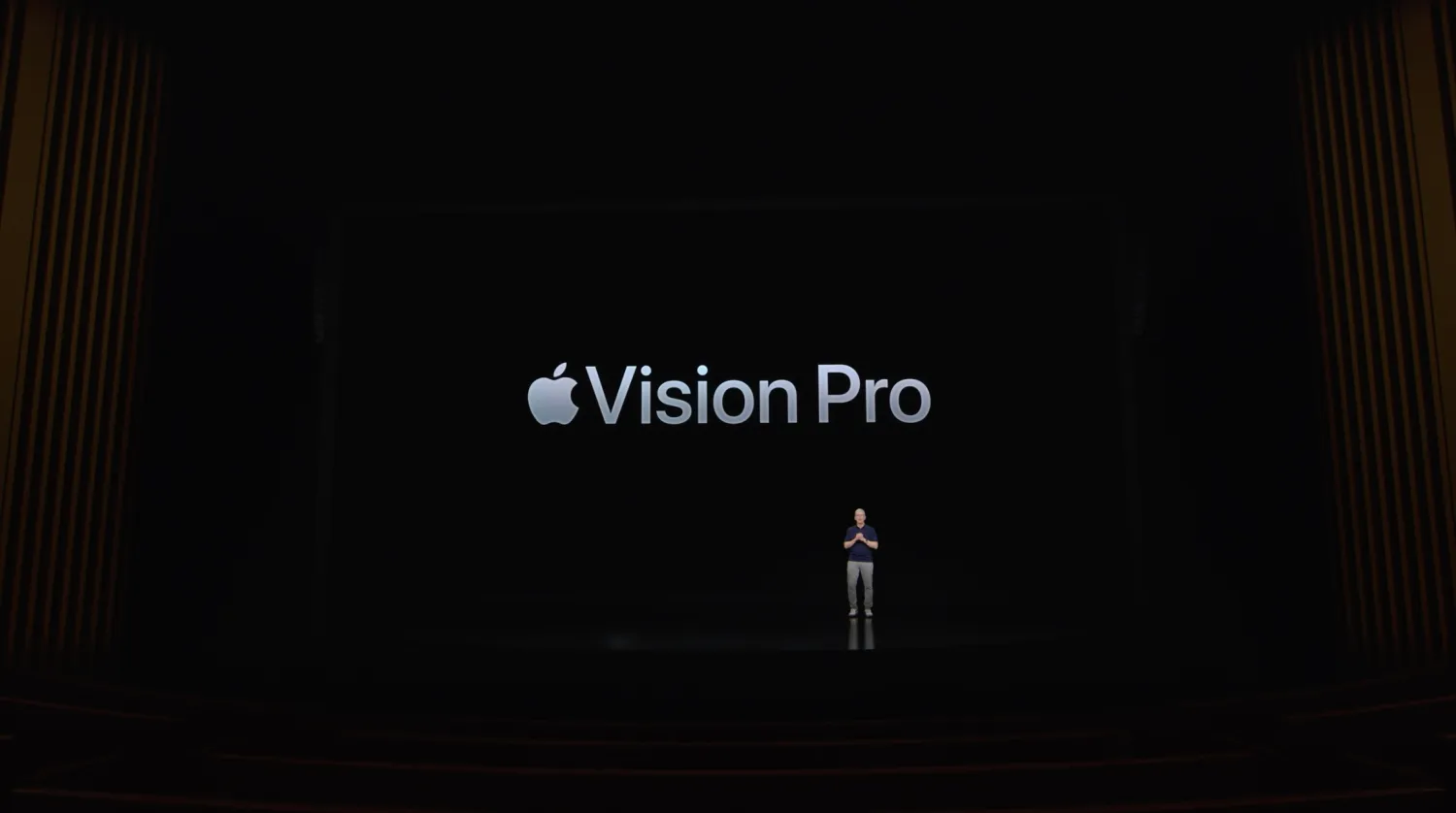
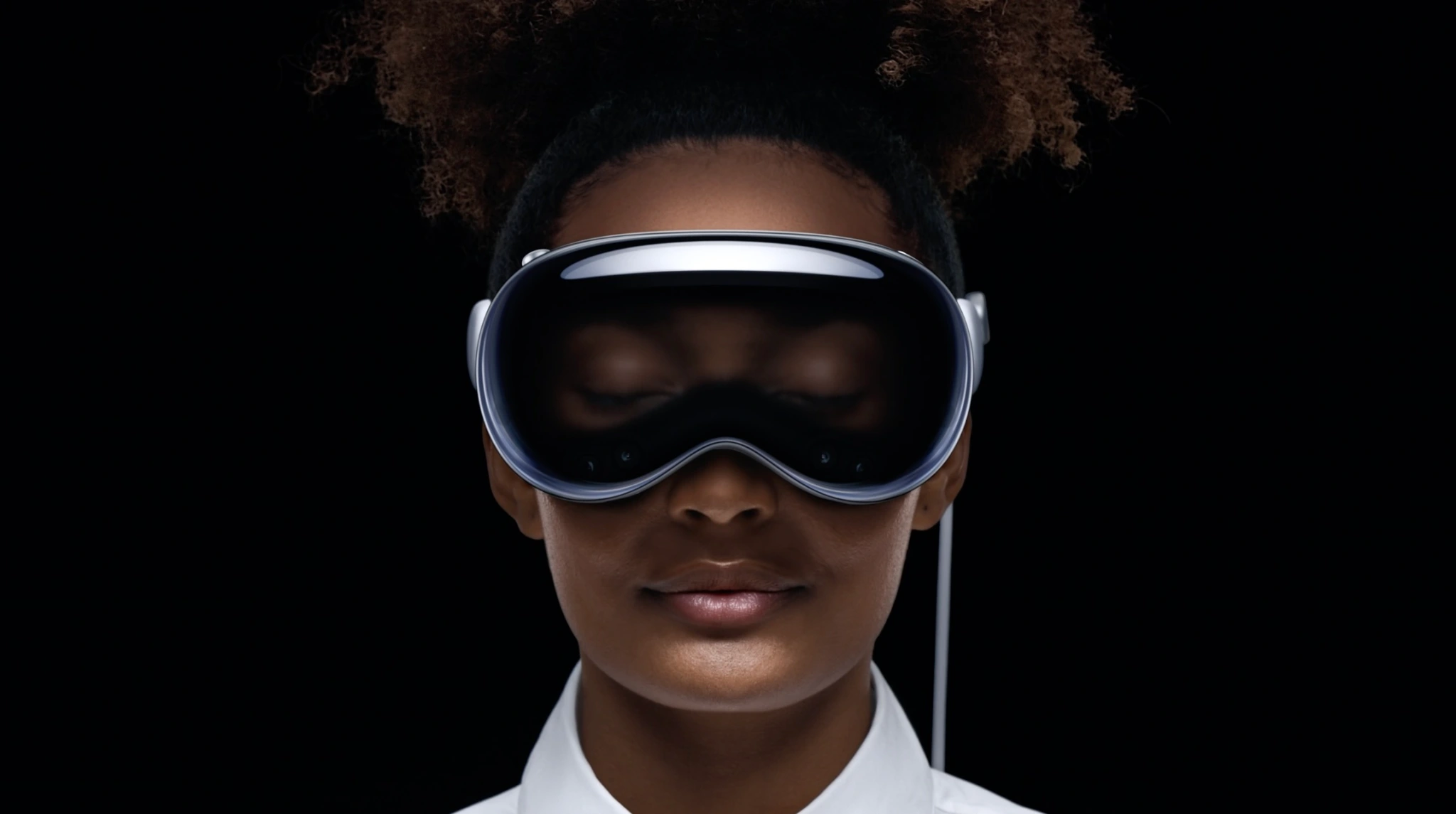
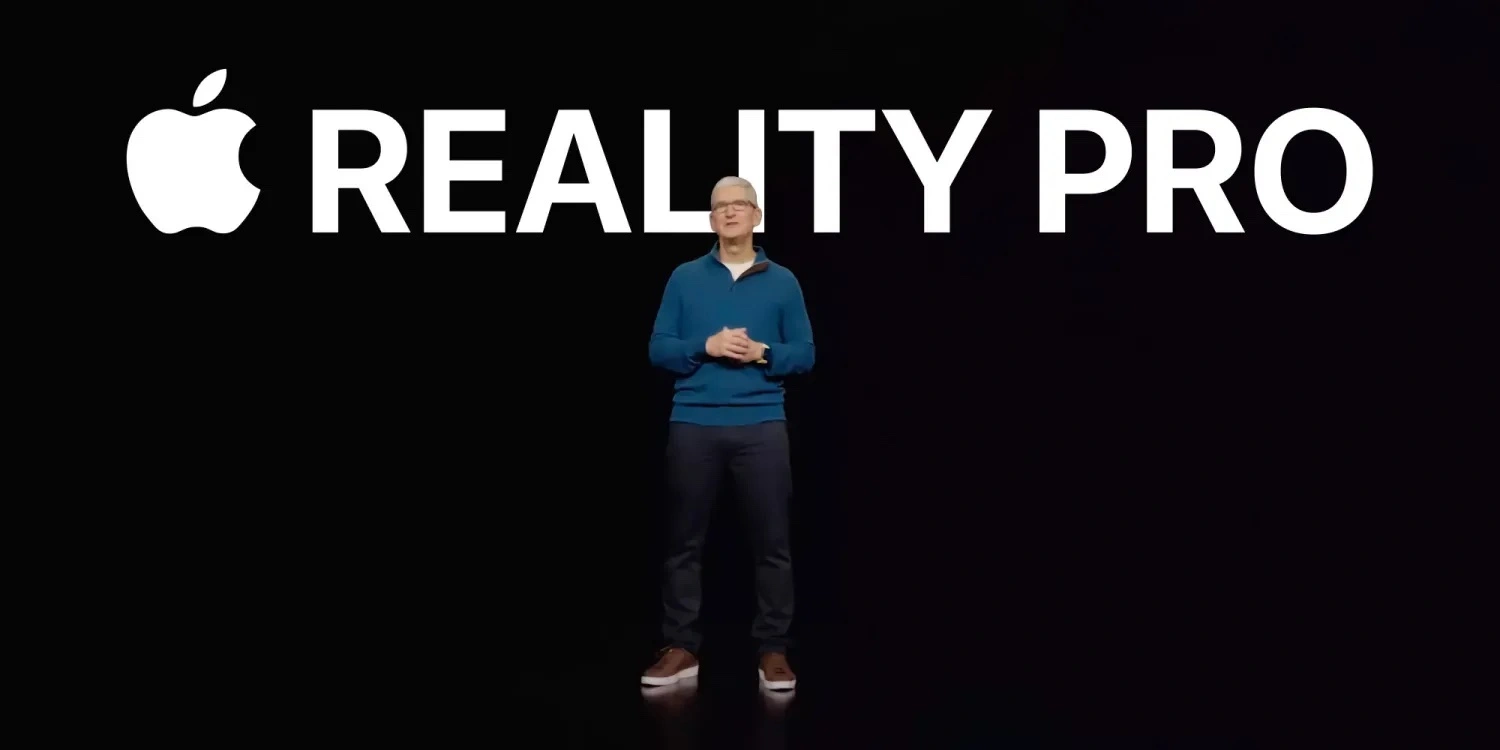
Apple has officially unveiled Apple Vision Pro, it’s new augmented reality platform in the form of a mixed reality headset.
Apple calls this the first device you look through, not at.
The device blends digital content into the space around us, according to Apple.
The company calls this new technology spatial computing.
Here’s a closer look:
Vision Pro is driven by your eyes, hands, and voice. Tap your fingers to select, flick to scroll.
A design goal of Vision Pro is not being isolated. EyeSight displays your eyes and expressions through the outer display. While you’re in a fully immersed experience, it shows a different animation. If someone is nearby, they’re revealed through passthrough, and your eyes reappear.
Apple Vision Pro will be available early next year.
Vision Pro works with the Mac wirelessly. Mac peripherals also work with the headset.
FaceTime works with group calls and expands spatially. SharePlay lets you share apps that you view in large windows next to video tiles.
The headset is powered by an M2 chip with a custom media co-processor.
Vision Pro can capture spatial photos and videos. It can also simulate a dark theater in a bright room.
Editor’s note: Vision Pro is hard to write about. It’s like everything your Apple devices can do, but different. OK, back to the product…
We’re told No Man’s Sky will be on the headset. Those who have tried it for hours have said it is not heavy or hot.
Now Bob Iger says you can go to Disney World on the headset. Sports, concerts, under the ocean – all through VR.
Vision Pro is compatible with custom optical inserts that magnetically attach to the lenses, made by Zeiss, for those who wear glasses.
Battery life up to 2 hours with external battery, or all-day use – when plugged in. The display uses microLED, includes 23 million pixels across two panels (or more pixels than a 4K TV per eye.
That M2 chip we discusses earlier? It’s paired with a new R1 chip to create a dual-processor.
Vision Pro runs visionOS. The headset creates a digital avatar that looks human and realistic, not like a cartoonish Memoji.
As for apps, Microsoft and Zoom apps are already optimized for visionOS. Hundreds of thousands of iPad and Mac apps will automatically be available at launch.
Vision Pro has a new biometric security method as well: Optic ID. Like. Touch ID and Face ID, but for your eyes.
OKAY AND FINALLY THE PRICE: $3,499 AND IT COMES EARLY NEXT YEAR. That’s the “starts at” price which probably considers the cost of corrective lenses for me and Tim Cook and everyone else who needs glasses. Wonder if my insurance company covers that…
Finally, there’s an ad for the Vision Pro (please send $3500 + the price of corrective lenses) that will hype the device before its launch next year.
Introducing Apple Vision Pro: Apple’s first spatial computer
CUPERTINO, CALIFORNIA Apple today unveiled Apple Vision Pro, a revolutionary spatial computer that seamlessly blends digital content with the physical world, while allowing users to stay present and connected to others. Vision Pro creates an infinite canvas for apps that scales beyond the boundaries of a traditional display and introduces a fully three-dimensional user interface controlled by the most natural and intuitive inputs possible — a user’s eyes, hands, and voice. Featuring visionOS, the world’s first spatial operating system, Vision Pro lets users interact with digital content in a way that feels like it is physically present in their space. The breakthrough design of Vision Pro features an ultra-high-resolution display system that packs 23 million pixels across two displays, and custom Apple silicon in a unique dual-chip design to ensure every experience feels like it’s taking place in front of the user’s eyes in real time.
“Today marks the beginning of a new era for computing,” said Tim Cook, Apple’s CEO. “Just as the Mac introduced us to personal computing, and iPhone introduced us to mobile computing, Apple Vision Pro introduces us to spatial computing. Built upon decades of Apple innovation, Vision Pro is years ahead and unlike anything created before — with a revolutionary new input system and thousands of groundbreaking innovations. It unlocks incredible experiences for our users and exciting new opportunities for our developers.”
“Creating our first spatial computer required invention across nearly every facet of the system,” said Mike Rockwell, Apple’s vice president of the Technology Development Group. “Through a tight integration of hardware and software, we designed a standalone spatial computer in a compact wearable form factor that is the most advanced personal electronics device ever.”
Extraordinary New Experiences
Apple Vision Pro brings a new dimension to powerful, personal computing by changing the way users interact with their favorite apps, capture and relive memories, enjoy stunning TV shows and movies, and connect with others in FaceTime.
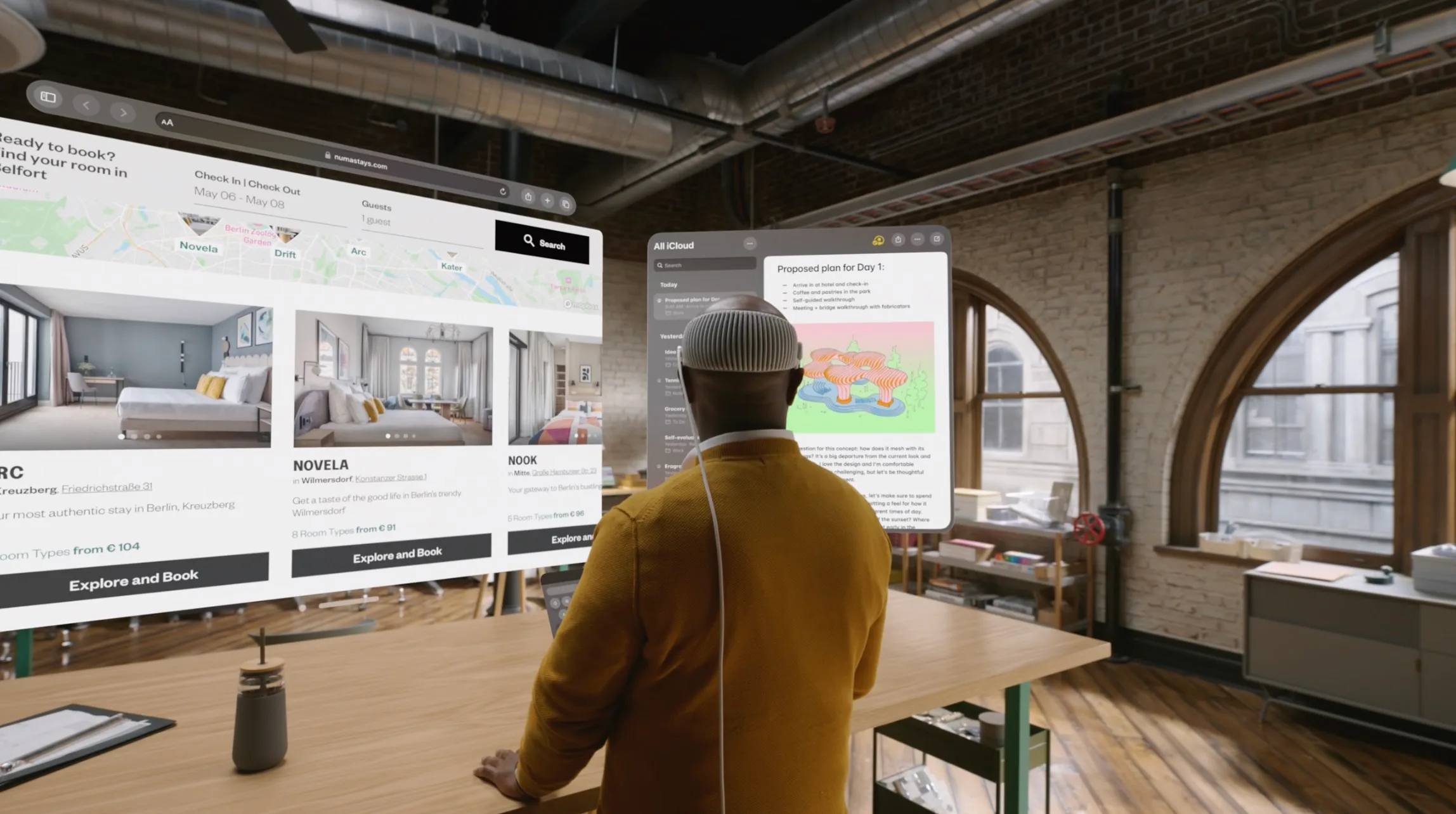
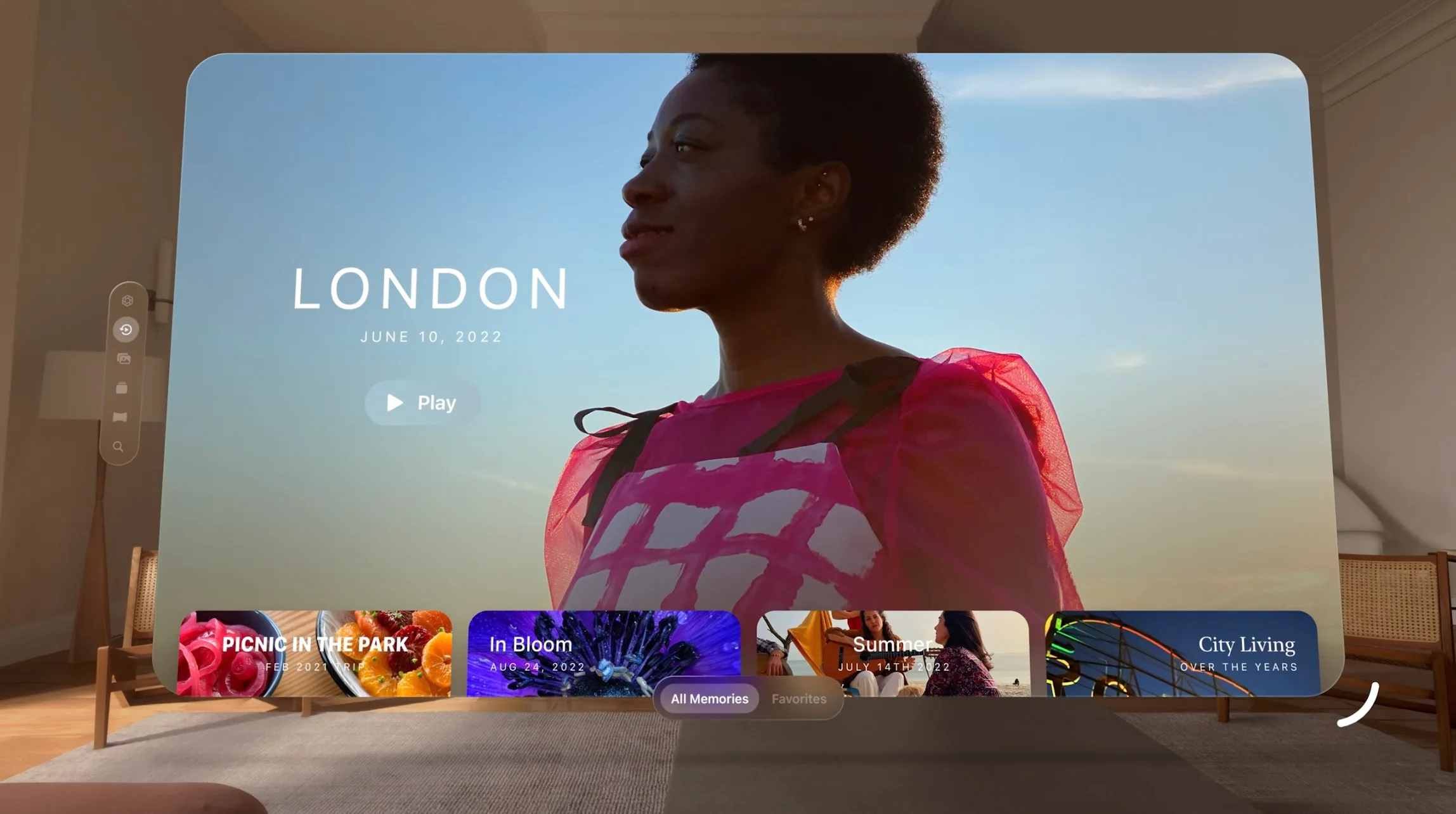
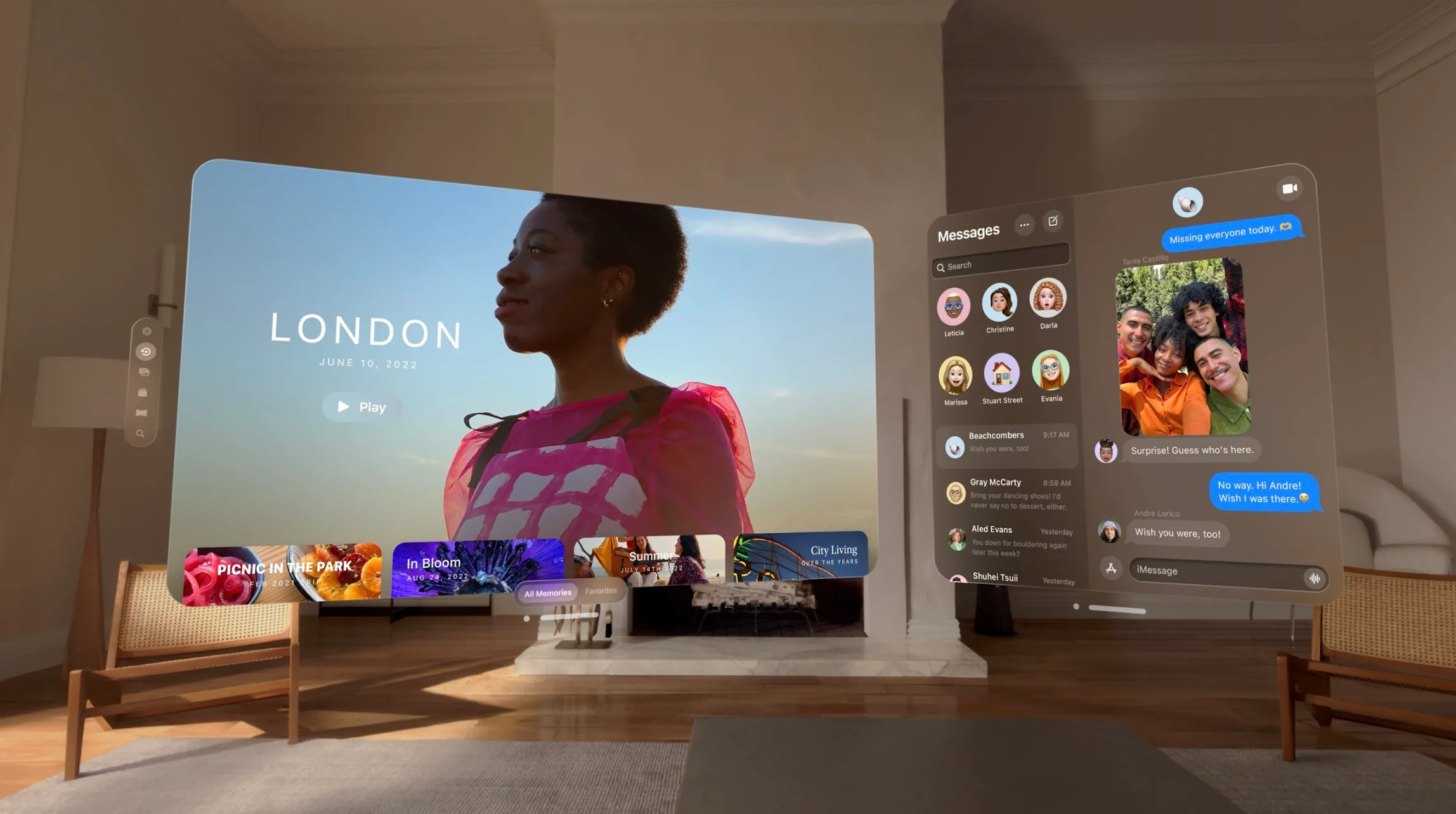
An infinite canvas for apps at work and at home: visionOS features a three-dimensional interface that frees apps from the boundaries of a display so they can appear side by side at any scale. Apple Vision Pro enables users to be even more productive, with infinite screen real estate, access to their favorite apps, and all-new ways to multitask. And with support for Magic Keyboard and Magic Trackpad, users can set up the perfect workspace or bring the powerful capabilities of their Mac into Vision Pro wirelessly, creating an enormous, private, and portable 4K display with incredibly crisp text.
Engaging entertainment experiences:With two ultra-high-resolution displays, Apple Vision Pro can transform any space into a personal movie theater with a screen that feels 100 feet wide and an advanced Spatial Audio system. Users can watch movies and TV shows, or enjoy stunning three-dimensional movies. Apple Immersive Video offers 180-degree high-resolution recordings with Spatial Audio, and users can access an exciting lineup of immersive videos that transport them to entirely new places.
Spatial computing makes new types of games possible with titles that can span a spectrum of immersion and bring gamers into all-new worlds. Users can also play over 100 Apple Arcade games on a screen as large as they want, with incredible immersive audio and support for popular game controllers.
Immersive Environments:With Environments, a user’s world can grow beyond the dimensions of a physical room with dynamic, beautiful landscapes that can help them focus or reduce clutter in busy spaces.A twist of the Digital Crown lets a user control how present or immersed they are in an environment.
Memories come alive: Featuring Apple’s first three-dimensional camera, Apple Vision Pro lets users capture, relive, and immerse themselves in favorite memories with Spatial Audio. Every spatial photo and video transports users back to a moment in time, like a celebration with friends or a special family gathering. Users can access their entire photo library on iCloud, and view their photos and videos at a life-size scale with brilliant color and spectacular detail. Every Panorama shot on iPhone expands and wraps around the user, creating the sensation they are standing right where it was taken.
FaceTime becomes spatial:With Apple Vision Pro, FaceTime calls take advantage of the room around the user, with everyone on the call reflected in life-size tiles, as well as Spatial Audio, so it sounds as if participants are speaking right from where they are positioned. Users wearing Vision Pro during a FaceTime call are reflected as a Persona — a digital representation of themselves created using Apple’s most advanced machine learning techniques — which reflects face and hand movements in real time. Users can do things together like watch a movie, browse photos, or collaborate on a presentation.
Even more app experiences: Apple Vision Pro has an all-new App Store where users can discover apps and content from developers, and access hundreds of thousands of familiar iPhone and iPad apps that run great and automatically work with the new input system for Vision Pro. Apple’s developer community can go even further and take advantage of the powerful and unique capabilities of Vision Pro and visionOS to design brand-new app experiences, and reimagine existing ones for spatial computing.
A Revolutionary Operating System and User Interface
Built on the foundation of decades of engineering innovation in macOS, iOS, and iPadOS, visionOS was designed from the ground up to support the low-latency requirements of spatial computing. The result is a revolutionary operating system that delivers powerful spatial experiences that can take advantage of the space around the user, unlocking new opportunities at work and at home.
visionOS features a brand-new three-dimensional interface that makes digital content look and feel present in a user’s physical world. By responding dynamically to natural light and casting shadows, it helps the user understand scale and distance. To enable user navigation and interaction with spatial content, Apple Vision Pro introduces an entirely new input system controlled by a person’s eyes, hands, and voice. Users can browse through apps by simply looking at them, tapping their fingers to select, flicking their wrist to scroll, or using voice to dictate.
Apple Vision Pro also features EyeSight, an extraordinary innovation that helps users stay connected with those around them. When a person approaches someone wearing Vision Pro, the device feels transparent — letting the user see them while also displaying the user’s eyes. When a user is immersed in an environment or using an app, EyeSight gives visual cues to others about what the user is focused on.
Breakthrough Design
Apple Vision Pro builds on Apple innovation and experience designing high-performance products like Mac, iPhone, and wearables like Apple Watch, culminating in the most advanced personal electronics device ever. To achieve ambitious goals for performance, mobility, and wearability, Apple utilized the most advanced materials possible.
Apple Vision Pro has an astonishing amount of technology in a compact design. A singular piece of three-dimensionally formed and laminated glass is polished to create an optical surface that acts as a lens for the wide array of cameras and sensors needed to blend the physical world with digital content. The glass flows into the custom aluminum alloy frame that gently curves around the user’s face, while the modular system allows for a tailored fit to accommodate a wide range of people. The Light Seal is made of a soft textile, and comes in a range of shapes and sizes, flexing to conform to a user’s face for a precise fit. Flexible straps ensure audio remains close to the user’s ears, while a Head Band — available in multiple sizes — is three-dimensionally knitted as a single piece to provide cushioning, breathability, and stretch.1 The band is secured with a simple mechanism, making it easy to change to another size or style of band.
Unrivaled Innovation in Hardware
Apple Vision Pro is designed to deliver phenomenal compute performance in a compact wearable form factor. Featuring a breakthrough ultra-high-resolution display system built on top of an Apple silicon chip, Vision Pro uses micro-OLED technology to pack 23 million pixels into two displays, each the size of a postage stamp, with wide color and high dynamic range. This technological breakthrough, combined with custom catadioptric lenses that enable incredible sharpness and clarity, delivers jaw-dropping experiences. Users with vision correction needs will use ZEISS Optical Inserts to ensure visual fidelity and eye tracking accuracy.2
An advanced Spatial Audio system is core to the Apple Vision Pro experience, creating the feeling that sounds are coming from the environment around the user and matching the sound to the space. Two individually amplified drivers inside each audio pod deliver Personalized Spatial Audio based on the user’s own head and ear geometry.3
In addition to creating a breakthrough display and advanced audio experiences, the high-performance eye tracking system in Apple Vision Pro uses high-speed cameras and a ring of LEDs that project invisible light patterns onto the user’s eyes for responsive, intuitive input.
These groundbreaking innovations are powered by Apple silicon in a unique dual-chip design. M2 delivers unparalleled standalone performance, while the brand-new R1 chip processes input from 12 cameras, five sensors, and six microphones to ensure that content feels like it is appearing right in front of the user’s eyes, in real time. R1 streams new images to the displays within 12 milliseconds — 8x faster than the blink of an eye. Apple Vision Pro is designed for all-day use when plugged in, and up to two hours of use with its external, high-performance battery.
Industry-Leading Privacy and Security
Apple Vision Pro is built on a strong foundation of privacy and security, and keeps users in control of their data.
Optic ID is a new secure authentication system that analyzes a user’s iris under various invisible LED light exposures, and then compares it to the enrolled Optic ID data that is protected by the Secure Enclave to instantly unlock Apple Vision Pro. A user’s Optic ID data is fully encrypted, is not accessible to apps, and never leaves their device, meaning it is not stored on Apple servers.
Where a user looks stays private while navigating Apple Vision Pro, and eye tracking information is not shared with Apple, third-party apps, or websites. Additionally, data from the camera and other sensors is processed at the system level, so individual apps do not need to see a user’s surroundings to enable spatial experiences. EyeSight also includes a visual indicator that makes it clear to others when a user is capturing a spatial photo or video.
Pricing and Availability
Apple Vision Pro starts at $3,499 (U.S.), and will be available early next year on apple.com and at Apple Store locations in the U.S., with more countries coming later next year. Customers will be able to learn about, experience, and personalize their fit for Vision Pro at Apple Store locations. For more information about Vision Pro, visit apple.com/apple-vision-pro.
After announcing personal account support last month, Google is now rolling out the ability for Workspace and Cloud customers to use passkeys.
Instead of having to enter the password for an account, you can just unlock your phone or computer (PIN, fingerprint, face unlock, etc). On the privacy front, “biometric data is never sent to Google’s servers or other websites and apps,” with a great deal of trust placed on phone/laptop security.
Passkeys have also been designed with user privacy in mind. When a user signs in with a passkey to their Workspace apps, such as a Gmail or Google Drive, the passkey can confirm that a user has access to their device and can unlock it with a fingerprint, face recognition, or other screen-lock mechanism.
Google first introduced passkey support for personal accounts as well as the Advanced Protection Program at the start of May.
It’s now coming to Google Workspace and Google Cloud accounts as an open beta today. Passkeys will be available for over 9 million organizations spanning businesses, schools, and governments, with Google noting how it’s the “first major public cloud provider to bring this technology to our customers.”
Especially for enterprises, passkeys can reduce phishing and other social engineering attacks since, compared to passwords, they “cannot be written down or accidentally given to an adversary.” According to early Google data (March – April 2023), “passkeys are 2x faster and 4x less error-prone than passwords.”
They are supported on Android, ChromeOS, iOS, macOS, and Windows, as well as Chrome, Safari, and Microsoft Edge.
Over the “next few days,” Google is “gradually enabling” passkeys for users and the corresponding console controls for Workspace administrators. Specifically, admins can allow people in their organization to “skip passwords at sign-in by using passkeys.”
This setting is off by default and has to be manually enabled by admins, though users “can still create and use passkeys as a 2-Step Verification (2SV) method” to be an alternative to the yes/no Google Prompt.
To start using passkeys instead of passwords, or as a 2SV method, in Google Workspace and Google Cloud, users can visit g.co/passkeys.
Create and manage your Google Passkeys, here’s how
Rather than pushing traditional passwords for account security, Google has been spearheading a new method that utilizes passkey. Passkeys are meant to be much more secure than conventional methods. So how do you set them up? This guide will help you create Google passkeys for compatible devices and manage existing ones.
What are Passkeys?
Differentiating passkey from conventional passwords can be a little confusing. As the technology progressed over the last year or so, it remained shrouded in a little bit of mystery. We, as users, didn’t really know what they would look like once they reach the public.
Now, we know that passkeys are just an extension of your device’s ability to utilize biometric logins instead of numerical passwords. For example, when logging into your Google Account, you can use a fingerprint reading or face unlock, if your phone is capable.
According to Google, creating passkeys means your account is more phishing-resistant and more secure than with a string of numbers, letters, and symbols. The user-facing upside is that you’ll never need to remember a login so long as passkeys are enabled. The only exception is if you choose to use a PIN or pattern rather than a fingerprint or face unlock.
Set up a Passkey for your device
For a majority of users, Google has opted to automatically create passkeys for some mobile devices with a Google account tied to them. Whichever method you use to sign into your device will be the method used for your Google Account.
Though some devices may be setup already, you can go and in see which devices have a passkey enabled. If you don’t see one for a device you want to enable it for, you can do so as long as it’s compatible. Here are the requirements:
Laptop or desktop that runs at least Windows 10, macOS Ventura, or ChromeOS 109.
Mobile device running at least Android 9 or iOS 16.
So long as the device meets these requirements, you’re good to create a Google Account passkey.
If the current device doesn’t use a passkey already, you’ll see Use passkey. Click or tap it.
To set up a passkey for a different device, scroll to the bottom and hit Create a passkey.
Note: It looks like this option is currently locked to Windows or macOS, with the option not showing up on mobile.
Hit Use another device.
Choose the device and follow the steps to verify it.
On a PC with a capable webcam or fingerprint reader, you might need to verify your Google Account on a separate device before you’re allowed to register that computer. It’s an extra step, though easy.
If you’re looking to retract access from any of your listed devices, you can always hit manage devices and sign out remotely. This will keep your account secured if you don’t necessarily need that device to have continued access.
Once you’re finished, you should be able to log in to your Google Account with a created passkey rather than your standard password. As Google continues to expand this feature and other companies follow, using passkeys will likely become the norm across most apps.
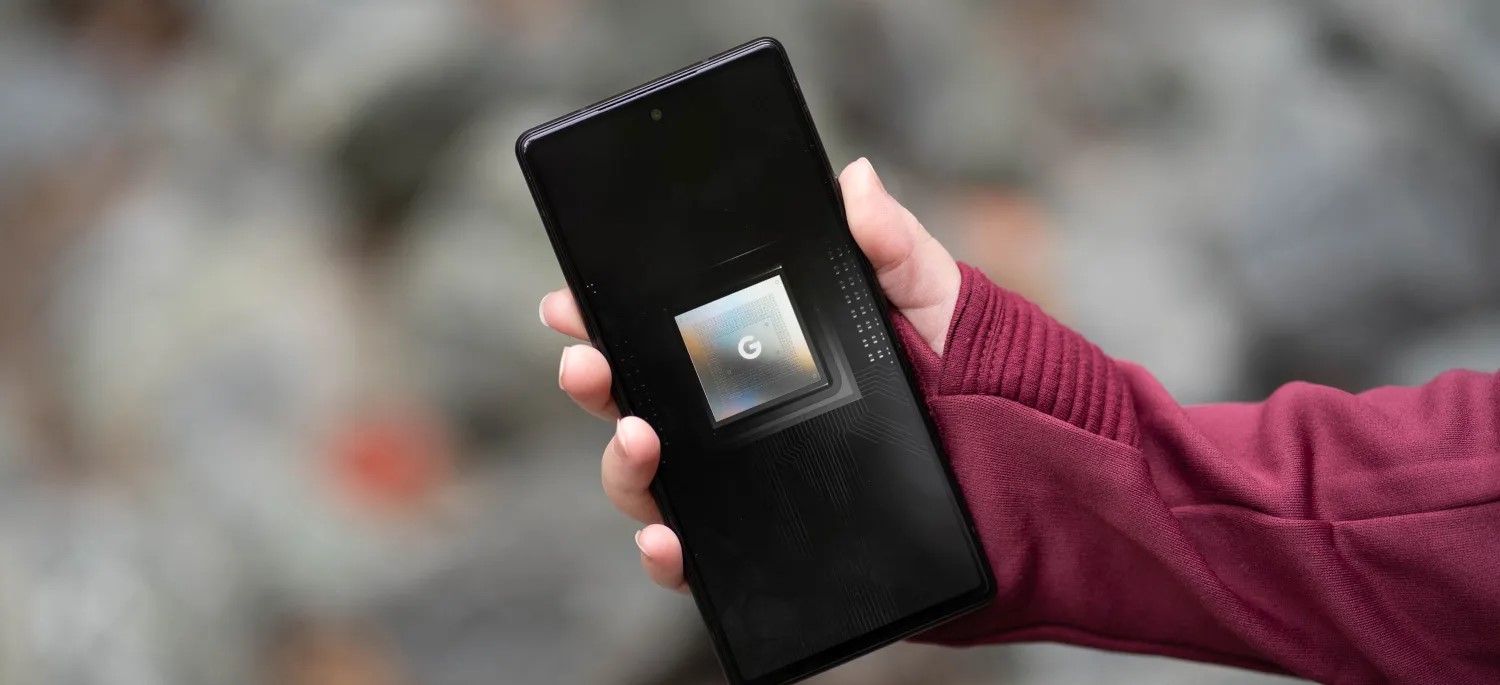
While we still have two more Tensor G2-based devices coming this month, Google’s next upgrade to Tensor G3 in the Pixel 8 series will apparently bring some drastic upgrades to the chip’s specs.
According to tipster Kamila Wojciechowska through Android Authority, Tensor G3 is going to be a considerable upgrade with more modern cores, support for the latest storage standard, a new GPU, and more.
Leak: here's everything you want to know about the Google Tensor G3, the SoC that's gonna power the Pixel 8 series, exclusively on @AndroidAuthhttps://t.co/pYkShLO8up
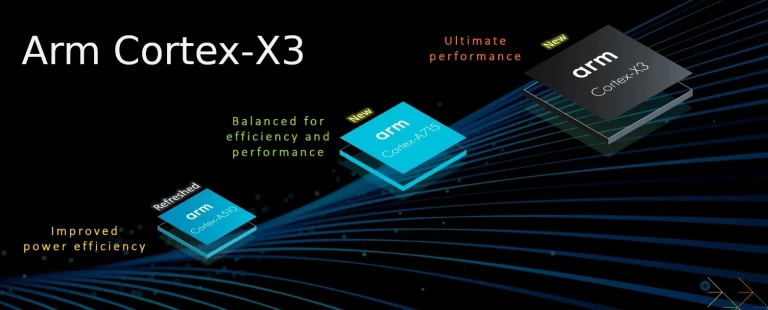
Starting with the cores, the Google Tensor G3 will apparently change the core layout yet again, this time with a 1+4+4 layout. This is altered from Tensor and Tensor G2, which both had 2+2+4 layouts.
The single big core will apparently be Cortex-X3, which would be clocked at 3.0GHz. Behind that would be the far more modern Cortex-A715, with four of those mid-cores clocked at 2.45GHz. That’s a huge step forward from the Cortex-A78 that was in place on the Tensor G2. For the “little” cores, there would be four Cortex-A510 cores at 2.15GHz, again being much more modern compared to the Cortex-A55 in both past Tensor generations.
All of this was announced in 2022, so technically Tensor G3 will still be a bit behind, but far closer than ever.
These upgrades alone should provide a solid boost to the CPU’s performance as a whole, as well to to its efficiency. This also brings support for ARMv9, which allows for security upgrades. The Pixel 8, according to Wojciechowska, will use this upgrade to implement Memory Tagging Extensions (MTE) from Arm to help prevent memory-based attacks. This would also entirely remove 32-bit support, which Google had already stepped away from on Pixel 7.
Another major point of upgrade is with storage, with this new chip allowing Pixel 8 to support the faster and more efficient UFS 4.0 storage used in devices such as Galaxy S23 Ultra and OnePlus 11.
The GPU is also getting a considerable upgrade, with Tensor G3 reportedly picking up Arm’s new Immortalis GPU, specifically the Mali-G715. That’s not the latest generation, but the 10-core GPU will provide a considerable upgrade, including support for ray-tracing.
Tensor G3 will further upgrade video decoding/encoding, with the “BigWave” block. It retains AV1 decoding from Tensor G2, but also adds AV1 encoding for up to 4k30. For encoding, the Pixel 8’s chip would support up to 8k30, but it’s unclear if Google would actually ship the feature. An upgrade TPU is also coming under the codename “Rio,” will bring a faster clock speed at 1.1GHz. There aren’t any specifics, but it’s said to be a “considerable” upgrade. A new digital signal processor, “callisto,” brings a 4-core, 512KB/core configuration at 1065MHz, which is said to offload more image processing.
As previously reported, Pixel 8’s Tensor G3 chip also won’t bring any changes to the modem, which probably isn’t a big deal considering the major upgrade that came with the Exynos 5300 modem in Tensor G2. In a previous test, we found the Pixel’s modem performance comparable to Qualcomm.
Google Tensor G3 is also expected to be a 4nm chip made on Samsung’s process. The Pixel 8 series is expected to arrive in October 2023.
Alright, Apple. Pack it up, show’s over. Mark Zuckerberg just dropped a surprise announcement, unveiling the Meta Quest 3 virtual reality headset. The reveal comes just *checks calendar* four days before Apple is set to officially announce its high-end mixed reality headset. So much for Apple’s headset hype, I guess.
All kidding aside, Meta bought its way into virtual reality years ago through Oculus when Zuck’s company was still trading under the name Facebook. Meta certainly has more experience selling VR headsets and throwing VR parties than Apple – for now, at least.
Like the Meta Quest 2, the newly unveiled Meta Quest 3 is also in another universe when it comes to pricing. Apple’s “Reality Pro” headset is expected to carry a price tag of around $3,000. Meta’s higher-end Quest Pro goes for $999, and the new Meta Quest 3 is priced from $499.
You can’t blame Zuckerberg either. The Quest 3 was ripe for a reveal, and Apple is about to suck up all the mind space around headsets for a few months. His pitch?
The first mainstream headset with high-res color mixed reality. 40% thinner and more comfortable. Better displays and resolution. Next gen Qualcomm chipset with 2x the graphics performance. Our most powerful headset yet. Coming this fall.
Mark Gurman wrote about his experience with the then-unannounced Meta Quest 3 over the weekend in his Power On newsletter:
I went hands-on with a prototype version of the headset, trying to get a sense of how it may stack up against Apple’s device. I tried out the Quest 3’s interface, video pass-through mode, software features and gaming capability.
Overall, I came away impressed with the mixed-reality focus of the Quest 3, the much-improved video pass-through capabilities, the faster performance and the large content library. Assuming the device costs about $500, it would be about a fifth as much as the Apple headset — while being more than a fifth as compelling. With that in mind, I think the Quest 3 could make some noise this holiday season, especially as XR is top of mind for consumers.
Meanwhile, if you need any more evidence that Zuck felt the pressure to come out ahead of Apple’s headset, the new Quest 3 isn’t actually launching until later this fall. Meta will have more to say on the new hardware at its Connect Conference at the end of September.
As for the rest of us, we can expect to see Apple’s long-awaited AR/VR “Reality Pro” headset in just a few days. Apple’s headset is also expected to ship no sooner than later this year, but it doesn’t sell a similar product that now seems outdated like Meta.
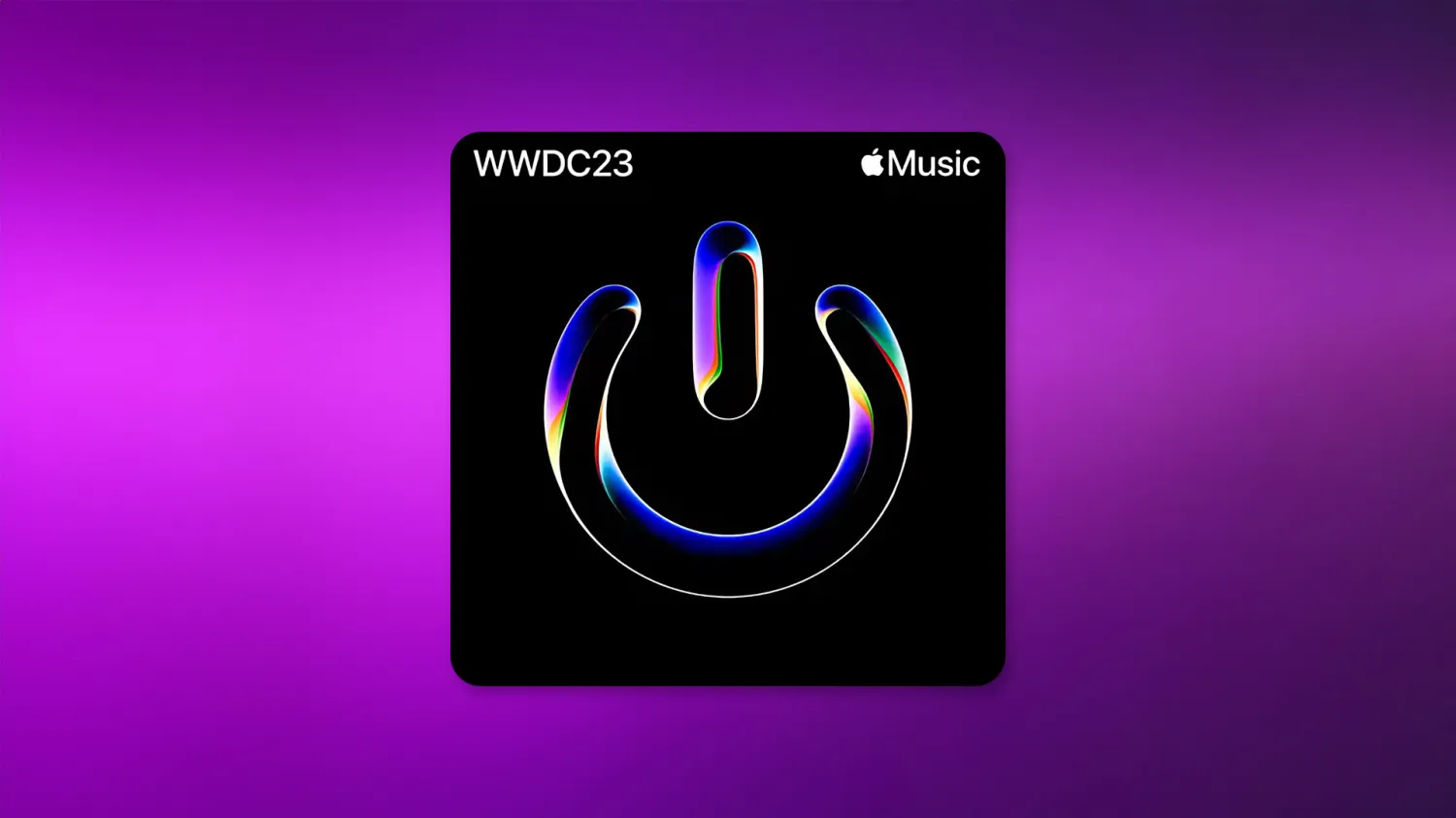
Apple has been hyping WWDC 2023 with new campaigns on social media as the conference kicks off next Monday with a special keynote. Now the company has created an Apple Music playlist to promote the event and keep users engaged with it until the keynote. But more than that, Apple has been teasing that “a new era begins” on Monday.
Official WWDC 2023 playlist on Apple Music
The “WWDC23 Power Up” playlist is now available to Apple Music subscribers and includes 25 songs. Among them are “Flowers” by Miley Cyrus, the recently released “Dance the Night “by Dua Lipa, “Eyes Closed” by Ed Sheeran, and “Summer Baby” by the Jonas Brothers. Apple says the playlist helps developers kick off WWDC and the summer “with the biggest artists of the season.”
The playlist has been unveiled via an official tweet from Apple promoting the keynote on Monday. Those who like the tweet will receive a reminder to watch the online event on June 5, as well as a thank-you tweet with a link to the Apple Music playlist.
A new era begins. Join us for #WWDC23 on June 5 at 10 a.m. PT.
But interestingly, the tweet teases that a “new era begins” on Monday. Earlier this week, the company updated the WWDC webpage to include the tagline “code new worlds.” In another tweet, Apple mentions a “count down to the big day.” These could be references to Apple’s mixed reality headset, or Apple Reality Pro, rumored to be unveiled at the event.
Apple’s first Reality Pro headset is expected to be an ultra-premium product priced at around $3,000. It will feature top-of-the-line specifications, including an “innovative three-display configuration” with two 4K Micro-LED panels. The Reality Pro headset will allow users to switch between AR and VR modes, a feature that will be integral to the xrOS software.
Report: Apple’s upcoming AR/VR headset will feature ‘innovative three-display configuration’
While rumors about Apple’s upcoming AR/VR headset are only heating up, DSCC published a paper with 10 predictions for the display industry in 2022, which includes this upcoming product.
According to the Display Supply Chain paper, Apple is expected to release in the second half of 2022 an AR/VR headset with both VR and passthrough AR modes.
We predict that Apple’s headset will have an innovative display configuration, with three display modules; two Micro OLED displays and one AMOLED panel.
According to DSCC, Sony is expected to be the Micro OLED supplier with a 4K display with 1.4″ in diagonal. For the AMOLED screen, DSCC believes “Apple will use the AMOLED panel for low-resolution peripheral vision, thereby enabling a foveated display system.”
The paper corroborates with a previous report by Bloomberg saying that this product will come at a “high price.” DSCC thinks Apple’s AR/VR headset will cost “several thousand dollars.”
Our assumption is that the first-generation headset will be a high-end device targeted at professionals and developers to expand Apple’s ecosystem in AR/VR, The device will also have multiple cameras enabling hand tracking and possibly a LiDAR sensor, according to rumors. Apple will likely include a powerful mobile CPU and GPU in the headset.
Apple AR headset or AR/VR headset?
According to multiple sources, Apple will hold a number of workshops for developers to expand their understanding of xrOS. This includes topics such as creating apps for the headset, strategies to port apps from iOS onto the headset, design guidelines for a compelling virtual reality experience, and more.
As of now, rumors point in different directions. So far Bloomberg has reported that Apple’s AR headset can show text, emails, maps, games, and other things through holographic displays built into the lens. In 2020, Mark Gurman revealed that the company has two strategies for its augmented reality devices, one being the AR glasses and the other a more robust AR/VR headset.
The latest rumors suggest that the device will be targeted at advanced users as it will feature two 8K displays to show ultra-high resolution images. Ming-Chi Kuo believes that Apple’s AR/VR headset will be equipped with advanced 3D sensors capable of not only detecting objects in a scene, but also identifying gestures made by the user’s hands.
The analyst expects the AR/VR headset to heavily rely on the iPhone, while the AR headset will have an advanced chip to operate without a phone nearby, which will be one of his greatest sale points.
Right now, the most likely scenario is that Apple’s headset will hit stores in late 2022, but it’s unclear whether will be the AR/VR headset first or only the AR headset. Another tidbit is that the company has recently hired Meta’s augmented reality communications lead, which at least suggests Apple could be readying something toward this direction.
xrOS for Apple’s Reality Pro headset: Apps, features, and more
At WWDC in June, Apple is expected to announce its highly anticipated headset with virtual reality and augmented reality features. Alongside the actual hardware for the so-called “Reality Pro” headset, however, Apple will also announce the product’s underlying software platform. This software will reportedly be called xrOS, and it marks Apple’s first major new software platform since it unveiled watchOS for the Apple Watch.
xrOS will include a number of revolutionary features for the Reality Pro headset, such as immersive media consumption, macOS integration, and more.
What does xrOS mean?
According to Bloomberg, Apple initially referred to the software for its Reality Pro headset as realityOS. Sometime late last year, however, it rebranded the name to xrOS as it inched closer to the public release.
xrOS is believed to stand for “extended reality,” which aligns with Apple’s goals that the headset does not completely cut people off from the outside world. The Reality Pro headset itself, for instance, will reportedly have outward-facing cameras to allow users to see around them.
Apple has registered various different trademarks for xrOS around the world in the lead-up to the Reality Pro headset’s announcement. There’s still a chance that the company opts for something like “realityOS,” but as it stands right now, all signs point to xrOS being the company’s final choice.
xrOS features
xrOS will be how users and developers of the Reality Pro headset interact with the device. Similar to how iOS powers the iPhone and macOS powers the Mac, xrOS is what will power Apple’s long-awaited Reality Pro headset. xrOS will receive software updates with new features and changes, offer an App Store for third-party developers, and more.
Apple has a number of different features in mind for the first version of the Reality Pro headset and the xrOS software. Bloomberg, for example, has reported that Apple’s plans are wide-ranging and include things like gaming, watching sports, consuming TV shows and movies, fitness and meditation, and more.
One of the biggest questions is how exactly we will interact with xrOS and the Reality Pro headset. Apple’s focus will be on voice input via Siri, as well as support for interfacing using a nearby iPhone, iPad, or Mac. In fact, the use of Siri has reportedly been a point of contention inside Apple. According to one report, the team working on Apple’s Reality Pro headset reportedly became so frustrated with Siri that it considered “building alternative methods” for controlling the headset with voice technology.
iPad apps will also be part of Apple’s strategy to increase the number of apps available via xrOS. Apple is reportedly planning to let Reality Pro headset users access existing iPad apps via the xrOS interface. This means that users will be able to access their favorite iPad apps via the Reality Pro headset, even if the developer hasn’t specifically adapted the app to run in virtual reality.
For Mac users, xrOS will reportedly be able to interface with macOS such that the Reality Pro headset can serve as a display for your Mac. This will allow users to see their Mac’s display in virtual reality and interface with it using their traditional trackpad or mouse and keyboard.
According to The Information, xrOS will also include the ability for anyone to create a so-called AR “app” using Siri without having to do everything from scratch. This is similar to features already offered by headsets from Meta. The Quest headsets, for example, have an app called Horizon Worlds that allows users to build 3D environments without coding.
Communication via FaceTime will be a central aspect of the initial version of xrOS, according to Bloomberg. Apple has reportedly developed a new version of FaceTime for the headset that will “realistically render a user’s face and full body in virtual reality.”
Apple’s headset will allow users to toggle via AR and VR modes, which will be a key aspect of the xrOS software as well. When in VR mode, the xrOS experience will be fully immersive. When using the Digital Crown-style toggle on the Reality Pro headset itself, however, xrOS will gradually transition to AR mode to allow users to see the real environment around them.
Other features rumored for xrOS include:
Health and wellness features
Gaming
Immersive books and storytelling
VR versions of apps for Safari, Photos, Mail, Messages, the App Store, Apple TV, and more
Immersive video and audio, including Dolby Atmos and more
Bloomberg: A feature designed to make Reality Pro users feel as if they are watching a movie on a dedicated screen in another world, such as a “desert or outer space”
Support for productivity features such as Keynote, Pages, and Numbers
The future of xrOS
At WWDC next month, Apple will hold a variety of different sessions and labs for developers to learn more about xrOS. This will include things like developing apps for the headset, learning how to bring apps from other platforms to the headset, best design practices for a virtual reality experience, and more.
The key thing to keep in mind when Apple unveils xrOS next month is that this is only version one. Internally, Apple is reportedly well aware that there are compromises it had to make to get this initial version of the Reality Pro headset and software out the door. Expect the company to make rapid changes to the experience, especially as it starts receiving feedback from the general public.
xrOS will be announced at WWDC on June 5, alongside the Reality Pro headset itself and updates to existing software platforms like iOS 17, macOS 14, tvOS 17, watchOS 10, and more.
New edition for the battery champion. The Galaxy A12 Nacho reveals good features in our review, but also some weaknesses. As with the Galaxy A12, the pricing of the Samsung phone is very attractive. Read our review to find out whether the entry-level smartphone is worth buying.
The Korean manufacturer adds another entry-level model to its popular A series. However, the Samsung phone with the model number SM-A127F is not completely new, because it’s very similar to its Galaxy A12 (SM-A125F) sibling. Although Samsung hasn’t formally changed the naming scheme, we will extend the name of the “newer” Galaxy A12 with its codename “Nacho” or “Exynos” to avoid confusion. After all, the only noteworthy difference can be found in the choice of SoCs. Unlike the A12 model, which was equipped with the MediaTek Helio P35, the 2021 variant is now based on the in-house Exynos 850 chipset.
We weren’t able to identify an MSRP for the Galaxy A12 Exynos, but the entry-level smartphone is available around the same street price as the 2020 model after market launch (about 170 Euros (~$192)). In return, buyers of the 6.5-inch Samsung smartphone get an HD+ display with a waterdrop notch, a 5,000 mAh battery, and a quad-camera setup with a 48 MP main camera.
Disclaimer. We can not guarantee that the information on this page is 100% correct.
The front of the Nacho shows a drop-shaped notch – there are no differences to the Galaxy A12 here, just like with the rest of the design. The rather wide bezels above and below the display are perfectly acceptable for the price range. In numbers: About 82% of the front corresponds to the display.
The plastic back of the Galaxy A12 Exynos can be purchased in two color options. You can choose between a black and a white version. As expected from an entry-level smartphone, the Galaxy phone’s case is neither protected against dust nor water ingress. The controls for volume adjustment as well as the on/off switch are well manufactured and have pleasing pressure points.
The build quality is at a satisfactory level, but the Galaxy smartphone doesn’t feel premium. Both the back and the frame are made of plastic. We like the slightly textured surface – considering the material type – and it gives the Nacho a pleasant grip. However, haptics are somewhat marred by the seemingly hollow back. We can easily press in the plastic material by one to two millimeters in the central area above the Samsung logo.
Connectivity – Galaxy A12 Exynos with 3.5 mm audio jack
Prospective buyers of the Galaxy A12 Exynos can choose between 32 and 64 GB of eMMC storage supported by 3 GB or 4 GB of RAM, respectively. After taking the operating system and the preinstalled apps into account, our review sample only has 22 GB available out of the box. This results in very limited storage in the 32 GB version. However, a microSD card of up to 1 TB can be used for expanding storage without losing the dual-SIM functionality of the Samsung smartphone.
Other connectivity features of the Galaxy A12 Exynos include Miracast, which enables the wireless transmission of display content to external monitors, a 3.5 mm audio jack, and USB OTG. External storage devices are recognized reliably in the test, but data transfer speeds with the USB Type-C port are not very high due to the use of the USB 2.0 standard.
microSD card reader
The SD card reader extracts very decent transfer rates from our Angelbird V60 reference card. The copy speed of almost 50 MB/s is at a good level, and the performance in the Cross Platform Disk Test is also respectable.
When using a microSD card, the Nacho allows the user to choose whether the storage medium should be used as an expansion or as internal storage.
Software – Samsung smartphone with Android 11
Unlike the Galaxy A12, the Nacho comes straight with Android 11. We weren’t able to get any information on when Samsung will provide an update to Android 12 during the test period. The rollout for the A12 model is planned for July 2022 at least, so a similar schedule seems realistic for the Exynos version. We also presume that the Nacho, like its sibling model, will receive two major Android updates. The latter is worthy of praise in this price segment.
As usual, Samsung combines the Android system with its in-house One UI (Core) user interface in version 3.1, which also includes the smart assistant Bixby. In terms of security updates, which should be issued quarterly, the Galaxy A12 Exynos is a bit outdated with its latest update being at the level of October, but higher-priced mid-range alternatives are usually not any more up to date, either. Video content from streaming services can be viewed in HD quality with the Nacho, since the Widevine L1 certification process has been completed.
Samsung DeX is not supported by the Galaxy A12 Exynos. Samsung’s Knox security environment is integrated into the Nacho’s software as well as hardware. Consequently, the inexpensive mid-range model is not equipped with an extra desktop mode through Samsung DeX.
Communication and GNSS – Galaxy A12 Exynos with slow Wi-Fi
Samsung has installed a dedicated SIM card tray for two nano SIM cards as well as a slot for memory expansion in its entry-level smartphone. Both card slots in the Galaxy smartphone can connect to the mobile Internet via the LTE standard. As is typical for a smartphone in this price range, the number of frequency bands that the Nacho uses to communicate is low. The Exynos version of the Galaxy A12 can only access 10 LTE bands. However, no frequency bands are missing for the German-speaking region.
Bluetooth version 5.0 is available for wireless communication, and a chip for near-field communication (NFC) is also on board, so Google Pay can be used with the entry-level phone. A Play Protect certification for the payment service is provided.
The Wi-Fi module only supports the IEEE 802.11b/g/n standards, which means that it only communicates using the 2.4 GHz frequency band. This results in very low average transfer rates of about 40 to 50 Mb/s in our Wi-Fi test. Furthermore, the rates measured with the Nighthawk AX12 reference router aren’t very stable.
Performance – Galaxy A12 with Exynos SoC
In contrast to the Galaxy A12 with its MediaTek MT6765 Helio P35, the Nacho is equipped with the in-house Exynos 850 SoC. The latter offers eight cores with a performance of up to 2 GHz. Not only is the processor’s performance low, but the graphics power of the built-in Mali-G52 MP1 is also rather on the lower end of the performance spectrum.
Nevertheless, there’s still a significant increase in our benchmark package compared with the Galaxy A12 with the MediaTek SoC, especially when it comes to graphics.
Unfortunately, this performance gain is not noticeable in everyday use. The Exynos 850 in combination with 3 GB of RAM provides a solid system performance in the entry-level segment. Application loading times are quite pronounced due to the slow eMMC storage, and brief lags are a daily occurrence, even in simple applications. When running complex apps or background processes, the One UI on the Galaxy A12 Exynos sometimes needs to take a break.
It often takes several seconds to open the keyboard, and scrolling is very choppy on websites with a lot of image content. We would strongly advise all prospective buyers of the Nacho to choose the version with 4 GB of RAM, in spite of the general performance deficits that are likely to remain.
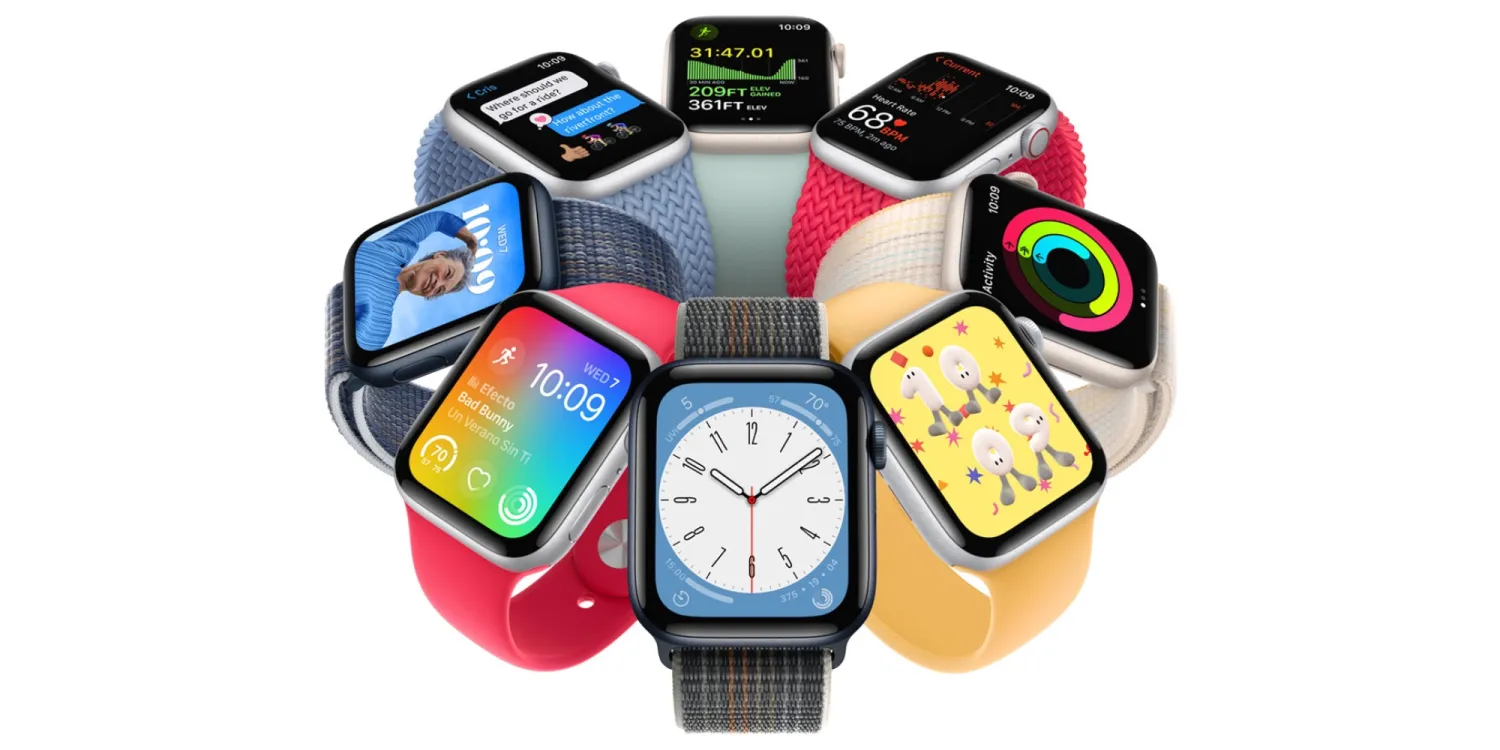
Apple Watch for kids is something parents are embracing more and more. The New York Times ran a story in September 2022 about Apple Watch adoption among children as young as five. Parents are finding the Apple Watch more appropriate for kids wanting smartphones.
The Apple Watch gives kids a way to stay in touch with parents, share location, and build responsibility without the full cost and risk of a smartphone. With school out for the summer, it may be time to consider adding more connectivity without the complexity of a phone.
Apple Watch for kids
The Apple Watch gives kids a way to stay in touch with parents, share location, and build responsibility without the full cost and risk of a smartphone.
With very limited access to the web and no social media apps, the watch can be a great starter device for kids if parents are looking for a manageable way to introduce technology early.
Family Setup for Apple Watch
Apple’s Family Setup feature allows parents to set up a cellular Apple Watch SE or Series 4 and higher from their iPhone. No iPhone required for the family member.
While the monthly connection fee is typically around $10 plus fees, T-Mobile has a kid-friendly plan with unlimited calling and 500MB/month that’s half the price with auto-pay. This is convenient if you’re already a T-Mobile subscriber and want to save on a watch plan for your child.
There’s even a special mode with Family Setup called Schooltime that restricts the Apple Watch during school hours. Parents can remotely manage this from their iPhone.
How to setup Apple Watch Schooltime to help improve focus
A welcome advancement for Apple Watch with watchOS 7 is Family Setup, a feature that lets an adult configure the wearable for a child who doesn’t have an iPhone. Family Setup includes multiple features to help manage your kid’s device, follow along for how to setup Apple Watch Schooltime.
Family Setup for Apple Watch is a great way to stay connected to your kids (or elderly parents) without them needing their own iPhone. And one of the new features that are focused on kids is the Schooltime mode (also available for anyone).
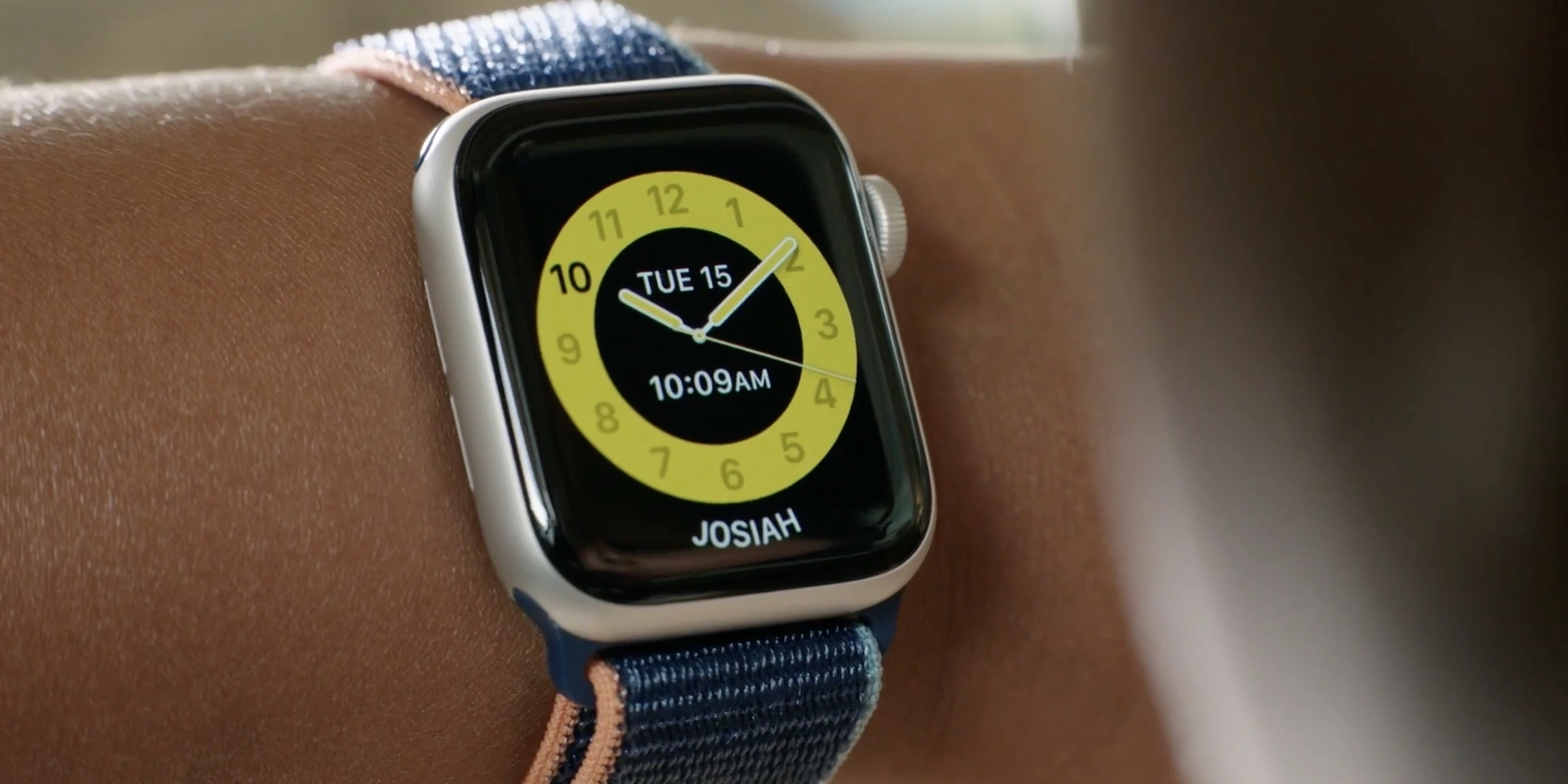
It allows parents to setup a school schedule for Apple Watch to remain on a simple yellow watch face that’s easy for teachers or adults to recognize and can be used whether kids are learning at home or back in their classrooms.
In addition to the yellow watch face, Schooltime mode puts on Do Not Disturb and restricts interactions to help kids (or anyone) stay focused.
What you’ll need to use Schooltime
Jump to the bottom of this post if you want to use Schooltime on your own Apple Watch.
To set it up on a child’s watch, you’ll need to be using Family Sharing and have a child’s Apple ID account setup that you’ll connect with their Apple Watch.
To use Schooltime, you need to set up your kid’s Apple Watch with Family Setup (more on Family Setup here). That requires a cellular Apple Watch Series 4, 5, 6, or SE. For the parent setting it up, you’ll need an iPhone 6s or later running at least iOS 14.
Note: You can also use Schooltime on your own Apple Watch if you are running watchOS 7.
How to setup Apple Watch Schooltime
You will get a prompt asking if you want to set up Schooltime while you’re going through the initial Family Setup, tap “Turn on Schooltime” if so (can skip to step 5 below)
If you are setting up Schooltime after Family Setup, head to the Apple Watch app on your iPhone (adult’s iPhone who did Family Setup) > Choose All Watches > Tap your kid’s watch
Tap Done, then tap Schooltime.
Tap “Turn on Schooltime”
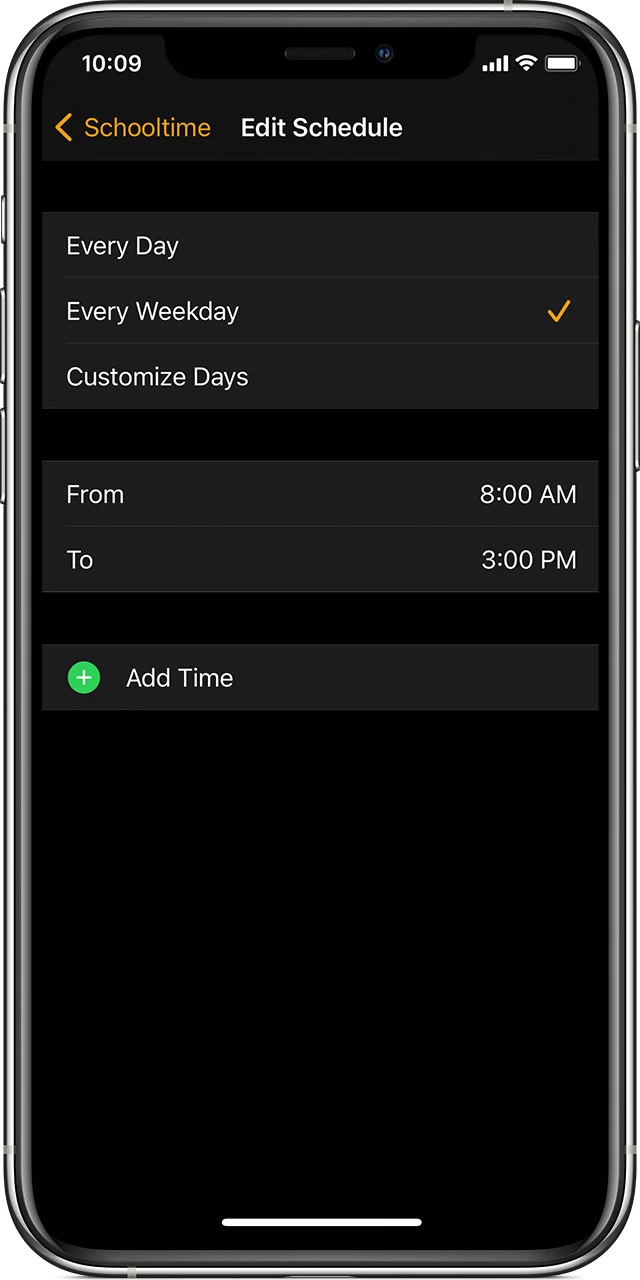
Choose “Edit Schedule”
Pick the days and times you’d like to use Schooltime for your kid
You can also choose “Add Time” to create multiple schedules like 8:00 am to 11 am — 12:00 p.m. to 3:00 pm
How to exit Schooltime
Schooltime can be exited by your child by turning their Apple Watch’s Digital Crown > tapping Exit
This is intentional by Apple so students can check Messages, Phone calls, etc.
As the parent, you can see how many times your kid has exited Schooltime during the day
Head to the Watch app on your iPhone > All Watches > Your kid’s watch > Schooltime
How to use Schooltime on any Apple Watch
If you want to use Schooltime as an alternative to Do Not Disturb or Theater Mode, you can add it to Control Center on Apple Watch
Swipe up from the bottom of your Apple Watch screen to open Control Center (can touch and hold the bottom as well)
Scroll to the bottom > tap Edit.
Tap the add button on the Schooltime button , choose Done
Now in Control Center you can tap the Schooltime button to turn it on
To exit Schooltime, turn the Digital Crown and tap Exit
Watch bands that fit kids
I happen to have a five-year-old who owns my heart. While I don’t think he’s quite ready for an Apple Watch, I was curious about watch band compatibility with kid-sized wrists. He happily let me borrow his little wrist for testing.
Any bands I already had weren’t fitting for a small wrist. Trying an Apple Watch band specifically made for kids worked great, though. For under $15, this Nike Sport style band with a buckle was a perfect fit.
Best Apple Watch prices for kids
As a trial introduction to the semi-smartphone world for kids, new Apple Watches can be a bit pricey. A new 40mm Apple Watch SE 2 with cellular goes for $299. That’s why hand-me-down watches with cellular are great for Family Setup.
Another option is shopping for second-hand Apple Watches from places like eBay, Facebook Marketplace, and Amazon’s refurbished inventory. I’ve found a 40mm cellular SE for $120 locally, and Amazon’s Renewed Store has very similar offers.
Recommended model
Just be sure to look for GPS + Cellular if you want to use Family Setup. 40mm or 41mm sizes are also more kid-friendly than 44mm or 45mm.
Also avoid Apple Watch Series 3 if you want to set up a watch for a child without an iPhone. You can find models with cellular for cheap, but they don’t receive software updates anymore. More importantly, they don’t work with Family Setup and require the wearer to have an iPhone.
Call Screen is a feature on Pixel phones that allows the phone to manually, or automatically respond to spam calls using the Google Assistant. Now, Google is working to simplify the feature’s settings, for better or worse.
As first spotted by some Reddit users late last week, an update to the Google Phone app on Pixel phones is changing the settings for Call Screen.
The existing interface for tweaking Call Screen allows users granular controls over the automatic answering, with the ability to turn Call Screen on or off for spam, faked numbers, first-time callers, and private/hidden numbers. Users can opt to have Call Screen automatically answer the call on your behalf, weeding out spam by speaking to the caller on your behalf before handing the call over to you. Alternatively, the call can just come through as usual depending on the category. The granular controls give the feature quite a bit of flexibility.
The new settings for Call Screen on Pixel, though, change things up to be a bit simpler.
Instead of showing granular settings, there’s a “Protection Level” that users can select which includes three options as the folks at Android Police were able to show. “Basic” will decline only “known spam.” “Medium” will then decline spam and screen calls that are considered suspicious. Finally “Maximum” will decline spam and screen any call that is from an unknown number.
It’s noted that this change is appearing for some users on with Google Phone v106.0.534575879, but it doesn’t seem very widely available at this point.
This seems like a bad change on the whole.
Removing granular controls to this extent severely limits the usefulness of Call Screen on Pixel, and if anything ruins certain use cases. The “Maximum” setting seems far too aggressive, especially given that, at least in our experience, most real callers presented with Call Screen tend to just hang up after a few second. Beyond that, even “Medium” doesn’t seem to be a great middle ground.
Moving from a granular, customizable setup is just bad for everyone. It might be slightly easier to understand for the general user – having a single toggle for automatic call screening is the best change here – but it hurts the usefulness of Call Screen overall.
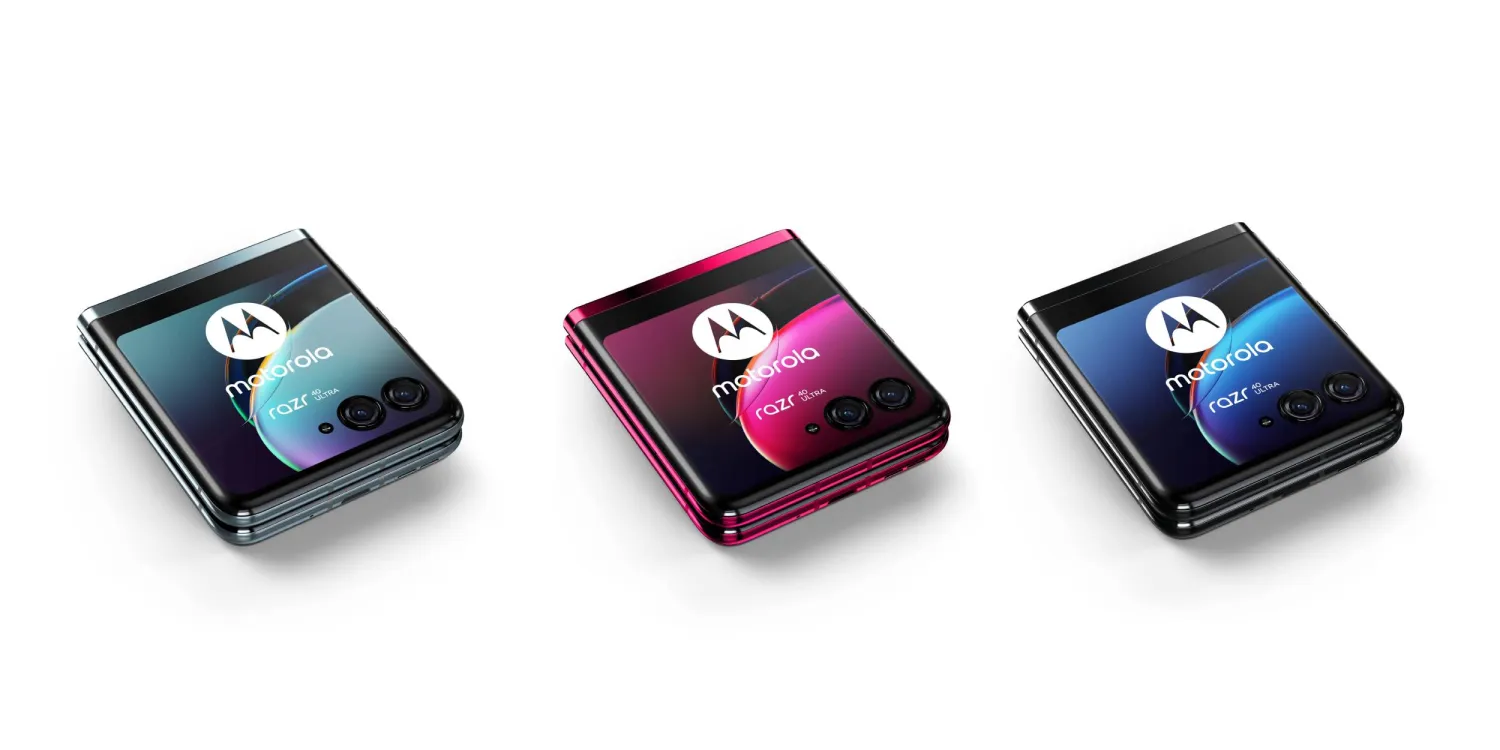
We know pretty much everything there is to know about the upcoming Motorola Razr foldable, but a new video is showing it all off in one neat package, along with a new name for the device.
A 44-second video ad for the Motorola Razrleaked last night courtesy of Evan Blass, known as @evleaks, which shows off the foldable from all angles. We can see the large outer cover display, full apps running on it, and the slick overall hardware Motorola has here. It looks stunning, just as it has the many, many times we’ve seen it before today.
The interesting little tidbit from this leak, though, is the name. The ad refers to the foldable as the “Motorola Razr Ultra,” branding we’ve not yet heard. We know the device will be called the “Razr 40 Ultra” internationally, but it was thought to be called the “Razr+” in the United States.
Name confusion aside, though, this still looks like an absolutely killer flip foldable. Motorola has previously confirmed the device will launch on June 1, so we’re only a few short days away at this point.
Beyond the video, Blass also shared a set of images of the new Razr that shows it from every single angle and also explicitly confirms the unsurprising use of a “droplet” style hinge.
Motorola confirms June 1 launch for new Razr foldables
The Razr is coming. After a ton of leaks in recent weeks regarding Motorola’s new “Razr 40” series of foldables, the company has just posted a teaser that hints at two devices and confirms a June 1 launch.
In a tweet, Motorola confirms a June 1 launch event where it will “Flip the Script.” The brief teaser doesn’t mention a location, but it does very clearly show two foldable devices.
Notably, too, Motorola hints at a US release for its new Razr with a retweet of the teaser from the Motorola US account.
So far, leaks of the new Motorola Razr, known as the “Razr 40,” have detailed that there will be two foldables. One, the “Razr 40 Ultra,” will be a flagship device with some striking colors, Snapdragon 8+ Gen 1, and a huge outer cover display. On the other hand, the standard “Razr 40” would be a more affordable device that has a much smaller outer cover display but similar hardware otherwise.
There’s no word on specific pricing for these devices just yet, but we’re certainly excited to see the debut, especially since it seems a US launch might be in order.



















 on the Schooltime button
 , choose Done