Just hours after Google shared the date for its fall Pixel hardware event, two of the devices we’re expecting to see, the Pixel 8 and Pixel 8 Pro, have been filed for approval by the FCC.
On Wednesday afternoon, the FCC published paperwork filed by Google for the approval of five new devices with model numbers GKWS6, G9BQD, GZPF0, GPJ41, and G1MNW. Earlier this year, that same GKWS6 model appeared in a filing for the “Pixel 8” that revealed some wireless charging information.
The FCC e-label instructions in all five filings make mention of looking for “About phone” in Android settings. While Google should only be releasing two distinct models this fall, the Pixel 8 and Pixel 8 Pro, it’s normal for these phones to have multiple variants. For example, flagship Pixel phones are typically offered with and without mmWave 5G connectivity, and variants sold internationally are often also slightly different and still receive FCC approval.
To that end, the paperwork for GZPF0 says that it’s internally identical to G9BQD and GKWS6 except for the removal of mmWave connectivity. Meanwhile, the paperwork for GPJ41 makes direct reference to the same GKWS6 model. All four of these lack any mention of UWB connectivity, meaning they’re likely tied to the standard Pixel 8. Meanwhile, the odd model out, G1MNW, includes UWB, making it likely to be the Pixel 8 Pro.
Update 8/31: Overnight, two additional listings surfaced at the FCC for model numbers GC3VE and G39DP. According to the included paperwork, GC3VE is a variant of the Pixel 8 Pro with mmWave disabled, while G39DP is the non-US model of the Pixel 8 Pro.
This brings the total up to seven distinct models of Google’s latest Pixel flagships, four for the Pixel 8 and three for the Pixel 8 Pro.
Otherwise, these FCC listings for the Pixel 8 series reveal exactly what you’d expect from Google’s next phones, with full support for Bluetooth, Wi-Fi 6E, and both Sub6 and mmWave 5G.
Pixel 8 connectivity (Image: FCC)
Pixel 8 Pro connectivity (Image: FCC)
These filings come just a few weeks after similar FCC listings for the Pixel Watch 2, which we also expect to be unveiled in October. Google also appears to be readying a new Fitbit tracker to be released in the near future, as we spotted recently.
OnePlus has today announced that it will launch OxygenOS 14, the brand’s skin on top of Android 14, on September 25.
OxygenOS 14 will be the second major update to OnePlus’ skin since the closer merger with Oppo that resulted in OxygenOS and ColorOS effectively becoming one and the same. This next update, OnePlus says, will be one of the first updates built on top of Android 14.
Google itself has yet to finalize Android 14, but is expected to do so and roll the update out to Pixel phones within the next week or two.
OnePlus says that its Android 14 update will have a big focus on performance, with the debut of the new “Trinity Engine” which is said to “[achieve] greater synergy between hardware and software” through CPU Vitalization, RAM Vitalization, ROM Vitalization, HyperBoost, HyperTouch, and HyperRendering. Marketing words aside, OnePlus says that should bring better power efficiency, multitasking, and an overall faster and smoother experience that is also longer lasting.
To bring this experience to life, OnePlus is introducing its brand-new proprietary performance platform, the Trinity Engine, to OxygenOS 14. By achieving greater synergy between hardware and software, the Trinity Engine unleashes the full potential of OnePlus handsets to address industry-wide challenges in pursing higher power consumption efficiency, better multi-tasking capability, and more enduring fast and smooth experience. Under the hood of the engine are six innovative technologies, including CPU Vitalization, RAM Vitalization, ROM Vitalization, HyperBoost, HyperTouch, and HyperRendering. When combined, these technologies guarantee a versatile fast and smooth experience in scenarios such as multi-tasking, intensive mobile gaming, and long-term usage.
OnePlus says that OxygenOS 14 will launch on September 25, but the brand doesn’t mention which device will get the update first – presumably, it’ll be the OnePlus 11. Other OnePlus devices likely, but not confirmed, to be updated include OnePlus 10 Pro, OnePlus 10T, recent Nord launches, and more. The OnePlus Open foldable, expected to debut in October, may also make its debut with the update.
Given the closely connected underlying work, expect Oppo to debut its Android 14 update around the same time.
OnePlus Open foldable has apparently been delayed for a display upgrade
OnePlus confirmed earlier this year that it would launch its first foldable smartphone in Q3 2023, but it seems that date will be slipping. According to a new report, the OnePlus Open will suffer a delay, but at least for a good reason.
Less than a week after the company confirmed the name of its first foldable in a cheeky teaser, the OnePlus Open appears to be getting hit with a delay. The news comes courtesy of Max Jambor, a reliable source for this sort of information. Jambor says that the Open’s launch has been delayed “a bit,” with no clear timeline on when it will actually be revealed.
OnePlus Open was expected to see its debut in late August.
Why the delay? Jambor claims that OnePlus made a late switch to a key component, the display. The Open was originally set to use a display panel from BOE, a Chinese display maker who has provided displays for devices such as the 2019 Motorola Razr and Huawei’s more recent Mate X3. OnePlus apparently ran into some issues with the BOE panels and is moving to panels provided by Samsung.
In theory, this should be an upgrade. Samsung panels are used pretty widely in foldables right now, with the company providing displays for the Google Pixel Fold, Motorola Razr+, and of course the Galaxy Z Flip 5 and Fold 5 which are on pre-order now.
Will it be worth the wait? That’s harder to know, but past leaks certainly have the OnePlus Open looking like a compelling foldable.
We’ve reached out to OnePlus for an official statement on the alleged delay, but the company wasn’t immediately available for comment. We’ll follow up when/if we hear back.
Open Launch got pushed back a bit, but no worries the delay is actually good in a way
Open was supposed to have a BOE screen but turns out it was 👎🏼 – new panels are from Samsung ✅
Stay tuned for an exciting device! More to follow 🔜
OnePlus confirms the name of its foldable in cheeky teaser
Samsung is unveiling its latest batch of foldable smartphones this morning into a market that’s more packed than ever. And, just a few weeks from now, OnePlus is also set to unveil the “OnePlus Open,” its first foldable that the brand has just confirmed the name last July 26.
In a tweet last July 26, OnePlus takes advantage of Samsung’s imminent event to confirm the name of its foldable. The brand says that it “opens” when others “fold.” That confirms previous claims that the foldable will be called the “OnePlus Open.”
It’s a funny, if a little cringey, line, but it also puts OnePlus in a spot where it has to deliver, as it’s clearly implying that its foldable will be better than Samsung’s.
Of course, Samsung hasn’t really been pushing the boundaries with foldables lately. The Galaxy Z Fold 4 and Flip 4 were both very iterative upgrades, and aside from the Flip 5’s new cover display there’s really nothing major going on this year either. But you can check out our coverage of Samsung’s devices for more on that.
The OnePlus Open, meanwhile, is expected to be something quite impressive. Leaked specs include Snapdragon 8 Gen 2 and 16GB of RAM, a bigger 7.8-inch inner display, and a wider 6.3-inch outer display compared to Samsung’s foldables, as well as a big 4,800 mAh battery, 67W charging, and strong rear cameras too.
OnePlus Open is set to debut in late August but got delayed to October.
Update: Public beta versions of today’s software releases are available now.
It’s not just iPhone 15 event announcement day. Fresh iOS 17 betas are here as well. Apple has released iOS 17 beta 8 for developers.
Apple unveiled iOS 17 at its annual Worldwide Developers Conference on June 5, previewing new features coming to iPhone including StandBy, Live Voicemail, AirDrop updates, and much more.
iOS 17 has been available as a pre-release version since early June. Starting last month, Apple has expanded iOS 17 testing through its public beta program as well.
This year, Apple has made it possible to join the developer beta program without paying the annual $99 fee. The one difference between the developer and public beta now is how soon new builds become available.
Early versions of developer beta releases go out in plenty of time to make sure nothing critical breaks for public beta users. Closer to release, however, both versions typically become available at the same time.
We expect iOS 17 to be ready for primetime in a couple weeks. Apple should announce the official release date on September 12. In the meantime, follow our coverage to stay up-to-date on the latest.
Apple has also released watchOS 10 beta 8, tvOS 17 beta 8, HomePod (OS) 17 beta 8, and the third visionOS beta.
While the Pixel 6 ushered in three years of major Android OS version updates and an additional two for security patches, that’s still nowhere near the longevity of the iPhone. Google hopes to change that on the Pixel 8 and 8 Pro with noticeably more OS updates.
Looking at the mobile Android landscape, three years of OS updates – which was also the case on Qualcomm-powered Pixel phones from 2017-2021 – is less than Samsung’s promise of four, which started last year with the Galaxy S21, S22, Flip 3, and Fold 3 and continued through devices released this year, including some of the company’s more affordable releases.
Other Android-powered devices like the Nvidia Shield are up to eight years of updates in large part because Nvidia wholly controls the (aging) Tegra X1 and X1+ chips. Google is moving in that direction with Tensor, though the first three generations of Tensor are heavily based on Samsung Exynos.
Google touts “5 years of Pixel updates” on existing Tensor-powered devices as, after Android 13, 14, and 15 (for example), the Pixel 6 will get two more years (24 monthly security patches) that should let you comfortably keep using your phone albeit without major operating system updates during those last two years. Of course, many new features on Android are delivered via app updates and Google Play services, so your phone will not be left too far behind.
Then there’s Apple, with the iPhone XS released in September 2018 with iOS 12 that will get iOS 17 this fall. The iPhone 6S (and 7) from 2015 is still getting security releases on iOS 15 and currently stands at just shy of 8 years of updates.
Android’s update story paling in comparison to the iPhone has been an easy knock, and Google is working to address that with the Pixel 8 and 8 Pro. We’re hearing that Google plans to competitively boost how many years of OS updates the Pixel 8 series and presumably future devices will get.
From what we’re hearing, Pixel 8’s update promise should surpass Samsung’s current policy on flagships and meaningfully match the iPhone. Of course, the devil is in the details, especially in those later years. For example, the Galaxy line has, in the past, adopted a quarterly approach towards the end. Even a bump to just five years of OS updates for Pixel would be enough and let the Google phone be at the top of the ecosystem, with anything beyond that squarely going after the iPhone’s record.
Google says last 2021 that Pixel 6 and Pixel 6 Pro stick with 3 years of major OS updates, 5 years of security
The new Pixel 6 series delivers the company’s in-house Tensor chip which is supposed to upgrade how long these phones last. While it does do that, it’s a bit disappointing to see that the Pixel 6 and Pixel 6 Pro will only get 3 years of major Android OS updates.
Confirmed to Ron Amadeo at ArsTechnica, Google says that the Pixel 6 and Pixel 6 Pro will get 3 years of major Android updates, on par with the company’s current Qualcomm-powered Pixels. That’s not to say there won’t be any upgrades past then, as Google will be offering 5 years of security updates.
We build Pixel phones to get better over time with software and feature updates, so starting with Pixel 6 and Pixel 6 Pro Pixels will now receive security updates for at least 5 years. Users will still get at least 3 years of OS updates, after which we’re committing to ensure that Pixels will stay up-to-date and secure. The frequency and categories of updates will depend on the capabilities and needs of the hardware.
On a support page, Google provides more specific dates.
While this is still a bit disappointing, it’s still in stark contrast to the rest of Google’s competition on Android. Most OEMs are hesitant to provide long-term support. Samsung, for instance, only offers a maximum of 4 years of support for its devices, and that’s a new policy that only applies to a select few devices.
Hopefully, Google will expand this policy in future generations.
Following the last patch a week ago, Google is rolling out Android 14 Beta 5.2 as another bug fixer, especially for the Pixel Fold and Tablet.
There are nine fixes with UPB5.230623.006 for Pixel phones, and UPB5.230623.006.A1 on the Pixel Fold and Tablet.
Fixed various issues that sometimes caused devices to stall when rebooting.
Fixed issues that could interrupt cellular connectivity for devices that utilize E-UTRAN New Radio – Dual Connectivity (ENDC) when those devices were connected through 5G NR low-band frequencies.
Fixed an issue on Pixel Fold and Pixel Tablet devices that caused the fingerprint sensor to be unresponsive in some cases.
Fixed an issue on Pixel Fold devices that caused Perfetto trace data to be incomplete.
Fixed an issue on Pixel Fold devices with stuttering animations when viewing or tapping the notification for an ongoing call.
Fixed an issue on Pixel Fold devices that sometimes caused the system UI to crash after using the fingerprint sensor.
Fixed an issue on Pixel Fold devices that sometimes caused the screen to briefly flicker when unfolding the device.
Fixed an issue on Pixel Tablet devices that sometimes caused a colored bar to display or flicker after unlocking the device.
Fixed an issue on Pixel Tablet devices that caused the system to play incorrect sounds when docking or undocking the device.
If you’re currently enrolled in the Android Beta Program and running Beta 5 or 5.1, you will automatically get offered an over-the-air (OTA) update to Android 14 Beta 5.2.
Android 14 Beta 5.2 with the August 2023 security patch is available for the Pixel 4a 5G, Pixel 5, Pixel 5a, Pixel 6, Pixel 6 Pro, Pixel 6a, Pixel 7, Pixel 7 Pro, Pixel 7a, Pixel Tablet, and Pixel Fold, as well as the Android Emulator.
Ahead of the public launch, Android 14 is getting a Beta 5 for Pixel phones, the Tablet, and Fold. It comes a month after the last major release and is the final scheduled update.
With the official release of Android 14 only weeks away, today we’re bringing you Beta 5, the last scheduled update in our Android 14 beta program. It’s the last chance to make sure your apps are ready and provide feedback before non-beta users start getting Android 14.
GOOGLE
This is the third Platform Stable Android 14 release for final app testing and addresses a number of issues:
Fixed an issue where after unlocking a device using a PIN, TalkBack provides incorrect audio.
Fixed an issue where Wi-Fi scanning was consuming too much battery.
Fixed an issue where some pictures would glitch with extra shadow blocks.
Fixed an issue where in some cases, the fingerprint sensor icon wouldn’t appear as expected.
Fixed an issue where voice over Wi-Fi wasn’t enabled by default.
Fixed an issue on Pixel Fold devices where the device loses antenna ranging session information and cannot recover it.
Fixed an issue where an extraneous white bar would appear in some apps.
Fixed a background color issue with the UI used to add a shortcut to the home screen.
Fixed a launcher issue that was causing frequent crashes and other quality issues.
Fixed an issue on Pixel tablets where user interaction during the transition from screen saver to low-light clock causes a SysUI crash.
Fixed a Pixel Fold issue where tapping would fail to wake the device.
Fixed a Pixel Fold issue where the system buttons would have inconsistent positions after folding and unfolding.
Fixed an issue causing SysUI crashes when removing an app pair in landscape.
Fixed an issue the launcher doesn’t fully render after setup.
Fixed an issue where the system displayed an incorrect mobile connection type.
Fixed an issue where navigating back to exit an app leads to users no longer being able to open the app.
Fixed an issue where wallpaper previews were sometimes blank.
Fixed an issue where the system theme changes from yellow to pink after rebooting.
Fixed an overscroll issue with ScrollView.
Fixed an issue where certain color palettes were difficult to see when the lock screen was activated.
Fixed an issue where users couldn’t enable battery sharing if a work profile exists on the device.
Fixed an issue where a tablet screen inappropriately turns off when docked.
Fixed an issue where the device policy manager was preventing notifications from appearing.
Fixed an issue where group notifications couldn’t be expanded.
Fixed an issue where the lockscreen didn’t properly display the clock.
Fixed various camera issues that were causing crashes and reductions in quality.
Fixed an issue with power consumption during video playback.
Fixed a Weather clock rendering issue.
Fixed an issue where the lock screen customization preview didn’t match the end result.
Fixed an issue that was causing the wallpaper selection screen to crash.
Fixed an issue where Pixel devices weren’t connecting with some routers.
Fixed a toast search result issue where the color was too similar with the background color.
Fixed an issue where tapping a notification before using facial unlock does not open the notification.
Fixed an issue on Pixel Fold where two clocks were displayed at the same time when in widescreen.
Fixed an issue where widgets would overlap and stack incorrectly.
Fixed an issue where closing the PiP window doesn’t stop YouTube playback.
Fixed an issue with switching call audio sources.
Fixed an issue where after unlocking a device, only the background appears.
Fixed an issue with dragging folders to remove them.
Users can submit problems via Android Beta Feedback on Pixel devices. Access it from the app drawer or via Quick Settings to file bugs in the Google issue tracker. There’s also the Android Beta community on Reddit.
Android 14 Beta 5 (UPB5.230623.003) with the August 2023 security patch is available for the Pixel 4a 5G, Pixel 5, Pixel 5a, Pixel 6, Pixel 6 Pro, Pixel 6a, Pixel 7, Pixel 7 Pro, Pixel 7a, Pixel Tablet, and Pixel Fold, as well as the Android Emulator.
Most people will be installing via the Android Beta Program, but you can also flash or sideload. If you need help, here’s our full guide on installing Android 14.
Many of the best parts of Android – whether running on your phone, watch, tablet, or car – are handled by a core set of Google apps and services that the company has dubbed the “Google System.” The Play Store delivers apps and updates to your device and is also responsible for the occasional Play System Update that keeps core Android components updated without a major system update.
Meanwhile, Google Play Services handles the “smarter” side of smartphones, from background services for notifications and security to user-facing things like Google Wallet. More recently, Google has also lumped other apps into the Google System collection, adding the Android System Webview and the Pixel-only app Adaptive Connectivity Services. Each month, the company publishes a changelog for these apps, gradually updating it as the month goes on. Throughout August, we’ll keep an eye on these Google System Updates and explain what they mean for your Android device.
The easiest way to check whether you need to update Google Play Services on your phone is to follow a direct link to the app’s Play Store listing and update from there, if available. To update the Play Store, tap your avatar in the corner, then “Settings.” Under the “About” section, you’ll see an option to “Update Play Store.” Meanwhile, Google Play system updates can be found through the Settings app, under About phone > Android version > Google Play system update.
With August now underway, Google has started up its listing for the August 2023 Google System Updates, albeit with only a few actual patch notes for now. Currently, the most notable detail is that the Play Store is changing the way it displays advertising content. Where there would previously be a small badge that says “Ads,” this is being updated to show “Sponsored.” This should make it even more visually clear that you’re looking at paid content rather than a traditional suggestion or search result.
The Play Store is also set to make it easier for users to report “illegal content” and for developers to track “user sentiment” – a broad look at how an app’s users feel about the app based on reviews – across Android Auto, Android TV, and Wear OS. All of these Play Store changes are set to roll out with version 37.
Google Play System Updates for August 2023
Google Play Store
[Phone] Change ads badge text from “Ads” to “Sponsored” across all of the Play Store surfaces.
[Auto, TV, Wear] Improve your ability to report illegal content and enable user sentiment tracking for apps and Play reviews.
System Management
[Auto, PC, Phone, TV, Wear] Bug fixes for System Management & Diagnostics related services.
[Auto] Updates to system management services that improve Privacy.
‘Google’ preferences in Android Settings getting redesign, shows new Find My Device logo
Google Play Services is responsible for many features on modern Android, and its primary settings menu is now getting a redesign.
Once live, going to system Settings > Google reveals a new two-tab UI. The “Recommended” tab will surface cards that provide a high-level overview of your account and available features. This might include: Backup, Nearby Share, Find My Device, Google Wallet, and Password Manager.
This is a better way for Google to surface relevant suggestions.
Meanwhile, the Find My Device card here reveals the new logo that we previously spotted in June. We see the outline version of the upcoming crosshair icon that evokes radar and scanning, as well as how FMD will soon be home to trackers, tablets, watches, and headphones.
With the Find My Device network launch delayed, we don’t expect this updated branding to appear until then.
The list of “Services on this device” makes up the second tab. It currently includes: Ads, Autofill, Backup, Devices & sharing, Find My Device, Game Dashboard, Parental controls, Personal Safety, Personalize using shared data, Set up & restore, Settings for Google apps, as well as COVID-19 Exposure Notifications. There are no changes here.
This Google settings redesign is rolling out now (h/t Mishaal Rahman), and we’re seeing it with version 23.32.55 of Google Play services after signing up for the beta.
Google Play services ending support for Android 4.4 KitKat
Google shared that Play services is dropping support for Android 4.4 KitKat, which is nearly 10 years old, in August.
When Android devices stop getting monthly OS updates, they continue to receive new versions of Google Play services for quite some time. This backend service powers a slew of capabilities that Google makes available to app developers, while there are also a number of first-party features powered by it. This includes Google Prompt 2-Step Verification and backup.
The Android KitKat (KK) platform was first released ~10 years ago and since then, we’ve introduced many innovative improvements and features for Android, which are unavailable on KK.
As of July 2023, Google says the “active device count on KK is below 1%.” As such, it’s “no longer supporting KK in future releases of Google Play services” beyond 23.30.99 next month. KitKat, with its prominent dessert name, launched in October of 2013 so Google support is ending just shy of a decade.
Play services is specifically dropping support for API levels 19 and 20. One thing of note is that API level 20 was specifically for the initial release of Android Wear.
The last time Google ended Play services support for a release was in 2021 with Android Jelly Bean (API level 16-18). At the time, Google explained how maintaining years-long support requires “increased developer and QA time spent on new features that require special handling.”
‘Google Partner Setup’ update rolling out via Play Store
A new update for “Google Partner Setup,” a required internal Android app, is rolling out now via the Play Store.
While most of the exciting new features for our phones and tablets come from updates to apps or from each year’s major Android release – like Android 14 releasing in the coming weeks – there are also numerous other apps and background programs that help keep your device running smoothly. The most well-known of these is Google Play Services, which is involved in nearly every Google-related activity on Android, but it’s just one of many.
As many are now learning, another such app is Google Partner Setup. According to Google, this app is included on “all Android devices with Google Mobile Services,” providing some core functionality. While this app has been around for years now, it wasn’t until earlier this year that Google published this particular service to the Play Store.
Fast forward to this week, Google Partner Setup has received a new update that is rolling out to potentially billions of Android devices, dating as far back as Android Oreo. The app itself is quite small, and you’ll likely not notice any differences after installing the update.
That said, the company does note that Google Partner Setup is now updatable through the Play Store “so that bug fixes, improvements, and critical updates for your device can be delivered faster.” We assume this means allowing it to be updated without requiring a system update.
• This app is pre-installed by the device manufacturer to ensure proper device functionality on all Android devices with Google Mobile Services; it cannot be disabled or deleted. • Google recently moved this app to the Play Store so that bug fixes, improvements, and critical updates for your device can be delivered faster. No other changes have been made as a result of this Play Store listing. • If your device is running Android 7 or an earlier version, it will not receive an update for this app. This app may indicate that it is not compatible with your device, but this does not mean that the app is malfunctioning or causing your device to malfunction.
Notably, the Play Store listing for Google Partner Setup has already been flooded with one-star reviews claiming that the app’s update is responsible for a slew of issues.
Following the last update just over a week ago that did not introduce any new features, Google is rolling out Android 14 Beta 5.1 as another bug fixer.
While Beta 5 was said to be the “last scheduled update” and that the “official release is next,” Google does not consider .1 patches to be milestones. A similar thing happened during last year’s preview cycle.
There are just four fixes with UPB5.230623.005 for Pixel phones and UPB5.230623.005.A1 on the Pixel Fold and Tablet. Notably, Google has disabled the trademark live wallpaper on the Pixel Fold for performance reasons.
Fixed an issue that caused the system to stop detecting a SIM card if Fixed Dialing Number (FDN) features were enabled.
Fixed an issue that caused connectivity interruptions for devices with carriers using 5G standalone (SA) mode.
Fixed an issue for some devices where a blank home screen displayed after unlocking the device.
Fixed a performance issue by temporarily disabling feather-styled live wallpaper on Pixel Fold. The live wallpaper version will be re-enabled after the other underlying issues are fixed.
Android 14 Beta 5.1 with the August 2023 security patch is available for the Pixel 4a 5G, Pixel 5, Pixel 5a, Pixel 6, Pixel 6 Pro, Pixel 6a, Pixel 7, Pixel 7 Pro, Pixel 7a, Pixel Tablet, and Pixel Fold, as well as the Android Emulator.
Ahead of the public launch, Android 14 is getting a Beta 5 for Pixel phones, the Tablet, and Fold. It comes a month after the last major release and is the final scheduled update.
With the official release of Android 14 only weeks away, today we’re bringing you Beta 5, the last scheduled update in our Android 14 beta program. It’s the last chance to make sure your apps are ready and provide feedback before non-beta users start getting Android 14.
GOOGLE
This is the third Platform Stable Android 14 release for final app testing and addresses a number of issues:
Fixed an issue where after unlocking a device using a PIN, TalkBack provides incorrect audio.
Fixed an issue where Wi-Fi scanning was consuming too much battery.
Fixed an issue where some pictures would glitch with extra shadow blocks.
Fixed an issue where in some cases, the fingerprint sensor icon wouldn’t appear as expected.
Fixed an issue where voice over Wi-Fi wasn’t enabled by default.
Fixed an issue on Pixel Fold devices where the device loses antenna ranging session information and cannot recover it.
Fixed an issue where an extraneous white bar would appear in some apps.
Fixed a background color issue with the UI used to add a shortcut to the home screen.
Fixed a launcher issue that was causing frequent crashes and other quality issues.
Fixed an issue on Pixel tablets where user interaction during the transition from screen saver to low-light clock causes a SysUI crash.
Fixed a Pixel Fold issue where tapping would fail to wake the device.
Fixed a Pixel Fold issue where the system buttons would have inconsistent positions after folding and unfolding.
Fixed an issue causing SysUI crashes when removing an app pair in landscape.
Fixed an issue the launcher doesn’t fully render after setup.
Fixed an issue where the system displayed an incorrect mobile connection type.
Fixed an issue where navigating back to exit an app leads to users no longer being able to open the app.
Fixed an issue where wallpaper previews were sometimes blank.
Fixed an issue where the system theme changes from yellow to pink after rebooting.
Fixed an overscroll issue with ScrollView.
Fixed an issue where certain color palettes were difficult to see when the lock screen was activated.
Fixed an issue where users couldn’t enable battery sharing if a work profile exists on the device.
Fixed an issue where a tablet screen inappropriately turns off when docked.
Fixed an issue where the device policy manager was preventing notifications from appearing.
Fixed an issue where group notifications couldn’t be expanded.
Fixed an issue where the lockscreen didn’t properly display the clock.
Fixed various camera issues that were causing crashes and reductions in quality.
Fixed an issue with power consumption during video playback.
Fixed a Weather clock rendering issue.
Fixed an issue where the lock screen customization preview didn’t match the end result.
Fixed an issue that was causing the wallpaper selection screen to crash.
Fixed an issue where Pixel devices weren’t connecting with some routers.
Fixed a toast search result issue where the color was too similar with the background color.
Fixed an issue where tapping a notification before using facial unlock does not open the notification.
Fixed an issue on Pixel Fold where two clocks were displayed at the same time when in widescreen.
Fixed an issue where widgets would overlap and stack incorrectly.
Fixed an issue where closing the PiP window doesn’t stop YouTube playback.
Fixed an issue with switching call audio sources.
Fixed an issue where after unlocking a device, only the background appears.
Fixed an issue with dragging folders to remove them.
Users can submit problems via Android Beta Feedback on Pixel devices. Access it from the app drawer or via Quick Settings to file bugs in the Google issue tracker. There’s also the Android Beta community on Reddit.
Android 14 Beta 5 (UPB5.230623.003) with the August 2023 security patch is available for the Pixel 4a 5G, Pixel 5, Pixel 5a, Pixel 6, Pixel 6 Pro, Pixel 6a, Pixel 7, Pixel 7 Pro, Pixel 7a, Pixel Tablet, and Pixel Fold, as well as the Android Emulator.
Most people will be installing via the Android Beta Program, but you can also flash or sideload. If you need help, here’s our full guide on installing Android 14.
Android 14 itself doesn’t bring a ton in terms of user-facing changes. There’s the arrival of new clock faces on Pixel phones, a bunch of behind-the-scenes changes, and more, but it’s lesser compared to Android 12 and Android 13.
Samsung, though, is bringing more significant changes alongside its Android 14 update.
That does include the new lockscreen changes, with customizable clock faces, but Samsung also lets you move the clock around.
Samsung has also introduced its own take on the Android 14’s media player, as seen above, which has a wavy seek bar.
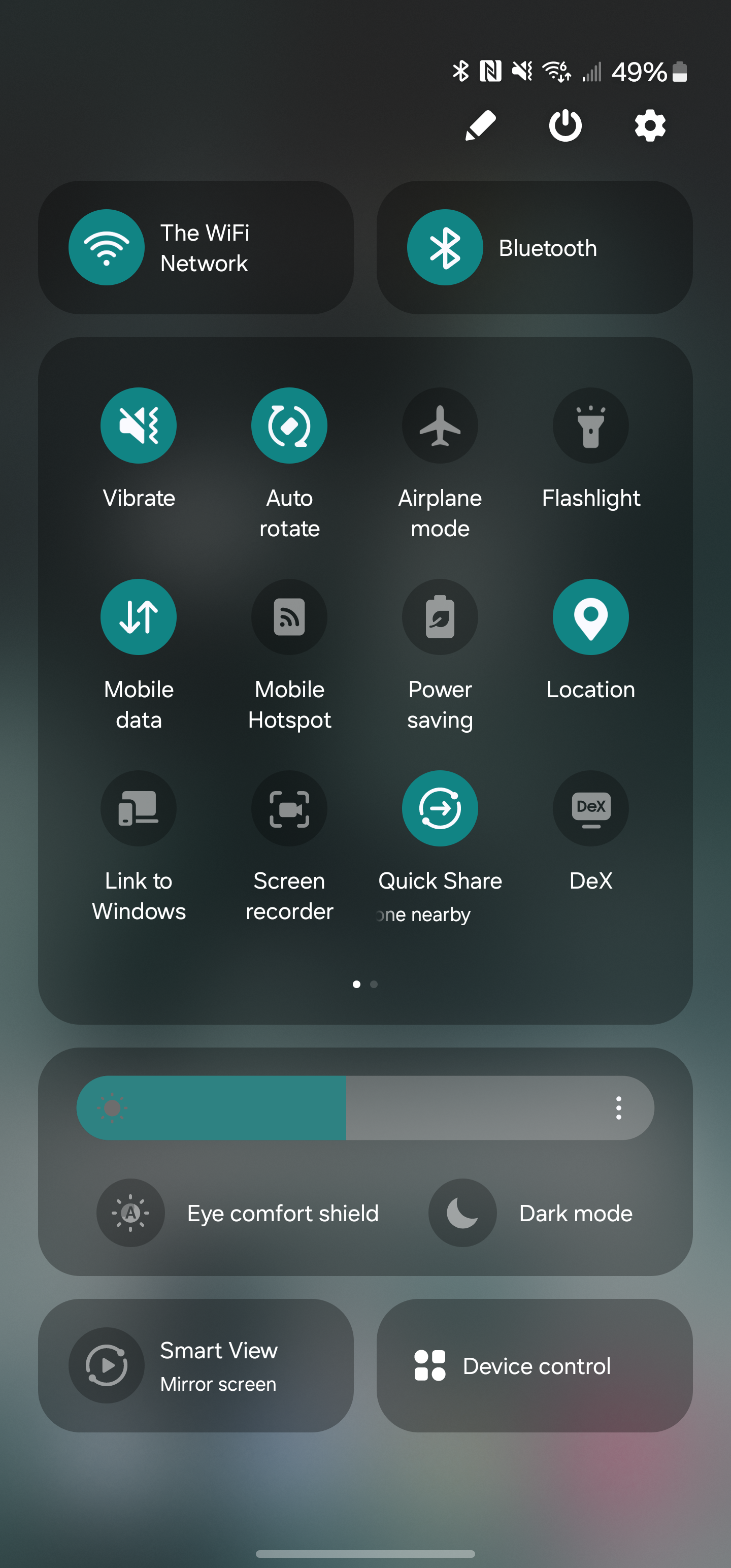
The “Quick Panel” is also significantly updated, with new sections throughout. There are two large cards for Wi-Fi and Bluetooth, a large section for quick settings toggles, and then other sections for brightness, screen mirroring, and device controls. In terms of the look, it’s a pretty shameless copy of iOS’ Control Center, as is the new toggle which lets you swipe from the top left of the display to immediately access the Quick Panel. The notification shade, though, is left unchanged.
Samsung is also further doubling down on widgets. There’s a new camera widget that’s fully customizable. The widget opens up the camera app, but can open it to a specific setting as well as saving the image then taken to a specific album. You can customize the widgets title and background, too.
Another updated widget is for weather, with a new “Weather Insights” widget that can show chance of rain amongst other details.
Perhaps my personal favorite change is that Samsung has updated its default font in Android 14. The new font looks much cleaner and modern as opposed to One UI 5’s font which is a bit too thin. That’s all subjective, though, and Samsung will still let you change your system font.
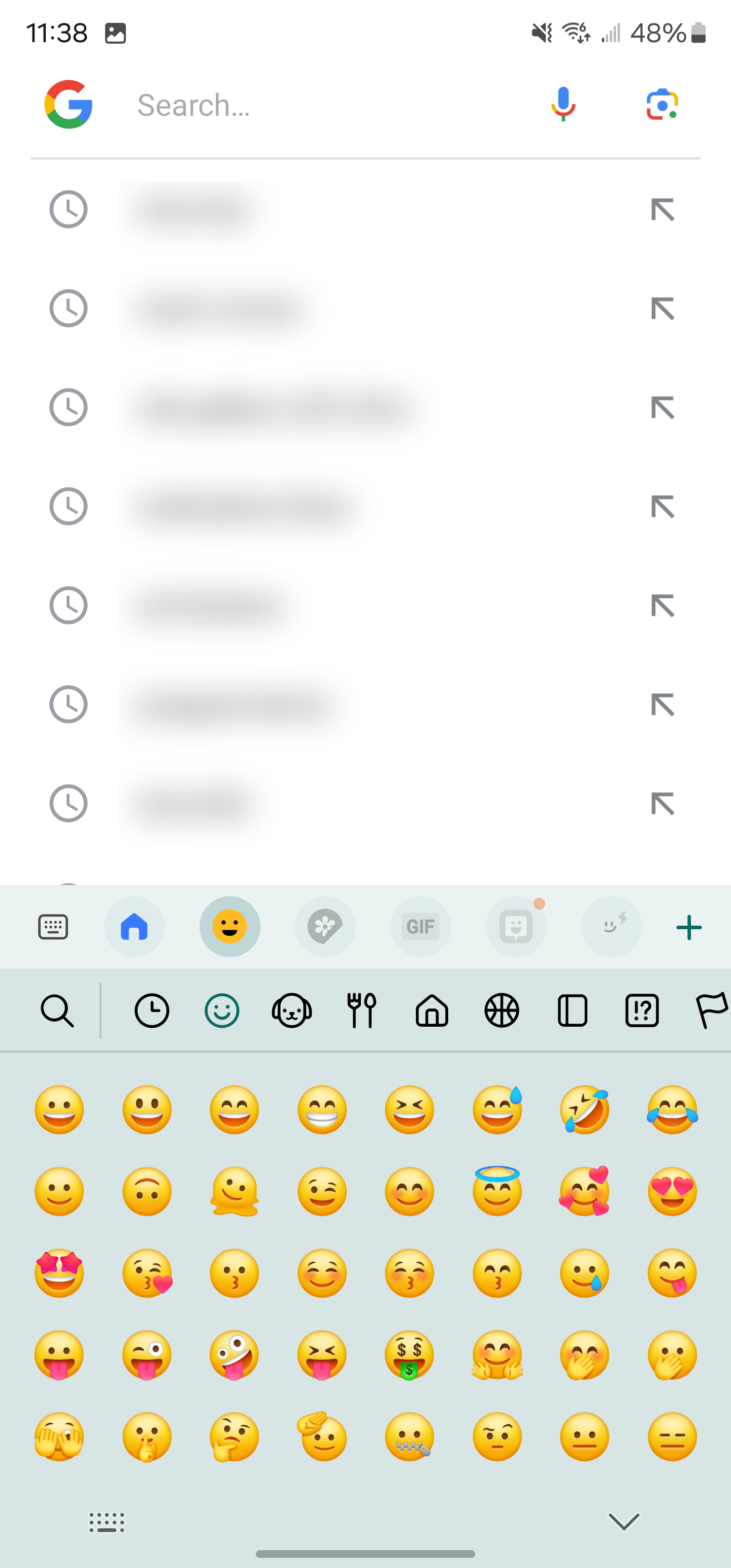
Emojis also get a makeover.
These are some of the most notable changes, but that’s far from everything. Samsung’s full changelog for Android 14 is below with literally dozens of other tweaks and changes that come with One UI 6.0. A few other highlights include:
Level line in camera viewfinder
Resolution settings available in camera viewfinder
“Auto Blocker” security settings
Samsung One UI 6.0/ Android 14 changelog
Quick Panel
New button layout – The quick panel has a new layout that makes it easier to access the features you use most. Wi-Fi and Bluetooth now have their dedicated buttons at the top of the screen, while visual features, like Dark mode and Eye comfort shield, have been moved to the bottom. Other quick settings buttons appear in a customizable area in the middle.
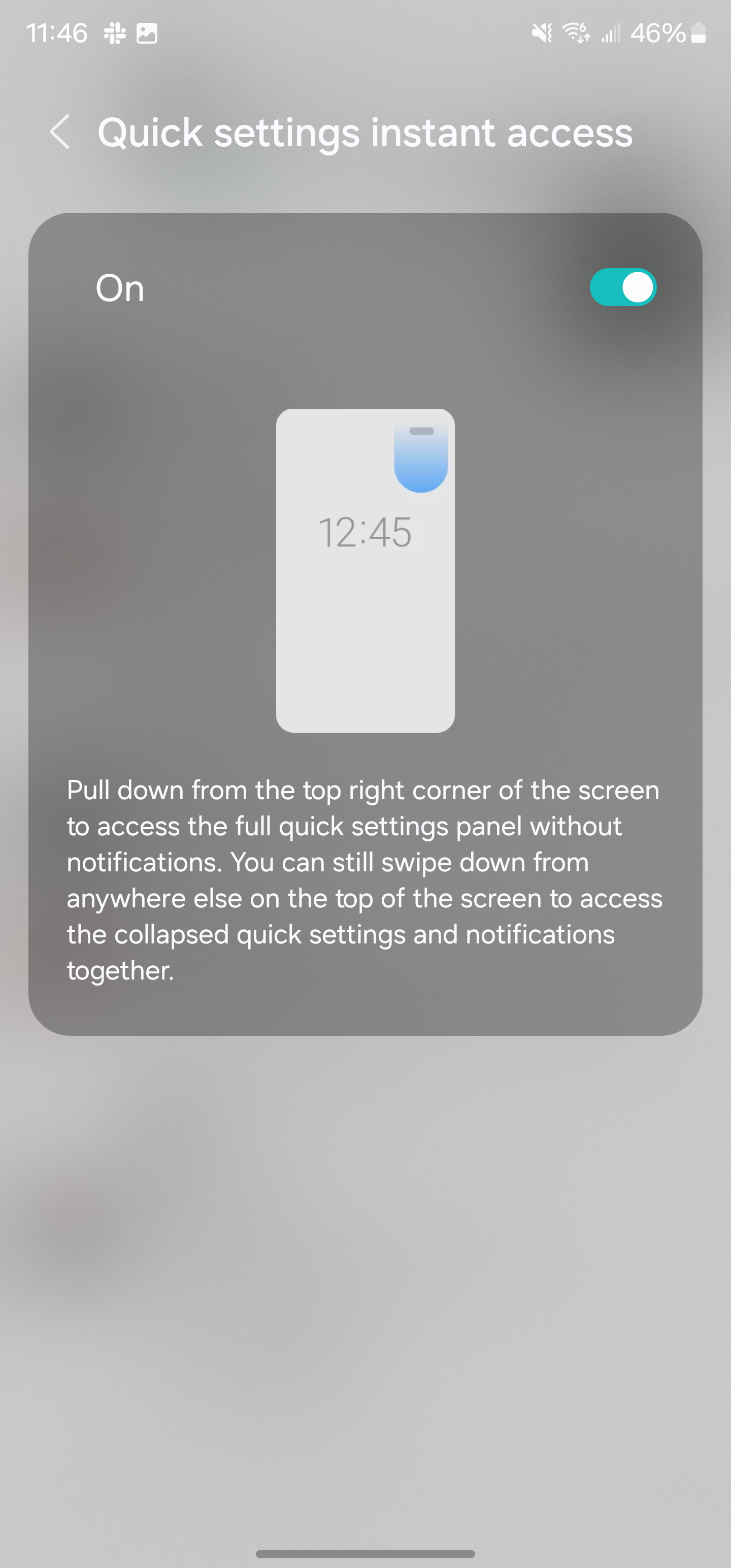
Instantly access the full quick panel – By default, a compact quick panel with notifications appears when you swipe down from the top of the screen. Swiping down again hides notifications and shows the expanded quick panel. If you turn on Quick Settings instant access, you can view the expanded quick panel by swiping just once from the right side of the top of the screen. Swiping down from the left side shows notifications.
Quickly access brightness control – The brightness control bar now appears by default in the compact quick panel when you swipe down once from the top of the screen for quicker and easier brightness adjustments.
Improved album art display – While playing music or videos, album art will cover the entire media controller in the notification panel if the app playing the music or video provides album art.
Enhanced layout for notifications – Each notification now appears as a separate card, making it easier to recognize individual notifications.
Sort notifications by time – While playing music or videos, album art will cover the entire media controller in the notification panel if the app playing the music or video provides album art.
Lock screen
Reposition your clock – You now have more freedom to move your clock to the position of your choice on the Lock screen.
Home screen
Simplified icon labels – App icon labels are now limited to a single line for a cleaner and simpler look. “Galaxy” and “Samsung” have been removed from some app names to make them shorter and easier to scan.
Typeface
New default font – One UI 6 has a new default font with a more stylish and modern feel. You’ll see the new font if the default font is selected in Settings. If you’re using a different font, you’ll still see that font after upgrading to One UI 6.
Multitasking
Keep pop-up windows open – Instead of minimizing pop-up windows when you go to the Recents screen, pop-ups will now remain open after you leave the Recents screen so you can continue what you were working on.
Samsung Keyboard
New emoji design – Emojis that appear in your messages, social media posts, and elsewhere on your phone have been updated with a fresh new design.
Content sharing
Picture and video previews – When you share pictures or videos from any app, preview images will appear at the top of the Share panel to give you one more chance to review the pictures and videos before sharing them.
Extra sharing options – When you share content, additional options may appear on the Share panel depending on the app you share from. For example, when you share a website from the Chrome web browser, you’ll get the option to share a screenshot of the website along with the web address.
Weather
New Weather widget – The Weather Insights widget provides more information about your local weather conditions. You can see when severe thunderstorms, snow, rain, and other events are on the forecast.
More information in the Weather app – Information about snowfall, moon phases and times, atmospheric pressure, visibility distance, dew point, and wind direction is now available in the Weather app.
Interactive map view – Swipe to move around the map and tap a location to view the local weather conditions. The map can help you find weather information even if you don’t know the name of the city.
Enhanced illustrations – Illustrations in the Weather widget and app have been enhanced to provide better information about the current weather conditions. Background colours also change depending on the time of the day.
Camera
Custom camera widgets – You can add custom camera widgets to your Home screen. You can set each widget to start in a specific shooting mode and save pictures in an album of your choice.
More alignment options for watermarks – You can now choose whether your watermark appears at the top or bottom of your photos.
Quick access to resolution settings – A resolution button is now available in the quick settings at the top of the screen in Photo and Pro modes so you can quickly change the resolution of photos you take.
Easier video size options – A pop-up now appears when you tap the video size button, making it easier to see all the options and choose the right ones.
Keep your pictures level – When grid lines are turned on in Camera settings, a level line will now appear in the middle of the screen while using the rear camera in all modes except Panorama. The line will move to show whether your picture is level with the ground.
Apply effects more easily – Filter and face effects now use a dial instead of a slider, making it easier to make precise adjustments with just one hand.
Scan documents easily – The Scan document feature has been separated from Scene Optimizer, so you can scan documents even if Scene Optimizer is turned off. The new Auto Scan lets you scan documents automatically whenever you take a picture of a document. After a document is scanned, you’ll be taken to the edit screen, where you can rotate your document to align it the way you want.
Quality optimization – You can choose between three levels of quality optimization for the pictures you take. Choose Maximum to get the highest quality pictures with the most post-processing. Choose Minimum to reduce the amount of post-processing so you can take pictures as quickly as possible. You can also choose Medium to get the best balance of speed and post-processing.
New Auto FPS settings for videos – Auto FPS can help you record brighter videos in low-light conditions. Auto FPS now has three options. You can turn it off, use it for 30 fps videos only, or use it for both 30 fps and 60 fps videos.
Gallery
Save clipped images as stickers – When you clip something from an image, you can easily save it as a sticker that you can use later when editing pictures or videos.
Enhanced story view – While viewing a story, a thumbnail view appears when you swipe up from the bottom of the screen. In thumbnail view, you can add or remove pictures and videos from your story.
Drag and drop with two hands – Touch and hold pictures and videos with one hand, then use your other hand to navigate to the album where you want to drop them.
Quick edits in detail view – While viewing a picture or video, swipe up from the bottom of the screen to go to detail view. This screen now provides quick access to effects and editing features you can immediately apply.
Photo Editor
Adjust decorations after saving – You can now make changes to drawings, stickers, and text that you’ve added to a photo even after saving.
Undo and redo – Don’t worry about making mistakes. You can now easily undo or redo transformations, filters, and tones.
Enhanced layout – The new Tools menu makes it easier to find the editing features you need. Straighten and Perspective options have been combined in the Transform menu.
Draw on custom stickers – When creating custom stickers, you can now use drawing tools to make your stickers even more personal and unique.
New text backgrounds and styles – When adding text to a photo, you can choose from several new backgrounds and styles to help you get the perfect look.
Calendar
Your schedule at a glance – The new schedule view provides your upcoming events, tasks, and reminders all together in chronological order.
View your reminders in Calendar – You can now view and add reminders in the Calendar app without opening the Reminder app.
Reminder
Refined reminder list view – The main list view has been redesigned. You can manage categories at the top of the screen. Below the categories, your reminders will be shown organized by date. The layout for reminders containing images and web links has also been enhanced.
New reminder categories – The Place category contains reminders that alert you when you’re in a specific place, and the No Alert category contains reminders that don’t provide any alerts. More options for creating reminders: When sharing content to the Reminder app, you’ll get full editing options before your reminder is created. You can also take pictures using the camera when creating a reminder.
Create all-day reminders – You can now create reminders for an entire day and customize the time when you want to be alerted about them.
Samsung Internet
Play videos in the background – Keep playing video sound even if you leave the current tab or leave the Internet app completely.
Enhanced tab list for large screens – When using the Internet on a large screen, such as a tablet in landscape view or Samsung DeX, your tab list will be shown in 2 columns so you can see more tabs on the screen at the same time.
Smart select
Resize and extract text from pinned content – When you pin an image to the screen, you can now resize it or extract text from it.
Magnified view – When selecting an area of the screen, a magnified view will appear so you can start and end your selection at the perfect spot.
Bixby text call
Customize your greeting – You can now edit the greeting that Bixby says when you answer using Bixby text call.
Switch to Bixby during a call – You can switch to a Bixby text call at any time, even if the call is already in progress.
Modes and Routines
Unique Lock screens depending on your mode – Set up different Lock screens with their own wallpaper and clock style for when you’re driving, working, exercising, and more. When you start editing the Lock screen while a mode is on, you’ll edit the Lock screen for that mode.
New conditions – You can now start a routine when an app is playing media.
New actions – Your routines can now do more than ever before. Change your Lock screen, change Samsung Keyboard settings, and more. Smart suggestions
New look and feel – The Smart Suggestions widget has been redesigned with a layout that better aligns with other icons on your Home screen.
More customization – You can now adjust transparency and choose between a white or black background. You can also set apps to exclude from suggestions.
Finder
Quick actions for apps – When an app appears in your search results, you can touch and hold the app to get quick access to actions you can perform using the app. For example, if you search for the Calendar app, buttons for adding an event or searching your calendar will appear. App actions will also appear in search results on their own if you search for the name of the action instead of the app.
My Files
Free up storage space – Recommendation cards will appear to help you free up storage space. My Files will recommend deleting unnecessary files, give you tips for setting up cloud storage, and also let you know which apps on your phone are using the most storage space.
Settings
Smarter Airplane mode – If you turn on Wi-Fi or Bluetooth while Airplane mode is on, your phone will remember. The next time you use Airplane mode, Wi-Fi or Bluetooth will remain on instead of turning off.
Easier access to battery settings – Battery settings now have their own top-level settings menu, so you can easily check your battery usage and manage battery settings.
Block security threats – Get an extra level of protection for your apps and data. Auto Blocker prevents unknown apps from being installed, checks for malware, and blocks malicious commands from being sent to your phone using a USB cable.
Accessibility
New magnification options – Customize how your magnification window appears. You can choose full screen, or partial screen, or allow switching between the two.
Customize cursor thickness – You can now increase the thickness of the cursor that appears while editing text so that it’s easier to see.
Learn more about accessibility – A link to the Samsung Accessibility web page has been added to Accessibility settings so you can learn more about accessibility features and our efforts to make our products accessible to everyone.
One UI 6 will likely be released sometime in November or December, and if last year is any indication, it will probably roll out to many devices very quickly. If you have a Galaxy S23 and want to try it early, though, it’s available now in beta.
One UI 6 is now available to the public in beta form, which means those with certain Samsung Galaxy devices will be able to install the new version of One UI and dive into everything new. Here’s how to install One UI 6 beta on your device.
Samsung’s One UI 6 beta is finally here, open for users to install and take for a spin before the full release a few months from now. Similar to the previous version of One UI, users will be able to sign up for the beta version and receive access to an update that will carry the latest OS to their Galaxy device.
One UI 6 is based on Android 14 and offers some exciting new features. The most forward-facing change is the new adjusted UI, which simplifies the overall look of One UI’s overall design language. The Quick Settings panel is now sectioned off into cards. Individual cards house Wi-Fi, Bluetooth, and Quick Settings controls that feature a 4×3 layout with multiple pages.
The simplified approach is reminiscent of existing Android operating systems like ColorOS from Oppo. It could also be likened to an iOS-type UX with how transparent the cards are to what lays behind the control panel. Either way, it’s a divisive change that will get its fair share of exploration now that a beta version is available.
How to sign up and install the One UI 6 beta
Samsung’s approach to distributing the One UI 6 beta is extremely user-friendly. You simply need to sign up via the Samsung Members app on your Galaxy device and wait for an update to push to your phone. Make sure the Samsung Members app is installed on your device and you have an account set up.
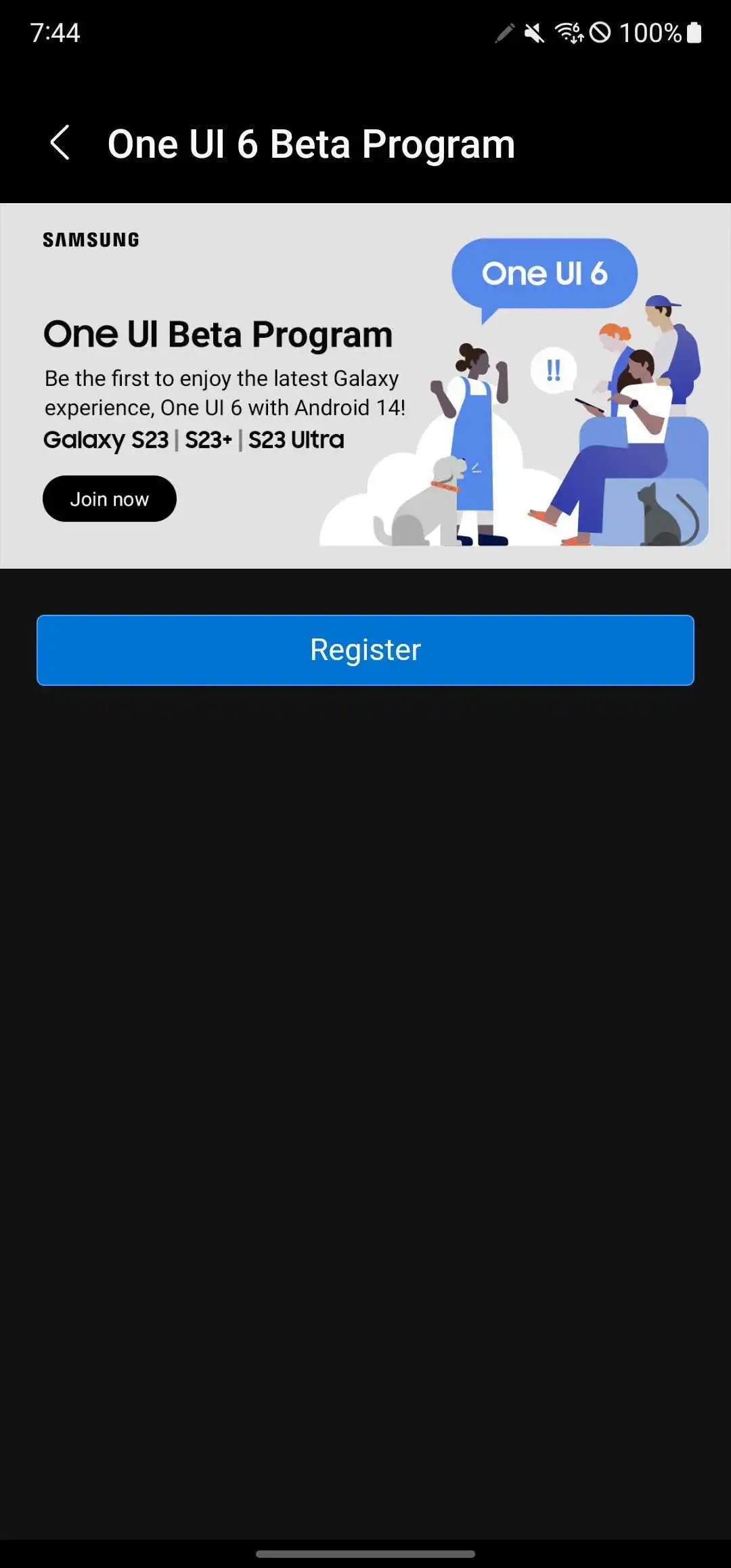
In the Samsung Members app, swipe through the top banner and find the card that reads One UI Beta Program. Tap it.
Tap Register.
Agree to the terms listed by taping Enroll and then Agree.
Note: A pop-up may appear, letting you know you are enrolled.
Head to the settings by swiping down once and tapping the settings cog.
Scroll to the bottom and tap Software update.
Tap Download and install.
Your device will start downloading One UI 6 beta.
Once you finish the above process, you’ll see One UI 6 begin its installation procedure. That generally takes about 10 minutes, with some extra waiting time for the app optimization segment.
Once your Galaxy device is finished, you should be up and running with One UI 6 beta.
What devices are supported?
At this time, there are only a couple of devices supported. Currently, Samsung is limiting the One UI 5 beta to the Galaxy S23 series including:
Galaxy S23
Galaxy S23+
Galaxy S23 Ultra
Samsung may also have plans to bring the beta to more devices down the road, including the Galaxy Z Fold 4, Flip 4, and more.
Where can I use the One UI 6 beta?
Samsung has officially announced that the One UI 6 beta will be available first in just three countries:
United States
Germany
South Korea
This limited list is likely only temporary, though. In years past, Samsung has offered the beta on an almost global scale, and there’s no reason to expect we won’t see it expand in time with this latest iteration.
Apple’s Shortcuts app has evolved a lot since the company acquired Workflow in 2017. For those unfamiliar, it lets users create a series of automated processes on iPhone, iPad, Mac, and even Apple Watch. And with iOS 17, Apple is adding even more functionality to the app, which now supports Camera app actions.
Camera app shortcuts coming to iOS 17
As noted by Matthew Cassineli, the latest iOS 17 beta available to developers and public beta testers adds new Shortcuts actions to open specific camera modes in the Camera app. With the new “Open Camera” action, users can choose between different camera modes and “immediately open any preset using Shortcuts.”
There are up to nine different modes available, which vary depending on the device you have:
Photo
Selfie
Video
Portrait
Portrait Selfie
Cinematic
Slo-Mo
Time-Lapse
Pano
These shortcuts can be very useful for a lot of things, like creating voice commands to use Siri to open the Camera app in a specific mode. You can also add icons to quickly access a specific mode right from your Home Screen.
ChatGPT for iOS adds Siri & Shortcuts support, and proper iPad app
This shortcut brings deep ChatGPT integration to native iOS features and apps
Workflow cofounder and Shortcuts engineering manager departs Apple
More about iOS 17
iOS 17 comes with a bunch of new features for the iPhone. These include enhancements to FaceTime and Messages, a new StandBy mode, interactive Home Screen widgets, NameDrop, and smarter keyboard suggestions. For the iPad, the update brings a brand new customizable Lock Screen, plus support for microphones and USB webcams.
iOS 17 beta is currently available through the Apple Developerand Apple Beta Softwareprograms. The official release to the public is expected this fall.
Apple acquires powerful iOS automation app Workflow, makes it available for free
Apple way back 2017 acquired popular iOS tool Workflow, which allows users to combine the functionalities of various apps together to automate normally complex processes. According to TechCrunch, Apple finalized the deal today but financial details are not yet available.
In a statement, Workflow developer Ari Weinstein said that the team is thrilled to be joining Apple and remarked on how amazing of a journey it has been going from the company’s beginnings to today:
“We are thrilled to be joining Apple,” said Weinstein in a statement. “We’ve worked closely with Apple from the very beginning, from kickstarting our company as students attending WWDC to developing and launching Workflow and seeing its amazing success on the App Store. We can’t wait to take our work to the next level at Apple and contribute to products that touch people across the world.”
Apple has also confirmed the acquisition. The company said in a statement that Workflow’s use of iOS accessibility features is something that really makes the app standout out from other services. In 2015, the app won an Apple Design Award, something Apple attributes to those accessibility features in today’s statement:
“The Workflow app was selected for an Apple Design Award in 2015 because of its outstanding use of iOS accessibility features, in particular an outstanding implementation for VoiceOver with clearly labeled items, thoughtful hints, and drag/drop announcements, making the app usable and quickly accessible to those who are blind or low-vision.”
Workflow is based around the idea of transforming a process that would normally take a handful of interactions with iOS into a single tap. The goal is to “hide” a complex set of commands under a single, instant tap of a button.
What’s somewhat unusual about Apple’s acquisition of Workflow is that the app will remain on the App Store and has transformed into a free offering today. It’s unclear at this point how the Workflow team will be integrated into Apple, but the acquisition is good news for pro users who have called on Apple to make iOS more powerful, as well as good news for those who have called the iOS interface overly complicated.
iOS 17 beta 4: Here’s what new
iOS 17 beta 4 is here, and it includes a handful of small changes and new features for iPhone and iPad users. Head below as we round up everything that’s changed ahead of iOS 17 being released to the general public in September.
The first beta of iOS 17 was released following the WWDC on June 5, and beta two was released two weeks later on June 21. iOS 17 beta 2 included updates to AirDrop, changes to the Settings app, crossfade support in Apple Music, and more. iOS 17 beta 3 was released on July 5 and brought more in-depth credits to the Music and more.
Since the release of iOS 17 beta 3, Apple also released the first iOS 17 public beta. We expect a new iOS 17 public beta build to be released sometime later this week or early next week.
What’s new in iOS 17 beta 4?
Ahead of Photo Stream being shut down this week, iOS 17 beta 4 removes the feature entirely.
iOS 17 beta 4 includes a new toggle in the Settings app that allows users to disable the ability to initiate AirDrop transfers by bringing two devices close together.
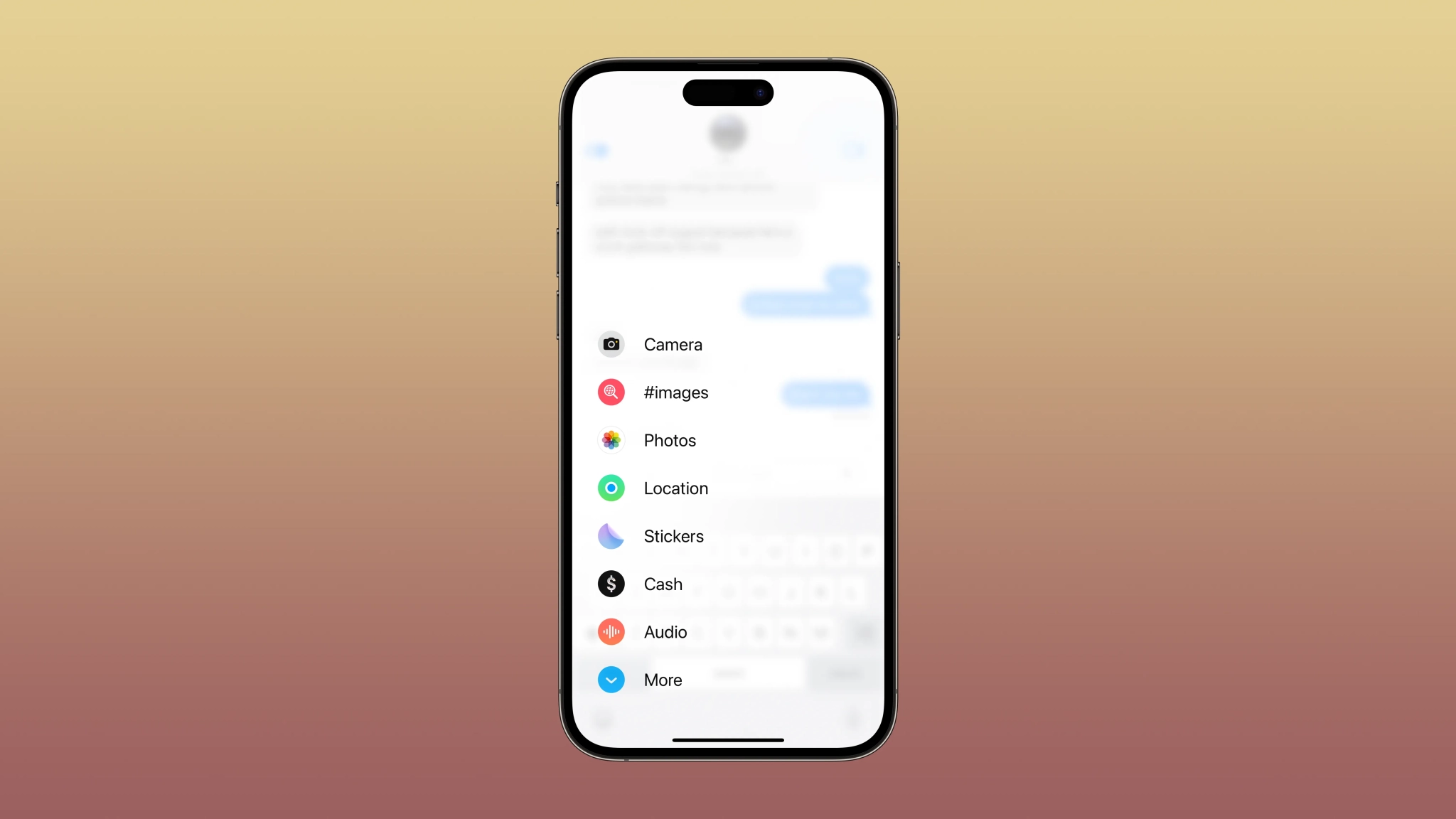
In the Messages app, Apple has tweaked the layout and icons for Messages apps in iOS 17 beta 4.
As spotted by Hidde Collee on Twitter, iOS 17 beta 4 includes a slightly tweaked design for buttons in the TV app.
There’s also a new AirPlay picker animation included in iOS 17 beta 4: