Apple Inc. will debut major software updates for the iPhone and iPad at its developers’ conference on June 07,2021 to an audience that has grown increasingly critical of the company’s App Store policies.
The virtual event beginning June 07,2021 will also include software updates for the Mac, Apple Watch and Apple TV as well as tools developers can use to build apps. The company plans to discuss new privacy protections for limiting data collection as well as health-tracking, notifications and messaging features. Executives also will promote significant improvements to iPad software, making the device more capable and appealing to more advanced users.
This year’s conference arrives while Apple is facing criticism from some developers over its App Store policies. The controversy was highlighted by a three-week trial last month of a lawsuit filed by Epic Games Inc., which argued that the iPhone maker’s policies and revenue share of as much as 30% are anticompetitive. Unhappy developers have grown more willing publicly to express discontent, Apple executives have been grilled by U.S. lawmakers and companies such as Microsoft Corp. and Spotify Technology SA have chided Apple.
What to Expect From Apple’s WWDC
The Cupertino, California-based iPhone maker will now try to convince developers that Apple’s platform remains the best place for them to sell software and that it has new features to keep consumers glued to the company’s products. Apple, however, isn’t expected to announce wholesale App Store policy changes next week. The company generated about $22 billion from App Store commission in 2020 alone, according to Sensor Tower estimates.
As part of its continued privacy push, Apple is planning new features to counter overly invasive apps. One major new addition will be a control panel that provides in-depth detail on what data are being collected by each third-party app installed on a user’s device. Earlier this year, Apple rolled out a feature to limit the ability of developers to track users across apps and the web for advertising purposes, irking developers like Facebook Inc.
On the iPhone and iPad software updates, users will now be able to set a status — such as whether you are driving, sleeping, working or don’t want to be disturbed — and have that dictate how incoming notifications are handled. The update will also include a larger focus on auto-replying to messages and a new design for incoming notification banners at the top of the screen.
For the iPad, Apple plans to revamp the home screen and support the placement of widgets — snippets of dynamic information like calendar, weather and stocks — anywhere on the screen. This is a commonly requested feature that will bring the iPad in line with Android rivals. The company also plans an improved multitasking system to make it easier to operate multiple apps at the same time.
The Messages app will receive enhancements on the way toward Apple’s eventual goal to turn it into a more direct competitor to messaging services on social networks like Facebook’s WhatsApp and Messenger, Bloomberg News has previously reported. Apple has also been working on a revamped lock screen for the iPhone and iPad, though some of those changes have been pushed back to a future release and won’t appear this year.
Apple’s planned update to macOS is expected to be somewhat minor after the operating system received an overhaul in 2020, while the Apple Watch is expected to gain some health-tracking and interface improvements. The Apple TV will also get enhanced software after the company released a faster model last month.
WWDC kicks off on Monday June 07,2021 or June 08,2021 3am some part of the world.
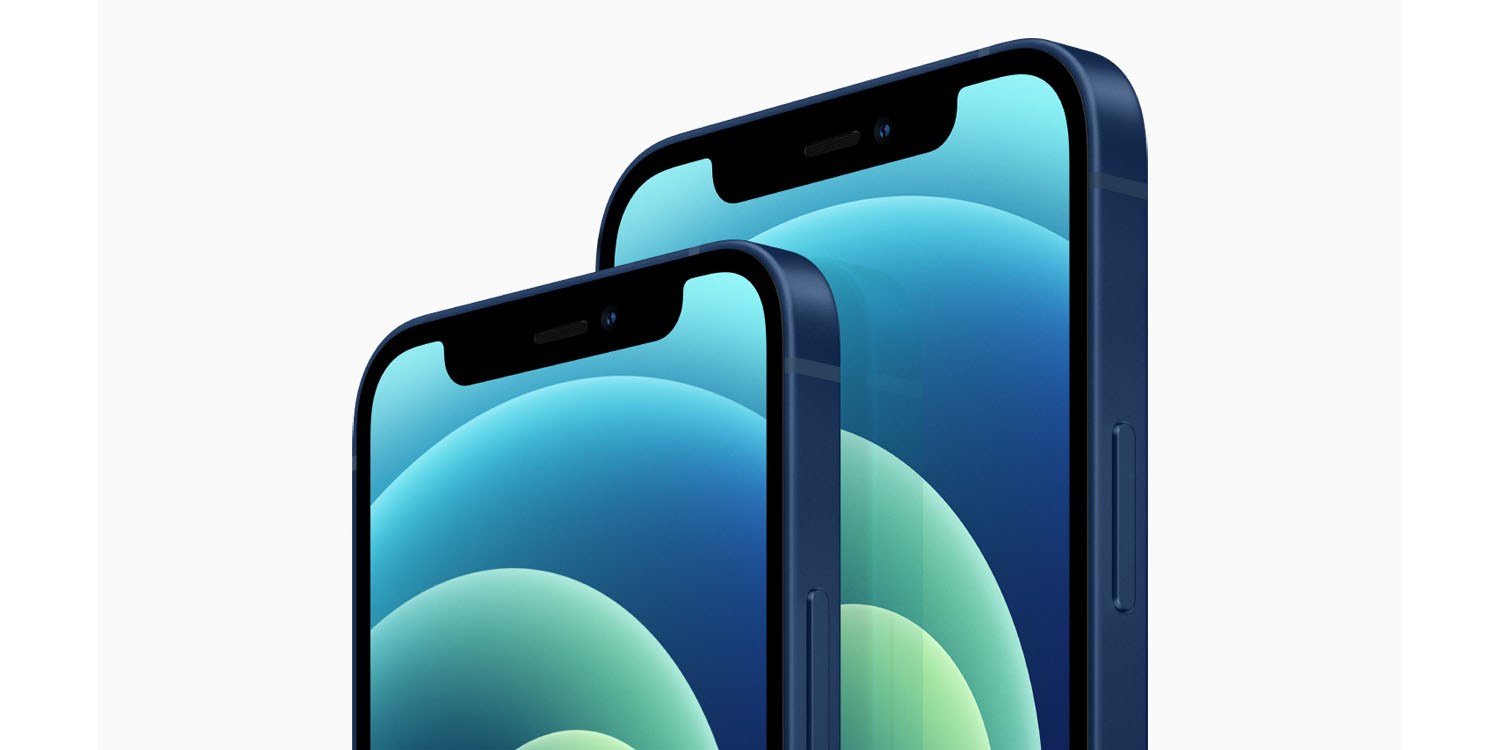
AT&T, Delta, and Apple have announced a new partnership that will see the airline upgrade its fleet of devices to 5G-capable iPhone 12 models. Through this partnership, Delta will equip all 19,000 of its flight attendants with an iPhone 12 device.
In a press release, AT&T explains that this is part of Delta’s efforts to “lead the commercial airline industry into the 5G era.”
Delta Air Lines will help lead the commercial airline industry into the 5G era. Together with AT&T Business and Apple, Delta will equip every one of their 19,000+ flight attendants with iPhone 12, enabling them to harness the power of AT&T’s nationwide 5G network to enhance the travel experience for all passengers.
While a variety of smartphones support 5G nowadays, Delta and AT&T also point to the iPhone 12’s AR capabilities as reasons for choosing it over the competition:
More accurately assessing in-cabin inventory quickly using AR with the camera on iPhone 12.
Immersive training using AR to help flight attendants perform critical tasks – from safety checks to passenger assistance – from nearly anywhere.
Delta will also work with AT&T and Apple going forward to “develop new use cases and applications that will help Delta continue to set new standards for service.”
Delta is not the first airline to team up with Apple on rolling out iPhones to flight attendants. In 2019, British Airways gave all 15,000 of its cabin crew members an iPhone XR to help enhance the customer support experience. Apple and IBM also worked with United Airlines to distribute iPhones and iPads to its employees in 2017.
Delta Air Lines will help lead the commercial airline industry into the 5G era. Together with AT&T Business and Apple, Delta will equip every one of their 19,000+ flight attendants with iPhone 12, enabling them to harness the power of AT&T’s nationwide 5G network to enhance the travel experience for all passengers.
2021 is a crucial year as pandemic-driven travel behaviors continue to change. This new infusion of technology and connectivity from AT&T and Apple will help Delta and its flight attendants better adapt to whatever the future of travel holds.
The powerful capabilities in performance, durability and connectivity on iPhone 12 combined with the high-speed, low-latency connectivity of the AT&T 5G network opens entirely new possibilities on the ground and in the air.
This could mean unleashing the potential of augmented reality (AR) to shape the future of air travel and the passenger experience with capabilities like:
More accurately assessing in-cabin inventory quickly using AR with the camera on iPhone 12.
Immersive training using AR to help flight attendants perform critical tasks—from safety checks to passenger assistance— from nearly anywhere.
These new capabilities are not only possible, but are on the horizon, and Delta will continue work with AT&T and Apple to develop new use cases and applications that will help Delta continue to set new standards for service.
The Apple-designed A14 Bionic — the fastest chip in a smartphone — powers every experience on iPhone 12 while efficiently managing battery life.
It also features a new flat-edge design with an aerospace-grade aluminum enclosure, and the breakthrough Ceramic Shield front cover, with 4x better drop performance.iPhone 12 also has an industry-leading IP68 rating for water-resistance, giving flight attendants peace of mind while on the go. Viewing training and customer itineraries even in dim cabin lighting will be made easy with an expansive, edge-to-edge Super Retina XDR display with OLED for a brighter, more immersive viewing experience.
Flight attendants can also feel confident knowing that AT&T was recently named the fastest network for iPhones according to Speedtest® by Ookla. The iPhone 12 can also access AT&T’s fast, reliable and highly secure 5G network, reducing the need to connect to public Wi-Fi hotspots in between flights. AT&T’s 5G network reaches over 230M Americans in more than 14,000 cities and towns. The iPhone 12 is also capable of tapping into the AT&T 5G+ network, which is available in parts of 38 cities in the U.S.
In addition, Delta utilized the trade-in value of iPhones to enable a cost-effective lease from AT&T Capital Services and Apple Financial Services.
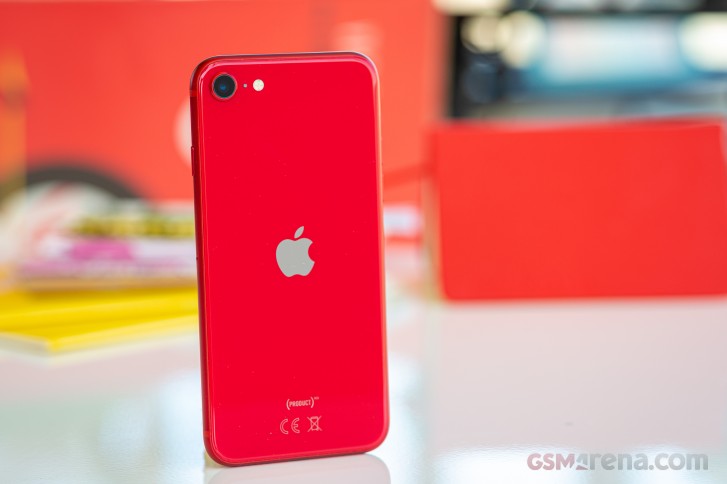
Apple iPhone SE. The Special Edition. Even if the Smaller Edition was more appropriate. And just like the first iPhone SE, its second generation is both – Small, even if larger than the first one, and Special – as such launch happens once in four years or so.
We are sure Apple had plans for a great premiere event last March, but COVID-19 turned everything upside down and such plans were abruptly scrapped. The new iPhone was unveiled fanfare-less on the maker’s website, out of the blue, but it quickly became famous for being not only one of the cheapest iPhones ever made but also as one of the season’s hottest bang for the buck offers.
Imagine that – bang for the buck coming from Apple! Indeed, the highlight feature of the new iPhone SE is the A13 Bionic chip – that’s Apple’s latest platform – the one that’s powering the iPhone 11 trio. As for the rest, well, it’s mostly iPhone 8.
Apple did use the 2.5 years old iPhone 8 as a canvas in more than one way. The shell is the same, as is the screen (sans the 3D Touch layer), same front and rear cameras ergo photo and video capabilities, same stereo speakers, same battery capacity, same charging capabilities.
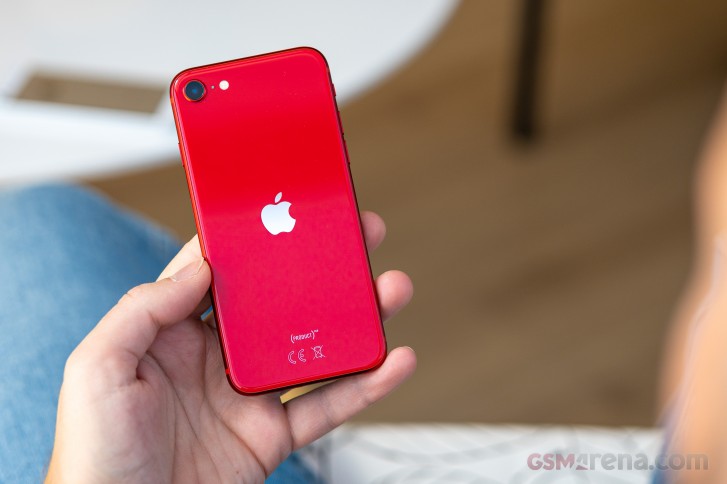
A thorough look reveals the iPhone SE (2020) is indeed small by today’s standards, and while it brings features introduced more than two years ago, those are hardly outdated – the phone is water-resistant, its single camera offers numerous features such as portraits, Smart HDR and even 4K at 60 with both OIS and EIS available, while the stereo speakers are of an excellent quality that is tough to beat even to this very day.
Apple iPhone SE (2020) key features
Body: Aluminum frame, Gorilla Glass front with oleophobic coating, Gorilla Glass back with glossy finish, IP67 certified for water and dust resistance. Red, Black, and White color options; 138.4 x 67.3 x 7.3 mm; 148g.
Screen: 4.7″ 16M-color LED-backlit IPS LCD screen of 750p resolution, 326ppi, True Tone adjustment via four-channel ambient light sensor.
OS: Apple iOS 13.
Chipset: Apple A13 Bionic (7nm+) chip – 2×2.66 GHz Lightning + 4×1.8 GHz Thunder) Apple CPU, four-core Apple GPU, 8-core Apple NPU 3-gen.
Camera: 12MP camera with F/1.8 lens, optical image stabilization, quad-LED flash with slow sync, phase detection auto focus, Smart HDR, wide color capture.
Video recording: 2160p@60/30fps, 1080p@30/60/120/240fps video recording
Selfie: 7MP F/2.2 front-facing camera with BSI sensor and HDR mode, 1080p@30fps video
Storage: 64GB, 128, or 256GB of built-in storage.
Connectivity: 4G LTE Cat.12; Wi-Fi a/b/g/n/ac; Bluetooth 5.0; Lightning port; GPS with A-GPS, GLONASS, GALILEO, QZSS; NFC (Apple Pay only).
Battery: 1,821mAh battery, 18W fast charging, wireless charging (Qi compatible).
Misc: Stereo speakers, pressure-sensitive Home key with fingerprint scanner, Taptic Engine.
The bezels are what looked old on the iPhone 8, and now they look ancient on this new SE model. They are wonderful as thumb rests for when you are using the phone in landscape orientation for gaming or videos, but they will be a target for many laughs either way. And the battery capacity could have been improved a bit, but we are yet to see the new A13 chip in action, so let’s not judge just yet.
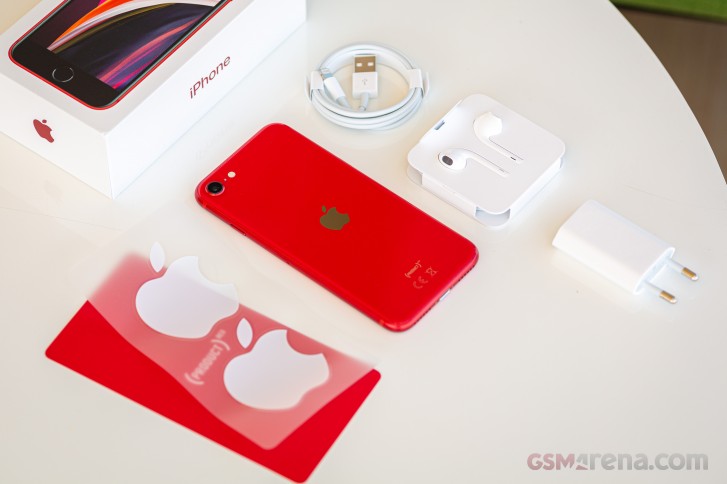
And now, it’s time to unpack our red iPhone SE.
Unboxing the Apple iPhone SE (2020)
The iPhone retail bundle has seen few changes over the year with the most prominent being the 18W charger replacing the 5W adapter for the iPhone 11 Pro models. That is not the case with the iPhone SE, though.
The Apple iPhone SE (2020) retail box contains the prehistoric 5W charger and the usual Lightning cable. We do appreciate the EarPods that are included with every iPhone, though. Two Apple logo stickers and the SIM ejector complete the SE bundle.
The iPhone SE supports USB-PD fast charging (up to 18W), as well as wireless charging (up to 8W), so at least you are not without other options. You just have to get yourself a quick charger separately.
Wrap-up
The new Apple iPhone SE is indeed one of the most compact smartphones not only within the iPhone ranks but among the Android phones as well. It is thin and lightweight, yet powerful and dependable, with great speakers and a high-quality screen, and impresses with camera performance even if it misses a feature or two.
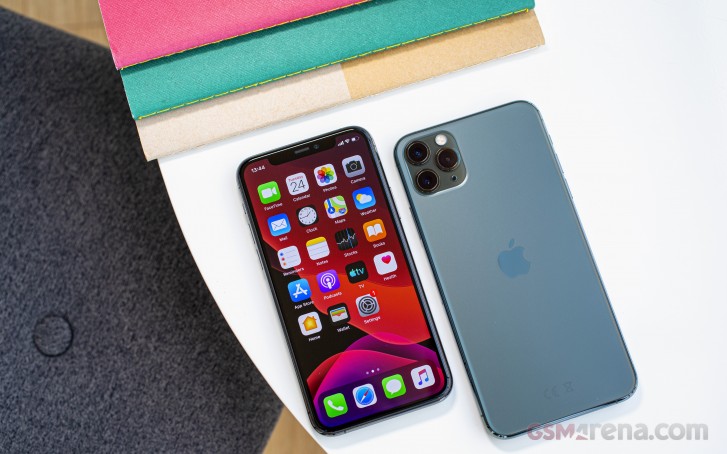
iPhone 11 Pro and iPhone SE 2020
Recycling the iPhone 8 parts and design may be a letdown to some, though it’s hardly surprising – the first iPhone SE was an iPhone 5s with an iPhone 6s chip, so it was kind of obvious the next SE would be an old iPhone (8) with a new iPhone chip (11). Still, the iPhone SE (2020) does remarkably well across the board, with Apple delivering some nice improvements in camera quality thanks to the power of A13 chip and the latest software tweaks.
iPhone SE 2020 and iPhone SE
And the most important part – the price is quite attractive. The base storage has grown to 64GB (up from 16GB on the old SE), and the 64GB model costs $399 in the US or €479 in the EU. These price tags are quite cheap for such a powerful phone, let alone an iPhone.
Alternatives
Being the cheapest of the iPhones there really is no alternative. If you are on the budget, the iPhone SE is your only option, but it is a great one if you can live with the bezels.
Or, you can add about €220 on top of the SE and get the iPhone XR with a larger 6.1″ screen with tiny bezels and Face ID within its notch. The iPhone XR is about 1cm taller and wider than the SE, so it is not a giant. It may have the previous A12 chip, but most importantly, it offers a much better overall battery life.
For €300 on top of the iPhone SE you may as well go for the iPhone 11, which will give you the same screen as the XR, but with the new Apple A13 underneath and the iPhone 11 Pro main camera with Night Mode. You also get doubled battery life over the SE.
The first-generation SE is still available from various retailers across the globe, mostly refurbished by now, but it is still a good option if you want a decent phone with the size of a credit card.
Finally, if you aren’t chained to iOS, the yet-to-be-revealed Pixel 4a looks like what many hoped for the iPhone SE to be – an all-screen phone with an excellent camera. We know Google can deliver on camera with the Pixels, and our fingers are crossed for an issue-free screen, though the Pixel 4a won’t match the gaming performance of the iPhone with that rumored Snapdragon 730.
Apple iPhone XR • Apple iPhone 11 • Apple iPhone SE • Google Pixel 4a
The verdict
The small iPhone is dead! Long live the small iPhone! That is pretty much the deal with every new iPhone, and it was about time to happen with the SE generation. The second SE is a small and powerful phone, water-resistant and beautiful, with a capable camera and great iOS support.
The new iPhone SE is the cheapest iPhone right now, but also one of the cheapest flagship-like phones on the market if we are to compare bang for the buck. The only things you must do to like it is to embrace the bezels and buy a fast charger.
Pros
Compact and lightweight, water-resistant.
Bright and high-contrast screen.
Outstanding performance from the A13 chip.
Loud stereo speakers.
Touch ID is back and we love it.
Excellent daylight photos and good low-light ones.
Very good video recording capabilities with proficient stabilization.
Future proof with the latest chipset and regular iOS updates.
The cheapest iPhone yet.
Cons
Bezels, bezels, bezels.
The battery capacity is uninspiring.
Night Mode in the camera is sorely missed.
Slow 5W charger in the box.
The iTunes file exchange can be frustrating for many.
The iPhone 11 Pro Max was the best that Apple could cram into a smartphone in 2019 – the high-end screen, powerful speakers, upgraded processor all support the huge upgrades to the camera. However, this phone is really for the Apple fan or someone that really needs that extra lens or a touch more battery life – the iPhone 11 feels like it offers better value.
The iPhone 11 Pro Max was the largest and most powerful phone Apple’s ever created, taking the very best of its technology and combining it with an upgraded design that includes a new matte back, three cameras designed to rival the best from Samsung, Google and Huawei, and an enhanced battery for greater endurance.
The iPhone 11 Pro Maxwas, until the iPhone 12 Pro Max came along, leading the iPhone 12 mini, iPhone 12 and iPhone 12 Pro in Apple’s march to the future. The new phone has some improved specs and a tweaked design from the iPhone 11 Pro Max, but 5G aside it’s only an annual update and not a revolution.
Digging deeper into the iPhone 11 Pro Max camera, we’re impressed most with the Night mode: the iPhone 11 Pro Max is capable of turning night almost into day, but doing so while preserving plenty of detail.
We found the newly-added ultra-wide camera to be handy when you want to squeeze in more of a scene (although we didn’t find we needed it that often) and for improving the background defocus effects… although it still wasn’t perfect in our testing.
The design of the iPhone 11 Pro Max will be familiar to most, with the same design language as the previous two models (the iPhone X and iPhone XS), although the matte back feels nice in the hand. The ‘Max’ size won’t appeal to all, but it does facilitate the large and impressive 6.5-inch OLED display, which offers a brilliant cinematic experience, both visually and through the upgraded stereo speakers.
The camera bump on the rear of the phone feels a little sharp and takes up a lot of space, although if you’re right-handed it stays out of the way when you’re going about your daily tasks.
Apple promises that the iPhone 11 Pro Max’s battery will last five hours longer than the XS Max from the previous year, and that claim is borne out in our tests – it particularly excelled when playing back HDR video on the phone, and the 20-hour battery life for multimedia seems accurate.
In day-to-day use we found that this is just about a 24-hour smartphone (assuming you sleep for a portion of that time), and the fast charger that (finally) comes in the box gives you around 20% in 15 minutes, and a full charge in just an hour and a half.
With iOS 13 on board – and now an update to iOS 14 – the Pro Max feels more refined than previous models, and tweaks to the accuracy and range of Face ID make it simpler to use every day, with things like opening a notification when the phone is placed flat on a desk made much easier.
The raw performance of the iPhone 11 Pro Max also impressed, although we did encounter some slowdown in the camera app; however, if you’re looking to edit video on the go (and don’t forget this phone can shoot 4K at 60 frames per second, and do it well) then you’ll enjoy the extra grunt on offer.
Overall, the iPhone 11 Pro Max is a real step forward, and the most advanced iPhone yet. However, when thinking about what’s truly new here, we weren’t able to single out much beyond the improved camera (especially Night mode) and the slightly upgraded cinematic experience.
If you want to save some money, we’d suggest checking out the iPhone 11 – while we constantly found little nuggets of impressive performance throughout our testing of the 11 Pro Max, we couldn’t shake the feeling that this is really only a phone for the Apple fan who wants the best of everything, with no compromises. And for those fans, there’s now the iPhone 12 Pro Max.
iPhone 11 Pro Max Specs :
NETWORK
Technology
GSM / CDMA / HSPA / EVDO / LTE
2G bands
GSM 850 / 900 / 1800 / 1900 – SIM 1 & SIM 2 (dual-SIM) – for China
The iPhone 11 Pro Max was announced on September 10, 2019 and it came out on September 20 in the US, UK, Australia and a variety of other markets around the globe.
It’s no longer sold directly by Apple now that the iPhone 12 range is out, but it’s still fairly easy to get from third-party stores. That said, the price might be a sticking point as it was the most expensive iPhone out there at launch and it’s still among the priciest now.
Yes, it rivals the cost of some MacBooks in certain territories, but that’s not really a fair comparison – these are different products with different specifications, designed to do very different things. However, it does illustrate how expensive the iPhone 11 Pro Max is.
The iPhone 11 Pro Max price starts at $1,099 / £1,149 / AU$1,899 for the 64GB model. Storage capacity then jumps to 256GB, with an asking price of $1,249 / £1,299 / AU$2,149.
It then goes all the way up to $1,449 / £1,499 / AU$2,499 for the most expensive 512GB model – so if you’re not rich enough to swim regularly in a pool of money, it’s probably time to get saving.
Having said that, many stores are now selling it for less. For example, at the time of writing we can see the iPhone 11 Pro Max on sale for £1,029 / AU1,699 (with most US deals being limited to contracts).
You’ll have noticed the difference in cost between the UK and US – where previously Apple has been matching the dollars and pounds price tag for its iPhones, this time it’s a little different.
In the United States, the standard price of the iPhone 11 Pro Max is the same as that of the phone it succeeds, the iPhone XS Max, but it’s risen in the United Kingdom, which is certainly going to irk some buyers there.
The verdict
The iPhone 11 Pro and 11 Pro Max aren’t that worthy upgrades over the XS and XS Max. Just because Apple added an extra rear camera, it doesn’t mean you need to jump this year. It’s a good idea to wait for the 11S models, but who are we to stand in the way of the Night Mode and slofies?
the new iPhone 11 Pro duo is expectedly great and even pulled off a couple of surprise moves here and there. We wished for a lot of things with the new generation and we got almost all of them. Sure, the prices are steep, and they skyrocket if you go for more gigabytes, but that’s Apple and many will convince you the premium warranty, seamless and hassle-free experience, variety of apps, blazing performance, great camera skills and about 5 years of major updates are worth every penny. Well, we are not going to deny it.
Pros
Tougher and waterproof design, matte back
The XDR screens are the brightest OLEDs around, excellent contrast and color accuracy
Apple A13 Bionic is the fastest smartphone chip on the planet
Excellent battery life, fast charging
Stereo speakers with class-leading quality
iOS provides smooth user experience
The main and zoom cameras produce very good photos, Night Mode works as advertised
Amazing video quality and stabilization across the board
Excellent selfie photo and video quality
The calibration between the three snappers is excellent and allows for Crop Outside Frame, simultaneous video capturing, and smooth switching during recording
Cons
The notch is still enormous
A high-refresh rate screen would have made it more competitive.
No 3.5mm jack or audio adapter in the box, limited NFC usage
The file management and transfer in iOS isn’t that easy to understand
The camera photos come out bland
Ultra-wide camera lacks autofocus and Night Mode
Telephoto cam is 2x while competitors are already at 3x and even 5x.
The camera options MUST BE INSIDE the Camera app, c’mon Apple!
It’s September and the well-oiled Apple marketing machine is in full swing yet again. Apple’s iPhone event this fall brought us the iPhone 11 trio. And with that, we say goodbye to the iPhone XR that was replaced by the iPhone 11, and begone iPhone XS – enter iPhone 11 Pro.
The iPhone XS series, as any other S generation, brought new Bionic chip with a massive improvement in speed. Now, with the iPhone 11 Pro lineup, Apple is going after the camera and that’s what the Pro moniker really stands for.
The iPhone 11 Pro and 11 Pro Max are sequels to the iPhone XS and iPhone XS Max – if there was any doubt. They are just as big, with similar designs and screens, but come with improved performance, some big camera upgrades, larger batteries, and a new Apple U1 wideband chip. Indeed, there is a lot to explore, so don’t let the familiar looks fool you.
Indeed, the iPhone 11 Pro design stays the same, or at least that’s what the front suggests. There is a brand-new triple-camera setup on the back though, and the rear glass now has a frosted finish that we’ve grown to love since the OnePlus 6. The water-protection has seen some improvement too, and now the eleventh iPhones can endure submersion in up to 4 meters deep water.
The new A13 Bionic chip is an improved version of the last year’s A12. It sure packs even more punch, a new ISP and DSP, among other things, but it is mostly based on the A12 design.
The new triple camera is brand new, though. Now in addition to the wide and tele shooters, there is an ultrawide snapper. Night Mode finally makes it to the iPhones, and the 4K capture at 60fps gets the cool extended dynamic range as well. Probably the most awesome feature, showing off the power of Apple’s chip, is the option to shoot with all four cameras (incl. selfie) at once. At 4K at 60fps with no limits. Imagine that!
And the front camera has finally gotten its long overdue update – it is now a 12MP shooter that can shoot in all resolution and framerates as the rear snappers. Slow-mo, called slofies, is available to the front cam as well, but we are yet to see if these slofies will be become a thing or not.
Apple also integrated a new Apple U1 wideband chip, but its usage is yet to implemented fully within iOS.
And finally, the iPhone 11 Pro now has 20% larger battery than the XS, while the 11 Pro Max enjoys a 25% bump in the capacity over the XS Max.
Apple iPhone 11 Pro and Pro Max specs
Body: Stainless steel frame, Gorilla Glass front with oleophobic coating, Gorilla Glass back with frosted finish, IP68 certified for water and dust resistance. Midnight Green, Space Gray, Gold and Silver color options.
Screen (Pro): 5.8″ OLED screen of 1125 x 2436 px resolution, 458ppi, 800 nits, 120Hz touch sensing. HDR video support, wide color gamut. True Tone adjustment via a six-channel ambient light sensor.
Screen (Pro Max): 6.5″ OLED screen of 1242 x 2688 px resolution, 458ppi, 800 nits, 120Hz touch sensing. HDR video support, wide color gamut. True Tone adjustment via a six-channel ambient light sensor.
OS: Apple iOS 13
Chipset: Apple A13 Bionic chip (7nm+) – Hexa-core (2×2.66 GHz Lightning + 4×1.8 GHz Thunder) Apple CPU, four-core Apple GPU, 8-core Apple NPU 3-gen
Memory: 4GB of RAM; 64/256/512GB of internal storage
Camera: Triple 12MP camera: 26mm main wide-angle, F/1.8, OIS, Dual Pixel AF; 52mm telephoto, F/2.0, OIS, 2x zoom; 13mm ultra wide-angle, F/2.4, 120-degree field of view; quad-LED flash with slow sync
Video recording: 2160p@60/30fps, 1080p@30/60/120/240fps video recording with wider dynamic range and spatial sound, OIS + EIS
Selfie: Dual camera – 23mm 12MP F/2.2 front-facing camera with HDR mode + 3D TOF camera; 2160p@60/30fps, 1080p@30/60/120fps video recording with wider dynamic range and spatial sound, EIS, depth detection for Portrait mode
Connectivity: Dual SIM, 4G LTE (1 Gbps); Wi-Fi a/b/g/n/ac/ax; Bluetooth 5.0; Lightning port; GPS with A-GPS, GLONASS, GALILEO, QZSS; NFC; Apple U1 chip ultrawideband
Battery (Pro): 3,046 mAh battery, 18W fast charging, Qi wireless charging
Battery (Pro Max): 3,969 mAh battery, 18W fast charging, Qi wireless charging
Misc: Face ID through dedicated TrueDepth camera, stereo speakers, Taptic Engine
The iPhone 11 Pro phones put an end to Apple’s 3D Touch era and the Taptic Engine has assumed its role, too. Once full of potential, the 3D Touch tech was failed by Apple itself and from innovation it had become more of a burden, so we can’t blame Apple for retiring it. Plus, it made some space for something more meaningful – a larger battery, so we’d say it’s a win-win actually.
The iPhone 11 trio premieres running on iOS 13, but at the time of writing this review an update to iOS 13.1 was seeded and we’ve installed it on all three of them. It adds some new options that use the U1 chip among other things.
Unboxing the iPhone 11 Pro and iPhone 11 Pro Max
The first iPhone launched back in 2007 in a stylish black box and its retail bundle included a 5W charger, a USB cable, and a pair of Apple headphones. And while Apple did change the design of the Pods, and the type of connector, the contents had no meaningful updates in over 11 years. This changes now.
For the first time ever, Apple bundles an 18W fast charger within an iPhone retail box and obviously the iPhone 11 Pro and 11 Pro Max are the first beneficiaries. The charger is rated 18W with 5V/3A and 9V/2A outputs. It has a USB-C port at the top and so the Pro models are also the first iPhones to ship with a USB-C to Lightning cables.
Finally, the last thing inside the iPhone 11 Pro and 11 Pro Max boxes is the familiar EarPods which come with a Lightning Connector.
The 3.5mm adapter has been excluded from the iPhone bundle since the iPhone XS lineup and it is just as missing here in the iPhone 11 boxes.
Final thoughts
We love wrapping up iPhone reviews as it doesn’t really matter what we are going to say as you’ve probably already made your mind. Lorem ipsum dolor sit amet iPhone 11 Pro and we are done.
No, seriously, the first batch of the iPhone 11 series is already in the hands of a lot of people around the world and the phones are already on backorder in these first markets. This Friday the second batch is going to ship, but we can safely bet most of these orders will be fulfilled in October, too. Because the satisfied iPhone users don’t need any reviews to tell them the new iPhones are amazing.
Apple iPhone 11 Pro Max, 11 Pro, and 11
And they are. The Apple iPhone 11 Pro and iPhone 11 Pro Max are faithful sequels and meaningful updates over the XS iPhones. And while we can always argue the XS users should wait off this generation, this is probably a must buy for any owner of an older iPhone.
The iPhone 11 Pro duo focuses on camera and battery life, two features where Apple has been consistently lacking. And the Cupertino company definitely took its time catching up with the Android gang, but it is finally there, and the wait seems to be worth it. The main camera gets a third ultrawide snapper, Night Mode has arrived, and the batteries grew in size. That’s what many hoped for.
Luckily Apple did manage to sneak a few software tricks that sprinkle some of that magic the maker is known for. You can shoot 4K videos at 60fps with all four cameras at once. The Crop Outside Frame is very cool feature and it surely required some proper camera calibration to work that good. The expanded dynamic range across all videos is pretty impressive.
Apple iPhone 11 Pro Max, 11 Pro, and 11
The battery enlargements are very welcome, and our tests showed massive improvement in the endurance. But we were most delighted to see those 18W fast chargers bundled with the new iPhones. It was about time. No, it was long, long overdue.
And surely the new iPhones brought refinements to the already 2-year old design and those made them tougher and even better water-resistant. The A13 chip is the fastest in the world, the screens got better with XDR (no $999 stand required), iOS 13 is better, there is a new green color, the sky is blue, the water is wet. All of these are indeed great achievements, it’s just that these improvements became expected instead, the market demands them, and the element of surprise was lost. We suppose we as consumers are all responsible for that.
So, the iPhone 11 Pro and 11 Pro Max are the best iPhones Apple has ever made. The fastest, with the longest battery life, the best screens, and the best (and most) cameras. And if you think something is missing, we are sure it will come in a generation or two.
The verdict
The iPhone 11 Pro and 11 Pro Max aren’t that worthy upgrades over the XS and XS Max. Just because Apple added an extra rear camera, it doesn’t mean you need to jump this year. It’s a good idea to wait for the 11S models, but who are we to stand in the way of the Night Mode and slofies?
Frankly, the new iPhone 11 Pro duo is expectedly great and even pulled off a couple of surprise moves here and there. We wished for a lot of things with the new generation and we got almost all of them. Sure, the prices are steep, and they skyrocket if you go for more gigabytes, but that’s Apple and many will convince you the premium warranty, seamless and hassle-free experience, variety of apps, blazing performance, great camera skills and about 5 years of major updates are worth every penny. Well, we are not going to deny it.
Pros
Tougher and waterproof design, matte back
The XDR screens are the brightest OLEDs around, excellent contrast and color accuracy
Apple A13 Bionic is the fastest smartphone chip on the planet
Excellent battery life, fast charging
Stereo speakers with class-leading quality
iOS provides smooth user experience
The main and zoom cameras produce very good photos, Night Mode works as advertised
Amazing video quality and stabilization across the board
Excellent selfie photo and video quality
The calibration between the three snappers is excellent and allows for Crop Outside Frame, simultaneous video capturing, and smooth switching during recording
Cons
The notch is still enormous
A high-refresh rate screen would have made it more competitive.
No 3.5mm jack or audio adapter in the box, limited NFC usage
The file management and transfer in iOS isn’t that easy to understand
The camera photos come out bland
Ultra-wide camera lacks autofocus and Night Mode
Telephoto cam is 2x while competitors are already at 3x and even 5x.
The camera options MUST BE INSIDE the Camera app, c’mon Apple!
Apple has published its 2021 update to its Platform Security guide today along with refreshing the Apple Platform Security landing page. The latest guide goes in-depth on the new and updated security features that have arrived with iOS 14, macOS 11 Big Sur, Apple Silicon Macs, watchOS 7, and more. Apple has also launched an all-new Security Certifications and Compliance Center website and guide.
Apple has long held that secure software necessitates the foundation of security built into hardware. With the shift to using its own custom Apple Silicon in its first three M1 Macs starting last fall, the company has been able to realize that goal across its entire lineup of devices.
2021 Apple Platform Security guide
Device security is a never-ending mission and the latest Apple Platform Security guide details all the effort and changes Apple has implemented over the last year – highlighted by the guide growing 39 pages with this edition to a total of 196.
This documentation provides details about how security technology and features are implemented within Apple platforms. It also helps organizations combine Apple platform security technology and features with their own policies and procedures to meet their specific security needs.
While there a number of security updates that apply to existing/older devices, Apple Silicon has been notable with the M1 Macs allowing Apple to step up security to new levels when it comes to Data Protection via a rebuilt FileVault, System integrity, password protection, and more.
Another notable change in the last year has been the advanced BlastDoor security for iMessage (not specifically mentioned in the new security guide). While it was just recently discovered as present in iOS 14, we’ve learned Apple has built it into macOS Big Sur as well. It’s a totally under the hood change that users won’t notice, but it’s the biggest security improvement to iMessage since the service got end-to-end encryption.
Check out all the new topics added to the Apple Platform Security guide this year:
Memory safe iBoot implementation
Boot process for a Mac with Apple silicon
Boot modes for a Mac with Apple silicon
Startup Disk security policy control for a Mac with Apple silicon
LocalPolicy signing-key creation and management
Contents of a LocalPolicy file for a Mac with Apple silicon
Signed system volume security in macOS
Apple Security Research Device
Password Monitoring
IPv6 security
Car keys security in iOS
And here are all the security topics that have been updated:
Secure Enclave
Hardware microphone disconnect
recoveryOS and diagnostics environments for an Intel-based Mac
Direct memory access protections for Mac computers
One of the most attractive features of the popular password manager LastPass is that, if you choose to, you can use it pretty effectively without paying a dime. That comes to an end in March, as LastPass has just announced that its free tier will be restricted to only one device type starting next month.
LastPass works across nearly every platform, from Android to iOS to Windows to Mac, and that’s what makes it useful. For the most part, the services we use today are available on multiple platforms, so being able to use the service on both your mobile phone and your desktop/laptop computer is crucial to most users.
Starting on March 16, 2021, LastPass will start restricting its free service to only one device type, meaning those who sign up will be required to pick between accessing the service on their computer or their smartphone. The latter also includes LastPass access on tablets (iPads) and smartwatches. You’ll pick an “active device type” to decide on where you’ll use the service. For current free users, the first device type you log in to after March 16 will set your active type. You’ll have three chances to pick between device types before the choice is locked in. After that, you’ll need to sign up for LastPass Premium to access the service on two different platforms.
As a Free user, your first login on or after March 16 will set your active device type. You’ll have three opportunities to switch your active device type to explore what’s right for you. Please note, that all of your devices sync automatically, so you’ll never lose access to anything stored in your vault or be locked out of your account, regardless of whether you use computer or mobile devices to access LastPass.
Further, LastPass will also restrict some support options starting on May 17. Email support, most notably, will be restricted only to Premium customers and those with a LastPass family account. Free users will then be limited only to the LastPass Support Center for self-help resources.
Changes to LastPass Free
You’re spending more time online than ever before. Work. School. Connecting with family and friends. Each week, millions of LastPass users add millions of new passwords, notes, files, payment cards and more to their encrypted vault. We love being a part of the security routines of more than 20 million users across the world. As our community of users continues to grow, we need to adapt our offerings to keep up with the constantly evolving digital world. With that, we have some changes to our LastPass Free offering.
Here’s What’s Changing
We’re making changes to how Free users access LastPass across device types. LastPass offers access across two device types – computers (including all browsers running on desktops and laptops) or mobiledevices (including mobile phones, smart watches, and tablets). Starting March 16th, 2021, LastPass Free will only include access on unlimited devices of one type.
To further clarify what we mean by active device type, we’ve included two examples below:
Sarah is a Free user with Computers as her active device type. She can use LastPass on her laptop, desktop and her dad’s laptop (anyone’s computer!), but she can’t use LastPass on her phone, tablet, or smart watchunless she upgrades to LastPass Premium, which has unlimited device type access.
Steve is a Free user with MobileDevices as his active device type. He can use LastPass on his iPhone, Android work phone, tablet, and smart watch, but he can’t use LastPass on his desktop or laptop unless he upgrades to LastPass Premium, which has unlimited device type access.
As a Free user, your first login on or after March 16th will set your active device type. You’ll have three opportunities to switch your active device type to explore what’s right for you. Please note, that all of your devices sync automatically, so you’ll never lose access to anything stored in your vault or be locked out of your account, regardless of whether you use computer or mobile devices to access LastPass. Learn more about device types in our Support Center.
In addition to this change, as of May 17th, 2021, email support will only be available for Premium and Families customers. LastPass Free users will always have access to our Support Center which has a robust library of self-help resources available 24/7 plus access to our LastPass Community, which is actively monitored by LastPass specialists. Free users will continue to receive email support for technical issues until May 16th to assist through the transition of selecting an active device type. Learn more about our customer support offerings in ourSupport Center.
LastPass Premium is your single and secure one-stop shop to your digital life. It includes dark web monitoring, emergency access, unlimited device type access, a security score dashboard, dedicated personal support, advanced multi-factor authentication and more. At only $3 per month (billed annually), LastPass Premium enables you to not only store your passwords but also protect your digital life, which is more important than ever in this new era of working from anywhere. As a current Free user, you can upgrade to Premium now for an exclusive, limited time discount and receive Premium for $2.25 per month (billed annually). *
Next Steps for Free Users
We understand how much you rely on LastPass in your daily life, so we wanted to let you know well in advance and give you resources to make this adjustment easier. Here’s what you need to know:
Whether you continue using LastPass Free on one device type, or across all your devices types with LastPass Premium, we’re committed to offering you a best-in-class password management experience. We sincerely thank you for continuing to be part of our LastPass community.
*Additional Terms and Conditions: Advertised price valid for new users on their first year of LastPass Premium. Price not valid for renewals or existing customers and cannot be used for other LastPass plans, products or services.
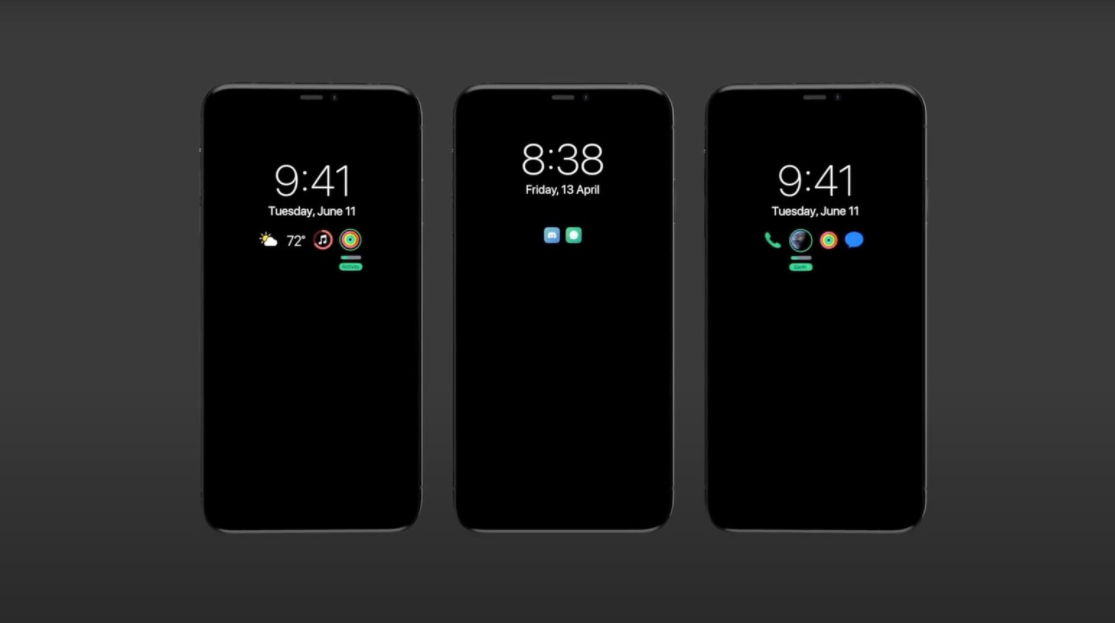
The hype surrounding Apple’s next iPhone lineup has been slowly gaining traction in the passing months. According to a new leak from EverythingApplePro and Max Weinbach, Apple will finally bring Always-On Display functionality to its upcoming iPhone 13 series. The rumor suggests iPhone 13 units will use Samsung’s 120Hz LTPO (low-temperature polycrystalline oxide) displays and users will be able to have their battery percentage and time on display at all times.
There’s also talk of notifications appearing on the AOD by lighting up just a small portion of the screen. The new leak also mentions iPhone 13 will bring stronger MagSafe magnets preventing compatible accessories from unclipping. In addition to the previous camera leaks, there’s talk of an automatic Astro-photography mode which will switch on when it detects stars or other space objects in the sky.
Apple’s AirTags were also mentioned to launch in March of April and the Apple Watch Series 7 will gain blood sugar tracking.
This year’s iPhone 13 lineup will include an always-on display with a 120hz refresh rate, improved camera capabilities for astrophotography, stronger MagSafe magnets, and a finer matte finish on the back, according to leaker Max Weinbach
Always-on displays are typical in most flagship Android smartphones, and it allows users to see information on their screen at all times, without having to power on or unlock the device. Ever since the iPhone X, which was the first iPhone to feature an OLED display, many have speculated Apple will bring this feature to iPhone users.
OLED displays use less power than LCD displays, since each pixel is individually controlled, unlike LCD panels which use backlight and light up all pixels, even if it’s just to show a small piece of information on the screen. With OLED displays, Apple is able to only light up the pixels needed to show users the time, battery, or some form of indicator for app notifications, without using a significant amount of battery power.
Weinbach claims that the always-on display will look like a “toned down lockscreen,” where the clock and battery charge are always visible, and past notifications are shown through “a bar and icons.” When users receive a notification, the notification will “pop up normally except that the screen will not entirely light up.” Instead, “it will display it just like you’re used to right now, except dimmed down and only temporarily,” according to the leaker.
The leaker also “confirms” that a 120hz ProMotion refresh rate is happening on the 2021 Pro iPhone models, a feature that was widely rumored to appear on the iPhone 12. An always-on and ProMotion display would not require a change in physical design, and that yields to the fact that Weinbach reports there will be no change to the actual chassis on the iPhone 13 compared to the iPhone 12 lineup. The only possible hardware change will be a matte back with a “grippier, more comfortable” feeling, similar to the finishing on the back of the Google Pixel series.
Internally, MagSafe will be getting “considerably” stronger, according to the leak. The iPhone 12 features MagSafe on the back that allows users to magnetically attach different accessories and offers an alternative way to charge the device, however, the magnets have been criticized by some for being weak. Apple’s looking to alleviate those concerns by adding stronger magnets, although the addition is not expected to be the sole reason for a rumored increase in device thickness. As for the cameras, Weinbach reports that Apple is increasing its efforts in astrophotography.
Astrophotography, the photography of astronomy, typically requires complicated camera setups to proficiently capture the night times dark sky. The integration of the ability into the iPhone is expected to be seamless, with the leak claiming the iPhone will automatically switch to the mode when it registers a user pointing to the sky. The mode will allow the phone to detect different artifacts such as the moon and stars and adjusts settings such as exposure accordingly. Corroborating Apple analyst Ming-Chi Kuo, the leak says the ultra-wide camera across the entire lineup will be getting an improved sensor and lens.
The newest information from the leaks points towards the ability to take portrait videos on this year’s iPhone. Users have been able to take portrait photos since the launch of the iPhone 7 Plus, but it has remained entirely limited to photos. Portrait mode adds a depth feel to your photos, blurring the background and keeping the center subject fully in focus. With videos, the task becomes much harder since the subject is actively moving, making it harder to add a depth effect in real-time.
The new information joins an already long list of features we’re expecting for the 2021 iPhone. A Bloomberg report suggests that the biggest headlining feature of the lineup will be the reintroduction of Touch ID on the iPhone. According to that report, Apple is testing burying the Touch ID sensor below the display, allowing users to unlock their device if Face ID is deemed unusable, such as when you’re wearing a mask. Unlike the iPhone 12 which saw delays due to the COVID-19 pandemic, the iPhone 13 is expected to launch on time in September.
The iOS 14.5 developer and public beta includes a number of new features and changes, but one of the most exciting is the ability to unlock iPhone with your Apple Watch when Face ID detects you’re wearing a mask. Let’s look at how to install the iOS 14.5 beta as well as watchOS 7.4 beta to get access to this useful new feature and more.
The new feature getting the most attention is the Unlock with Apple Watch feature for iPhone. It works by detecting when you’re wearing a face mask and using your watch to authenticate, letting you bypass your passcode.
How to install iOS 14.5 beta and watchOS 7.4 beta
Note: watchOS 7.4 beta required to use the new Unlock with Apple Watch for iPhone feature.
Upgrade to the iOS 14.5 public beta
Make sure you have a fresh backup for your iPhone (Apple recommends with your Mac)
It’s been two years since we unveiled the list of Apple devices that will receive the next major update. After iOS 13 and then iOS 14, it’s time to talk about iOS 15. On which iPhone, iPod or iPad can we install iOS 15 and iPadOS 15?
If iOS 14 had rolled over the same iPhones and iPads as iOS 13 (like iOS 12 and iOS 11), Apple is expected to remove five models this year, split between smartphones and tablets. Here is a first list of Apple devices that will host iOS 15 beta next June, gleaned once again from our developer friend at Apple and who works in particular on the Plans app. Obviously, needless to say that the iPhone 13 will be delivered directly with iOS 15 and an A15 chip. But for the others, there will be unhappy customers because Apple will have to part with certain models in order to facilitate the deployment of new products and to better unify its fleet.
French publication iPhoneSoft says that the information is coming from within Apple (via Apple Translate):
Here is a first list of apple devices that will host iOS 15 beta next June, once again gleaned from our developer friend at Apple and who notably officiates on the Plans app.
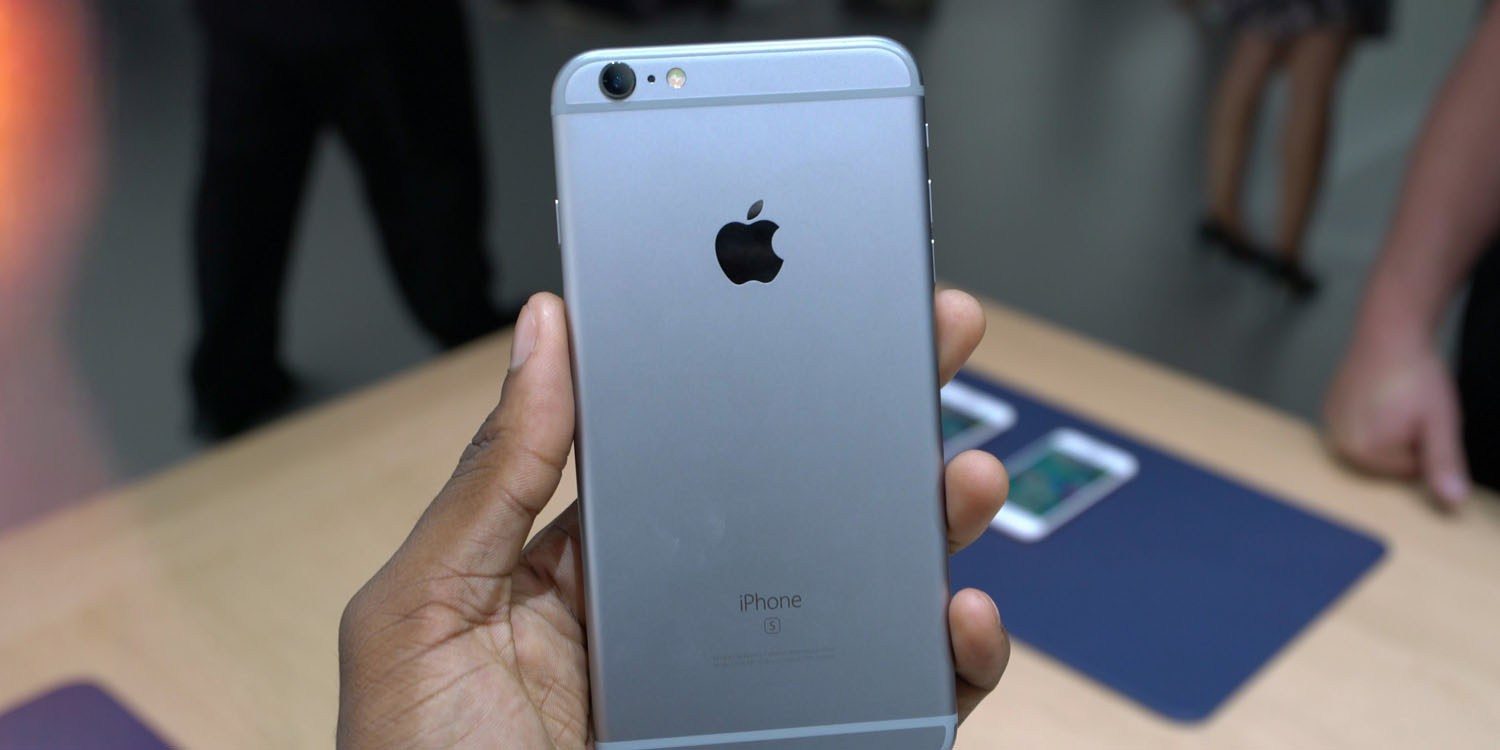
The iPhone 6s and iPhone 6s Plus were originally introduced in September of 2015, followed by the iPhone SE in March of 2016. The devices were incredibly popular and have received over four years of software updates from Apple.
With the iPhone 12 mini and the second-generation iPhone SE, Apple now sells two modern devices that match the form factor of the iPhone 6s design. The second-generation iPhone SE is actually nearly identical to the iPhone 6s in terms of design, but with the modern A13 processor inside. The iPhone 12 mini is physically smaller, but offers a bigger display because of its edge-to-edge design, alongside the A14 processor and an improved camera system.
Not compatible with iOS 15:
iPhone 6s an 6s Plus
iPhone SE 2016
That lines up with the report we saw last November from The Verifier. But going beyond that information, iPhoneSoft says that iOS 15 will also “probably not be available” on:
iPad mini 4
iPad Air 2
iPad 5
Here’s a look at what devices could work with the iOS/iPadOS 15.