The Oppo A5 2020 is one of the latest phones to appear in the crowded budget-to-mid-range part of smartphone land, and it proves that Oppo can continue to make compelling devices in this section of the market.
It’s very similar to the Oppo A9 2020, with the major difference being the camera setup. The A9 has a superior rear camera array, and will cost you a bit more, but if you want to spend as little as possible on your next phone then the A5 is definitely worth a look.
You can pick up the Oppo A5 2020 for around £180 online in the UK and AU$300 in Australia on time of launching, though as yet we don’t have confirmation of a US release. That’s not very much money for a smartphone at all, and everything else in this review has to be weighed against the price of admission.
Of course, there’s plenty of competition at the lower end of the market – from the likes of Motorola, Honor, Realme and others – but the Oppo A5 2020 does enough to find a place among the best cheap phones, making it worthy of some serious consideration for the budget-conscious.
Disclaimer. We can not guarantee that the information on this page is 100% correct.
Design
Spacious screen
Tastefully designed
Not waterproof
Take a look at the Oppo A5 2020 and you can tell it’s not a premium-level, flagship phone, and it’s the same when you pick it up. At the same time it’s fair to say that the handset looks more expensive than it actually is – sure, it’s clad in plastic and looks unoriginal, but it’s nicely curved and finished.
Black and white are your rather ho-hum color choices here, with Oppo attaching a plastic screen protector in the factory and bundling a silicone case with the phone too. So if you want some basic protection for your new handset, you won’t necessarily have to go out and buy a separate case.
With that 6.5-inch screen and a thickness of 9.1mm, this is not a compact handset, though you can just about use it with one hand (if you have big-ish hands and dexterous fingers). It’s good for getting a lot on screen at once, but it’s not so good for stuffing into a small pocket.
Oppo has put the power button on the right here, with the volume controls on the left. The headphone jack (yes, there is one) is down at the bottom of the device, together with a speaker grille. Oppo has thankfully gone for USB-C as the data port, with some budget models still resorting to micro USB.
The fingerprint scanner is up on the back. The phone isn’t dust or waterproof, but then you wouldn’t really expect that from a phone at this price – corners have to be cut somewhere, so just make sure you don’t drop it in the bath or leave it out in a sandstorm.
While the design of the Oppo A5 2020 won’t exactly set hearts racing, we’ve seen a lot worse down at the budget end of the Android market, so we can’t really fault Oppo too much in this department. You’re not going to be embarrassed to take this out in front of friends and family at least.
Verdict
The Oppo A5 2020 when judged against its price comes out very well indeed: for not much money at all, you get a device that is competent in most areas and really good in a couple.
Samsung has officially launched its Android 14 update, One UI 6, with new features, updated design, and more. Here’s everything that’s new, a list of Samsung Galaxy devices getting Android 14, and everything else you’ll need to know.
What’s new in Android 14 on Samsung Galaxy?
Android 14 is, in itself, a not-so-major update, but it does bring some key changes to the world’s most popular smartphone operating system. Those changes, which we’ve previously detailed, include additions such as support for UltraHDR, improvements to the share menu, lockscreen changes, official support for flash notifications, and more.
Many of the features new on Pixel phones, though, have been in place already on Samsung smartphones, such as the new lockscreens. So what’s new on Galaxy?
One UI 6 is Samsung’s latest Android skin, and built on top of Android 14 it brings some notable changes such as the new “Quick Panel” design for Quick Settings, an option to change the wallpaper based on the time of day or certain modes, expansions to the lockscreen customization options, a new camera widget, new weather widgets, as well as new emoji and a new default system font.
Samsung devices with Android 14 – The full list
On October 30, 2023, Samsung officially launched its Android 14 update to its current flagship phones, just 26 days after Google Pixel devices were updated. That’s six days after last year’s release, but much faster given Pixels were updated much earlier in 2022.
Here’s the full list of Samsung Galaxy devices that currently have Android 14.
This list will be continuously updated over the coming months with the latest additions marked in bold text. Check back regularly!
Galaxy S devices with Android 14
In October 2023, Samsung started pushing One UI 6 to the Galaxy S23, S23+, and S23 Ultra in select countries across the globe. This primarily started in Europe, but has since expanded globally including the United States. In mid-November, Samsung expanded the update to the Galaxy S22 series, as well as to the newly-released Galaxy S23 FE, but only on Exynos models, and the update has also shown up on Galaxy S21 devices.
Galaxy S23 – Available globally
Galaxy S23+ – Available globally
Galaxy S23 Ultra – Available globally
Galaxy S23 FE – Exynos models only
Galaxy S22 – Available globally
Galaxy S22+ – Available globally
Galaxy S22Ultra – Available globally
Galaxy S21 – Available in Europe
Galaxy S21+ – Available in Europe
Galaxy S21 Ultra – Available in Europe
Galaxy S21 FE – Available in Europe, US carriers
Galaxy Foldables with Android 14
On November 21, Samsung started rolling out Android 14 to its latest foldables, the Galaxy Z Fold 5 and Galaxy Z Flip 5, but only on Verizon Wireless in the US so far.
The first Galaxy A series device to get the One UI 6 update was the Galaxy A54, which picked up the update on AT&T in the US on November 21. A day later, the Galaxy A73 was updated in Iran, and the super-affordable Galaxy A34 and Galaxy A14 5G weren’t too far behind. Samsung has also since released Android 14 for the Galaxy A24 and Galaxy A53.
Galaxy A54 – Available on AT&T US
Galaxy A53 – Available in UK
Galaxy A34 – Available in Europe
Galaxy A24 – Available in Middle East, North Africa
Galaxy A14 – Available globally
Galaxy A73 – Available in Iran
Meanwhile, in Samsung’s Galaxy M series, the Galaxy M53 has been updated in Germany thus far.
Galaxy M53 – Available in Germany
Galaxy Tablets with Android 14
On November 22, Samsung released its first Android 14 update for a tablet, with the Galaxy Tab S9 series now eligible to be updated in most countries, as is the Galaxy Tab S8 series in select regions.
In December, Samsung has also released the One UI 6 update for its newest tablets, the Galaxy Tab S9 FE and Tab S9+ FE, as well as expanding it to other regions on Tab S8.
Galaxy Tab S9 – Available in Europe, US, Canada
Galaxy Tab S9+ – Available in Europe, US, Canada
Galaxy Tab S9 Ultra – Available in Europe, US, Canada
Galaxy Tab S9 FE – Available in Europe
Galaxy Tab S9+ FE – Available in Europe
Galaxy Tab S8 – Available in Europe, US, Korea
Galaxy Tab S8+ – Available in Europe, US, Korea
Galaxy Tab S8 Ultra – Available in Europe, US, Korea
Will my Galaxy device get Android 14?
Of course, not every Samsung smartphone or tablet will get Android 14. The update is being provided in line with Samsung’s current update policy. That means any flagship released since 2021 is eligible, as they all have at least four major Android OS updates. The 2020-released Galaxy S20 series, Galaxy Note 20 series, Galaxy Z Fold 2, and Galaxy Z Flip/5G however, will not be updated as Samsung has confirmed following a slip-up on the company’s part.
Generally speaking, any Samsung smartphone or tablet released in the past two years will be updated to Android 14. For slightly older devices, the update will still be available, but only to the more expensive hardware such as the Galaxy S, Galaxy Z, and Galaxy Tab S lineups.
Samsung Android 14 update schedule
The state of Samsung’s official schedule for Android 14 and One UI 6 updates has been a little hit or miss, with one schedule being removed early on. But, in November, the company posted a pretty official-looking schedule to its Samsung Members app in some countries, which gives us a good idea of what to expect.
The list below is based on Samsung’s official Android 14 schedule, and we’re constantly updating it as new devices are updated.
If last year’s Android 13 update is anything to go by, Samsung will likely blow through its core lineup well before 2024 rings in.
After a week off, Samsung is expanding its Android 14 update yet again, with OTAs hitting several Galaxy A devices as well as the Galaxy Tab S9 FE and Galaxy S21 FE.
Samsung has already launched Android 14 and One UI 6 for over a dozen devices, with more and more to come. This week that includes several more affordable devices, starting with the recently launched Galaxy Tab S9 FE.
The Galaxy Tab S9 FE series is seeing updates across both the smaller and larger Tab S9+ FE models, but only in Europe so far. Cellular models and other regions are sure to follow in the weeks to come.
Meanwhile, Samsung is giving another Fan Edition device a boost with Android 14, specifically with the Galaxy S21 FE getting One UI 6 this week. The update has appeared on the Verizon-specific Galaxy S21 FE in the US, with unlocked models and other regions likely around the corner as well.
Also, a bunch of Galaxy A devices are being updated. The Galaxy A52s is being updated in select European countries, as is the Galaxy A33. Following its 5G sibling getting the update in recent weeks, too, the Galaxy A14 LTE is now getting One UI 6 in Kazakhstan.
Samsung‘s journey toward updating all eligible Galaxy devices to One UI 6.0 continues, and the company has just added two new tablets to the list. The Galaxy Tab S9 FE and Tab S9 FE+ are now getting One UI 6.0.
The Android 14-based update is available for the Fan Edition tablets in Europe. Users can identify the update by firmware versions X516BXXU1BWK9 and X616BXXU1BWK9. The new release includes the November 2023 security patch.
The Galaxy Tab S9 FE and Tab S9 FE+ are Samsung’s first Fan Edition tablets in more than two years. They went on sale in October with Android 13 and One UI 5.1 out of the box, and One UI 6.0 is the first major OS update of the promised four.
The Fan Edition tablets barely got any use out of One UI 5.1
Samsung released its new tablets at an awkward moment in time, when One UI 5.1 was on its way out, and One UI 6.0 was readying for a widespread public release. It almost feels like one of the four promised OS upgrades went to waste. Nevertheless, One UI 6.0 is here and should enable an improved user experience.
One UI 6.0 brings better multi-tasking and redesigns some UI elements, such as the quick toggle area. Many Samsung apps have new features or slight UI enhancements.
If you own the Galaxy Tab S9 FE or Tab S9 FE+ in Europe, you should be able to download the One UI 6.0 update via the Settings app on the tablet. Navigate to “Software update” and tap “Download and install.” You can also download the official firmware files from our website and install the update manually using a PC.
Apple is continuing its annual tradition of donating a portion of all Apple Pay sales during the holiday shopping season to The Global Fund. This is an extension of Apple’s ongoing partnership with (RED), which has raised more than a quarter of a billion dollars so far.
Apple always donates a portion of proceeds from every (PRODUCT)RED purchase to the Global Fund. This includes purchases from (PRODUCT)RED iPhones, cases, Apple Watch bands, and more.
This limited-time promotion expands the donation eligibility to include every purchase made with Apple Pay on Apple’s website, in the Apple Store app, and at Apple Stores.
“From November 28 through December 8, Apple is donating $1 to the Global Fund for every purchase made with Apple Pay on apple.com, in the Apple Store app, or at an Apple Store,” Apple says on its website.
“Donations are limited to a maximum of one million dollars ($1,000,000). The donation goes to the Global Fund to fight AIDS and help fund critical health programs that save lives,” it continues.
You can learn more about Apple’s partnership with (RED) on the company’s website.
Apple’s support for World AIDS Day 2023 includes in-app purchases
Apple’s annual support for World AIDS Day this year includes donating all proceeds from in-app purchases in three popular games.
Apple is also suggesting the (PRODUCT)RED Apple Watch Series 9 and Sport Band combo as a holiday gift …
Apple has supported the (RED) Global Fund since 2006, with Apple’s contribution helping to fund HIV/AIDS programs in sub-Saharan Africa.
Over the last 17 years, Apple customers have helped raise more than a quarter of a billion dollars, giving millions of people access to lifesaving antiretroviral treatment and HIV testing, and helping HIV-positive mothers prevent passing the virus on to their babies.
Apple is supporting the fund in three ways. First by promoting (PRODUCT)RED versions of a range of products.
Apple Watch Series 9, iPhone 14, iPhone 14 Plus, iPhone 13, and iPhone SE, and accessories, including the Silicone Case with MagSafe for the entire iPhone 14 and iPhone 13 lineups.
A portion of the sale price on all these goes to the Global Fund. Apple is highlighting the special edition Apple Watch S9 as a potential gift choice.
The world’s most popular watch is available in a (PRODUCT)RED aluminum case with a (PRODUCT)RED Sport Band. Powered by the new S9 SiP, Apple Watch Series 9 is packed with the most advanced health, fitness, and safety capabilities in Apple Watch to date, plus a magical new double tap gesture and Precision Finding for iPhone.
New Palette and Solar Analog watch faces will also be available in red, joining Metropolitan, World Time, Numerals Mono, Gradient, Stripes, and Typograph in a collection of specially customized watch faces celebrating World AIDS Day.
Second, with a one dollar donation on any purchase made this week.
Now through December 8, Apple will donate $1 for every purchase made using Apple Pay on apple.com, through the Apple Store app, or at an Apple Store location. Customers can buy any Apple product or accessory and help save lives.
Third, special in-app purchases for three popular games.
Beginning today through December 4, the App Store will donate all proceeds from select, exclusive in-app purchases for three amazing games — MONOPOLY GO!, Gardenscapes, and EA Sports FC Mobile — to the Global Fund, including playful avatars, cool shields, and star soccer players.
As usual, the company will also be highlighting World AIDS Day in Apple Stores, likely including turning the logo red.
The Apple Watch’s fall detection feature came to the rescue for a man in Georgia, according to a new report from Fox5 Atlanta. Mike Menand was on a hike in the Chattahoochee River National Recreation Area earlier this year when his two dogs spotted a coyote in the distance, leading Menand to suffer a near-fatal fall.
“They got spooked and knocked me down and dragged me off the trail,” Menand said, referring to what happened when his dogs saw the coyote. This triggered his Apple Watch’s fall detection feature, which kicked in to call emergency services on his behalf.
“I couldn’t even get to the phone because my phone was in my pocket, which I was lying on,” Menand said. He suffered a broken leg in the accident and had a titanium rod put in his leg during surgery.
Menand said that he isn’t sure what would’ve happened if he wasn’t wearing an Apple Watch. “There’s no telling how long I would’ve been laying there,” he recalled. “I realized I couldn’t move, I couldn’t get up. I was in a lot of pain.”
In fact, just a month after Menand suffered his fall, a woman fell while hiking in the same park and did not survive. “When I read that, I thought that could’ve been me,” Menand said. “Because I was by myself, no one around me, no one really knew where I was.”
Fall detection works by intelligently detecting when a sudden fall occurs, automatically calling emergency services if the person doesn’t dismiss the alert within one minute of falling. If the person’s emergency contact information is filled out, that contact will be notified with a text message and a map of the watch’s location at the time of the fall.
Here’s how Apple Watch fall detection works, how to customize, and use it
One of Apple Watch’s potentially life-saving features is fall detection that’s paired with auto emergency SOS calling. Whether you’ve never enabled it or have but later turned it off, follow along for how Apple Watch fall detection works, how to customize, and use it.
Apple Watch fall detection can be used by anyone 18 years of age and up with the option of having it enabled just during workouts or all the time.
The feature is automatically turned on for those 55 years old+. But it’s not only valuable for the elderly, even young users have seen their lives saved by Apple Watch fall detection.
While it can be an important safety feature, Apple notes it “cannot detect all falls” and also that Apple Watch may interpret “high-impact” activity” as a fall and trigger a false alert.
If Apple Watch SE or Apple Watch Series 4 or later detects a hard fall while you’re wearing your watch, it taps you on the wrist, sounds an alarm, and displays an alert. You can choose to contact emergency services or dismiss the alert by pressing the Digital Crown, tapping Close in the upper-left corner, or tapping “I’m OK.”
How to turn on Apple Watch fall detection
Apple Watch fall detection is available for users 18 years old+ on SE and Series 4 and later
Launch the Apple Watch app on iPhone
Choose the My Watch tab in the bottom left corner
Now swipe down and tap Emergency SOS
To turn on Apple Watch fall detection, tap the toggle next to it
You can also choose if you want the feature always on or just activated during workouts
If you’re under 55, fall detection – when turned on – will default to “Only on during workouts” – but can be changed to “Always on”
It can be worth double-checking your Medical ID and emergency contacts data at the bottom of the Emergency SOS page your on, tap “Edit These Contacts in Health” to make changes
You can check your fall history (excludes when you report you didn’t fall) by heading to the Health app on iPhone > Browse tab > Other data > Number of Times Fallen.
Here’s how the process looks to turn on fall detection:
And here are more specifics on how emergency SOS calls via fall detection work:
If your Apple Watch detects that you’re moving, it waits for you to respond to the alert and won’t automatically call emergency services. If your watch detects that you’ve been immobile for about a minute, it will make the call automatically.
After the call ends, your watch sends a message to your emergency contacts with your location letting them know that your watch detected a hard fall and dialed emergency services. Your watch gets your emergency contacts from your Medical ID.
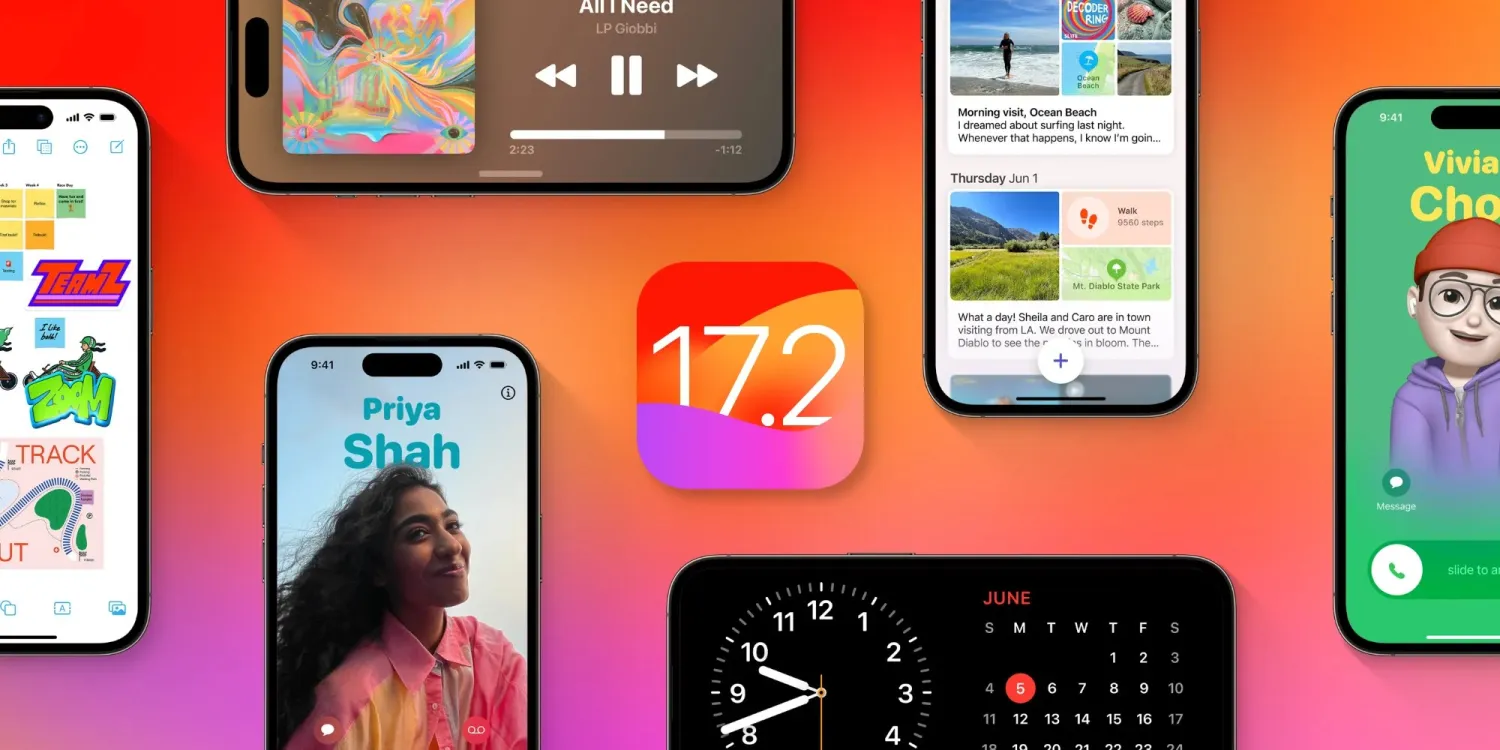
After the release of iOS 17.1 in October, Apple is hard at work on iOS 17.2 with a collection of new features and changes. iOS 17.2 is currently in beta testing with developers and public beta users. Here’s everything new so far.
When will iOS 17.2 be released?
Thus far, Apple has released four betas of iOS 17.2. This leads us to believe that the update will be released to the public sometime within the next several weeks. The update will almost certainly be released before the end of 2023.
Last year, iOS 16.2 was released on December 13 with major new features like Apple Music Sing and the all-new Freeform app.
What’s new in iOS 17.2?
Journal app
The headlining change in iOS 17.2 is the addition of the new Journal app, which Apple first unveiled at WWDC in June. Apple describes the new Journal app as an “all-new way to appreciate life’s moments and preserve your memories.”
At launch, the Journal app is only available on iPhones. There’s no word on when or if Apple plans to expand it to the iPad and Mac.
Collaborative playlists in Apple Music (maybe?)
The first three betas of iOS 17.2 included the ability to create collaborative playlists in Apple Music. This feature was announced by Apple at WWDC in June and teased as coming sometime later this year.
iOS 17.2 beta 4, however, removes the ability to create collaborative Apple Music playlists. Whether or not Apple adds the feature back before iOS 17.2 is released to everyone remains to be seen.
More changes to Apple Music
Also in iOS 17.2, there is a new default playlist called “Favorite Songs” that is automatically generated based on songs you’ve “favorited.” This builds upon the “Favorites” feature that was first introduced in iOS 17.1.
iOS 17.2 can now automatically add songs to your music library when you favorite them. You can find this option by going to the Settings app and then choosing “Music.”
Finally, iOS 17.2 adds the ability to disable Apple Music Listening History when a Focus Mode is on. “Choose if music played will influence recommendations and mixes, appear in Recently Played, or be shown to others on Apple Music,” Apple explains.
This means that when you have a particular Focus mode enabled, you can toggle on the Apple Music Focus Filter to prevent any songs played from affecting your listening data.
Spatial Video recording
With iOS 17.2, iPhone 15 Pro and iPhone 15 Pro Max users can record spatial video for Vision Pro. You can enable the new spatial video toggle by going to the Settings app, choosing the Camera menu, then choosing Formats and toggling the “Spatial Video for Apple Vision Pro” option.
Spatial video is recorded in 1080p resolution at 30 frames per second. Apple estimates that one minute of spatial video takes up around 130MB of storage space.
iOS 17.2 beta 2 enables Vision Pro spatial video capture on iPhone 15 Pro
Apple has allowed some press to view their own spatial videos in Vision Pro, Final Cut gaining editing ability next year
Default notification sounds
At long last, iOS 17.2 adds the ability to change the default notification sound. This comes after iOS 17 changed the default notification sound from “Tri-tone” to “Rebound,” which has proven to be a controversial decision.
In iOS 17.2, you can go to the Settings app and choose “Sounds & Haptics” to find a new “Default Alerts” option. Here, you can change the default sound and haptic feedback for alerts.
Reactions in Messages
Another feature coming with iOS 17.2 is the ability to react to messages using any sticker or emoji in the Messages app. This is done by long-pressing on a message and choosing the new “Add Sticker” option.
Action Button adds “Translate” option
With iOS 17.2, iPhone 15 Pro users can assign their Action button to a new “Translate” option. With this enabled, pressing the Action button initiates an automatic voice-to-text translation between two languages.
Although this capability was first introduced during the announcement of the iPhone 15 Pro in September, it wasn’t added until iOS 17.2.
New widgets
Apple has added three new widgets for the Weather app:
Details: See the chance of precipitation, UV index, wind, and more.
Daily forecast: See the current weather conditions and daily forecast for a location.
Sunrise and sunset: See the upcoming sunrise and sunset information for your location.
For the Clock app, there’s a new “Clock Digital” widget that displays the current time in a digital format rather than analog. This is the first digital clock widget Apple has offered.
‘Local Awareness’ for Emergency Alerts
iOS 17.2 includes a new “Local Awareness” option for Emergency Alerts. “Apple can use your approximate location to improve the timeliness, accuracy, and reliability of emergency,” Apple says.
To enable this option, go to the Settings app, head to Notifications, then choose Emergency Alerts and look for the new “Local Awareness” toggle.
Contact Key Verification
A year ago, Apple unveiled a feature called Contact Key Verification to enhance the security of iMessage. This feature has now been added with iOS 17.2.
Contact Key Verification enables users of iMessage to ensure that their messages are reaching only the intended recipients.
iOS 17.2 adds a new “AirPlay Receiver” option for Vision Pro. “Stream or share content from Apple Vision Pro to your iPhone,” Apple explains.
Vision Pro is currently expected to be released sometime in “early 2024.” The new toggle is in the Settings app under the AirPlay menu.
iTunes Store changes
Bloomberg has reported that Apple plans to phase the dedicated iTunes movie and TV show apps in favor of the TV app. iOS 17.2 lays the groundwork for these changes, including new messaging that redirects users to the TV app.
Software update feature
iOS 17.2 also lays the groundwork for a new feature that will allow iPhones to be updated even if they are still sealed in the box.
For instance, Apple retail employees will be able to update iPhones without taking them out of the box. Currently, iPhones are shipped from the factory with whatever build of iOS was available at that time. This means millions of iPhones out there ship with software that is multiple updates old by the time that phone arrives to the customer.
More changes in iOS 17.2
The new “Sensitive Content Warning” feature in iOS 17 is expanding to stickers in the Messages app and Contact Posters in the Contacts app.
Siri can now tell you your ETA when using Apple Maps and tell you your current altitude.
iOS 17.2 lets users disable inline text predictions without turning off predictive text.
Apple says that iOS 17.2 fixes Wi-Fi slowdowns and connectivity issues.
In the App Store’s “Apps” and “Games” sections, there are new sub-categories that appear along the top for additional filtering options.
There’s a new rainbow text option when designing a Contact Poster in iOS 17.2.
The Apple Books app has added a new “Fast Fade” option for page turning.
The Pixel 8 Pro brings an updated camera system, an impressive display, a new and improved chipset, the promise of 7 years of software support, and an unexpected design change – what is Google’s flagship phone for 2023 all about and should you get one?
The bread and butter of Pixel phones has been their camera, and the 8 Pro has no shortage of improvements in that field. Key among those is the ultrawide on the back, which gets a new, larger sensor, while the main camera and the telephoto get revamped optics. It may not sound like a lot, but evolutionary steps can mean a lot when they add up.
Super Actua display is Google’s branding for the new panel on the Pixel 8 Pro that should go as bright as 2400nits – while we didn’t quite get that, we measured some remarkable numbers elsewhere. The Tensor G3 chipset’s performance in the things Google deems important is more difficult to measure, but it’s undoubtedly an upgrade over the previous generation in the things we can quantify. Putting a number on software support is also somewhat difficult, but 7 does sound remarkable – years of updates, that is.
And while the Pixel design language has been mostly dialed in these last couple of years, it turned out that 2023 did still have something new to bring – or, rather, the well-forgotten old flat display. Time is a flat circle and all that.
Here’s a quick refresher on the key specs of the Pixel 8 Pro before we move forward with the unboxing.
Disclaimer. We can not guarantee that the information on this page is 100% correct.
Google Pixel 8 Pro unboxing
Not that there’s a whole lot of unboxing to be done, really. The Pixel 8 Pro shows up in a rather standard half-height white cardboard box with a likeness of the phone printed on the lid.
Inside, the list of accessories is pretty short – you get a USB-C cable and a USB-A-to-C adapter to facilitate data transfer from as many types of older phones as possible. Sure, there’s also a SIM eject pin and some paperwork, but nothing all that useful, like a charger.
Competition
Being the company’s ultimate smartphone, the Pixel 8 Pro only competes with similarly top-tier offerings from rival brands. And with the increased price this year (€1,100/$1,000), looking at it from the perspective of a value proposition isn’t quite as justified as before.
A Galaxy S23 Ultra costs about as much as the Google flagship and has a lot going for it – the S Pen is essentially a one-of-a-kind feature, battery life is better on the Galaxy, the Samsung cameras are about as close to the Pixel’s in versatility as it gets. The Pixel 8 Pro does counter with unique features of its own (in supported regions), the longest software support in the industry, and, if we have to admit it – a camera experience which, if you’re a fan of, you can’t really be entirely happy with a Galaxy.
Pixel 8 Pro (left) next to Galaxy S23 Ultra
Another similar comparison is against the iPhone 15 Pro – that non-tangible and very subjective ‘it’s about how it makes you feel’ debate. On the objective side of things, we have the iPhone’s generally superior video quality and notably longer battery life, which the Pixel counters with €350/$200 of savings, though the situation gets trickier if the 15 Pro non-Max joins the discussion. We’d be happy to leave this dilemma to ecosystem considerations and personal preference.
Pixel 8 Pro (right) next to iPhone 15 Pro Max
Less obvious alternatives can be found too. For example, the OnePlus 11 can save you several hundred Euros or dollars (depending on who you ask and when, but around €300/$300), and it’s only going to be a significant compromise if you’re after long reach with your camera. Or, of course, the Google software, but that’s a concession you might be forced to make anyway.
An unorthodox option could be a Xiaomi 13 Pro – we’d consider the Ultra, but that could prove difficult to track down. For about Pixel 8 Pro money, you could get a higher-specced 13 Pro with a 1-inch sensor main camera and a unique close-focusing telephoto – it’s not the Pixel’s camera system, but it’s a hugely capable camera system that may align more closely with your wants and needs.
Last, but not least, why not an Xperia 1 V? It’s about as Pixel-like as you’d get in this bunch when it comes to software, before you get to its myriad camera apps, and those can open a world of possibilities for your photo and video capture. And the Sony also has quite remarkable imaging hardware, even if not all of it translates into real-world image quality. It does also feature a microSD slot and a headphone jack, if you’re that kind of person.
Samsung Galaxy S23 Ultra • Apple iPhone 15 Pro Max • OnePlus 11 • Xiaomi 13 Pro • Sony Xperia 1 V
Verdict
With the Pixel 8 Pro Google has made strides to address a host of the complaints we had about the previous generation. No longer is the selfie camera a hit-and-miss affair, and the new ultrawide is also miles better than before. The improvement in charging speed didn’t go unnoticed either, but the Pixel had so much to catch up here that it couldn’t all happen in one generation.
Some of the old pain points remain, however, key among them is the battery life that’s a bit below average. The in-house chipset isn’t quite up to the standard of the day in absolute performance and doesn’t handle sustained load with much grace. The limited regional availability of the exclusive software features also rubs us the wrong way, though a valid counterargument is that if Google doesn’t sell it in your country, you can’t expect it to work to its fullest in your country.
Moving to the good stuff, it’s not just that the ultrawide camera is no longer a source of grievances, but the telephoto has been improved too. So, with both flanks of an already great main camera now covered, the normally excellent cameraphone is now somehow even better.
The brand-new display is now up there with the leading efforts in the industry – not that the old one was bad, it’s just that this Super Actua panel is more deserving of high praise, than a simple ‘yeah, that’s good enough’. Similarly, the already stellar software support gets promoted to best-in-business – we’ll see how quickly Google will forget about that 7-year promise, but right now, it sounds really nice.
When first introduced, the visor on the back of the Pixel 6 Pro was quite polarizing, but two years later, it’s evolved into a somewhat appealing trademark design element. This year Google has also fitted a thermometer in there – we’re not quite sure just how useful it is yet, but if no one else has one, it has to be a plus for the Pixel 8 Pro. What we find to be another welcome development is the flat display – even one of the biggest supporters of curves in this office has grown to appreciate screen protectors and truly trouble-free handling.
In the end, we think the Pixel 8 Pro is the evolutionary upgrade you’d expect it to be and then some. Google could have done less this generation and still charged the extra $100/€200, but instead, they actually did bring some meaningful improvements that move the series forward. We approve.
Pros
Always evolving, the visor still makes for a recognizable design; the flat screen helps with usability and screen protectors.
Spectacularly bright display, but also sharp, color-accurate, and with a competent adaptive refresh rate.
Android from the source, exclusive feature set, 7 years of software support.
Great camera quality overall.
There’s a thermometer on board?
Cons
Battery life is not competitive.
While improved, charging speed is still behind the curve.
Some software features are limited to certain countries.
The Tensor G3 chipset doesn’t compare well in raw performance or stability under load.
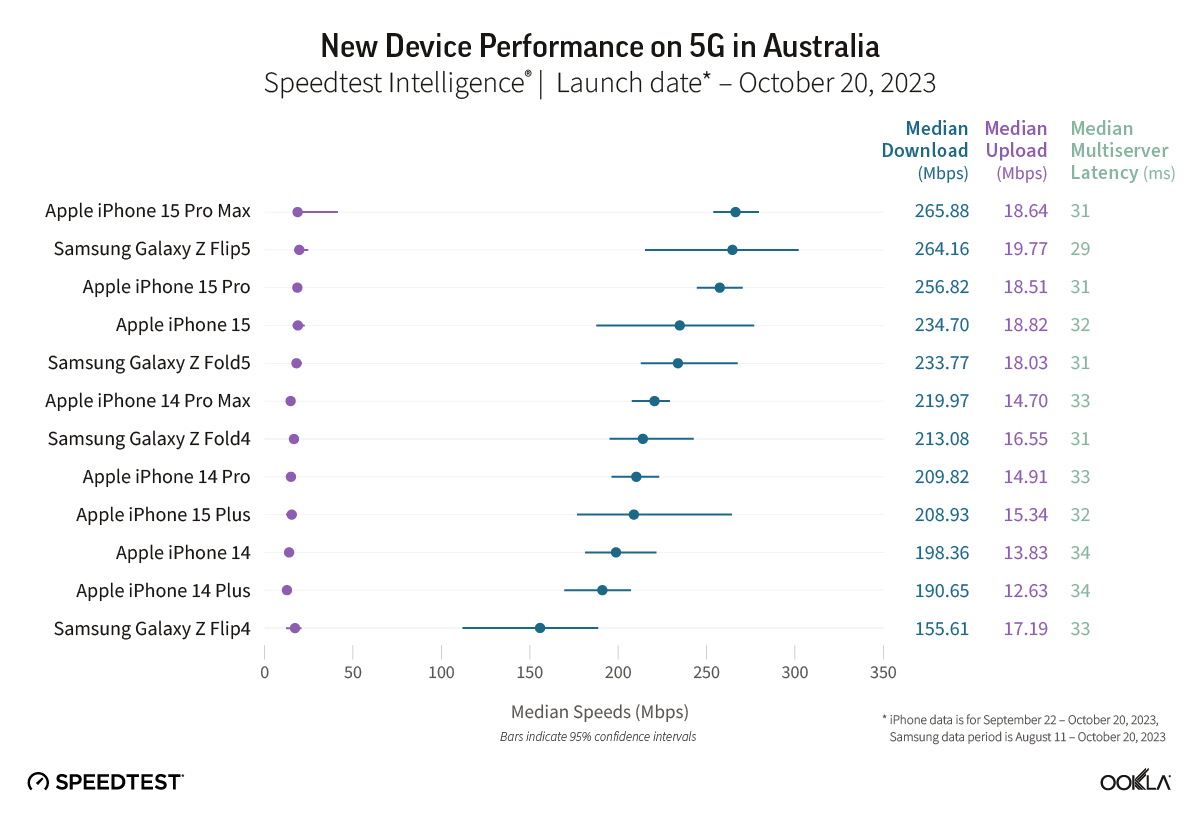
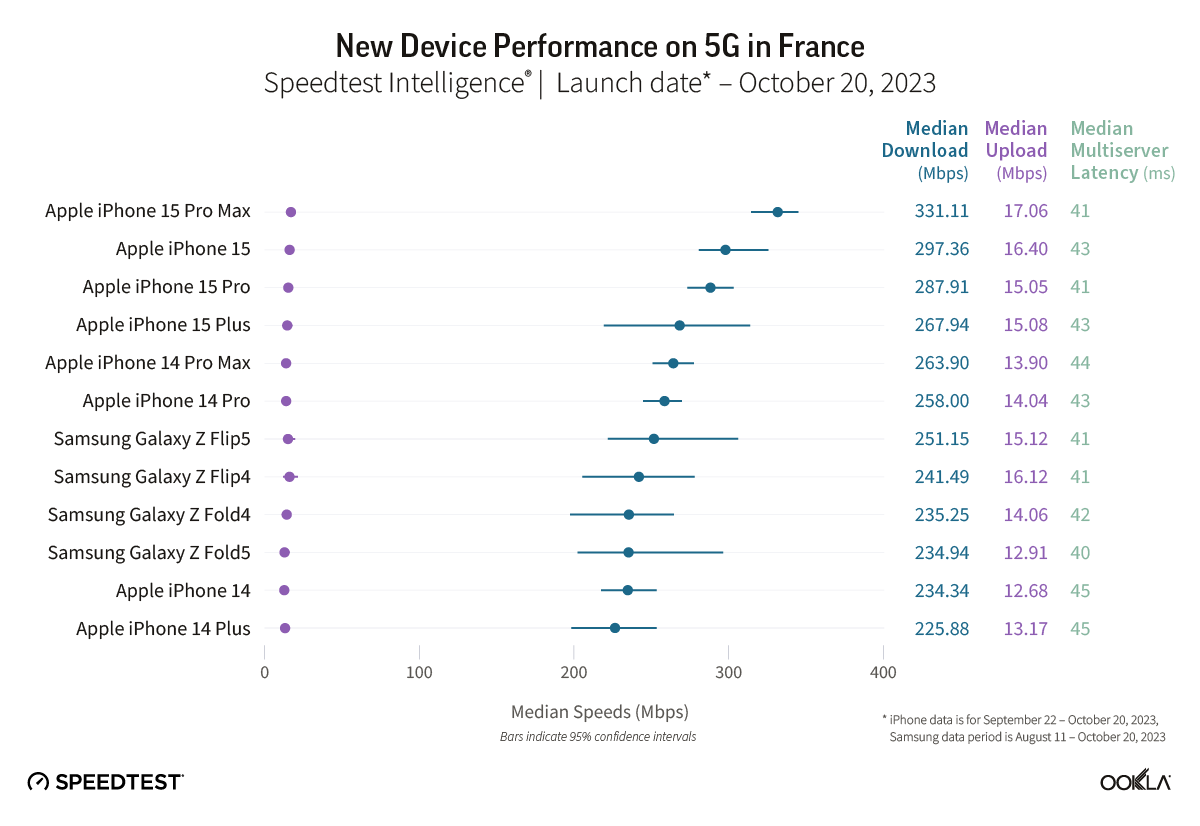
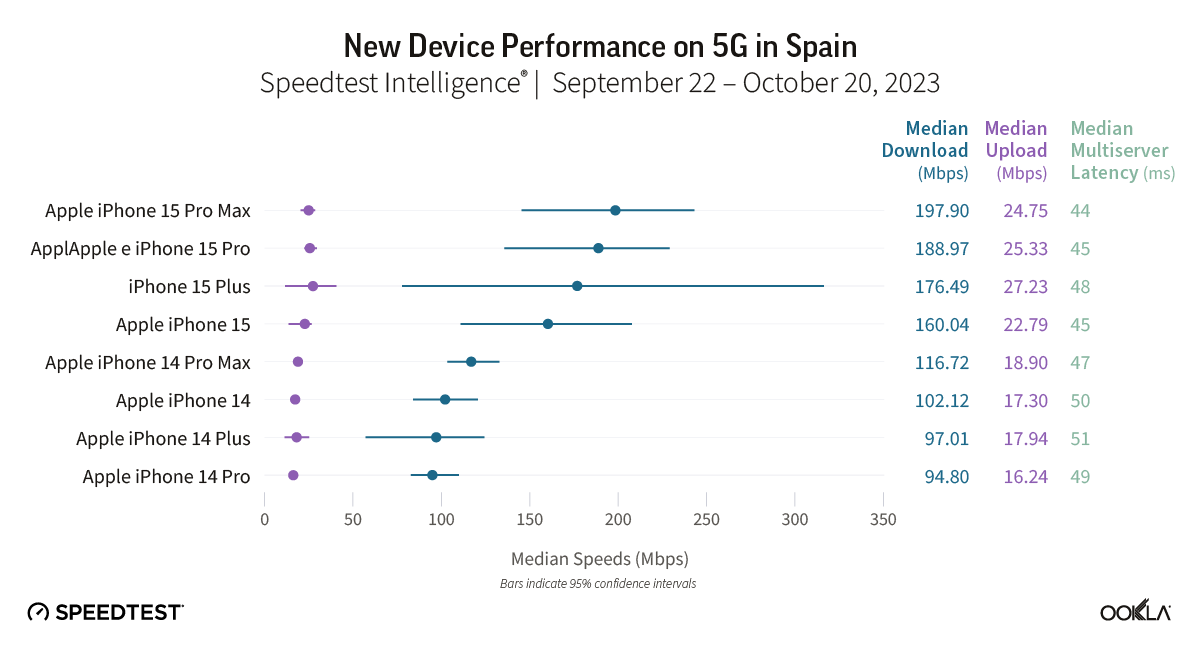
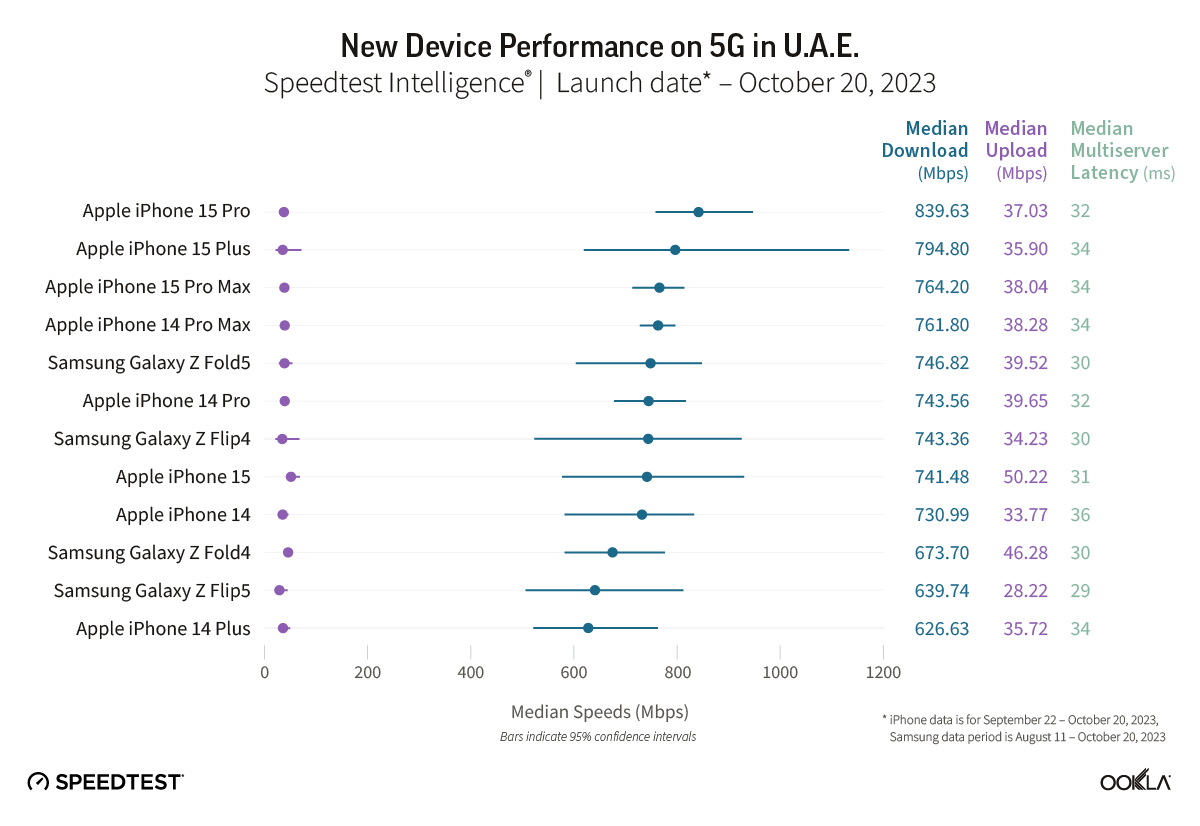
We got an early look at the iPhone 15 Pro Max cellular performance from Ookla in October with its Q3 report showing almost 100% faster 4G/5G speeds compared to iPhone 14 Pro Max. Now Ookla has shared a new 5G performance study and iPhone 15 lineup has dominated as the fastest 5G devices around the world.
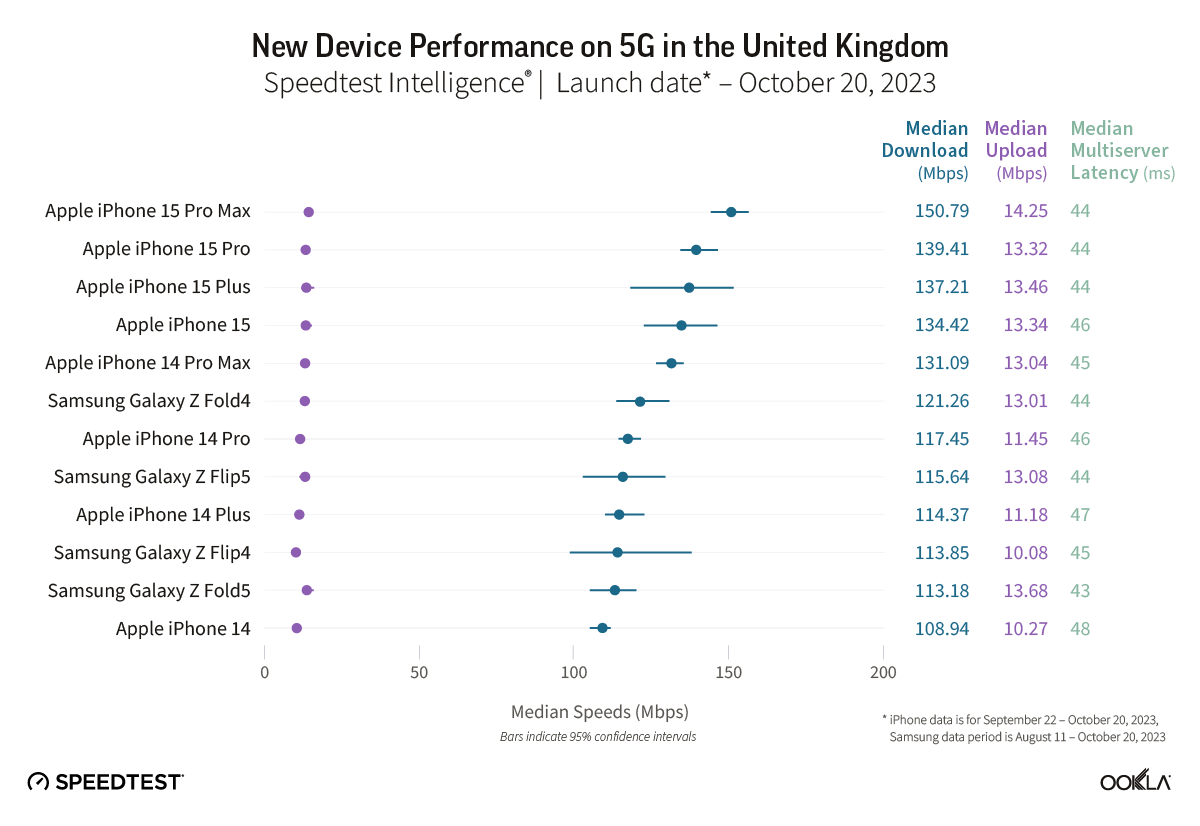
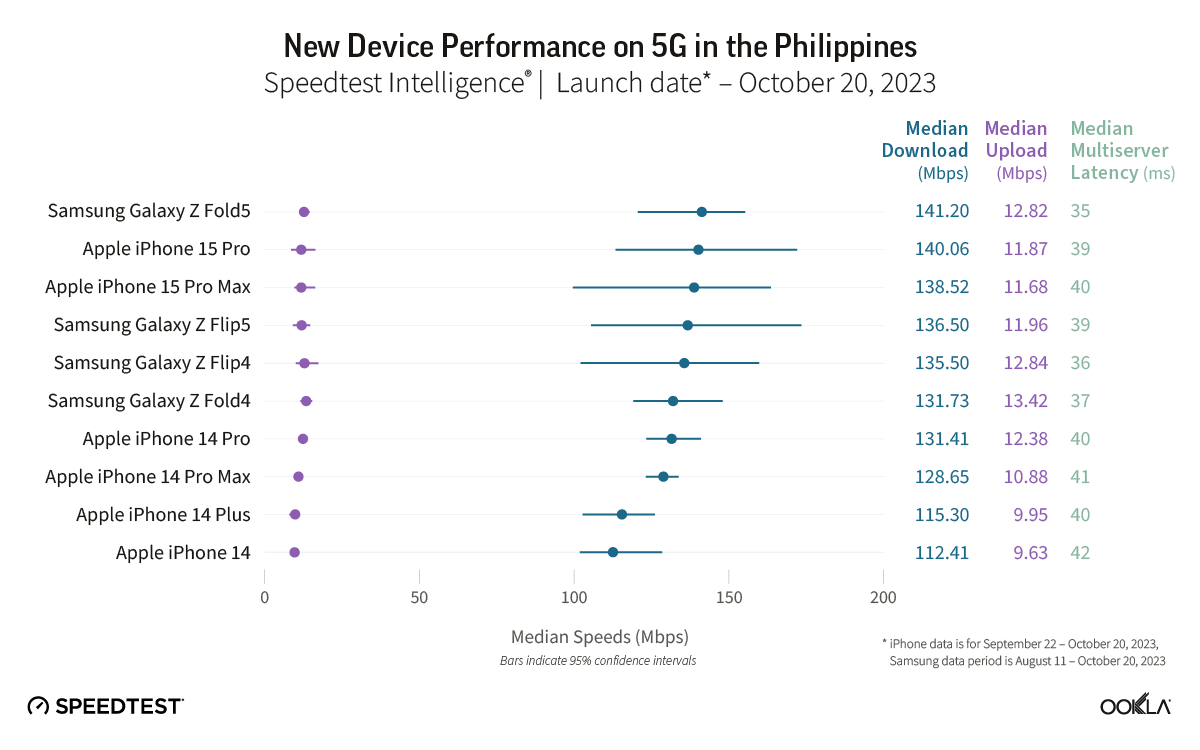
Ookla shared the new report on its blog. Collecting data from 13 countries between September and October for iPhone (August to October for Samsung devices), the results show the iPhone 15 Pro Max or in some cases the iPhone 15 or 15 Plus are the fastest 5G smartphones by a good margin. And an iPhone was the fastest 5G device in all but just one of the 13 countries.
Ookla notes that there are a number of variables when it comes to 5G performance like “5G investments by governments and mobile operators, different 5G spectrum allocations, and mobile 5G plans.”
In the US, the iPhone 15 Pro Max was on top with 285.02 Mbps as the median 5G download speed. The rest of the iPhone 15 family took 2nd, 3rd, and 4th place, with the next closest device being the Samsung Galaxy Z Fold5 with 231.56 Mbps.
5G performance in Canada was lower overall with the iPhone 15 Pro Max at 217.35 Mbps. The 15 Plus and 15 Pro took 2nd and 3rd and the Galaxy Z Fold5 snuck into 4th place with 175.63 Mbps.
In the UK, the new iPhones dominated with the Galaxy Z Fold4 coming in 6th place roughly 20-30 Mbps slower than the modern iPhones’ median 5G download speed.
One interesting result was in Brazil – the iPhone 15 took the top spot over the 15 Pro and Pro Max with 533.32 Mbps. However, the 15 Pro and Pro Max were close being with 523 Mbps.
The only country on the list where an iPhone didn’t have the fastest 5G median download speed was the Philippines. The Galaxy Z Fold5 beat out the iPhone 15 Pro by just 1 Mbps.
In Australia, two out of four iPhone 15 models showed median 5G download speeds that were significantly faster than their iPhone 14 equivalents during the September 22-October 20, 2023 period. Speedtest Intelligence reveals the iPhone 15 Pro and the iPhone 15 Pro Max both had a 14% better download speed than their prior year counterparts. There was no statistical winner for the iPhone standard model or the iPhone Plus in Australia during this period.
The Galaxy Z Flip5 had a 30% better download speed than the Galaxy Z Flip4 during the August 11-October 20, 2023 period in Australia, while there was no statistical winner for the Galaxy Z Fold.
Recommendation: Depending on your model of choice, only half the devices surveyed merit an upgrade based on performance alone in Australia.
Other Countries are:
Check out the full Ookla report on iPhone 15 5G performance against other devices for more details.
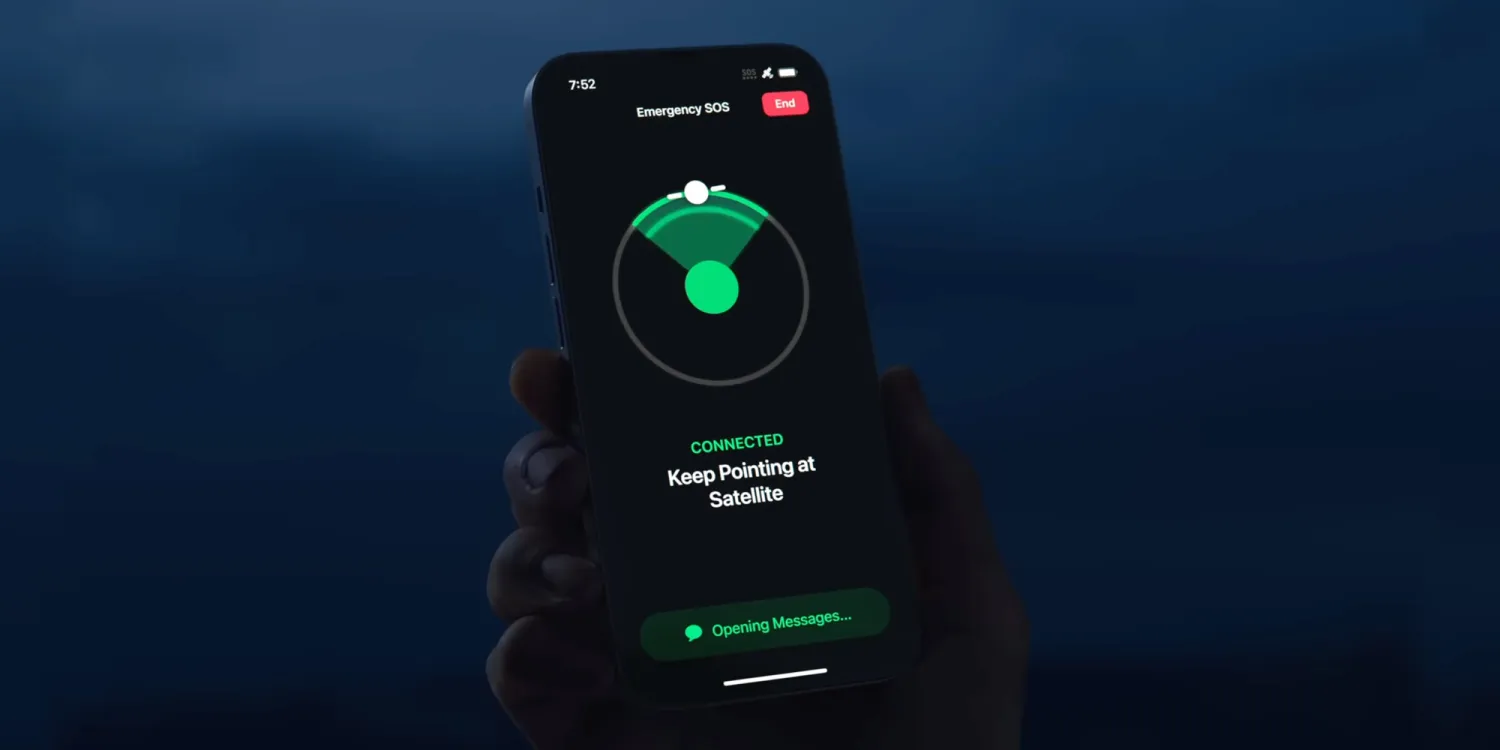
Apple today announced it is extending the free usage period for Emergency SOS satellite features for iPhone 14 users. Previously, Apple gave iPhone 14 customers two free years after device activation, which would have began expiring this time next year.
But now, all current iPhone 14 users will be able to use the service for free for another two years. Apple has not revealed how much it will charge for Emergency SOS via satellite when the free period is up, and today’s announcement means the company can defer any decision making on that further into the future.
The free period for iPhone 15 customers has not been extended. That means iPhone 15 users still currently are working on a two free years model, which will begin to elapse in September 2024.
This means iPhone 14 and iPhone 15 customers will see their free periods expire at roughly the same time, beginning September 2025. It gives Apple more time to decide on pricing plans for these features.
Emergency SOS via satellite allows compatible iPhone users to send short text messages to nearby emergency services even when outside of Wi-Fi or cellular signal range. It allows people to get help if they get into trouble in places where usually they would have no way to contact anyone else.
Users can also update their location in the Find My app using the satellite signal. With iPhone 15, Apple also extended the Emergency SOS feature to include contacting roadside assistance when your car breaks down.
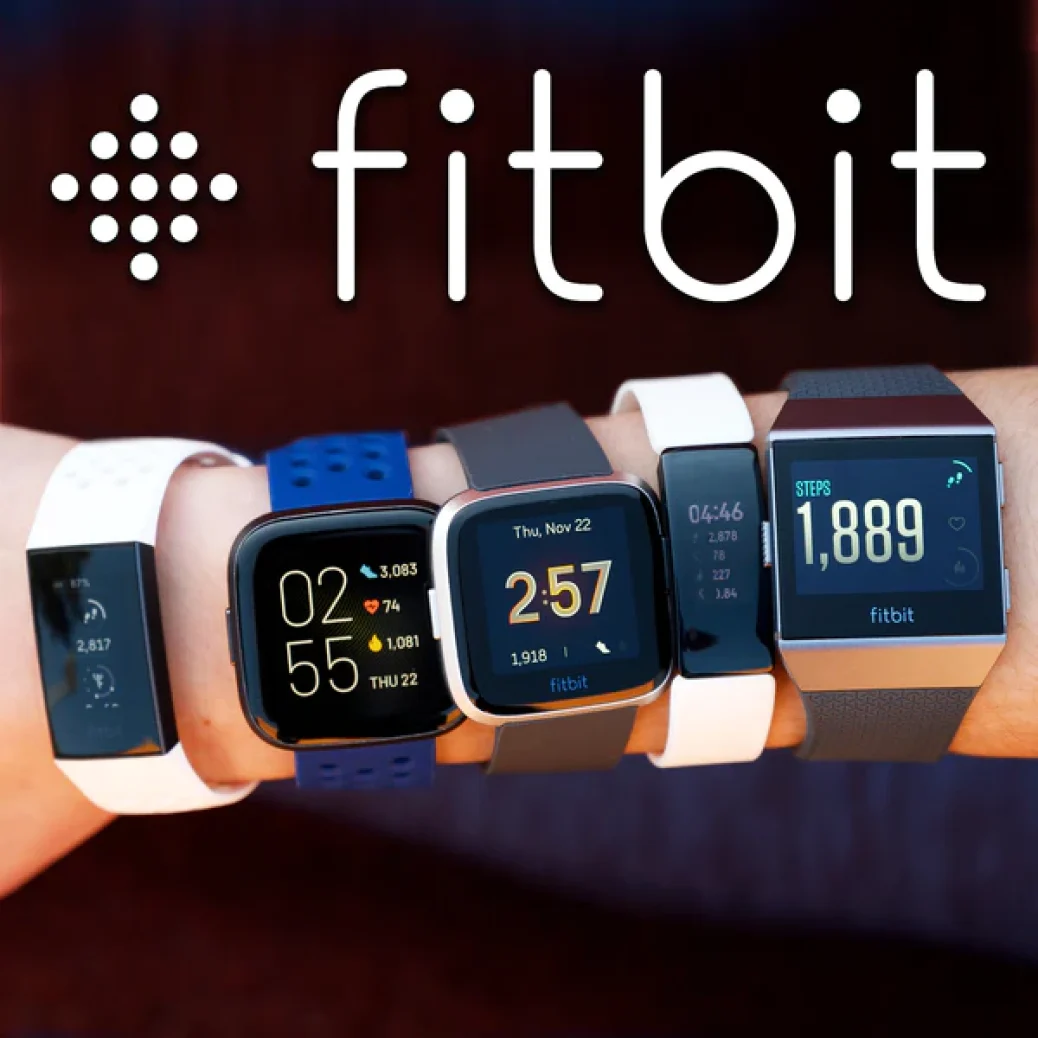
In a move that went a bit under the radar, Fitbit under Google has stopped selling its products in nearly 30 countries around the globe.
Over the past couple of months, Fitbit has ended sales of its fitness trackers, smartwatches, and other products in portions of Asia and Europe, and most recently South Africa. On a support page highlighted by Android Authority, Google lists out the affected regions.
In Europe, those include:
Croatia
Czech Republic
Estonia
Hungary
Latvia
Lithuania
Luxembourg
Poland
Portugal
Romania
Slovakia
Google shut down the renewal of Fitbit Premium in these countries on October 24, 2023 though, as a 9to5Google reader has pointed out, the Fitbit Charge 6 is currently being sold in Portugal via the Google Store.
Prior to that, in August, Google had pulled Fitbit Premium and products from a few regions in Asia including:
Hong Kong
Korea
Malaysia
Thailand
Philippines
Further noticed that Google has also removed Fitbit products from Mexico and all Latin American countries as mentioned on another support page. There’s no date attached to these removals, though. Fitbit products were previously sold in the following Latin American countries:
Argentina
Chile
Colombia
Costa Rica
Ecuador
Guatemala
Mexico
Panama
Paraguay
Peru
Puerto Rico
Venezuela
This all adds up to 29 countries that Fitbit has halted sales in, and leaves only 23 countries that Fitbit is selling products in.
Well, I guess someone internally needed data to prove that Pixel Watch is the best selling product of the Google wearable portfolio.
How to better achieve that than reducing availability of all other wearables?
This really gives vibes of “Google is killing the Fitbit brand” in 2-3 years.
Yes, despite their current “Health by Fitbit” marketing campaign for it.
Why the removal? Speaking to South African publication Tech Central, Google confirmed that the change was made to better “align our hardware portfolio to map closer to Pixel’s regional availability.” The change also applies to Nest products in South Africa.
Update: Google expanded on this in a statement to Android Authority.
We communicated that we will stop selling Fitbit products in select countries in order to align our hardware portfolio to map closer to Pixel’s regional availability. We remain committed to our customers and have not made any changes that impact the existing Fitbit devices they already own. Existing Fitbit customers will continue to have access to the same customer support, warranties will still be honored, and products will continue to receive software and security updates.
Google has long been criticized for the limited availability of its Pixel lineup on the global market, as Pixel phones, watches, and many other Google products are generally only sold in a limited number of countries. With Fitbit cutting its active markets by more than half, it seems like a drastic move.
Google notes that, while products are no longer for sale in these regions, Fitbit customers will still receive support and updates, and extended a free month of Fitbit Premium to any subscribers set to lose their plans.
We are no longer selling Fitbit products in select countries—but don’t worry! We will continue to support you and the devices you currently own with software releases, security updates, warranty fulfillment, and access to customer service.
Redesigned Fitbit app brings back battery percentage
Last month, Fitbit detailed a handful of upcoming changes for its redesigned app in response to user feedback, including the return of battery percentage for trackers and smartwatches.
With Fitbit 4.04, which is currently live on the iOS App Store, there’s a new device pill that includes the battery. When the battery is low, it will turn red as a prominent reminder for you to recharge.
Previously, with the redesign, you had to open the Devices page, which only provided an approximation — like “Battery Full” — of the remaining charge rather than an exact percentage.
On the old app, you could quickly check the battery level by swiping down in the Today tab to initiate a sync. It was somewhat more hidden, but a clever way to declutter the UI until you needed that information.
Something amusing that we’ve noticed today is how battery life for the Pixel Watch 2 appears in the iOS app. On Android, there is no such reading or even the approximation on Fitbit 4.03, and we’ll soon see whether that’s intentional.
Version 4.04 for Android is not yet live on the Google Play Store but will presumably start rolling out in the coming days.

















Yes, despite their current “Health by Fitbit” marketing campaign for it.
Why the removal? Speaking to South African publication Tech Central, Google confirmed that the change was made to better “align our hardware portfolio to map closer to Pixel’s regional availability.” The change also applies to Nest products in South Africa.
Update: Google expanded on this in a statement to Android Authority.
Google has long been criticized for the limited availability of its Pixel lineup on the global market, as Pixel phones, watches, and many other Google products are generally only sold in a limited number of countries. With Fitbit cutting its active markets by more than half, it seems like a drastic move.
Google notes that, while products are no longer for sale in these regions, Fitbit customers will still receive support and updates, and extended a free month of Fitbit Premium to any subscribers set to lose their plans.
Redesigned Fitbit app brings back battery percentage